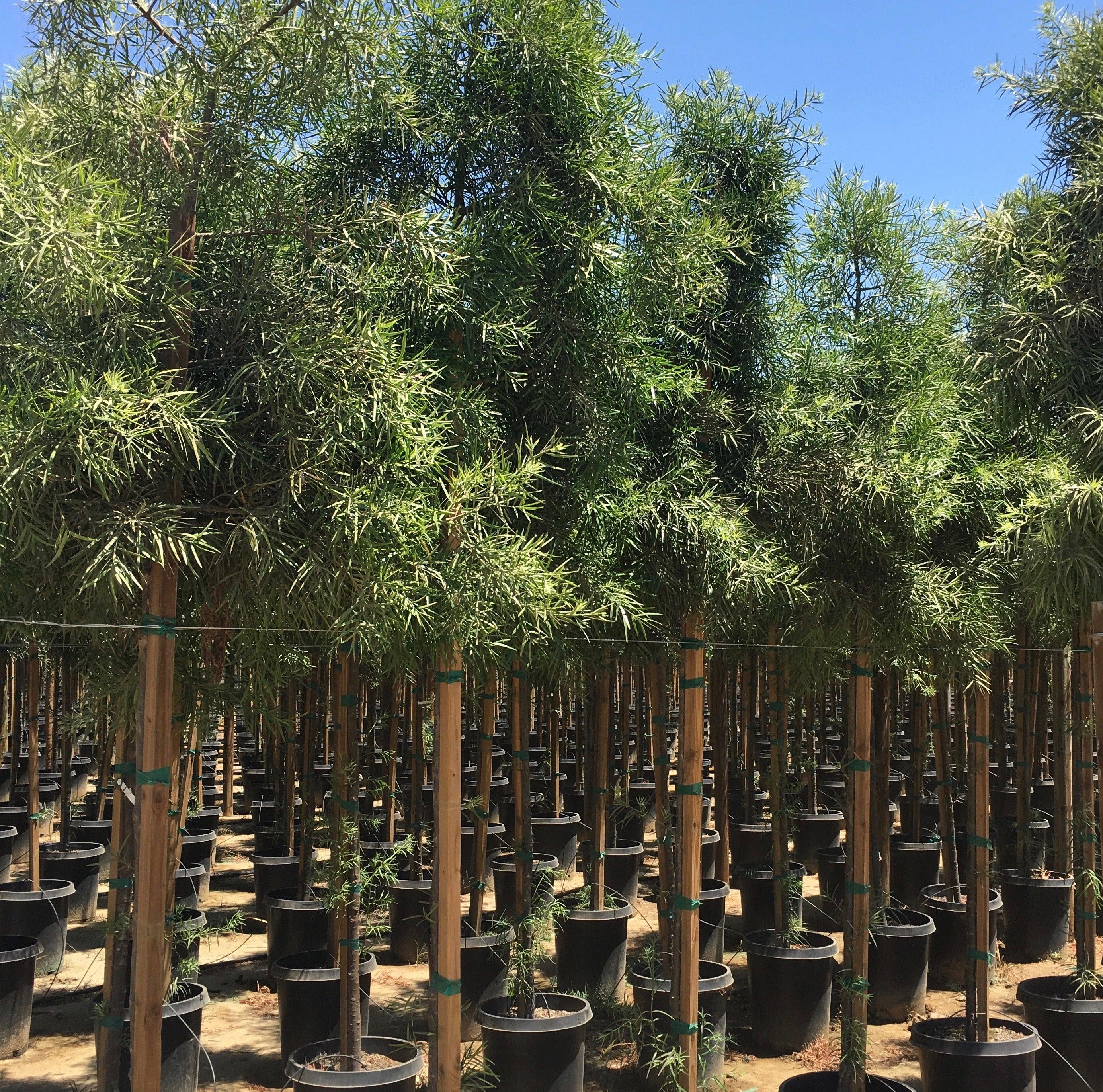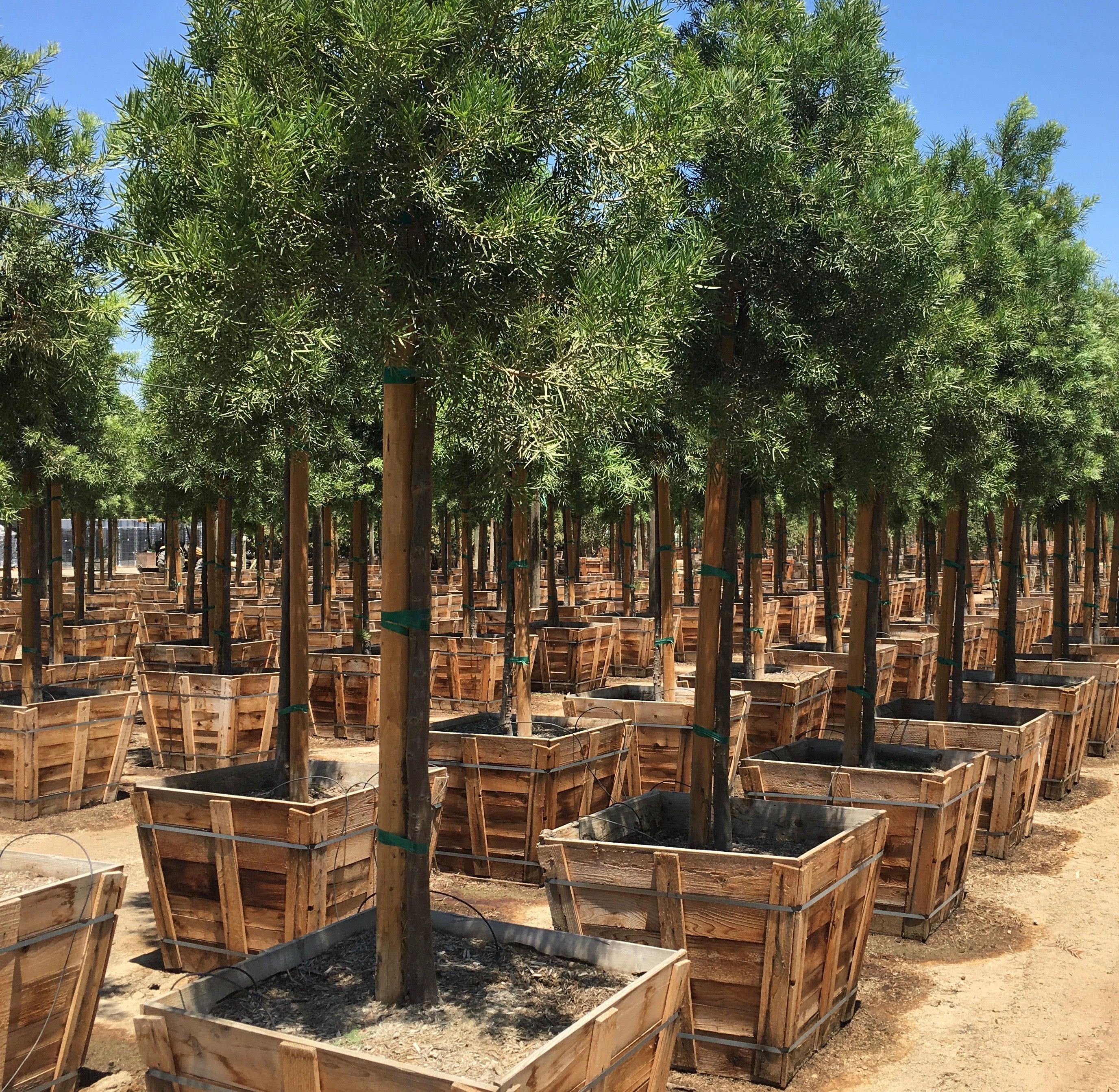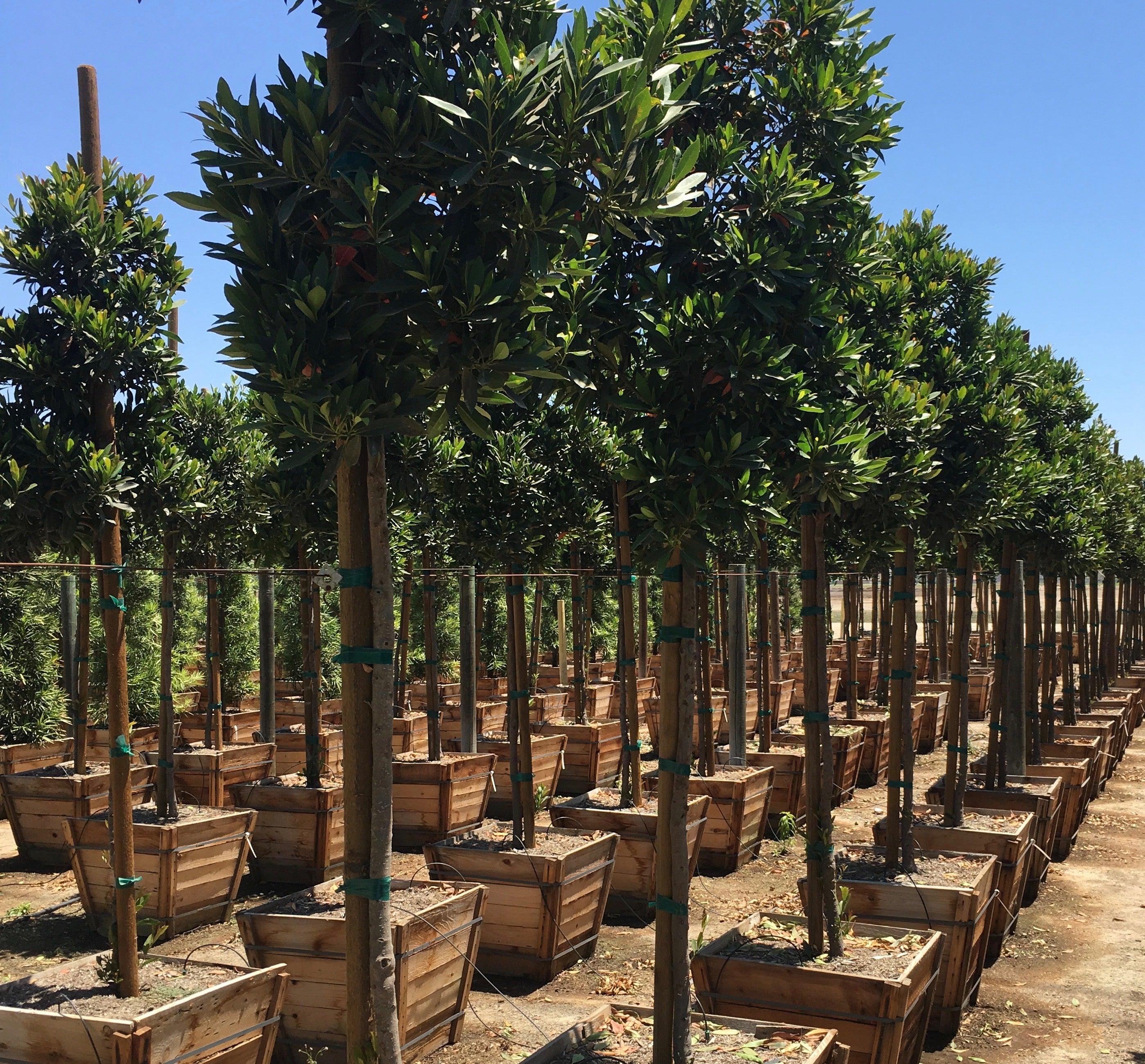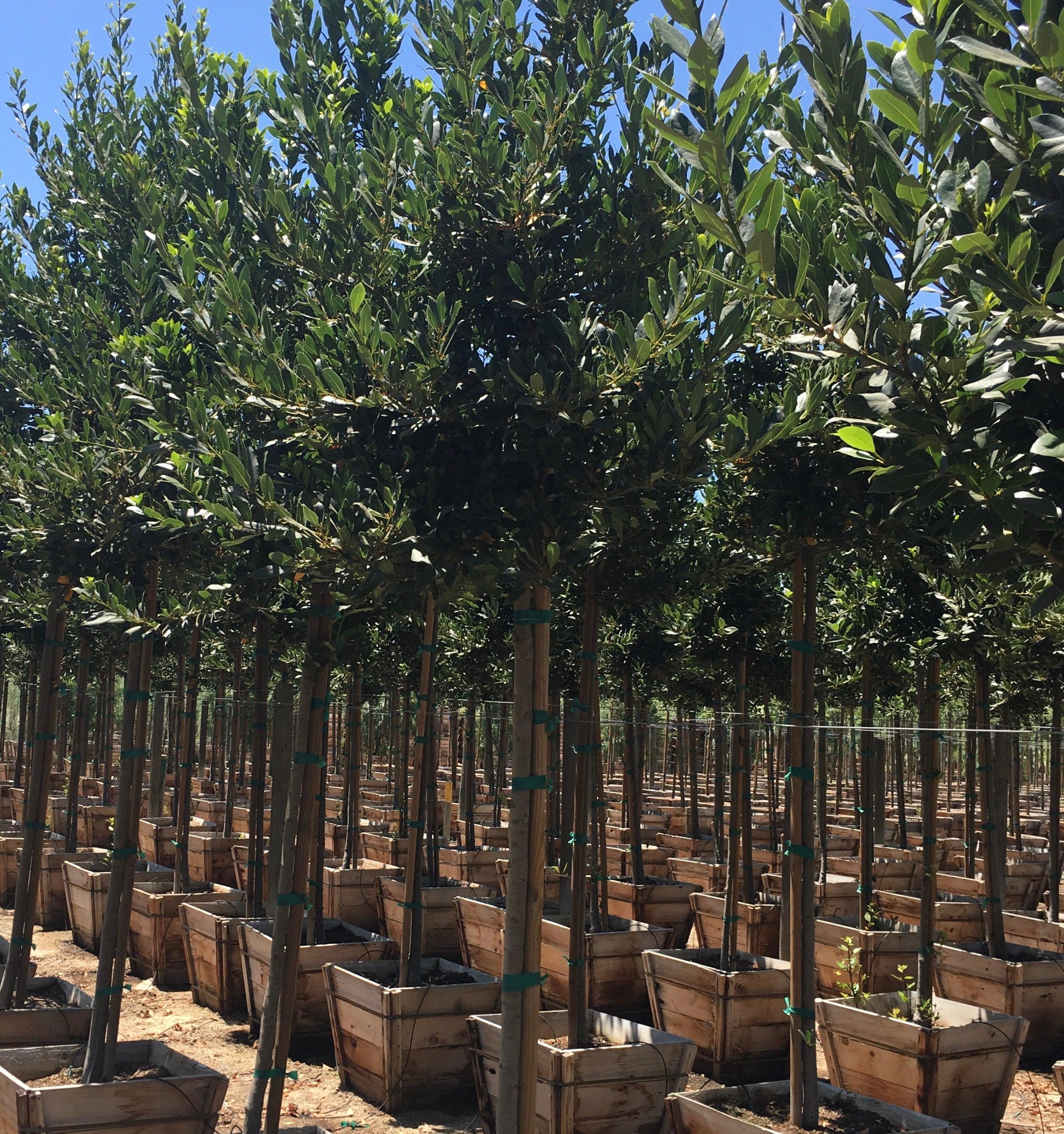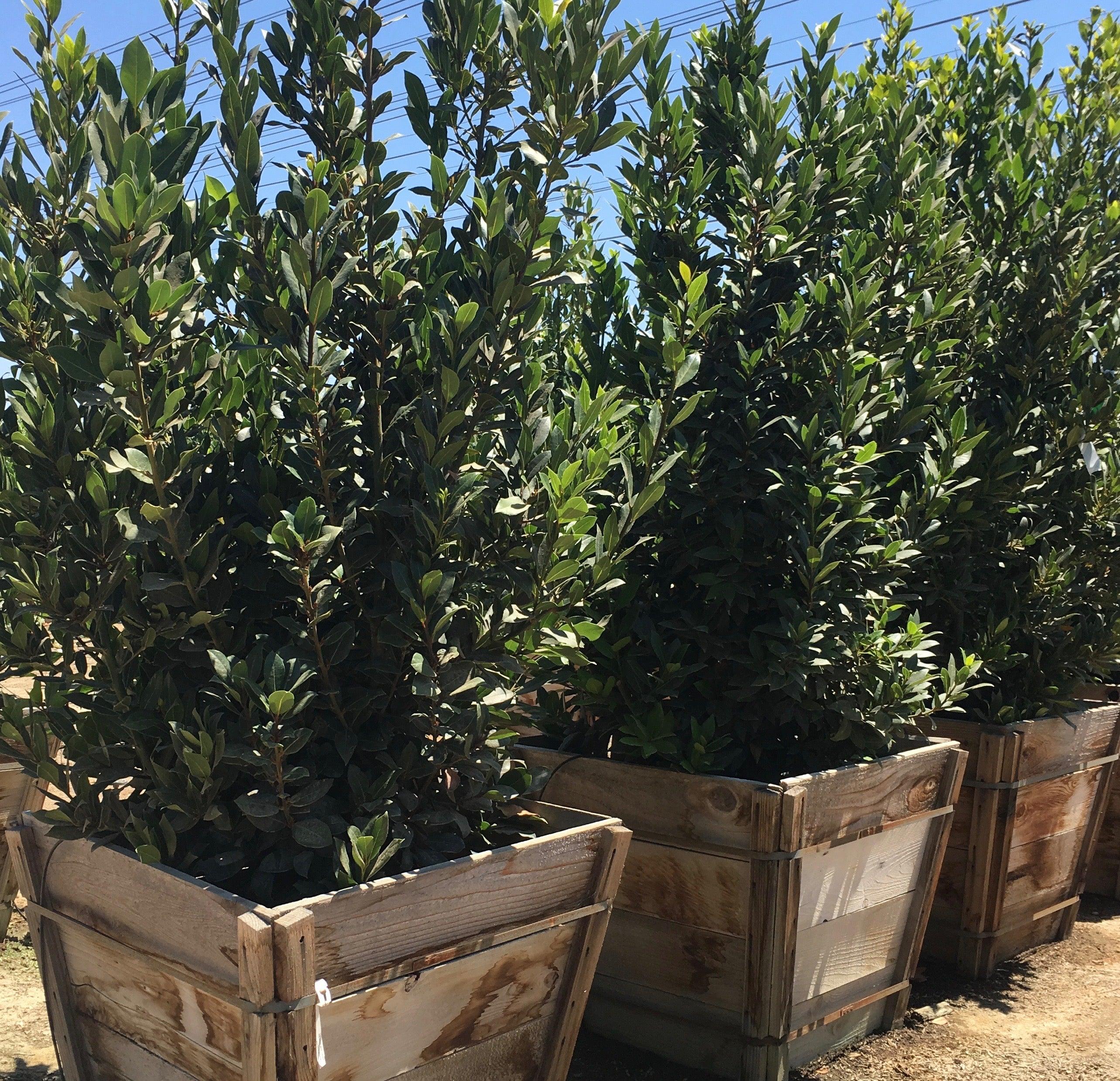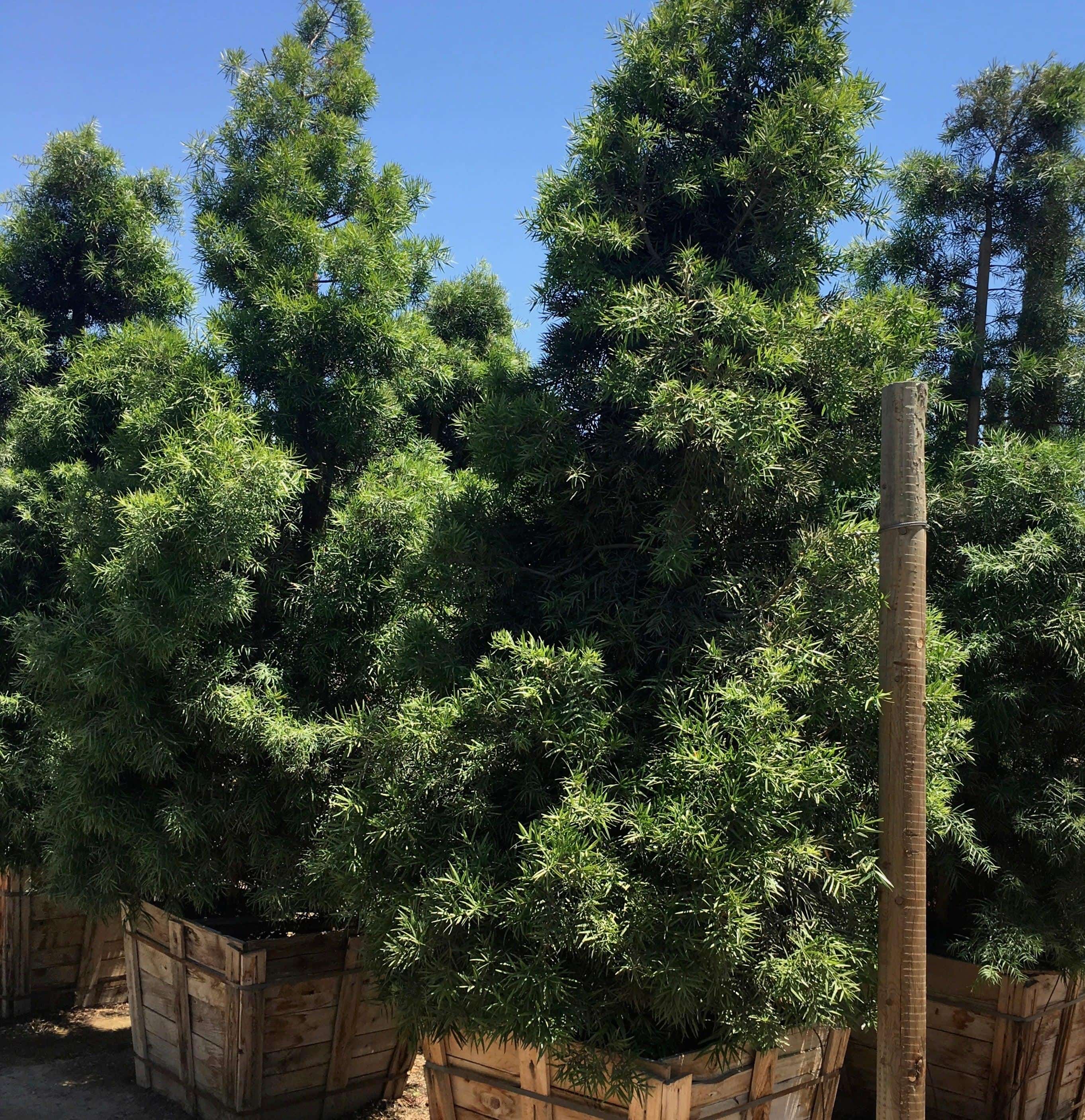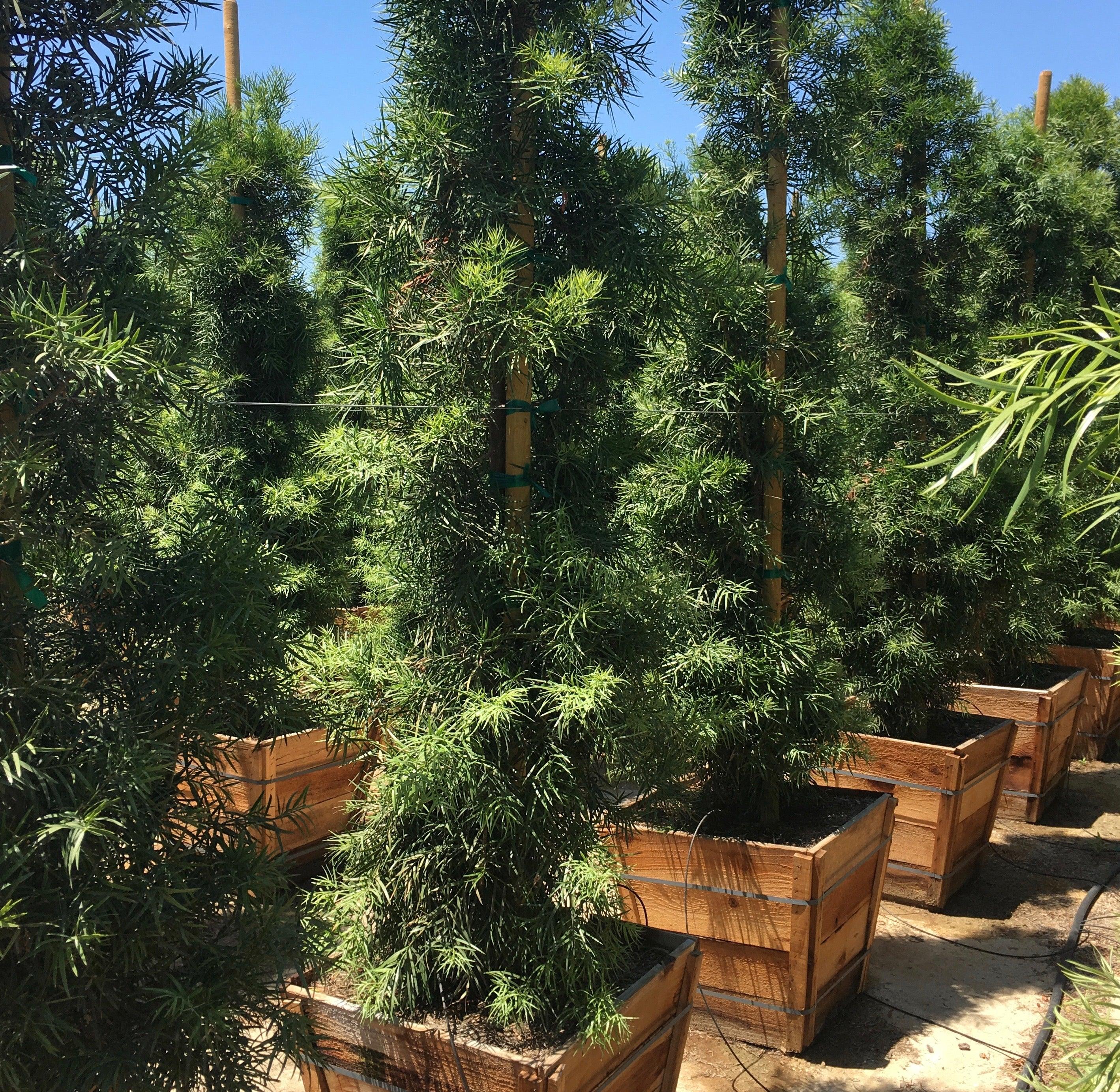


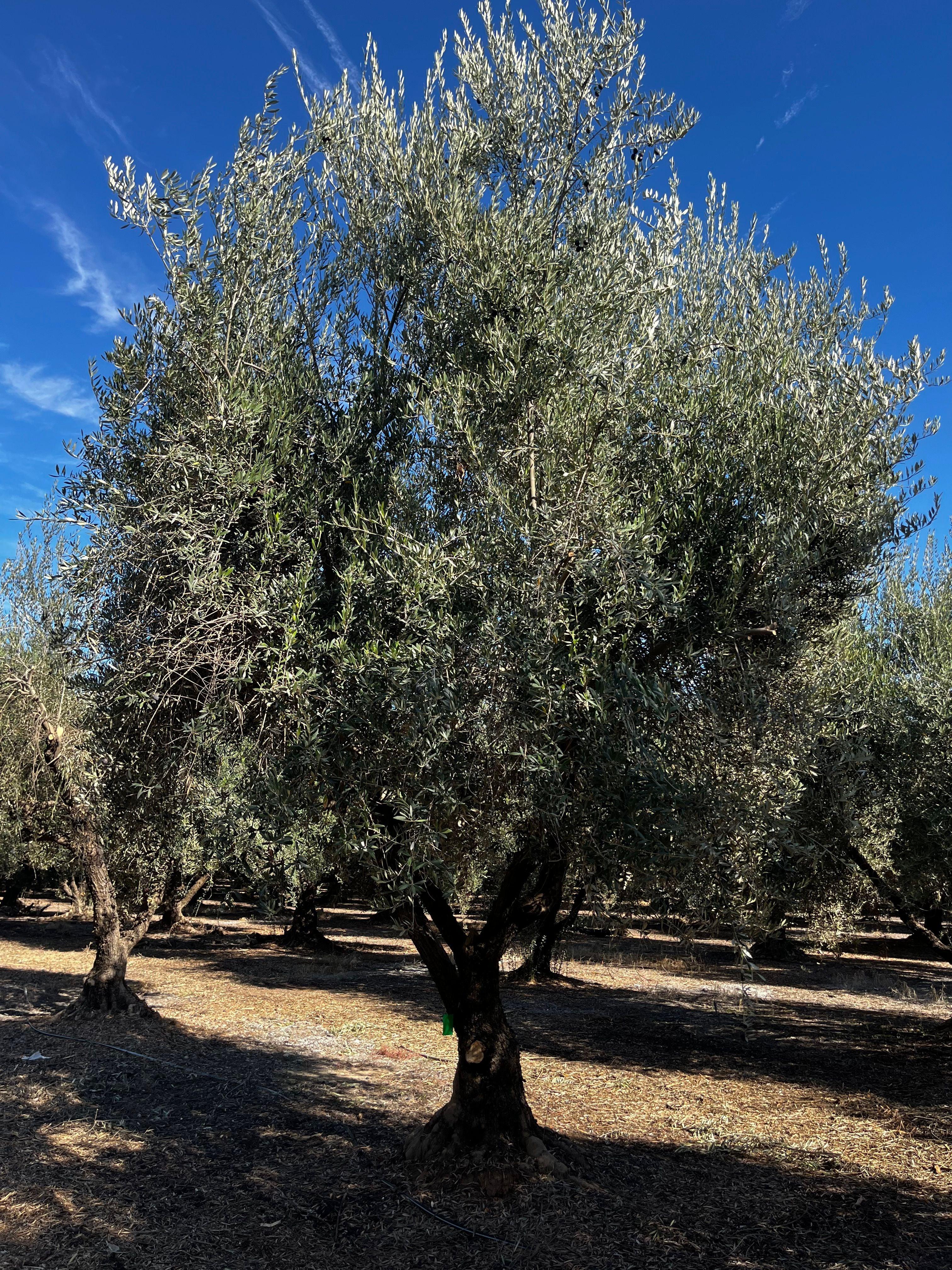
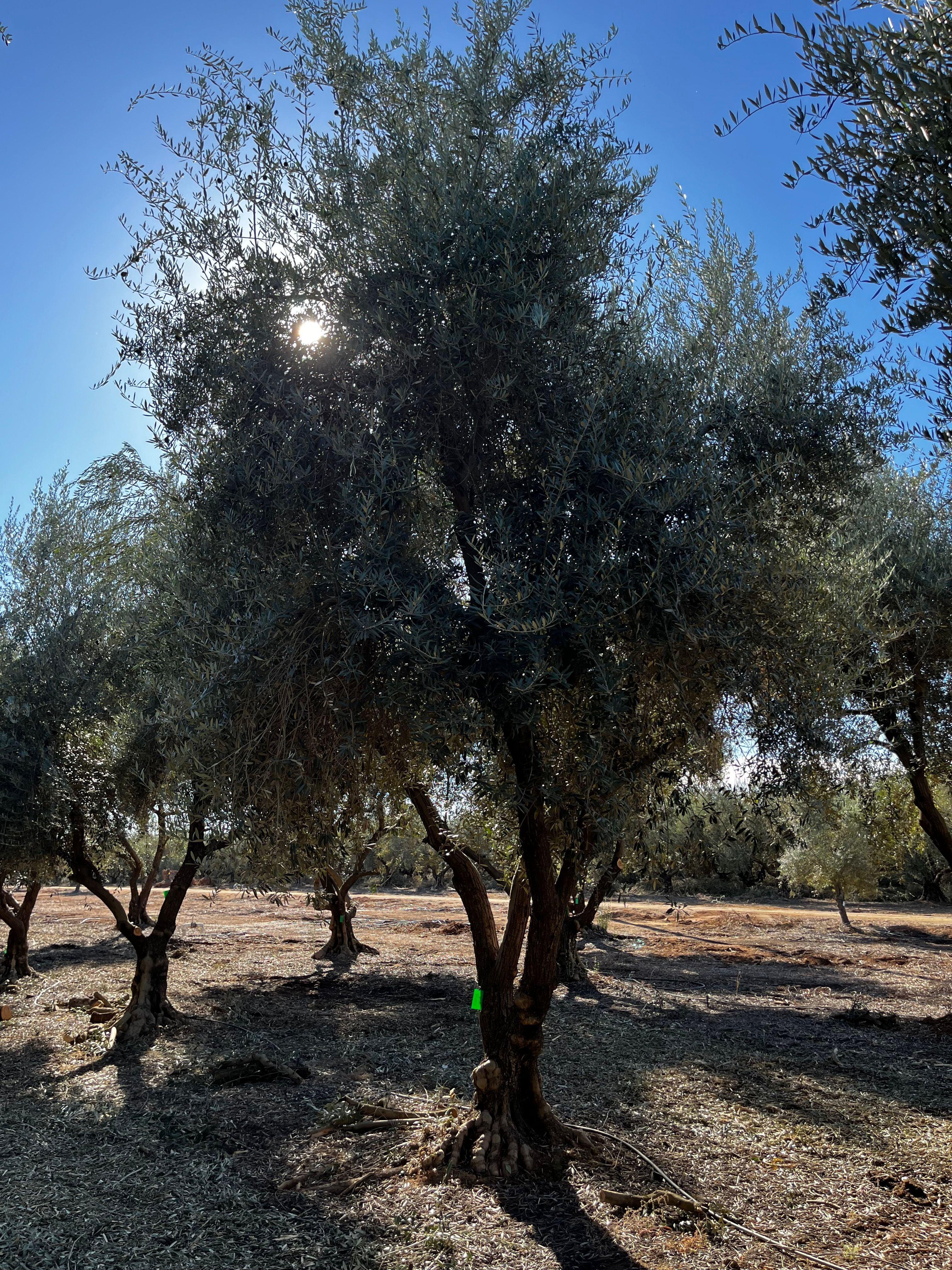
Manzanillo Olive Tree (Olea europaea 'Manzanillo')
Premium Olive Tree for California Landscapes and Home Harvests
The Manzanillo Olive Tree gives California homeowners a drought tolerant Mediterranean landscape tree that also produces premium olives for curing, pickling, and small-batch olive oil.
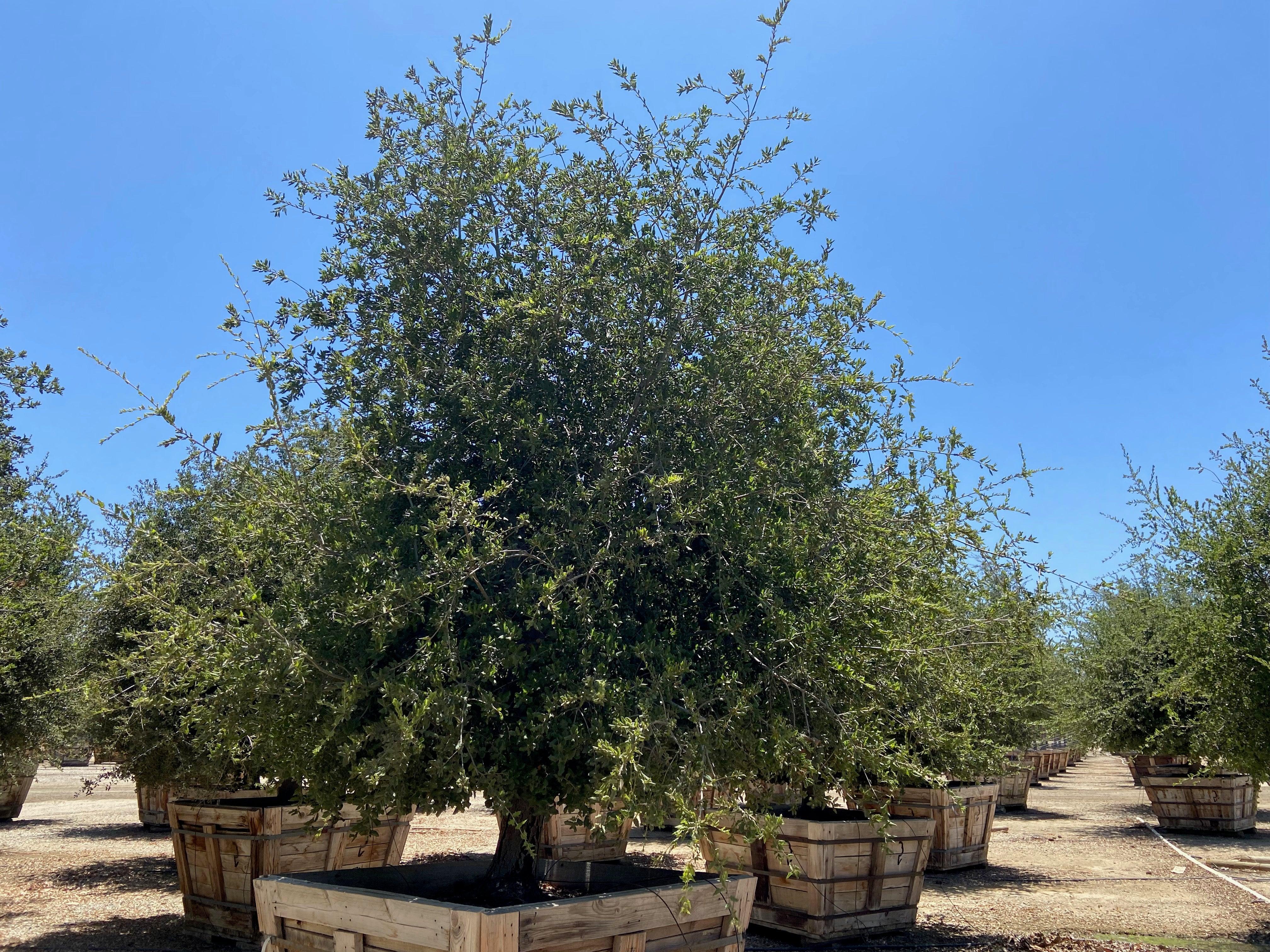
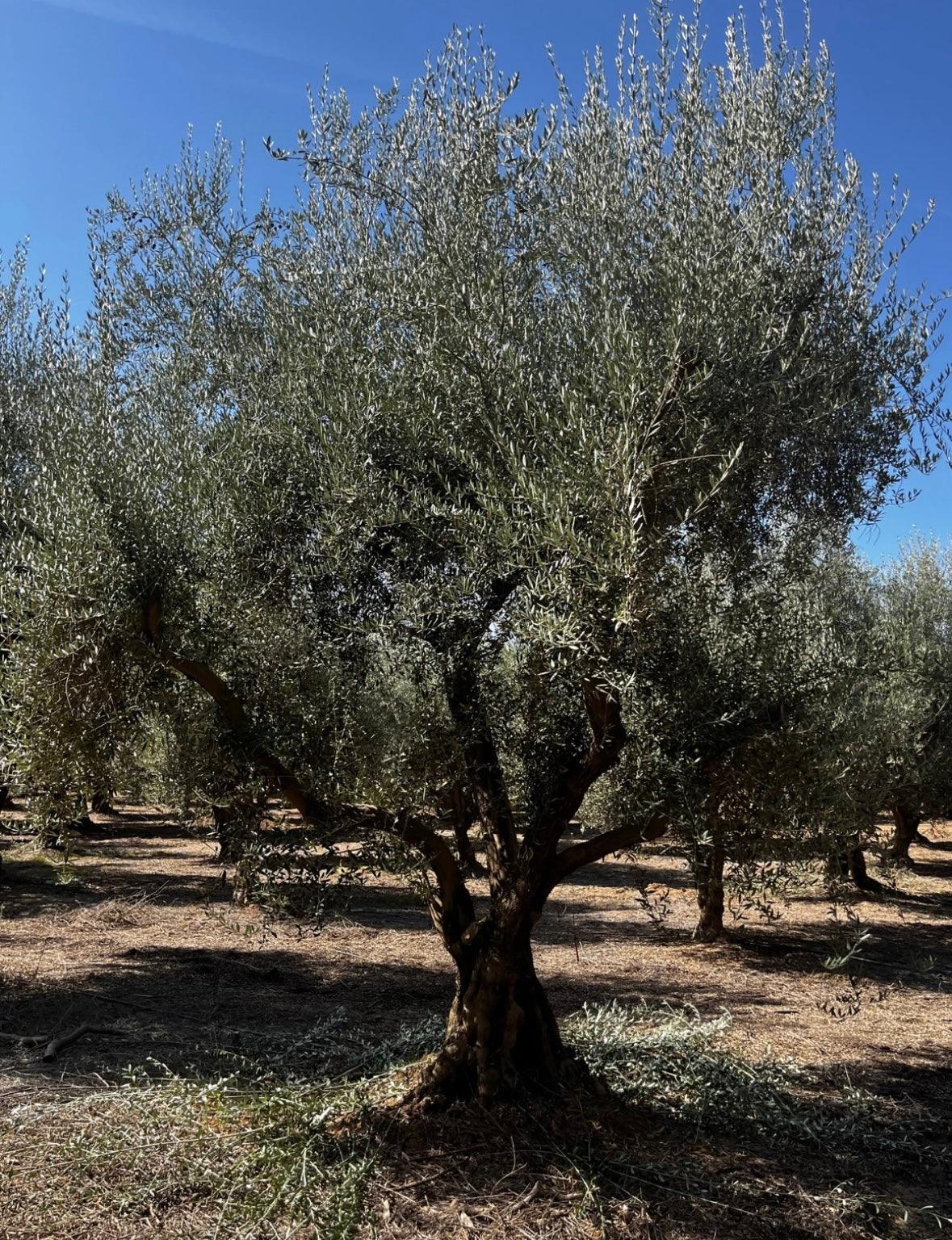
This is the olive variety to choose when you want more than shade or foliage. Known in Spain as a classic manzanilla olive tree, Olea europaea Manzanillo combines a gnarled trunk, broad spreading canopy, bright silver-green leaves, fragrant white flowers, and productive fruit harvests in one long-lived garden tree.
Why You’ll Love It
-
Drought Tolerant – Once established, Manzanillo olive trees handle California’s dry summer climate with low water needs, often requiring deep watering only about once a month in many California landscapes.
-
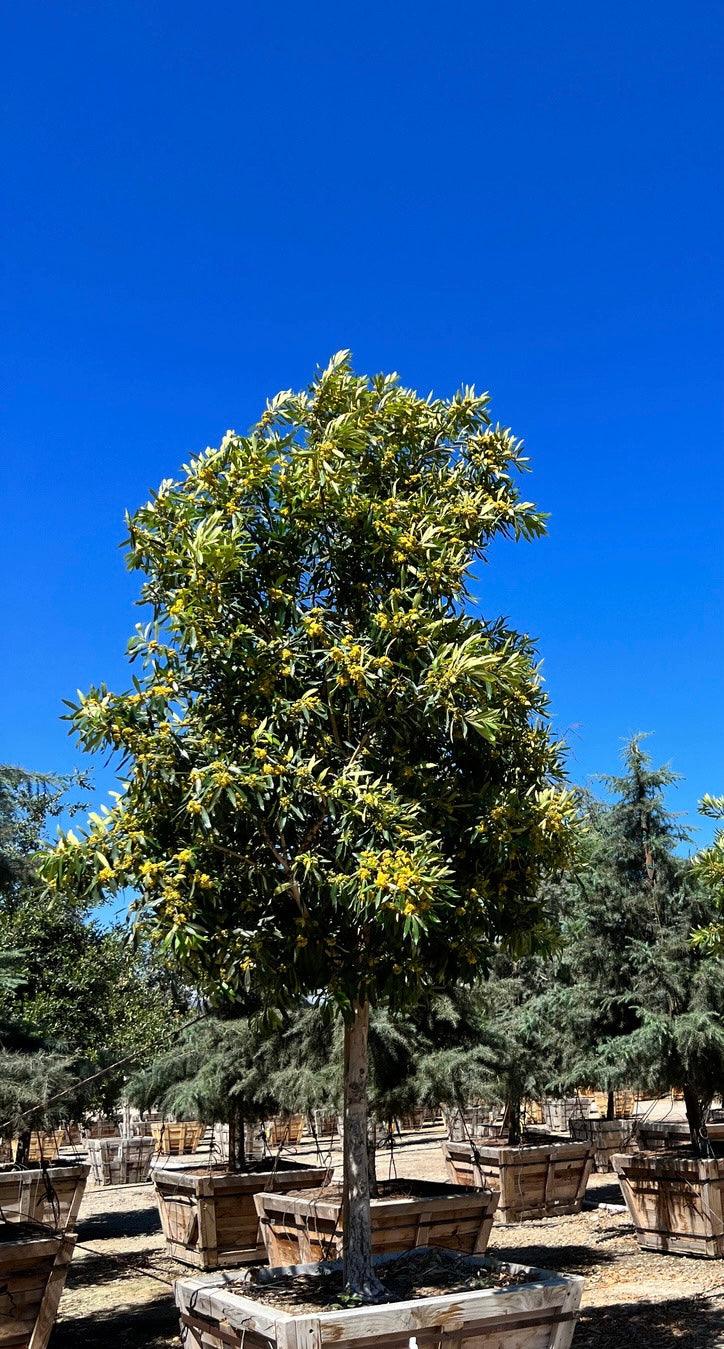
Dual Purpose – Produces beautiful yellow-white to white flower clusters in late spring into summer, followed by 20+ pounds of premium olives annually on mature, well-sited trees.
-
Low Maintenance – Thrives in full sun and well drained soil, with minimal care once established and good resistance when planted with airflow, proper irrigation, and healthy soil.
-
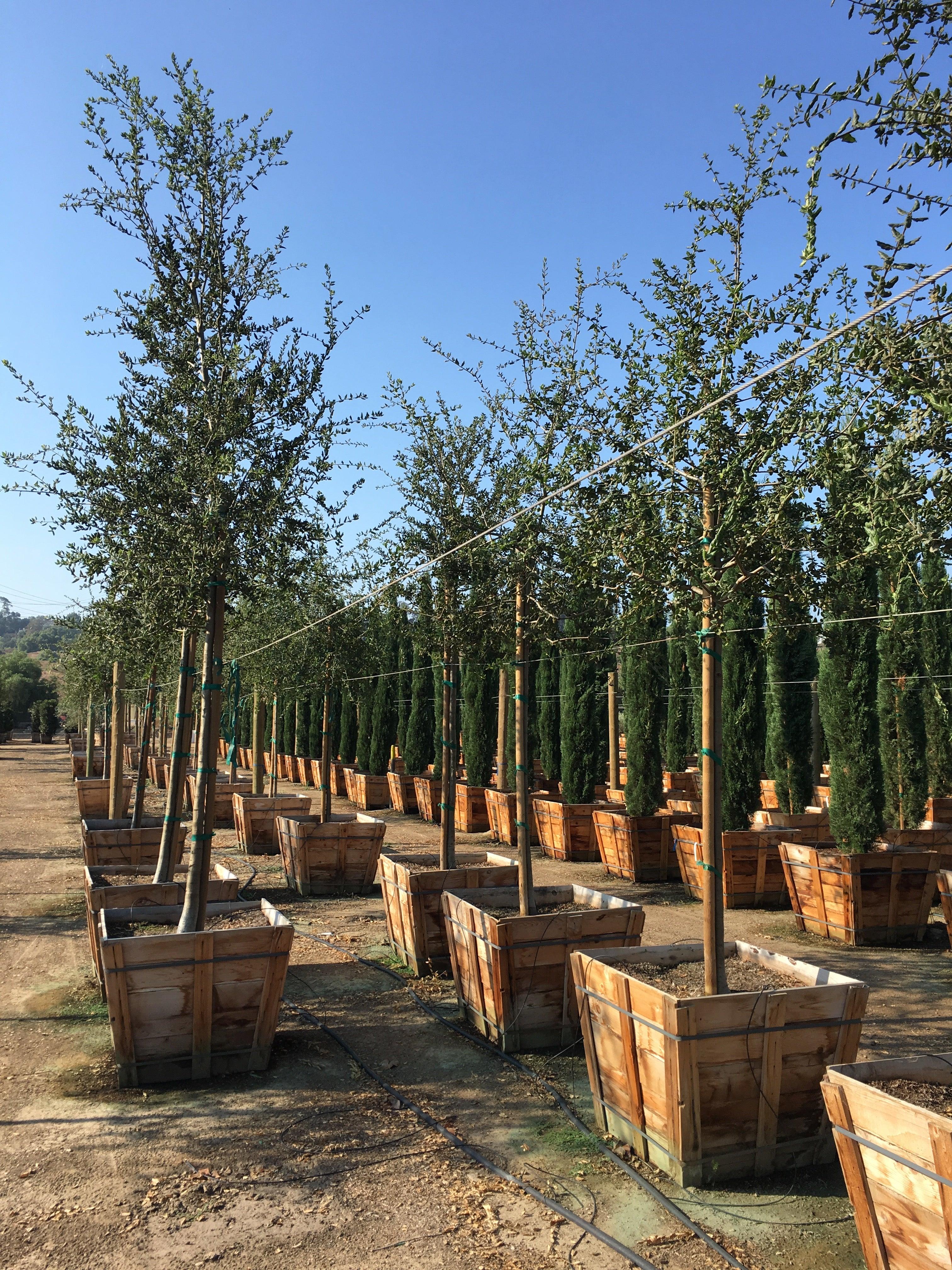
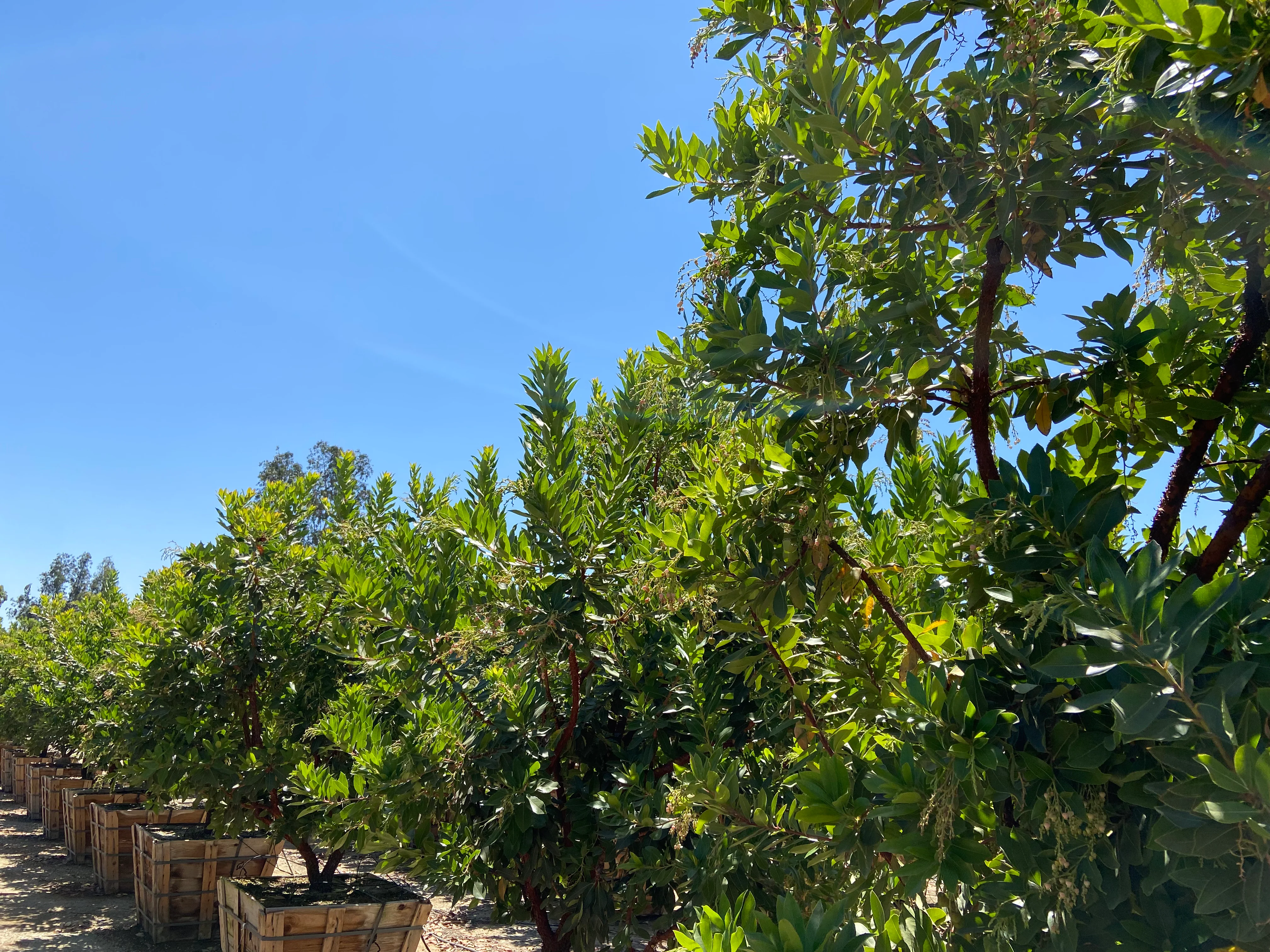
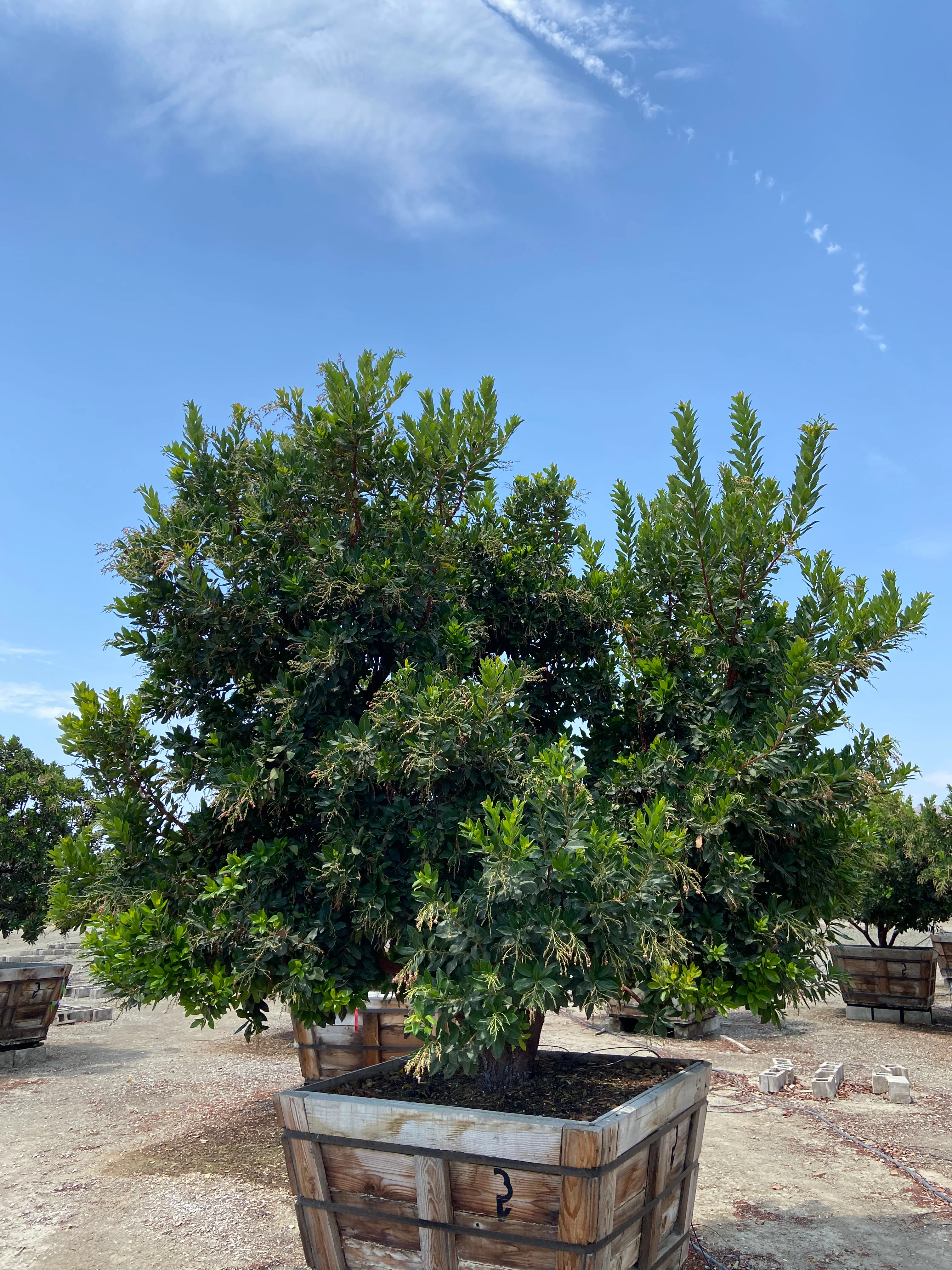
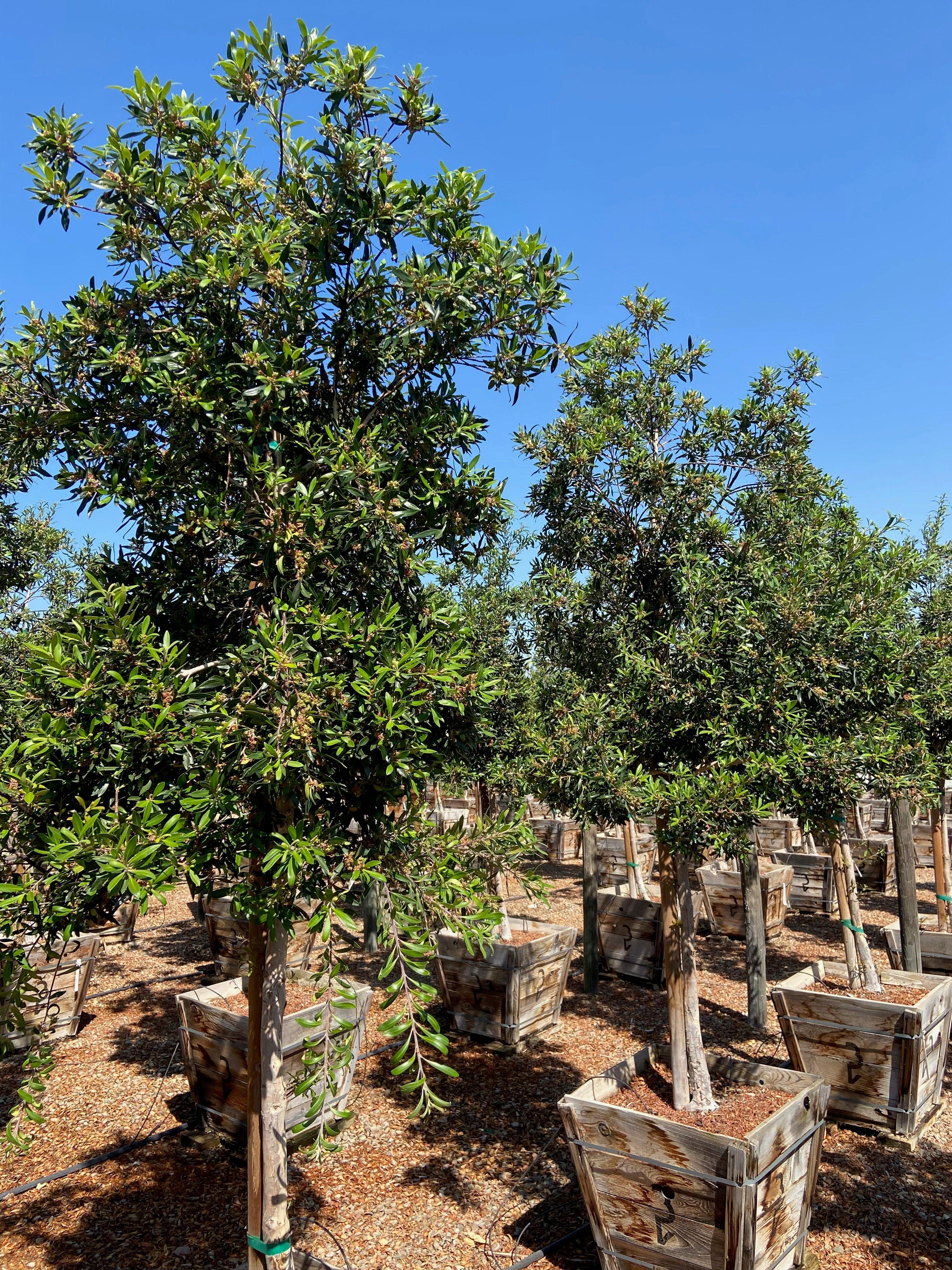
Mediterranean Beauty – A gnarled trunk, narrow elongated bright silver-green foliage, and a broad spreading canopy bring authentic Spanish and Mediterranean character to any landscape, matching the classic appearance of mature olive trees.
-
Hardy Performance – Best suited to USDA Zones 8-10 in California, with broader suitability in Zones 8-11 and tolerance of temporary winter drops around 15°F to 20°F; mature, well-hardened trees may tolerate colder events better than young trees, making them excellent candidates for olive trees in Mediterranean-style gardens.
The Manzanillo olive is one of the most popular olive varieties in the world for both eating and olive oil production. Its medium-to-large fruit has excellent quality, a recognizable rounded-to-oval shape, a small pit, and a high amount of flesh, making it prized by growers, chefs, and home gardeners alike.
What Makes It Different
Most olive trees are chosen either for ornamental value or for fruit production. The Manzanillo Olive Tree delivers both: a refined evergreen tree for the landscape and a productive harvest tree for the garden, similar to other olive plants available for California gardens.
The Manzanillo Olive Tree provides:
-
Versatile Fruit Production – The medium-to-large oval fruits have a high flesh-to-pit ratio and ripen from green to deep purplish-black in late fall. They are excellent for Spanish-style green table olives, black olives, pickling, and small-scale oil use.
-
Compact When Pruned – Naturally, the Manzanillo olive tree typically reaches 15 to 30 feet tall and wide at maturity, but it can be maintained smaller through pruning. In residential landscapes, regular pruning can keep it closer to an 8-10 foot garden-friendly form.
-
Superior Flavor Profile – Manzanillo olives are considered one of the world’s premier varieties for Spanish-style green table olives because of their size, flavor, firm flesh, and good shape.
This important Spanish cultivar originated in Spain and later arrived in California, where it became a leading manzanillo olive for table use and olive oil production. It is often described as the most important Spanish cultivar for green table olives in international markets, thanks to its larger fruit, very good shape, and dependable productivity, and it pairs well in orchards with other classic Spanish types like the Sevillano olive tree.
Tips For Success
-
Plant and Establish
Choose a full sun location with 8 to 10 hours of direct sunlight daily. Plant in well-draining soil, preferably slightly alkaline soil. If your native ground is heavy clay, dig a cone-shaped hole and create a mound with better-draining soil so water moves away from the roots. -
Pollination Setup
Manzanillo is often mistaken for a self pollinating olive tree, but this cultivar is self-sterile and requires a pollinator, such as another olive variety, to enhance fruit production. Plant Frantoio, a Wilsonii semi-fruitless olive tree, or another compatible olive tree within about 20 feet so wind can move pollen between flowers. -
Harvest and Enjoy
Watch the fruit develop through summer and early fall, then harvest in October-November as olives reach the stage you prefer. Pick green olives for Spanish-style curing, or wait until late fall as the fruit turns deep purplish-black for black olives or oil.
Short version: give the tree sun, drainage, a pollination partner, and time. Newly planted olive trees need regular watering while they establish their root systems; established Manzanillo trees are drought tolerant, cold hardy for appropriate zones, and productive with basic seasonal care.
Product Details
-
Scientific Name: Olea europaea ‘Manzanillo’
-
Common Names: Manzanillo Olive, Manzanilla Olive Tree, Manzanilla de Sevilla
-
Mature Size: Naturally 15-30 feet tall and wide; can be pruned and maintained around 8-10 feet in residential landscapes
-
Climate Zones: USDA Zones 8-10 are ideal for California; suitable in Zones 8-11 where winter lows remain appropriate
-
Sun Requirements: Full sun; at least 8 to 10 hours of sunlight daily for optimal growth and fruit production
-
Soil Requirements: Well drained soil; thrives in well-drained, slightly alkaline soils and should not sit in waterlogged ground
-
Bloom Period: May into early summer, with small fragrant white to yellow-white flower clusters
-
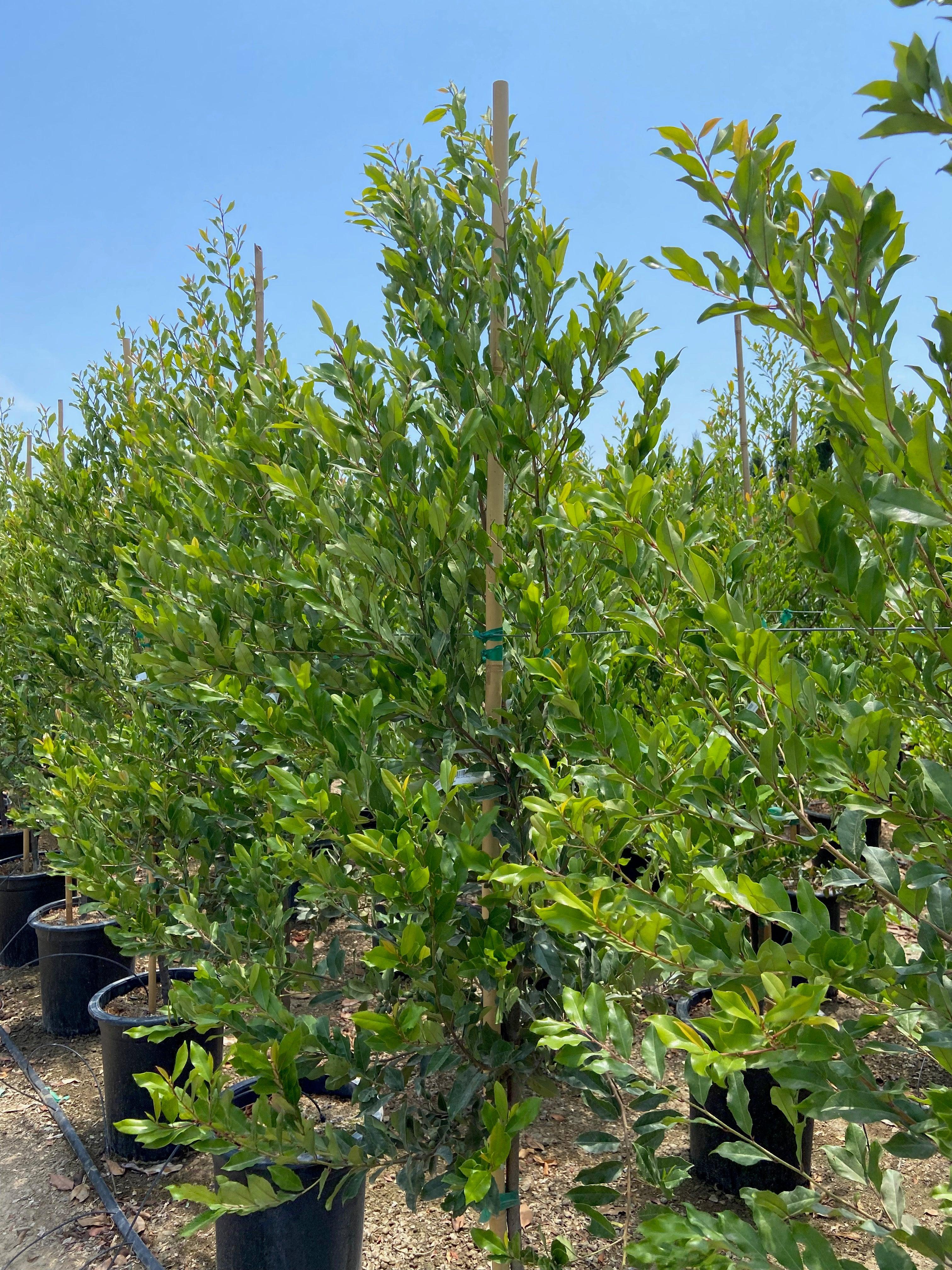
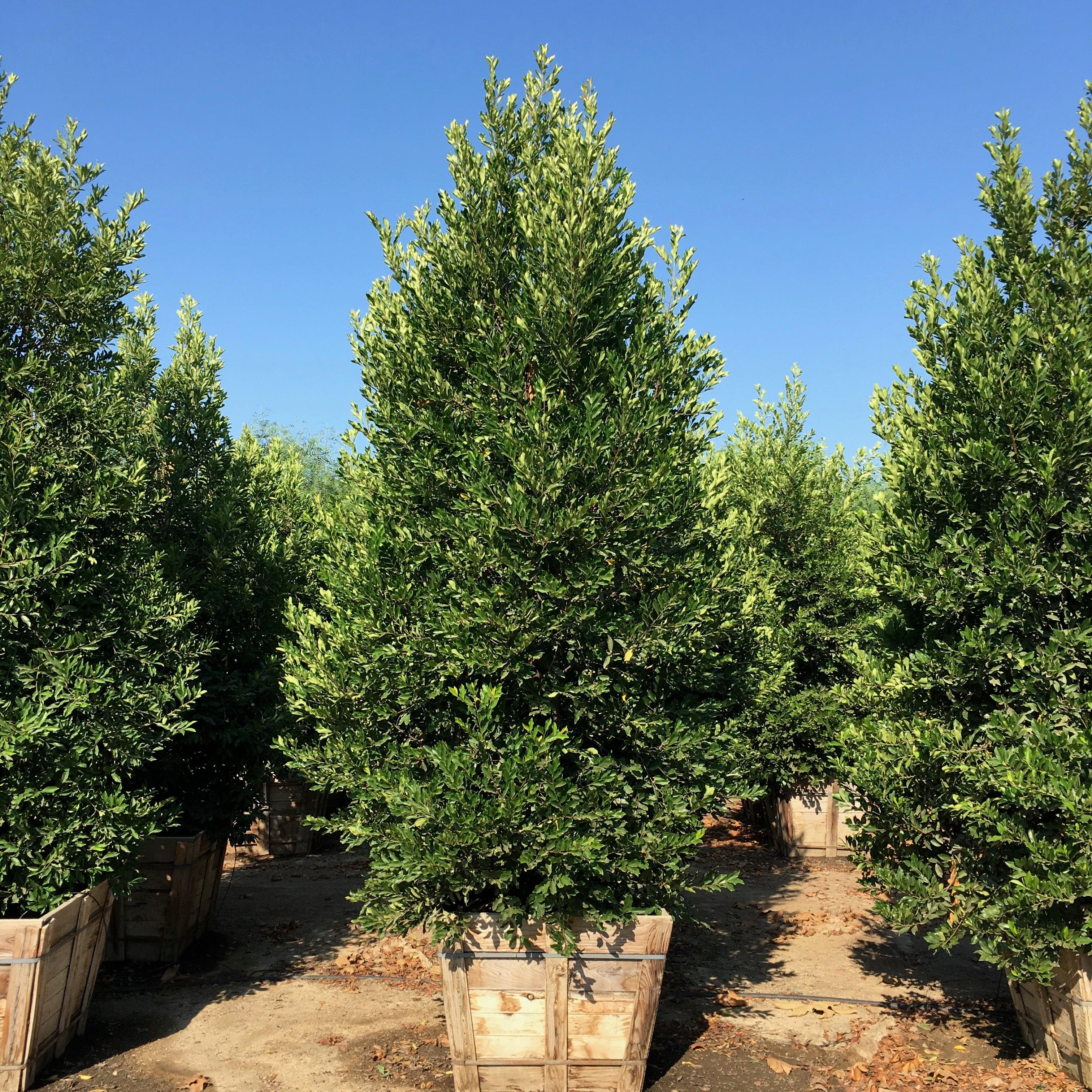
Foliage: Narrow, elongated, bright silver-green leaves on graceful branches
-
Fruit Ripening: October-November harvest season, with fruit maturing from green to deep purplish-black in late fall
-
Fruit Type: Medium-to-large rounded or oval olives with a small pit, firm flesh, and high flesh-to-pit ratio
-
Average Yield: 20+ pounds of olives per mature tree under good home garden conditions
-
Pollination: Wind-pollinated; self-sterile and requires cross-pollination from another compatible olive variety
-
Water Needs: Regular watering for young trees; established trees are drought tolerant and typically need less frequent deep watering
-
Best Uses: Mediterranean landscape tree, edible garden, shade tree, patio specimen, containers, Spanish-style table olives, black olives, and small-batch olive oil; for a no-mess option, consider a Swan Hill fruitless olive treein similar landscape roles
For best results, plant the tree in open sun rather than shade, protect young trees from severe cold, and prune lightly to maintain shape, airflow, and harvest access.
Who It’s For
Ideal for:
-
California homeowners seeking Mediterranean landscape aesthetics
-
Garden enthusiasts wanting homegrown olive production
-
Property owners in Zones 8-10 looking for drought tolerant trees
-
Landscape designers creating authentic Spanish or Mediterranean gardens who may also incorporate fruitless olive trees for elegant landscaping
-
Home growers who want a productive tree with ornamental foliage, shade value, and edible fruit
-
Patio gardeners looking for container specimens that can be pruned and managed over time, including compact options like the Little Ollie olive tree
If you want a tree that improves your property visually while producing olives you can cure, pickle, or press for oil, the Manzanillo Olive Tree fits your needs. It is especially valuable for gardeners who want a living piece of Mediterranean history-an olive variety grown across many countries and respected by growers around the world.
Frequently Asked Questions
How long before the tree produces fruit?
Young trees may begin producing a light harvest in a few years, but stronger crops usually come as the tree becomes established. Sunlight, soil drainage, watering, pruning, heat, flower development, buds, and the presence of a pollinator all affect yield. A mature, well-grown Manzanillo olive tree can produce 20+ pounds of olives annually, with some seasons heavier than others.
Do I need another olive tree for pollination?
Yes. The Manzanillo olive tree is self-sterile, so it needs another compatible olive variety nearby for best fruit set. Planting a pollinator such as Frantoio or another suitable olive tree within about 20 feet helps wind carry pollen between flowers. Without cross-pollination, the tree may still look healthy but produce fewer olives.
What’s the best location for planting?
Plant in full sun with 8 to 10 hours of direct sunlight daily. Choose well drained soil and avoid low spots where water collects. If the ground is heavy clay, dig a cone-shaped hole and build a mound with better-draining soil before planting. This protects the roots from standing water and supports long-term tree health.
When should I harvest the olives?
Harvest timing depends on how you plan to use the fruit. Pick in early fall to late fall while the olives are green for Spanish-style curing, or wait until October-November as the fruit ripens toward deep purplish-black for black olives or oil. Olives are generally not eaten fresh straight from the tree because fresh olive flesh is naturally bitter and needs curing.
Can I grow this in a container?
Yes, Manzanillo olive trees can serve as excellent container specimens, especially when young or regularly pruned. Use a large container with drainage, place it in strong sun, and avoid overwatering. Containers are helpful for patios and smaller gardens, but long-term fruit production is usually better when the tree is planted in the ground. Indoor growing is possible only in very bright conditions, and most homes do not provide enough sunlight for strong fruiting.
Is it the same as the olives sold in stores?
Manzanillo and manzanilla olives are closely associated with the classic Spanish-style green olives found in markets. This variety is prized for its larger fruit, small pit, firm flesh, and excellent quality. It is also used for black olives and olive oil production, although dedicated oil cultivars may produce more oil by weight.
How does Yardwork compare with buying from big nurseries?
Large suppliers such as Moon Valley Nurseries may carry olive trees, but Yardwork focuses on helping you select plants that fit your specific California landscape, soil, sun exposure, and property goals. The right stock, planting location, and care plan matter as much as the tree itself.
Ready to Transform Your Landscape?
Stop settling for ordinary trees that only provide shade. Choose the Manzanillo Olive Tree for Mediterranean beauty, bright green to silver foliage, fragrant flowers, edible olives, and a productive harvest season year after year.
Yardwork can help you select the right tree, pair it with a compatible pollinator, plan the best planting location, and understand how to care for it from the first watering through maturity, acting as a convenient local plant nursery and landscape resource.
Delivery and consultation services available. Plant with confidence, grow with expert guidance, and enjoy a thriving California-appropriate olive tree for years to come.
Original: $4,500.00
-65%$4,500.00
$1,575.00Product Information
Product Information
Shipping & Returns
Shipping & Returns
Description
Premium Olive Tree for California Landscapes and Home Harvests
The Manzanillo Olive Tree gives California homeowners a drought tolerant Mediterranean landscape tree that also produces premium olives for curing, pickling, and small-batch olive oil.
This is the olive variety to choose when you want more than shade or foliage. Known in Spain as a classic manzanilla olive tree, Olea europaea Manzanillo combines a gnarled trunk, broad spreading canopy, bright silver-green leaves, fragrant white flowers, and productive fruit harvests in one long-lived garden tree.
Why You’ll Love It
-
Drought Tolerant – Once established, Manzanillo olive trees handle California’s dry summer climate with low water needs, often requiring deep watering only about once a month in many California landscapes.
-
Dual Purpose – Produces beautiful yellow-white to white flower clusters in late spring into summer, followed by 20+ pounds of premium olives annually on mature, well-sited trees.
-
Low Maintenance – Thrives in full sun and well drained soil, with minimal care once established and good resistance when planted with airflow, proper irrigation, and healthy soil.
-
Mediterranean Beauty – A gnarled trunk, narrow elongated bright silver-green foliage, and a broad spreading canopy bring authentic Spanish and Mediterranean character to any landscape, matching the classic appearance of mature olive trees.
-
Hardy Performance – Best suited to USDA Zones 8-10 in California, with broader suitability in Zones 8-11 and tolerance of temporary winter drops around 15°F to 20°F; mature, well-hardened trees may tolerate colder events better than young trees, making them excellent candidates for olive trees in Mediterranean-style gardens.
The Manzanillo olive is one of the most popular olive varieties in the world for both eating and olive oil production. Its medium-to-large fruit has excellent quality, a recognizable rounded-to-oval shape, a small pit, and a high amount of flesh, making it prized by growers, chefs, and home gardeners alike.
What Makes It Different
Most olive trees are chosen either for ornamental value or for fruit production. The Manzanillo Olive Tree delivers both: a refined evergreen tree for the landscape and a productive harvest tree for the garden, similar to other olive plants available for California gardens.
The Manzanillo Olive Tree provides:
-
Versatile Fruit Production – The medium-to-large oval fruits have a high flesh-to-pit ratio and ripen from green to deep purplish-black in late fall. They are excellent for Spanish-style green table olives, black olives, pickling, and small-scale oil use.
-
Compact When Pruned – Naturally, the Manzanillo olive tree typically reaches 15 to 30 feet tall and wide at maturity, but it can be maintained smaller through pruning. In residential landscapes, regular pruning can keep it closer to an 8-10 foot garden-friendly form.
-
Superior Flavor Profile – Manzanillo olives are considered one of the world’s premier varieties for Spanish-style green table olives because of their size, flavor, firm flesh, and good shape.
This important Spanish cultivar originated in Spain and later arrived in California, where it became a leading manzanillo olive for table use and olive oil production. It is often described as the most important Spanish cultivar for green table olives in international markets, thanks to its larger fruit, very good shape, and dependable productivity, and it pairs well in orchards with other classic Spanish types like the Sevillano olive tree.
Tips For Success
-
Plant and Establish
Choose a full sun location with 8 to 10 hours of direct sunlight daily. Plant in well-draining soil, preferably slightly alkaline soil. If your native ground is heavy clay, dig a cone-shaped hole and create a mound with better-draining soil so water moves away from the roots. -
Pollination Setup
Manzanillo is often mistaken for a self pollinating olive tree, but this cultivar is self-sterile and requires a pollinator, such as another olive variety, to enhance fruit production. Plant Frantoio, a Wilsonii semi-fruitless olive tree, or another compatible olive tree within about 20 feet so wind can move pollen between flowers. -
Harvest and Enjoy
Watch the fruit develop through summer and early fall, then harvest in October-November as olives reach the stage you prefer. Pick green olives for Spanish-style curing, or wait until late fall as the fruit turns deep purplish-black for black olives or oil.
Short version: give the tree sun, drainage, a pollination partner, and time. Newly planted olive trees need regular watering while they establish their root systems; established Manzanillo trees are drought tolerant, cold hardy for appropriate zones, and productive with basic seasonal care.
Product Details
-
Scientific Name: Olea europaea ‘Manzanillo’
-
Common Names: Manzanillo Olive, Manzanilla Olive Tree, Manzanilla de Sevilla
-
Mature Size: Naturally 15-30 feet tall and wide; can be pruned and maintained around 8-10 feet in residential landscapes
-
Climate Zones: USDA Zones 8-10 are ideal for California; suitable in Zones 8-11 where winter lows remain appropriate
-
Sun Requirements: Full sun; at least 8 to 10 hours of sunlight daily for optimal growth and fruit production
-
Soil Requirements: Well drained soil; thrives in well-drained, slightly alkaline soils and should not sit in waterlogged ground
-
Bloom Period: May into early summer, with small fragrant white to yellow-white flower clusters
-
Foliage: Narrow, elongated, bright silver-green leaves on graceful branches
-
Fruit Ripening: October-November harvest season, with fruit maturing from green to deep purplish-black in late fall
-
Fruit Type: Medium-to-large rounded or oval olives with a small pit, firm flesh, and high flesh-to-pit ratio
-
Average Yield: 20+ pounds of olives per mature tree under good home garden conditions
-
Pollination: Wind-pollinated; self-sterile and requires cross-pollination from another compatible olive variety
-
Water Needs: Regular watering for young trees; established trees are drought tolerant and typically need less frequent deep watering
-
Best Uses: Mediterranean landscape tree, edible garden, shade tree, patio specimen, containers, Spanish-style table olives, black olives, and small-batch olive oil; for a no-mess option, consider a Swan Hill fruitless olive treein similar landscape roles
For best results, plant the tree in open sun rather than shade, protect young trees from severe cold, and prune lightly to maintain shape, airflow, and harvest access.
Who It’s For
Ideal for:
-
California homeowners seeking Mediterranean landscape aesthetics
-
Garden enthusiasts wanting homegrown olive production
-
Property owners in Zones 8-10 looking for drought tolerant trees
-
Landscape designers creating authentic Spanish or Mediterranean gardens who may also incorporate fruitless olive trees for elegant landscaping
-
Home growers who want a productive tree with ornamental foliage, shade value, and edible fruit
-
Patio gardeners looking for container specimens that can be pruned and managed over time, including compact options like the Little Ollie olive tree
If you want a tree that improves your property visually while producing olives you can cure, pickle, or press for oil, the Manzanillo Olive Tree fits your needs. It is especially valuable for gardeners who want a living piece of Mediterranean history-an olive variety grown across many countries and respected by growers around the world.
Frequently Asked Questions
How long before the tree produces fruit?
Young trees may begin producing a light harvest in a few years, but stronger crops usually come as the tree becomes established. Sunlight, soil drainage, watering, pruning, heat, flower development, buds, and the presence of a pollinator all affect yield. A mature, well-grown Manzanillo olive tree can produce 20+ pounds of olives annually, with some seasons heavier than others.
Do I need another olive tree for pollination?
Yes. The Manzanillo olive tree is self-sterile, so it needs another compatible olive variety nearby for best fruit set. Planting a pollinator such as Frantoio or another suitable olive tree within about 20 feet helps wind carry pollen between flowers. Without cross-pollination, the tree may still look healthy but produce fewer olives.
What’s the best location for planting?
Plant in full sun with 8 to 10 hours of direct sunlight daily. Choose well drained soil and avoid low spots where water collects. If the ground is heavy clay, dig a cone-shaped hole and build a mound with better-draining soil before planting. This protects the roots from standing water and supports long-term tree health.
When should I harvest the olives?
Harvest timing depends on how you plan to use the fruit. Pick in early fall to late fall while the olives are green for Spanish-style curing, or wait until October-November as the fruit ripens toward deep purplish-black for black olives or oil. Olives are generally not eaten fresh straight from the tree because fresh olive flesh is naturally bitter and needs curing.
Can I grow this in a container?
Yes, Manzanillo olive trees can serve as excellent container specimens, especially when young or regularly pruned. Use a large container with drainage, place it in strong sun, and avoid overwatering. Containers are helpful for patios and smaller gardens, but long-term fruit production is usually better when the tree is planted in the ground. Indoor growing is possible only in very bright conditions, and most homes do not provide enough sunlight for strong fruiting.
Is it the same as the olives sold in stores?
Manzanillo and manzanilla olives are closely associated with the classic Spanish-style green olives found in markets. This variety is prized for its larger fruit, small pit, firm flesh, and excellent quality. It is also used for black olives and olive oil production, although dedicated oil cultivars may produce more oil by weight.
How does Yardwork compare with buying from big nurseries?
Large suppliers such as Moon Valley Nurseries may carry olive trees, but Yardwork focuses on helping you select plants that fit your specific California landscape, soil, sun exposure, and property goals. The right stock, planting location, and care plan matter as much as the tree itself.
Ready to Transform Your Landscape?
Stop settling for ordinary trees that only provide shade. Choose the Manzanillo Olive Tree for Mediterranean beauty, bright green to silver foliage, fragrant flowers, edible olives, and a productive harvest season year after year.
Yardwork can help you select the right tree, pair it with a compatible pollinator, plan the best planting location, and understand how to care for it from the first watering through maturity, acting as a convenient local plant nursery and landscape resource.
Delivery and consultation services available. Plant with confidence, grow with expert guidance, and enjoy a thriving California-appropriate olive tree for years to come.