Italian Cypress Tree (Cupressus sempervirens)
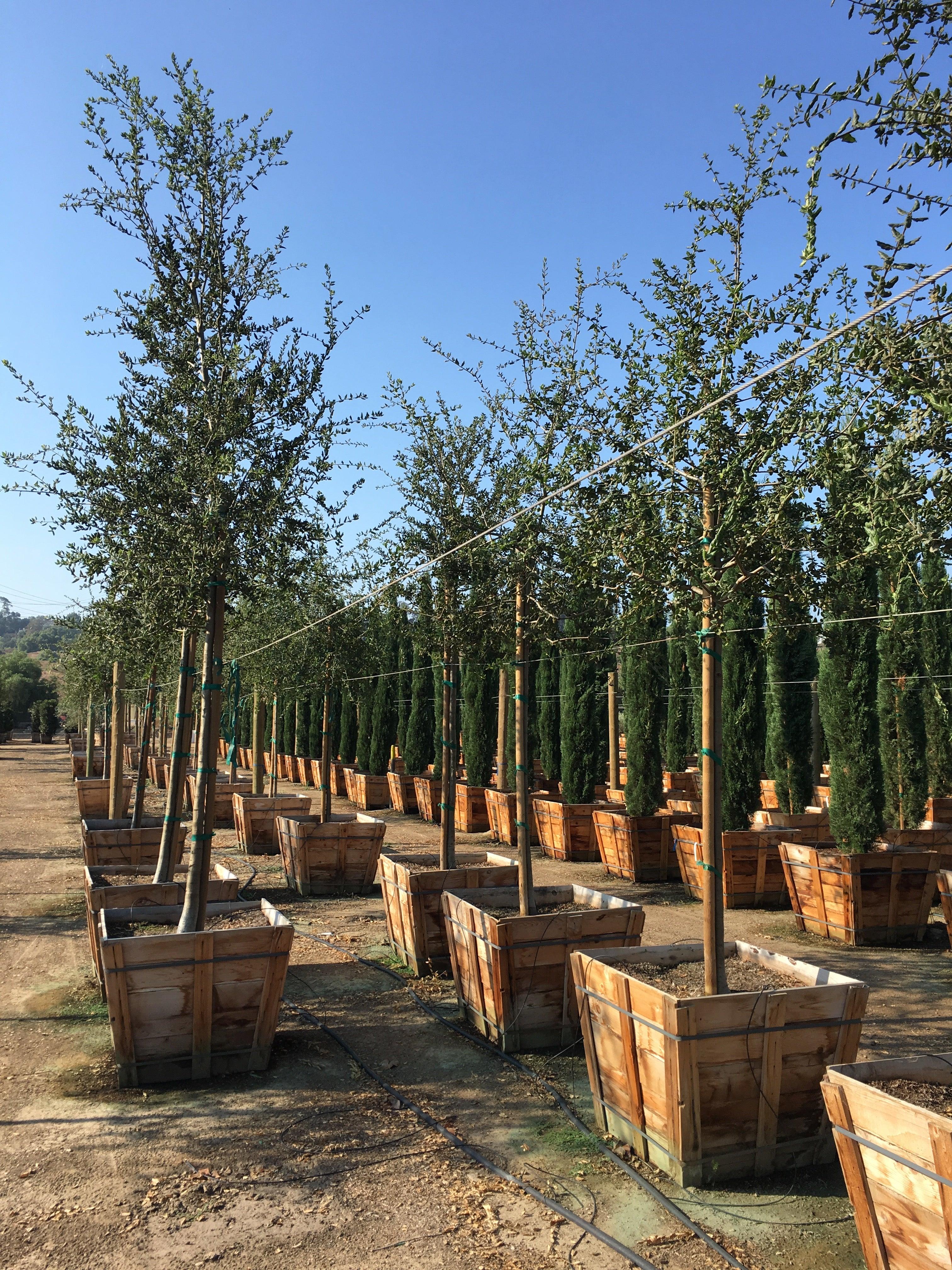
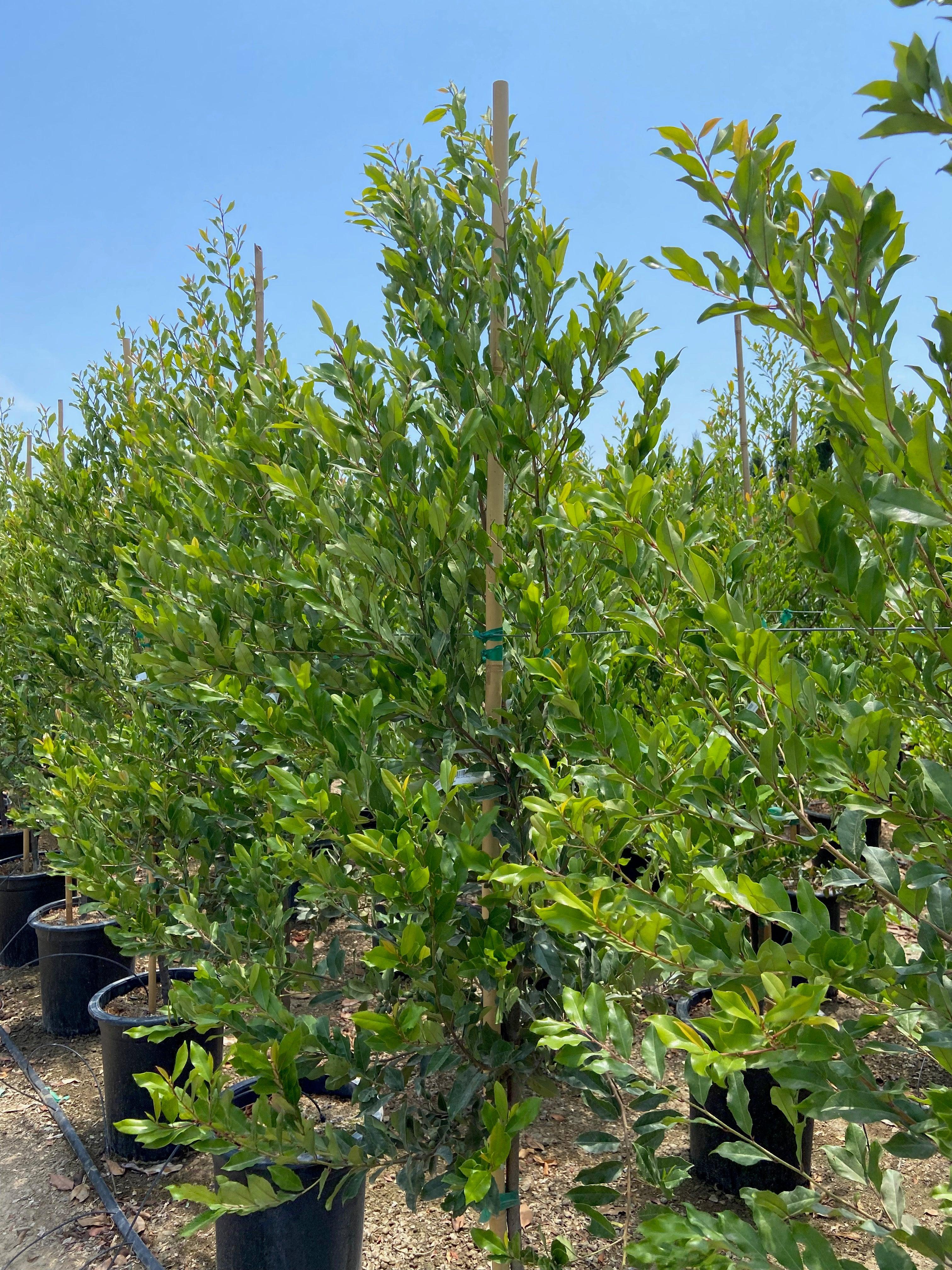
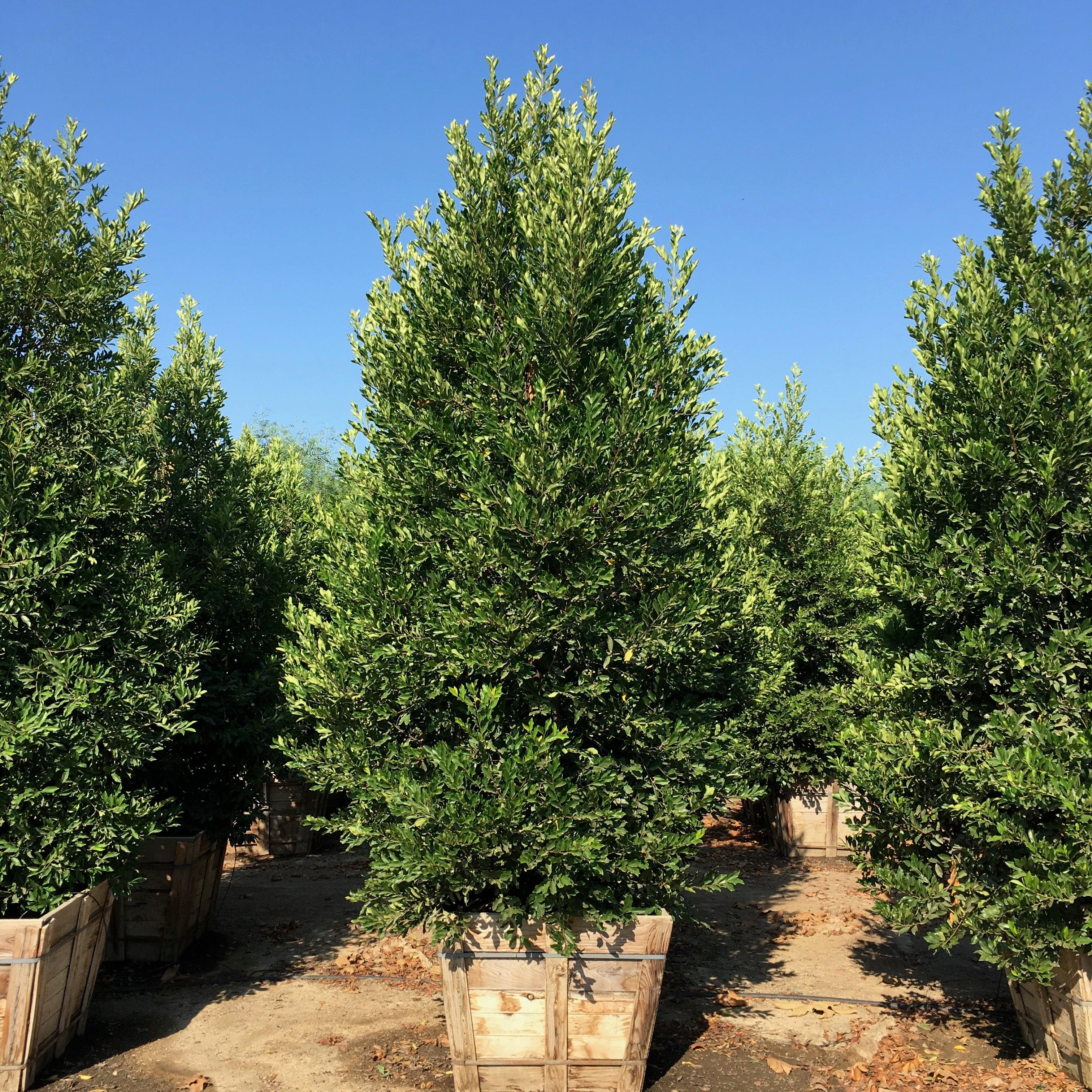
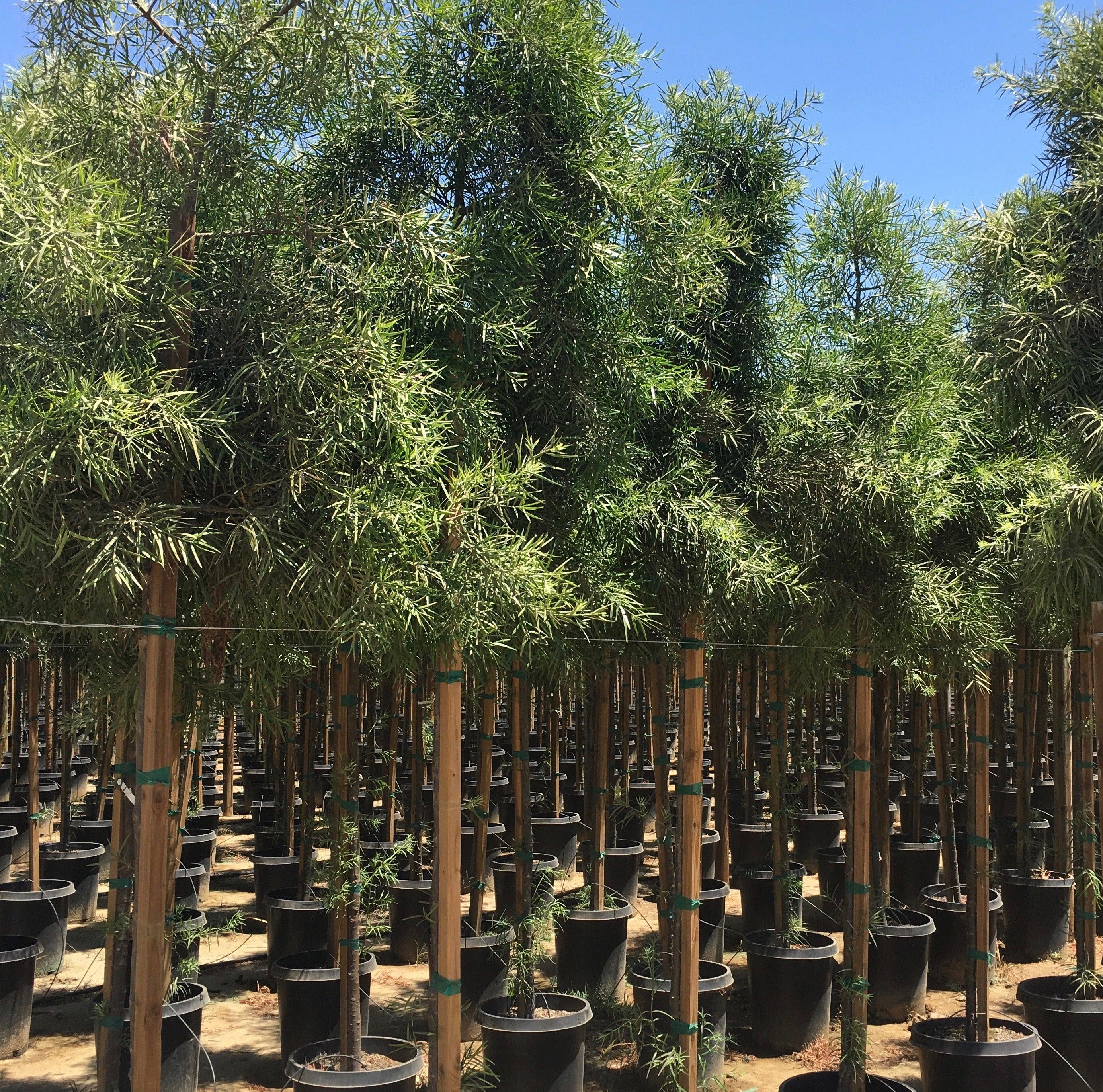
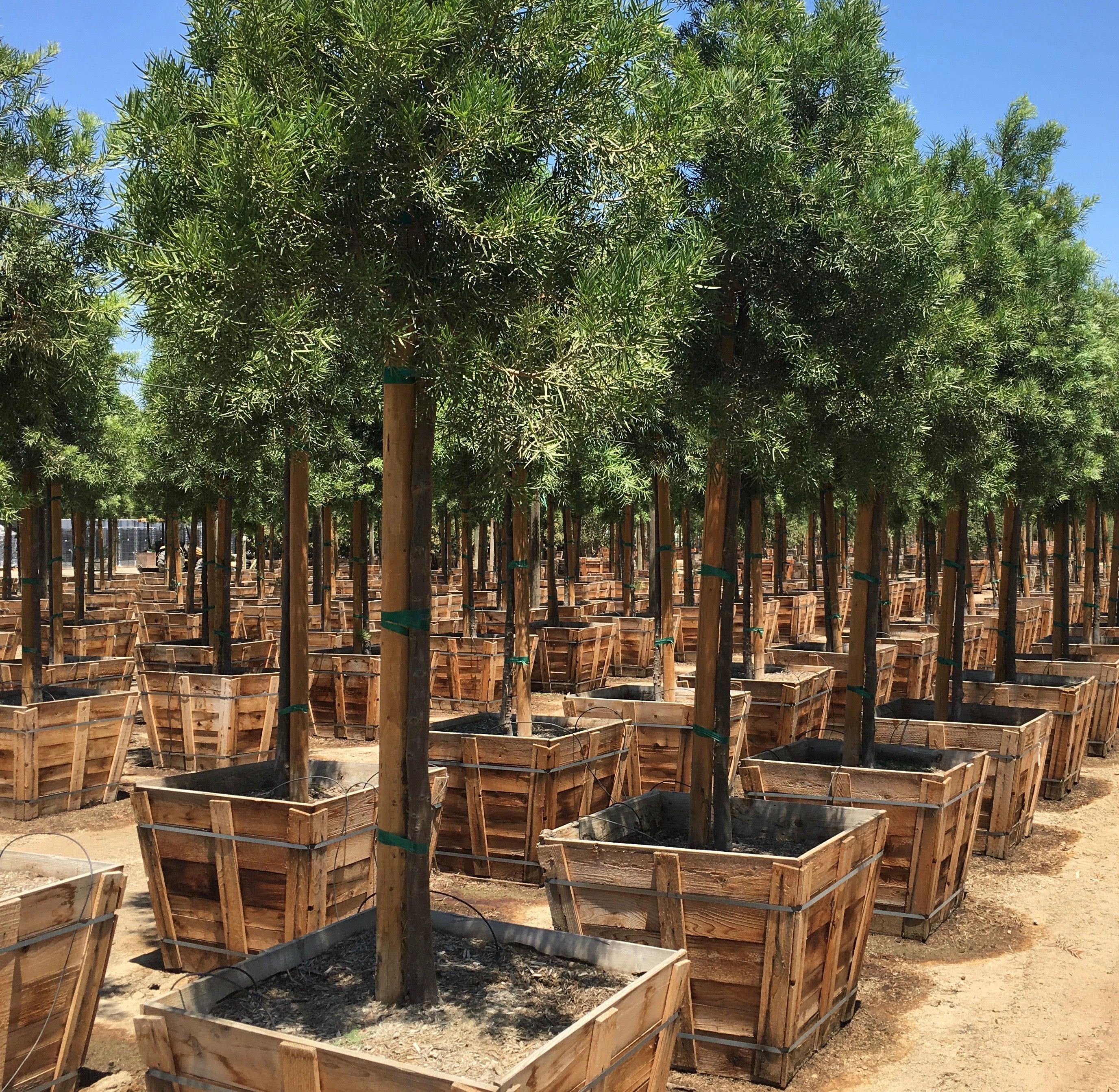
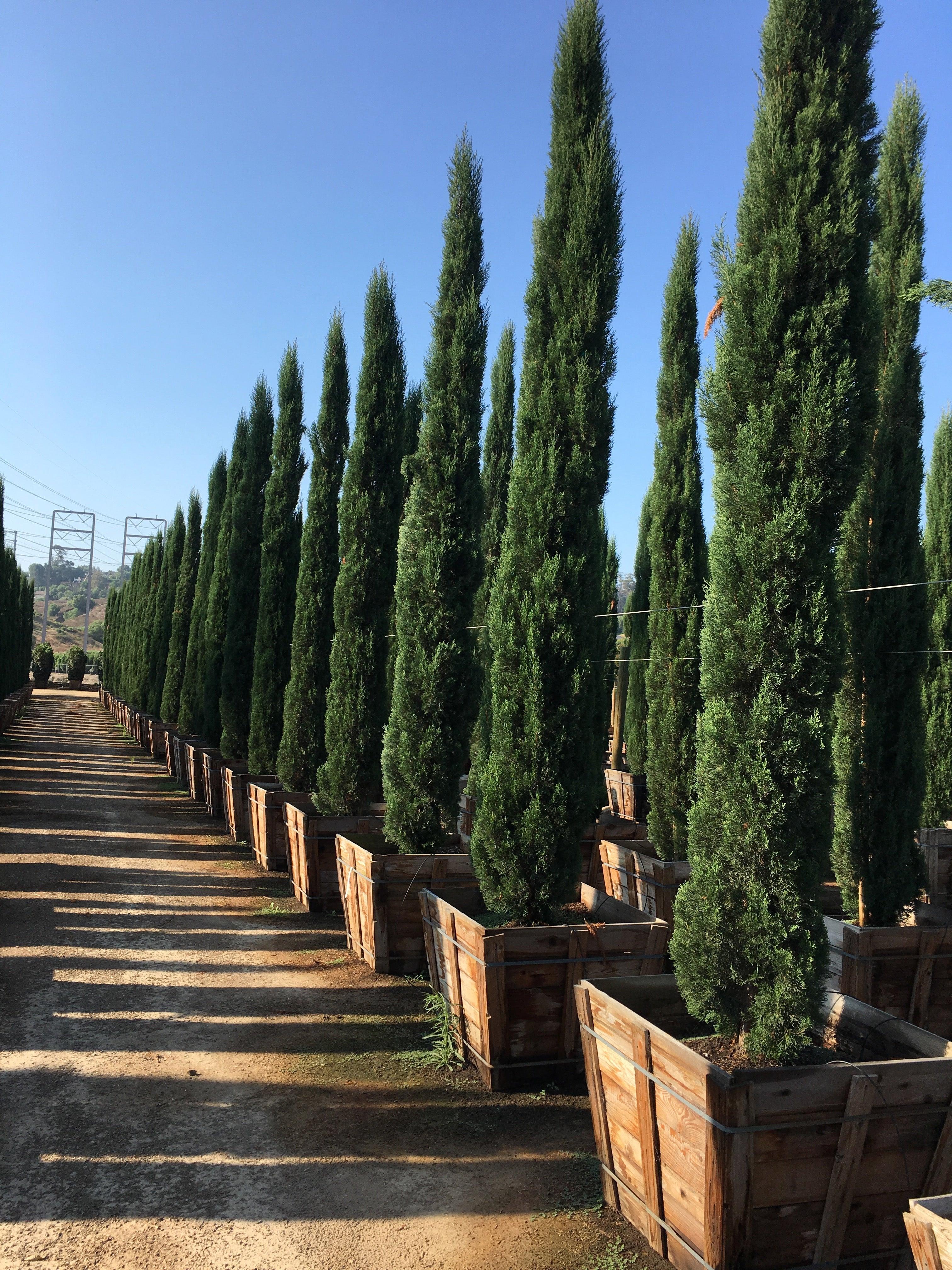
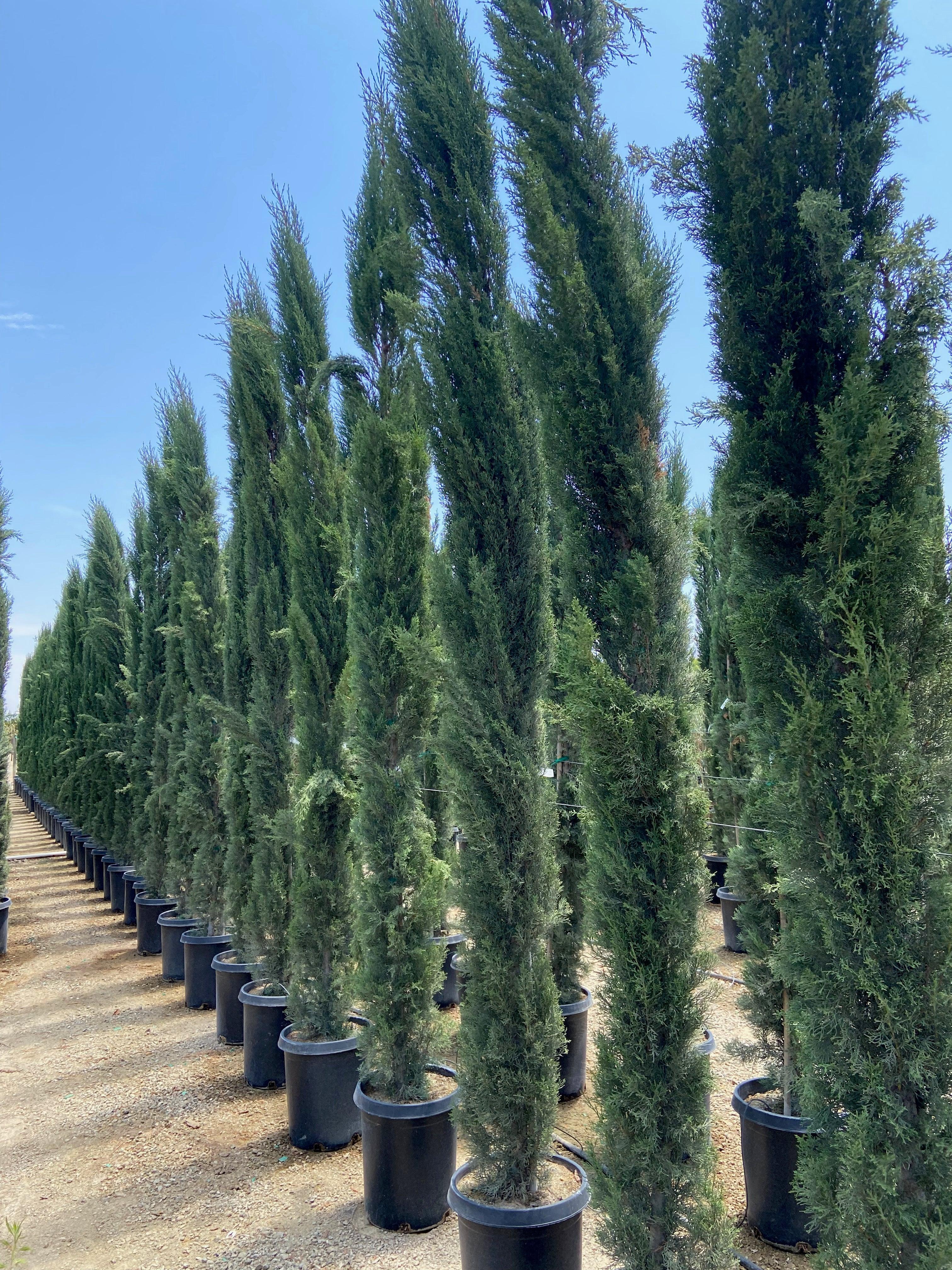
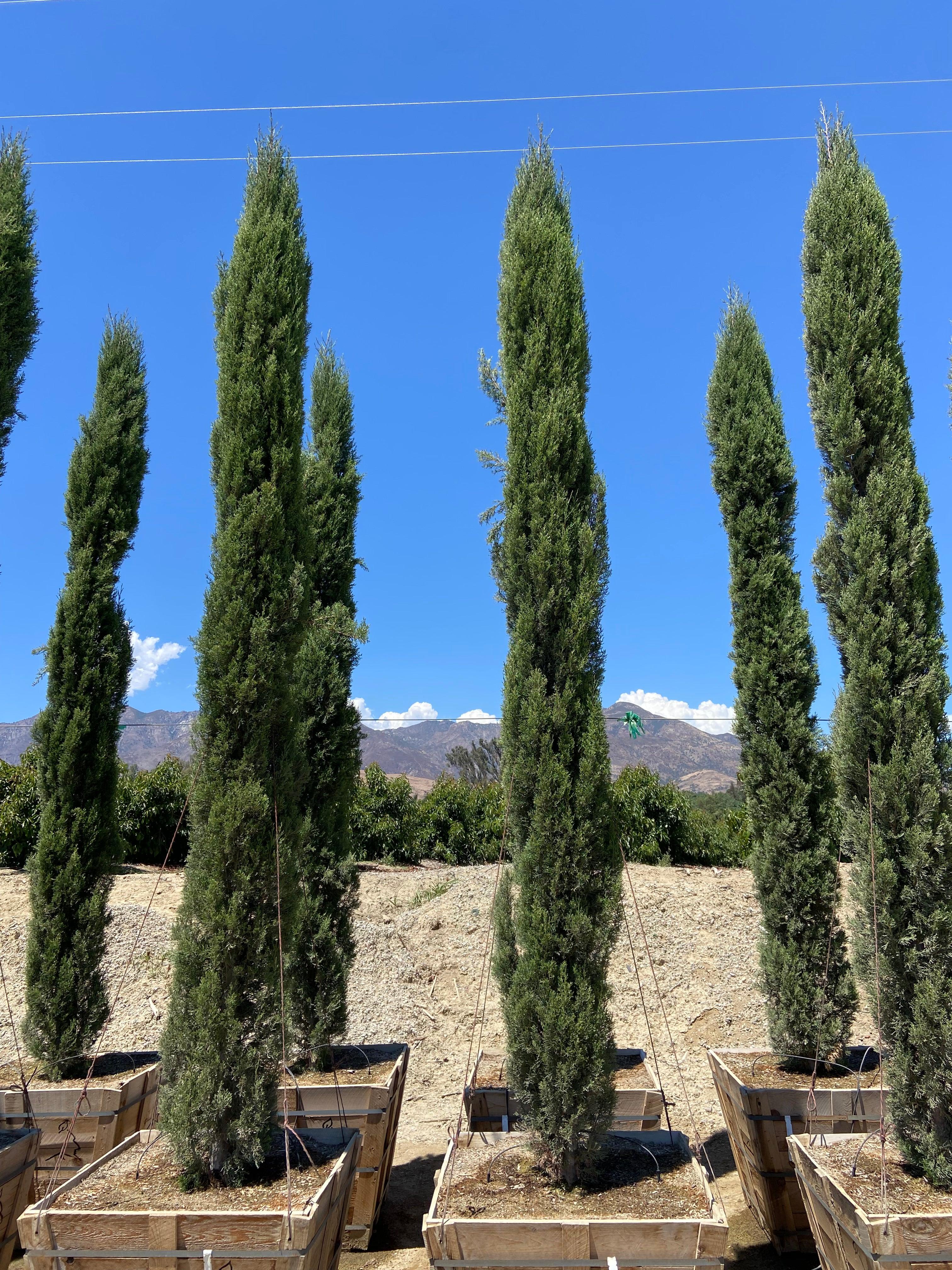
The Italian Cypress Tree, known botanically as Cupressus sempervirens ‘Glauca’, is a stately, formal tree used in Italian inspired and Mediterranean landscapes. Native to southern Europe and Western Asia, Italian Cypress trees are excellent for planting in tight spaces and are highly adaptable, thriving in a variety of soil types as long as they are well-drained. They prefer acidic soil with a pH of 5.5 to 7.5. Their narrow, columnar form makes these evergreen trees excellent as a hedge in rows, along driveways, or as privacy screens throughout the Southwest, especially in coastal areas of California, much like the versatile Fern Pine hedge (Podocarpus gracilior). The blue-green foliage provides a beautiful backdrop to any Mediterranean landscape.
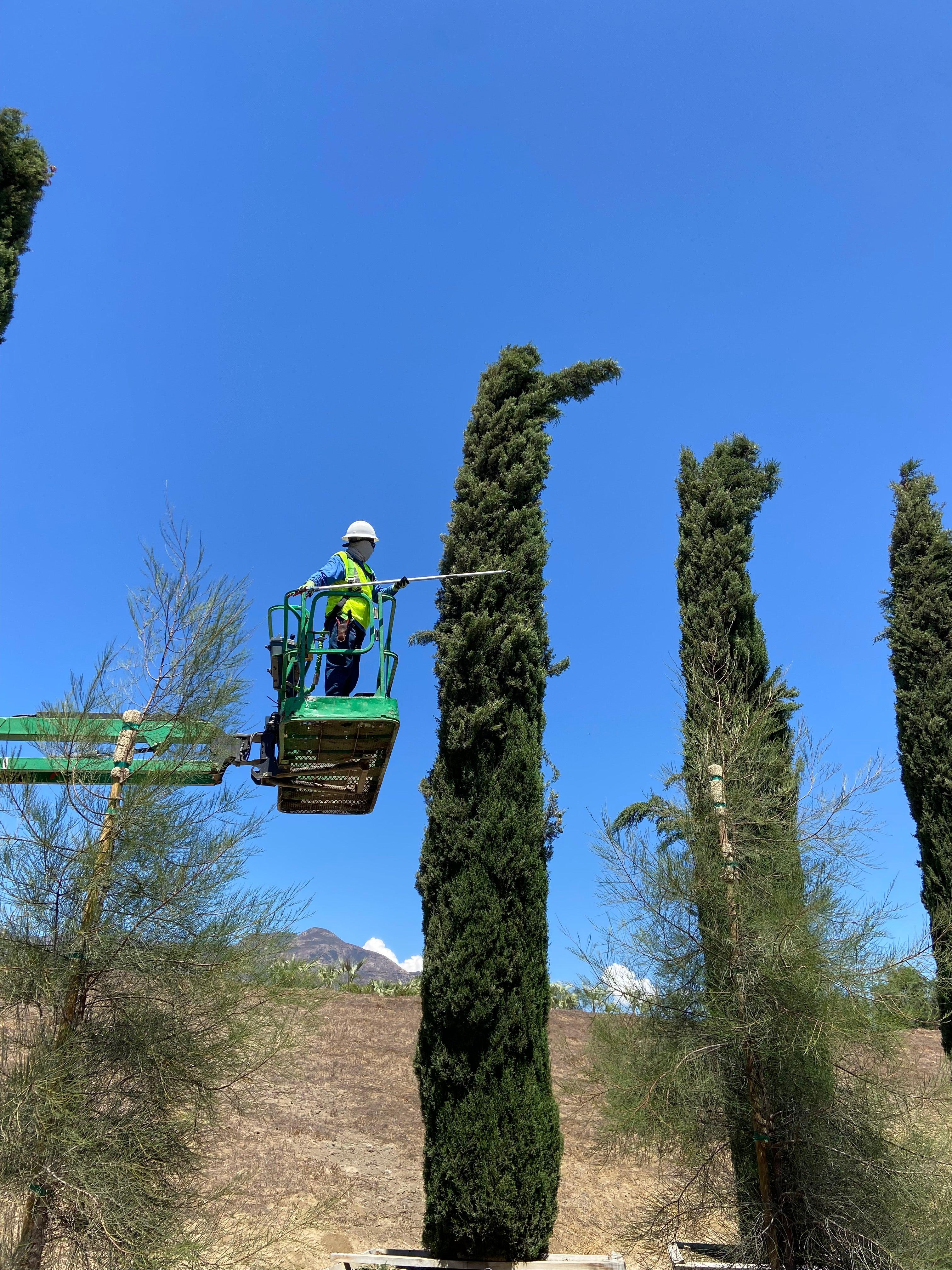
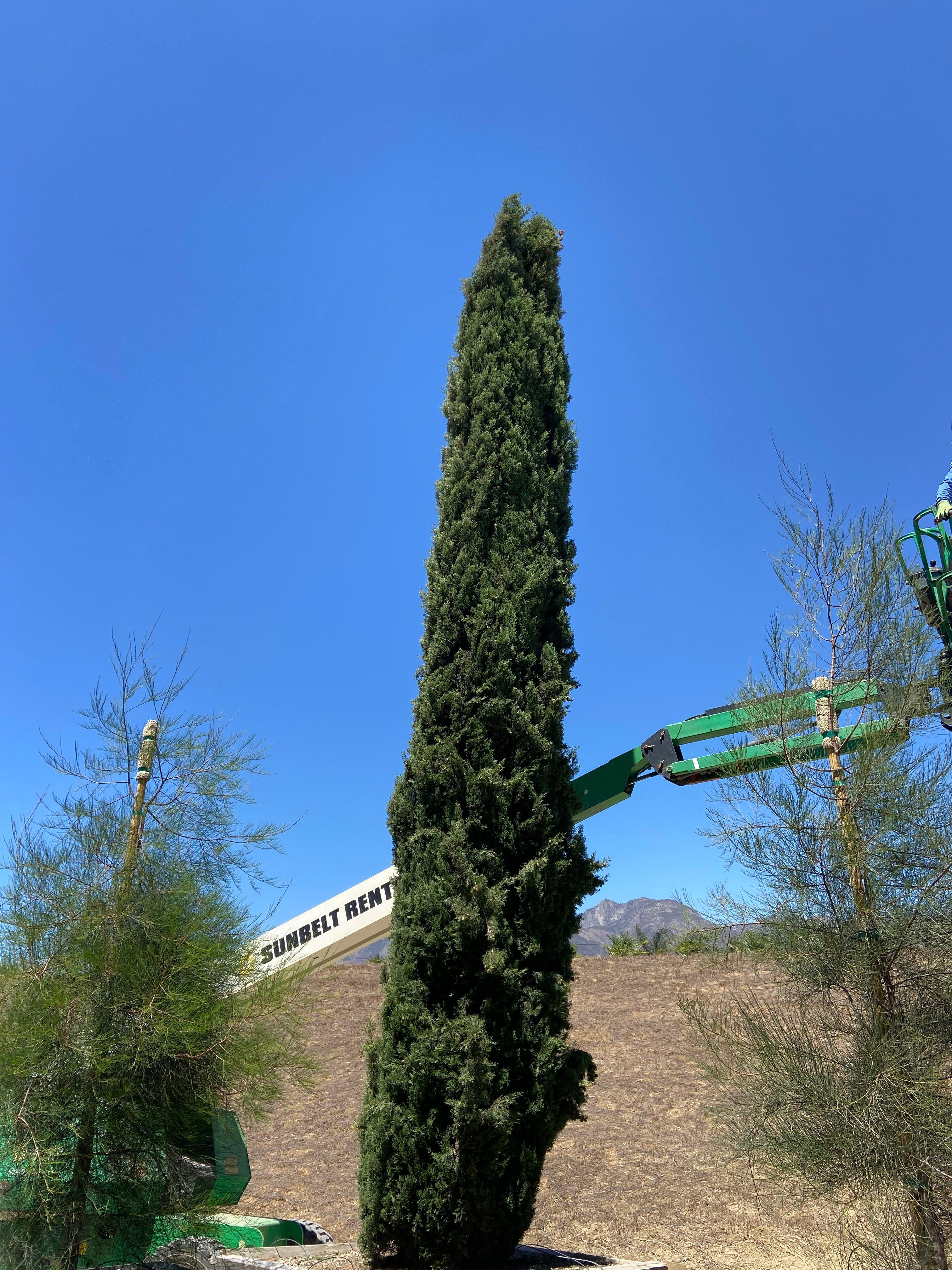
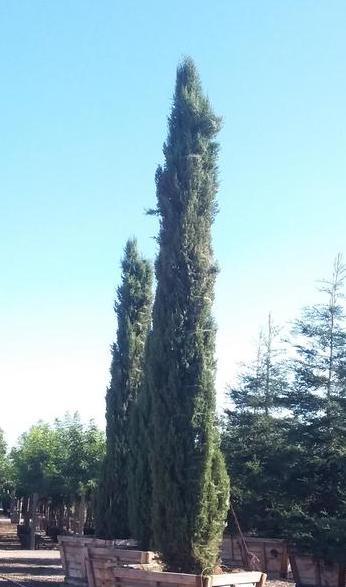
The Italian Cypress tree is a fast growing tree, often reaching up to 3 feet in a single growing season, and is a great choice for mass planting, especially when used as a privacy hedge in tract housing. At full maturity, Italian cypress trees typically grow between 30 to 40 feet tall and only 3 to 5 feet wide, giving them a tall and slender appearance, while the compact Tiny Tower® Italian Cypress cultivar offers a similar look on a smaller scale for tight spaces and containers. Additionally, if you live in a high wind area, you’ll appreciate the windbreak features of these magnificent trees, too.
Growing Conditions for Cypress Trees
Drought tolerant and heat tolerant, Italian Cypress trees do well in full sun environments and require at least four to six hours of sunlight daily for healthy growth; too much shade can lead to uneven growth and unattractive foliage, similar to other Mediterranean evergreens like the Italian Stone Pine (Pinus pinea) that also prefer hot, sunny conditions. These conifer trees are also cold hardy and can tolerate high temperatures, up to 125 degrees Fahrenheit for short periods, as long as they are kept hydrated. The lush dark blue green foliage stays healthy and vibrant all year long, making them the perfect evergreen tree.
Italian Cypress trees thrive in USDA growing zones 7-10, making them suitable for hot, dry climates, and they pair well with adaptable evergreens such as the Fern Pine tree (Podocarpus gracilior) when designing mixed privacy plantings. Young Italian cypress trees need regular watering until established, while mature trees are drought-resistant and typically thrive with average rainfall; overwatering can lead to root rot. When planting, it’s important to prepare the root ball by shaking off excess dirt to promote healthy root development. Italian cypress roots grow deep into the ground but are not invasive, and proper planting and soil conditions help avoid issues like root rot.
Elegant and classy, this tall and narrow conifer tree is a beautiful focal point in your landscape, whether planted separately, in small clusters, or in large pots or containers, ideal for patios or small spaces, especially when combined with other mature trees for sale online to achieve an instantly established look. Italian cypress trees may turn brown due to improper watering, pests, fungal diseases, or root rot, so proper care is essential to prevent this. Pruning can be used to control the tree’s vertical growth and maintain the desired height for your landscape or aesthetic needs. Protect young and potted trees from frost damage during cold temperatures to ensure healthy overwintering.
Create a grand entrance or block unwanted views using Italian cypress alongside other popular privacy trees and shrubs. Feel free to speak with our landscape pros and ask us about placement ideas.
Italian Cypress Tree Care
Caring for Italian cypress trees is straightforward, making them a favorite among homeowners and landscape professionals alike. These cypress trees prefer full sun and well-drained soil, and once established, they require little supplemental water thanks to their drought tolerant nature. Young trees should be watered regularly until their root systems are established, after which irrigation can be reduced. To keep your Italian cypress looking its best, prune away any damaged branches in late winter, which helps maintain their signature columnar form and prevents disease. Be mindful not to overwater, as this can cause root rot, and keep an eye out for pests like spider mites, which can be managed with regular inspection and prompt treatment if needed. With minimal effort, Italian cypress trees will reward you with year-round beauty and structure.
Propagation
Propagating Italian cypress trees can be accomplished through seeds or cuttings, with early spring being the optimal time for both methods. To grow from seed, collect mature cones from an established tree, extract the seeds, and sow them in pots filled with well-drained soil, keeping the soil moist until germination occurs. For propagation by cuttings, take healthy shoots from a mature tree in spring and plant them in containers with well-drained soil, maintaining consistent moisture until roots develop. Once rooted, young plants can be transplanted into larger pots or directly into the landscape. Italian cypress trees also adapt well to container growing, making them a smart choice for patios, entryways, or small gardens where vertical accents are desired, while broader evergreen options like the English Laurel hedge (Prunus laurocerasus) can provide lush, low-maintenance privacy at ground level. With the right care, your propagated Italian cypress will grow into a stately, evergreen feature in your landscape.
Product Information
Product Information
Shipping & Returns
Shipping & Returns
Description
The Italian Cypress Tree, known botanically as Cupressus sempervirens ‘Glauca’, is a stately, formal tree used in Italian inspired and Mediterranean landscapes. Native to southern Europe and Western Asia, Italian Cypress trees are excellent for planting in tight spaces and are highly adaptable, thriving in a variety of soil types as long as they are well-drained. They prefer acidic soil with a pH of 5.5 to 7.5. Their narrow, columnar form makes these evergreen trees excellent as a hedge in rows, along driveways, or as privacy screens throughout the Southwest, especially in coastal areas of California, much like the versatile Fern Pine hedge (Podocarpus gracilior). The blue-green foliage provides a beautiful backdrop to any Mediterranean landscape.
The Italian Cypress tree is a fast growing tree, often reaching up to 3 feet in a single growing season, and is a great choice for mass planting, especially when used as a privacy hedge in tract housing. At full maturity, Italian cypress trees typically grow between 30 to 40 feet tall and only 3 to 5 feet wide, giving them a tall and slender appearance, while the compact Tiny Tower® Italian Cypress cultivar offers a similar look on a smaller scale for tight spaces and containers. Additionally, if you live in a high wind area, you’ll appreciate the windbreak features of these magnificent trees, too.
Growing Conditions for Cypress Trees
Drought tolerant and heat tolerant, Italian Cypress trees do well in full sun environments and require at least four to six hours of sunlight daily for healthy growth; too much shade can lead to uneven growth and unattractive foliage, similar to other Mediterranean evergreens like the Italian Stone Pine (Pinus pinea) that also prefer hot, sunny conditions. These conifer trees are also cold hardy and can tolerate high temperatures, up to 125 degrees Fahrenheit for short periods, as long as they are kept hydrated. The lush dark blue green foliage stays healthy and vibrant all year long, making them the perfect evergreen tree.
Italian Cypress trees thrive in USDA growing zones 7-10, making them suitable for hot, dry climates, and they pair well with adaptable evergreens such as the Fern Pine tree (Podocarpus gracilior) when designing mixed privacy plantings. Young Italian cypress trees need regular watering until established, while mature trees are drought-resistant and typically thrive with average rainfall; overwatering can lead to root rot. When planting, it’s important to prepare the root ball by shaking off excess dirt to promote healthy root development. Italian cypress roots grow deep into the ground but are not invasive, and proper planting and soil conditions help avoid issues like root rot.
Elegant and classy, this tall and narrow conifer tree is a beautiful focal point in your landscape, whether planted separately, in small clusters, or in large pots or containers, ideal for patios or small spaces, especially when combined with other mature trees for sale online to achieve an instantly established look. Italian cypress trees may turn brown due to improper watering, pests, fungal diseases, or root rot, so proper care is essential to prevent this. Pruning can be used to control the tree’s vertical growth and maintain the desired height for your landscape or aesthetic needs. Protect young and potted trees from frost damage during cold temperatures to ensure healthy overwintering.
Create a grand entrance or block unwanted views using Italian cypress alongside other popular privacy trees and shrubs. Feel free to speak with our landscape pros and ask us about placement ideas.
Italian Cypress Tree Care
Caring for Italian cypress trees is straightforward, making them a favorite among homeowners and landscape professionals alike. These cypress trees prefer full sun and well-drained soil, and once established, they require little supplemental water thanks to their drought tolerant nature. Young trees should be watered regularly until their root systems are established, after which irrigation can be reduced. To keep your Italian cypress looking its best, prune away any damaged branches in late winter, which helps maintain their signature columnar form and prevents disease. Be mindful not to overwater, as this can cause root rot, and keep an eye out for pests like spider mites, which can be managed with regular inspection and prompt treatment if needed. With minimal effort, Italian cypress trees will reward you with year-round beauty and structure.
Propagation
Propagating Italian cypress trees can be accomplished through seeds or cuttings, with early spring being the optimal time for both methods. To grow from seed, collect mature cones from an established tree, extract the seeds, and sow them in pots filled with well-drained soil, keeping the soil moist until germination occurs. For propagation by cuttings, take healthy shoots from a mature tree in spring and plant them in containers with well-drained soil, maintaining consistent moisture until roots develop. Once rooted, young plants can be transplanted into larger pots or directly into the landscape. Italian cypress trees also adapt well to container growing, making them a smart choice for patios, entryways, or small gardens where vertical accents are desired, while broader evergreen options like the English Laurel hedge (Prunus laurocerasus) can provide lush, low-maintenance privacy at ground level. With the right care, your propagated Italian cypress will grow into a stately, evergreen feature in your landscape.