Japanese Blueberry Tree (Elaeocarpus Decipiens)
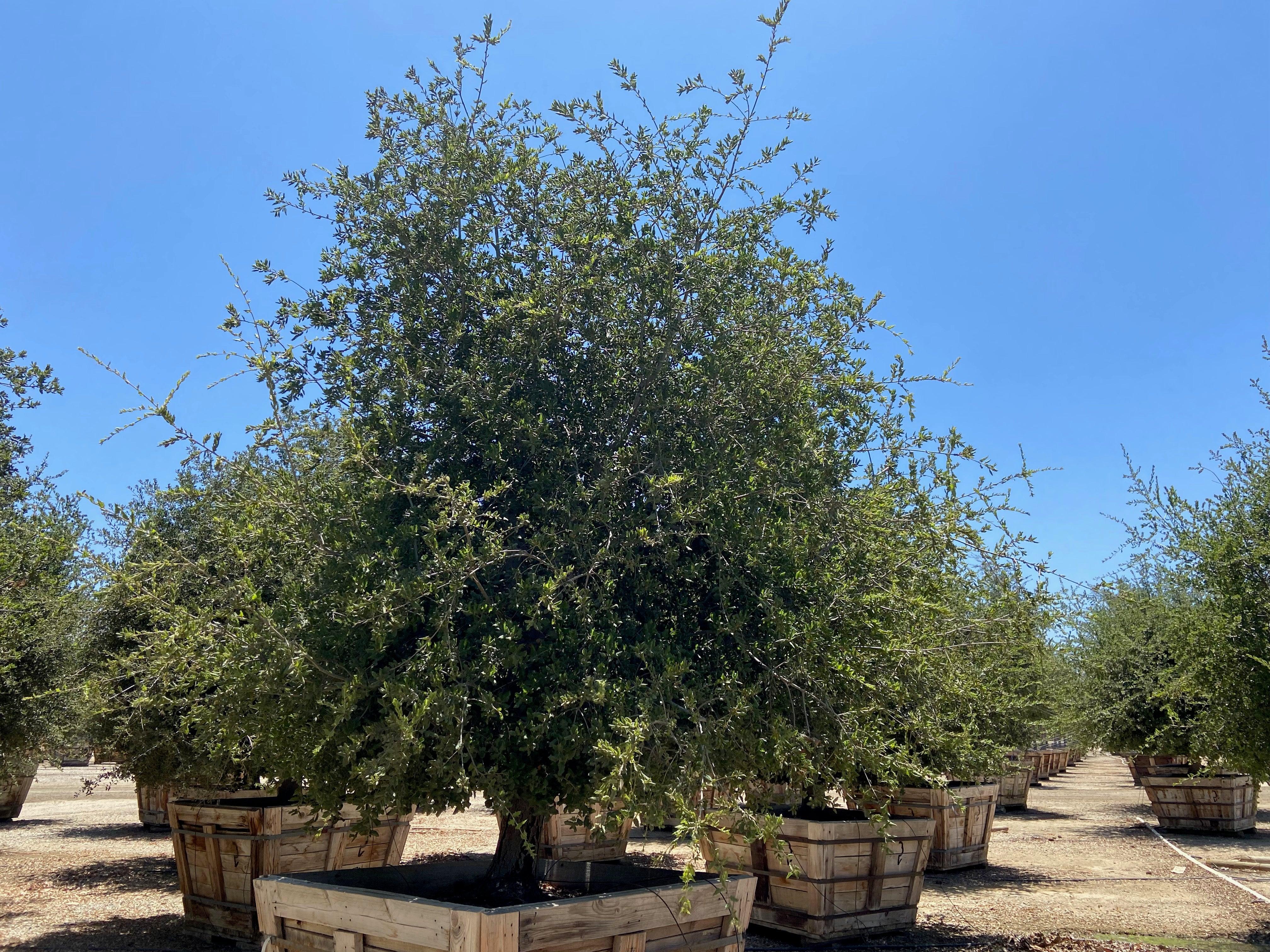
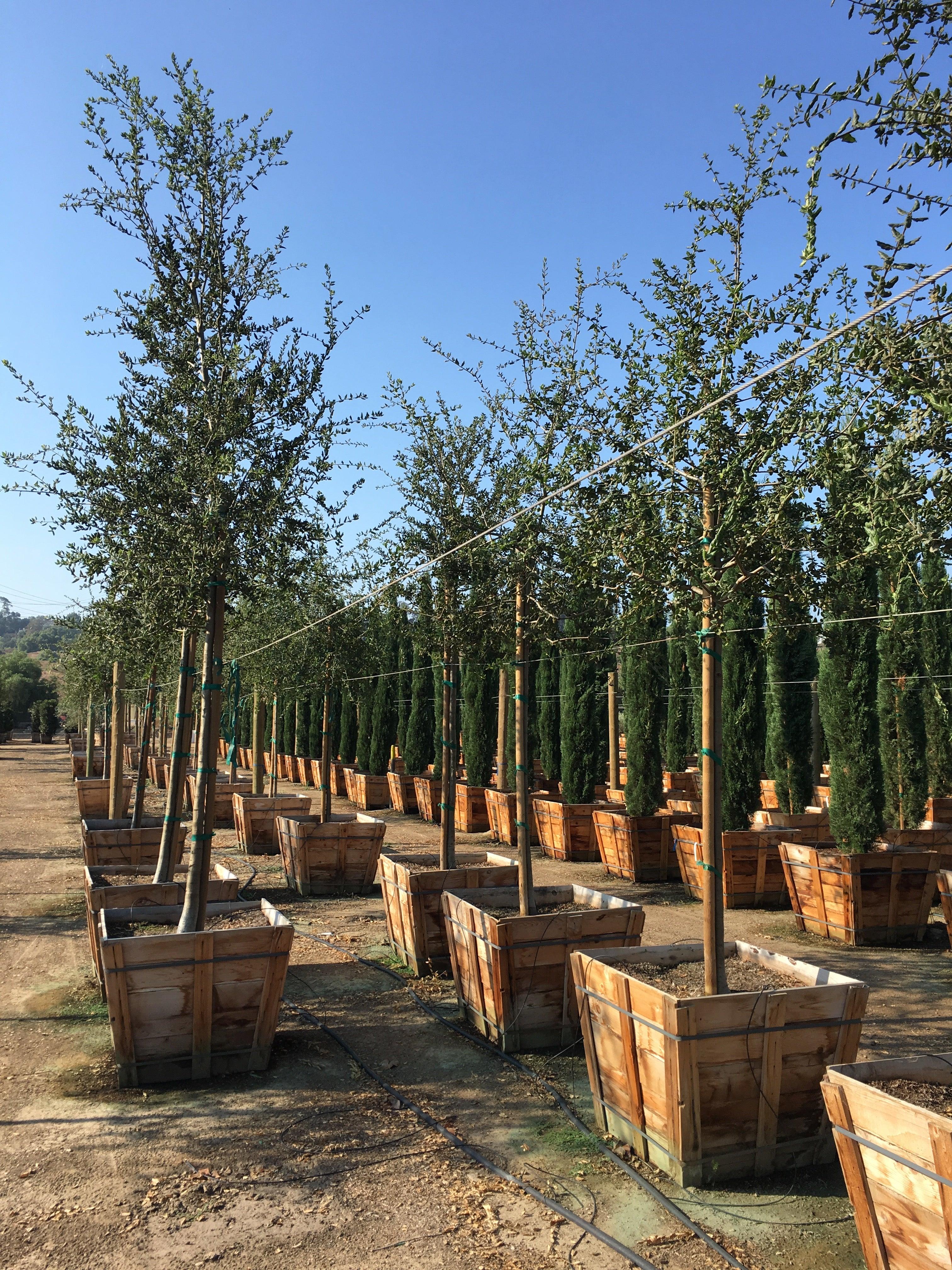
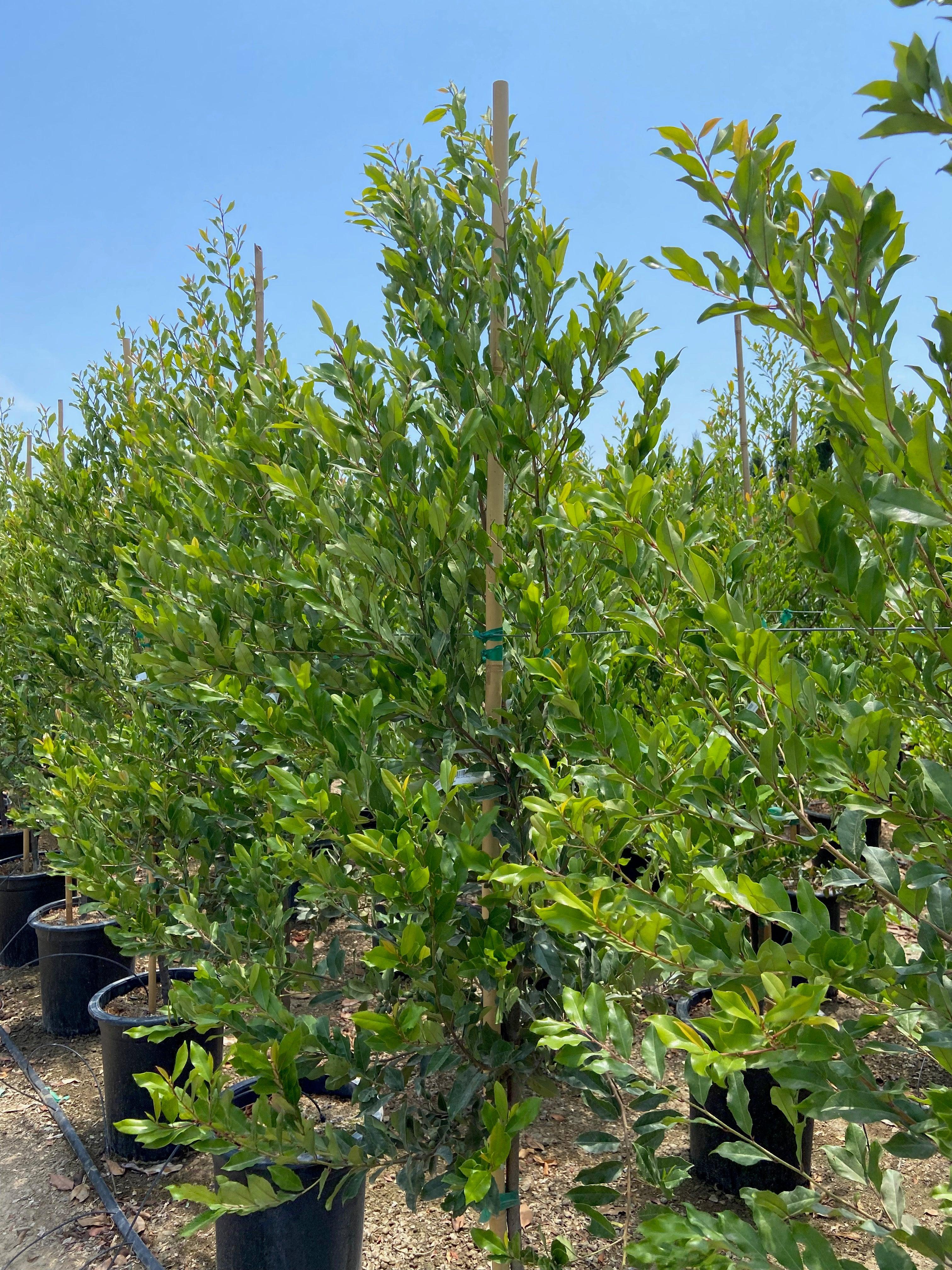
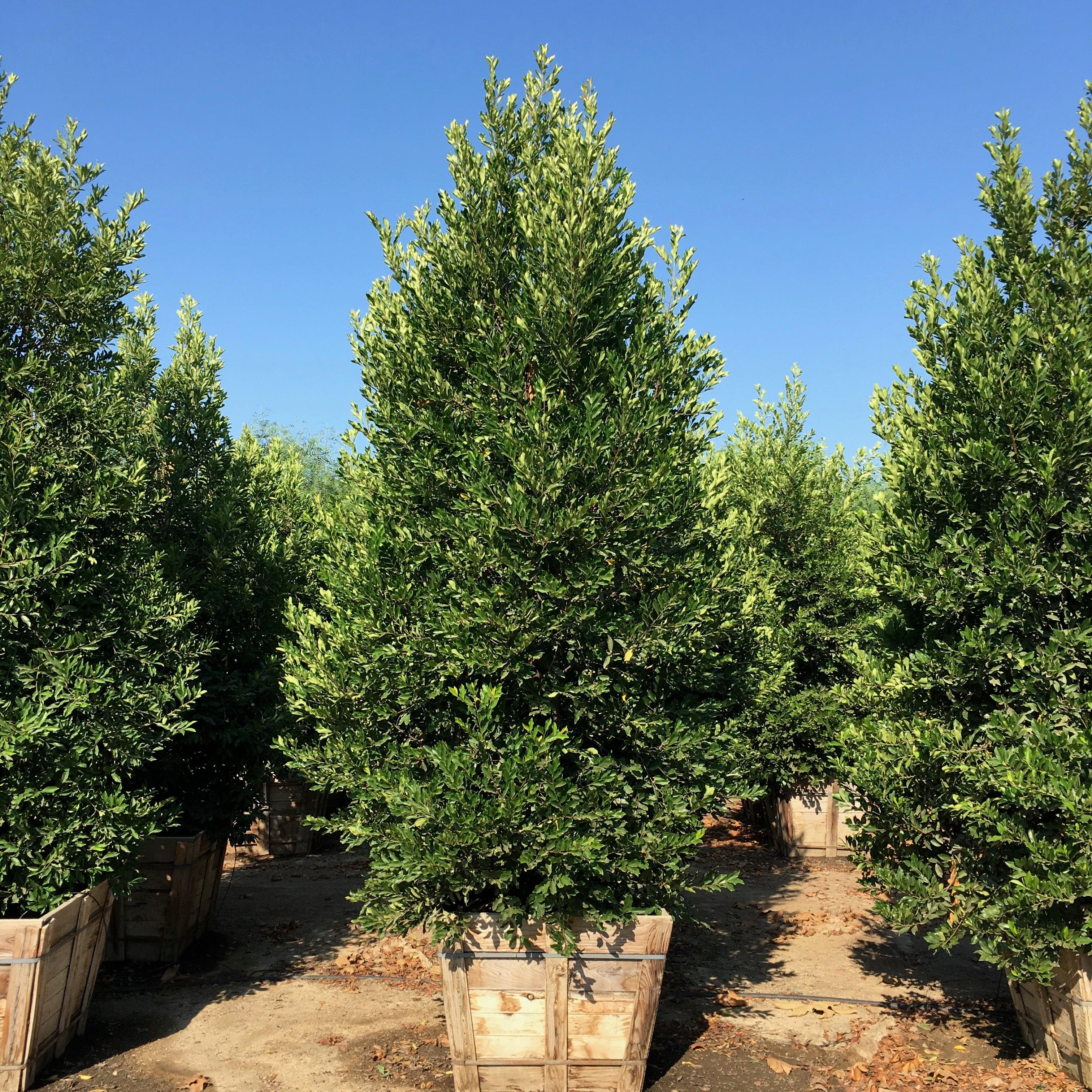
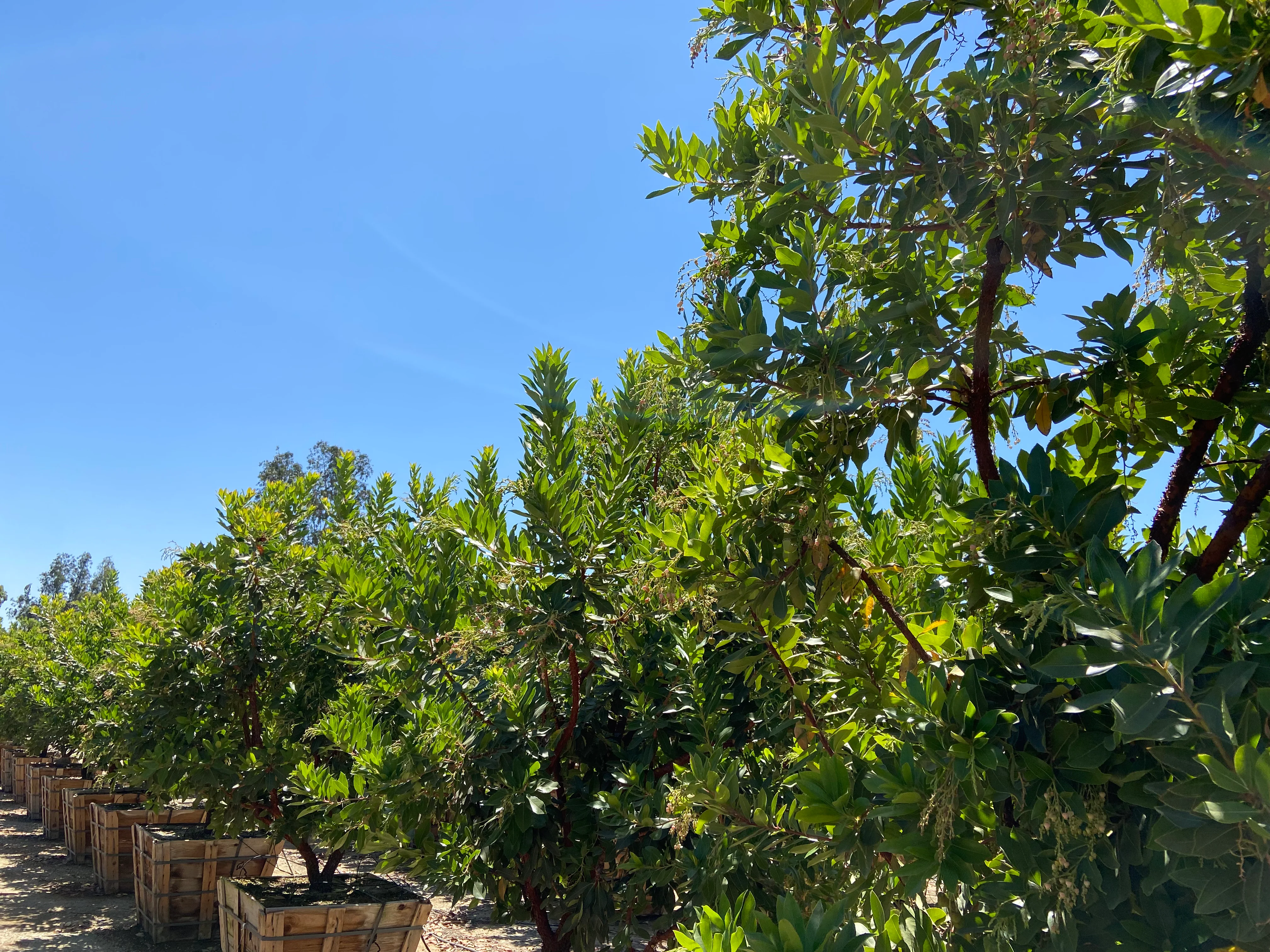
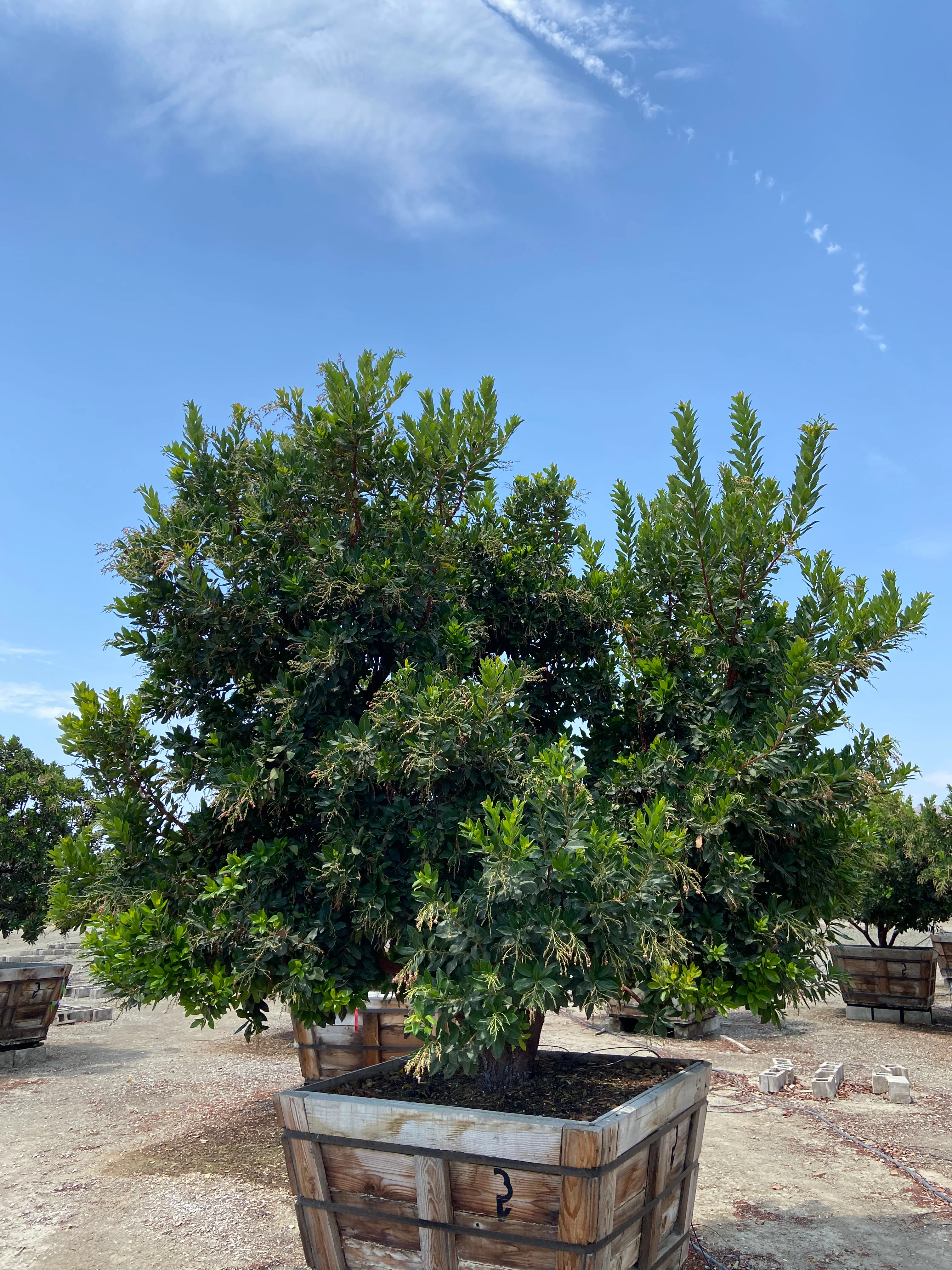
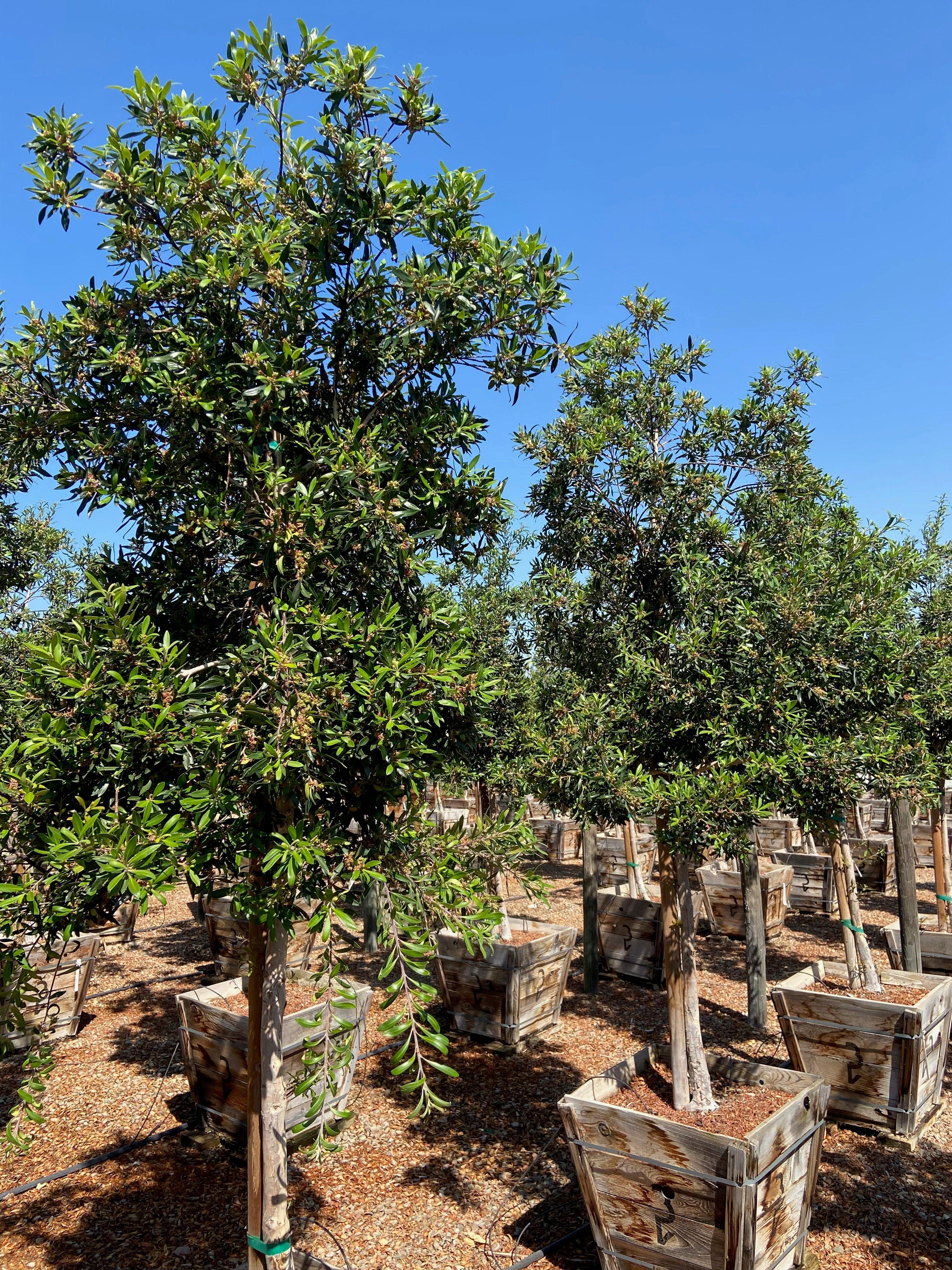
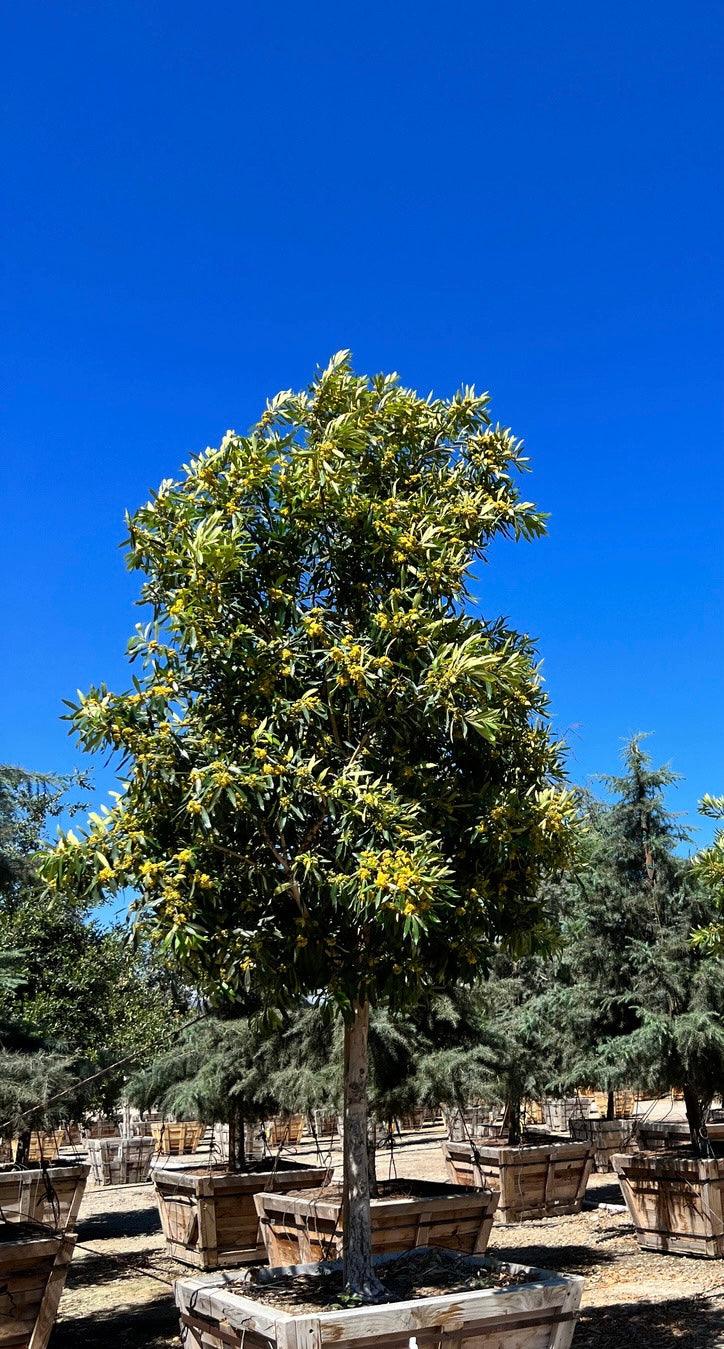
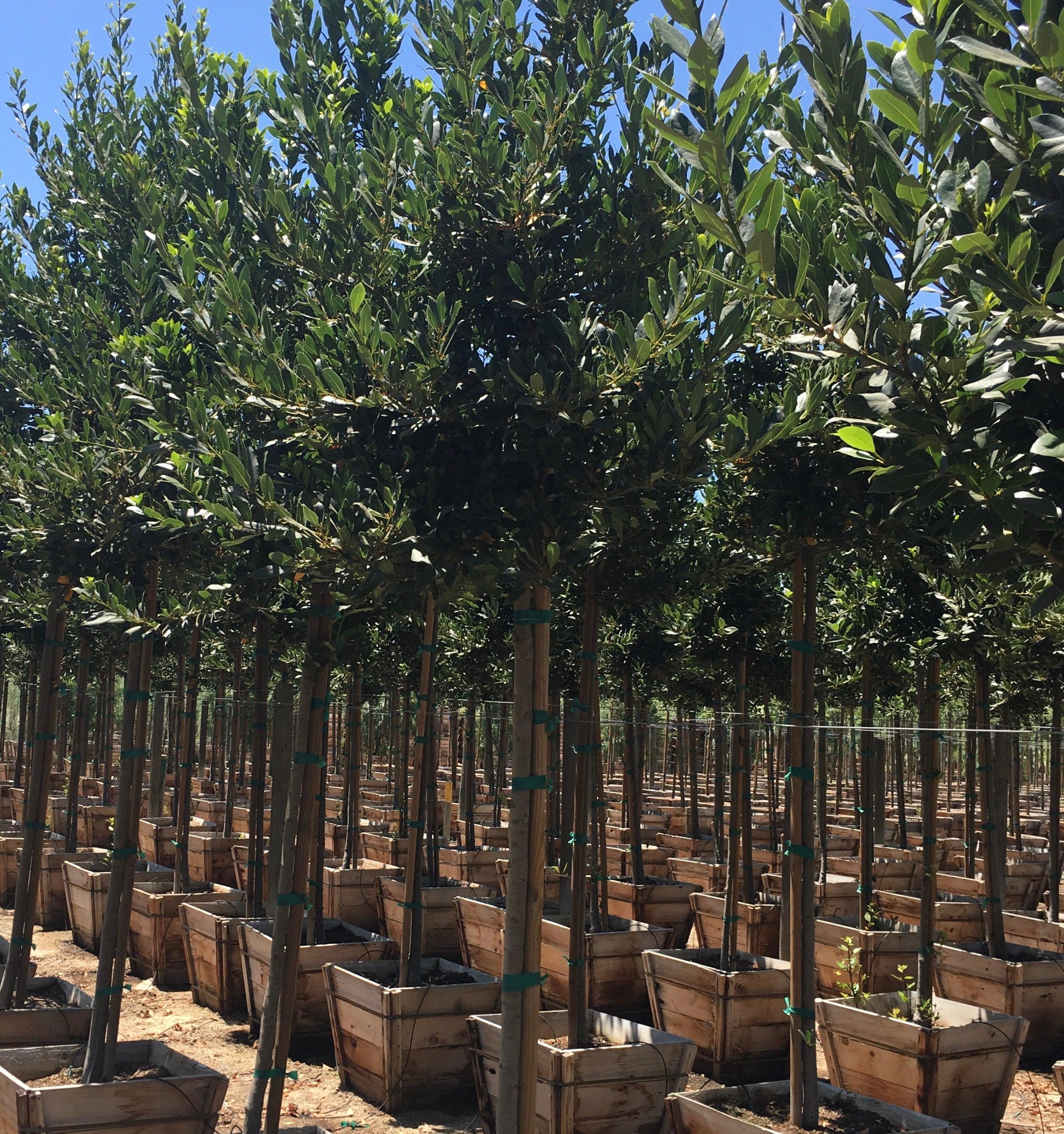
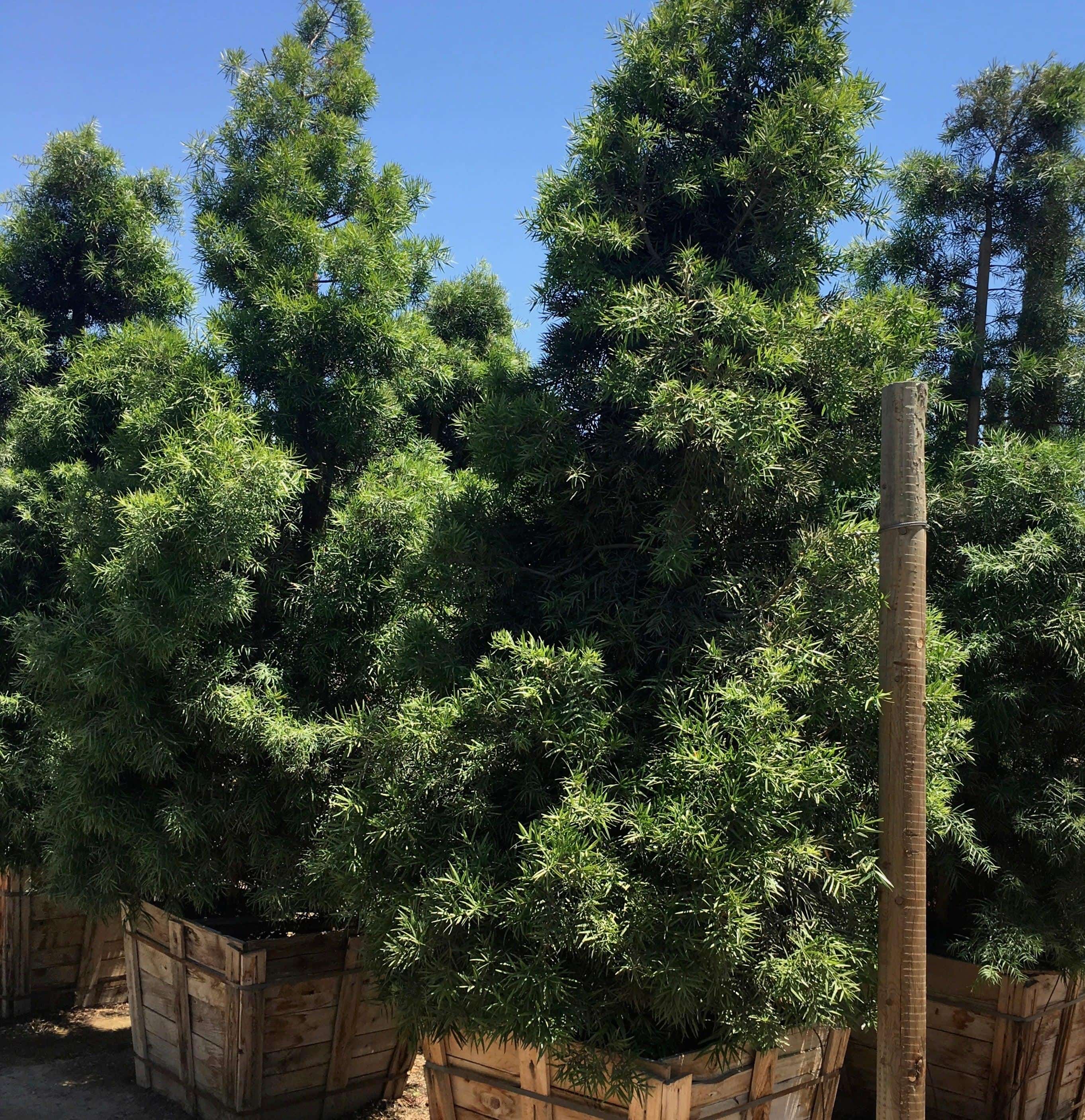
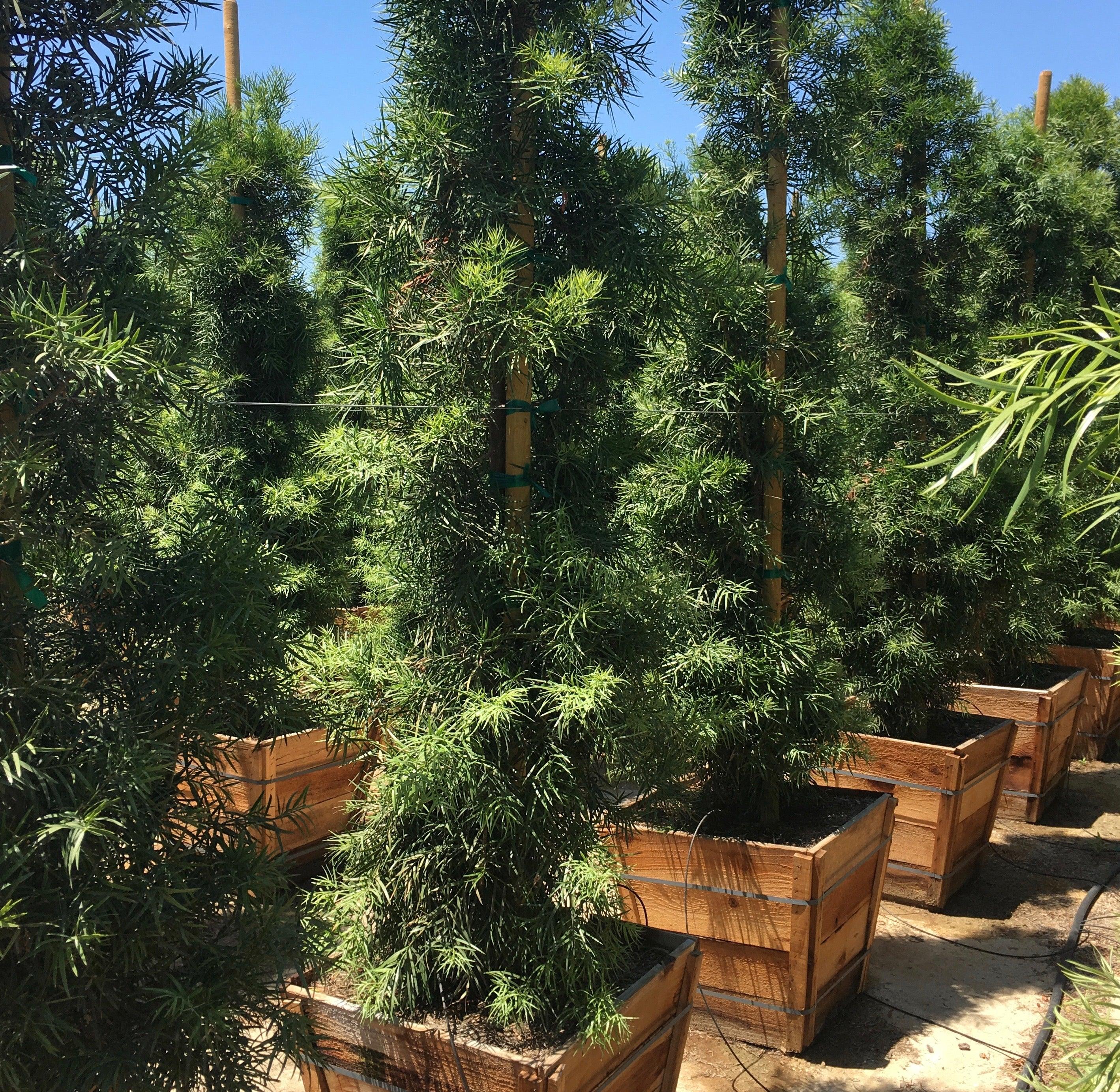
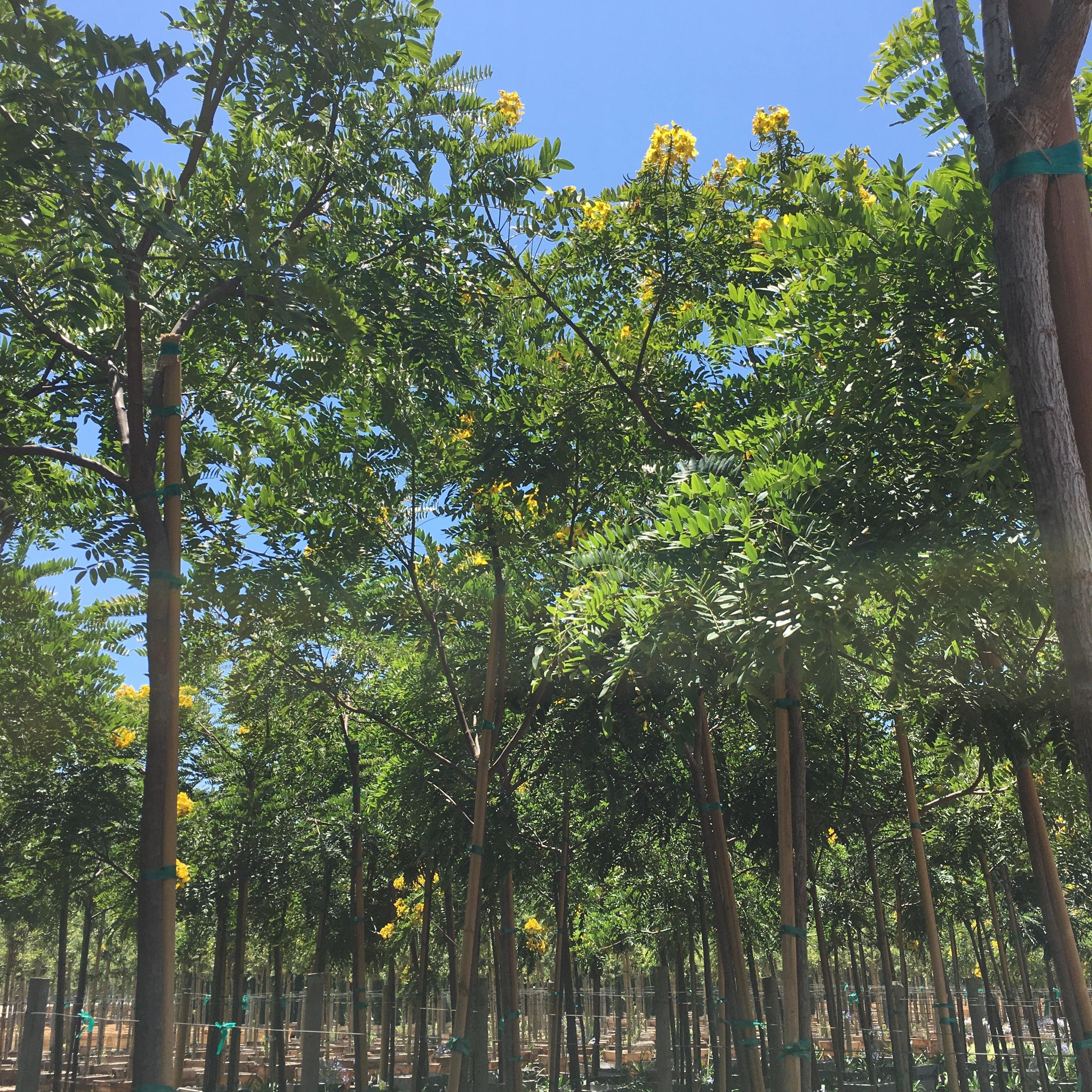
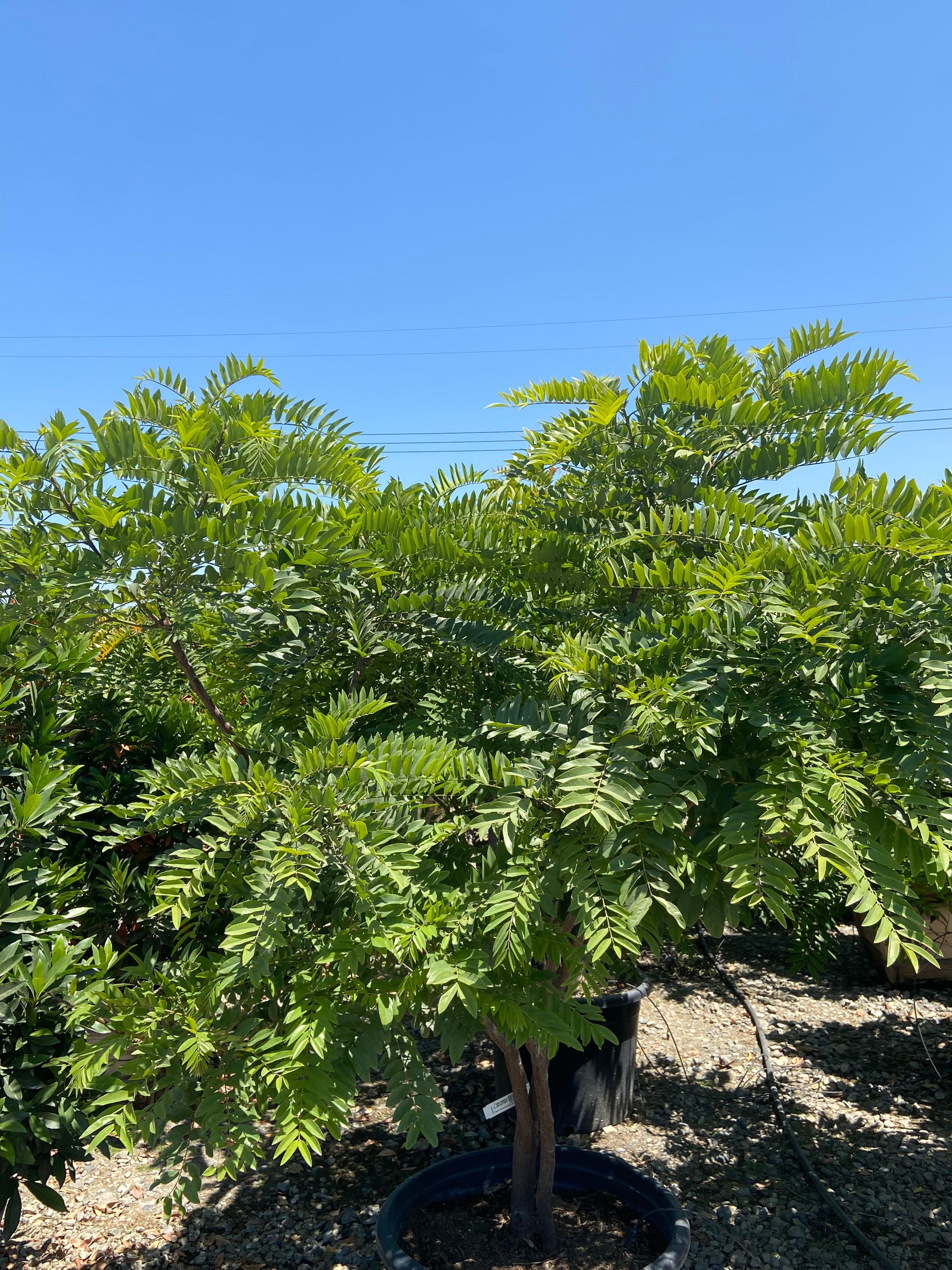
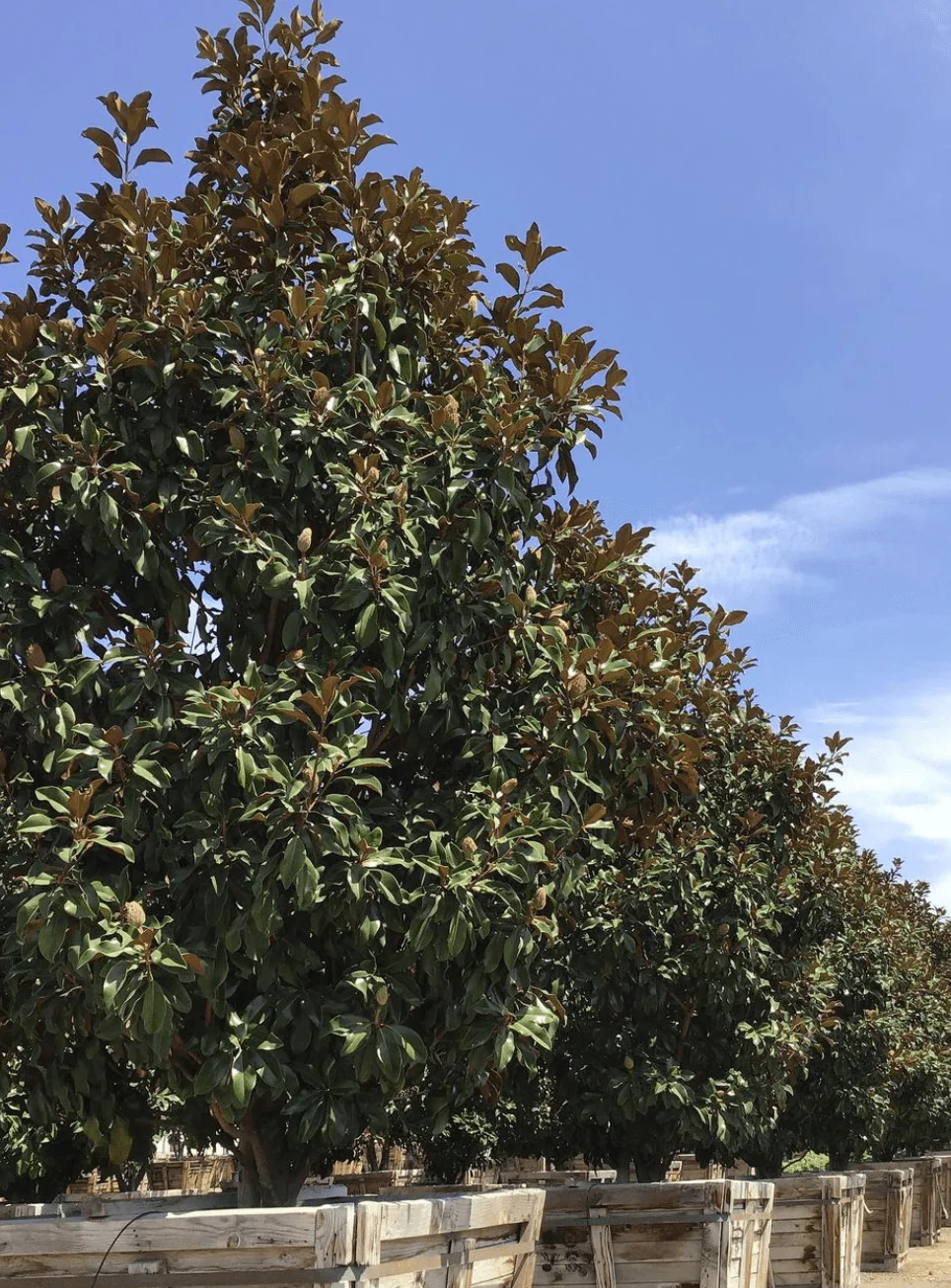
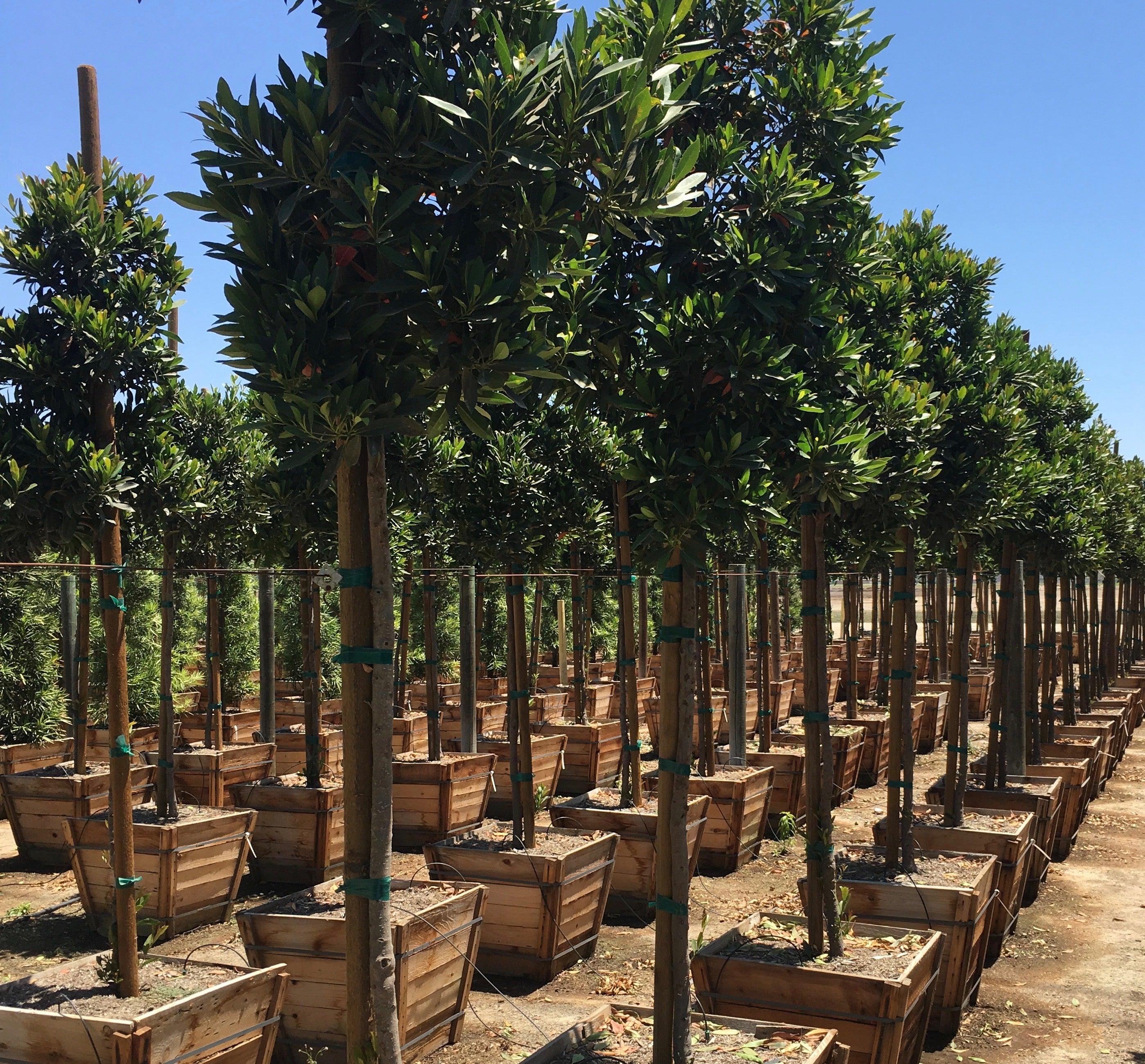
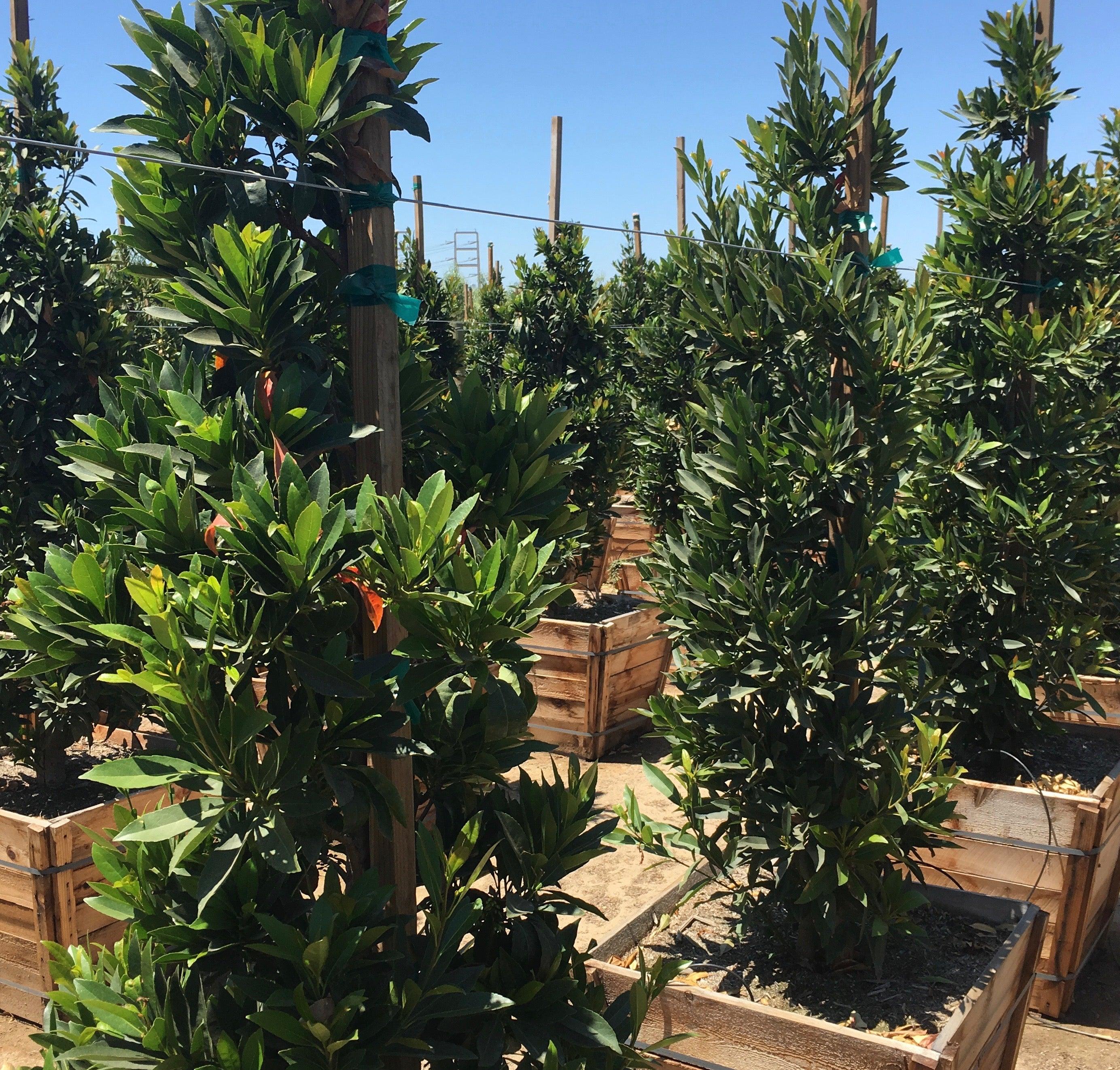
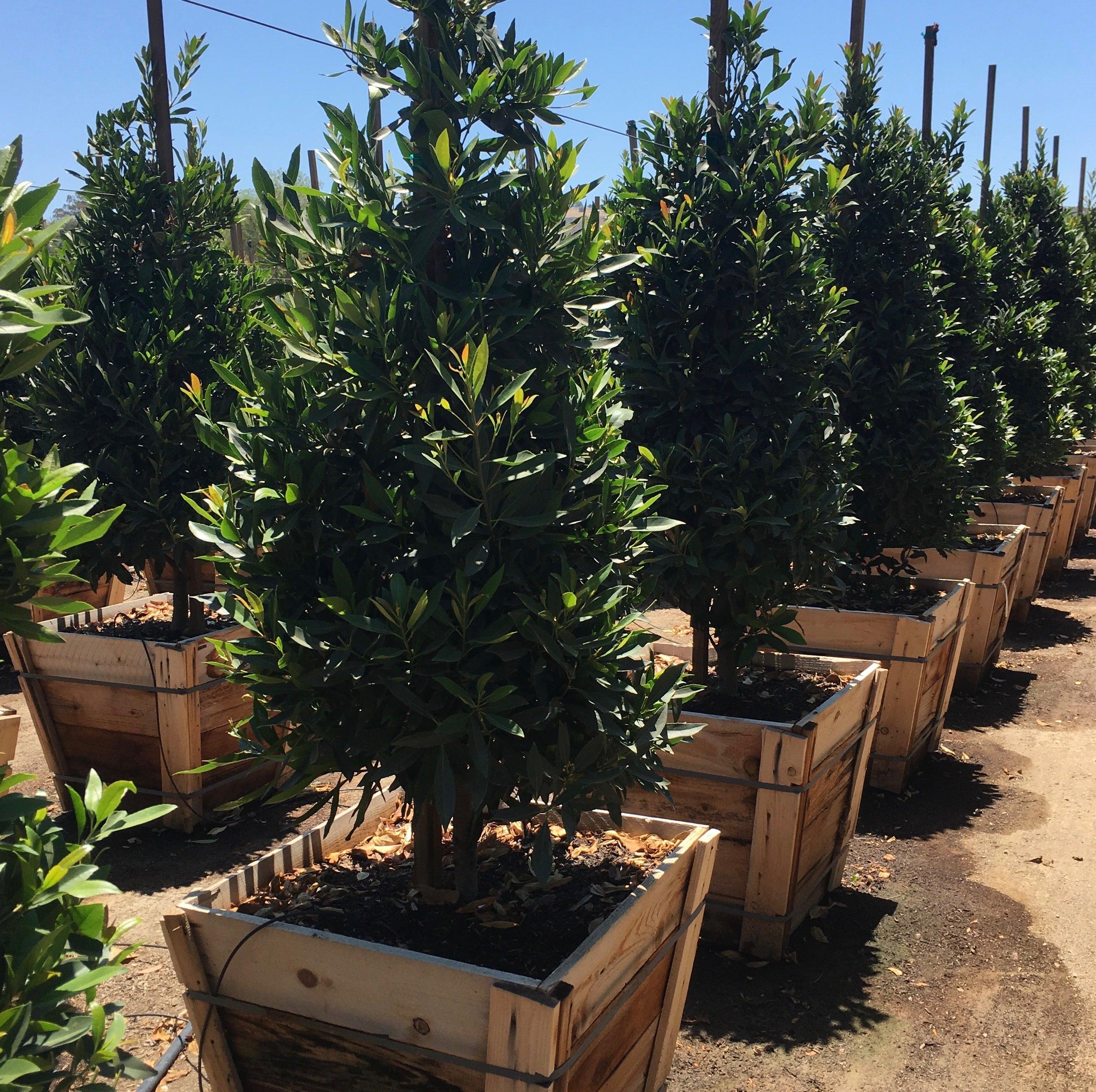
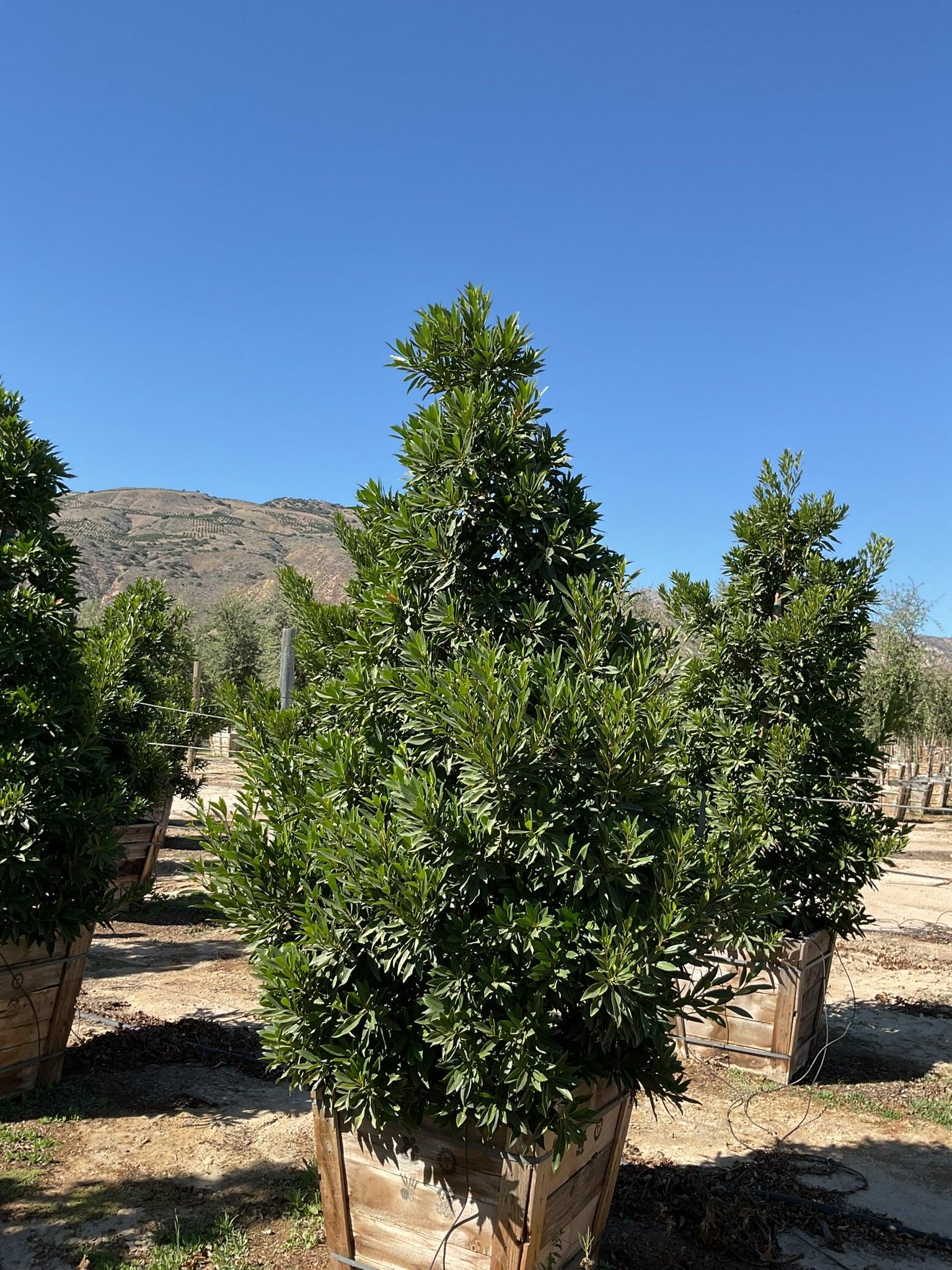
Shop our Japanese Blueberry Trees for sale. Also known as the Green Emerald Blueberry Tree, the Japanese blueberry tree (Elaeocarpus decipiens) is a low-maintenance broadleaf evergreen tree that matures to a height of 20 to 35 feet and can reach up to 60 feet with age. It’s an attractive, exotic, upright growing, evergreen tree popular in California landscapes. Native to Japan, this widely used hedging and topiary tree provides year-round color and interest. Part of its elegant beauty comes from the lush evergreen foliage. In spring, bronze colored leaves emerge before maturing into a luxurious shiny dark green color, while older, dying leaves turn brilliant fiery red before dropping in fall, adding ornamental value and vibrant contrast. This new growth contrasts beautifully with old growth, enhancing its visual appeal throughout the seasons. The tree’s dense leaf canopy can absorb carbon dioxide and trap urban pollutants, acting as a natural air purifier. In fact, Japanese Blueberry Trees are low-maintenance and provide year-round appeal, making them a valuable landscape element.
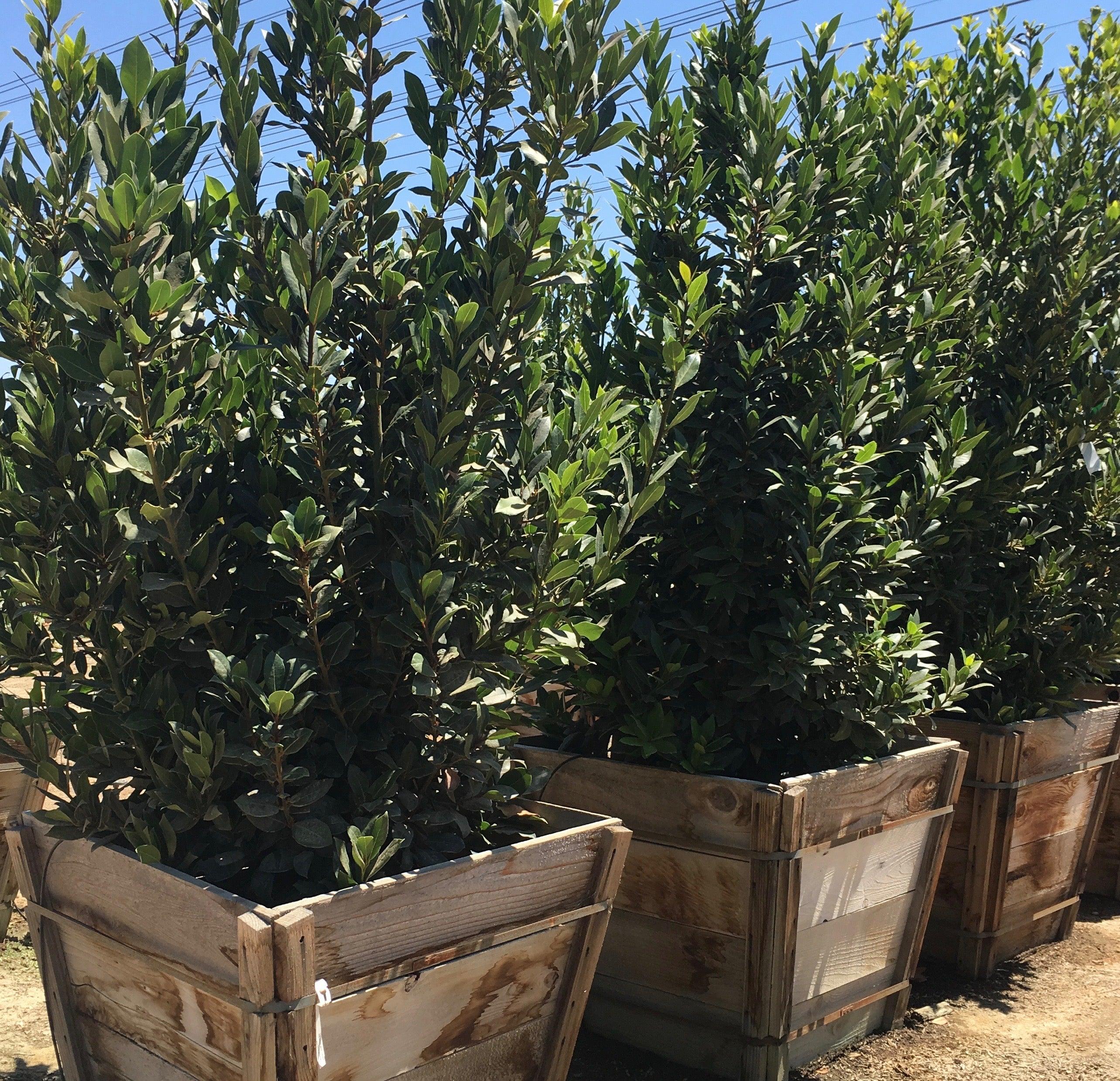
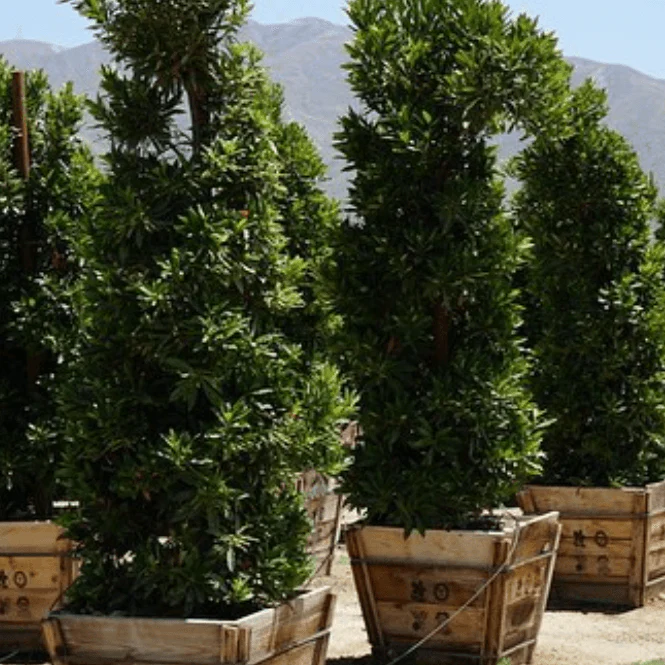
Many will appreciate the low-maintenance features associated with Japanese Blueberry Trees. They require very little pruning to keep shape, and pruning should be done no more than 2 or 3 times a year to maintain tree health. Any hard pruning of branches should occur during warm weather, specifically after mid-March and before mid-October. The branches can be managed to create shaped forms such as columns or topiary for formal landscapes, or left more natural for informal designs. You can also choose to leave the foliage full to the ground for a lush look, or trim it up for a more open appearance. The Japanese blueberry tree is a slow grower, typically reaching a height of 15 to 20 feet, but can be kept shorter with proper pruning. They are heat tolerant and cold hardy, being hardy in USDA Zones 8 through 11 and able to tolerate winter lows down to 15°F, so you can expect eye-catching beauty all year long. Japanese blueberry trees are effective for privacy screening due to their dense foliage and upright growth habit, making them suitable for use as hedges or privacy barriers.
The Japanese blueberry tree produces small, fragrant, bell-shaped white flowers that bloom in late spring to summer, with scented clusters that attract pollinators, butterflies, and birds. After flowering, the tree produces bluish/black, inedible blueberries (fruit) in fall and winter, adding seasonal interest to landscapes and enhancing its ornamental value, much like other ornamental shade trees such as the Rocky Mountain Glow Maple.
These slow-growing, exotic Japanese Blueberry hedges thrive in full sun and require regular water until established. The tree requires well-draining soil, preferably moist, rich, loamy or sandy textures, and performs best in soils with a pH of 6.1 to 7.3. It is moderately drought-tolerant once its root system is established and handles various soil types from loamy to sandy, similar to other versatile evergreen screens like the Fern Pine hedge (Podocarpus gracilior). Once established, it develops good drought tolerance and requires only occasional deep watering during extended dry periods. Be sure to water regularly, but do not overwater; allow the soil to dry slightly between waterings for optimal health. Fertilization should occur three times a year—in spring, summer, and autumn—using a high-quality granular fertilizer. Over time, as the tree is grown and matures, it can be shaped for landscape purposes to fit your design needs.
Due to their slower growth rate, buy as big as you can for instant beauty or privacy in your landscape. You can also consider other mature trees for sale if you want an immediate impact on shade and curb appeal. Japanese blueberry trees can grow to a height of 15 to 20 feet, providing a moderate amount of shade and privacy when fully matured, much like other popular privacy choices such as an English Laurel hedge or compact evergreens like Globe Japanese Boxwood. These trees have a compact form and can be planted as close as 4 feet from structures or a house, making them suitable for smaller spaces and providing privacy. When planting, leave enough room between each plant and nearby structures to allow for mature growth. The tree can be planted in groupings that mimic nature for a more organic look, or spaced evenly for a formal hedge alongside other landscape staples like Mexican Fan Palm and related specimen trees or even fruiting options such as a Pomegranate tree. For broader planning ideas and other privacy trees and shrubs, you can explore our nursery offerings of evergreen and privacy trees to complement your Japanese Blueberry planting.
Original: $495.00
-65%$495.00
$173.25Product Information
Product Information
Shipping & Returns
Shipping & Returns
Description
Shop our Japanese Blueberry Trees for sale. Also known as the Green Emerald Blueberry Tree, the Japanese blueberry tree (Elaeocarpus decipiens) is a low-maintenance broadleaf evergreen tree that matures to a height of 20 to 35 feet and can reach up to 60 feet with age. It’s an attractive, exotic, upright growing, evergreen tree popular in California landscapes. Native to Japan, this widely used hedging and topiary tree provides year-round color and interest. Part of its elegant beauty comes from the lush evergreen foliage. In spring, bronze colored leaves emerge before maturing into a luxurious shiny dark green color, while older, dying leaves turn brilliant fiery red before dropping in fall, adding ornamental value and vibrant contrast. This new growth contrasts beautifully with old growth, enhancing its visual appeal throughout the seasons. The tree’s dense leaf canopy can absorb carbon dioxide and trap urban pollutants, acting as a natural air purifier. In fact, Japanese Blueberry Trees are low-maintenance and provide year-round appeal, making them a valuable landscape element.
Many will appreciate the low-maintenance features associated with Japanese Blueberry Trees. They require very little pruning to keep shape, and pruning should be done no more than 2 or 3 times a year to maintain tree health. Any hard pruning of branches should occur during warm weather, specifically after mid-March and before mid-October. The branches can be managed to create shaped forms such as columns or topiary for formal landscapes, or left more natural for informal designs. You can also choose to leave the foliage full to the ground for a lush look, or trim it up for a more open appearance. The Japanese blueberry tree is a slow grower, typically reaching a height of 15 to 20 feet, but can be kept shorter with proper pruning. They are heat tolerant and cold hardy, being hardy in USDA Zones 8 through 11 and able to tolerate winter lows down to 15°F, so you can expect eye-catching beauty all year long. Japanese blueberry trees are effective for privacy screening due to their dense foliage and upright growth habit, making them suitable for use as hedges or privacy barriers.
The Japanese blueberry tree produces small, fragrant, bell-shaped white flowers that bloom in late spring to summer, with scented clusters that attract pollinators, butterflies, and birds. After flowering, the tree produces bluish/black, inedible blueberries (fruit) in fall and winter, adding seasonal interest to landscapes and enhancing its ornamental value, much like other ornamental shade trees such as the Rocky Mountain Glow Maple.
These slow-growing, exotic Japanese Blueberry hedges thrive in full sun and require regular water until established. The tree requires well-draining soil, preferably moist, rich, loamy or sandy textures, and performs best in soils with a pH of 6.1 to 7.3. It is moderately drought-tolerant once its root system is established and handles various soil types from loamy to sandy, similar to other versatile evergreen screens like the Fern Pine hedge (Podocarpus gracilior). Once established, it develops good drought tolerance and requires only occasional deep watering during extended dry periods. Be sure to water regularly, but do not overwater; allow the soil to dry slightly between waterings for optimal health. Fertilization should occur three times a year—in spring, summer, and autumn—using a high-quality granular fertilizer. Over time, as the tree is grown and matures, it can be shaped for landscape purposes to fit your design needs.
Due to their slower growth rate, buy as big as you can for instant beauty or privacy in your landscape. You can also consider other mature trees for sale if you want an immediate impact on shade and curb appeal. Japanese blueberry trees can grow to a height of 15 to 20 feet, providing a moderate amount of shade and privacy when fully matured, much like other popular privacy choices such as an English Laurel hedge or compact evergreens like Globe Japanese Boxwood. These trees have a compact form and can be planted as close as 4 feet from structures or a house, making them suitable for smaller spaces and providing privacy. When planting, leave enough room between each plant and nearby structures to allow for mature growth. The tree can be planted in groupings that mimic nature for a more organic look, or spaced evenly for a formal hedge alongside other landscape staples like Mexican Fan Palm and related specimen trees or even fruiting options such as a Pomegranate tree. For broader planning ideas and other privacy trees and shrubs, you can explore our nursery offerings of evergreen and privacy trees to complement your Japanese Blueberry planting.