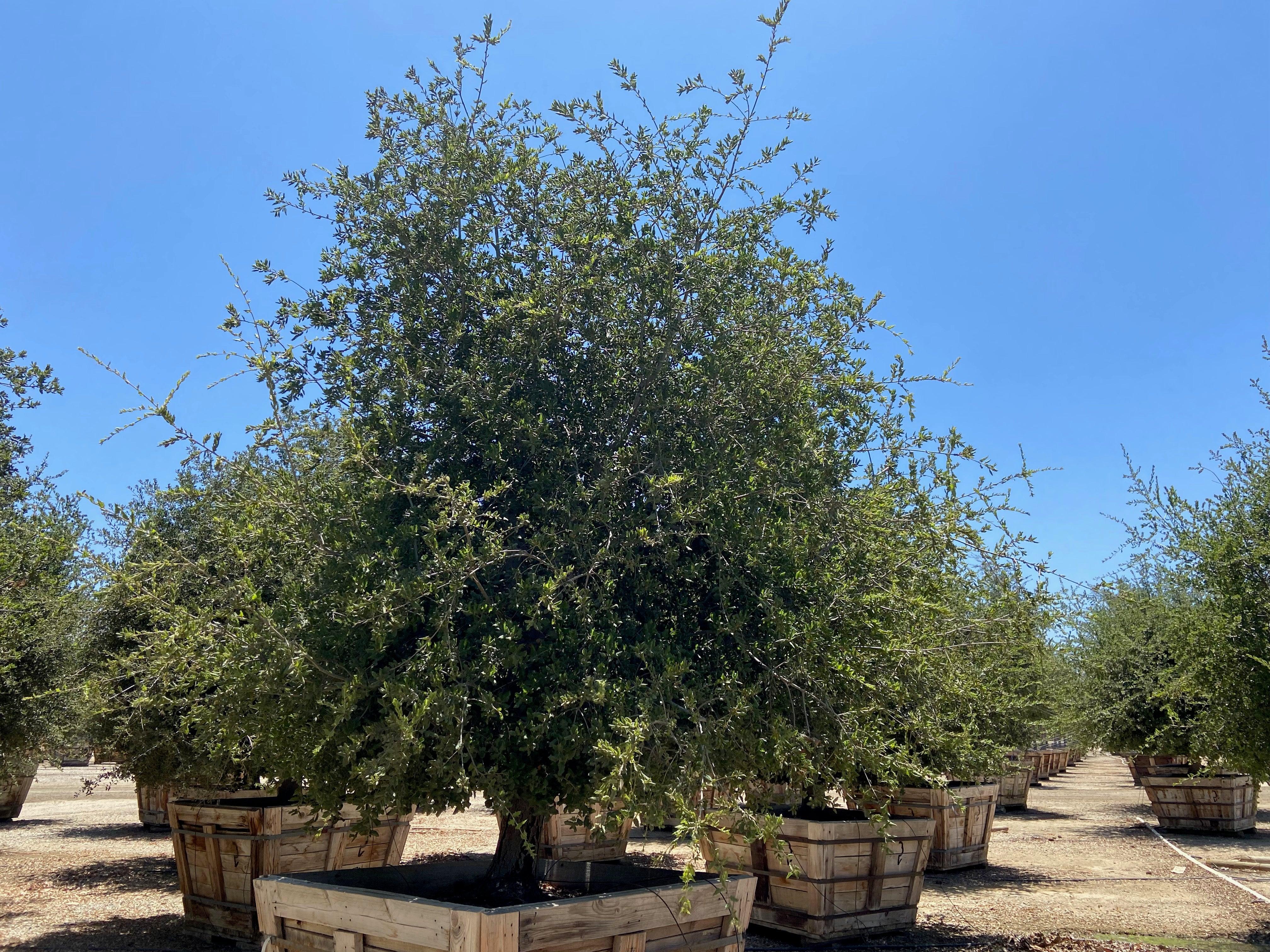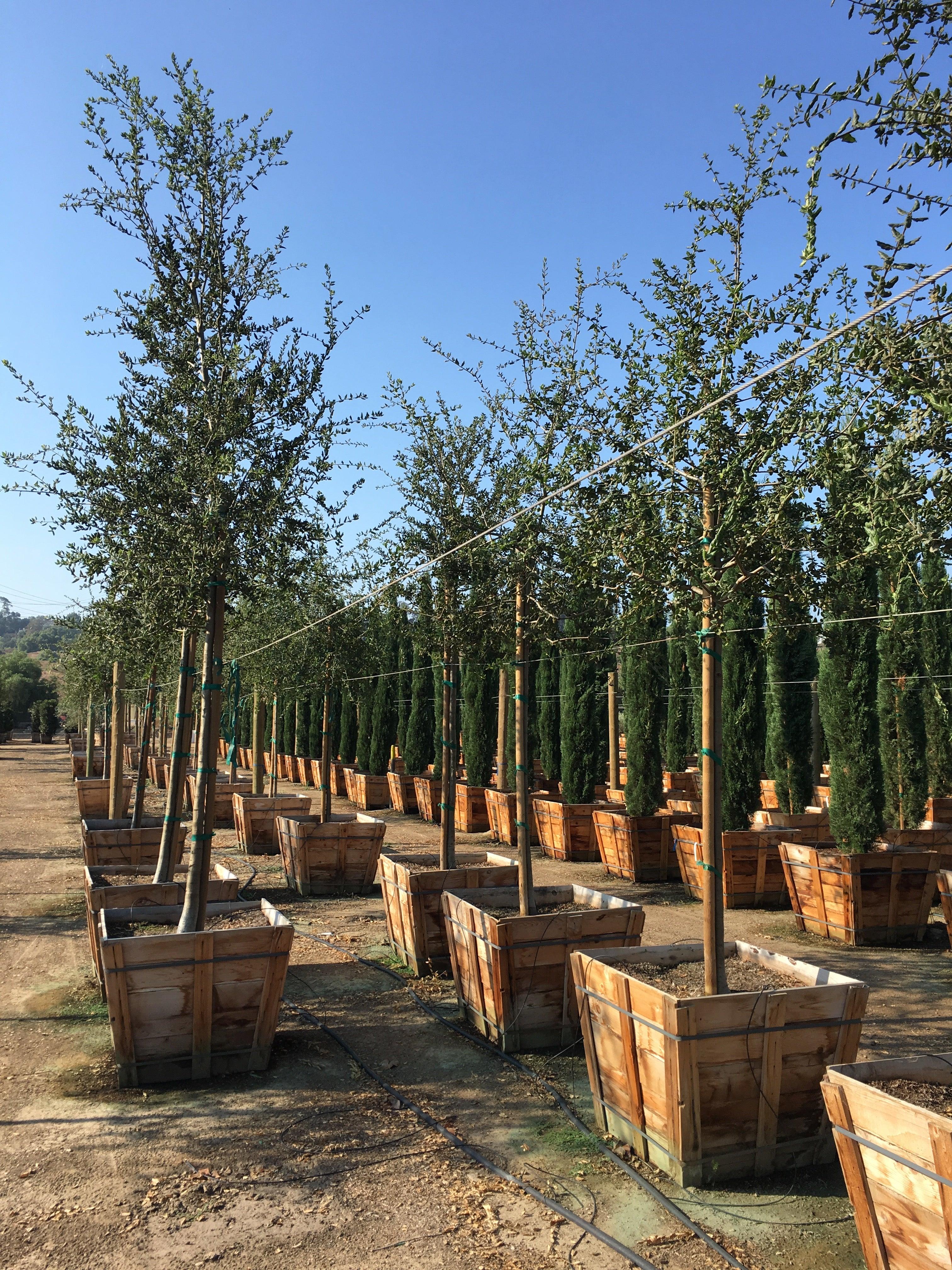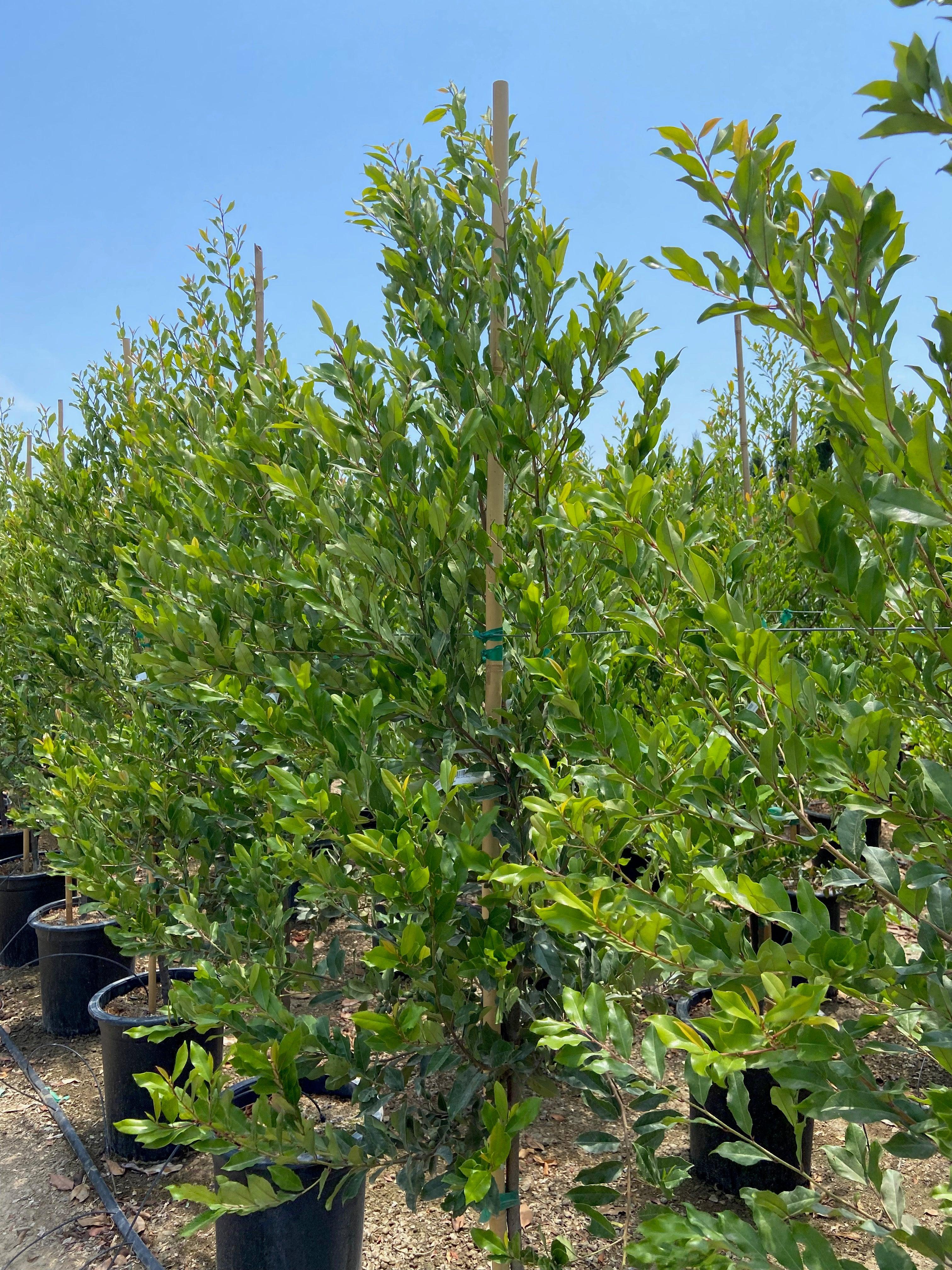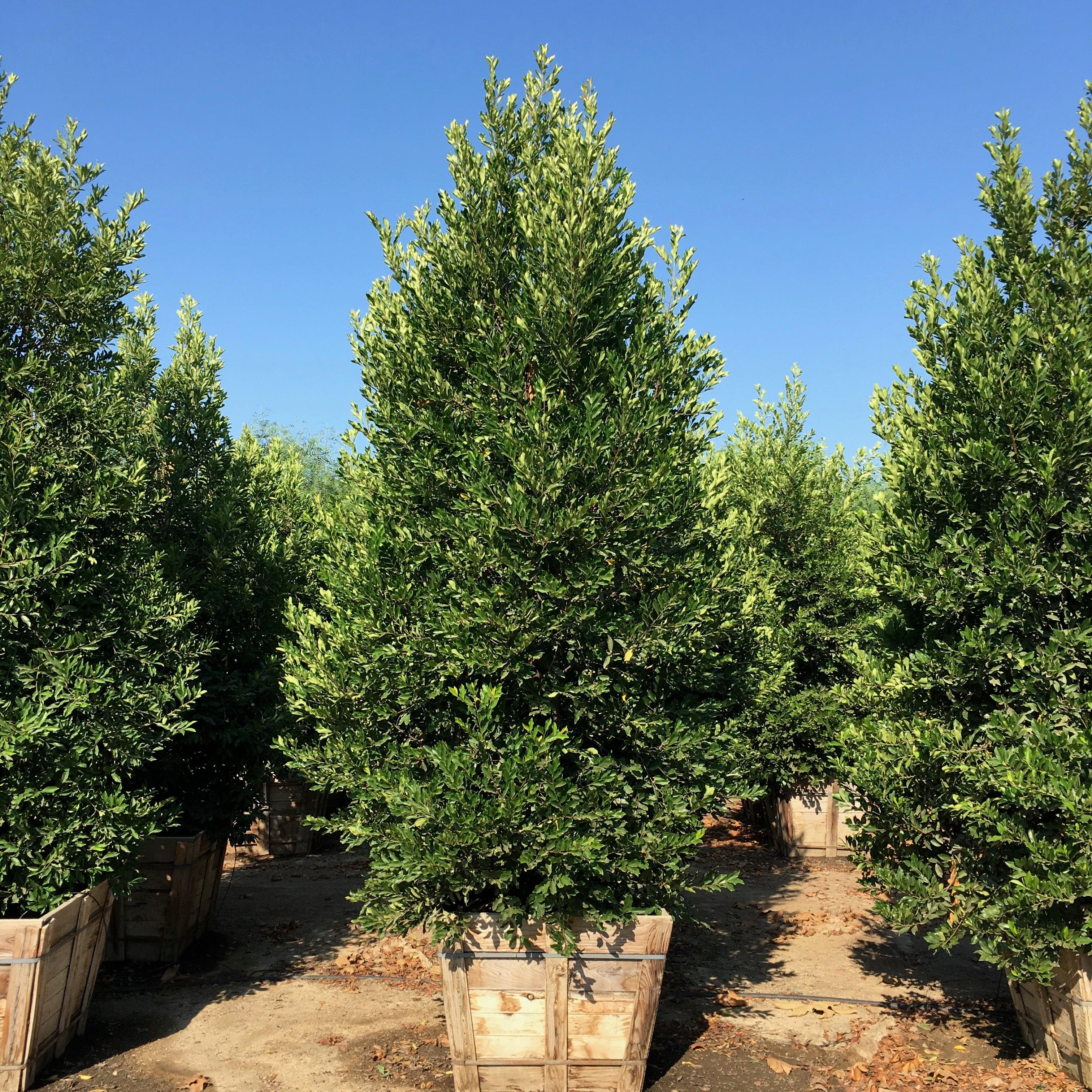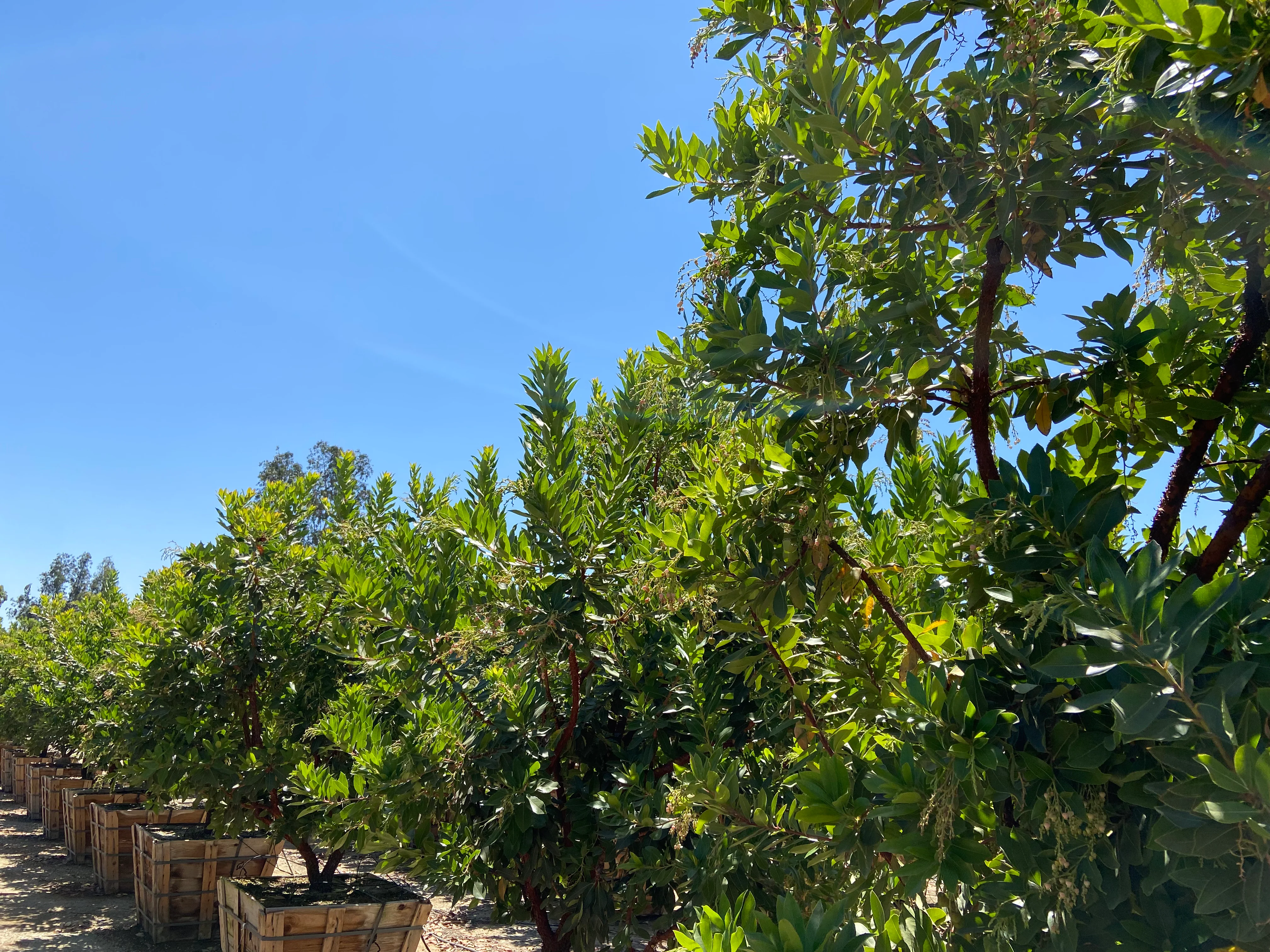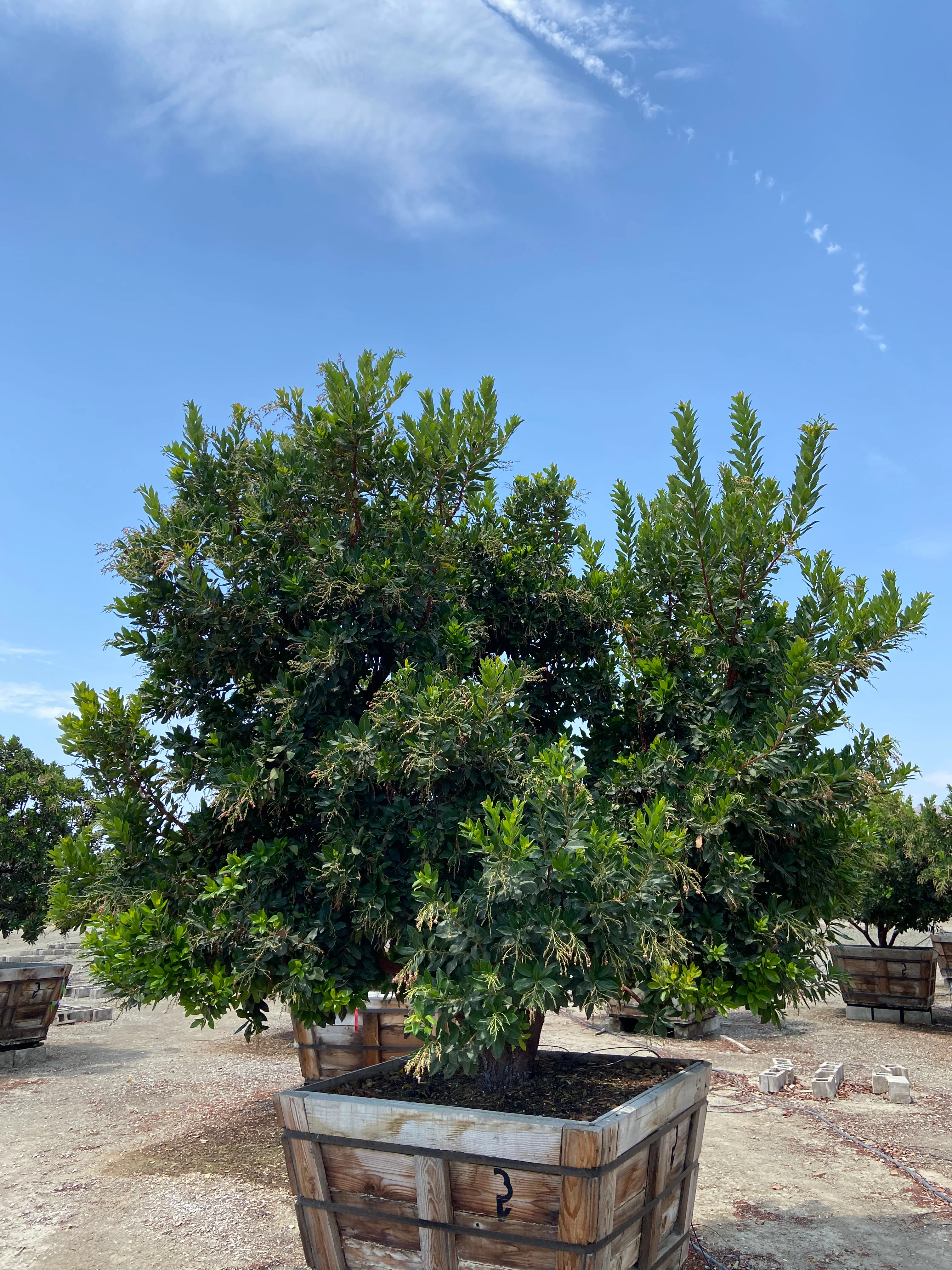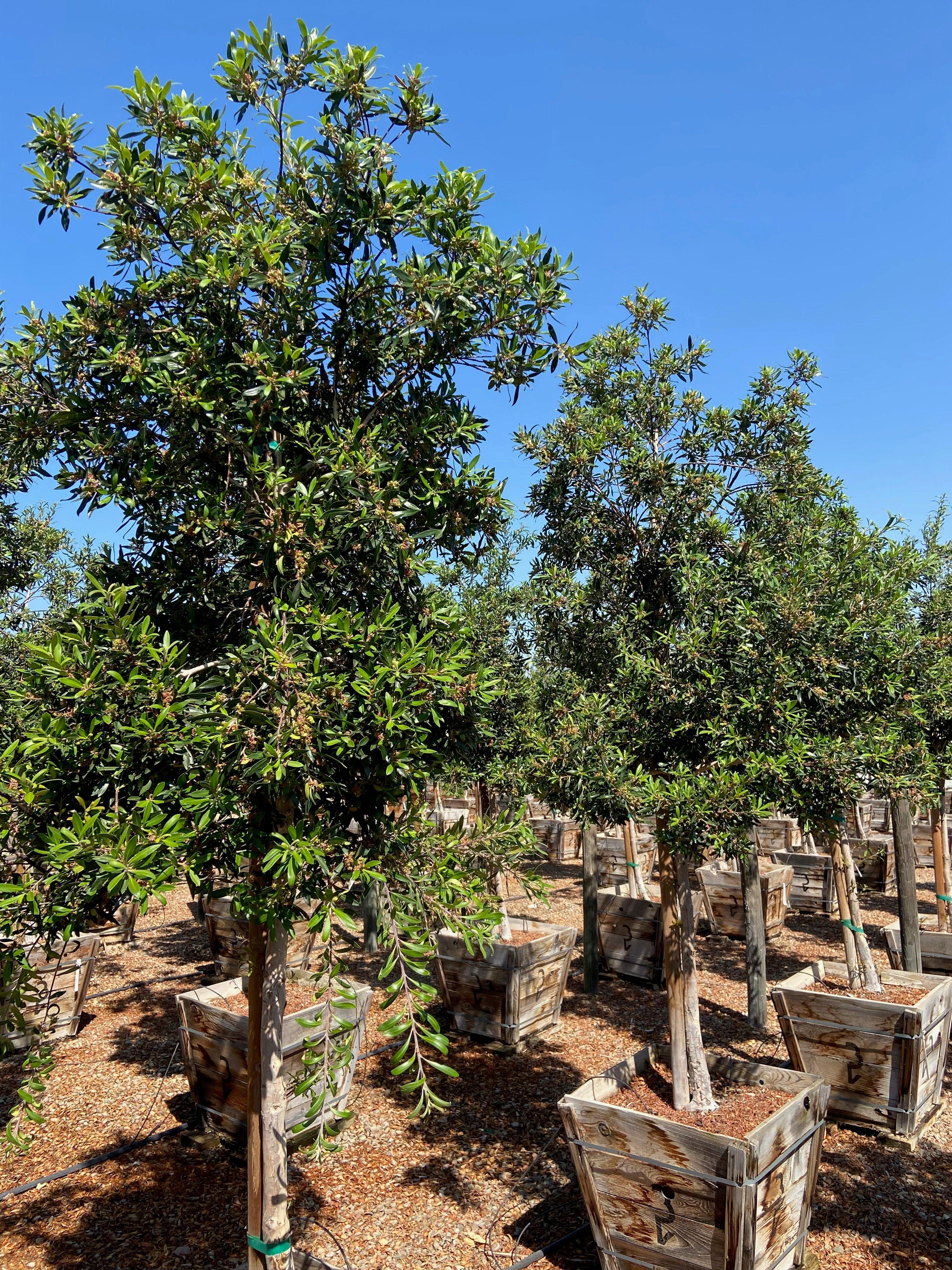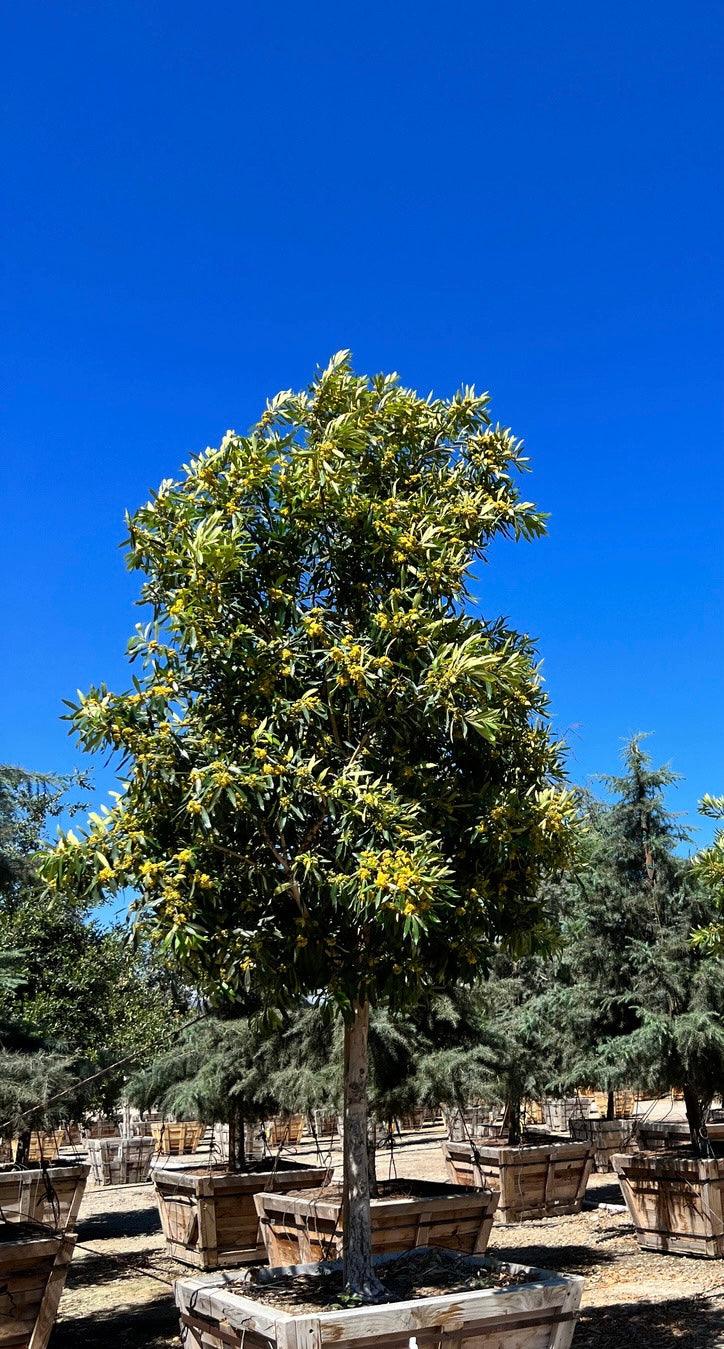


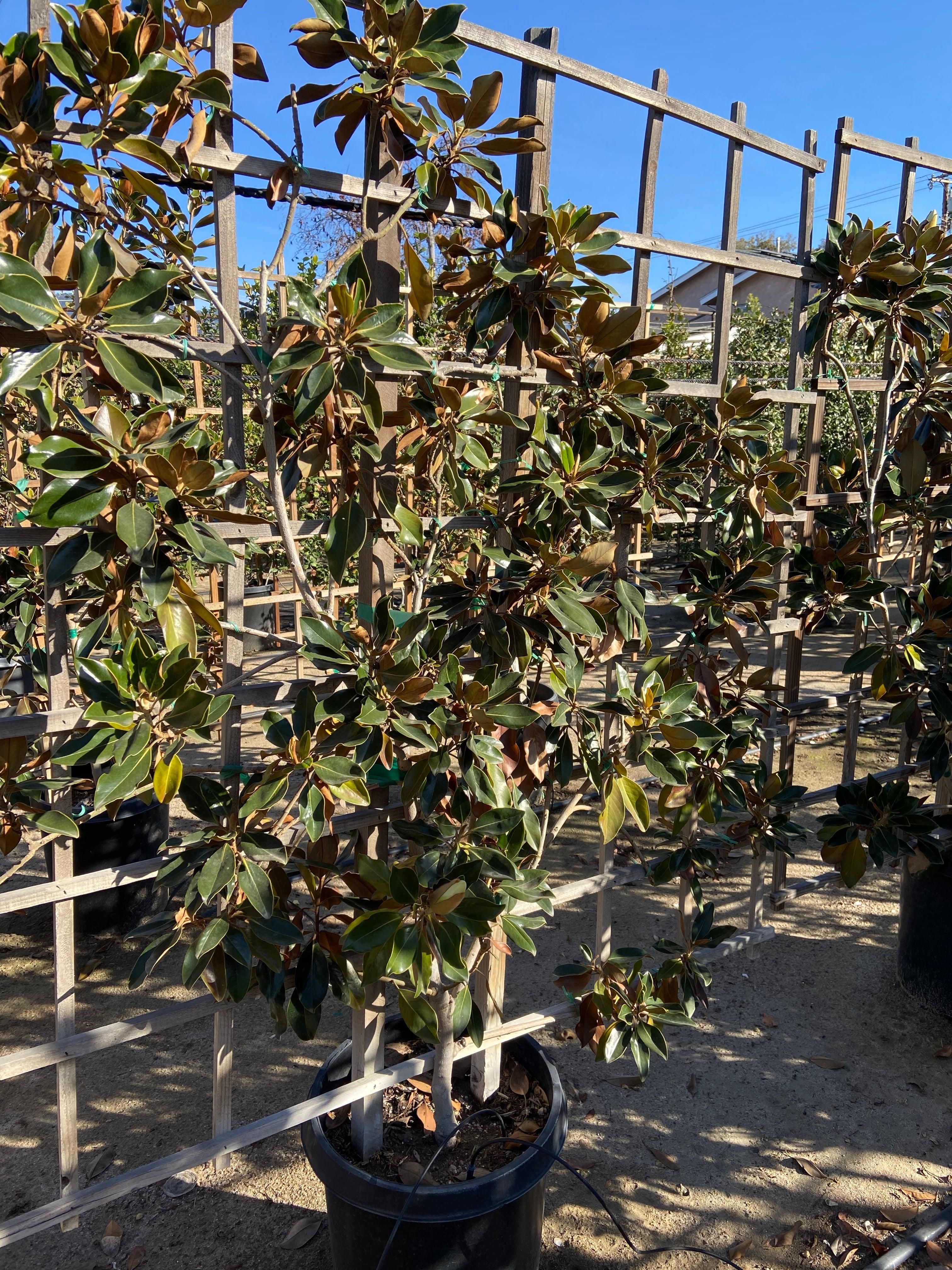
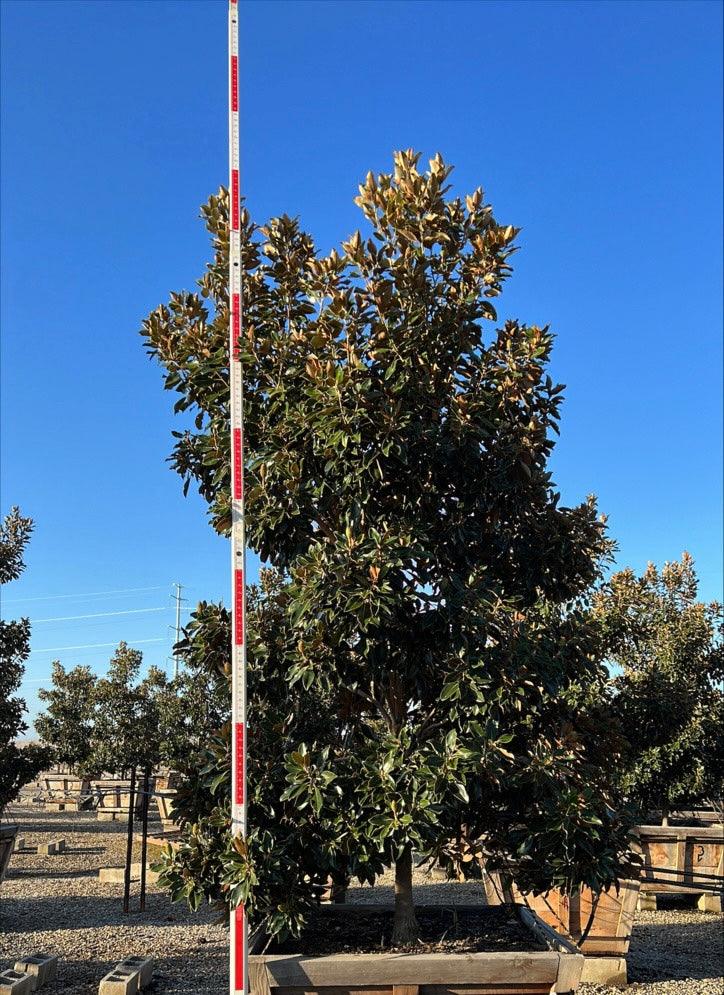
Little Gem Magnolia (Magnolia grandiflora 'Little Gem')
Compact Southern Magnolia with Year-Round Elegance
The Little Gem Magnolia gives you the classic beauty of a Southern Magnolia in a smaller, more manageable form-fragrant white blooms, glossy evergreen foliage, and year-round structure without the massive size of a traditional Southern Magnolia.
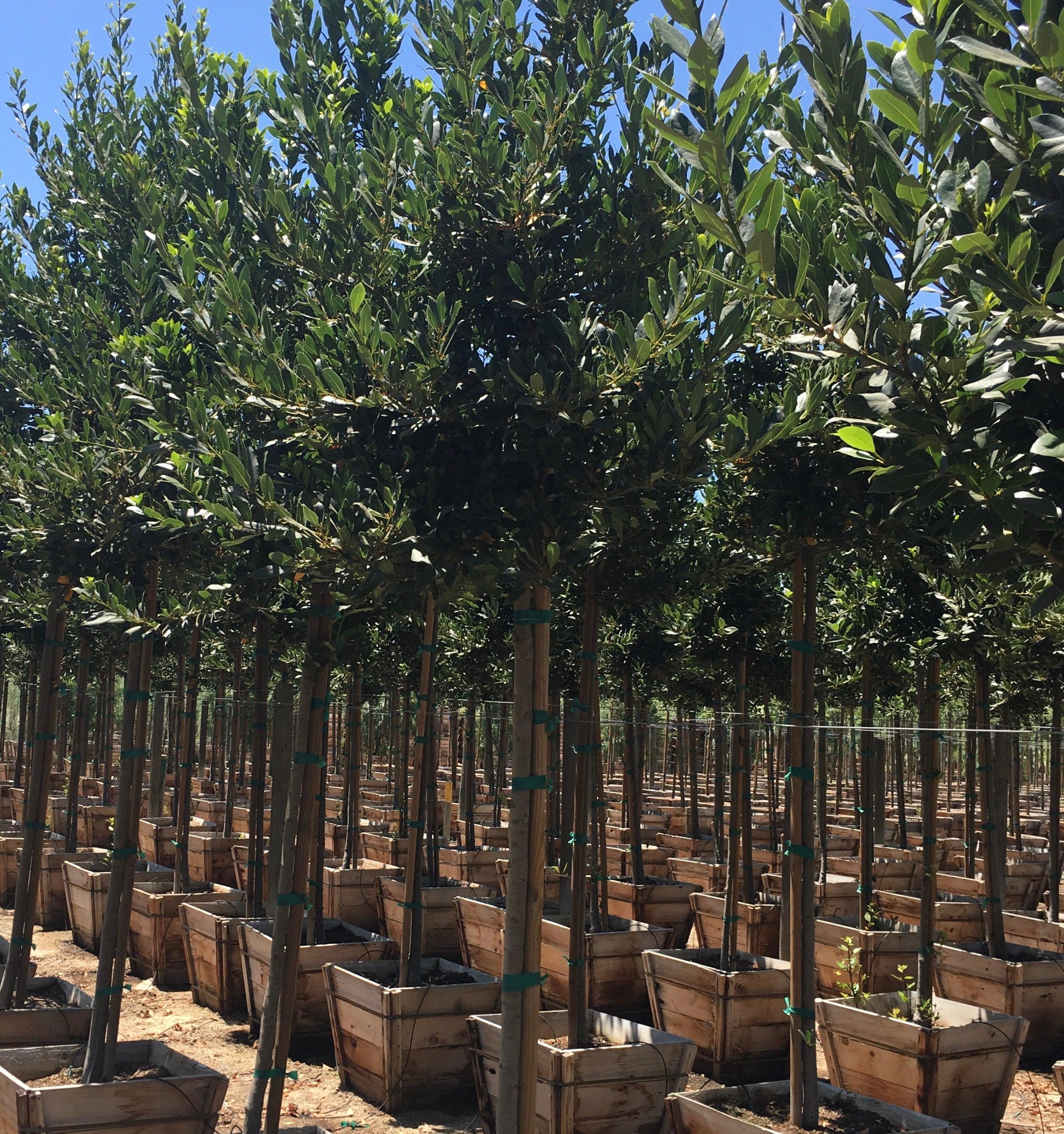
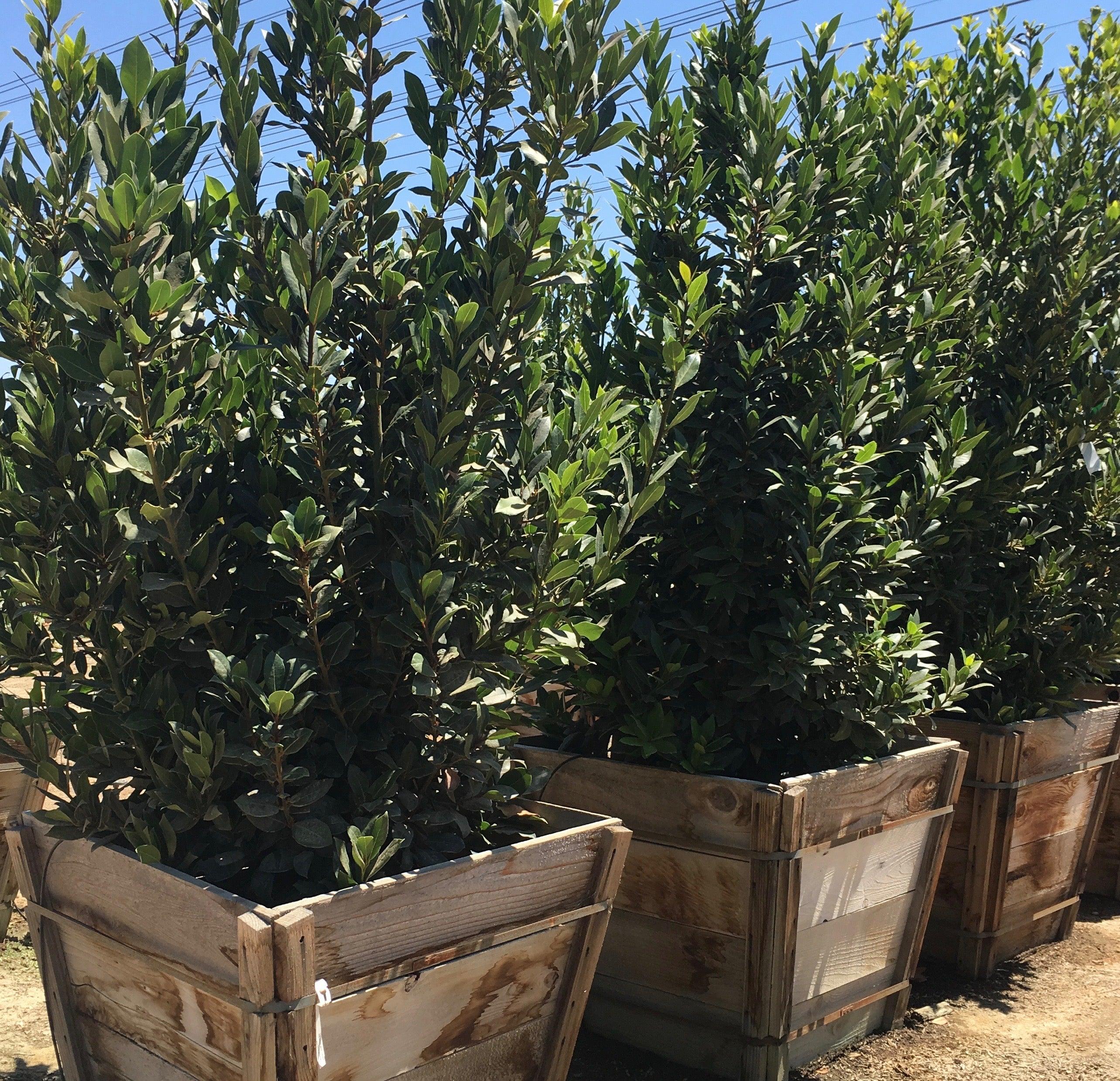
This compact Magnolia grandiflora cultivar is ideal when you want a flowering evergreen tree that fits modern landscapes, small gardens, patios, courtyards, and privacy plantings. The Little Gem Magnolia tree typically grows 15 to 20 feet tall and 7 to 10 feet wide, offering the elegance of magnolia varieties from the southeastern United States in a compact narrow form that is easier to place and maintain.
Why You’ll Love It
-
Fragrant White Blooms – The Little Gem Magnolia produces large, creamy white flowers that can reach up to 8 inches in diameter, blooming from late spring through summer and often continuing into fall.
-
Sweet Lemon Scent – The flowers of the Little Gem Magnolia emit a sweet, lemony scent, which attracts pollinators such as bees and butterflies to the garden.
-
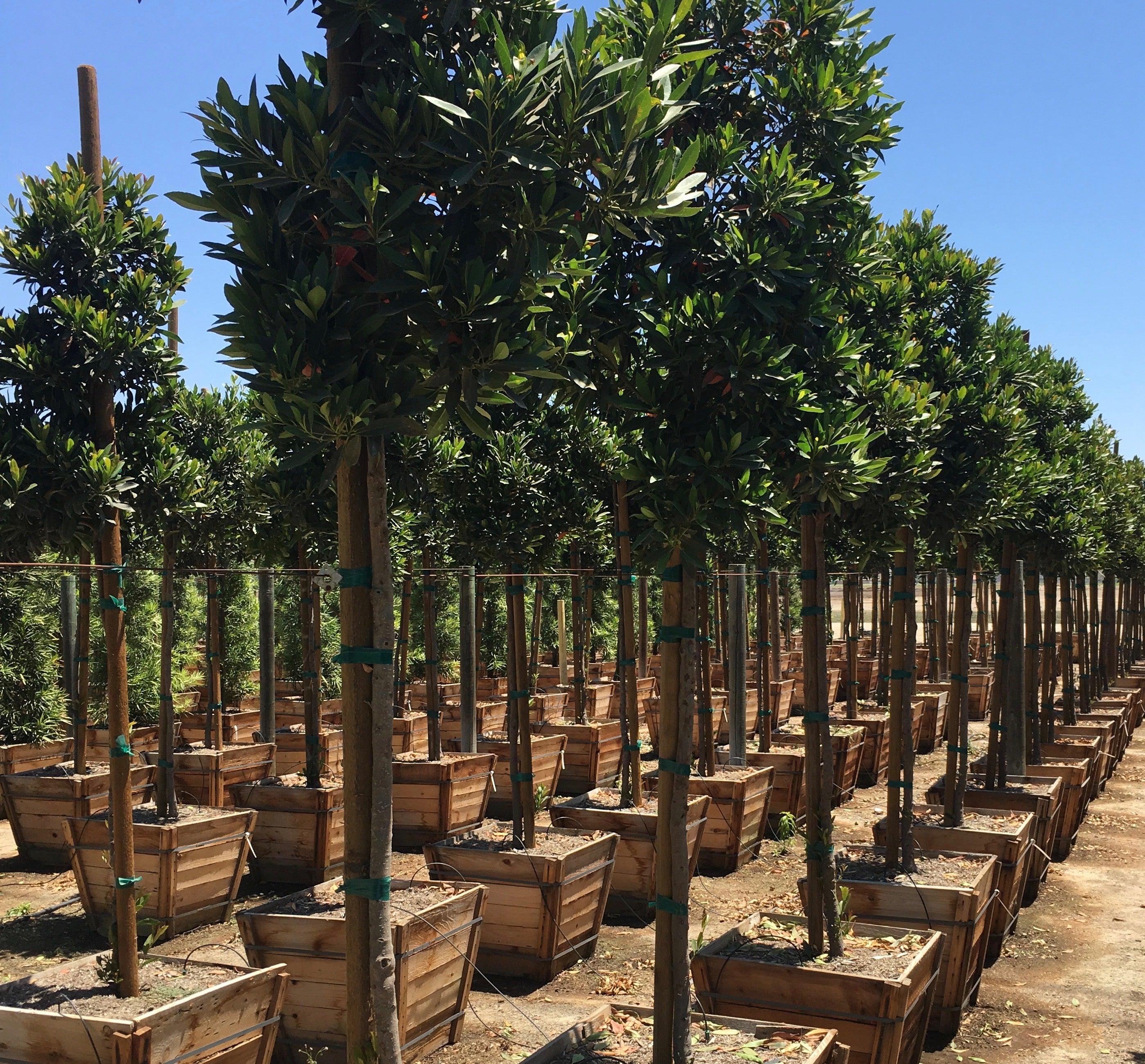
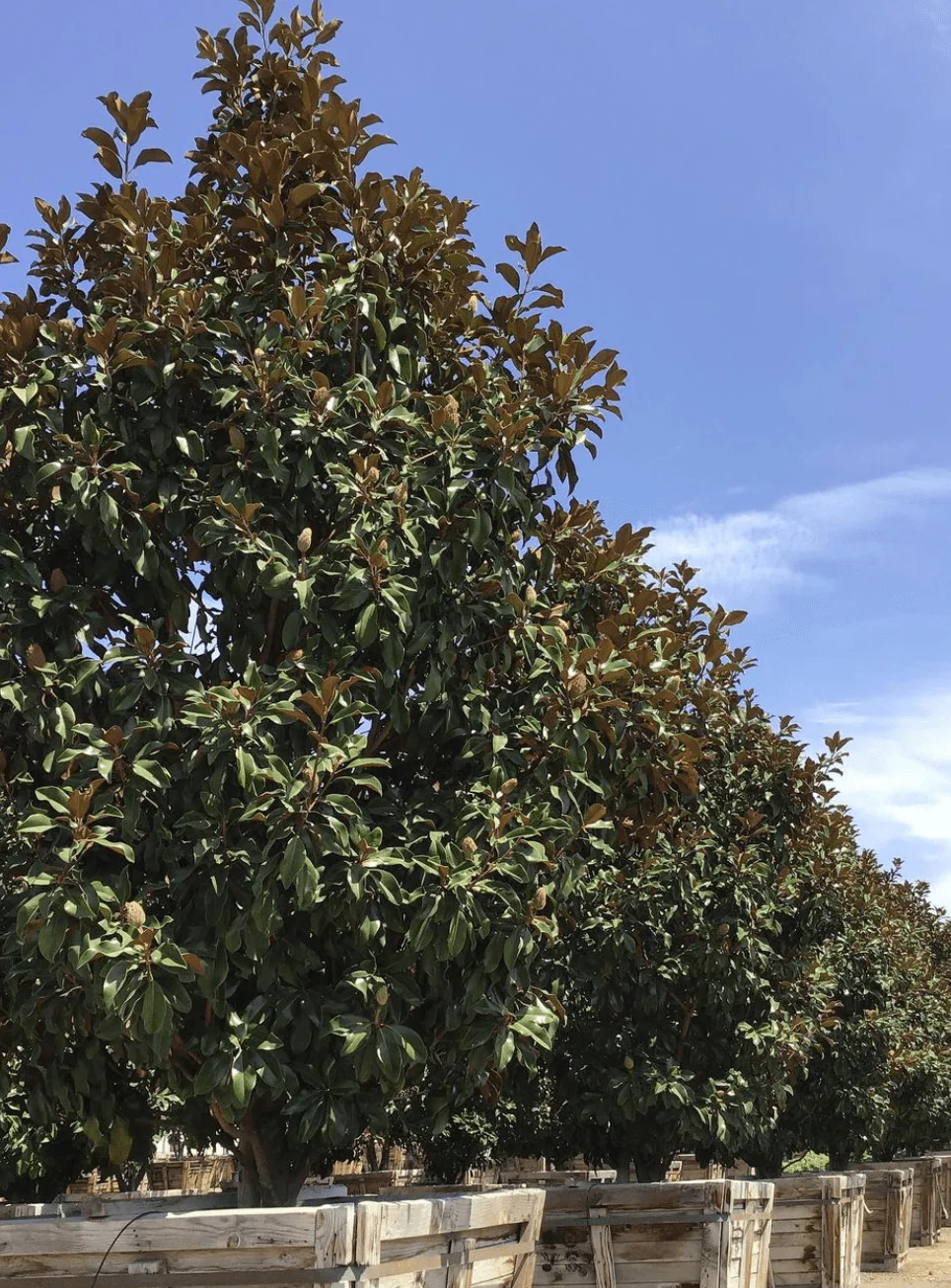
Year-Round Beauty – Dense evergreen foliage, glossy green leaves, and rusty brown undersides create year round interest even when the tree is not in bloom.
-
Perfect Size – The Little Gem Magnolia typically reaches a height of 15 to 20 feet and a width of 7 to 10 feet, making it a compact option for smaller gardens.
-
Low Maintenance – It is moderately drought-tolerant once established and needs regular watering while young.
-
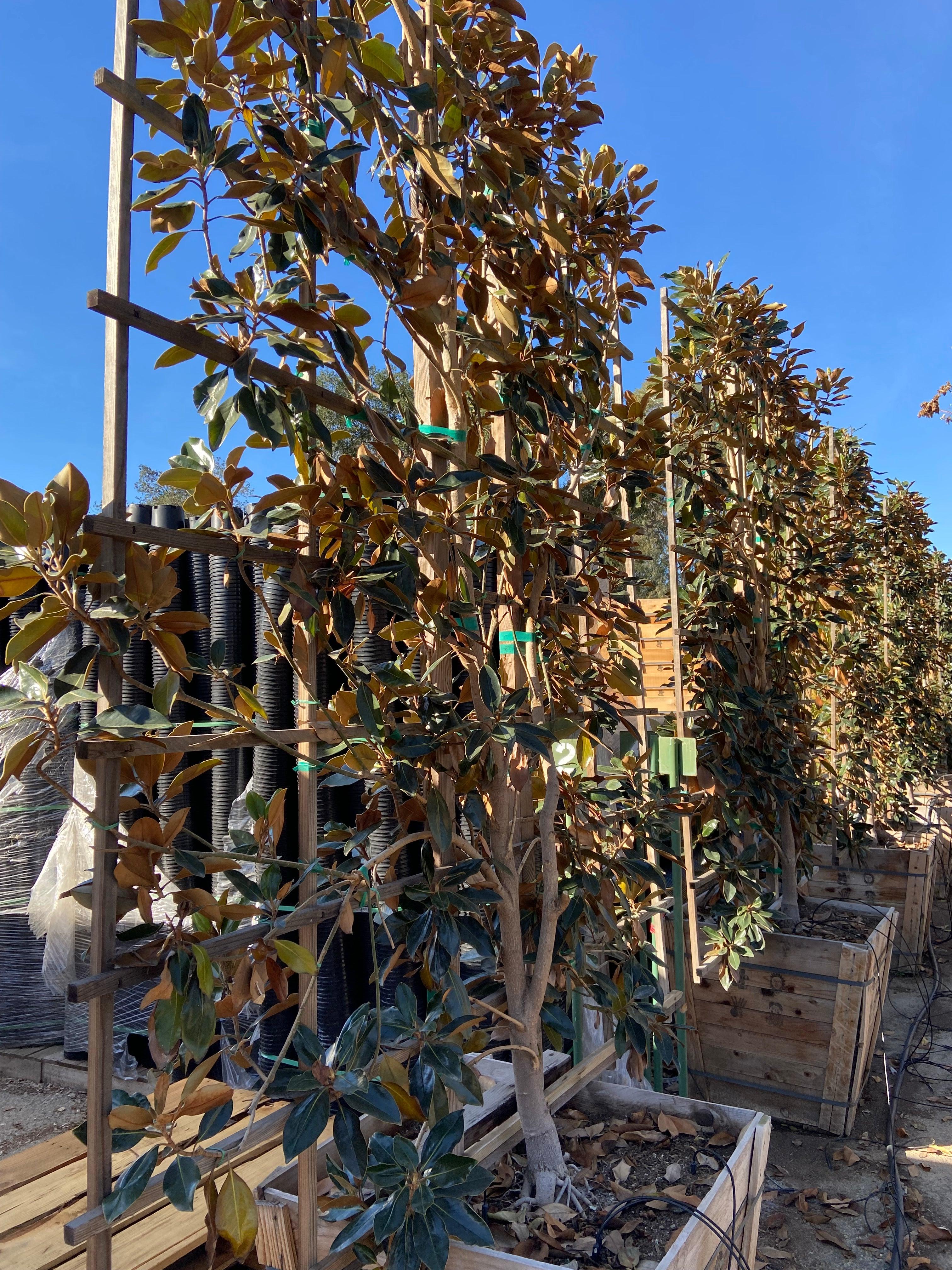
Fast Privacy – The Little Gem Magnolia is an excellent choice for a privacy screen due to its dense evergreen foliage and low branching canopy, making it ideal for creating secluded outdoor spaces.
The little gem magnolia tree works beautifully as a small tree, large shrub, feature tree, or flowering evergreen tree for foundation plantings. It brings white fragrant flowers, glossy leaves, and a pyramidal shape into the landscape while staying far more compact than a standard Southern Magnolia.
What Makes It Different
Most Southern Magnolia trees grow too large for today’s homes, patios, and side yards. A traditional Southern Magnolia can become a massive shade tree, while Magnolia grandiflora Little Gem keeps a very compact narrow form that is easier to use around homes, fences, and garden borders.
Little Gem Magnolia is built differently:
-
Dwarf Version of a Southern Classic – Often described as a dwarf version or slower growing cultivar of Magnolia grandiflora, Little Gem offers the beauty of Southern Magnolia in a compact narrow form.
-
Extended Bloom Period – Little Gem Magnolia flowers typically begin to bloom in May, with continuous blooming throughout spring and summer, often lasting through October.
-
Smaller Dark Green Foliage – The leaves of the Little Gem Magnolia are smaller than those of the traditional Southern Magnolia, measuring 4 to 6 inches in length, and have a glossy green appearance with a rusty-brown underside.
-
Container Friendly – The tree serves as an excellent feature tree, screen, or container plant for smaller gardens.
-
Landscape Versatility – Little Gem Magnolias thrive in full sun to partial shade, making them versatile for various landscape designs, including foundation plantings and small gardens.
Use a little gem magnolia tree near a patio, as a privacy evergreen screen along a fence, or as a focal point in groups of three to five for a striking visual impact in gardens or yards. Its dense evergreen foliage, fragrant flowers, and smaller scale make it one of the most practical magnolia varieties for California landscapes.
Tips For Success
-
Plant in Full Sun to Partial Shade
Choose a location with at least six hours of sunlight daily. These trees require at least six hours of sunlight daily, with morning light being ideal and some afternoon shade beneficial, especially in hot climates. Little Gem Magnolias thrive in full sun to partial shade, and in warmer areas, full sun to partial afternoon shade helps protect new foliage from stress. -
Give It the Right Soil
Little Gem Magnolia trees thrive best in well-drained, acidic soil with a pH of 5.5 to 6.5, and they perform well in organically rich, loamy soil. Well drained soil, well drained loams, and consistently moist soil support healthy growth. Avoid soil extremes where possible, because magnolia roots are generally intolerant of compaction, poor drainage, and highly alkaline conditions. -
Water Deeply While It Establishes
When newly planted, Little Gem Magnolia trees need to be watered deeply once or twice a week, and once established, they typically require watering only once a week during summer months. Water deeply instead of shallowly so the soil moist zone supports root development. A 2-to-4-inch layer of mulch around the base helps conserve soil moisture and regulate root temperature. -
Allow Space for Shallow Roots
Magnolia root systems spread widely and shallowly, so it is recommended to plant the tree at least 5 to 10 feet away from structures. Avoid tight paving, heavy foot traffic, and tying young trunks with slender threads that can cut into new growth. -
Enjoy Continuous Blooms
Fragrant flowers usually appear once the plant is established, often within the first few years. Expect creamy white flowers from late spring through summer, with white blooms often continuing into early fall in favorable conditions.
The result is a slow growing tree with year round beauty, dense evergreen foliage, white fragrant flowers, and a compact habit that works in small gardens, patios, and privacy plantings, especially when you choose a Little Gem Dwarf Southern Magnolia sized appropriately for your space.
Product Details
-
Scientific Name: Magnolia grandiflora ‘Little Gem’
-
Common Names: Little Gem Magnolia, gem magnolia, little gem, Little Gem Magnolia tree
-
Plant Type: Flowering evergreen tree; can also be trained as a small tree, large shrub, or multi stemmed shrub
-
Mature Size: The Little Gem Magnolia typically reaches a height of 15 to 20 feet and a width of 7 to 10 feet, making it a compact option for smaller gardens.
-
Height: Commonly 15 to 20 feet tall
-
Width: Commonly 7 to 10 feet wide
-
Growth Rate: This tree has a slow growth rate, averaging less than 12 inches per year, and can take around 20 years to reach its full height.
-
Flowers: The Little Gem Magnolia produces large, creamy white flowers that can reach up to 8 inches in diameter, blooming from late spring through summer and often continuing into fall.
-
Bloom Season: Little Gem Magnolia flowers typically begin to bloom in May, with continuous blooming throughout spring and summer, often lasting through October.
-
Fragrance: Sweet, lemony, white fragrant flowers that attract bees, butterflies, and other pollinators
-
Foliage: Evergreen leaves with glossy green leaves above and rusty brown undersides below
-
Leaf Size: The leaves of the Little Gem Magnolia are smaller than those of the traditional Southern Magnolia, measuring 4 to 6 inches in length, and have a glossy green appearance with a rusty-brown underside.
-
Light: Full sun to partial shade; full sun to partial afternoon shade is helpful in hot climates
-
Soil: Little Gem Magnolia trees thrive best in well-drained, acidic soil with a pH of 5.5 to 6.5, and they perform well in organically rich, loamy soil.
-
Watering: When newly planted, water deeply once or twice a week; once established, water about once a week during summer months.
-
Drought Tolerance: It is moderately drought-tolerant once established and needs regular watering while young.
-
Hardiness: Thrives in USDA Hardiness Zones 7 through 9, and can survive down to zone 6 if planted in a protected microclimate.
-
Best Zone Range: Little Gem Magnolia is best suited for USDA Hardiness Zones 6b–9, with recommendations for protection in colder zones.
-
Listed Range: Often sold for USDA zones 6–10, depending on local climate, soil, and heat protection
-
Landscape Uses: Feature tree, privacy screen, flowering evergreen, foundation planting, courtyard tree, patio tree, and large container plant; explore additional magnolia trees for sale to complement Little Gem in the landscape
-
Urban Tolerance: Once established, this hardy tree handles many urban pollutants better than many ornamental trees, though healthy growth still depends on good soil and watering.
-
Deer Resistance: Considered deer resistant in many landscapes, though browsing pressure can vary.
-
Disease Resistance: Generally disease resistant when planted in well drained soil with good airflow.
Available sizes and current pricing may vary by Yardwork inventory. For California customers, Yardwork’s plant nursery services can help you select the right Little Gem Magnolia size for your space, arrange delivery where available, and provide planting guidance for local sun, soil, and watering conditions.
Who It’s For
Ideal for:
-
Homeowners who want magnolia beauty without the massive size of a traditional Southern Magnolia tree
-
Privacy screen seekers who need evergreen coverage with dense evergreen foliage
-
Small garden owners looking for a compact flowering evergreen tree
-
Patio and courtyard gardeners who want a gem magnolia in large containers and may also be considering other fast growing privacy trees
-
Landscape designs that need a focal point, especially when planted in groups of three to five for visual impact
-
California gardeners who want fragrant white flowers, glossy green foliage, and year round structure in a manageable size, perhaps pairing Little Gem with Star Jasmine evergreen vines for added fragrance and coverage
If you want a small tree with creamy white blooms, glossy green leaves, and a compact narrow form, the Little Gem Magnolia tree fits beautifully. It works as a specimen tree, screen, container plant, or foundation planting, especially where full sun, sun to partial shade, or morning sun with partial shade is available.
Frequently Asked Questions
How fast does Little Gem Magnolia grow?
Little Gem Magnolia has a slow growth rate, averaging less than 12 inches per year. This slow growing tree can take around 20 years to reach its full height, which is typically 15 to 20 feet tall and 7 to 10 feet wide.
When do the flowers appear?
Little Gem Magnolia flowers typically begin to bloom in May, with continuous blooming throughout spring and summer, often lasting through October. The Little Gem Magnolia produces large, creamy white flowers that can reach up to 8 inches in diameter, blooming from late spring through summer and often continuing into fall.
Are the flowers fragrant?
Yes. The flowers of the Little Gem Magnolia emit a sweet, lemony scent, which attracts pollinators such as bees and butterflies to the garden. The fragrant flowers are one of the main reasons gardeners choose this flowering evergreen.
Can it grow in containers?
Yes. The tree serves as an excellent feature tree, screen, or container plant for smaller gardens. Use large containers, well drained soil, and consistent watering. Container-grown plants need more attention to soil moist conditions because pots dry faster than in-ground planting areas.
How much space does it need?
Magnolia root systems spread widely and shallowly, so it is recommended to plant the tree at least 5 to 10 feet away from structures. For screening, allow enough room for the mature 7 to 10 foot width so the low branching canopy can develop naturally.
What soil does it prefer?
Little Gem Magnolia trees thrive best in well-drained, acidic soil with a pH of 5.5 to 6.5, and they perform well in organically rich, loamy soil. Well drained loams are ideal. Avoid compacted soil, standing water, and alkaline soil extremes.
How much sun does it need?
These trees require at least six hours of sunlight daily, with morning light being ideal and some afternoon shade beneficial, especially in hot climates. Little Gem Magnolias thrive in full sun to partial shade, so they are versatile for foundation plantings, small gardens, and landscape screens.
How often should I water it?
When newly planted, Little Gem Magnolia trees need to be watered deeply once or twice a week, and once established, they typically require watering only once a week during summer months. It is moderately drought-tolerant once established and needs regular watering while young.
Does mulch help?
Yes. A 2-to-4-inch layer of mulch around the base helps conserve soil moisture and regulate root temperature. Keep mulch slightly away from the trunk to protect the bark.
What zones does Little Gem Magnolia grow in?
It thrives in USDA Hardiness Zones 7 through 9, and can survive down to zone 6 if planted in a protected microclimate. Little Gem Magnolia is best suited for USDA Hardiness Zones 6b–9, with recommendations for protection in colder zones.
Ready to Add Southern Charm?
Stop searching for a compact magnolia that fits your space. Choose Little Gem Magnolia for fragrant white flowers, dense evergreen foliage, glossy leaves, and year round beauty in a manageable size.
Yardwork can help you select the right Little Gem Magnolia for your California landscape, whether you’re planting a privacy screen, creating a courtyard focal point, or adding a flowering evergreen tree to a small garden.
Original: $395.00
-65%$395.00
$138.25Product Information
Product Information
Shipping & Returns
Shipping & Returns
Description
Compact Southern Magnolia with Year-Round Elegance
The Little Gem Magnolia gives you the classic beauty of a Southern Magnolia in a smaller, more manageable form-fragrant white blooms, glossy evergreen foliage, and year-round structure without the massive size of a traditional Southern Magnolia.
This compact Magnolia grandiflora cultivar is ideal when you want a flowering evergreen tree that fits modern landscapes, small gardens, patios, courtyards, and privacy plantings. The Little Gem Magnolia tree typically grows 15 to 20 feet tall and 7 to 10 feet wide, offering the elegance of magnolia varieties from the southeastern United States in a compact narrow form that is easier to place and maintain.
Why You’ll Love It
-
Fragrant White Blooms – The Little Gem Magnolia produces large, creamy white flowers that can reach up to 8 inches in diameter, blooming from late spring through summer and often continuing into fall.
-
Sweet Lemon Scent – The flowers of the Little Gem Magnolia emit a sweet, lemony scent, which attracts pollinators such as bees and butterflies to the garden.
-
Year-Round Beauty – Dense evergreen foliage, glossy green leaves, and rusty brown undersides create year round interest even when the tree is not in bloom.
-
Perfect Size – The Little Gem Magnolia typically reaches a height of 15 to 20 feet and a width of 7 to 10 feet, making it a compact option for smaller gardens.
-
Low Maintenance – It is moderately drought-tolerant once established and needs regular watering while young.
-
Fast Privacy – The Little Gem Magnolia is an excellent choice for a privacy screen due to its dense evergreen foliage and low branching canopy, making it ideal for creating secluded outdoor spaces.
The little gem magnolia tree works beautifully as a small tree, large shrub, feature tree, or flowering evergreen tree for foundation plantings. It brings white fragrant flowers, glossy leaves, and a pyramidal shape into the landscape while staying far more compact than a standard Southern Magnolia.
What Makes It Different
Most Southern Magnolia trees grow too large for today’s homes, patios, and side yards. A traditional Southern Magnolia can become a massive shade tree, while Magnolia grandiflora Little Gem keeps a very compact narrow form that is easier to use around homes, fences, and garden borders.
Little Gem Magnolia is built differently:
-
Dwarf Version of a Southern Classic – Often described as a dwarf version or slower growing cultivar of Magnolia grandiflora, Little Gem offers the beauty of Southern Magnolia in a compact narrow form.
-
Extended Bloom Period – Little Gem Magnolia flowers typically begin to bloom in May, with continuous blooming throughout spring and summer, often lasting through October.
-
Smaller Dark Green Foliage – The leaves of the Little Gem Magnolia are smaller than those of the traditional Southern Magnolia, measuring 4 to 6 inches in length, and have a glossy green appearance with a rusty-brown underside.
-
Container Friendly – The tree serves as an excellent feature tree, screen, or container plant for smaller gardens.
-
Landscape Versatility – Little Gem Magnolias thrive in full sun to partial shade, making them versatile for various landscape designs, including foundation plantings and small gardens.
Use a little gem magnolia tree near a patio, as a privacy evergreen screen along a fence, or as a focal point in groups of three to five for a striking visual impact in gardens or yards. Its dense evergreen foliage, fragrant flowers, and smaller scale make it one of the most practical magnolia varieties for California landscapes.
Tips For Success
-
Plant in Full Sun to Partial Shade
Choose a location with at least six hours of sunlight daily. These trees require at least six hours of sunlight daily, with morning light being ideal and some afternoon shade beneficial, especially in hot climates. Little Gem Magnolias thrive in full sun to partial shade, and in warmer areas, full sun to partial afternoon shade helps protect new foliage from stress. -
Give It the Right Soil
Little Gem Magnolia trees thrive best in well-drained, acidic soil with a pH of 5.5 to 6.5, and they perform well in organically rich, loamy soil. Well drained soil, well drained loams, and consistently moist soil support healthy growth. Avoid soil extremes where possible, because magnolia roots are generally intolerant of compaction, poor drainage, and highly alkaline conditions. -
Water Deeply While It Establishes
When newly planted, Little Gem Magnolia trees need to be watered deeply once or twice a week, and once established, they typically require watering only once a week during summer months. Water deeply instead of shallowly so the soil moist zone supports root development. A 2-to-4-inch layer of mulch around the base helps conserve soil moisture and regulate root temperature. -
Allow Space for Shallow Roots
Magnolia root systems spread widely and shallowly, so it is recommended to plant the tree at least 5 to 10 feet away from structures. Avoid tight paving, heavy foot traffic, and tying young trunks with slender threads that can cut into new growth. -
Enjoy Continuous Blooms
Fragrant flowers usually appear once the plant is established, often within the first few years. Expect creamy white flowers from late spring through summer, with white blooms often continuing into early fall in favorable conditions.
The result is a slow growing tree with year round beauty, dense evergreen foliage, white fragrant flowers, and a compact habit that works in small gardens, patios, and privacy plantings, especially when you choose a Little Gem Dwarf Southern Magnolia sized appropriately for your space.
Product Details
-
Scientific Name: Magnolia grandiflora ‘Little Gem’
-
Common Names: Little Gem Magnolia, gem magnolia, little gem, Little Gem Magnolia tree
-
Plant Type: Flowering evergreen tree; can also be trained as a small tree, large shrub, or multi stemmed shrub
-
Mature Size: The Little Gem Magnolia typically reaches a height of 15 to 20 feet and a width of 7 to 10 feet, making it a compact option for smaller gardens.
-
Height: Commonly 15 to 20 feet tall
-
Width: Commonly 7 to 10 feet wide
-
Growth Rate: This tree has a slow growth rate, averaging less than 12 inches per year, and can take around 20 years to reach its full height.
-
Flowers: The Little Gem Magnolia produces large, creamy white flowers that can reach up to 8 inches in diameter, blooming from late spring through summer and often continuing into fall.
-
Bloom Season: Little Gem Magnolia flowers typically begin to bloom in May, with continuous blooming throughout spring and summer, often lasting through October.
-
Fragrance: Sweet, lemony, white fragrant flowers that attract bees, butterflies, and other pollinators
-
Foliage: Evergreen leaves with glossy green leaves above and rusty brown undersides below
-
Leaf Size: The leaves of the Little Gem Magnolia are smaller than those of the traditional Southern Magnolia, measuring 4 to 6 inches in length, and have a glossy green appearance with a rusty-brown underside.
-
Light: Full sun to partial shade; full sun to partial afternoon shade is helpful in hot climates
-
Soil: Little Gem Magnolia trees thrive best in well-drained, acidic soil with a pH of 5.5 to 6.5, and they perform well in organically rich, loamy soil.
-
Watering: When newly planted, water deeply once or twice a week; once established, water about once a week during summer months.
-
Drought Tolerance: It is moderately drought-tolerant once established and needs regular watering while young.
-
Hardiness: Thrives in USDA Hardiness Zones 7 through 9, and can survive down to zone 6 if planted in a protected microclimate.
-
Best Zone Range: Little Gem Magnolia is best suited for USDA Hardiness Zones 6b–9, with recommendations for protection in colder zones.
-
Listed Range: Often sold for USDA zones 6–10, depending on local climate, soil, and heat protection
-
Landscape Uses: Feature tree, privacy screen, flowering evergreen, foundation planting, courtyard tree, patio tree, and large container plant; explore additional magnolia trees for sale to complement Little Gem in the landscape
-
Urban Tolerance: Once established, this hardy tree handles many urban pollutants better than many ornamental trees, though healthy growth still depends on good soil and watering.
-
Deer Resistance: Considered deer resistant in many landscapes, though browsing pressure can vary.
-
Disease Resistance: Generally disease resistant when planted in well drained soil with good airflow.
Available sizes and current pricing may vary by Yardwork inventory. For California customers, Yardwork’s plant nursery services can help you select the right Little Gem Magnolia size for your space, arrange delivery where available, and provide planting guidance for local sun, soil, and watering conditions.
Who It’s For
Ideal for:
-
Homeowners who want magnolia beauty without the massive size of a traditional Southern Magnolia tree
-
Privacy screen seekers who need evergreen coverage with dense evergreen foliage
-
Small garden owners looking for a compact flowering evergreen tree
-
Patio and courtyard gardeners who want a gem magnolia in large containers and may also be considering other fast growing privacy trees
-
Landscape designs that need a focal point, especially when planted in groups of three to five for visual impact
-
California gardeners who want fragrant white flowers, glossy green foliage, and year round structure in a manageable size, perhaps pairing Little Gem with Star Jasmine evergreen vines for added fragrance and coverage
If you want a small tree with creamy white blooms, glossy green leaves, and a compact narrow form, the Little Gem Magnolia tree fits beautifully. It works as a specimen tree, screen, container plant, or foundation planting, especially where full sun, sun to partial shade, or morning sun with partial shade is available.
Frequently Asked Questions
How fast does Little Gem Magnolia grow?
Little Gem Magnolia has a slow growth rate, averaging less than 12 inches per year. This slow growing tree can take around 20 years to reach its full height, which is typically 15 to 20 feet tall and 7 to 10 feet wide.
When do the flowers appear?
Little Gem Magnolia flowers typically begin to bloom in May, with continuous blooming throughout spring and summer, often lasting through October. The Little Gem Magnolia produces large, creamy white flowers that can reach up to 8 inches in diameter, blooming from late spring through summer and often continuing into fall.
Are the flowers fragrant?
Yes. The flowers of the Little Gem Magnolia emit a sweet, lemony scent, which attracts pollinators such as bees and butterflies to the garden. The fragrant flowers are one of the main reasons gardeners choose this flowering evergreen.
Can it grow in containers?
Yes. The tree serves as an excellent feature tree, screen, or container plant for smaller gardens. Use large containers, well drained soil, and consistent watering. Container-grown plants need more attention to soil moist conditions because pots dry faster than in-ground planting areas.
How much space does it need?
Magnolia root systems spread widely and shallowly, so it is recommended to plant the tree at least 5 to 10 feet away from structures. For screening, allow enough room for the mature 7 to 10 foot width so the low branching canopy can develop naturally.
What soil does it prefer?
Little Gem Magnolia trees thrive best in well-drained, acidic soil with a pH of 5.5 to 6.5, and they perform well in organically rich, loamy soil. Well drained loams are ideal. Avoid compacted soil, standing water, and alkaline soil extremes.
How much sun does it need?
These trees require at least six hours of sunlight daily, with morning light being ideal and some afternoon shade beneficial, especially in hot climates. Little Gem Magnolias thrive in full sun to partial shade, so they are versatile for foundation plantings, small gardens, and landscape screens.
How often should I water it?
When newly planted, Little Gem Magnolia trees need to be watered deeply once or twice a week, and once established, they typically require watering only once a week during summer months. It is moderately drought-tolerant once established and needs regular watering while young.
Does mulch help?
Yes. A 2-to-4-inch layer of mulch around the base helps conserve soil moisture and regulate root temperature. Keep mulch slightly away from the trunk to protect the bark.
What zones does Little Gem Magnolia grow in?
It thrives in USDA Hardiness Zones 7 through 9, and can survive down to zone 6 if planted in a protected microclimate. Little Gem Magnolia is best suited for USDA Hardiness Zones 6b–9, with recommendations for protection in colder zones.
Ready to Add Southern Charm?
Stop searching for a compact magnolia that fits your space. Choose Little Gem Magnolia for fragrant white flowers, dense evergreen foliage, glossy leaves, and year round beauty in a manageable size.
Yardwork can help you select the right Little Gem Magnolia for your California landscape, whether you’re planting a privacy screen, creating a courtyard focal point, or adding a flowering evergreen tree to a small garden.