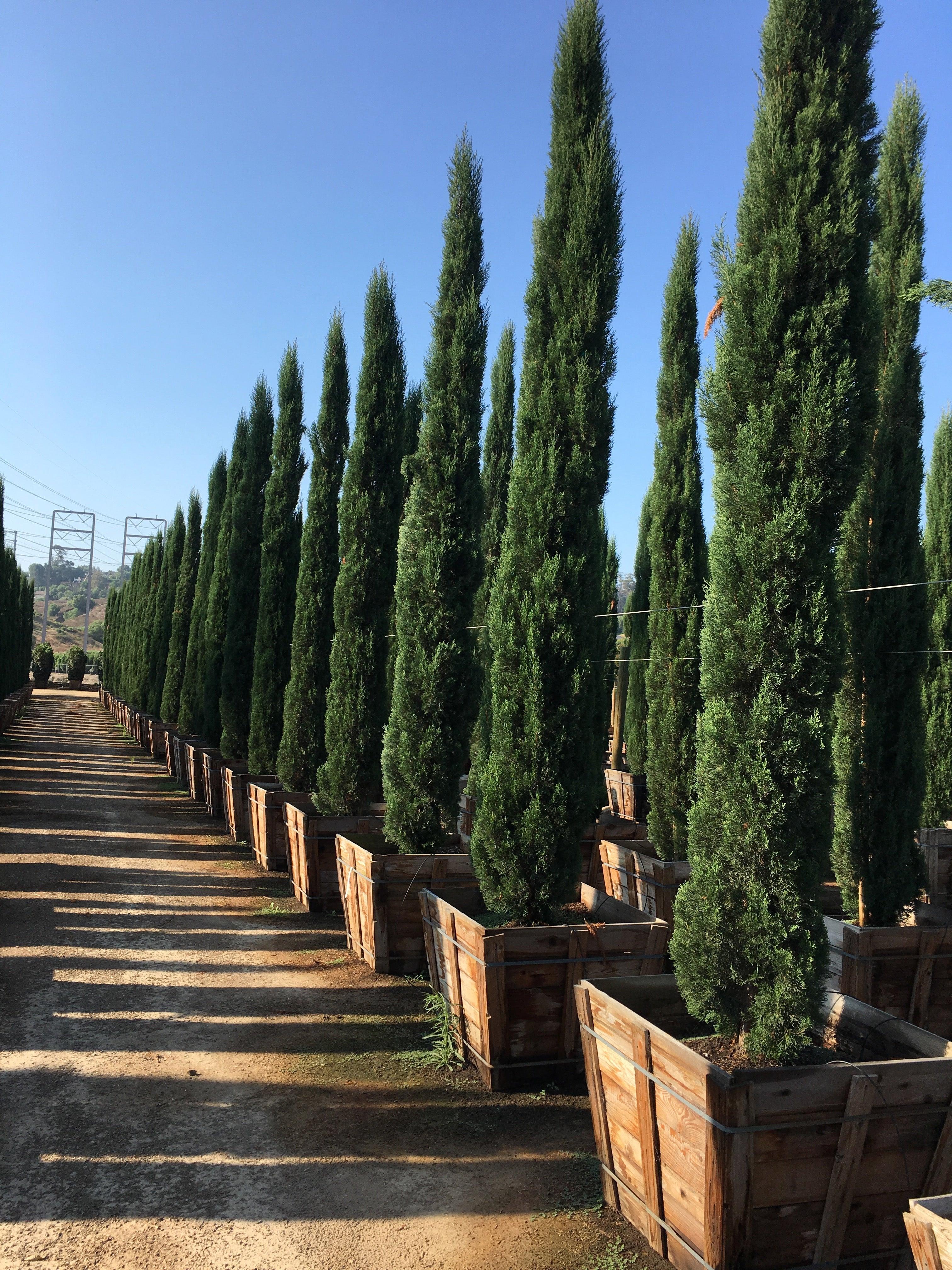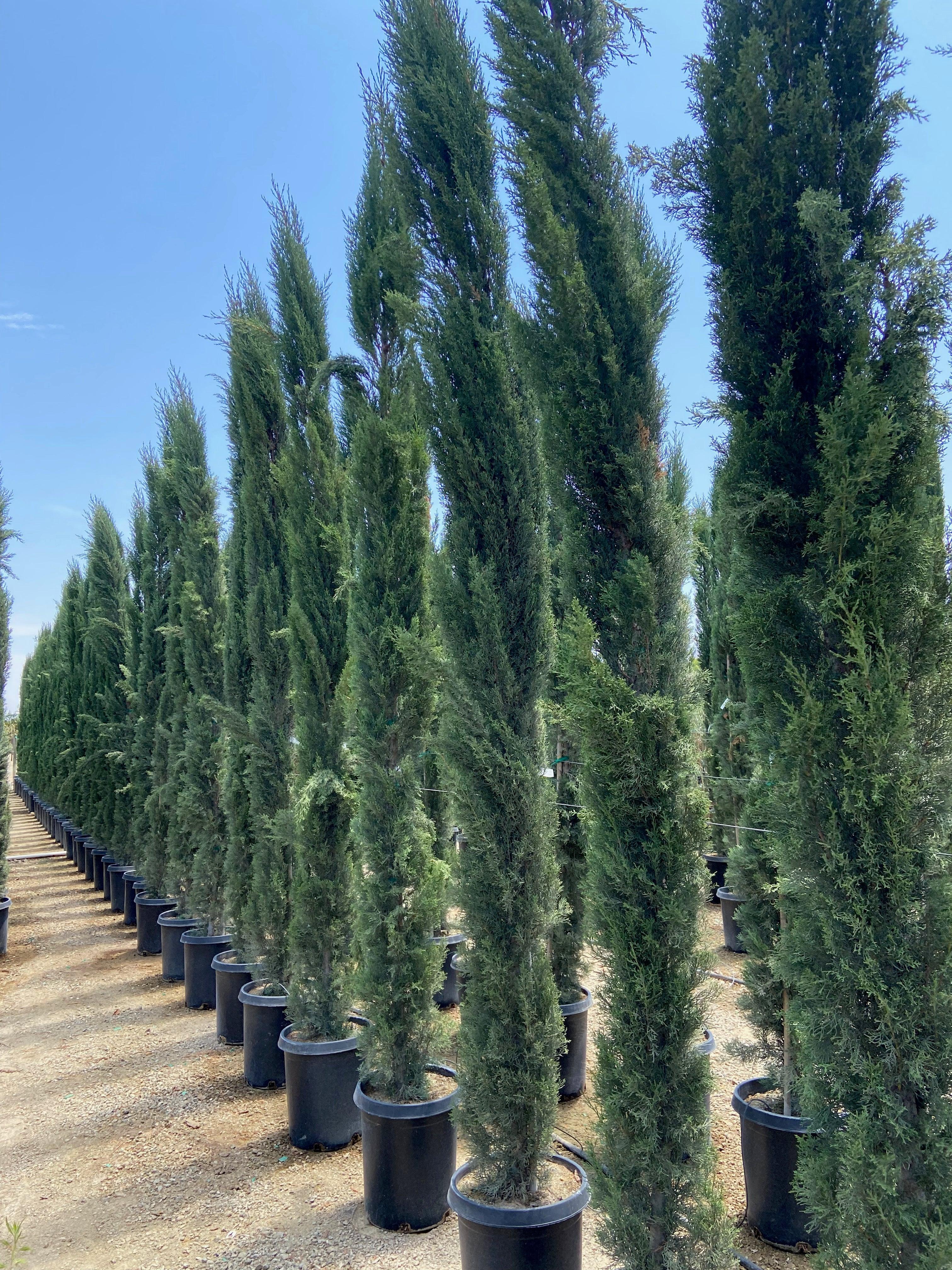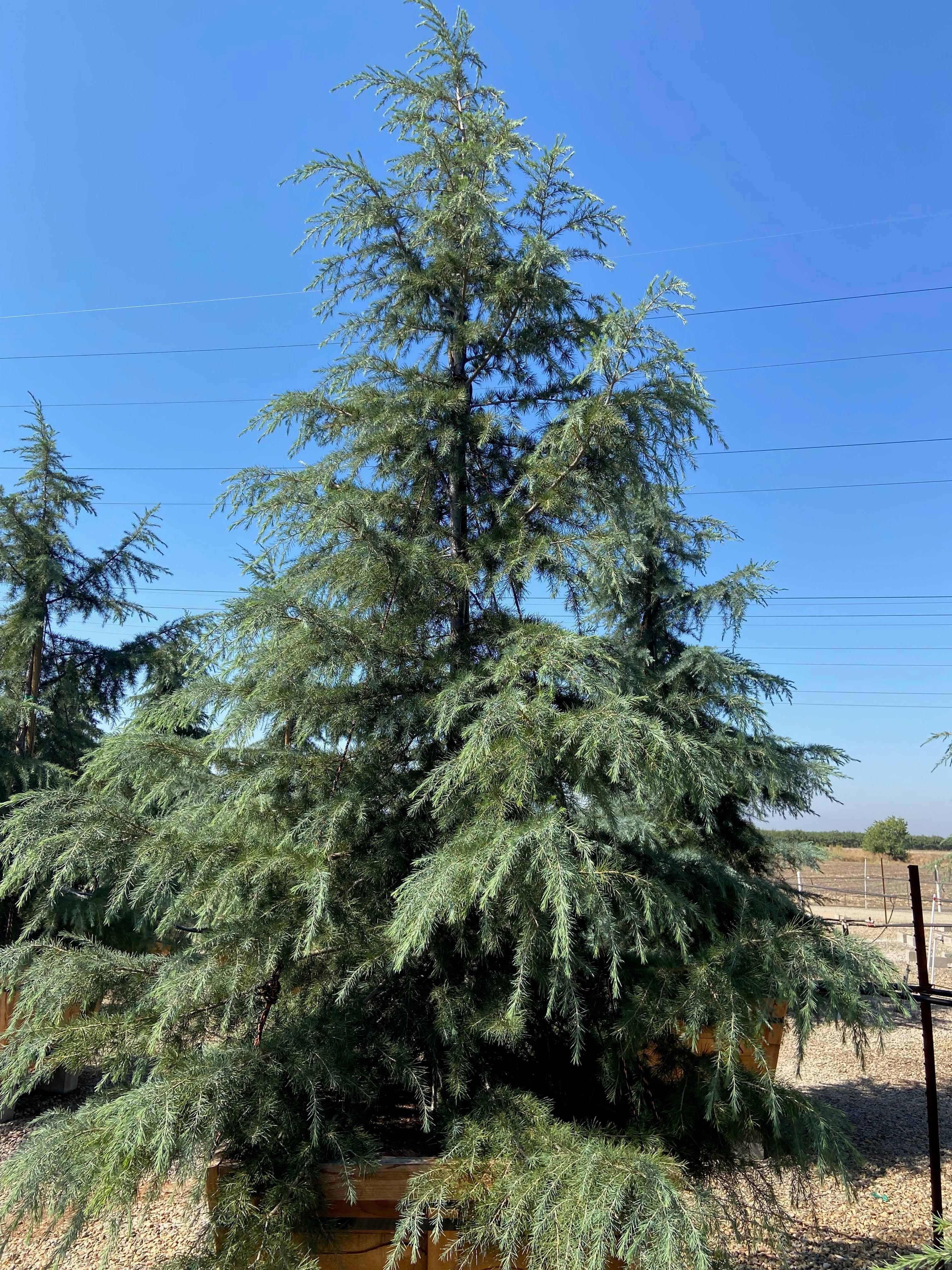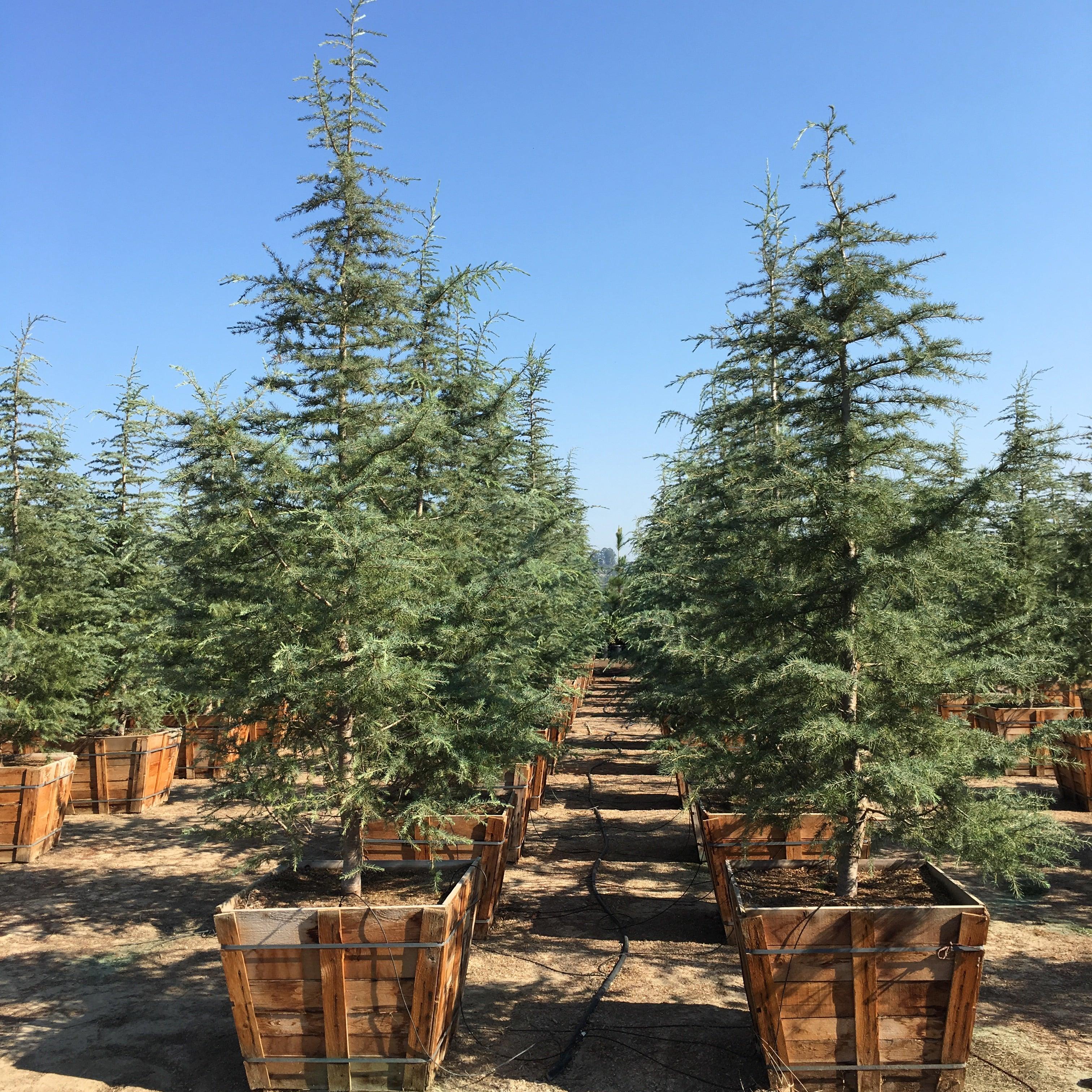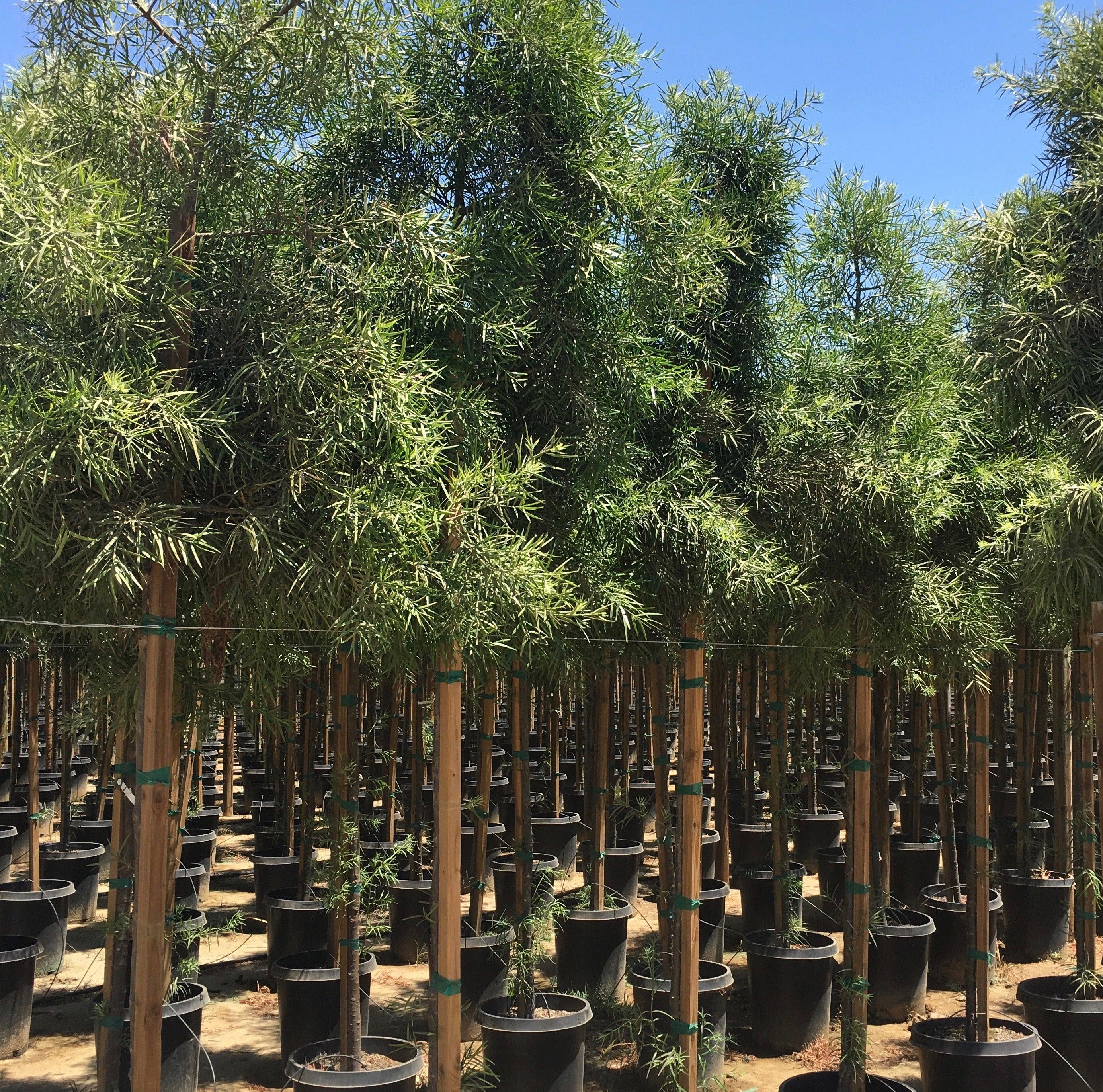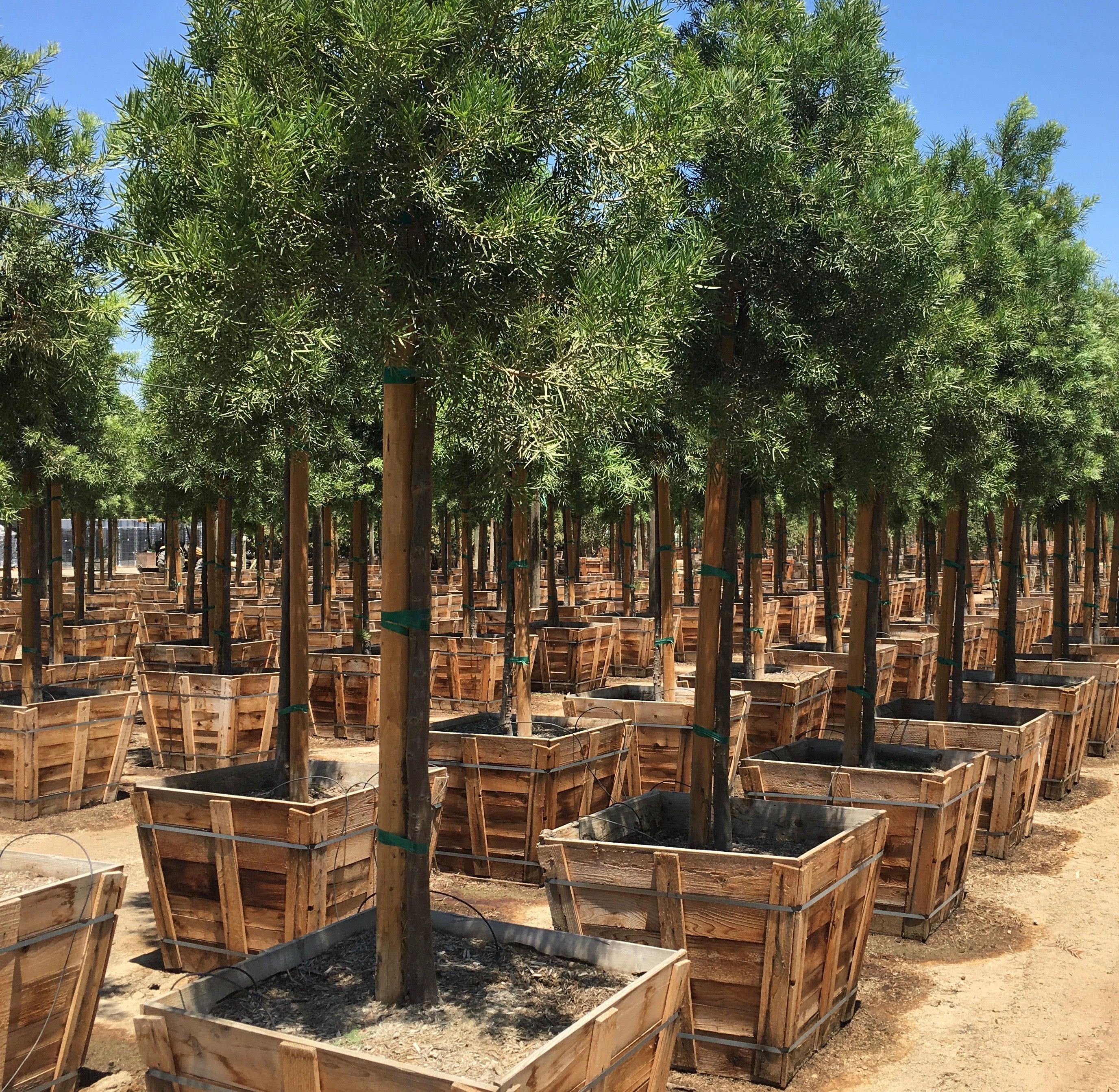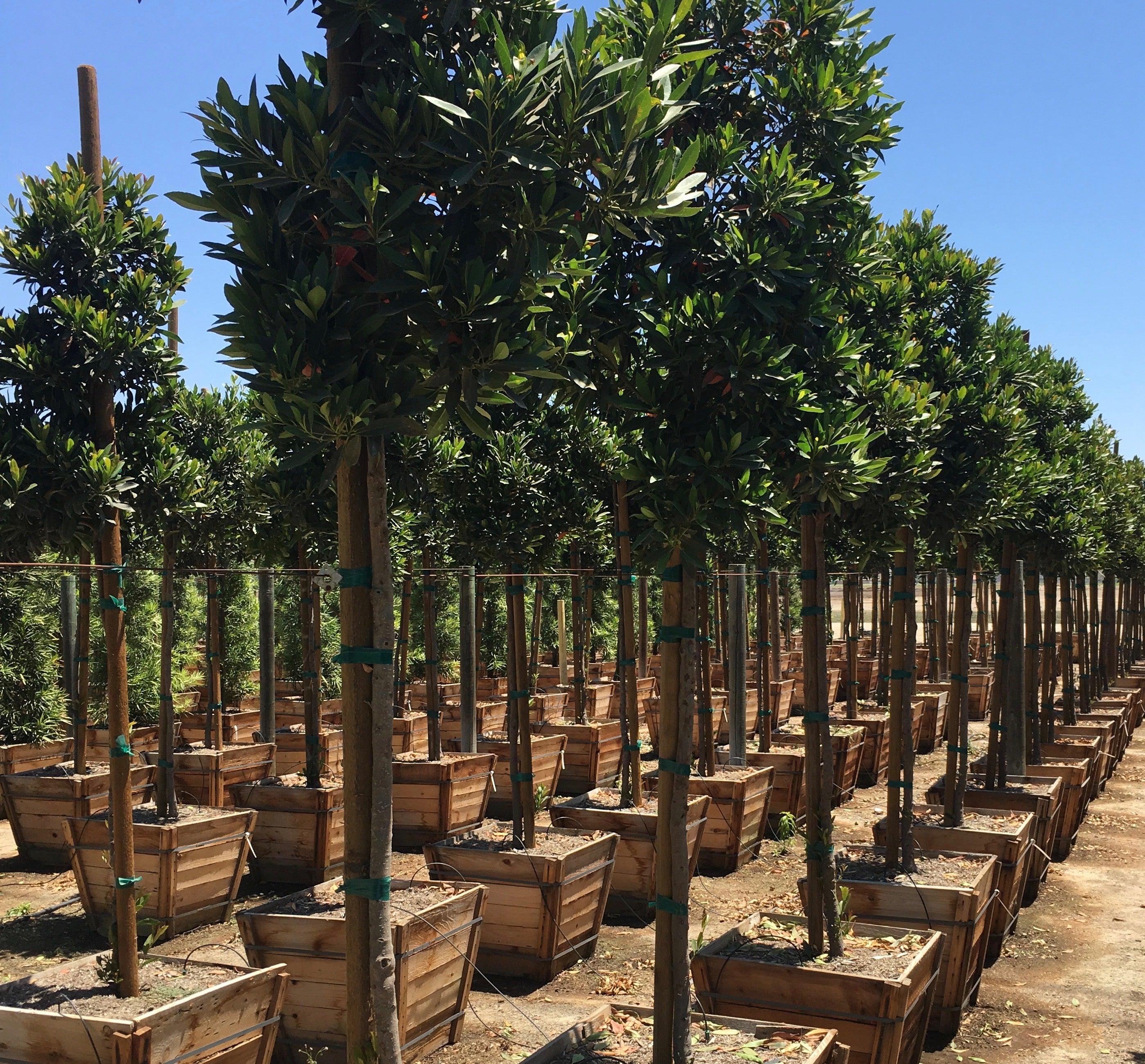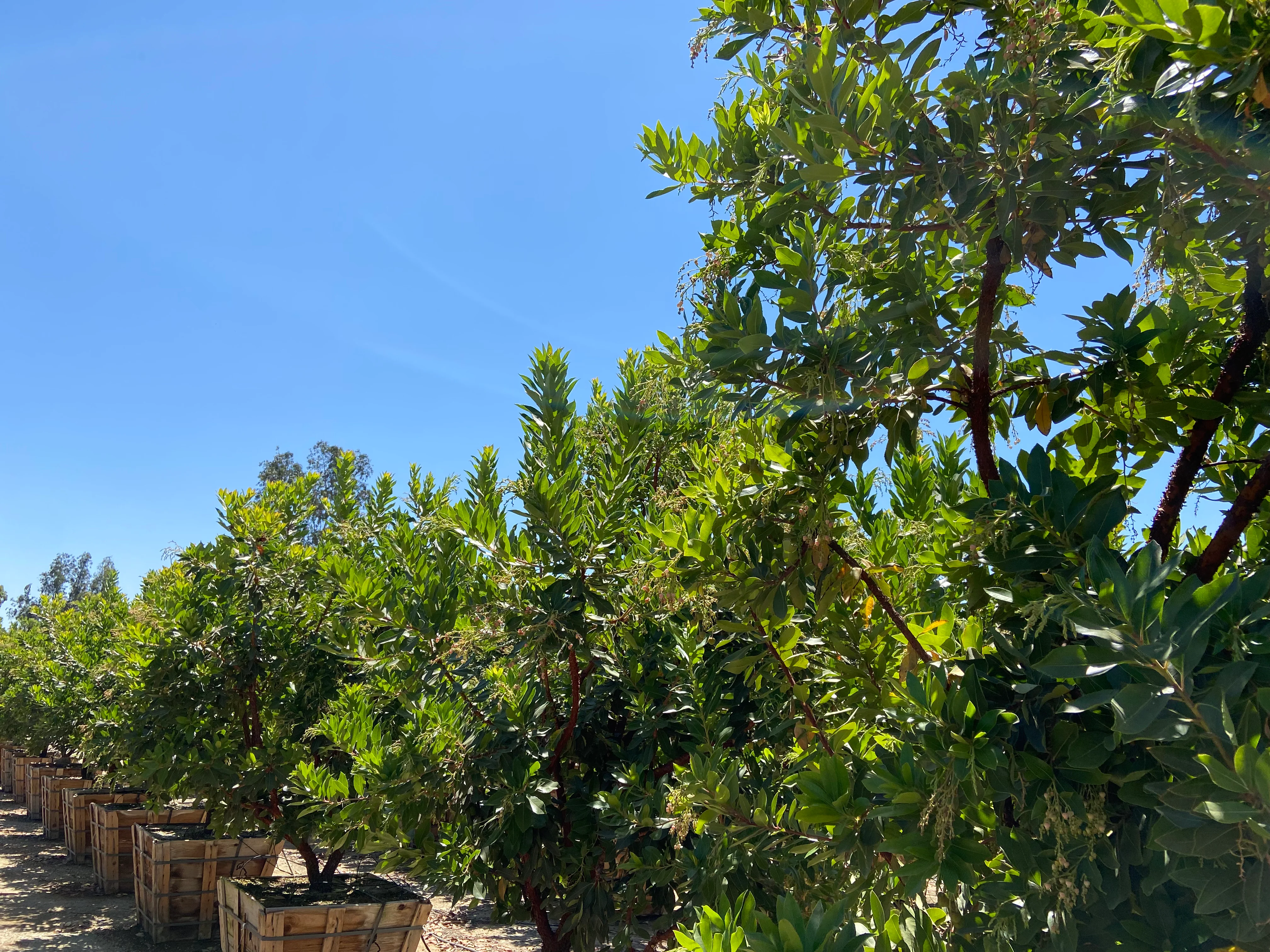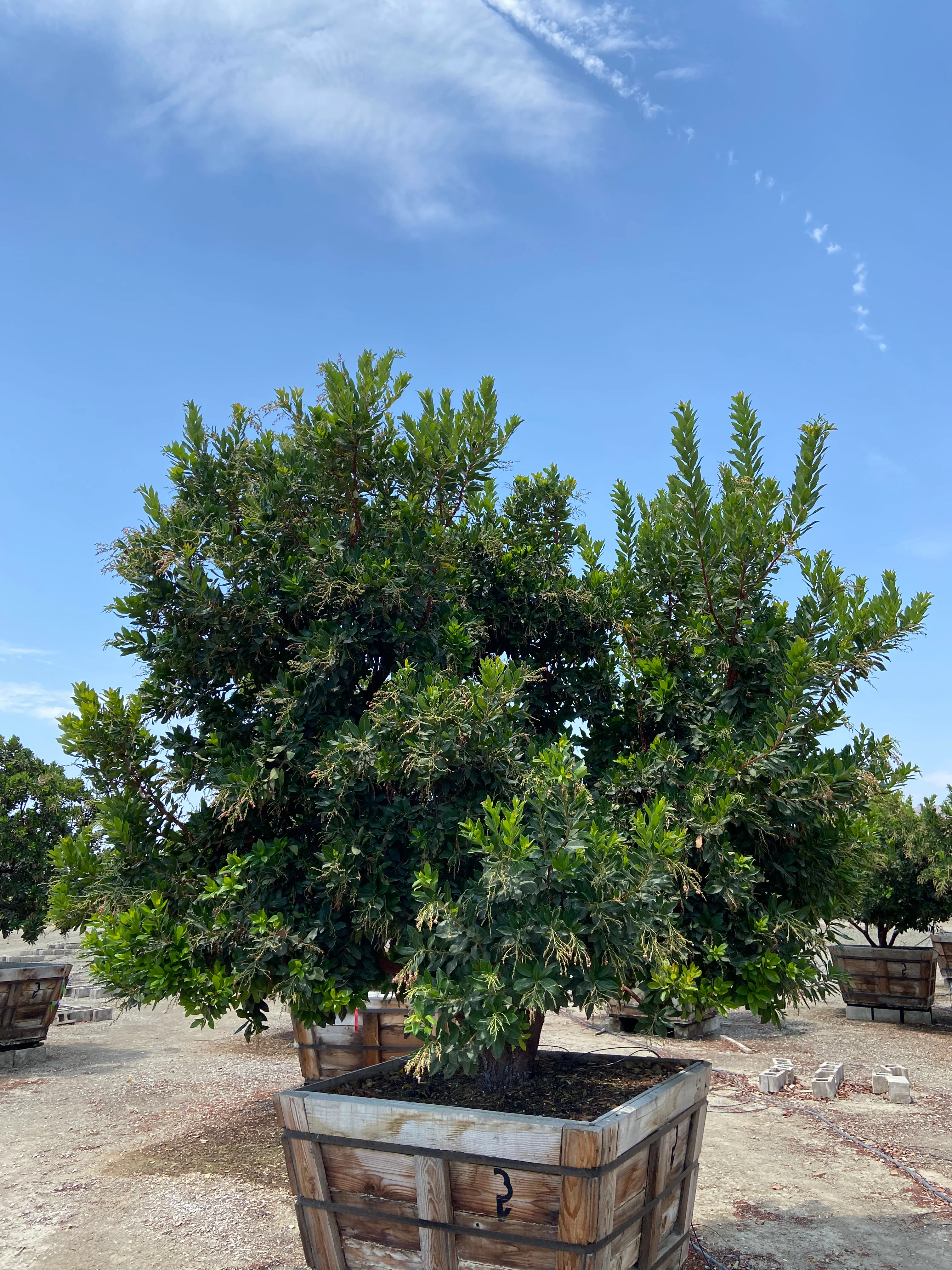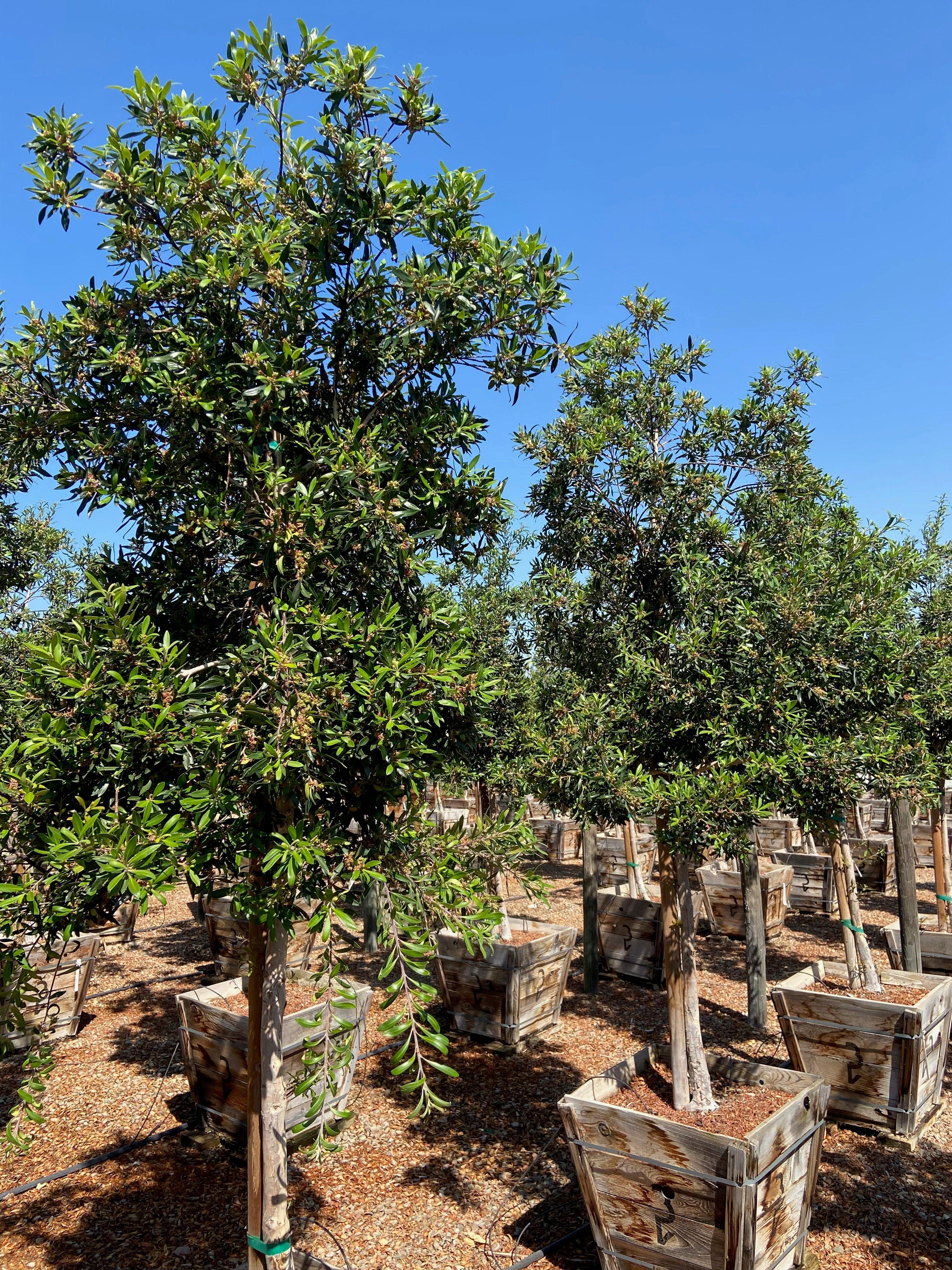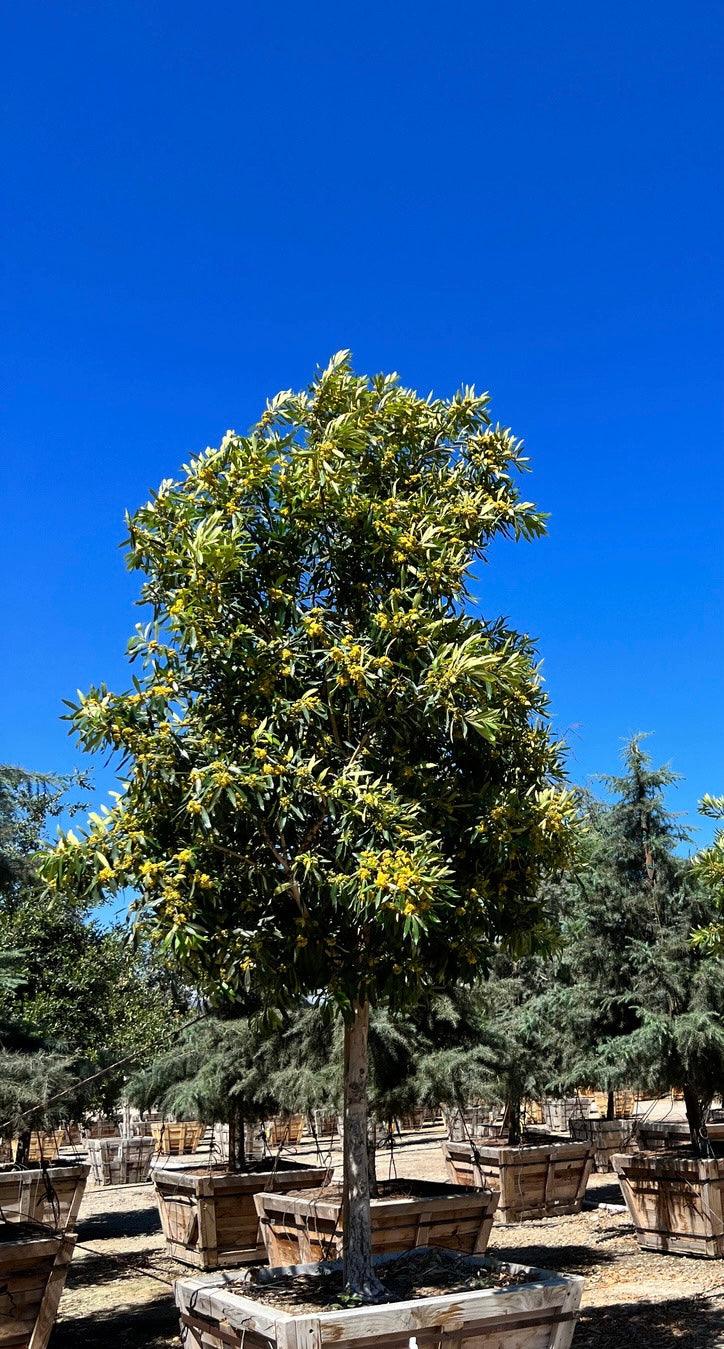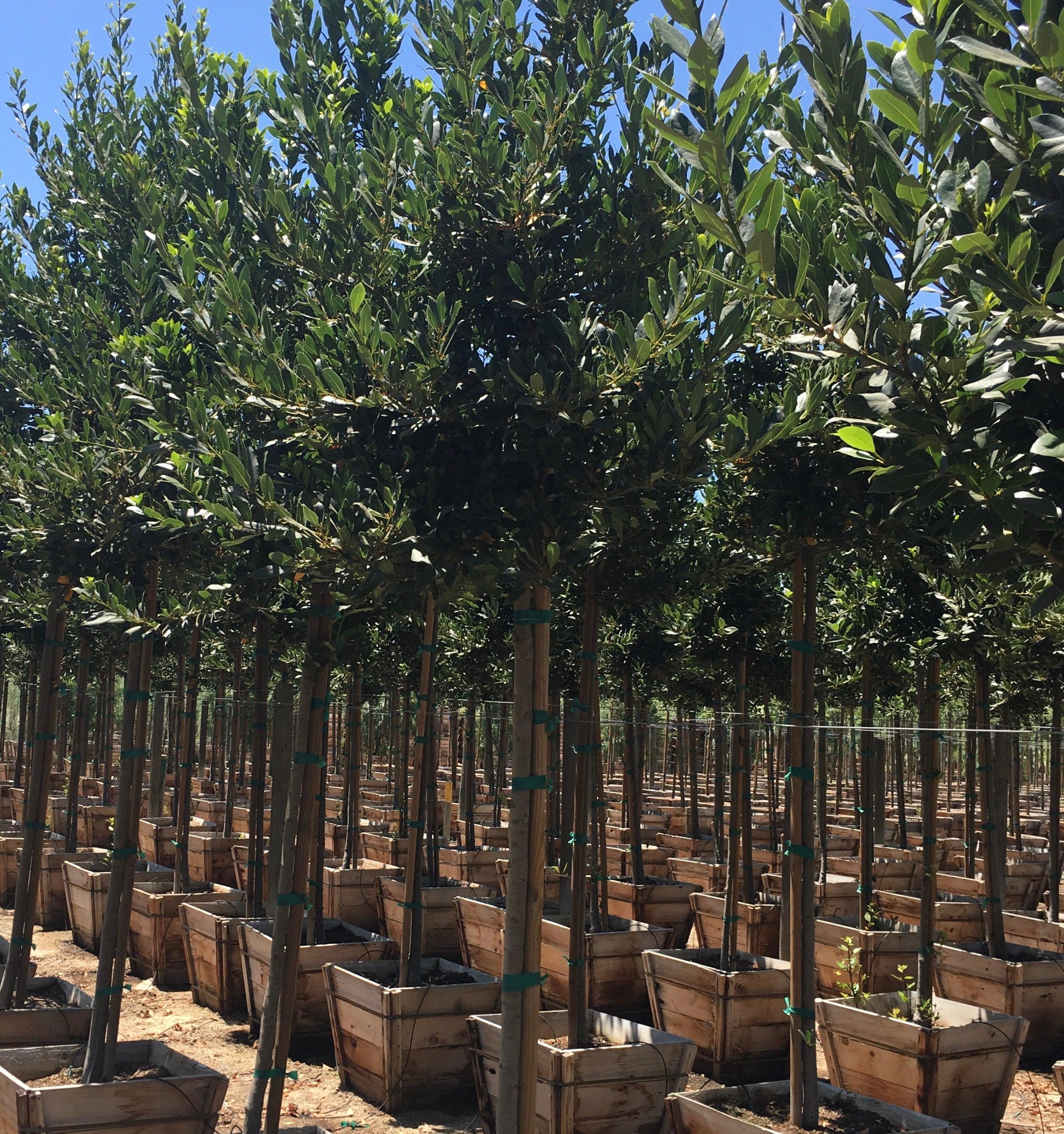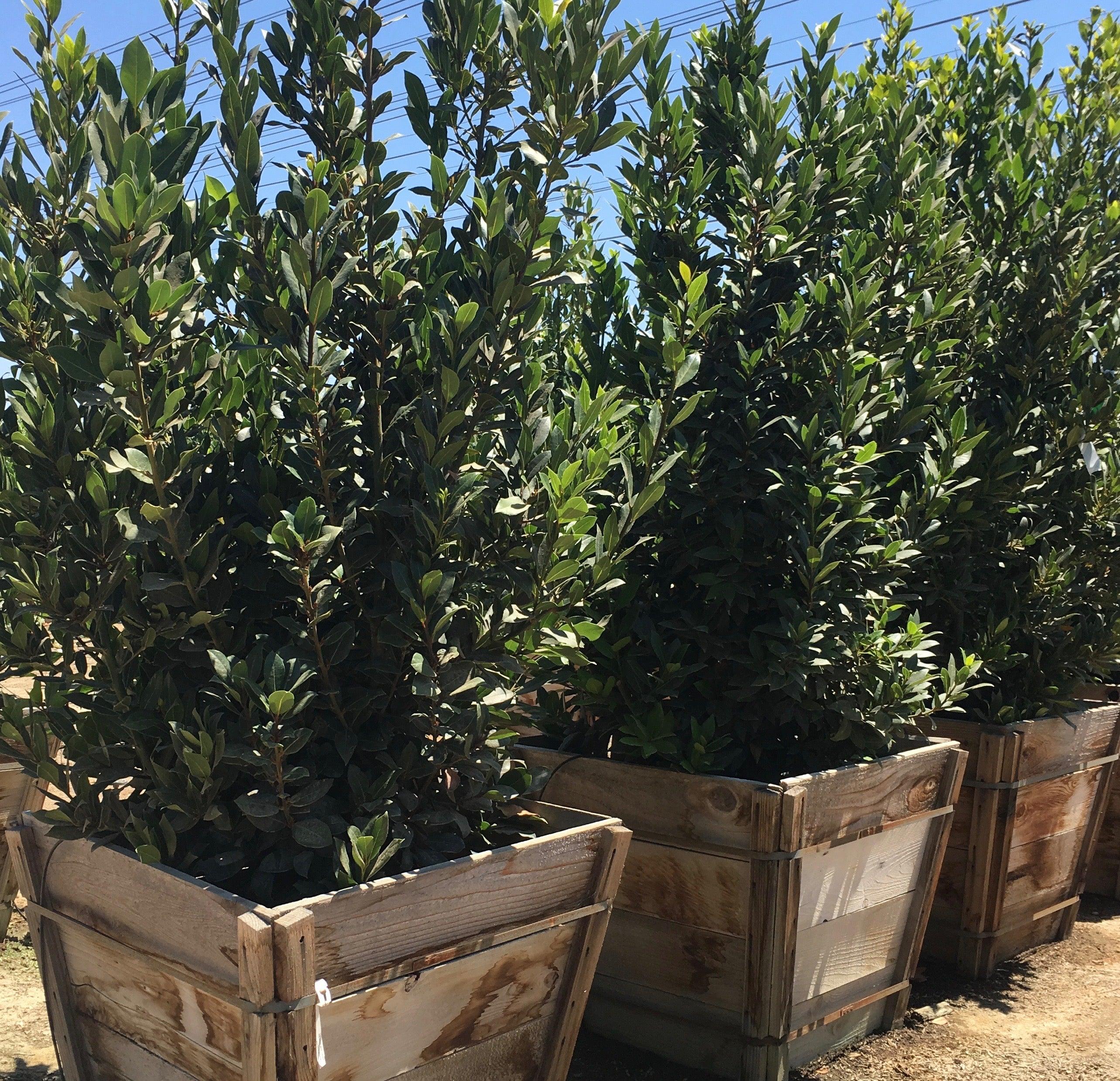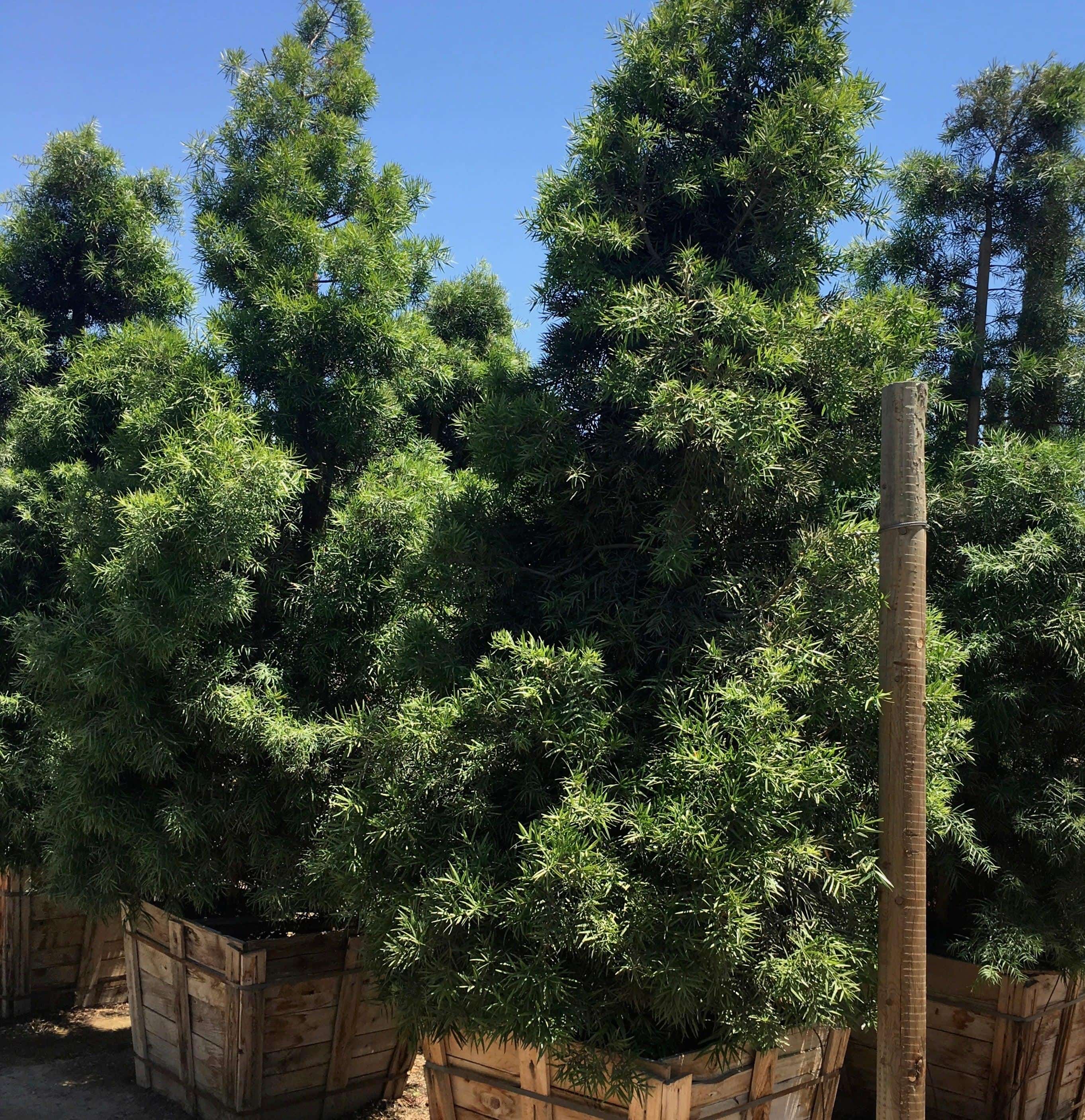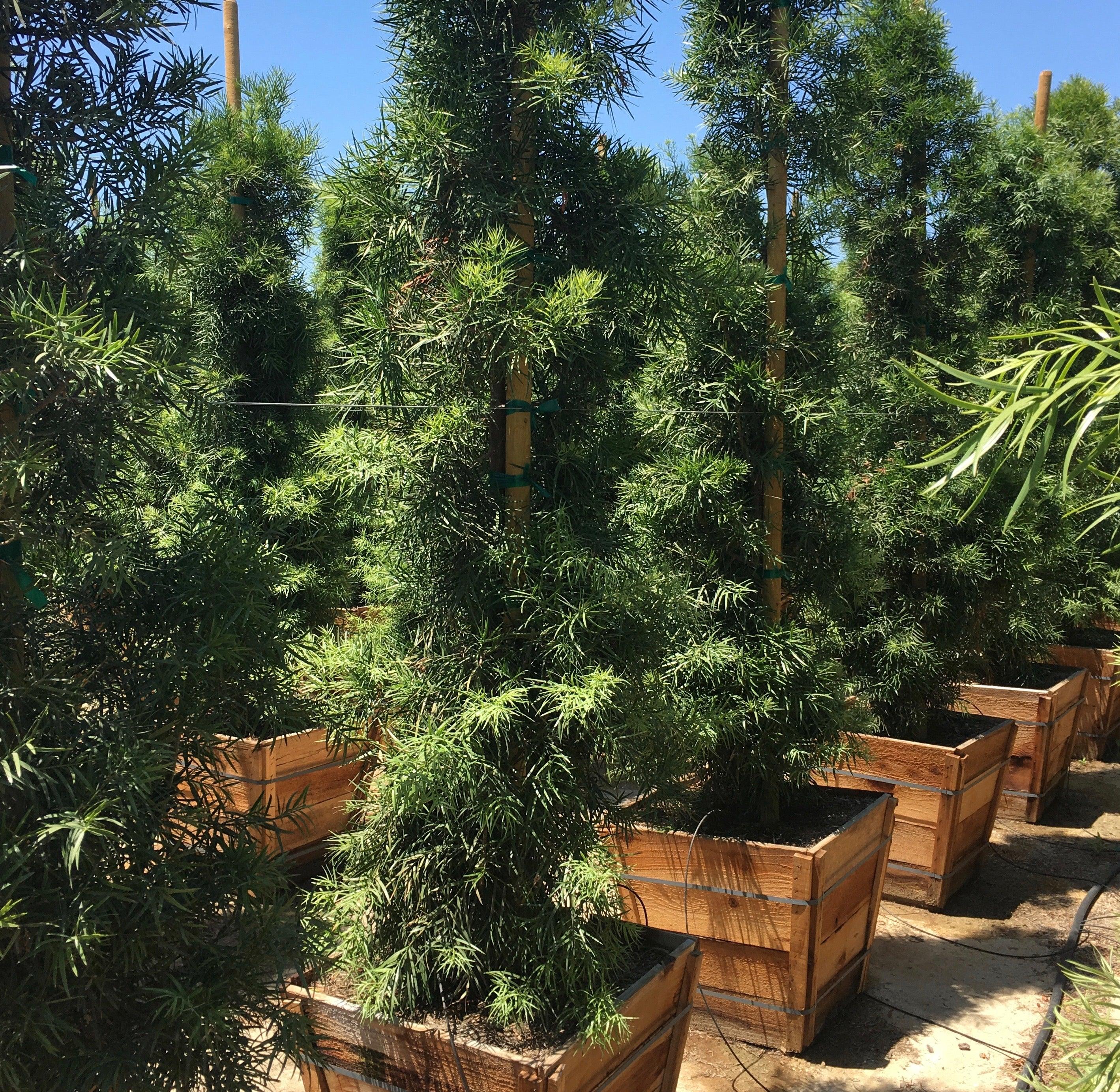
Leyland Cypress (Cupressocyparis leylandii)
The Fastest Privacy Screen for Your California Landscape
Leyland Cypress gives California homeowners a fast-growing evergreen privacy screen that blocks neighbor views, softens street noise, and adds windbreak protection year-round.
Designed for rapid growth, Leyland cypress trees typically grow 3 to 5 feet per year once established, creating dense green coverage much faster than most conifers. If you want a tall, attractive privacy hedge without waiting decades or building an expensive fence, this evergreen tree is one of the most effective landscape solutions available.
Why You’ll Love It
-
Rapid Growth – Leyland cypress trees are known for their rapid growth rate, typically growing 3 to 5 feet per year once established, making them a popular choice for privacy screens.
-
Year-Round Coverage – Leyland cypress is reliably hardy in USDA Zones 6–10 and retains its deep green color throughout winter.
-
Low Maintenance – Leyland cypress trees prefer full sun but can also tolerate some shade, and they are adaptable to a wide range of environmental conditions, including drought once established.
-
Versatile Height – This tree can grow to a mature height of 60 to 70 feet and has a spread of 15 to 25 feet, making it an effective privacy screen.
-
Cost-Effective Screening – Leyland cypress provides excellent year-round visual screening against neighbors and noise reduction due to its dense branching structure.
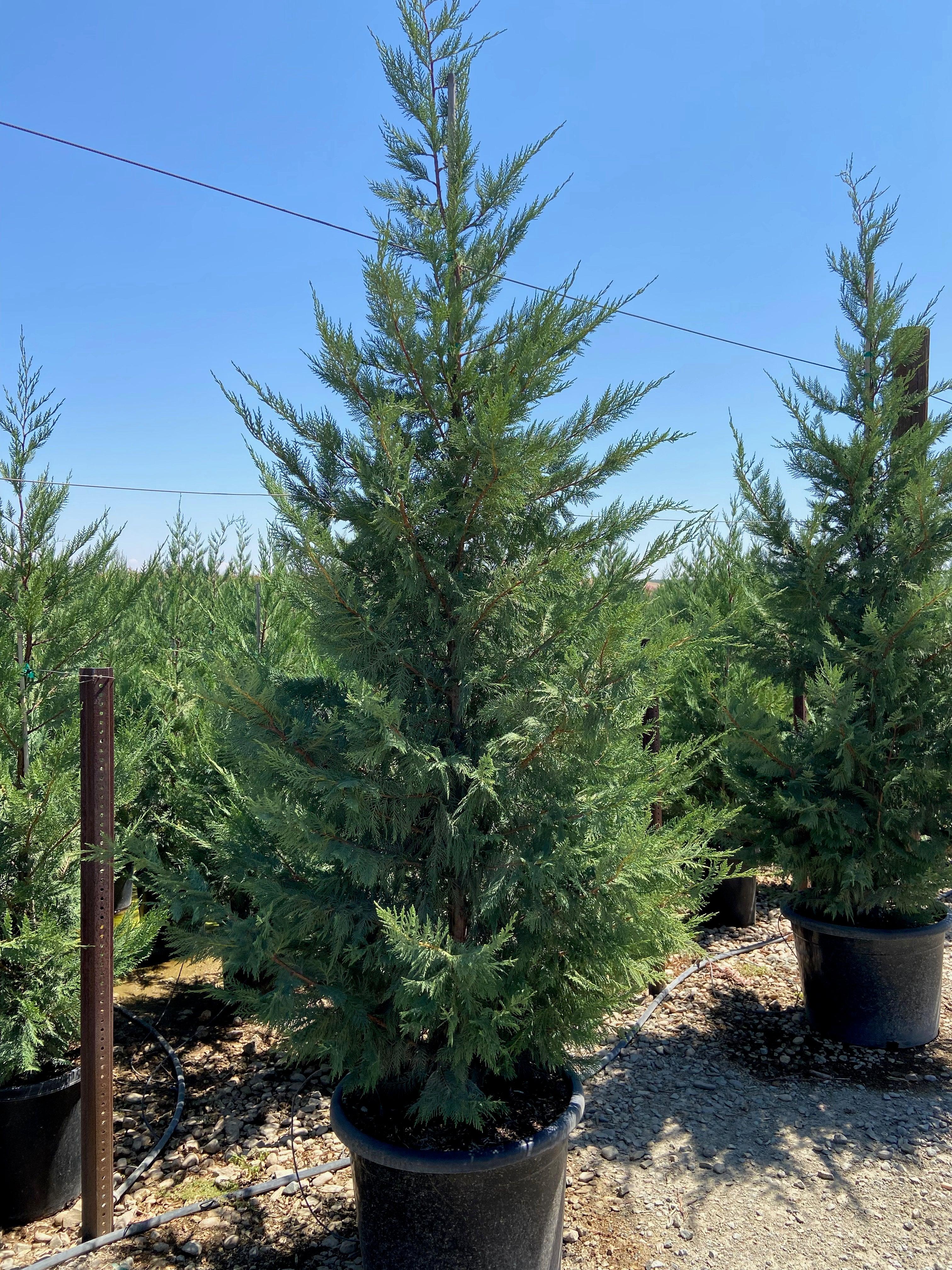
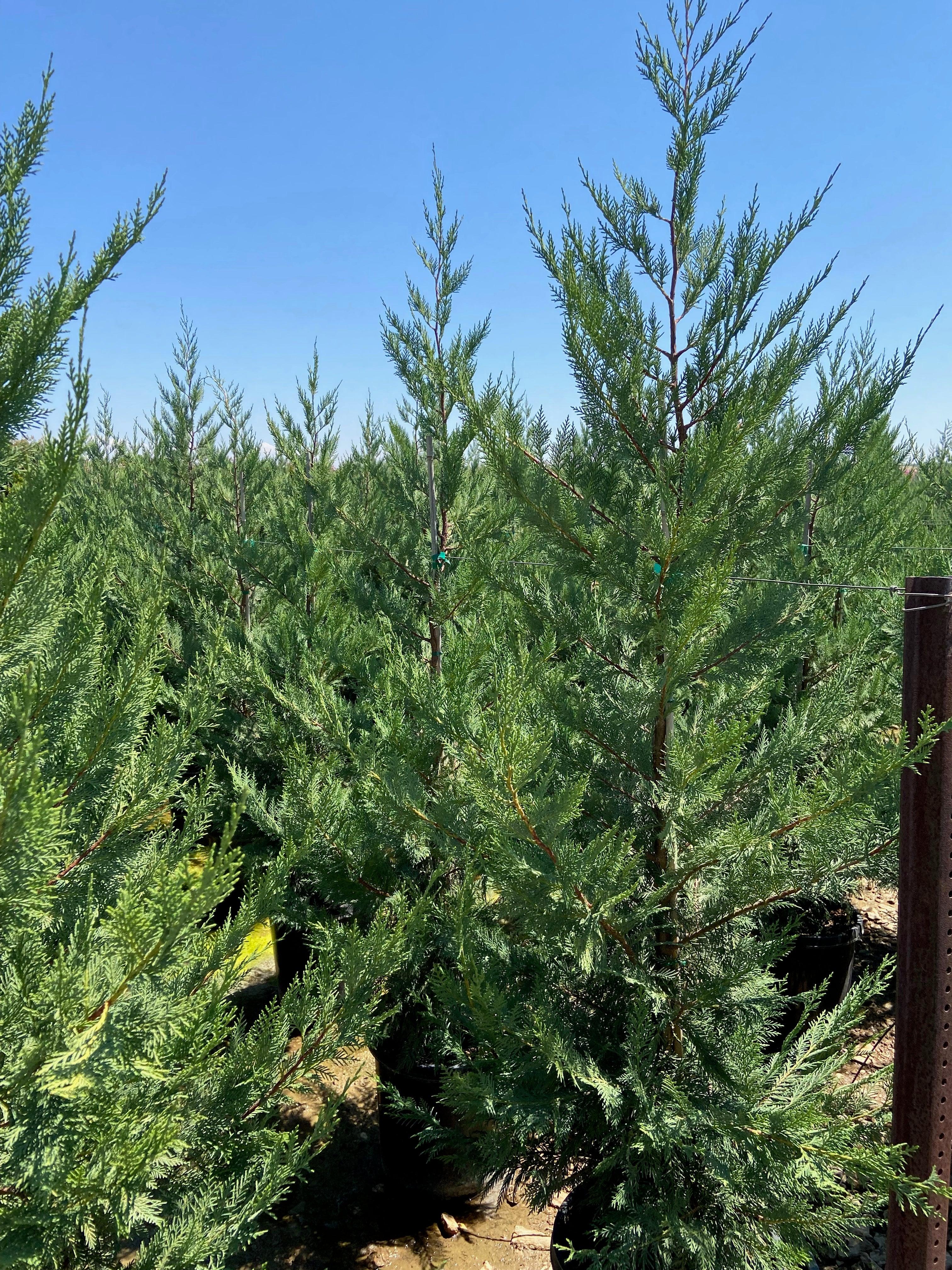
Leyland cypress foliage consists of flat, feathery sprays of soft-pointed, scale-like needles that release a pleasant resin aroma when crushed. The result is a tall, green, dense privacy hedge that adds beauty to the yard while solving real property problems like exposure, wind, and unwanted views.
What Makes It Different
Most privacy trees grow slowly, lose leaves seasonally, or never become dense enough to block multi-story views. Leyland Cypress is different because it combines fast growth, evergreen foliage, and a naturally tall canopy in one hybrid species.
-
Fastest Growth Rate – The Leyland cypress is known for its rapid growth, typically achieving 3 to 5 feet of growth per year once established.
-
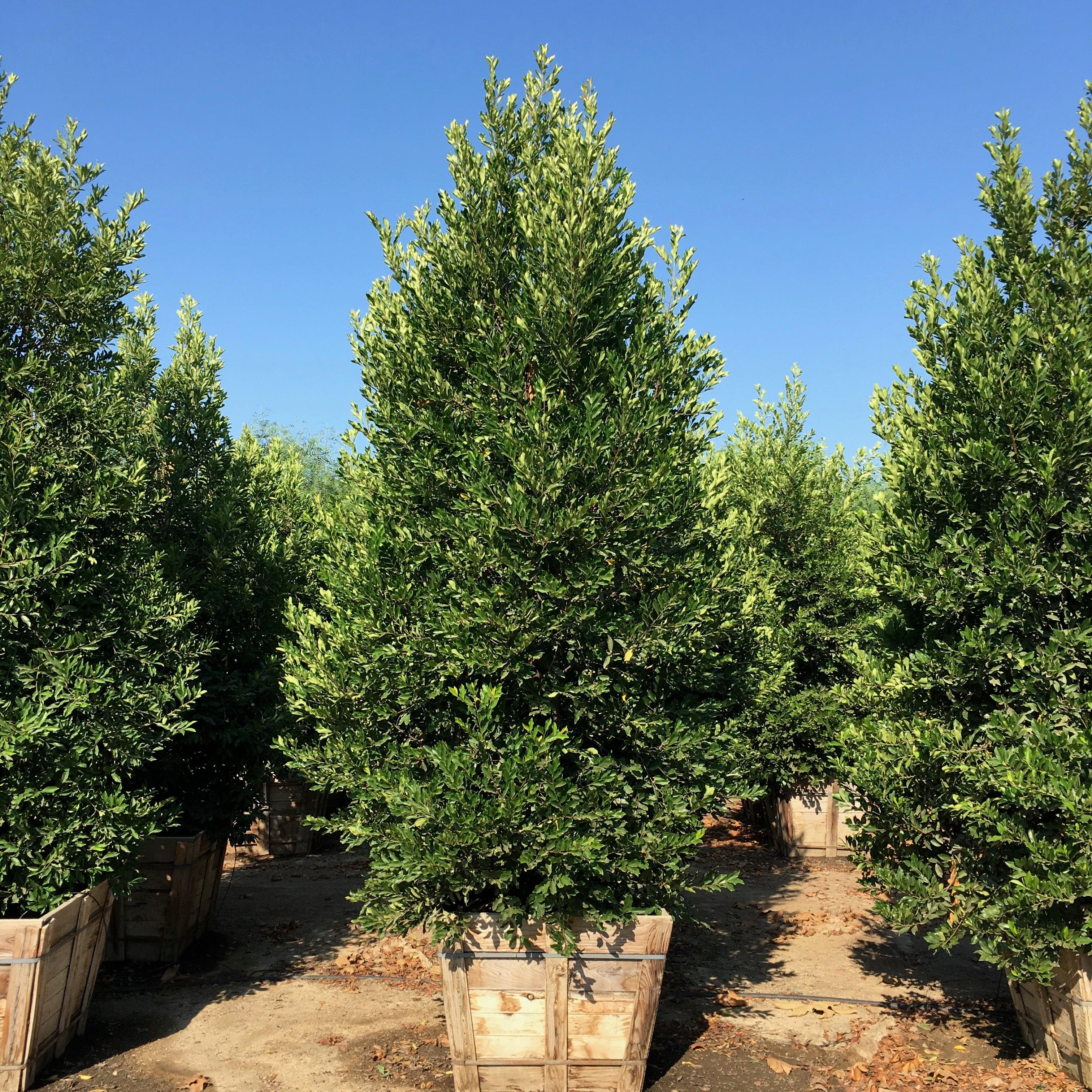
Dense Branching – Its natural pyramid shape creates thick foliage from the lower branches to the top of the tree, helping form a strong privacy hedge.
-
Climate Adaptability – Leyland cypress trees prefer full sun and can tolerate a variety of soil types, including acidic, alkaline, clay, loamy, and sandy soils, as long as they are well-drained.
Compared with Thuja Green Giant, Green Giant often offers stronger disease resistance, but Leyland usually wins when fast growth and tall screening are the top priorities. Compared with Italian Cypress or a Fern Pine hedge, Leyland cypress creates a wider, denser screen. Compared with slower arborvitae and other cultivars, Leyland delivers coverage quickly.
Botanically, Leyland Cypress is a hybrid species developed from two species: Monterey cypress (Cupressus macrocarpa) and Nootka false cypress. Monterey cypress is Cupressus macrocarpa, and the scientific name for Leyland Cypress is commonly written as x Cupressocyparis leylandii, × Cupressocyparis leylandii, or Cuprocyparis leylandii depending on taxonomy. The original trees were associated with Leighton Hall, Christopher Leyland, and his brother in law, with selections such as Leighton Green and other cultivars becoming widely planted.
Tips For Success
-
Step 1 – Strategic Placement
Plan your hedge line where you need privacy, windbreak protection, or street noise reduction. While 6–8 feet apart can create faster visual coverage, Leyland cypresses should be spaced at least 10 to 15 feet apart to ensure proper air circulation and prevent root rot and diseases. Due to their rapid growth and broad mature spread, Leyland cypress trees should be spaced at least 10 to 12 feet apart to ensure good air circulation. -
Step 2 – Proper Planting
Plant each root ball in full sun and well draining soil. Leyland cypress trees are adaptable to a wide range of soil types and can thrive in hardiness zones 6 to 10, making them suitable for various climates across the United States. -
Step 3 – Rapid Results
Water deeply, keep the roots evenly moist during establishment, and watch new growth fill in during the early years. This tree is known for its rapid growth rate, typically achieving 3 to 5 feet of growth per year once established, and it thrives in a variety of soil types including acidic, alkaline, clay, and sandy soils.
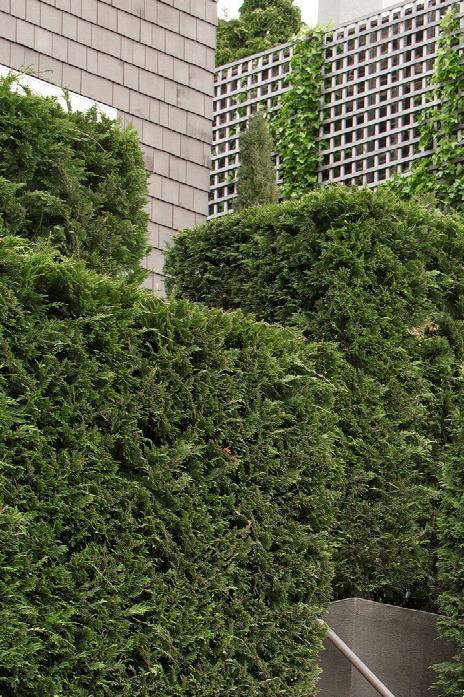
Leyland cypress tolerates severe and repetitive trimming, making it easy to shape into formal hedges. Pruning once or twice per year helps maintain height, width, and dense lower foliage, especially when the tree is planted as a formal privacy screen, similar to other evergreen trees for privacy used in California landscapes.
Product Details
-
Product Name: Leyland Cypress
-
Scientific Name: x Cupressocyparis leylandii, also written as × Cupressocyparis leylandii or Cuprocyparis leylandii
-
Plant Type: Fast growing evergreen tree
-
Hybrid Origin: A hybrid tree developed from Monterey cypress and Nootka false cypress
-
Mature Landscape Size: This tree can grow to a mature height of 60 to 70 feet and has a spread of 15 to 25 feet, making it an effective privacy screen and a strong alternative to purchasing mature trees for instant impact.
-
Maximum Potential Size: The Leyland cypress (x Cupressocyparis leylandii) is a hybrid tree that can grow up to 120 feet tall, making it a popular choice for creating tall evergreen screens.
-
Growth Rate: Leyland cypress trees are known for their rapid growth rate, typically growing 3 to 5 feet per year once established, making them a popular choice for privacy screens.
-
Hardiness Zones: Leyland cypress is reliably hardy in USDA Zones 6–10 and retains its deep green color throughout winter.
-
Sun Requirements: Full sun is preferred, with 6+ hours of direct sunlight daily; some shade is tolerated, though density may decrease.
-
Soil Requirements: Leyland cypress trees prefer full sun and can tolerate a variety of soil types, including acidic, alkaline, clay, loamy, and sandy soils, as long as they are well-drained.
-
Water Needs: Deep watering during the first growing season is essential for Leyland cypress, with 1 gallon of water recommended per inch of trunk diameter.
-
After-Planting Watering: After planting, Leyland cypress trees should be watered daily for the first week, then every other day for the second week, and subsequently as needed, ensuring not to overwater to prevent root rot.
-
Fertilizer: Fertilizing Leyland cypress trees in early spring with a balanced slow-release fertilizer can enhance growth and health, although they can thrive without annual fertilization.
-
Salt and Urban Tolerance: Leyland cypress is highly resistant to salt spray and urban air pollution, making it suitable for seaside estates and urban environments, much like a versatile Fern Pine tree (Podocarpus gracilior).
-
Deer Resistance: Leyland cypress generally attracts fewer deer, making it a more favorable option for landscaping in areas with deer browsing and a popular choice among nursery privacy tree selections.
-
Root System: Leyland cypress has a fibrous, shallow root system that makes the tree vulnerable to drought and high winds if planted in oversaturated soil.
-
Expected Landscape Lifespan: The typical landscape lifespan of Leyland cypress is shorter than other evergreens, roughly 15 to 25 years, due to its rapid growth rate.
-
Potential Issues: Watch for canker, root rot, bagworms, drought stress, poor air circulation, and disease in crowded or wet planting sites.
For best results, plant in fall or spring, avoid overhead watering, mulch around the base without covering the trunk, and choose a location with enough room for the tree to grow tall and wide.
Who It’s For
Ideal for:
-
California homeowners who want fast privacy from neighbors, streets, or nearby buildings
-
Property owners creating a tall evergreen windbreak along a fence, driveway, garden, or open yard
-
Landscape designers building quick property boundaries with dense green structure who may also be sourcing trees and plants from a local plant nursery and landscape partner
-
Coastal and urban customers who need an evergreen tree tolerant of salt spray and air pollution but might also consider a drought-tolerant California Pepper Tree for shade and character
-
Homeowners who want a formal hedge that can handle regular pruning and shaping but may also be interested in flowering trees for added color elsewhere in the landscape
If you want fast growth, year-round coverage, and a tall privacy screen that looks attractive in the landscape, Leyland Cypress fits your needs. It is especially useful for larger California properties with full sun, well drained soil, and enough spacing for healthy roots and airflow, and it pairs well with native shade trees such as Engelmann oak (Quercus engelmannii).
Frequently Asked Questions
How fast do they grow?
Leyland cypress trees are known for their rapid growth rate, typically growing 3 to 5 feet per year once established, making them a popular choice for privacy screens.
How far apart should I plant them?
For the healthiest hedge, Leyland cypresses should be spaced at least 10 to 15 feet apart to ensure proper air circulation and prevent root rot and diseases. Due to their rapid growth and broad mature spread, Leyland cypress trees should be spaced at least 10 to 12 feet apart to ensure good air circulation. Tighter spacing may close faster, but it increases disease risk.
Do they need much water?
Yes, especially in the beginning. Deep watering during the first growing season is essential for Leyland cypress, with 1 gallon of water recommended per inch of trunk diameter. After planting, Leyland cypress trees should be watered daily for the first week, then every other day for the second week, and subsequently as needed, ensuring not to overwater to prevent root rot.
When is the best time to plant?
Fall and spring are the best planting seasons in most California zones. Mild winter areas can often plant during cooler months as long as the soil drains well and extreme heat is avoided.
Do they attract pests?
Leyland cypress generally attracts fewer deer, making it a more favorable option for landscaping in areas with deer browsing. Bagworms can appear, so inspect branches and foliage regularly, especially during active growth.
Can Leyland Cypress be shaped into a formal hedge?
Yes. Leyland cypress tolerates severe and repetitive trimming, making it easy to shape into formal hedges. Regular pruning helps control height, preserve density, and maintain a clean screen.
Is Leyland Cypress good near the coast?
Yes. Leyland cypress is highly resistant to salt spray and urban air pollution, making it suitable for seaside estates and urban environments.
What should I watch out for?
Avoid soggy soil, poor drainage, and overcrowding. Leyland cypress has a fibrous, shallow root system that makes the tree vulnerable to drought and high winds if planted in oversaturated soil. Watch for canker disease, root rot, and thinning foliage caused by stress.
Ready to Transform Your Landscape?
Stop waiting years for slow-growing alternatives to create privacy. Choose Leyland Cypress for a fast, reliable evergreen screen that brings height, beauty, wind protection, and year-round green coverage to your California property.
Yardwork helps you choose the right size, spacing, and planting plan for your site. Order from our California-ready plant selection, request a soil or drainage consultation, or ask our team whether Leyland Cypress, Thuja Green Giant, or a mixed evergreen hedge is the best fit for your landscape.
Original: $295.00
-65%$295.00
$103.25Product Information
Product Information
Shipping & Returns
Shipping & Returns
Description
The Fastest Privacy Screen for Your California Landscape
Leyland Cypress gives California homeowners a fast-growing evergreen privacy screen that blocks neighbor views, softens street noise, and adds windbreak protection year-round.
Designed for rapid growth, Leyland cypress trees typically grow 3 to 5 feet per year once established, creating dense green coverage much faster than most conifers. If you want a tall, attractive privacy hedge without waiting decades or building an expensive fence, this evergreen tree is one of the most effective landscape solutions available.
Why You’ll Love It
-
Rapid Growth – Leyland cypress trees are known for their rapid growth rate, typically growing 3 to 5 feet per year once established, making them a popular choice for privacy screens.
-
Year-Round Coverage – Leyland cypress is reliably hardy in USDA Zones 6–10 and retains its deep green color throughout winter.
-
Low Maintenance – Leyland cypress trees prefer full sun but can also tolerate some shade, and they are adaptable to a wide range of environmental conditions, including drought once established.
-
Versatile Height – This tree can grow to a mature height of 60 to 70 feet and has a spread of 15 to 25 feet, making it an effective privacy screen.
-
Cost-Effective Screening – Leyland cypress provides excellent year-round visual screening against neighbors and noise reduction due to its dense branching structure.
Leyland cypress foliage consists of flat, feathery sprays of soft-pointed, scale-like needles that release a pleasant resin aroma when crushed. The result is a tall, green, dense privacy hedge that adds beauty to the yard while solving real property problems like exposure, wind, and unwanted views.
What Makes It Different
Most privacy trees grow slowly, lose leaves seasonally, or never become dense enough to block multi-story views. Leyland Cypress is different because it combines fast growth, evergreen foliage, and a naturally tall canopy in one hybrid species.
-
Fastest Growth Rate – The Leyland cypress is known for its rapid growth, typically achieving 3 to 5 feet of growth per year once established.
-
Dense Branching – Its natural pyramid shape creates thick foliage from the lower branches to the top of the tree, helping form a strong privacy hedge.
-
Climate Adaptability – Leyland cypress trees prefer full sun and can tolerate a variety of soil types, including acidic, alkaline, clay, loamy, and sandy soils, as long as they are well-drained.
Compared with Thuja Green Giant, Green Giant often offers stronger disease resistance, but Leyland usually wins when fast growth and tall screening are the top priorities. Compared with Italian Cypress or a Fern Pine hedge, Leyland cypress creates a wider, denser screen. Compared with slower arborvitae and other cultivars, Leyland delivers coverage quickly.
Botanically, Leyland Cypress is a hybrid species developed from two species: Monterey cypress (Cupressus macrocarpa) and Nootka false cypress. Monterey cypress is Cupressus macrocarpa, and the scientific name for Leyland Cypress is commonly written as x Cupressocyparis leylandii, × Cupressocyparis leylandii, or Cuprocyparis leylandii depending on taxonomy. The original trees were associated with Leighton Hall, Christopher Leyland, and his brother in law, with selections such as Leighton Green and other cultivars becoming widely planted.
Tips For Success
-
Step 1 – Strategic Placement
Plan your hedge line where you need privacy, windbreak protection, or street noise reduction. While 6–8 feet apart can create faster visual coverage, Leyland cypresses should be spaced at least 10 to 15 feet apart to ensure proper air circulation and prevent root rot and diseases. Due to their rapid growth and broad mature spread, Leyland cypress trees should be spaced at least 10 to 12 feet apart to ensure good air circulation. -
Step 2 – Proper Planting
Plant each root ball in full sun and well draining soil. Leyland cypress trees are adaptable to a wide range of soil types and can thrive in hardiness zones 6 to 10, making them suitable for various climates across the United States. -
Step 3 – Rapid Results
Water deeply, keep the roots evenly moist during establishment, and watch new growth fill in during the early years. This tree is known for its rapid growth rate, typically achieving 3 to 5 feet of growth per year once established, and it thrives in a variety of soil types including acidic, alkaline, clay, and sandy soils.
Leyland cypress tolerates severe and repetitive trimming, making it easy to shape into formal hedges. Pruning once or twice per year helps maintain height, width, and dense lower foliage, especially when the tree is planted as a formal privacy screen, similar to other evergreen trees for privacy used in California landscapes.
Product Details
-
Product Name: Leyland Cypress
-
Scientific Name: x Cupressocyparis leylandii, also written as × Cupressocyparis leylandii or Cuprocyparis leylandii
-
Plant Type: Fast growing evergreen tree
-
Hybrid Origin: A hybrid tree developed from Monterey cypress and Nootka false cypress
-
Mature Landscape Size: This tree can grow to a mature height of 60 to 70 feet and has a spread of 15 to 25 feet, making it an effective privacy screen and a strong alternative to purchasing mature trees for instant impact.
-
Maximum Potential Size: The Leyland cypress (x Cupressocyparis leylandii) is a hybrid tree that can grow up to 120 feet tall, making it a popular choice for creating tall evergreen screens.
-
Growth Rate: Leyland cypress trees are known for their rapid growth rate, typically growing 3 to 5 feet per year once established, making them a popular choice for privacy screens.
-
Hardiness Zones: Leyland cypress is reliably hardy in USDA Zones 6–10 and retains its deep green color throughout winter.
-
Sun Requirements: Full sun is preferred, with 6+ hours of direct sunlight daily; some shade is tolerated, though density may decrease.
-
Soil Requirements: Leyland cypress trees prefer full sun and can tolerate a variety of soil types, including acidic, alkaline, clay, loamy, and sandy soils, as long as they are well-drained.
-
Water Needs: Deep watering during the first growing season is essential for Leyland cypress, with 1 gallon of water recommended per inch of trunk diameter.
-
After-Planting Watering: After planting, Leyland cypress trees should be watered daily for the first week, then every other day for the second week, and subsequently as needed, ensuring not to overwater to prevent root rot.
-
Fertilizer: Fertilizing Leyland cypress trees in early spring with a balanced slow-release fertilizer can enhance growth and health, although they can thrive without annual fertilization.
-
Salt and Urban Tolerance: Leyland cypress is highly resistant to salt spray and urban air pollution, making it suitable for seaside estates and urban environments, much like a versatile Fern Pine tree (Podocarpus gracilior).
-
Deer Resistance: Leyland cypress generally attracts fewer deer, making it a more favorable option for landscaping in areas with deer browsing and a popular choice among nursery privacy tree selections.
-
Root System: Leyland cypress has a fibrous, shallow root system that makes the tree vulnerable to drought and high winds if planted in oversaturated soil.
-
Expected Landscape Lifespan: The typical landscape lifespan of Leyland cypress is shorter than other evergreens, roughly 15 to 25 years, due to its rapid growth rate.
-
Potential Issues: Watch for canker, root rot, bagworms, drought stress, poor air circulation, and disease in crowded or wet planting sites.
For best results, plant in fall or spring, avoid overhead watering, mulch around the base without covering the trunk, and choose a location with enough room for the tree to grow tall and wide.
Who It’s For
Ideal for:
-
California homeowners who want fast privacy from neighbors, streets, or nearby buildings
-
Property owners creating a tall evergreen windbreak along a fence, driveway, garden, or open yard
-
Landscape designers building quick property boundaries with dense green structure who may also be sourcing trees and plants from a local plant nursery and landscape partner
-
Coastal and urban customers who need an evergreen tree tolerant of salt spray and air pollution but might also consider a drought-tolerant California Pepper Tree for shade and character
-
Homeowners who want a formal hedge that can handle regular pruning and shaping but may also be interested in flowering trees for added color elsewhere in the landscape
If you want fast growth, year-round coverage, and a tall privacy screen that looks attractive in the landscape, Leyland Cypress fits your needs. It is especially useful for larger California properties with full sun, well drained soil, and enough spacing for healthy roots and airflow, and it pairs well with native shade trees such as Engelmann oak (Quercus engelmannii).
Frequently Asked Questions
How fast do they grow?
Leyland cypress trees are known for their rapid growth rate, typically growing 3 to 5 feet per year once established, making them a popular choice for privacy screens.
How far apart should I plant them?
For the healthiest hedge, Leyland cypresses should be spaced at least 10 to 15 feet apart to ensure proper air circulation and prevent root rot and diseases. Due to their rapid growth and broad mature spread, Leyland cypress trees should be spaced at least 10 to 12 feet apart to ensure good air circulation. Tighter spacing may close faster, but it increases disease risk.
Do they need much water?
Yes, especially in the beginning. Deep watering during the first growing season is essential for Leyland cypress, with 1 gallon of water recommended per inch of trunk diameter. After planting, Leyland cypress trees should be watered daily for the first week, then every other day for the second week, and subsequently as needed, ensuring not to overwater to prevent root rot.
When is the best time to plant?
Fall and spring are the best planting seasons in most California zones. Mild winter areas can often plant during cooler months as long as the soil drains well and extreme heat is avoided.
Do they attract pests?
Leyland cypress generally attracts fewer deer, making it a more favorable option for landscaping in areas with deer browsing. Bagworms can appear, so inspect branches and foliage regularly, especially during active growth.
Can Leyland Cypress be shaped into a formal hedge?
Yes. Leyland cypress tolerates severe and repetitive trimming, making it easy to shape into formal hedges. Regular pruning helps control height, preserve density, and maintain a clean screen.
Is Leyland Cypress good near the coast?
Yes. Leyland cypress is highly resistant to salt spray and urban air pollution, making it suitable for seaside estates and urban environments.
What should I watch out for?
Avoid soggy soil, poor drainage, and overcrowding. Leyland cypress has a fibrous, shallow root system that makes the tree vulnerable to drought and high winds if planted in oversaturated soil. Watch for canker disease, root rot, and thinning foliage caused by stress.
Ready to Transform Your Landscape?
Stop waiting years for slow-growing alternatives to create privacy. Choose Leyland Cypress for a fast, reliable evergreen screen that brings height, beauty, wind protection, and year-round green coverage to your California property.
Yardwork helps you choose the right size, spacing, and planting plan for your site. Order from our California-ready plant selection, request a soil or drainage consultation, or ask our team whether Leyland Cypress, Thuja Green Giant, or a mixed evergreen hedge is the best fit for your landscape.