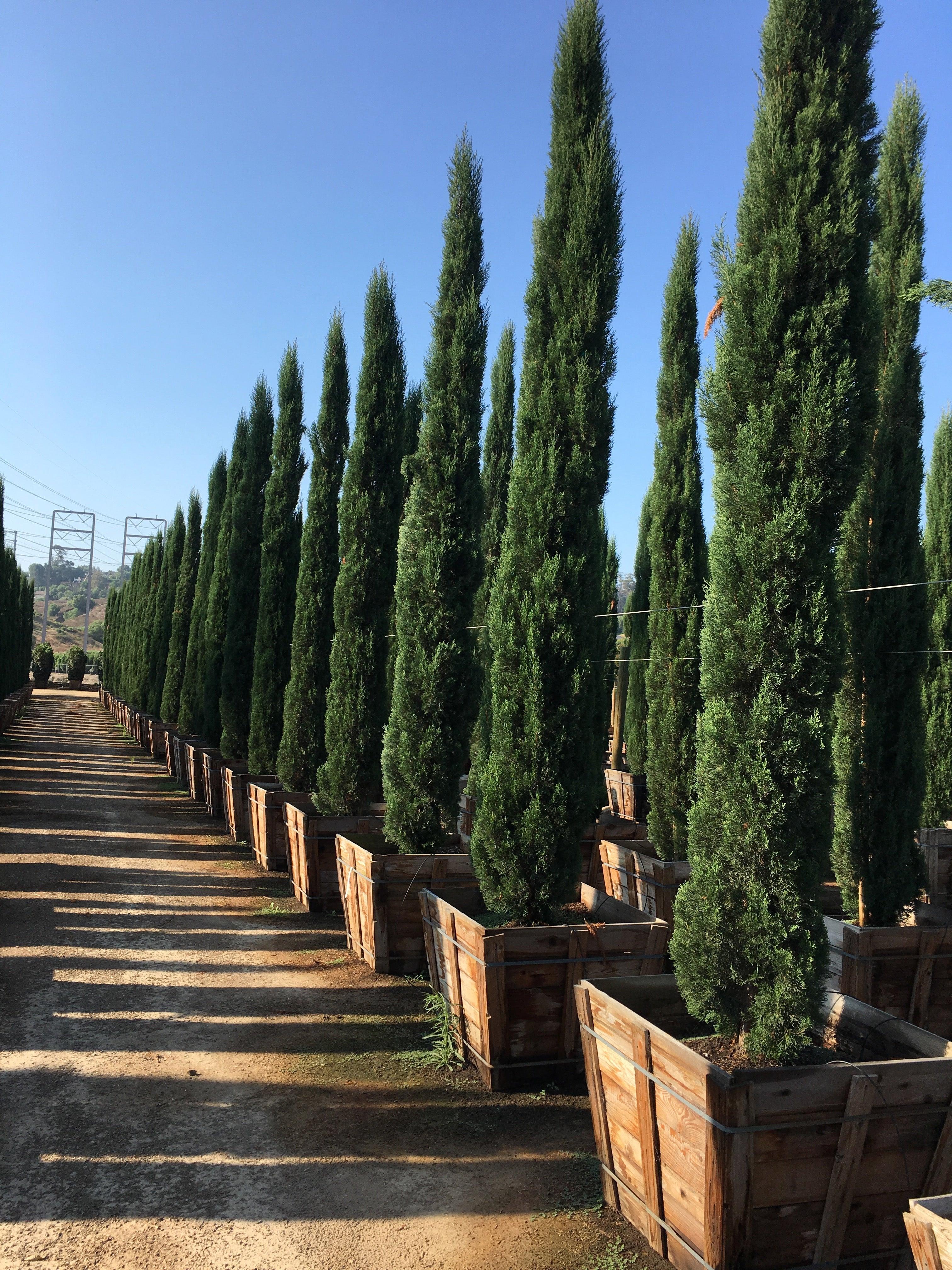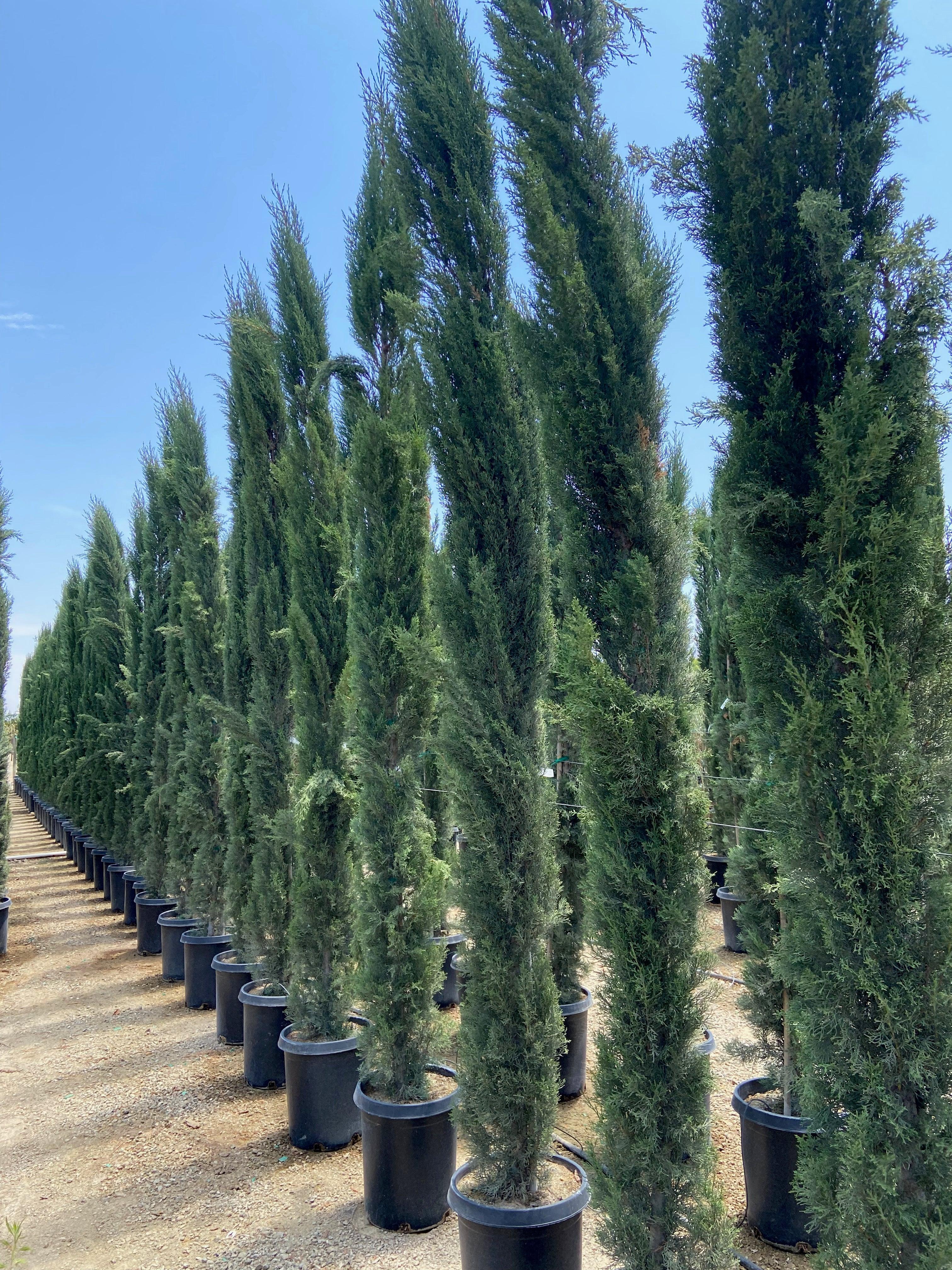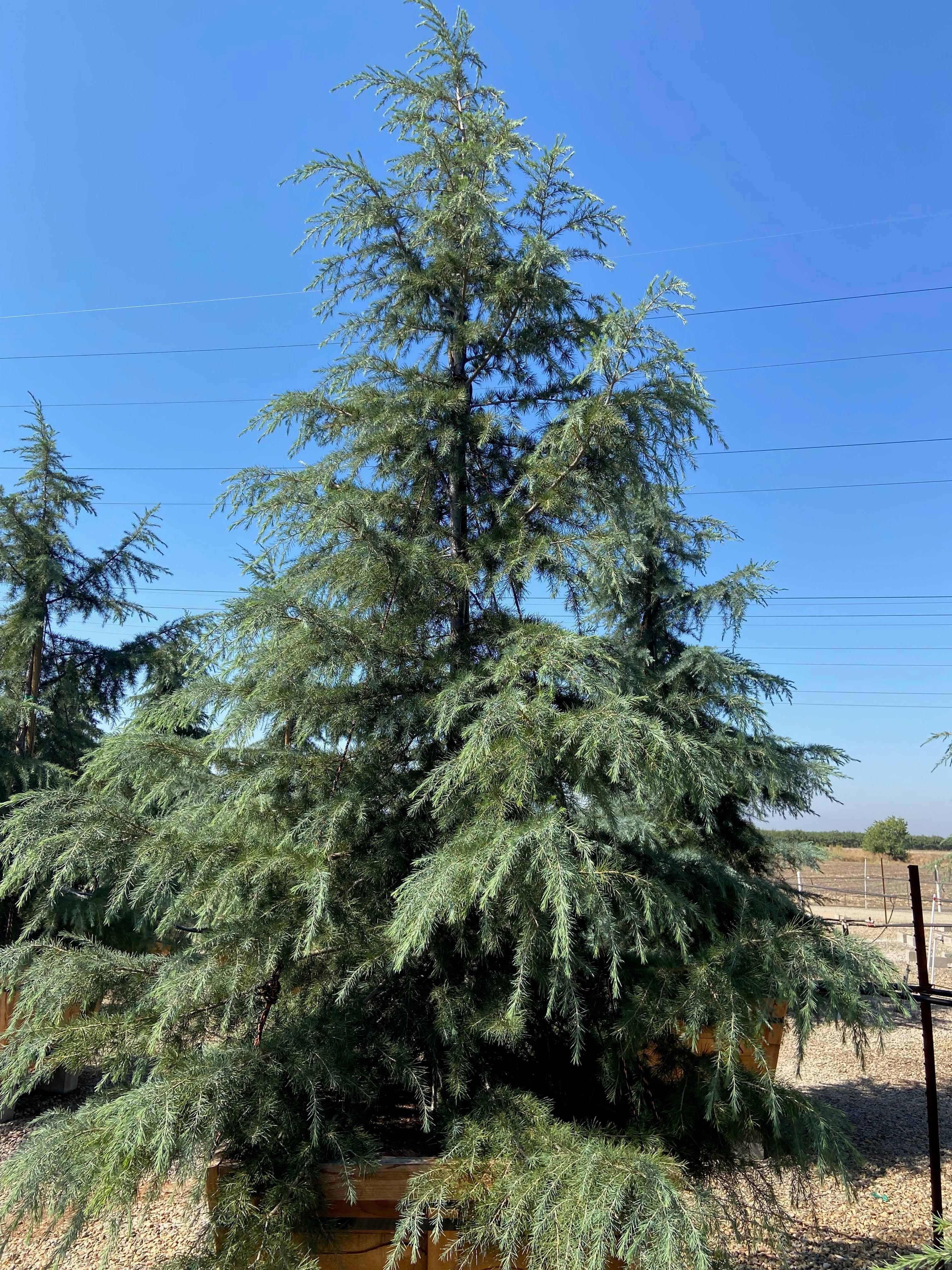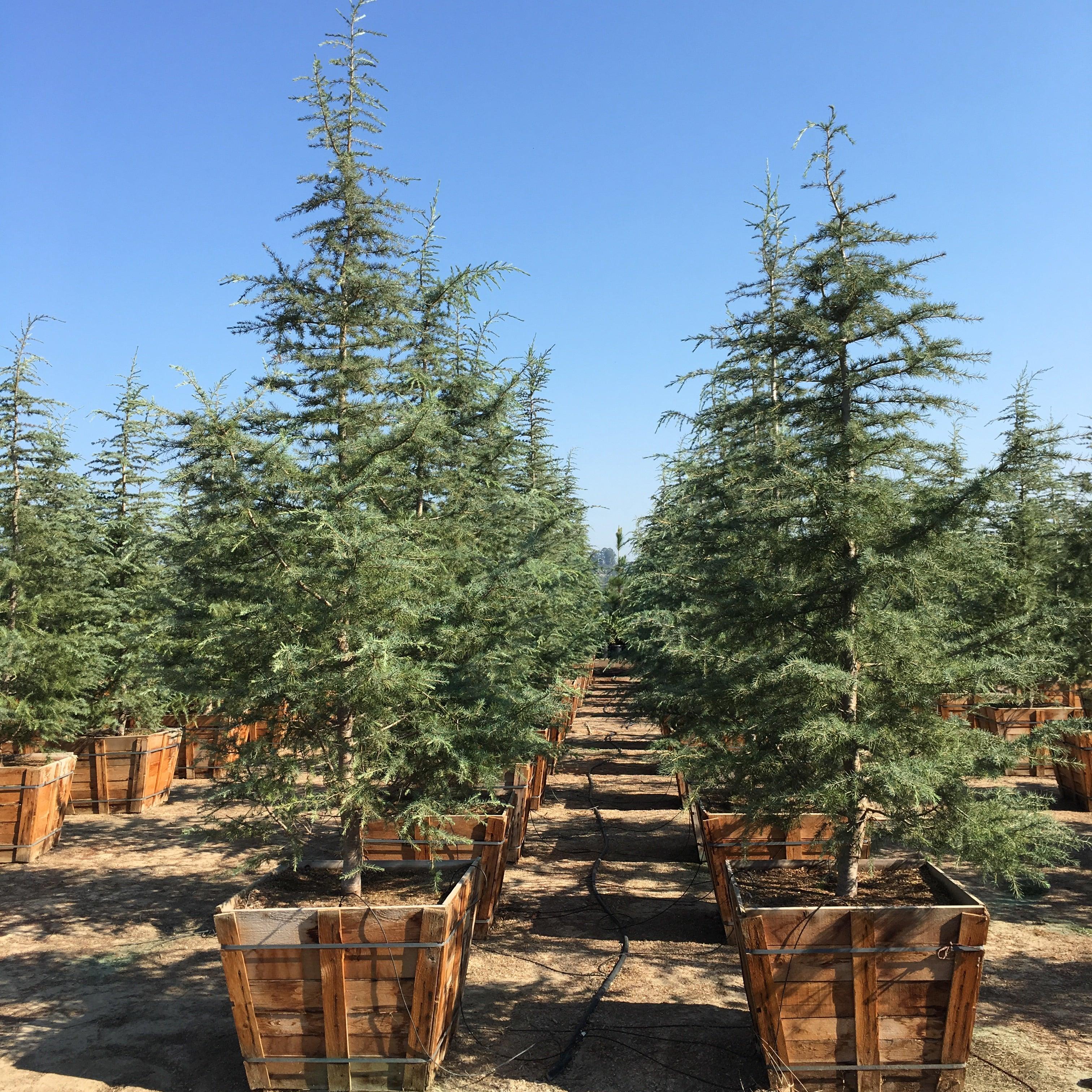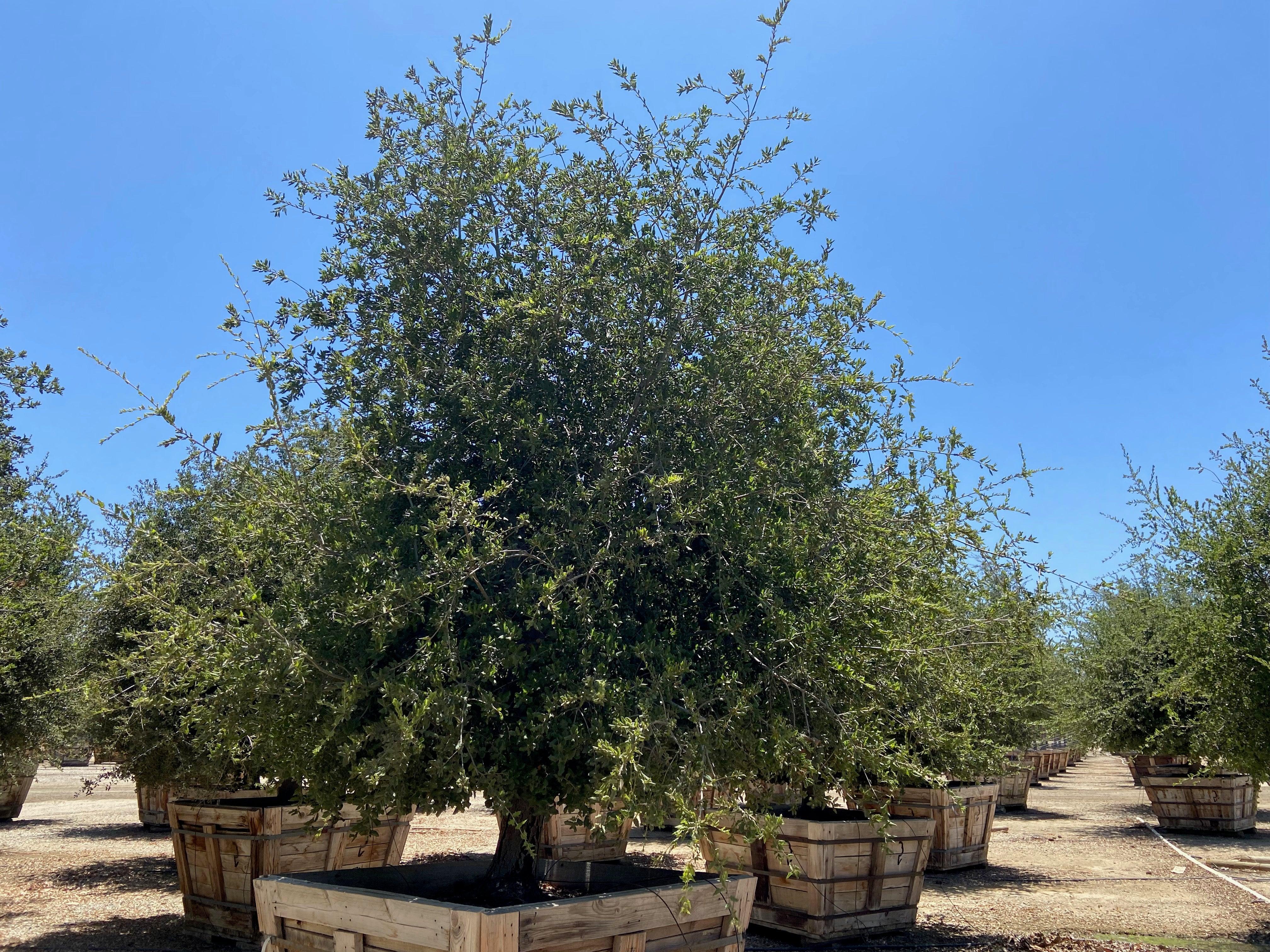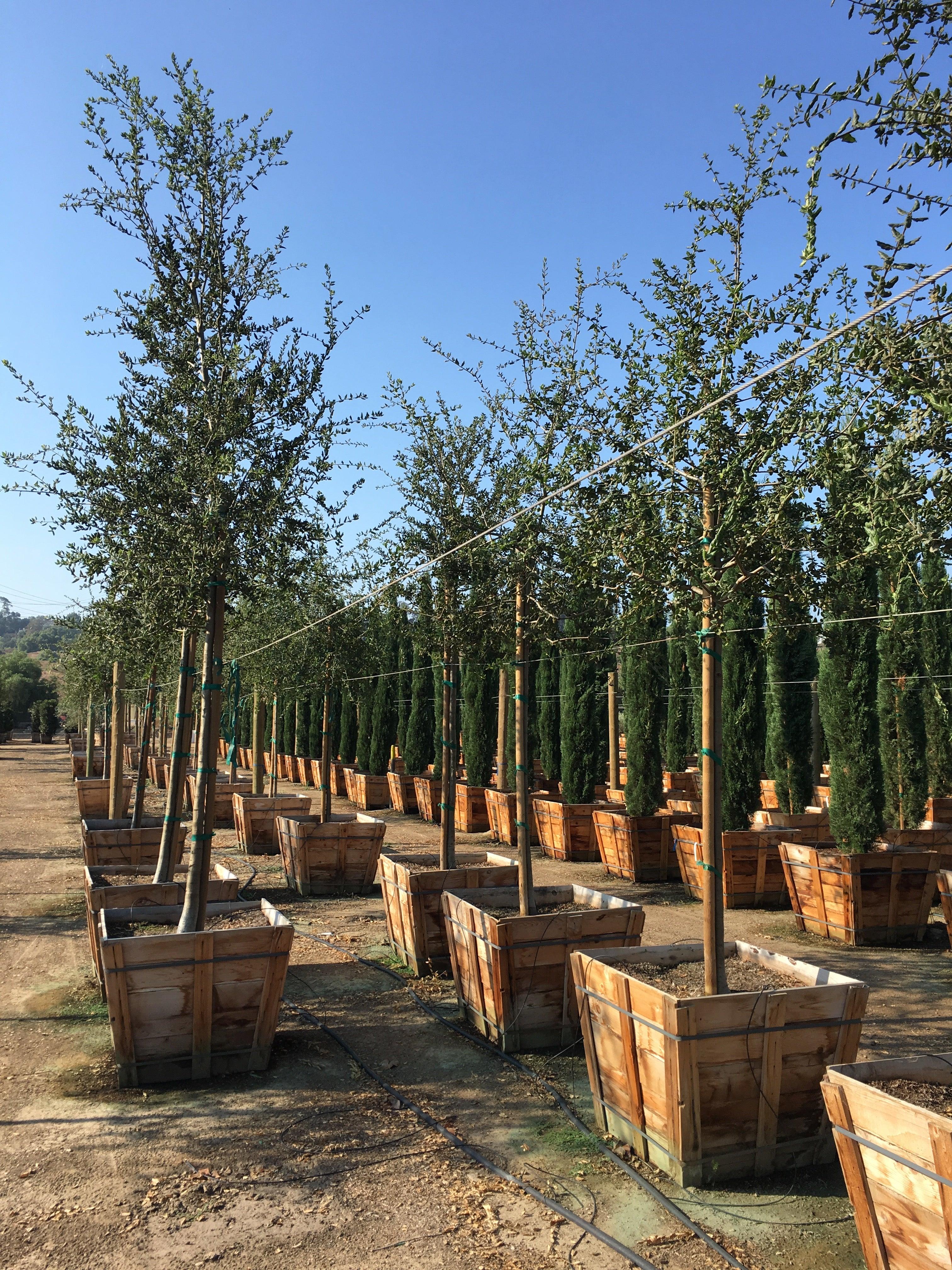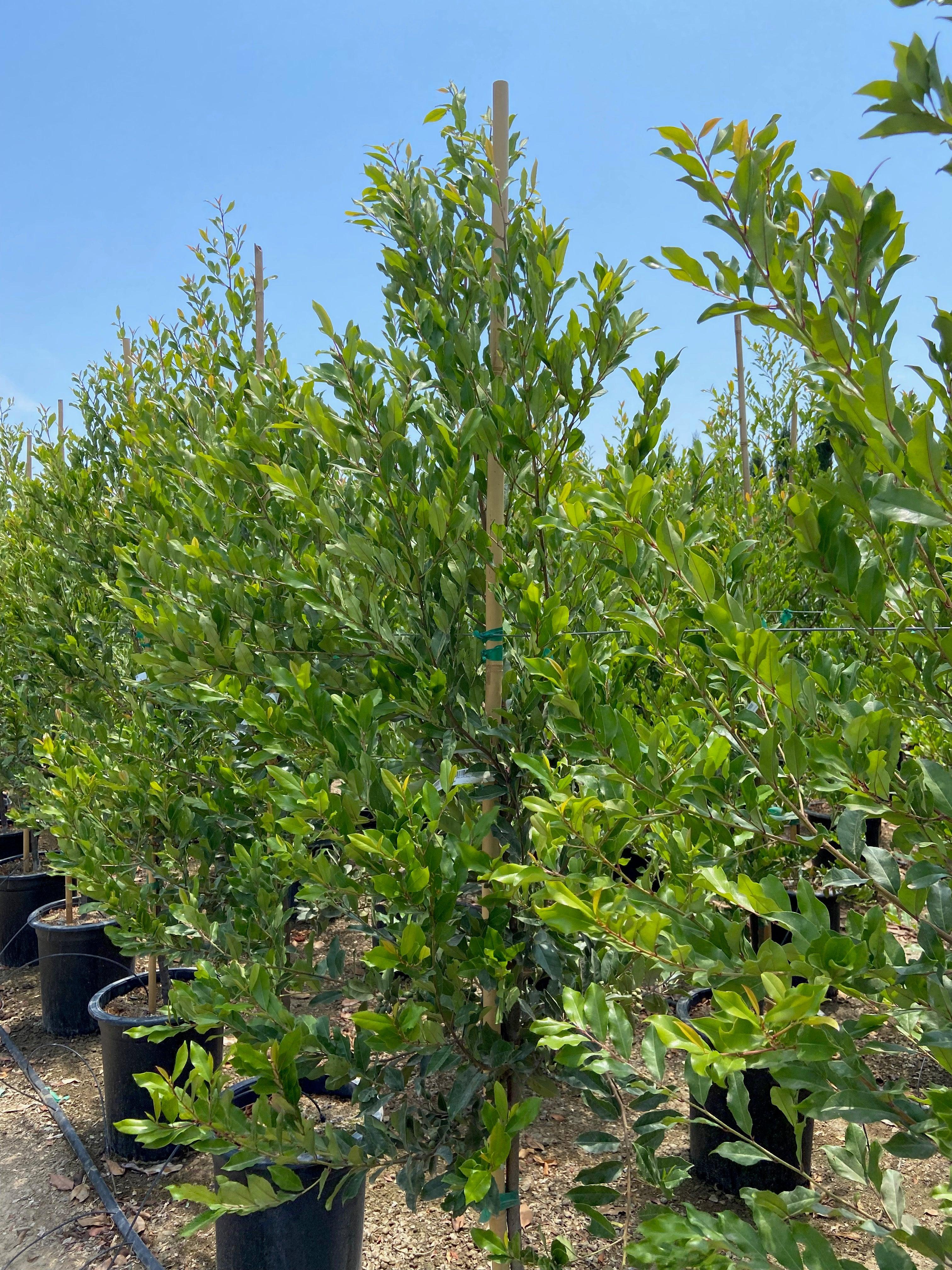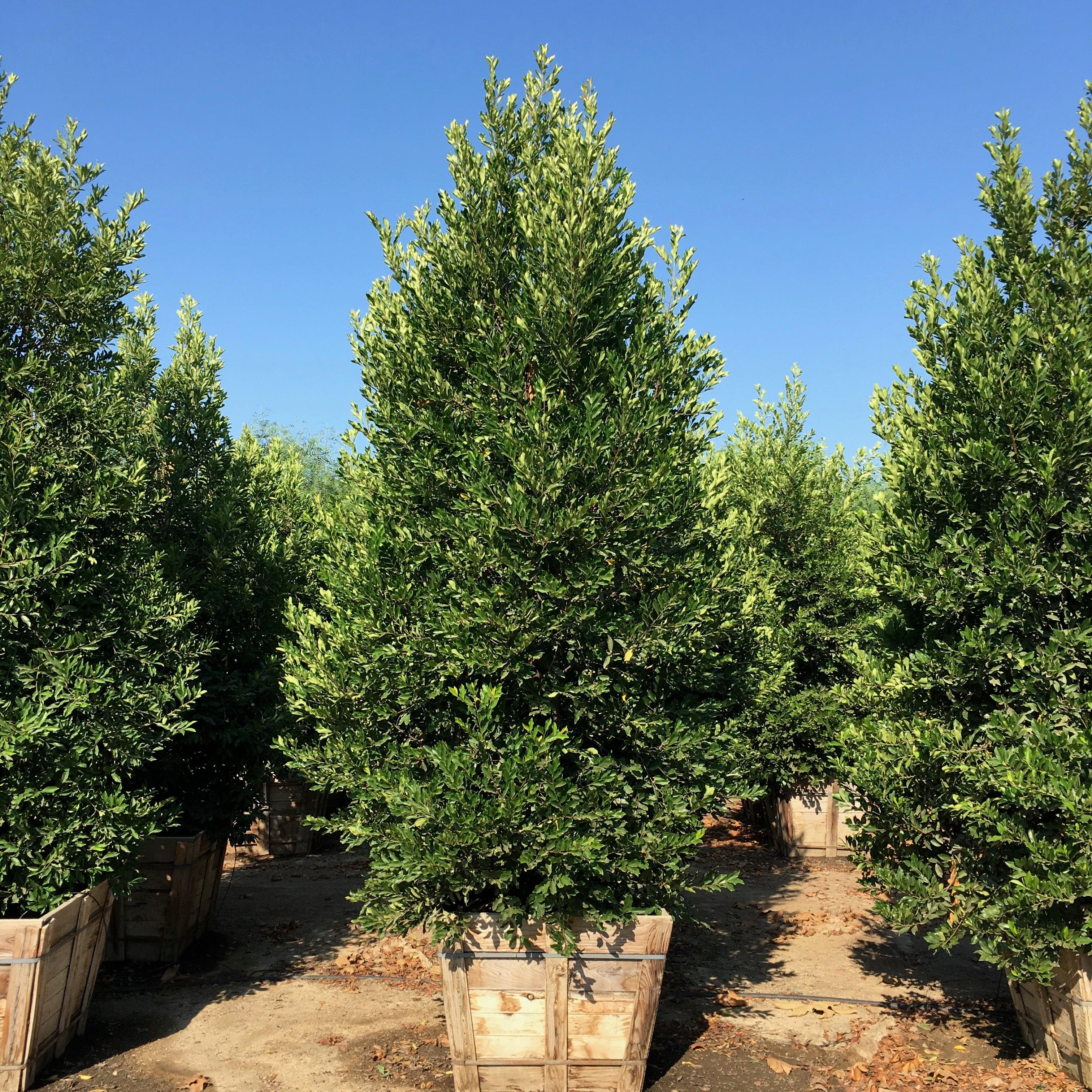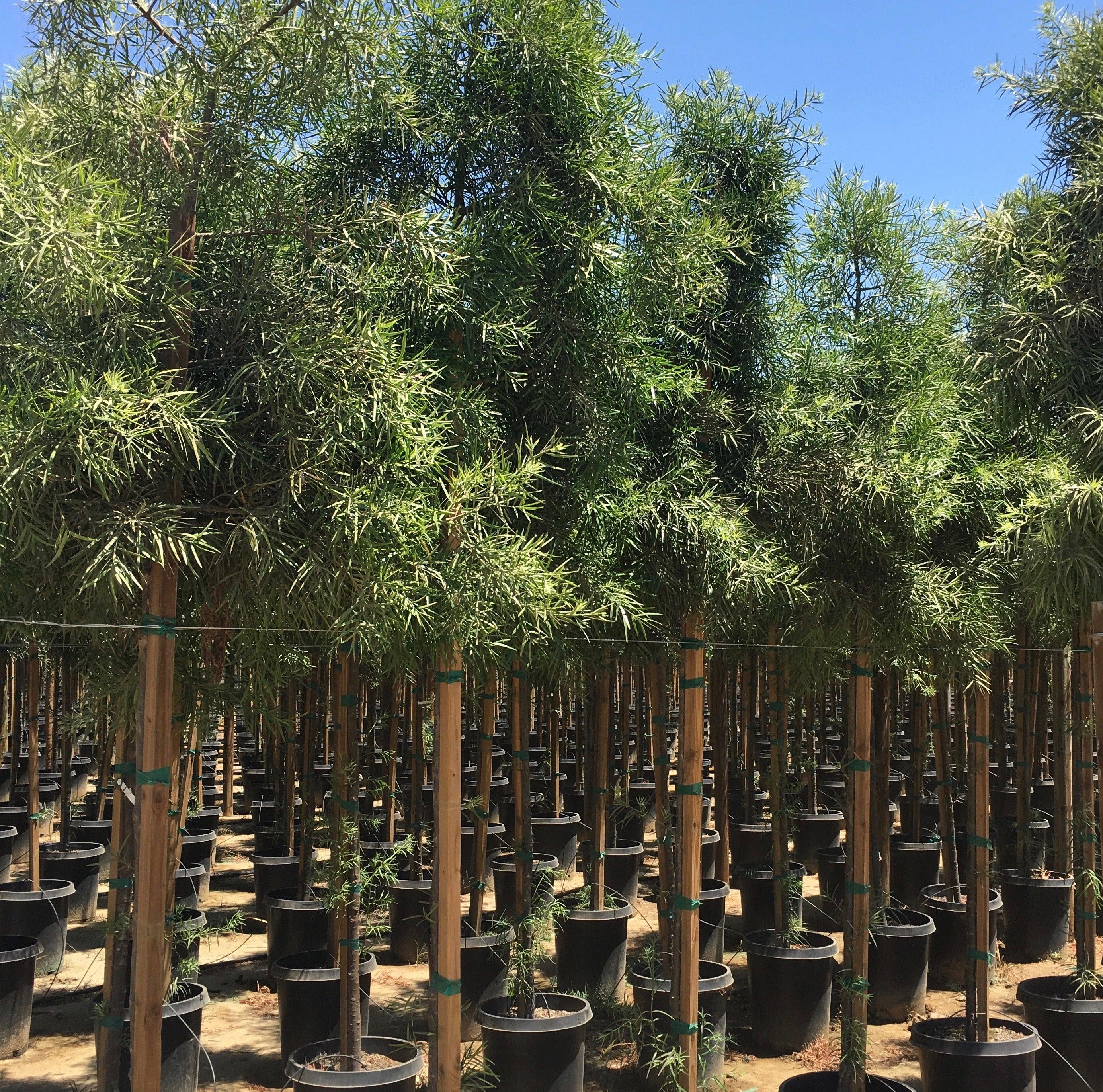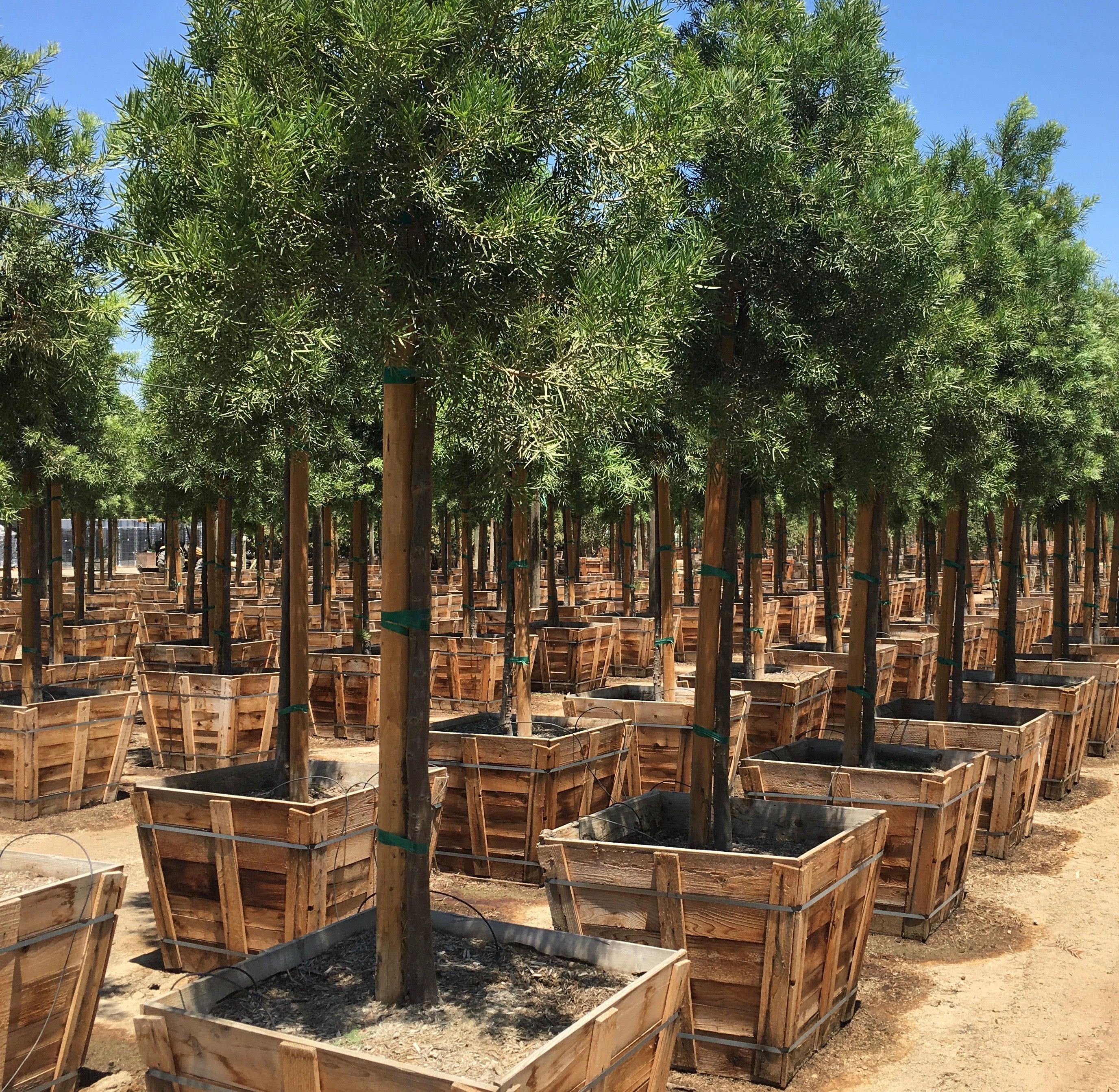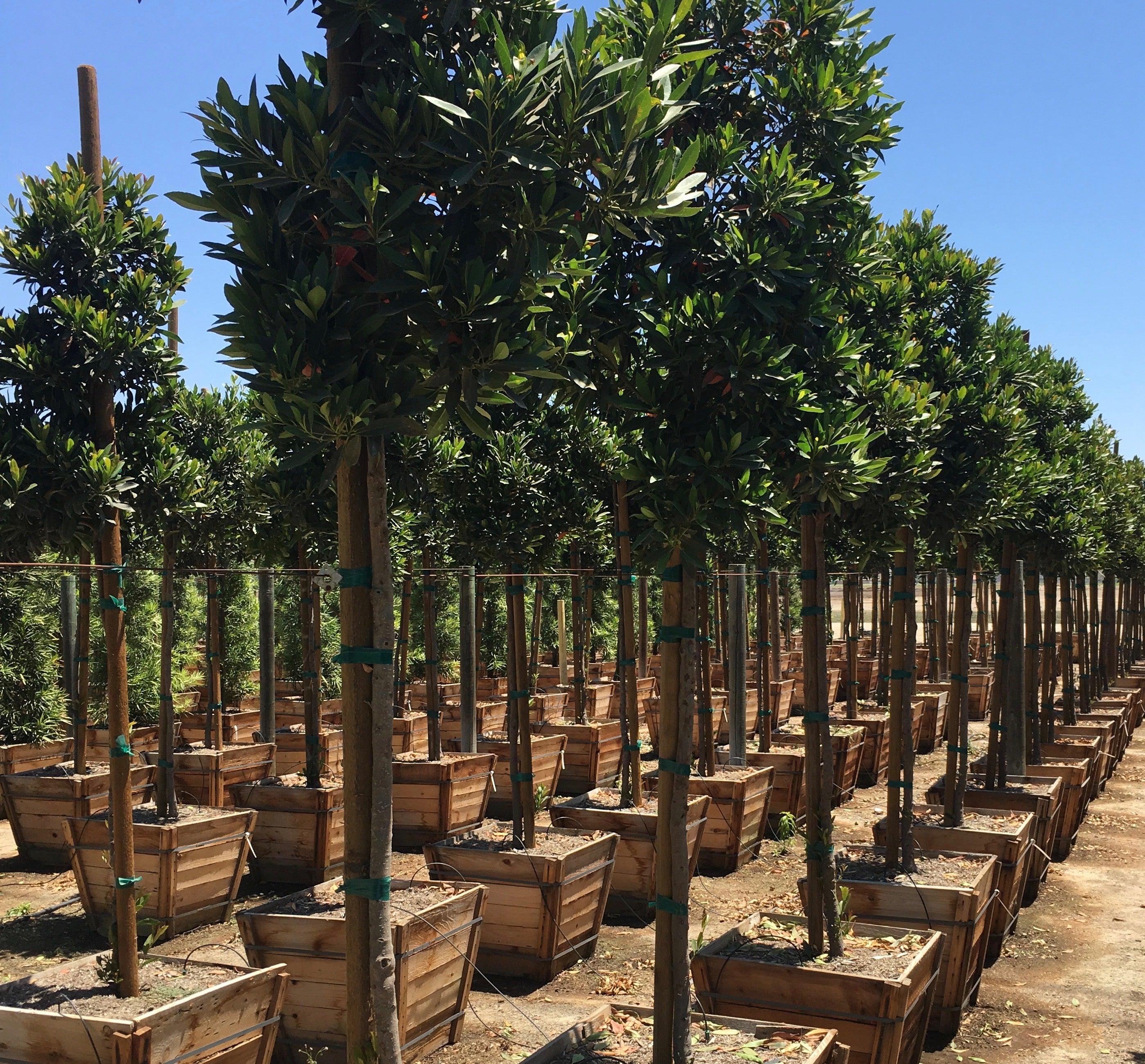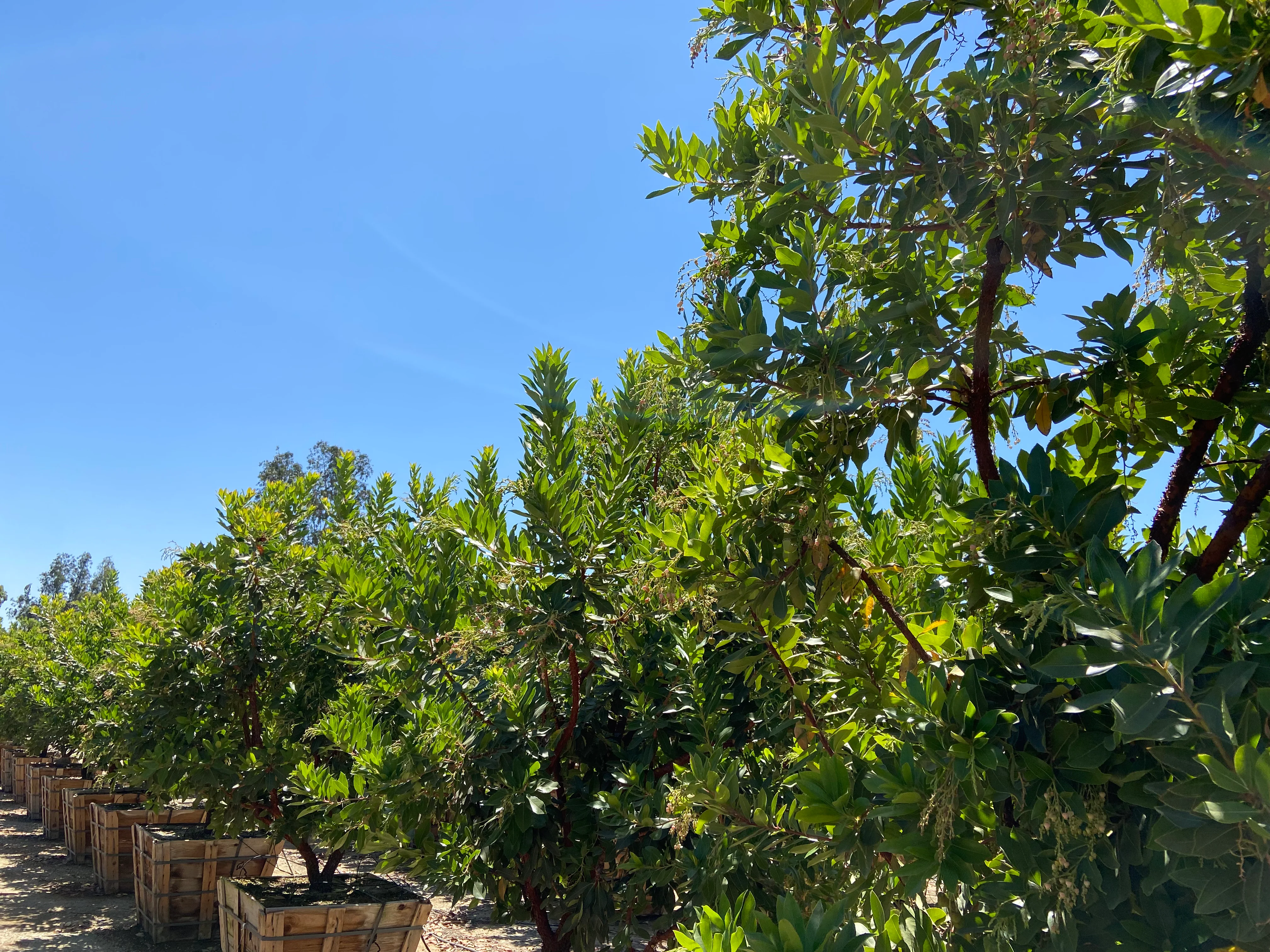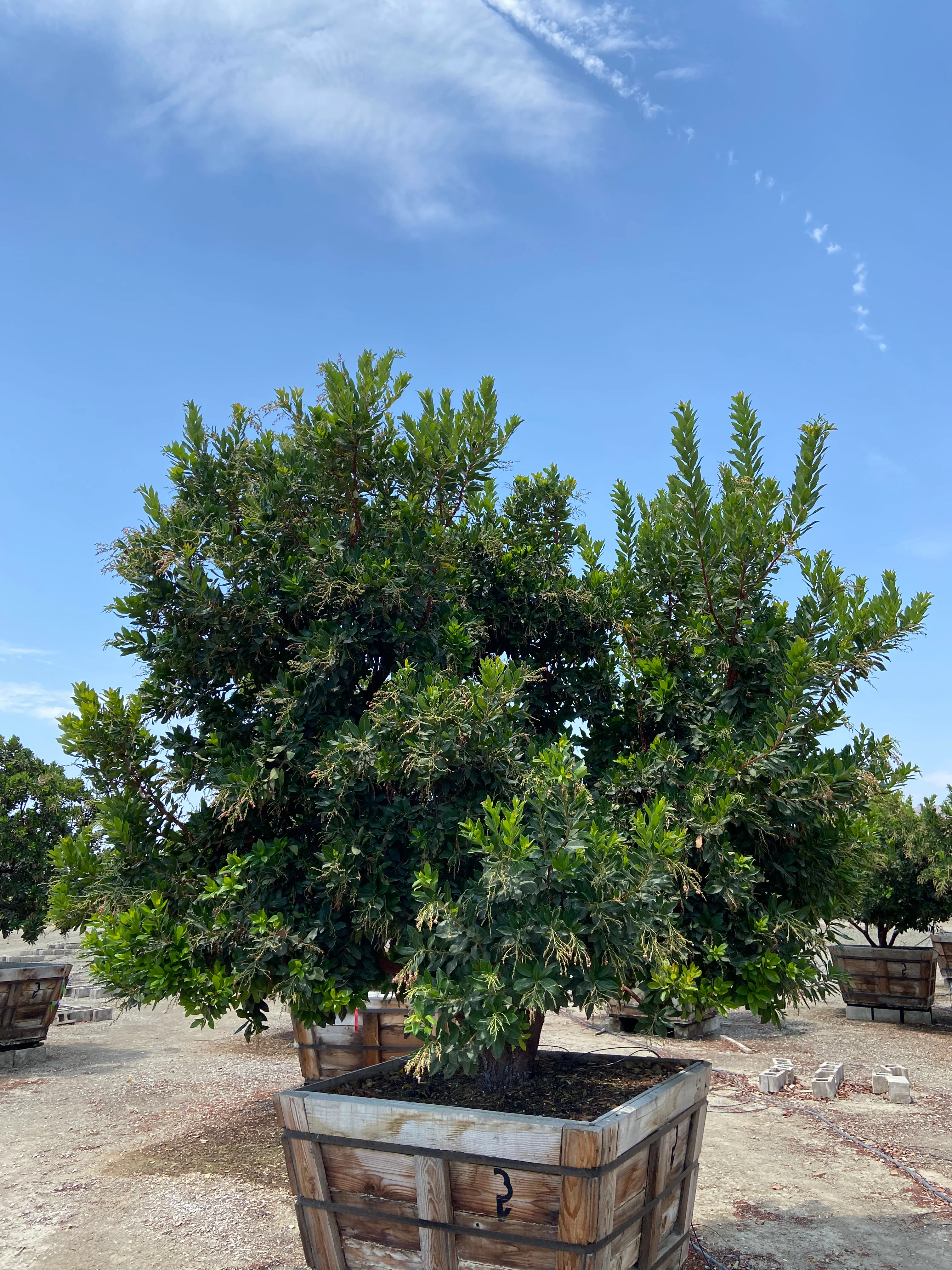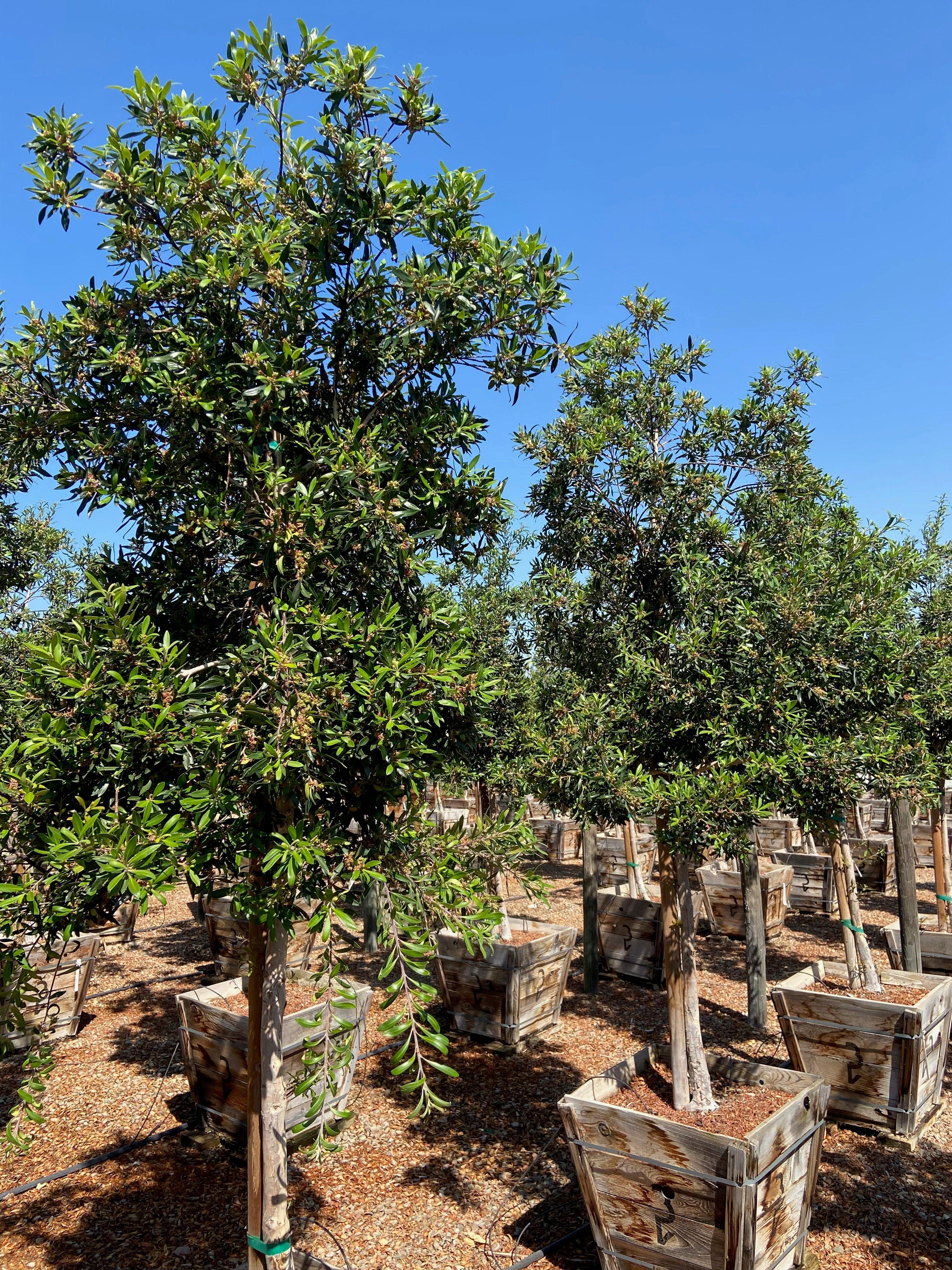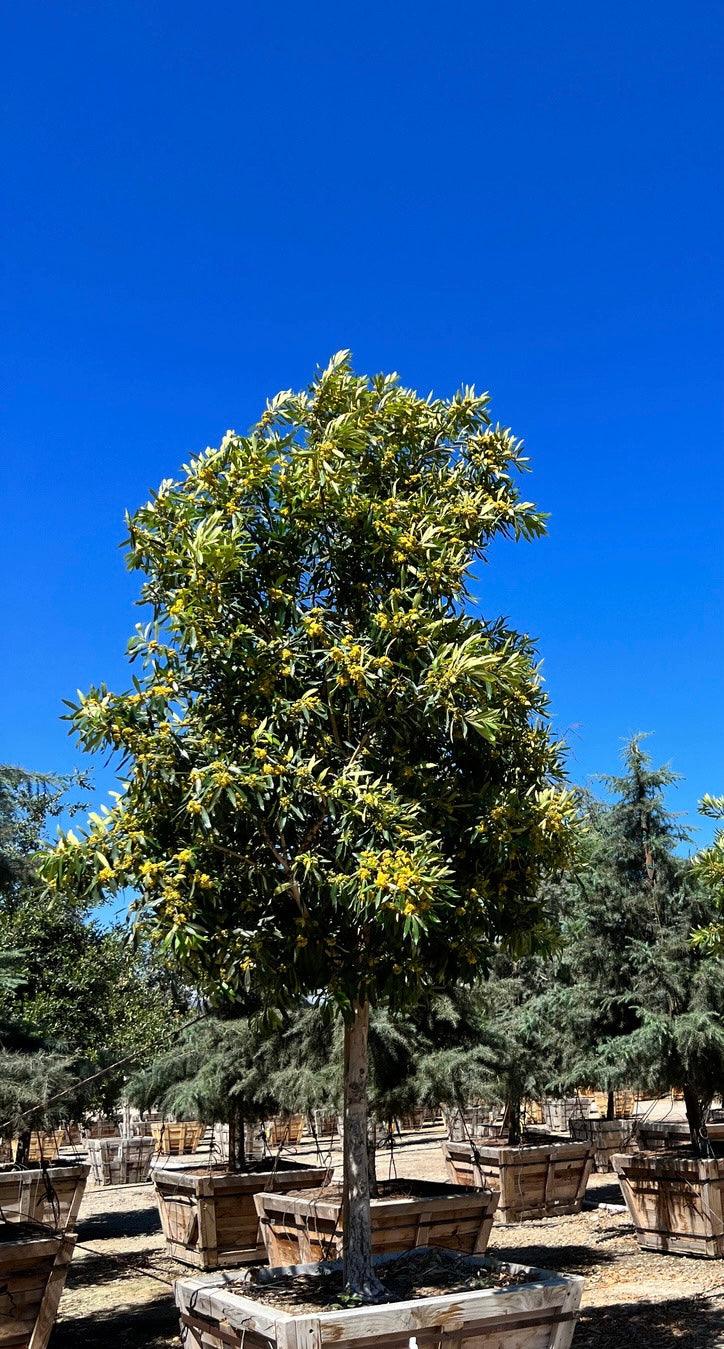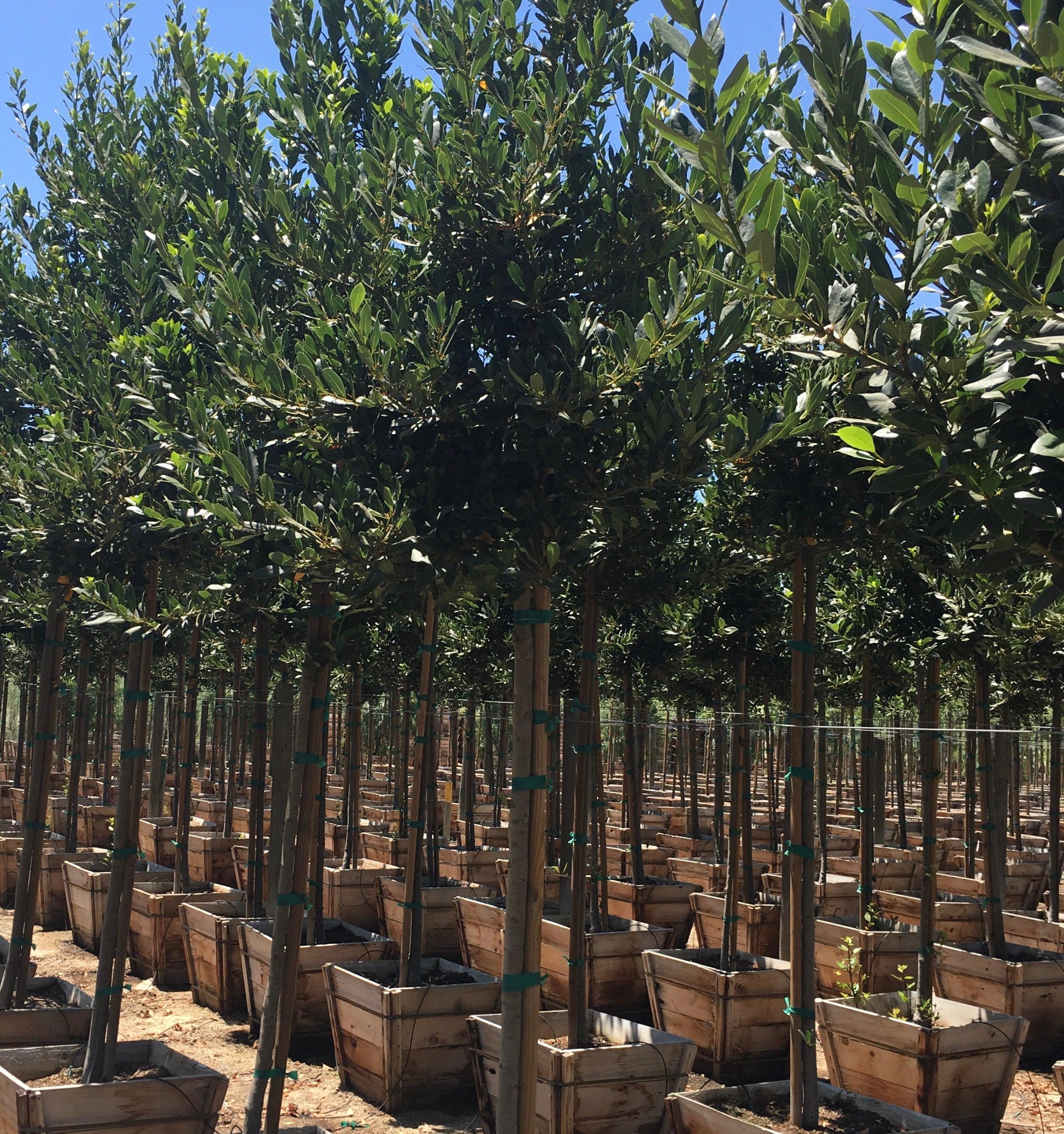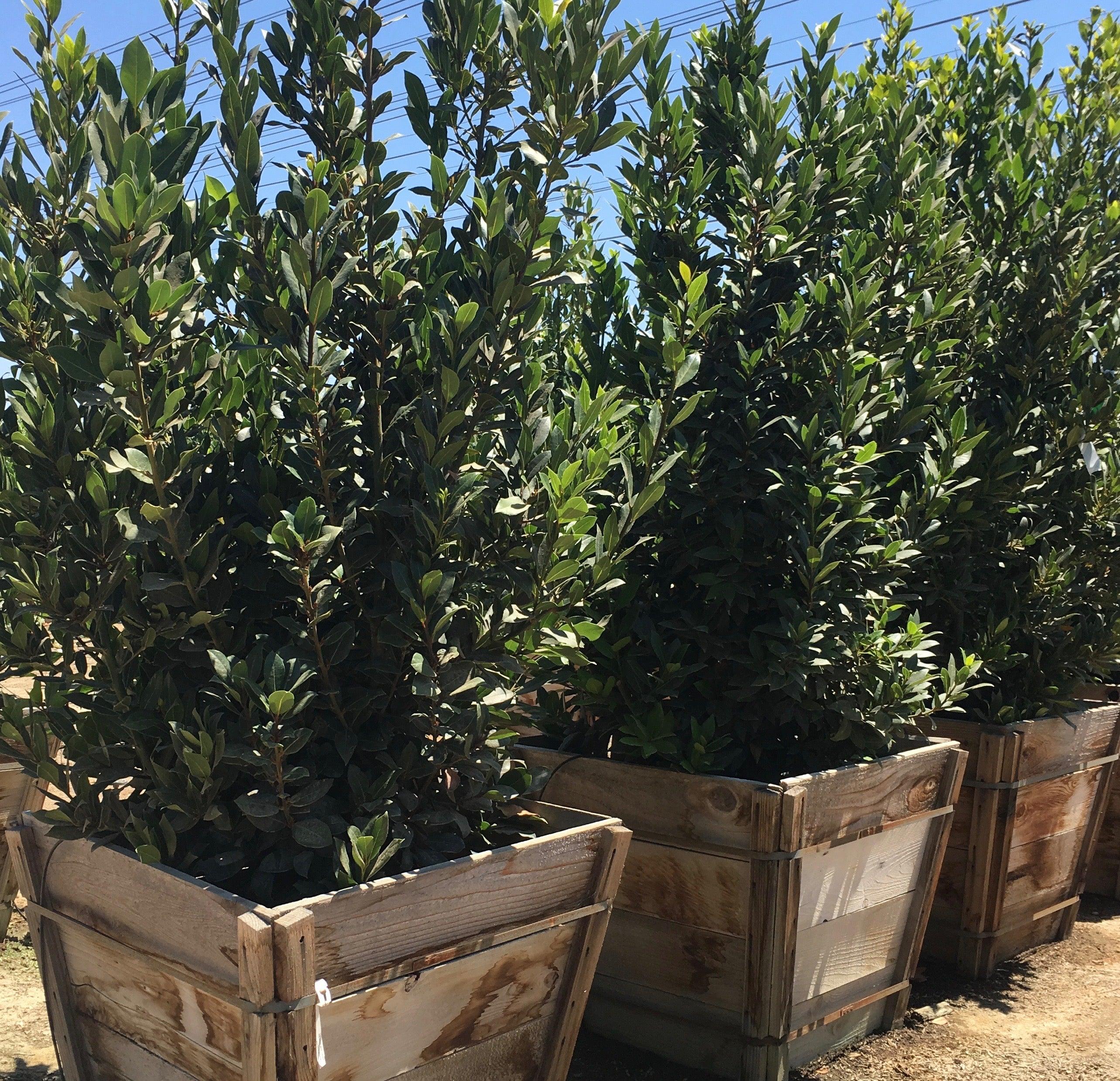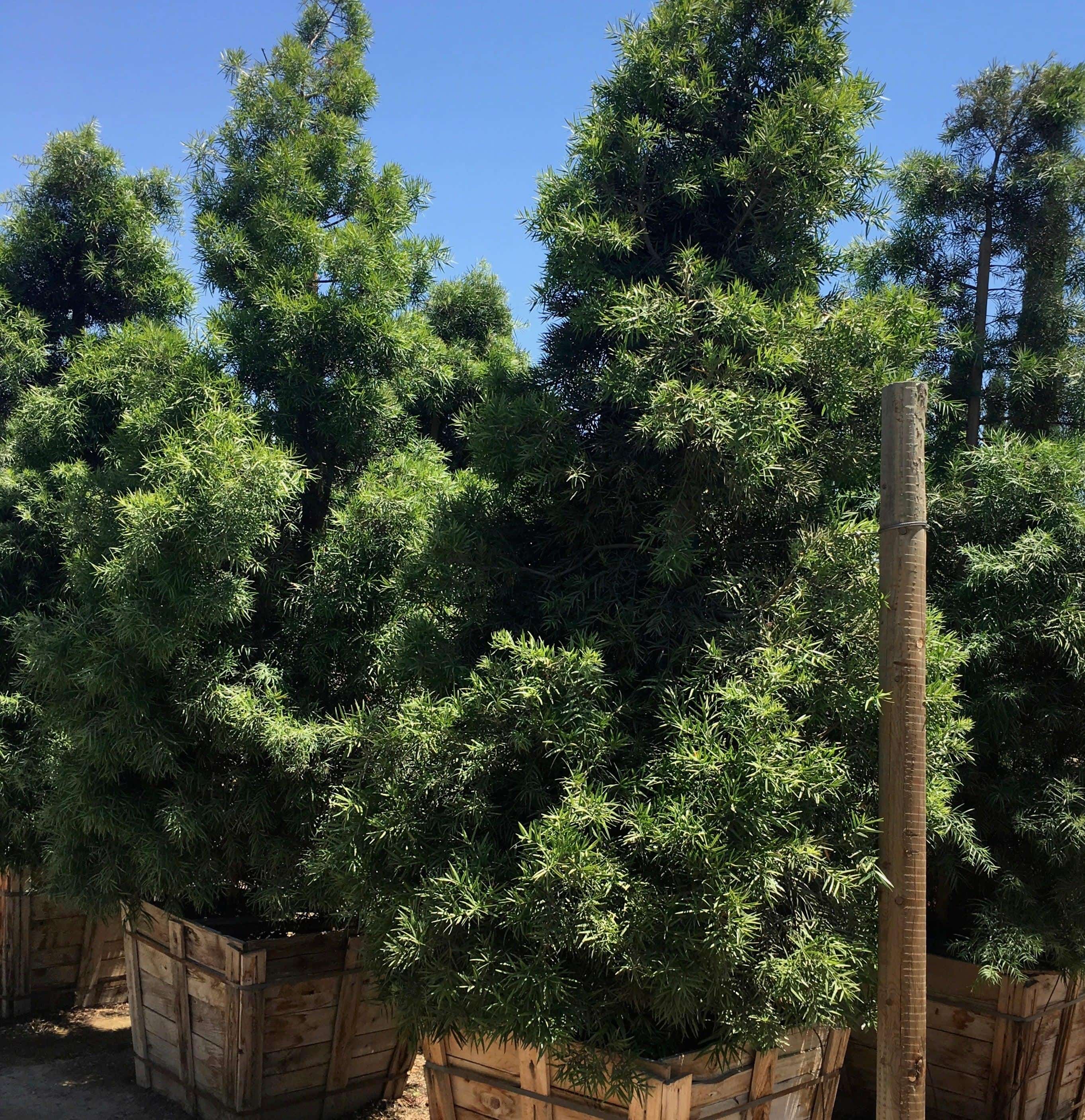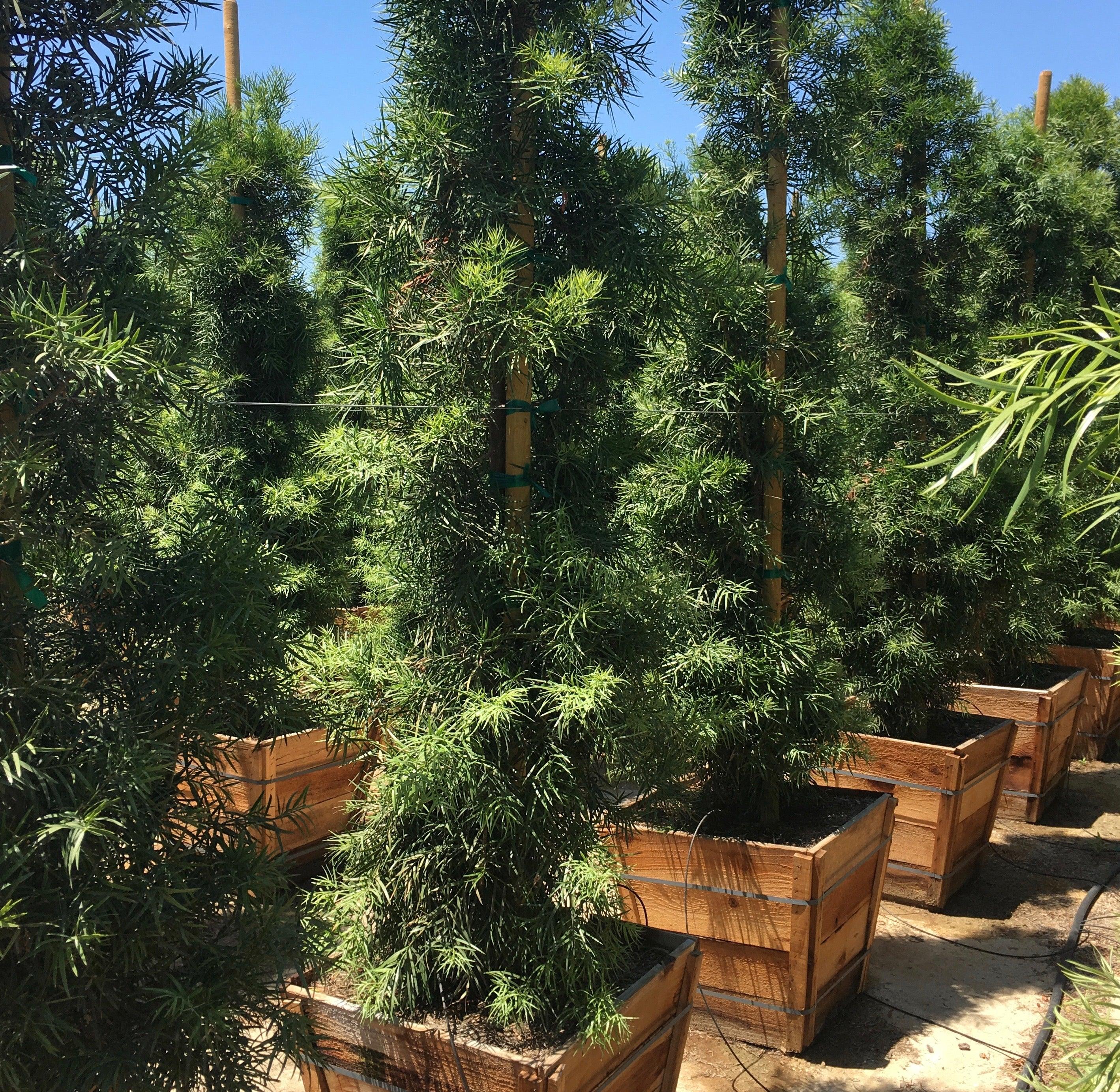


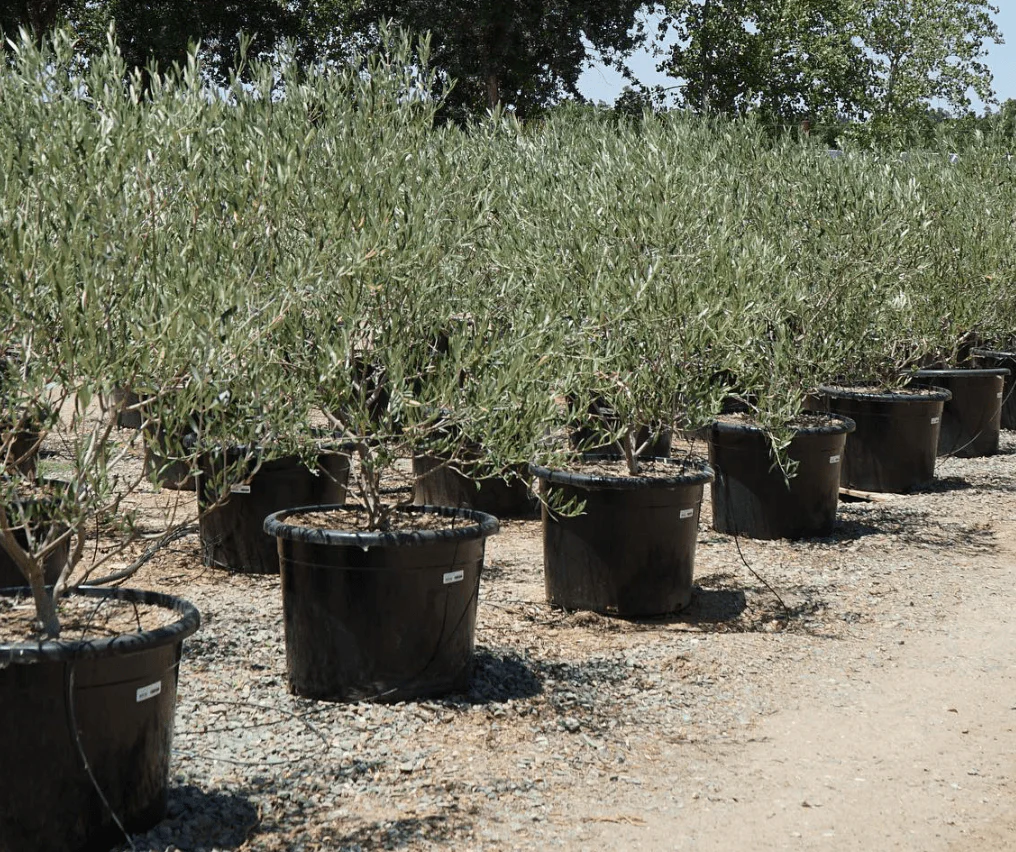
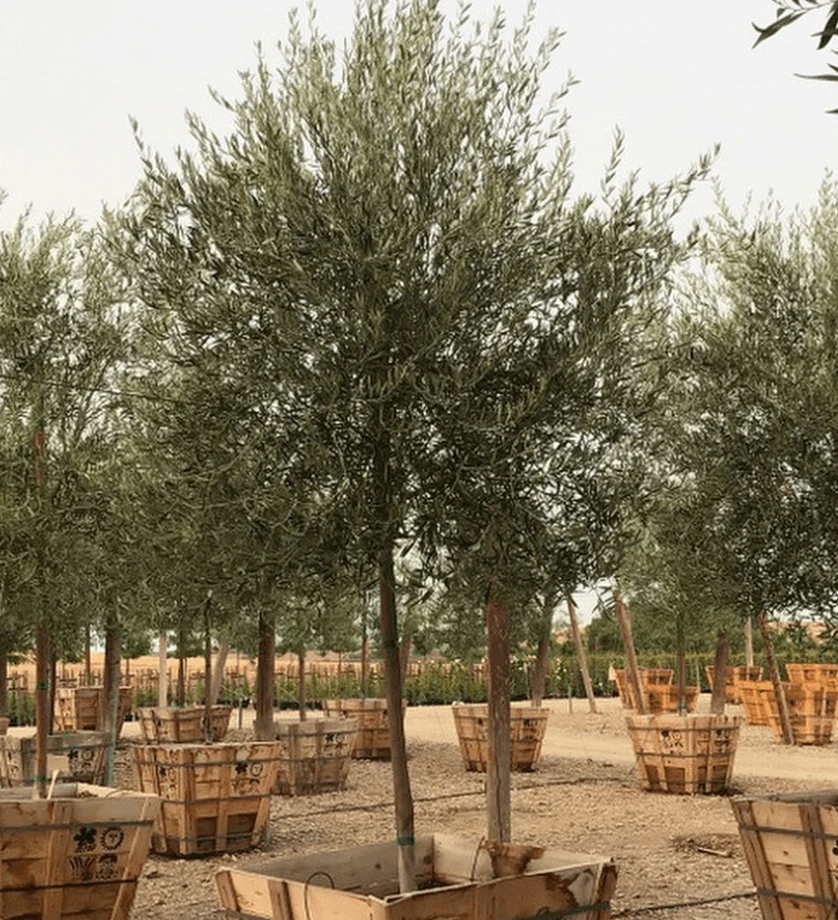
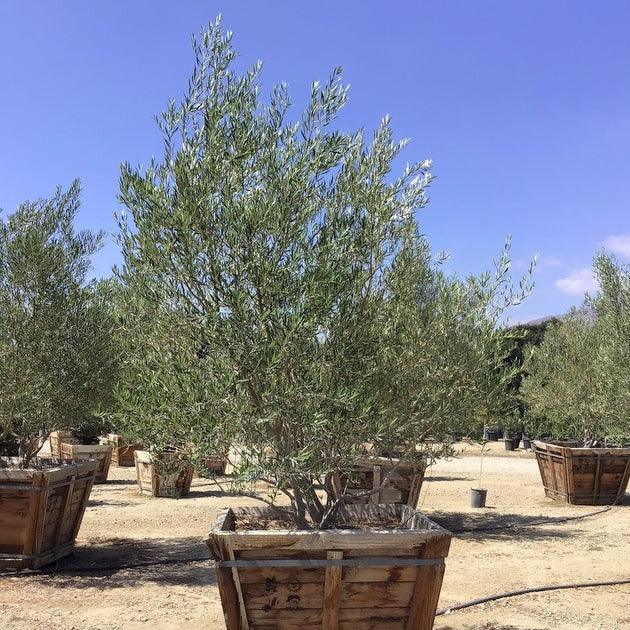
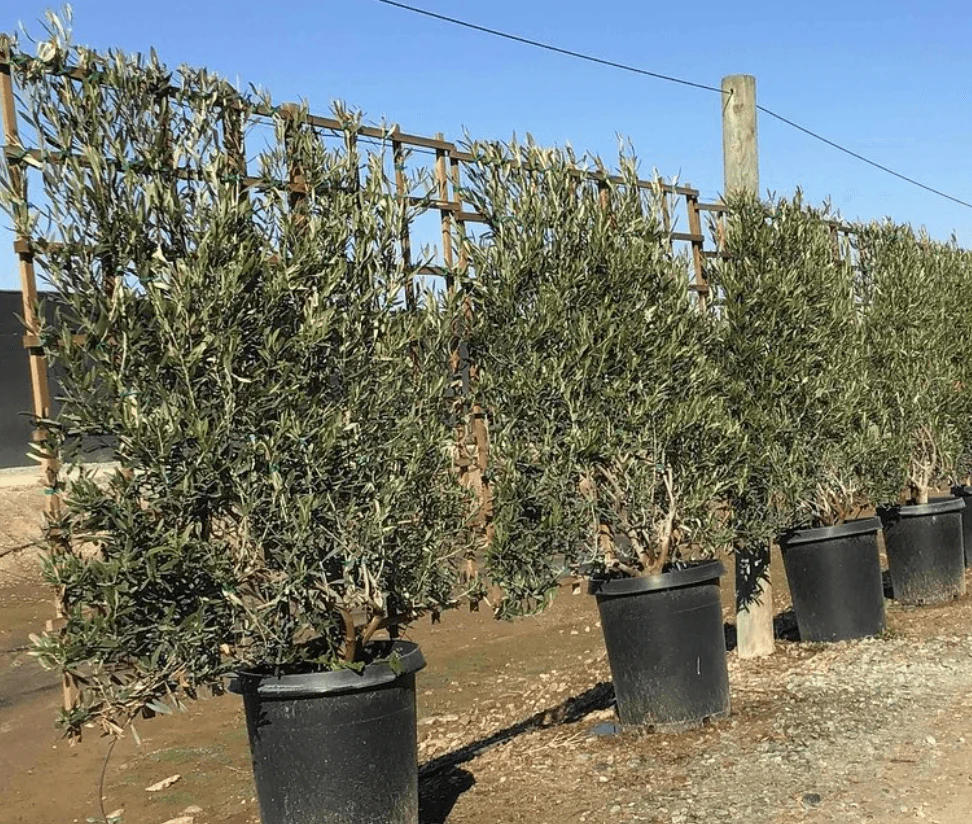
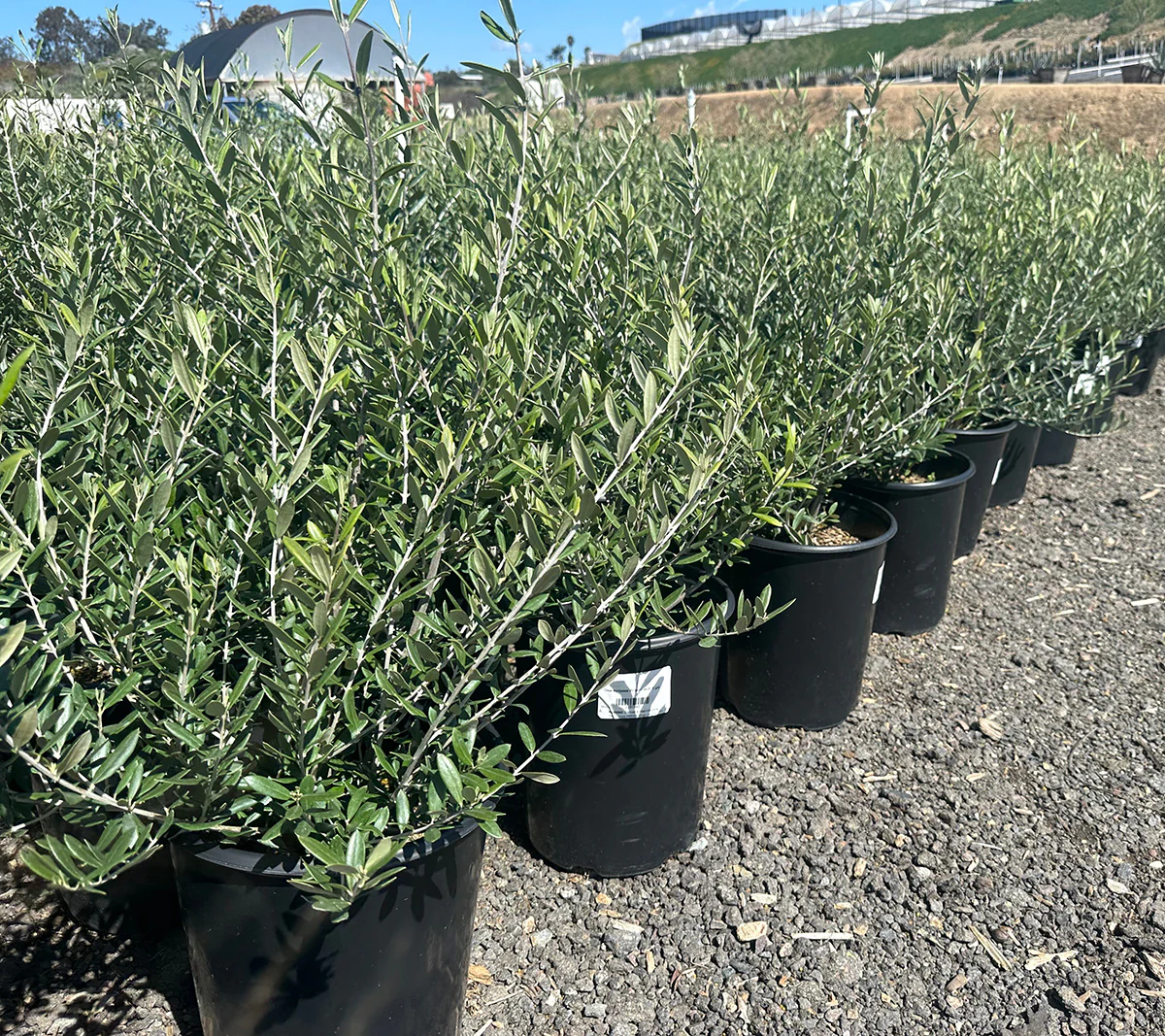
Fruitless Olive Tree (Olea Europaea ‘Wilsonii’)
Beautiful Mediterranean Elegance Without the Mess
A fruitless olive tree gives you the timeless beauty of classic olive trees-silver gray green foliage, graceful branching, and sculptural trunk character-without the sticky fallen fruit that stains patios, driveways, walkways, and pool decks.
Designed for visual appeal instead of fruit production, this ornamental Olea europaea brings the look of the Mediterranean region into modern landscapes with far less cleanup than traditional olive trees. Fruitless varieties such as the Wilsonii Olive Tree preserve the narrow leaves, evergreen canopy, and architectural form people love, while producing little to no fruit and drastically less pollen.
The result is a clean, drought tolerant, low-maintenance tree that works beautifully as a focal point, shade tree, privacy screen, or statement planting for California homes and commercial landscapes.
Why You’ll Love It
-
Zero Fruit Mess – Fruitless olive trees, such as the Wilsonii Olive variety, do not produce fruit, which eliminates the mess associated with fallen olives, making them ideal for high-traffic areas and residential landscapes.
-
Drought Tolerant – Fruitless olive trees are drought-tolerant once established, making them a sustainable choice for landscapes in arid regions, which is increasingly important for water conservation efforts.
-
Year-Round Beauty – Evergreen silver and gray green foliage provides constant beauty, shade, and structure through every season.
-
Low Maintenance – The absence of fruit production in fruitless olive trees allows them to focus their energy on vegetative growth, resulting in an average growth rate of over two feet per year under ideal conditions.
-
Allergy Friendly – Many fruitless cultivars are bred to produce drastically less pollen than standard varieties, making them much friendlier for allergy sufferers.
Fruitless varieties of olive trees are entirely clean, removing the safety hazard of slippery olive peels on walking paths. They are also preferred for urban landscaping along walkways, driveways, and parking areas to eliminate the risk of fruit stains.
What Makes It Different
Traditional olive trees are beautiful, but they can create maintenance challenges: fallen fruit, stained hardscape, slippery surfaces, extra pruning, and more cleanup around a pool, lawn, garden, or outdoor living area.
Fruitless Olive Tree options include:
-
Wilsonii Variety – The Wilsonii variety of fruitless olive trees, known botanically as Olea europaea ‘Wilsonii’, is prized for its evergreen foliage and ability to thrive in various landscapes without producing fruit, which eliminates the mess associated with fallen olives.
-
Architectural Form – Fruitless olive trees are frequently used as ornamentals in gardens for their architectural beauty, featuring graceful, twisted trunks and distinct narrow leaves.
Fruitless olive trees produce small, yellowish-white spring blooms that are sterile and rarely develop into actual olives. That means you still get the soft seasonal flowers and the iconic Mediterranean look-without the fruit cleanup that comes with traditional olive trees.
Tips For Success
-
Step 1 – Proper Planting
Choose a full sun location with well-drained soil and enough room for the tree’s mature height, spread, and canopy. When planting Wilsonii trees, it is recommended to plant them 1 to 2 inches above grade to prevent water from collecting around the crown, which can stress the tree. -
Step 2 – Establishment Period
Proper irrigation is critical for the success of Wilsonii Olive trees, especially during the first 90 days after installation, and initial irrigation should focus on keeping the root ball moist. A deep watering method near the drip line helps the roots develop while avoiding soggy soil around the trunk. -
Step 3 – Mature Growth
Once established, the tree becomes highly drought tolerant, heat-resilient, and capable of thriving with minimal upkeep. Proper placement of Wilsonii Olive trees is essential to avoid interference with structures and to allow for the development of their full, symmetrical canopy.
With the right planting, sunlight, and early irrigation, your fruitless olive develops into a refined landscape focal point that can provide shade, privacy, and beauty for decades, showcasing the classic features people expect when they ask what an olive tree looks like.
Tree Specifications
-
Mature Size: 25–35 feet tall and 20–30 feet wide, depending on variety, pruning, climate, and ideal conditions
-
Wilsonii Size: The Wilsonii Olive tree can grow to a height of 25 to 30 feet and a width of 20 to 30 feet, making it suitable for creating shade and visual interest in landscapes.
-
Substantial Landscape Presence: The Wilsonii fruitless olive tree can grow to a height of 25 to 30 feet and a width of 20 to 30 feet, making it a substantial addition to any landscape.
-
Growth Rate: Moderate to fast; over 2 feet per year under ideal conditions because the tree is not spending energy on fruit production
-
Form Options: Single trunk, multi trunk, and mature multi trunk structure specimens
-
Hardiness: USDA zones 9–11, perfect for many California climates
-
Sunlight: Full sun is best; strong sunlight supports dense foliage, balanced growth, and strong canopy shape
-
Soil: Fruitless olive trees are highly drought-tolerant, heat-resilient, and can adapt to poor, stony, or shallow soils.
-
Water Needs: Once established, olive trees are highly water-wise and thrive in dry, rocky, and poor soil conditions, making them suitable for water-restricted areas, and many olive plants for sale are specifically selected for these tough conditions.
-
Landscape Uses: Shade tree, privacy screen, garden focal point, driveway accent, pool area tree, patio feature, commercial planting, or large container specimen when appropriately selected, including pairing with character-rich Sevillano olive trees in larger landscapes
-
Maintenance: Wilsonii Olive trees should be pruned once or twice a year, ideally in late summer and late winter, to maintain their shape and remove any dead or crossing branches.
WIlsonii fruitless olive trees are drought-tolerant once established, making them suitable for arid regions and landscapes that prioritize water efficiency. Swan Hill Olives® fruitless olive trees are also versatile for various landscape options, thriving in lush gardens, desert landscapes, and both residential and commercial properties.
Who It’s For
Ideal for:
-
California homeowners wanting Mediterranean landscape style without maintenance headaches
-
Pool area landscaping where fallen fruit would create stains, mess, or slip hazards
-
Allergy-sensitive households seeking beautiful trees with minimal pollen
-
Commercial properties needing attractive, low-maintenance specimen trees
-
Urban landscapes along walkways, driveways, parking areas, courtyards, and entries
-
Designers creating modern landscapes with drought tolerant planting, evergreen foliage, and sculptural form
-
Homeowners who want shade, privacy, and visual appeal without constant cleanup
-
Outdoor living spaces, pizza oven patios, and garden seating areas where clean hardscape matters, especially when combined with low-growing options like Little Ollie olive trees for neat borders and containers
Fruitless olive trees provide excellent shade and privacy screens with their dense, evergreen canopy. If you want a prized Mediterranean tree that can preserve the beauty of traditional olive trees while producing less fruit, less pollen, and far less mess, start by comparing the best fruitless olive tree varieties for elegant landscaping to choose the right fit for your yard or landscape.
Frequently Asked Questions
Do fruitless olive trees really produce zero fruit?
Fruitless olive trees are selected to produce little to no fruit. The Swan Hill variety is especially valued because it does not produce fruit, eliminating the mess associated with fallen olives in high-traffic areas and residential landscapes. In some fruitless or semi-fruitless varieties, a small amount of fruit can occasionally appear depending on climate and growing season, but fruit production is drastically reduced compared to traditional olive trees.
How much water do they need?
During establishment, watering matters most. Proper irrigation is critical for the success of Wilsonii trees, especially during the first 90 days after installation, and the root ball should stay moist while new roots grow. Once established, fruitless olive trees are drought tolerant, highly drought tolerant in many California conditions, and well suited to dry, rocky, poor soil and water-restricted areas.
When is the best time to plant?
Early spring and fall are generally the best planting windows in California because the tree can establish before extreme heat or cold. Plant in full sun, prepare a wide hole, keep the root ball slightly above surrounding grade, and avoid placing the trunk where water collects. For best results, check spacing carefully so the mature canopy does not interfere with nearby structures.
How do I care for my fruitless olive tree?
Care is simple once the tree is established. Maintain deep but infrequent watering, prune once or twice a year, remove suckers from the base or below the graft, and thin dead or crossing branches to preserve shape and airflow. Fertilizing is usually light; a balanced spring feeding can support growth when soil is poor. Local nurseries and Yardwork experts can help you choose the right variety, whether you want Wilsonii Olives, Swan Hill Olives, Royal Fruitless, or a container-friendly option.
Ready to Add Mediterranean Beauty to Your Landscape?
Stop dealing with messy fruit cleanup from traditional olive trees. Choose a fruitless olive tree and enjoy the silver foliage, sculptural trunk, evergreen shade, and Mediterranean beauty of olive trees with minimal upkeep.
Yardwork makes it easier to select the right tree for your climate, yard, planting space, and design goals. You can buy olive trees online and we can help with variety selection, California delivery, placement guidance, and expert planting advice so your fruitless olive has the best chance to thrive.
Original: $65.00
-65%$65.00
$22.75Product Information
Product Information
Shipping & Returns
Shipping & Returns
Description
Beautiful Mediterranean Elegance Without the Mess
A fruitless olive tree gives you the timeless beauty of classic olive trees-silver gray green foliage, graceful branching, and sculptural trunk character-without the sticky fallen fruit that stains patios, driveways, walkways, and pool decks.
Designed for visual appeal instead of fruit production, this ornamental Olea europaea brings the look of the Mediterranean region into modern landscapes with far less cleanup than traditional olive trees. Fruitless varieties such as the Wilsonii Olive Tree preserve the narrow leaves, evergreen canopy, and architectural form people love, while producing little to no fruit and drastically less pollen.
The result is a clean, drought tolerant, low-maintenance tree that works beautifully as a focal point, shade tree, privacy screen, or statement planting for California homes and commercial landscapes.
Why You’ll Love It
-
Zero Fruit Mess – Fruitless olive trees, such as the Wilsonii Olive variety, do not produce fruit, which eliminates the mess associated with fallen olives, making them ideal for high-traffic areas and residential landscapes.
-
Drought Tolerant – Fruitless olive trees are drought-tolerant once established, making them a sustainable choice for landscapes in arid regions, which is increasingly important for water conservation efforts.
-
Year-Round Beauty – Evergreen silver and gray green foliage provides constant beauty, shade, and structure through every season.
-
Low Maintenance – The absence of fruit production in fruitless olive trees allows them to focus their energy on vegetative growth, resulting in an average growth rate of over two feet per year under ideal conditions.
-
Allergy Friendly – Many fruitless cultivars are bred to produce drastically less pollen than standard varieties, making them much friendlier for allergy sufferers.
Fruitless varieties of olive trees are entirely clean, removing the safety hazard of slippery olive peels on walking paths. They are also preferred for urban landscaping along walkways, driveways, and parking areas to eliminate the risk of fruit stains.
What Makes It Different
Traditional olive trees are beautiful, but they can create maintenance challenges: fallen fruit, stained hardscape, slippery surfaces, extra pruning, and more cleanup around a pool, lawn, garden, or outdoor living area.
Fruitless Olive Tree options include:
-
Wilsonii Variety – The Wilsonii variety of fruitless olive trees, known botanically as Olea europaea ‘Wilsonii’, is prized for its evergreen foliage and ability to thrive in various landscapes without producing fruit, which eliminates the mess associated with fallen olives.
-
Architectural Form – Fruitless olive trees are frequently used as ornamentals in gardens for their architectural beauty, featuring graceful, twisted trunks and distinct narrow leaves.
Fruitless olive trees produce small, yellowish-white spring blooms that are sterile and rarely develop into actual olives. That means you still get the soft seasonal flowers and the iconic Mediterranean look-without the fruit cleanup that comes with traditional olive trees.
Tips For Success
-
Step 1 – Proper Planting
Choose a full sun location with well-drained soil and enough room for the tree’s mature height, spread, and canopy. When planting Wilsonii trees, it is recommended to plant them 1 to 2 inches above grade to prevent water from collecting around the crown, which can stress the tree. -
Step 2 – Establishment Period
Proper irrigation is critical for the success of Wilsonii Olive trees, especially during the first 90 days after installation, and initial irrigation should focus on keeping the root ball moist. A deep watering method near the drip line helps the roots develop while avoiding soggy soil around the trunk. -
Step 3 – Mature Growth
Once established, the tree becomes highly drought tolerant, heat-resilient, and capable of thriving with minimal upkeep. Proper placement of Wilsonii Olive trees is essential to avoid interference with structures and to allow for the development of their full, symmetrical canopy.
With the right planting, sunlight, and early irrigation, your fruitless olive develops into a refined landscape focal point that can provide shade, privacy, and beauty for decades, showcasing the classic features people expect when they ask what an olive tree looks like.
Tree Specifications
-
Mature Size: 25–35 feet tall and 20–30 feet wide, depending on variety, pruning, climate, and ideal conditions
-
Wilsonii Size: The Wilsonii Olive tree can grow to a height of 25 to 30 feet and a width of 20 to 30 feet, making it suitable for creating shade and visual interest in landscapes.
-
Substantial Landscape Presence: The Wilsonii fruitless olive tree can grow to a height of 25 to 30 feet and a width of 20 to 30 feet, making it a substantial addition to any landscape.
-
Growth Rate: Moderate to fast; over 2 feet per year under ideal conditions because the tree is not spending energy on fruit production
-
Form Options: Single trunk, multi trunk, and mature multi trunk structure specimens
-
Hardiness: USDA zones 9–11, perfect for many California climates
-
Sunlight: Full sun is best; strong sunlight supports dense foliage, balanced growth, and strong canopy shape
-
Soil: Fruitless olive trees are highly drought-tolerant, heat-resilient, and can adapt to poor, stony, or shallow soils.
-
Water Needs: Once established, olive trees are highly water-wise and thrive in dry, rocky, and poor soil conditions, making them suitable for water-restricted areas, and many olive plants for sale are specifically selected for these tough conditions.
-
Landscape Uses: Shade tree, privacy screen, garden focal point, driveway accent, pool area tree, patio feature, commercial planting, or large container specimen when appropriately selected, including pairing with character-rich Sevillano olive trees in larger landscapes
-
Maintenance: Wilsonii Olive trees should be pruned once or twice a year, ideally in late summer and late winter, to maintain their shape and remove any dead or crossing branches.
WIlsonii fruitless olive trees are drought-tolerant once established, making them suitable for arid regions and landscapes that prioritize water efficiency. Swan Hill Olives® fruitless olive trees are also versatile for various landscape options, thriving in lush gardens, desert landscapes, and both residential and commercial properties.
Who It’s For
Ideal for:
-
California homeowners wanting Mediterranean landscape style without maintenance headaches
-
Pool area landscaping where fallen fruit would create stains, mess, or slip hazards
-
Allergy-sensitive households seeking beautiful trees with minimal pollen
-
Commercial properties needing attractive, low-maintenance specimen trees
-
Urban landscapes along walkways, driveways, parking areas, courtyards, and entries
-
Designers creating modern landscapes with drought tolerant planting, evergreen foliage, and sculptural form
-
Homeowners who want shade, privacy, and visual appeal without constant cleanup
-
Outdoor living spaces, pizza oven patios, and garden seating areas where clean hardscape matters, especially when combined with low-growing options like Little Ollie olive trees for neat borders and containers
Fruitless olive trees provide excellent shade and privacy screens with their dense, evergreen canopy. If you want a prized Mediterranean tree that can preserve the beauty of traditional olive trees while producing less fruit, less pollen, and far less mess, start by comparing the best fruitless olive tree varieties for elegant landscaping to choose the right fit for your yard or landscape.
Frequently Asked Questions
Do fruitless olive trees really produce zero fruit?
Fruitless olive trees are selected to produce little to no fruit. The Swan Hill variety is especially valued because it does not produce fruit, eliminating the mess associated with fallen olives in high-traffic areas and residential landscapes. In some fruitless or semi-fruitless varieties, a small amount of fruit can occasionally appear depending on climate and growing season, but fruit production is drastically reduced compared to traditional olive trees.
How much water do they need?
During establishment, watering matters most. Proper irrigation is critical for the success of Wilsonii trees, especially during the first 90 days after installation, and the root ball should stay moist while new roots grow. Once established, fruitless olive trees are drought tolerant, highly drought tolerant in many California conditions, and well suited to dry, rocky, poor soil and water-restricted areas.
When is the best time to plant?
Early spring and fall are generally the best planting windows in California because the tree can establish before extreme heat or cold. Plant in full sun, prepare a wide hole, keep the root ball slightly above surrounding grade, and avoid placing the trunk where water collects. For best results, check spacing carefully so the mature canopy does not interfere with nearby structures.
How do I care for my fruitless olive tree?
Care is simple once the tree is established. Maintain deep but infrequent watering, prune once or twice a year, remove suckers from the base or below the graft, and thin dead or crossing branches to preserve shape and airflow. Fertilizing is usually light; a balanced spring feeding can support growth when soil is poor. Local nurseries and Yardwork experts can help you choose the right variety, whether you want Wilsonii Olives, Swan Hill Olives, Royal Fruitless, or a container-friendly option.
Ready to Add Mediterranean Beauty to Your Landscape?
Stop dealing with messy fruit cleanup from traditional olive trees. Choose a fruitless olive tree and enjoy the silver foliage, sculptural trunk, evergreen shade, and Mediterranean beauty of olive trees with minimal upkeep.
Yardwork makes it easier to select the right tree for your climate, yard, planting space, and design goals. You can buy olive trees online and we can help with variety selection, California delivery, placement guidance, and expert planting advice so your fruitless olive has the best chance to thrive.