Tiny Tower® Italian Cypress - Cupressus sempervirens Tiny Tower
Dwarf Tiny Tower® Italian Cypress
The Perfect Narrow Evergreen for Small Spaces and Privacy Screens
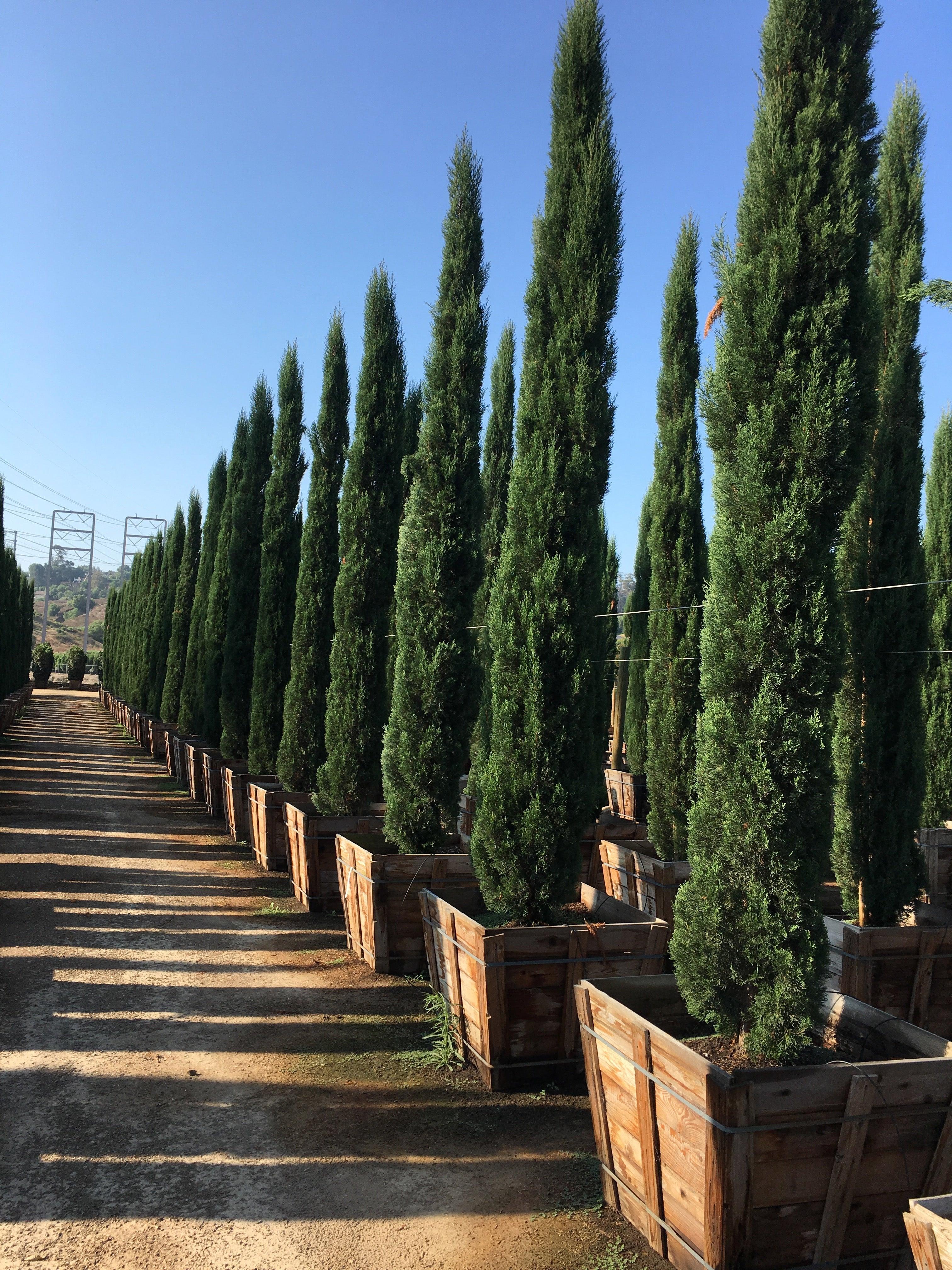
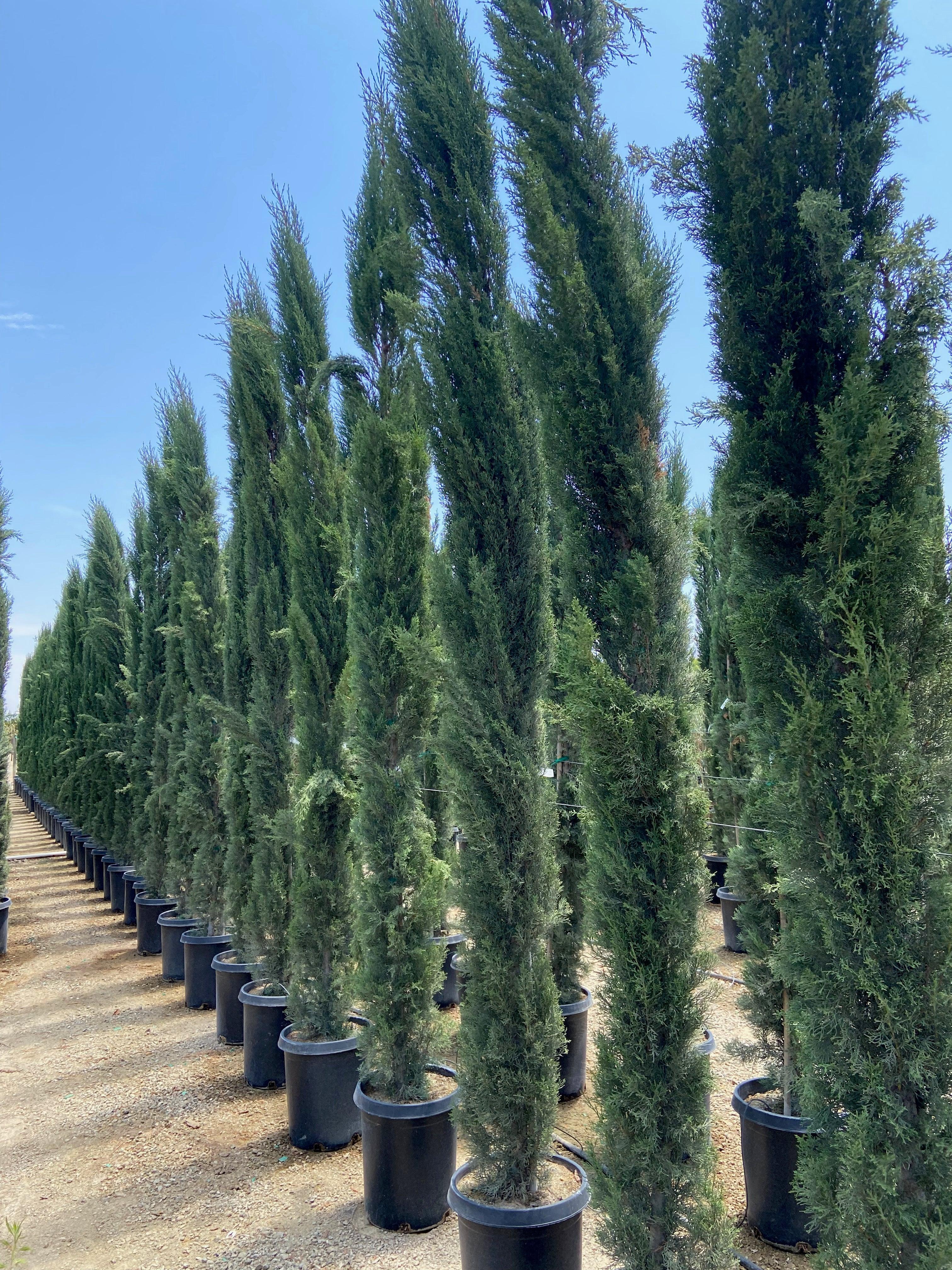
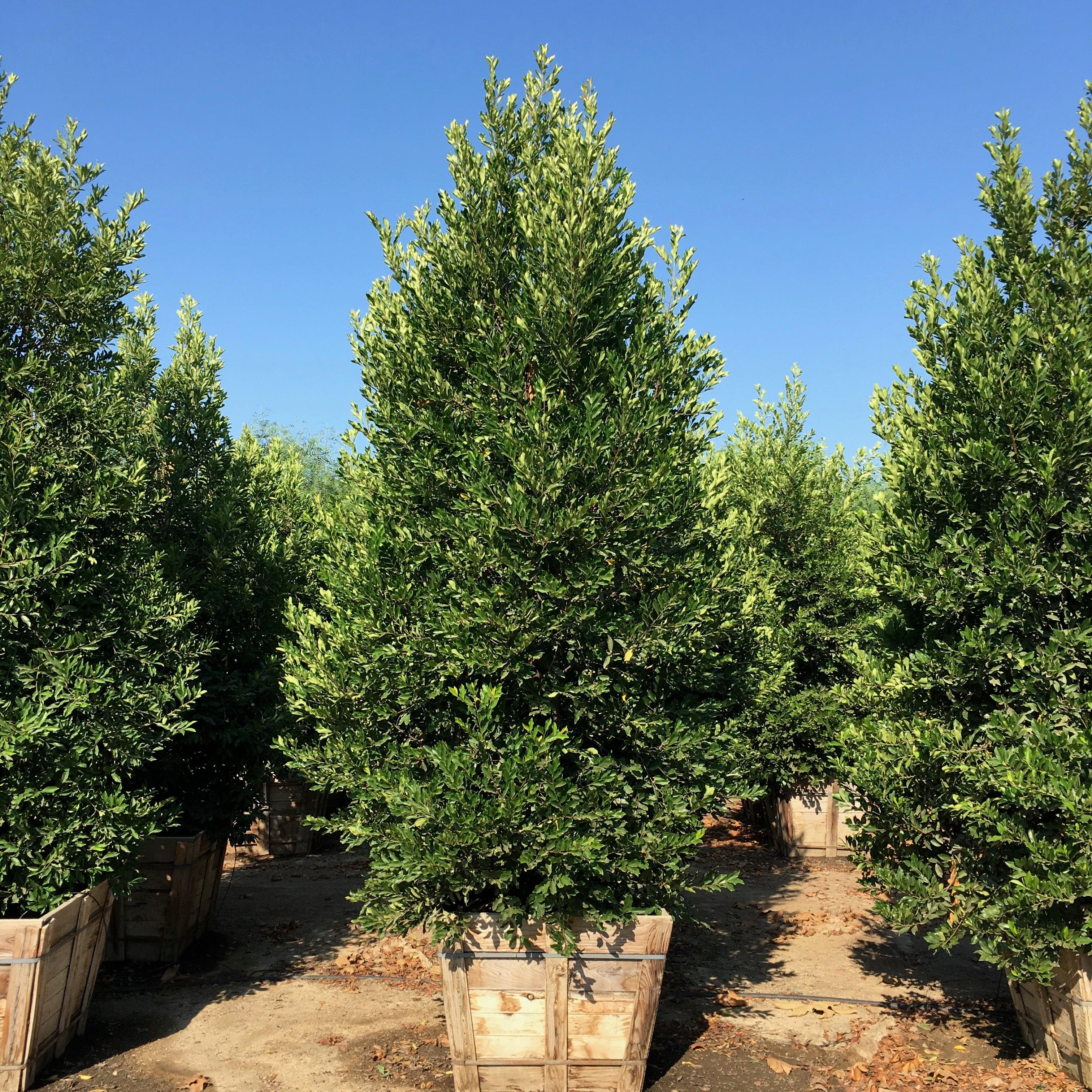
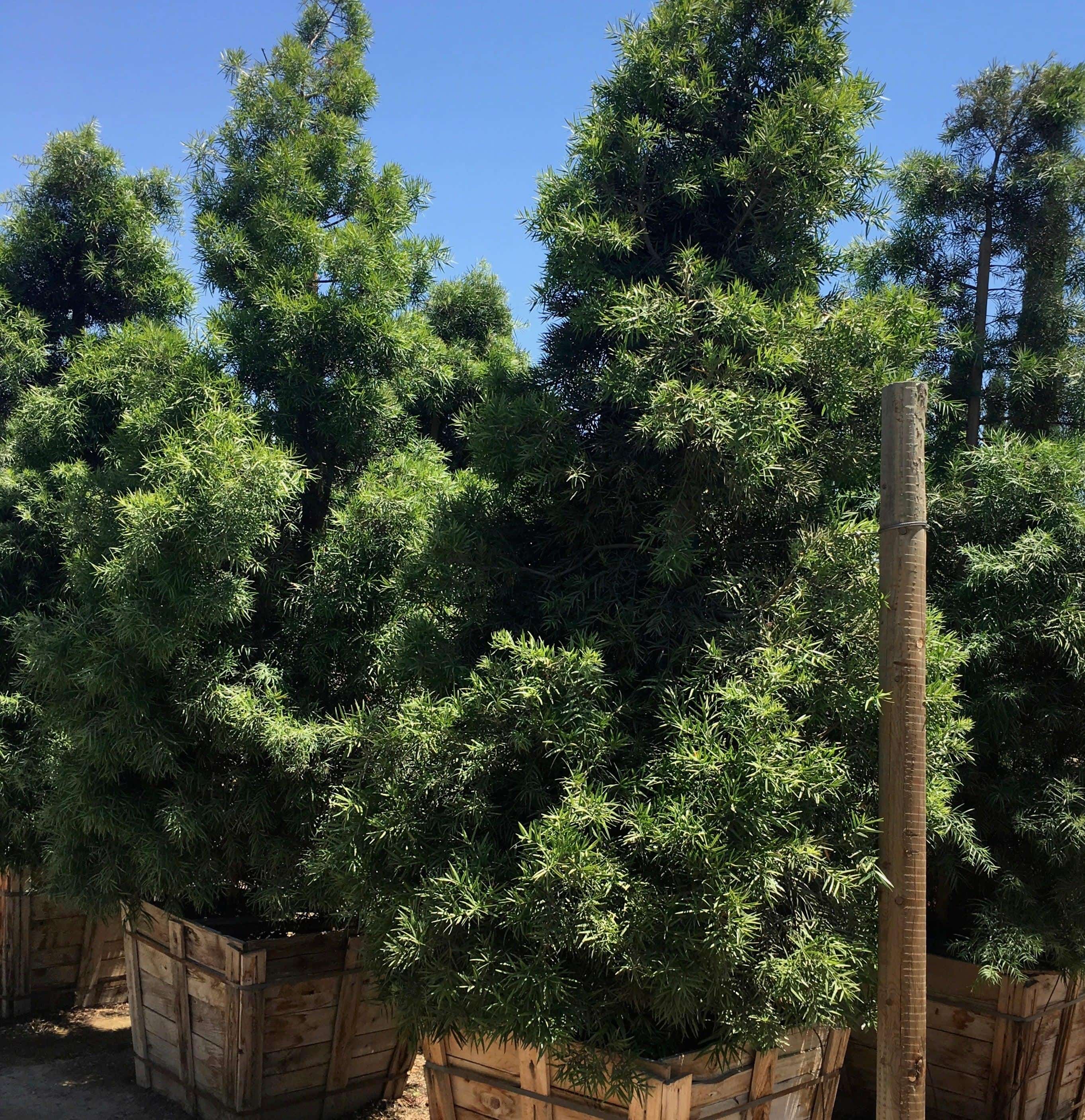
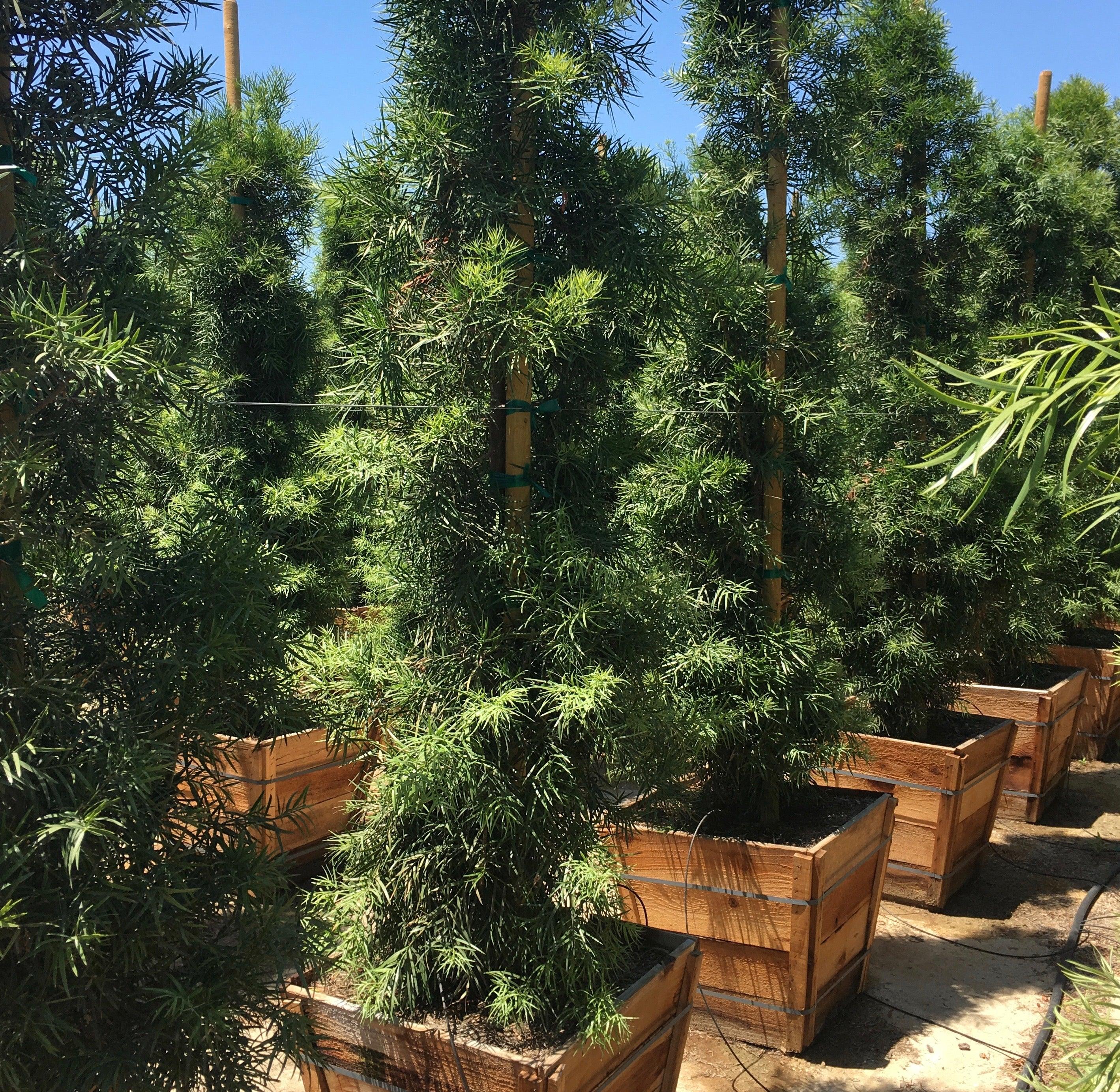
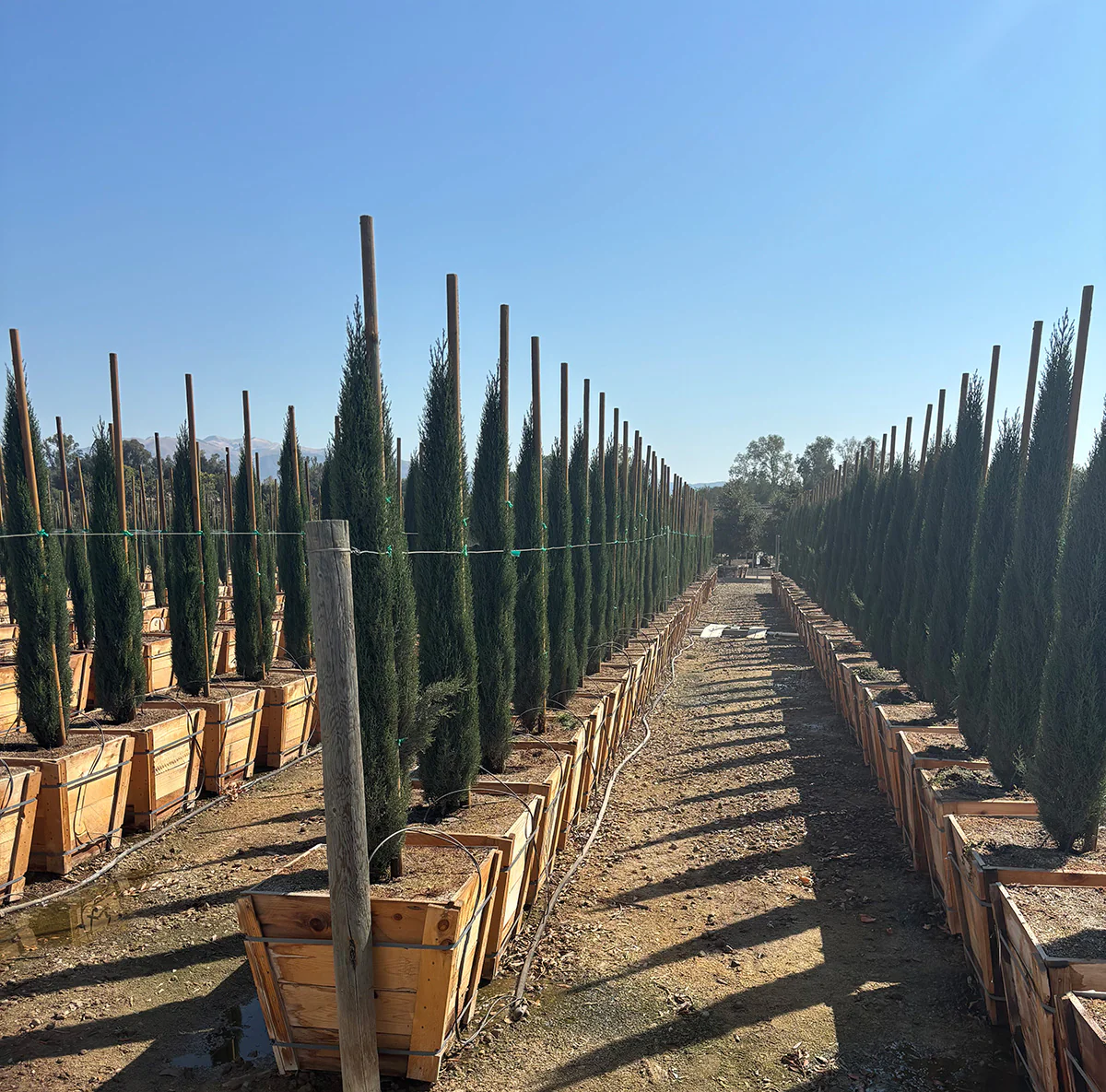
Dwarf Italian Cypress also known as Tiny Tower® Italian Cypress gives you tall, evergreen privacy and formal vertical structure without sacrificing valuable yard space. Its narrow columnar form makes it ideal for side yards, property lines, patios, entries, and small California landscapes where wider trees or shrubs simply do not fit.
This compact cypress brings the elegance of classic Italian cypress into a more manageable size. With dense green to dark blue-green foliage, an upright shape, and year-round color, it creates an ideal background for a Mediterranean garden, modern border, fountain, window view, or perfect porch entryway.
Why You’ll Love Them
-
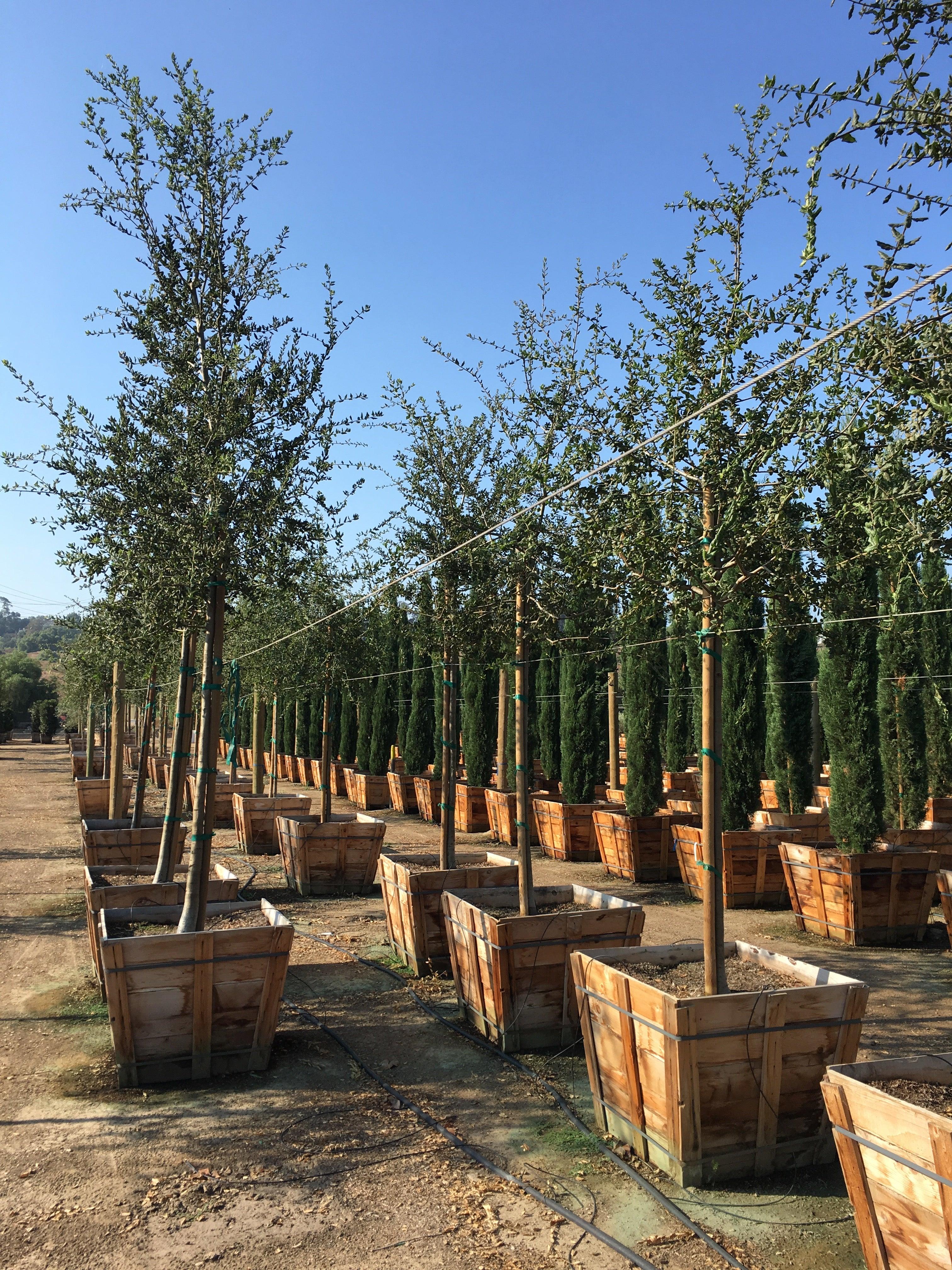
Space-Efficient Privacy – Dwarf Italian cypress (Tiny Tower® Italian Cypress) trees are often used in landscaping for privacy screens and windbreaks due to their dense foliage and ability to grow tall and narrow. When planted in rows, these trees can provide excellent privacy and screening, making them suitable for creating natural barriers in gardens without taking over the space.
-
Year-Round Beauty – These evergreen trees retain their foliage throughout the year, providing consistent greenery and visual interest in landscapes regardless of the season. Dwarf Tiny Tower® Italian Cypress offers consistent year-round color and architectural interest as an evergreen, with dark blue-green, scale-like foliage that maintains a tidy, well groomed look.
-
Low Maintenance – Once established, Dwarf Italian cypress trees are drought-tolerant and require only occasional deep watering during extended dry periods. They thrive in full sun and require watering when the top 2 inches of soil are dry, making them relatively low-maintenance for California yards.
-
Instant Impact – Its upright, narrow columnar form immediately adds structure, elegance, and height to the landscape. Growth begins steadily after planting, and while Dwarf Italian cypress trees are slow-growing, they typically add 1–2 feet per year.
-
Versatile Placement – Dwarf Italian cypress (Tiny Tower® trees are best used as container plants, screens, hedges, or for topiary due to their narrow, columnar growth habit. Use them in pots by a door, as a formal line along a border, or as a deer resistant vertical accent on a patio or entryway.
What Makes Them Different
Most privacy trees need too much horizontal access, grow into bulky shapes, or require constant pruning to stay narrow. Dwarf Italian Cypress is cultivated for tight spaces: it brings the formal beauty of italian cypress into a compact, upright evergreen that stays slim while providing structure.
Dwarf Italian Cypress is built differently:
-
Compact Columnar Form – The Dwarf Italian Cypress, scientifically known as Cupressus sempervirens ‘Tiny Tower®’, features dark blue-green, scale-like foliage and has a narrow, columnar growth habit. The Tiny Tower® Dwarf Italian cypress matures to 8–12 feet tall and only 2–3 feet wide, while some landscape selections may reach 15–20 feet tall and 2–4 feet wide in favorable ground.
-
Mediterranean Heritage – This cypress carries the timeless look of classic italian cypress, a signature tree in Mediterranean garden design. Tiny Tower® traces modern nursery development back to Santa Barbara, where nurseryman Doug Zylstra discovered the ‘Monshel’ sport that became known for its extremely narrow form.
-
Superior Density – Compared with many narrow evergreen alternatives like juniper, Dwarf Italian Cypress offers thicker green foliage and a cleaner columnar form. It creates a stronger visual line, making it a perfect plant for formal hedges, topiary, and tight privacy screens where shape and quality matter.
Things To Consider When Using Dwarf Italian Cypress In Your Landscape
-
Site Selection
Choose a full sun location with well drained soil and good drainage. Dwarf Italian cypress thrives in well-draining soil, preferably sandy loam with a slightly acidic to neutral pH. Avoid low spots, compacted soil, or areas that stay wet, because Dwarf Italian cypress can be prone to root rot if overwatered or if soil drainage is poor. -
Planting Process
Dig a hole about twice as wide as the root ball and plant at the same depth as the nursery container. Backfill with native soil, water thoroughly, and keep mulch away from the trunk. For a formal screen, plant in a straight line; for individual specimens, Dwarf Italian cypress prefers to be spaced 5–6 feet apart to showcase them as individual specimens. -
Establishment Care
New Dwarf Italian cypress trees should be watered regularly during the first 1–2 growing seasons until established. After that, reduce watering and use occasional deep irrigation during extended dry periods. Feed lightly in spring with a general purpose fertilizer if growth or new growth appears weak, and prune only as needed to maintain shape or create topiary.
Product Details
-
Scientific name: Cupressus sempervirens ‘Tiny Tower®’
-
Common name: Dwarf Italian Cypress
-
Plant type: Upright evergreen cypress tree
-
Mature size: 15–20 feet tall, 2–4 feet wide in favorable landscape conditions
-
Typical compact cultivar size: Most cultivars of Dwarf Italian cypress mature to 8–12 feet tall and only 2–3 feet wide
-
Growth rate: Slow growing to moderate; Dwarf Italian cypress trees typically add 1–2 feet per year
-
USDA hardiness: Dwarf Italian cypress is best suited for USDA Zones 7–11
-
Temperature tolerance: Dwarf Italian cypress trees can tolerate heat up to 125°F but need protection if temperatures drop below 10°F
-
Sun requirements: Full sun, ideally 6+ hours daily
-
Water needs: Water when the top 2 inches of soil are dry; low to moderate once established
-
Soil preference: Well drained soil, preferably sandy loam with slightly acidic to neutral pH
-
Foliage: Dark blue green foliage with dense, scale-like texture
-
Best uses: Container plant, screen, hedge, topiary, border, entryway accent, patio tree, privacy line
-
Available sizes: 1-gallon, 5-gallon, and 15-gallon containers
-
Environmental benefit: Evergreen trees can improve air quality by absorbing carbon dioxide and releasing oxygen, making them beneficial for the environment
Who It’s For
Ideal for:
-
Homeowners needing privacy screening in narrow spaces between properties
-
Garden designers creating formal, Mediterranean, or modern landscape styles
-
Container gardeners wanting elegant vertical trees for patios, courtyards, and pots
-
California residents seeking drought-tolerant, low maintenance evergreen options
-
Anyone who wants a tidy, upright cypress near a door, window, fountain, border, or entryway
If you want the structure of classic italian cypress without the size problems of larger trees, Dwarf Italian Cypress fits the space beautifully. It is especially useful where you want privacy, beauty, and a strong vertical shape without constant pruning.
Frequently Asked Questions
How fast does dwarf Italian cypress grow?
Dwarf Italian cypress trees are slow-growing, typically adding 1–2 feet per year. Growth begins more noticeably once the plant has rooted into the soil, and regular water during the first 1–2 growing seasons helps establish a healthy root system.
Does it need regular pruning?
No. Dwarf Italian Cypress naturally maintains a narrow columnar form, so regular pruning is usually not necessary. It can be lightly trimmed to keep a formal shape, and Dwarf Italian cypress can be pruned into various shapes, making it a popular choice for topiary in formal garden designs.
Will it survive California droughts?
Yes, once established. Established Dwarf Italian cypress trees are drought-tolerant and require only occasional deep watering during extended dry periods. For best results, plant in full sun, provide good drainage, and avoid overwatering.
Can I plant it in containers?
Yes. This tree is best suited for use as a container plant, screen, hedge, or topiary due to its compact size and growth habit. Use a large pot or bag-style nursery container with drainage holes, quality materials, and well drained soil. Containers are perfect for a porch, patio, entryway, or tight yard where in-ground space is limited.
Is Dwarf Italian Cypress deer resistant?
Dwarf Italian Cypress is generally considered deer resistant, though deer may browse almost any plant when food is scarce. Its dense evergreen foliage and upright growth make it a reliable choice for many California landscapes.
What should I avoid when planting it?
Avoid shade, soggy soil, and poor drainage. Dwarf Italian cypress can be prone to root rot if overwatered or if soil drainage is poor. It needs full sun water management: plenty of sun, regular watering during establishment, and less frequent deep watering after it is established.
What’s included with my order?
Your Yardwork order includes a healthy Dwarf Italian Cypress in the selected size, plus planting instructions and a care guide. Yardwork focuses on quality plant selection, California delivery, and practical guidance so your new cypress can thrive after planting.
Ready to Transform Your Landscape?
Stop struggling with wide trees that do not fit your space. Choose Dwarf Italian Cypress for narrow privacy, evergreen structure, and formal elegance in a compact footprint.
Order through Yardwork for expert plant selection, California delivery, and support from people who understand local nursery quality. Free shipping is available on California orders over $600, and consultation services are available if you need help planning spacing, sun exposure, or a full privacy line.
Secure checkout. Reliable delivery. Healthy plants selected for California landscapes.
Original: $395.00
-65%$395.00
$138.25Product Information
Product Information
Shipping & Returns
Shipping & Returns
Description
Dwarf Tiny Tower® Italian Cypress
The Perfect Narrow Evergreen for Small Spaces and Privacy Screens
Dwarf Italian Cypress also known as Tiny Tower® Italian Cypress gives you tall, evergreen privacy and formal vertical structure without sacrificing valuable yard space. Its narrow columnar form makes it ideal for side yards, property lines, patios, entries, and small California landscapes where wider trees or shrubs simply do not fit.
This compact cypress brings the elegance of classic Italian cypress into a more manageable size. With dense green to dark blue-green foliage, an upright shape, and year-round color, it creates an ideal background for a Mediterranean garden, modern border, fountain, window view, or perfect porch entryway.
Why You’ll Love Them
-
Space-Efficient Privacy – Dwarf Italian cypress (Tiny Tower® Italian Cypress) trees are often used in landscaping for privacy screens and windbreaks due to their dense foliage and ability to grow tall and narrow. When planted in rows, these trees can provide excellent privacy and screening, making them suitable for creating natural barriers in gardens without taking over the space.
-
Year-Round Beauty – These evergreen trees retain their foliage throughout the year, providing consistent greenery and visual interest in landscapes regardless of the season. Dwarf Tiny Tower® Italian Cypress offers consistent year-round color and architectural interest as an evergreen, with dark blue-green, scale-like foliage that maintains a tidy, well groomed look.
-
Low Maintenance – Once established, Dwarf Italian cypress trees are drought-tolerant and require only occasional deep watering during extended dry periods. They thrive in full sun and require watering when the top 2 inches of soil are dry, making them relatively low-maintenance for California yards.
-
Instant Impact – Its upright, narrow columnar form immediately adds structure, elegance, and height to the landscape. Growth begins steadily after planting, and while Dwarf Italian cypress trees are slow-growing, they typically add 1–2 feet per year.
-
Versatile Placement – Dwarf Italian cypress (Tiny Tower® trees are best used as container plants, screens, hedges, or for topiary due to their narrow, columnar growth habit. Use them in pots by a door, as a formal line along a border, or as a deer resistant vertical accent on a patio or entryway.
What Makes Them Different
Most privacy trees need too much horizontal access, grow into bulky shapes, or require constant pruning to stay narrow. Dwarf Italian Cypress is cultivated for tight spaces: it brings the formal beauty of italian cypress into a compact, upright evergreen that stays slim while providing structure.
Dwarf Italian Cypress is built differently:
-
Compact Columnar Form – The Dwarf Italian Cypress, scientifically known as Cupressus sempervirens ‘Tiny Tower®’, features dark blue-green, scale-like foliage and has a narrow, columnar growth habit. The Tiny Tower® Dwarf Italian cypress matures to 8–12 feet tall and only 2–3 feet wide, while some landscape selections may reach 15–20 feet tall and 2–4 feet wide in favorable ground.
-
Mediterranean Heritage – This cypress carries the timeless look of classic italian cypress, a signature tree in Mediterranean garden design. Tiny Tower® traces modern nursery development back to Santa Barbara, where nurseryman Doug Zylstra discovered the ‘Monshel’ sport that became known for its extremely narrow form.
-
Superior Density – Compared with many narrow evergreen alternatives like juniper, Dwarf Italian Cypress offers thicker green foliage and a cleaner columnar form. It creates a stronger visual line, making it a perfect plant for formal hedges, topiary, and tight privacy screens where shape and quality matter.
Things To Consider When Using Dwarf Italian Cypress In Your Landscape
-
Site Selection
Choose a full sun location with well drained soil and good drainage. Dwarf Italian cypress thrives in well-draining soil, preferably sandy loam with a slightly acidic to neutral pH. Avoid low spots, compacted soil, or areas that stay wet, because Dwarf Italian cypress can be prone to root rot if overwatered or if soil drainage is poor. -
Planting Process
Dig a hole about twice as wide as the root ball and plant at the same depth as the nursery container. Backfill with native soil, water thoroughly, and keep mulch away from the trunk. For a formal screen, plant in a straight line; for individual specimens, Dwarf Italian cypress prefers to be spaced 5–6 feet apart to showcase them as individual specimens. -
Establishment Care
New Dwarf Italian cypress trees should be watered regularly during the first 1–2 growing seasons until established. After that, reduce watering and use occasional deep irrigation during extended dry periods. Feed lightly in spring with a general purpose fertilizer if growth or new growth appears weak, and prune only as needed to maintain shape or create topiary.
Product Details
-
Scientific name: Cupressus sempervirens ‘Tiny Tower®’
-
Common name: Dwarf Italian Cypress
-
Plant type: Upright evergreen cypress tree
-
Mature size: 15–20 feet tall, 2–4 feet wide in favorable landscape conditions
-
Typical compact cultivar size: Most cultivars of Dwarf Italian cypress mature to 8–12 feet tall and only 2–3 feet wide
-
Growth rate: Slow growing to moderate; Dwarf Italian cypress trees typically add 1–2 feet per year
-
USDA hardiness: Dwarf Italian cypress is best suited for USDA Zones 7–11
-
Temperature tolerance: Dwarf Italian cypress trees can tolerate heat up to 125°F but need protection if temperatures drop below 10°F
-
Sun requirements: Full sun, ideally 6+ hours daily
-
Water needs: Water when the top 2 inches of soil are dry; low to moderate once established
-
Soil preference: Well drained soil, preferably sandy loam with slightly acidic to neutral pH
-
Foliage: Dark blue green foliage with dense, scale-like texture
-
Best uses: Container plant, screen, hedge, topiary, border, entryway accent, patio tree, privacy line
-
Available sizes: 1-gallon, 5-gallon, and 15-gallon containers
-
Environmental benefit: Evergreen trees can improve air quality by absorbing carbon dioxide and releasing oxygen, making them beneficial for the environment
Who It’s For
Ideal for:
-
Homeowners needing privacy screening in narrow spaces between properties
-
Garden designers creating formal, Mediterranean, or modern landscape styles
-
Container gardeners wanting elegant vertical trees for patios, courtyards, and pots
-
California residents seeking drought-tolerant, low maintenance evergreen options
-
Anyone who wants a tidy, upright cypress near a door, window, fountain, border, or entryway
If you want the structure of classic italian cypress without the size problems of larger trees, Dwarf Italian Cypress fits the space beautifully. It is especially useful where you want privacy, beauty, and a strong vertical shape without constant pruning.
Frequently Asked Questions
How fast does dwarf Italian cypress grow?
Dwarf Italian cypress trees are slow-growing, typically adding 1–2 feet per year. Growth begins more noticeably once the plant has rooted into the soil, and regular water during the first 1–2 growing seasons helps establish a healthy root system.
Does it need regular pruning?
No. Dwarf Italian Cypress naturally maintains a narrow columnar form, so regular pruning is usually not necessary. It can be lightly trimmed to keep a formal shape, and Dwarf Italian cypress can be pruned into various shapes, making it a popular choice for topiary in formal garden designs.
Will it survive California droughts?
Yes, once established. Established Dwarf Italian cypress trees are drought-tolerant and require only occasional deep watering during extended dry periods. For best results, plant in full sun, provide good drainage, and avoid overwatering.
Can I plant it in containers?
Yes. This tree is best suited for use as a container plant, screen, hedge, or topiary due to its compact size and growth habit. Use a large pot or bag-style nursery container with drainage holes, quality materials, and well drained soil. Containers are perfect for a porch, patio, entryway, or tight yard where in-ground space is limited.
Is Dwarf Italian Cypress deer resistant?
Dwarf Italian Cypress is generally considered deer resistant, though deer may browse almost any plant when food is scarce. Its dense evergreen foliage and upright growth make it a reliable choice for many California landscapes.
What should I avoid when planting it?
Avoid shade, soggy soil, and poor drainage. Dwarf Italian cypress can be prone to root rot if overwatered or if soil drainage is poor. It needs full sun water management: plenty of sun, regular watering during establishment, and less frequent deep watering after it is established.
What’s included with my order?
Your Yardwork order includes a healthy Dwarf Italian Cypress in the selected size, plus planting instructions and a care guide. Yardwork focuses on quality plant selection, California delivery, and practical guidance so your new cypress can thrive after planting.
Ready to Transform Your Landscape?
Stop struggling with wide trees that do not fit your space. Choose Dwarf Italian Cypress for narrow privacy, evergreen structure, and formal elegance in a compact footprint.
Order through Yardwork for expert plant selection, California delivery, and support from people who understand local nursery quality. Free shipping is available on California orders over $600, and consultation services are available if you need help planning spacing, sun exposure, or a full privacy line.
Secure checkout. Reliable delivery. Healthy plants selected for California landscapes.