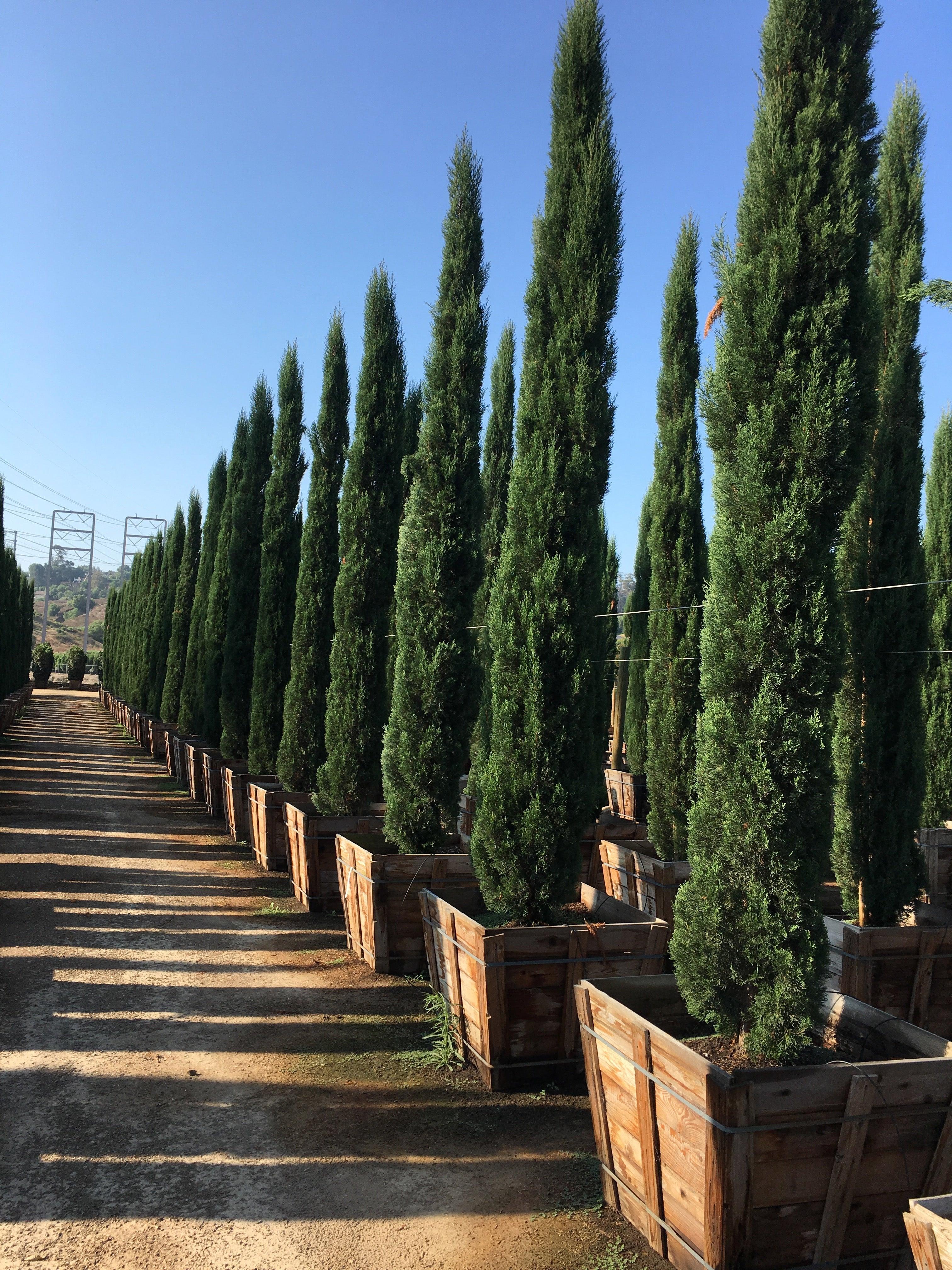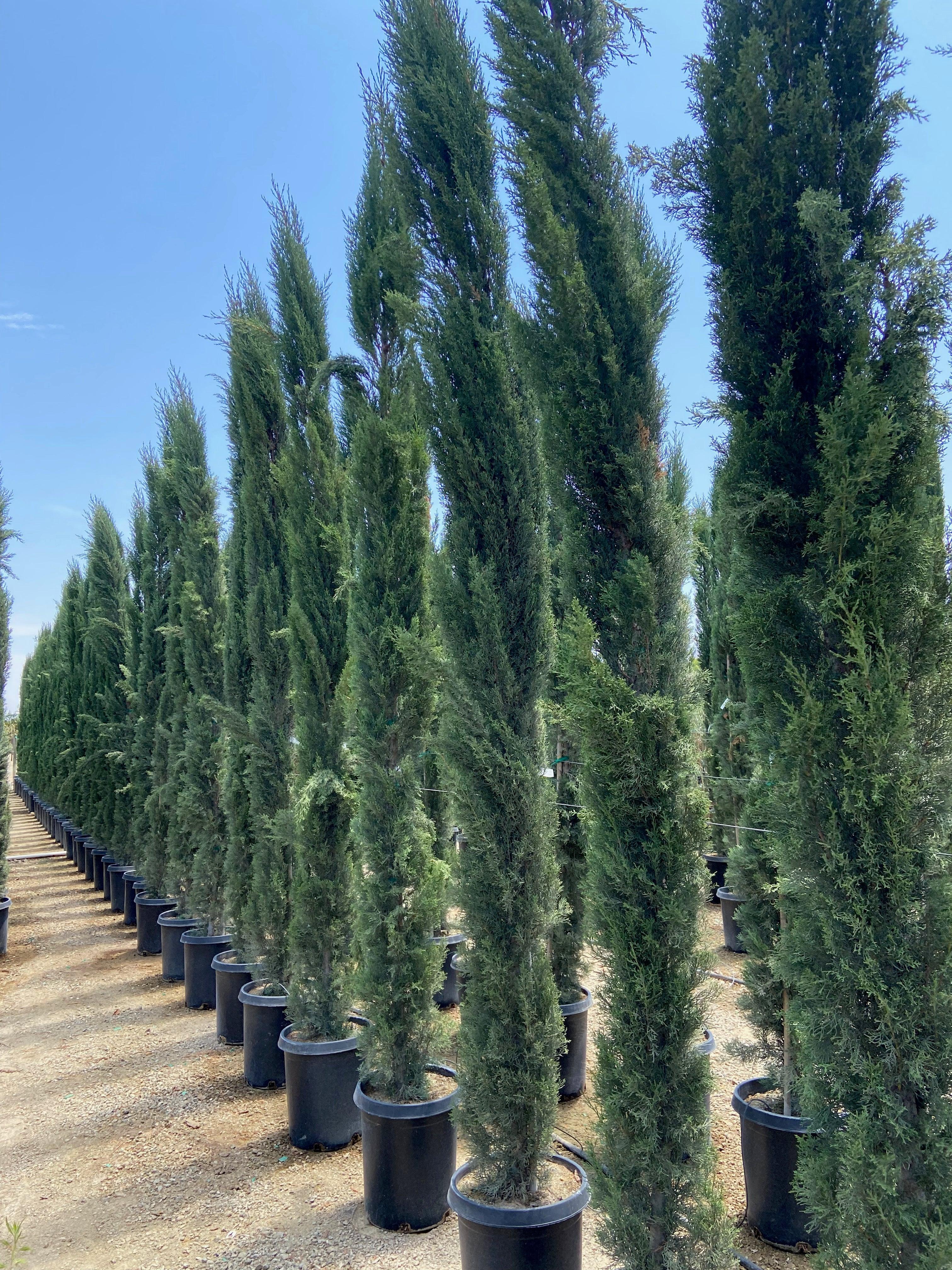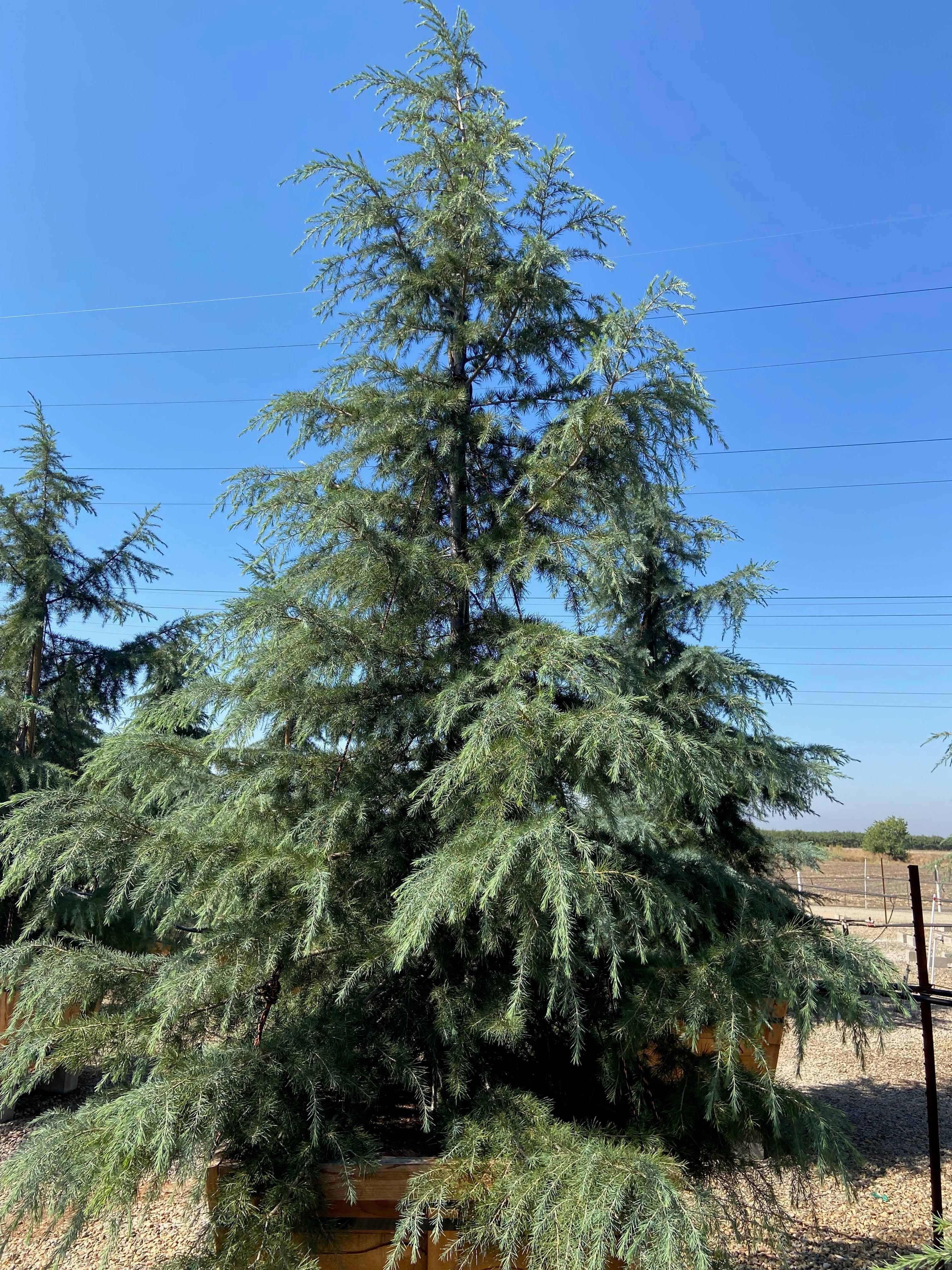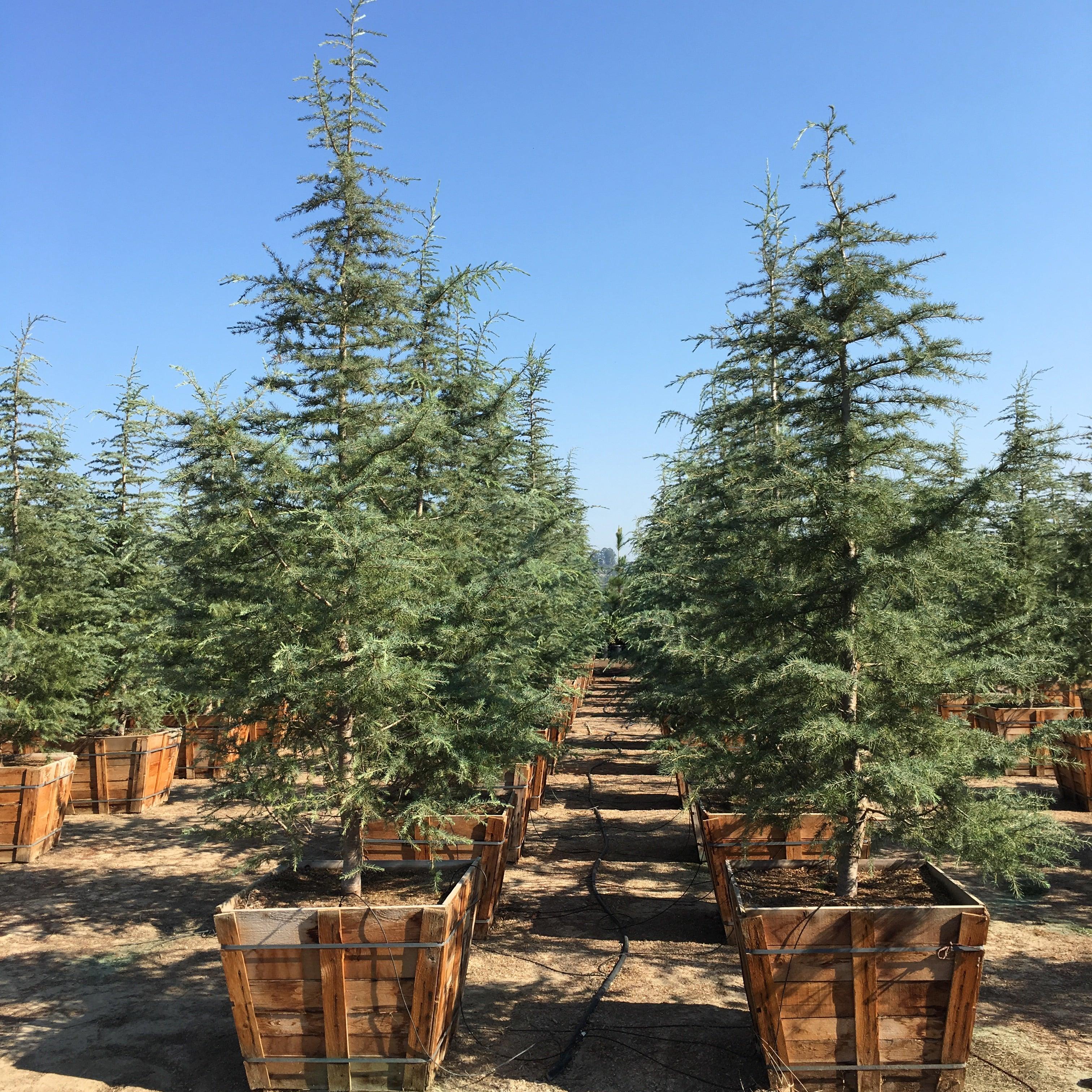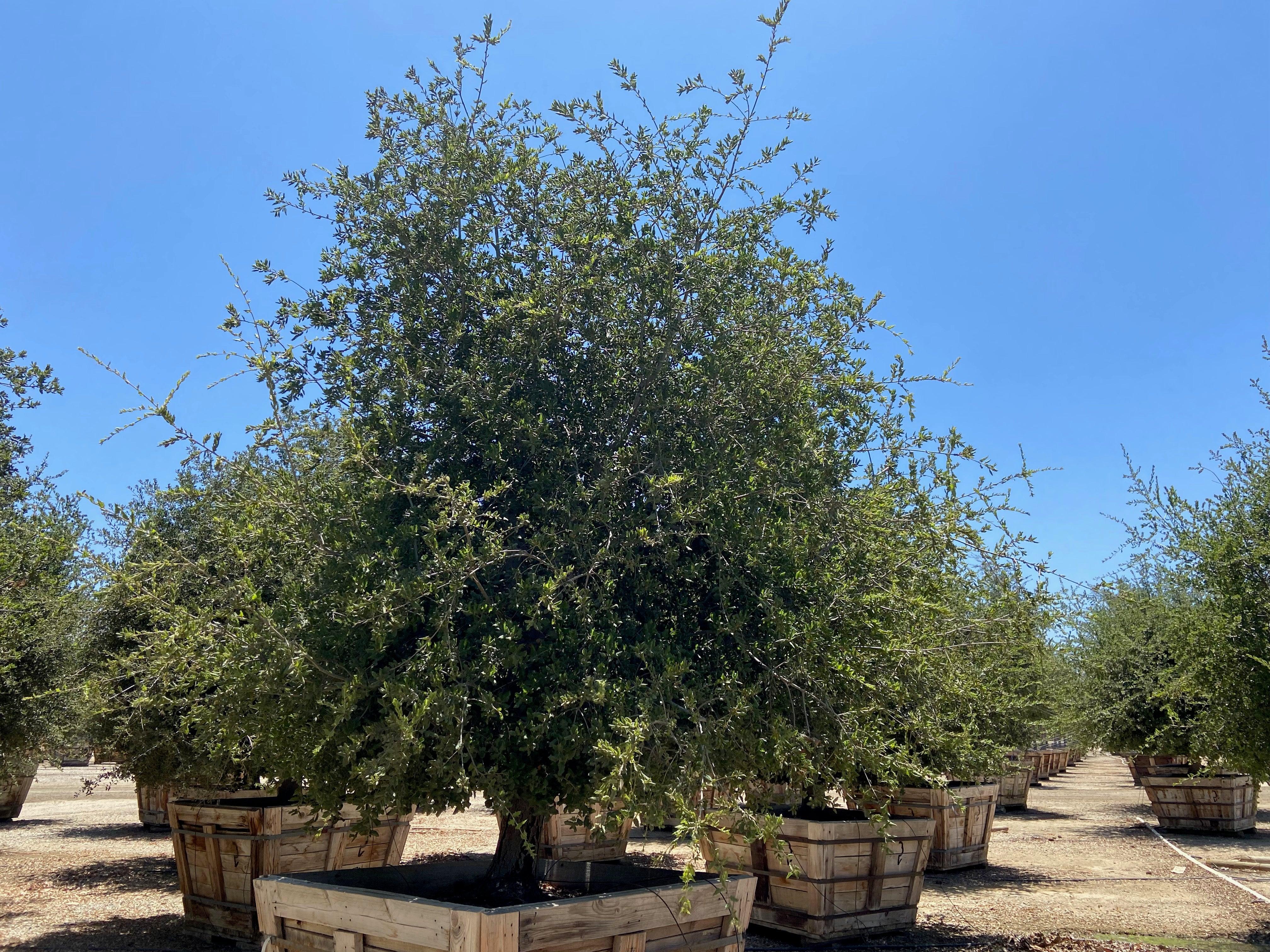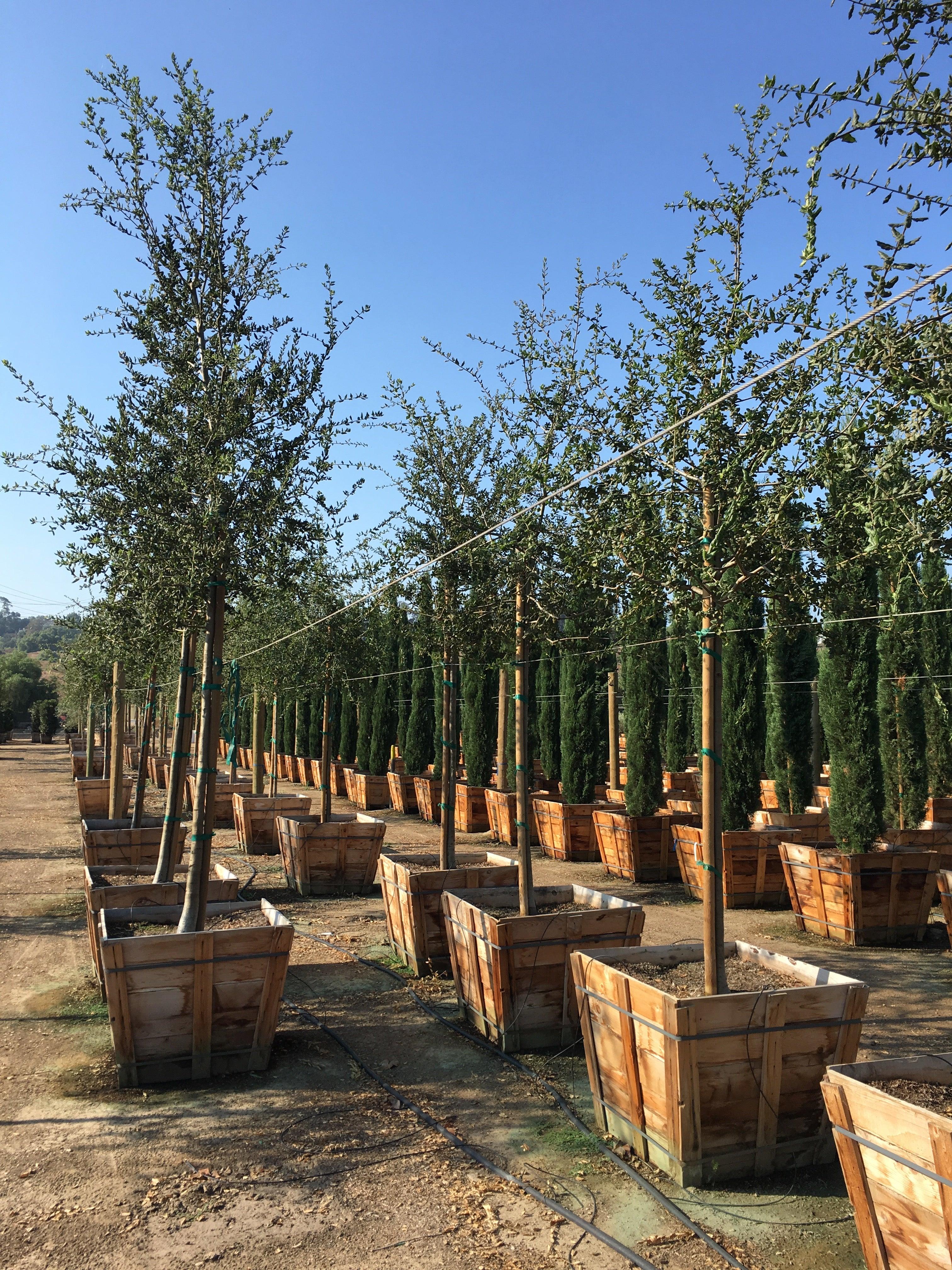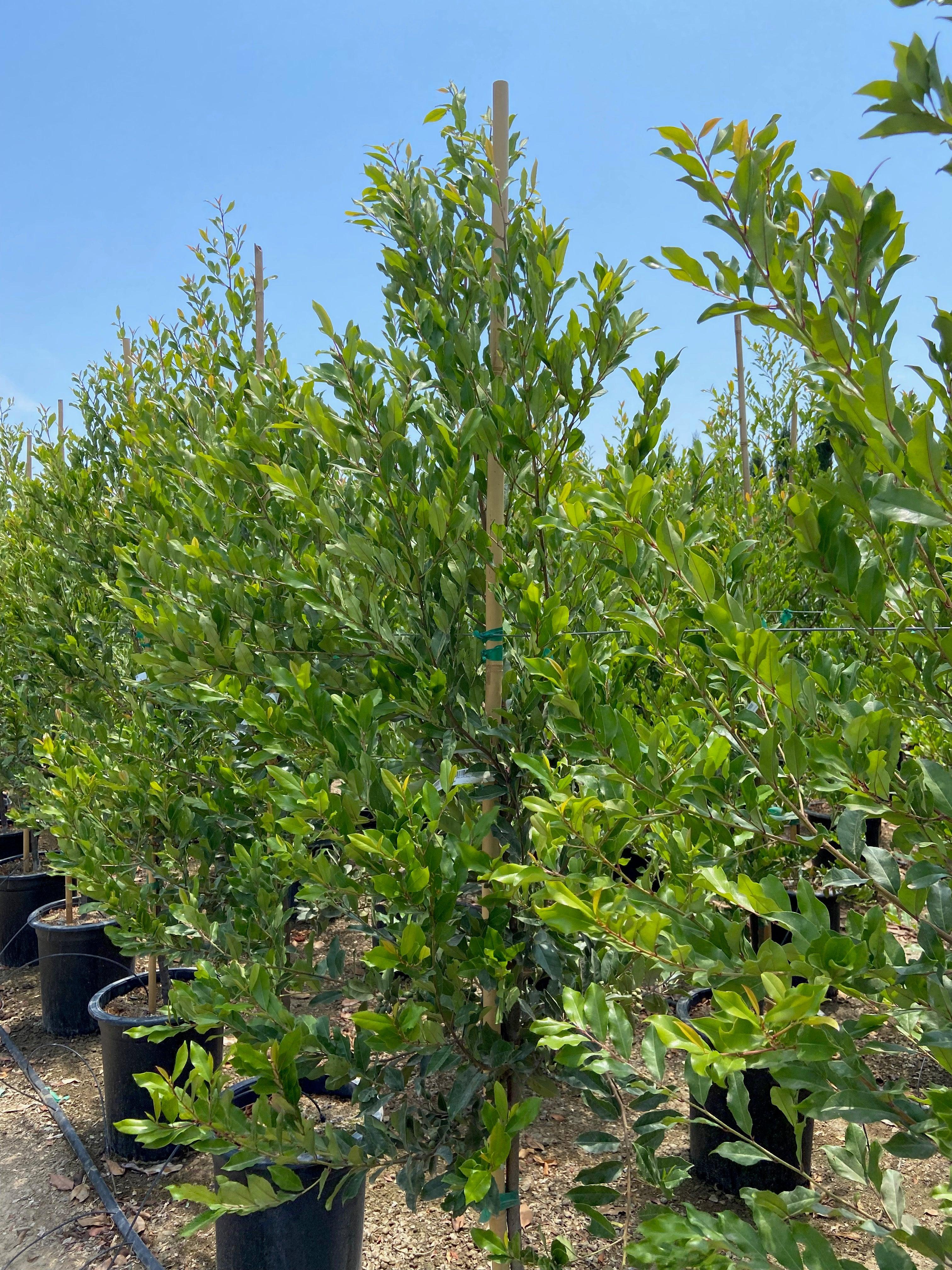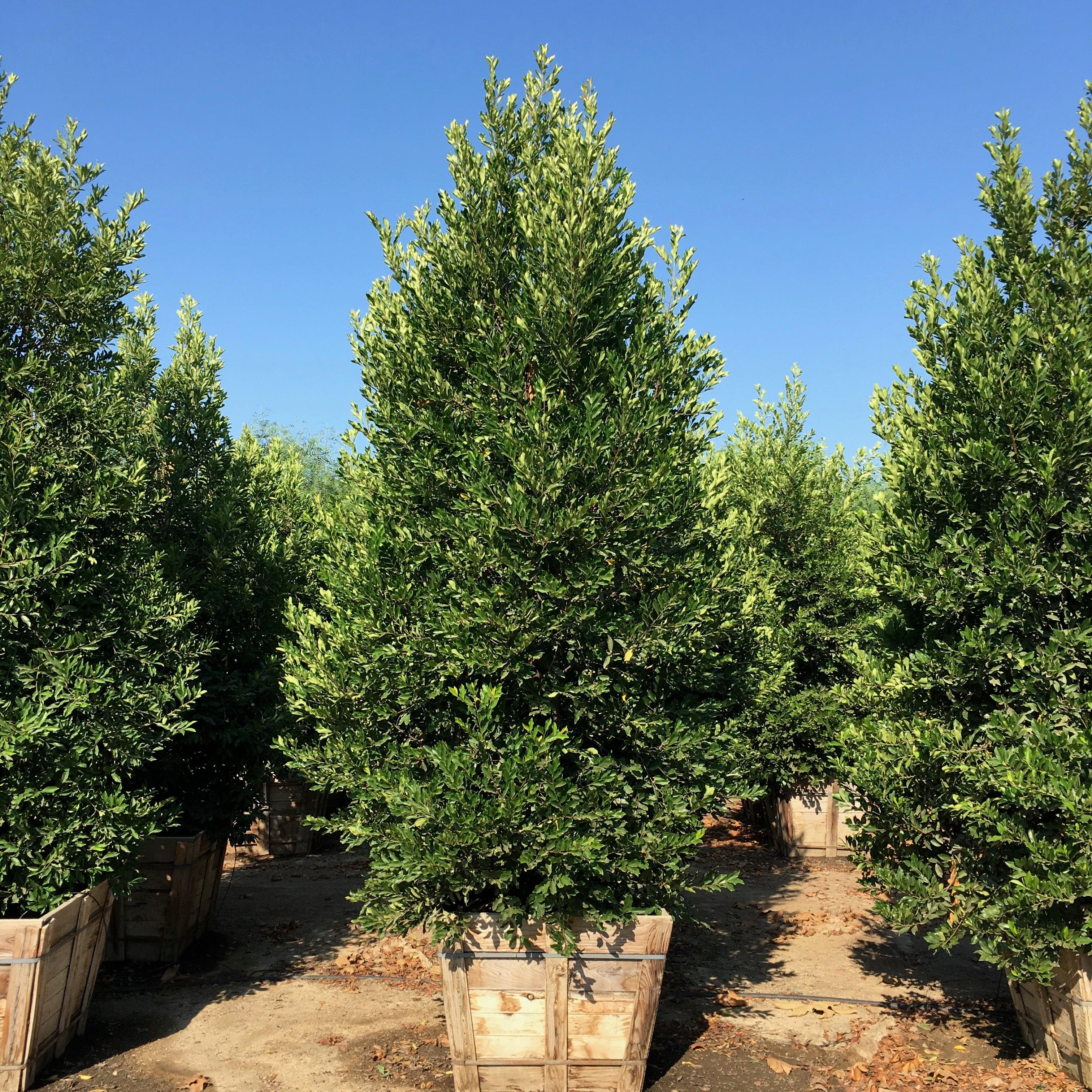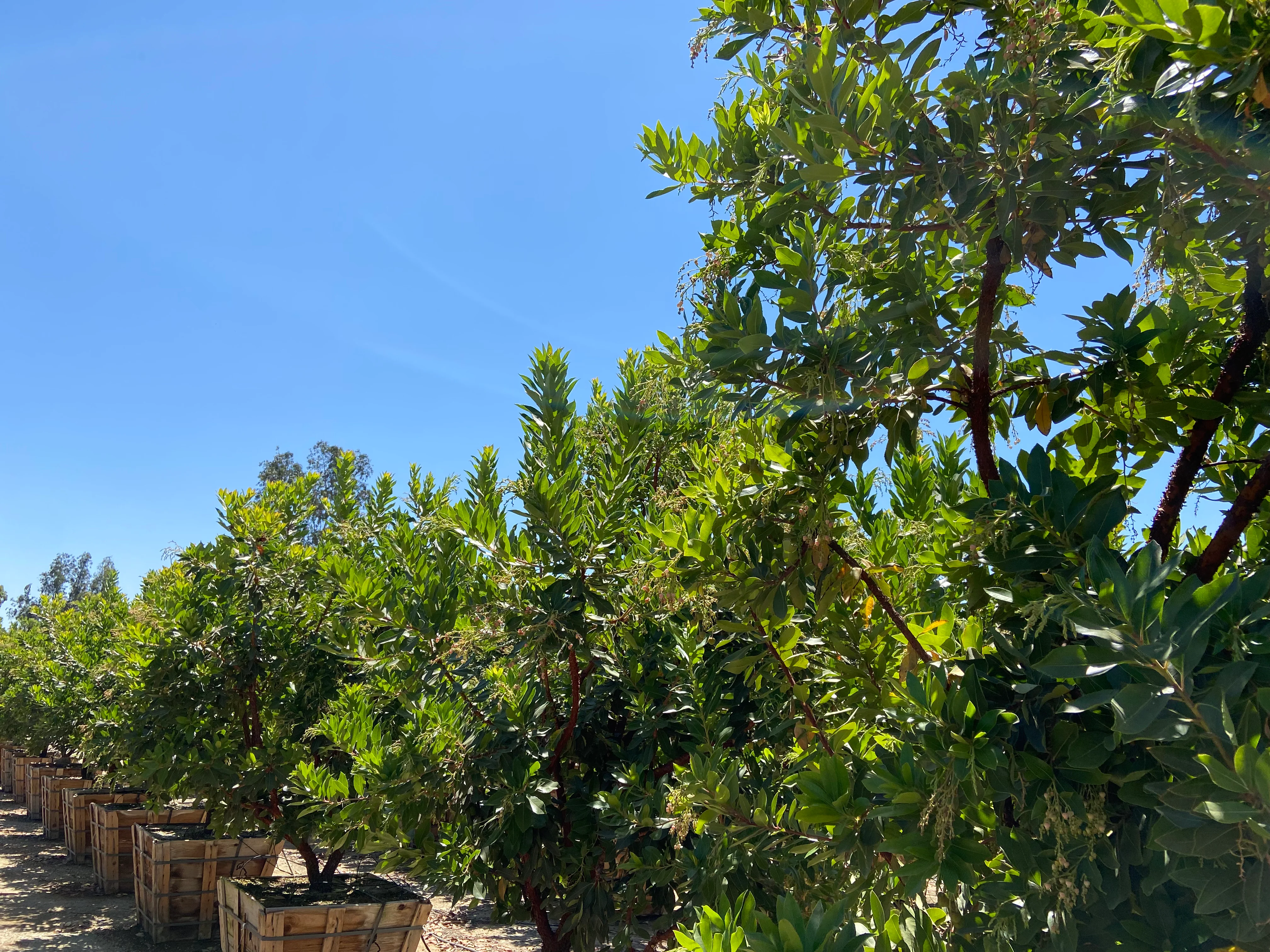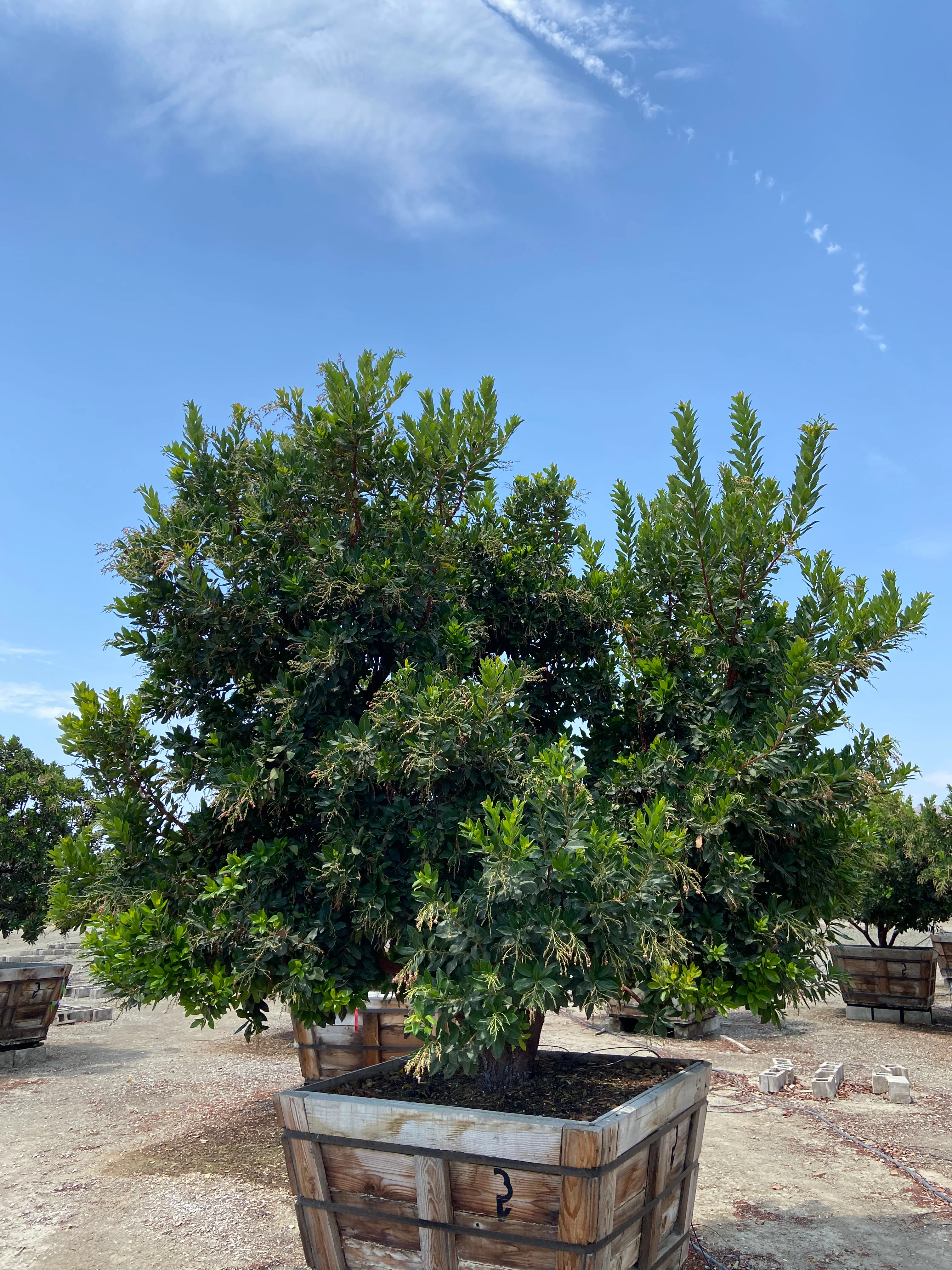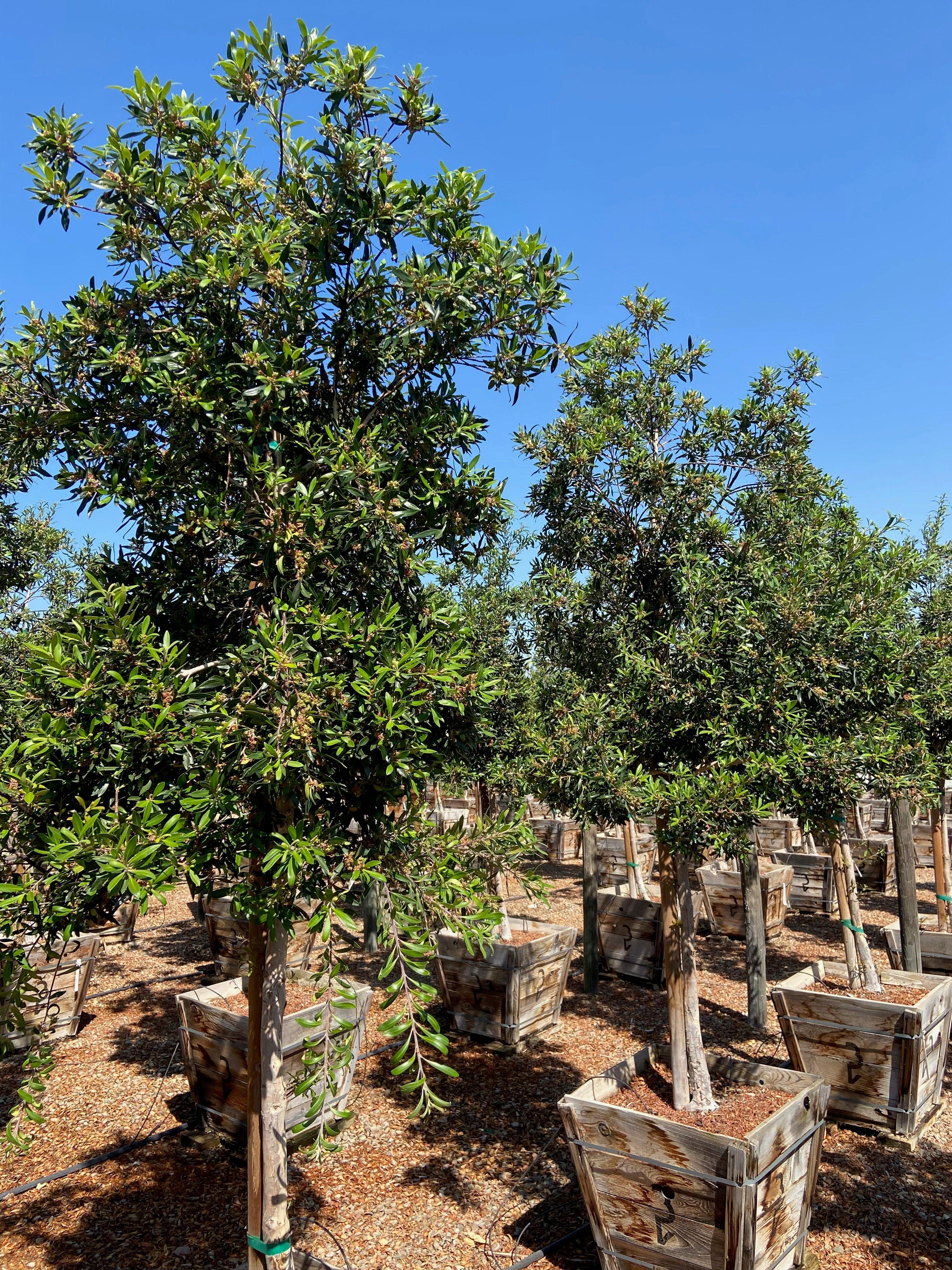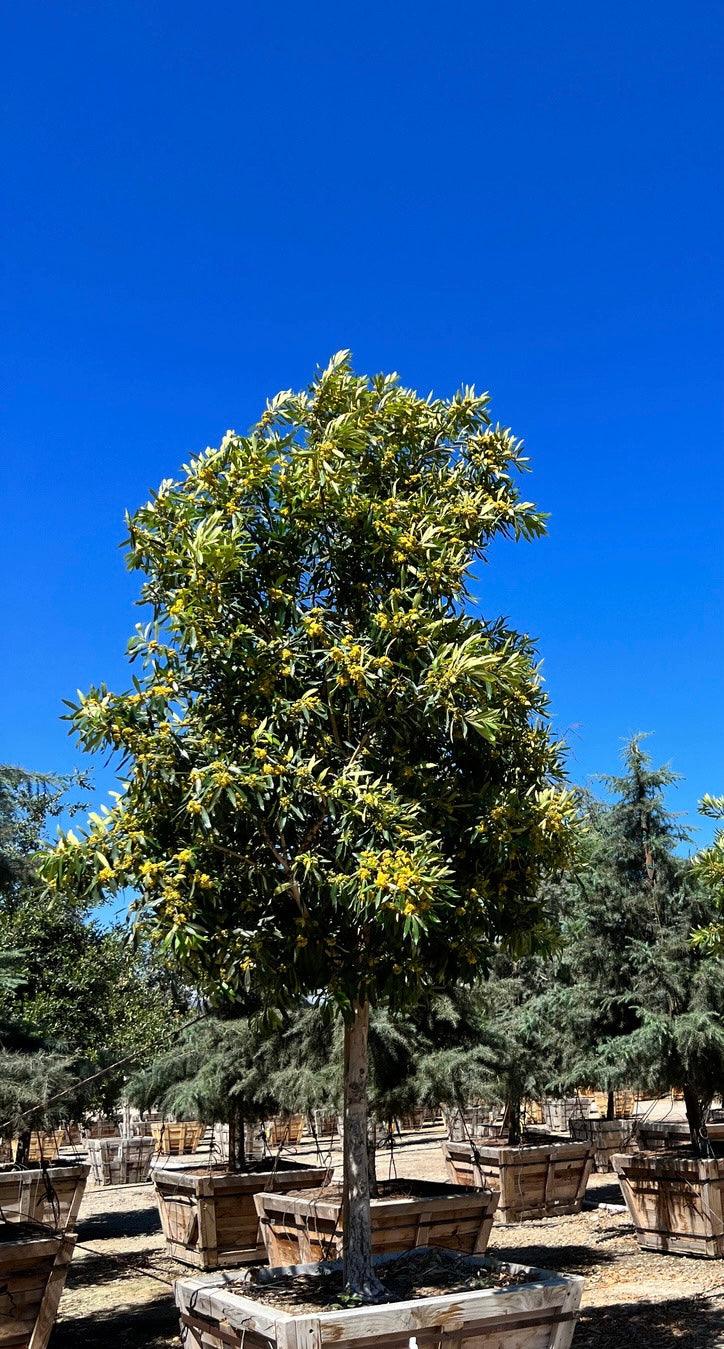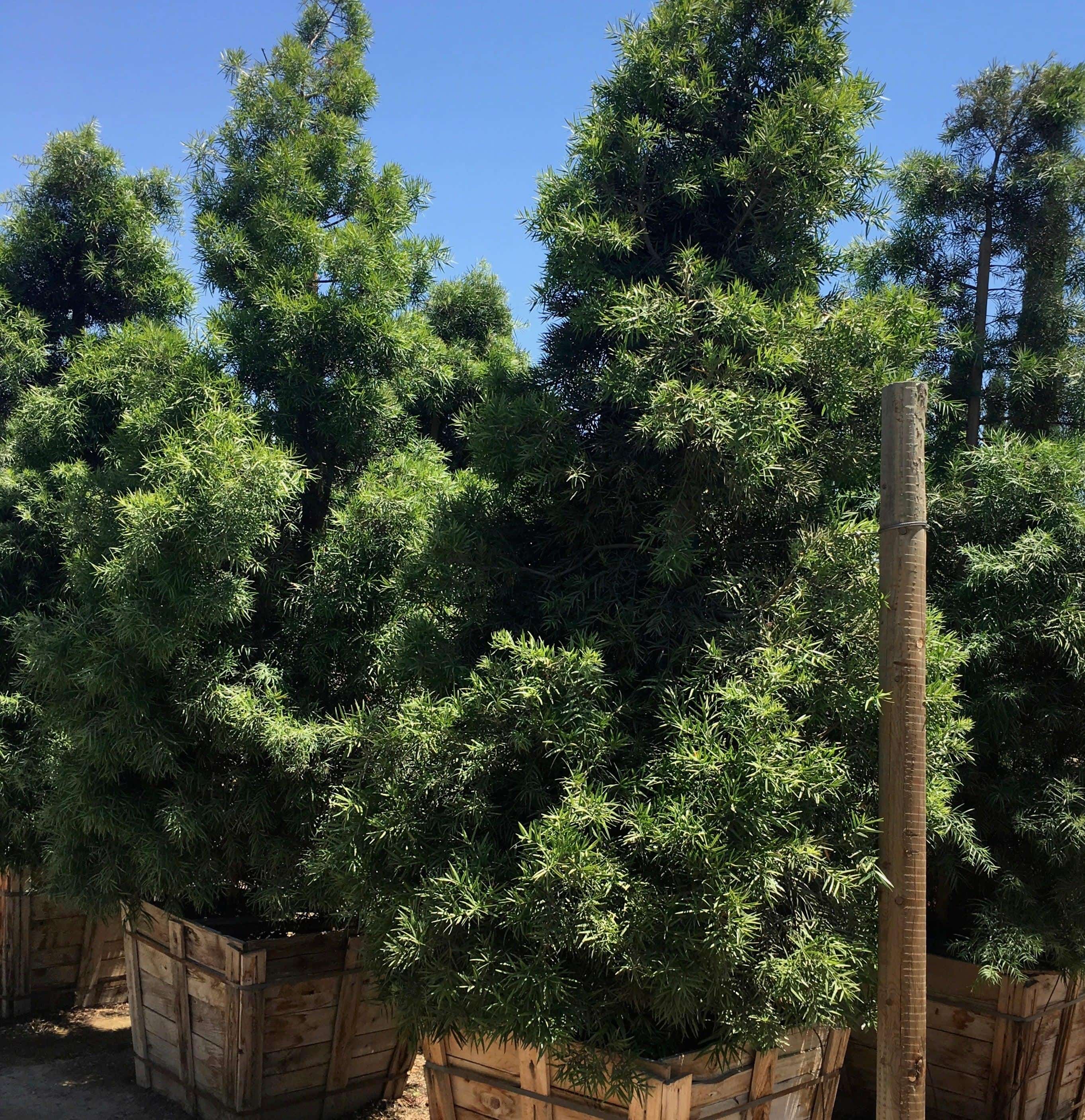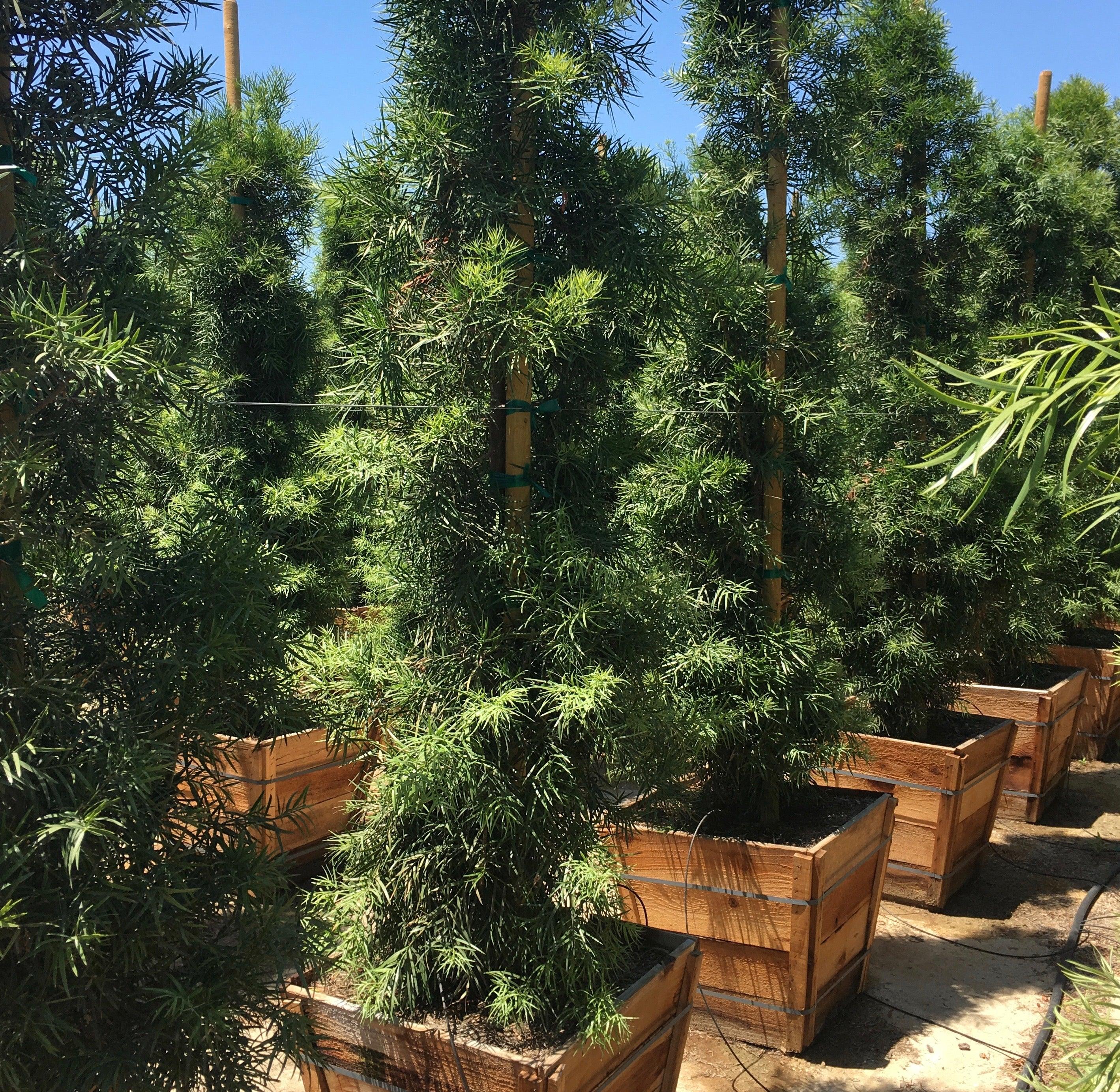

Bamboo Trees - Bambusa oldhamii
Create Instant Privacy and Natural Beauty in Your California Landscape
Bamboo trees give California yards a fast, tall, evergreen privacy screen without waiting years for traditional trees or hedges to mature. Technically, bamboo is a giant woody grass in the grass family-not a tree-but it grows upright like a living wall and brings a clean, tropical form to the landscape.
Designed for full sun to partial shade, these outdoor bamboo plants perform well across many California soil conditions when planted correctly. With dense evergreen foliage, strong stalks, and rapid new growth, bamboo provides instant privacy screening by growing tall and dense enough to block neighbors, street views, patios, and exposed fence lines.
Why You’ll Love Bamboo Trees
-
Fast privacy without the long wait – Bamboo is the fastest growing plant on Earth, with some species capable of growing up to 91 cm (35 in) in a single day, or about 1.45 inches per hour. Bamboo is also known to grow several feet in just 24 hours, making it one of the fastest-growing plants for quick privacy.
-
Evergreen foliage all year – Most bamboo species keep their leaves through the seasons, so your privacy screen stays green, natural, and attractive in California’s temperate climates.
-
Low maintenance once established – Once established, bamboo is drought-tolerant and resistant to common garden pests, making it easier to manage than many other plants used for screening.
-
Strong, flexible, and wind-resistant – Bamboo bends instead of snapping in many weather conditions. Pound for pound, bamboo is one of the strongest structural materials, with some species having a tensile strength of 28,000 psi, outperforming mild steel at 23,000 psi.
-
Better for the environment – Bamboo acts as a carbon sink, prevents soil erosion, and requires no harsh pesticides. Bamboo groves release up to 35% more oxygen and absorb significantly more carbon dioxide than an equivalent stand of standard trees.
-
A sustainable natural resource – Many bamboo species can live for 40 years or more and can be sustainably harvested once they reach maturity, which typically occurs in four to eight years. Bamboo matures completely and is ready to harvest in 3 to 5 years, unlike softwood trees that take 10 to 20 years.
What Makes Bamboo Trees Different
Most traditional privacy trees take 5–10 years to form a useful screen, though many evergreen privacy trees still offer excellent long-term structure and year-round coverage. Bamboo grows fast because a bamboo stalk reaches its full height and thickness within one growing season of 6 to 8 months. Once a culm has reached mature height, it does not keep getting taller; instead, the plant sends up new shoots from the ground to create fuller, denser coverage.
Bamboo Trees are distinct with:
-
Two main categories for better control – There are approximately 1,000 bamboo species in the world, and bamboo species can be categorized into two main types: clumping and running. Clumping bamboo grows in tight clusters and is generally less invasive, while running bamboo can spread rapidly due to long underground rhizomes.
-
Clumping varieties are easier to manage – Clumping bamboos have roots that grow into clumps, which can become quite large over time, while running bamboos have long underground stems called rhizomes that sprout new growth and rapidly expand their reach. Some running bamboos are highly invasive, while clumping bamboos are considered far less so, making them a better choice for controlled landscaping.
-
Living-wall density – Bamboo can be used as a privacy screen due to its dense growth, and it can be planted several stalks deep for effective coverage. This creates a fuller visual barrier than many young hedges or standard potted plants.
-
A unique look in the garden – Bamboo varieties can feature black, golden, green, or red-toned stalks, with graceful movement in the sun and shade. If you also want seasonal color and blooms, you can pair bamboo with flowering trees suited to California gardens. Unlike trees, bamboo does not grow rings because it lacks the vascular cambium layer, and its stems are hollow.
-
Practical beyond landscaping – Mature, harvested bamboo is valued around the world for construction, garden structures, and light weight materials. You can combine bamboo with other landscape trees that add shade and structure to create a layered, long-lasting design. Once bamboo reaches maturity, it can be sustainably harvested as a perennial crop for over 40 years, which helps maintain soil stability and reduces soil disturbance.
How Bamboo Creates Perfect Privacy
-
Plant bamboo in the right location
Plant bamboo 3–5 feet apart along property lines, patios, fence lines, or other screening areas. Bamboo trees should be planted in full sun to partial shade for optimal growth, and the ideal time to plant bamboo trees is from early spring through mid-summer to ensure successful establishment. -
Water and establish strong roots
When planting bamboo, water the plants immediately after planting and then once per week for the first year. Healthy surrounding soil, mulch, nutrients, and consistent moisture help young shoots develop into strong stalks. -
Let new shoots fill in the screen
Bamboo grows in groves from a horizontal root system called a rhizome, which prevents soil erosion. As bamboo shoots emerge, the plant produces dense vegetative growth that becomes a tall, natural privacy barrier-often within the first year for faster species of bamboo. -
Maintain the shape you want
Use light pruning to control height, remove weak culms, and maintain thickness. Running bamboo is invasive and spreads through underground runners, requiring a root barrier for containment; clumping bamboo is the better choice where spread control is the priority.
Bamboo Tree Specifications
-
Available varieties: Black Bamboo, Golden Bamboo, Red Margin, Gracilis, and other clumping types selected for California landscapes
-
Plant type: Giant woody grass, not a true tree
-
Main categories: Clumping bamboo and running bamboo
-
Mature heights: 8–25 feet depending on variety selected
-
Growth rate: 2–10 feet per year for most California-suitable bamboo plants
-
Peak growth potential: The fastest growing species of bamboo can grow up to 91 cm (35 in) a day, which is about 1.45 inches an hour
-
Sunlight needs: Full sun to partial shade
-
Soil requirements: Well-draining soil; adaptable to many California soil conditions, including amended sand or clay when drainage is managed
-
Watering: Water immediately after planting, then once per week for the first year
-
Best planting season: Early spring through mid-summer
-
Cold hardiness: USDA zones 8–11, ideal for most California regions
-
Privacy use: Can be planted several stalks deep for dense coverage
-
Containment: Running bamboo requires root barrier control; clumping bamboo is generally less invasive
-
Environmental value: Bamboo can sequester 2.03 metric tons of carbon per hectare per year, making it a powerful tool for climate change mitigation
-
Erosion control: Bamboo’s complex root network stabilizes hillsides, prevents soil erosion, and helps reduce flooding by absorbing excess runoff
-
Flowering note: Many bamboo species flower and produce seeds only once in their lifetime, which can be after 12 to 120 years, and every plant of the same species flowers simultaneously regardless of location
Bamboo is found in subtropical regions, temperate climates, and tropical landscapes around the world. Many species are native to East Asia and South Asia, though the bamboo varieties used in California gardens are typically selected for performance, appearance, and control rather than because they are native species to California. A local plant nursery and landscaping team can help match specific bamboo varieties and companion plants to your microclimate and design goals.
Who Bamboo Trees Are For
Ideal for:
-
California homeowners who want fast privacy from neighbors, streets, second-story views, or exposed fence lines
-
Landscape designers creating natural screens, tropical gardens, and structured green walls, often pairing bamboo with iconic palms like Mexican Fan Palm for height and drama
-
Property owners who want low-maintenance, drought-tolerant privacy solutions once plants are established, whether with bamboo or other evergreen options like a Fern Pine hedge for structured screening
-
Gardeners who want outdoor bamboo plants with distinctive stalks, evergreen foliage, and graceful movement, and who may mix in Fern Pine trees for vertical interest and shade
-
Larger properties where bamboo forest effects, erosion control, and shade are part of the landscape plan, potentially combined with resilient shade trees like African Sumac and other drought-tolerant trees
-
Homeowners who prefer clumping bamboo for controlled growth and reduced invasive risk, but may also want native shade trees such as California Sycamore for larger canopy areas
If you want instant privacy, natural beauty, and a plant that grows faster than most traditional screening trees, bamboo fits your needs.
Frequently Asked Questions
Is bamboo invasive in California?
It depends on the species. Running bamboo is invasive and spreads through underground runners, so it requires a root barrier for containment. Clumping bamboo grows in tight clusters and is generally far less invasive, making it the preferred choice for controlled residential landscaping. Yardwork focuses on bamboo varieties that fit California yards and helps customers choose the right control method before planting.
How fast will my bamboo privacy screen grow?
Bamboo grows fast compared with traditional trees and hedges. A bamboo stalk reaches its full height and thickness within one growing season of 6 to 8 months, while most California-suitable varieties grow 2–10 feet per year. Some species are famous in Guinness World Records discussions because bamboo is among the fastest growing plants on Earth, with select species capable of up to 91 cm (35 in) in a single day.
What is the difference between clumping and running bamboo?
Clumping bamboo forms tight clusters from roots that expand gradually. Running bamboo spreads through long underground rhizomes that produce new shoots far from the original plant. For most residential gardens, clumping bamboo is easier to control; running bamboo can work in large areas only when proper root barriers and maintenance are used.
Where should I plant bamboo?
Plant bamboo in full sun to partial shade, in well-draining soil with enough room for mature growth. Keep bamboo away from fragile hardscapes unless the variety and root behavior are appropriate. Add mulch around the ground to protect roots, retain moisture, and support steady new growth.
Does bamboo need a lot of maintenance?
During establishment, bamboo needs consistent watering. After that, maintenance usually includes pruning, thinning older stalks, checking rhizome spread, and keeping the surrounding soil healthy. Once established, bamboo is drought-tolerant and resistant to common garden pests.
What if bamboo doesn’t work in my yard?
Yardwork can help you choose the right bamboo species before you plant, and their nursery selection of privacy and evergreen trees makes it easy to compare options. If your selection is not the right fit, ask about Yardwork’s plant guarantee and return policy so you can shop with confidence.
Ready to Transform Your Landscape?
Stop waiting years for traditional privacy trees to grow. Choose Bamboo Trees and experience instant privacy, evergreen beauty, strong natural screening, and a cleaner tropical look for your California landscape.
Shop bamboo trees for sale today or request expert planting advice from Yardwork.
Product Information
Product Information
Shipping & Returns
Shipping & Returns
Description
Create Instant Privacy and Natural Beauty in Your California Landscape
Bamboo trees give California yards a fast, tall, evergreen privacy screen without waiting years for traditional trees or hedges to mature. Technically, bamboo is a giant woody grass in the grass family-not a tree-but it grows upright like a living wall and brings a clean, tropical form to the landscape.
Designed for full sun to partial shade, these outdoor bamboo plants perform well across many California soil conditions when planted correctly. With dense evergreen foliage, strong stalks, and rapid new growth, bamboo provides instant privacy screening by growing tall and dense enough to block neighbors, street views, patios, and exposed fence lines.
Why You’ll Love Bamboo Trees
-
Fast privacy without the long wait – Bamboo is the fastest growing plant on Earth, with some species capable of growing up to 91 cm (35 in) in a single day, or about 1.45 inches per hour. Bamboo is also known to grow several feet in just 24 hours, making it one of the fastest-growing plants for quick privacy.
-
Evergreen foliage all year – Most bamboo species keep their leaves through the seasons, so your privacy screen stays green, natural, and attractive in California’s temperate climates.
-
Low maintenance once established – Once established, bamboo is drought-tolerant and resistant to common garden pests, making it easier to manage than many other plants used for screening.
-
Strong, flexible, and wind-resistant – Bamboo bends instead of snapping in many weather conditions. Pound for pound, bamboo is one of the strongest structural materials, with some species having a tensile strength of 28,000 psi, outperforming mild steel at 23,000 psi.
-
Better for the environment – Bamboo acts as a carbon sink, prevents soil erosion, and requires no harsh pesticides. Bamboo groves release up to 35% more oxygen and absorb significantly more carbon dioxide than an equivalent stand of standard trees.
-
A sustainable natural resource – Many bamboo species can live for 40 years or more and can be sustainably harvested once they reach maturity, which typically occurs in four to eight years. Bamboo matures completely and is ready to harvest in 3 to 5 years, unlike softwood trees that take 10 to 20 years.
What Makes Bamboo Trees Different
Most traditional privacy trees take 5–10 years to form a useful screen, though many evergreen privacy trees still offer excellent long-term structure and year-round coverage. Bamboo grows fast because a bamboo stalk reaches its full height and thickness within one growing season of 6 to 8 months. Once a culm has reached mature height, it does not keep getting taller; instead, the plant sends up new shoots from the ground to create fuller, denser coverage.
Bamboo Trees are distinct with:
-
Two main categories for better control – There are approximately 1,000 bamboo species in the world, and bamboo species can be categorized into two main types: clumping and running. Clumping bamboo grows in tight clusters and is generally less invasive, while running bamboo can spread rapidly due to long underground rhizomes.
-
Clumping varieties are easier to manage – Clumping bamboos have roots that grow into clumps, which can become quite large over time, while running bamboos have long underground stems called rhizomes that sprout new growth and rapidly expand their reach. Some running bamboos are highly invasive, while clumping bamboos are considered far less so, making them a better choice for controlled landscaping.
-
Living-wall density – Bamboo can be used as a privacy screen due to its dense growth, and it can be planted several stalks deep for effective coverage. This creates a fuller visual barrier than many young hedges or standard potted plants.
-
A unique look in the garden – Bamboo varieties can feature black, golden, green, or red-toned stalks, with graceful movement in the sun and shade. If you also want seasonal color and blooms, you can pair bamboo with flowering trees suited to California gardens. Unlike trees, bamboo does not grow rings because it lacks the vascular cambium layer, and its stems are hollow.
-
Practical beyond landscaping – Mature, harvested bamboo is valued around the world for construction, garden structures, and light weight materials. You can combine bamboo with other landscape trees that add shade and structure to create a layered, long-lasting design. Once bamboo reaches maturity, it can be sustainably harvested as a perennial crop for over 40 years, which helps maintain soil stability and reduces soil disturbance.
How Bamboo Creates Perfect Privacy
-
Plant bamboo in the right location
Plant bamboo 3–5 feet apart along property lines, patios, fence lines, or other screening areas. Bamboo trees should be planted in full sun to partial shade for optimal growth, and the ideal time to plant bamboo trees is from early spring through mid-summer to ensure successful establishment. -
Water and establish strong roots
When planting bamboo, water the plants immediately after planting and then once per week for the first year. Healthy surrounding soil, mulch, nutrients, and consistent moisture help young shoots develop into strong stalks. -
Let new shoots fill in the screen
Bamboo grows in groves from a horizontal root system called a rhizome, which prevents soil erosion. As bamboo shoots emerge, the plant produces dense vegetative growth that becomes a tall, natural privacy barrier-often within the first year for faster species of bamboo. -
Maintain the shape you want
Use light pruning to control height, remove weak culms, and maintain thickness. Running bamboo is invasive and spreads through underground runners, requiring a root barrier for containment; clumping bamboo is the better choice where spread control is the priority.
Bamboo Tree Specifications
-
Available varieties: Black Bamboo, Golden Bamboo, Red Margin, Gracilis, and other clumping types selected for California landscapes
-
Plant type: Giant woody grass, not a true tree
-
Main categories: Clumping bamboo and running bamboo
-
Mature heights: 8–25 feet depending on variety selected
-
Growth rate: 2–10 feet per year for most California-suitable bamboo plants
-
Peak growth potential: The fastest growing species of bamboo can grow up to 91 cm (35 in) a day, which is about 1.45 inches an hour
-
Sunlight needs: Full sun to partial shade
-
Soil requirements: Well-draining soil; adaptable to many California soil conditions, including amended sand or clay when drainage is managed
-
Watering: Water immediately after planting, then once per week for the first year
-
Best planting season: Early spring through mid-summer
-
Cold hardiness: USDA zones 8–11, ideal for most California regions
-
Privacy use: Can be planted several stalks deep for dense coverage
-
Containment: Running bamboo requires root barrier control; clumping bamboo is generally less invasive
-
Environmental value: Bamboo can sequester 2.03 metric tons of carbon per hectare per year, making it a powerful tool for climate change mitigation
-
Erosion control: Bamboo’s complex root network stabilizes hillsides, prevents soil erosion, and helps reduce flooding by absorbing excess runoff
-
Flowering note: Many bamboo species flower and produce seeds only once in their lifetime, which can be after 12 to 120 years, and every plant of the same species flowers simultaneously regardless of location
Bamboo is found in subtropical regions, temperate climates, and tropical landscapes around the world. Many species are native to East Asia and South Asia, though the bamboo varieties used in California gardens are typically selected for performance, appearance, and control rather than because they are native species to California. A local plant nursery and landscaping team can help match specific bamboo varieties and companion plants to your microclimate and design goals.
Who Bamboo Trees Are For
Ideal for:
-
California homeowners who want fast privacy from neighbors, streets, second-story views, or exposed fence lines
-
Landscape designers creating natural screens, tropical gardens, and structured green walls, often pairing bamboo with iconic palms like Mexican Fan Palm for height and drama
-
Property owners who want low-maintenance, drought-tolerant privacy solutions once plants are established, whether with bamboo or other evergreen options like a Fern Pine hedge for structured screening
-
Gardeners who want outdoor bamboo plants with distinctive stalks, evergreen foliage, and graceful movement, and who may mix in Fern Pine trees for vertical interest and shade
-
Larger properties where bamboo forest effects, erosion control, and shade are part of the landscape plan, potentially combined with resilient shade trees like African Sumac and other drought-tolerant trees
-
Homeowners who prefer clumping bamboo for controlled growth and reduced invasive risk, but may also want native shade trees such as California Sycamore for larger canopy areas
If you want instant privacy, natural beauty, and a plant that grows faster than most traditional screening trees, bamboo fits your needs.
Frequently Asked Questions
Is bamboo invasive in California?
It depends on the species. Running bamboo is invasive and spreads through underground runners, so it requires a root barrier for containment. Clumping bamboo grows in tight clusters and is generally far less invasive, making it the preferred choice for controlled residential landscaping. Yardwork focuses on bamboo varieties that fit California yards and helps customers choose the right control method before planting.
How fast will my bamboo privacy screen grow?
Bamboo grows fast compared with traditional trees and hedges. A bamboo stalk reaches its full height and thickness within one growing season of 6 to 8 months, while most California-suitable varieties grow 2–10 feet per year. Some species are famous in Guinness World Records discussions because bamboo is among the fastest growing plants on Earth, with select species capable of up to 91 cm (35 in) in a single day.
What is the difference between clumping and running bamboo?
Clumping bamboo forms tight clusters from roots that expand gradually. Running bamboo spreads through long underground rhizomes that produce new shoots far from the original plant. For most residential gardens, clumping bamboo is easier to control; running bamboo can work in large areas only when proper root barriers and maintenance are used.
Where should I plant bamboo?
Plant bamboo in full sun to partial shade, in well-draining soil with enough room for mature growth. Keep bamboo away from fragile hardscapes unless the variety and root behavior are appropriate. Add mulch around the ground to protect roots, retain moisture, and support steady new growth.
Does bamboo need a lot of maintenance?
During establishment, bamboo needs consistent watering. After that, maintenance usually includes pruning, thinning older stalks, checking rhizome spread, and keeping the surrounding soil healthy. Once established, bamboo is drought-tolerant and resistant to common garden pests.
What if bamboo doesn’t work in my yard?
Yardwork can help you choose the right bamboo species before you plant, and their nursery selection of privacy and evergreen trees makes it easy to compare options. If your selection is not the right fit, ask about Yardwork’s plant guarantee and return policy so you can shop with confidence.
Ready to Transform Your Landscape?
Stop waiting years for traditional privacy trees to grow. Choose Bamboo Trees and experience instant privacy, evergreen beauty, strong natural screening, and a cleaner tropical look for your California landscape.
Shop bamboo trees for sale today or request expert planting advice from Yardwork.