Reed Avocado Tree
Premium California Avocado Tree Perfect for Summer Harvests
Grow a reed avocado tree if you want large, creamy, buttery avocados from your own back yard during late summer, early fall, and into the fall harvest window.
The Reed avocado tree is a premium California avocado variety known for its round large fruit, smooth creamy texture, and rich, nutty flavor. Reed avocados are primarily grown in California, with harvesting typically occurring from late summer through the fall, making the reed variety especially valuable when many other avocados are finished or harder to find fresh.
Designed for homeowners who want to grow avocados at home, this avocado tree delivers a backyard harvest of delicious avocados with pale golden-yellow flesh, high oil content, and a satisfying buttery finish.
Why You’ll Love Reed Avocado Trees
-
Large, round fruit – The Reed avocado tree is known for its large, round fruit that has a creamy texture and a rich flavor, making it a popular choice among avocado enthusiasts.
-
Summer-to-fall harvest – Reed avocados are primarily grown in California, with harvesting typically occurring from late summer through the fall, helping extend your fresh avocado season into early fall.
-
Smooth, buttery flesh – The pale golden-yellow flesh of Reed avocados has an ultra-creamy, smooth, melting texture that feels richer than many other varieties.
-
Excellent flavor for everyday food – The Reed avocado’s rich, nutty flavor and creamy texture make them versatile for various culinary uses including guacamole and spreads.
-
Great for California yards – Reed avocado trees are typically grown in USDA hardiness zones 9-11, thriving in warm climates with well-drained soil and full sun exposure.
-
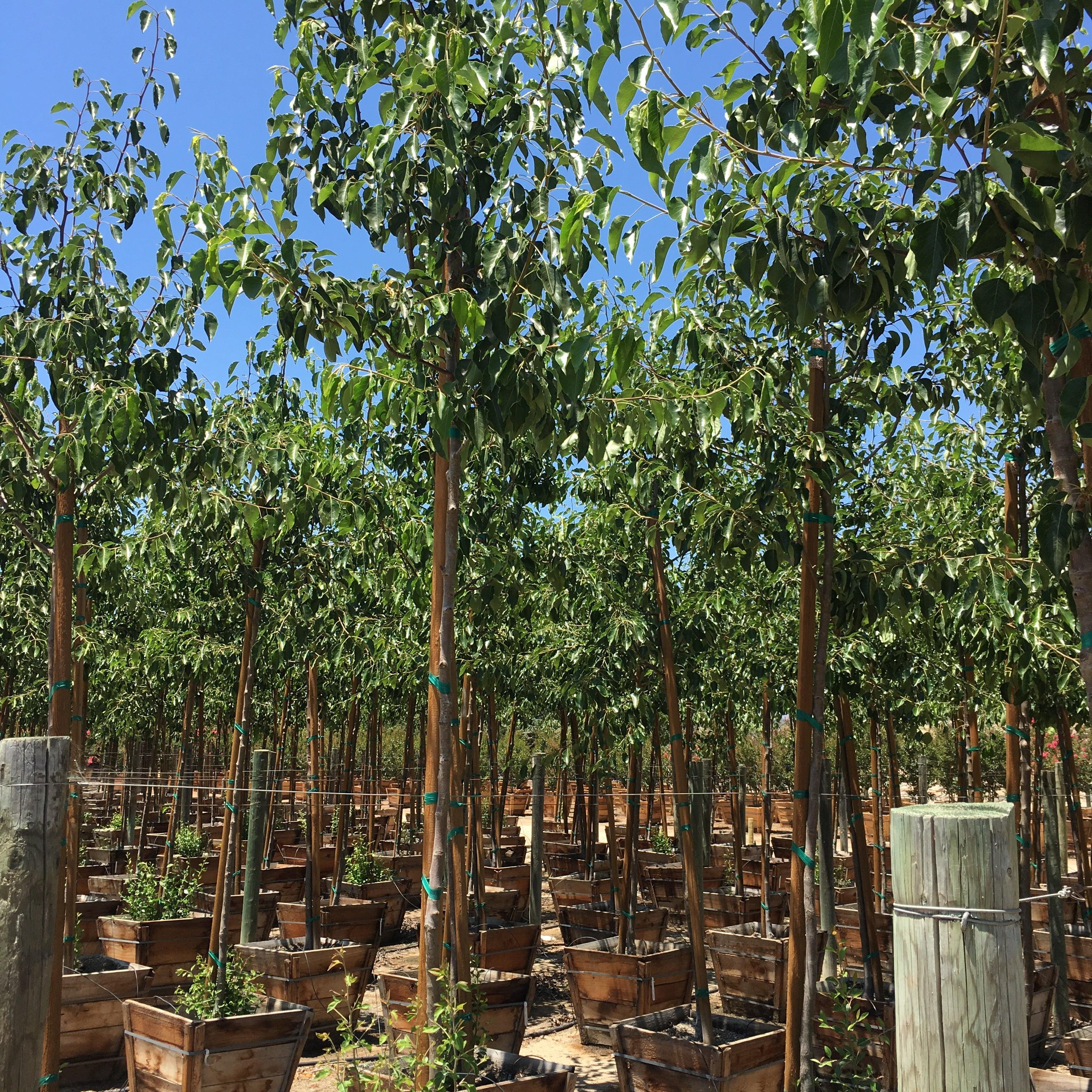
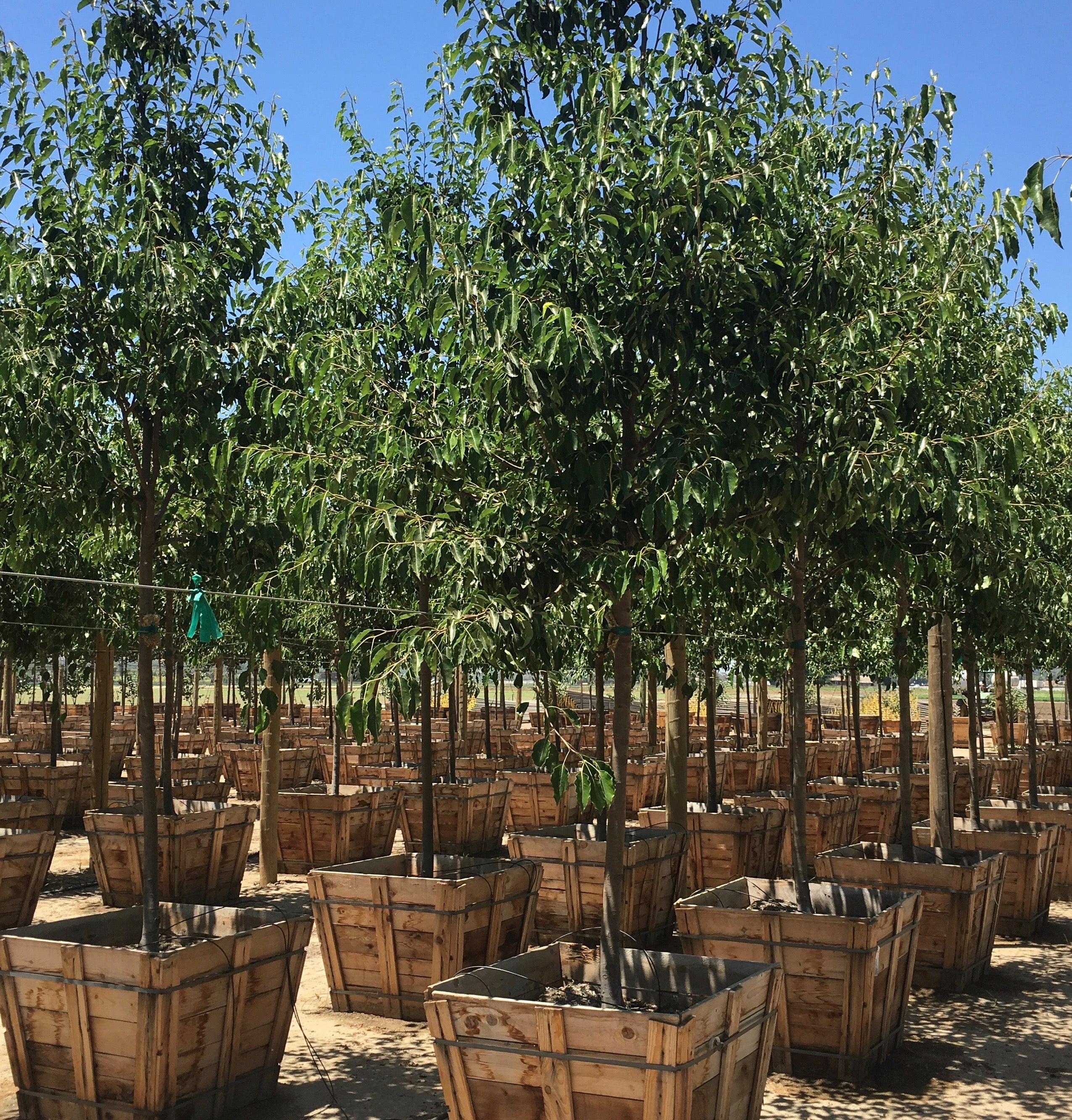
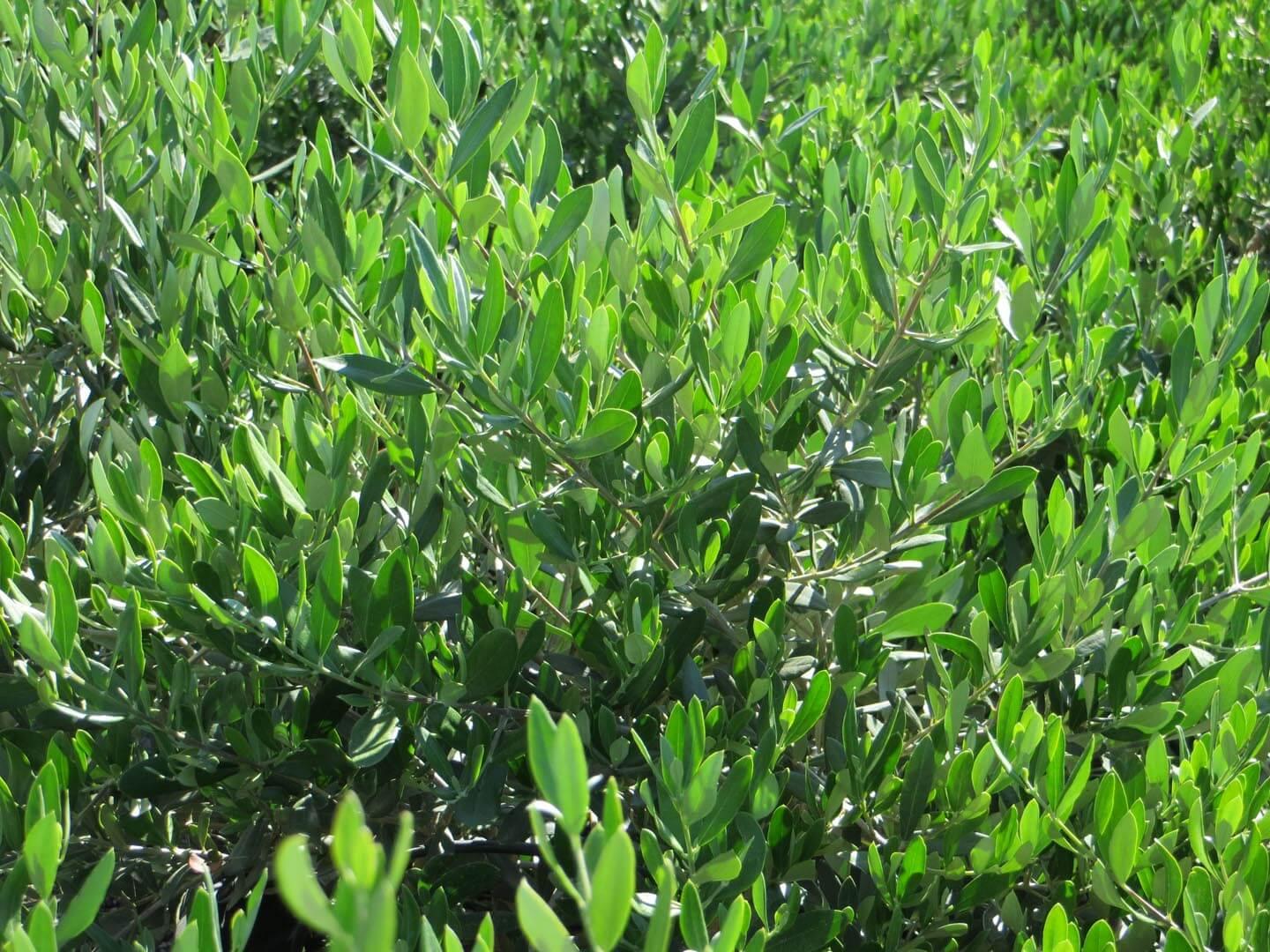
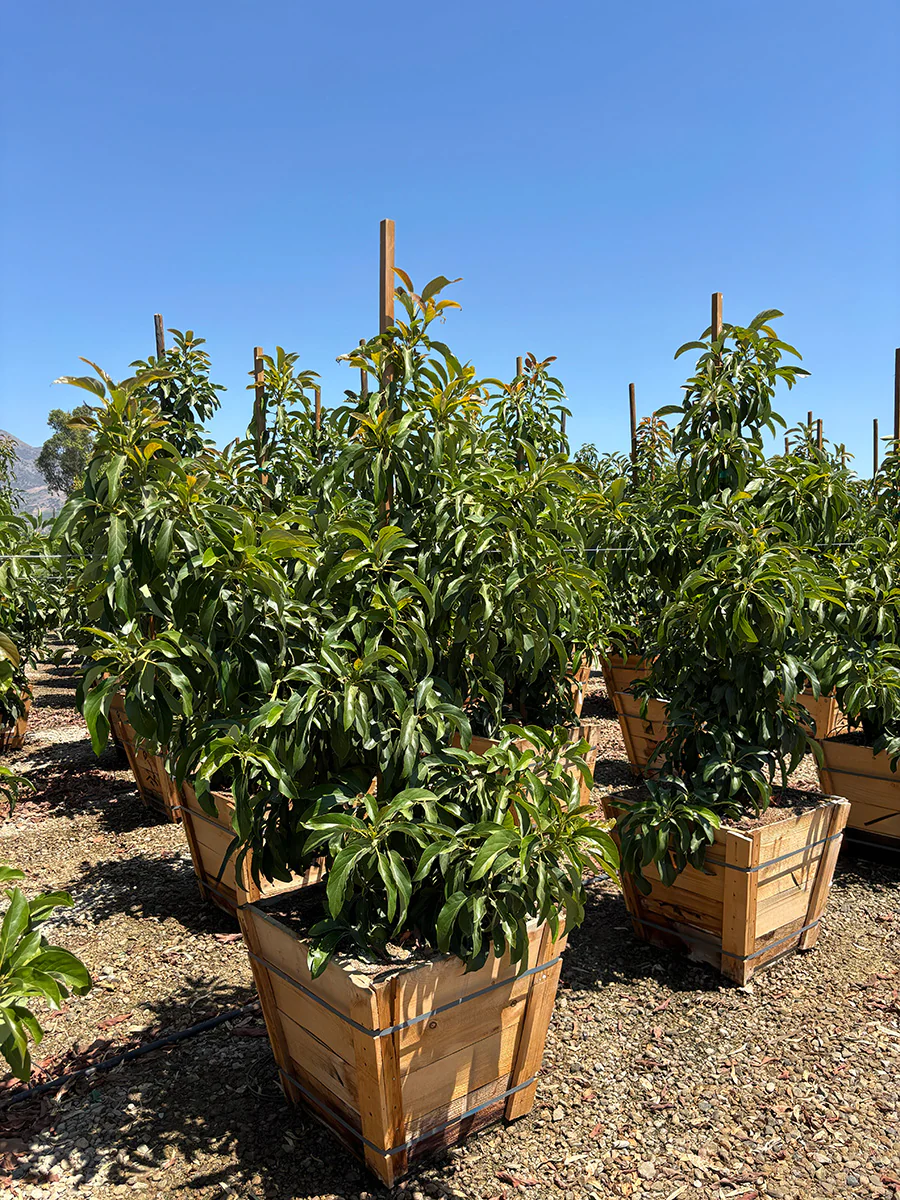
Shade and beauty – These trees can reach a height of 15 to 30 feet and have a dense canopy, making them suitable for use as shade trees in residential landscapes.
Reed is an especially rewarding choice for southern California, including many protected sites in San Diego County, where warm summers, full sun, and good drainage help avocados grow well, especially when supported by a full-service plant nursery and landscaping partner.
What Makes Reed Avocado Different
Most hass avocados and pear-shaped avocado types are judged by darkening skin color, smaller fruit size, or shorter seasonal windows.
Reed is built differently:
-
Stays green when ripe – Reed belongs among distinctive green skinned avocados. Unlike Hass, the skin does not reliably turn black, so ripeness is judged by feel, not color.
-
Bigger, rounder fruit – Reed avocados are round rather than pear-shaped, with impressive fruit size and thick, protective skin that surrounds rich, creamy flesh.
-
Later harvest timing – Because Reed harvests from late summer through fall in California, it helps extend fresh avocado availability beyond many common varieties.
-
Less fibrous eating quality – The buttery flesh is smooth, dense, and creamy, with a clean nutty finish that makes eating Reed avocados feel more luxurious than eating many store-bought options.
-
Practical kitchen advantage – Reed flesh does not brown quickly after being cut open, which helps guacamole retain its bright color for longer.
Cut in half, a Reed avocado forms a generous natural bowl around the seed, perfect for salads, salsa, or a spoonful of seasoned guacamole. For shoppers used to Hass, the Reed’s unique features-green skin, round shape, large fruit, and rich flesh-make it feel like a new avocado variety, even though Persea americana ‘Reed’ has been valued by growers for decades and discussed in resources such as the California Avocado Society Yearbook.
How to Grow Reed Avocado Trees
-
Plant in the right site
Choose full sun, warm exposure, and well-draining soil. Reed avocado trees are typically grown in USDA hardiness zones 9-11, and they thrive where the ground drains well and the root system is not left sitting in water. -
Water consistently without overwatering
During planting and establishment, keep the soil evenly moist, not soggy. A young reed tree needs careful water management through its first winter, during new growth, and during any summer heat wave. -
Protect and shape the tree
Mulch around the trunk while keeping mulch away from direct trunk contact. Prune lightly to shape the tree, improve airflow through the canopy, and keep harvests reachable in a front yard or back yard; if you prefer an established tree from the start, consider choosing a mature avocado tree for sale. -
Harvest from summer to fall
Reed avocados mature on the tree but ripen after picking. Since skin color stays green, check for gentle give, a loosened stem button, or the feel of ripe fruit rather than waiting for the skin to darken. -
Use the fruit fresh
Enjoy sliced avocados on toast, blend the creamy flesh into spreads, or make guacamole that stays bright longer because Reed flesh does not brown quickly after cutting.
Simple care, good soil, steady water, and warm California sun help the tree grow into a productive avocado tree with large, creamy fruit from summer through fall, and it can be paired with other landscape trees like African Sumac and companion shrubs.
Plant Specifications
-
Botanical name: Persea americana ‘Reed’
-
Plant type: Evergreen fruit tree
-
Mature size: These trees can reach a height of 15 to 30 feet and have a dense canopy, making them suitable for use as shade trees in residential landscapes.
-
Spacing: Allow generous room in the yard; many home gardeners space avocado trees about 15 to 20 feet apart, depending on pruning goals.
-
Hardiness: Reed avocado trees are typically grown in USDA hardiness zones 9-11, thriving in warm climates with well-drained soil and full sun exposure.
-
Sun exposure: Full sun is best for strong growth, healthy foliage, and dependable fruit production.
-
Soil preference: Well-drained soil is essential. Avoid saturated ground, heavy compaction, and sites where winter water collects, conditions that also suit drought-tolerant accents like Blue Glow Agave and other ornamentals.
-
Pollination: Reed is a Type A avocado variety. It can set fruit on its own, but nearby Type B avocado trees can improve production, especially when bloom overlaps in late spring.
-
Fruit production timeline: Grafted avocado trees may begin producing in about 1 to 3 years, with heavier crops as the tree becomes mature.
-
Fruit qualities: Large, round, green-skinned fruit with thick skin, pale golden-yellow flesh, high oil content, creamy texture, and rich nutty flavor, pairing beautifully with sweet citrus from a Valencia orange tree and other citrus.
Reed avocados provide nearly 20 vitamins and minerals, including high levels of potassium, fiber, vitamin E, B-vitamins, and folic acid. Eating Reed avocados also helps the body absorb fat-soluble vitamins and antioxidants from other vegetables in the same meal.
Perfect For California Gardeners
Ideal for gardeners who may also be growing citrus fruit trees like lemons and oranges:
-
Homeowners wanting fresh, premium avocados from a front yard or back yard tree
-
Gardeners in warm climate zones who want to grow avocados in USDA zones 9-11
-
Southern California growers looking for a heat-tolerant avocado tree with large fruit who may want to mix in graceful California pepper trees for added shade and texture
-
Avocado enthusiasts who prefer buttery flesh, creamy texture, and nutty flavor
-
Anyone who wants to extend the avocado harvest season into late summer and early fall
-
Home cooks who make guacamole, salads, sandwiches, smoothies, spreads, and fresh toast, complemented by fresh lemons or limes from tough, evergreen Carrotwood and companion landscape trees
Reed avocados can be used in a variety of recipes, including salads, sandwiches, and smoothies, due to their creamy texture and rich flavor. One simple recipe idea is to slice Reed avocados and serve them on toast with a sprinkle of salt and pepper for a quick breakfast or snack. For a more elaborate dish, Reed avocados can be blended into a creamy avocado pasta sauce, providing a healthy and delicious alternative to traditional sauces.
If you want a productive California avocado tree that offers shade, evergreen foliage, large fruit, and delicious food from your own yard, the Reed tree fits beautifully.
Frequently Asked Questions
How long until Reed avocado trees produce fruit?
A grafted Reed avocado tree may begin producing fruit in about 1 to 3 years, depending on tree size, planting conditions, water, soil, and care. Full production usually comes as the tree becomes mature.
Do Reed avocados need another tree for pollination?
Reed is a Type A avocado variety and can produce fruit by itself, but a compatible Type B avocado tree nearby can improve fruit set. Good pollinator activity in late spring also helps.
What’s the difference between Reed and Hass avocados?
Reed avocados are larger, rounder, and green when ripe, while Hass avocados are typically smaller, pear-shaped, bumpy, and darken as they ripen. Reed has smooth, buttery flesh, rich nutty flavor, and a late summer through fall harvest season.
How do I know when Reed avocados are ripe?
Do not rely on skin color. Reed avocados stay green skinned, even when ripe. Pick mature fruit, let it ripen off the tree, and check for slight give near the stem button. The flesh should be creamy, pale golden-yellow, and easy to eat.
Can Reed avocado trees grow in my area?
Reed avocado trees are typically grown in USDA hardiness zones 9-11. They perform best in warm climates with full sun exposure, well-drained soil, and protection from hard winter frost. In cooler areas, choose the warmest protected microclimate available.
Ready to Grow Premium Avocados?
Stop relying only on expensive store avocados and plant a Reed avocado tree for large, creamy, rich fruit from your own California yard.
Choose Reed if you want a premium avocado variety with buttery flesh, nutty flavor, summer-to-fall harvest timing, and excellent fresh eating quality. Yardwork can help with tree selection, planting guidance, consultation, and soil testing so your avocado tree starts with the right ground, water plan, and long-term care strategy.
Original: $595.00
-65%$595.00
$208.25Product Information
Product Information
Shipping & Returns
Shipping & Returns
Description
Premium California Avocado Tree Perfect for Summer Harvests
Grow a reed avocado tree if you want large, creamy, buttery avocados from your own back yard during late summer, early fall, and into the fall harvest window.
The Reed avocado tree is a premium California avocado variety known for its round large fruit, smooth creamy texture, and rich, nutty flavor. Reed avocados are primarily grown in California, with harvesting typically occurring from late summer through the fall, making the reed variety especially valuable when many other avocados are finished or harder to find fresh.
Designed for homeowners who want to grow avocados at home, this avocado tree delivers a backyard harvest of delicious avocados with pale golden-yellow flesh, high oil content, and a satisfying buttery finish.
Why You’ll Love Reed Avocado Trees
-
Large, round fruit – The Reed avocado tree is known for its large, round fruit that has a creamy texture and a rich flavor, making it a popular choice among avocado enthusiasts.
-
Summer-to-fall harvest – Reed avocados are primarily grown in California, with harvesting typically occurring from late summer through the fall, helping extend your fresh avocado season into early fall.
-
Smooth, buttery flesh – The pale golden-yellow flesh of Reed avocados has an ultra-creamy, smooth, melting texture that feels richer than many other varieties.
-
Excellent flavor for everyday food – The Reed avocado’s rich, nutty flavor and creamy texture make them versatile for various culinary uses including guacamole and spreads.
-
Great for California yards – Reed avocado trees are typically grown in USDA hardiness zones 9-11, thriving in warm climates with well-drained soil and full sun exposure.
-
Shade and beauty – These trees can reach a height of 15 to 30 feet and have a dense canopy, making them suitable for use as shade trees in residential landscapes.
Reed is an especially rewarding choice for southern California, including many protected sites in San Diego County, where warm summers, full sun, and good drainage help avocados grow well, especially when supported by a full-service plant nursery and landscaping partner.
What Makes Reed Avocado Different
Most hass avocados and pear-shaped avocado types are judged by darkening skin color, smaller fruit size, or shorter seasonal windows.
Reed is built differently:
-
Stays green when ripe – Reed belongs among distinctive green skinned avocados. Unlike Hass, the skin does not reliably turn black, so ripeness is judged by feel, not color.
-
Bigger, rounder fruit – Reed avocados are round rather than pear-shaped, with impressive fruit size and thick, protective skin that surrounds rich, creamy flesh.
-
Later harvest timing – Because Reed harvests from late summer through fall in California, it helps extend fresh avocado availability beyond many common varieties.
-
Less fibrous eating quality – The buttery flesh is smooth, dense, and creamy, with a clean nutty finish that makes eating Reed avocados feel more luxurious than eating many store-bought options.
-
Practical kitchen advantage – Reed flesh does not brown quickly after being cut open, which helps guacamole retain its bright color for longer.
Cut in half, a Reed avocado forms a generous natural bowl around the seed, perfect for salads, salsa, or a spoonful of seasoned guacamole. For shoppers used to Hass, the Reed’s unique features-green skin, round shape, large fruit, and rich flesh-make it feel like a new avocado variety, even though Persea americana ‘Reed’ has been valued by growers for decades and discussed in resources such as the California Avocado Society Yearbook.
How to Grow Reed Avocado Trees
-
Plant in the right site
Choose full sun, warm exposure, and well-draining soil. Reed avocado trees are typically grown in USDA hardiness zones 9-11, and they thrive where the ground drains well and the root system is not left sitting in water. -
Water consistently without overwatering
During planting and establishment, keep the soil evenly moist, not soggy. A young reed tree needs careful water management through its first winter, during new growth, and during any summer heat wave. -
Protect and shape the tree
Mulch around the trunk while keeping mulch away from direct trunk contact. Prune lightly to shape the tree, improve airflow through the canopy, and keep harvests reachable in a front yard or back yard; if you prefer an established tree from the start, consider choosing a mature avocado tree for sale. -
Harvest from summer to fall
Reed avocados mature on the tree but ripen after picking. Since skin color stays green, check for gentle give, a loosened stem button, or the feel of ripe fruit rather than waiting for the skin to darken. -
Use the fruit fresh
Enjoy sliced avocados on toast, blend the creamy flesh into spreads, or make guacamole that stays bright longer because Reed flesh does not brown quickly after cutting.
Simple care, good soil, steady water, and warm California sun help the tree grow into a productive avocado tree with large, creamy fruit from summer through fall, and it can be paired with other landscape trees like African Sumac and companion shrubs.
Plant Specifications
-
Botanical name: Persea americana ‘Reed’
-
Plant type: Evergreen fruit tree
-
Mature size: These trees can reach a height of 15 to 30 feet and have a dense canopy, making them suitable for use as shade trees in residential landscapes.
-
Spacing: Allow generous room in the yard; many home gardeners space avocado trees about 15 to 20 feet apart, depending on pruning goals.
-
Hardiness: Reed avocado trees are typically grown in USDA hardiness zones 9-11, thriving in warm climates with well-drained soil and full sun exposure.
-
Sun exposure: Full sun is best for strong growth, healthy foliage, and dependable fruit production.
-
Soil preference: Well-drained soil is essential. Avoid saturated ground, heavy compaction, and sites where winter water collects, conditions that also suit drought-tolerant accents like Blue Glow Agave and other ornamentals.
-
Pollination: Reed is a Type A avocado variety. It can set fruit on its own, but nearby Type B avocado trees can improve production, especially when bloom overlaps in late spring.
-
Fruit production timeline: Grafted avocado trees may begin producing in about 1 to 3 years, with heavier crops as the tree becomes mature.
-
Fruit qualities: Large, round, green-skinned fruit with thick skin, pale golden-yellow flesh, high oil content, creamy texture, and rich nutty flavor, pairing beautifully with sweet citrus from a Valencia orange tree and other citrus.
Reed avocados provide nearly 20 vitamins and minerals, including high levels of potassium, fiber, vitamin E, B-vitamins, and folic acid. Eating Reed avocados also helps the body absorb fat-soluble vitamins and antioxidants from other vegetables in the same meal.
Perfect For California Gardeners
Ideal for gardeners who may also be growing citrus fruit trees like lemons and oranges:
-
Homeowners wanting fresh, premium avocados from a front yard or back yard tree
-
Gardeners in warm climate zones who want to grow avocados in USDA zones 9-11
-
Southern California growers looking for a heat-tolerant avocado tree with large fruit who may want to mix in graceful California pepper trees for added shade and texture
-
Avocado enthusiasts who prefer buttery flesh, creamy texture, and nutty flavor
-
Anyone who wants to extend the avocado harvest season into late summer and early fall
-
Home cooks who make guacamole, salads, sandwiches, smoothies, spreads, and fresh toast, complemented by fresh lemons or limes from tough, evergreen Carrotwood and companion landscape trees
Reed avocados can be used in a variety of recipes, including salads, sandwiches, and smoothies, due to their creamy texture and rich flavor. One simple recipe idea is to slice Reed avocados and serve them on toast with a sprinkle of salt and pepper for a quick breakfast or snack. For a more elaborate dish, Reed avocados can be blended into a creamy avocado pasta sauce, providing a healthy and delicious alternative to traditional sauces.
If you want a productive California avocado tree that offers shade, evergreen foliage, large fruit, and delicious food from your own yard, the Reed tree fits beautifully.
Frequently Asked Questions
How long until Reed avocado trees produce fruit?
A grafted Reed avocado tree may begin producing fruit in about 1 to 3 years, depending on tree size, planting conditions, water, soil, and care. Full production usually comes as the tree becomes mature.
Do Reed avocados need another tree for pollination?
Reed is a Type A avocado variety and can produce fruit by itself, but a compatible Type B avocado tree nearby can improve fruit set. Good pollinator activity in late spring also helps.
What’s the difference between Reed and Hass avocados?
Reed avocados are larger, rounder, and green when ripe, while Hass avocados are typically smaller, pear-shaped, bumpy, and darken as they ripen. Reed has smooth, buttery flesh, rich nutty flavor, and a late summer through fall harvest season.
How do I know when Reed avocados are ripe?
Do not rely on skin color. Reed avocados stay green skinned, even when ripe. Pick mature fruit, let it ripen off the tree, and check for slight give near the stem button. The flesh should be creamy, pale golden-yellow, and easy to eat.
Can Reed avocado trees grow in my area?
Reed avocado trees are typically grown in USDA hardiness zones 9-11. They perform best in warm climates with full sun exposure, well-drained soil, and protection from hard winter frost. In cooler areas, choose the warmest protected microclimate available.
Ready to Grow Premium Avocados?
Stop relying only on expensive store avocados and plant a Reed avocado tree for large, creamy, rich fruit from your own California yard.
Choose Reed if you want a premium avocado variety with buttery flesh, nutty flavor, summer-to-fall harvest timing, and excellent fresh eating quality. Yardwork can help with tree selection, planting guidance, consultation, and soil testing so your avocado tree starts with the right ground, water plan, and long-term care strategy.