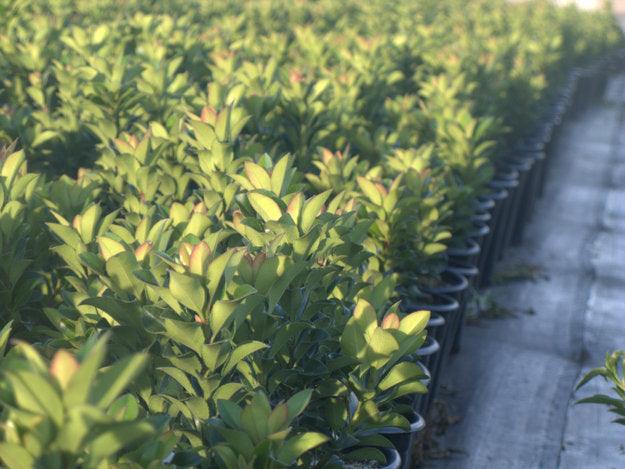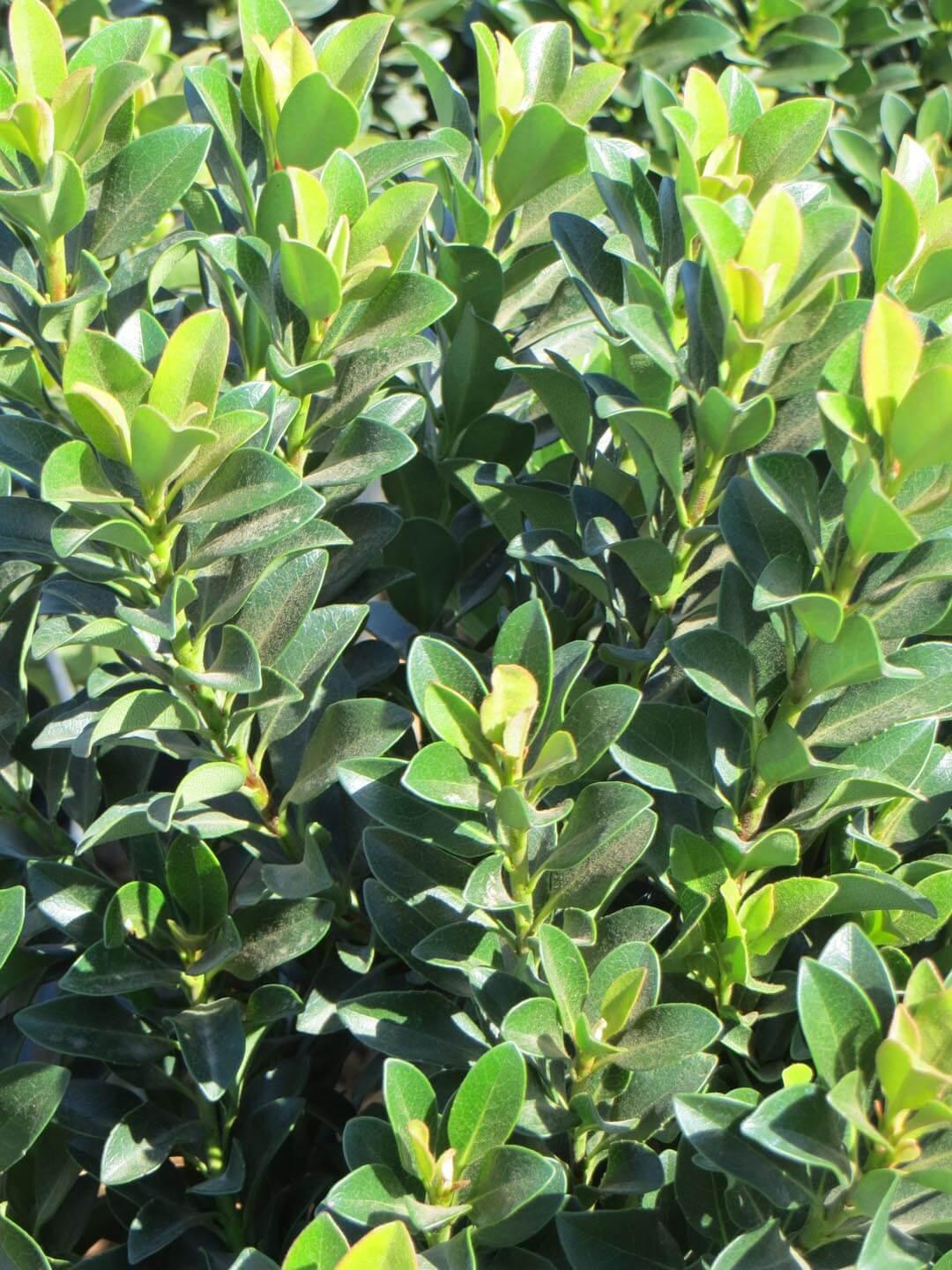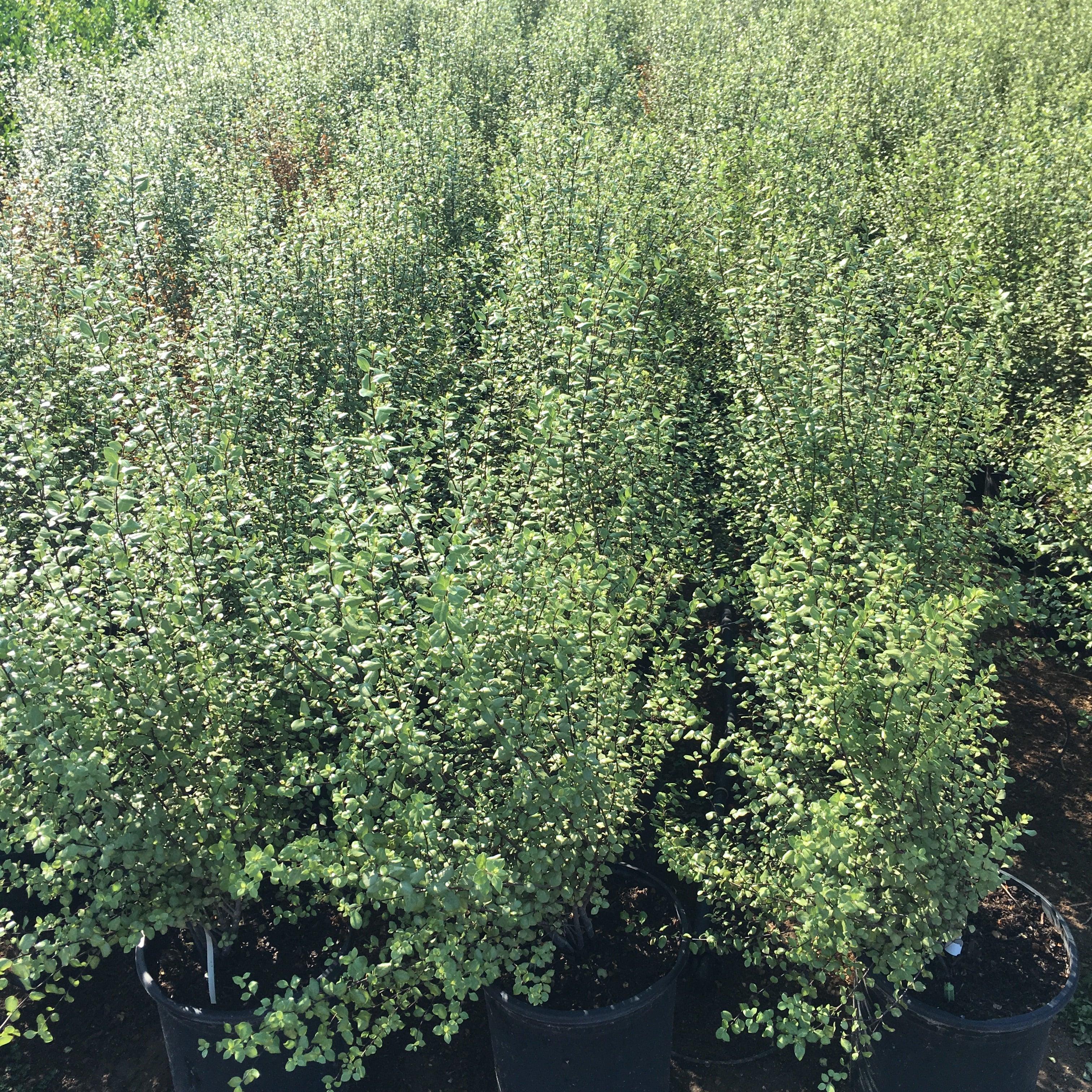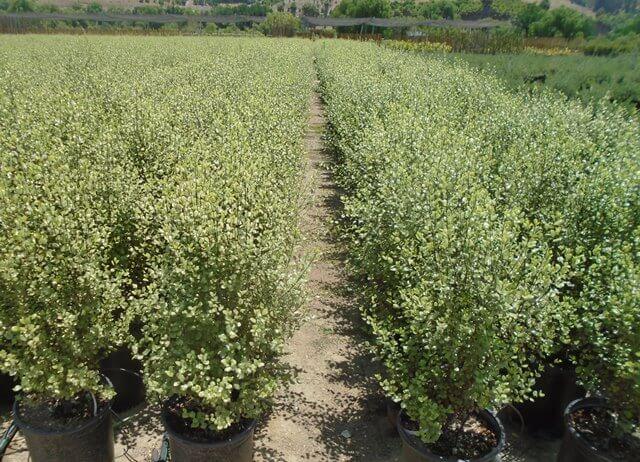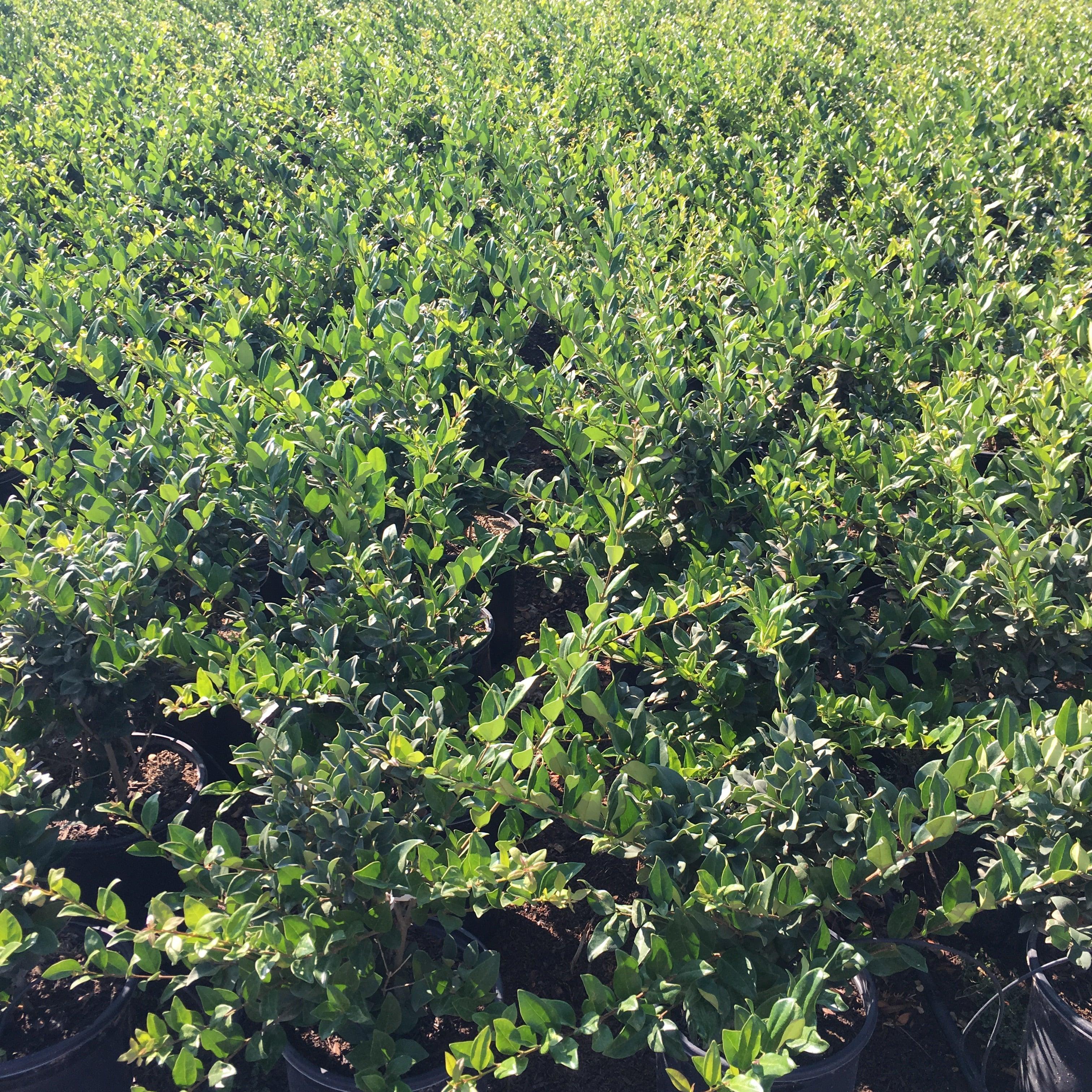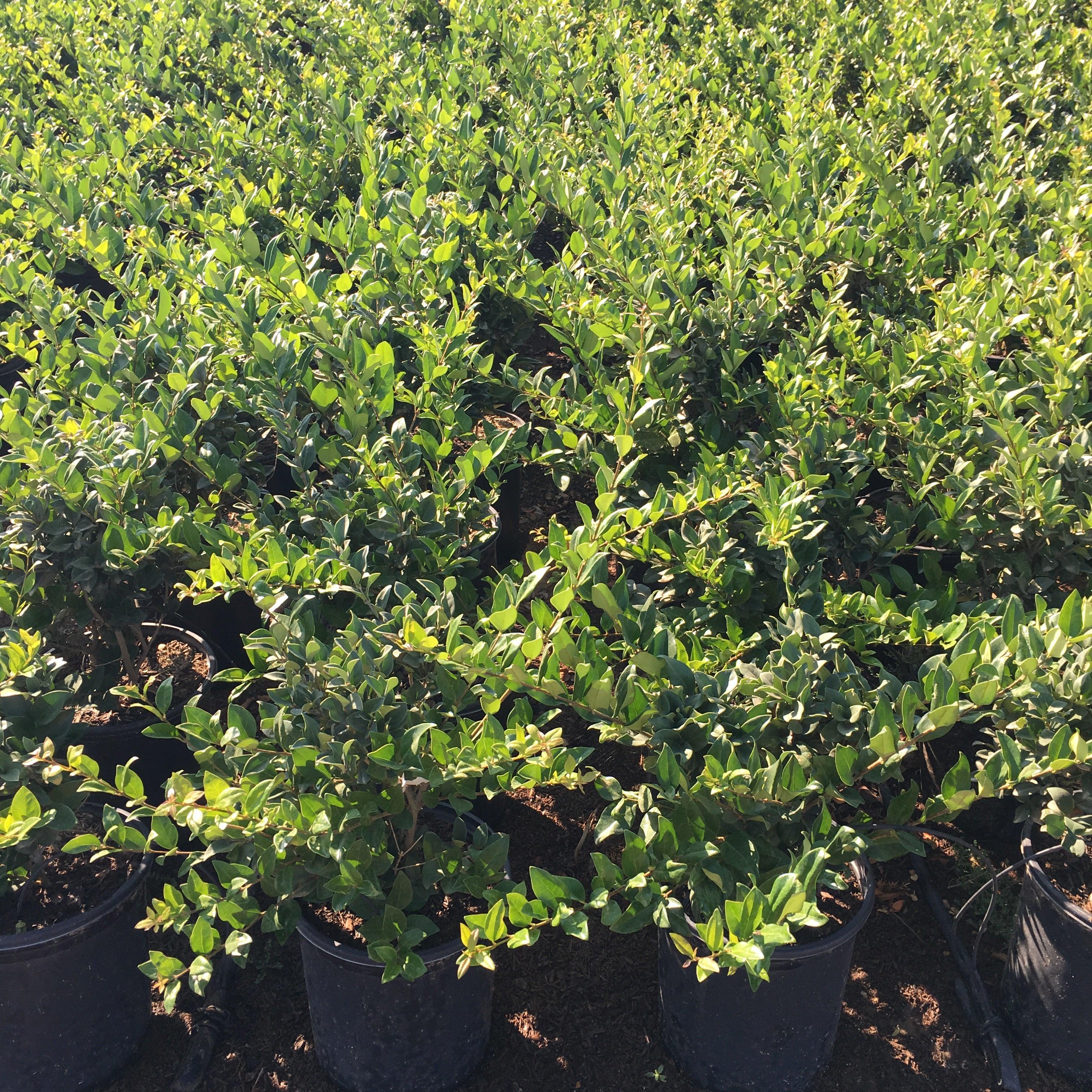
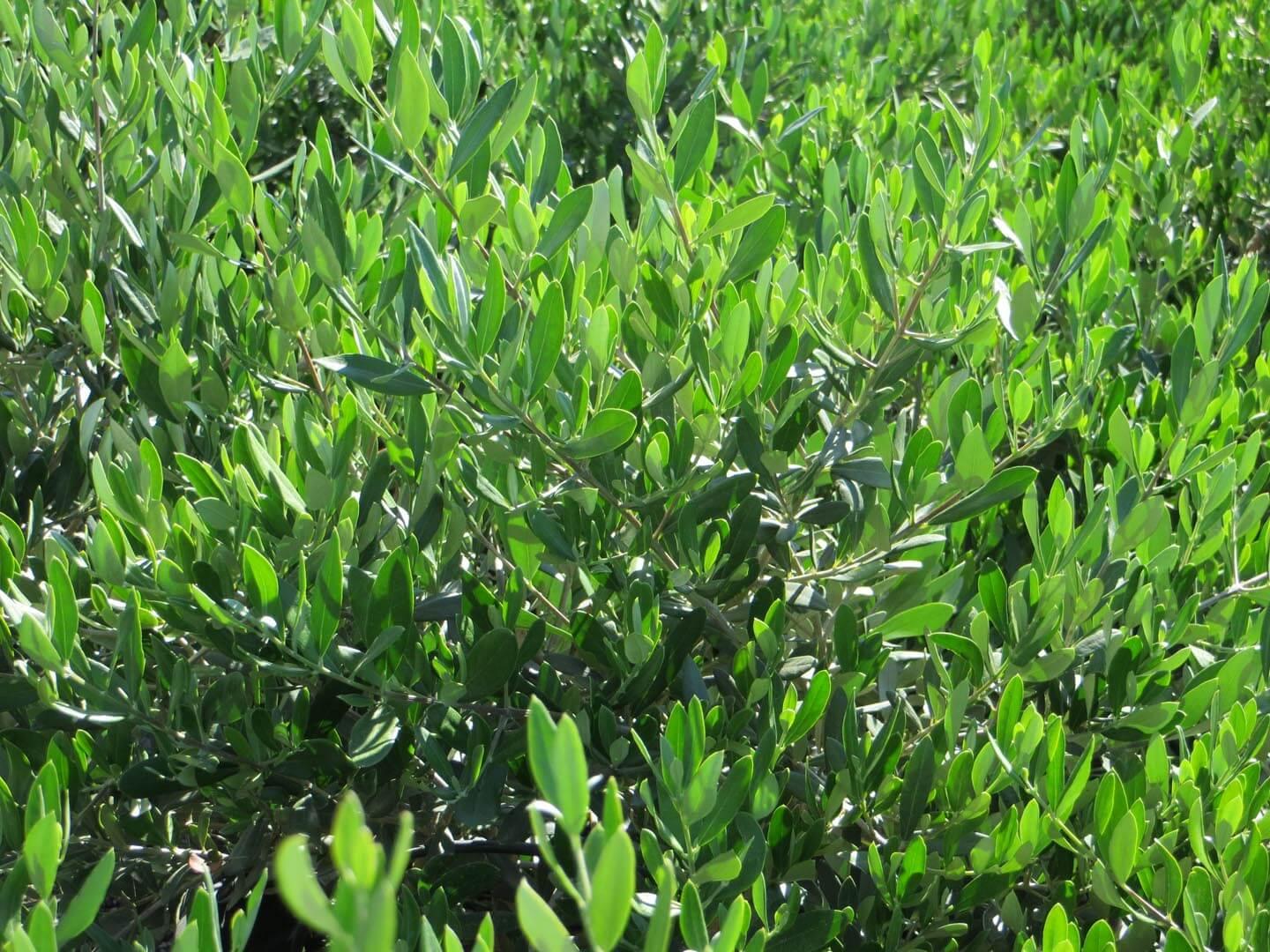
Dwarf Olive Tree (Olea europaea Little Ollie®)
Mediterranean Beauty in a Compact Package
A dwarf olive tree gives you the timeless look of an olive tree in a compact, easy-care form that fits patios, borders, containers, and smaller spaces. With deep green leaves, silvery green undersides, and a naturally dense habit, it brings Mediterranean aesthetic appeal without the size, fruit drop, or maintenance demands of standard olive trees.
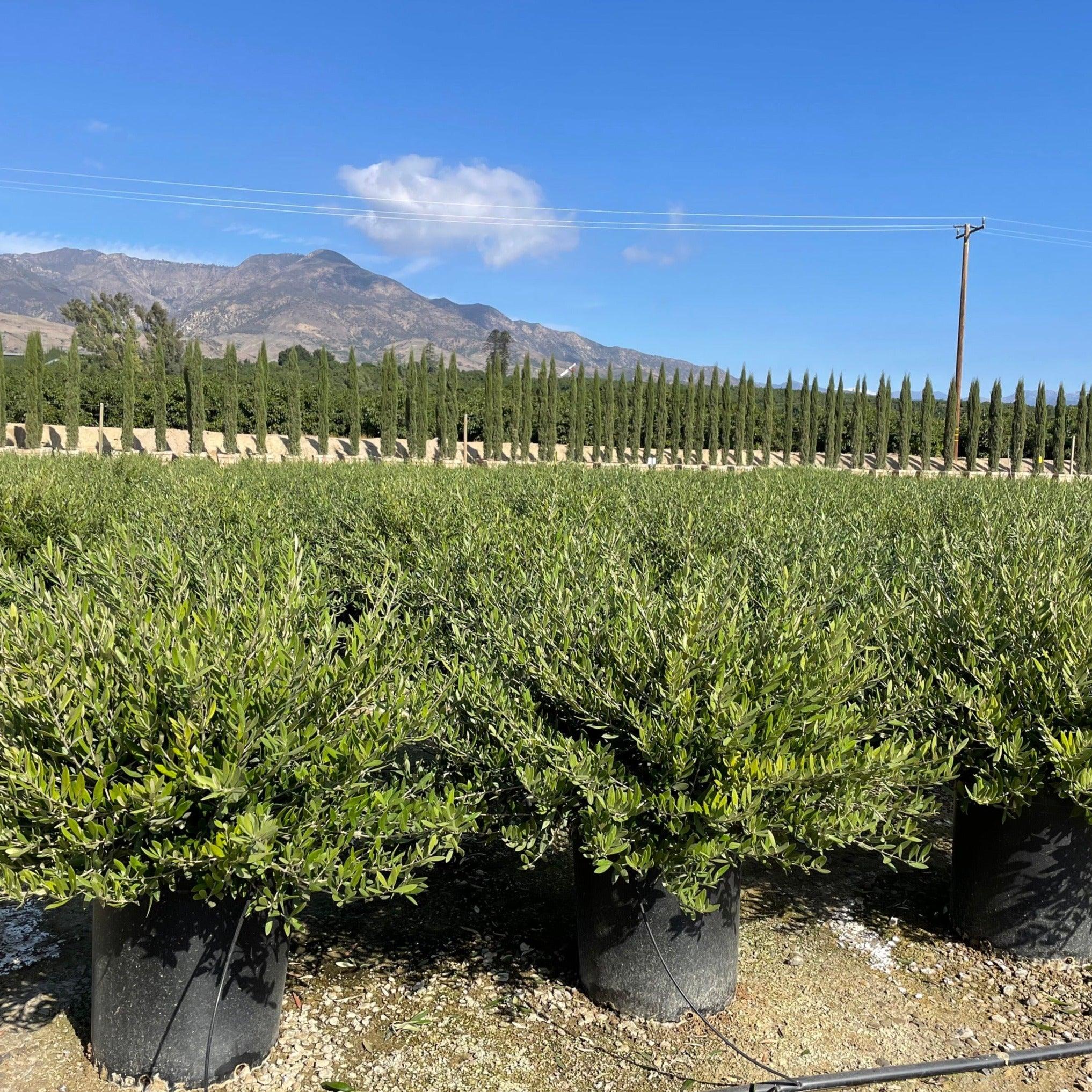
The popular little ollie dwarf olive, botanically known as Olea europaea Montra or 'Little Ollie', is a non fruiting evergreen selection valued for tidy foliage, drought tolerant performance, and year-round structure. Dwarf olive trees do not produce fruit, which means they do not create a mess from fallen fruit, making them a tidy addition to any landscape.
Once established, dwarf olive trees handle heat, drought, lean soil, and coastal conditions well. They are also salt tolerant, making them a strong choice for California gardens, poolside plantings, patios, and water-wise landscapes.
Why You’ll Love It
-
Perfect for Small Spaces – Stays compact at 4-6 feet, ideal for patios and containers. Dwarf olive trees are ideal for small spaces due to their compact size, typically growing to about 2 to 4 feet, making them suitable for urban gardens and patios.
-
Low Maintenance – Drought tolerant once established, requires minimal care. These trees are low-maintenance, requiring minimal care once established, which makes them a great choice for busy homeowners or those new to gardening.
-
Year-Round Beauty – Evergreen foliage with distinctive silvery-green leaves. They display narrow, rigid, sage-green leaves with striking silvery undersides that catch the wind.
-
No Messy Fruit – Non-fruiting varieties eliminate cleanup hassles. A non fruiting variety such as little ollie keeps patios, paving, and walkways cleaner because it produces little to no fruit, making fruitless olive trees ideal for elegant, low-mess landscaping.
-
Versatile Landscaping – Works as specimen tree, hedge, or topiary. Dwarf olive trees can be planted tightly together and shaped into low formal hedges or borders, serving as a formal boxwood alternative or paired with a Fern Pine (Podocarpus gracilior) hedge for taller evergreen screening.
Dwarf olive trees are generally long-lived and hardy, not prone to major pest infestations. Dwarf olive trees typically have strong inherent resistance to common pests and diseases, minimizing the need for chemical treatments. If pests such as scale insects or other insects appear, they can usually be managed early with horticultural care or insecticidal soap.
What Makes It Different
Most olive trees are beautiful but too large for everyday home landscapes. If you’re curious about traditional forms, understanding what a full-size olive tree looks like can help you see how different dwarfs are in scale. Mature trees of standard olive varieties can become broad, heavy, and difficult to manage, especially when fruit stains hardscape or drops near pools and paths.
Dwarf Olive Tree is:
-
Grafted for Size Control – Regular olive trees on dwarf rootstock can be used for manageable growth, while compact selections such as little ollie naturally stay smaller when you follow proper Little Ollie care and maintenance practices. This helps keep the mature size appropriate for smaller spaces.
-
Fruitless Varieties Available – Fruitless varieties eliminate the pollen and fruit mess that standard olives create. Options like Swan Hill fruitless olive trees and dwarf olive trees do not produce fruit, which means they do not create a mess from fallen fruit, making them a tidy addition to any landscape.
-
Container-Friendly – Thrives in pots unlike full-sized olive trees. As container plants, dwarf olive trees offer the look of a patio tree, specimen shrub, single trunk tree, or topiary form without overwhelming the space.
Dwarf olive trees have a naturally compact and rounded shape, making them suitable for topiary and formal hedges with regular pruning. Varieties like Little Ollie (Olea europaea ‘Petite Olive’) have a multi branching habit, dense stems, gray green leaves, and silvery green undersides that give them refined structure in both casual and formal garden designs.
How To Have Success In Your Garden
-
Step 1 – Choose Your Location
Select a full sun location with well drained soil or a suitable container. Dwarf olive trees thrive in full sun and require at least 6 to 8 hours of direct sunlight daily to grow optimally, just like other olive trees commonly sold for Mediterranean-style gardens. Dwarf olive trees thrive in full sun, requiring at least 6 to 8 hours of direct sunlight daily to flourish. -
Step 2 – Plant and Establish
Plant in ground or in a pot with fast drainage, then water deeply to help establish roots. Dwarf olive trees require regular, deep watering for the first few months after planting, but once established, they are drought-resistant and do not need frequent watering. During the first growing season, use regular watering until growth begins and the plant develops a more extensive root system. -
Step 3 – Enjoy Low-Maintenance Beauty
Once established, reduce frequency and let the soil dry between waterings. Water container plants regularly because a container dries faster than ground soil, especially during hot weather. The same low-maintenance approach works for larger, semi-fruitless options like a Wilsonii olive tree used as a shade or focal tree. Prune to maintain shape, keep the desired shape, or train the plant as a formal hedge, specimen, shrub, patio tree, single trunk tree, or topiary form.
Pruning is essential for maintaining the shape and health of dwarf olive trees; it is recommended to prune once a year in the winter to remove dead branches and encourage growth. Light pruning after new growth can also help maintain shape, while heavier structural pruning is best timed outside peak heat stress.
Plant Details
-
Mature Size: 4-6 feet tall and wide (some varieties up to 8 feet)
-
Growth Rate: Slow to moderate
-
Light Requirements: Full sun (6+ hours daily)
-
Hardiness Zones: 8-11
-
Soil Needs: Well-draining, tolerates various soil types
-
Water Requirements: Drought tolerant once established
Additional growing notes:
-
Dwarf olive trees typically max out between 4 to 6 feet tall, suitable for small urban gardens, borders, and patios.
-
Dwarf olive trees average about 2 to 6 feet tall and wide, with the potential to reach 8 to 12 feet if unpruned.
-
Dwarf olive trees typically grow to a height of 2 to 4 feet, but some can reach up to 8 to 10 feet depending on pruning and shaping practices.
-
These trees grow at a moderate rate, reaching maturity in just a few years, which is beneficial for gardeners looking for quicker results in smaller spaces.
-
Dwarf olive trees can grow in a variety of soil types, including sandy, clay, and nutritionally-poor soils, making them adaptable to different planting conditions, similar to many olive plants available for sale for warm-climate gardens.
-
The ideal soil for dwarf olive trees must be well-draining to prevent root rot, as these trees can easily start to rot if left in waterlogged conditions.
-
Dwarf olive trees are not particularly sensitive to soil pH and can thrive in acidic, neutral, or alkaline soils, although a neutral to slightly alkaline pH is preferred for optimal growth.
-
These trees prefer warm climates and are rated for USDA climate zones 8 to 11, tolerating cold snaps down to about 20 to 30 degrees Fahrenheit.
-
Dwarf olive trees can tolerate high temperatures and are drought-resistant, making them suitable for hot, dry environments once established.
-
Feed lightly in spring with a general purpose fertilizer if growth is weak, especially for container plants.
-
In fall and winter, avoid soggy moisture around roots and protect container plants from severe cold.
Who It’s For
Ideal for:
-
California homeowners with small yards or patios
-
Container gardeners wanting Mediterranean style
-
Low-maintenance landscape enthusiasts
-
Those seeking drought-tolerant, evergreen plants
-
Homeowners wanting privacy screens or hedges in compact spaces who may also explore other evergreen privacy trees and shrubs from a local nursery
If you want an olive tree look without a full-size olive tree, a dwarf olive is a strong fit. Use it as a specimen shrub near an entry, a patio tree in a decorative container, a low hedge along a walkway, or a clipped topiary form for a clean architectural garden.
It is especially useful where water-wise planting matters. Once established, the plant tolerates heat, sun, drought, and average-to-lean soil better than many traditional landscape shrubs, while still offering dense evergreen foliage and long-lasting structure.
Frequently Asked Questions
Do dwarf olive trees produce fruit?
Many landscape selections are non-fruiting or nearly fruitless. Dwarf olive trees do not produce fruit, which means they do not create a mess from fallen fruit, making them a tidy addition to any landscape. Some fruitless varieties may occasionally flower in spring, but a non fruiting variety such as Olea europaea Montra is selected for clean ornamental use.
How big do they actually get?
Dwarf olive trees typically max out between 4 to 6 feet tall, suitable for small urban gardens, borders, and patios. Dwarf olive trees average about 2 to 6 feet tall and wide, with the potential to reach 8 to 12 feet if unpruned. Dwarf olive trees typically grow to a height of 2 to 4 feet, but some can reach up to 8 to 10 feet depending on pruning and shaping practices.
Can they survive California’s climate?
Yes. Dwarf olive trees prefer warm climates and are rated for USDA climate zones 8 to 11, tolerating cold snaps down to about 20 to 30 degrees Fahrenheit. They thrive in full sun and require at least 6 to 8 hours of direct sunlight daily. They also tolerate high temperatures and are drought-resistant, making them suitable for hot, dry environments once established.
Are they really low maintenance?
Yes, with the right planting conditions. These trees are low-maintenance, requiring minimal care once established, which makes them a great choice for busy homeowners or those new to gardening. They need well drained soil, full sun, and deep watering while young. After they establish roots, reduce frequency and avoid overwatering.
Can I grow one in a container?
Yes. A dwarf olive works very well in a container as long as the pot drains freely and the soil does not stay wet. Water container plants regularly during the growing season, because a container dries faster than ground soil. Use regular watering during the first growing season, then water deeply but less often once the plant is established.
Do dwarf olive trees need pruning?
Yes. Pruning is essential for maintaining the shape and health of dwarf olive trees; it is recommended to prune once a year in the winter to remove dead branches and encourage growth. You can also prune lightly to maintain shape, guide branches, remove crowded stems, or keep a formal hedge and desired shape.
Do they have pest problems?
Dwarf olive trees are generally long-lived and hardy, not prone to major pest infestations. Dwarf olive trees typically have strong inherent resistance to common pests and diseases, minimizing the need for chemical treatments. If scale insects appear, treat early with insecticidal soap and improve airflow through light pruning.
Ready to Add Mediterranean Charm?
Stop settling for high-maintenance plants that outgrow their space. Choose dwarf olive trees for elegant, low-maintenance beauty, year-round foliage, and a compact size that works in patios, borders, containers, and smaller California landscapes.
Need help deciding where to plant it? Yardwork can help with placement advice, spacing, and design ideas for your sun, soil, and landscape goals.
Product Information
Product Information
Shipping & Returns
Shipping & Returns
Description
Mediterranean Beauty in a Compact Package
A dwarf olive tree gives you the timeless look of an olive tree in a compact, easy-care form that fits patios, borders, containers, and smaller spaces. With deep green leaves, silvery green undersides, and a naturally dense habit, it brings Mediterranean aesthetic appeal without the size, fruit drop, or maintenance demands of standard olive trees.
The popular little ollie dwarf olive, botanically known as Olea europaea Montra or 'Little Ollie', is a non fruiting evergreen selection valued for tidy foliage, drought tolerant performance, and year-round structure. Dwarf olive trees do not produce fruit, which means they do not create a mess from fallen fruit, making them a tidy addition to any landscape.
Once established, dwarf olive trees handle heat, drought, lean soil, and coastal conditions well. They are also salt tolerant, making them a strong choice for California gardens, poolside plantings, patios, and water-wise landscapes.
Why You’ll Love It
-
Perfect for Small Spaces – Stays compact at 4-6 feet, ideal for patios and containers. Dwarf olive trees are ideal for small spaces due to their compact size, typically growing to about 2 to 4 feet, making them suitable for urban gardens and patios.
-
Low Maintenance – Drought tolerant once established, requires minimal care. These trees are low-maintenance, requiring minimal care once established, which makes them a great choice for busy homeowners or those new to gardening.
-
Year-Round Beauty – Evergreen foliage with distinctive silvery-green leaves. They display narrow, rigid, sage-green leaves with striking silvery undersides that catch the wind.
-
No Messy Fruit – Non-fruiting varieties eliminate cleanup hassles. A non fruiting variety such as little ollie keeps patios, paving, and walkways cleaner because it produces little to no fruit, making fruitless olive trees ideal for elegant, low-mess landscaping.
-
Versatile Landscaping – Works as specimen tree, hedge, or topiary. Dwarf olive trees can be planted tightly together and shaped into low formal hedges or borders, serving as a formal boxwood alternative or paired with a Fern Pine (Podocarpus gracilior) hedge for taller evergreen screening.
Dwarf olive trees are generally long-lived and hardy, not prone to major pest infestations. Dwarf olive trees typically have strong inherent resistance to common pests and diseases, minimizing the need for chemical treatments. If pests such as scale insects or other insects appear, they can usually be managed early with horticultural care or insecticidal soap.
What Makes It Different
Most olive trees are beautiful but too large for everyday home landscapes. If you’re curious about traditional forms, understanding what a full-size olive tree looks like can help you see how different dwarfs are in scale. Mature trees of standard olive varieties can become broad, heavy, and difficult to manage, especially when fruit stains hardscape or drops near pools and paths.
Dwarf Olive Tree is:
-
Grafted for Size Control – Regular olive trees on dwarf rootstock can be used for manageable growth, while compact selections such as little ollie naturally stay smaller when you follow proper Little Ollie care and maintenance practices. This helps keep the mature size appropriate for smaller spaces.
-
Fruitless Varieties Available – Fruitless varieties eliminate the pollen and fruit mess that standard olives create. Options like Swan Hill fruitless olive trees and dwarf olive trees do not produce fruit, which means they do not create a mess from fallen fruit, making them a tidy addition to any landscape.
-
Container-Friendly – Thrives in pots unlike full-sized olive trees. As container plants, dwarf olive trees offer the look of a patio tree, specimen shrub, single trunk tree, or topiary form without overwhelming the space.
Dwarf olive trees have a naturally compact and rounded shape, making them suitable for topiary and formal hedges with regular pruning. Varieties like Little Ollie (Olea europaea ‘Petite Olive’) have a multi branching habit, dense stems, gray green leaves, and silvery green undersides that give them refined structure in both casual and formal garden designs.
How To Have Success In Your Garden
-
Step 1 – Choose Your Location
Select a full sun location with well drained soil or a suitable container. Dwarf olive trees thrive in full sun and require at least 6 to 8 hours of direct sunlight daily to grow optimally, just like other olive trees commonly sold for Mediterranean-style gardens. Dwarf olive trees thrive in full sun, requiring at least 6 to 8 hours of direct sunlight daily to flourish. -
Step 2 – Plant and Establish
Plant in ground or in a pot with fast drainage, then water deeply to help establish roots. Dwarf olive trees require regular, deep watering for the first few months after planting, but once established, they are drought-resistant and do not need frequent watering. During the first growing season, use regular watering until growth begins and the plant develops a more extensive root system. -
Step 3 – Enjoy Low-Maintenance Beauty
Once established, reduce frequency and let the soil dry between waterings. Water container plants regularly because a container dries faster than ground soil, especially during hot weather. The same low-maintenance approach works for larger, semi-fruitless options like a Wilsonii olive tree used as a shade or focal tree. Prune to maintain shape, keep the desired shape, or train the plant as a formal hedge, specimen, shrub, patio tree, single trunk tree, or topiary form.
Pruning is essential for maintaining the shape and health of dwarf olive trees; it is recommended to prune once a year in the winter to remove dead branches and encourage growth. Light pruning after new growth can also help maintain shape, while heavier structural pruning is best timed outside peak heat stress.
Plant Details
-
Mature Size: 4-6 feet tall and wide (some varieties up to 8 feet)
-
Growth Rate: Slow to moderate
-
Light Requirements: Full sun (6+ hours daily)
-
Hardiness Zones: 8-11
-
Soil Needs: Well-draining, tolerates various soil types
-
Water Requirements: Drought tolerant once established
Additional growing notes:
-
Dwarf olive trees typically max out between 4 to 6 feet tall, suitable for small urban gardens, borders, and patios.
-
Dwarf olive trees average about 2 to 6 feet tall and wide, with the potential to reach 8 to 12 feet if unpruned.
-
Dwarf olive trees typically grow to a height of 2 to 4 feet, but some can reach up to 8 to 10 feet depending on pruning and shaping practices.
-
These trees grow at a moderate rate, reaching maturity in just a few years, which is beneficial for gardeners looking for quicker results in smaller spaces.
-
Dwarf olive trees can grow in a variety of soil types, including sandy, clay, and nutritionally-poor soils, making them adaptable to different planting conditions, similar to many olive plants available for sale for warm-climate gardens.
-
The ideal soil for dwarf olive trees must be well-draining to prevent root rot, as these trees can easily start to rot if left in waterlogged conditions.
-
Dwarf olive trees are not particularly sensitive to soil pH and can thrive in acidic, neutral, or alkaline soils, although a neutral to slightly alkaline pH is preferred for optimal growth.
-
These trees prefer warm climates and are rated for USDA climate zones 8 to 11, tolerating cold snaps down to about 20 to 30 degrees Fahrenheit.
-
Dwarf olive trees can tolerate high temperatures and are drought-resistant, making them suitable for hot, dry environments once established.
-
Feed lightly in spring with a general purpose fertilizer if growth is weak, especially for container plants.
-
In fall and winter, avoid soggy moisture around roots and protect container plants from severe cold.
Who It’s For
Ideal for:
-
California homeowners with small yards or patios
-
Container gardeners wanting Mediterranean style
-
Low-maintenance landscape enthusiasts
-
Those seeking drought-tolerant, evergreen plants
-
Homeowners wanting privacy screens or hedges in compact spaces who may also explore other evergreen privacy trees and shrubs from a local nursery
If you want an olive tree look without a full-size olive tree, a dwarf olive is a strong fit. Use it as a specimen shrub near an entry, a patio tree in a decorative container, a low hedge along a walkway, or a clipped topiary form for a clean architectural garden.
It is especially useful where water-wise planting matters. Once established, the plant tolerates heat, sun, drought, and average-to-lean soil better than many traditional landscape shrubs, while still offering dense evergreen foliage and long-lasting structure.
Frequently Asked Questions
Do dwarf olive trees produce fruit?
Many landscape selections are non-fruiting or nearly fruitless. Dwarf olive trees do not produce fruit, which means they do not create a mess from fallen fruit, making them a tidy addition to any landscape. Some fruitless varieties may occasionally flower in spring, but a non fruiting variety such as Olea europaea Montra is selected for clean ornamental use.
How big do they actually get?
Dwarf olive trees typically max out between 4 to 6 feet tall, suitable for small urban gardens, borders, and patios. Dwarf olive trees average about 2 to 6 feet tall and wide, with the potential to reach 8 to 12 feet if unpruned. Dwarf olive trees typically grow to a height of 2 to 4 feet, but some can reach up to 8 to 10 feet depending on pruning and shaping practices.
Can they survive California’s climate?
Yes. Dwarf olive trees prefer warm climates and are rated for USDA climate zones 8 to 11, tolerating cold snaps down to about 20 to 30 degrees Fahrenheit. They thrive in full sun and require at least 6 to 8 hours of direct sunlight daily. They also tolerate high temperatures and are drought-resistant, making them suitable for hot, dry environments once established.
Are they really low maintenance?
Yes, with the right planting conditions. These trees are low-maintenance, requiring minimal care once established, which makes them a great choice for busy homeowners or those new to gardening. They need well drained soil, full sun, and deep watering while young. After they establish roots, reduce frequency and avoid overwatering.
Can I grow one in a container?
Yes. A dwarf olive works very well in a container as long as the pot drains freely and the soil does not stay wet. Water container plants regularly during the growing season, because a container dries faster than ground soil. Use regular watering during the first growing season, then water deeply but less often once the plant is established.
Do dwarf olive trees need pruning?
Yes. Pruning is essential for maintaining the shape and health of dwarf olive trees; it is recommended to prune once a year in the winter to remove dead branches and encourage growth. You can also prune lightly to maintain shape, guide branches, remove crowded stems, or keep a formal hedge and desired shape.
Do they have pest problems?
Dwarf olive trees are generally long-lived and hardy, not prone to major pest infestations. Dwarf olive trees typically have strong inherent resistance to common pests and diseases, minimizing the need for chemical treatments. If scale insects appear, treat early with insecticidal soap and improve airflow through light pruning.
Ready to Add Mediterranean Charm?
Stop settling for high-maintenance plants that outgrow their space. Choose dwarf olive trees for elegant, low-maintenance beauty, year-round foliage, and a compact size that works in patios, borders, containers, and smaller California landscapes.
Need help deciding where to plant it? Yardwork can help with placement advice, spacing, and design ideas for your sun, soil, and landscape goals.