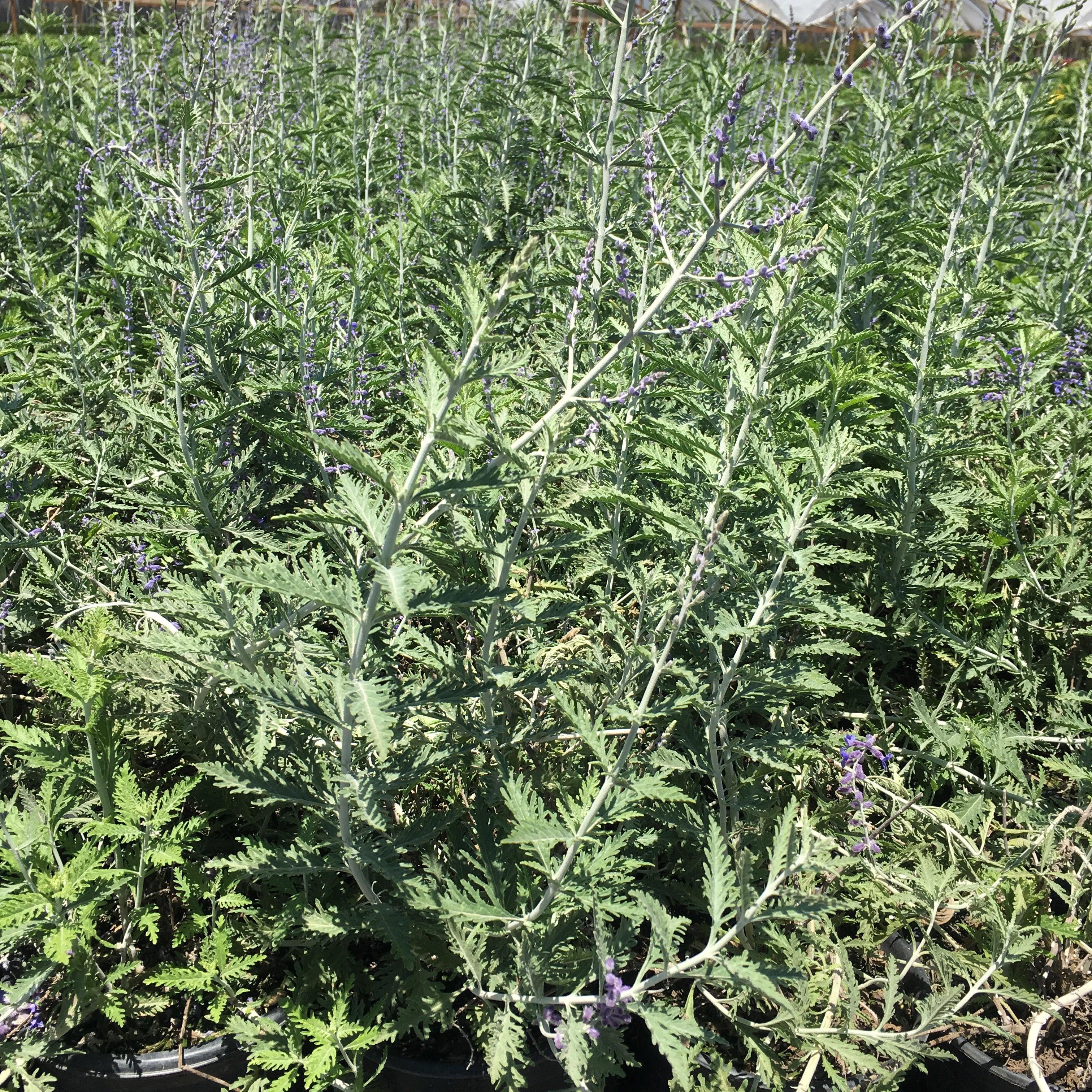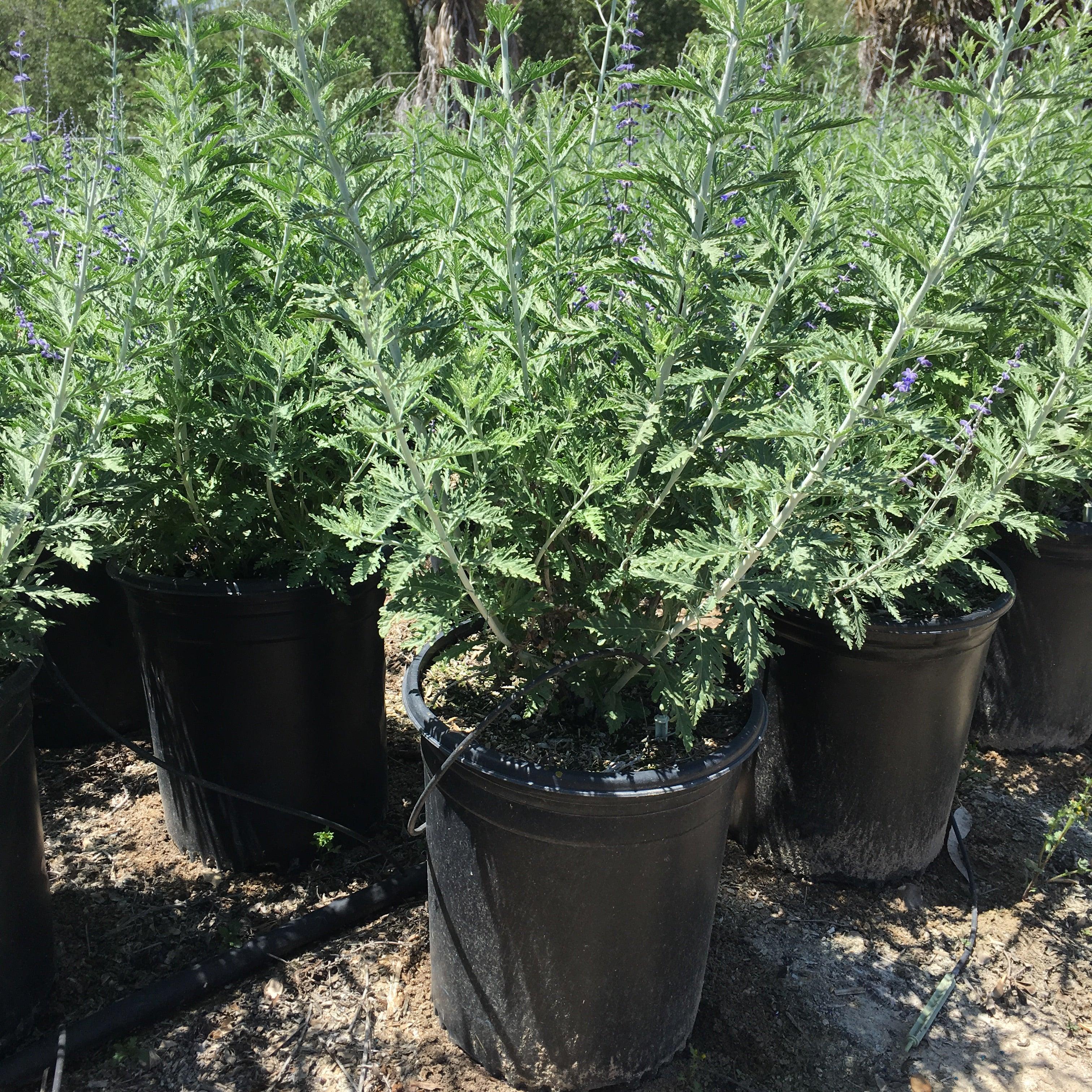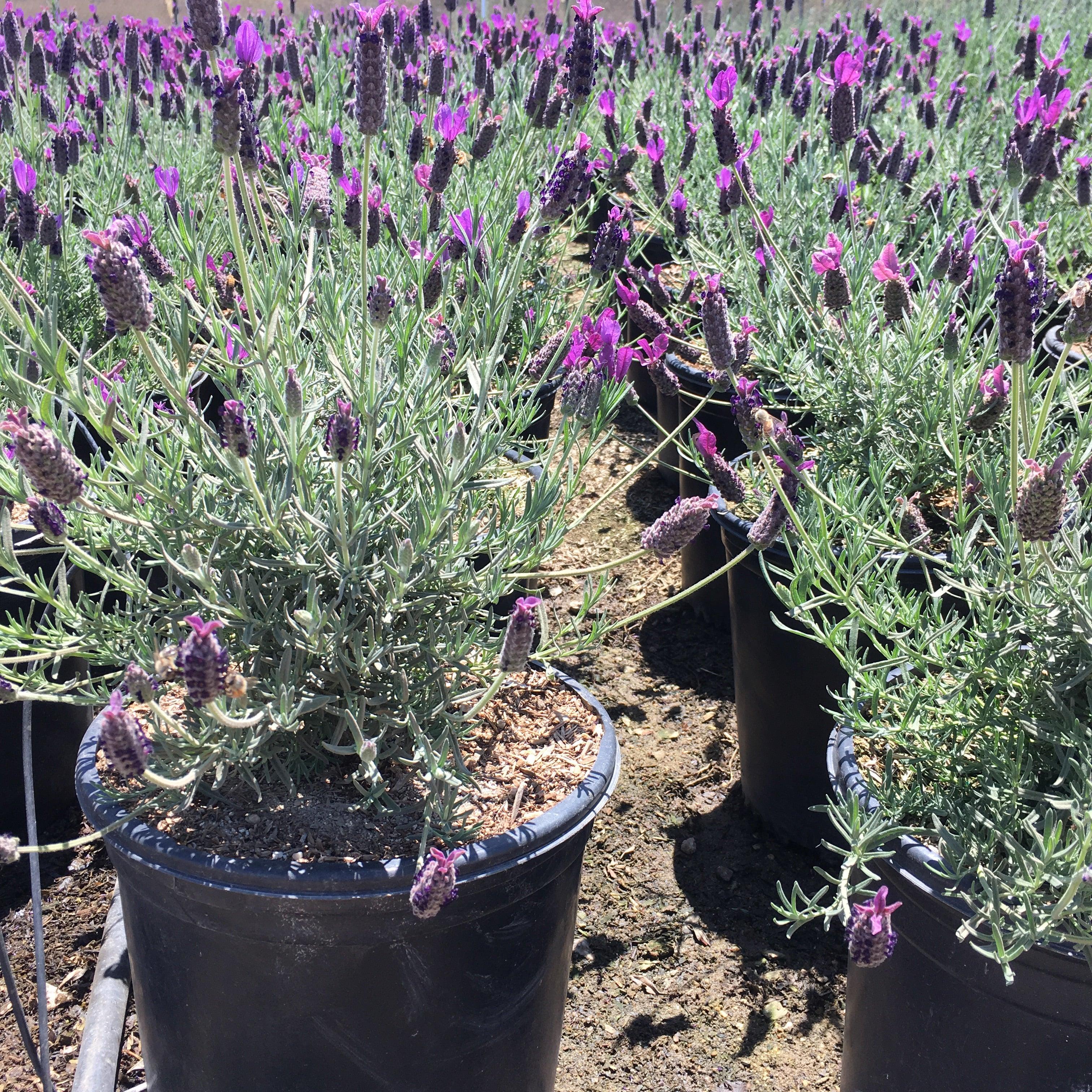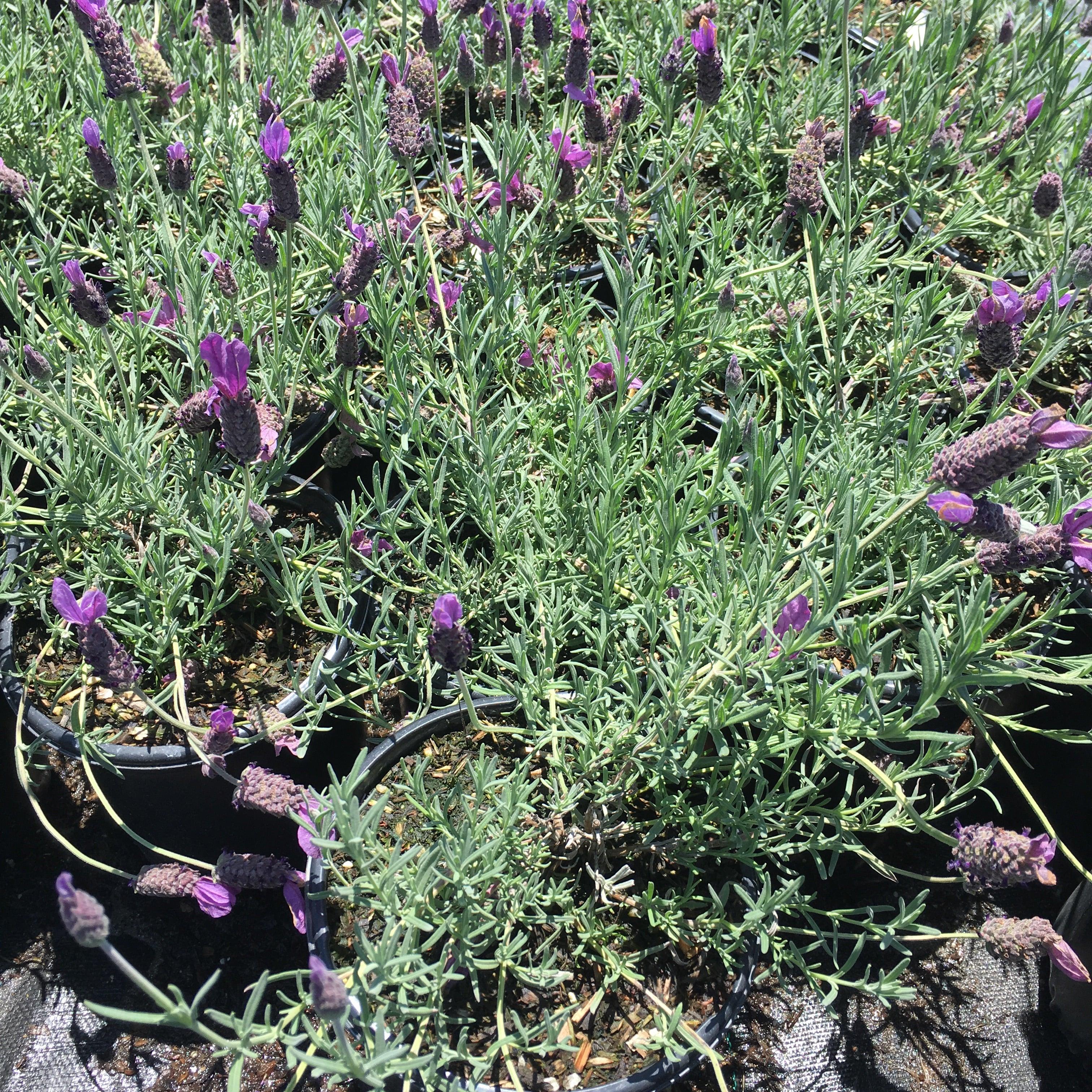
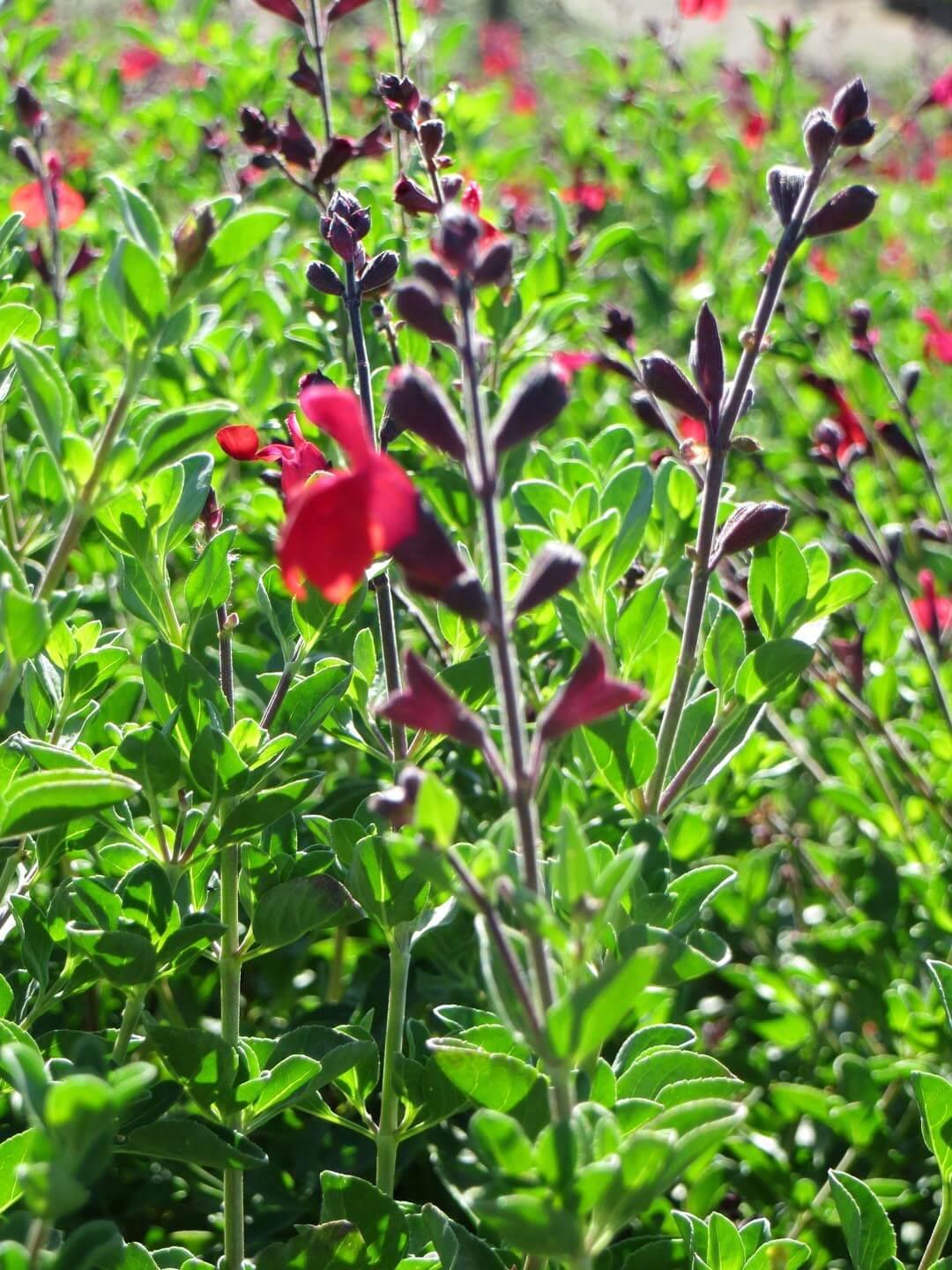
Autumn Sage (Salvia Greggii Red)
Salvia greggii, widely known as Autumn Sage or Texas Sage, is a standout perennial shrub native to the sun-drenched landscapes of Texas and northern Mexico. Renowned for its drought tolerance and adaptability, this plant is an excellent choice for gardeners in warmer climates who seek both beauty and resilience in their gardens, similar in spirit to the semi-fruitless Wilsonii olive tree for hot, dry landscapes. Autumn Sage thrives in full sun and well-draining soil, producing a profusion of dark red flowers that add vibrant color from early spring through autumn, pairing beautifully with structure-providing trees like the Swan Hill fruitless olive. Its nectar-rich blooms are magnets for pollinators, attracting hummingbirds and butterflies throughout the growing season. Whether you’re looking to enhance your garden’s visual appeal or support local pollinator populations, Salvia greggii is a versatile and rewarding addition to any landscape. In this article, we’ll explore the unique characteristics, ideal growing conditions, and care tips for Autumn Sage, helping gardeners and landscaping enthusiasts make the most of this exceptional plant and better understand how it contrasts with classic olive tree appearance and form.
Characteristics
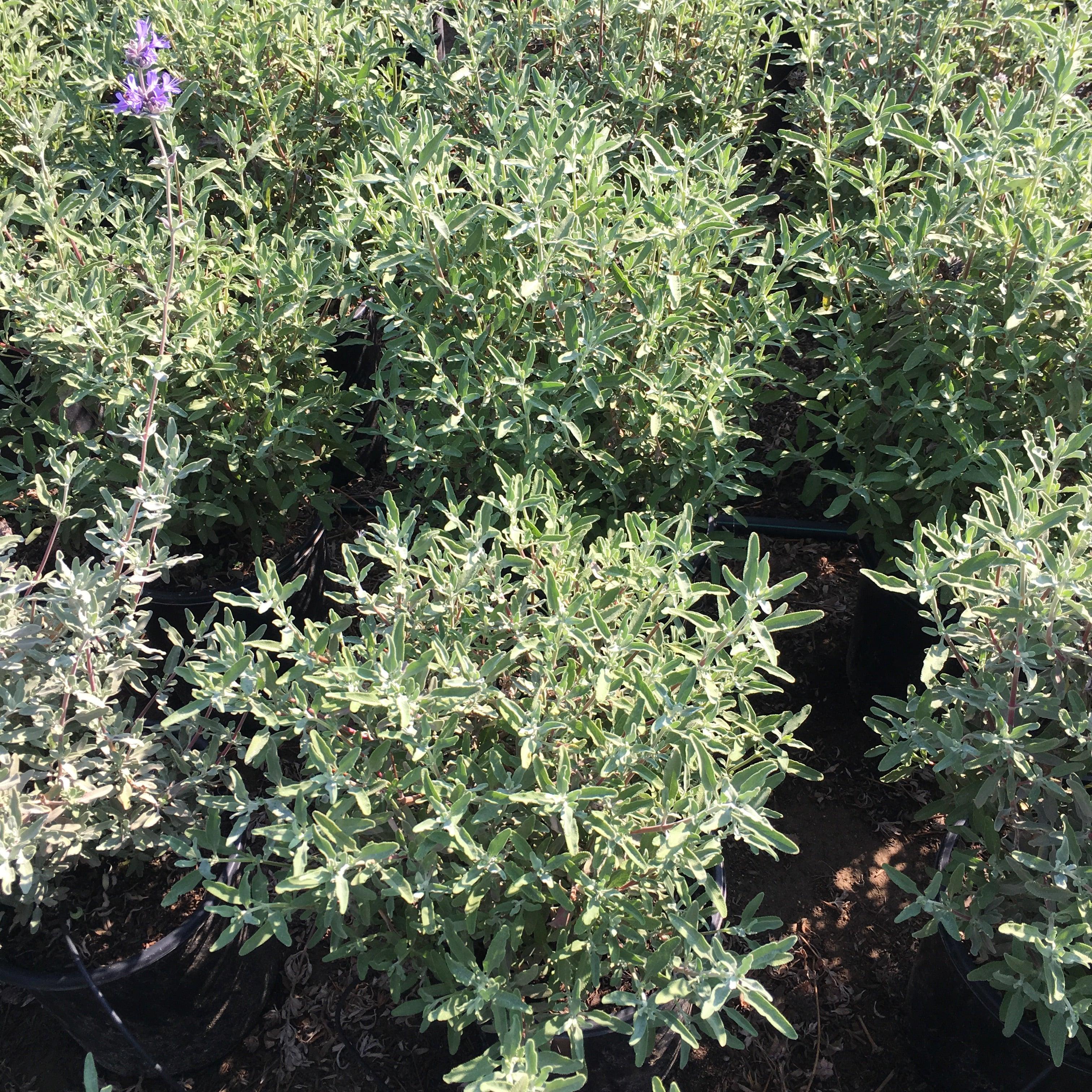
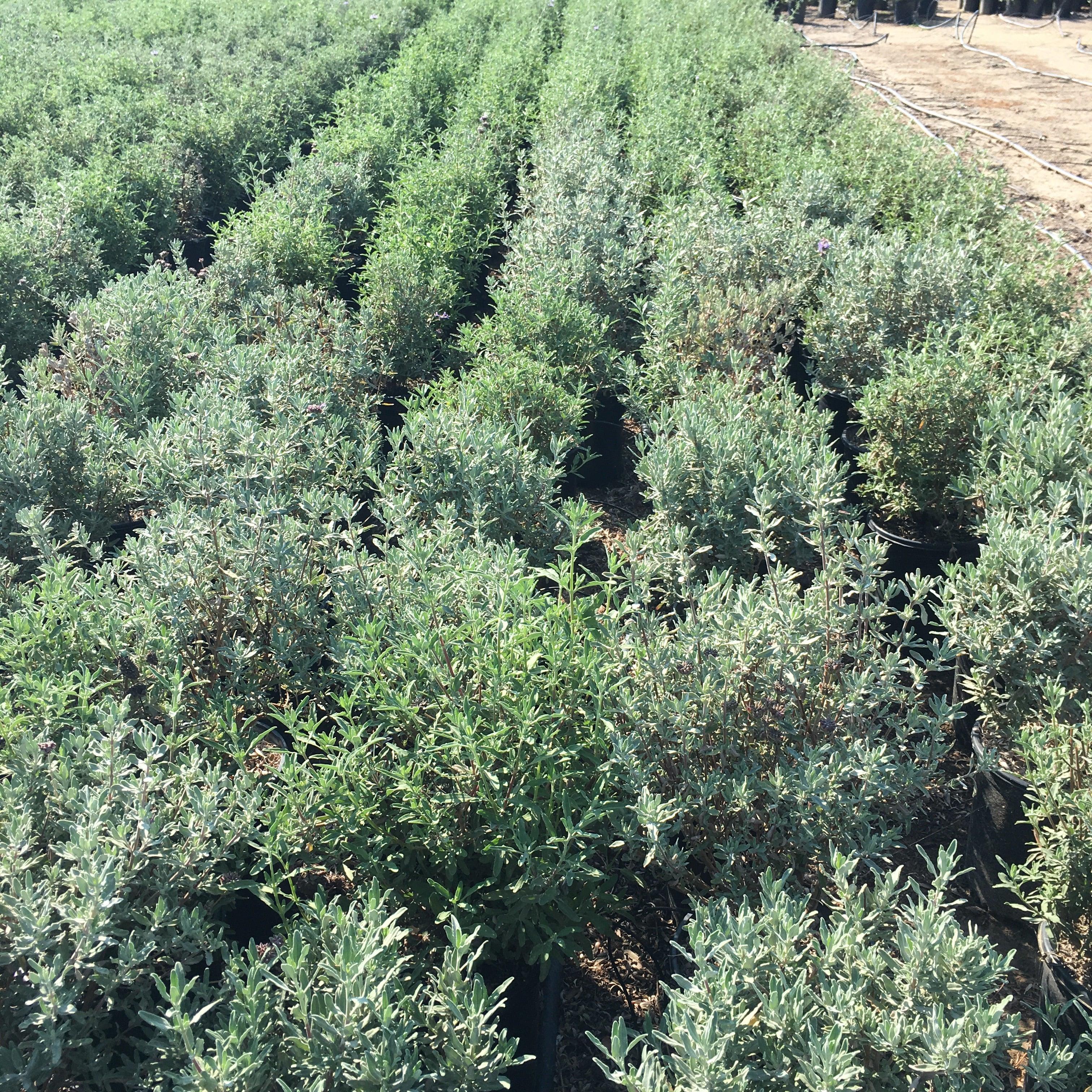
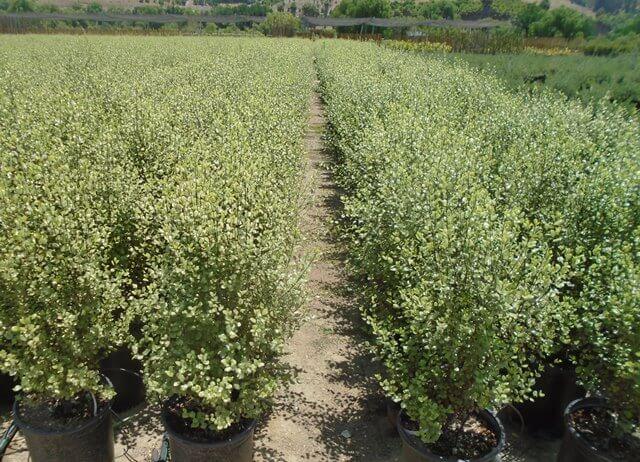
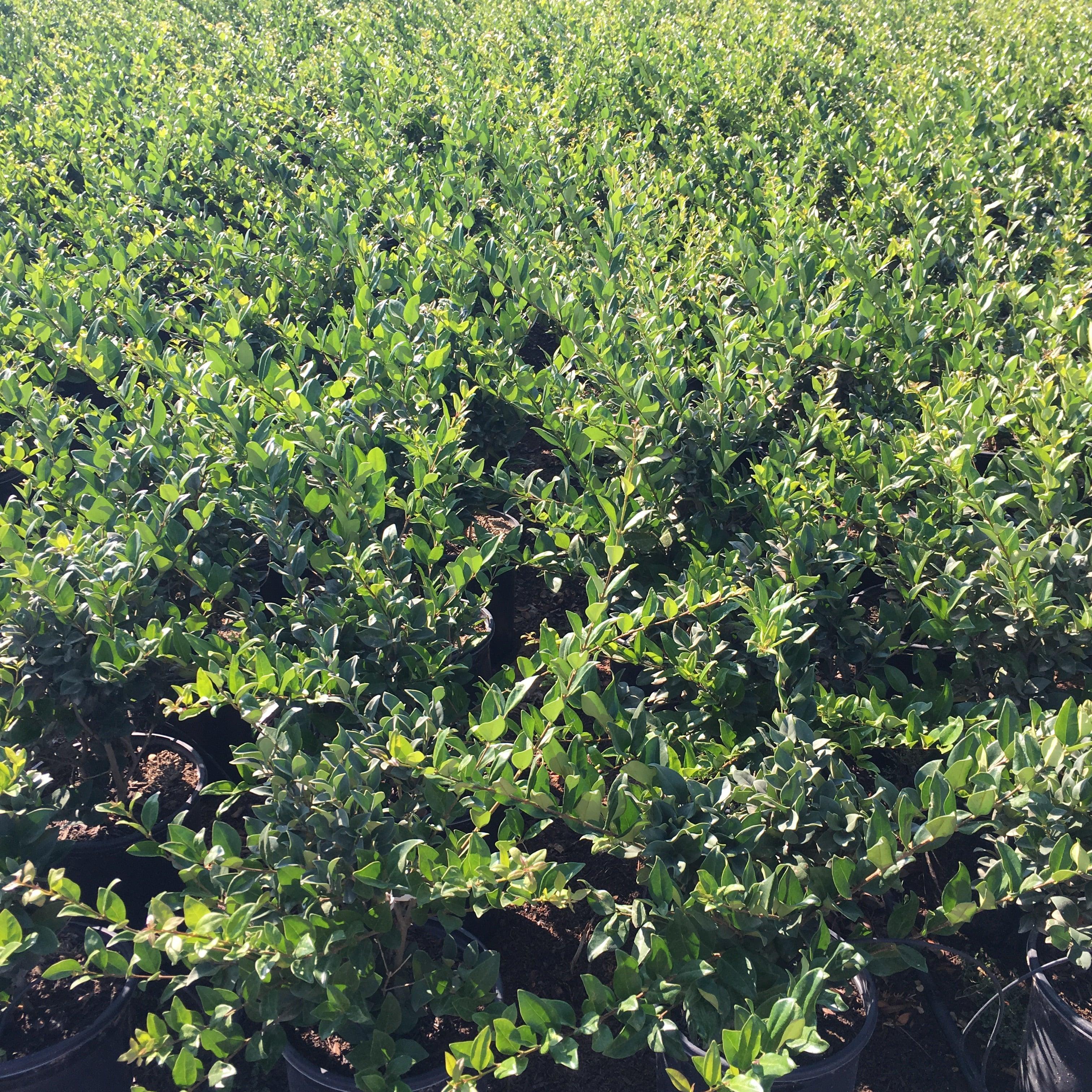
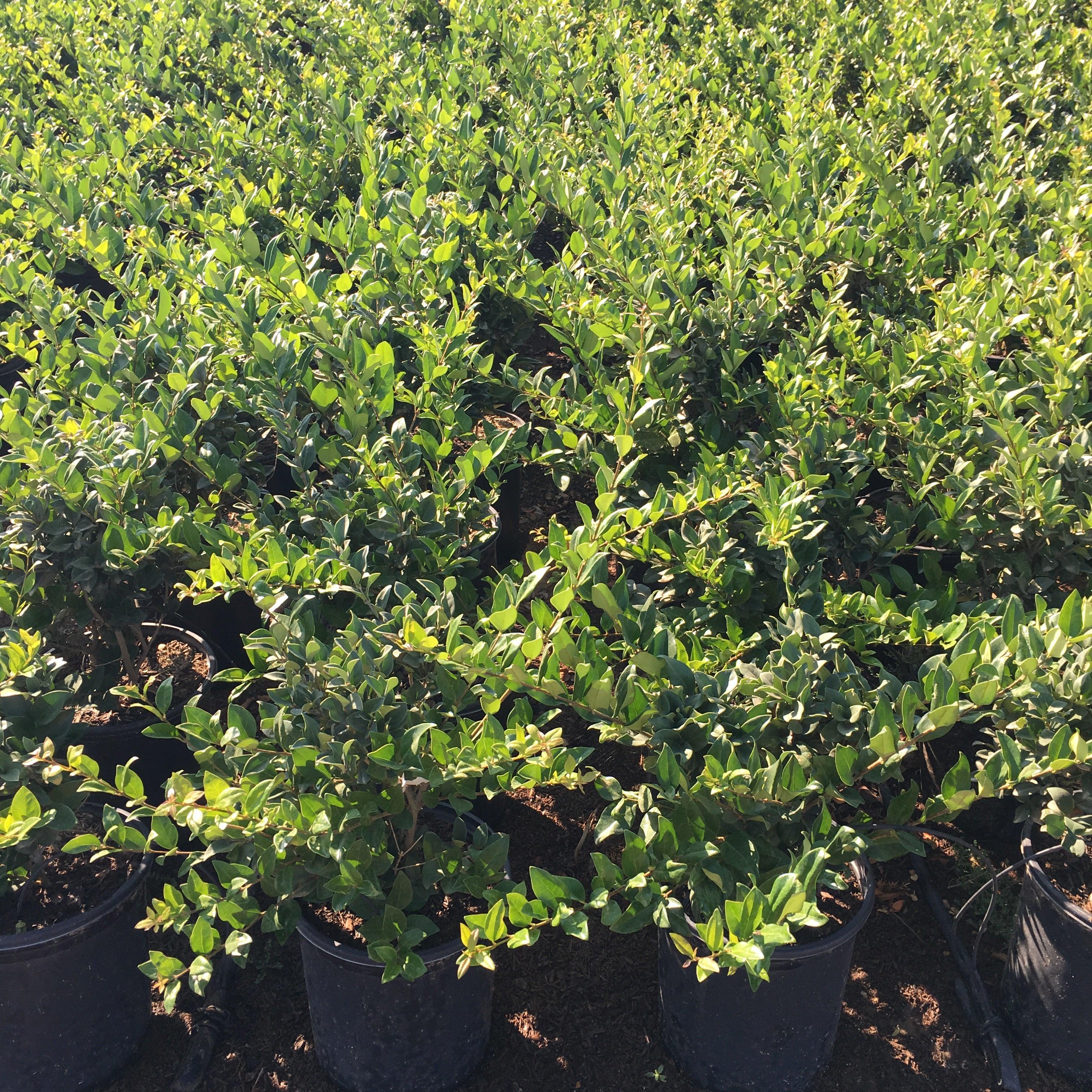
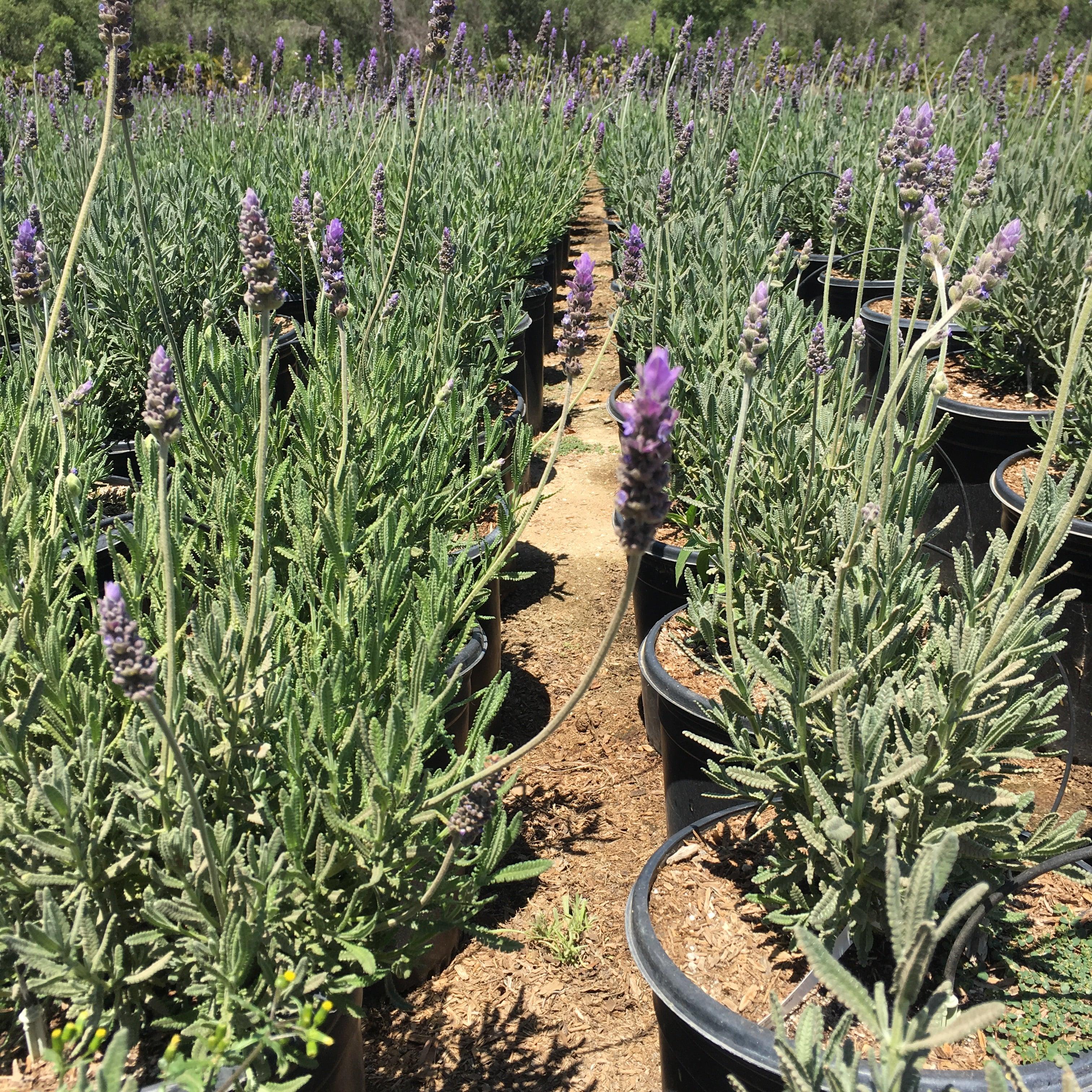
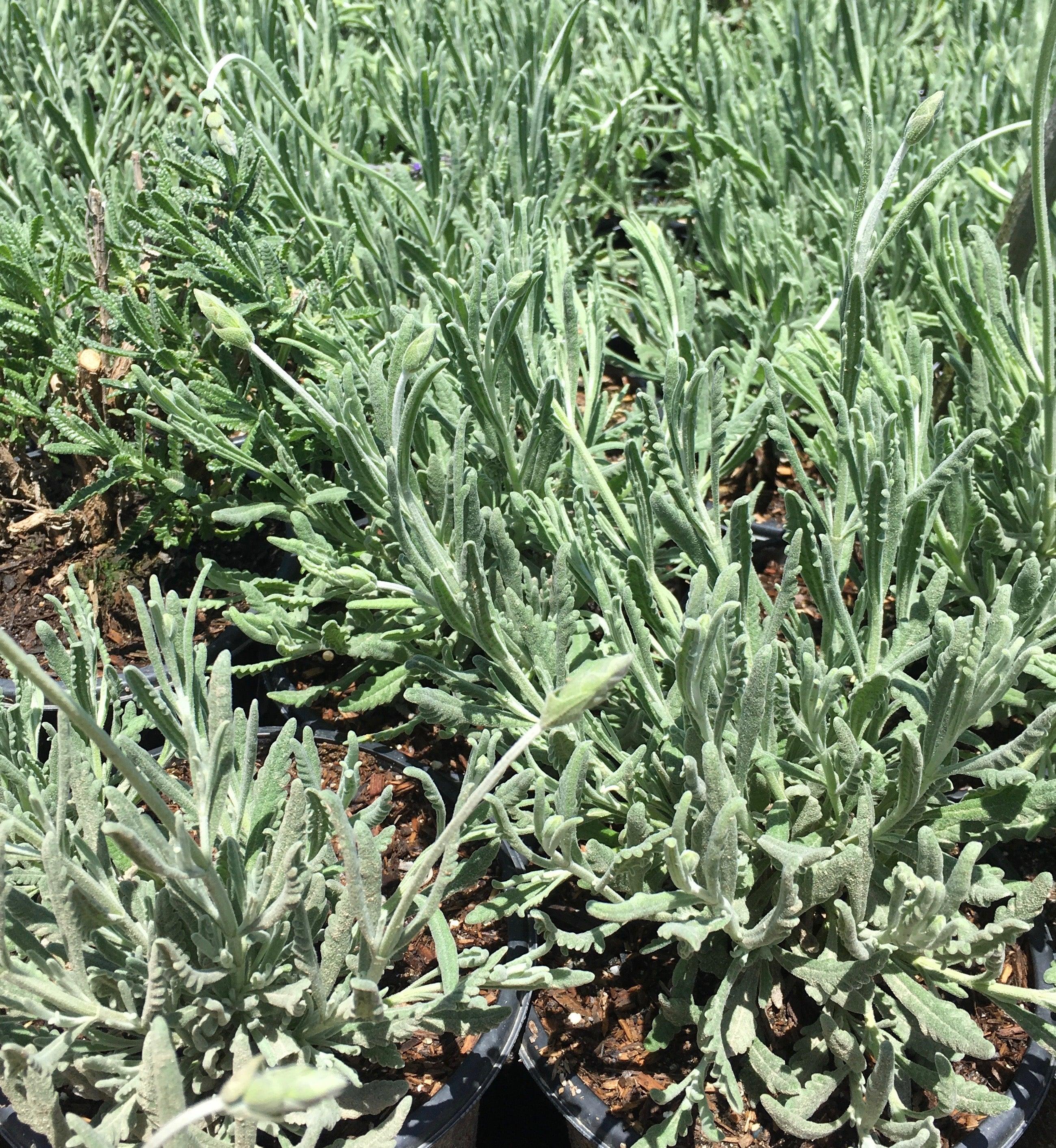
Autumn Sage (Salvia greggii) forms a compact, mounding shrub that typically reaches up to 3 feet in both height and width, making it an excellent choice for borders, mass plantings, or as a focal point in the garden, especially when paired with other drought-tolerant evergreens like the Australian Willow (Geijera parviflora). Its evergreen foliage remains lush and green year-round in warmer climates, emitting a subtle sage-like fragrance when touched or crushed. The plant’s slender, woody stems provide a sturdy framework, allowing it to maintain its attractive shape even when not in bloom. Adapted to thrive in challenging conditions, Autumn Sage is highly drought tolerant and can survive dry spells with minimal supplemental water once established, much like ornamental olive trees for Mediterranean-style gardens. Its versatility extends to soil preferences, as it grows well in both rocky soils and clay soils, provided there is good drainage. This resilience and adaptability make Salvia greggii a favorite among gardeners seeking low-maintenance, water-wise plants that deliver year-round interest and structure to the landscape.
Flowering and Color
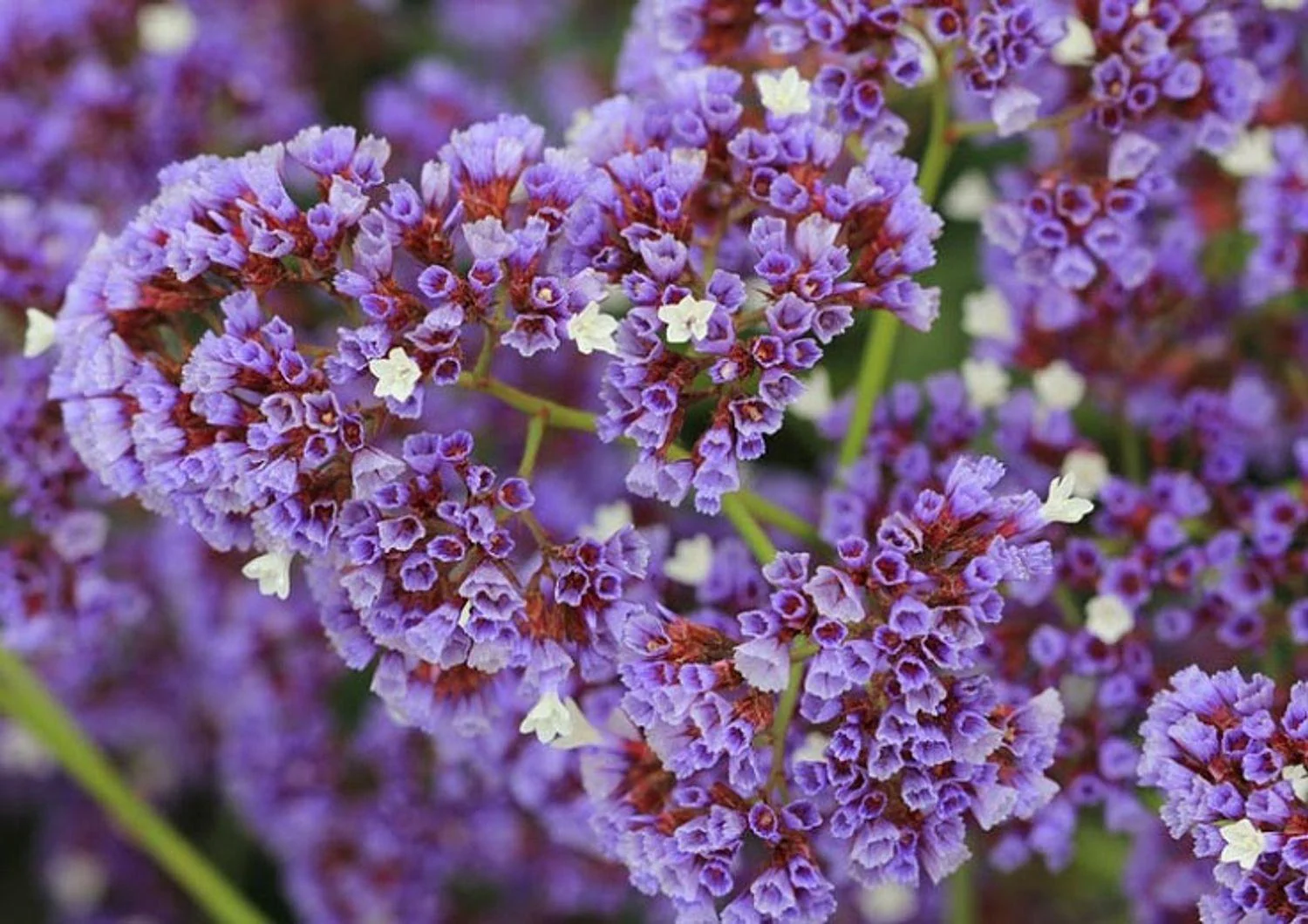
One of the most captivating features of Autumn Sage is its abundance of tubular flowers, which bloom in a range of shades including red, pink, and white. The dark red flowers of popular cultivars like ‘Furman’s Red’ are especially striking, lighting up the garden from late spring through early summer and again in the fall, much as the Arbutus ‘Marina’ Strawberry Tree provides vivid color and structure in mixed plantings. These vibrant blooms not only provide a stunning visual contrast against the plant’s green foliage but also serve as an essential food source for pollinators. Hummingbirds, butterflies, and bees are irresistibly drawn to the nectar-rich flowers, making Autumn Sage an excellent choice for gardeners looking to attract wildlife and support local ecosystems, especially when combined with dense, evergreen screens like Indian Laurel ficus privacy hedges. With its long blooming season and colorful display, Salvia greggii ensures your garden remains lively and beautiful well into autumn, while also playing a vital role in pollinator conservation.
Light Requirements
Autumn Sage flourishes in full sun, making it an ideal plant for gardens that receive plenty of direct sunlight throughout the day. In warmer climates, this sun-loving salvia thrives and produces its best blooms when exposed to at least six hours of sunlight daily. However, it can also tolerate partial shade, especially in regions where the afternoon sun can be intense. For gardeners growing Autumn Sage indoors or in areas with less consistent sunlight, placing the plant near a bright window or supplementing with grow lights during the winter months can help maintain healthy growth and flowering. Meeting the light requirements of Salvia greggii is essential for encouraging robust foliage and a prolific display of flowers, ensuring your garden remains vibrant from spring through autumn.
Optimal Growing Conditions
To achieve the best results with Autumn Sage, it’s important to provide optimal growing conditions tailored to its natural preferences. Salvia greggii thrives in well-draining soils with a slightly acidic to neutral pH, making it suitable for a variety of garden settings. Whether your soil is rocky, sandy, or even clay-based, this adaptable plant can establish itself as long as excess water can drain away easily, similar to the versatile Muskogee Crape Myrtle for warm climates. In terms of climate, Autumn Sage prefers warmer regions but is hardy enough to withstand occasional frost, making it a reliable perennial in USDA zones 6 through 9, where it can complement fruitless olive trees for elegant landscaping. During the growing season, regular watering—about one inch per week—is recommended, but care should be taken to avoid overwatering, as soggy soil can lead to root rot, a concern shared by heat-loving trees like the Natchez White Crape Myrtle. By providing the right balance of sunlight, soil, and moisture, gardeners can enjoy the lush foliage and vibrant blooms of Autumn Sage throughout the year, making it an excellent choice for both novice and experienced gardeners alike.
Product Information
Product Information
Shipping & Returns
Shipping & Returns
Description
Salvia greggii, widely known as Autumn Sage or Texas Sage, is a standout perennial shrub native to the sun-drenched landscapes of Texas and northern Mexico. Renowned for its drought tolerance and adaptability, this plant is an excellent choice for gardeners in warmer climates who seek both beauty and resilience in their gardens, similar in spirit to the semi-fruitless Wilsonii olive tree for hot, dry landscapes. Autumn Sage thrives in full sun and well-draining soil, producing a profusion of dark red flowers that add vibrant color from early spring through autumn, pairing beautifully with structure-providing trees like the Swan Hill fruitless olive. Its nectar-rich blooms are magnets for pollinators, attracting hummingbirds and butterflies throughout the growing season. Whether you’re looking to enhance your garden’s visual appeal or support local pollinator populations, Salvia greggii is a versatile and rewarding addition to any landscape. In this article, we’ll explore the unique characteristics, ideal growing conditions, and care tips for Autumn Sage, helping gardeners and landscaping enthusiasts make the most of this exceptional plant and better understand how it contrasts with classic olive tree appearance and form.
Characteristics
Autumn Sage (Salvia greggii) forms a compact, mounding shrub that typically reaches up to 3 feet in both height and width, making it an excellent choice for borders, mass plantings, or as a focal point in the garden, especially when paired with other drought-tolerant evergreens like the Australian Willow (Geijera parviflora). Its evergreen foliage remains lush and green year-round in warmer climates, emitting a subtle sage-like fragrance when touched or crushed. The plant’s slender, woody stems provide a sturdy framework, allowing it to maintain its attractive shape even when not in bloom. Adapted to thrive in challenging conditions, Autumn Sage is highly drought tolerant and can survive dry spells with minimal supplemental water once established, much like ornamental olive trees for Mediterranean-style gardens. Its versatility extends to soil preferences, as it grows well in both rocky soils and clay soils, provided there is good drainage. This resilience and adaptability make Salvia greggii a favorite among gardeners seeking low-maintenance, water-wise plants that deliver year-round interest and structure to the landscape.
Flowering and Color
One of the most captivating features of Autumn Sage is its abundance of tubular flowers, which bloom in a range of shades including red, pink, and white. The dark red flowers of popular cultivars like ‘Furman’s Red’ are especially striking, lighting up the garden from late spring through early summer and again in the fall, much as the Arbutus ‘Marina’ Strawberry Tree provides vivid color and structure in mixed plantings. These vibrant blooms not only provide a stunning visual contrast against the plant’s green foliage but also serve as an essential food source for pollinators. Hummingbirds, butterflies, and bees are irresistibly drawn to the nectar-rich flowers, making Autumn Sage an excellent choice for gardeners looking to attract wildlife and support local ecosystems, especially when combined with dense, evergreen screens like Indian Laurel ficus privacy hedges. With its long blooming season and colorful display, Salvia greggii ensures your garden remains lively and beautiful well into autumn, while also playing a vital role in pollinator conservation.
Light Requirements
Autumn Sage flourishes in full sun, making it an ideal plant for gardens that receive plenty of direct sunlight throughout the day. In warmer climates, this sun-loving salvia thrives and produces its best blooms when exposed to at least six hours of sunlight daily. However, it can also tolerate partial shade, especially in regions where the afternoon sun can be intense. For gardeners growing Autumn Sage indoors or in areas with less consistent sunlight, placing the plant near a bright window or supplementing with grow lights during the winter months can help maintain healthy growth and flowering. Meeting the light requirements of Salvia greggii is essential for encouraging robust foliage and a prolific display of flowers, ensuring your garden remains vibrant from spring through autumn.
Optimal Growing Conditions
To achieve the best results with Autumn Sage, it’s important to provide optimal growing conditions tailored to its natural preferences. Salvia greggii thrives in well-draining soils with a slightly acidic to neutral pH, making it suitable for a variety of garden settings. Whether your soil is rocky, sandy, or even clay-based, this adaptable plant can establish itself as long as excess water can drain away easily, similar to the versatile Muskogee Crape Myrtle for warm climates. In terms of climate, Autumn Sage prefers warmer regions but is hardy enough to withstand occasional frost, making it a reliable perennial in USDA zones 6 through 9, where it can complement fruitless olive trees for elegant landscaping. During the growing season, regular watering—about one inch per week—is recommended, but care should be taken to avoid overwatering, as soggy soil can lead to root rot, a concern shared by heat-loving trees like the Natchez White Crape Myrtle. By providing the right balance of sunlight, soil, and moisture, gardeners can enjoy the lush foliage and vibrant blooms of Autumn Sage throughout the year, making it an excellent choice for both novice and experienced gardeners alike.