Mexican Feather Grass (Nassella Tenuissima Stipa)
Transform Your Landscape with Drought-Tolerant Elegance
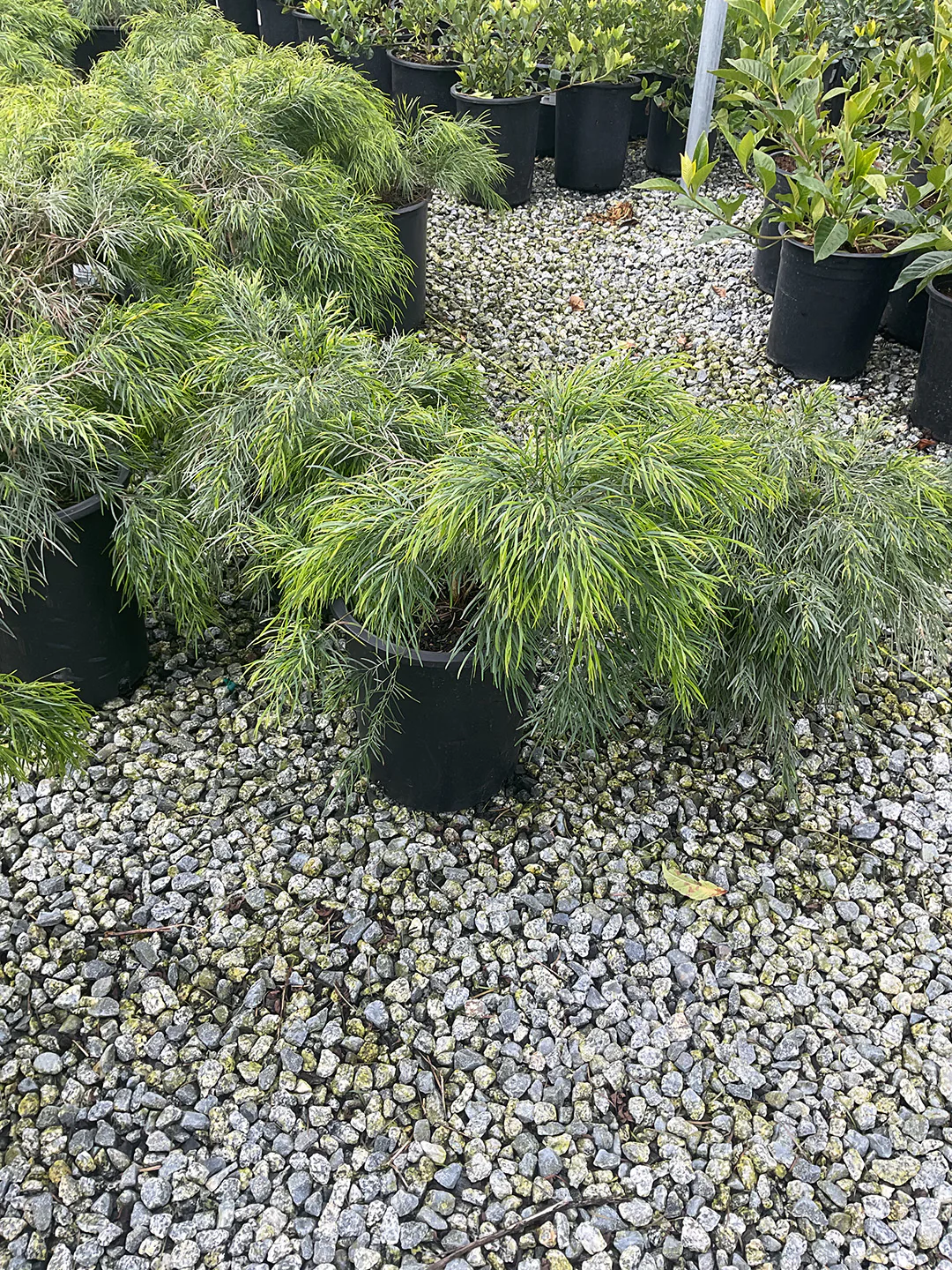
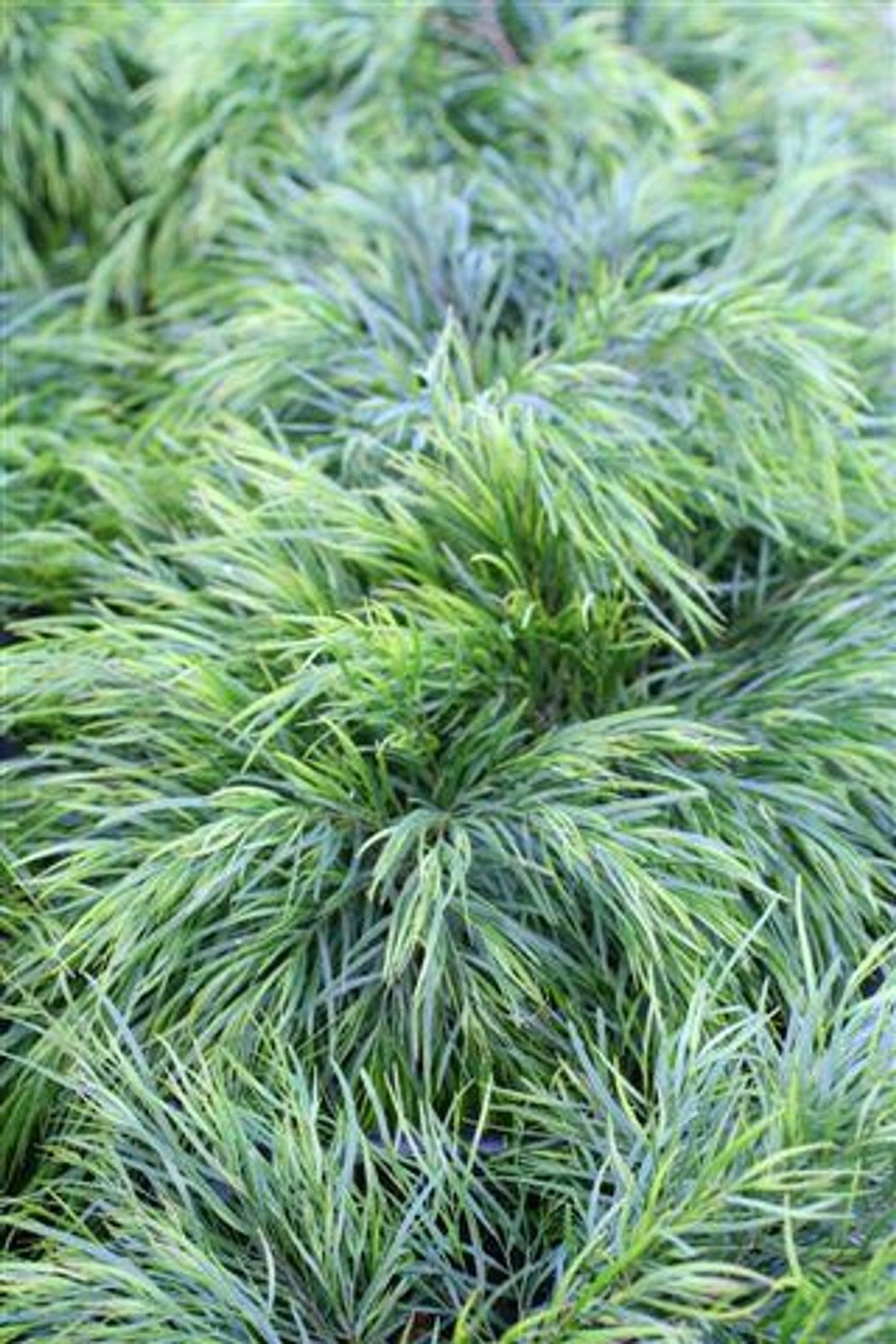
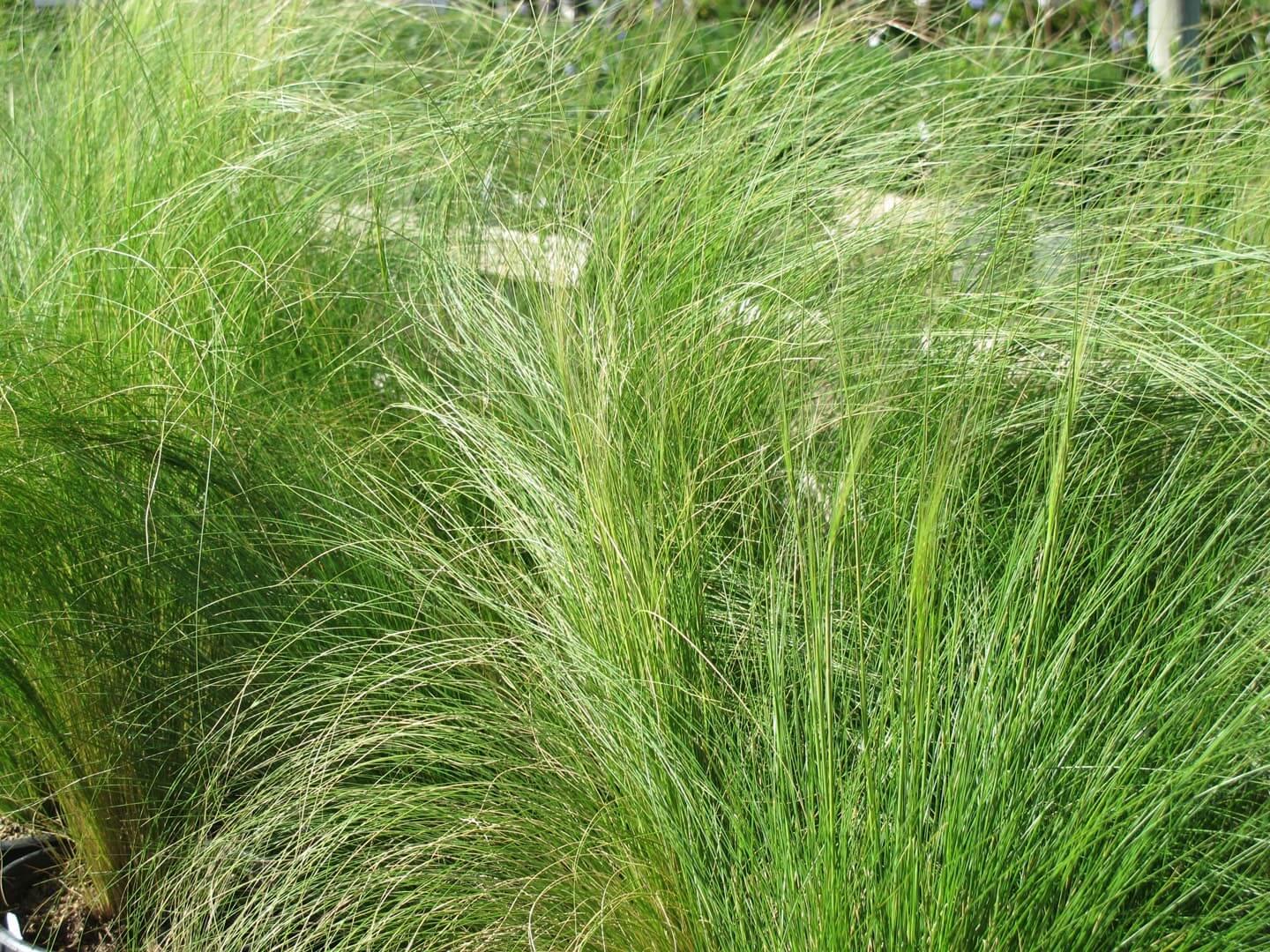
Mexican Feather Grass adds soft movement, fine texture, and low-water beauty to sunny landscapes without demanding constant care. This drought tolerant ornamental grass forms delicate, silky clumps that sway in the slightest breeze, bringing motion to borders, rock gardens, containers, slopes, and mass plantings.
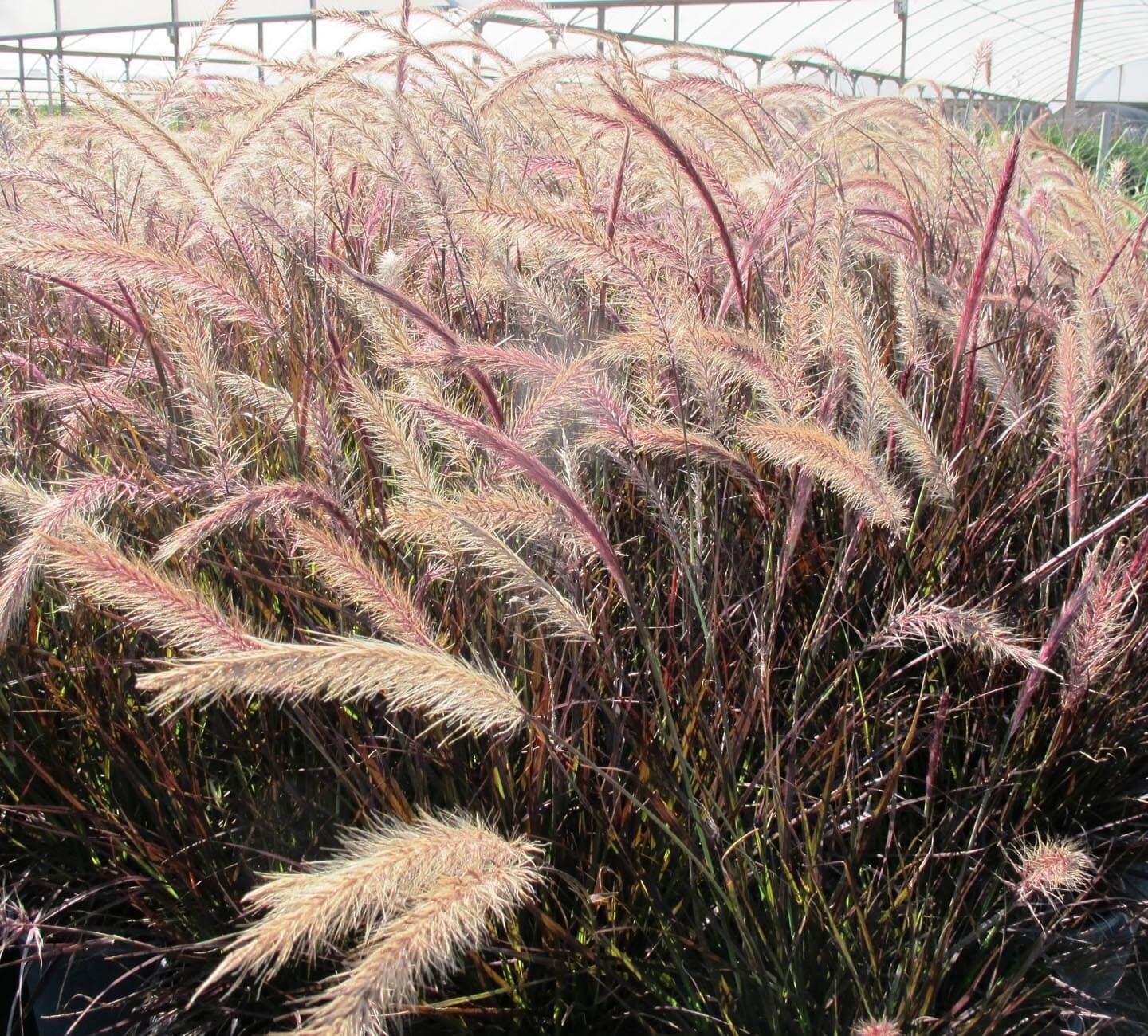
Also known as Nassella tenuissima or Stipa tenuissima, mexican feather grass is a cool season grass valued for its threadlike green foliage in spring, blonde seed panicles by summer, and golden blonde winter color. Once established in full sun and well drained soil, it is easy to grow, low maintenance, and well suited to dry, climate-aware garden designs.
Why You’ll Love It
-
Low-water performance – This drought-tolerant grass prefers dry to average moisture levels, helping reduce irrigation needs in xeriscape and low-water landscapes.
-
Beautiful movement in the landscape – Fine, delicate foliage and airy plumes create soft motion when touched by wind or backlit by sunlight.
-
Seasonal color interest – The grass features delicate, threadlike leaves that are green in spring and turn a golden blonde in winter, providing seasonal interest in the garden.
-
Showy summer seedheads – Mexican Feather Grass produces airy plumes of gold flowers in mid-summer, with showy seed heads that persist from late summer to late winter, enhancing its ornamental value.
-
Natural expansion where appropriate – A single Mexican feather grass plant can produce up to 70,000 seeds, which can lead to prolific self-seeding and seedlings around the parent clumps.
Mexican Feather Grass has a distinct seasonal color shift, with bright green foliage in spring maturing into soft, blonde seed panicles by summer. Its feathery texture works especially well in mass plantings, along borders, in rock gardens, and anywhere you want a garden to feel lighter, softer, and more alive.
Please note: Mexican feather grass is classified as an emerging invasive threat due to its aggressive reproductive habits. In California and other sensitive regions, gardeners should be aware of local guidance, remove seedheads before spread if needed, and avoid planting near wild open space, agriculture areas, or natural habitats.
What Makes It Different
Most ornamental grasses need more water, more space, or heavier seasonal cleanup to stay healthy and attractive. Mexican Feather Grass is different because it combines drought tolerance, compact growth, and unusually fine texture in one plant.
Mexican Feather Grass (Nassella tenuissima) is built for dry, open conditions:
-
Adapted to hot, dry climates – This species is native to parts of Texas, New Mexico, and Mexico, where it has adapted to sun, rocky soil, and seasonal drought.
-
Exceptionally fine texture – Its thin, hairlike foliage contrasts beautifully with broader-leafed plants, conifers, succulents, lavender, yarrow, and other medium-textured perennials.
-
Cool-season growth – As a cool season grass, Mexican Feather Grass can begin growing in spring while many warm-season plants are still slow to wake up.
-
Compact mature height – Mexican Feather Grass (Nassella tenuissima) is a perennial bunch grass that typically grows to a height of 1 to 2 feet and can spread 1 to 2 feet wide.
-
Flexible landscape use – Mexican Feather Grass is best used in masses as an open, airy groundcover, for edging beds, or to cover steep banks, making it suitable for various landscape applications alongside other drought-tolerant ornamental grasses like Autumn Moor Grass.
This ornamental grass is ideal for low maintenance gardening and is particularly suited for dry, low-water areas, making it a popular choice for xeriscape plantings. Mexican feather grass can also stabilize soil on sloped terrains with its deep root system, making it effective for erosion control.
How It Works Best In Your Landscape
-
Plant in the right place
Choose a designated place with full sun to partial shade and well drained soil. Mexican Feather Grass thrives best in full sun to partial shade, requiring well-drained soil to prevent root rot from standing water. -
Water lightly while it establishes
Water during the first season, especially during the first week after planting and during dry temperatures, then reduce irrigation once the grass is established. This grass is drought-tolerant and prefers dry to average moisture levels, thriving in well-drained soil and often dying in standing water. -
Let the texture and color develop
Enjoy green spring foliage, soft blonde seed panicles by summer, gold flowers in mid-summer, and seed heads that carry interest into winter. Mexican Feather Grass features delicate, airy plumes that add texture and movement to the landscape, especially when backlit by the sun, enhancing visual interest in garden designs.
Plant in spring when possible, especially in cooler zones, so the root system has time to settle before summer heat or winter cold. Mexican Feather Grass is a low-maintenance plant that should be cleaned up in early spring before it resumes active growth for the season. Mexican Feather Grass can be propagated by division in the spring, and it is recommended to shear the plants back in late winter for a tidier appearance before new growth begins.
Product Details
-
Scientific Name: Nassella tenuissima
-
Also Known As: Mexican Feather Grass, mexican feathergrass, feather grass, Stipa tenuissima
-
Plant Type: Perennial bunch grass / ornamental grass
-
Mature Size: 1 to 2 feet tall and 1 to 2 feet wide
-
Mature Height: Typically 1 to 2 feet
-
Sun Requirements: Full sun to partial shade; best flowering and strongest form in full sun
-
Water Needs: Low to moderate during establishment; drought tolerant once established
-
Soil Type: Well drained soil; tolerates rocky, sandy, loamy, and poor soils
-
Soil pH: Adaptable; Mexican Feather Grass can grow in a variety of soil types and is not particular about soil pH, but it does best in rock mulch rather than wood chips.
-
Bloom Time: Airy plumes of gold flowers in mid-summer; silvery to blonde seedheads may appear by June in many climates
-
Seasonal Interest: Green foliage in spring, soft blonde seed panicles in summer, golden blonde tones in fall and winter
-
Hardiness Zones: Commonly grown in USDA Zones 6–9, with performance depending on local climate and winter temperatures
-
Native Range: Native to parts of Texas, New Mexico, Mexico, and regions farther south; not considered a California native plant
-
Maintenance: Shear in late winter for tidiness; clean up in early spring before new growth begins
-
Pest & Disease Resistance: The grass is highly resistant to common garden pests and diseases, making it low maintenance in those respects.
-
Pet Note: Mexican feather grass contains saponins, which can cause severe digestive distress if ingested by dogs.
-
Invasive Awareness: Mexican feather grass is classified as an emerging invasive threat due to its aggressive reproductive habits; availability and stock may vary by region based on local planting guidance.
For best results, avoid standing water, heavy wet clay, and overwatering. Use rock mulch where possible, give each plant enough space for a mature 1 to 2 foot spread, and manage seeds if self sowing is not wanted.
Who It’s For
Ideal for:
-
California homeowners creating water-wise landscapes and low-water yard designs
-
Gardeners seeking a low-maintenance, drought tolerant grass with delicate movement
-
Landscape designers planning xeriscapes, rock gardens, borders, or mass plantings
-
Homeowners who want compact ornamental grass for edging beds, slopes, containers, or natural landscape designs
-
Gardeners comparing native plants, climate-adapted species, and climate-adapted alternatives for dry gardens like Mexican grass tree
If you want a beautiful grass that brings movement, sunlight-catching seedheads, and soft seasonal color to your landscape, Mexican Feather Grass can be an excellent choice when planted responsibly, as can Karl Foerster feather reed grass for structured vertical accents. For eco-sensitive sites, wildland edges, or areas where this species has been identified as invasive, Yardwork recommends checking local guidance or asking about native alternatives before planting.
Frequently Asked Questions
Does Mexican Feather Grass self-seed?
Yes. A single Mexican feather grass plant can produce up to 70,000 seeds, which can lead to prolific self-seeding. If you want to keep it in a designated place, remove seedheads before they mature, monitor for seedlings, and avoid planting near open wildlands or agriculture areas. This self sowing habit is one reason the species is considered aggressive and invasive in some regions, including areas of California; it has also raised concern in Australia.
Will it go dormant in hot summer weather?
It can. Mexican Feather Grass is a cool season grass, so it often puts on its strongest growth in spring and may slow down or look semi-dormant during intense summer heat, dry periods, or humid weather. Growth often improves again as temperatures cool and moisture returns.
What should I plant with Mexican Feather Grass?
Use it with plants that contrast against its thin, delicate foliage. Good companion examples include succulents, lavender, yarrow, broadleaf perennials, compact conifers, and other drought tolerant plants, as well as flowering trees that add seasonal color and height. It is especially beautiful in rock gardens, along borders, in containers, and in mass plantings where the clumps can move together in the slightest breeze.
How far apart should I space the plants?
Plan for a mature spread of 1 to 2 feet wide. For a soft, open groundcover effect, space plants closer together. For individual clumps in a border or rock garden, give each plant enough room to show its natural fountain shape.
What does it look like in winter?
The foliage shifts from green in spring to golden blonde in winter. Showy seed heads can persist from late summer to late winter, adding structure and texture after many garden flowers have faded. In colder zones, it may not remain evergreen and can look more dormant until spring.
When should I cut it back?
Shear plants back in late winter for a tidier appearance before new growth begins, then do any final cleanup in early spring before the plant resumes active growth for the season. Avoid cutting too harshly into the crown, especially if the plant is stressed.
Is Mexican Feather Grass deer resistant and pest resistant?
Mexican Feather Grass is generally avoided by many browsing animals and is highly resistant to common garden pests and diseases. Its main problems are usually cultural: too much water, poor drainage, standing water, or unwanted spread from seeds.
Is Mexican Feather Grass safe for dogs?
Use caution. Mexican feather grass contains saponins, which can cause severe digestive distress if ingested by dogs. If pets chew plants in your yard, choose placement carefully or ask Yardwork for pet-conscious alternatives, especially when considering larger landscape trees such as the California pepper tree and its potential impacts.
Ready to Transform Your Landscape?
Stop settling for thirsty, high-maintenance grass in dry garden spaces. Choose Mexican Feather Grass (Nassella tenuissima) for soft movement, drought tolerant performance, and year-round texture in the right landscape setting.
Yardwork helps California gardeners choose climate-appropriate plants with clear guidance on water use, maintenance, and regional responsibility, whether you’re browsing a plant nursery near you for landscape inspiration or comparing evergreen and fast-growing trees for privacy planting. If you are unsure whether mexican feather is the right plant for your area, ask us about local suitability, invasive concerns, or native plant alternatives before you plan your landscape.
Our goal is to provide healthy plants, whether you’re adding an evergreen California pepper tree for shade and structure, a Mexican fan palm for a tall, tropical focal point, or cheesewood (Pittosporum) for tidy hedges and borders.
Product Information
Product Information
Shipping & Returns
Shipping & Returns
Description
Transform Your Landscape with Drought-Tolerant Elegance
Mexican Feather Grass adds soft movement, fine texture, and low-water beauty to sunny landscapes without demanding constant care. This drought tolerant ornamental grass forms delicate, silky clumps that sway in the slightest breeze, bringing motion to borders, rock gardens, containers, slopes, and mass plantings.
Also known as Nassella tenuissima or Stipa tenuissima, mexican feather grass is a cool season grass valued for its threadlike green foliage in spring, blonde seed panicles by summer, and golden blonde winter color. Once established in full sun and well drained soil, it is easy to grow, low maintenance, and well suited to dry, climate-aware garden designs.
Why You’ll Love It
-
Low-water performance – This drought-tolerant grass prefers dry to average moisture levels, helping reduce irrigation needs in xeriscape and low-water landscapes.
-
Beautiful movement in the landscape – Fine, delicate foliage and airy plumes create soft motion when touched by wind or backlit by sunlight.
-
Seasonal color interest – The grass features delicate, threadlike leaves that are green in spring and turn a golden blonde in winter, providing seasonal interest in the garden.
-
Showy summer seedheads – Mexican Feather Grass produces airy plumes of gold flowers in mid-summer, with showy seed heads that persist from late summer to late winter, enhancing its ornamental value.
-
Natural expansion where appropriate – A single Mexican feather grass plant can produce up to 70,000 seeds, which can lead to prolific self-seeding and seedlings around the parent clumps.
Mexican Feather Grass has a distinct seasonal color shift, with bright green foliage in spring maturing into soft, blonde seed panicles by summer. Its feathery texture works especially well in mass plantings, along borders, in rock gardens, and anywhere you want a garden to feel lighter, softer, and more alive.
Please note: Mexican feather grass is classified as an emerging invasive threat due to its aggressive reproductive habits. In California and other sensitive regions, gardeners should be aware of local guidance, remove seedheads before spread if needed, and avoid planting near wild open space, agriculture areas, or natural habitats.
What Makes It Different
Most ornamental grasses need more water, more space, or heavier seasonal cleanup to stay healthy and attractive. Mexican Feather Grass is different because it combines drought tolerance, compact growth, and unusually fine texture in one plant.
Mexican Feather Grass (Nassella tenuissima) is built for dry, open conditions:
-
Adapted to hot, dry climates – This species is native to parts of Texas, New Mexico, and Mexico, where it has adapted to sun, rocky soil, and seasonal drought.
-
Exceptionally fine texture – Its thin, hairlike foliage contrasts beautifully with broader-leafed plants, conifers, succulents, lavender, yarrow, and other medium-textured perennials.
-
Cool-season growth – As a cool season grass, Mexican Feather Grass can begin growing in spring while many warm-season plants are still slow to wake up.
-
Compact mature height – Mexican Feather Grass (Nassella tenuissima) is a perennial bunch grass that typically grows to a height of 1 to 2 feet and can spread 1 to 2 feet wide.
-
Flexible landscape use – Mexican Feather Grass is best used in masses as an open, airy groundcover, for edging beds, or to cover steep banks, making it suitable for various landscape applications alongside other drought-tolerant ornamental grasses like Autumn Moor Grass.
This ornamental grass is ideal for low maintenance gardening and is particularly suited for dry, low-water areas, making it a popular choice for xeriscape plantings. Mexican feather grass can also stabilize soil on sloped terrains with its deep root system, making it effective for erosion control.
How It Works Best In Your Landscape
-
Plant in the right place
Choose a designated place with full sun to partial shade and well drained soil. Mexican Feather Grass thrives best in full sun to partial shade, requiring well-drained soil to prevent root rot from standing water. -
Water lightly while it establishes
Water during the first season, especially during the first week after planting and during dry temperatures, then reduce irrigation once the grass is established. This grass is drought-tolerant and prefers dry to average moisture levels, thriving in well-drained soil and often dying in standing water. -
Let the texture and color develop
Enjoy green spring foliage, soft blonde seed panicles by summer, gold flowers in mid-summer, and seed heads that carry interest into winter. Mexican Feather Grass features delicate, airy plumes that add texture and movement to the landscape, especially when backlit by the sun, enhancing visual interest in garden designs.
Plant in spring when possible, especially in cooler zones, so the root system has time to settle before summer heat or winter cold. Mexican Feather Grass is a low-maintenance plant that should be cleaned up in early spring before it resumes active growth for the season. Mexican Feather Grass can be propagated by division in the spring, and it is recommended to shear the plants back in late winter for a tidier appearance before new growth begins.
Product Details
-
Scientific Name: Nassella tenuissima
-
Also Known As: Mexican Feather Grass, mexican feathergrass, feather grass, Stipa tenuissima
-
Plant Type: Perennial bunch grass / ornamental grass
-
Mature Size: 1 to 2 feet tall and 1 to 2 feet wide
-
Mature Height: Typically 1 to 2 feet
-
Sun Requirements: Full sun to partial shade; best flowering and strongest form in full sun
-
Water Needs: Low to moderate during establishment; drought tolerant once established
-
Soil Type: Well drained soil; tolerates rocky, sandy, loamy, and poor soils
-
Soil pH: Adaptable; Mexican Feather Grass can grow in a variety of soil types and is not particular about soil pH, but it does best in rock mulch rather than wood chips.
-
Bloom Time: Airy plumes of gold flowers in mid-summer; silvery to blonde seedheads may appear by June in many climates
-
Seasonal Interest: Green foliage in spring, soft blonde seed panicles in summer, golden blonde tones in fall and winter
-
Hardiness Zones: Commonly grown in USDA Zones 6–9, with performance depending on local climate and winter temperatures
-
Native Range: Native to parts of Texas, New Mexico, Mexico, and regions farther south; not considered a California native plant
-
Maintenance: Shear in late winter for tidiness; clean up in early spring before new growth begins
-
Pest & Disease Resistance: The grass is highly resistant to common garden pests and diseases, making it low maintenance in those respects.
-
Pet Note: Mexican feather grass contains saponins, which can cause severe digestive distress if ingested by dogs.
-
Invasive Awareness: Mexican feather grass is classified as an emerging invasive threat due to its aggressive reproductive habits; availability and stock may vary by region based on local planting guidance.
For best results, avoid standing water, heavy wet clay, and overwatering. Use rock mulch where possible, give each plant enough space for a mature 1 to 2 foot spread, and manage seeds if self sowing is not wanted.
Who It’s For
Ideal for:
-
California homeowners creating water-wise landscapes and low-water yard designs
-
Gardeners seeking a low-maintenance, drought tolerant grass with delicate movement
-
Landscape designers planning xeriscapes, rock gardens, borders, or mass plantings
-
Homeowners who want compact ornamental grass for edging beds, slopes, containers, or natural landscape designs
-
Gardeners comparing native plants, climate-adapted species, and climate-adapted alternatives for dry gardens like Mexican grass tree
If you want a beautiful grass that brings movement, sunlight-catching seedheads, and soft seasonal color to your landscape, Mexican Feather Grass can be an excellent choice when planted responsibly, as can Karl Foerster feather reed grass for structured vertical accents. For eco-sensitive sites, wildland edges, or areas where this species has been identified as invasive, Yardwork recommends checking local guidance or asking about native alternatives before planting.
Frequently Asked Questions
Does Mexican Feather Grass self-seed?
Yes. A single Mexican feather grass plant can produce up to 70,000 seeds, which can lead to prolific self-seeding. If you want to keep it in a designated place, remove seedheads before they mature, monitor for seedlings, and avoid planting near open wildlands or agriculture areas. This self sowing habit is one reason the species is considered aggressive and invasive in some regions, including areas of California; it has also raised concern in Australia.
Will it go dormant in hot summer weather?
It can. Mexican Feather Grass is a cool season grass, so it often puts on its strongest growth in spring and may slow down or look semi-dormant during intense summer heat, dry periods, or humid weather. Growth often improves again as temperatures cool and moisture returns.
What should I plant with Mexican Feather Grass?
Use it with plants that contrast against its thin, delicate foliage. Good companion examples include succulents, lavender, yarrow, broadleaf perennials, compact conifers, and other drought tolerant plants, as well as flowering trees that add seasonal color and height. It is especially beautiful in rock gardens, along borders, in containers, and in mass plantings where the clumps can move together in the slightest breeze.
How far apart should I space the plants?
Plan for a mature spread of 1 to 2 feet wide. For a soft, open groundcover effect, space plants closer together. For individual clumps in a border or rock garden, give each plant enough room to show its natural fountain shape.
What does it look like in winter?
The foliage shifts from green in spring to golden blonde in winter. Showy seed heads can persist from late summer to late winter, adding structure and texture after many garden flowers have faded. In colder zones, it may not remain evergreen and can look more dormant until spring.
When should I cut it back?
Shear plants back in late winter for a tidier appearance before new growth begins, then do any final cleanup in early spring before the plant resumes active growth for the season. Avoid cutting too harshly into the crown, especially if the plant is stressed.
Is Mexican Feather Grass deer resistant and pest resistant?
Mexican Feather Grass is generally avoided by many browsing animals and is highly resistant to common garden pests and diseases. Its main problems are usually cultural: too much water, poor drainage, standing water, or unwanted spread from seeds.
Is Mexican Feather Grass safe for dogs?
Use caution. Mexican feather grass contains saponins, which can cause severe digestive distress if ingested by dogs. If pets chew plants in your yard, choose placement carefully or ask Yardwork for pet-conscious alternatives, especially when considering larger landscape trees such as the California pepper tree and its potential impacts.
Ready to Transform Your Landscape?
Stop settling for thirsty, high-maintenance grass in dry garden spaces. Choose Mexican Feather Grass (Nassella tenuissima) for soft movement, drought tolerant performance, and year-round texture in the right landscape setting.
Yardwork helps California gardeners choose climate-appropriate plants with clear guidance on water use, maintenance, and regional responsibility, whether you’re browsing a plant nursery near you for landscape inspiration or comparing evergreen and fast-growing trees for privacy planting. If you are unsure whether mexican feather is the right plant for your area, ask us about local suitability, invasive concerns, or native plant alternatives before you plan your landscape.
Our goal is to provide healthy plants, whether you’re adding an evergreen California pepper tree for shade and structure, a Mexican fan palm for a tall, tropical focal point, or cheesewood (Pittosporum) for tidy hedges and borders.