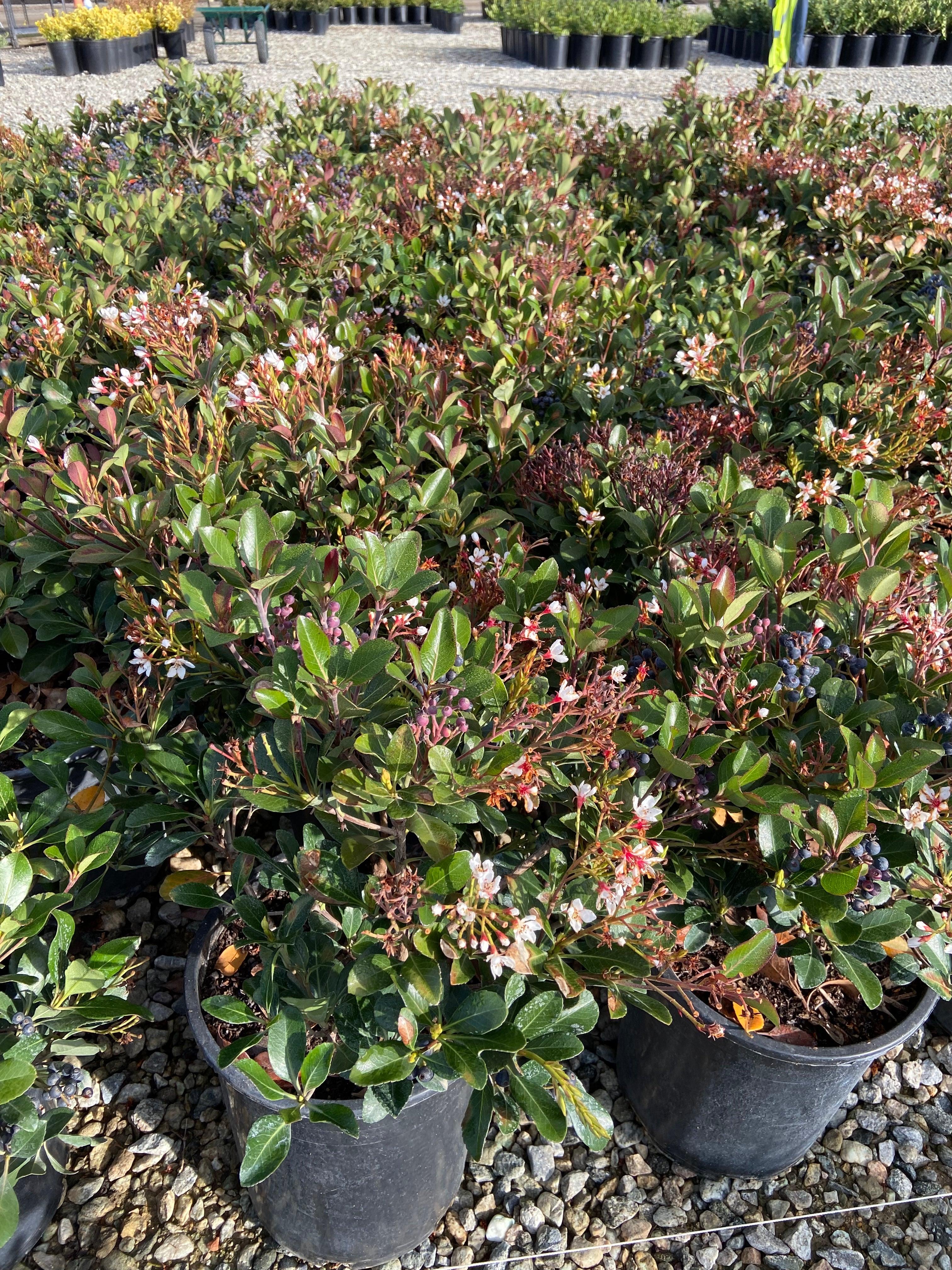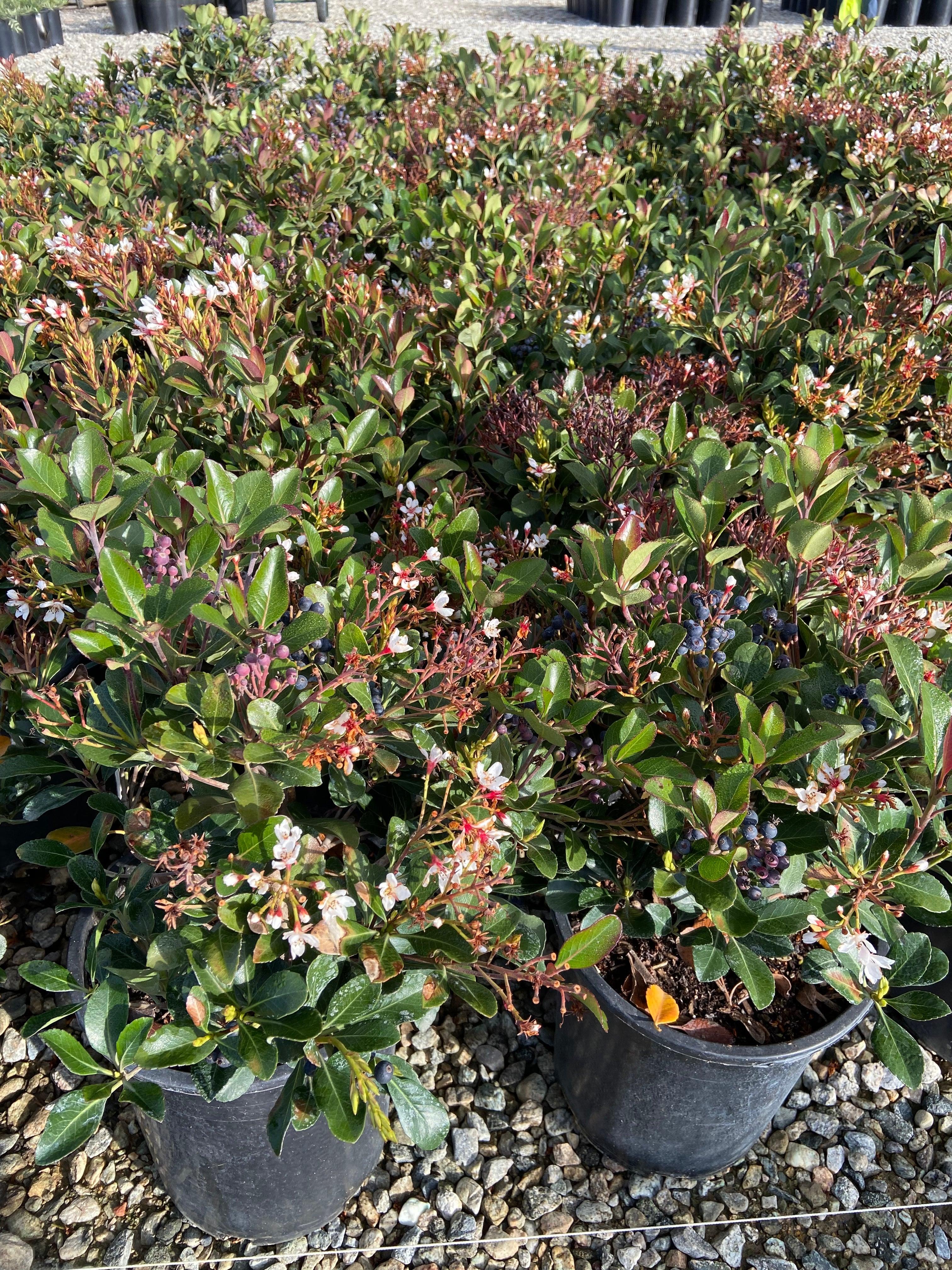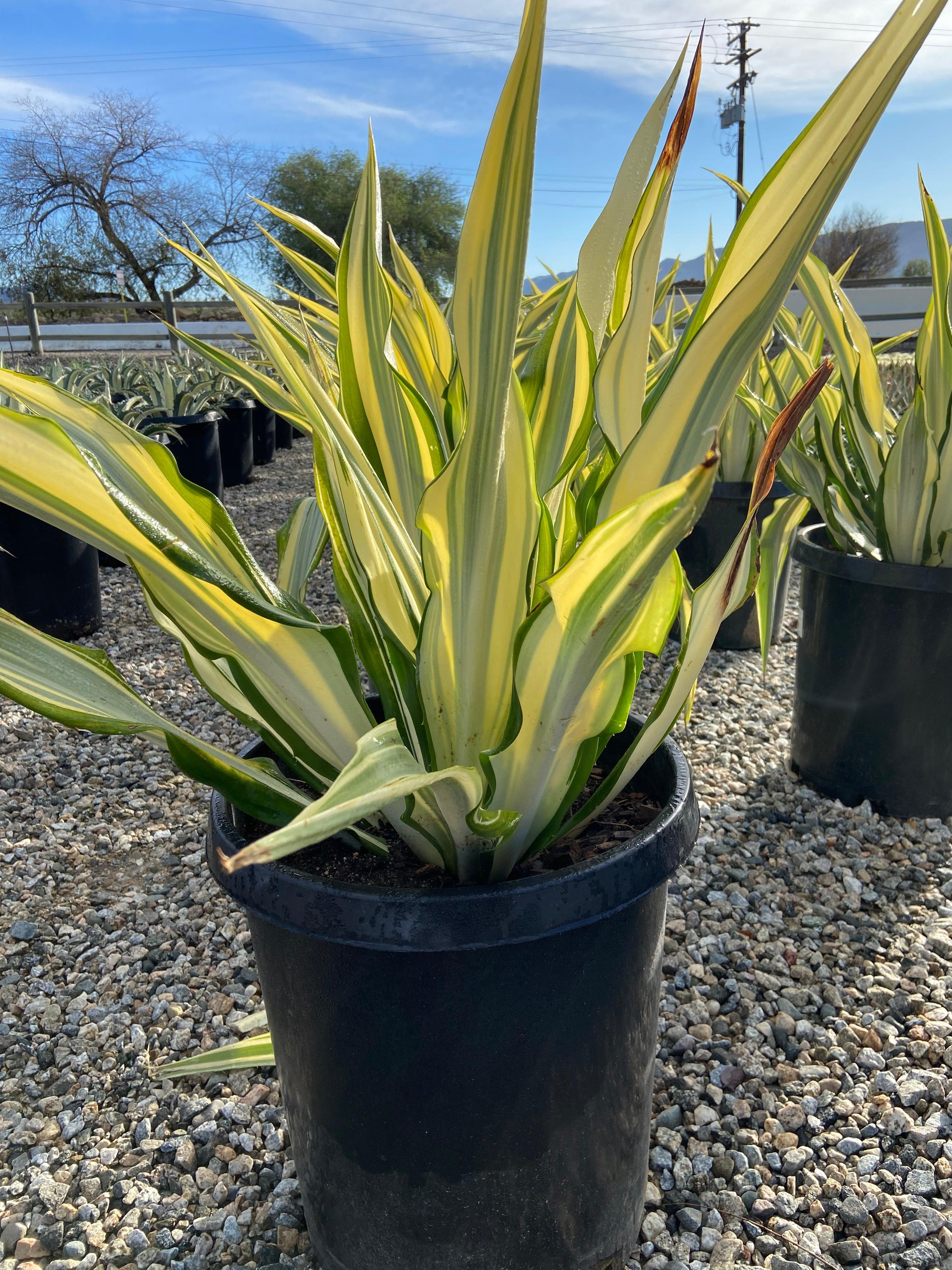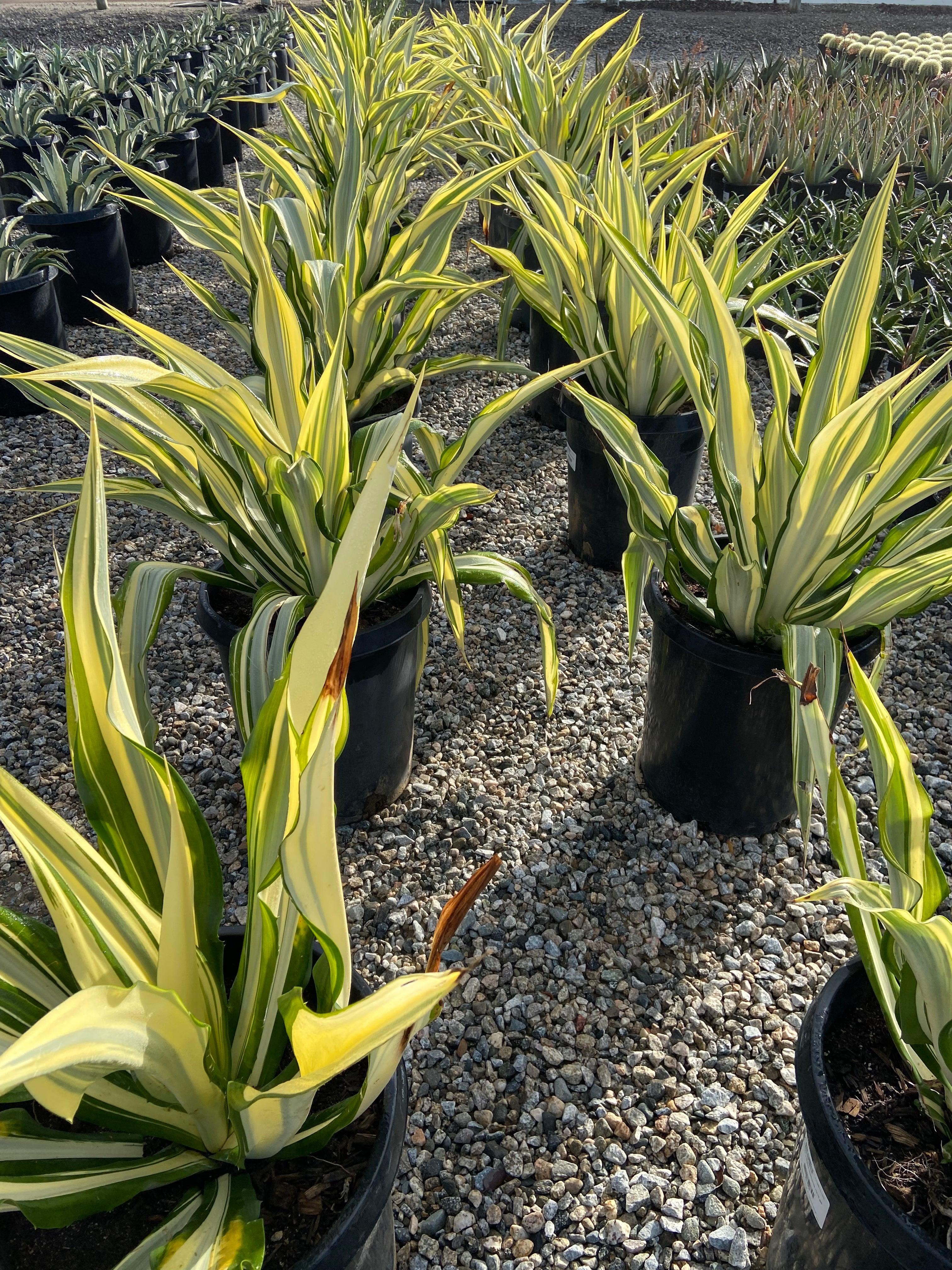
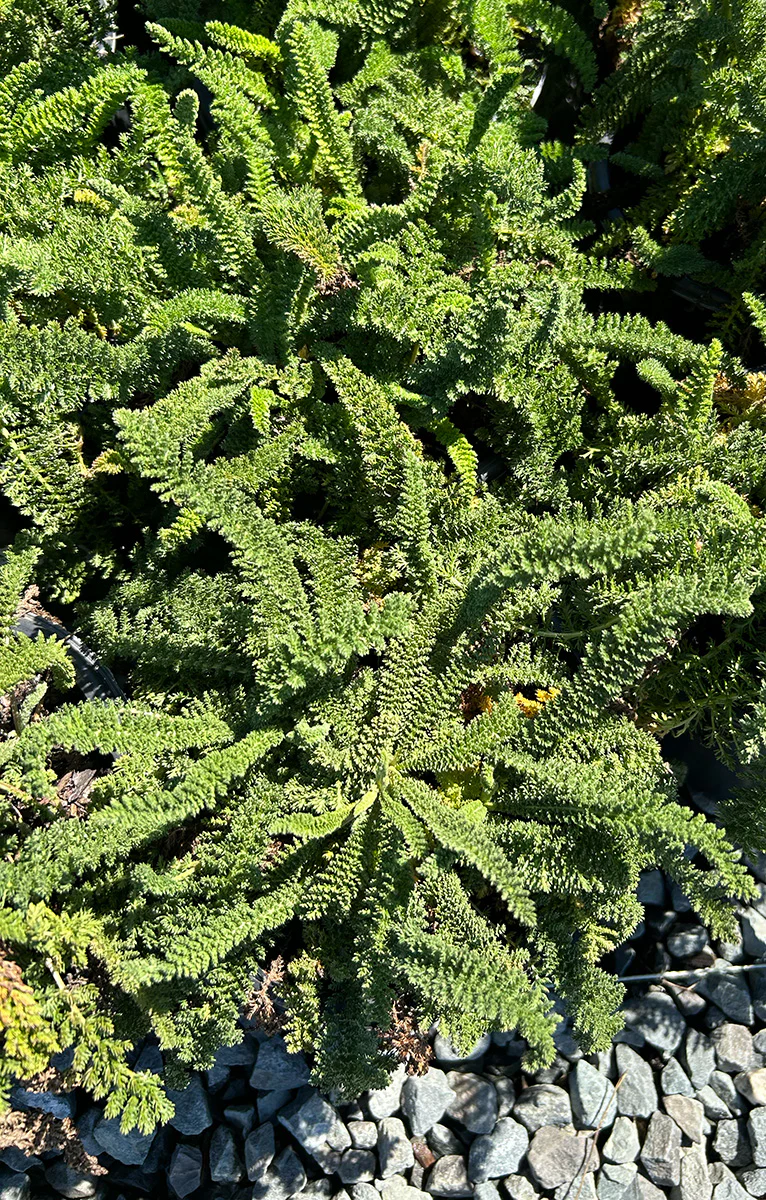
Achillea filipendulina 'Coronation Gold'
Transform Your Garden with Long-Lasting Golden Blooms
Achillea filipendulina is a drought tolerant, flowering herbaceous perennial plant that brings months of bright golden flowers to sunny gardens with very little upkeep. Also commonly known as fern-leaf yarrow, fern leaf yarrow, or fernleaf yarrow, this plant is ideal when you want bold summer color, pollinator activity, and dependable performance without constant watering.
Designed for effortless beauty in full sun, Achillea filipendulina forms an attractive basal clump of aromatic foliage with erect stems rising above it, carrying dense gold flower heads through the warmest part of the season.
Why You’ll Love It
-
Months of yellow flowers – Achillea filipendulina produces bright golden flowers in dense, flattened corymbs up to 4 inches across throughout the summer months, typically from June through August.
-
Built for drought conditions – This plant is particularly well-suited for xeriscape gardens, thriving in sunny and dry locations, making it ideal for low-water landscaping.
-
Excellent for pollinators – Achillea filipendulina serves as an excellent choice for water-wise xeriscaping, attracting pollinators like bees and butterflies with accessible nectar and pollen.
-
Deer and rabbit resistant – Achillea filipendulina is highly adaptable across USDA zones 3 to 8, resists heat, humidity, rabbits, and deer.
-
Great for cutting and drying – It is drought-resistant and widely utilized for garden borders and as cut flowers.
The flowers are made of many tiny blooms with yellow rays and yellow discs, creating a long lasting, flat-topped display that works beautifully in cottage gardens, borders, rock gardens, and mass plantings.
What Makes It Different
Most flowering perennials need richer soil, steadier moisture, or more frequent care to keep looking good in summer heat.
Achillea filipendulina is different because it performs best where many plants struggle:
-
Proven low-water performance – Achillea filipendulina thrives in USDA zones 3 through 9 and is highly tolerant of heat, humidity, and drought.
-
Award-worthy garden presence – Cultivars such as ‘Cloth of Gold’ and ‘Coronation Gold’ are known for strong color, reliable growth, and garden merit.
-
Distinctive fern like foliage – The foliage of Achillea filipendulina consists of deeply divided, hairy, grayish-green leaves that resemble lacy fern fronds and emit a strong aroma when crushed.
-
More structure than common yarrow – Compared with milfoil or common yarrow, this Achillea species offers taller height, stiffer stems, larger flower heads, and a stronger gold effect in the garden.
Achillea filipendulina is widely cultivated in temperate regions as a low-maintenance ornamental addition to gardens, and it has also naturalized in parts of Europe and North America after originating in central and southwestern Asia, including regions such as Iran, Afghanistan, and Turkey. It pairs well with other drought-tolerant perennials such as Autumn Moor Grass (Sesleria autumnalis) in water-wise designs.
How It Grows Best
-
Plant in full sun Choose a sunny site with dry soil to medium moisture and sharp drainage. Achillea filipendulina thrives in lean, dry to medium, well-drained sandy loams and prefers full sun exposure.
-
Establish deep roots Water regularly during the first season so the plant can become established. Once established, it becomes highly drought tolerant and needs far less supplemental water.
-
Enjoy years of color Achillea filipendulina is known for its tall, erect growth habit, reaching heights of 3 to 4 feet, which makes it visually striking in garden designs.
-
Refresh blooms as needed To promote additional blooms, deadhead spent flower heads to lateral buds and cut plants back to basal leaves after flowering.
This plant tolerates poor soils as long as drainage is good, but it should be kept away from heavy clays and moist, rich, fertile soils. Too much moisture or overly rich soil can cause stems to flop and may increase the risk of rot, rust, powdery mildew, or other disease issues.
Plant Details
-
Botanical name: Achillea filipendulina
-
Common names: Fernleaf yarrow, fern-leaf yarrow, fern leaf yarrow
-
Plant type: Flowering herbaceous perennial plant
-
Mature size: Achillea filipendulina, commonly known as fern-leaf yarrow, is a clump-forming perennial that can grow to a height of 3-4 feet with a spread of about 2 feet.
-
Typical garden spread: Often 2 to 3 feet wide when mature
-
Growth habit: Upright, clump-forming, with stiff erect stems rising from an attractive basal clump
-
Bloom time: June through August, with possible rebloom when you deadhead regularly
-
Flower color: Bright golden flowers with yellow rays and yellow discs
-
Flower form: Dense, flattened corymbs made up of many tiny flowers
-
Foliage: The plant features deeply-dissected, fern-like leaves that can grow up to 10 inches long and are aromatic, contributing to its appeal in gardens.
-
Light requirements: Full sun
-
Soil preferences: Lean, dry to medium, well-drained sandy loams; avoid heavy clay, standing moisture, and rich fertile soils
-
Hardiness: USDA zones 3-9; highly adaptable across USDA zones 3 to 8
-
Native origin: Central and southwestern Asia
-
Landscape uses: Achillea filipendulina, commonly known as fern-leaf yarrow, is suitable for use as a specimen plant, in groups or masses, and in borders, cottage gardens, and containers.
-
Additional use: Achillea filipendulina can be used for erosion control, as developed root clumps aid in stabilizing soil along slopes or garden beds.
-
Design value: The plant is often planted in mass displays, specimen plantings, and is favored for rock gardens and xeriscaping due to its drought resistance, especially when combined with California natives like California lilac (Ceanothus).
-
Propagation note: Can be grown from seed or divided clumps, though division helps manage spread and maintain vigorous growth.
Yarrow has historical significance in wound management, known for its astringent and antiseptic properties. Achillea filipendulina is valued for its astringent and wound-healing properties, but caution is advised due to potential dermatitis or toxicity to pets.
Who It’s For
Ideal for:
-
California homeowners seeking drought-tolerant landscaping solutions for hot sun, dry summers, and lower-water gardens.
-
Gardeners building xeriscape beds who want a plant that thrives in dry soil and still produces a strong summer flower display.
-
Cut flower growers and craft gardeners who want long lasting flowers for fresh arrangements and dried designs.
-
Busy homeowners who prefer low-maintenance perennials that do not need rich soil, frequent watering, or constant fertilizer.
-
Pollinator gardeners who want to encourage bees, butterflies, and other beneficial insects.
-
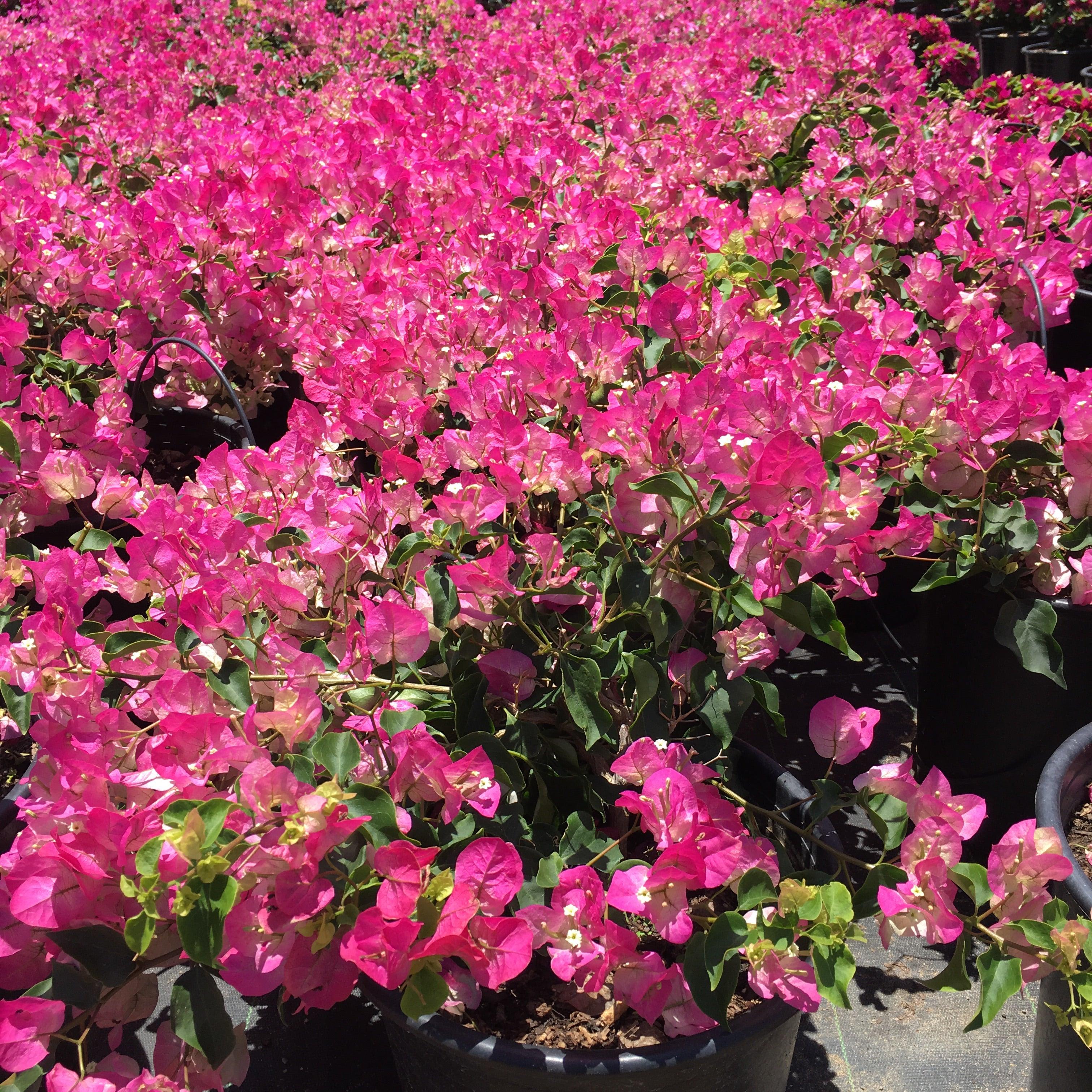
Design-focused gardeners looking for a bold specimen, a golden border plant, or a mass planting that pairs well with lavender, salvia, sage, and other drought tolerant plants such as purple bougainvillea.
If you want bright golden flowers, aromatic fern like foliage, and a tough perennial that handles heat, drought, deer, and summer sun, Achillea filipendulina fits your garden, especially when combined with flowering trees suited to California gardens.
Frequently Asked Questions
How much water does it need after the first year?
Once established, Achillea filipendulina needs very little water. Deep, occasional irrigation is better than frequent shallow watering, especially in dry soil or xeriscape plantings.
Will it spread aggressively in my garden?
It forms clumps and can spread gradually by root growth. It is not commonly considered invasive in maintained gardens, but dividing the plant every few years helps control spread and keeps the clump vigorous.
When is the best time to plant Fernleaf Yarrow?
Spring and fall are the best times to plant. In California gardens, fall planting is especially useful because winter rains can help roots establish before summer heat.
Can I grow it in containers?
Yes. Achillea filipendulina can be grown in containers if the pot is deep, the mix drains quickly, and the plant receives full sun. Containers may need more water than in-ground plantings until the roots are established.
How do I deadhead the flowers for continuous blooms?
When flower heads fade, cut them back to lateral buds. After the main bloom period, cut plants back to basal leaves to encourage fresh growth and additional flowers.
Are there any safety concerns?
Achillea filipendulina has traditional associations with wound management and astringent use, but it may cause dermatitis in sensitive people and may be toxic to pets if ingested. Use gloves if you have sensitive skin, and keep pets from chewing the plant.
Ready to Add Golden Beauty to Your Garden?
Stop settling for thirsty perennials that fade in summer heat. Choose Achillea filipendulina (Fernleaf Yarrow) for long lasting gold flowers, aromatic foliage, pollinator value, and drought tolerant performance in borders, cottage gardens, rock gardens, containers, and mass plantings.
Yardwork can help with California delivery, planting guidance, and consultation services through their plant nursery and landscaping support. Ask about Yardwork soil testing and privacy tree and evergreen planting solutions to confirm drainage, soil texture, screening needs, and planting conditions before you plant.
Original: $35.00
-65%$35.00
$12.25Product Information
Product Information
Shipping & Returns
Shipping & Returns
Description
Transform Your Garden with Long-Lasting Golden Blooms
Achillea filipendulina is a drought tolerant, flowering herbaceous perennial plant that brings months of bright golden flowers to sunny gardens with very little upkeep. Also commonly known as fern-leaf yarrow, fern leaf yarrow, or fernleaf yarrow, this plant is ideal when you want bold summer color, pollinator activity, and dependable performance without constant watering.
Designed for effortless beauty in full sun, Achillea filipendulina forms an attractive basal clump of aromatic foliage with erect stems rising above it, carrying dense gold flower heads through the warmest part of the season.
Why You’ll Love It
-
Months of yellow flowers – Achillea filipendulina produces bright golden flowers in dense, flattened corymbs up to 4 inches across throughout the summer months, typically from June through August.
-
Built for drought conditions – This plant is particularly well-suited for xeriscape gardens, thriving in sunny and dry locations, making it ideal for low-water landscaping.
-
Excellent for pollinators – Achillea filipendulina serves as an excellent choice for water-wise xeriscaping, attracting pollinators like bees and butterflies with accessible nectar and pollen.
-
Deer and rabbit resistant – Achillea filipendulina is highly adaptable across USDA zones 3 to 8, resists heat, humidity, rabbits, and deer.
-
Great for cutting and drying – It is drought-resistant and widely utilized for garden borders and as cut flowers.
The flowers are made of many tiny blooms with yellow rays and yellow discs, creating a long lasting, flat-topped display that works beautifully in cottage gardens, borders, rock gardens, and mass plantings.
What Makes It Different
Most flowering perennials need richer soil, steadier moisture, or more frequent care to keep looking good in summer heat.
Achillea filipendulina is different because it performs best where many plants struggle:
-
Proven low-water performance – Achillea filipendulina thrives in USDA zones 3 through 9 and is highly tolerant of heat, humidity, and drought.
-
Award-worthy garden presence – Cultivars such as ‘Cloth of Gold’ and ‘Coronation Gold’ are known for strong color, reliable growth, and garden merit.
-
Distinctive fern like foliage – The foliage of Achillea filipendulina consists of deeply divided, hairy, grayish-green leaves that resemble lacy fern fronds and emit a strong aroma when crushed.
-
More structure than common yarrow – Compared with milfoil or common yarrow, this Achillea species offers taller height, stiffer stems, larger flower heads, and a stronger gold effect in the garden.
Achillea filipendulina is widely cultivated in temperate regions as a low-maintenance ornamental addition to gardens, and it has also naturalized in parts of Europe and North America after originating in central and southwestern Asia, including regions such as Iran, Afghanistan, and Turkey. It pairs well with other drought-tolerant perennials such as Autumn Moor Grass (Sesleria autumnalis) in water-wise designs.
How It Grows Best
-
Plant in full sun Choose a sunny site with dry soil to medium moisture and sharp drainage. Achillea filipendulina thrives in lean, dry to medium, well-drained sandy loams and prefers full sun exposure.
-
Establish deep roots Water regularly during the first season so the plant can become established. Once established, it becomes highly drought tolerant and needs far less supplemental water.
-
Enjoy years of color Achillea filipendulina is known for its tall, erect growth habit, reaching heights of 3 to 4 feet, which makes it visually striking in garden designs.
-
Refresh blooms as needed To promote additional blooms, deadhead spent flower heads to lateral buds and cut plants back to basal leaves after flowering.
This plant tolerates poor soils as long as drainage is good, but it should be kept away from heavy clays and moist, rich, fertile soils. Too much moisture or overly rich soil can cause stems to flop and may increase the risk of rot, rust, powdery mildew, or other disease issues.
Plant Details
-
Botanical name: Achillea filipendulina
-
Common names: Fernleaf yarrow, fern-leaf yarrow, fern leaf yarrow
-
Plant type: Flowering herbaceous perennial plant
-
Mature size: Achillea filipendulina, commonly known as fern-leaf yarrow, is a clump-forming perennial that can grow to a height of 3-4 feet with a spread of about 2 feet.
-
Typical garden spread: Often 2 to 3 feet wide when mature
-
Growth habit: Upright, clump-forming, with stiff erect stems rising from an attractive basal clump
-
Bloom time: June through August, with possible rebloom when you deadhead regularly
-
Flower color: Bright golden flowers with yellow rays and yellow discs
-
Flower form: Dense, flattened corymbs made up of many tiny flowers
-
Foliage: The plant features deeply-dissected, fern-like leaves that can grow up to 10 inches long and are aromatic, contributing to its appeal in gardens.
-
Light requirements: Full sun
-
Soil preferences: Lean, dry to medium, well-drained sandy loams; avoid heavy clay, standing moisture, and rich fertile soils
-
Hardiness: USDA zones 3-9; highly adaptable across USDA zones 3 to 8
-
Native origin: Central and southwestern Asia
-
Landscape uses: Achillea filipendulina, commonly known as fern-leaf yarrow, is suitable for use as a specimen plant, in groups or masses, and in borders, cottage gardens, and containers.
-
Additional use: Achillea filipendulina can be used for erosion control, as developed root clumps aid in stabilizing soil along slopes or garden beds.
-
Design value: The plant is often planted in mass displays, specimen plantings, and is favored for rock gardens and xeriscaping due to its drought resistance, especially when combined with California natives like California lilac (Ceanothus).
-
Propagation note: Can be grown from seed or divided clumps, though division helps manage spread and maintain vigorous growth.
Yarrow has historical significance in wound management, known for its astringent and antiseptic properties. Achillea filipendulina is valued for its astringent and wound-healing properties, but caution is advised due to potential dermatitis or toxicity to pets.
Who It’s For
Ideal for:
-
California homeowners seeking drought-tolerant landscaping solutions for hot sun, dry summers, and lower-water gardens.
-
Gardeners building xeriscape beds who want a plant that thrives in dry soil and still produces a strong summer flower display.
-
Cut flower growers and craft gardeners who want long lasting flowers for fresh arrangements and dried designs.
-
Busy homeowners who prefer low-maintenance perennials that do not need rich soil, frequent watering, or constant fertilizer.
-
Pollinator gardeners who want to encourage bees, butterflies, and other beneficial insects.
-
Design-focused gardeners looking for a bold specimen, a golden border plant, or a mass planting that pairs well with lavender, salvia, sage, and other drought tolerant plants such as purple bougainvillea.
If you want bright golden flowers, aromatic fern like foliage, and a tough perennial that handles heat, drought, deer, and summer sun, Achillea filipendulina fits your garden, especially when combined with flowering trees suited to California gardens.
Frequently Asked Questions
How much water does it need after the first year?
Once established, Achillea filipendulina needs very little water. Deep, occasional irrigation is better than frequent shallow watering, especially in dry soil or xeriscape plantings.
Will it spread aggressively in my garden?
It forms clumps and can spread gradually by root growth. It is not commonly considered invasive in maintained gardens, but dividing the plant every few years helps control spread and keeps the clump vigorous.
When is the best time to plant Fernleaf Yarrow?
Spring and fall are the best times to plant. In California gardens, fall planting is especially useful because winter rains can help roots establish before summer heat.
Can I grow it in containers?
Yes. Achillea filipendulina can be grown in containers if the pot is deep, the mix drains quickly, and the plant receives full sun. Containers may need more water than in-ground plantings until the roots are established.
How do I deadhead the flowers for continuous blooms?
When flower heads fade, cut them back to lateral buds. After the main bloom period, cut plants back to basal leaves to encourage fresh growth and additional flowers.
Are there any safety concerns?
Achillea filipendulina has traditional associations with wound management and astringent use, but it may cause dermatitis in sensitive people and may be toxic to pets if ingested. Use gloves if you have sensitive skin, and keep pets from chewing the plant.
Ready to Add Golden Beauty to Your Garden?
Stop settling for thirsty perennials that fade in summer heat. Choose Achillea filipendulina (Fernleaf Yarrow) for long lasting gold flowers, aromatic foliage, pollinator value, and drought tolerant performance in borders, cottage gardens, rock gardens, containers, and mass plantings.
Yardwork can help with California delivery, planting guidance, and consultation services through their plant nursery and landscaping support. Ask about Yardwork soil testing and privacy tree and evergreen planting solutions to confirm drainage, soil texture, screening needs, and planting conditions before you plant.