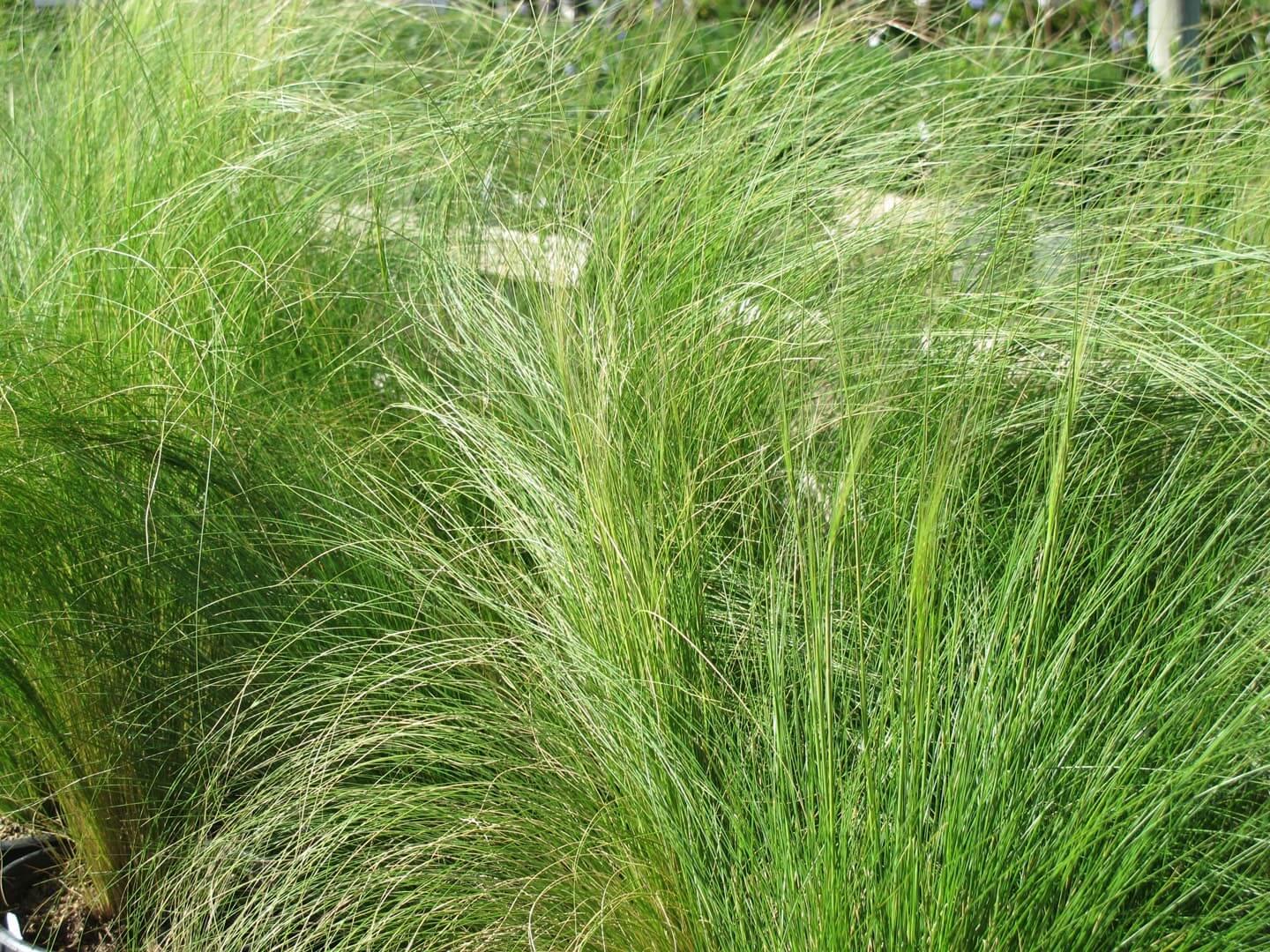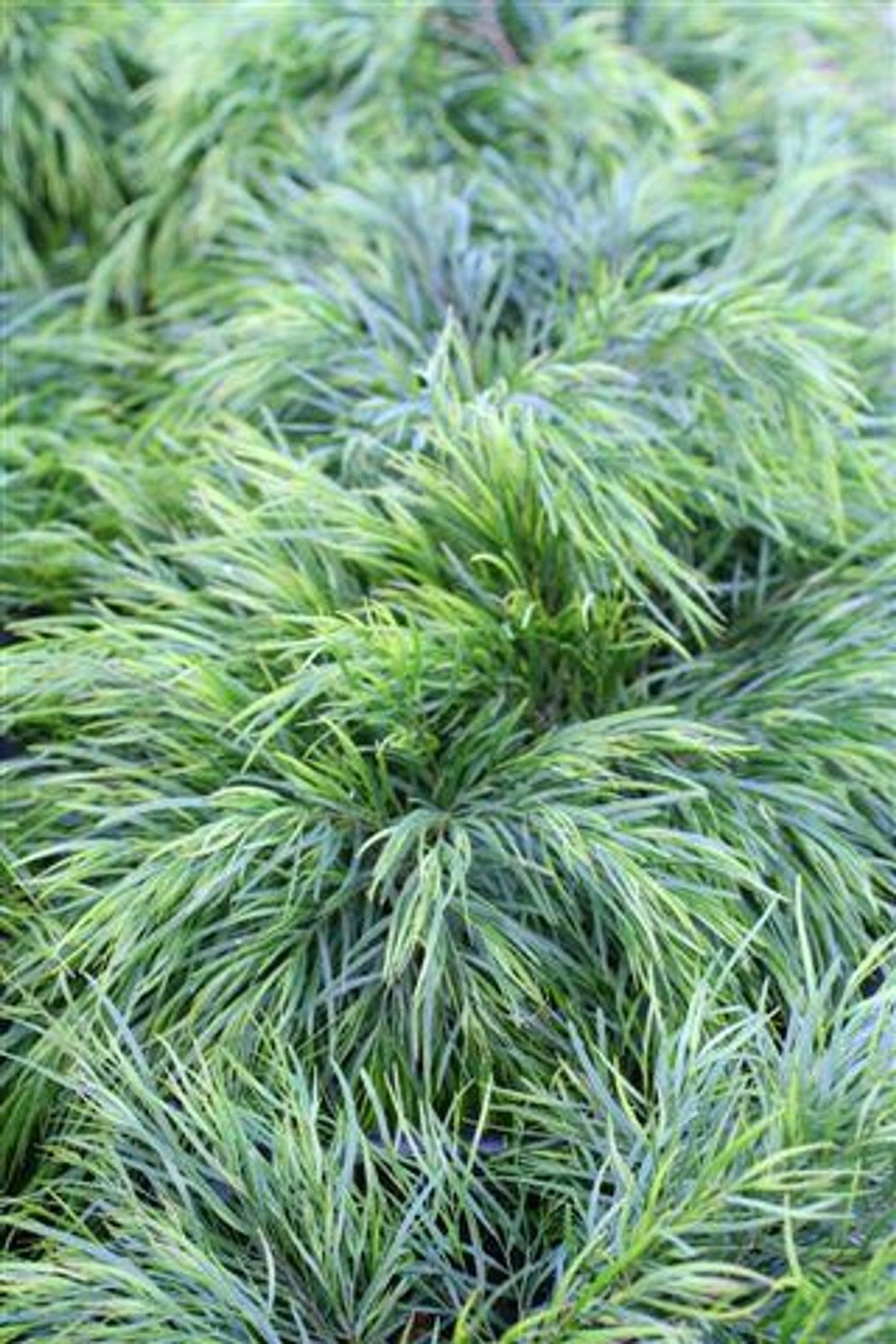
Blue Fescue (Festuca Glauca ‘Elijah Blue’)
Transform Your Garden with Stunning Blue-Silver Foliage Year-Round
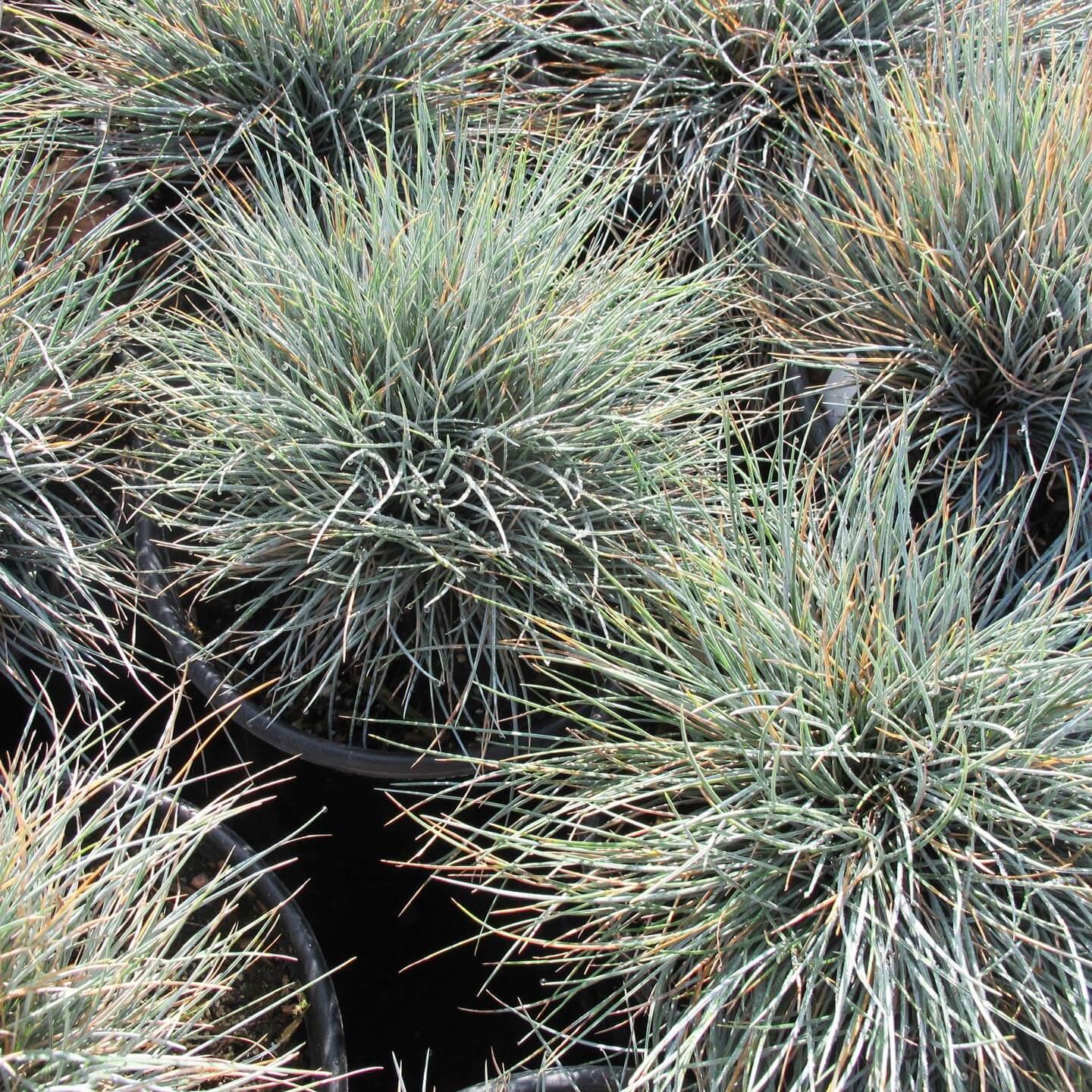
Blue fescue gives your garden compact, silvery blue foliage that stays attractive through the seasons with very little upkeep. This low growing ornamental grass forms tidy clumps of finely textured blue foliage, bringing cool color, structure, and winter interest to borders, walkways, containers, and rock garden designs.
Blue fescue grass is especially useful when you want strong foliage color without constant watering or pruning. In full sun, the blue color becomes more pronounced, creating a clean contrast against bright flowers, chartreuse leaves, deep green foliage, gravel, stone, and other ornamental grasses.
Why You’ll Love It
-
Stunning Blue-Silver Color – Creates eye-catching contrast in any garden design with silvery blue foliage, blue gray foliage, and a cool blue green look that stands out against green leaves and warm-toned blooms.
-
Drought Tolerant – Thrives with minimal watering once established, making blue fescue a strong choice for California landscapes, dry borders, and low-water ground cover plantings alongside other drought-tolerant ornamental trees like the California Pepper Tree.
-
Low Maintenance – Requires only annual spring pruning and occasional division; over-fertilizing blue fescue can lead to excessive, floppy green growth that ruins its naturally neat form.
-
Year-Round Interest – Maintains attractive form and color through all seasons as a semi evergreen to evergreen perennial, with light green flowers and seed heads appearing in late spring to early summer, similar to other low-maintenance ground covers like Autumn Moor Grass.
-
Compact Size – Perfect 10-12 inch clumps that won’t overtake your garden; blue fescue typically reaches heights and widths of 10 to 12 inches.
Blue fescue is naturally deer resistant and thrives in poor, rocky, or sandy soils. The compact nature of blue fescue makes it suitable for edging borders or lining walkways, while the hardy clumps work beautifully as a specimen plant or in mass plantings.
What Makes It Different
Most ornamental grass options add movement and height, but many other ornamental grasses lack the distinctive blue gray foliage and tight, architectural shape that make Festuca glauca so useful in modern landscape design.
Blue Fescue (Festuca glauca) has:
-
Exceptional Blue Foliage – Maintains silvery-blue color that intensifies in full sun; blue fescue (Festuca glauca) is hardy in zones 4-8 and is characterized by its light blue-silver foliage that turns blue-green in summer and darker mottled green in fall.
-
Clumping Growth Habit – Stays in neat mounds without aggressive spreading; this ornamental grass is ideal for borders, rock gardens, and as a filler plant due to its compact growth habit and attractive blue foliage.
-
Salt and Deer Resistant – Thrives in challenging conditions where other plants fail, including dry exposed sites, coastal gardens, and deer-prone landscapes.
Named fescue grasses offer slightly different looks. ‘Elijah Blue’ is a popular ornamental grass known for its low-growing, tight mounds of fine silvery blue-green foliage, making it suitable for borders and rock gardens. Festuca glauca ‘Elijah Blue’, sometimes searched as glauca elijah blue, is a classic variety for clean blue color. ‘Blue Whiskers’ is a vigorous variety of blue fescue that grows taller than the classic ‘Elijah Blue’, featuring longer leaves and a brighter blue foliage color. ‘Boulder Blue’ is another blue fescue selection valued for intense blue foliage, while names like Golden Toupee are often considered when gardeners want gold or chartreuse leaves instead of blue.
Tips For Success
-
Plant in Full Sun Location
Choose well drained soil with 6+ hours of direct sunlight for the strongest foliage color. Blue fescue (Festuca glauca) thrives in full sun and requires well-drained soil, as it can be short-lived in wet soils and heavy clay. Part sun is tolerated, but full shade can reduce the blue color, loosen the clumps, and increase disease problems around the crown. -
Water During Establishment
Water regularly after planting, then water deeply but infrequently once the plant is established. Blue fescue thrives in poor soil and usually does not need rich compost or heavy fertilizer. A light mulch can help moderate the ground temperature, but keep mulch away from the crown so the grass stays dry and healthy. -
Enjoy Year-Round Beauty
Watch the new growth emerge in spring, the silvery blue foliage hold its shape through summer, and the foliage shift toward blue green or mottled green tones in fall and winter. In late spring to early summer, blue fescue may send up terminal panicles with green flowers, light green flowers, or seed heads that can show a subtle purple tinge before drying.
Blue fescue can be used as a specimen plant or in mass plantings, making it versatile for various landscaping designs. For added height and texture, many designers pair it with upright ornamental grasses like Karl Foerster Feather Reed Grass. Blue fescue should be planted densely, about 8-10 inches apart, if used as a ground cover to create a full, dense look in the landscape.
Product Details
-
Mature Size: 10-12 inches tall x 10-12 inches wide
-
Hardiness Zones: Blue fescue thrives in USDA Hardiness Zones 4 through 9.
-
Festuca glauca Hardiness: Blue fescue (Festuca glauca) is hardy in zones 4-8 and is characterized by its light blue-silver foliage that turns blue-green in summer and darker mottled green in fall.
-
Sun Requirements: Full sun to partial shade; best blue foliage and strongest form develop in full sun.
-
Soil Type: Well-draining, average to poor soil; avoid wet soil, heavy clay, and soggy winter conditions. In shadier spots, consider ornamental grass varieties that thrive in shade.
-
Bloom Time: Late spring to early summer with decorative seed heads and airy terminal panicles.
-
Foliage: Blue-silver evergreen to semi evergreen grass-like leaves with a finely textured, silvery appearance.
-
Growth Habit: Low growing perennial fescue that forms tidy clumps rather than running aggressively through the garden.
-
Spacing: 8-10 inches apart for ground cover density; 10-12 inches apart for individual edging plant rhythm.
-
Maintenance: To maintain blue fescue, it is recommended to cut back the plants in early spring to 3-4 inches to promote new growth and to divide the clumps every 2-3 years to prevent overcrowding.
-
Planting Instructions: Plant high in well drained soil, keep the crown dry, water during establishment, and avoid overfeeding.
-
Variety Notes: Elijah Blue, Blue Whiskers, Boulder Blue, and Festuca glauca Elijah Blue are popular choices; seed-grown plants, including plants started indoors from seed, may vary in foliage color.
-
Botanical Note: Blue fescue is commonly sold as Festuca glauca, and some older references connect related blue forms with Festuca ovina var. glauca.
Blue fescue provides excellent textural and color contrast when planted alongside bright flowers or deep green foliage.
Who It’s For
Ideal for:
-
California homeowners looking for water-wise landscaping solutions
-
Garden designers creating modern, textural landscapes who may want support from a California-based online plant nursery
-
Anyone wanting low-maintenance ornamental grasses with unique color
-
Homeowners seeking deer-resistant plants for problematic areas and exploring privacy trees and evergreen hedging options
-
Gardeners designing borders, rock gardens, walkway edges, containers, and compact ground cover areas
If you want blue color, clean form, drought tolerant performance, and a hardy ornamental grass that stays compact, blue fescue fits your garden. Pair it with evergreen hedging like Fern Pine for structure and privacy. Blue fescue is especially effective as an edging plant, a filler plant between perennials, a low growing accent near stone, or a repeated mass planting in a modern landscape.
Frequently Asked Questions
How often does it need water?
Water regularly during the first growing season so the plant can establish strong roots. After establishment, blue fescue is drought tolerant and usually needs only occasional deep watering during extended summer heat or dry spells. Avoid soggy soil because wet soil can shorten the life of the plant.
Will it spread throughout my garden?
Blue fescue grows in clumps rather than spreading by aggressive runners. Blue fescue can self-seed easily, which may lead to it becoming weedy if not managed properly. Remove seed heads after flowering if you want to reduce unwanted seedlings.
What maintenance does it require?
Cut plants back in early spring to 3-4 inches to promote new growth. In mild climates, late winter cleanup can also work before fresh spring growth begins. Divide clumps every 2-3 years to prevent overcrowding, refresh the crown, and keep the plant from becoming hollow in the center.
Does it work in containers?
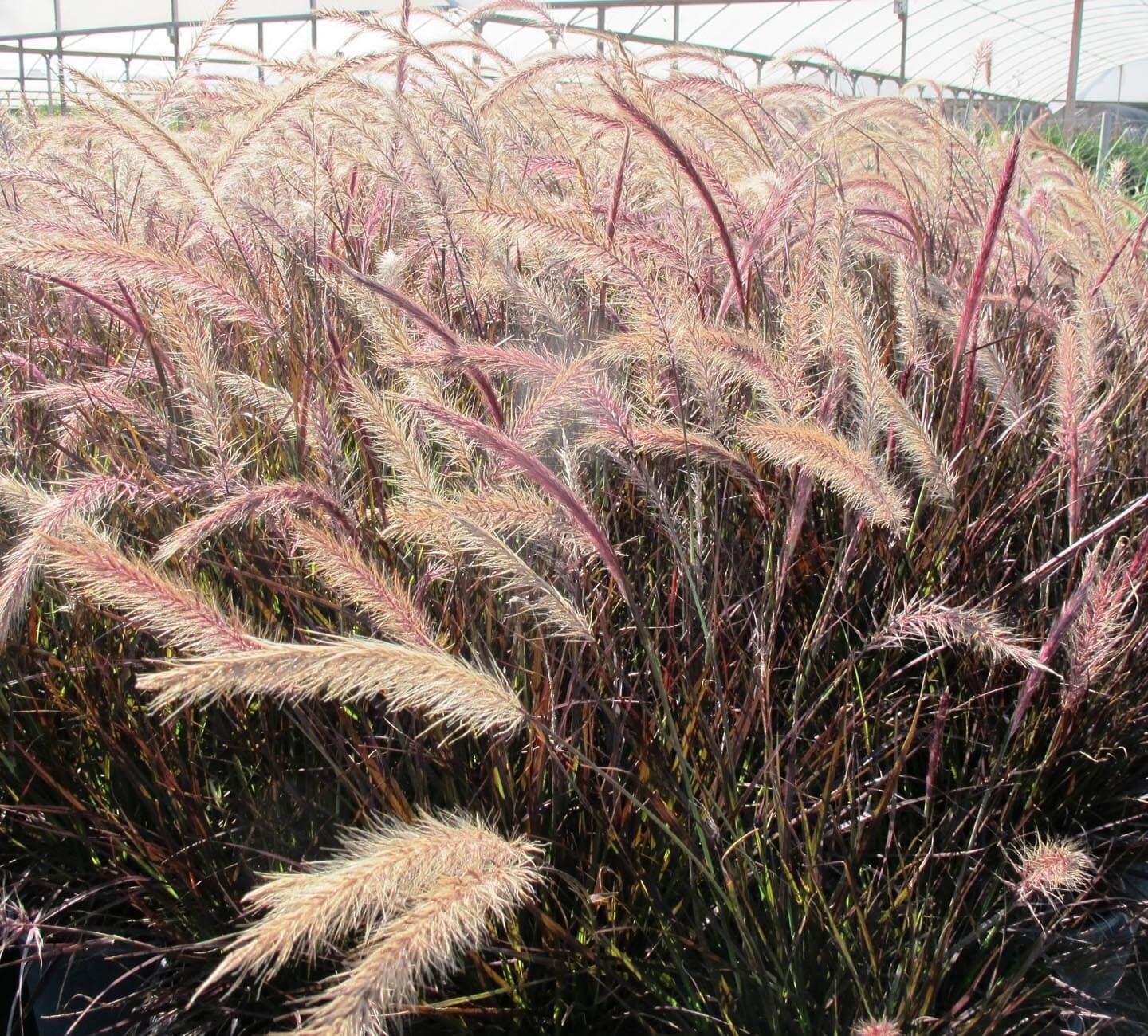
Yes. Blue fescue works well in containers when the pot has excellent drainage and the soil dries between waterings. It also combines beautifully with colorful accent grasses like Purple Fountain Grass in mixed pots. Use a gritty potting mix, place the container in sun, and avoid high humidity pockets or constantly wet soil.
Ready to Add Blue Fescue to Your Garden?
Stop settling for flat green plantings when you can add year-round silvery blue structure with Blue Fescue (Festuca glauca). Use it to brighten borders, define walkways, soften rock garden edges, or create a drought tolerant ground cover with compact, tidy clumps.
Yardwork selects plants suited for California landscapes and offers California delivery for easy garden upgrades, including flowering trees to complement ornamental grasses and evergreen trees like the Japanese Blueberry for structure and privacy. Need help deciding between Elijah Blue, Blue Whiskers, Boulder Blue, or another fescue? Ask about Yardwork consultation services for planting instructions, spacing, and landscape planning.
Original: $25.00
-65%$25.00
$8.75Product Information
Product Information
Shipping & Returns
Shipping & Returns
Description
Transform Your Garden with Stunning Blue-Silver Foliage Year-Round
Blue fescue gives your garden compact, silvery blue foliage that stays attractive through the seasons with very little upkeep. This low growing ornamental grass forms tidy clumps of finely textured blue foliage, bringing cool color, structure, and winter interest to borders, walkways, containers, and rock garden designs.
Blue fescue grass is especially useful when you want strong foliage color without constant watering or pruning. In full sun, the blue color becomes more pronounced, creating a clean contrast against bright flowers, chartreuse leaves, deep green foliage, gravel, stone, and other ornamental grasses.
Why You’ll Love It
-
Stunning Blue-Silver Color – Creates eye-catching contrast in any garden design with silvery blue foliage, blue gray foliage, and a cool blue green look that stands out against green leaves and warm-toned blooms.
-
Drought Tolerant – Thrives with minimal watering once established, making blue fescue a strong choice for California landscapes, dry borders, and low-water ground cover plantings alongside other drought-tolerant ornamental trees like the California Pepper Tree.
-
Low Maintenance – Requires only annual spring pruning and occasional division; over-fertilizing blue fescue can lead to excessive, floppy green growth that ruins its naturally neat form.
-
Year-Round Interest – Maintains attractive form and color through all seasons as a semi evergreen to evergreen perennial, with light green flowers and seed heads appearing in late spring to early summer, similar to other low-maintenance ground covers like Autumn Moor Grass.
-
Compact Size – Perfect 10-12 inch clumps that won’t overtake your garden; blue fescue typically reaches heights and widths of 10 to 12 inches.
Blue fescue is naturally deer resistant and thrives in poor, rocky, or sandy soils. The compact nature of blue fescue makes it suitable for edging borders or lining walkways, while the hardy clumps work beautifully as a specimen plant or in mass plantings.
What Makes It Different
Most ornamental grass options add movement and height, but many other ornamental grasses lack the distinctive blue gray foliage and tight, architectural shape that make Festuca glauca so useful in modern landscape design.
Blue Fescue (Festuca glauca) has:
-
Exceptional Blue Foliage – Maintains silvery-blue color that intensifies in full sun; blue fescue (Festuca glauca) is hardy in zones 4-8 and is characterized by its light blue-silver foliage that turns blue-green in summer and darker mottled green in fall.
-
Clumping Growth Habit – Stays in neat mounds without aggressive spreading; this ornamental grass is ideal for borders, rock gardens, and as a filler plant due to its compact growth habit and attractive blue foliage.
-
Salt and Deer Resistant – Thrives in challenging conditions where other plants fail, including dry exposed sites, coastal gardens, and deer-prone landscapes.
Named fescue grasses offer slightly different looks. ‘Elijah Blue’ is a popular ornamental grass known for its low-growing, tight mounds of fine silvery blue-green foliage, making it suitable for borders and rock gardens. Festuca glauca ‘Elijah Blue’, sometimes searched as glauca elijah blue, is a classic variety for clean blue color. ‘Blue Whiskers’ is a vigorous variety of blue fescue that grows taller than the classic ‘Elijah Blue’, featuring longer leaves and a brighter blue foliage color. ‘Boulder Blue’ is another blue fescue selection valued for intense blue foliage, while names like Golden Toupee are often considered when gardeners want gold or chartreuse leaves instead of blue.
Tips For Success
-
Plant in Full Sun Location
Choose well drained soil with 6+ hours of direct sunlight for the strongest foliage color. Blue fescue (Festuca glauca) thrives in full sun and requires well-drained soil, as it can be short-lived in wet soils and heavy clay. Part sun is tolerated, but full shade can reduce the blue color, loosen the clumps, and increase disease problems around the crown. -
Water During Establishment
Water regularly after planting, then water deeply but infrequently once the plant is established. Blue fescue thrives in poor soil and usually does not need rich compost or heavy fertilizer. A light mulch can help moderate the ground temperature, but keep mulch away from the crown so the grass stays dry and healthy. -
Enjoy Year-Round Beauty
Watch the new growth emerge in spring, the silvery blue foliage hold its shape through summer, and the foliage shift toward blue green or mottled green tones in fall and winter. In late spring to early summer, blue fescue may send up terminal panicles with green flowers, light green flowers, or seed heads that can show a subtle purple tinge before drying.
Blue fescue can be used as a specimen plant or in mass plantings, making it versatile for various landscaping designs. For added height and texture, many designers pair it with upright ornamental grasses like Karl Foerster Feather Reed Grass. Blue fescue should be planted densely, about 8-10 inches apart, if used as a ground cover to create a full, dense look in the landscape.
Product Details
-
Mature Size: 10-12 inches tall x 10-12 inches wide
-
Hardiness Zones: Blue fescue thrives in USDA Hardiness Zones 4 through 9.
-
Festuca glauca Hardiness: Blue fescue (Festuca glauca) is hardy in zones 4-8 and is characterized by its light blue-silver foliage that turns blue-green in summer and darker mottled green in fall.
-
Sun Requirements: Full sun to partial shade; best blue foliage and strongest form develop in full sun.
-
Soil Type: Well-draining, average to poor soil; avoid wet soil, heavy clay, and soggy winter conditions. In shadier spots, consider ornamental grass varieties that thrive in shade.
-
Bloom Time: Late spring to early summer with decorative seed heads and airy terminal panicles.
-
Foliage: Blue-silver evergreen to semi evergreen grass-like leaves with a finely textured, silvery appearance.
-
Growth Habit: Low growing perennial fescue that forms tidy clumps rather than running aggressively through the garden.
-
Spacing: 8-10 inches apart for ground cover density; 10-12 inches apart for individual edging plant rhythm.
-
Maintenance: To maintain blue fescue, it is recommended to cut back the plants in early spring to 3-4 inches to promote new growth and to divide the clumps every 2-3 years to prevent overcrowding.
-
Planting Instructions: Plant high in well drained soil, keep the crown dry, water during establishment, and avoid overfeeding.
-
Variety Notes: Elijah Blue, Blue Whiskers, Boulder Blue, and Festuca glauca Elijah Blue are popular choices; seed-grown plants, including plants started indoors from seed, may vary in foliage color.
-
Botanical Note: Blue fescue is commonly sold as Festuca glauca, and some older references connect related blue forms with Festuca ovina var. glauca.
Blue fescue provides excellent textural and color contrast when planted alongside bright flowers or deep green foliage.
Who It’s For
Ideal for:
-
California homeowners looking for water-wise landscaping solutions
-
Garden designers creating modern, textural landscapes who may want support from a California-based online plant nursery
-
Anyone wanting low-maintenance ornamental grasses with unique color
-
Homeowners seeking deer-resistant plants for problematic areas and exploring privacy trees and evergreen hedging options
-
Gardeners designing borders, rock gardens, walkway edges, containers, and compact ground cover areas
If you want blue color, clean form, drought tolerant performance, and a hardy ornamental grass that stays compact, blue fescue fits your garden. Pair it with evergreen hedging like Fern Pine for structure and privacy. Blue fescue is especially effective as an edging plant, a filler plant between perennials, a low growing accent near stone, or a repeated mass planting in a modern landscape.
Frequently Asked Questions
How often does it need water?
Water regularly during the first growing season so the plant can establish strong roots. After establishment, blue fescue is drought tolerant and usually needs only occasional deep watering during extended summer heat or dry spells. Avoid soggy soil because wet soil can shorten the life of the plant.
Will it spread throughout my garden?
Blue fescue grows in clumps rather than spreading by aggressive runners. Blue fescue can self-seed easily, which may lead to it becoming weedy if not managed properly. Remove seed heads after flowering if you want to reduce unwanted seedlings.
What maintenance does it require?
Cut plants back in early spring to 3-4 inches to promote new growth. In mild climates, late winter cleanup can also work before fresh spring growth begins. Divide clumps every 2-3 years to prevent overcrowding, refresh the crown, and keep the plant from becoming hollow in the center.
Does it work in containers?
Yes. Blue fescue works well in containers when the pot has excellent drainage and the soil dries between waterings. It also combines beautifully with colorful accent grasses like Purple Fountain Grass in mixed pots. Use a gritty potting mix, place the container in sun, and avoid high humidity pockets or constantly wet soil.
Ready to Add Blue Fescue to Your Garden?
Stop settling for flat green plantings when you can add year-round silvery blue structure with Blue Fescue (Festuca glauca). Use it to brighten borders, define walkways, soften rock garden edges, or create a drought tolerant ground cover with compact, tidy clumps.
Yardwork selects plants suited for California landscapes and offers California delivery for easy garden upgrades, including flowering trees to complement ornamental grasses and evergreen trees like the Japanese Blueberry for structure and privacy. Need help deciding between Elijah Blue, Blue Whiskers, Boulder Blue, or another fescue? Ask about Yardwork consultation services for planting instructions, spacing, and landscape planning.