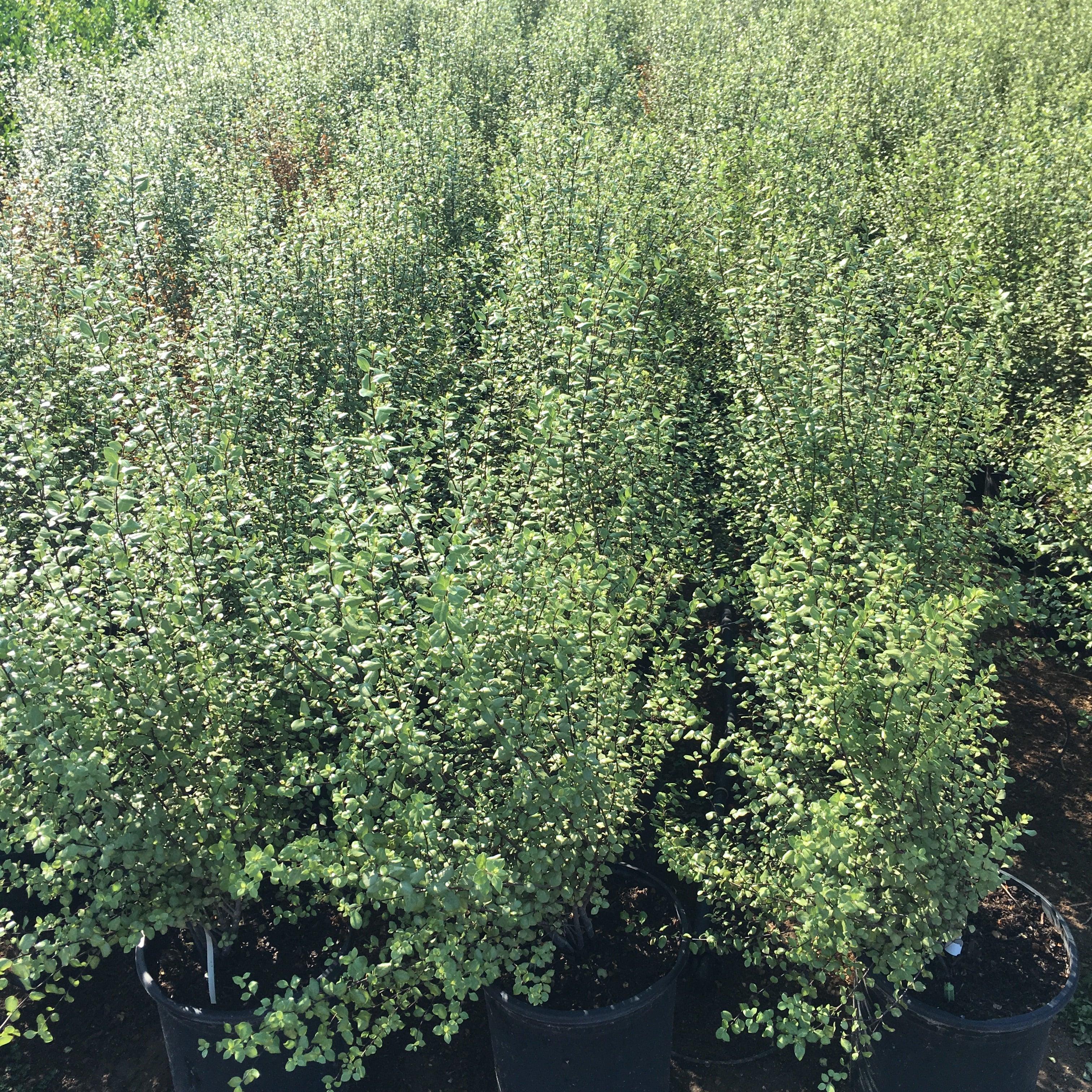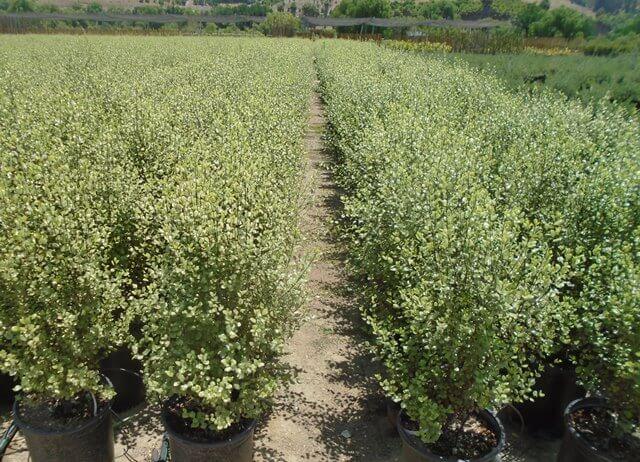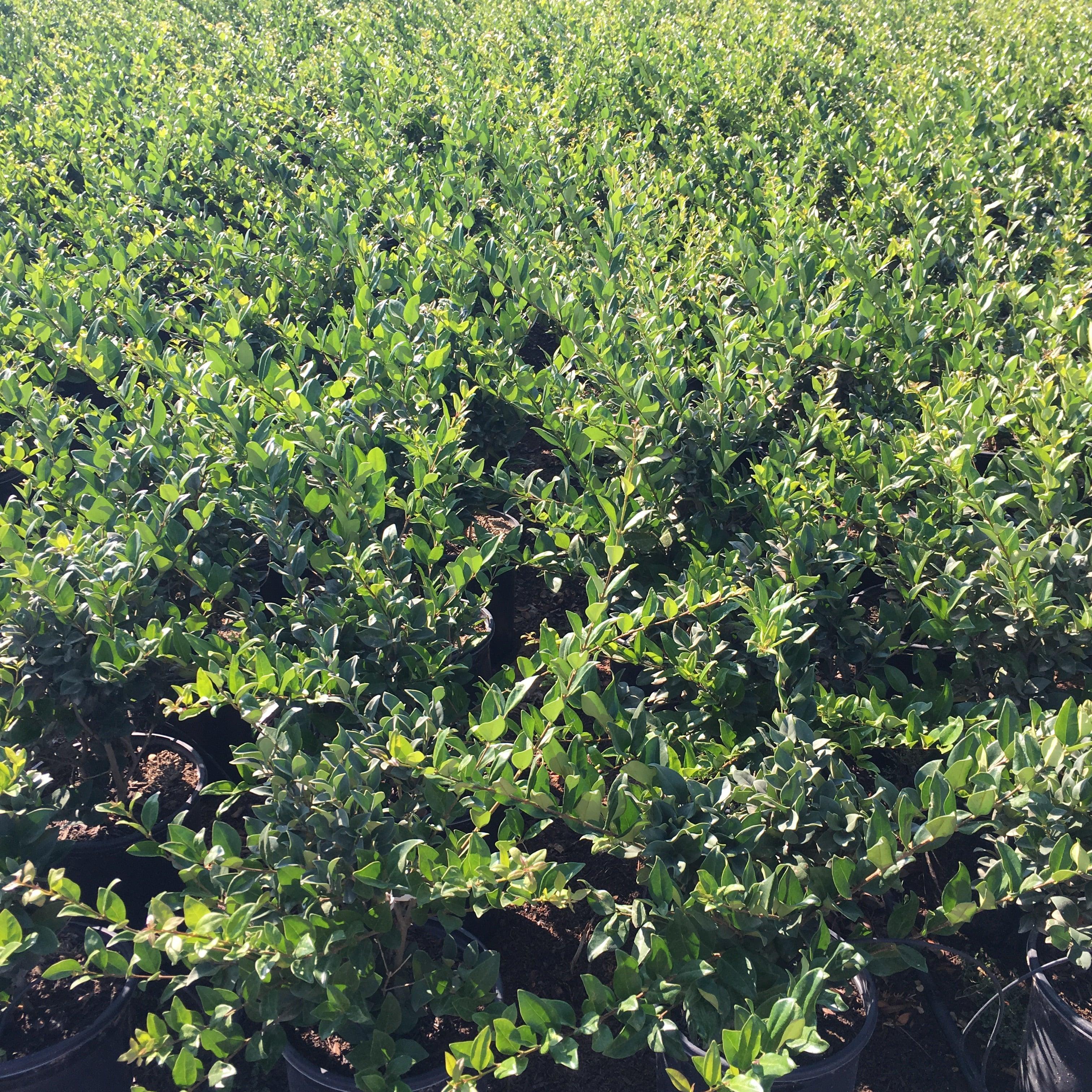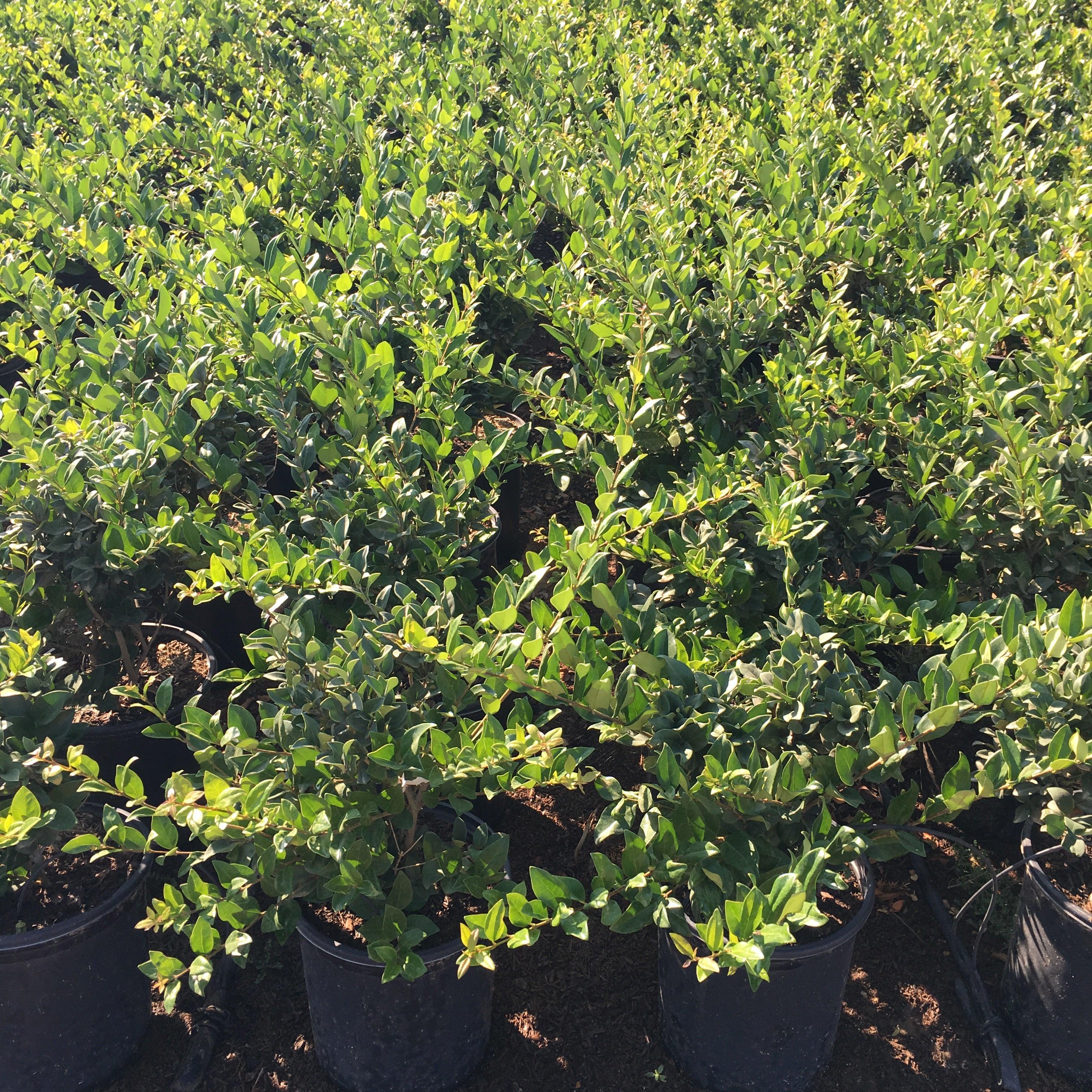
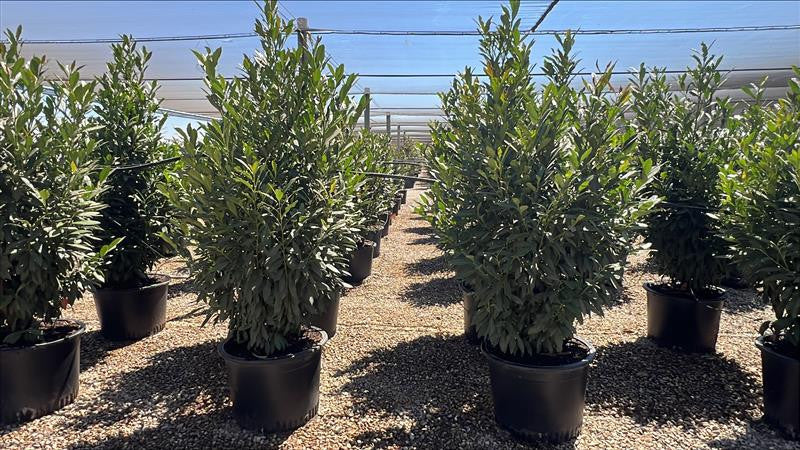
Skip Laurel - Prunus laurocerasus Schipkaensis
Create Year-Round Privacy with Dense Evergreen Screening
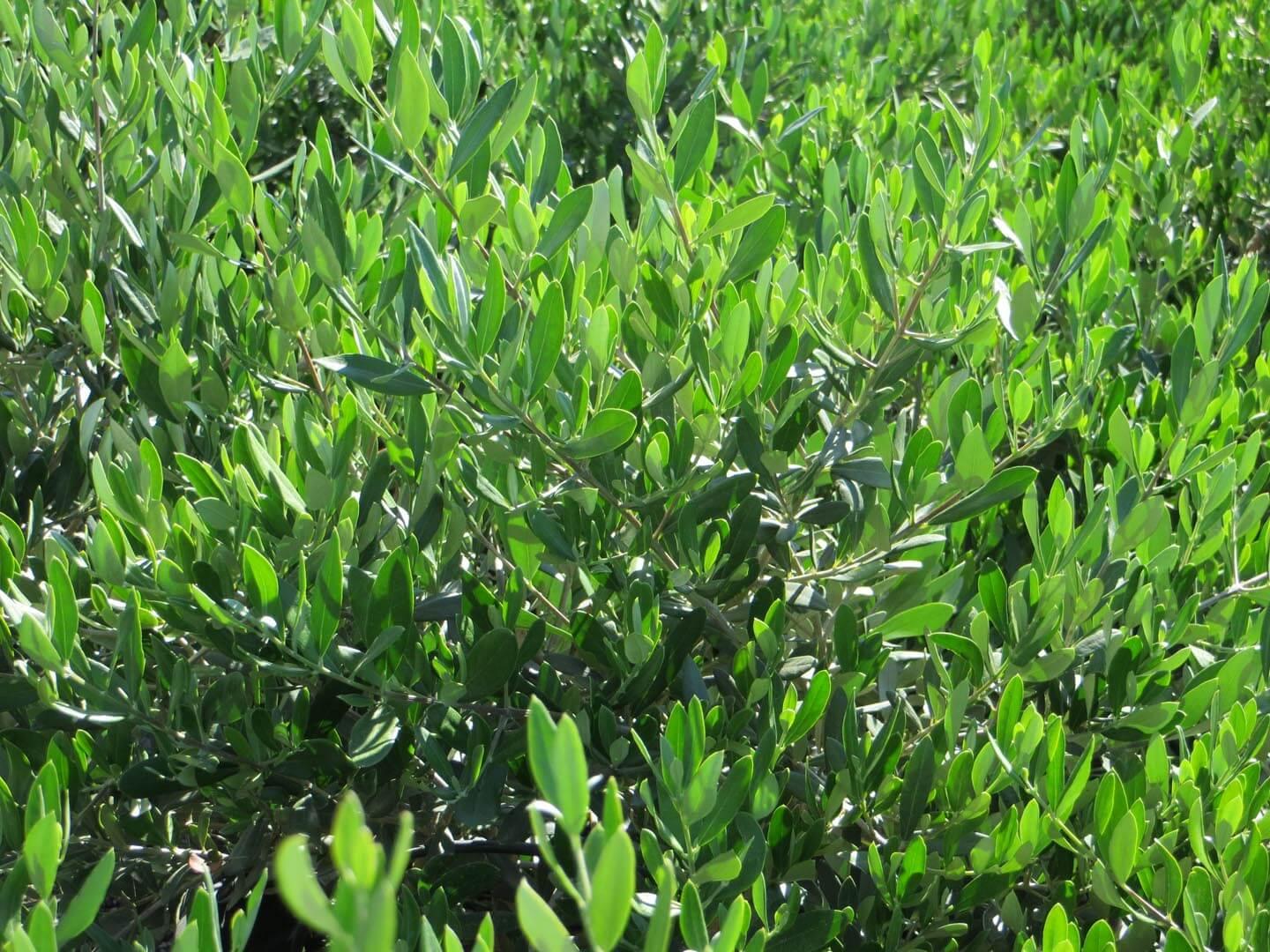
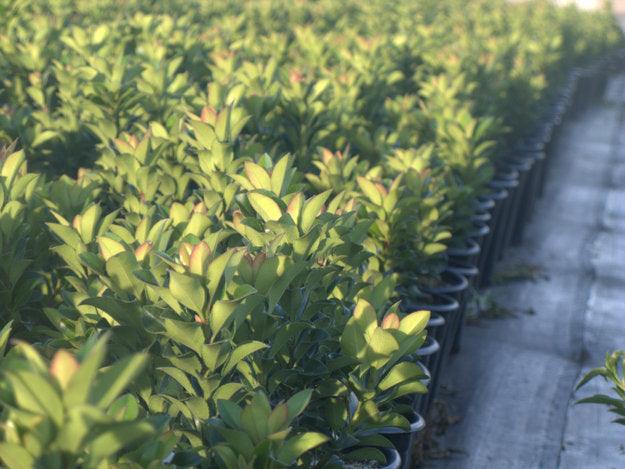
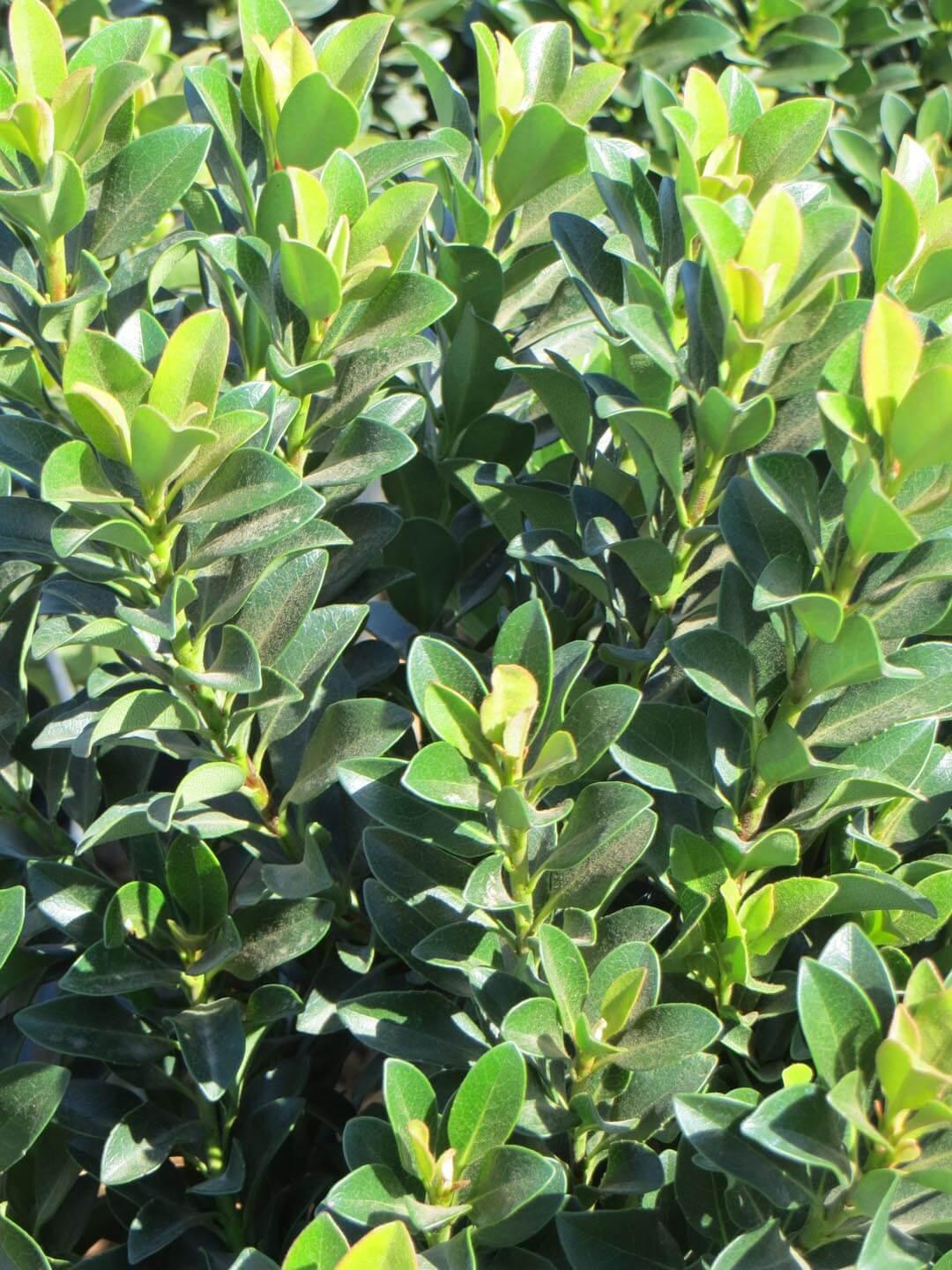
Skip Laurel gives you a fast, polished privacy screen with glossy evergreen foliage that stays dense, dark green, and attractive year round.
Also known as Schip Laurel, Schipka Laurel, Skipka Laurel, or Prunus laurocerasus ‘Schipkaensis’, this evergreen shrub is a refined type of cherry laurel valued for its upright habit, narrow leaves, and dependable coverage. Use it as a skip laurel hedge along property lines, a formal laurel hedge near an entry, or a dense evergreen backdrop in a mixed landscape.
Designed to help you create privacy without seasonal gaps, Skip Laurel brings structure, shade tolerance, fragrant white spring flowers, and a professional garden finish to residential and commercial spaces.
Why You’ll Love Skip Laurel
-
Year-round privacy – Dense evergreen foliage remains vibrant through winter, giving your landscape coverage when deciduous trees and shrubs are bare.
-
Fast privacy results – Schip laurel can grow up to two feet per year, making it a fast-growing option for creating a dense privacy screen; many customers maintain it at 6–8 feet for a practical privacy hedge.
-
Seasonal beauty – In late spring, Schip Laurel produces clusters of small, fragrant white flowers; these fragrant flowers and upright flower spikes add charm and support pollinators.
-
Low maintenance once established – Once established, Schip laurel requires minimal maintenance, making it a low-maintenance choice for gardeners who want dense growth without constant attention.
-
Deer resistant performance – Mature plants are considered deer resistant compared to many privacy plants, though new plants and tender new growth may still need protection in high-pressure areas.
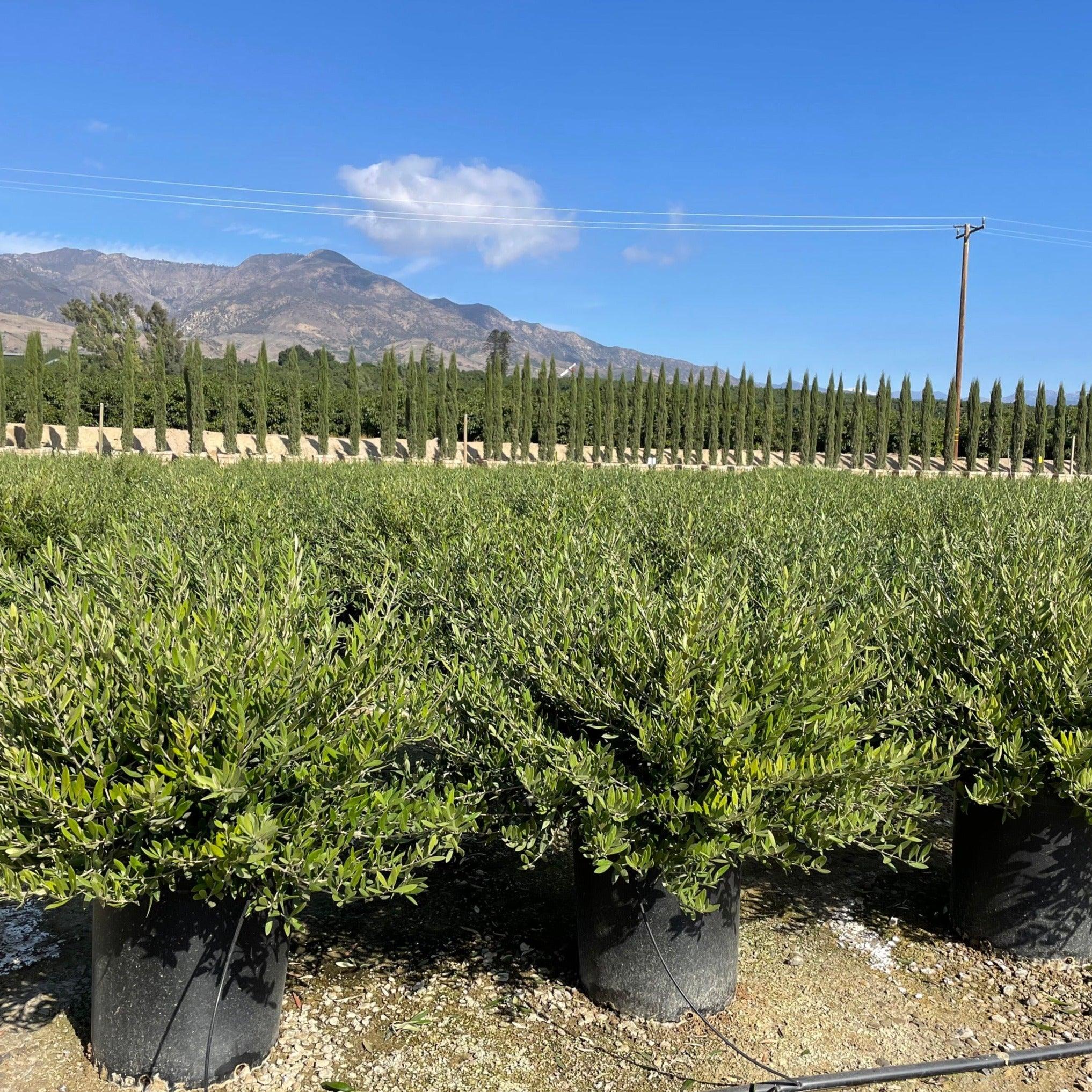
The medium-sized, glossy evergreen foliage of Schip Laurel creates a lush, layered appearance that enhances gardens, foundation plantings, and formal hedge designs. Its glossy, dark green leaves remain vibrant throughout all seasons, providing a polished look to landscapes and enhancing privacy.
What Makes Skip Laurel Different
Most alternatives focus on height alone. Leyland cypress can become too tall and wide, bamboo may be difficult to contain and is sometimes considered invasive, and many conifers such as Fern Pine hedges can still struggle in shade.
Skip Laurel has:
-
Refined broadleaf texture – Glossy, narrow leaves give this shrub a cleaner, more elegant look than coarser evergreen screens like Indian Laurel privacy hedges.
-
Better light flexibility – This shrub prefers full sun but can also tolerate partial to full shade, making it versatile for various planting locations where other evergreens struggle.
-
Prunable structure – Skip Laurel responds well to heavy pruning to maintain a specific height or shape, ideally pruned in late winter or early spring before new growth begins.
-
Reliable hedge habit – The dense, upright habit of Skip Laurel makes it a popular choice for creating living walls for privacy.
-
Cold-hardy usefulness – Best suited for USDA hardiness zone 6–8 landscapes, Skip Laurel handles winter better than many broadleaf evergreens such as English Laurel hedges when planted in a protected, well-drained site.
Schip Laurel thrives best in moist, well-drained soil with a higher organic content and is tolerant of a range of soil acidity, similar to other broadleaf hedge choices like Carolina Cherry Laurel. Avoid poor drainage: Skip Laurel is sensitive to waterlogged roots, which can lead to yellowing or root rot, requiring well-draining soil for long-term health.
How Skip Laurel Transforms Your Space
-
Plant for the privacy style you want
For a continuous privacy hedge, medium-sized Skip Laurel specimens should be spaced about 3 to 4 feet apart. For a looser natural screen with enough space between mature shrubs, plant 6–8 feet apart. Dig a planting hole wide enough for the root ball, set the plant so the root flare is level with or slightly above ground level, and backfill with surrounding soil improved with compost if needed. -
Let dense growth fill in naturally
With sun to partial shade, steady moisture, mulch, and well drained soil, Schip Laurel can grow up to two feet per year. Its upright branches and dense foliage typically knit together into a strong privacy screen within 2–3 growing seasons, especially when new plants are watered deeply during establishment, or when combined with other popular privacy trees and shrubs. -
Maintain the height and shape you prefer
Keep a formal skip laurel hedge clipped, or allow the shrub to grow into a softer natural screen. Prune in late winter or early spring before new growth begins, then lightly shape after flowering if needed. Skip Laurel does not require heavy fertilization; a light application of balanced, organic fertilizer is sufficient in early spring to encourage new growth.
The result is a dense screen that can be maintained around 6–8 feet for everyday privacy, while mature Schip laurel plants typically reach heights of 10–15 feet and widths of 6–12 feet, depending on the cultivar and pruning style.
Plant Details
-
Botanical Name: Prunus laurocerasus ‘Schipkaensis’
-
Common Names: Skip Laurel, Schip Laurel, Schipka Laurel, Skipka Laurel, Schipka Cherry Laurel; a cousin to Bay Laurel (Laurus nobilis)
-
Plant Type: Broadleaf evergreen shrub closely related to English Laurel (Prunus laurocerasus)
-
Typical Maintained Hedge Size: 6–8 feet tall, 4–6 feet wide
-
Mature Potential: Mature Schip laurel plants typically reach heights of 10–15 feet and widths of 6–12 feet, depending on the cultivar
-
Growth Rate: Fast; Schip laurel can grow up to two feet per year, making it an excellent choice for quickly establishing a dense privacy screen
-
Light Requirements: Full sun to partial shade; tolerant of full shade, though density is best with some sun
-
Soil Preferences: Moist, well drained soil with higher organic content; adaptable to many soil types and a range of soil acidity, similar to other evergreen shrubs like Glossy Privet (Ligustrum lucidum)
-
Drainage Needs: Requires good soil drainage; poor drainage and waterlogged roots can cause yellowing, root rot, and other plant problems
-
Bloom Time: Late spring fragrant white flower clusters, often followed by ornamental fruit that may pass through a red berries stage before darkening
-
Hardiness Zone: Best in USDA zones 6–8
-
Maintenance: Low maintenance once established; prune to control size, shape the hedge, and remove damaged leaves or branches
-
Watering: Water deeply after planting and during dry periods; established plants become more drought tolerant but still perform best with consistent moisture, much like fruiting trees such as the Pomegranate tree
-
Fertilizer: Light balanced organic fertilizer in early spring is enough; heavy fertilization is not required
Who Skip Laurel Is Perfect For
Ideal for:
-
Homeowners needing a privacy hedge or privacy screen along property lines
-
Gardeners who want a low maintenance evergreen foundation planting
-
Landscapers creating formal hedge designs, living walls, or structured garden borders
-
Anyone seeking year round evergreen structure in a mixed landscape
-
Properties with partial shade, full shade edges, or filtered sun where other evergreens may thin out
-
Customers who want an excellent privacy hedge with dark green foliage, fragrant white flowers, and dense upright growth
If you want a fast-growing evergreen shrub that looks polished in full sun to partial shade, Skip Laurel fits beautifully. It is especially useful where you want the lush look of laurel, the structure of a hedge, and the flexibility to prune for a specific height or natural shape.
Frequently Asked Questions
How fast does skip laurel grow?
Schip laurel can grow up to two feet per year in good conditions. With moist, well-drained soil, mulch, and regular watering during establishment, a skip laurel hedge can become a dense screen within 2–3 years.
How far apart should I plant skip laurel for a hedge?
For continuous privacy hedges, medium-sized Skip Laurel specimens should be spaced about 3 to 4 feet apart. For a more natural laurel hedge with more airflow and enough space for mature growth, 6–8 feet apart can work well.
When is the best time to plant skip laurel?
Early spring and fall are the best planting windows. When planting Schip Laurel, set the root flare level with or slightly above ground level, keep the root ball stable, backfill with surrounding soil, and water deeply.
Does skip laurel need regular pruning?
Skip Laurel responds well to heavy pruning when you need to control size or maintain a specific shape. For best results, prune in late winter or early spring before new growth begins, then lightly trim after flowering if you want a tighter formal hedge.
Will skip laurel survive California’s climate?
Yes, Skip Laurel can perform well in many California landscapes, especially where it receives sun to partial shade and has good soil drainage. In hotter inland areas, protect it from harsh afternoon sun and avoid waterlogged roots.
Ready to Create Your Privacy Paradise?
Stop settling for bare fences, seasonal gaps, or privacy plants that outgrow the space.
Choose Skip Laurel for glossy evergreen foliage, dense growth, fragrant white spring flowers, and a refined year-round screen that can be shaped into a formal hedge or grown as a natural evergreen backdrop.
Need help planning a large privacy project? Yardwork can help with plant selection, spacing, delivery options, and consultation for larger hedge installations.
Original: $395.00
-65%$395.00
$138.25Product Information
Product Information
Shipping & Returns
Shipping & Returns
Description
Create Year-Round Privacy with Dense Evergreen Screening
Skip Laurel gives you a fast, polished privacy screen with glossy evergreen foliage that stays dense, dark green, and attractive year round.
Also known as Schip Laurel, Schipka Laurel, Skipka Laurel, or Prunus laurocerasus ‘Schipkaensis’, this evergreen shrub is a refined type of cherry laurel valued for its upright habit, narrow leaves, and dependable coverage. Use it as a skip laurel hedge along property lines, a formal laurel hedge near an entry, or a dense evergreen backdrop in a mixed landscape.
Designed to help you create privacy without seasonal gaps, Skip Laurel brings structure, shade tolerance, fragrant white spring flowers, and a professional garden finish to residential and commercial spaces.
Why You’ll Love Skip Laurel
-
Year-round privacy – Dense evergreen foliage remains vibrant through winter, giving your landscape coverage when deciduous trees and shrubs are bare.
-
Fast privacy results – Schip laurel can grow up to two feet per year, making it a fast-growing option for creating a dense privacy screen; many customers maintain it at 6–8 feet for a practical privacy hedge.
-
Seasonal beauty – In late spring, Schip Laurel produces clusters of small, fragrant white flowers; these fragrant flowers and upright flower spikes add charm and support pollinators.
-
Low maintenance once established – Once established, Schip laurel requires minimal maintenance, making it a low-maintenance choice for gardeners who want dense growth without constant attention.
-
Deer resistant performance – Mature plants are considered deer resistant compared to many privacy plants, though new plants and tender new growth may still need protection in high-pressure areas.
The medium-sized, glossy evergreen foliage of Schip Laurel creates a lush, layered appearance that enhances gardens, foundation plantings, and formal hedge designs. Its glossy, dark green leaves remain vibrant throughout all seasons, providing a polished look to landscapes and enhancing privacy.
What Makes Skip Laurel Different
Most alternatives focus on height alone. Leyland cypress can become too tall and wide, bamboo may be difficult to contain and is sometimes considered invasive, and many conifers such as Fern Pine hedges can still struggle in shade.
Skip Laurel has:
-
Refined broadleaf texture – Glossy, narrow leaves give this shrub a cleaner, more elegant look than coarser evergreen screens like Indian Laurel privacy hedges.
-
Better light flexibility – This shrub prefers full sun but can also tolerate partial to full shade, making it versatile for various planting locations where other evergreens struggle.
-
Prunable structure – Skip Laurel responds well to heavy pruning to maintain a specific height or shape, ideally pruned in late winter or early spring before new growth begins.
-
Reliable hedge habit – The dense, upright habit of Skip Laurel makes it a popular choice for creating living walls for privacy.
-
Cold-hardy usefulness – Best suited for USDA hardiness zone 6–8 landscapes, Skip Laurel handles winter better than many broadleaf evergreens such as English Laurel hedges when planted in a protected, well-drained site.
Schip Laurel thrives best in moist, well-drained soil with a higher organic content and is tolerant of a range of soil acidity, similar to other broadleaf hedge choices like Carolina Cherry Laurel. Avoid poor drainage: Skip Laurel is sensitive to waterlogged roots, which can lead to yellowing or root rot, requiring well-draining soil for long-term health.
How Skip Laurel Transforms Your Space
-
Plant for the privacy style you want
For a continuous privacy hedge, medium-sized Skip Laurel specimens should be spaced about 3 to 4 feet apart. For a looser natural screen with enough space between mature shrubs, plant 6–8 feet apart. Dig a planting hole wide enough for the root ball, set the plant so the root flare is level with or slightly above ground level, and backfill with surrounding soil improved with compost if needed. -
Let dense growth fill in naturally
With sun to partial shade, steady moisture, mulch, and well drained soil, Schip Laurel can grow up to two feet per year. Its upright branches and dense foliage typically knit together into a strong privacy screen within 2–3 growing seasons, especially when new plants are watered deeply during establishment, or when combined with other popular privacy trees and shrubs. -
Maintain the height and shape you prefer
Keep a formal skip laurel hedge clipped, or allow the shrub to grow into a softer natural screen. Prune in late winter or early spring before new growth begins, then lightly shape after flowering if needed. Skip Laurel does not require heavy fertilization; a light application of balanced, organic fertilizer is sufficient in early spring to encourage new growth.
The result is a dense screen that can be maintained around 6–8 feet for everyday privacy, while mature Schip laurel plants typically reach heights of 10–15 feet and widths of 6–12 feet, depending on the cultivar and pruning style.
Plant Details
-
Botanical Name: Prunus laurocerasus ‘Schipkaensis’
-
Common Names: Skip Laurel, Schip Laurel, Schipka Laurel, Skipka Laurel, Schipka Cherry Laurel; a cousin to Bay Laurel (Laurus nobilis)
-
Plant Type: Broadleaf evergreen shrub closely related to English Laurel (Prunus laurocerasus)
-
Typical Maintained Hedge Size: 6–8 feet tall, 4–6 feet wide
-
Mature Potential: Mature Schip laurel plants typically reach heights of 10–15 feet and widths of 6–12 feet, depending on the cultivar
-
Growth Rate: Fast; Schip laurel can grow up to two feet per year, making it an excellent choice for quickly establishing a dense privacy screen
-
Light Requirements: Full sun to partial shade; tolerant of full shade, though density is best with some sun
-
Soil Preferences: Moist, well drained soil with higher organic content; adaptable to many soil types and a range of soil acidity, similar to other evergreen shrubs like Glossy Privet (Ligustrum lucidum)
-
Drainage Needs: Requires good soil drainage; poor drainage and waterlogged roots can cause yellowing, root rot, and other plant problems
-
Bloom Time: Late spring fragrant white flower clusters, often followed by ornamental fruit that may pass through a red berries stage before darkening
-
Hardiness Zone: Best in USDA zones 6–8
-
Maintenance: Low maintenance once established; prune to control size, shape the hedge, and remove damaged leaves or branches
-
Watering: Water deeply after planting and during dry periods; established plants become more drought tolerant but still perform best with consistent moisture, much like fruiting trees such as the Pomegranate tree
-
Fertilizer: Light balanced organic fertilizer in early spring is enough; heavy fertilization is not required
Who Skip Laurel Is Perfect For
Ideal for:
-
Homeowners needing a privacy hedge or privacy screen along property lines
-
Gardeners who want a low maintenance evergreen foundation planting
-
Landscapers creating formal hedge designs, living walls, or structured garden borders
-
Anyone seeking year round evergreen structure in a mixed landscape
-
Properties with partial shade, full shade edges, or filtered sun where other evergreens may thin out
-
Customers who want an excellent privacy hedge with dark green foliage, fragrant white flowers, and dense upright growth
If you want a fast-growing evergreen shrub that looks polished in full sun to partial shade, Skip Laurel fits beautifully. It is especially useful where you want the lush look of laurel, the structure of a hedge, and the flexibility to prune for a specific height or natural shape.
Frequently Asked Questions
How fast does skip laurel grow?
Schip laurel can grow up to two feet per year in good conditions. With moist, well-drained soil, mulch, and regular watering during establishment, a skip laurel hedge can become a dense screen within 2–3 years.
How far apart should I plant skip laurel for a hedge?
For continuous privacy hedges, medium-sized Skip Laurel specimens should be spaced about 3 to 4 feet apart. For a more natural laurel hedge with more airflow and enough space for mature growth, 6–8 feet apart can work well.
When is the best time to plant skip laurel?
Early spring and fall are the best planting windows. When planting Schip Laurel, set the root flare level with or slightly above ground level, keep the root ball stable, backfill with surrounding soil, and water deeply.
Does skip laurel need regular pruning?
Skip Laurel responds well to heavy pruning when you need to control size or maintain a specific shape. For best results, prune in late winter or early spring before new growth begins, then lightly trim after flowering if you want a tighter formal hedge.
Will skip laurel survive California’s climate?
Yes, Skip Laurel can perform well in many California landscapes, especially where it receives sun to partial shade and has good soil drainage. In hotter inland areas, protect it from harsh afternoon sun and avoid waterlogged roots.
Ready to Create Your Privacy Paradise?
Stop settling for bare fences, seasonal gaps, or privacy plants that outgrow the space.
Choose Skip Laurel for glossy evergreen foliage, dense growth, fragrant white spring flowers, and a refined year-round screen that can be shaped into a formal hedge or grown as a natural evergreen backdrop.
Need help planning a large privacy project? Yardwork can help with plant selection, spacing, delivery options, and consultation for larger hedge installations.