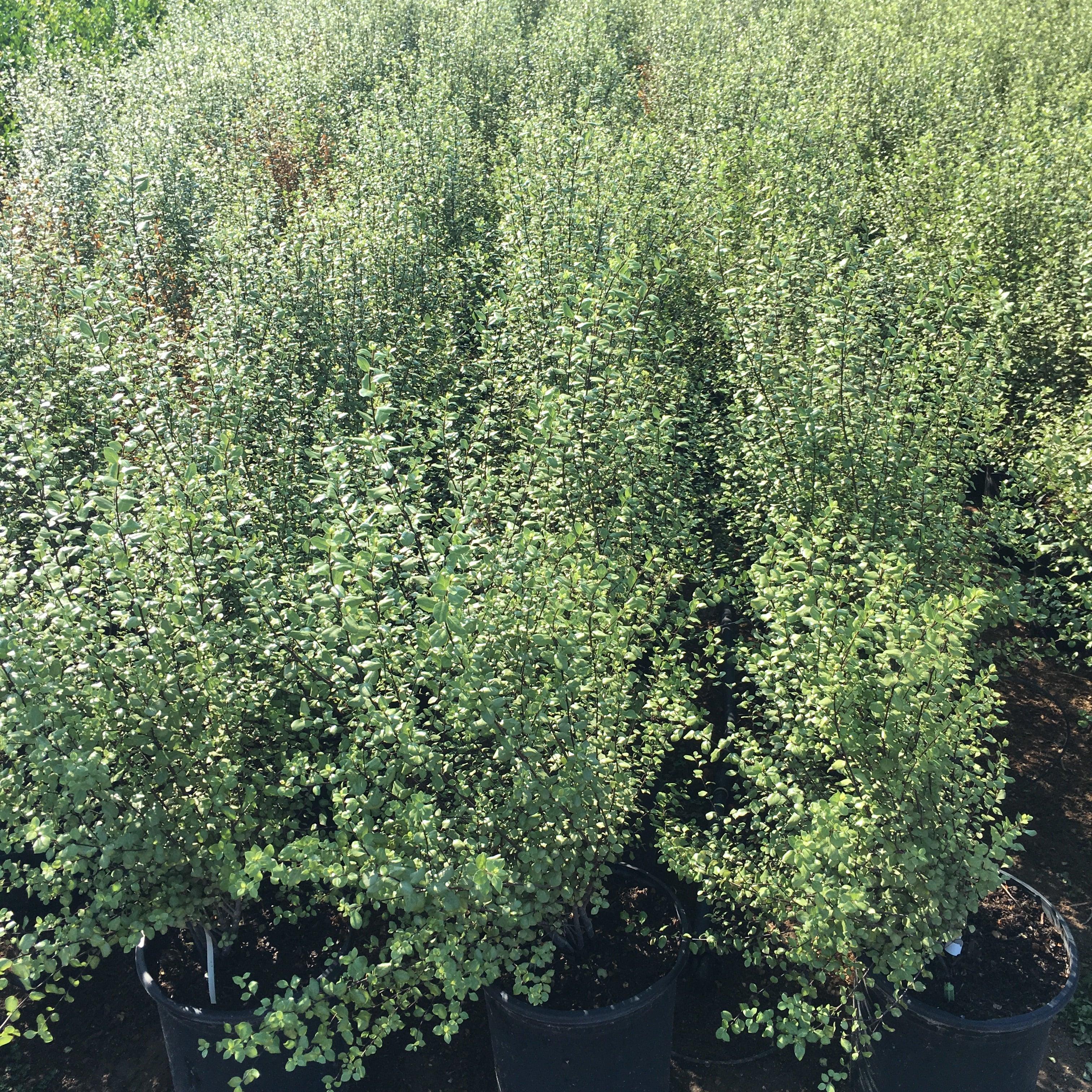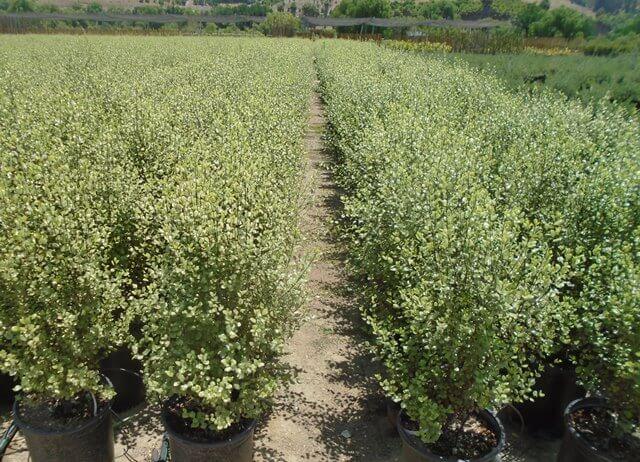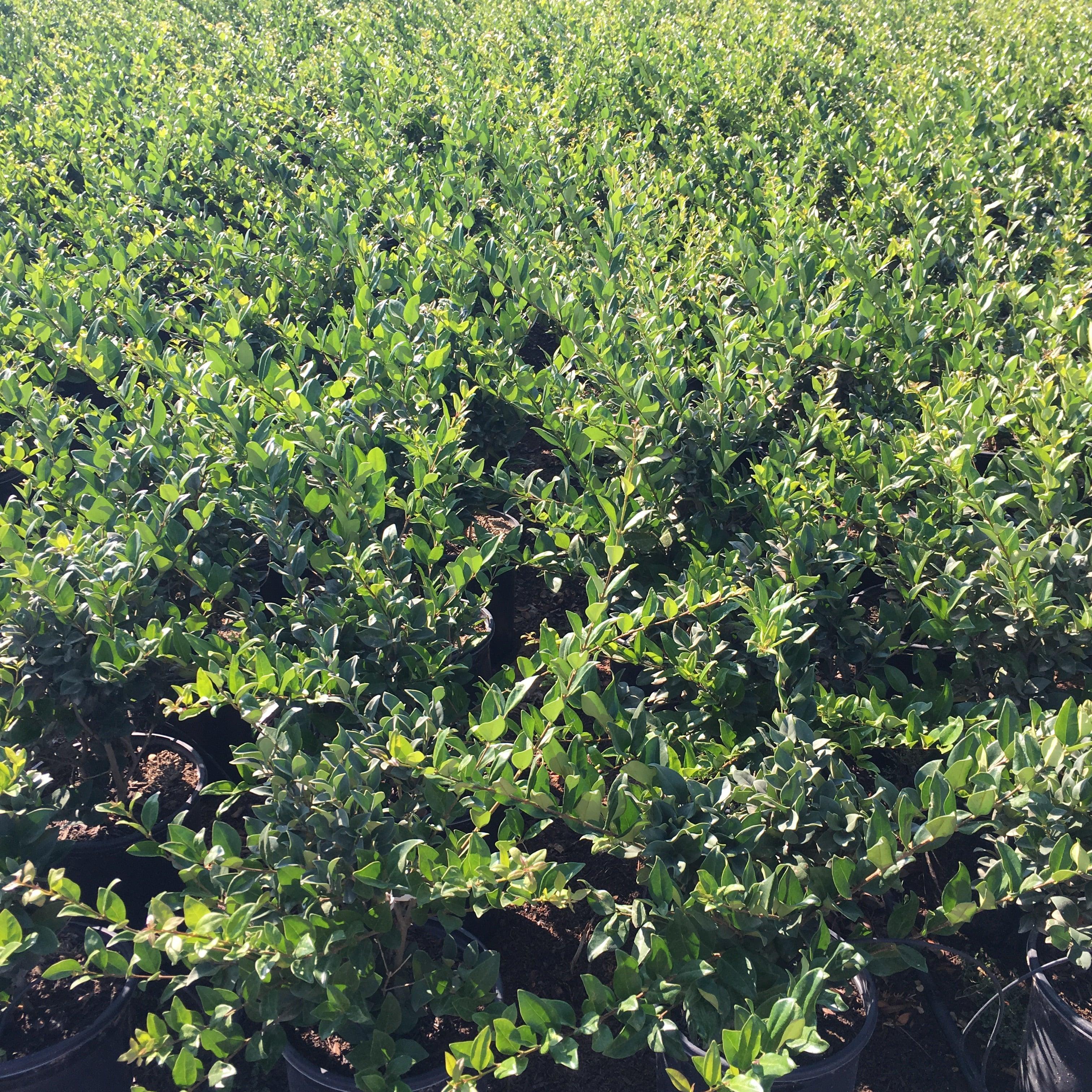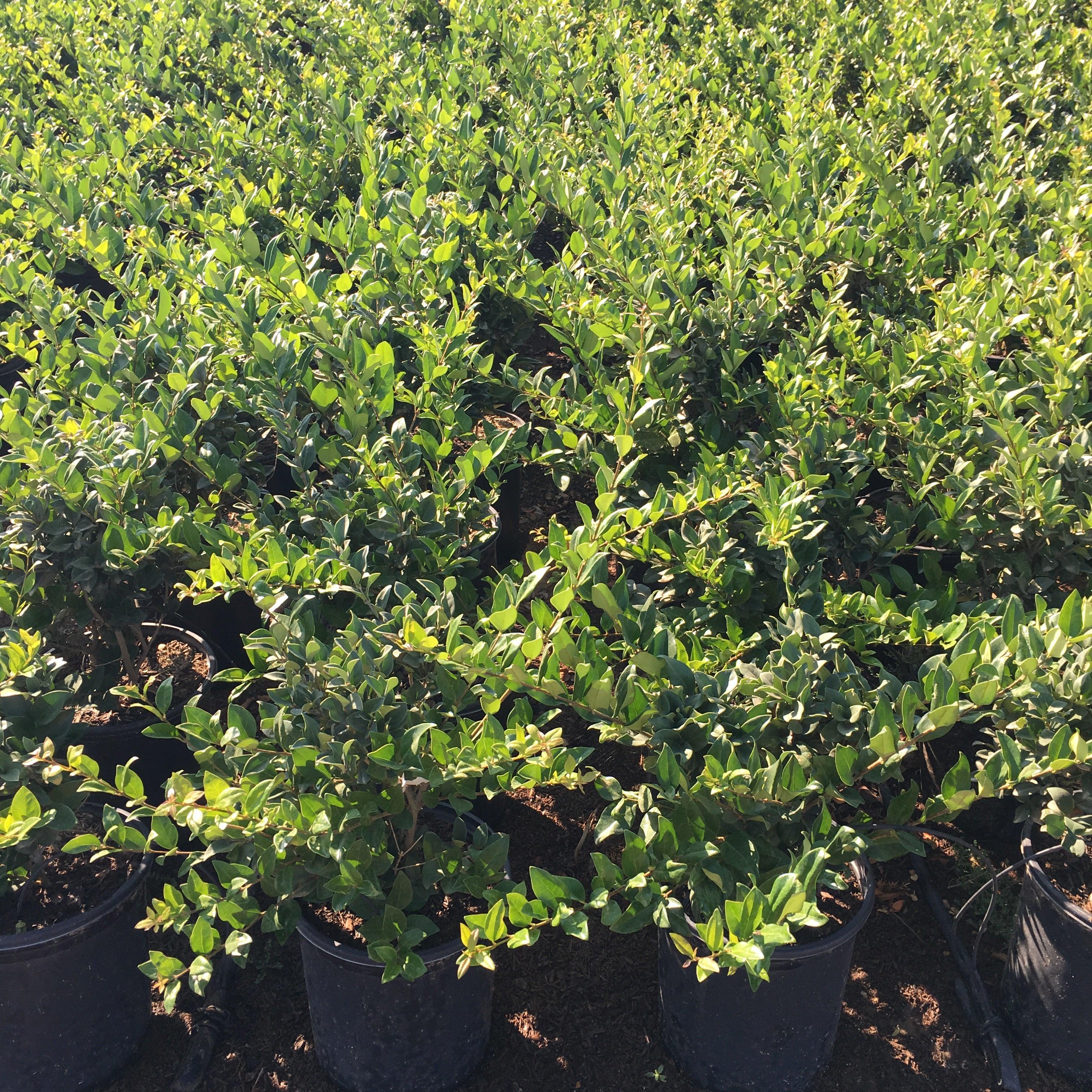
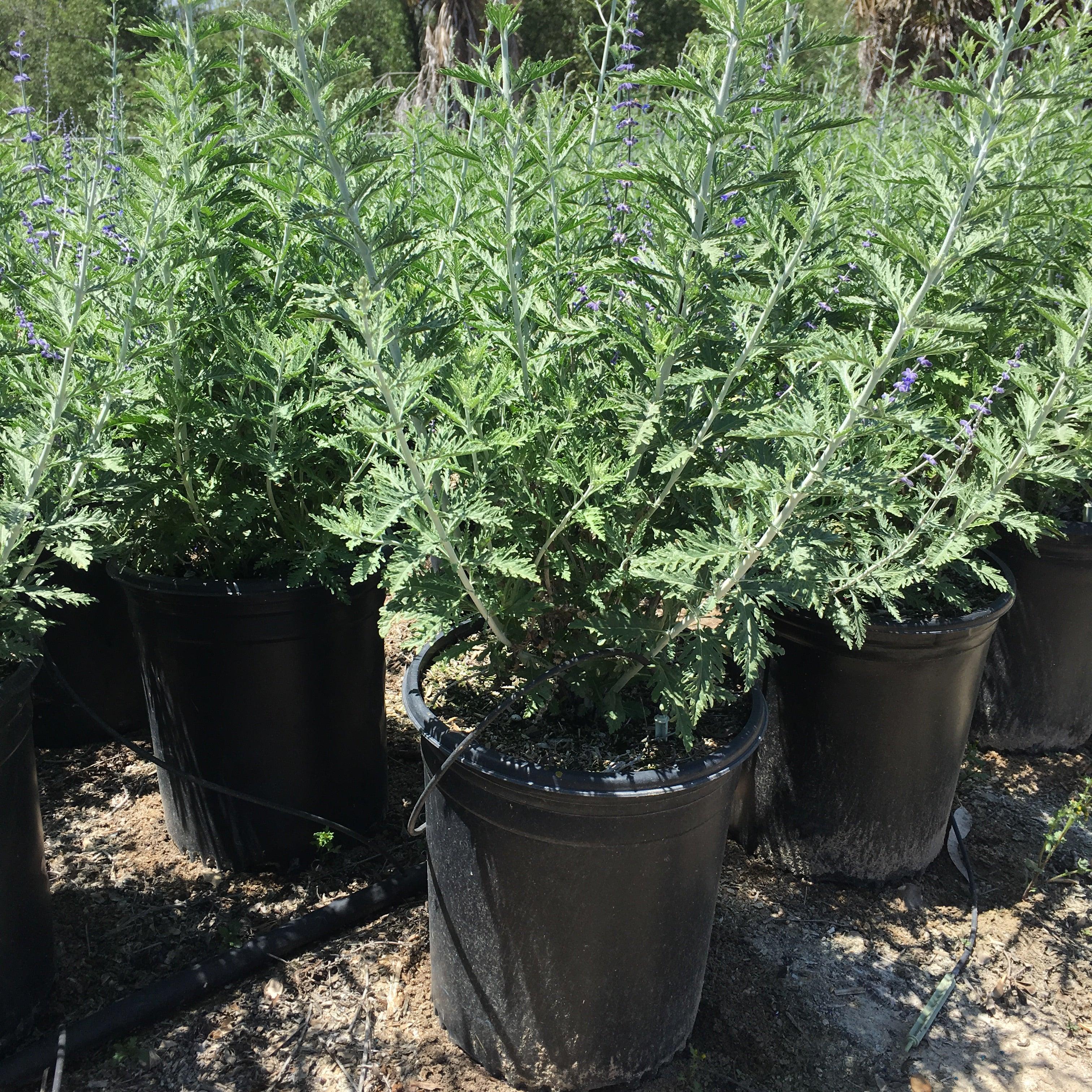
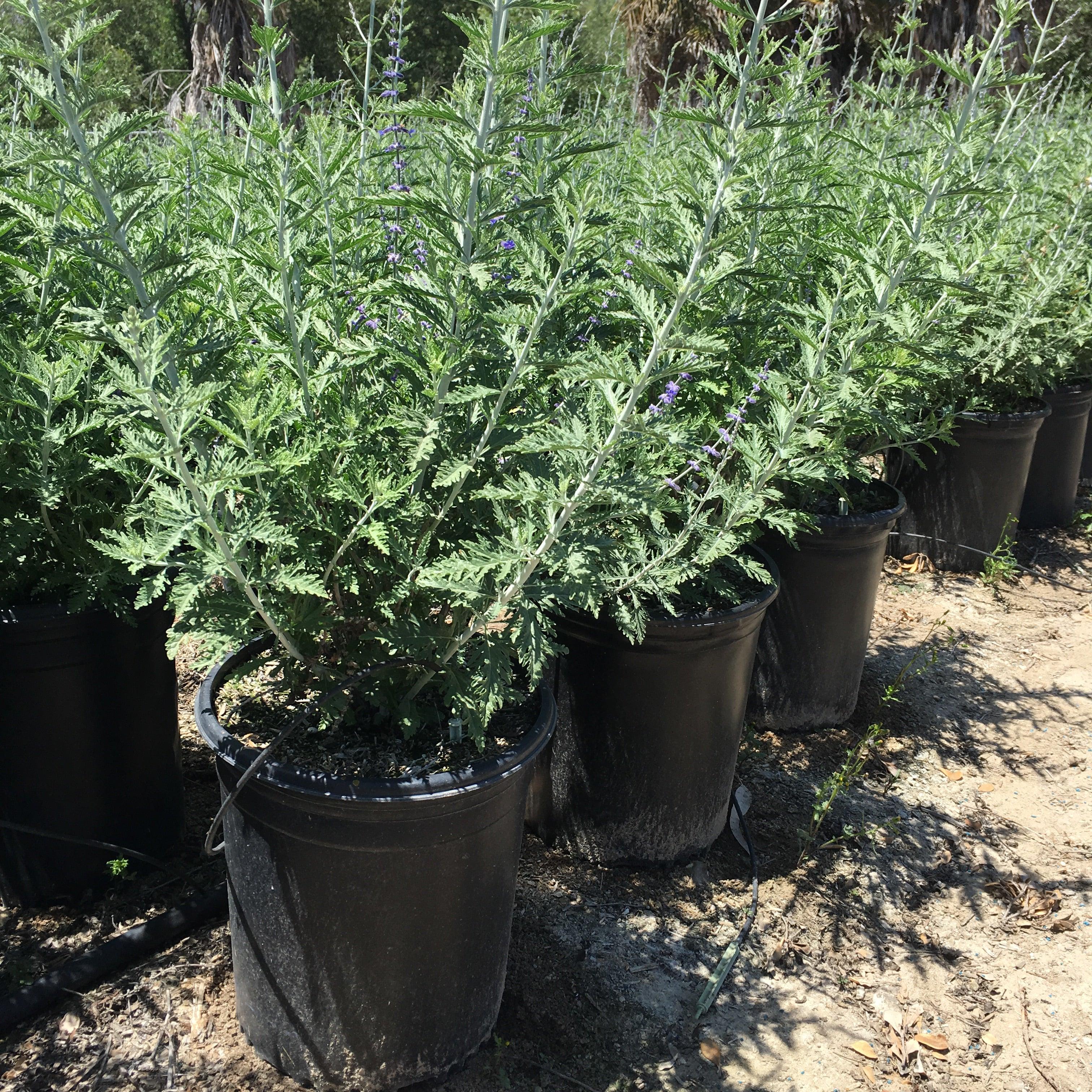
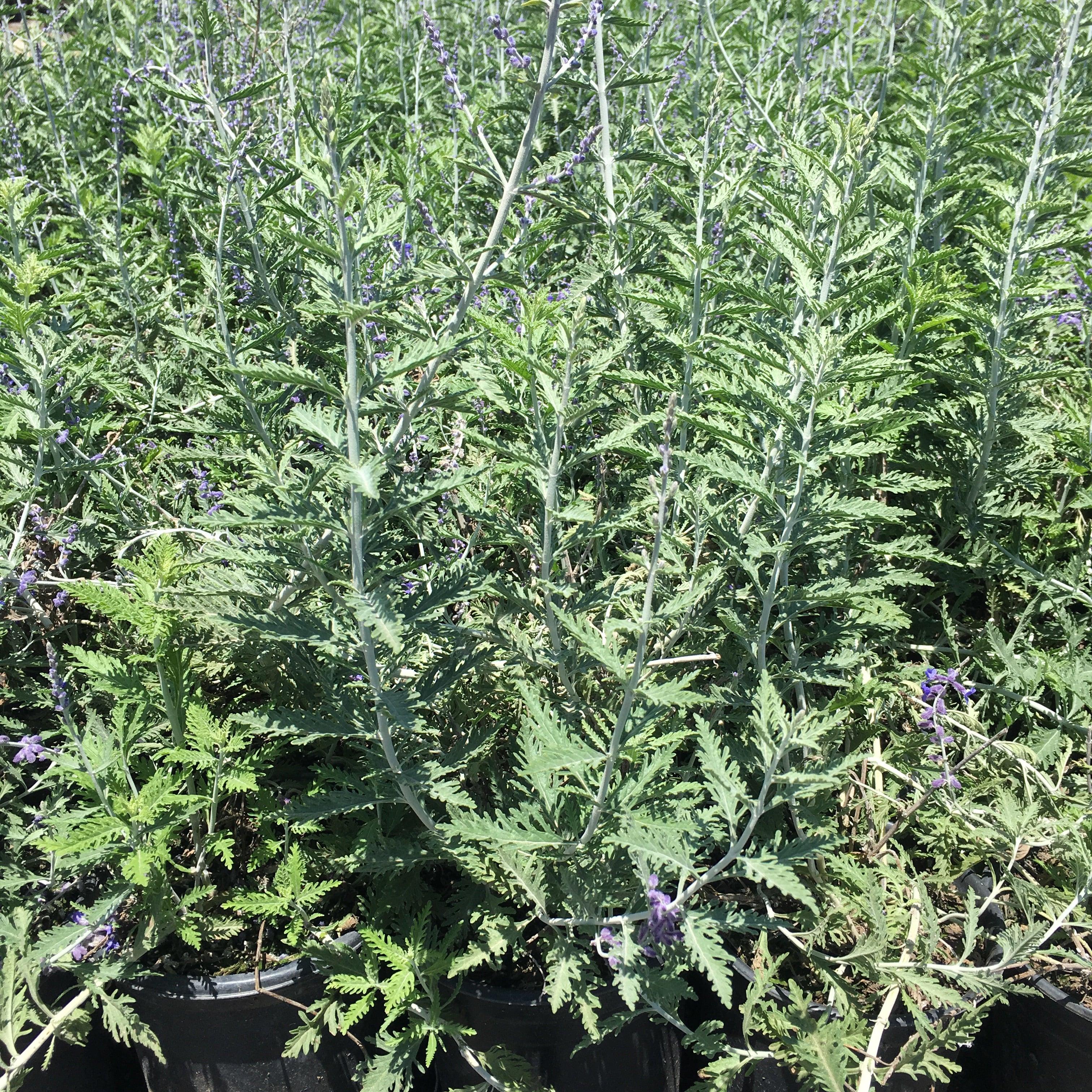
Russian Sage (Perovskia atriplicifolia)
Transform Your Garden with Long-Lasting Lavender-Blue Blooms
Russian Sage also known as Perovskia atriplicifolia gives your garden months of lavender blue flowers, silvery foliage, and reliable drought tolerant performance from mid summer through fall. This low maintenance perennial plant is ideal when you want color, texture, pollinator activity, and a soft blue haze without constant watering or high-effort care.
Also known as Salvia yangii, Perovskia atriplicifolia, the Russian sage plant thrives in full sun, handles arid climates beautifully, and produces airy flower spikes that stay attractive deep into the growing season.
Why You’ll Love It
-
Months of color – Russian sage flowers appear from July through October in many regions, with lavender-blue, purple flowers that can read as sky blue flowers, bright blue flowers, or deep purple flowers depending on light and cultivar.
-
Water-wise performance – Once mature plants develop a robust root system, Russian Sage can tolerate drought and prefers to stay slightly dry rather than consistently moist.
-
Pollinator friendly – The nectar-rich tubular flowers attract honeybees, native bees, butterflies, and hummingbirds, making Russian Sage a strong choice for pollinator gardens.
-
Deer and rabbit resistant – Aromatic gray green leaves help make this perennial naturally deer resistant and less appealing to rabbits.
-
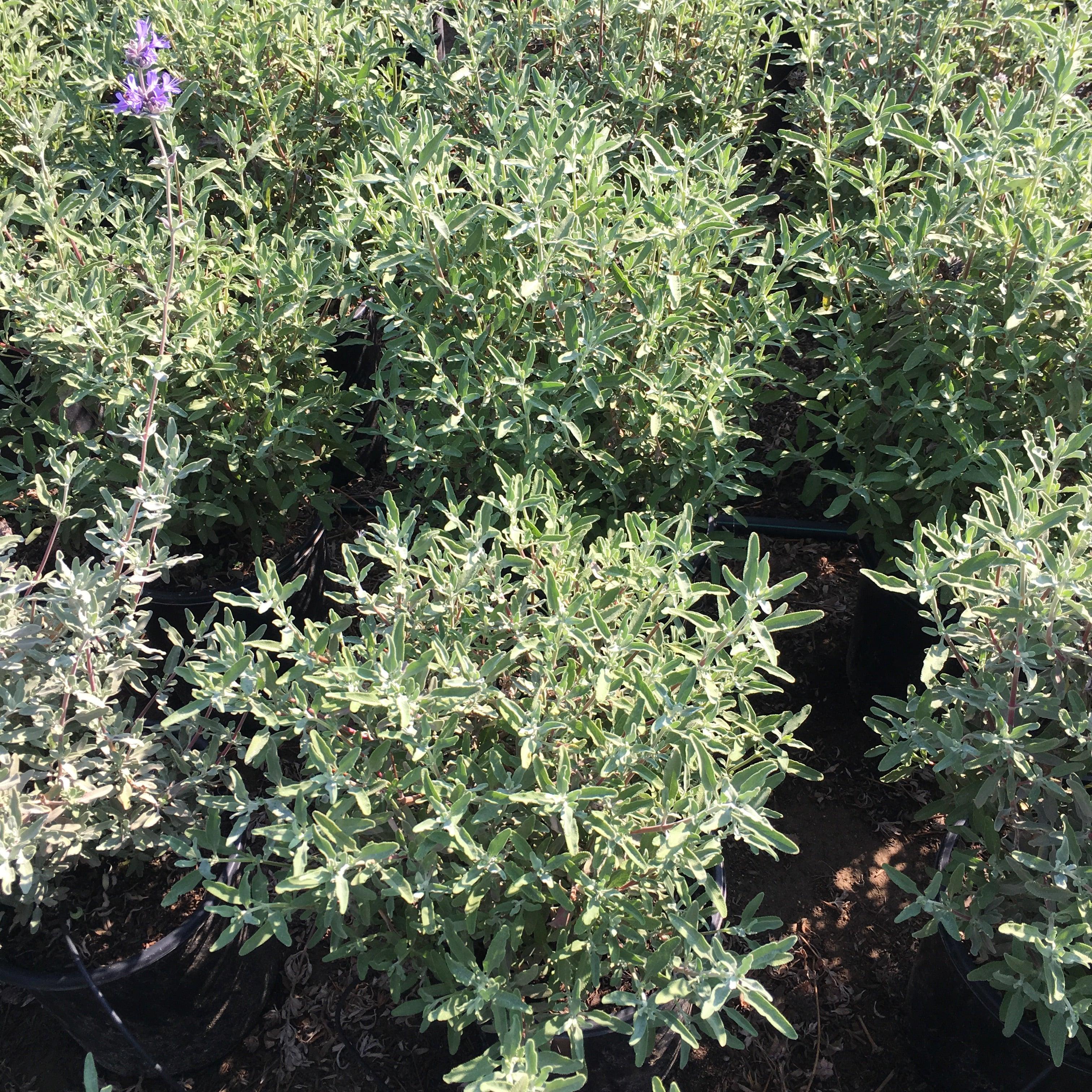
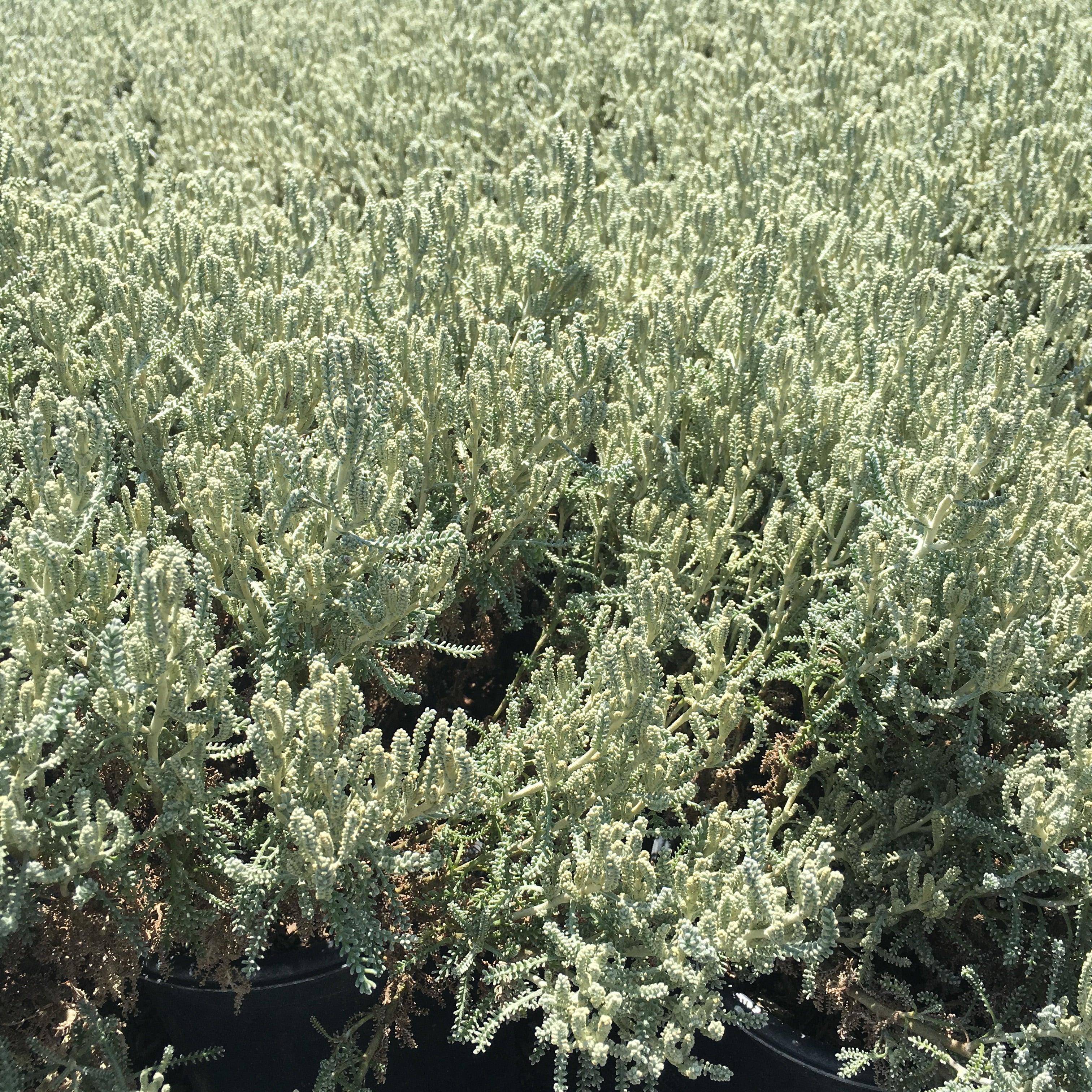
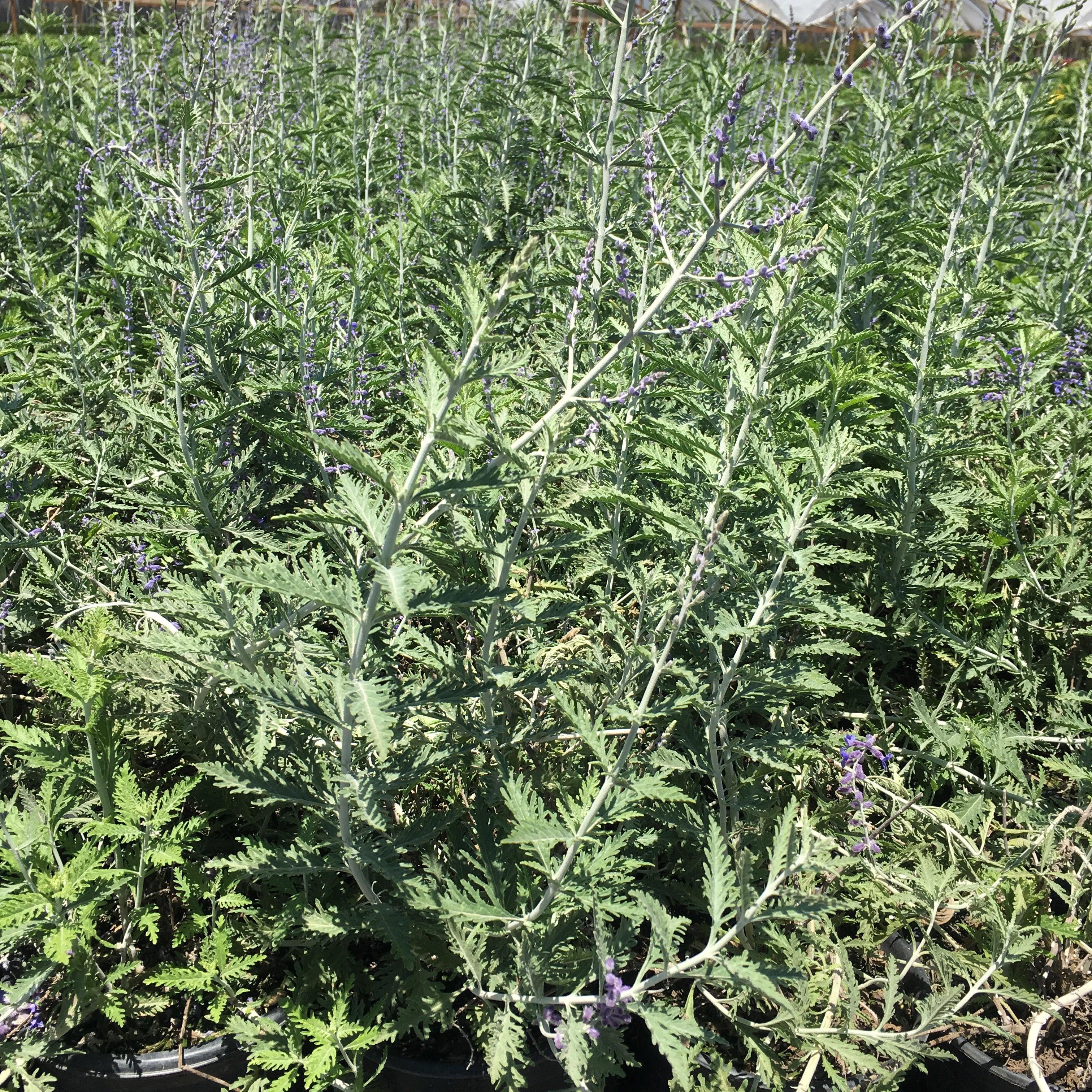
Beautiful texture and contrast – Elongate gray-green leaves, square silvery-gray upright stems, and airy long spikes create a soft Mediterranean look that pairs well with other plants.
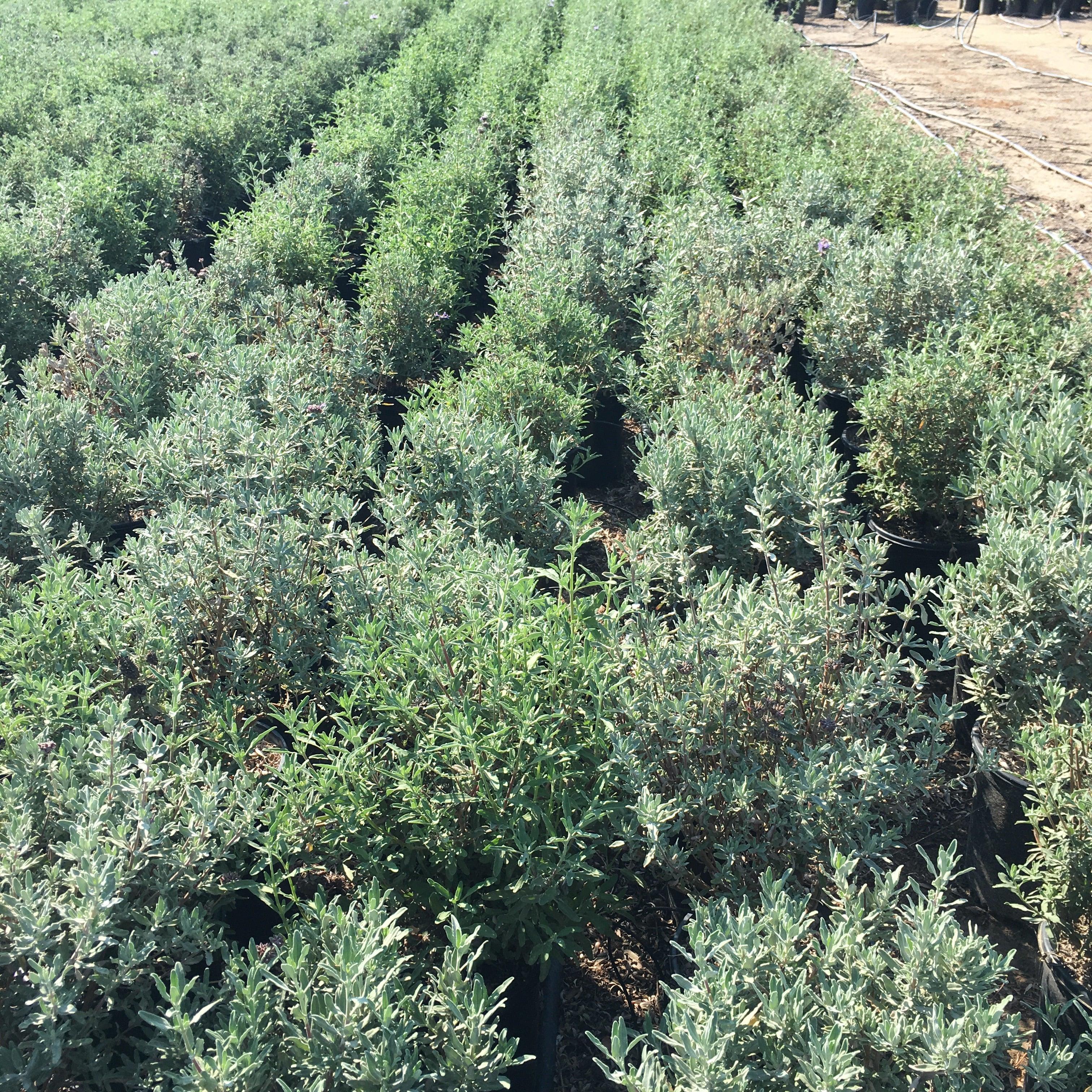
Russian sage is especially prized for its extreme drought tolerance, ability to thrive in poor soils, and built-in resistance to deer and rabbits. The fine texture and color of Russian Sage also make it excellent for mass plantings, where the blue flowers and silvery foliage create a striking visual impact across larger garden spaces.
What Makes It Different
Lavender, catmint, and Russian Sage all offer aromatic foliage and purple-blue flowers, but English lavender (Lavandula angustifolia) stands out for its compact habit, fragrant blooms, and versatility, while Russian Sage excels in size, longer bloom window, and open, airy structure.
Russian Sage is known for:
-
Longer seasonal impact – Lavender often peaks from late spring to early summer, while Russian sage bloom typically carries from mid summer through autumn and may continue until the first frost in mild climates.
-
Airy flower structure – Instead of dense flower wands, Russian Sage produces branched panicles with many small individual flowers, giving borders a misty lavender blue effect.
-
Better fit for hot, dry gardens – Native to Central and Southwest Asia, this plant thrives in hot, dry environments and is well suited to xeriscaping, California landscapes, and waterwise plantings alongside other drought-tolerant shrubs like California lilac (Ceanothus).
Russian Sage is generally larger than lavender, often reaching 3 to 4 feet tall and sometimes 3 to 5 feet tall as mature plants. Named cultivars such as Blue Spire, Little Spire, and Denim ’n Lace offer different heights, flower color intensity, compact habit, and leaf shape, making it easy to match the right plant to a border, cottage garden, or perennial garden design.
How to Plant and Grow
-
Choose a sunny, well-drained location
Plant Russian Sage where it receives at least 6-8 hours of direct full sun each day. More sun means stronger upright stems, better blooming, and less flopping. Russian Sage thrives in hot, dry conditions and well drained soil. -
Plant at the right time and spacing
It is best to plant Russian Sage in late spring after the soil has warmed up, and it can be planted until 6 weeks before the average first frost date. Set Russian Sage plants at the same depth they were growing in their nursery container. Space plants about 18 to 24 inches apart for proper air circulation and growth, or 2-3 feet apart for larger cultivars and mass plantings. -
Water to establish, then reduce irrigation
Water regularly during the first year while the root system develops. Once established, Russian Sage is drought tolerant and requires minimal watering, preferring to be slightly dry rather than consistently moist.
For best flowering, prune in late winter or early spring as growth begins. Cut stems back to about 6 inches to encourage vigorous new growth and abundant blooms. Fertilization should be done sparingly in spring, using a balanced, slow-release fertilizer as new growth begins to emerge. Too much fertilizer can make stems weak and increase flopping.
To prevent flopping, Russian Sage can be staked or planted near other plants that will support them, especially when young. Good drainage is essential to prevent root rot, especially in clay soil or containers with dense potting soil.
Plant Details
-
Botanical name: Salvia yangii
-
Former name: Perovskia atriplicifolia
-
Plant type: Low maintenance perennial plant / woody subshrub in the mint family
-
Mature size: Typically 3-4 feet tall; many mature plants reach 3-5 feet tall and 2-3 feet wide
-
Hardiness: USDA zones 3-9 depending on cultivar and site conditions; most reliable in zones 4-9
-
Bloom time: Early summer to mid-fall in some climates; commonly mid-summer through fall, July-October
-
Flower color: Lavender-blue, purple to blue flowers on airy flower spikes
-
Flower form: Small tubular flowers arranged on long spikes and branched panicles
-
Foliage: Elongate gray green leaves with silvery foliage and square, silvery-gray stems
-
Sun requirements: Full sun, at least 6-8 hours daily
-
Soil requirements: Well-drained soil with slightly alkaline to neutral pH
-
Soil tolerance: Performs in sandy, loamy, or clay soils as long as they are well-draining
-
Water needs: Water regularly the first year; minimal watering once established
-
Landscape uses: Middle or back of borders, cottage gardens, Mediterranean gardens, pollinator gardens, xeriscaping, mass plantings, and as a filler plant
-
Pairings: Ornamental grasses, white phlox, black eyed susan, Rudbeckia, and other white or yellow-flowered perennials
Russian Sage develops a robust, deep root system that helps anchor the earth and stabilize looser, degraded soil. It can also be grown in large containers when given good drainage, a roomy pot, a fast-draining potting soil, and compatible companions like purple fountain grass (Pennisetum setaceum 'Rubrum').
Russian Sage can be propagated from seed, but the resulting seedlings may vary in height, flower color, and leaf shape. To enhance germination, an initial cold treatment of 10 days to 6 weeks at temperatures between 35-44 ºF is recommended for Russian Sage seeds. For propagating named cultivars of Russian Sage, taking 3-4 inch long softwood cuttings in summer is the most effective method; many growers place cuttings in small pots with rooting hormone to preserve the traits of the parent plant, similar to other salvias such as black sage (Salvia mellifera).
Who It’s For
Ideal for:
-
California homeowners seeking drought-tolerant landscape solutions
-
Gardeners who want long lasting blooms with minimal maintenance
-
Pollinator garden enthusiasts supporting honeybees, native bees, butterflies, and hummingbirds
-
Landscapers designing water-wise and deer-resistant plantings who want the convenience of an online plant nursery and landscaping service
-
Anyone creating Mediterranean, cottage garden, or perennial garden styles
Russian Sage can be effectively used in the middle or back of borders or cottage gardens, where its purple-blue flowers and silvery foliage provide a soft, airy look. It pairs beautifully with ornamental grasses and yellow or white perennials such as white phlox and Rudbeckia, including black eyed susan.
If you want to grow Russian Sage for late summer color, drought resistance, and a relaxed blue haze that supports wildlife, this plant fits your garden, especially in Mediterranean-style spaces where it can complement purple bougainvillea (Bougainvillea spectabilis).
Frequently Asked Questions
Is Russian Sage easy to grow?
Yes. Russian Sage is a highly resilient, low-maintenance perennial that thrives in full sun, hot dry conditions, and well-draining soils. Once established, it needs little water and only light seasonal care.
When should I prune it?
Prune in late winter or early spring before strong new growth begins. Cutting back to about 6 inches encourages vigorous new growth, stronger upright stems, and abundant Russian sage flowers.
Will it spread in my garden?
Russian Sage can spread mildly, but it is not usually considered invasive in typical garden settings. If you are concerned about Russian sage invasive behavior in your area, use proper spacing, remove unwanted shoots, and check local guidance before planting.
Does it really attract pollinators?
Yes. Russian Sage actively attracts beneficial wildlife, including honeybees, native bees, butterflies, and hummingbirds. The tubular flowers are especially useful in late summer when many other plants are past peak bloom.
Can I grow it in containers?
Yes, as long as the container is large enough and has good drainage. Use a fast-draining potting soil, avoid overwatering, and keep the plant in full sun to help prevent root rot and weak growth.
Can I plant Russian Sage from seed?
Yes. Russian Sage can be propagated from seed, but seedlings may vary in height, flower color, and leaf shape. For better germination, give seeds a cold treatment of 10 days to 6 weeks at 35-44 ºF.
How do I keep a named cultivar true to type?
Use softwood cuttings rather than seed. For named cultivars like Blue Spire, Little Spire, and Denim ’n Lace, take 3-4 inch long softwood cuttings in summer and use rooting hormone to preserve the parent plant’s traits.
Ready to Add Russian Sage to Your Garden?
Stop struggling with high-maintenance plants that need constant water. Choose Russian Sage for lavender blue flowers, silvery foliage, pollinator value, and dependable beauty through the hottest part of the growing season.
Shop Russian Sage on Yardwork for California delivery, plant guarantee support, and help choosing the right cultivar for your soil, sun exposure, and landscape plan, or explore our selection of flowering trees for California landscapes to layer height and seasonal color.
Need help designing a water-wise border or pollinator garden? Yardwork also offers free consultation services for landscape planning and can recommend mature trees for instant shade and structure to complement your Russian Sage. Secure checkout. Reliable delivery. Healthy plants guaranteed.
Original: $25.00
-65%$25.00
$8.75Product Information
Product Information
Shipping & Returns
Shipping & Returns
Description
Transform Your Garden with Long-Lasting Lavender-Blue Blooms
Russian Sage also known as Perovskia atriplicifolia gives your garden months of lavender blue flowers, silvery foliage, and reliable drought tolerant performance from mid summer through fall. This low maintenance perennial plant is ideal when you want color, texture, pollinator activity, and a soft blue haze without constant watering or high-effort care.
Also known as Salvia yangii, Perovskia atriplicifolia, the Russian sage plant thrives in full sun, handles arid climates beautifully, and produces airy flower spikes that stay attractive deep into the growing season.
Why You’ll Love It
-
Months of color – Russian sage flowers appear from July through October in many regions, with lavender-blue, purple flowers that can read as sky blue flowers, bright blue flowers, or deep purple flowers depending on light and cultivar.
-
Water-wise performance – Once mature plants develop a robust root system, Russian Sage can tolerate drought and prefers to stay slightly dry rather than consistently moist.
-
Pollinator friendly – The nectar-rich tubular flowers attract honeybees, native bees, butterflies, and hummingbirds, making Russian Sage a strong choice for pollinator gardens.
-
Deer and rabbit resistant – Aromatic gray green leaves help make this perennial naturally deer resistant and less appealing to rabbits.
-
Beautiful texture and contrast – Elongate gray-green leaves, square silvery-gray upright stems, and airy long spikes create a soft Mediterranean look that pairs well with other plants.
Russian sage is especially prized for its extreme drought tolerance, ability to thrive in poor soils, and built-in resistance to deer and rabbits. The fine texture and color of Russian Sage also make it excellent for mass plantings, where the blue flowers and silvery foliage create a striking visual impact across larger garden spaces.
What Makes It Different
Lavender, catmint, and Russian Sage all offer aromatic foliage and purple-blue flowers, but English lavender (Lavandula angustifolia) stands out for its compact habit, fragrant blooms, and versatility, while Russian Sage excels in size, longer bloom window, and open, airy structure.
Russian Sage is known for:
-
Longer seasonal impact – Lavender often peaks from late spring to early summer, while Russian sage bloom typically carries from mid summer through autumn and may continue until the first frost in mild climates.
-
Airy flower structure – Instead of dense flower wands, Russian Sage produces branched panicles with many small individual flowers, giving borders a misty lavender blue effect.
-
Better fit for hot, dry gardens – Native to Central and Southwest Asia, this plant thrives in hot, dry environments and is well suited to xeriscaping, California landscapes, and waterwise plantings alongside other drought-tolerant shrubs like California lilac (Ceanothus).
Russian Sage is generally larger than lavender, often reaching 3 to 4 feet tall and sometimes 3 to 5 feet tall as mature plants. Named cultivars such as Blue Spire, Little Spire, and Denim ’n Lace offer different heights, flower color intensity, compact habit, and leaf shape, making it easy to match the right plant to a border, cottage garden, or perennial garden design.
How to Plant and Grow
-
Choose a sunny, well-drained location
Plant Russian Sage where it receives at least 6-8 hours of direct full sun each day. More sun means stronger upright stems, better blooming, and less flopping. Russian Sage thrives in hot, dry conditions and well drained soil. -
Plant at the right time and spacing
It is best to plant Russian Sage in late spring after the soil has warmed up, and it can be planted until 6 weeks before the average first frost date. Set Russian Sage plants at the same depth they were growing in their nursery container. Space plants about 18 to 24 inches apart for proper air circulation and growth, or 2-3 feet apart for larger cultivars and mass plantings. -
Water to establish, then reduce irrigation
Water regularly during the first year while the root system develops. Once established, Russian Sage is drought tolerant and requires minimal watering, preferring to be slightly dry rather than consistently moist.
For best flowering, prune in late winter or early spring as growth begins. Cut stems back to about 6 inches to encourage vigorous new growth and abundant blooms. Fertilization should be done sparingly in spring, using a balanced, slow-release fertilizer as new growth begins to emerge. Too much fertilizer can make stems weak and increase flopping.
To prevent flopping, Russian Sage can be staked or planted near other plants that will support them, especially when young. Good drainage is essential to prevent root rot, especially in clay soil or containers with dense potting soil.
Plant Details
-
Botanical name: Salvia yangii
-
Former name: Perovskia atriplicifolia
-
Plant type: Low maintenance perennial plant / woody subshrub in the mint family
-
Mature size: Typically 3-4 feet tall; many mature plants reach 3-5 feet tall and 2-3 feet wide
-
Hardiness: USDA zones 3-9 depending on cultivar and site conditions; most reliable in zones 4-9
-
Bloom time: Early summer to mid-fall in some climates; commonly mid-summer through fall, July-October
-
Flower color: Lavender-blue, purple to blue flowers on airy flower spikes
-
Flower form: Small tubular flowers arranged on long spikes and branched panicles
-
Foliage: Elongate gray green leaves with silvery foliage and square, silvery-gray stems
-
Sun requirements: Full sun, at least 6-8 hours daily
-
Soil requirements: Well-drained soil with slightly alkaline to neutral pH
-
Soil tolerance: Performs in sandy, loamy, or clay soils as long as they are well-draining
-
Water needs: Water regularly the first year; minimal watering once established
-
Landscape uses: Middle or back of borders, cottage gardens, Mediterranean gardens, pollinator gardens, xeriscaping, mass plantings, and as a filler plant
-
Pairings: Ornamental grasses, white phlox, black eyed susan, Rudbeckia, and other white or yellow-flowered perennials
Russian Sage develops a robust, deep root system that helps anchor the earth and stabilize looser, degraded soil. It can also be grown in large containers when given good drainage, a roomy pot, a fast-draining potting soil, and compatible companions like purple fountain grass (Pennisetum setaceum 'Rubrum').
Russian Sage can be propagated from seed, but the resulting seedlings may vary in height, flower color, and leaf shape. To enhance germination, an initial cold treatment of 10 days to 6 weeks at temperatures between 35-44 ºF is recommended for Russian Sage seeds. For propagating named cultivars of Russian Sage, taking 3-4 inch long softwood cuttings in summer is the most effective method; many growers place cuttings in small pots with rooting hormone to preserve the traits of the parent plant, similar to other salvias such as black sage (Salvia mellifera).
Who It’s For
Ideal for:
-
California homeowners seeking drought-tolerant landscape solutions
-
Gardeners who want long lasting blooms with minimal maintenance
-
Pollinator garden enthusiasts supporting honeybees, native bees, butterflies, and hummingbirds
-
Landscapers designing water-wise and deer-resistant plantings who want the convenience of an online plant nursery and landscaping service
-
Anyone creating Mediterranean, cottage garden, or perennial garden styles
Russian Sage can be effectively used in the middle or back of borders or cottage gardens, where its purple-blue flowers and silvery foliage provide a soft, airy look. It pairs beautifully with ornamental grasses and yellow or white perennials such as white phlox and Rudbeckia, including black eyed susan.
If you want to grow Russian Sage for late summer color, drought resistance, and a relaxed blue haze that supports wildlife, this plant fits your garden, especially in Mediterranean-style spaces where it can complement purple bougainvillea (Bougainvillea spectabilis).
Frequently Asked Questions
Is Russian Sage easy to grow?
Yes. Russian Sage is a highly resilient, low-maintenance perennial that thrives in full sun, hot dry conditions, and well-draining soils. Once established, it needs little water and only light seasonal care.
When should I prune it?
Prune in late winter or early spring before strong new growth begins. Cutting back to about 6 inches encourages vigorous new growth, stronger upright stems, and abundant Russian sage flowers.
Will it spread in my garden?
Russian Sage can spread mildly, but it is not usually considered invasive in typical garden settings. If you are concerned about Russian sage invasive behavior in your area, use proper spacing, remove unwanted shoots, and check local guidance before planting.
Does it really attract pollinators?
Yes. Russian Sage actively attracts beneficial wildlife, including honeybees, native bees, butterflies, and hummingbirds. The tubular flowers are especially useful in late summer when many other plants are past peak bloom.
Can I grow it in containers?
Yes, as long as the container is large enough and has good drainage. Use a fast-draining potting soil, avoid overwatering, and keep the plant in full sun to help prevent root rot and weak growth.
Can I plant Russian Sage from seed?
Yes. Russian Sage can be propagated from seed, but seedlings may vary in height, flower color, and leaf shape. For better germination, give seeds a cold treatment of 10 days to 6 weeks at 35-44 ºF.
How do I keep a named cultivar true to type?
Use softwood cuttings rather than seed. For named cultivars like Blue Spire, Little Spire, and Denim ’n Lace, take 3-4 inch long softwood cuttings in summer and use rooting hormone to preserve the parent plant’s traits.
Ready to Add Russian Sage to Your Garden?
Stop struggling with high-maintenance plants that need constant water. Choose Russian Sage for lavender blue flowers, silvery foliage, pollinator value, and dependable beauty through the hottest part of the growing season.
Shop Russian Sage on Yardwork for California delivery, plant guarantee support, and help choosing the right cultivar for your soil, sun exposure, and landscape plan, or explore our selection of flowering trees for California landscapes to layer height and seasonal color.
Need help designing a water-wise border or pollinator garden? Yardwork also offers free consultation services for landscape planning and can recommend mature trees for instant shade and structure to complement your Russian Sage. Secure checkout. Reliable delivery. Healthy plants guaranteed.