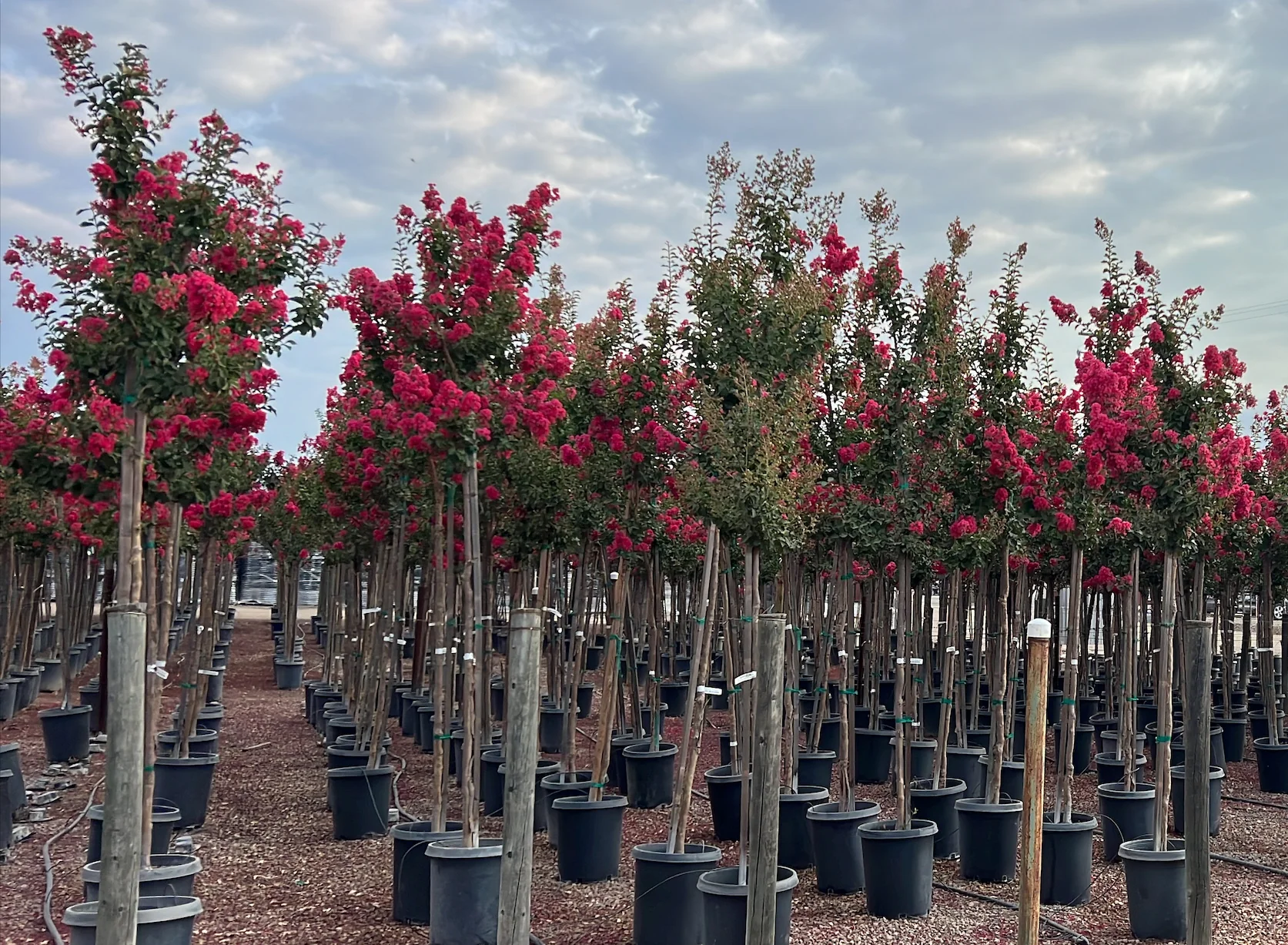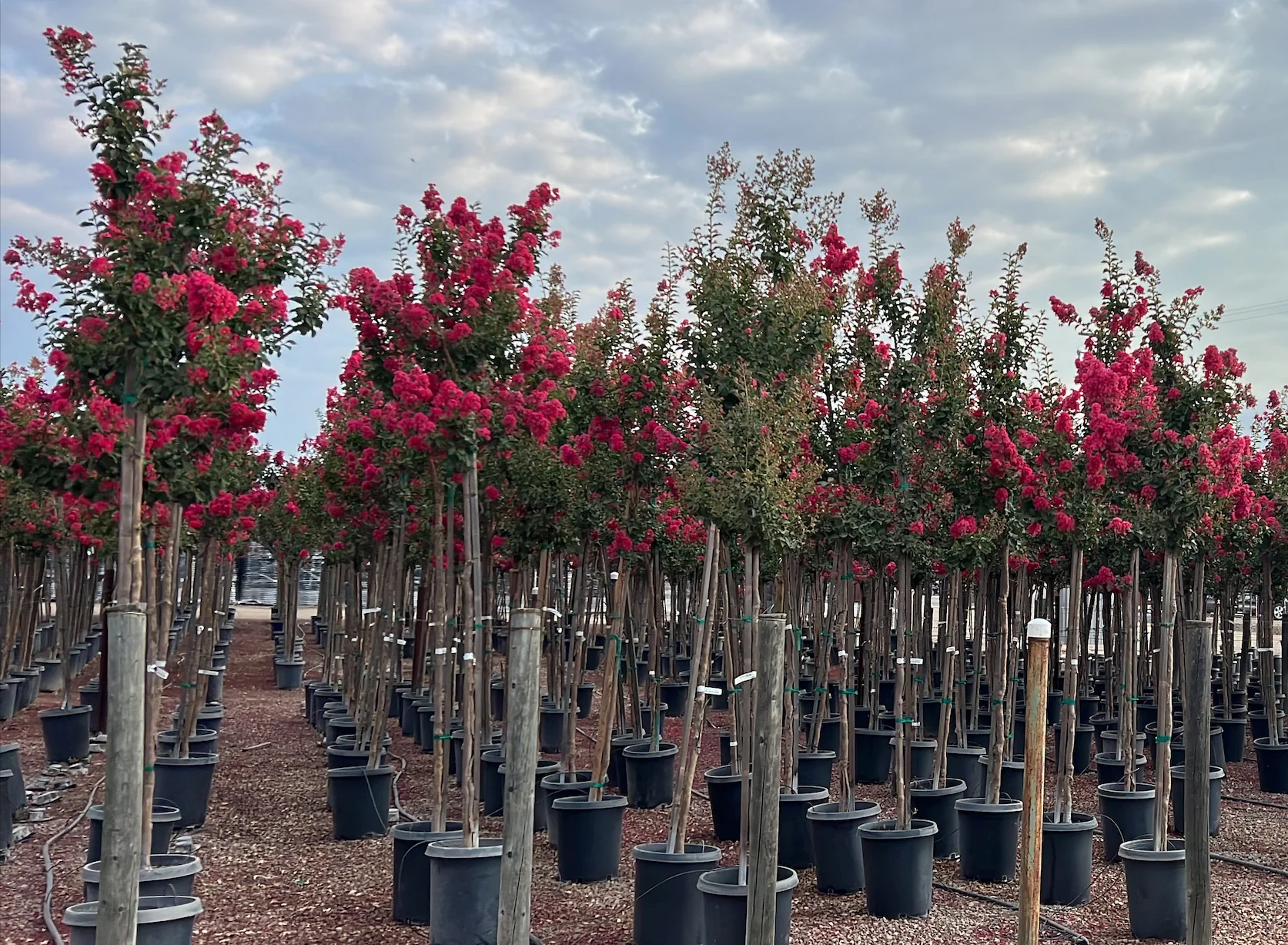
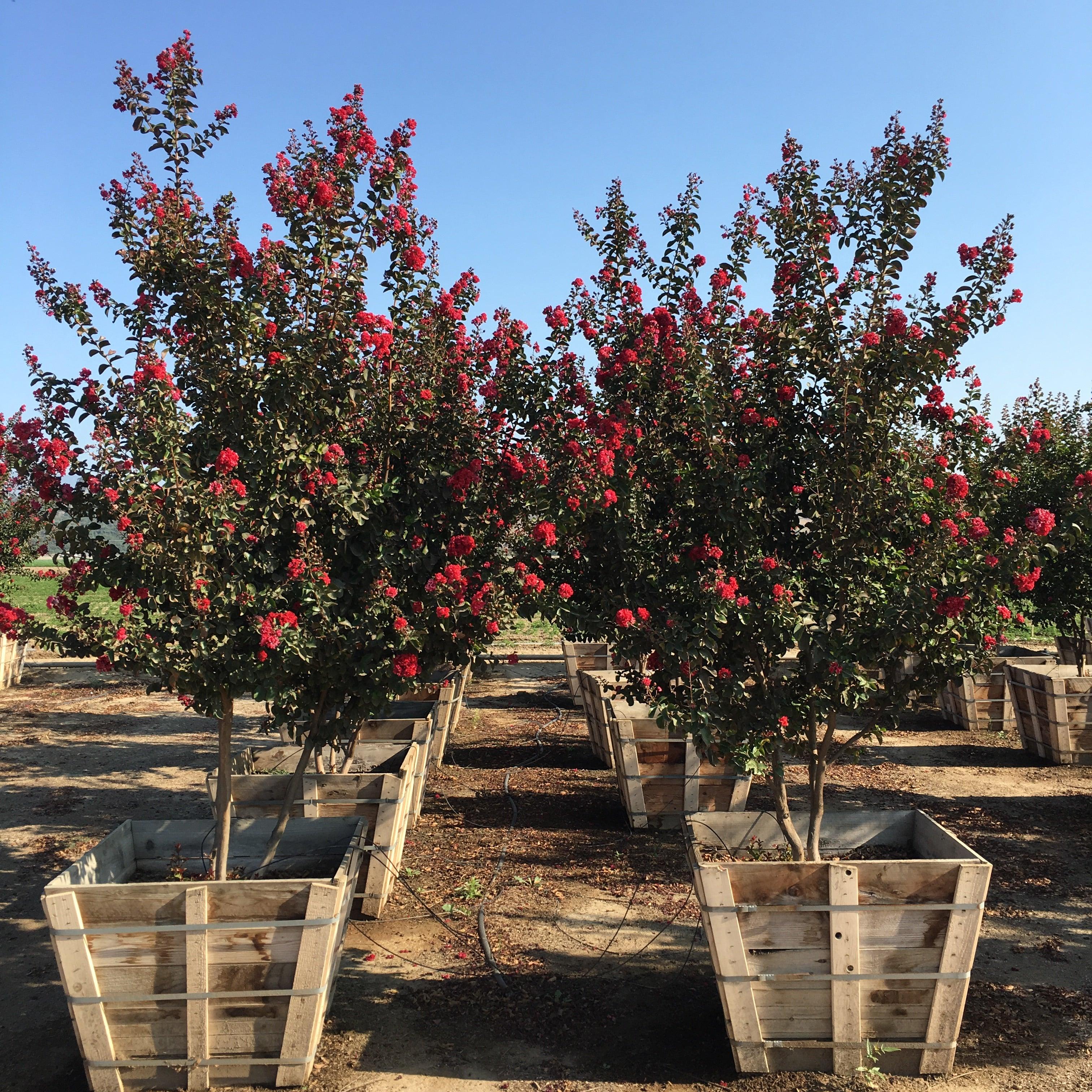
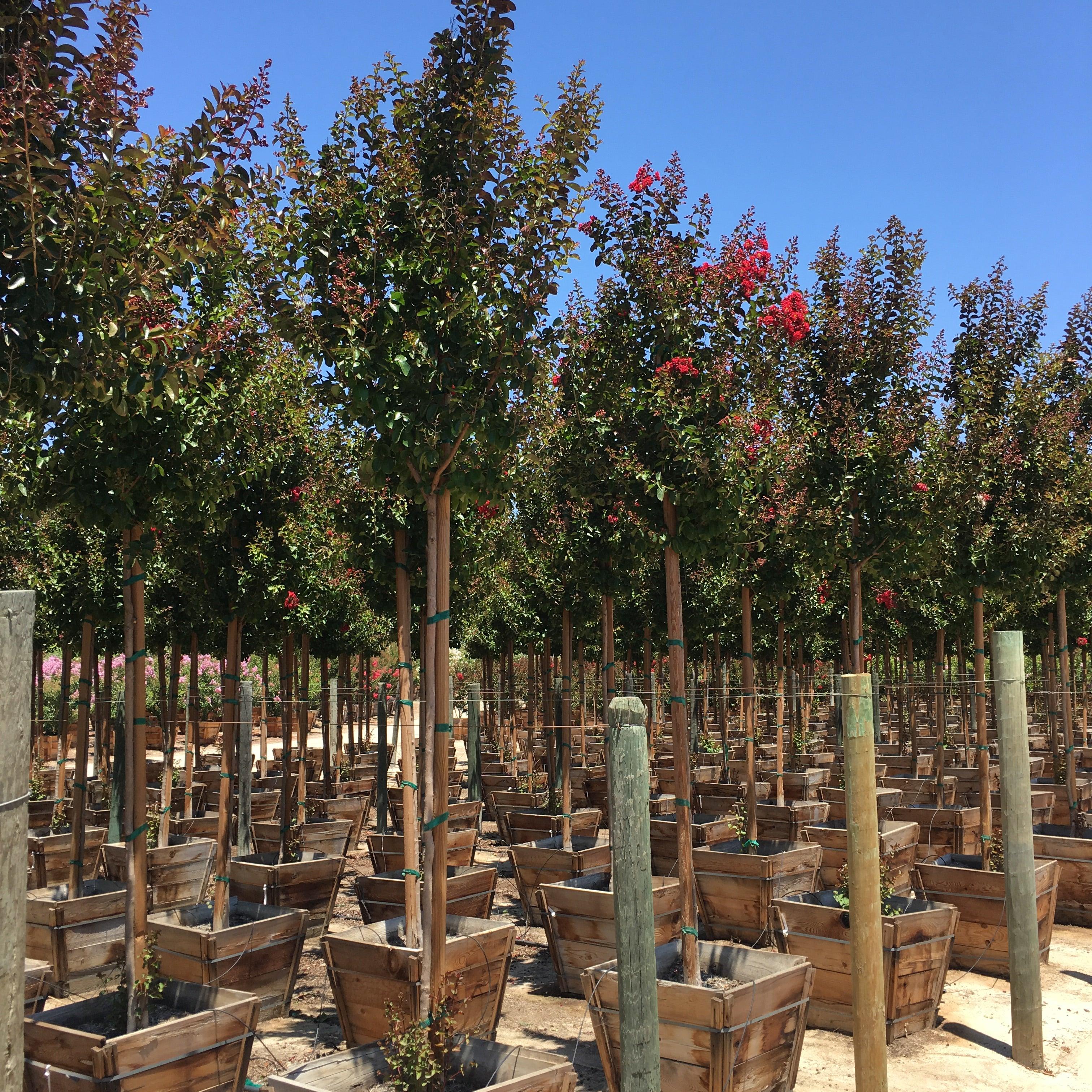
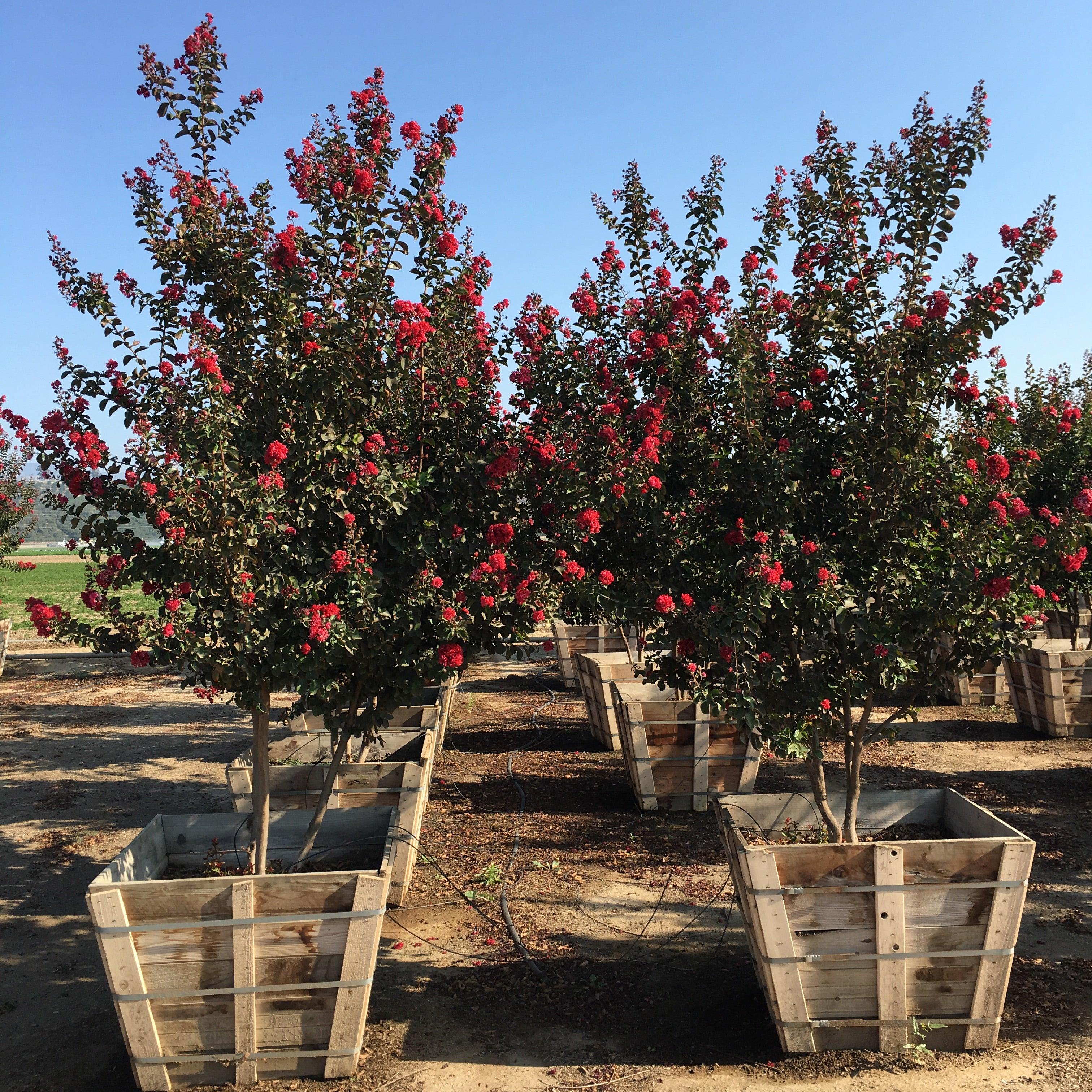
Red Crape Myrtle Tree (Lagerstroemia indica x fauriei)
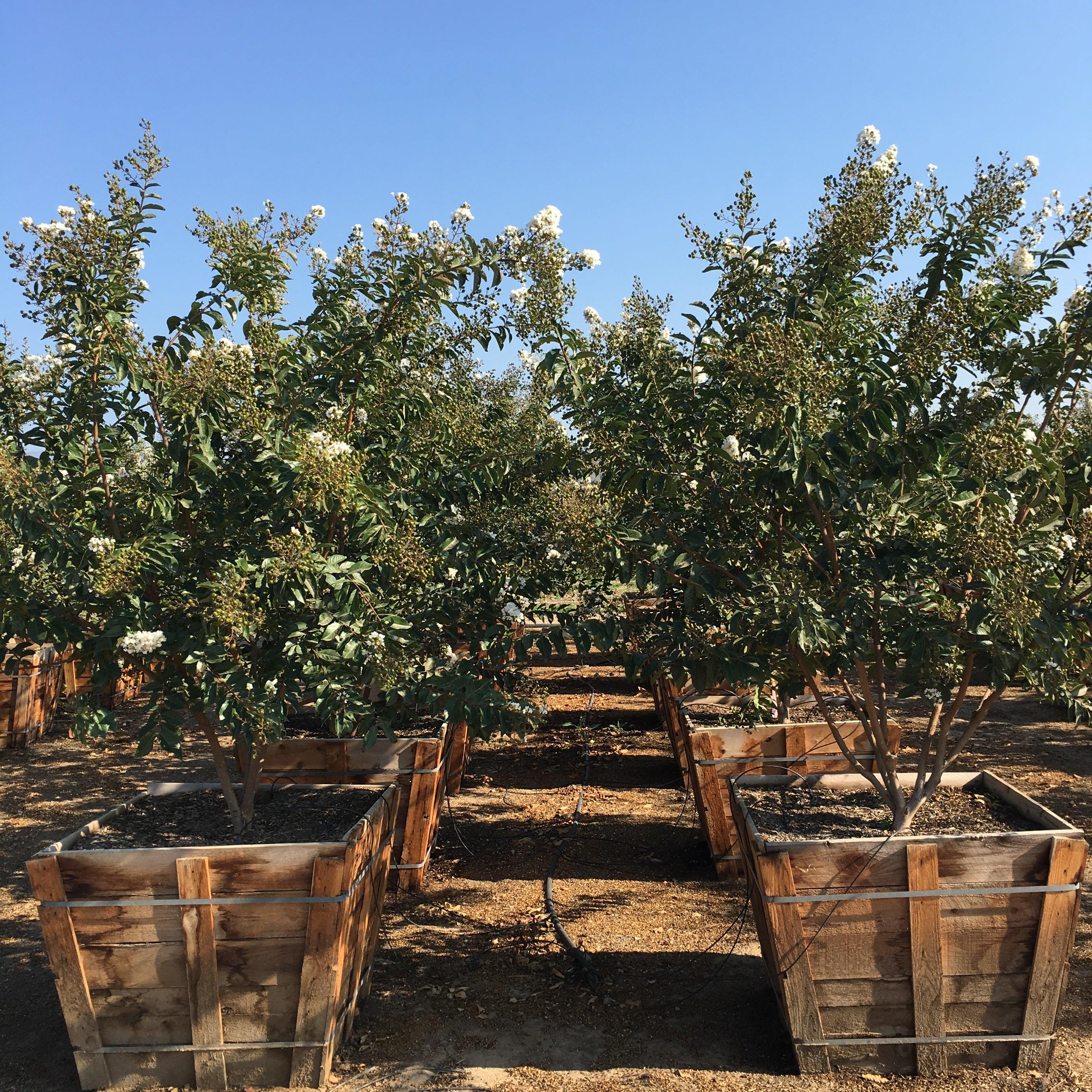
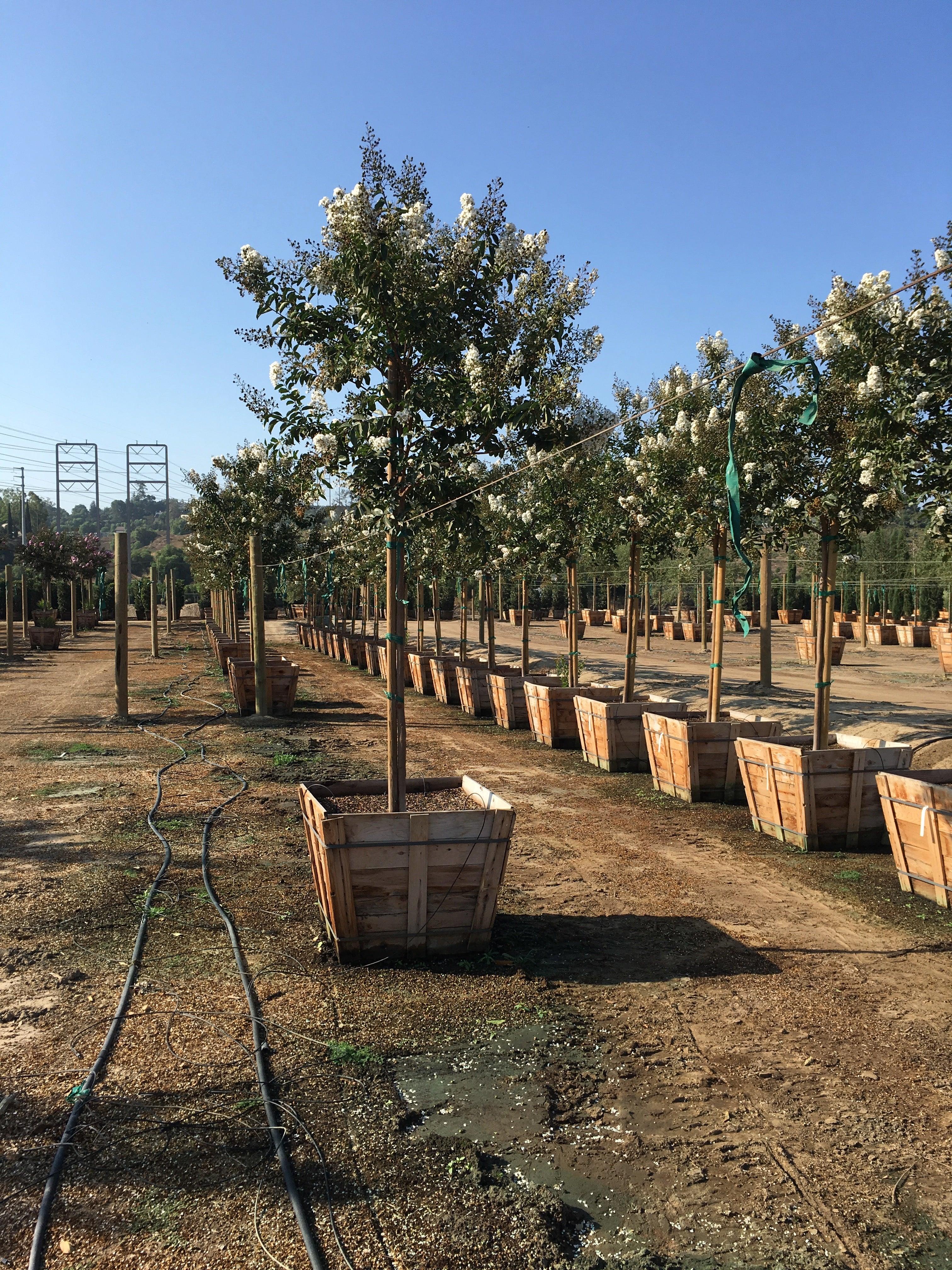
The Red Crape Myrtle Tree (Lagerstroemia indica) is a stunning ornamental known for its vibrant red blooms and attractive bark. Our Red Crape Myrtle trees are shipped in good shape and great shape to ensure successful planting and healthy growth. Your tree may have shipped just days ago, ensuring freshness and readiness for planting. Please note, your tree may arrive dormant, which is ideal for planting in early spring or fall to promote robust root development and abundant blooms later in the season.
Introduction to Lagerstroemia Indica
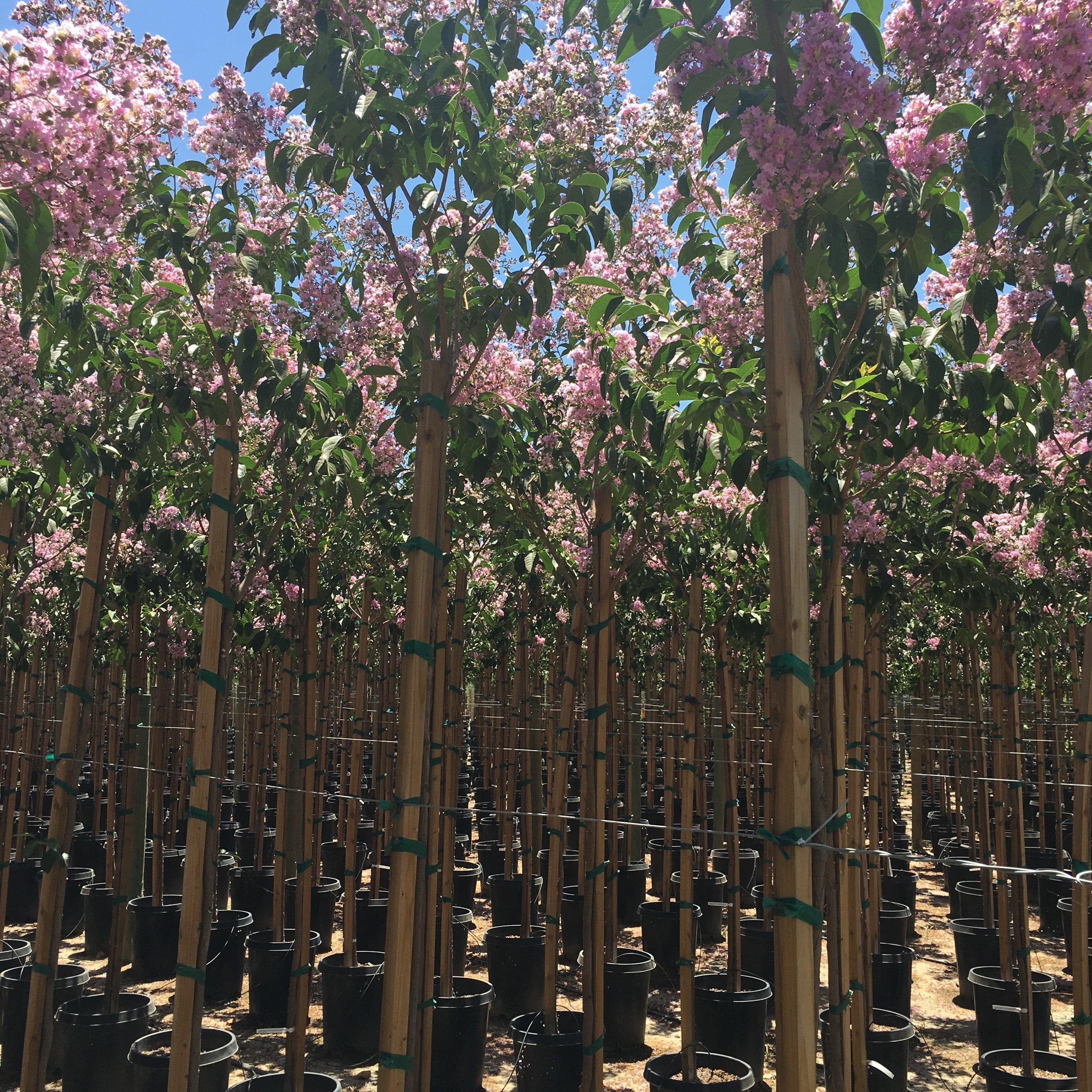
Lagerstroemia indica, widely known as crape myrtle, is celebrated for its spectacular floral displays and lush foliage. Among its standout varieties, the Black Diamond Best Red Crape Myrtle is especially admired for its deep red flowers and dramatic dark leaves, creating a bold statement in any landscape. These trees thrive in full sun and are remarkably drought tolerant, making them a smart choice for gardens in hot, dry regions. With the right care—well-draining soil, occasional fertilization, and plenty of sunlight—crape myrtles reward gardeners with large clusters of bright red flowers that bloom throughout the summer. Their vibrant foliage and reliable performance make them a favorite for adding lasting color and structure to gardens and outdoor spaces.
The Red Crape Myrtle Tree is a flowering, drought tolerant tree that craves the heat and will bloom with large clusters of delicate red flowers.
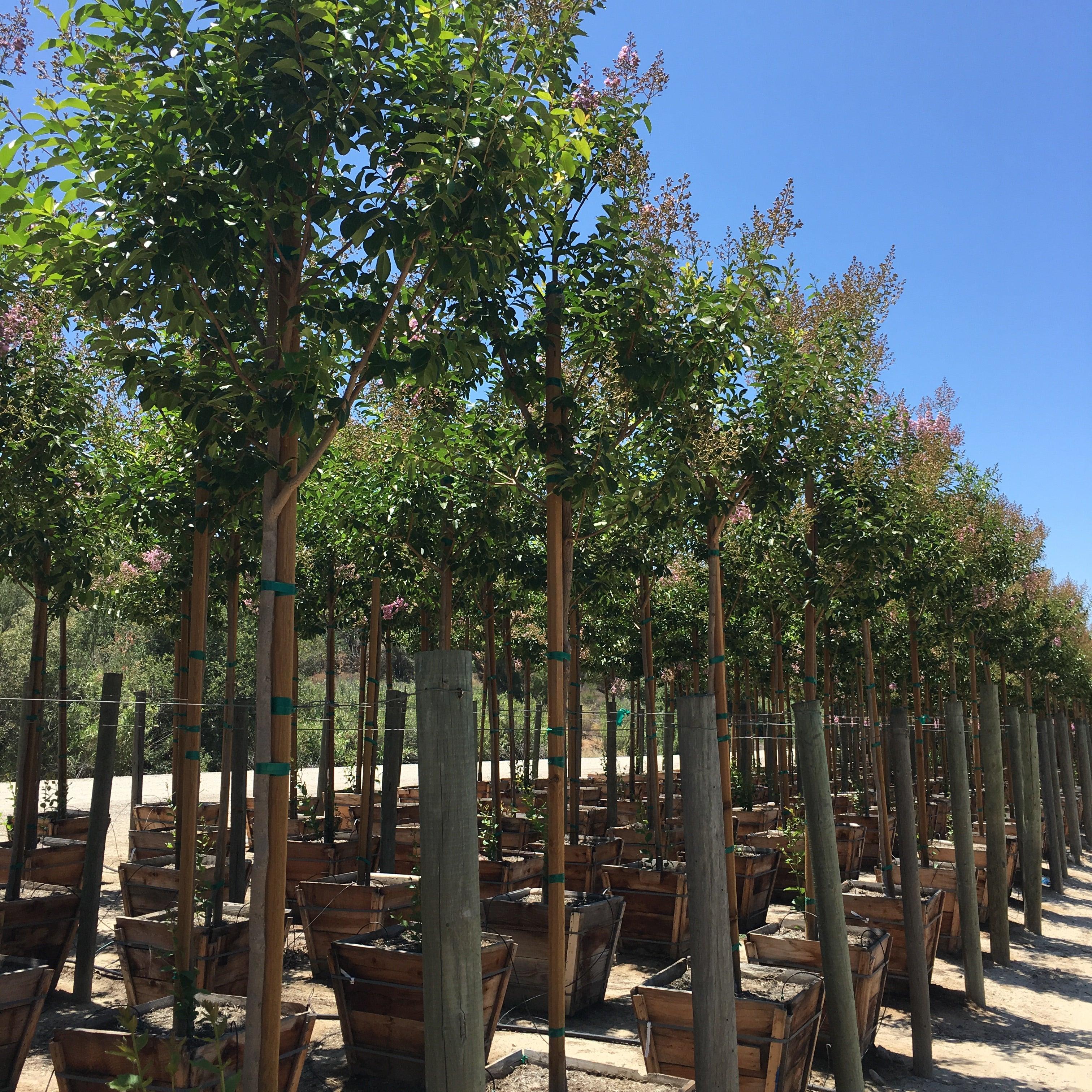
When the hot weather arrives, expect late spring and summer red color to decorate your landscape with beautiful deep reds, with July being a prime month for both planting and observing the peak blooms of the Red Crape Myrtle Tree. The Red Crape Myrtle Tree, Lagerstroemia indica, is just as colorful in the fall as it is in the summer; in fact, these are one of the best trees with fall color. Autumn colors such as golden, bright yellow, orange, and red are sure to complement any yard and landscape. For a striking landscape feature, consider planting Red Crape Myrtle Trees as specimen trees in the lawn or in rows along the lawn to create a vibrant flowering hedge and enhance visual impact. Red crepe myrtle varieties are available in distinct height categories, making it easy to match them to different landscape design needs.
The Red Crape Myrtle Tree is a small-to-medium-sized deciduous tree looks good even after the fall foliage has fallen.
When the leaves fall, you’ll see a handsome outline with attractive branches and stems, along with smooth, spotted gray to light brown bark that may shed to reveal a pinkish, inner bark. Use landscape lighting to highlight the beautiful multi-trunk structure and the intricate branching for added winter interest.
The cold-hardy Red Crape Myrtle Tree prefers full sun, though it handles partial shade as well.
A longtime favorite plant for use in many landscape styles, The Red Crape Myrtle Tree grows at a slow to moderate growth rate up to 15-feet high, spreading up to 8 to 12 feet. It is easy to see why the Red Crape Myrtle Tree is such a popular plant for dry climates and many landscape styles and uses. While you can plant at any time of the year, avoid planting during temperature extremes and wait for optimal weather conditions to ensure healthy establishment. With only annual to occasional maintenance required, monitor your tree after planting for showing signs of new growth or blooms as indicators of successful establishment.
Crape Myrtle Varieties and Uses
Crape myrtles come in a diverse range of varieties, from compact dwarf forms perfect for containers and patios to larger tree types ideal for specimen planting or lining walkways. The Black Diamond Best Red variety stands out for its striking red flowers and dark foliage, while the Red Crape Myrtle Tree is prized for its cold hardiness and vibrant summer blooms. These trees are versatile in the landscape—use them as eye-catching focal points, colorful hedges, or even as low-maintenance container plants to brighten up patios and entryways. Their preference for full sun and minimal care requirements make crape myrtles a go-to choice for both formal gardens and relaxed, naturalistic settings. Plus, their showy flowers attract pollinators, adding life and movement to your garden throughout the growing season.
Soil Requirements
To ensure your crape myrtle thrives, start with well-draining soil that’s slightly acidic, ideally with a pH between 5.0 and 6.5. Red crepe myrtle varieties adapt easily to loam, clay, or sandy soils but require flawless drainage to avoid root rot. While these trees are adaptable, they don’t perform well in soggy or poorly drained soils, which can lead to root diseases and stunted growth. Applying a layer of mulch around the base—while keeping it a few inches from the trunk—helps keep the soil moist, which is important for healthy growth, as well as suppress weeds and moderate soil temperature. For best results, use a fertilizer formulated for acid-loving plants, especially if your soil tends to be more alkaline. Fertilizing red crape myrtles in early spring can promote faster growth and more abundant blooms, although they do not require it to survive. Be cautious not to over-fertilize, as this can lead to excess leaf growth at the expense of flower production. Regular watering is important during the first year to establish strong roots, but once mature, crape myrtles are impressively drought tolerant, making them a reliable choice for low-maintenance landscapes.
Planting and Care
Planting and caring for crape myrtle trees, especially those with bright red flowers like the Black Diamond Best Red, is straightforward when you follow a few essential guidelines. These trees thrive in full sun, so choose a planting site that receives at least six hours of direct sunlight daily to ensure the most vibrant red flowers and healthy growth. While crape myrtles are drought tolerant once established, they benefit from consistent moisture during their first year—regular watering helps young trees develop strong roots and sets the stage for abundant blooms in the summer.
It’s important to avoid planting crape myrtles in low-lying areas or spots where water tends to pool, as soggy soil can lead to root rot and other diseases. Instead, select well-draining soil and consider amending heavy clay with organic matter to improve drainage. Applying a layer of mulch around the base of the tree helps retain soil moisture, suppress weeds, and keep roots cool, but be sure to keep mulch a few inches away from the trunk to prevent pests and fungal issues.
Fertilize your crape myrtle in early spring with a balanced, slow-release fertilizer to encourage vigorous growth and prolific flowering, especially if your soil is not naturally rich. Pruning should be done during the dormant season—late winter or early spring—when the tree is leafless. This is the best time to remove dead or damaged branches, shape the canopy, and promote new growth for the coming season. Regularly inspect your crape myrtle for signs of pests like aphids or diseases such as powdery mildew. If you notice any issues, act quickly with appropriate treatments to keep your tree healthy and looking its best. With these simple steps, your crape myrtle will reward you with a summer-long display of bright red flowers and lush foliage.
Tree Size and Shape
Crape myrtle trees offer remarkable versatility in both size and shape, making them a favorite for a wide range of landscaping projects. The Black Diamond Best Red variety, for example, matures to a manageable height of 10 to 12 feet with a spread of 6 to 8 feet, making it ideal for smaller gardens, patios, or as a striking specimen tree in larger yards. Its dark, almost black foliage provides a dramatic contrast to the deep red flowers that bloom in large clusters from summer until the first frost, ensuring your garden remains colorful and lively for months.
For those seeking a more dramatic effect, planting multiple crape myrtles in a row can create a vibrant, flowering hedge that not only adds privacy but also attracts pollinators and enhances curb appeal. The tree’s shape is naturally elegant, with smooth, sculptural branches and a rounded canopy, but it can be easily maintained or customized through careful pruning. Whether you prefer a single-trunk specimen for a formal look or a multi-trunk arrangement for a more naturalistic style, crape myrtles adapt well to your vision.
Their adaptability extends to various landscape uses—line a driveway, highlight a walkway, or anchor a patio with their colorful presence. With proper care, crape myrtles thrive in full sun and well-drained soil, rewarding you with vigorous growth, beautiful bark, and a reliable show of flowers year after year. Whether you’re designing a new garden or refreshing an established yard, crape myrtle trees like the Black Diamond Best Red offer the flexibility, beauty, and resilience to fit any outdoor space.
Garden Benefits
Adding crape myrtles like the Black Diamond Best Red to your garden brings a host of benefits. Their summer-long display of flowers attracts bees, butterflies, and hummingbirds, boosting your garden’s biodiversity and visual appeal. Crape myrtles, especially red varieties, are drought-tolerant once established, making them ideal for low-maintenance landscapes in dry climates. Their manageable size makes them suitable for smaller yards, courtyards, or as colorful accents in larger landscapes. Crape myrtles can also be used as natural screens or hedges, providing privacy and structure while showcasing their beautiful foliage and vibrant blooms. The price of red crape myrtles is competitive, offering great value for gardeners seeking both beauty and resilience. Whether your style is modern or traditional, these trees add elegance, color, and resilience to any outdoor space, making them a smart and stylish choice for California gardens and beyond.
Original: $295.00
-65%$295.00
$103.25Product Information
Product Information
Shipping & Returns
Shipping & Returns
Description
The Red Crape Myrtle Tree (Lagerstroemia indica) is a stunning ornamental known for its vibrant red blooms and attractive bark. Our Red Crape Myrtle trees are shipped in good shape and great shape to ensure successful planting and healthy growth. Your tree may have shipped just days ago, ensuring freshness and readiness for planting. Please note, your tree may arrive dormant, which is ideal for planting in early spring or fall to promote robust root development and abundant blooms later in the season.
Introduction to Lagerstroemia Indica
Lagerstroemia indica, widely known as crape myrtle, is celebrated for its spectacular floral displays and lush foliage. Among its standout varieties, the Black Diamond Best Red Crape Myrtle is especially admired for its deep red flowers and dramatic dark leaves, creating a bold statement in any landscape. These trees thrive in full sun and are remarkably drought tolerant, making them a smart choice for gardens in hot, dry regions. With the right care—well-draining soil, occasional fertilization, and plenty of sunlight—crape myrtles reward gardeners with large clusters of bright red flowers that bloom throughout the summer. Their vibrant foliage and reliable performance make them a favorite for adding lasting color and structure to gardens and outdoor spaces.
The Red Crape Myrtle Tree is a flowering, drought tolerant tree that craves the heat and will bloom with large clusters of delicate red flowers.
When the hot weather arrives, expect late spring and summer red color to decorate your landscape with beautiful deep reds, with July being a prime month for both planting and observing the peak blooms of the Red Crape Myrtle Tree. The Red Crape Myrtle Tree, Lagerstroemia indica, is just as colorful in the fall as it is in the summer; in fact, these are one of the best trees with fall color. Autumn colors such as golden, bright yellow, orange, and red are sure to complement any yard and landscape. For a striking landscape feature, consider planting Red Crape Myrtle Trees as specimen trees in the lawn or in rows along the lawn to create a vibrant flowering hedge and enhance visual impact. Red crepe myrtle varieties are available in distinct height categories, making it easy to match them to different landscape design needs.
The Red Crape Myrtle Tree is a small-to-medium-sized deciduous tree looks good even after the fall foliage has fallen.
When the leaves fall, you’ll see a handsome outline with attractive branches and stems, along with smooth, spotted gray to light brown bark that may shed to reveal a pinkish, inner bark. Use landscape lighting to highlight the beautiful multi-trunk structure and the intricate branching for added winter interest.
The cold-hardy Red Crape Myrtle Tree prefers full sun, though it handles partial shade as well.
A longtime favorite plant for use in many landscape styles, The Red Crape Myrtle Tree grows at a slow to moderate growth rate up to 15-feet high, spreading up to 8 to 12 feet. It is easy to see why the Red Crape Myrtle Tree is such a popular plant for dry climates and many landscape styles and uses. While you can plant at any time of the year, avoid planting during temperature extremes and wait for optimal weather conditions to ensure healthy establishment. With only annual to occasional maintenance required, monitor your tree after planting for showing signs of new growth or blooms as indicators of successful establishment.
Crape Myrtle Varieties and Uses
Crape myrtles come in a diverse range of varieties, from compact dwarf forms perfect for containers and patios to larger tree types ideal for specimen planting or lining walkways. The Black Diamond Best Red variety stands out for its striking red flowers and dark foliage, while the Red Crape Myrtle Tree is prized for its cold hardiness and vibrant summer blooms. These trees are versatile in the landscape—use them as eye-catching focal points, colorful hedges, or even as low-maintenance container plants to brighten up patios and entryways. Their preference for full sun and minimal care requirements make crape myrtles a go-to choice for both formal gardens and relaxed, naturalistic settings. Plus, their showy flowers attract pollinators, adding life and movement to your garden throughout the growing season.
Soil Requirements
To ensure your crape myrtle thrives, start with well-draining soil that’s slightly acidic, ideally with a pH between 5.0 and 6.5. Red crepe myrtle varieties adapt easily to loam, clay, or sandy soils but require flawless drainage to avoid root rot. While these trees are adaptable, they don’t perform well in soggy or poorly drained soils, which can lead to root diseases and stunted growth. Applying a layer of mulch around the base—while keeping it a few inches from the trunk—helps keep the soil moist, which is important for healthy growth, as well as suppress weeds and moderate soil temperature. For best results, use a fertilizer formulated for acid-loving plants, especially if your soil tends to be more alkaline. Fertilizing red crape myrtles in early spring can promote faster growth and more abundant blooms, although they do not require it to survive. Be cautious not to over-fertilize, as this can lead to excess leaf growth at the expense of flower production. Regular watering is important during the first year to establish strong roots, but once mature, crape myrtles are impressively drought tolerant, making them a reliable choice for low-maintenance landscapes.
Planting and Care
Planting and caring for crape myrtle trees, especially those with bright red flowers like the Black Diamond Best Red, is straightforward when you follow a few essential guidelines. These trees thrive in full sun, so choose a planting site that receives at least six hours of direct sunlight daily to ensure the most vibrant red flowers and healthy growth. While crape myrtles are drought tolerant once established, they benefit from consistent moisture during their first year—regular watering helps young trees develop strong roots and sets the stage for abundant blooms in the summer.
It’s important to avoid planting crape myrtles in low-lying areas or spots where water tends to pool, as soggy soil can lead to root rot and other diseases. Instead, select well-draining soil and consider amending heavy clay with organic matter to improve drainage. Applying a layer of mulch around the base of the tree helps retain soil moisture, suppress weeds, and keep roots cool, but be sure to keep mulch a few inches away from the trunk to prevent pests and fungal issues.
Fertilize your crape myrtle in early spring with a balanced, slow-release fertilizer to encourage vigorous growth and prolific flowering, especially if your soil is not naturally rich. Pruning should be done during the dormant season—late winter or early spring—when the tree is leafless. This is the best time to remove dead or damaged branches, shape the canopy, and promote new growth for the coming season. Regularly inspect your crape myrtle for signs of pests like aphids or diseases such as powdery mildew. If you notice any issues, act quickly with appropriate treatments to keep your tree healthy and looking its best. With these simple steps, your crape myrtle will reward you with a summer-long display of bright red flowers and lush foliage.
Tree Size and Shape
Crape myrtle trees offer remarkable versatility in both size and shape, making them a favorite for a wide range of landscaping projects. The Black Diamond Best Red variety, for example, matures to a manageable height of 10 to 12 feet with a spread of 6 to 8 feet, making it ideal for smaller gardens, patios, or as a striking specimen tree in larger yards. Its dark, almost black foliage provides a dramatic contrast to the deep red flowers that bloom in large clusters from summer until the first frost, ensuring your garden remains colorful and lively for months.
For those seeking a more dramatic effect, planting multiple crape myrtles in a row can create a vibrant, flowering hedge that not only adds privacy but also attracts pollinators and enhances curb appeal. The tree’s shape is naturally elegant, with smooth, sculptural branches and a rounded canopy, but it can be easily maintained or customized through careful pruning. Whether you prefer a single-trunk specimen for a formal look or a multi-trunk arrangement for a more naturalistic style, crape myrtles adapt well to your vision.
Their adaptability extends to various landscape uses—line a driveway, highlight a walkway, or anchor a patio with their colorful presence. With proper care, crape myrtles thrive in full sun and well-drained soil, rewarding you with vigorous growth, beautiful bark, and a reliable show of flowers year after year. Whether you’re designing a new garden or refreshing an established yard, crape myrtle trees like the Black Diamond Best Red offer the flexibility, beauty, and resilience to fit any outdoor space.
Garden Benefits
Adding crape myrtles like the Black Diamond Best Red to your garden brings a host of benefits. Their summer-long display of flowers attracts bees, butterflies, and hummingbirds, boosting your garden’s biodiversity and visual appeal. Crape myrtles, especially red varieties, are drought-tolerant once established, making them ideal for low-maintenance landscapes in dry climates. Their manageable size makes them suitable for smaller yards, courtyards, or as colorful accents in larger landscapes. Crape myrtles can also be used as natural screens or hedges, providing privacy and structure while showcasing their beautiful foliage and vibrant blooms. The price of red crape myrtles is competitive, offering great value for gardeners seeking both beauty and resilience. Whether your style is modern or traditional, these trees add elegance, color, and resilience to any outdoor space, making them a smart and stylish choice for California gardens and beyond.