Muskogee Crape Myrtle (Lagerstroemia indica x fauriei ‘Muskogee’)
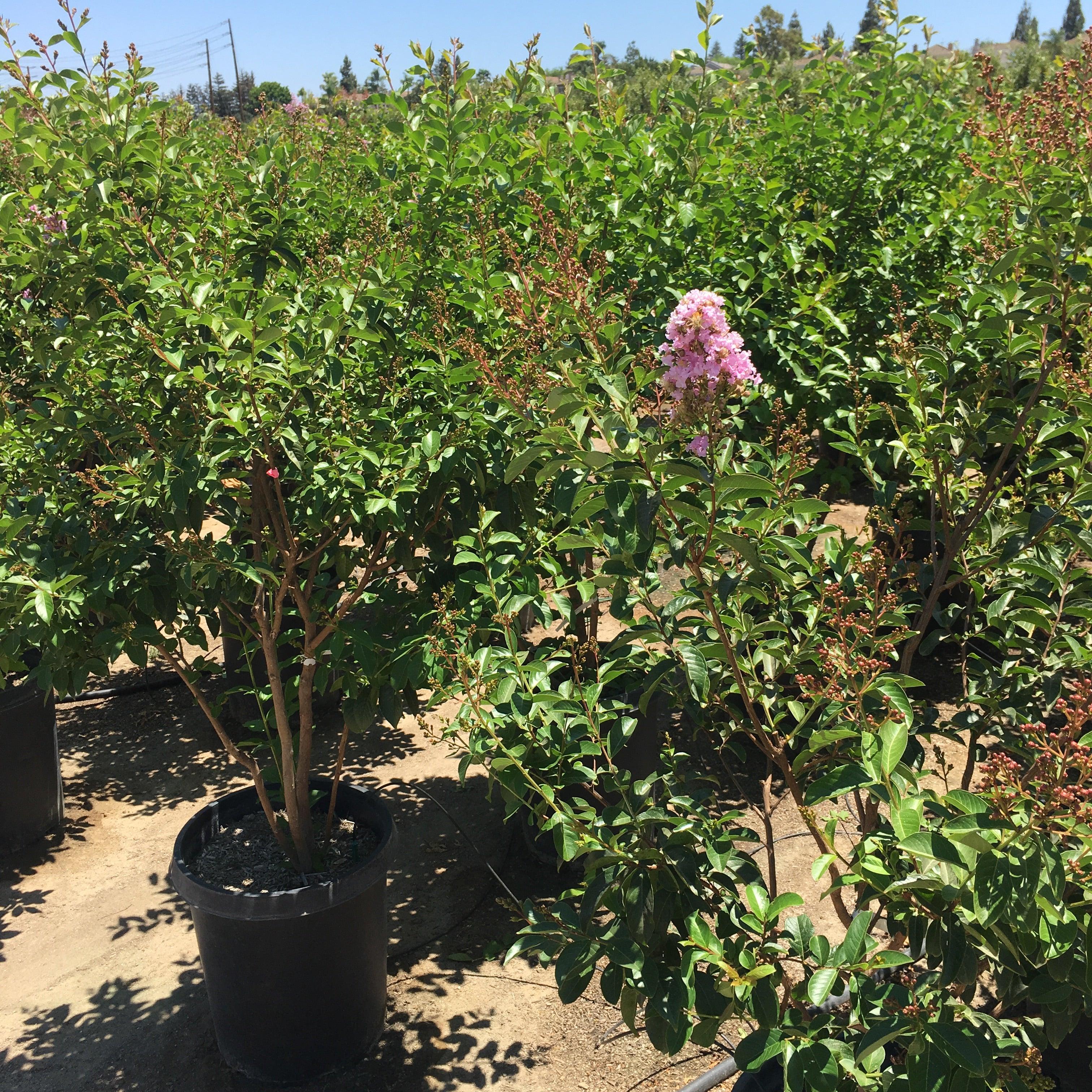
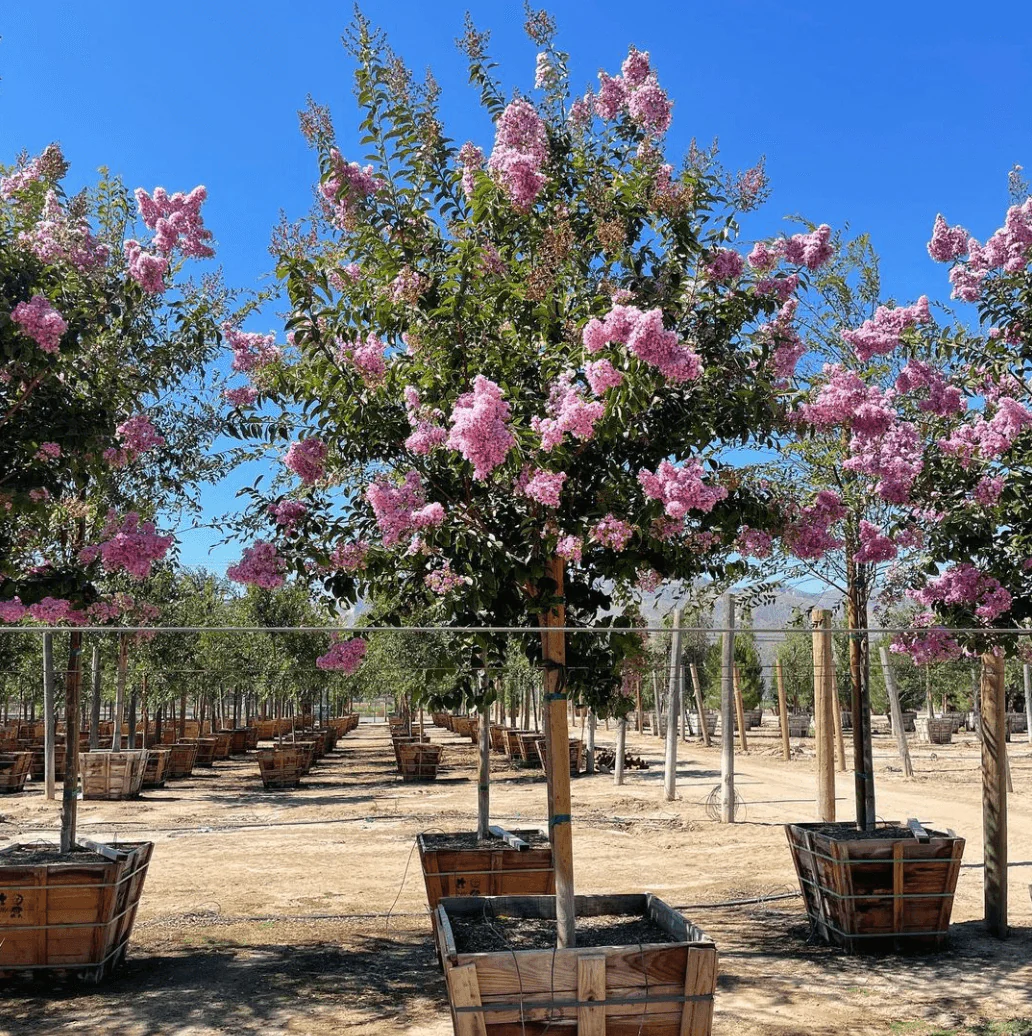
Crape myrtles are beloved in southern gardens for their vibrant blooms, attractive bark, and ability to thrive in full sun. Among these, the Muskogee Crape Myrtle (Lagerstroemia indica x fauriei ‘Muskogee’) stands out as a hybrid that delivers stunning lavender blooms throughout the summer. This indica x fauriei muskogee cultivar can grow as a large shrub or a small tree, reaching up to 30 feet tall and 20 feet wide, making it a versatile choice for a variety of landscapes. One of the most appealing features of crape myrtles is their peeling bark, which adds year-round interest and texture to your garden. Adaptable to USDA zones 7-10, Muskogee crape myrtles are a staple in southern gardens, thriving in sunny spots and bringing beauty to your landscape from summer through winter.
Muskogee Crape Myrtle Gives you Lavender Blooms & Fall Color
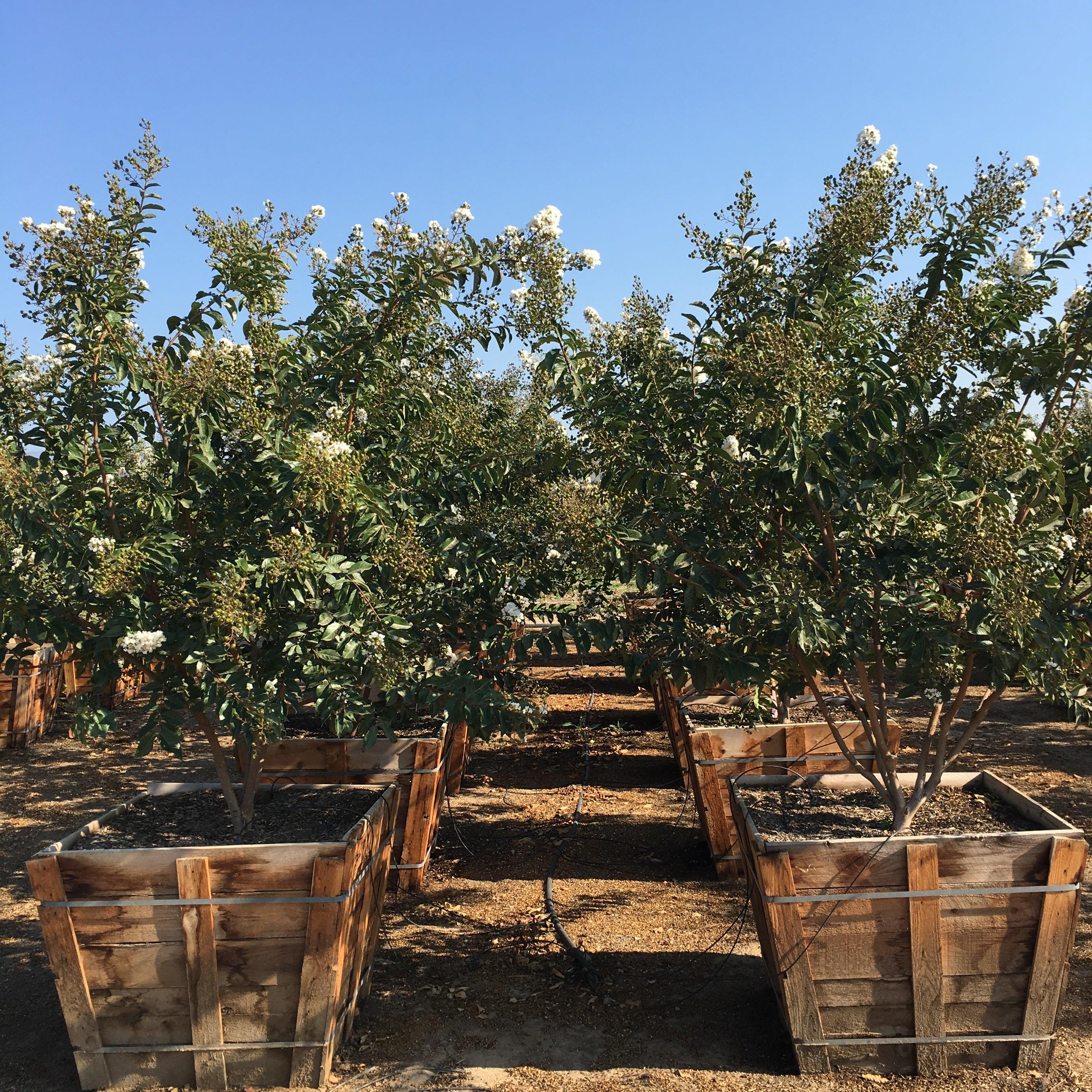
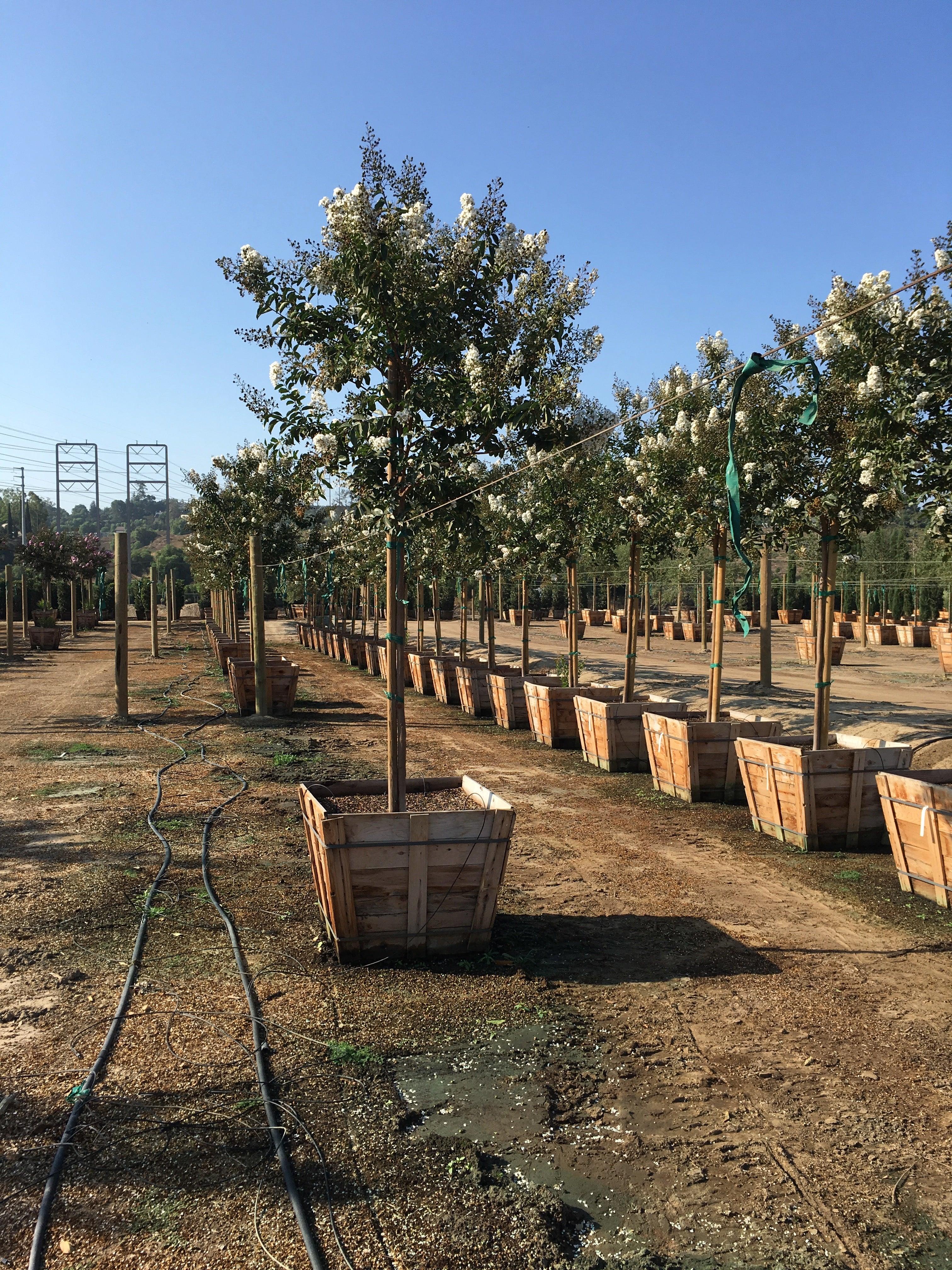
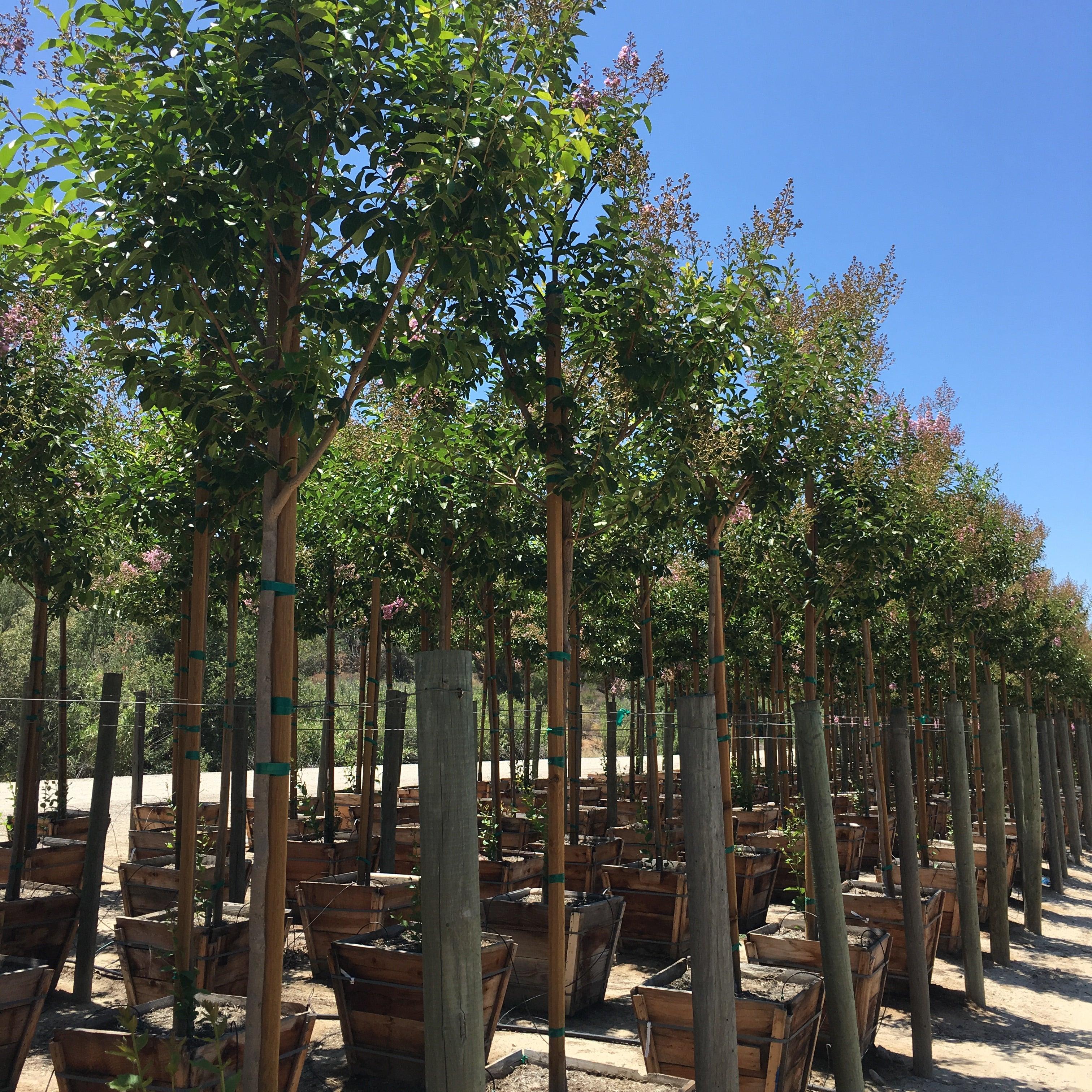
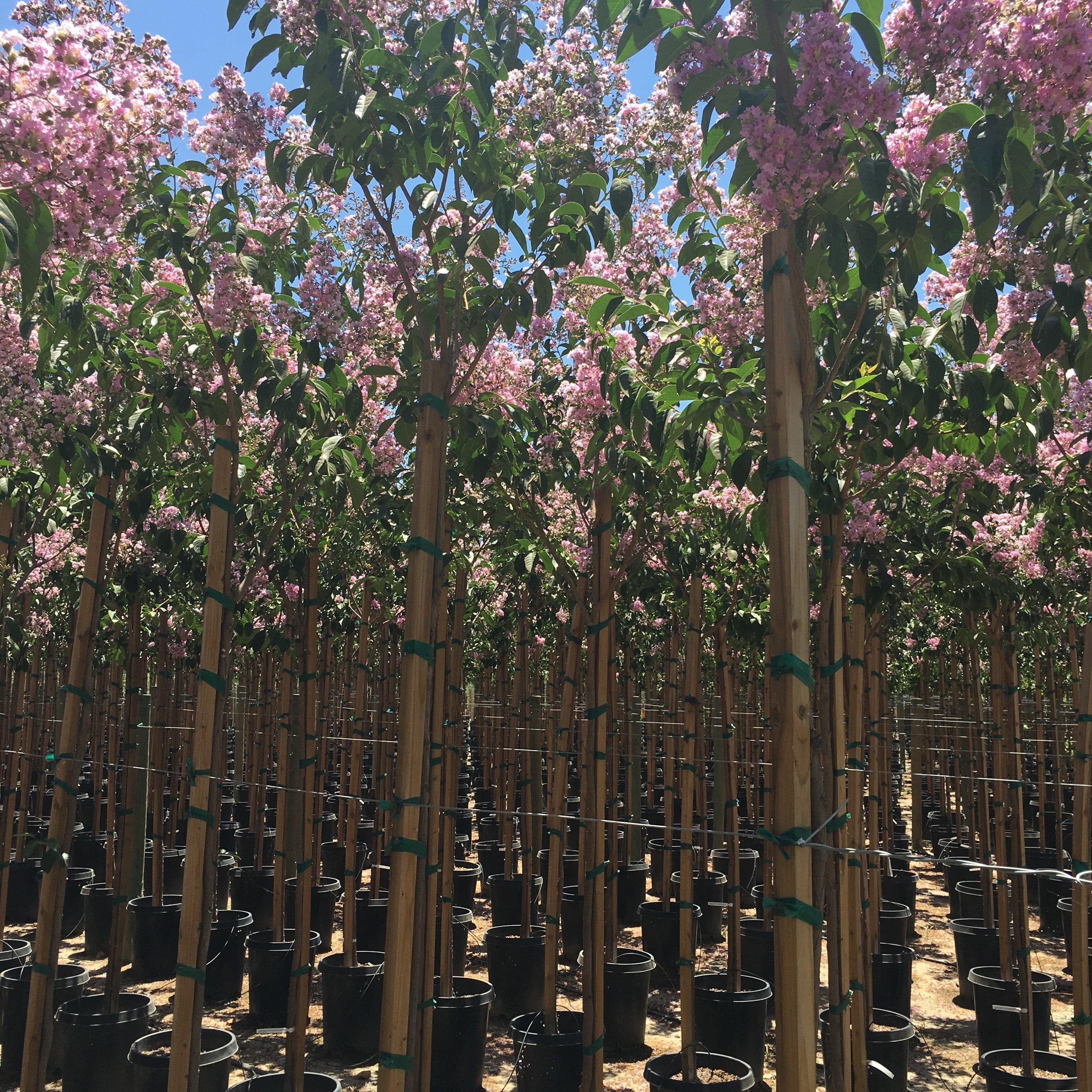
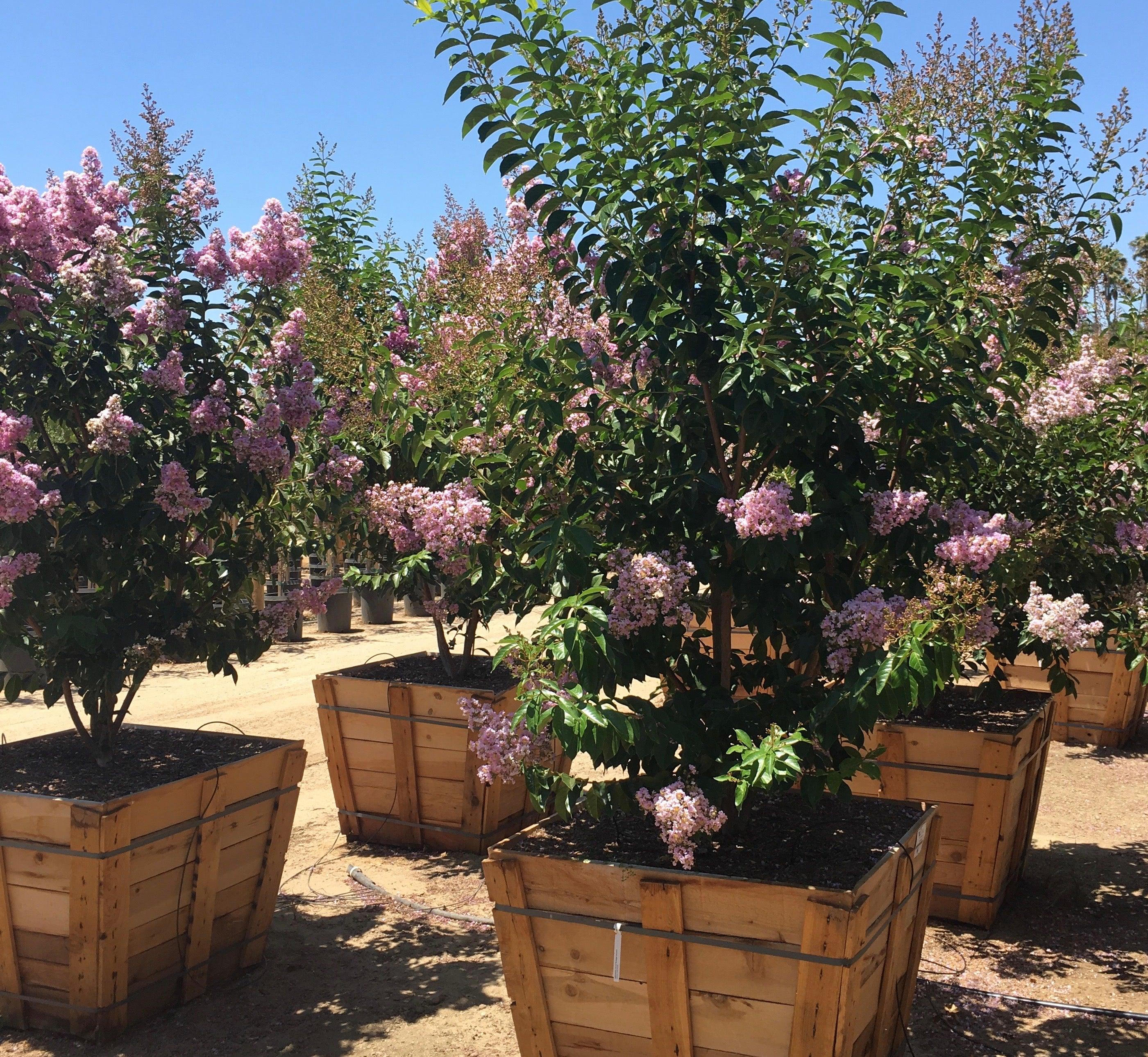
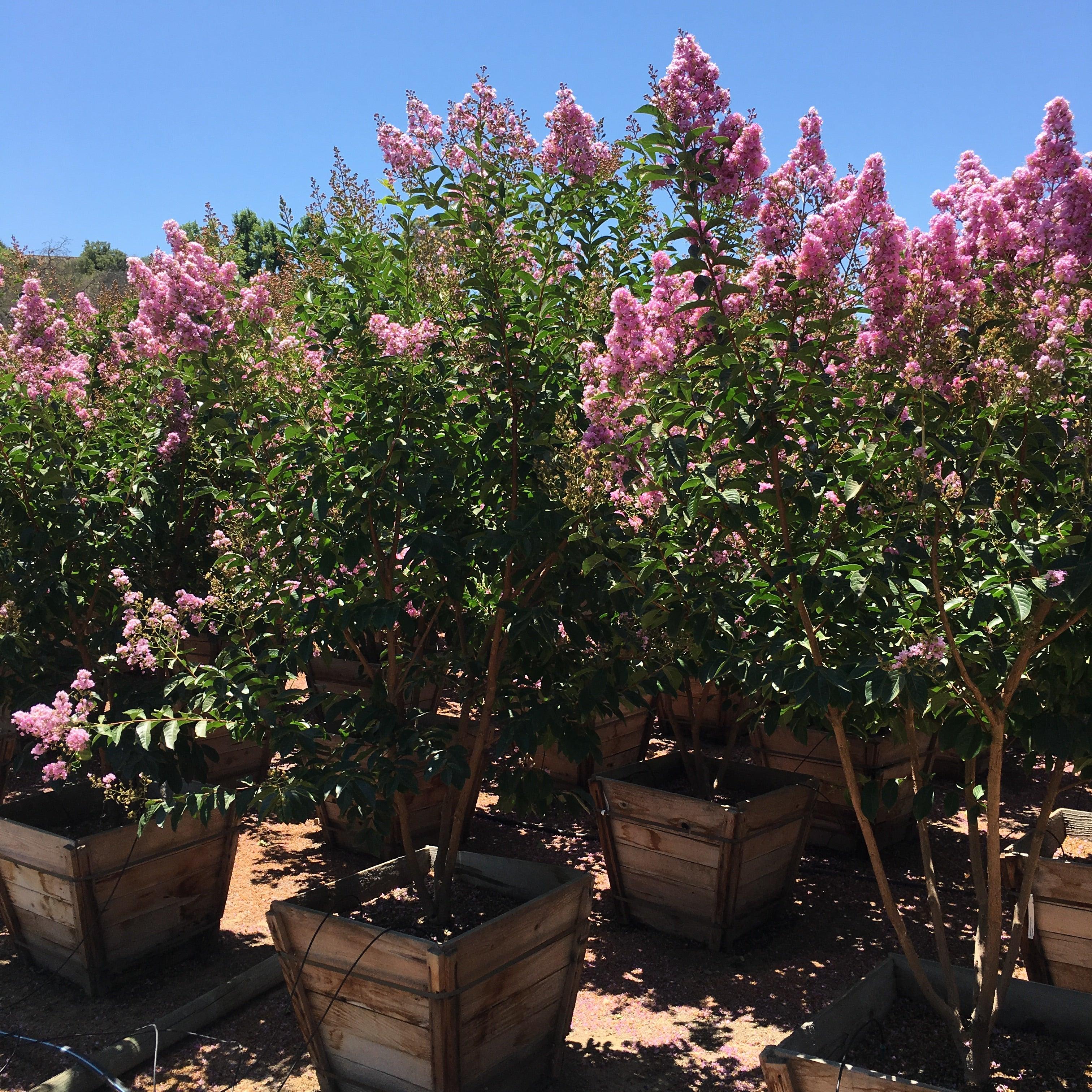
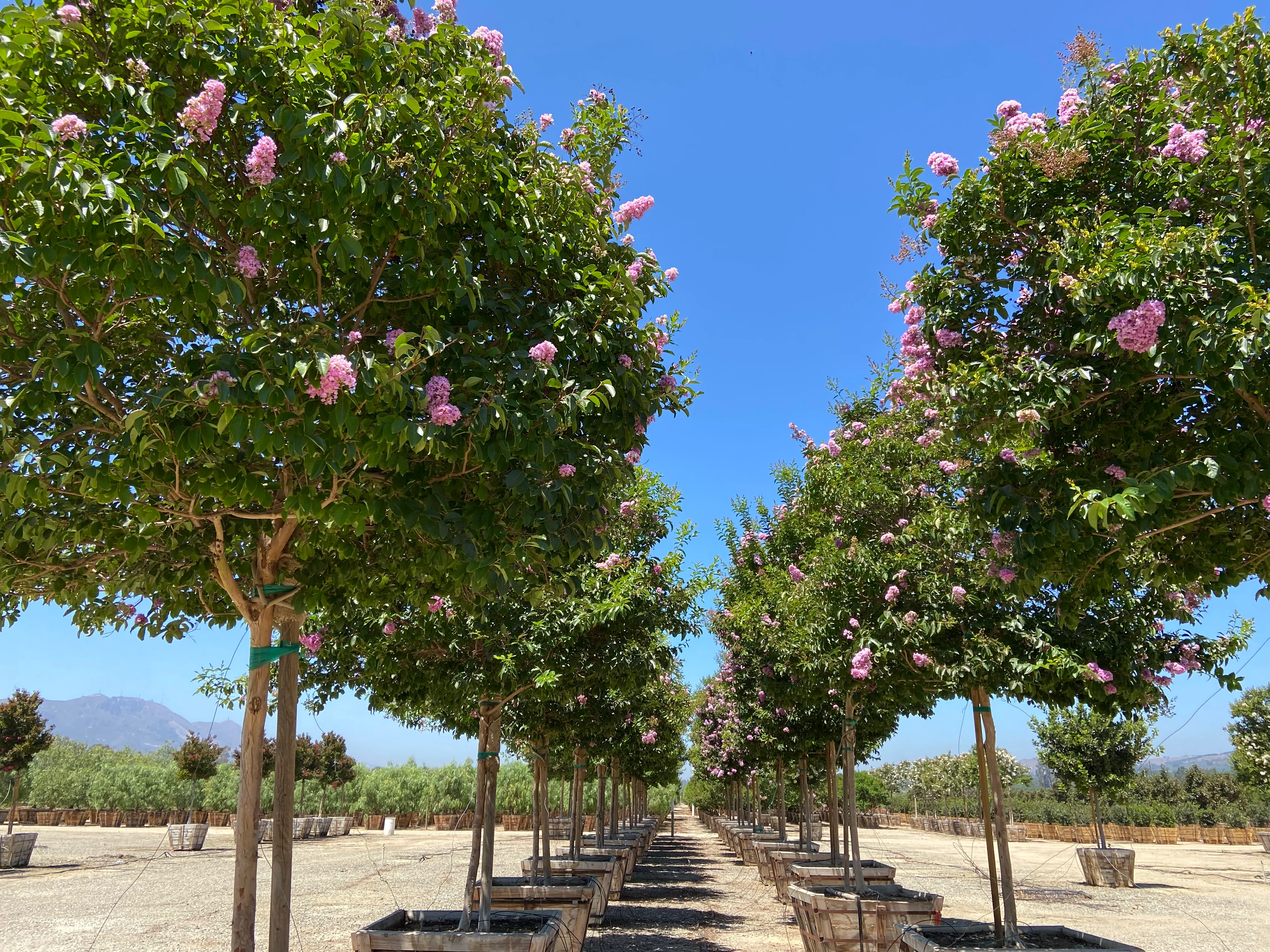
Muskogee Crape Myrtle trees reward you with stunning light lavender blooms beginning in late spring and continuing throughout summer. These delicate flowers can last for up to 120 days, providing vibrant color to your landscape for 4-5 months. As temperatures drop, this variety transforms with vibrant fall colors—gold, orange, and deep red—that make it a standout in any planting scheme. It’s a perfect fit if you’re looking for color through multiple seasons.
Low-Maintenance Growth with Distinctive Bark Appeal
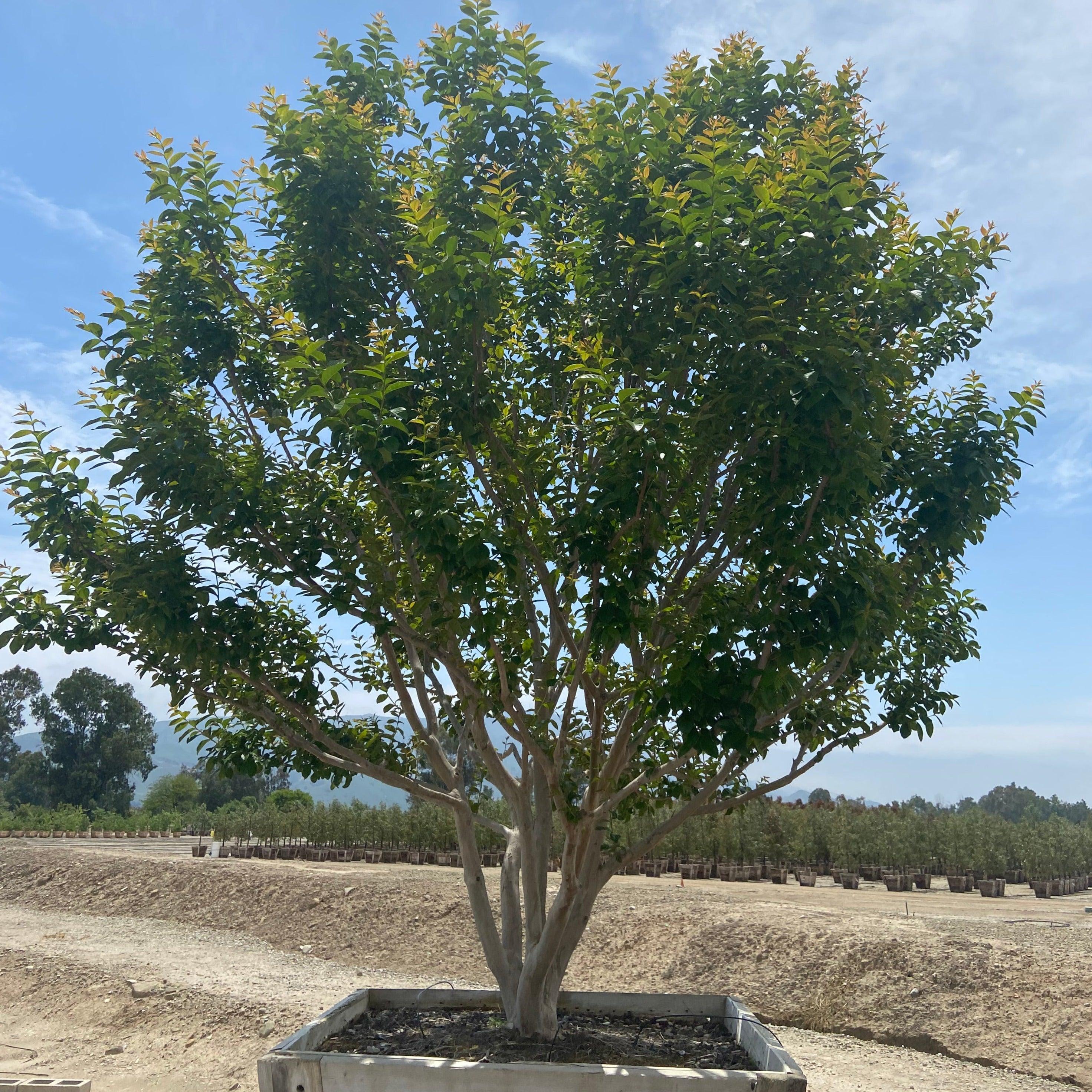
Even after shedding its foliage, the Muskogee Crape Myrtle is beautiful with its smooth, speckled bark that peels to reveal a pinkish tone beneath. Growing to a mature height of 15 feet and spreading up to 12 feet, this tree works well as a specimen or multi-trunk focal point. Landscape lighting can highlight its unique structure for year-round beauty.
Crape Myrtle is Ideal for Warm, Dry Landscapes
Muskogee Crape Myrtle thrives in USDA hardiness zones 7-10 and prefers full sun, although it can tolerate some shade. For best results, prepare the ground by ensuring well-draining soil with a slightly acidic pH of 5.0 to 6.5, and consider mulching around the base to retain moisture and suppress weeds. Muskogee Crape Myrtles should be watered deeply about twice a week for the first three months after planting, and then once a week during dry conditions; they are drought tolerant once established, making them a low-maintenance option for gardeners in hot, sunny climates. These trees adapt to most soils except extremely alkaline ones. Observing new growth is a good indicator that your Muskogee Crape Myrtle is establishing well and thriving in its environment. Whether you plant it as a privacy screen, along a fence, or in a decorative row, this tree performs reliably with little upkeep required.
Choosing the Right Location for Muskogee Crape Myrtle
Selecting the perfect spot for your Muskogee Crape Myrtle is key to enjoying its full potential. This tree flourishes in full sun and prefers well-drained soil, making it ideal for areas that receive direct sunlight most of the day. Before planting, prepare the ground by loosening the soil and ensuring proper drainage to promote healthy root development. When planting young trees, be sure to water deeply, especially during dry spells, to encourage strong, healthy growth. After planting, apply a layer of mulch around the base—such as pine straw or bark—being careful to keep it away from the trunk. This helps retain moisture in the ground, regulate soil temperature, and prevent weeds. As your muskogee crape matures, it becomes increasingly drought tolerant, but consistent watering will help ensure the best blooms each season. Keep in mind the tree’s mature height—up to 30 feet—so give it plenty of space to grow and spread. By choosing a sunny, open location with good drainage and preparing the ground properly, you’ll set the stage for a thriving, beautiful muskogee crape that enhances your landscape for years to come.
Care and Maintenance of Muskogee Crape Myrtle
To keep your Muskogee Crape Myrtle healthy and vibrant, a little care goes a long way. Start the growing season in early spring by applying a slow release fertilizer to promote lush growth and abundant, vibrant blooms. While muskogee crape myrtles are generally low-maintenance, occasional pruning during late winter or early spring can help remove dead or crowded branches and shape the tree for optimal flowering. Mulching around the base helps retain moisture and protects the roots from temperature extremes. Watch for common diseases like powdery mildew and pests such as aphids—these can be managed with insecticidal soap or horticultural oil if needed. With regular attention to fertilizing, pruning, and pest management, your muskogee crape will reward you with healthy growth and stunning blooms year after year.
Benefits of Landscaping with Muskogee Crape Myrtle
The Muskogee Crape Myrtle brings a host of benefits to your yard, especially if you’re seeking a tree that combines beauty with resilience. Muskogee crape myrtles thrive in full sun and well-drained soil, making them a perfect fit for southern gardens where heat and dry spells are common. Their drought tolerant nature means less worry about watering during the hottest months, and their resistance to common diseases like powdery mildew ensures healthy growth with minimal intervention. The vibrant blooms—delicate light lavender flowers—create a stunning display that lasts for months, adding year-round interest and a pop of color to your landscape. Beyond the flowers, the attractive bark of the Muskogee crape, which peels to reveal a smooth, gray surface, offers visual appeal even in winter. With regular fertilizing in early spring using a slow release fertilizer, these trees grow vigorously, developing into large, graceful specimens that provide shade and structure. Whether you’re looking to enhance your yard’s beauty, reduce maintenance, or create a landscape that thrives in sun and drought, Muskogee Crape Myrtle is a standout choice.
Landscaping Ideas for Muskogee Crape Myrtle
The Muskogee Crape Myrtle is a showstopper in any landscape, thanks to its lavender blooms and attractive bark. Use it as a striking focal point in your yard, or plant two trees together for a dramatic display of color and symmetry. Its glossy green leaves provide a lush backdrop in spring and summer, while the foliage turns a brilliant bright red in fall, adding a burst of color to your garden. The tree’s exfoliating bark and upright form offer year-round interest, making it a great choice for borders, hedges, or as a specimen tree. Whether you’re designing a formal landscape or a relaxed garden retreat, incorporating muskogee crape myrtles will bring beauty, structure, and vibrant color to your outdoor space.
The Muskogee Crape Myrtle stands out as a hardy and beautiful addition to any landscape in USDA zones 7-10. Its showy lavender blooms, ability to flourish in full sun, and preference for well drained soil make it a favorite among gardeners seeking both color and reliability. With its attractive bark and versatility as either a small tree or large shrub, Muskogee crape myrtles bring year-round beauty and structure to your yard. By watering deeply during dry spells and fertilizing in early spring, you’ll encourage healthy growth and abundant blooms. Resistant to common pests like aphids and tolerant of a range of conditions, this tree is as low-maintenance as it is striking. Whether you’re looking to add shade, create a privacy screen, or simply enjoy the vibrant colors and unique bark, the Muskogee Crape Myrtle is a smart investment for any landscape. Let your yard thrive with the enduring beauty and resilience of this exceptional crape myrtle.
Original: $295.00
-65%$295.00
$103.25Product Information
Product Information
Shipping & Returns
Shipping & Returns
Description
Crape myrtles are beloved in southern gardens for their vibrant blooms, attractive bark, and ability to thrive in full sun. Among these, the Muskogee Crape Myrtle (Lagerstroemia indica x fauriei ‘Muskogee’) stands out as a hybrid that delivers stunning lavender blooms throughout the summer. This indica x fauriei muskogee cultivar can grow as a large shrub or a small tree, reaching up to 30 feet tall and 20 feet wide, making it a versatile choice for a variety of landscapes. One of the most appealing features of crape myrtles is their peeling bark, which adds year-round interest and texture to your garden. Adaptable to USDA zones 7-10, Muskogee crape myrtles are a staple in southern gardens, thriving in sunny spots and bringing beauty to your landscape from summer through winter.
Muskogee Crape Myrtle Gives you Lavender Blooms & Fall Color
Muskogee Crape Myrtle trees reward you with stunning light lavender blooms beginning in late spring and continuing throughout summer. These delicate flowers can last for up to 120 days, providing vibrant color to your landscape for 4-5 months. As temperatures drop, this variety transforms with vibrant fall colors—gold, orange, and deep red—that make it a standout in any planting scheme. It’s a perfect fit if you’re looking for color through multiple seasons.
Low-Maintenance Growth with Distinctive Bark Appeal
Even after shedding its foliage, the Muskogee Crape Myrtle is beautiful with its smooth, speckled bark that peels to reveal a pinkish tone beneath. Growing to a mature height of 15 feet and spreading up to 12 feet, this tree works well as a specimen or multi-trunk focal point. Landscape lighting can highlight its unique structure for year-round beauty.
Crape Myrtle is Ideal for Warm, Dry Landscapes
Muskogee Crape Myrtle thrives in USDA hardiness zones 7-10 and prefers full sun, although it can tolerate some shade. For best results, prepare the ground by ensuring well-draining soil with a slightly acidic pH of 5.0 to 6.5, and consider mulching around the base to retain moisture and suppress weeds. Muskogee Crape Myrtles should be watered deeply about twice a week for the first three months after planting, and then once a week during dry conditions; they are drought tolerant once established, making them a low-maintenance option for gardeners in hot, sunny climates. These trees adapt to most soils except extremely alkaline ones. Observing new growth is a good indicator that your Muskogee Crape Myrtle is establishing well and thriving in its environment. Whether you plant it as a privacy screen, along a fence, or in a decorative row, this tree performs reliably with little upkeep required.
Choosing the Right Location for Muskogee Crape Myrtle
Selecting the perfect spot for your Muskogee Crape Myrtle is key to enjoying its full potential. This tree flourishes in full sun and prefers well-drained soil, making it ideal for areas that receive direct sunlight most of the day. Before planting, prepare the ground by loosening the soil and ensuring proper drainage to promote healthy root development. When planting young trees, be sure to water deeply, especially during dry spells, to encourage strong, healthy growth. After planting, apply a layer of mulch around the base—such as pine straw or bark—being careful to keep it away from the trunk. This helps retain moisture in the ground, regulate soil temperature, and prevent weeds. As your muskogee crape matures, it becomes increasingly drought tolerant, but consistent watering will help ensure the best blooms each season. Keep in mind the tree’s mature height—up to 30 feet—so give it plenty of space to grow and spread. By choosing a sunny, open location with good drainage and preparing the ground properly, you’ll set the stage for a thriving, beautiful muskogee crape that enhances your landscape for years to come.
Care and Maintenance of Muskogee Crape Myrtle
To keep your Muskogee Crape Myrtle healthy and vibrant, a little care goes a long way. Start the growing season in early spring by applying a slow release fertilizer to promote lush growth and abundant, vibrant blooms. While muskogee crape myrtles are generally low-maintenance, occasional pruning during late winter or early spring can help remove dead or crowded branches and shape the tree for optimal flowering. Mulching around the base helps retain moisture and protects the roots from temperature extremes. Watch for common diseases like powdery mildew and pests such as aphids—these can be managed with insecticidal soap or horticultural oil if needed. With regular attention to fertilizing, pruning, and pest management, your muskogee crape will reward you with healthy growth and stunning blooms year after year.
Benefits of Landscaping with Muskogee Crape Myrtle
The Muskogee Crape Myrtle brings a host of benefits to your yard, especially if you’re seeking a tree that combines beauty with resilience. Muskogee crape myrtles thrive in full sun and well-drained soil, making them a perfect fit for southern gardens where heat and dry spells are common. Their drought tolerant nature means less worry about watering during the hottest months, and their resistance to common diseases like powdery mildew ensures healthy growth with minimal intervention. The vibrant blooms—delicate light lavender flowers—create a stunning display that lasts for months, adding year-round interest and a pop of color to your landscape. Beyond the flowers, the attractive bark of the Muskogee crape, which peels to reveal a smooth, gray surface, offers visual appeal even in winter. With regular fertilizing in early spring using a slow release fertilizer, these trees grow vigorously, developing into large, graceful specimens that provide shade and structure. Whether you’re looking to enhance your yard’s beauty, reduce maintenance, or create a landscape that thrives in sun and drought, Muskogee Crape Myrtle is a standout choice.
Landscaping Ideas for Muskogee Crape Myrtle
The Muskogee Crape Myrtle is a showstopper in any landscape, thanks to its lavender blooms and attractive bark. Use it as a striking focal point in your yard, or plant two trees together for a dramatic display of color and symmetry. Its glossy green leaves provide a lush backdrop in spring and summer, while the foliage turns a brilliant bright red in fall, adding a burst of color to your garden. The tree’s exfoliating bark and upright form offer year-round interest, making it a great choice for borders, hedges, or as a specimen tree. Whether you’re designing a formal landscape or a relaxed garden retreat, incorporating muskogee crape myrtles will bring beauty, structure, and vibrant color to your outdoor space.
The Muskogee Crape Myrtle stands out as a hardy and beautiful addition to any landscape in USDA zones 7-10. Its showy lavender blooms, ability to flourish in full sun, and preference for well drained soil make it a favorite among gardeners seeking both color and reliability. With its attractive bark and versatility as either a small tree or large shrub, Muskogee crape myrtles bring year-round beauty and structure to your yard. By watering deeply during dry spells and fertilizing in early spring, you’ll encourage healthy growth and abundant blooms. Resistant to common pests like aphids and tolerant of a range of conditions, this tree is as low-maintenance as it is striking. Whether you’re looking to add shade, create a privacy screen, or simply enjoy the vibrant colors and unique bark, the Muskogee Crape Myrtle is a smart investment for any landscape. Let your yard thrive with the enduring beauty and resilience of this exceptional crape myrtle.