Bear's Breeches - Acanthus mollis
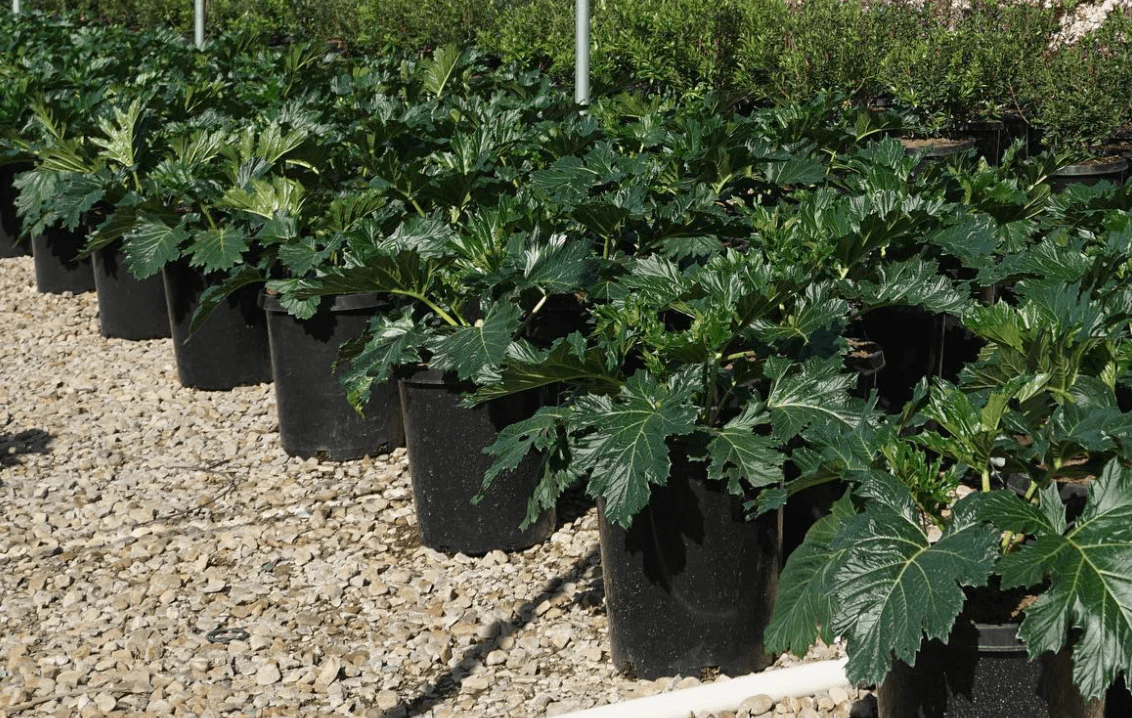
Bear’s breeches (Acanthus mollis) is a striking perennial prized for its deeply lobed, deeply cut, thistle-like dark green leaves with toothed edges and soft hairs. Its attractive foliage is highly valued by gardeners and landscape designers for adding bold, architectural texture to any garden, complementing popular privacy trees and shrubs in layered landscape designs. The plant’s large, glossy, dark green leaves—known as acanthus leaves—have inspired the famous Corinthian leaf motif in ancient Greek and Roman architecture. The genus name 'Acanthus' comes from the Greek word 'akantha', meaning 'spine', referencing the spiny edges of the leaves and their historical use in the ornate capitals of Corinthian columns.
Bear’s breeches thrive in full sun or part shade, and benefit from morning sun, but can also tolerate partial shade or shade, especially in hot climates. For best results when growing bear’s breeches, plant in rich, well-drained soil with good drainage, as wet soil can cause root rot and harm the root system. Adding organic matter helps maintain healthy roots. The plant is drought tolerant and drought resistant once established, making it suitable for low-water gardens alongside other heat-loving, drought-tolerant flowering trees.
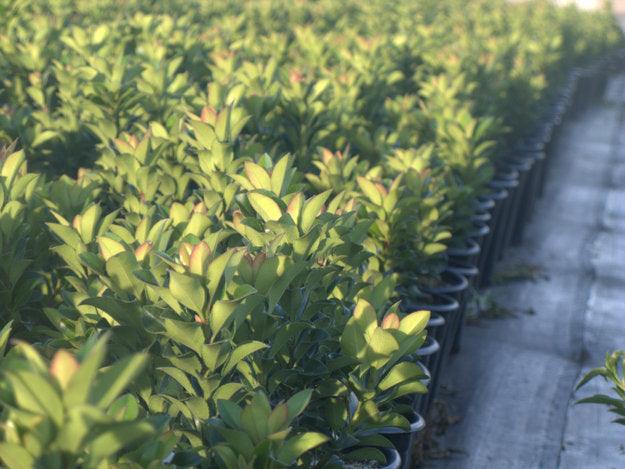
Propagation is easy by seed, root cuttings (best taken in early spring), or division to create new plants. Bear’s breeches can spread aggressively via creeping rootstocks, sometimes causing unwanted spread in the garden; root barriers are recommended to control this. In spring or early spring, divide mature clumps or start seeds for best establishment, or pair them with a dense, fast-growing privacy hedge like Brush Cherry to create structured garden boundaries.
Tall flower spikes rise above the foliage and bloom from late spring to early summer and into summer, with flowers that resemble snapdragons and sometimes display white flowers. These blooms attract bees and other pollinators. The fruit is not ornamentally significant, so many gardeners combine bear’s breeches with sculptural succulents such as Blue Glow Agave for added year-round interest.
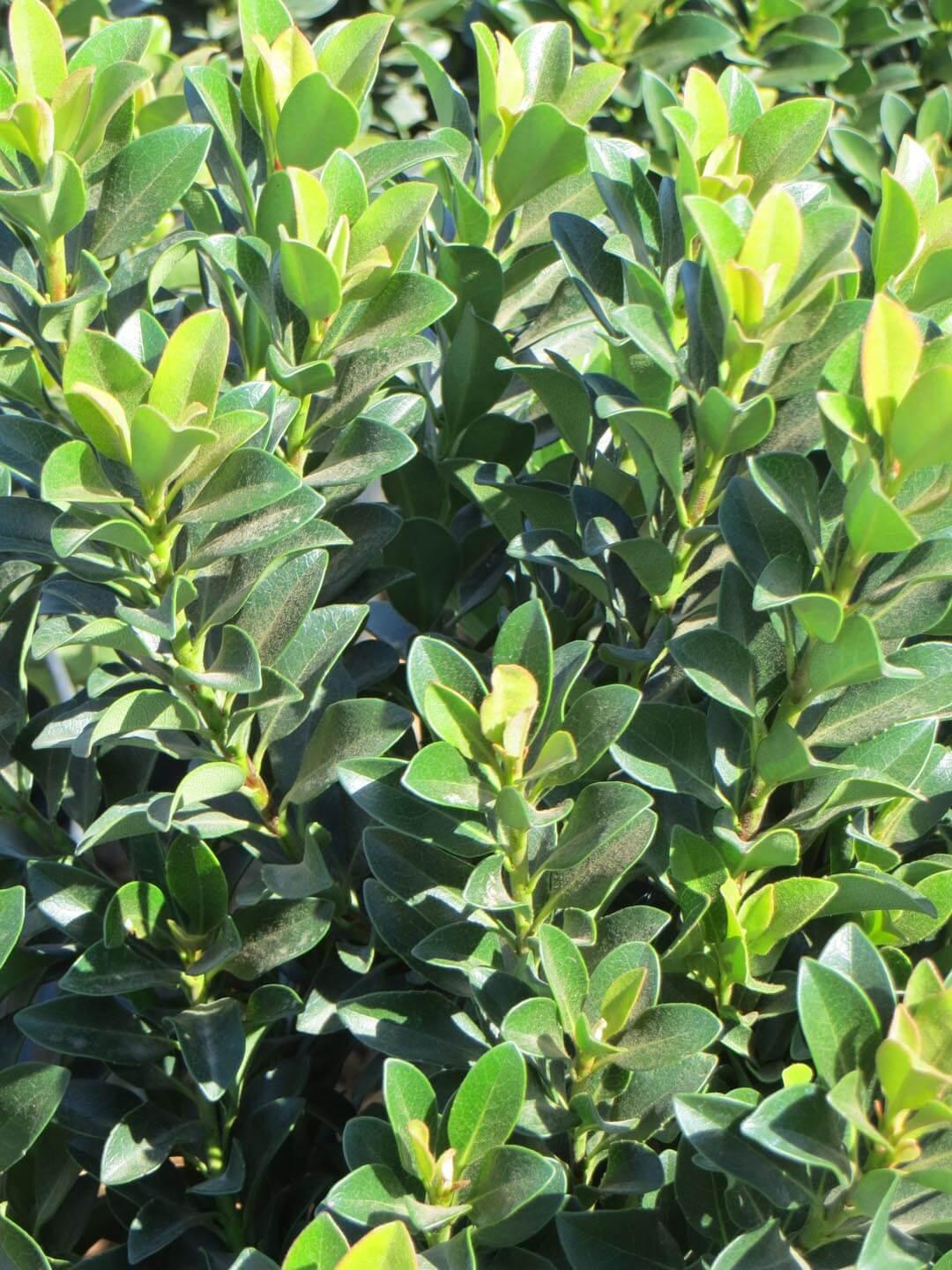
To protect the root system and roots during winter, especially in colder climates, apply a thick layer or layer of winter mulch. This helps insulate the plant and prevent frost damage, especially when bear’s breeches are used near cold-hardy evergreen shrubs like Winter Gem Boxwood in mixed borders.
Bear’s breeches are susceptible to powdery mildew if left unchecked, and pests like slugs and snails can cause substantial damage. Consider spacing them to allow good air circulation around nearby shrubs such as spherical Winter Gem Boxwood globes to keep foliage dry and healthy.
Acanthus mollis and related species, including spiny bear’s breeches (Acanthus spinosa), are native to the Mediterranean region. These plants are valued for their ornamental foliage and historical significance and can be combined with adaptable evergreens such as Carrotwood trees, Toyon (Heteromeles arbutifolia), or Cheesewood Pittosporum varieties for year-round structure and color. Gardeners appreciate their use in garden design for their bold, attractive foliage and classical appeal.
Original: $65.00
-65%$65.00
$22.75Product Information
Product Information
Shipping & Returns
Shipping & Returns
Description
Bear’s breeches (Acanthus mollis) is a striking perennial prized for its deeply lobed, deeply cut, thistle-like dark green leaves with toothed edges and soft hairs. Its attractive foliage is highly valued by gardeners and landscape designers for adding bold, architectural texture to any garden, complementing popular privacy trees and shrubs in layered landscape designs. The plant’s large, glossy, dark green leaves—known as acanthus leaves—have inspired the famous Corinthian leaf motif in ancient Greek and Roman architecture. The genus name 'Acanthus' comes from the Greek word 'akantha', meaning 'spine', referencing the spiny edges of the leaves and their historical use in the ornate capitals of Corinthian columns.
Bear’s breeches thrive in full sun or part shade, and benefit from morning sun, but can also tolerate partial shade or shade, especially in hot climates. For best results when growing bear’s breeches, plant in rich, well-drained soil with good drainage, as wet soil can cause root rot and harm the root system. Adding organic matter helps maintain healthy roots. The plant is drought tolerant and drought resistant once established, making it suitable for low-water gardens alongside other heat-loving, drought-tolerant flowering trees.
Propagation is easy by seed, root cuttings (best taken in early spring), or division to create new plants. Bear’s breeches can spread aggressively via creeping rootstocks, sometimes causing unwanted spread in the garden; root barriers are recommended to control this. In spring or early spring, divide mature clumps or start seeds for best establishment, or pair them with a dense, fast-growing privacy hedge like Brush Cherry to create structured garden boundaries.
Tall flower spikes rise above the foliage and bloom from late spring to early summer and into summer, with flowers that resemble snapdragons and sometimes display white flowers. These blooms attract bees and other pollinators. The fruit is not ornamentally significant, so many gardeners combine bear’s breeches with sculptural succulents such as Blue Glow Agave for added year-round interest.
To protect the root system and roots during winter, especially in colder climates, apply a thick layer or layer of winter mulch. This helps insulate the plant and prevent frost damage, especially when bear’s breeches are used near cold-hardy evergreen shrubs like Winter Gem Boxwood in mixed borders.
Bear’s breeches are susceptible to powdery mildew if left unchecked, and pests like slugs and snails can cause substantial damage. Consider spacing them to allow good air circulation around nearby shrubs such as spherical Winter Gem Boxwood globes to keep foliage dry and healthy.
Acanthus mollis and related species, including spiny bear’s breeches (Acanthus spinosa), are native to the Mediterranean region. These plants are valued for their ornamental foliage and historical significance and can be combined with adaptable evergreens such as Carrotwood trees, Toyon (Heteromeles arbutifolia), or Cheesewood Pittosporum varieties for year-round structure and color. Gardeners appreciate their use in garden design for their bold, attractive foliage and classical appeal.