Muhly Grass - Muhlenbergia Capillaris
Create Stunning Fall Drama with Low-Maintenance Native Beauty
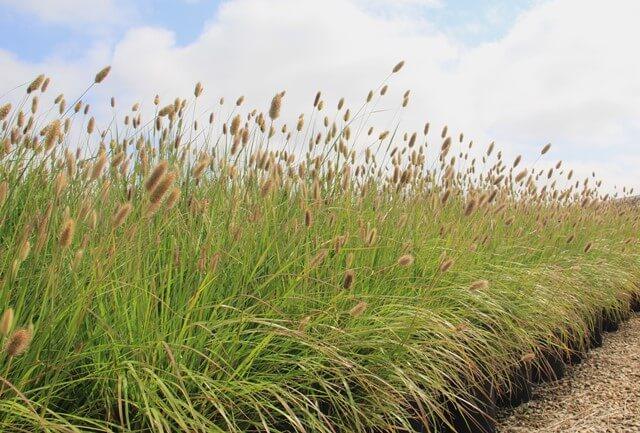
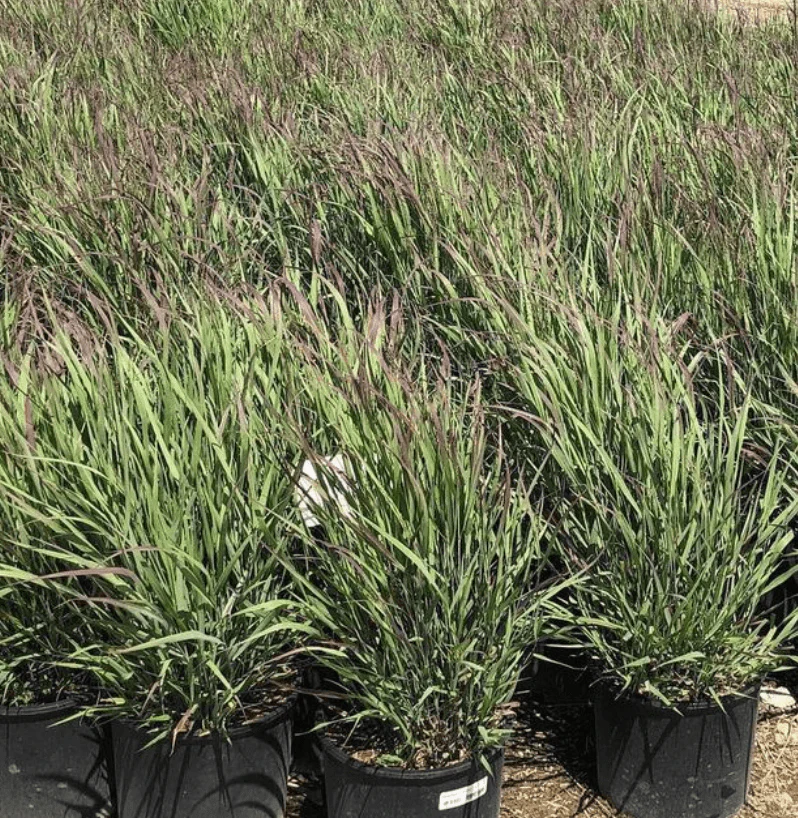
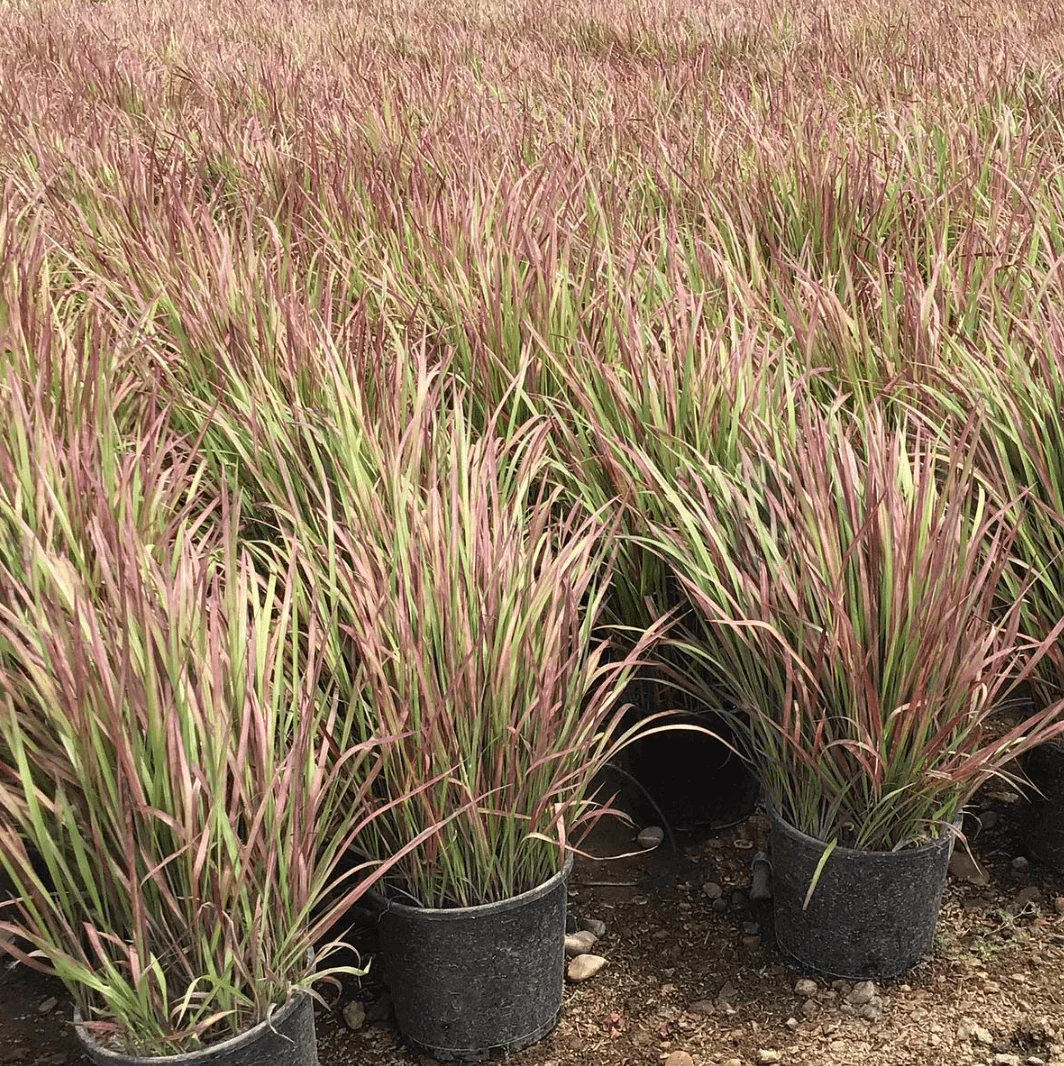
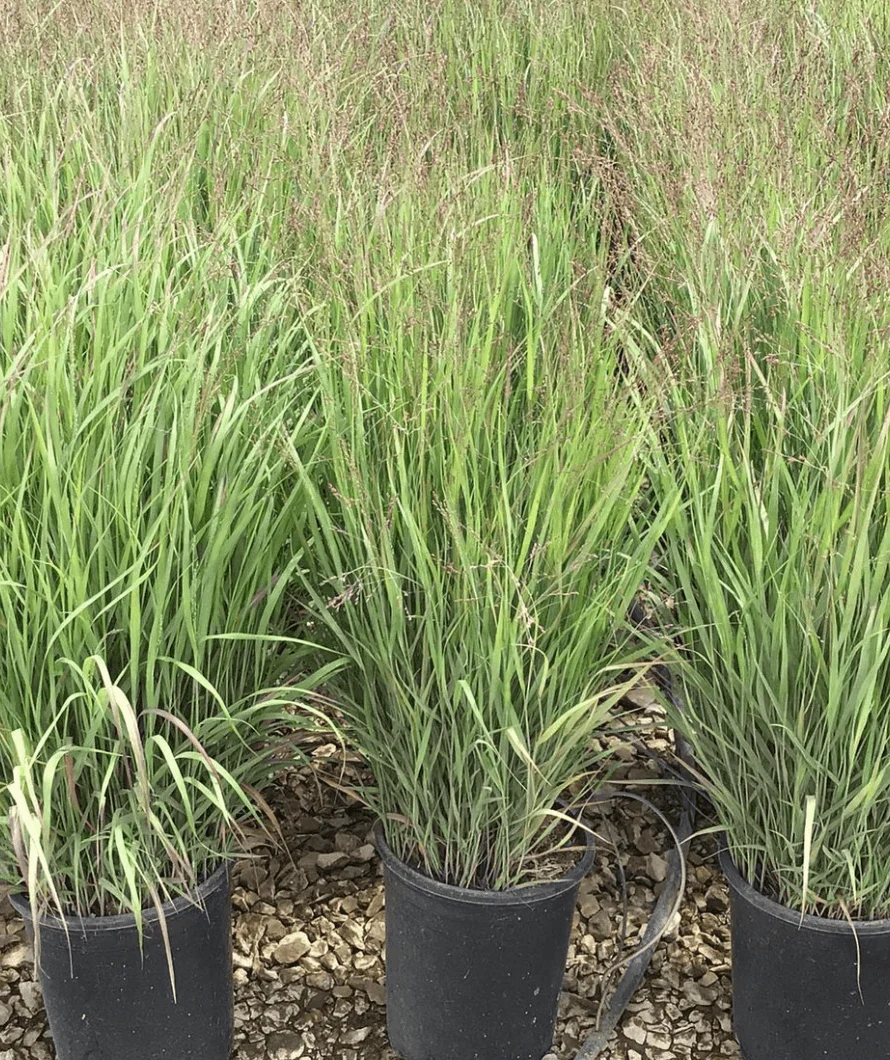
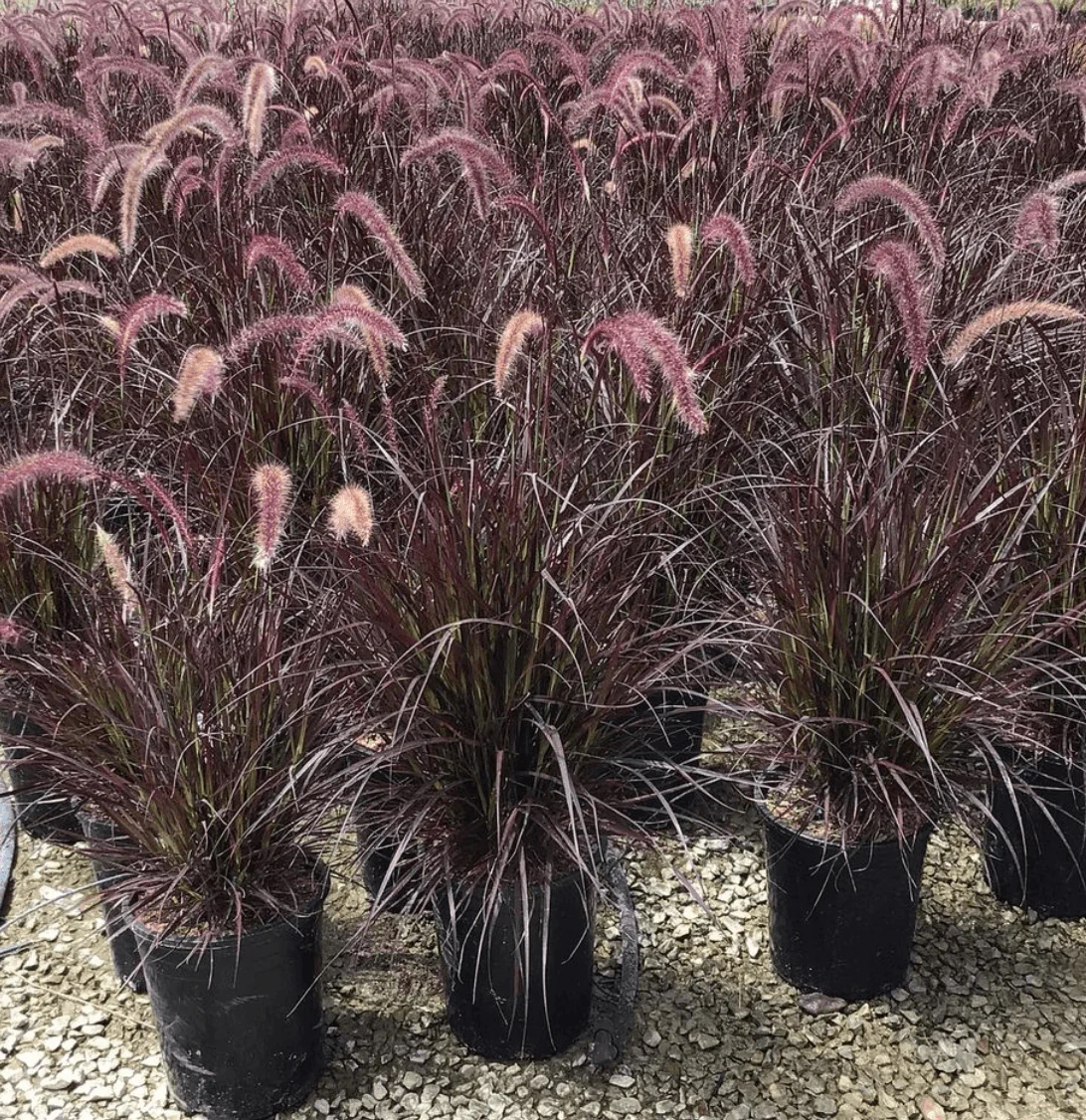
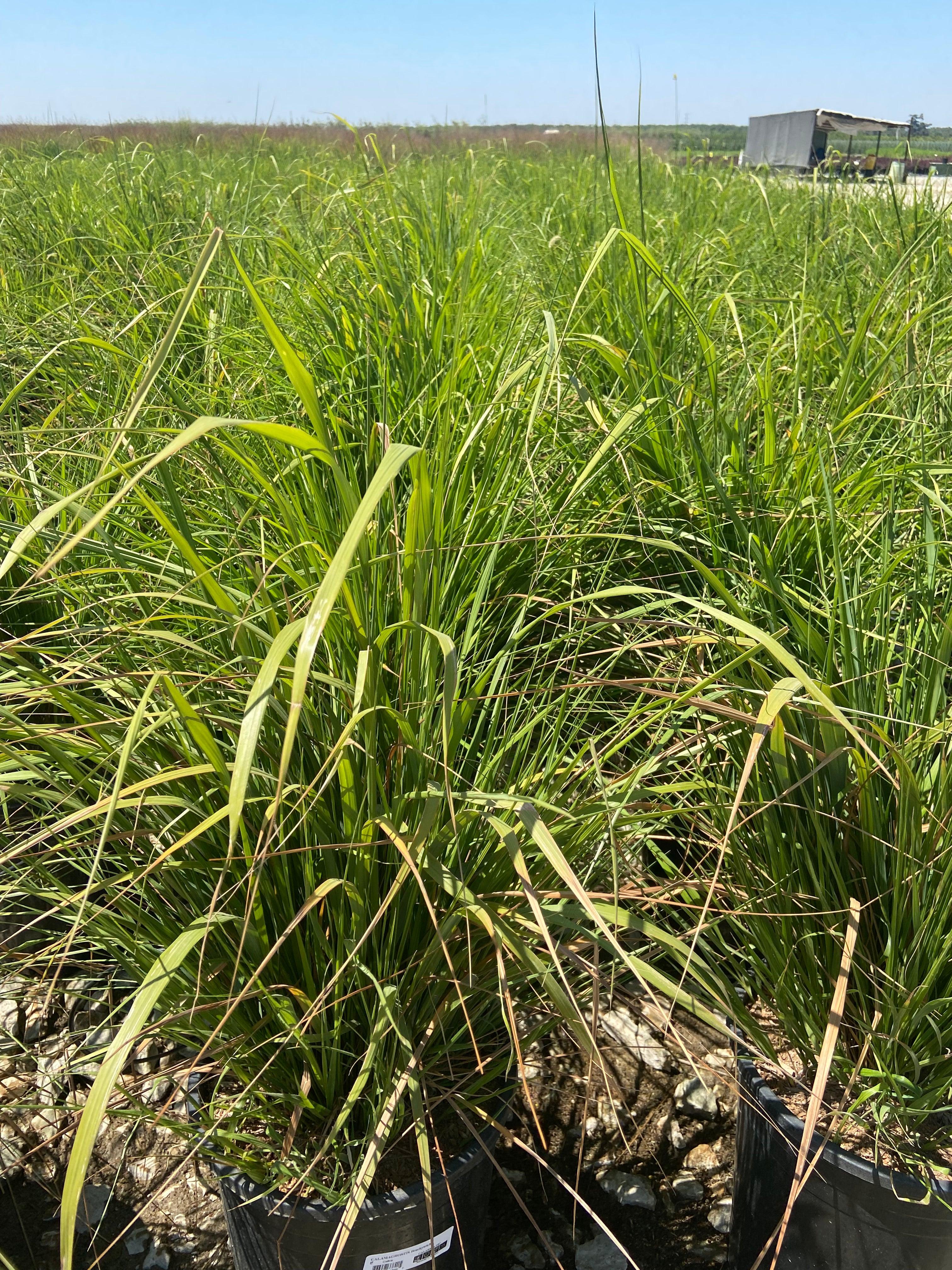
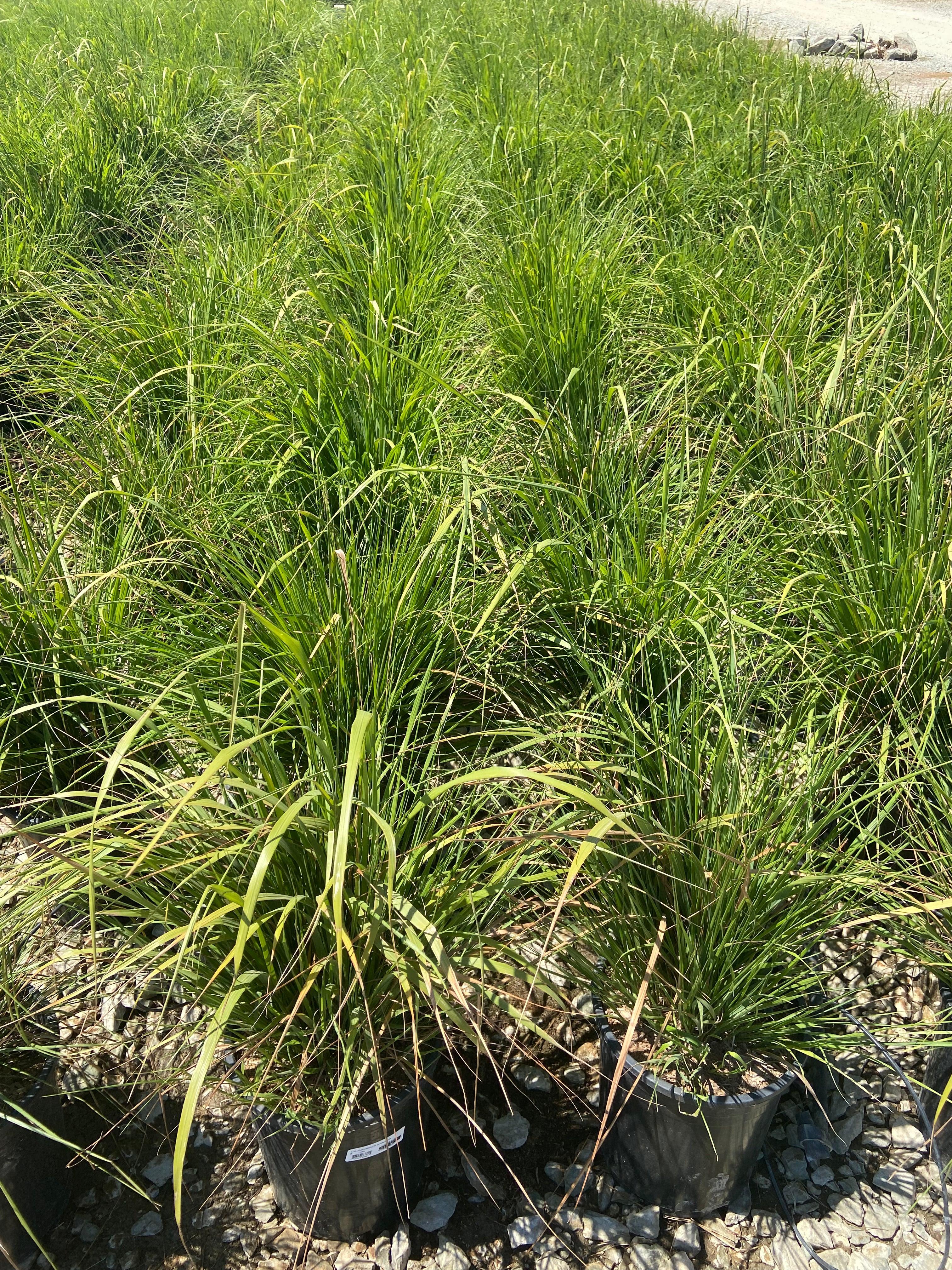
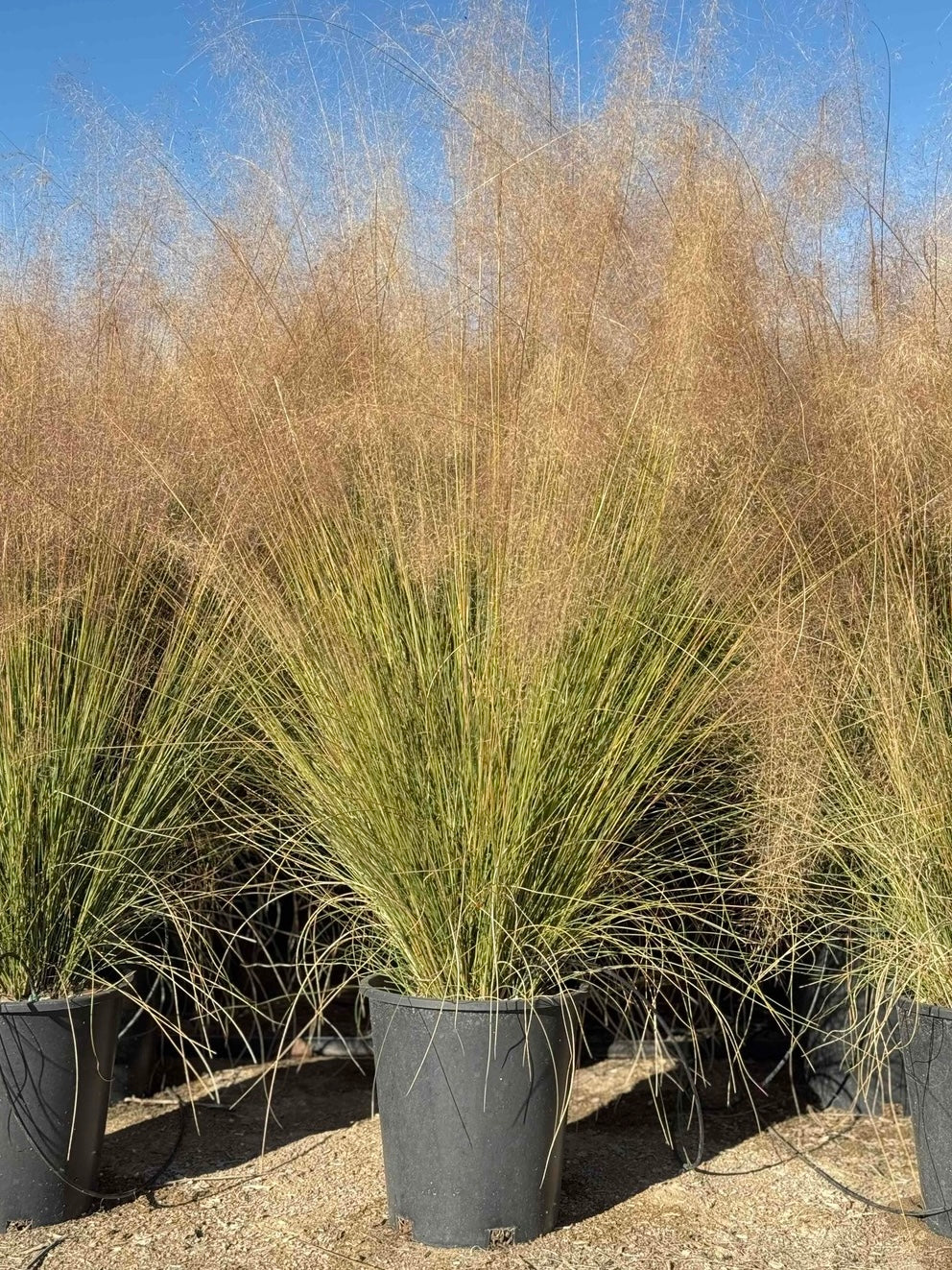
Muhly grass gives California gardens dramatic late season color with very little upkeep, especially when planted in full sun and well drained soil. Known as pink muhly grass, pink muhly, gulf muhly, and Muhlenbergia capillaris, this native ornamental grass forms tidy green clumps through spring and summer, then erupts in feathery pink, purplish red, and pink-purple plumes in fall.
Designed for low-water landscapes, borders, slopes, commercial landscapes, and modern garden designs, muhly grass adds year-round structure without the demands of many flowering plants. Once established, this drought tolerant perennial handles heat, poor soil, sandy sites, and dry-to-medium soil moisture while still delivering an unforgettable bloom from September through November.
Why You’ll Love Muhly Grass
-
Spectacular Fall Display – Pink muhly grass is known for fluffy, cloud-like pink and purple flower plumes that bloom in the fall, typically from September through November.
-
Drought Tolerant – Once established, pink muhly grass is drought-tolerant and does not require regular irrigation if rainfall is sufficient, but it should be watered if the soil is dry to a depth of 2 inches or more.
-
Low Maintenance – This grass needs simple cultivation: full sun, well drained soil, light mulch if desired, and pruning in late winter or early spring before new growth.
-
Native Plant Value – As a North American native grass, Muhlenbergia capillaris supports beneficial insects, butterflies, birds, and small mammals.
-
Deer Resistant – Muhly grass rarely suffers from diseases, urban pollution, or common garden pests; deer and rabbits generally avoid its tough, fibrous texture.
-
Big Design Impact – Muhly grass creates the biggest visual statement when planted in large drifts or borders, especially when backlit by the late afternoon sun.
For the best visual impact, plant muhly grass in large groups or masses, spaced 24 to 36 inches apart. For a more natural look, pink muhly grass should be planted in groupings of three or five, as odd numbers are more visually appealing and mimic natural growth patterns.
What Makes It Different
Most ornamental grasses add movement and foliage, but many lack the dramatic seasonal bloom that makes pink muhly grass stand out. Instead of blending quietly into the border, Muhlenbergia capillaris creates a soft cloud of colored pink, pink flowers, and purplish red plumes just as many summer wildflowers and flowering plants begin to fade.
Muhly Grass provides:
-
Fall Blooming – Pink muhly grass produces late season color from September through November, giving the garden fresh interest after summer heat.
-
Clumping Growth – Pink muhly grass typically grows in clumps and can reach heights of 3 to 4 feet, making it an attractive choice for borders and mass plantings in gardens.
-
Deep Root Strength – Muhly grass has a deep, fibrous root system that stabilizes loose soils, making it excellent for slopes, banks, and coastal areas.
-
Multi-Season Interest – Green foliage holds structure through spring and summer, fall plumes create the main show, and brown seeds add winter texture while feeding birds.
-
Clean Garden Behavior – This native ornamental grass does not spread aggressively like running grass types, so it stays manageable in a low maintenance garden.
Cultivars and related species give you more design options. Classic pink muhly grass is prized for pink and purple plumes, while White Cloud offers a softer white bloom. In hot, dry settings, muhly species can handle heat, humidity swings, sunshine, and sandy soil better than many ornamental grasses.
Tips For Success
-
Plant in Spring
Pink muhly grass is best planted in spring for optimal growth and blooming results. Dig a hole wide enough for the root ball, set the plant at the same ground level as the nursery container, and backfill with well drained soil. -
Provide Full Sun
When planting pink muhly grass, ensure it is placed in full sun to achieve the best flowering and growth, as it requires at least six hours of sunlight daily. Pink muhly grass requires full to partial sunlight, needing at least six hours of sunlight each day for optimal growth and blooming. -
Watch the Magic
Enjoy fresh green foliage through summer, then watch the plant bloom with feathery plumes in fall. Muhly grass typically grows 2 to 3 feet tall and wide, with flowering plumes that can lift the height up to 4 feet.
Keep the soil moist during establishment, but never boggy. This grass prefers dry-to-medium, well-draining soil and does not thrive in overly wet or boggy conditions. Avoid heavy fertilizer, especially high-nitrogen fertilizers, which can cause foliage of muhly grass to become limp and reduce flowering.
Plant Details
-
Scientific name: Muhlenbergia capillaris
-
Common names: pink muhly grass, pink muhly, gulf muhly, muhly grass
-
Plant type: perennial native ornamental grass
-
Mature size: muhly grass typically grows 2 to 3 feet tall and wide, with flowering plumes that can lift the height up to 4 feet
-
Additional size note: pink muhly grass typically grows in clumps and can reach heights of 3 to 4 feet, making it an attractive choice for borders and mass plantings in gardens
-
Bloom time: September through November
-
Bloom color: pink, pink-purple, purplish red; White Cloud produces white plumes
-
Light: full sun to partial shade, with at least six hours of sunlight daily for best bloom
-
Soil type: dry-to-medium, well drained soil; performs well in sandy, lean, and poor soil
-
Soil preference: slightly acidic to neutral pH
-
Water needs: low to moderate once established
-
Hardiness zones: 5 to 9
-
Cold tolerance: pink muhly grass thrives in warm, dry atmospheres and is hardy in USDA zones 5 to 9, but it can die off in temperatures below -15°F
-
Irrigation: once established, pink muhly grass is drought-tolerant and does not require regular irrigation if rainfall is sufficient, but it should be watered if the soil is dry to a depth of 2 inches or more
-
Spacing: for the best visual impact, plant muhly grass in large groups or masses, spaced 24 to 36 inches apart
-
Natural grouping: for a natural look, pink muhly grass should be planted in groupings of three or five, as odd numbers are more visually appealing and mimic natural growth patterns
-
Maintenance: pruning pink muhly grass in late winter or early spring before the growing season helps promote healthy growth, but it should not be cut too close to the crown
-
Wildlife value: dense foliage clumps of muhly grass provide year-round nesting cover for small birds and mammals, while its seeds provide an autumn food source
-
Pest and disease resistance: muhly grass rarely suffers from diseases, urban pollution, or common garden pests; deer and rabbits generally avoid its tough, fibrous texture
-
Disease note: issues such as tar spot are uncommon when the plant has good sunlight, airflow, and drainage
Who It’s For
Ideal for:
-
California homeowners replacing thirsty lawns or high-water ornamentals
-
Gardeners who want pink muhly grass plants for dramatic fall color without heavy maintenance
-
Property owners designing wildlife-friendly native plant gardens with birds, butterflies, beneficial insects, and small mammals in mind
-
Landscape designers using ornamental grasses in commercial landscapes, borders, slopes, banks, and coastal areas
-
Anyone creating a low maintenance garden with drought tolerant plants that thrive in sun, heat, and dry-to-medium soil
If you want a long lived grass that looks natural, handles drought after establishment, and delivers a bold late season bloom, muhly grass fits beautifully. It pairs well with wildflowers, succulents, manzanita, lavender, ceanothus, and other California-friendly planting palettes.
Frequently Asked Questions
How long does it take to establish?
Pink muhly grass is best planted in spring for optimal growth and blooming results. It may bloom the first fall if planted early with good sunlight and proper watering, but plants often grow bigger and fuller by the second season.
When should I prune it?
Pruning pink muhly grass in late winter or early spring before the growing season helps promote healthy growth, but it should not be cut too close to the crown. Leave a few inches above the ground so the crown stays protected.
Will it spread throughout my garden?
No. Muhly grass grows in clumps rather than spreading aggressively. That makes it easier to use in a border, mass planting, or low maintenance garden without worrying about invasive runners.
How much water does it need?
Water regularly after planting until the root ball is established. Once established, pink muhly grass is drought-tolerant and does not require regular irrigation if rainfall is sufficient, but it should be watered if the soil is dry to a depth of 2 inches or more.
Can I grow it in partial shade?
Yes, but flowering is best in full sun. Pink muhly grass requires full to partial sunlight, needing at least six hours of sunlight each day for optimal growth and blooming. Too much shade can reduce the pink flowers and make foliage less dense.
What soil does muhly grass prefer?
This ornamental grass is drought-tolerant and prefers dry to medium soil moisture, thriving in warm, dry atmospheres and is hardy in USDA zones 5 to 9. It performs best in well drained soil and may struggle in heavy clay unless drainage is improved.
Does muhly grass need fertilizer?
Usually, no. High-nitrogen fertilizers can cause foliage of muhly grass to become limp and reduce flowering. If your soil is very poor, use only a light, balanced fertilizer or compost in early spring.
Is muhly grass good for wildlife?
Yes. Dense foliage clumps of muhly grass provide year-round nesting cover for small birds and mammals, while its seeds provide an autumn food source. The airy plumes also create habitat texture for beneficial insects.
Ready to Transform Your Garden?
Stop settling for flat landscapes that lose interest after summer. Choose Muhly Grass for spectacular fall plumes, drought tolerant performance, deer resistant texture, and low maintenance beauty that works in California gardens.
Yardwork can help with California delivery, plant spacing guidance, consultation services, and large order options for mass plantings, borders, commercial landscapes, and natural garden designs. Secure checkout, healthy plants, and practical support from selection to planting.
Original: $55.00
-65%$55.00
$19.25Product Information
Product Information
Shipping & Returns
Shipping & Returns
Description
Create Stunning Fall Drama with Low-Maintenance Native Beauty
Muhly grass gives California gardens dramatic late season color with very little upkeep, especially when planted in full sun and well drained soil. Known as pink muhly grass, pink muhly, gulf muhly, and Muhlenbergia capillaris, this native ornamental grass forms tidy green clumps through spring and summer, then erupts in feathery pink, purplish red, and pink-purple plumes in fall.
Designed for low-water landscapes, borders, slopes, commercial landscapes, and modern garden designs, muhly grass adds year-round structure without the demands of many flowering plants. Once established, this drought tolerant perennial handles heat, poor soil, sandy sites, and dry-to-medium soil moisture while still delivering an unforgettable bloom from September through November.
Why You’ll Love Muhly Grass
-
Spectacular Fall Display – Pink muhly grass is known for fluffy, cloud-like pink and purple flower plumes that bloom in the fall, typically from September through November.
-
Drought Tolerant – Once established, pink muhly grass is drought-tolerant and does not require regular irrigation if rainfall is sufficient, but it should be watered if the soil is dry to a depth of 2 inches or more.
-
Low Maintenance – This grass needs simple cultivation: full sun, well drained soil, light mulch if desired, and pruning in late winter or early spring before new growth.
-
Native Plant Value – As a North American native grass, Muhlenbergia capillaris supports beneficial insects, butterflies, birds, and small mammals.
-
Deer Resistant – Muhly grass rarely suffers from diseases, urban pollution, or common garden pests; deer and rabbits generally avoid its tough, fibrous texture.
-
Big Design Impact – Muhly grass creates the biggest visual statement when planted in large drifts or borders, especially when backlit by the late afternoon sun.
For the best visual impact, plant muhly grass in large groups or masses, spaced 24 to 36 inches apart. For a more natural look, pink muhly grass should be planted in groupings of three or five, as odd numbers are more visually appealing and mimic natural growth patterns.
What Makes It Different
Most ornamental grasses add movement and foliage, but many lack the dramatic seasonal bloom that makes pink muhly grass stand out. Instead of blending quietly into the border, Muhlenbergia capillaris creates a soft cloud of colored pink, pink flowers, and purplish red plumes just as many summer wildflowers and flowering plants begin to fade.
Muhly Grass provides:
-
Fall Blooming – Pink muhly grass produces late season color from September through November, giving the garden fresh interest after summer heat.
-
Clumping Growth – Pink muhly grass typically grows in clumps and can reach heights of 3 to 4 feet, making it an attractive choice for borders and mass plantings in gardens.
-
Deep Root Strength – Muhly grass has a deep, fibrous root system that stabilizes loose soils, making it excellent for slopes, banks, and coastal areas.
-
Multi-Season Interest – Green foliage holds structure through spring and summer, fall plumes create the main show, and brown seeds add winter texture while feeding birds.
-
Clean Garden Behavior – This native ornamental grass does not spread aggressively like running grass types, so it stays manageable in a low maintenance garden.
Cultivars and related species give you more design options. Classic pink muhly grass is prized for pink and purple plumes, while White Cloud offers a softer white bloom. In hot, dry settings, muhly species can handle heat, humidity swings, sunshine, and sandy soil better than many ornamental grasses.
Tips For Success
-
Plant in Spring
Pink muhly grass is best planted in spring for optimal growth and blooming results. Dig a hole wide enough for the root ball, set the plant at the same ground level as the nursery container, and backfill with well drained soil. -
Provide Full Sun
When planting pink muhly grass, ensure it is placed in full sun to achieve the best flowering and growth, as it requires at least six hours of sunlight daily. Pink muhly grass requires full to partial sunlight, needing at least six hours of sunlight each day for optimal growth and blooming. -
Watch the Magic
Enjoy fresh green foliage through summer, then watch the plant bloom with feathery plumes in fall. Muhly grass typically grows 2 to 3 feet tall and wide, with flowering plumes that can lift the height up to 4 feet.
Keep the soil moist during establishment, but never boggy. This grass prefers dry-to-medium, well-draining soil and does not thrive in overly wet or boggy conditions. Avoid heavy fertilizer, especially high-nitrogen fertilizers, which can cause foliage of muhly grass to become limp and reduce flowering.
Plant Details
-
Scientific name: Muhlenbergia capillaris
-
Common names: pink muhly grass, pink muhly, gulf muhly, muhly grass
-
Plant type: perennial native ornamental grass
-
Mature size: muhly grass typically grows 2 to 3 feet tall and wide, with flowering plumes that can lift the height up to 4 feet
-
Additional size note: pink muhly grass typically grows in clumps and can reach heights of 3 to 4 feet, making it an attractive choice for borders and mass plantings in gardens
-
Bloom time: September through November
-
Bloom color: pink, pink-purple, purplish red; White Cloud produces white plumes
-
Light: full sun to partial shade, with at least six hours of sunlight daily for best bloom
-
Soil type: dry-to-medium, well drained soil; performs well in sandy, lean, and poor soil
-
Soil preference: slightly acidic to neutral pH
-
Water needs: low to moderate once established
-
Hardiness zones: 5 to 9
-
Cold tolerance: pink muhly grass thrives in warm, dry atmospheres and is hardy in USDA zones 5 to 9, but it can die off in temperatures below -15°F
-
Irrigation: once established, pink muhly grass is drought-tolerant and does not require regular irrigation if rainfall is sufficient, but it should be watered if the soil is dry to a depth of 2 inches or more
-
Spacing: for the best visual impact, plant muhly grass in large groups or masses, spaced 24 to 36 inches apart
-
Natural grouping: for a natural look, pink muhly grass should be planted in groupings of three or five, as odd numbers are more visually appealing and mimic natural growth patterns
-
Maintenance: pruning pink muhly grass in late winter or early spring before the growing season helps promote healthy growth, but it should not be cut too close to the crown
-
Wildlife value: dense foliage clumps of muhly grass provide year-round nesting cover for small birds and mammals, while its seeds provide an autumn food source
-
Pest and disease resistance: muhly grass rarely suffers from diseases, urban pollution, or common garden pests; deer and rabbits generally avoid its tough, fibrous texture
-
Disease note: issues such as tar spot are uncommon when the plant has good sunlight, airflow, and drainage
Who It’s For
Ideal for:
-
California homeowners replacing thirsty lawns or high-water ornamentals
-
Gardeners who want pink muhly grass plants for dramatic fall color without heavy maintenance
-
Property owners designing wildlife-friendly native plant gardens with birds, butterflies, beneficial insects, and small mammals in mind
-
Landscape designers using ornamental grasses in commercial landscapes, borders, slopes, banks, and coastal areas
-
Anyone creating a low maintenance garden with drought tolerant plants that thrive in sun, heat, and dry-to-medium soil
If you want a long lived grass that looks natural, handles drought after establishment, and delivers a bold late season bloom, muhly grass fits beautifully. It pairs well with wildflowers, succulents, manzanita, lavender, ceanothus, and other California-friendly planting palettes.
Frequently Asked Questions
How long does it take to establish?
Pink muhly grass is best planted in spring for optimal growth and blooming results. It may bloom the first fall if planted early with good sunlight and proper watering, but plants often grow bigger and fuller by the second season.
When should I prune it?
Pruning pink muhly grass in late winter or early spring before the growing season helps promote healthy growth, but it should not be cut too close to the crown. Leave a few inches above the ground so the crown stays protected.
Will it spread throughout my garden?
No. Muhly grass grows in clumps rather than spreading aggressively. That makes it easier to use in a border, mass planting, or low maintenance garden without worrying about invasive runners.
How much water does it need?
Water regularly after planting until the root ball is established. Once established, pink muhly grass is drought-tolerant and does not require regular irrigation if rainfall is sufficient, but it should be watered if the soil is dry to a depth of 2 inches or more.
Can I grow it in partial shade?
Yes, but flowering is best in full sun. Pink muhly grass requires full to partial sunlight, needing at least six hours of sunlight each day for optimal growth and blooming. Too much shade can reduce the pink flowers and make foliage less dense.
What soil does muhly grass prefer?
This ornamental grass is drought-tolerant and prefers dry to medium soil moisture, thriving in warm, dry atmospheres and is hardy in USDA zones 5 to 9. It performs best in well drained soil and may struggle in heavy clay unless drainage is improved.
Does muhly grass need fertilizer?
Usually, no. High-nitrogen fertilizers can cause foliage of muhly grass to become limp and reduce flowering. If your soil is very poor, use only a light, balanced fertilizer or compost in early spring.
Is muhly grass good for wildlife?
Yes. Dense foliage clumps of muhly grass provide year-round nesting cover for small birds and mammals, while its seeds provide an autumn food source. The airy plumes also create habitat texture for beneficial insects.
Ready to Transform Your Garden?
Stop settling for flat landscapes that lose interest after summer. Choose Muhly Grass for spectacular fall plumes, drought tolerant performance, deer resistant texture, and low maintenance beauty that works in California gardens.
Yardwork can help with California delivery, plant spacing guidance, consultation services, and large order options for mass plantings, borders, commercial landscapes, and natural garden designs. Secure checkout, healthy plants, and practical support from selection to planting.