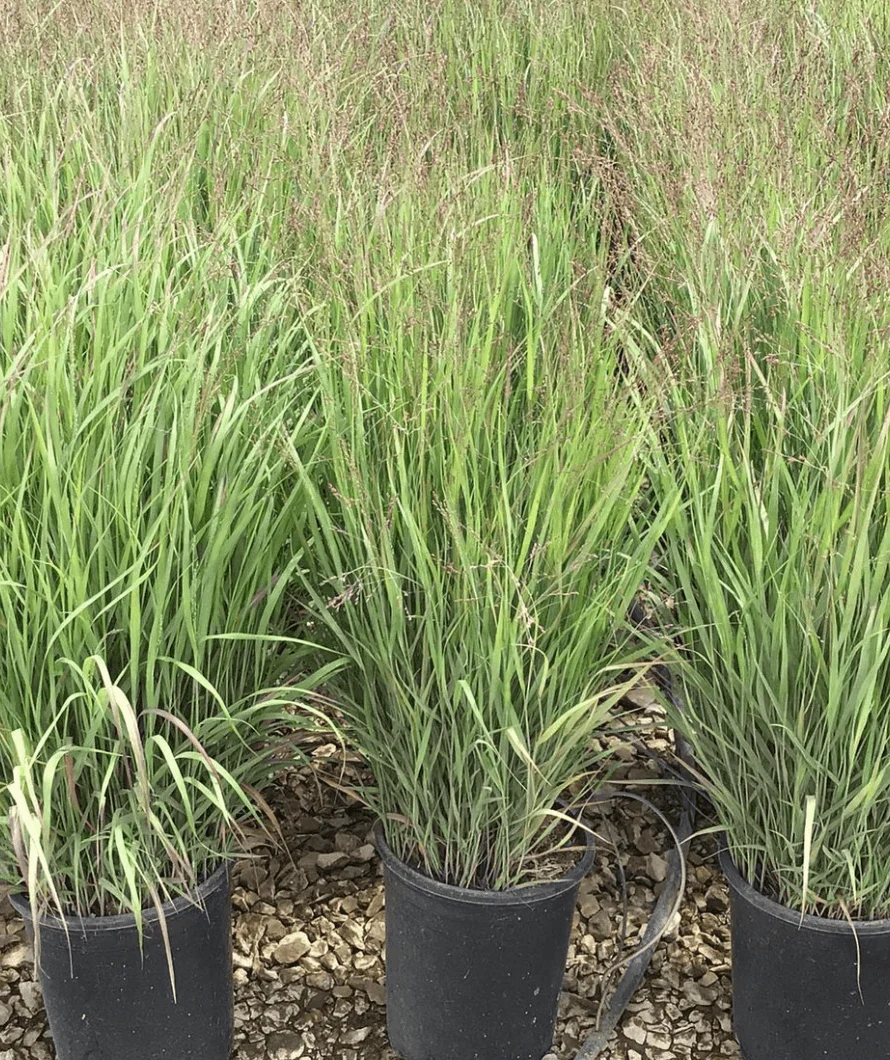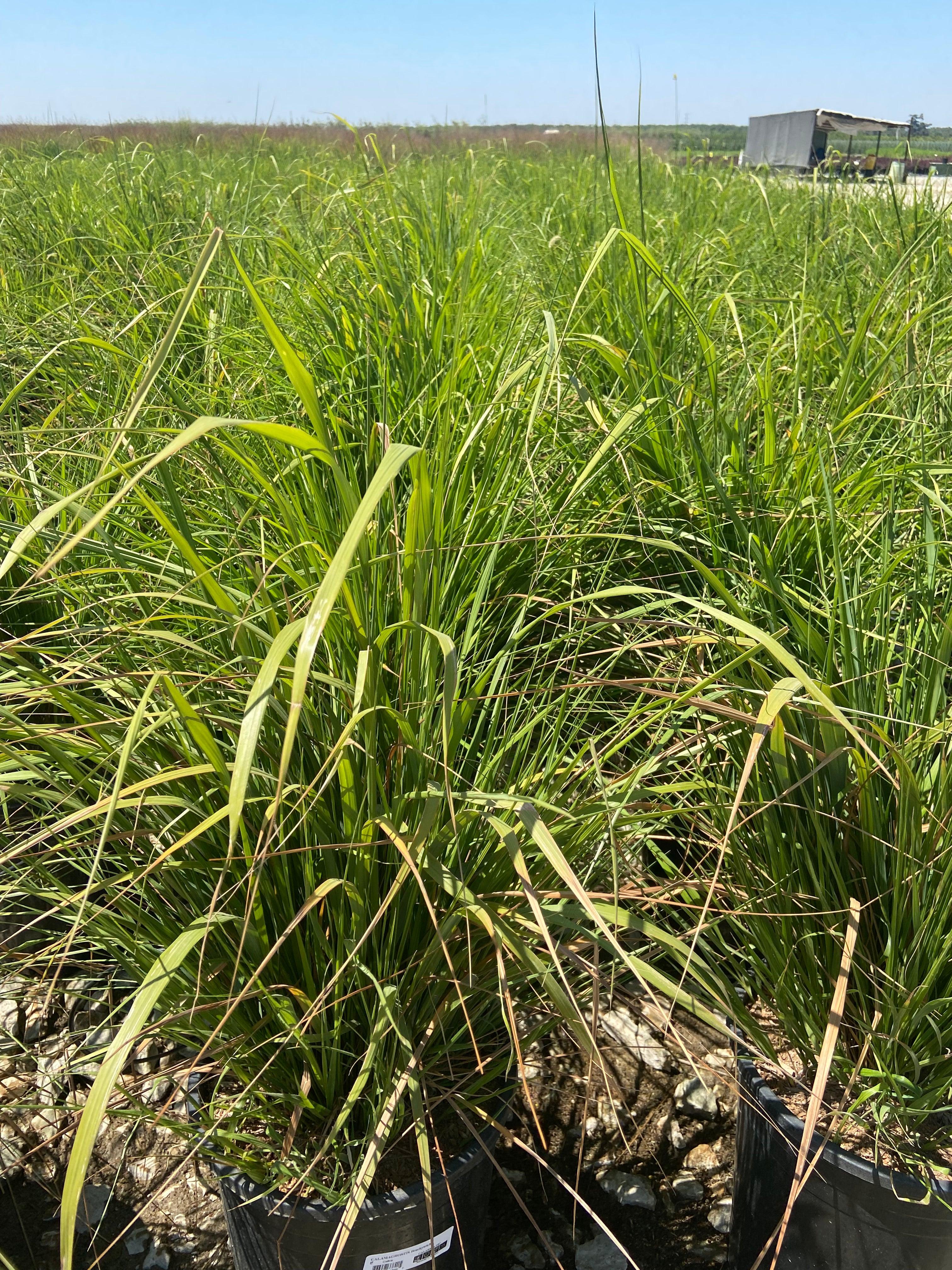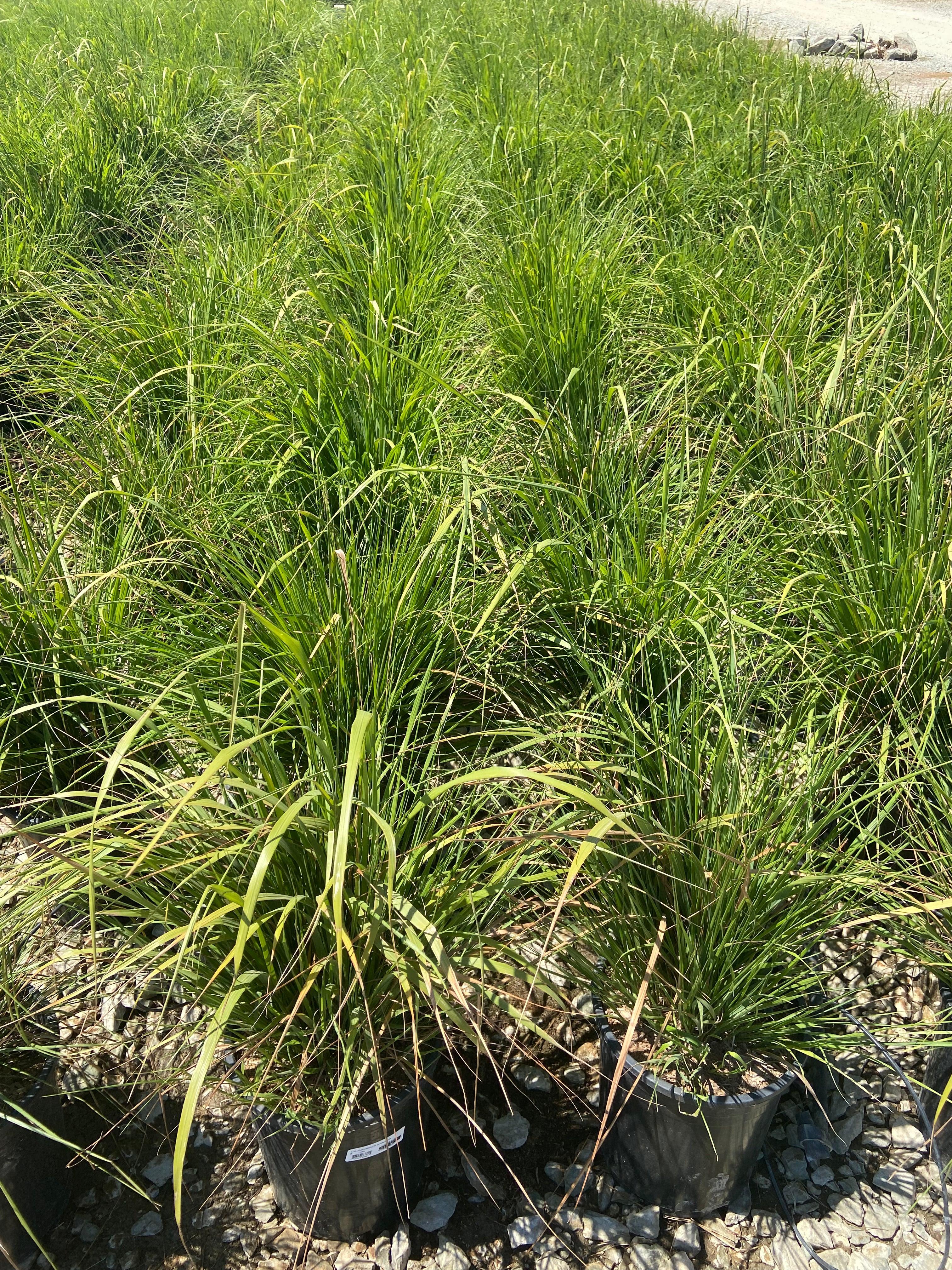
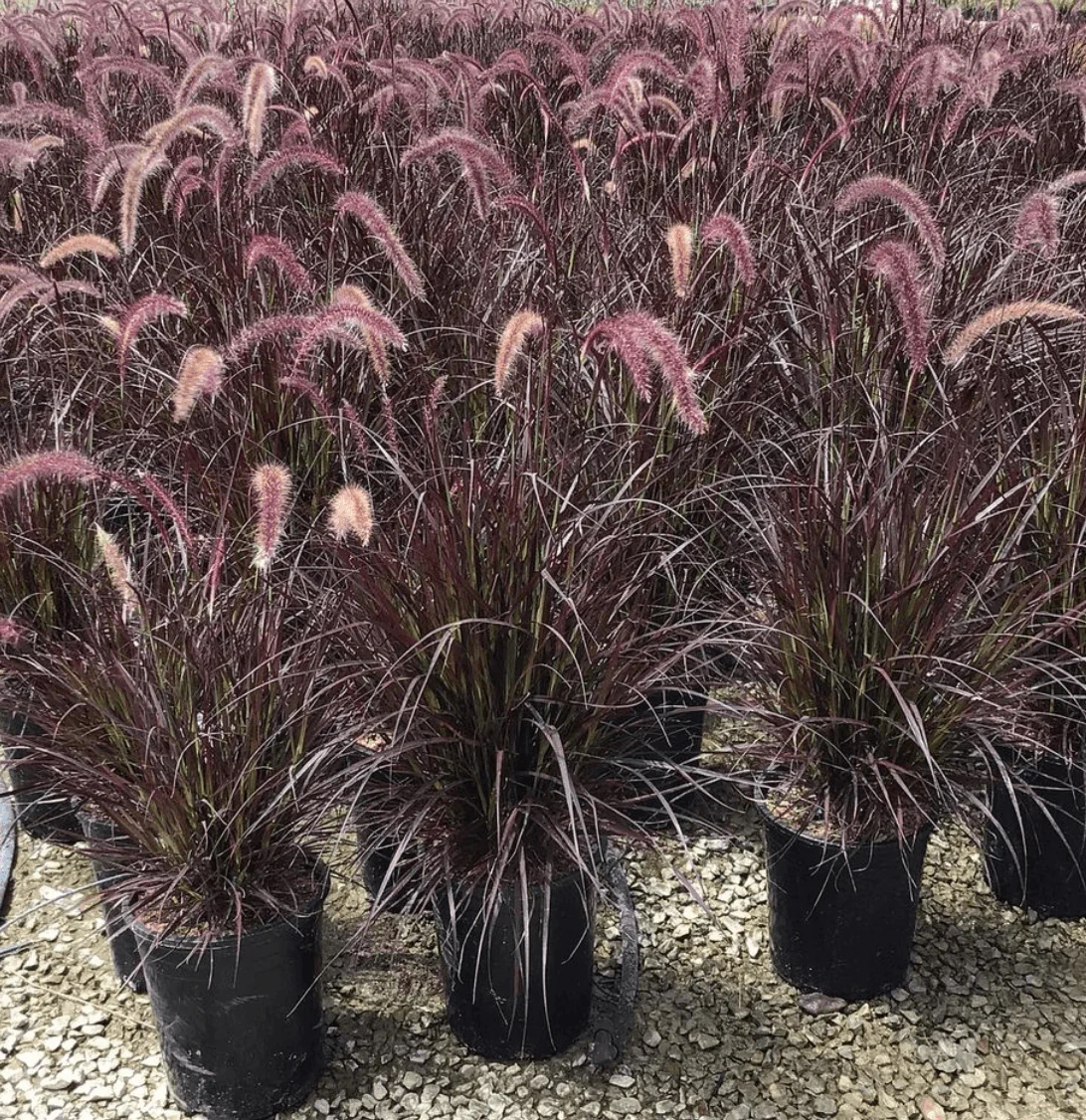
Purple Fountain Grass - Pennisetum setaceum 'Rubrum'
Transform Your Garden with Striking Purple Foliage and Graceful Texture
Purple fountain grass gives your garden instant height, deep purple color, and soft movement with very little upkeep. This rapid-growing warm-season ornamental grass, botanically known as Pennisetum setaceum ‘Rubrum’, is prized for striking burgundy-red foliage and feathery, arching plumes that make borders, containers, slopes, and xeriscape landscaping feel more polished.
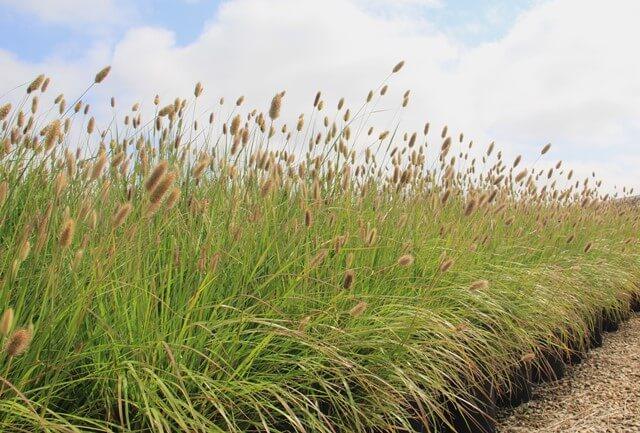
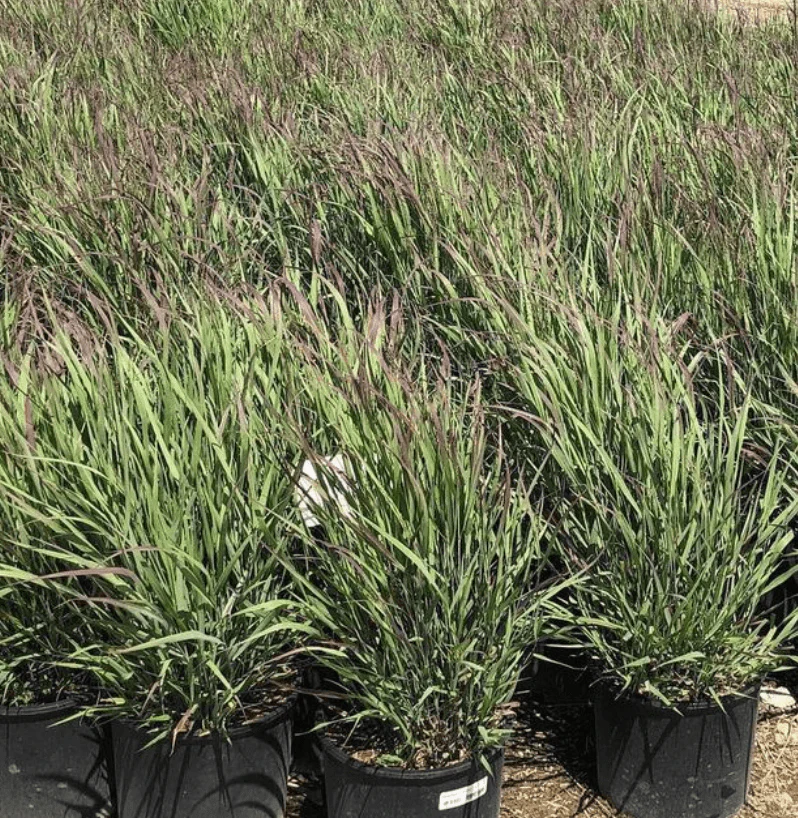
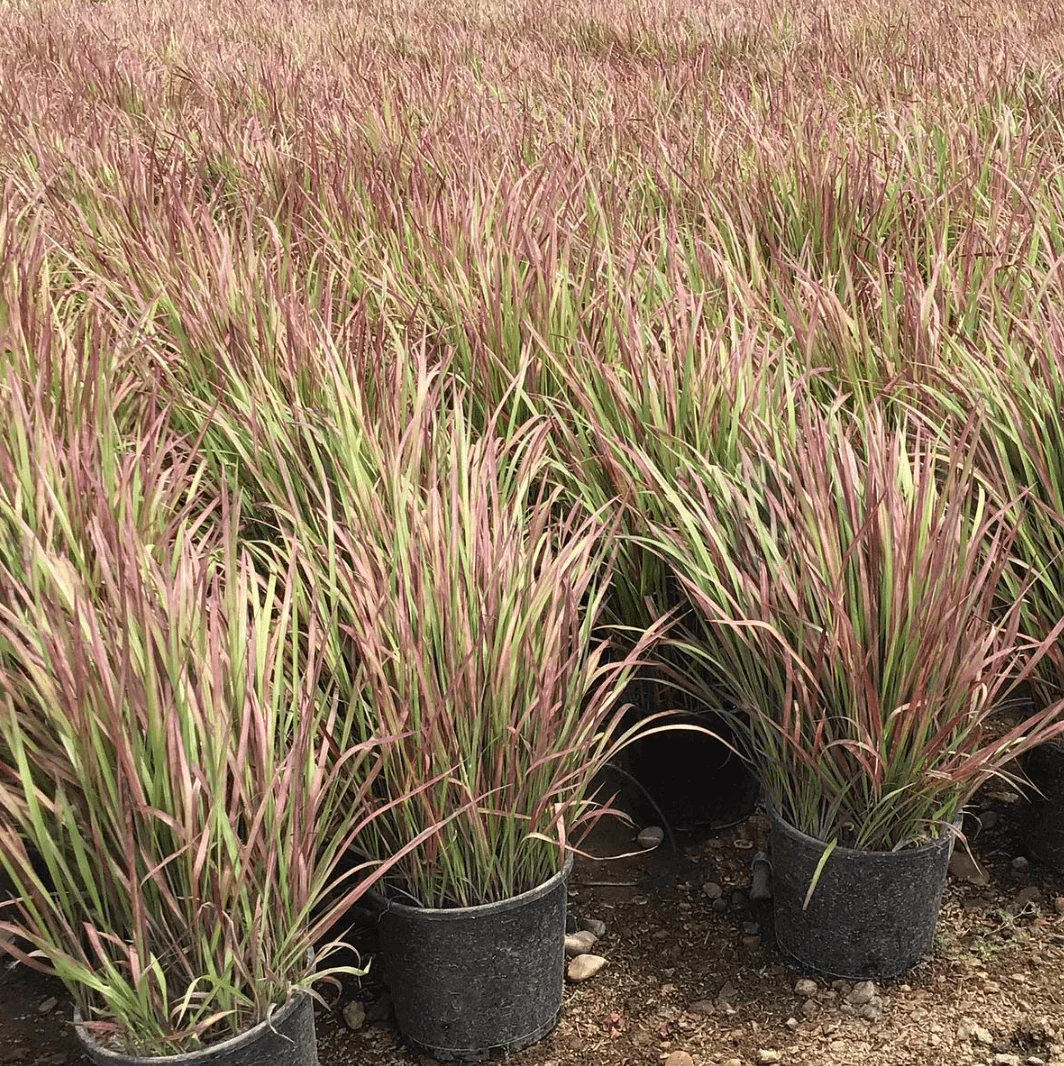
Its long, narrow, sword-like blades show deep purple, maroon, or rich burgundy coloration, while foxtail-like flowers rise above the foliage in summer and fall. The slender blades and plumes create graceful movement and sound in the garden, especially when planted where soft breezes can move through the grass.
Why You’ll Love Purple Fountain Grass
-
Stunning burgundy-purple foliage – The deep purple fountain color creates bold contrast against green foliage, silver succulents, flowering perennials, and other plants in the yard.
-
Beautiful feathery plumes – Purple fountain grass produces feathery, fox tail-like plumes that emerge vibrant rose-red or purple in summer, then fade to soft tan in autumn.
-
Low maintenance requirements – Once established, this drought tolerant grass needs minimal care, handles heat well, and is highly resistant to pests.
-
Versatile landscaping use – Use it as a structural perennial in warm climates or as a striking annual in cooler zones; it works beautifully in borders, containers, mass plantings, and accent locations.
-
Fast growing results – Mature plants typically reach about 4 feet tall with a spread of approximately 3 feet, and purple fountain grass can reach 3 to 5 feet tall with a spread of 2 to 4 feet under strong growing conditions.
Purple fountain grass is a beautiful plant for designers and homeowners who want showy foliage without a complicated maintenance routine. In warm California gardens, it can thrive outdoors through the growing season with full sun, well-draining soil, and consistent water while new plants establish.
What Makes It Different
Most ornamental grass varieties rely on green foliage and subtle texture, which can blend into the background. Purple Fountain Grass stands out because its color is part of the plant itself, not just the bloom.
Purple Fountain Grass has:
-
Deep burgundy foliage color – Unlike green fountain grass varieties, this herbaceous perennial grass delivers long-lasting purple, maroon, and burgundy tones that make nearby plants look brighter.
-
Year-round visual interest – In USDA Plant Hardiness Zones 9 and warmer, purple fountain grass is considered a tender perennial and may return in spring after a late winter cut-back; in colder regions, it is often treated as an annual.
-
Deer resistant properties – Its texture and growth habit help make it a smart deer-resistant choice for problem areas where more delicate plants are often browsed.
Under ideal conditions, purple fountain grass can be expected to live for approximately 10 years. It possesses excellent drought tolerance and heat resistance, making it suitable for xeriscaping, modern landscaping, and low-water garden designs after establishment, especially when paired with other drought-tolerant ornamental grasses like Autumn Moor Grass.
How to Grow It Successfully
-
Choose the Right Location
Plant purple fountain grass in full sun with full sunlight for at least six to eight hours of bright light each day. It can tolerate light shade, but strong sun gives the best foliage color, bloom production, and overall shape. Avoid tight, humid corners and locations where strong winds may damage tall plumes, and consider mixing in upright Karl Foerster feather reed grass where you want additional vertical structure and early-season interest. -
Plant at Proper Spacing
When planting purple fountain grass, dig a hole in well-draining soil and space plants at least three to five feet apart. This allows mature plants to reach their expected mature height of about four feet and width of three feet while improving airflow. Proper spacing also helps reduce rust fungus, which can occur when moisture or humidity gets trapped between dense clumps. -
Establish Watering Routine
Purple fountain grass is drought-tolerant after it is established, but new plants need consistent water. During establishment, provide about an inch of water once or twice a week, depending on heat, rain, soil, and weather. The grass thrives in well-draining loamy soil but adapts to various soil types as long as the ground does not hold standing water. -
Annual Maintenance
Cut the grass back to 3–4 inches in late winter or early spring before new growth begins. It requires little supplemental nutrition, though a balanced, slow-release fertilizer can be applied in early spring. Yellowing leaves are often a sign of nutrient deficiencies, particularly nitrogen, and may indicate the need for regular fertilization with a nitrogen-based fertilizer. Browning can result from excessive watering or feeding, and in intense reflected heat, too much sun exposure may scorch blade tips.
In cold climates, purple fountain grass should be dug up in autumn, trimmed, and stored indoors until spring. Keep it in a cool area or near a sunny window, reduce water while dormant, and move it outdoors again in late spring after frost danger has passed.
Plant Details
-
Botanical Name: Pennisetum setaceum ‘Rubrum’
-
Plant Type: Warm-season ornamental grass; tender perennial in warm zones; often treated as an annual in colder climates
-
Mature Size: Typically about 4 feet tall and 3 feet wide; can reach 3 to 5 feet tall with a 2 to 4 foot spread
-
Hardiness Zones: USDA Zones 9–11; perennial in Zones 9 and warmer, annual in colder regions
-
Expected Lifespan: Under ideal conditions, approximately 10 years
-
Sun Requirements: Full sun; at least six to eight hours of bright light daily
-
Soil Needs: Well-draining soil; adaptable to various soil types, with loamy soil often producing the best results
-
Water Needs: About an inch of water once or twice a week until established; drought tolerant after establishment
-
Bloom Time: Late summer through fall, with rose-red or purple plumes fading to tan in autumn
-
Deer Resistance: Yes
-
Pest Resistance: Highly resistant to pests and performs well in harsh heat and drought after establishment
-
Container Use: Suitable for a large pot or container with drainage holes
-
Propagation: Purple fountain grass can be propagated through division or seeds, though division is faster and more reliable than waiting for seeds
-
Division Timing: Division should be done in the fall after flowering when the plant is going into dormancy
Who It’s Perfect For
Ideal for:
-
California homeowners wanting dramatic purple foliage in xeriscape gardens, sunny borders, and drought tolerant landscaping
-
Landscape designers creating modern, low-maintenance installations with graceful structure and seasonal movement
-
Container gardeners seeking a striking focal plant for patios, decks, entries, and outdoor rooms
-
Homeowners who want to balance bold grasses with ornamental shade trees like the California Pepper Tree
-
Property owners needing deer-resistant plants for exposed areas, slopes, and sunny yard locations
If you want a beautiful plant that delivers height, color, soft texture, and heat-ready performance, purple fountain grass fits the need. Pair it with carefully chosen flowering trees for California gardens to create layered structure and four-season curb appeal. It is especially useful where you want a showy focal point that can thrive with less water after roots are established.
Frequently Asked Questions
Is purple fountain grass invasive?
Purple fountain grass belongs to the fountain grass group, and some related species and cultivars can reseed or create ecological concerns in certain regions. ‘Rubrum’ is often selected because it is less seed-heavy than some green fountain grass types, but gardeners should still prevent unwanted spread by removing spent plumes before seeds drop, especially near wildlands. Yardwork can help you review local availability and choose climate-appropriate, lower-risk options for your California location.
Can it survive winter in California?
In many warm California areas within USDA Zones 9 and warmer, purple fountain grass can survive winter outdoors as a tender perennial. In colder inland, mountain, or frost-prone areas, it may be treated as an annual. If you want to overwinter it in a cold climate, dig up the plant in autumn, cut it back, store it indoors in a cool area, and place it near a sunny window until spring.
How much water does it need?
While growing purple fountain grass, water consistently during the first season so the roots establish deeply. It generally needs about an inch of water once or twice a week until established. After establishment, it becomes drought tolerant and performs well with reduced irrigation, though extreme heat, dry weather, or container planting may require more frequent watering, especially when combined with other drought-tolerant flowering plants like purple bougainvillea.
Will it work in containers?
Yes. Purple fountain grass is excellent in a container as long as the pot is large enough for the roots and has drainage holes. Use well-draining soil, place the container in full sun, and water more often than in-ground plants during summer heat. In winter, container plants in colder areas can be moved indoors or into a protected location.
Ready to Add Drama to Your Garden?
Stop settling for flat, all-green planting beds when one ornamental grass can add purple color, graceful motion, and bold structure. Choose Purple Fountain Grass for a low-maintenance garden accent that looks refined from summer through fall and performs beautifully in sunny California landscapes.
Yardwork helps California homeowners and designers select plants suited to local weather, water needs, and landscape goals through an easy-to-use online plant nursery for California landscapes. Explore options to buy Purple Fountain Grass online, browse colorful flowering trees like Tuscarora Crape Myrtle, add productive favorites such as the Valencia orange tree, or choose from a curated selection of privacy and evergreen trees for screening.
Original: $55.00
-65%$55.00
$19.25Product Information
Product Information
Shipping & Returns
Shipping & Returns
Description
Transform Your Garden with Striking Purple Foliage and Graceful Texture
Purple fountain grass gives your garden instant height, deep purple color, and soft movement with very little upkeep. This rapid-growing warm-season ornamental grass, botanically known as Pennisetum setaceum ‘Rubrum’, is prized for striking burgundy-red foliage and feathery, arching plumes that make borders, containers, slopes, and xeriscape landscaping feel more polished.
Its long, narrow, sword-like blades show deep purple, maroon, or rich burgundy coloration, while foxtail-like flowers rise above the foliage in summer and fall. The slender blades and plumes create graceful movement and sound in the garden, especially when planted where soft breezes can move through the grass.
Why You’ll Love Purple Fountain Grass
-
Stunning burgundy-purple foliage – The deep purple fountain color creates bold contrast against green foliage, silver succulents, flowering perennials, and other plants in the yard.
-
Beautiful feathery plumes – Purple fountain grass produces feathery, fox tail-like plumes that emerge vibrant rose-red or purple in summer, then fade to soft tan in autumn.
-
Low maintenance requirements – Once established, this drought tolerant grass needs minimal care, handles heat well, and is highly resistant to pests.
-
Versatile landscaping use – Use it as a structural perennial in warm climates or as a striking annual in cooler zones; it works beautifully in borders, containers, mass plantings, and accent locations.
-
Fast growing results – Mature plants typically reach about 4 feet tall with a spread of approximately 3 feet, and purple fountain grass can reach 3 to 5 feet tall with a spread of 2 to 4 feet under strong growing conditions.
Purple fountain grass is a beautiful plant for designers and homeowners who want showy foliage without a complicated maintenance routine. In warm California gardens, it can thrive outdoors through the growing season with full sun, well-draining soil, and consistent water while new plants establish.
What Makes It Different
Most ornamental grass varieties rely on green foliage and subtle texture, which can blend into the background. Purple Fountain Grass stands out because its color is part of the plant itself, not just the bloom.
Purple Fountain Grass has:
-
Deep burgundy foliage color – Unlike green fountain grass varieties, this herbaceous perennial grass delivers long-lasting purple, maroon, and burgundy tones that make nearby plants look brighter.
-
Year-round visual interest – In USDA Plant Hardiness Zones 9 and warmer, purple fountain grass is considered a tender perennial and may return in spring after a late winter cut-back; in colder regions, it is often treated as an annual.
-
Deer resistant properties – Its texture and growth habit help make it a smart deer-resistant choice for problem areas where more delicate plants are often browsed.
Under ideal conditions, purple fountain grass can be expected to live for approximately 10 years. It possesses excellent drought tolerance and heat resistance, making it suitable for xeriscaping, modern landscaping, and low-water garden designs after establishment, especially when paired with other drought-tolerant ornamental grasses like Autumn Moor Grass.
How to Grow It Successfully
-
Choose the Right Location
Plant purple fountain grass in full sun with full sunlight for at least six to eight hours of bright light each day. It can tolerate light shade, but strong sun gives the best foliage color, bloom production, and overall shape. Avoid tight, humid corners and locations where strong winds may damage tall plumes, and consider mixing in upright Karl Foerster feather reed grass where you want additional vertical structure and early-season interest. -
Plant at Proper Spacing
When planting purple fountain grass, dig a hole in well-draining soil and space plants at least three to five feet apart. This allows mature plants to reach their expected mature height of about four feet and width of three feet while improving airflow. Proper spacing also helps reduce rust fungus, which can occur when moisture or humidity gets trapped between dense clumps. -
Establish Watering Routine
Purple fountain grass is drought-tolerant after it is established, but new plants need consistent water. During establishment, provide about an inch of water once or twice a week, depending on heat, rain, soil, and weather. The grass thrives in well-draining loamy soil but adapts to various soil types as long as the ground does not hold standing water. -
Annual Maintenance
Cut the grass back to 3–4 inches in late winter or early spring before new growth begins. It requires little supplemental nutrition, though a balanced, slow-release fertilizer can be applied in early spring. Yellowing leaves are often a sign of nutrient deficiencies, particularly nitrogen, and may indicate the need for regular fertilization with a nitrogen-based fertilizer. Browning can result from excessive watering or feeding, and in intense reflected heat, too much sun exposure may scorch blade tips.
In cold climates, purple fountain grass should be dug up in autumn, trimmed, and stored indoors until spring. Keep it in a cool area or near a sunny window, reduce water while dormant, and move it outdoors again in late spring after frost danger has passed.
Plant Details
-
Botanical Name: Pennisetum setaceum ‘Rubrum’
-
Plant Type: Warm-season ornamental grass; tender perennial in warm zones; often treated as an annual in colder climates
-
Mature Size: Typically about 4 feet tall and 3 feet wide; can reach 3 to 5 feet tall with a 2 to 4 foot spread
-
Hardiness Zones: USDA Zones 9–11; perennial in Zones 9 and warmer, annual in colder regions
-
Expected Lifespan: Under ideal conditions, approximately 10 years
-
Sun Requirements: Full sun; at least six to eight hours of bright light daily
-
Soil Needs: Well-draining soil; adaptable to various soil types, with loamy soil often producing the best results
-
Water Needs: About an inch of water once or twice a week until established; drought tolerant after establishment
-
Bloom Time: Late summer through fall, with rose-red or purple plumes fading to tan in autumn
-
Deer Resistance: Yes
-
Pest Resistance: Highly resistant to pests and performs well in harsh heat and drought after establishment
-
Container Use: Suitable for a large pot or container with drainage holes
-
Propagation: Purple fountain grass can be propagated through division or seeds, though division is faster and more reliable than waiting for seeds
-
Division Timing: Division should be done in the fall after flowering when the plant is going into dormancy
Who It’s Perfect For
Ideal for:
-
California homeowners wanting dramatic purple foliage in xeriscape gardens, sunny borders, and drought tolerant landscaping
-
Landscape designers creating modern, low-maintenance installations with graceful structure and seasonal movement
-
Container gardeners seeking a striking focal plant for patios, decks, entries, and outdoor rooms
-
Homeowners who want to balance bold grasses with ornamental shade trees like the California Pepper Tree
-
Property owners needing deer-resistant plants for exposed areas, slopes, and sunny yard locations
If you want a beautiful plant that delivers height, color, soft texture, and heat-ready performance, purple fountain grass fits the need. Pair it with carefully chosen flowering trees for California gardens to create layered structure and four-season curb appeal. It is especially useful where you want a showy focal point that can thrive with less water after roots are established.
Frequently Asked Questions
Is purple fountain grass invasive?
Purple fountain grass belongs to the fountain grass group, and some related species and cultivars can reseed or create ecological concerns in certain regions. ‘Rubrum’ is often selected because it is less seed-heavy than some green fountain grass types, but gardeners should still prevent unwanted spread by removing spent plumes before seeds drop, especially near wildlands. Yardwork can help you review local availability and choose climate-appropriate, lower-risk options for your California location.
Can it survive winter in California?
In many warm California areas within USDA Zones 9 and warmer, purple fountain grass can survive winter outdoors as a tender perennial. In colder inland, mountain, or frost-prone areas, it may be treated as an annual. If you want to overwinter it in a cold climate, dig up the plant in autumn, cut it back, store it indoors in a cool area, and place it near a sunny window until spring.
How much water does it need?
While growing purple fountain grass, water consistently during the first season so the roots establish deeply. It generally needs about an inch of water once or twice a week until established. After establishment, it becomes drought tolerant and performs well with reduced irrigation, though extreme heat, dry weather, or container planting may require more frequent watering, especially when combined with other drought-tolerant flowering plants like purple bougainvillea.
Will it work in containers?
Yes. Purple fountain grass is excellent in a container as long as the pot is large enough for the roots and has drainage holes. Use well-draining soil, place the container in full sun, and water more often than in-ground plants during summer heat. In winter, container plants in colder areas can be moved indoors or into a protected location.
Ready to Add Drama to Your Garden?
Stop settling for flat, all-green planting beds when one ornamental grass can add purple color, graceful motion, and bold structure. Choose Purple Fountain Grass for a low-maintenance garden accent that looks refined from summer through fall and performs beautifully in sunny California landscapes.
Yardwork helps California homeowners and designers select plants suited to local weather, water needs, and landscape goals through an easy-to-use online plant nursery for California landscapes. Explore options to buy Purple Fountain Grass online, browse colorful flowering trees like Tuscarora Crape Myrtle, add productive favorites such as the Valencia orange tree, or choose from a curated selection of privacy and evergreen trees for screening.