Mondo Grass (Ophiopogon Japonicus)
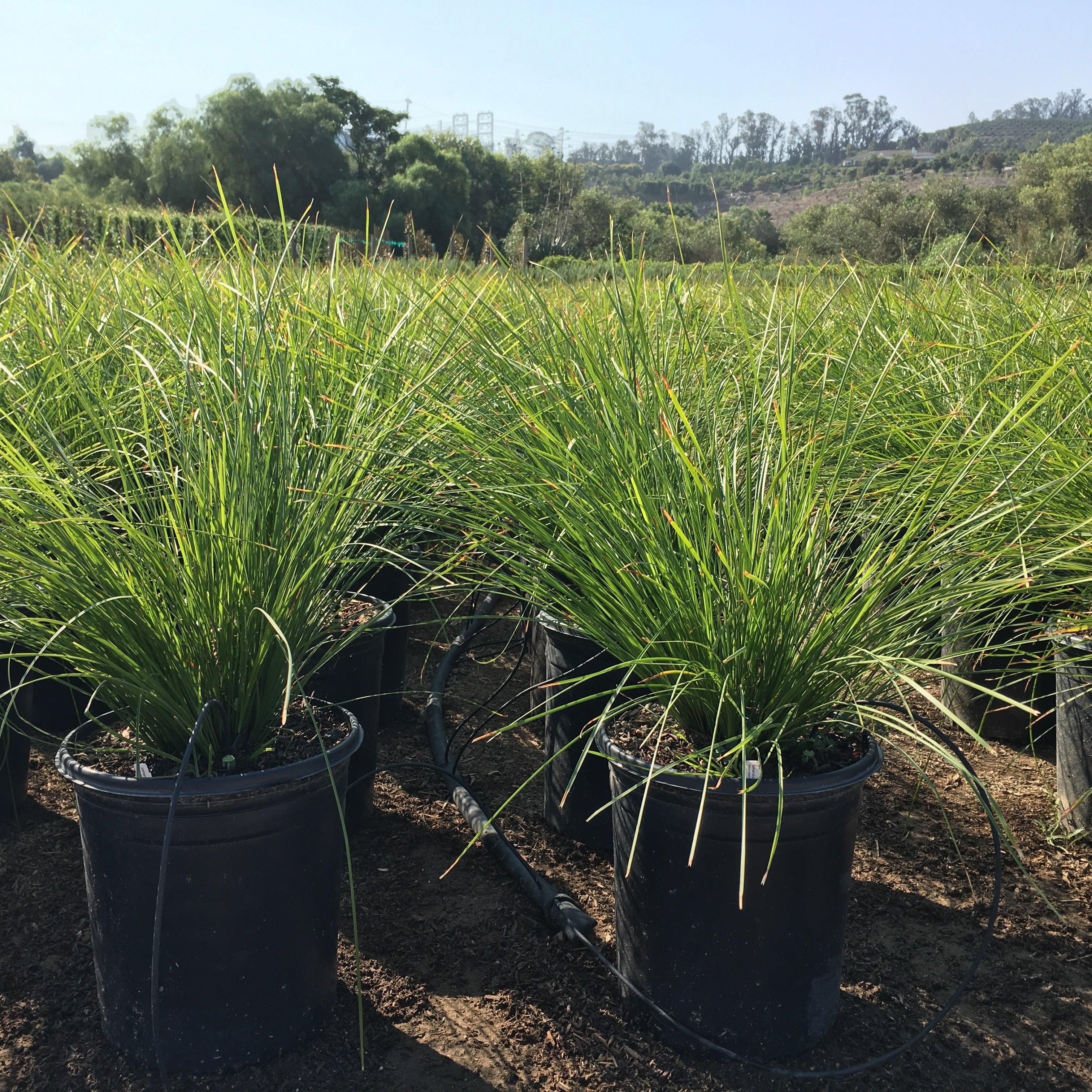
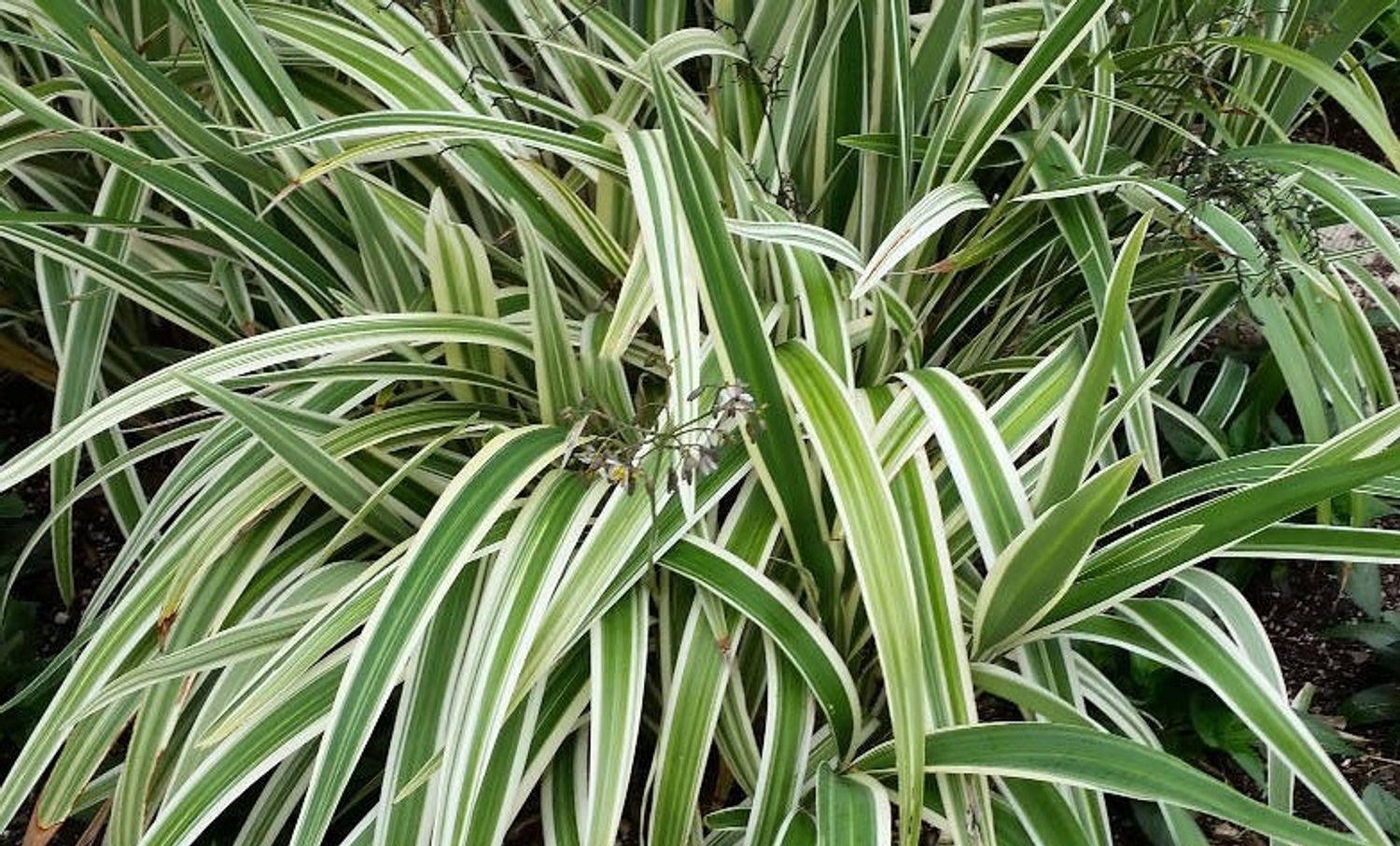
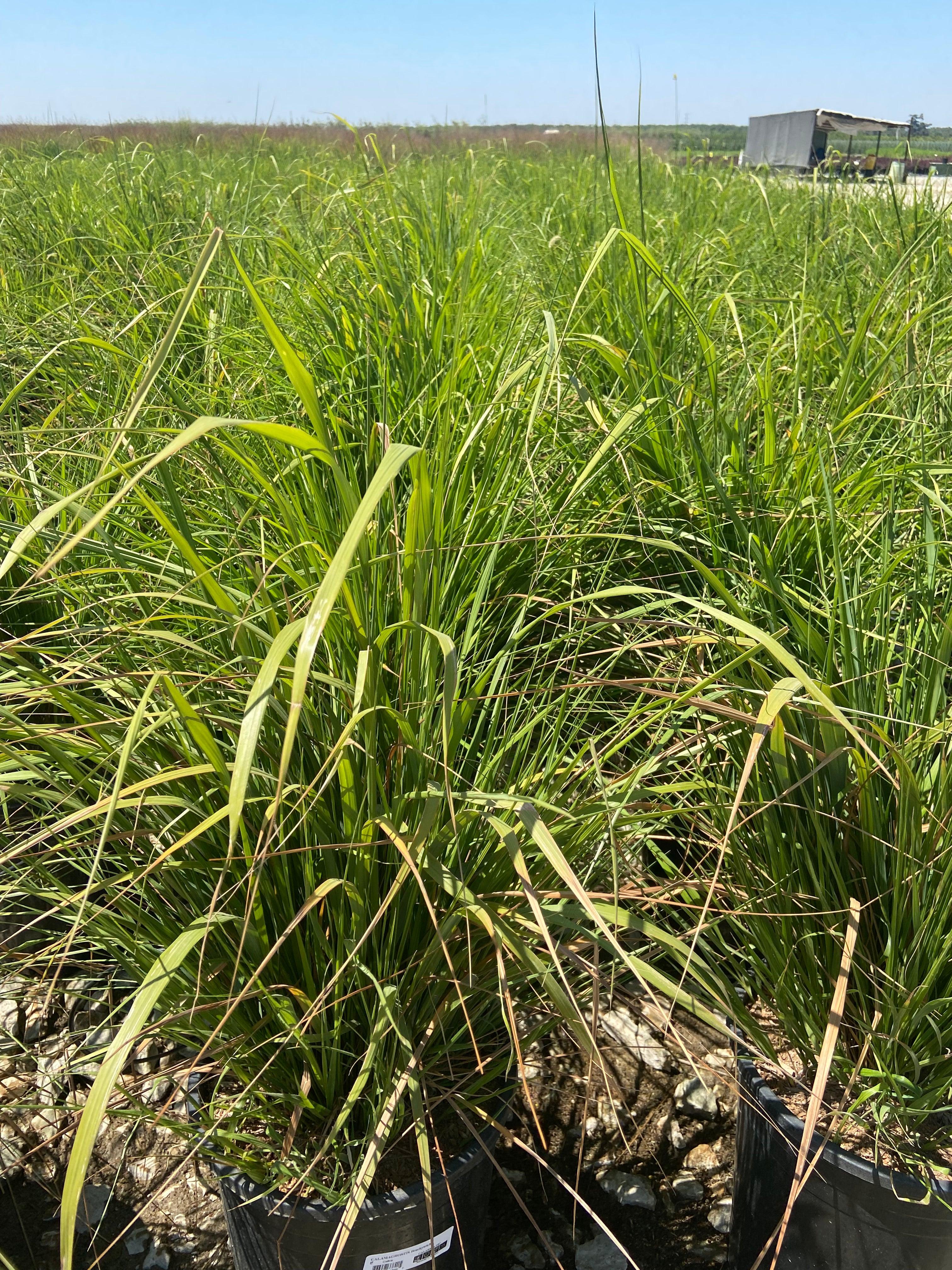
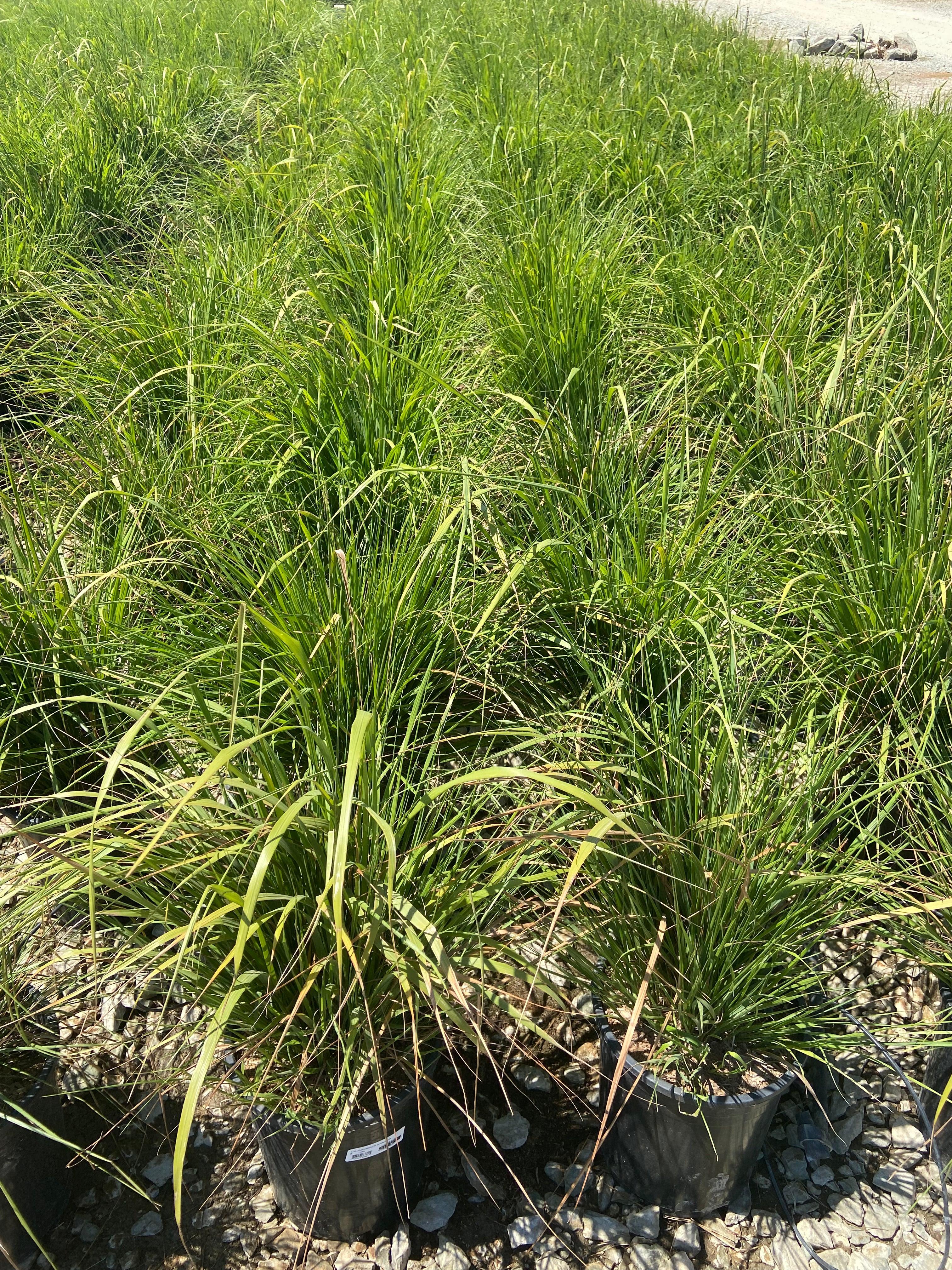
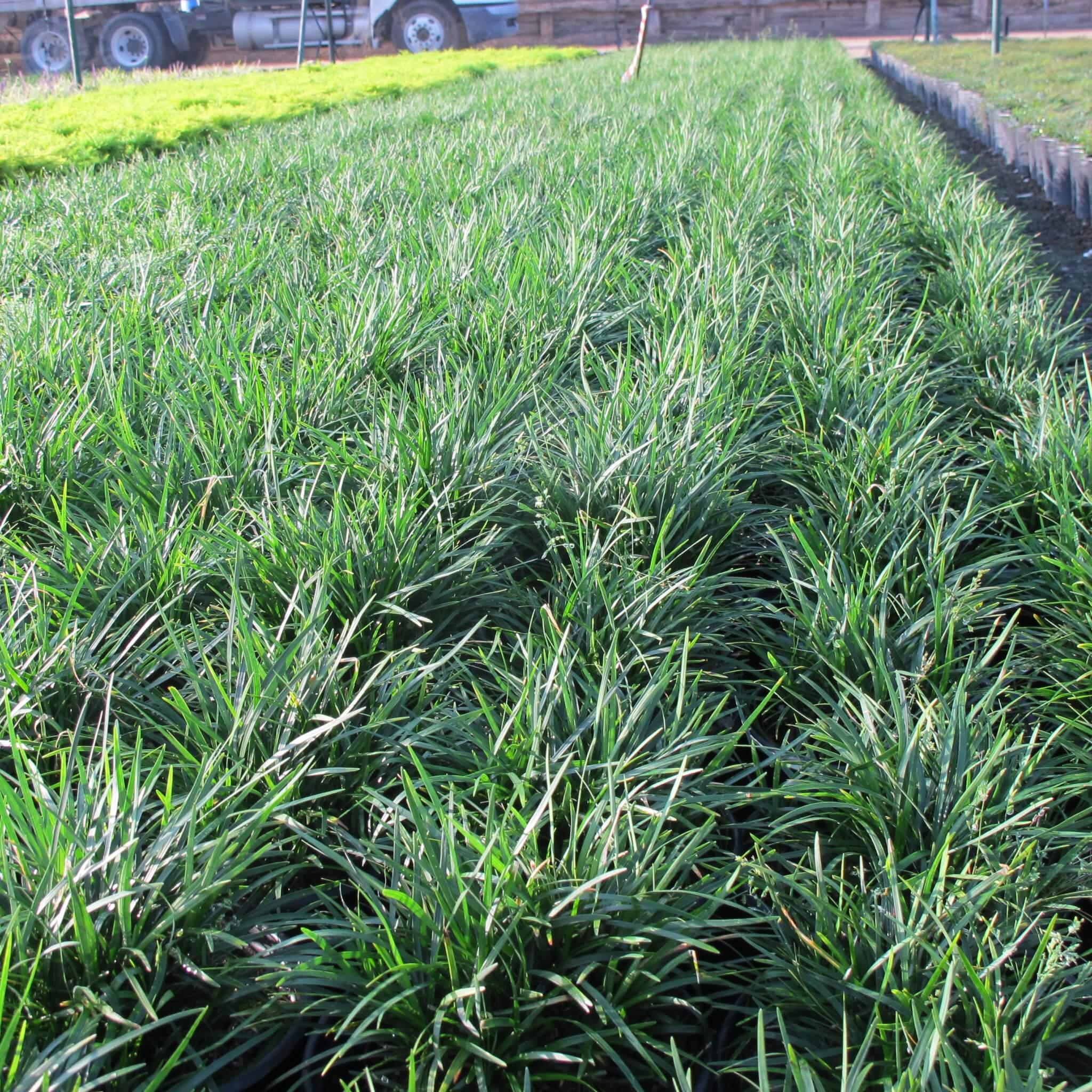
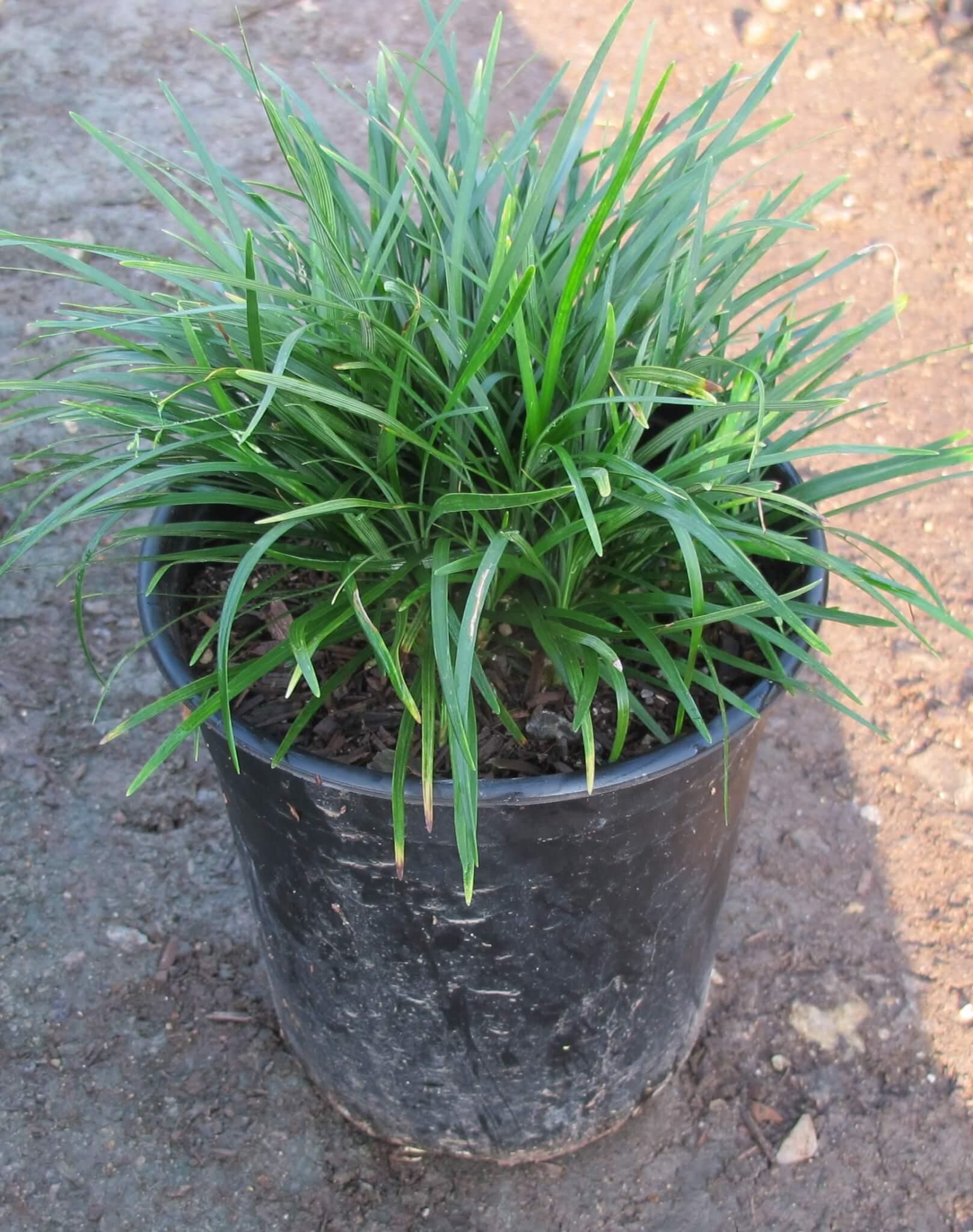
Mondo grass (Ophiopogon japonicus) is an evergreen ground cover known for its dense, dark green clumps of grass-like foliage that remain attractive throughout the year, providing a neat appearance in gardens. Dwarf mondo grass is suitable for USDA zones 6-10 and is particularly effective in shaded areas where traditional grass struggles to grow. When planted densely, mondo grass forms a thick mat that naturally suppresses weeds, reducing the need for mulch or manual weeding.
Its exceptional shade tolerance and dense growth habit create a lush, uniform carpet that chokes out weeds and prevents soil erosion. Mondo grass thrives in ordinary garden soil and prefers moist conditions, requiring minimal attention once established. It is primarily used as groundcover, making it an attractive option for borders along paths, between stepping stones, or in rock gardens. This plant is also shade-tolerant and can thrive under large tree canopies, making it a suitable alternative to traditional turf grass in shaded areas.
Mondo grass reduces stormwater runoff and stabilizes steep slopes due to its tenacious, fibrous root system. It can also be used as a container plant, adding versatility to its use in both indoor and outdoor settings. Mondo grass is highly resistant to deer, rabbits, salt, urban pollution, pests, and common plant diseases. For best results, provide consistent moisture without standing water, and water newly planted specimens a few times a week until established.
In summer, mondo grass features seasonal interest with tiny spikes of white flowers or lilac flowers, often hidden among the foliage, followed by bright blue-black winter berries. New growth emerges in spring, especially after pruning ragged leaves in early spring. To propagate mondo grass, divide large clumps in early spring, ensuring each section has eight to ten leaves and a robust root system. Black mondo grass is a striking alternative with nearly black foliage for dramatic contrast. Mondo grass is a versatile choice for landscape design, valued for its attractive appearance, resilience, and adaptability as a ground cover, border, or container plant.
FAQs
What Are the Disadvantages of Mondo Grass?
Mondo grass is popular for its low-maintenance, evergreen appearance, but it does have some drawbacks depending on the landscape situation.
Common disadvantages include:
-
Slow growth rate compared to traditional turf or spreading groundcovers
-
Higher installation cost because many plants are needed for coverage
-
Limited tolerance for heavy foot traffic
-
Potential root rot in poorly drained soils
-
Slower recovery from damage or drought stress
-
Can look thin in deep shade or extreme heat without irrigation
Standard green mondo grass spreads gradually, while dwarf mondo grass grows even more slowly. This means filling large areas can take several seasons.
In colder climates, foliage may brown temporarily during winter, though plants usually recover in spring.
Where Does Mondo Grass Grow Best?
Mondo grass grows best in:
-
Partial shade
-
Filtered sunlight
-
Woodland-style gardens
-
Moist but well-drained soil
-
Mild to warm climates
It performs especially well in:
-
Border plantings
-
Under trees
-
Pathway edges
-
Courtyard gardens
-
Japanese-style landscapes
Mondo grass thrives in USDA Zones 6–11 depending on the variety.
It is particularly useful in areas where traditional lawn grass struggles because of shade competition from trees or buildings.
Does Mondo Grass Come Back Every Year?
Yes. Mondo grass is a perennial evergreen groundcover, meaning it comes back every year.
In most climates:
-
Foliage remains evergreen year-round
-
Growth resumes actively in spring
-
Mature clumps slowly expand over time
Even after cold weather damage, healthy root systems usually regenerate new foliage once temperatures warm.
Because it is perennial, mondo grass is commonly used for long-term low-maintenance landscaping.
Does Mondo Grass Like Full Sun?
Mondo grass generally prefers partial shade to filtered sun, but some varieties tolerate full sun if moisture levels remain adequate.
Full Sun Performance
Mondo grass can grow in full sun when:
-
Temperatures are moderate
-
Soil stays evenly moist
-
Afternoon heat is not extreme
However, intense full sun in hot climates may cause:
-
Leaf scorch
-
Browning tips
-
Slower growth
-
Increased watering needs
Best Light Conditions
Ideal lighting typically includes:
-
Morning sun with afternoon shade
-
Bright filtered light
-
Partial shade under trees
In hot Southern California or desert climates, mondo grass usually looks best with some afternoon protection.
Black mondo grass and dwarf mondo grass are often slightly more sensitive to harsh afternoon sun than standard green varieties.
Product Information
Product Information
Shipping & Returns
Shipping & Returns
Description
Mondo grass (Ophiopogon japonicus) is an evergreen ground cover known for its dense, dark green clumps of grass-like foliage that remain attractive throughout the year, providing a neat appearance in gardens. Dwarf mondo grass is suitable for USDA zones 6-10 and is particularly effective in shaded areas where traditional grass struggles to grow. When planted densely, mondo grass forms a thick mat that naturally suppresses weeds, reducing the need for mulch or manual weeding.
Its exceptional shade tolerance and dense growth habit create a lush, uniform carpet that chokes out weeds and prevents soil erosion. Mondo grass thrives in ordinary garden soil and prefers moist conditions, requiring minimal attention once established. It is primarily used as groundcover, making it an attractive option for borders along paths, between stepping stones, or in rock gardens. This plant is also shade-tolerant and can thrive under large tree canopies, making it a suitable alternative to traditional turf grass in shaded areas.
Mondo grass reduces stormwater runoff and stabilizes steep slopes due to its tenacious, fibrous root system. It can also be used as a container plant, adding versatility to its use in both indoor and outdoor settings. Mondo grass is highly resistant to deer, rabbits, salt, urban pollution, pests, and common plant diseases. For best results, provide consistent moisture without standing water, and water newly planted specimens a few times a week until established.
In summer, mondo grass features seasonal interest with tiny spikes of white flowers or lilac flowers, often hidden among the foliage, followed by bright blue-black winter berries. New growth emerges in spring, especially after pruning ragged leaves in early spring. To propagate mondo grass, divide large clumps in early spring, ensuring each section has eight to ten leaves and a robust root system. Black mondo grass is a striking alternative with nearly black foliage for dramatic contrast. Mondo grass is a versatile choice for landscape design, valued for its attractive appearance, resilience, and adaptability as a ground cover, border, or container plant.
FAQs
What Are the Disadvantages of Mondo Grass?
Mondo grass is popular for its low-maintenance, evergreen appearance, but it does have some drawbacks depending on the landscape situation.
Common disadvantages include:
-
Slow growth rate compared to traditional turf or spreading groundcovers
-
Higher installation cost because many plants are needed for coverage
-
Limited tolerance for heavy foot traffic
-
Potential root rot in poorly drained soils
-
Slower recovery from damage or drought stress
-
Can look thin in deep shade or extreme heat without irrigation
Standard green mondo grass spreads gradually, while dwarf mondo grass grows even more slowly. This means filling large areas can take several seasons.
In colder climates, foliage may brown temporarily during winter, though plants usually recover in spring.
Where Does Mondo Grass Grow Best?
Mondo grass grows best in:
-
Partial shade
-
Filtered sunlight
-
Woodland-style gardens
-
Moist but well-drained soil
-
Mild to warm climates
It performs especially well in:
-
Border plantings
-
Under trees
-
Pathway edges
-
Courtyard gardens
-
Japanese-style landscapes
Mondo grass thrives in USDA Zones 6–11 depending on the variety.
It is particularly useful in areas where traditional lawn grass struggles because of shade competition from trees or buildings.
Does Mondo Grass Come Back Every Year?
Yes. Mondo grass is a perennial evergreen groundcover, meaning it comes back every year.
In most climates:
-
Foliage remains evergreen year-round
-
Growth resumes actively in spring
-
Mature clumps slowly expand over time
Even after cold weather damage, healthy root systems usually regenerate new foliage once temperatures warm.
Because it is perennial, mondo grass is commonly used for long-term low-maintenance landscaping.
Does Mondo Grass Like Full Sun?
Mondo grass generally prefers partial shade to filtered sun, but some varieties tolerate full sun if moisture levels remain adequate.
Full Sun Performance
Mondo grass can grow in full sun when:
-
Temperatures are moderate
-
Soil stays evenly moist
-
Afternoon heat is not extreme
However, intense full sun in hot climates may cause:
-
Leaf scorch
-
Browning tips
-
Slower growth
-
Increased watering needs
Best Light Conditions
Ideal lighting typically includes:
-
Morning sun with afternoon shade
-
Bright filtered light
-
Partial shade under trees
In hot Southern California or desert climates, mondo grass usually looks best with some afternoon protection.
Black mondo grass and dwarf mondo grass are often slightly more sensitive to harsh afternoon sun than standard green varieties.