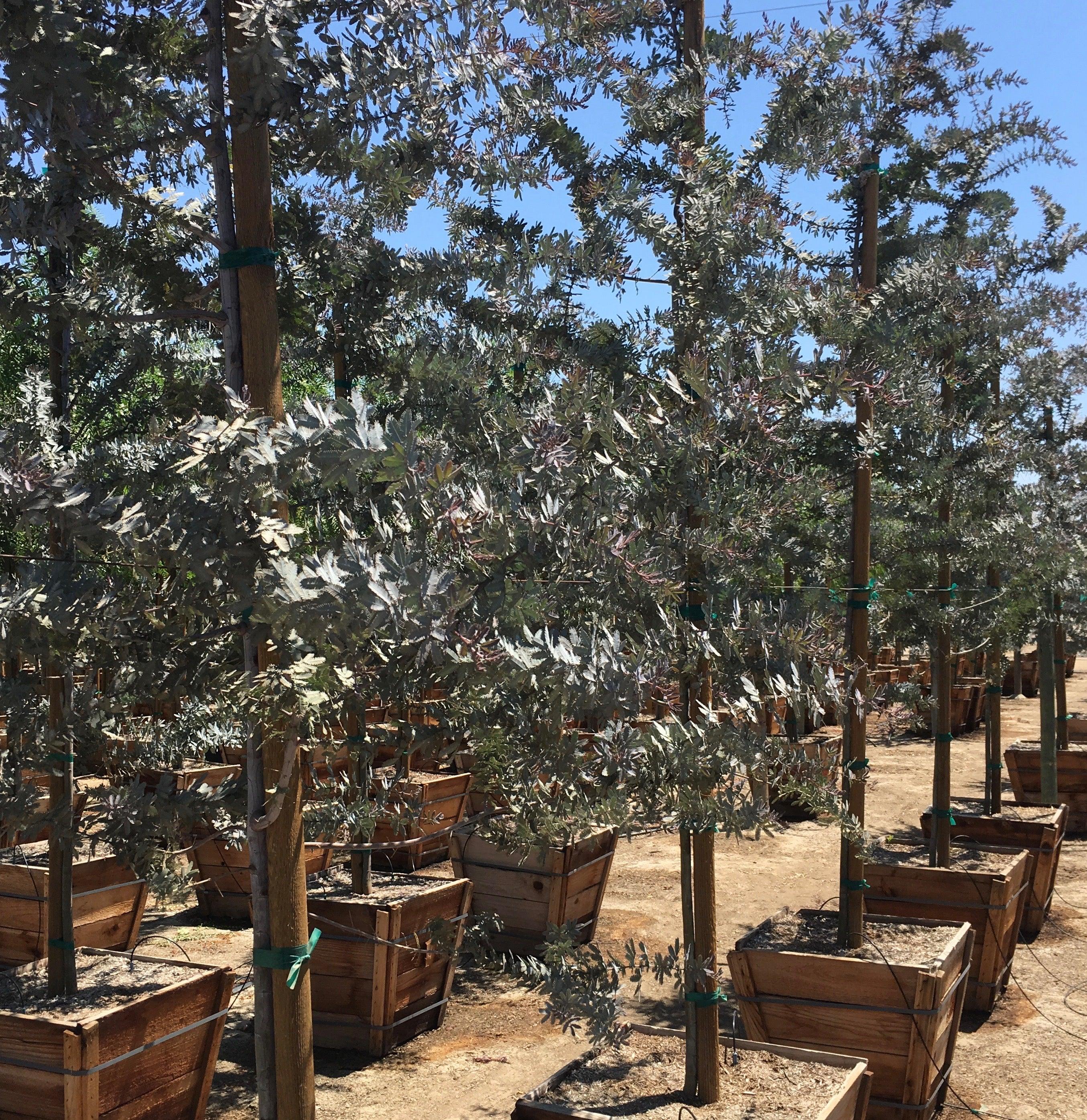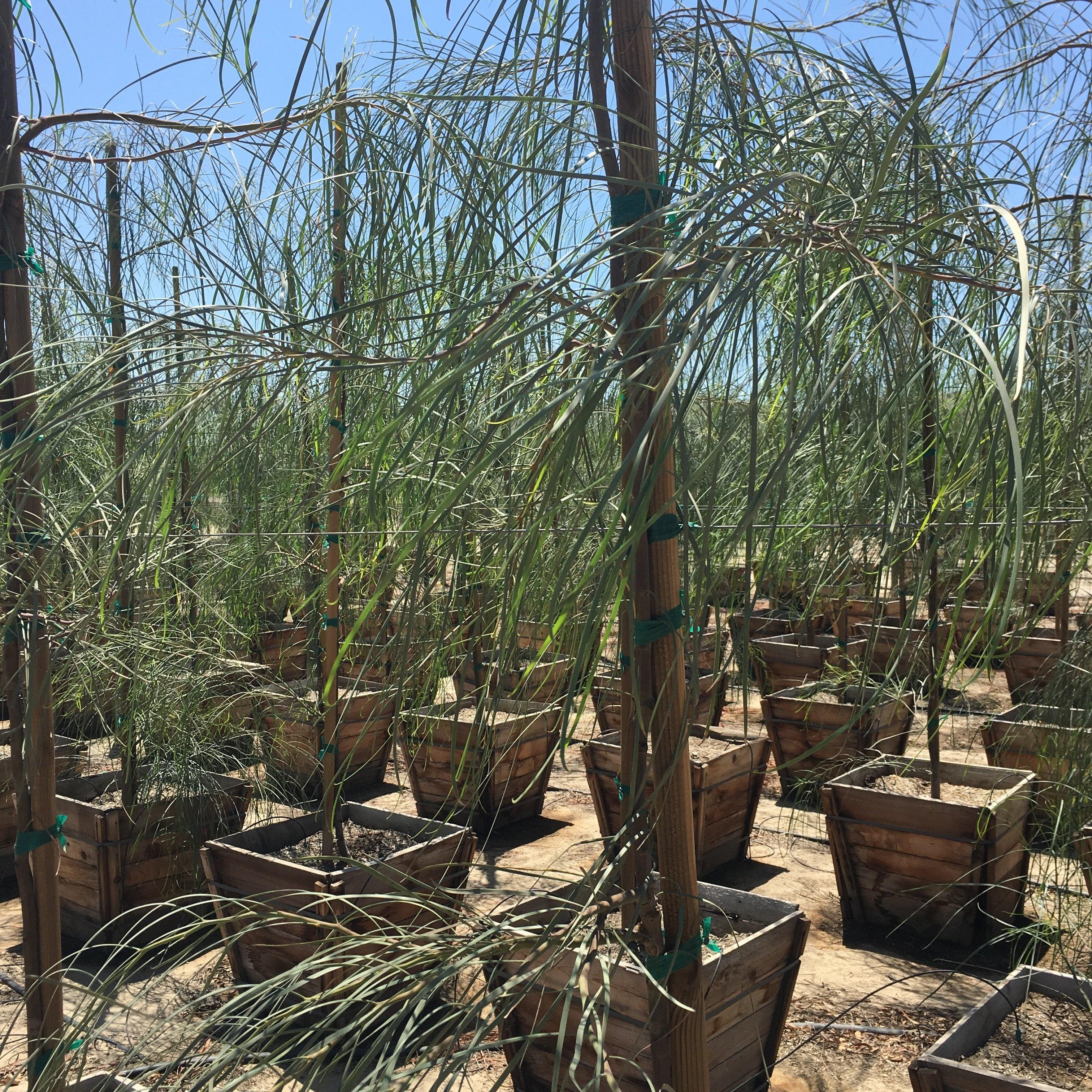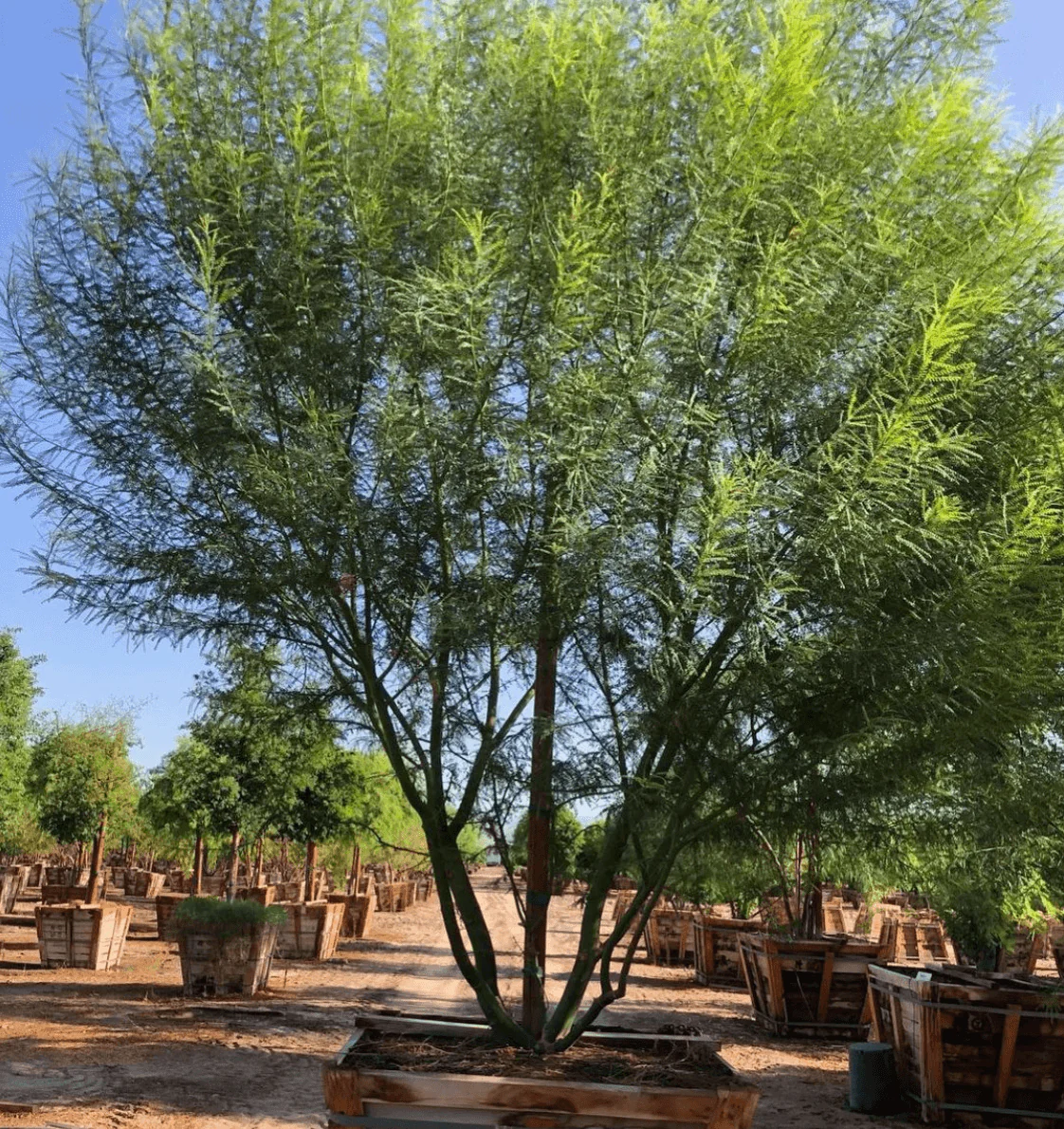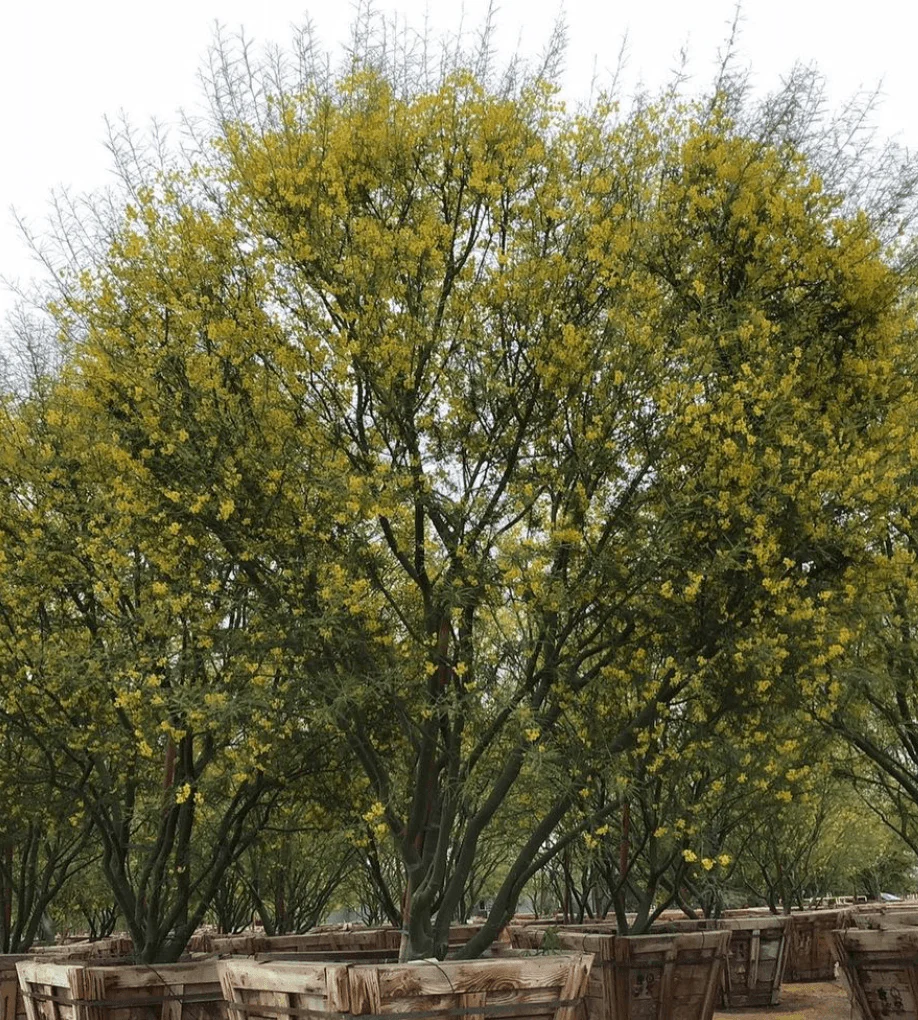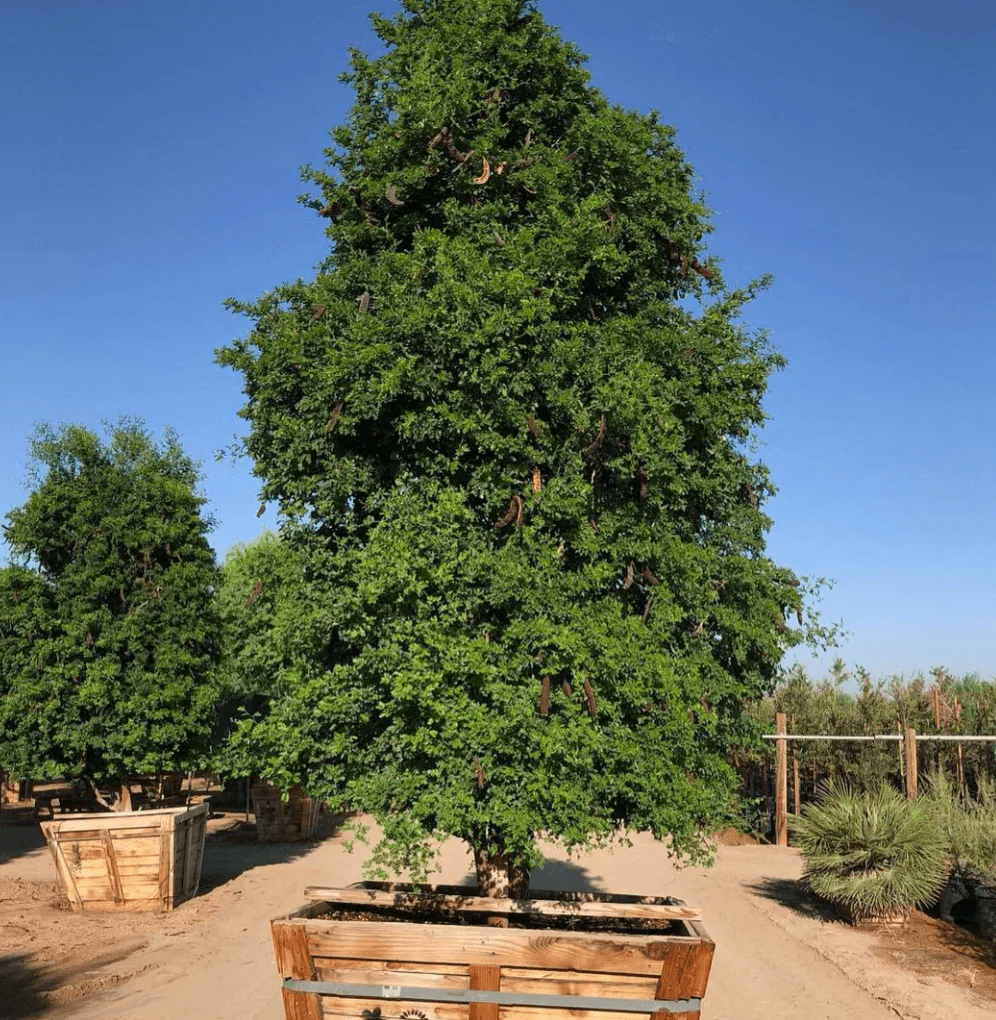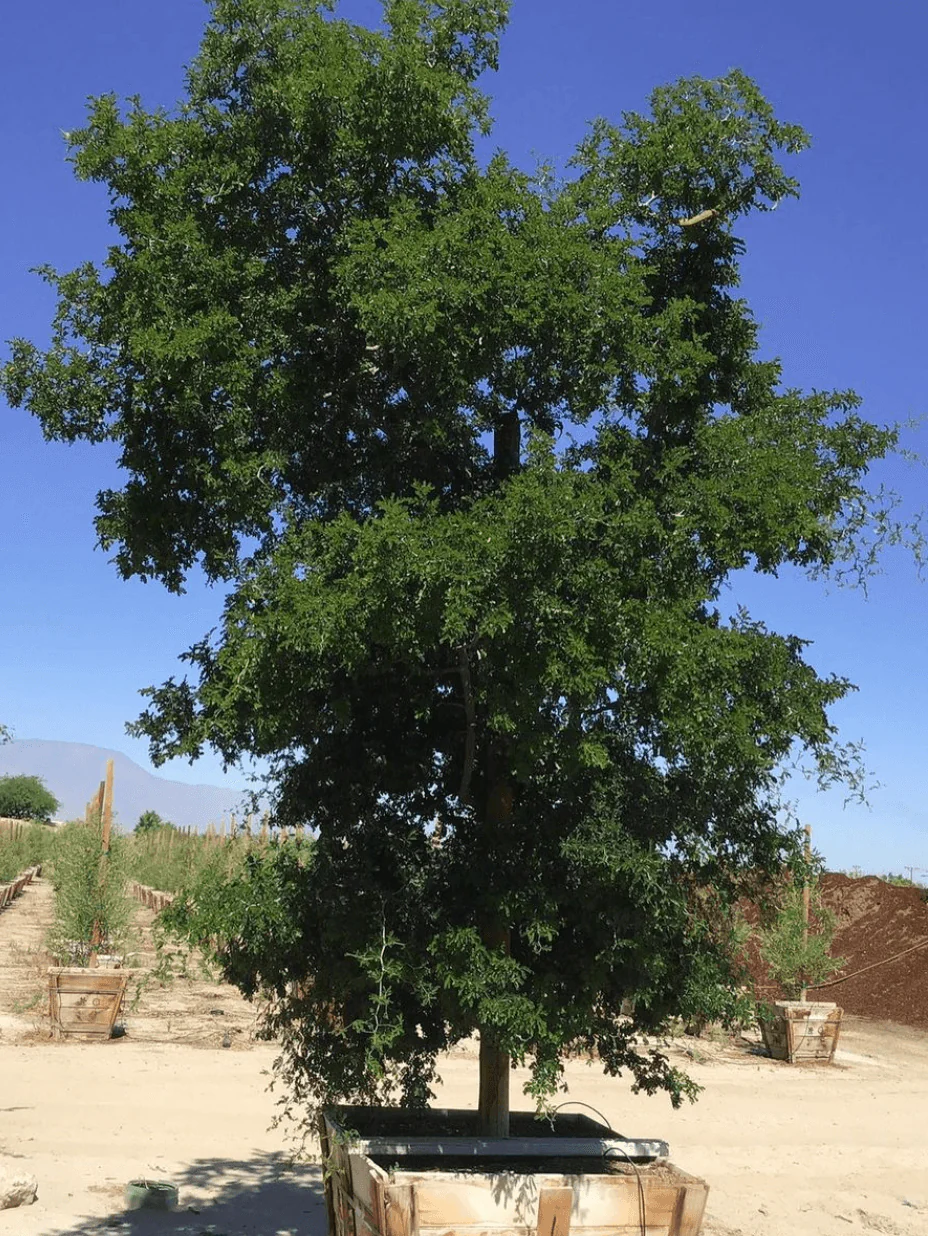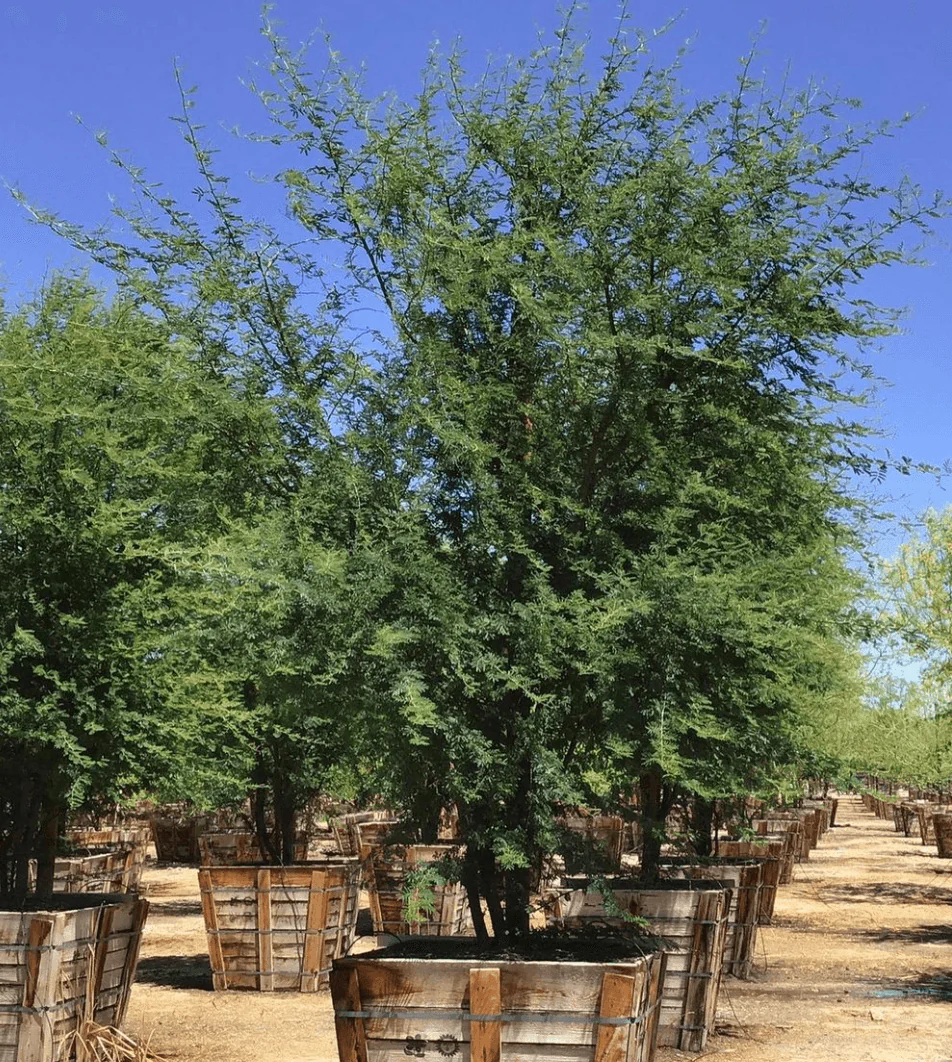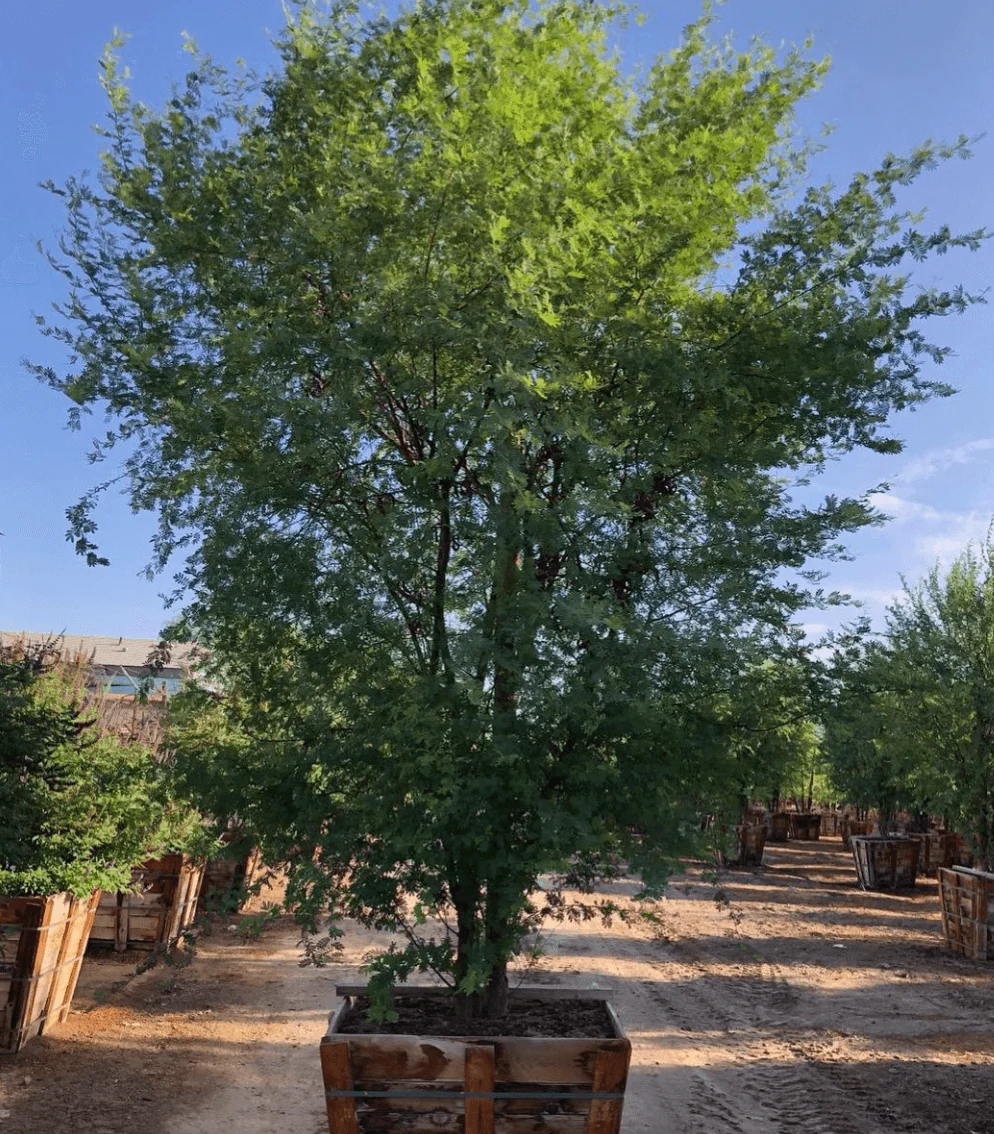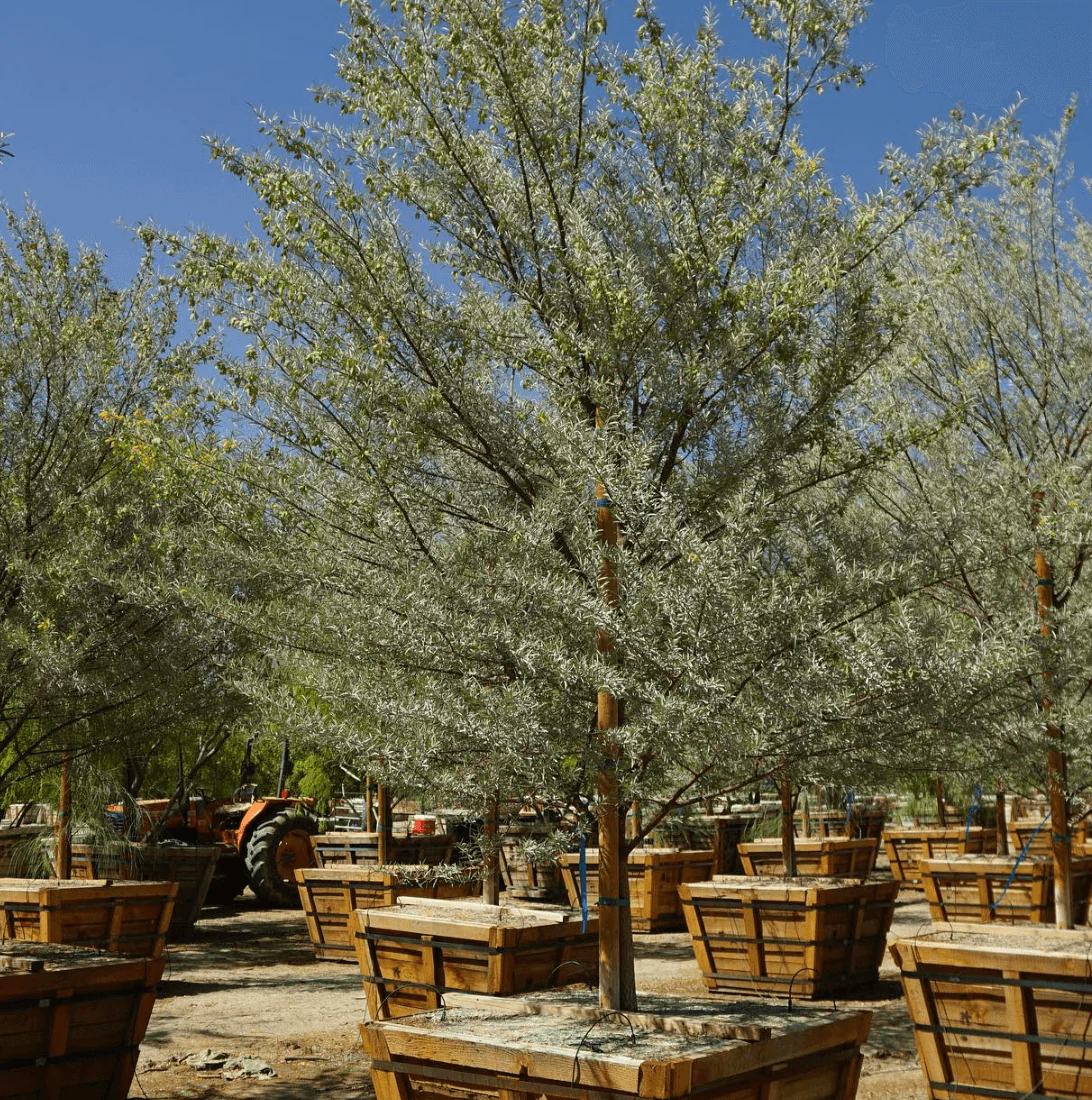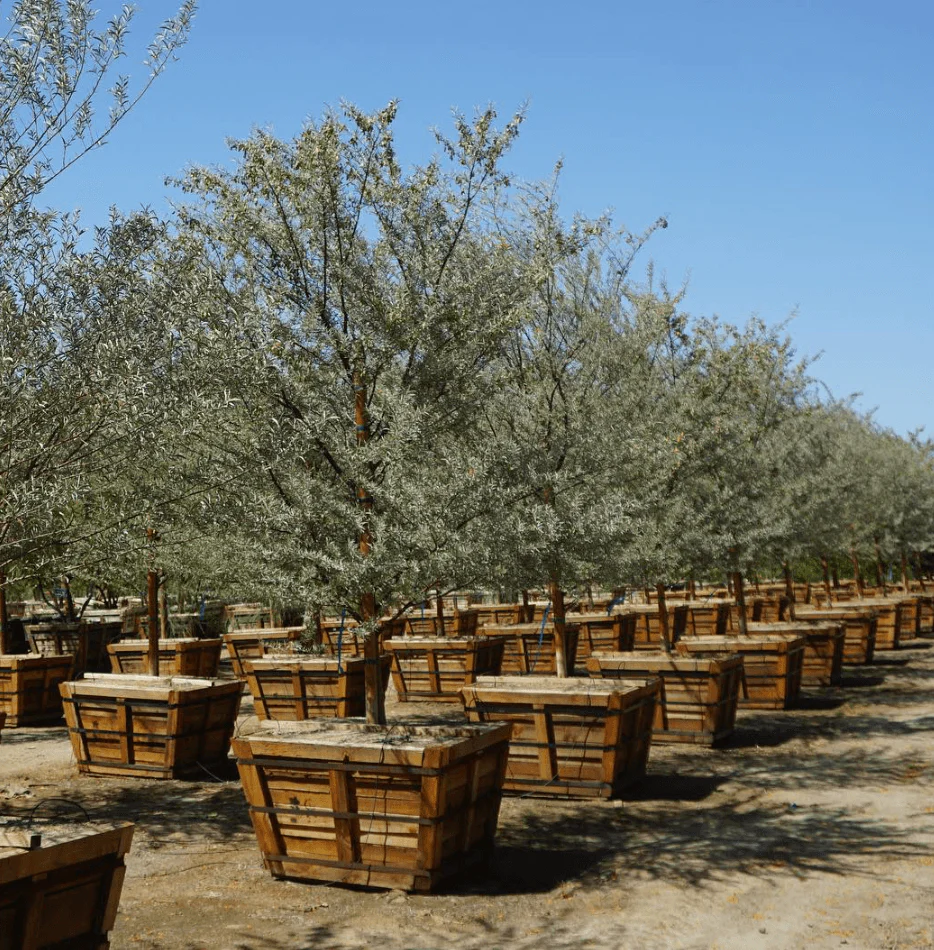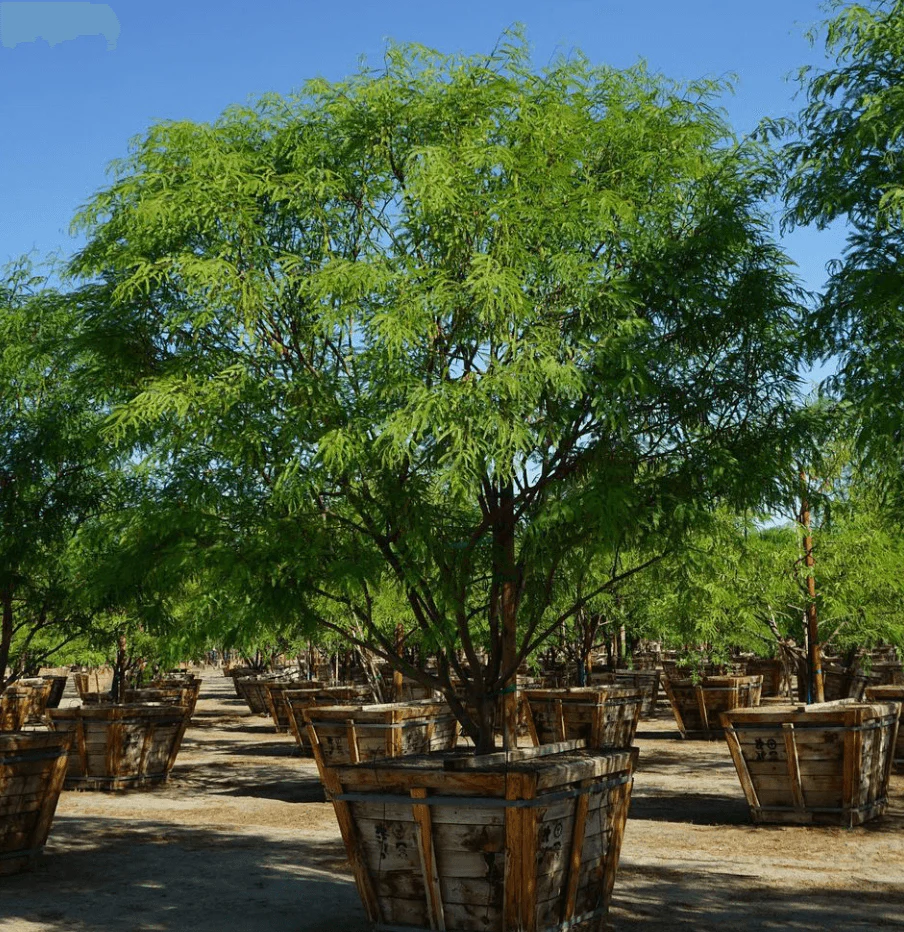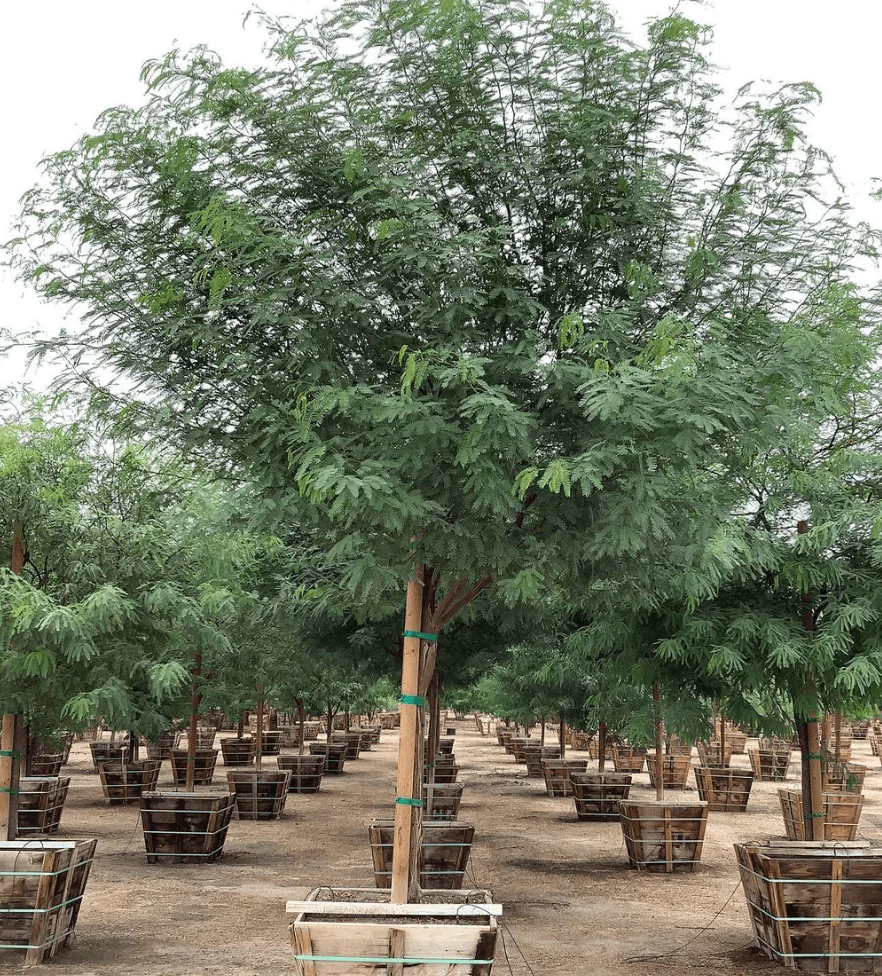
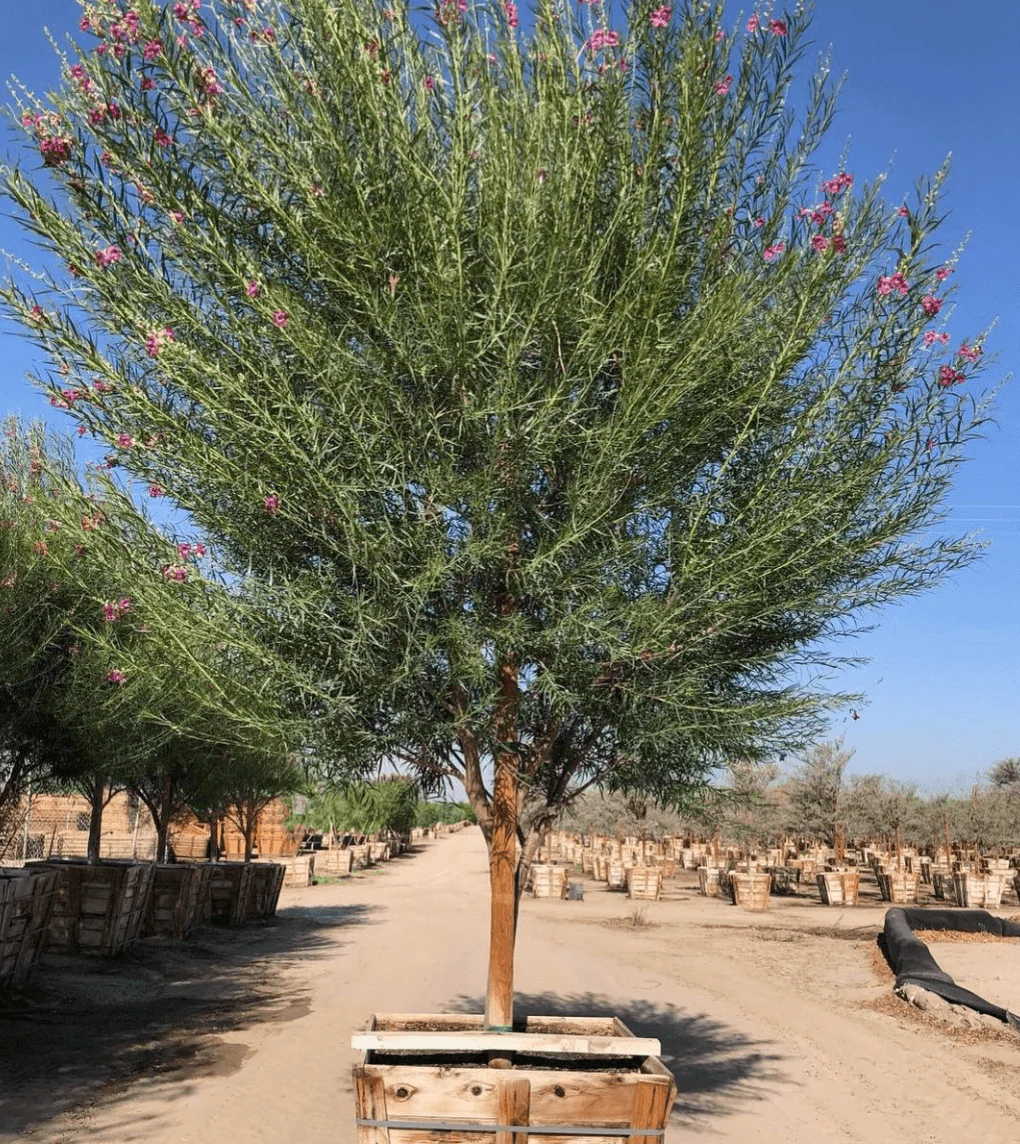
Desert Willow Tree For Sale (Chilopsis linearis ‘Burgundy’)
Transform Your Landscape with Drought-Tolerant Beauty That Blooms All Season
A desert willow tree gives your yard long-season color, light shade, and pollinator activity without the water demands of many traditional landscape trees.
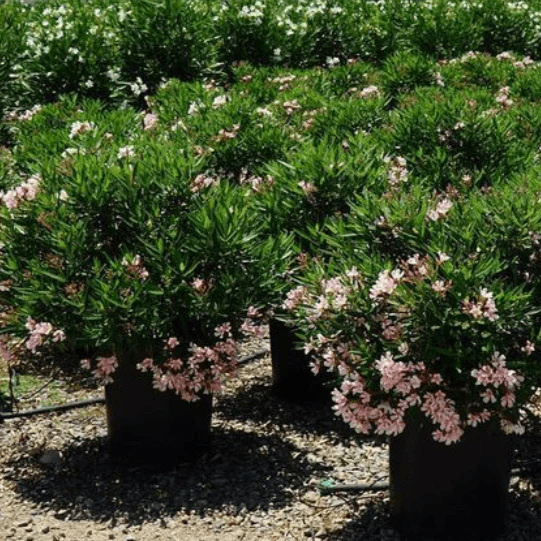
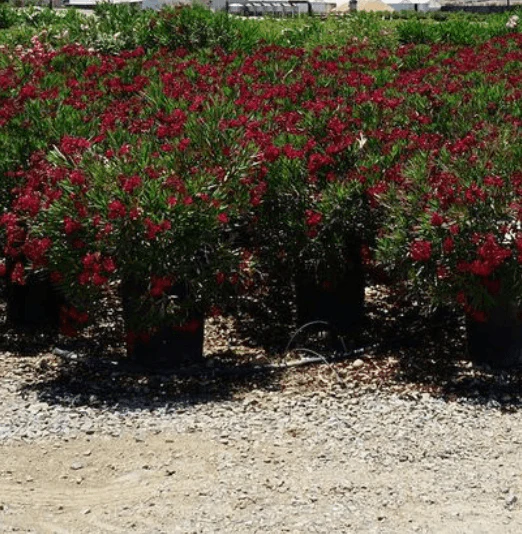
Designed for hot, dry landscapes, Desert Willow (Chilopsis linearis) produces fragrant, trumpet-shaped, orchid like flowers in shades of pink, purple, white, light pink, and burgundy from spring through summer and into fall. Once established, this drought tolerant tree needs minimal irrigation, making it a smart choice for California homeowners, Southwest gardens, Texas-style xeriscapes, and arid climates.
Plant it in full sun, give it well-draining soil, and enjoy a fast-growing ornamental tree that attracts hummingbirds, bees, butterflies, and other birds while adding natural beauty to your landscape.
Why You’ll Love Desert Willow Trees
-
Exceptional Drought Tolerance – Desert Willows require moderate water, especially when young, and benefit from occasional deep watering during dry periods, but they are highly drought-tolerant once established.
-
Extended Blooming Season – Desert Willow trees produce clusters of fragrant, trumpet-shaped flowers in shades of pink, purple, or white, which attract pollinators like bees and hummingbirds.
-
Wildlife Magnet – The tubular blooms with a colorful throat are ideal for hummingbirds, butterflies, bees, and garden birds looking for nectar through the hot season.
-
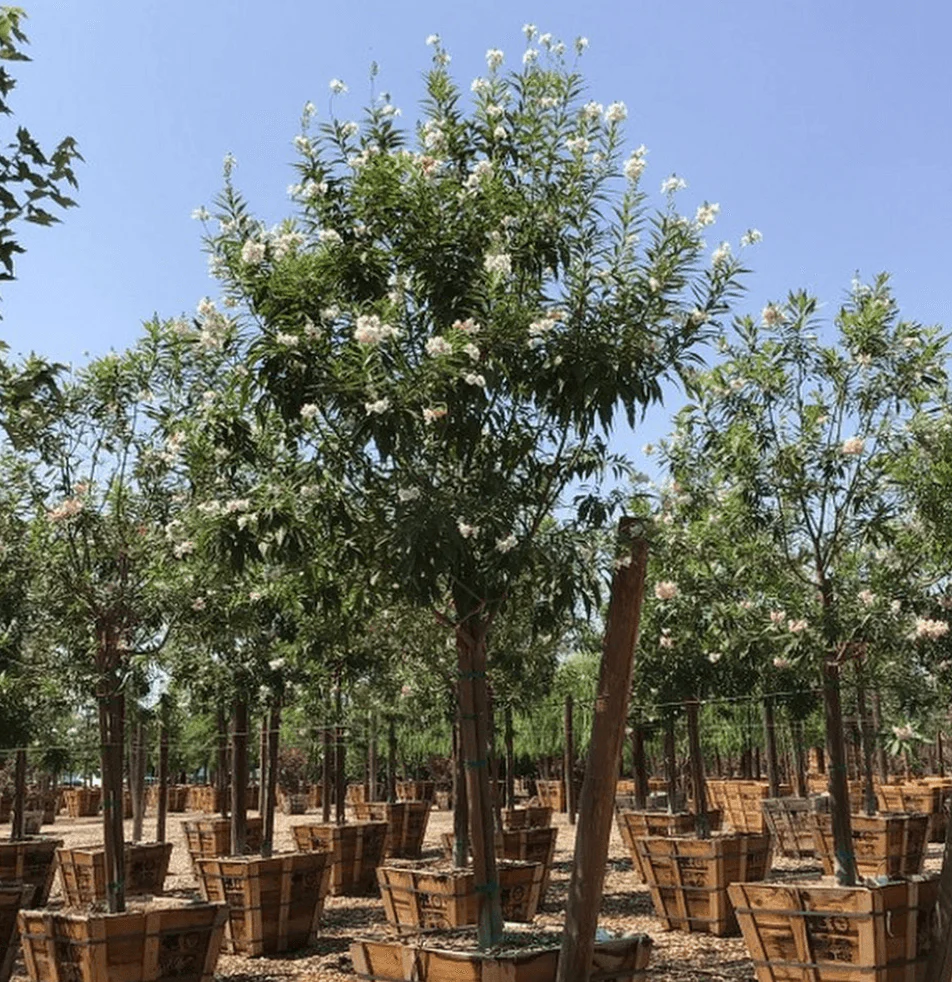
Fast Growth Rate – The Desert Willow (Chilopsis linearis) is a small to medium-sized deciduous tree that typically grows to heights of 15 to 30 feet (4.5 to 9 meters) and has a spread of 10 to 15 feet (3 to 4.5 meters).
-
Low Maintenance Care – Desert willow trees are described as low-maintenance and thrive in hot, dry landscapes, with relatively simple pruning needs and strong natural resilience.
Desert willows lose their leaves in winter, allowing sunlight to reach homes and other plants below. That seasonal leaf drop gives you summer light shade, winter sun exposure, and an open, graceful shape that works well close to patios, courtyards, walkways, and native plant borders.
What Makes Our Desert Willows Different
Most nurseries sell small, stressed plants that may look acceptable at pickup but struggle after transplanting. Yardwork focuses on healthy, climate-ready desert willows sourced with the structure, root strength, and container quality needed for successful establishment.
Desert Willow Tree for Sale options from Yardwork are selected differently:
-
Premium Root Development – Our trees are grown in optimal containers for strong root systems, often with 18–24 months of development before sale, making transplanting easier and helping the plant establish quickly.
-
Climate-Adapted Varieties – We prioritize cultivars and forms that thrive in California’s diverse microclimates, from inland heat to dry suburban landscapes with reflected sun.
-
Expert Growing Practices – Professional growers use reliable propagation and care methods to produce vigorous trees with healthy leaves, balanced branching, and dependable growth.
Tips For Success
-
Step 1 – Choose Your Location
Select a full-sun location with at least 6 hours of sun exposure and well-draining soil. Desert Willows are well-suited to hot, arid climates and thrive in USDA hardiness zones 7 through 10, making them ideal for regions with long, hot summers and mild winters. -
Step 2 – Plant and Water
Dig a hole about twice as wide as the root ball, plant at soil level, and water deeply after planting. Desert willow trees adapt well to various well-drained soils and can be pruned to grow as multi-trunk trees or large shrubs. -
Step 3 – Enjoy the Results
Watch your tree grow rapidly, form a light canopy, and begin producing orchid like blooms during the first growing season when conditions are right. The deep root system of desert willows helps with soil erosion control, making them useful on slopes, dry banks, and open landscape areas.
For best results, water regularly during the first year, then reduce irrigation as the tree becomes established. Pruning of Desert Willows is typically done in late winter or early spring to remove dead, diseased, or damaged branches and to shape the tree for aesthetic purposes.
Product Details
-
Scientific Name: Chilopsis linearis
-
Common Name: Desert Willow
-
Plant Type: Small to medium-sized deciduous tree or large shrub
-
Mature Size: Typically 15–25 feet tall; may reach up to 30 feet in ideal conditions
-
Mature Spread: Usually 10–15 feet wide
-
Container Size Options: 5-gallon, 15-gallon, and 24-inch box specimens
-
Bloom Colors Available: Pink, light pink, purple, white, and burgundy varieties
-
Flower Type: Fragrant, trumpet-shaped, orchid like flowers in clusters
-
Bloom Season: Spring through summer and often into fall
-
Sun Requirements: Full sun
-
Water Needs: Moderate when young; low once established
-
Soil Needs: Well-drained sandy, loamy, gravelly, or amended soils
-
Hardiness Zones: Commonly used in USDA Zones 7–11; especially well-suited to USDA hardiness zones 7 through 10
-
Landscape Use: Xeriscaping, pollinator gardens, erosion control, patios, courtyards, arid landscapes, and dry garden borders
Who It’s For
Ideal for:
-
California homeowners seeking water-wise landscaping solutions
-
Garden enthusiasts who want to attract hummingbirds, bees, butterflies, and other pollinators
-
Property owners in arid or drought-prone regions
-
Landscapers designing xeriscapes or desert-themed gardens
-
Anyone wanting a fast-growing shade tree with seasonal interest
Desert willow trees are recommended for xeriscaping due to their drought tolerance. They are a strong fit for hot inland yards, low-water front landscapes, Southwest-inspired gardens, and properties where summer heat makes thirsty trees impractical.
If you want a tree that brings flowers, light shade, wildlife activity, and easy care without heavy water use, desert willow fits your needs.
Frequently Asked Questions
How quickly do desert willow trees grow?
Desert willow trees grow at a moderate to fast rate, often adding 1–2 feet per year under good care. With proper planting, full sun, and deep watering while young, many trees begin forming an attractive shape and producing blooms within the first season.
What soil conditions do they prefer?
Desert willows prefer well-drained soil and adapt to sandy, gravelly, loamy, and properly amended soils. Avoid planting in areas where water sits for long periods, because excess moisture can stress the roots.
When do they bloom?
Desert Willows produce clusters of fragrant, trumpet-shaped flowers in shades of pink, purple, or white, which attract pollinators like bees and hummingbirds. Blooming usually begins in spring and continues through summer, with flowers often lasting into fall in warm climates.
Do you offer larger specimen trees?
Yes. Yardwork offers multiple options, including 5-gallon, 15-gallon, and 24-inch box specimens when available. Larger trees cost more in price and shipping weight but provide faster landscape impact.
Desert Willows are relatively pest and disease resistant but may occasionally experience issues such as leaf spot or powdery mildew, which can be managed with proper cultural practices. Proper sun, airflow, drainage, and watering help keep the tree healthy.
Ready to Transform Your Yard?
Stop settling for thirsty, high-maintenance trees that struggle in summer heat. Choose a Desert Willow Tree for Salefrom Yardwork and get a drought tolerant, pollinator-friendly tree that can thrive in hot, dry California landscapes.
With fragrant blooms, graceful narrow leaves, light shade, and dependable performance once established, desert willow brings long-lasting beauty to your yard while supporting hummingbirds, bees, butterflies, and birds.
Product Information
Product Information
Shipping & Returns
Shipping & Returns
Description
Transform Your Landscape with Drought-Tolerant Beauty That Blooms All Season
A desert willow tree gives your yard long-season color, light shade, and pollinator activity without the water demands of many traditional landscape trees.
Designed for hot, dry landscapes, Desert Willow (Chilopsis linearis) produces fragrant, trumpet-shaped, orchid like flowers in shades of pink, purple, white, light pink, and burgundy from spring through summer and into fall. Once established, this drought tolerant tree needs minimal irrigation, making it a smart choice for California homeowners, Southwest gardens, Texas-style xeriscapes, and arid climates.
Plant it in full sun, give it well-draining soil, and enjoy a fast-growing ornamental tree that attracts hummingbirds, bees, butterflies, and other birds while adding natural beauty to your landscape.
Why You’ll Love Desert Willow Trees
-
Exceptional Drought Tolerance – Desert Willows require moderate water, especially when young, and benefit from occasional deep watering during dry periods, but they are highly drought-tolerant once established.
-
Extended Blooming Season – Desert Willow trees produce clusters of fragrant, trumpet-shaped flowers in shades of pink, purple, or white, which attract pollinators like bees and hummingbirds.
-
Wildlife Magnet – The tubular blooms with a colorful throat are ideal for hummingbirds, butterflies, bees, and garden birds looking for nectar through the hot season.
-
Fast Growth Rate – The Desert Willow (Chilopsis linearis) is a small to medium-sized deciduous tree that typically grows to heights of 15 to 30 feet (4.5 to 9 meters) and has a spread of 10 to 15 feet (3 to 4.5 meters).
-
Low Maintenance Care – Desert willow trees are described as low-maintenance and thrive in hot, dry landscapes, with relatively simple pruning needs and strong natural resilience.
Desert willows lose their leaves in winter, allowing sunlight to reach homes and other plants below. That seasonal leaf drop gives you summer light shade, winter sun exposure, and an open, graceful shape that works well close to patios, courtyards, walkways, and native plant borders.
What Makes Our Desert Willows Different
Most nurseries sell small, stressed plants that may look acceptable at pickup but struggle after transplanting. Yardwork focuses on healthy, climate-ready desert willows sourced with the structure, root strength, and container quality needed for successful establishment.
Desert Willow Tree for Sale options from Yardwork are selected differently:
-
Premium Root Development – Our trees are grown in optimal containers for strong root systems, often with 18–24 months of development before sale, making transplanting easier and helping the plant establish quickly.
-
Climate-Adapted Varieties – We prioritize cultivars and forms that thrive in California’s diverse microclimates, from inland heat to dry suburban landscapes with reflected sun.
-
Expert Growing Practices – Professional growers use reliable propagation and care methods to produce vigorous trees with healthy leaves, balanced branching, and dependable growth.
Tips For Success
-
Step 1 – Choose Your Location
Select a full-sun location with at least 6 hours of sun exposure and well-draining soil. Desert Willows are well-suited to hot, arid climates and thrive in USDA hardiness zones 7 through 10, making them ideal for regions with long, hot summers and mild winters. -
Step 2 – Plant and Water
Dig a hole about twice as wide as the root ball, plant at soil level, and water deeply after planting. Desert willow trees adapt well to various well-drained soils and can be pruned to grow as multi-trunk trees or large shrubs. -
Step 3 – Enjoy the Results
Watch your tree grow rapidly, form a light canopy, and begin producing orchid like blooms during the first growing season when conditions are right. The deep root system of desert willows helps with soil erosion control, making them useful on slopes, dry banks, and open landscape areas.
For best results, water regularly during the first year, then reduce irrigation as the tree becomes established. Pruning of Desert Willows is typically done in late winter or early spring to remove dead, diseased, or damaged branches and to shape the tree for aesthetic purposes.
Product Details
-
Scientific Name: Chilopsis linearis
-
Common Name: Desert Willow
-
Plant Type: Small to medium-sized deciduous tree or large shrub
-
Mature Size: Typically 15–25 feet tall; may reach up to 30 feet in ideal conditions
-
Mature Spread: Usually 10–15 feet wide
-
Container Size Options: 5-gallon, 15-gallon, and 24-inch box specimens
-
Bloom Colors Available: Pink, light pink, purple, white, and burgundy varieties
-
Flower Type: Fragrant, trumpet-shaped, orchid like flowers in clusters
-
Bloom Season: Spring through summer and often into fall
-
Sun Requirements: Full sun
-
Water Needs: Moderate when young; low once established
-
Soil Needs: Well-drained sandy, loamy, gravelly, or amended soils
-
Hardiness Zones: Commonly used in USDA Zones 7–11; especially well-suited to USDA hardiness zones 7 through 10
-
Landscape Use: Xeriscaping, pollinator gardens, erosion control, patios, courtyards, arid landscapes, and dry garden borders
Who It’s For
Ideal for:
-
California homeowners seeking water-wise landscaping solutions
-
Garden enthusiasts who want to attract hummingbirds, bees, butterflies, and other pollinators
-
Property owners in arid or drought-prone regions
-
Landscapers designing xeriscapes or desert-themed gardens
-
Anyone wanting a fast-growing shade tree with seasonal interest
Desert willow trees are recommended for xeriscaping due to their drought tolerance. They are a strong fit for hot inland yards, low-water front landscapes, Southwest-inspired gardens, and properties where summer heat makes thirsty trees impractical.
If you want a tree that brings flowers, light shade, wildlife activity, and easy care without heavy water use, desert willow fits your needs.
Frequently Asked Questions
How quickly do desert willow trees grow?
Desert willow trees grow at a moderate to fast rate, often adding 1–2 feet per year under good care. With proper planting, full sun, and deep watering while young, many trees begin forming an attractive shape and producing blooms within the first season.
What soil conditions do they prefer?
Desert willows prefer well-drained soil and adapt to sandy, gravelly, loamy, and properly amended soils. Avoid planting in areas where water sits for long periods, because excess moisture can stress the roots.
When do they bloom?
Desert Willows produce clusters of fragrant, trumpet-shaped flowers in shades of pink, purple, or white, which attract pollinators like bees and hummingbirds. Blooming usually begins in spring and continues through summer, with flowers often lasting into fall in warm climates.
Do you offer larger specimen trees?
Yes. Yardwork offers multiple options, including 5-gallon, 15-gallon, and 24-inch box specimens when available. Larger trees cost more in price and shipping weight but provide faster landscape impact.
Desert Willows are relatively pest and disease resistant but may occasionally experience issues such as leaf spot or powdery mildew, which can be managed with proper cultural practices. Proper sun, airflow, drainage, and watering help keep the tree healthy.
Ready to Transform Your Yard?
Stop settling for thirsty, high-maintenance trees that struggle in summer heat. Choose a Desert Willow Tree for Salefrom Yardwork and get a drought tolerant, pollinator-friendly tree that can thrive in hot, dry California landscapes.
With fragrant blooms, graceful narrow leaves, light shade, and dependable performance once established, desert willow brings long-lasting beauty to your yard while supporting hummingbirds, bees, butterflies, and birds.