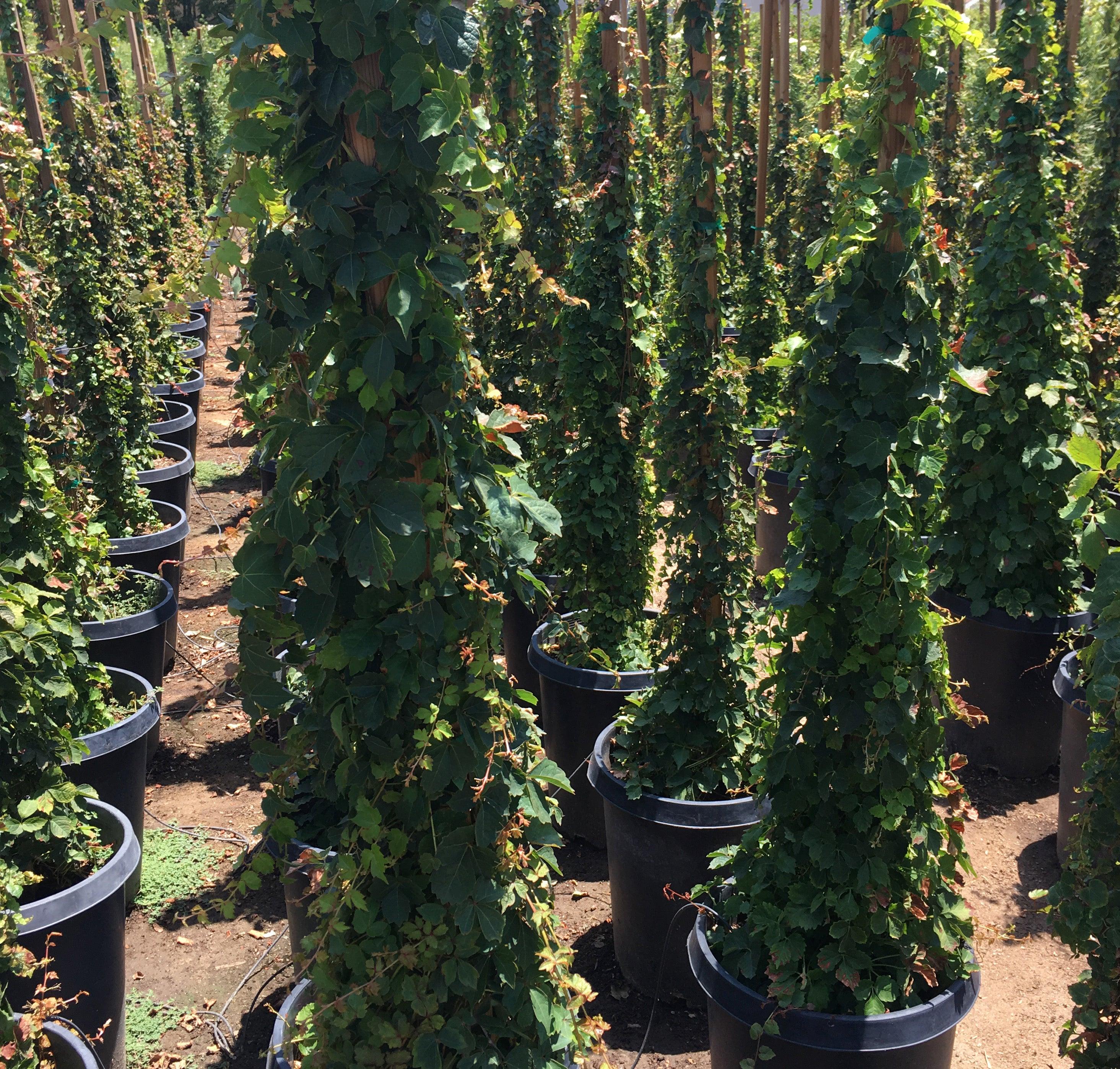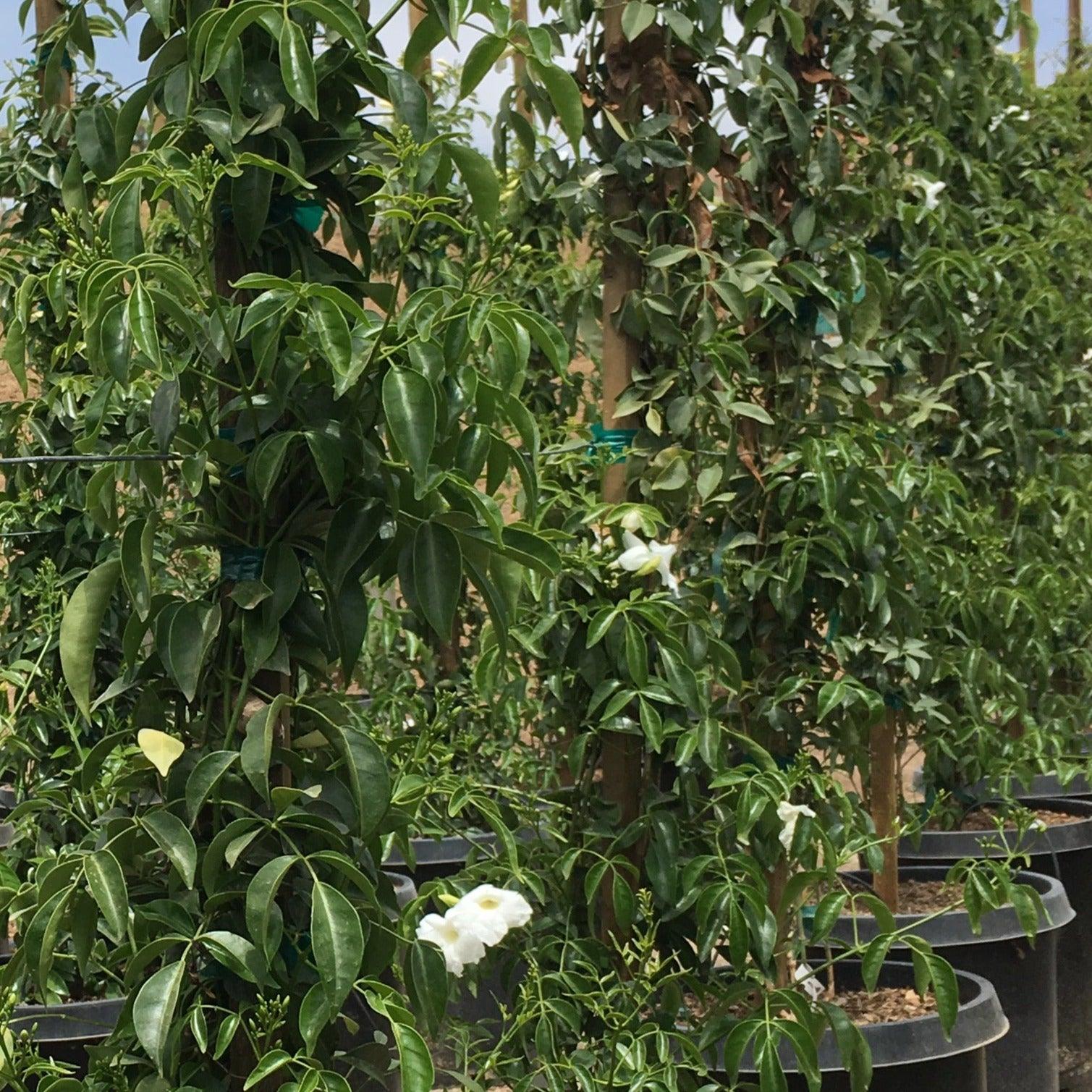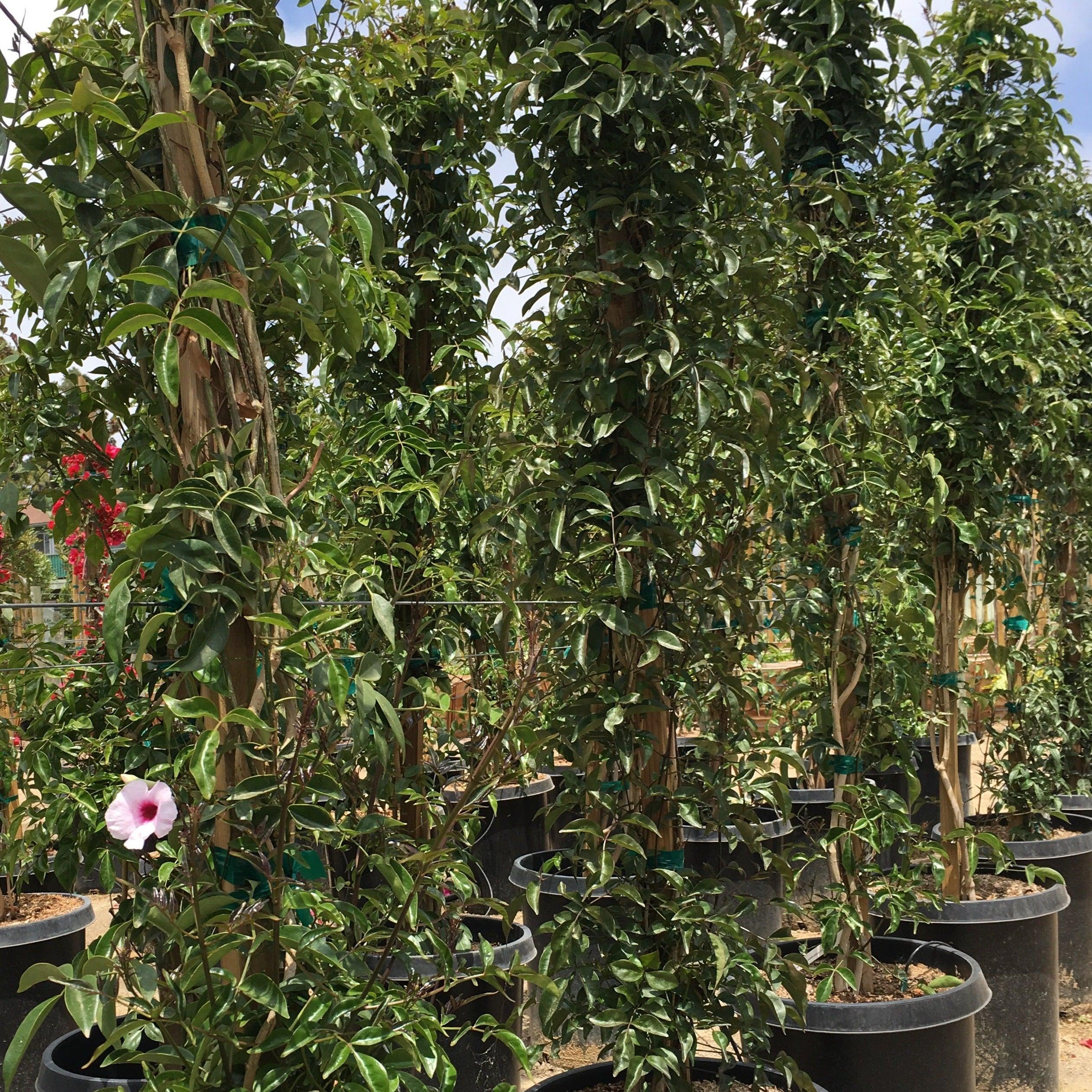

Creeping Fig - Ficus Pumila
Transform Your Walls Into Living Green Masterpieces
Creeping fig is the fast-clinging vine for turning bare walls, fences, and indoor plant displays into dense green texture without building a complicated support system. Also known as ficus pumila, creeping ficus, climbing fig, or ficus repens, this evergreen fig plant creates a living-wall effect with small, heart shaped leaves that hug the surface as they grow.
Use it outdoors in warm California gardens to soften stucco, block walls, fences, and privacy screens, or grow it indoors as a trailing houseplant in potted plants, hanging baskets, or a small pot near a bright wall. Creeping fig is a vigorous grower, so it delivers lush coverage quickly when planted in the right light, well drained soil, and consistent moisture.
Why You’ll Love It
-
Fast-Growing Coverage – Creeping fig is known for its vigorous growth and ability to cling to surfaces using aerial rootlets, making it a popular choice for covering walls and fences in tropical and subtropical regions.
-
Low Maintenance – Once established, this plant can thrive with simple care: water regularly, keep the soilevenly moist but not soggy, and prune to keep growth controlled.
-
Year-Round Beauty – In suitable California climates, creeping fig is an evergreen vine that keeps walls, fences, and garden structures green through much of the year.
-
Versatile Growth – Use creeping fig as ground cover, a climbing vine, a trailing indoor accent, or a living-wall plant with trailing stems that can spill from a pot or basket.
-
Self-Clinging – Creeping fig uses aerial roots to climb without a trellis, wires, or added structure once it begins attaching.
Creeping fig can become invasive when grown outdoors in suitable climates, potentially outcompeting native plant species. For best results in California landscapes, use it where you can manage its spread, keep it off nearby shrubs and trees, and prune it before it moves beyond the intended ground, wall, or fence.
What Makes It Different
Most climbing plants need heavy training, wire systems, or a permanent trellis to create reliable vertical coverage. Creeping fig naturally grips surfaces, grows densely, and changes form as it matures.
-
Self-Adhering Aerial Roots – Its aerial rootlets and adhesive discs let the vine attach to masonry, concrete, brick, stucco, and wood. When creeping fig climbs walls, its adhesive discs can damage surfaces like stucco, brick, or wood, dislodging mortar and leaving stains, so choose durable surfaces or use a removable support if wall preservation matters.
-
Juvenile vs Mature Foliage – Creeping fig (Ficus pumila) has two distinct leaf types: juvenile foliage that is small and hugs the surface it grows on, and mature foliage that is larger and leathery, typically measuring 2 to 3 inches long. The young growth has small leaves that are often heart shaped, while older stems can become woody, tall, and more projecting.
-
Rapid Establishment – Compared with many ornamental vines, climbing fig establishes quickly in warm sites with good water, humidity, and light. It can cover walls and fences faster than many trellis-dependent outdoor plants, while still working indoors like other ficus favorites such as fiddle leaf fig, weeping fig, and ficus benjamina.
Creeping fig belongs to the mulberry family and is native to humid regions of East Asia, including southern Chinaand other Asian countries. Some cultivars and variegated forms add extra design range: one variety of creeping fig has leaves that are shaped like oak leaves, adding to the diversity of leaf shapes available in this species, while other selections may show wide white margins or very small leaves.
Tips For Having Success In Your Garden
-
Plant and Position
Place creeping fig near the wall, fence, container edge, or indoor surface you want it to cover. For outdoor planting, choose partial shade, bright filtered sun, or gentle morning light rather than harsh full sun or intense direct sunlight. Creeping fig may develop scorched leaves in exposed outdoor locations due to drying winter winds, which can be unsightly and require careful placement to avoid. -
Natural Attachment
As the vine grows, aerial rootlets form along the stems and cling to nearby surfaces. Young juvenile foliage stays close to the wall, creating a flat, green mat. If allowed to grow freely, creeping fig can also climb trees, spread across the ground, or attach to structures you did not intend to cover. -
Continuous Growth
During the growing season, new growth spreads outward and upward. Pruning is essential for controlling the aggressive growth of creeping fig and is often required three to four times a year. Regular pruning keeps the vine flatter, reduces heavy mature stems, improves airflow, and helps prevent it from becoming invasive in the garden.
Creeping fig also propagates easily. Creeping fig can be easily propagated through stem cuttings, which is the most practical method since they rarely flower indoors and seed collection is not feasible. The best time to take stem cuttings for propagating creeping fig is in the spring, as this is when the plant is most likely to recover quickly from the stress of cutting.
Plant Details
-
Scientific Name: Ficus pumila
-
Common Names: Creeping fig, creeping ficus, climbing fig, ficus repens
-
Plant Type: Evergreen climbing vine, trailing houseplant, or ground cover
-
Family: Mulberry family
-
Mature Size: Can climb high walls outdoors in suitable climates; mature stems may project outward with larger leathery leaves
-
Foliage: Small, heart-shaped juvenile leaves; mature foliage is larger, leathery, and typically 2 to 3 inches long
-
Light: Creeping fig plants prefer bright, indirect light for six to eight hours a day, but can adapt to low-light conditions, although growth may slow and leaves may drop.
-
Outdoor Light: Best in bright indirect light, filtered sun, or partial shade; avoid harsh full sun in hot exposed locations
-
Soil: Creeping fig thrives in well-draining soil, and a standard commercial potting mix is typically suitable for its growth.
-
Water: Water creeping fig about once a week during the growing season, allowing the soil to dry out between waterings, and reduce watering in fall and winter when the plant is semi-dormant.
-
Temperature and Humidity: Creeping fig thrives between 55°F and 85°F (13°C to 29°C) and demands humidity of 50% or higher.
-
Indoor Conditions: Maintain indoor temperatures for creeping fig between 65 and 85 degrees Fahrenheit, avoiding temperatures below 55 degrees Fahrenheit, and ensure above-average humidity levels for optimal growth.
-
California Hardiness: Best grown outdoors in mild coastal, southern, and warm inland California regions; protect from hard freezes and drying winter wind
-
Propagation: To propagate creeping fig, take six-inch tip cuttings just below a node, place them in a small pot filled with rooting soil mixture, and cover with a clear plastic bag to maintain humidity until new growth appears.
-
Safety: Creeping fig contains a milky sap that is a skin irritant and is toxic to pets if ingested.
For container-grown creeping fig, start with a healthy root ball, a drainage-friendly pot, and a moist, well drained soil mix. Avoid shocking indoor plants with cold water, keep humidity steady, and reduce watering in fall and winter as growth slows.
Who It’s For
Ideal for:
-
California homeowners who want to cover walls, fences, block walls, or unsightly structures with living greenery
-
Indoor plant lovers looking for indoor plants with trailing stems for shelves, hanging baskets, and potted displays
-
Landscape designers building privacy screens, green walls, and softened architectural surfaces
-
Gardeners who want fast-growing, low-maintenance ground cover for warm, managed spaces
If you want a lush wall-covering ficus that can thrive indoors or be grown outdoors in the right California microclimate, creeping fig is a strong choice. It is especially useful where you want dense texture, quick visual impact, and a plant that can climb naturally without a permanent trellis.
Frequently Asked Questions
Will it damage my walls?
Yes, it can. When creeping fig climbs walls, its adhesive discs can damage surfaces like stucco, brick, or wood, dislodging mortar and leaving stains. Use it on durable surfaces, avoid delicate painted walls, or install a removable support between the vine and the wall.
How fast does it grow?
Creeping fig is a vigorous grower. With bright indirect light, consistent moisture, warm temperatures, and a good climbing surface, it can begin attaching within weeks and create noticeable coverage during the first growing season. Fuller coverage usually develops over the next few years.
Can it survive California winters?
In many mild California regions, yes. Creeping fig prefers warmth and performs best when temperatures stay above 55°F. In colder inland areas, protect the plant from frost and drying winter winds, and reduce watering in fall and winter when growth slows.
Is it invasive?
Creeping fig can become invasive when grown outdoors in suitable climates, potentially outcompeting native plant species. Keep it pruned, prevent it from climbing trees or neighboring structures, and remove unwanted rooted stems before they spread.
What if I need to remove it?
Cut the vine near the base, allow the top growth to dry, then peel it away gradually. Adhesive roots may remain on walls, and stucco, brick, mortar, paint, or wood may need cleaning or repair after removal.
Can I grow creeping fig indoors?
Yes. It works well as a houseplant when grown in bright, indirect light, above-average humidity, and well-draining soil. It can adapt to lower light, but growth may slow and leaves may drop.
Does creeping fig produce fruit or seeds indoors?
Creeping fig rarely flowers indoors, so indoor fruit and seeds are not practical for propagation. Stem cuttings are the most reliable way to produce new plants.
Ready to Transform Your Space?
Stop looking at bare walls, plain fences, and empty corners. Choose Creeping Fig for a living green surface that brings texture, privacy, and year-round beauty to California homes, gardens, patios, and indoor plant collections.
Yardwork can help you choose the right placement, wall surface, container size, and care plan so your creeping fig grows where you want it-and stays under control.
Shop Plants
Book an Expert Consultation
Original: $35.00
-65%$35.00
$12.25Product Information
Product Information
Shipping & Returns
Shipping & Returns
Description
Transform Your Walls Into Living Green Masterpieces
Creeping fig is the fast-clinging vine for turning bare walls, fences, and indoor plant displays into dense green texture without building a complicated support system. Also known as ficus pumila, creeping ficus, climbing fig, or ficus repens, this evergreen fig plant creates a living-wall effect with small, heart shaped leaves that hug the surface as they grow.
Use it outdoors in warm California gardens to soften stucco, block walls, fences, and privacy screens, or grow it indoors as a trailing houseplant in potted plants, hanging baskets, or a small pot near a bright wall. Creeping fig is a vigorous grower, so it delivers lush coverage quickly when planted in the right light, well drained soil, and consistent moisture.
Why You’ll Love It
-
Fast-Growing Coverage – Creeping fig is known for its vigorous growth and ability to cling to surfaces using aerial rootlets, making it a popular choice for covering walls and fences in tropical and subtropical regions.
-
Low Maintenance – Once established, this plant can thrive with simple care: water regularly, keep the soilevenly moist but not soggy, and prune to keep growth controlled.
-
Year-Round Beauty – In suitable California climates, creeping fig is an evergreen vine that keeps walls, fences, and garden structures green through much of the year.
-
Versatile Growth – Use creeping fig as ground cover, a climbing vine, a trailing indoor accent, or a living-wall plant with trailing stems that can spill from a pot or basket.
-
Self-Clinging – Creeping fig uses aerial roots to climb without a trellis, wires, or added structure once it begins attaching.
Creeping fig can become invasive when grown outdoors in suitable climates, potentially outcompeting native plant species. For best results in California landscapes, use it where you can manage its spread, keep it off nearby shrubs and trees, and prune it before it moves beyond the intended ground, wall, or fence.
What Makes It Different
Most climbing plants need heavy training, wire systems, or a permanent trellis to create reliable vertical coverage. Creeping fig naturally grips surfaces, grows densely, and changes form as it matures.
-
Self-Adhering Aerial Roots – Its aerial rootlets and adhesive discs let the vine attach to masonry, concrete, brick, stucco, and wood. When creeping fig climbs walls, its adhesive discs can damage surfaces like stucco, brick, or wood, dislodging mortar and leaving stains, so choose durable surfaces or use a removable support if wall preservation matters.
-
Juvenile vs Mature Foliage – Creeping fig (Ficus pumila) has two distinct leaf types: juvenile foliage that is small and hugs the surface it grows on, and mature foliage that is larger and leathery, typically measuring 2 to 3 inches long. The young growth has small leaves that are often heart shaped, while older stems can become woody, tall, and more projecting.
-
Rapid Establishment – Compared with many ornamental vines, climbing fig establishes quickly in warm sites with good water, humidity, and light. It can cover walls and fences faster than many trellis-dependent outdoor plants, while still working indoors like other ficus favorites such as fiddle leaf fig, weeping fig, and ficus benjamina.
Creeping fig belongs to the mulberry family and is native to humid regions of East Asia, including southern Chinaand other Asian countries. Some cultivars and variegated forms add extra design range: one variety of creeping fig has leaves that are shaped like oak leaves, adding to the diversity of leaf shapes available in this species, while other selections may show wide white margins or very small leaves.
Tips For Having Success In Your Garden
-
Plant and Position
Place creeping fig near the wall, fence, container edge, or indoor surface you want it to cover. For outdoor planting, choose partial shade, bright filtered sun, or gentle morning light rather than harsh full sun or intense direct sunlight. Creeping fig may develop scorched leaves in exposed outdoor locations due to drying winter winds, which can be unsightly and require careful placement to avoid. -
Natural Attachment
As the vine grows, aerial rootlets form along the stems and cling to nearby surfaces. Young juvenile foliage stays close to the wall, creating a flat, green mat. If allowed to grow freely, creeping fig can also climb trees, spread across the ground, or attach to structures you did not intend to cover. -
Continuous Growth
During the growing season, new growth spreads outward and upward. Pruning is essential for controlling the aggressive growth of creeping fig and is often required three to four times a year. Regular pruning keeps the vine flatter, reduces heavy mature stems, improves airflow, and helps prevent it from becoming invasive in the garden.
Creeping fig also propagates easily. Creeping fig can be easily propagated through stem cuttings, which is the most practical method since they rarely flower indoors and seed collection is not feasible. The best time to take stem cuttings for propagating creeping fig is in the spring, as this is when the plant is most likely to recover quickly from the stress of cutting.
Plant Details
-
Scientific Name: Ficus pumila
-
Common Names: Creeping fig, creeping ficus, climbing fig, ficus repens
-
Plant Type: Evergreen climbing vine, trailing houseplant, or ground cover
-
Family: Mulberry family
-
Mature Size: Can climb high walls outdoors in suitable climates; mature stems may project outward with larger leathery leaves
-
Foliage: Small, heart-shaped juvenile leaves; mature foliage is larger, leathery, and typically 2 to 3 inches long
-
Light: Creeping fig plants prefer bright, indirect light for six to eight hours a day, but can adapt to low-light conditions, although growth may slow and leaves may drop.
-
Outdoor Light: Best in bright indirect light, filtered sun, or partial shade; avoid harsh full sun in hot exposed locations
-
Soil: Creeping fig thrives in well-draining soil, and a standard commercial potting mix is typically suitable for its growth.
-
Water: Water creeping fig about once a week during the growing season, allowing the soil to dry out between waterings, and reduce watering in fall and winter when the plant is semi-dormant.
-
Temperature and Humidity: Creeping fig thrives between 55°F and 85°F (13°C to 29°C) and demands humidity of 50% or higher.
-
Indoor Conditions: Maintain indoor temperatures for creeping fig between 65 and 85 degrees Fahrenheit, avoiding temperatures below 55 degrees Fahrenheit, and ensure above-average humidity levels for optimal growth.
-
California Hardiness: Best grown outdoors in mild coastal, southern, and warm inland California regions; protect from hard freezes and drying winter wind
-
Propagation: To propagate creeping fig, take six-inch tip cuttings just below a node, place them in a small pot filled with rooting soil mixture, and cover with a clear plastic bag to maintain humidity until new growth appears.
-
Safety: Creeping fig contains a milky sap that is a skin irritant and is toxic to pets if ingested.
For container-grown creeping fig, start with a healthy root ball, a drainage-friendly pot, and a moist, well drained soil mix. Avoid shocking indoor plants with cold water, keep humidity steady, and reduce watering in fall and winter as growth slows.
Who It’s For
Ideal for:
-
California homeowners who want to cover walls, fences, block walls, or unsightly structures with living greenery
-
Indoor plant lovers looking for indoor plants with trailing stems for shelves, hanging baskets, and potted displays
-
Landscape designers building privacy screens, green walls, and softened architectural surfaces
-
Gardeners who want fast-growing, low-maintenance ground cover for warm, managed spaces
If you want a lush wall-covering ficus that can thrive indoors or be grown outdoors in the right California microclimate, creeping fig is a strong choice. It is especially useful where you want dense texture, quick visual impact, and a plant that can climb naturally without a permanent trellis.
Frequently Asked Questions
Will it damage my walls?
Yes, it can. When creeping fig climbs walls, its adhesive discs can damage surfaces like stucco, brick, or wood, dislodging mortar and leaving stains. Use it on durable surfaces, avoid delicate painted walls, or install a removable support between the vine and the wall.
How fast does it grow?
Creeping fig is a vigorous grower. With bright indirect light, consistent moisture, warm temperatures, and a good climbing surface, it can begin attaching within weeks and create noticeable coverage during the first growing season. Fuller coverage usually develops over the next few years.
Can it survive California winters?
In many mild California regions, yes. Creeping fig prefers warmth and performs best when temperatures stay above 55°F. In colder inland areas, protect the plant from frost and drying winter winds, and reduce watering in fall and winter when growth slows.
Is it invasive?
Creeping fig can become invasive when grown outdoors in suitable climates, potentially outcompeting native plant species. Keep it pruned, prevent it from climbing trees or neighboring structures, and remove unwanted rooted stems before they spread.
What if I need to remove it?
Cut the vine near the base, allow the top growth to dry, then peel it away gradually. Adhesive roots may remain on walls, and stucco, brick, mortar, paint, or wood may need cleaning or repair after removal.
Can I grow creeping fig indoors?
Yes. It works well as a houseplant when grown in bright, indirect light, above-average humidity, and well-draining soil. It can adapt to lower light, but growth may slow and leaves may drop.
Does creeping fig produce fruit or seeds indoors?
Creeping fig rarely flowers indoors, so indoor fruit and seeds are not practical for propagation. Stem cuttings are the most reliable way to produce new plants.
Ready to Transform Your Space?
Stop looking at bare walls, plain fences, and empty corners. Choose Creeping Fig for a living green surface that brings texture, privacy, and year-round beauty to California homes, gardens, patios, and indoor plant collections.
Yardwork can help you choose the right placement, wall surface, container size, and care plan so your creeping fig grows where you want it-and stays under control.
Shop Plants
Book an Expert Consultation