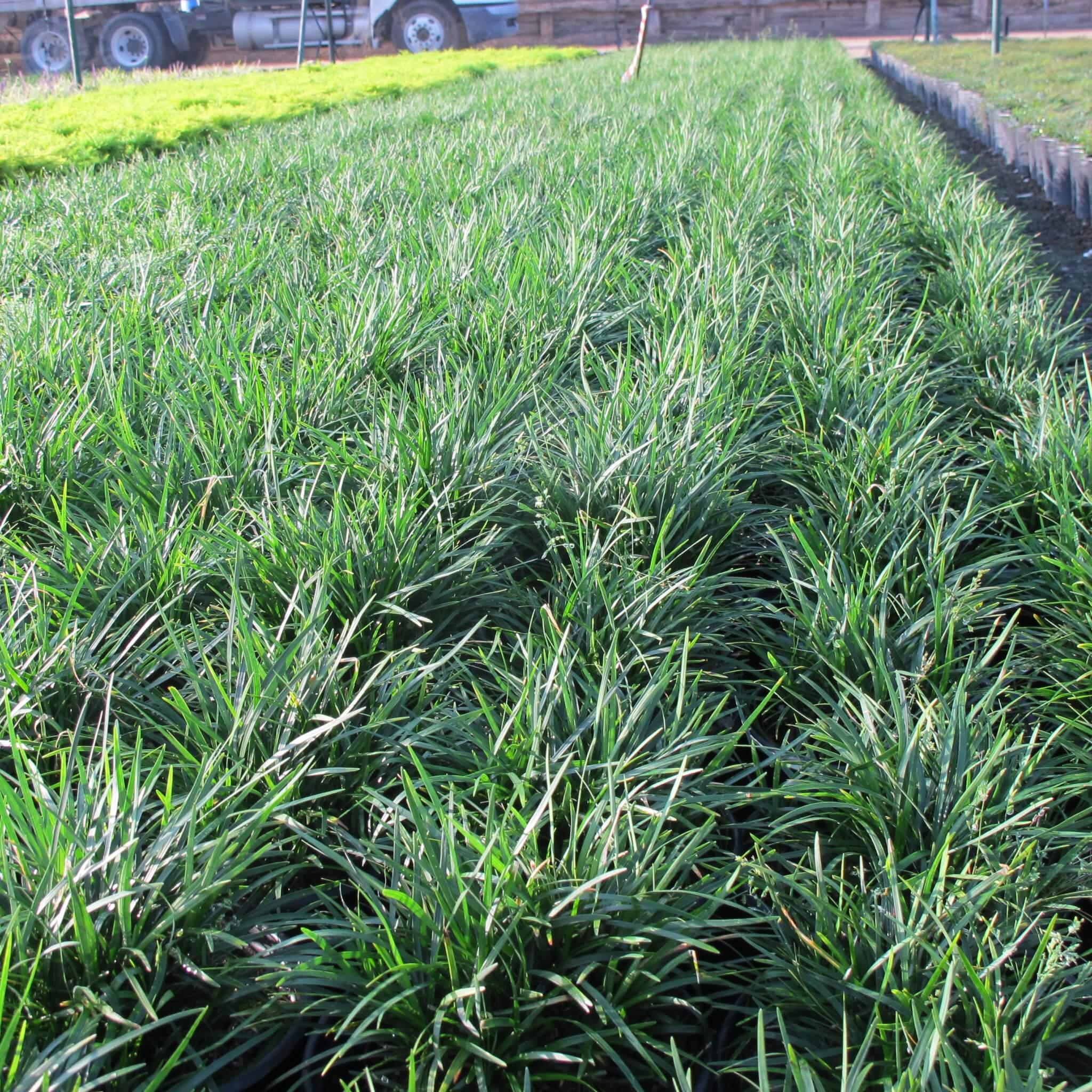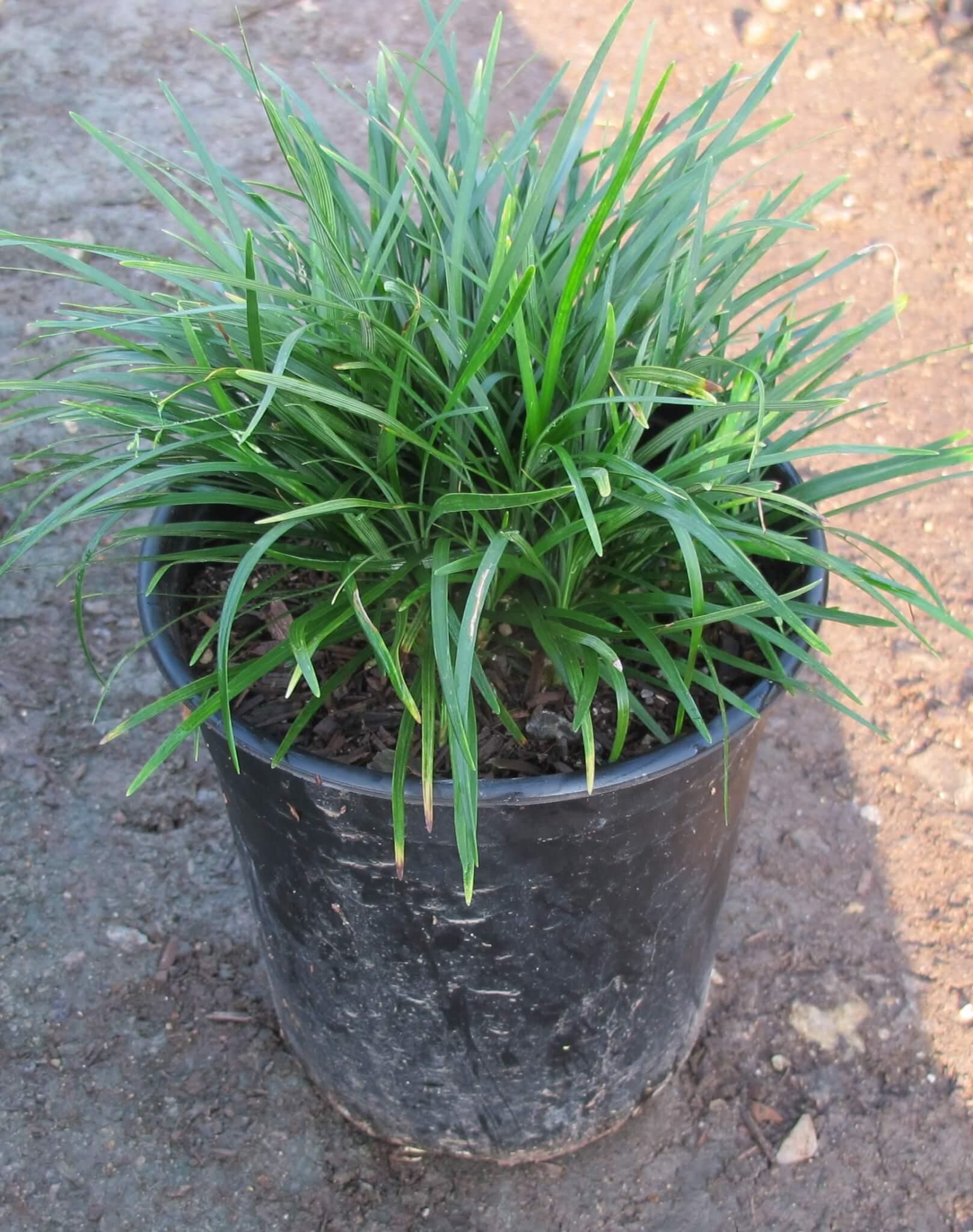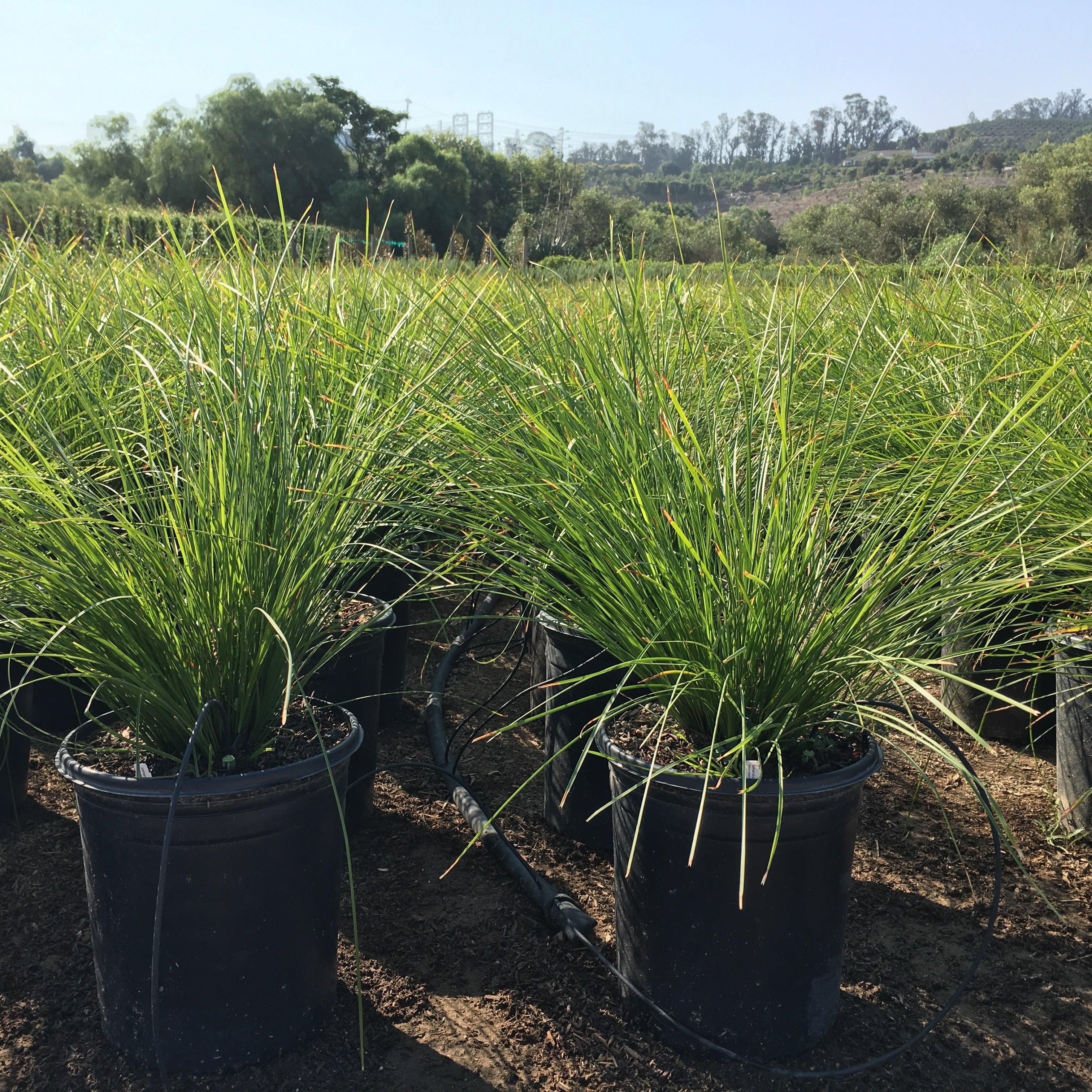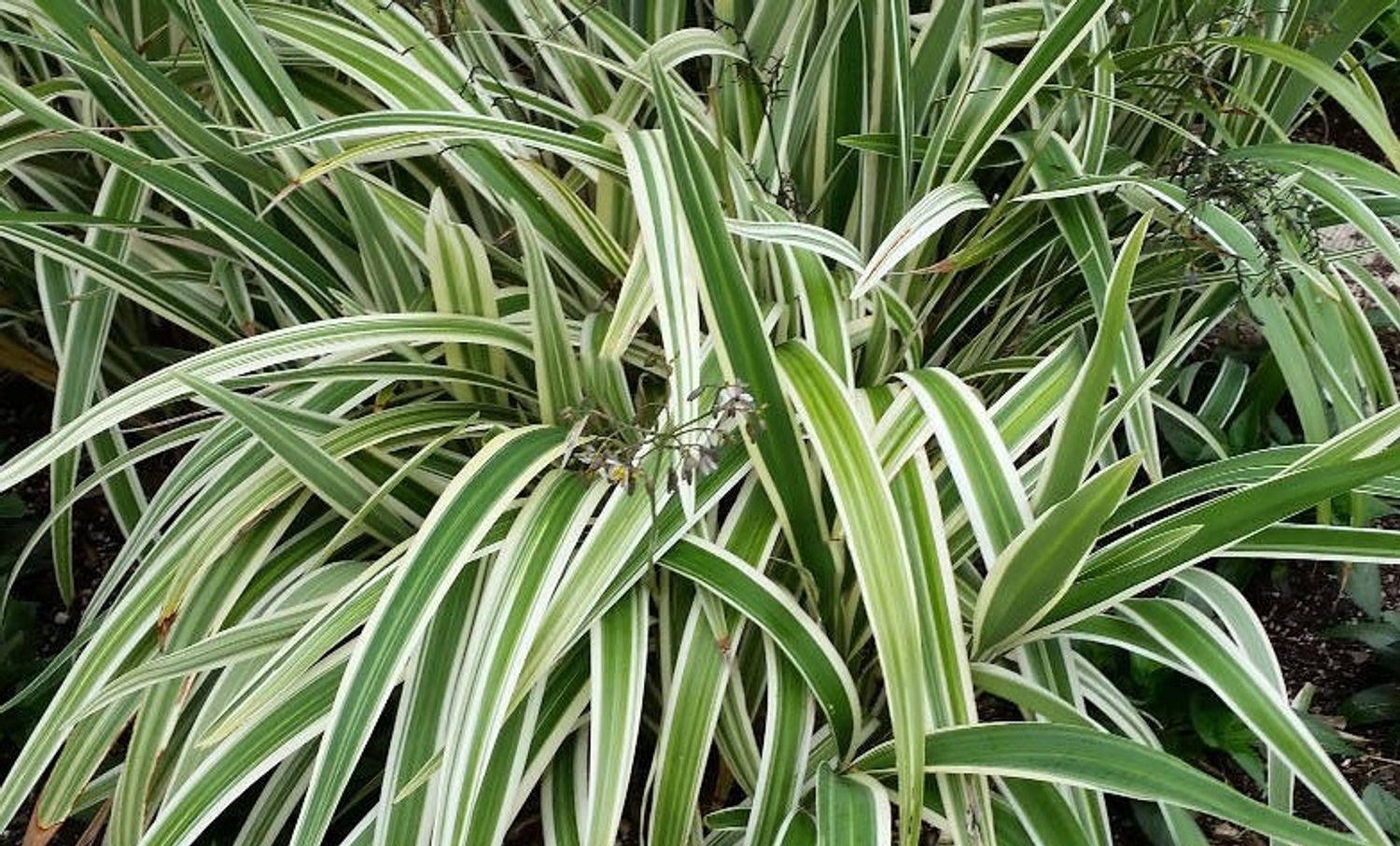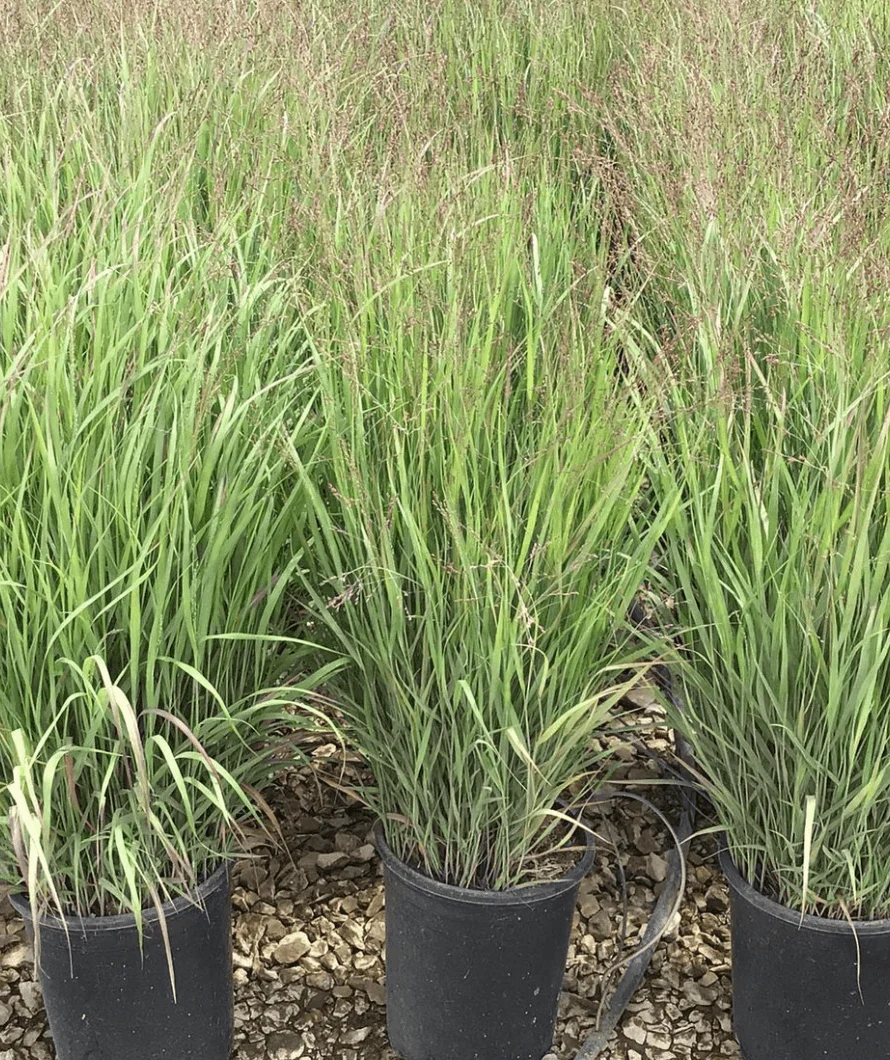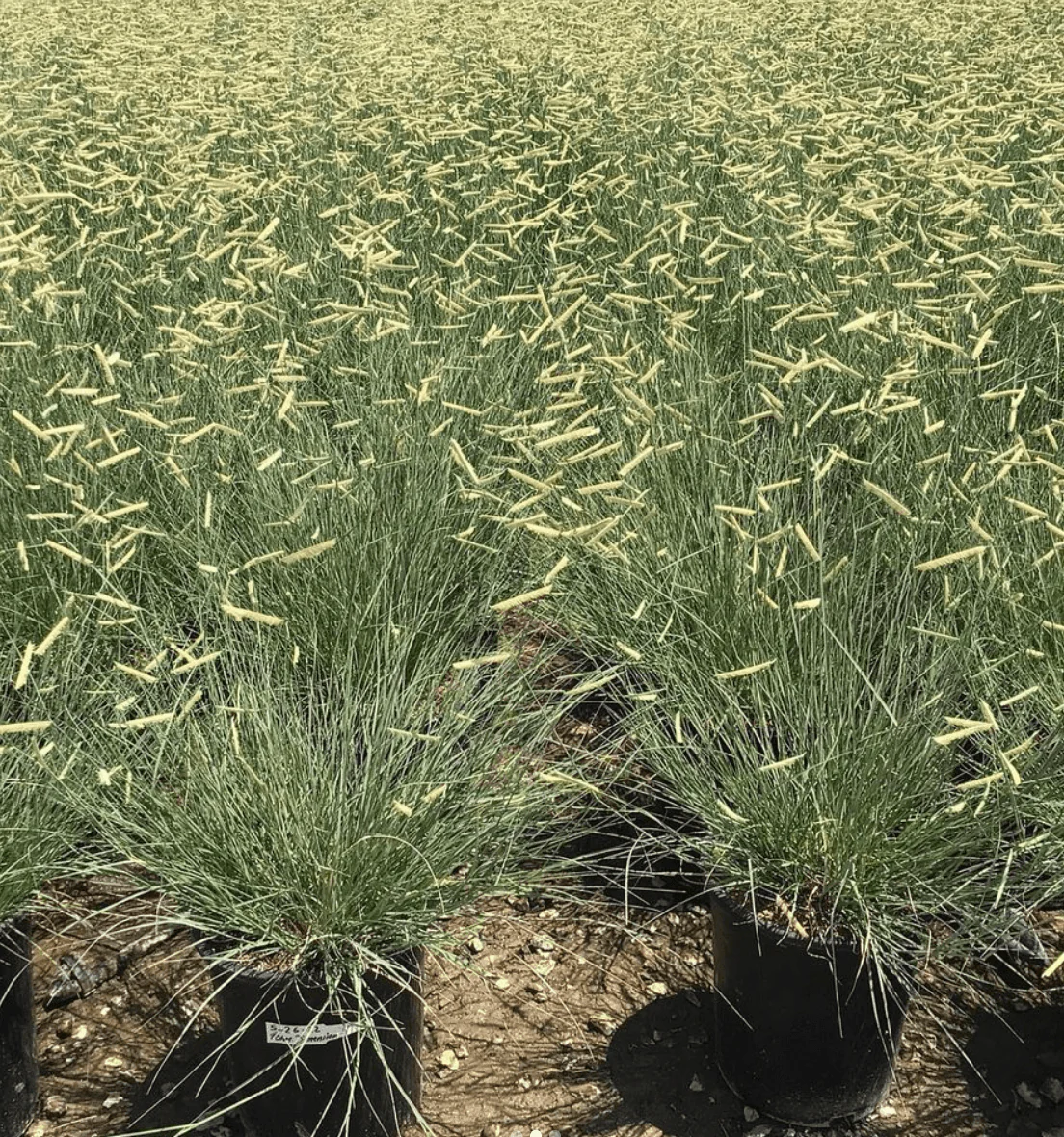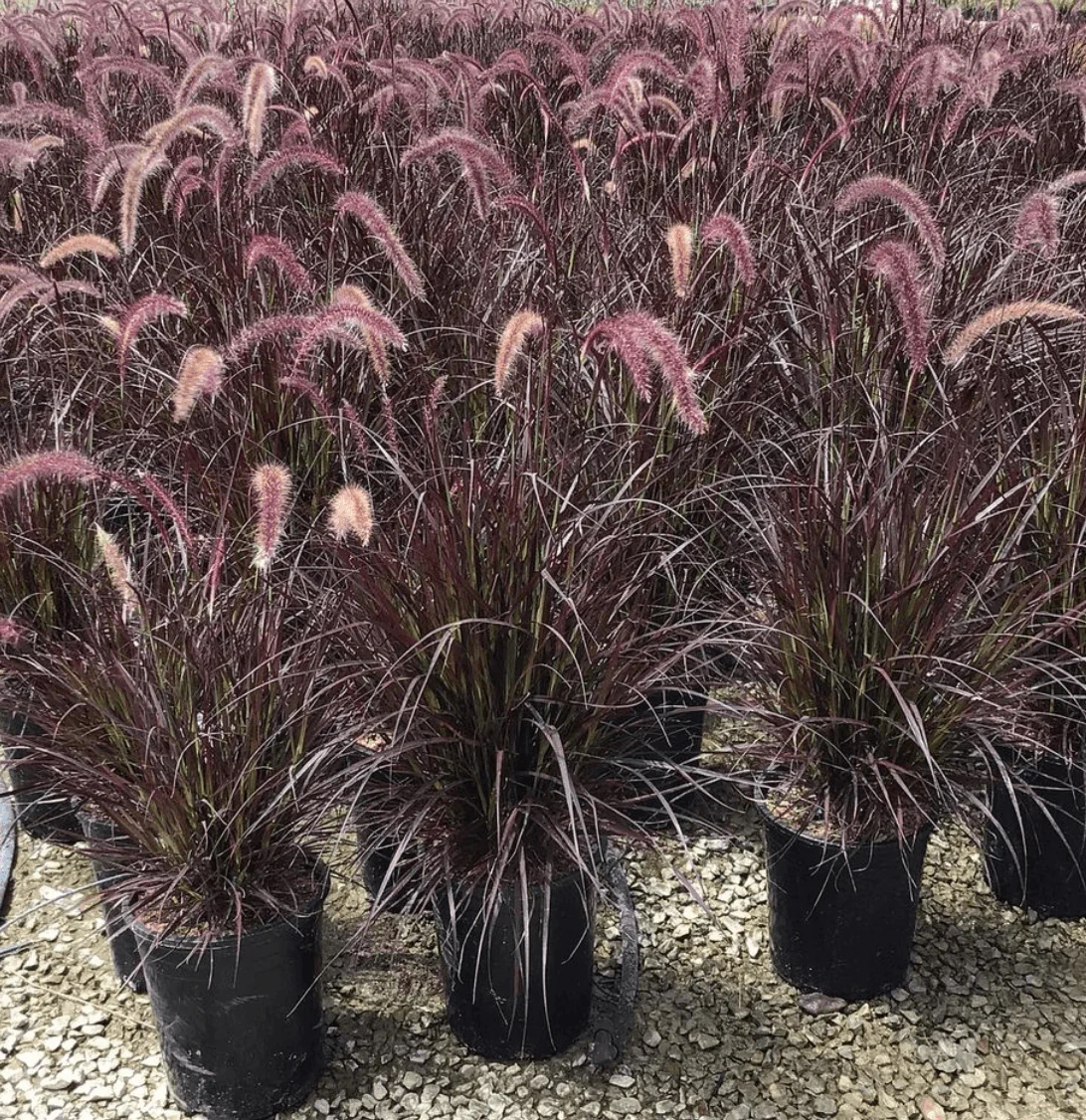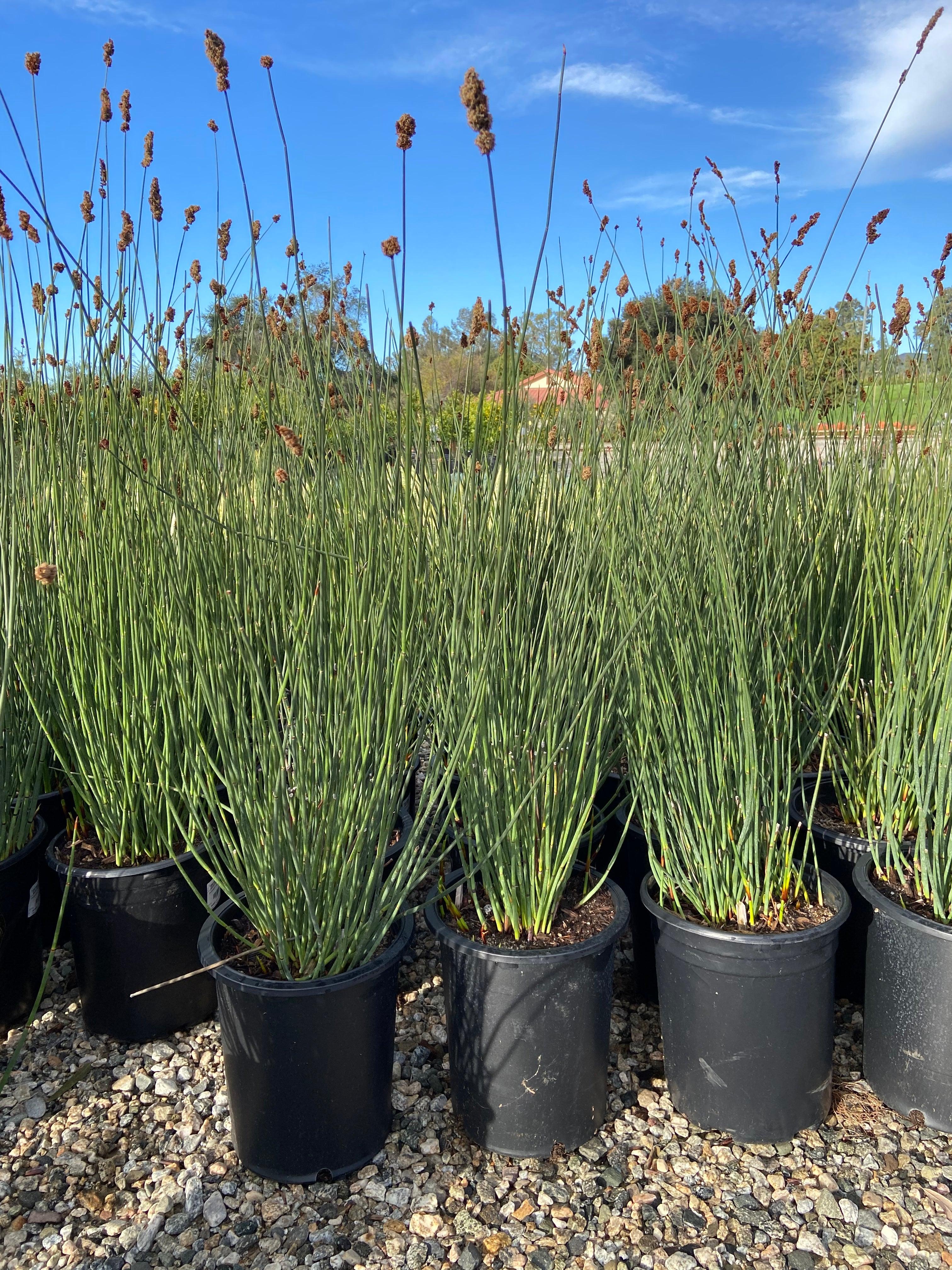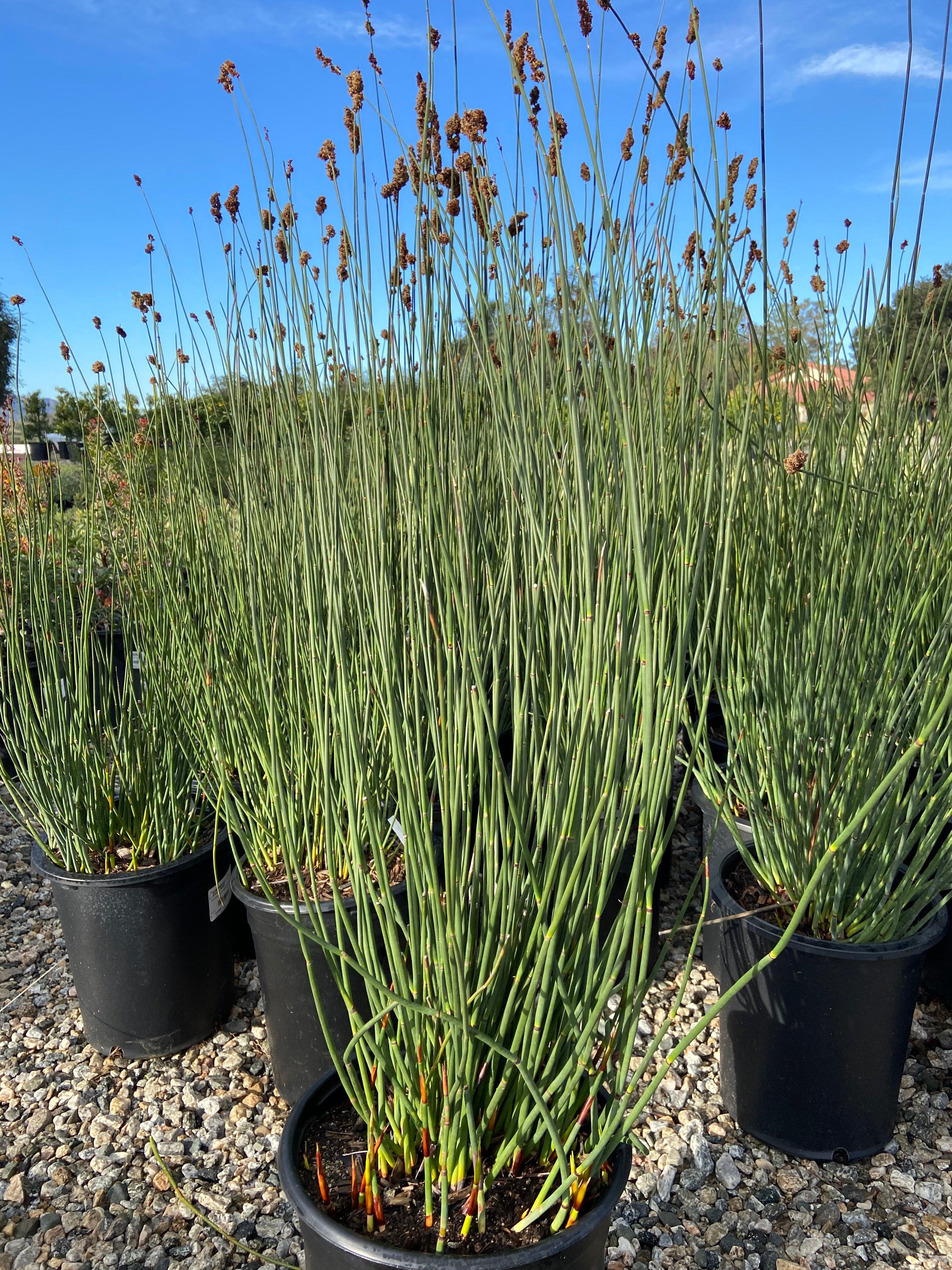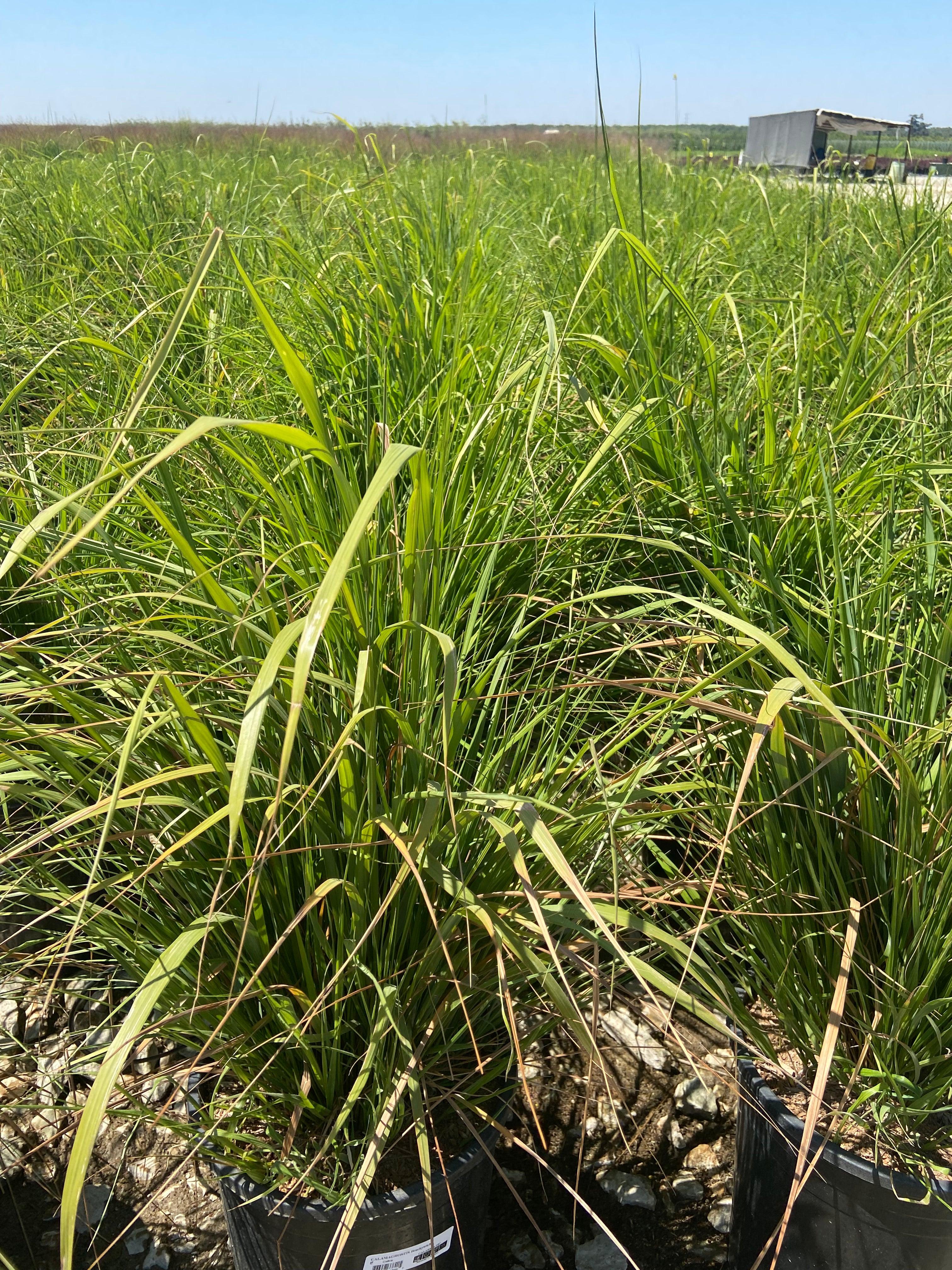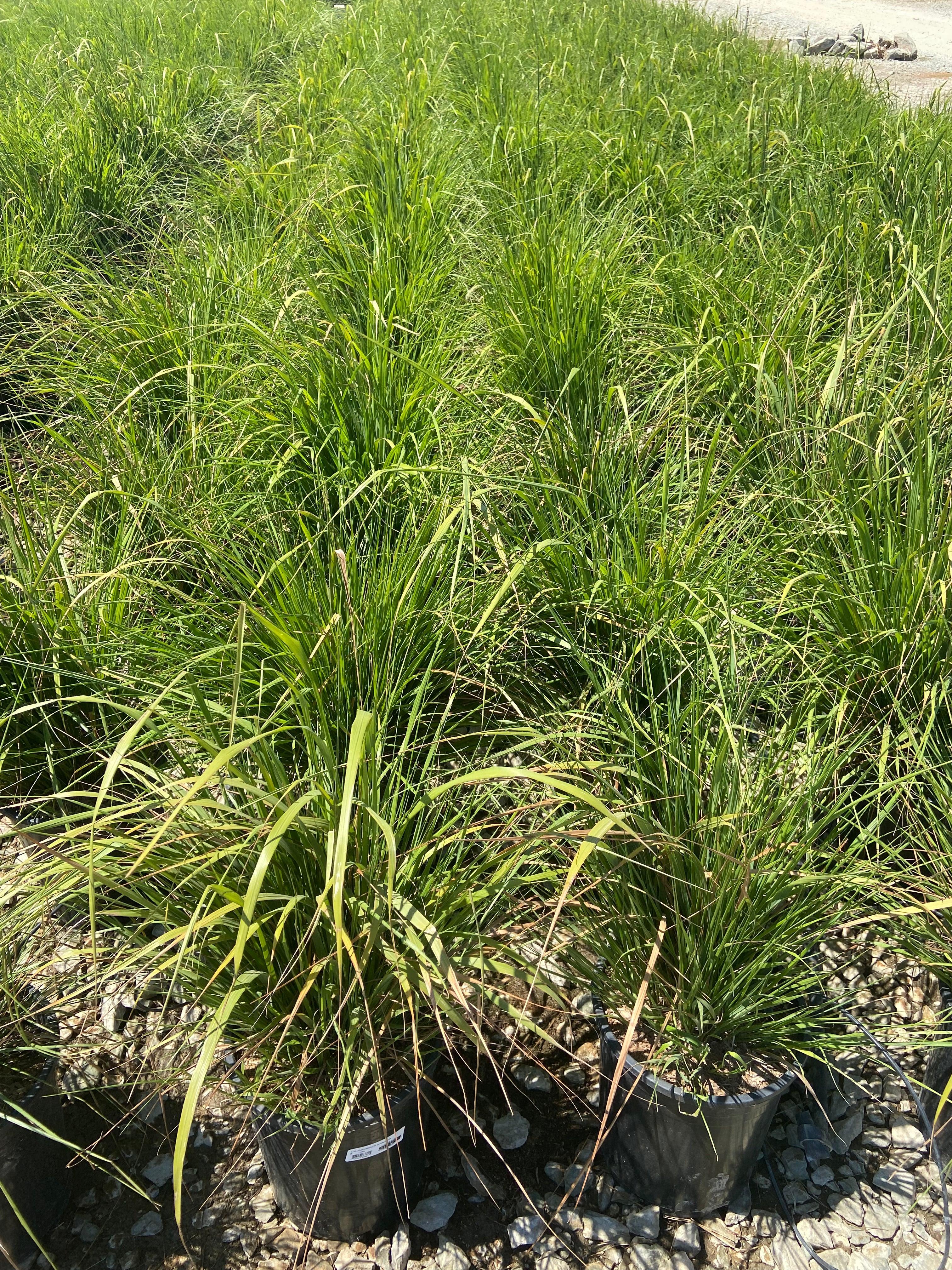
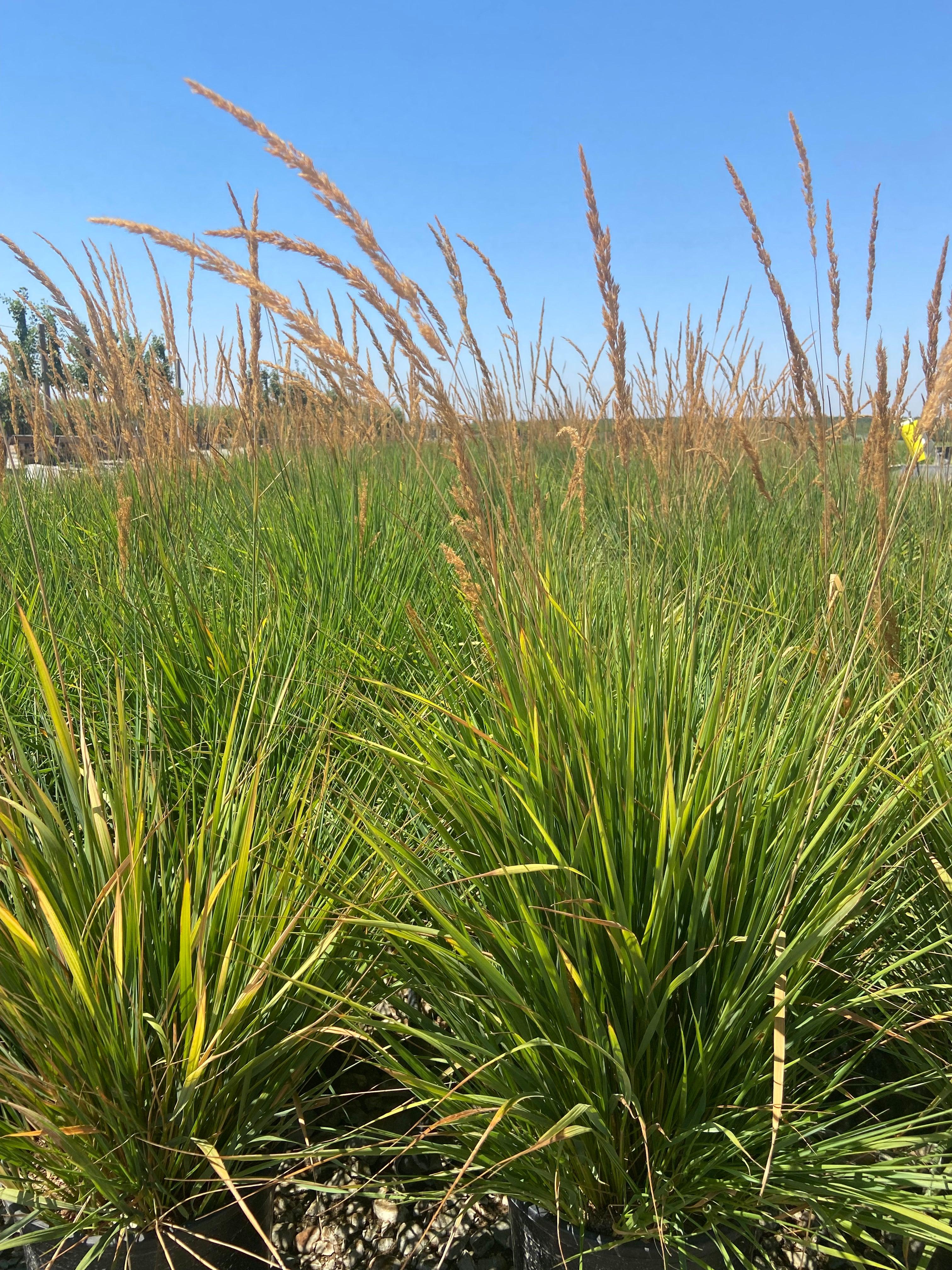
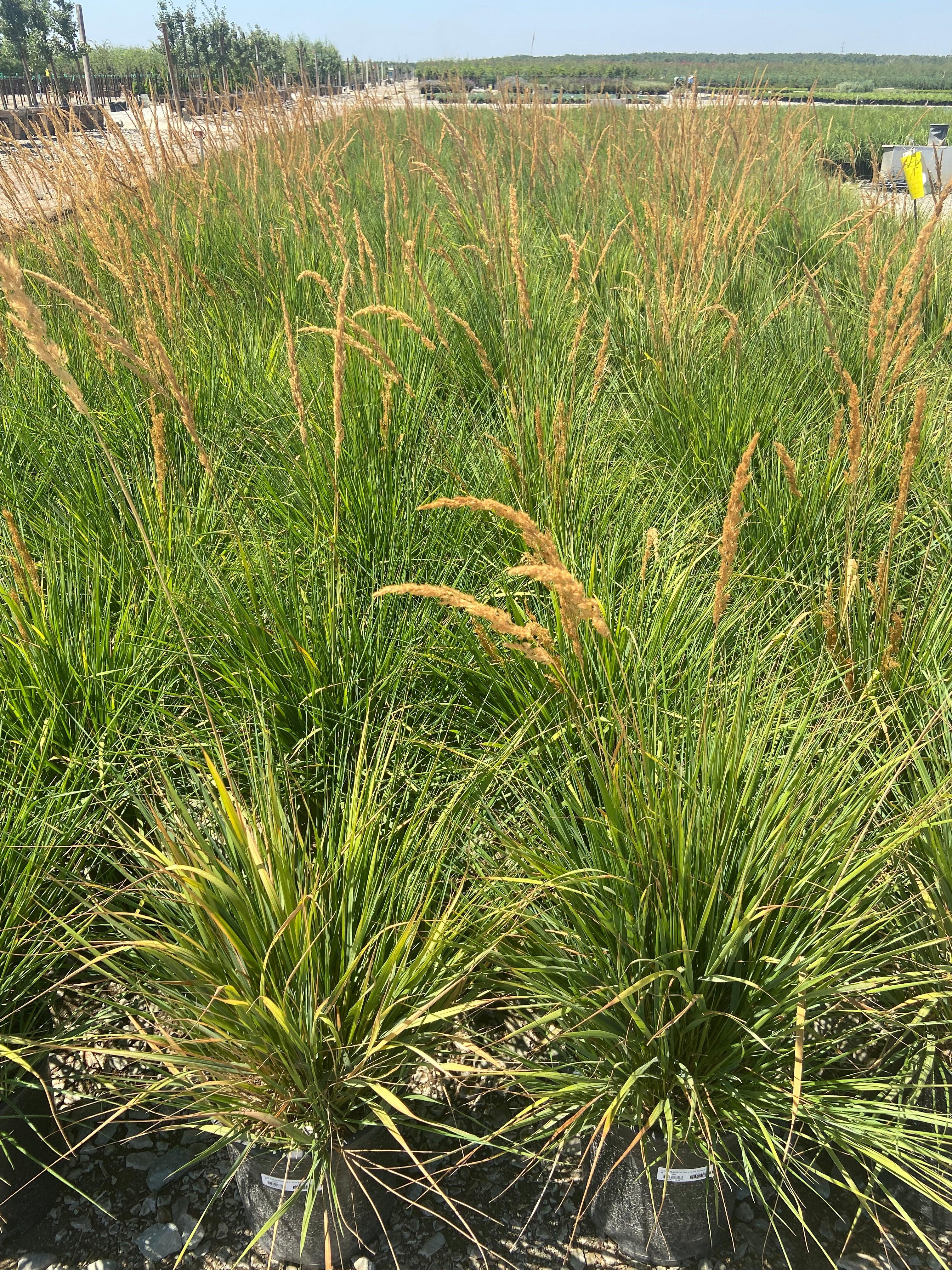
Feather Reed Grass - Calamagrostis Karl Foerster
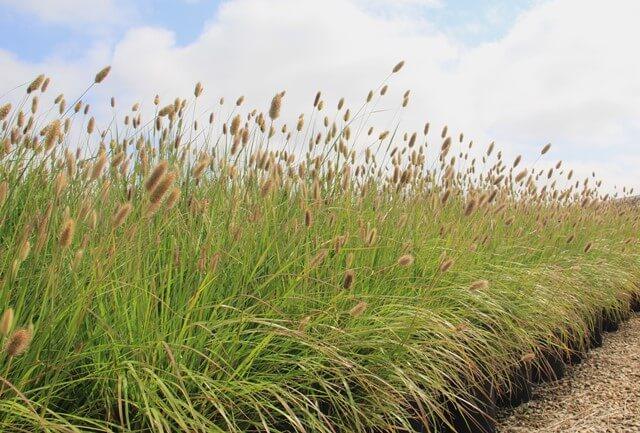
If you’re looking for an ornamental grass with clean vertical lines, year-round structure, and low-maintenance beauty, Karl Foerster feather reed grass (botanically known as Calamagrostis acutiflora) is one of the most reliable choices available. Widely used in residential and commercial landscapes, this upright ornamental grass brings movement, texture, and architectural interest to borders, mass plantings, and contemporary garden designs. Thanks to its height of up to 5 feet, Karl Foerster grass can be effectively used as a border, backdrop, or living screen in landscaping.
At Yardwork, we offer premium-quality Karl Foerster grasses for California gardens, landscape projects, and designer installations, with delivery, planting guidance, and consultation services available. Karl Foerster grass was discovered by the German nurseryman Karl Foerster at the Hamburg Botanical Garden, adding to its historical and botanical significance.
Karl Foerster (Calamagrostis x acutiflora) — Feather Reed Grass Overview
Karl Foerster feather reed grass is the common name for Calamagrostis x acutiflora ‘Karl Foerster’, a hybrid cool-season ornamental grass prized for its narrow upright form and long-lasting flower plumes. As one of the cool-season grasses, it is known for early spring growth and maintaining color through summer.
Common names include:
-
Karl Foerster grass
-
Feather reed grass
-
Reed grass
-
Common feather reed grass
-
Calamagrostis x acutiflora Karl Foerster
This hybrid ornamental grass became internationally popular after being promoted by famed German plantsman Karl Foerster, and it remains one of the most widely planted ornamental grasses in modern landscape design. It is also among the first grasses to emerge and bloom in spring.
It has also received major garden awards for reliability, structure, and multi-season interest.
Key Features of Karl Foerster Feather Reed Grass
-
Drought tolerant and low maintenance
-
Grows in full sun to partial shade
-
Tolerates a wide range of soils
-
Provides vertical coverage for privacy or screening
-
Tall, slender stems
-
Deer resistant
-
Attractive feathery plumes that persist into winter
Karl Foerster stands out because of its strong vertical habit and clean architectural appearance. Its dramatic vertical growth and feathery plumes make it a popular choice for specimen plantings in gardens.
Upright Form and Architectural Presence
Unlike many ornamental grasses that spread outward loosely, Karl Foerster maintains a tidy vertical silhouette.
Key features include:
-
Upright clumping habit
-
Narrow footprint for tight spaces
-
Strong vertical lines
-
Elegant movement in wind
-
Four-season structure
Its form makes it ideal for both formal and naturalistic landscapes.
Early Bloom Habit
Karl Foerster is one of the earliest ornamental grasses to bloom.
Flower plumes typically emerge in late spring to early summer and persist into mid summer, earlier than many warm-season grasses.
This early bloom habit provides long-lasting seasonal interest.
As a cool-season perennial, Karl Foerster grass typically begins blooming in June to early July in hardiness zones 4 to 9.
Winter Silhouette and Dried Flower Value
Even after flowering fades, the dried seed heads remain attractive through fall and winter.
Benefits include:
-
Winter garden structure
-
Frost-catching texture
-
Natural wildlife shelter
-
Excellent cut and dried arrangements
Many gardeners leave plumes standing until late winter for visual interest.
Plant Characteristics and Hardiness Zones (Calamagrostis x acutiflora Karl Foerster)
Mature Size
|
Feature |
Typical Size |
|---|---|
|
Mature Height |
4–6 feet |
|
Mature Width |
2–3 feet |
|
Flower Plume Height |
Up to 6 feet |
Growth may vary depending on climate and irrigation conditions.
Hardiness Zones and Heat Tolerance
Karl Foerster performs well in:
-
USDA Zones 4–9
-
Mild coastal climates
-
Cooler inland regions
It tolerates moderate summer heat but performs best with occasional deep watering during extreme heat waves.
In very hot desert climates, light afternoon shade may improve appearance.
Soil and Drainage Preferences
This ornamental grass adapts to a wide range of soils, including:
-
Loamy soil
-
Sandy soil
-
Clay-amended garden beds
-
Moist soils
However, best growth occurs in:
-
Well-drained soil
-
Moderately fertile conditions
-
Even moisture during establishment
Karl Foerster grass prefers moist, well-drained soils and handles heavy clay soils better than many other ornamental grasses. Compared to other ornamental grasses, it thrives in full sun with rich, well-drained soil, and is especially adaptable to a variety of soil types, including sandy and clay soils.
Avoid chronically waterlogged planting sites.
Planting and Care for Ornamental Grasses and Feather Reed Grass
Sun Exposure and Site Selection
For best performance, plant Karl Foerster in:
-
A location with full sun, or select a spot based on your sunlight and climate zone for optimal growth
-
Areas that receive part shade, especially in hotter climates, as the grass is tolerant of semi-shaded conditions
-
Areas with good airflow
More sunlight generally produces stronger upright growth.
Planting Depth and Spacing
When planting:
-
Keep the crown level with surrounding soil
-
Avoid burying the plant too deeply
-
Space plants 24 to 36 inches apart, center on center, for optimal growth and air circulation
-
Plant in neat rows for a tidy and organized appearance in your landscape
Proper spacing not only supports healthy growth but also prevents Karl Foerster feather reed grass from creating a large footprint in your garden.
Recommended Spacing
|
Planting Style |
Spacing |
|---|---|
|
Single Specimens |
3–4 feet apart |
|
Mass Plantings |
2–3 feet apart |
|
Privacy or Screening Effect |
2 feet apart |
Initial Watering and Mulch
After planting:
-
Water deeply immediately
-
Apply 2–3 inches of mulch
-
Keep mulch away from the crown
-
Maintain moderate soil moisture during establishment
Shredded bark mulch or fine wood mulch works well.
First-Year Maintenance Timeline
First Month
-
Water regularly while roots establish
-
Monitor for transplant stress
First Growing Season
-
Remove damaged foliage if needed
-
Maintain weed-free root zone
Late Winter
-
Cut back old foliage before spring growth begins
Bloom Time and Seasonal Interest for Karl Foerster
Bloom Timing
Karl Foerster typically blooms:
-
Late spring
-
Early summer
-
Earlier than most ornamental grasses, producing abundant flowers under optimal conditions
Flower plumes emerge pinkish-purple before aging.
Insufficient sunlight or poor growing conditions can cause Karl Foerster grass to produce fewer flowers. Improper planting or care may also result in fewer flowers and reduced overall plant health.
Color Transition
The flower heads gradually transition from:
-
Soft pink tones
-
Silvery tan plumes
-
Tawny golden seed heads
This changing color adds seasonal depth throughout the year.
Spring Renewal Cutback
For healthy regrowth:
-
Cut clumps back to 3 to 6 inches above the ground in late winter or very early spring
-
This helps remove old foliage and prepares the plant for new growth
-
Take care to avoid damaging new shoots when cutting back
This encourages clean, vigorous growth.
Landscape Uses: Reed Grass, Screens, and Mass Plantings
Karl Foerster is extremely versatile in landscape design.
Common Uses
Ideal applications include:
-
Modern borders
-
Foundation planting accents
-
Living privacy screens
-
Linear mass plantings
-
Poolside landscapes
-
Commercial installations
-
Perfect border planting
As a common feather reed grass, it is often used for borders and functional landscape uses, such as in wildflower meadows, rain gardens, and around water features. Its vertical form contrasts beautifully with mounded shrubs and broadleaf perennials.
Group Planting Recommendations
For the strongest visual impact:
-
Plant in groups of 3, 5, or 7
-
Repeat rhythmically along pathways
-
Use staggered rows for screening effects
Mass plantings create dramatic movement and texture.
Companion Plant Pairings
Excellent companion plants include:
-
Lavender
-
Salvia
-
Agave
-
Coneflower
-
Russian sage
-
Westringia
-
Yarrow
These combinations work especially well in drought-tolerant and California-friendly landscapes.
Deer Resistance, Pests, and Disease Notes
Deer Resistance
Karl Foerster is generally considered deer resistant because of its coarse foliage texture.
However, young tender growth may occasionally be browsed in areas with heavy deer pressure.
Common Pests and Diseases
Potential issues may include:
-
Aphids
-
Rust fungus
-
Crown rot in poorly drained soils
Most problems are uncommon when plants are grown properly.
Cultural Controls
Reduce disease risk by:
-
Avoiding overhead irrigation
-
Improving airflow
-
Preventing overcrowding
-
Removing dead foliage annually
Healthy growing conditions provide the best long-term performance.
Propagation, Division, and Maintenance of Acutiflora Karl Foerster
Dividing Clumps
Divide mature plants every few years if centers become sparse.
Best timing:
-
Early spring
-
Cool fall weather in mild climates
To divide:
-
Dig up the clump
-
Split using a sharp spade
-
Replant healthy outer sections
Annual Pruning
Cut back foliage annually in late winter before new growth emerges.
Use:
-
Hedge shears
-
Sharp hand pruners
-
Electric trimmers for large plantings
Long-Term Rejuvenation
Older clumps benefit from:
-
Occasional division
-
Soil refreshment with compost
-
Improved irrigation management
This helps maintain vigorous upright growth.
Buying Guide: Sizes, Availability, and Yardwork Shipping Fit
Common Nursery Sizes
Karl Foerster grass is commonly available in:
|
Pot Size |
Approximate Plant Size |
|---|---|
|
1 Gallon |
Young starter plants |
|
5 Gallon |
Landscape-ready plants |
|
15 Gallon |
Mature accent specimens |
Larger commercial quantities may also be available seasonally.
California Delivery and Free Shipping Threshold
Yardwork offers California delivery options for ornamental grasses and landscape plants.
Eligible California customers may qualify for free shipping on qualifying orders above minimum purchase thresholds.
Delivery timelines vary based on plant size and project scale.
Detailed shipping information is available for all orders, including perennials, seeds, and bulbs, which may be shipped separately depending on packaging and timing requirements.
Bulk Orders for Landscapers and Designers
Landscape professionals can request:
-
Bulk pricing
-
Palletized orders
-
Jobsite delivery coordination
-
Commercial installation support
This is especially useful for mass plantings and large screening projects.
Hardiness Zone FAQ
Which USDA Zones Are Best for Karl Foerster?
Karl Foerster performs best in USDA Zones 4–9.
It is highly cold hardy and also adapts well to many coastal California conditions.
Microclimate Considerations
In colder climates:
-
Protect from standing winter moisture
-
Avoid ice-prone low areas
In hotter inland climates:
-
Provide occasional supplemental irrigation
-
Consider afternoon shade during extreme heat
Spacing & Planting Distance FAQ
Ideal Spacing for Single Specimens
Allow:
-
3–4 feet between plants
This provides room for mature shape development.
Ideal Spacing for Screens or Mass Plantings
For denser visual effect:
-
Space plants 2–3 feet apart
Closer spacing creates a fuller appearance more quickly.
Is Karl Foerster Deer Resistant?
Yes. It is widely considered deer resistant, though no plant is completely deer proof.
What If Deer Pressure Is Heavy?
Additional deterrents may include:
-
Temporary netting
-
Deer repellents
-
Mixed planting with strongly aromatic species
Young plants are usually most vulnerable.
Troubleshooting Growth and Bloom Time FAQ
Why Isn’t My Karl Foerster Blooming Well?
Common causes include:
-
Too much shade
-
Excess nitrogen fertilizer
-
Poor drainage
-
Overcrowding
Full sun typically produces the strongest blooms.
Why Are My Clumps Flopping?
Flopping may result from:
-
Excess fertility
-
Too much shade
-
Overwatering
-
Aging overcrowded clumps
Corrective actions include:
-
Dividing plants
-
Reducing fertilizer
-
Improving sunlight exposure
Comparison Table: Karl Foerster vs Similar Ornamental Grasses
|
Grass |
Growth Habit |
Mature Height |
Best Feature |
|---|---|---|---|
|
Karl Foerster |
Upright vertical |
4–6 ft |
Architectural structure |
|
Maiden Grass |
Arching |
5–8 ft |
Large plumes |
|
Fountain Grass |
Rounded |
2–4 ft |
Soft bottlebrush blooms |
|
Blue Oat Grass |
Compact mound |
2–3 ft |
Blue foliage color |
Original: $65.00
-65%$65.00
$22.75Product Information
Product Information
Shipping & Returns
Shipping & Returns
Description
If you’re looking for an ornamental grass with clean vertical lines, year-round structure, and low-maintenance beauty, Karl Foerster feather reed grass (botanically known as Calamagrostis acutiflora) is one of the most reliable choices available. Widely used in residential and commercial landscapes, this upright ornamental grass brings movement, texture, and architectural interest to borders, mass plantings, and contemporary garden designs. Thanks to its height of up to 5 feet, Karl Foerster grass can be effectively used as a border, backdrop, or living screen in landscaping.
At Yardwork, we offer premium-quality Karl Foerster grasses for California gardens, landscape projects, and designer installations, with delivery, planting guidance, and consultation services available. Karl Foerster grass was discovered by the German nurseryman Karl Foerster at the Hamburg Botanical Garden, adding to its historical and botanical significance.
Karl Foerster (Calamagrostis x acutiflora) — Feather Reed Grass Overview
Karl Foerster feather reed grass is the common name for Calamagrostis x acutiflora ‘Karl Foerster’, a hybrid cool-season ornamental grass prized for its narrow upright form and long-lasting flower plumes. As one of the cool-season grasses, it is known for early spring growth and maintaining color through summer.
Common names include:
-
Karl Foerster grass
-
Feather reed grass
-
Reed grass
-
Common feather reed grass
-
Calamagrostis x acutiflora Karl Foerster
This hybrid ornamental grass became internationally popular after being promoted by famed German plantsman Karl Foerster, and it remains one of the most widely planted ornamental grasses in modern landscape design. It is also among the first grasses to emerge and bloom in spring.
It has also received major garden awards for reliability, structure, and multi-season interest.
Key Features of Karl Foerster Feather Reed Grass
-
Drought tolerant and low maintenance
-
Grows in full sun to partial shade
-
Tolerates a wide range of soils
-
Provides vertical coverage for privacy or screening
-
Tall, slender stems
-
Deer resistant
-
Attractive feathery plumes that persist into winter
Karl Foerster stands out because of its strong vertical habit and clean architectural appearance. Its dramatic vertical growth and feathery plumes make it a popular choice for specimen plantings in gardens.
Upright Form and Architectural Presence
Unlike many ornamental grasses that spread outward loosely, Karl Foerster maintains a tidy vertical silhouette.
Key features include:
-
Upright clumping habit
-
Narrow footprint for tight spaces
-
Strong vertical lines
-
Elegant movement in wind
-
Four-season structure
Its form makes it ideal for both formal and naturalistic landscapes.
Early Bloom Habit
Karl Foerster is one of the earliest ornamental grasses to bloom.
Flower plumes typically emerge in late spring to early summer and persist into mid summer, earlier than many warm-season grasses.
This early bloom habit provides long-lasting seasonal interest.
As a cool-season perennial, Karl Foerster grass typically begins blooming in June to early July in hardiness zones 4 to 9.
Winter Silhouette and Dried Flower Value
Even after flowering fades, the dried seed heads remain attractive through fall and winter.
Benefits include:
-
Winter garden structure
-
Frost-catching texture
-
Natural wildlife shelter
-
Excellent cut and dried arrangements
Many gardeners leave plumes standing until late winter for visual interest.
Plant Characteristics and Hardiness Zones (Calamagrostis x acutiflora Karl Foerster)
Mature Size
|
Feature |
Typical Size |
|---|---|
|
Mature Height |
4–6 feet |
|
Mature Width |
2–3 feet |
|
Flower Plume Height |
Up to 6 feet |
Growth may vary depending on climate and irrigation conditions.
Hardiness Zones and Heat Tolerance
Karl Foerster performs well in:
-
USDA Zones 4–9
-
Mild coastal climates
-
Cooler inland regions
It tolerates moderate summer heat but performs best with occasional deep watering during extreme heat waves.
In very hot desert climates, light afternoon shade may improve appearance.
Soil and Drainage Preferences
This ornamental grass adapts to a wide range of soils, including:
-
Loamy soil
-
Sandy soil
-
Clay-amended garden beds
-
Moist soils
However, best growth occurs in:
-
Well-drained soil
-
Moderately fertile conditions
-
Even moisture during establishment
Karl Foerster grass prefers moist, well-drained soils and handles heavy clay soils better than many other ornamental grasses. Compared to other ornamental grasses, it thrives in full sun with rich, well-drained soil, and is especially adaptable to a variety of soil types, including sandy and clay soils.
Avoid chronically waterlogged planting sites.
Planting and Care for Ornamental Grasses and Feather Reed Grass
Sun Exposure and Site Selection
For best performance, plant Karl Foerster in:
-
A location with full sun, or select a spot based on your sunlight and climate zone for optimal growth
-
Areas that receive part shade, especially in hotter climates, as the grass is tolerant of semi-shaded conditions
-
Areas with good airflow
More sunlight generally produces stronger upright growth.
Planting Depth and Spacing
When planting:
-
Keep the crown level with surrounding soil
-
Avoid burying the plant too deeply
-
Space plants 24 to 36 inches apart, center on center, for optimal growth and air circulation
-
Plant in neat rows for a tidy and organized appearance in your landscape
Proper spacing not only supports healthy growth but also prevents Karl Foerster feather reed grass from creating a large footprint in your garden.
Recommended Spacing
|
Planting Style |
Spacing |
|---|---|
|
Single Specimens |
3–4 feet apart |
|
Mass Plantings |
2–3 feet apart |
|
Privacy or Screening Effect |
2 feet apart |
Initial Watering and Mulch
After planting:
-
Water deeply immediately
-
Apply 2–3 inches of mulch
-
Keep mulch away from the crown
-
Maintain moderate soil moisture during establishment
Shredded bark mulch or fine wood mulch works well.
First-Year Maintenance Timeline
First Month
-
Water regularly while roots establish
-
Monitor for transplant stress
First Growing Season
-
Remove damaged foliage if needed
-
Maintain weed-free root zone
Late Winter
-
Cut back old foliage before spring growth begins
Bloom Time and Seasonal Interest for Karl Foerster
Bloom Timing
Karl Foerster typically blooms:
-
Late spring
-
Early summer
-
Earlier than most ornamental grasses, producing abundant flowers under optimal conditions
Flower plumes emerge pinkish-purple before aging.
Insufficient sunlight or poor growing conditions can cause Karl Foerster grass to produce fewer flowers. Improper planting or care may also result in fewer flowers and reduced overall plant health.
Color Transition
The flower heads gradually transition from:
-
Soft pink tones
-
Silvery tan plumes
-
Tawny golden seed heads
This changing color adds seasonal depth throughout the year.
Spring Renewal Cutback
For healthy regrowth:
-
Cut clumps back to 3 to 6 inches above the ground in late winter or very early spring
-
This helps remove old foliage and prepares the plant for new growth
-
Take care to avoid damaging new shoots when cutting back
This encourages clean, vigorous growth.
Landscape Uses: Reed Grass, Screens, and Mass Plantings
Karl Foerster is extremely versatile in landscape design.
Common Uses
Ideal applications include:
-
Modern borders
-
Foundation planting accents
-
Living privacy screens
-
Linear mass plantings
-
Poolside landscapes
-
Commercial installations
-
Perfect border planting
As a common feather reed grass, it is often used for borders and functional landscape uses, such as in wildflower meadows, rain gardens, and around water features. Its vertical form contrasts beautifully with mounded shrubs and broadleaf perennials.
Group Planting Recommendations
For the strongest visual impact:
-
Plant in groups of 3, 5, or 7
-
Repeat rhythmically along pathways
-
Use staggered rows for screening effects
Mass plantings create dramatic movement and texture.
Companion Plant Pairings
Excellent companion plants include:
-
Lavender
-
Salvia
-
Agave
-
Coneflower
-
Russian sage
-
Westringia
-
Yarrow
These combinations work especially well in drought-tolerant and California-friendly landscapes.
Deer Resistance, Pests, and Disease Notes
Deer Resistance
Karl Foerster is generally considered deer resistant because of its coarse foliage texture.
However, young tender growth may occasionally be browsed in areas with heavy deer pressure.
Common Pests and Diseases
Potential issues may include:
-
Aphids
-
Rust fungus
-
Crown rot in poorly drained soils
Most problems are uncommon when plants are grown properly.
Cultural Controls
Reduce disease risk by:
-
Avoiding overhead irrigation
-
Improving airflow
-
Preventing overcrowding
-
Removing dead foliage annually
Healthy growing conditions provide the best long-term performance.
Propagation, Division, and Maintenance of Acutiflora Karl Foerster
Dividing Clumps
Divide mature plants every few years if centers become sparse.
Best timing:
-
Early spring
-
Cool fall weather in mild climates
To divide:
-
Dig up the clump
-
Split using a sharp spade
-
Replant healthy outer sections
Annual Pruning
Cut back foliage annually in late winter before new growth emerges.
Use:
-
Hedge shears
-
Sharp hand pruners
-
Electric trimmers for large plantings
Long-Term Rejuvenation
Older clumps benefit from:
-
Occasional division
-
Soil refreshment with compost
-
Improved irrigation management
This helps maintain vigorous upright growth.
Buying Guide: Sizes, Availability, and Yardwork Shipping Fit
Common Nursery Sizes
Karl Foerster grass is commonly available in:
|
Pot Size |
Approximate Plant Size |
|---|---|
|
1 Gallon |
Young starter plants |
|
5 Gallon |
Landscape-ready plants |
|
15 Gallon |
Mature accent specimens |
Larger commercial quantities may also be available seasonally.
California Delivery and Free Shipping Threshold
Yardwork offers California delivery options for ornamental grasses and landscape plants.
Eligible California customers may qualify for free shipping on qualifying orders above minimum purchase thresholds.
Delivery timelines vary based on plant size and project scale.
Detailed shipping information is available for all orders, including perennials, seeds, and bulbs, which may be shipped separately depending on packaging and timing requirements.
Bulk Orders for Landscapers and Designers
Landscape professionals can request:
-
Bulk pricing
-
Palletized orders
-
Jobsite delivery coordination
-
Commercial installation support
This is especially useful for mass plantings and large screening projects.
Hardiness Zone FAQ
Which USDA Zones Are Best for Karl Foerster?
Karl Foerster performs best in USDA Zones 4–9.
It is highly cold hardy and also adapts well to many coastal California conditions.
Microclimate Considerations
In colder climates:
-
Protect from standing winter moisture
-
Avoid ice-prone low areas
In hotter inland climates:
-
Provide occasional supplemental irrigation
-
Consider afternoon shade during extreme heat
Spacing & Planting Distance FAQ
Ideal Spacing for Single Specimens
Allow:
-
3–4 feet between plants
This provides room for mature shape development.
Ideal Spacing for Screens or Mass Plantings
For denser visual effect:
-
Space plants 2–3 feet apart
Closer spacing creates a fuller appearance more quickly.
Is Karl Foerster Deer Resistant?
Yes. It is widely considered deer resistant, though no plant is completely deer proof.
What If Deer Pressure Is Heavy?
Additional deterrents may include:
-
Temporary netting
-
Deer repellents
-
Mixed planting with strongly aromatic species
Young plants are usually most vulnerable.
Troubleshooting Growth and Bloom Time FAQ
Why Isn’t My Karl Foerster Blooming Well?
Common causes include:
-
Too much shade
-
Excess nitrogen fertilizer
-
Poor drainage
-
Overcrowding
Full sun typically produces the strongest blooms.
Why Are My Clumps Flopping?
Flopping may result from:
-
Excess fertility
-
Too much shade
-
Overwatering
-
Aging overcrowded clumps
Corrective actions include:
-
Dividing plants
-
Reducing fertilizer
-
Improving sunlight exposure
Comparison Table: Karl Foerster vs Similar Ornamental Grasses
|
Grass |
Growth Habit |
Mature Height |
Best Feature |
|---|---|---|---|
|
Karl Foerster |
Upright vertical |
4–6 ft |
Architectural structure |
|
Maiden Grass |
Arching |
5–8 ft |
Large plumes |
|
Fountain Grass |
Rounded |
2–4 ft |
Soft bottlebrush blooms |
|
Blue Oat Grass |
Compact mound |
2–3 ft |
Blue foliage color |