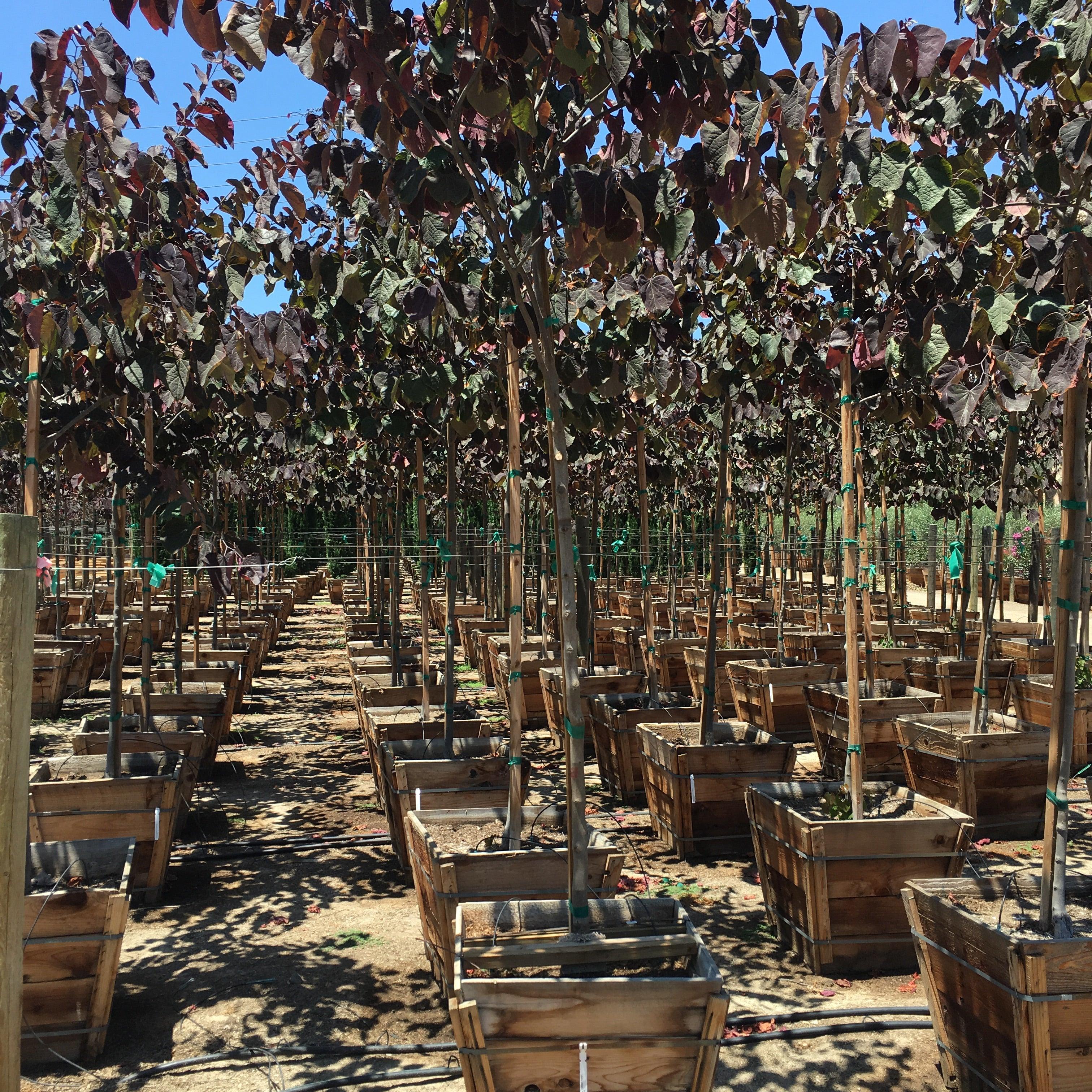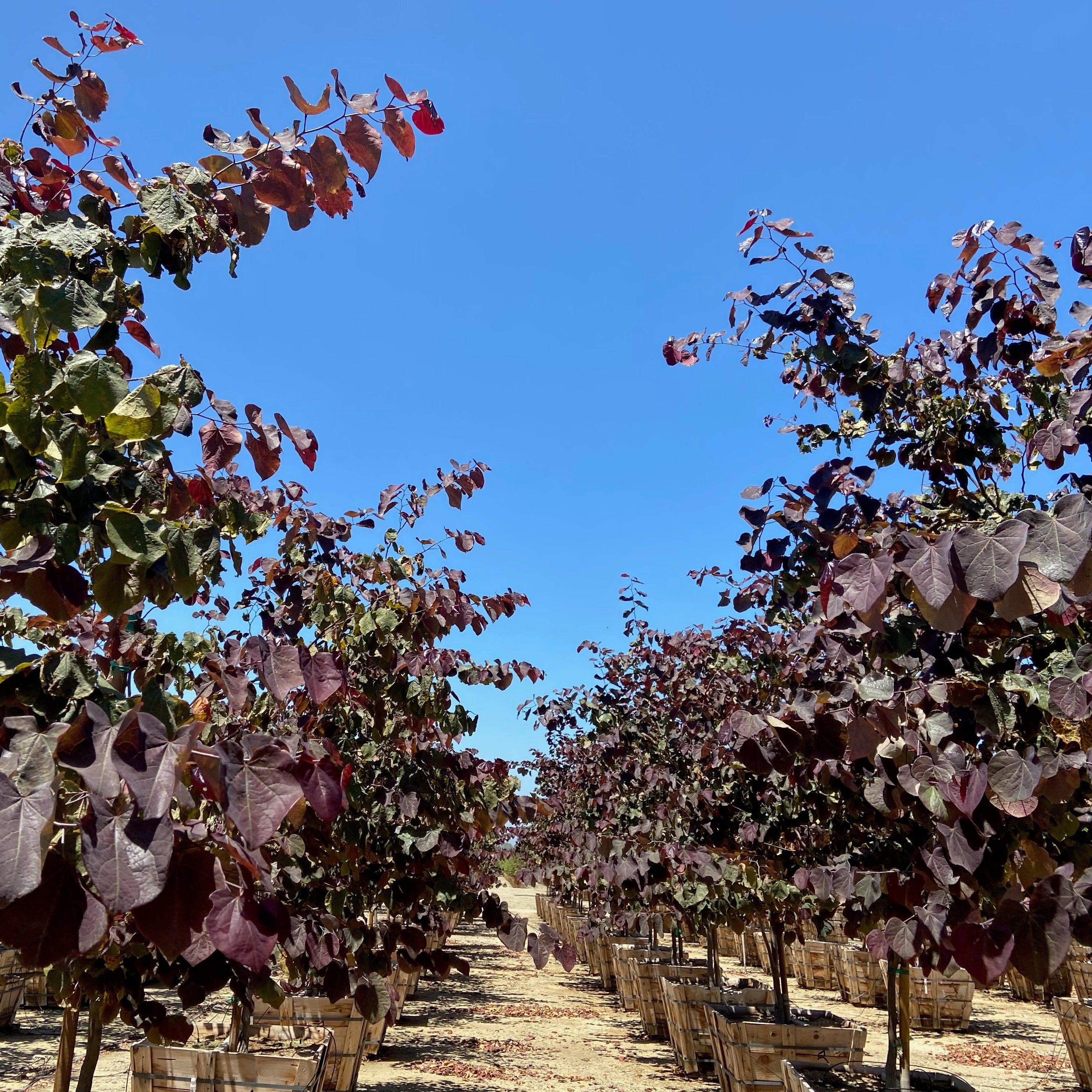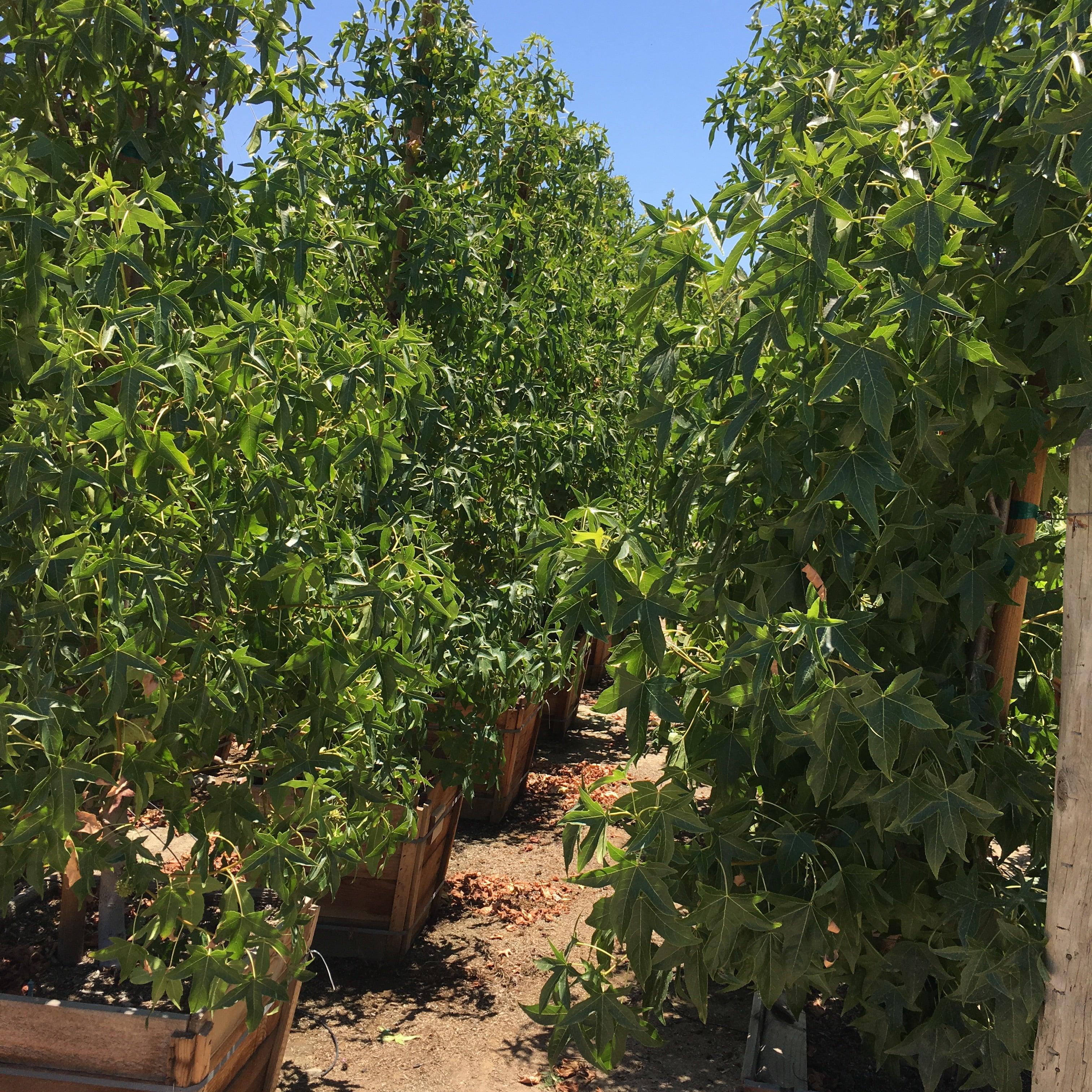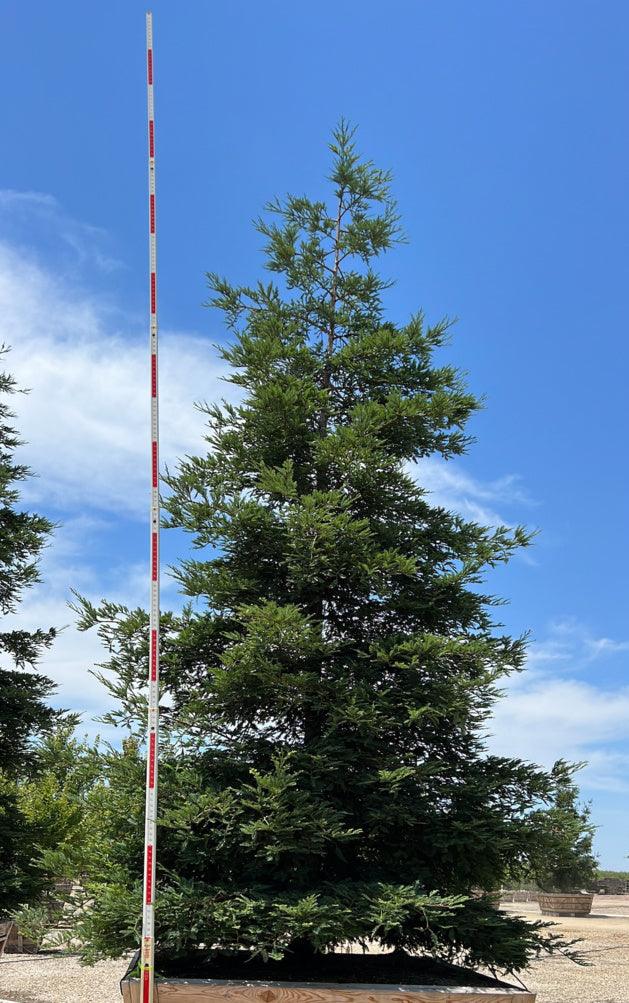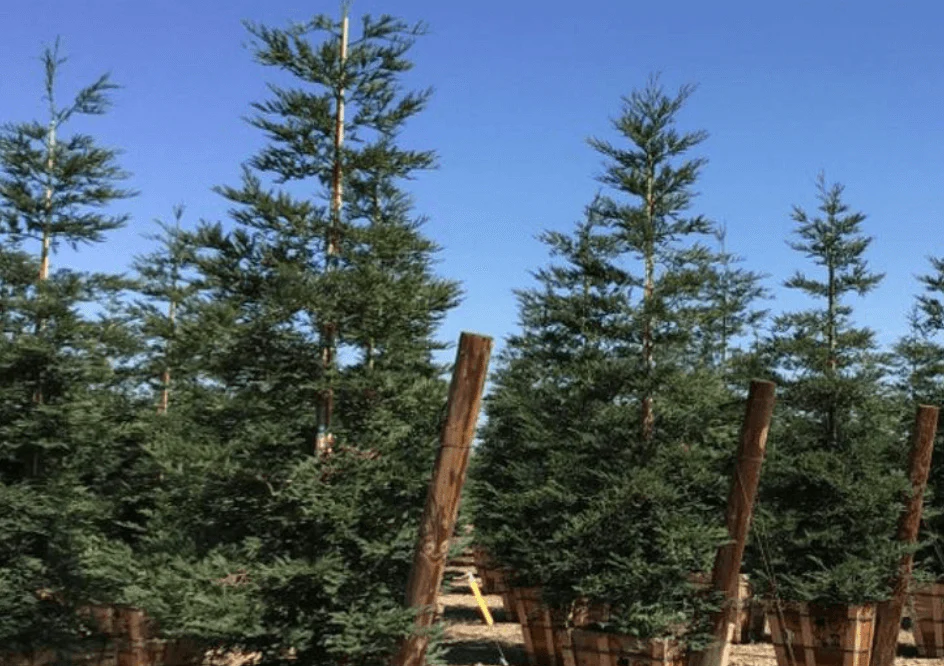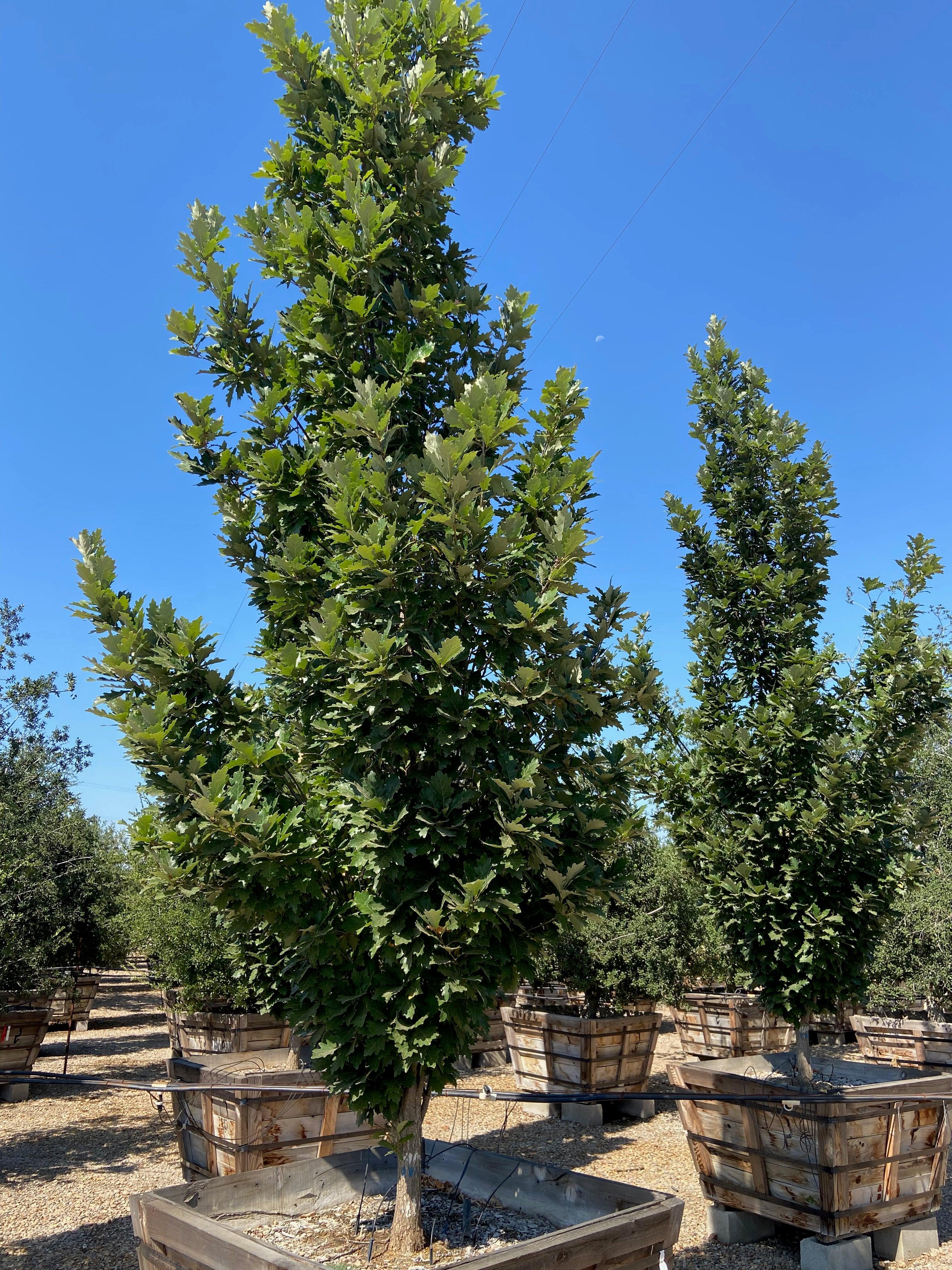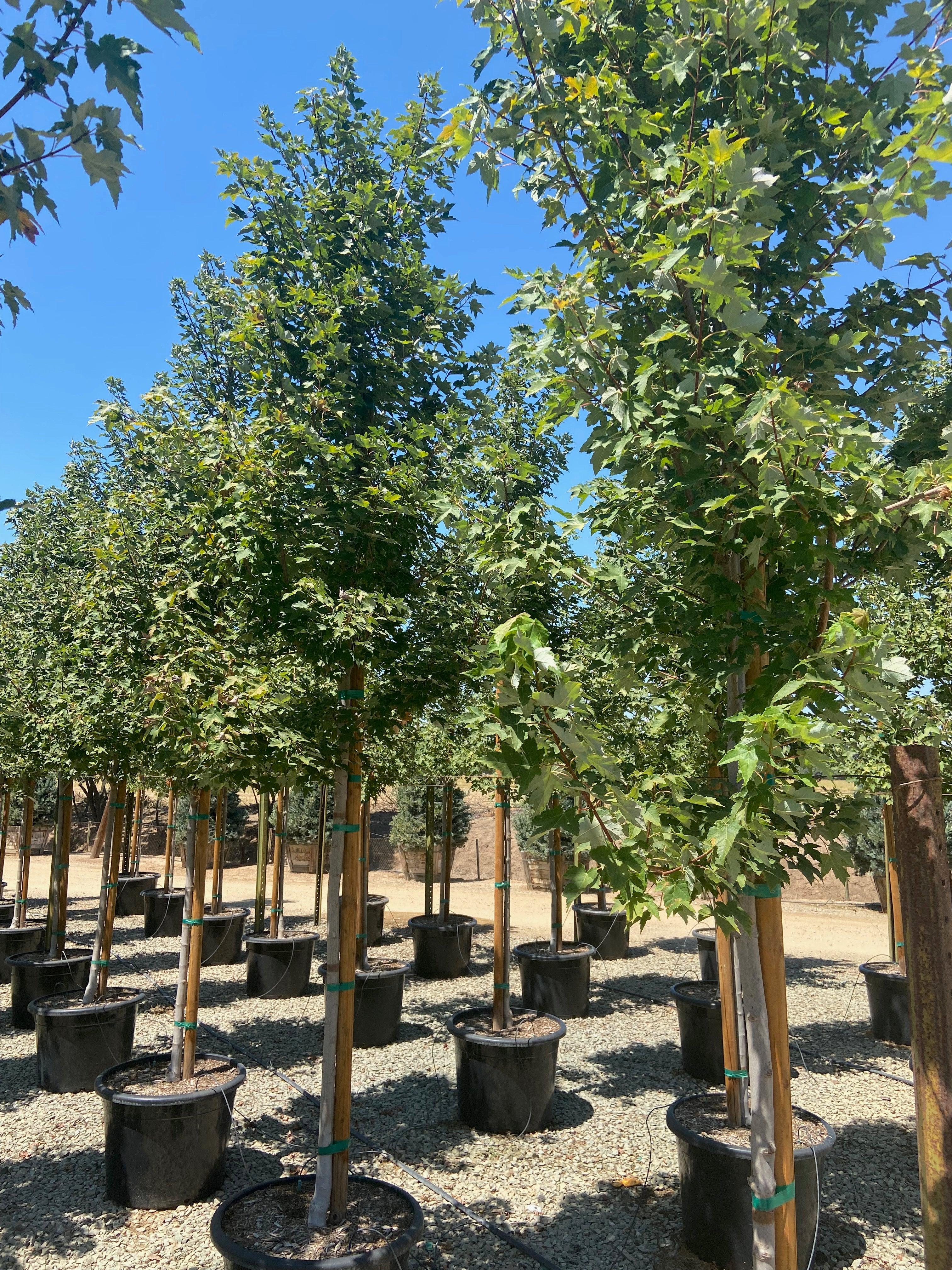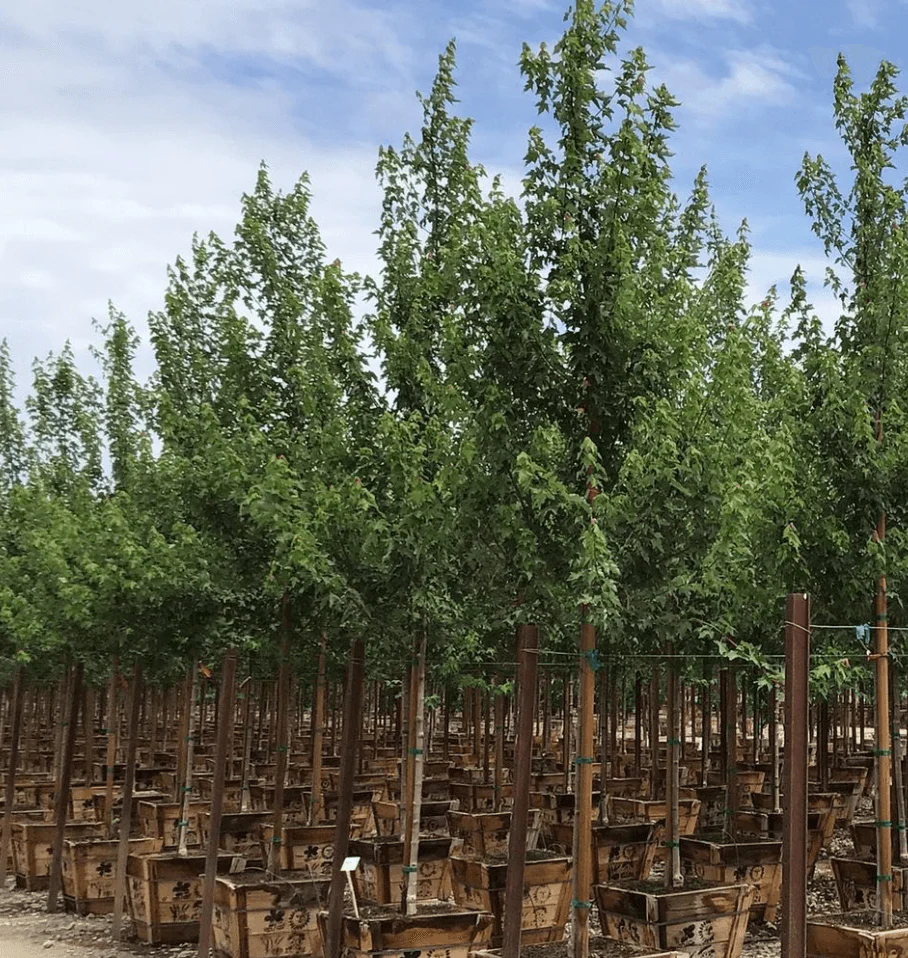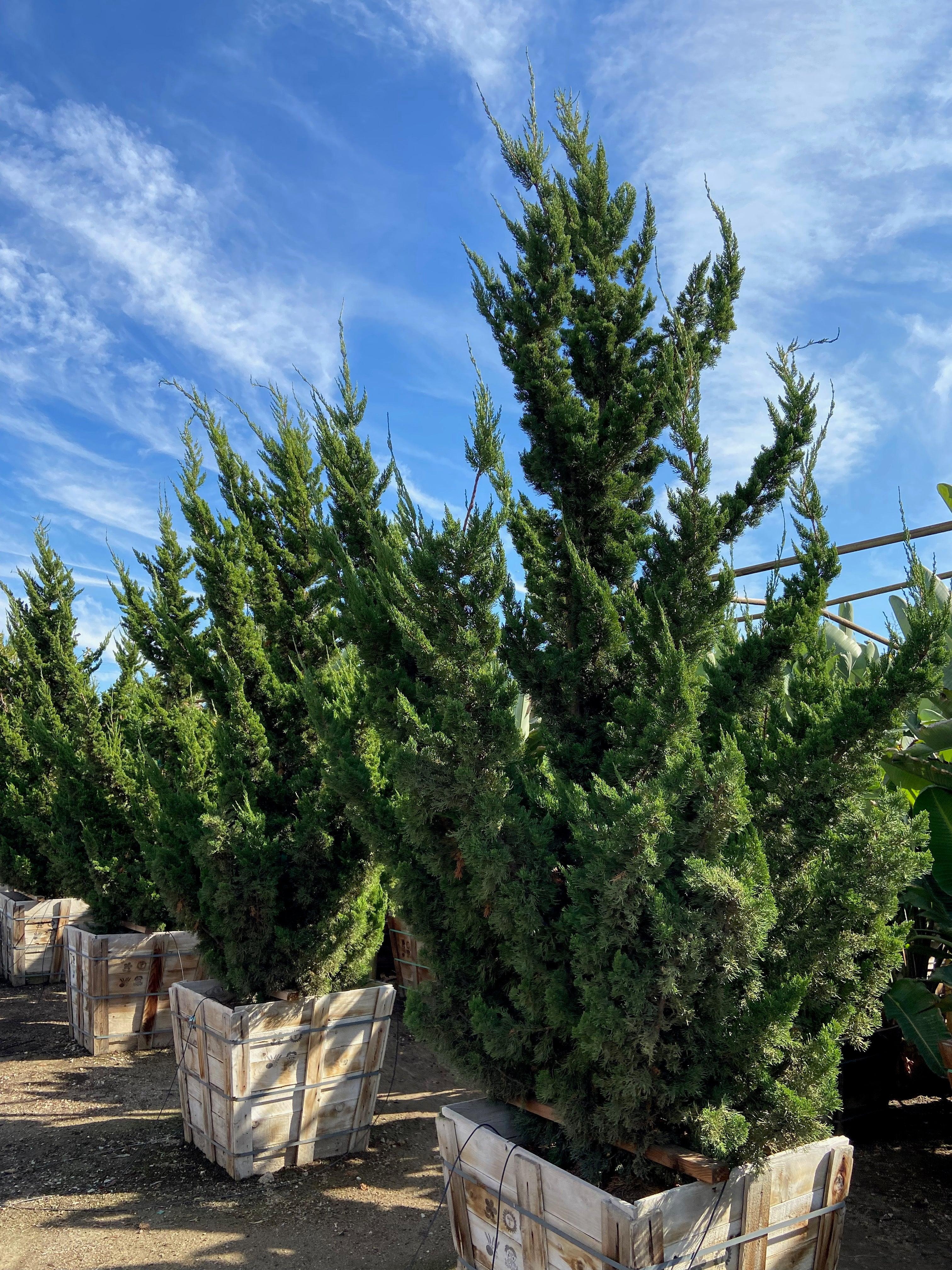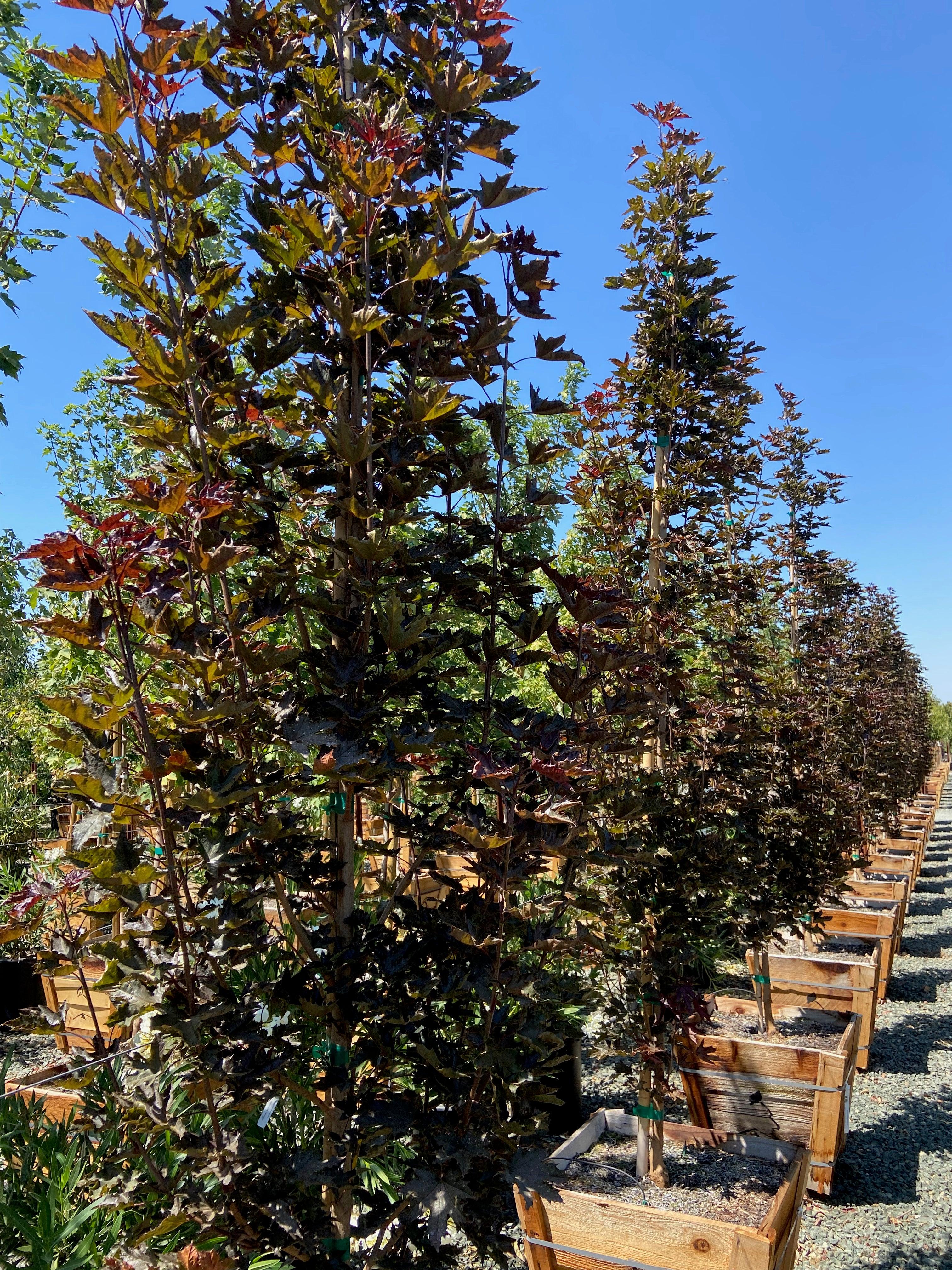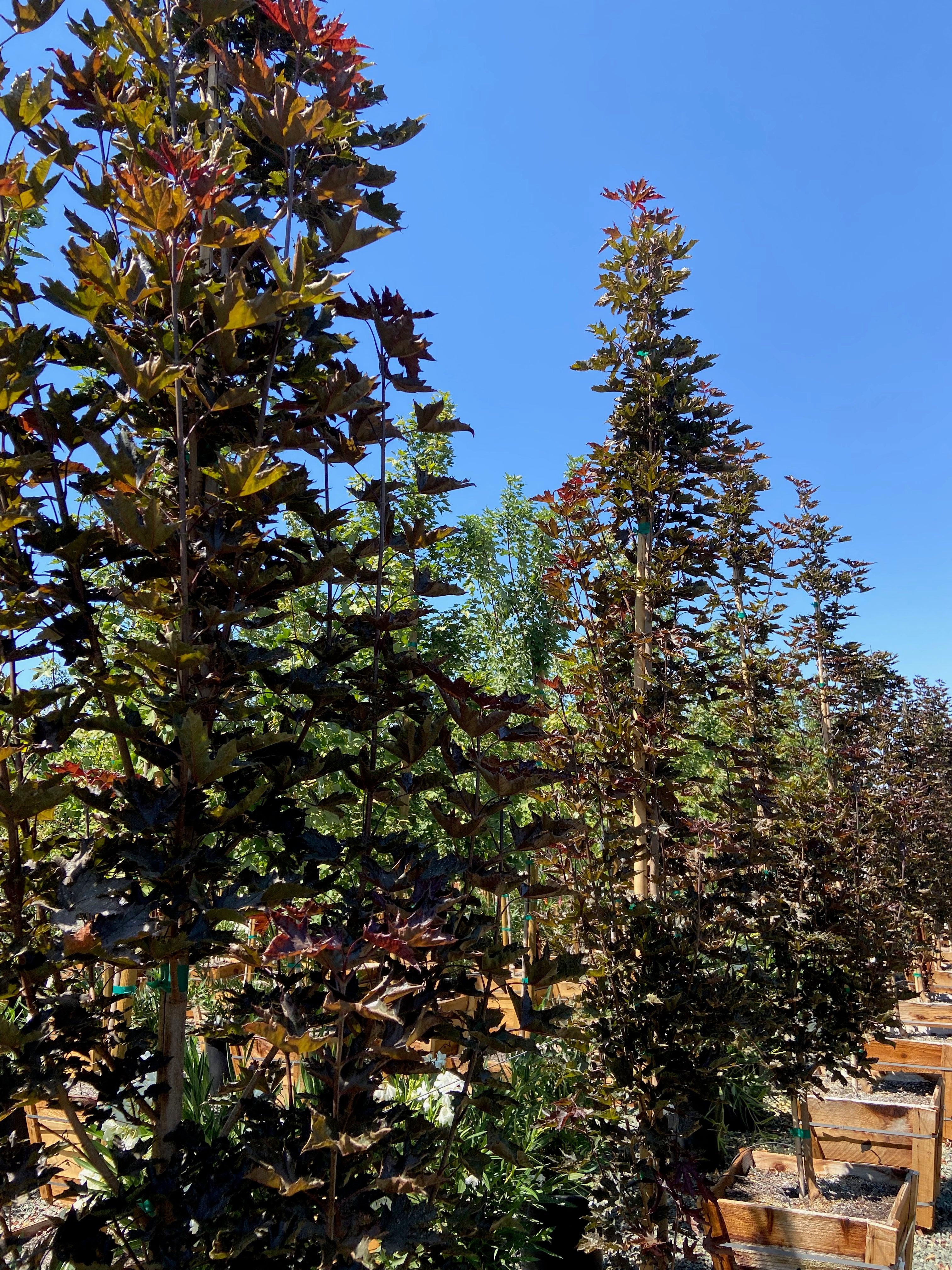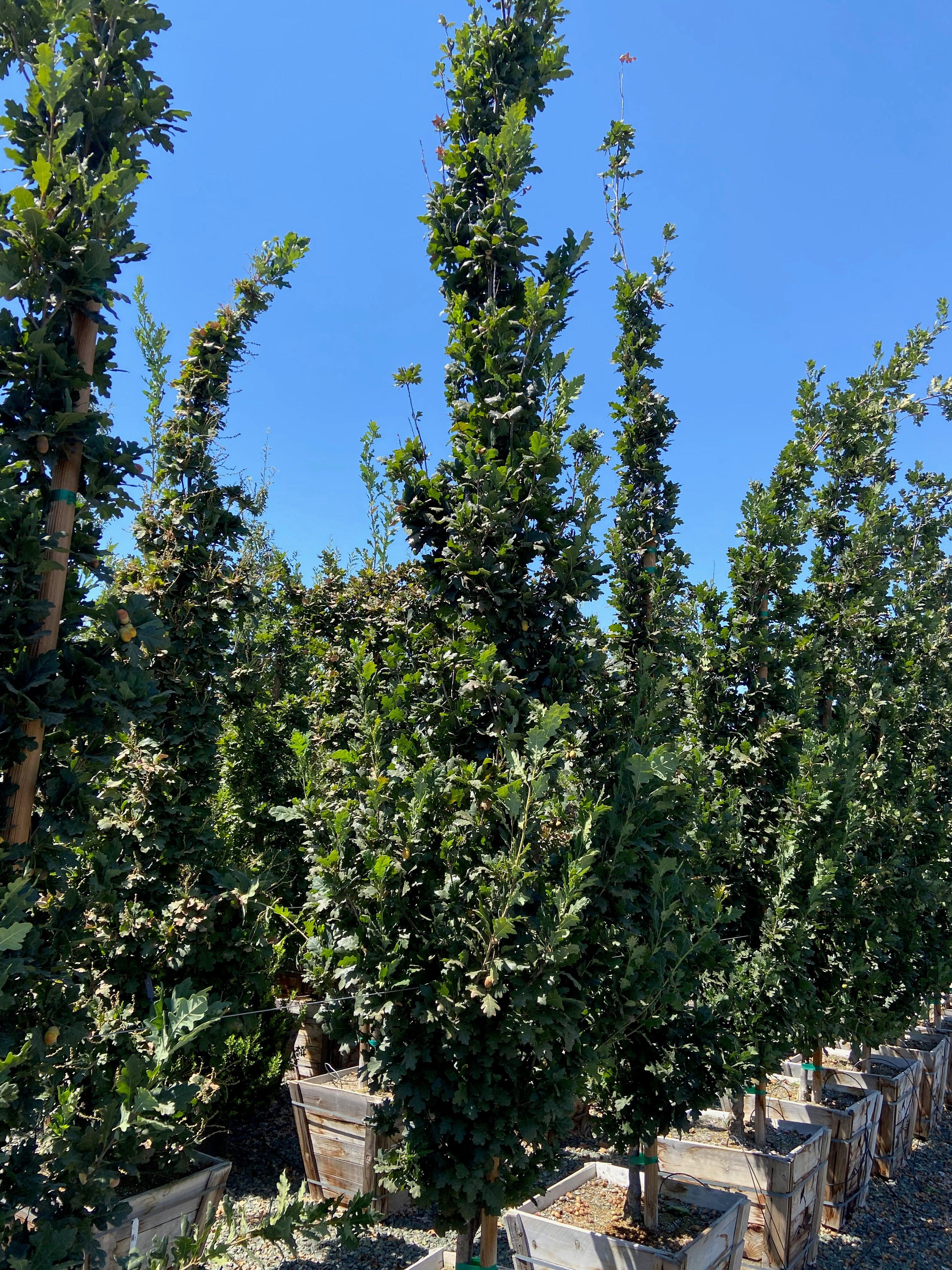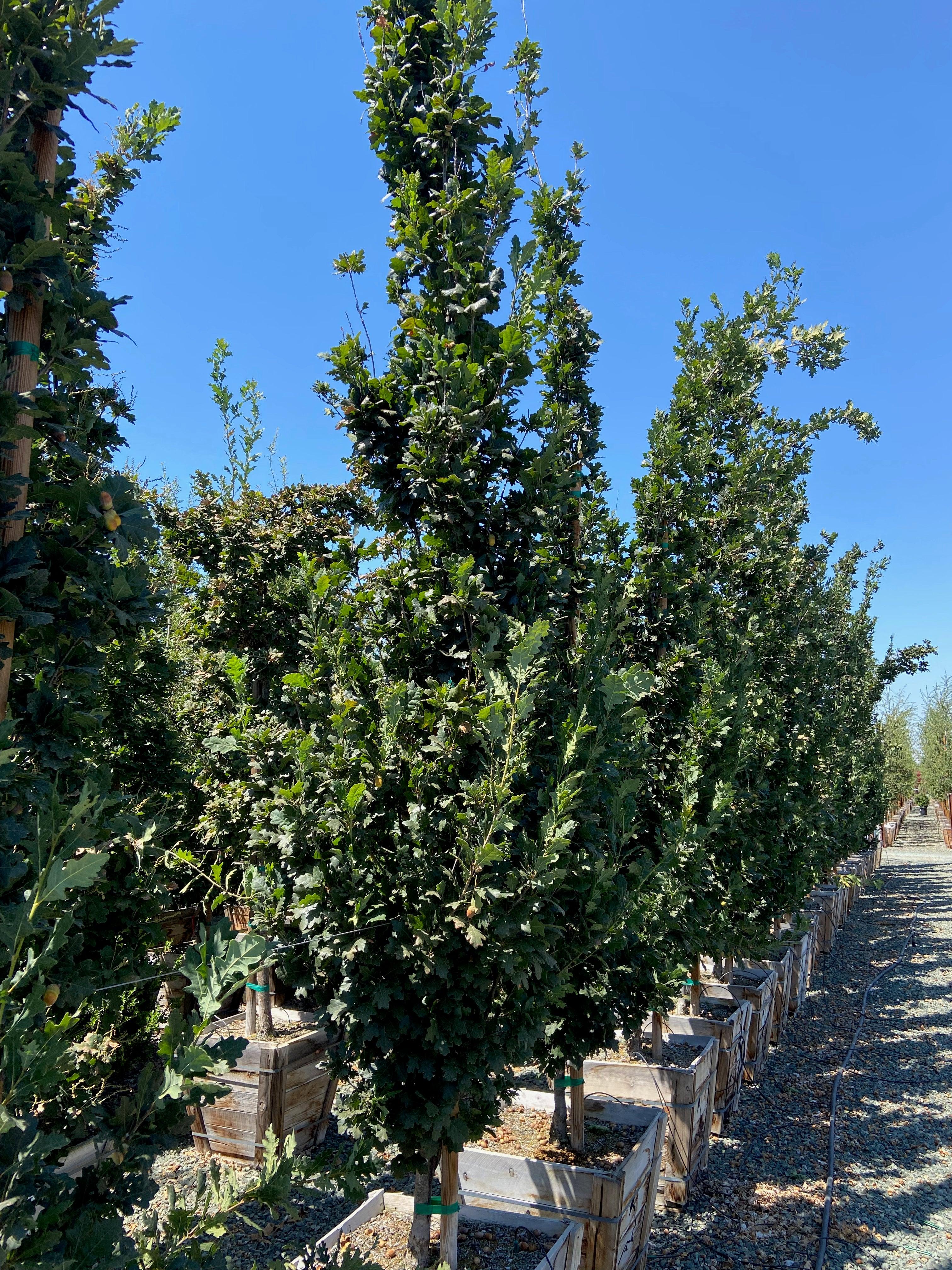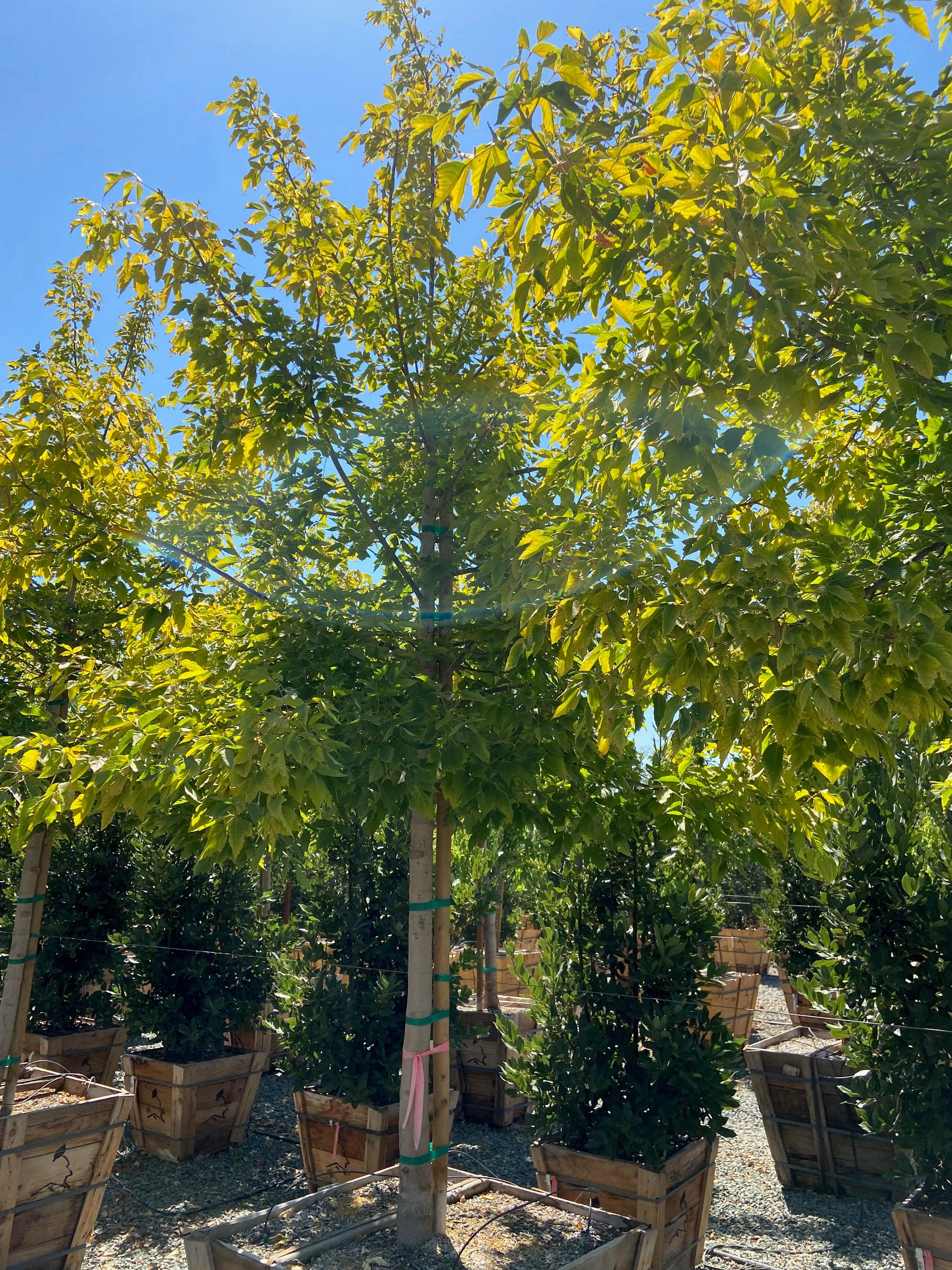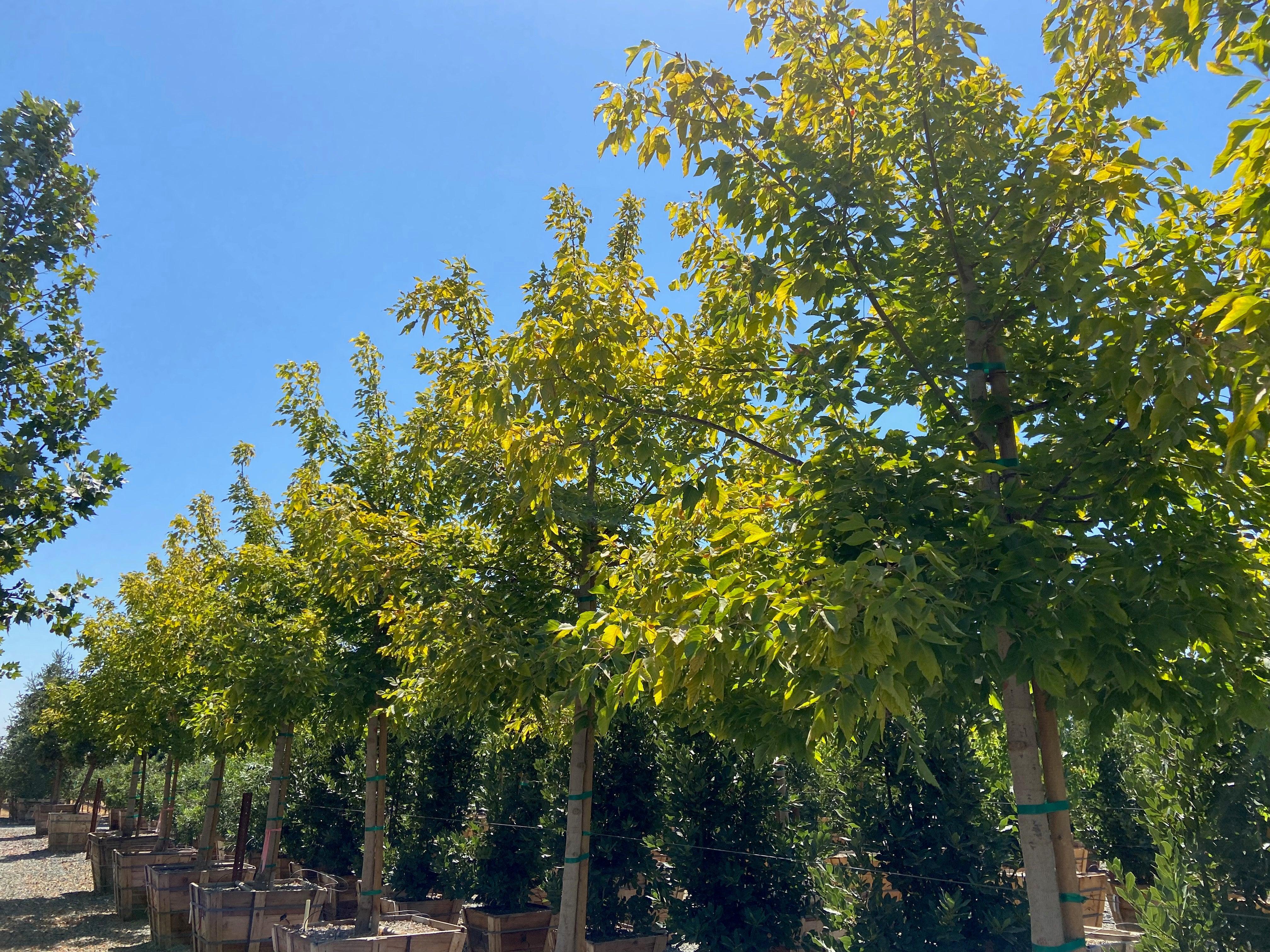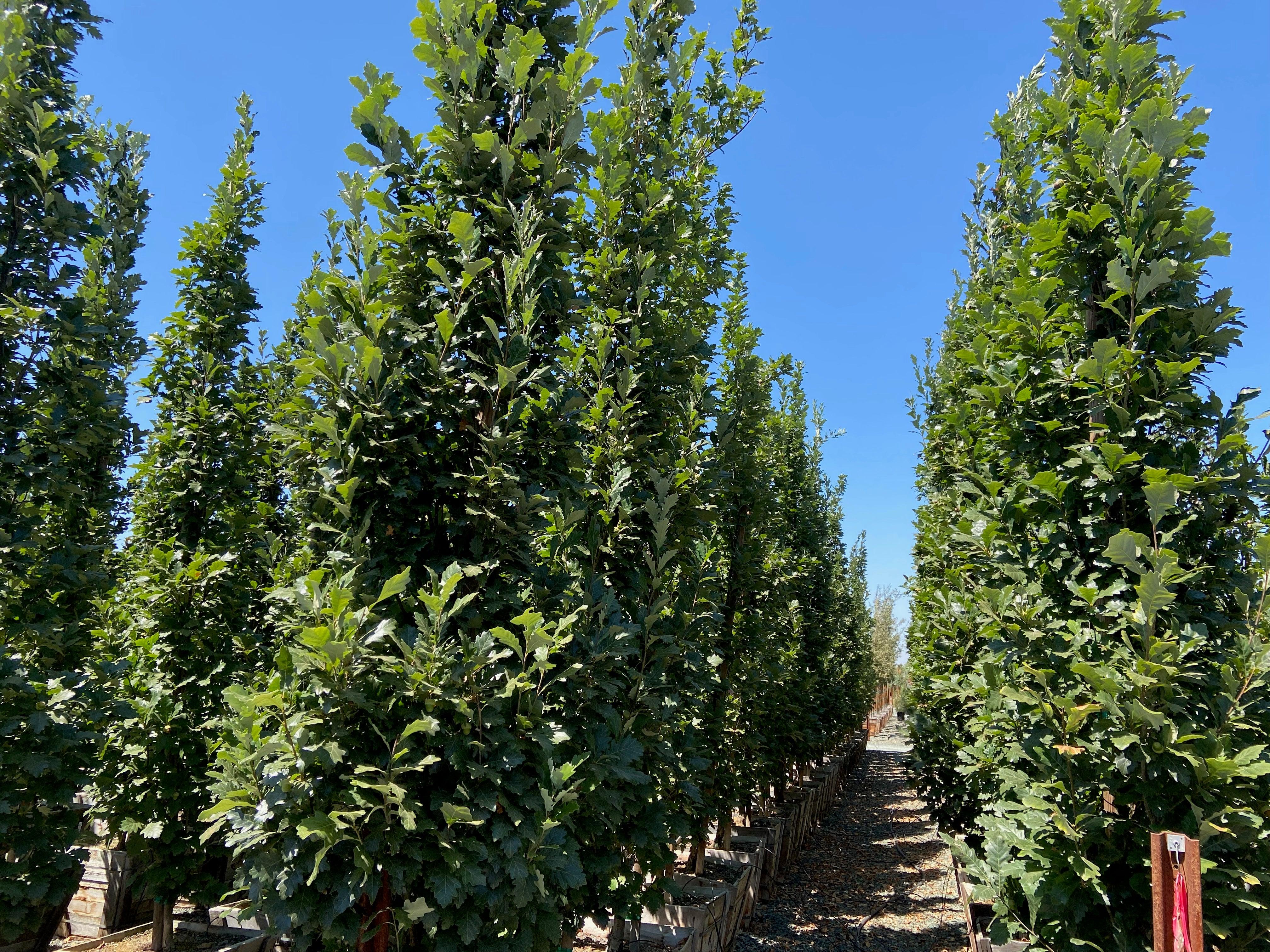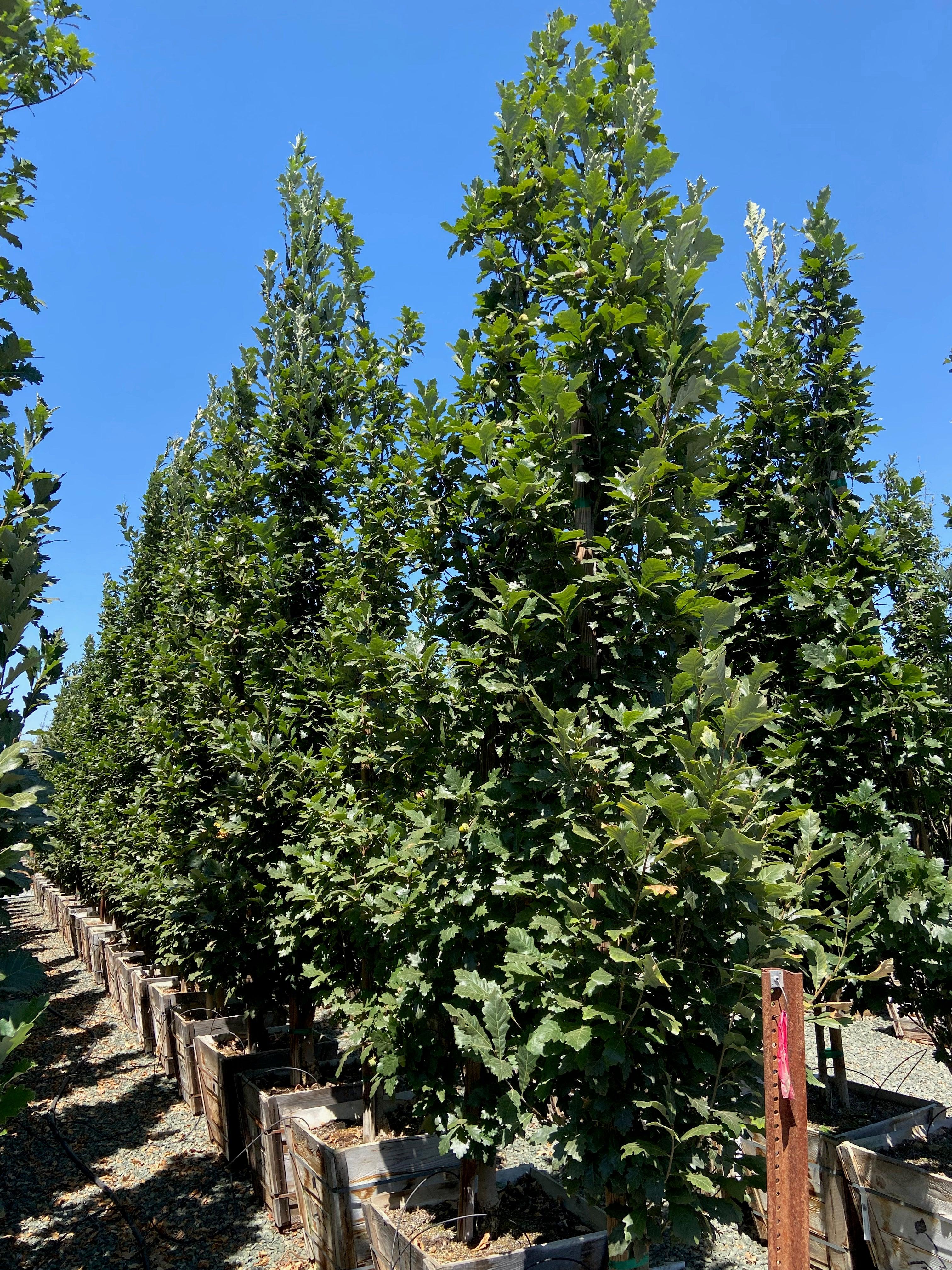
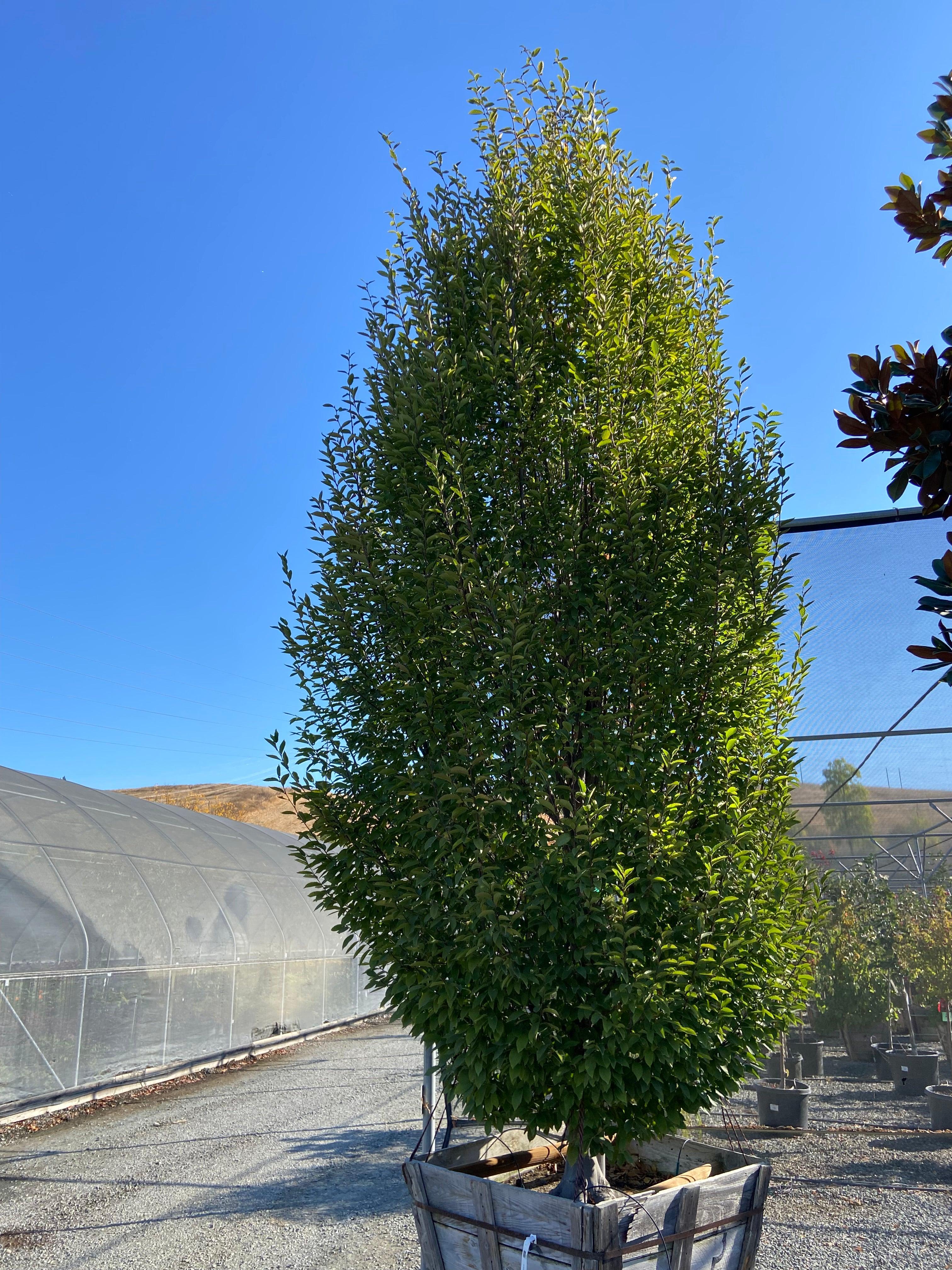
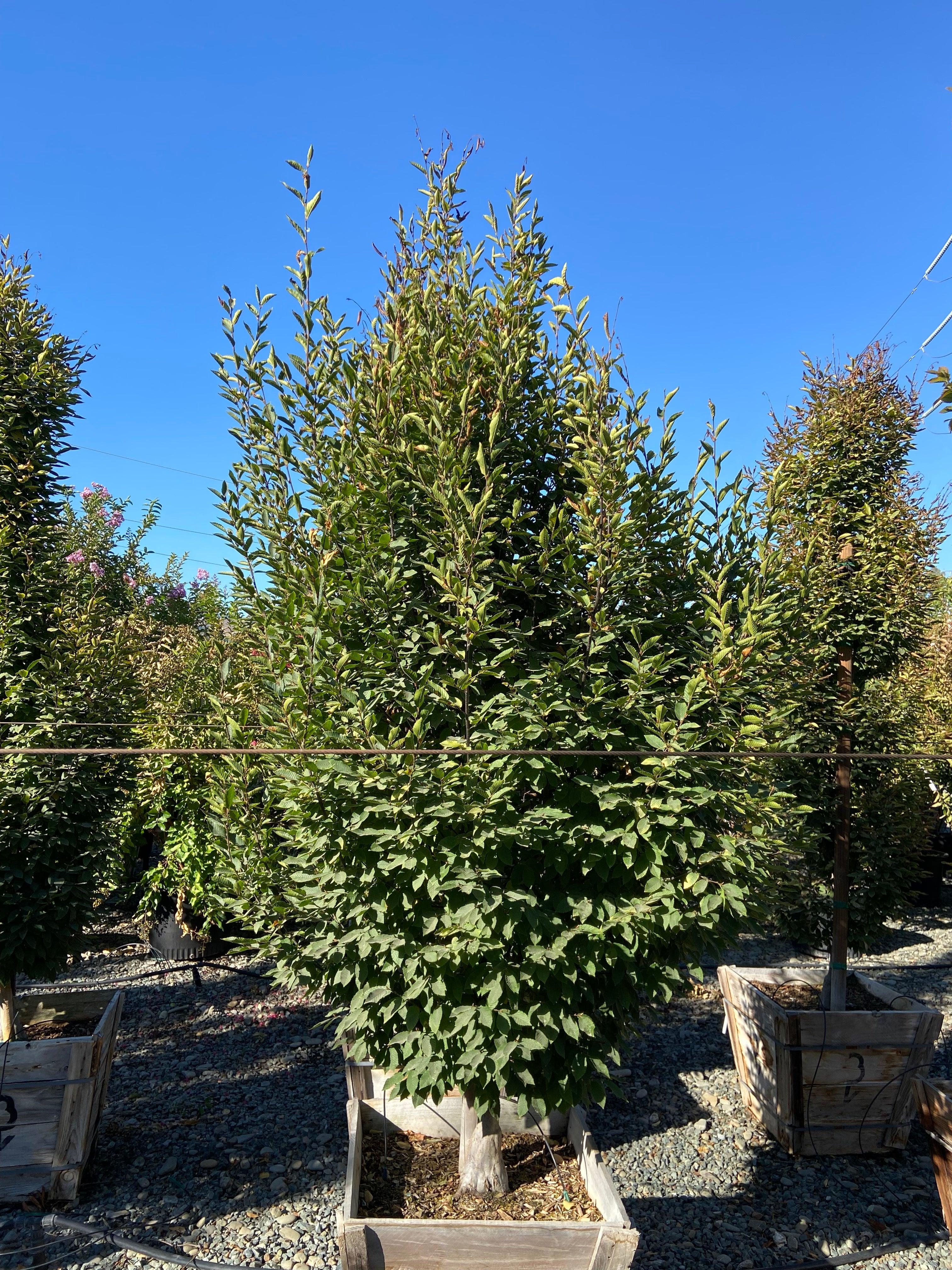
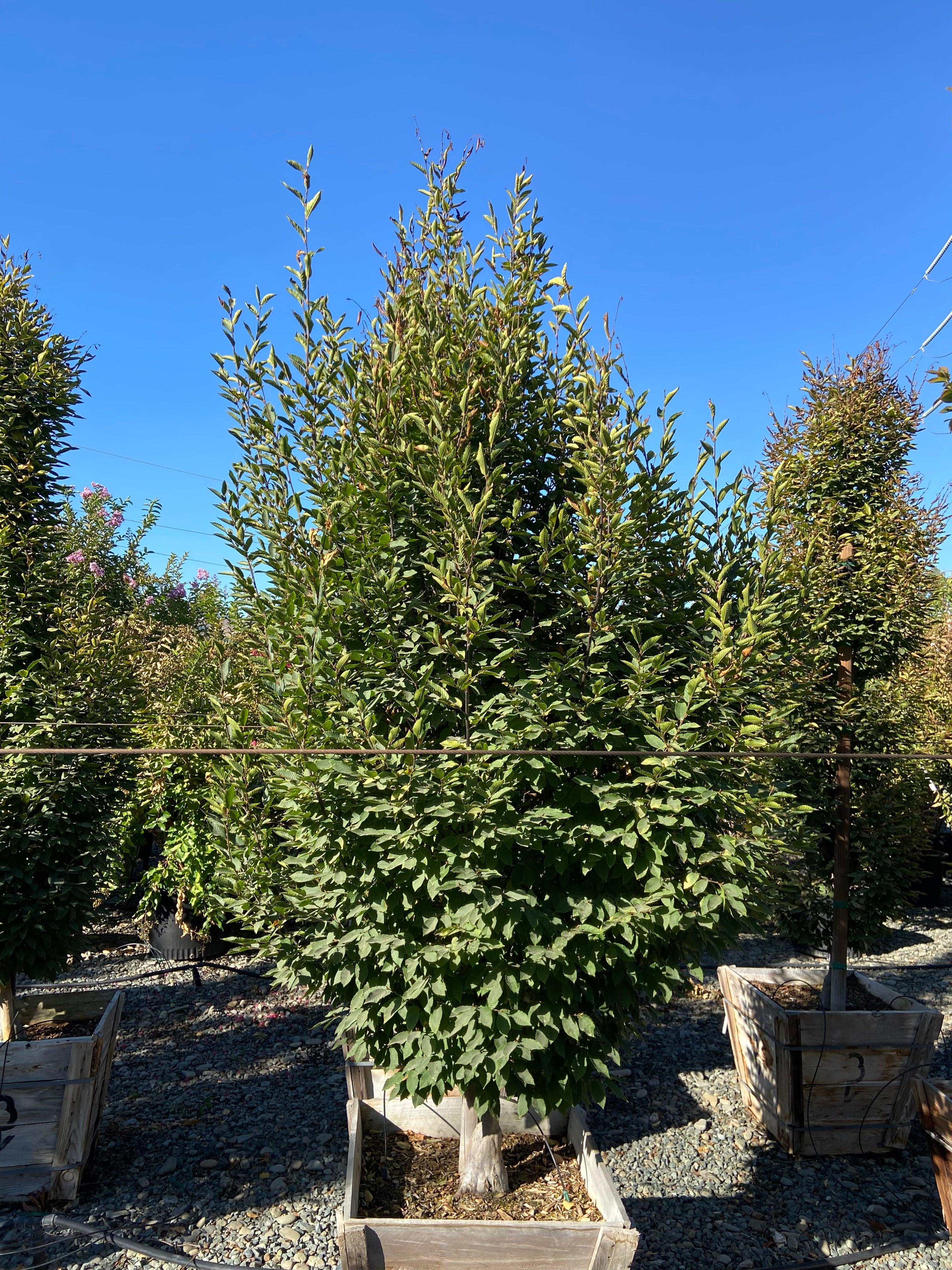
European Hornbeam (Carpinus betulus 'Fastigiata')
The Ultimate Low-Maintenance Shade Tree for California Landscapes
European hornbeam (Carpinus betulus) gives California landscapes dependable shade, dense foliage, and four-season structure without becoming a high-maintenance tree once established.
Also known as common hornbeam, this deciduous species is native to Europe and western Asia, including regions such as southern Europe and southern England. It is well suited to California properties where homeowners want a durable shade tree that can handle urban conditions, seasonal dryness, and design-focused pruning.
As the tree matures, European hornbeam develops dark green foliage, attractive fall color, and smooth steel gray bark that becomes fluted with age. It delivers long-term value as a specimen, privacy screen, windbreak, or formal hedge for both residential and commercial landscapes.
Why You’ll Love It
-
Exceptional Durability – European hornbeams exhibit strong resilience against air pollution, wind, and urban soil compaction, and they adapt to clay, loam, and sand when planted in well drained soil.
-
Year-Round Beauty – They provide four-season interest with lush green foliage in spring, dark green summer leaves, golden-yellow hues in autumn, and striking structural silhouettes in winter.
-
Versatile Sizing – The European hornbeam typically reaches a mature height of 40 to 60 feet, with a spread of 30 to 40 feet, although some cultivars may be narrower and shorter.
-
Minimal Pest Issues – This hornbeam is naturally dependable in California landscapes, with few serious diseases or pest concerns under good growing conditions.
-
Fast Results – With a moderate growth rate of 12+ inches per year under good conditions, a young European hornbeam can create shade, screen views, and add architectural form faster than many slower-growing trees.
Its dense twig and leaf structure creates a solid, natural barrier that buffers wind and dampens ambient noise. European hornbeams are commonly used as screens, hedges, and windbreak trees due to their dense growth habit and ability to provide privacy, similar to how a Fern Pine hedge can function in California landscapes.
What Makes It Different
Many shade tree options force a compromise. Oaks can become too large or slow to establish for smaller landscapes. Some maples struggle in California heat or dry summer conditions, while native options like the California Sycamorecan be a better fit for certain sites. Beech trees offer elegance but often need more forgiving moisture conditions than many California sites provide.
European Hornbeam is built differently:
-
Superior Heat Tolerance – Emerald Avenue® European hornbeam (Carpinus betulus ‘JFS-KW1CB’) grows 40 feet high and 30 feet wide with a broadly pyramidal habit and good heat tolerance.
-
Flexible Growth Habit – The European hornbeam responds well to heavy pruning and shearing, making it suitable for formal hedges and privacy screens, much like the Indian Laurel Tree commonly used for dense privacy plantings.
-
Distinctive Muscle-like Bark – The bark of the European hornbeam is smooth and steel gray, developing a fluted appearance as the tree matures, giving it a distinctive ornamental quality.
The tree is highly prized in landscape design for its incredible versatility, dense branching, and architectural form. It can be used as a single specimen, clipped into hedges, trained as a formal hedge, or planted in groups around large buildings to enhance the landscape and provide shade.
Tips For Success
-
Plant in Fall or Spring
For California landscapes, plant European hornbeam in fall or early spring so roots can establish before peak summer heat. Once planted, mulch around the trunk without piling mulch against the bark. -
Choose Your Location
European hornbeams thrive in full sun to partial shade, ideally receiving 5 to 6 hours of direct sunlight for optimal growth. They prefer moist, well drained soil and can tolerate various pH levels, making them suitable for both acidic and alkaline soils, but they do not tolerate waterlogged conditions. -
Watch It Flourish
With regular establishment watering, the tree develops a dense canopy, strong twigs, prominent veins, and an attractive pyramidal to oval form. Minimal pruning is needed for a natural specimen, while heavy pruning can maintain a formal screen, windbreak, or hedge.
As the seasons shift, the tree produces inconspicuous flowers in spring, strong dark green foliage through summer, yellow fall color, and winter structure from buds, bark, and branching. The European hornbeam is known for marcescence, where it retains its dead leaves throughout winter, and pairs well with trees like Rocky Mountain Glow maple if you want even more vivid autumn foliage.
Product Details
|
Feature |
Details |
|---|---|
|
Scientific Name |
Carpinus betulus |
|
Common Name |
European hornbeam, common hornbeam |
|
Genus / Family |
Carpinus genus, Betulaceae family |
|
Tree Type |
Deciduous shade tree, specimen tree, screen, hedge, or windbreak |
|
Mature Size |
The European hornbeam typically reaches a mature height of 40 to 60 feet, with a spread of 30 to 40 feet, although some cultivars may be narrower and shorter. |
|
Hardiness |
The European hornbeam is well-suited for USDA Hardiness Zones 4 through 8. |
|
Sun Exposure |
European hornbeams thrive in full sun to partial shade, ideally receiving 5 to 6 hours of direct sunlight for optimal growth. |
|
Soil Requirements |
This tree is adaptable to a wide range of soil types, including clay, loam, and sand, as long as the soil is well-drained and moist. |
|
pH Tolerance |
European hornbeam can tolerate various pH levels, making it suitable for both acidic and alkaline soils, but it does not tolerate waterlogged conditions. |
|
Leaves |
The leaves of the European hornbeam are dark green, simple, alternate, and oblong, measuring 2 to 5 inches long, and they turn an attractive yellow in the fall. |
|
Leaf Texture |
Leaves have prominent veins and doubly serrated margins, giving the foliage a refined, pleated look. |
|
Bark |
The bark of the European hornbeam is smooth and steel gray, developing a fluted appearance as the tree matures, giving it a distinctive ornamental quality. |
|
Flowers |
European hornbeam produces inconspicuous flowers in the spring, with male flowers appearing in pendulous catkins and female flowers blooming near the ends of the twigs. |
|
Fruit |
The European hornbeam’s fruit consists of light brown nutlets that mature in October, surrounded by a three-lobed bract that resembles an umbrella over the nuts. |
|
Wildlife Value |
Seeds, fruit, buds, and dense branching may provide seasonal food and shelter for birds and small mammals. |
|
Available cultivar options include: |
|
-
Frans Fontaine – Frans Fontaine European hornbeam (Carpinus betulus ‘Frans Fontaine’) reaches 35 feet high and 15 feet wide, maintaining a narrow habit and fastigiate form longer than ‘Fastigiata’.
-
Fastigiata – Upright European hornbeam (Carpinus betulus ‘Fastigiata’) typically grows 30 to 40 feet high and 20 to 30 feet wide, featuring an oval, narrow habit.
-
Carpinus betulus Fastigiata for tight sites – Due to its columnar form, the ‘Fastigiata’ cultivar of the European hornbeam is particularly well-suited for narrow yards or street-side plantings, making it a popular choice for urban landscaping, similar in versatility to a Fern Pine tree trained for shade or screening.
-
Emerald Avenue – Emerald Avenue® European hornbeam (Carpinus betulus ‘JFS-KW1CB’) grows 40 feet high and 30 feet wide with a broadly pyramidal habit and good heat tolerance.
Who It’s For
Ideal for:
-
Homeowners seeking a reliable shade tree for California’s varied climate conditions, whether that’s European hornbeam or a drought-tolerant option like California Pepper Tree
-
Property owners who want a dense privacy screen, windbreak, or boundary planting and may also be exploring other privacy trees and shrubs
-
Landscape designers working on parks, large buildings, commercial sites, or residential projects
-
Gardeners who want an attractive specimen tree with gray bark, fall color, and winter form or who are considering flowering trees for added seasonal color
-
Anyone with a narrow yard who needs a columnar or fastigiate form such as Frans Fontaine or Carpinus betulus Fastigiata
If you want a tree that can be formal or natural, compact or stately, clipped or minimally pruned, European hornbeam fits the job. It is especially useful where dense foliage, shade, structure, and long-term durability matter.
Frequently Asked Questions
How big do European hornbeams get?
The European hornbeam typically reaches a mature height of 40 to 60 feet, with a spread of 30 to 40 feet, although some cultivars may be narrower and shorter. Frans Fontaine European hornbeam (Carpinus betulus ‘Frans Fontaine’) reaches 35 feet high and 15 feet wide, while Upright European hornbeam (Carpinus betulus ‘Fastigiata’) typically grows 30 to 40 feet high and 20 to 30 feet wide.
Do they work well as hedges?
Yes. The European hornbeam responds well to heavy pruning and shearing, making it suitable for formal hedges and privacy screens. European hornbeams are commonly used as screens, hedges, and windbreak trees due to their dense growth habit and ability to provide privacy.
How fast do they grow?
European hornbeam has a moderate growth rate, commonly around 12+ inches per year under good conditions. Growth is strongest when a young tree is planted in full sun to partial shade, watered during establishment, and grown in moist, well drained soil.
Are they drought tolerant?
Yes, once established, European hornbeams handle California’s dry conditions well. They still perform best with deep watering during extended heat or drought, especially in warmer inland landscapes, where pairing them with climate-adapted natives like Engelmann oak can create a resilient planting.
What’s the best cultivar for small spaces?
Frans Fontaine is an excellent choice for smaller landscapes because it reaches 35 feet high and 15 feet wide while maintaining a narrow habit and fastigiate form longer than ‘Fastigiata’. Due to its columnar form, the ‘Fastigiata’ cultivar of the European hornbeam is also particularly well-suited for narrow yards or street-side plantings, making it a popular choice for urban landscaping.
Ready to Transform Your Landscape?
Stop settling for high-maintenance or unreliable shade trees. Choose European Hornbeam for proven structure, dense foliage, golden fall color, smooth gray bark, and dependable performance in California landscapes, or complement it with other character trees such as California Pepper Tree for sale.
Yardwork helps you select the right hornbeam cultivar for your site, whether you need a formal hedge, a tall privacy screen, a street-side tree, or a specimen for a larger landscape. For large orders or landscape design needs, ask us for cultivar guidance and planting recommendations.
Product Information
Product Information
Shipping & Returns
Shipping & Returns
Description
The Ultimate Low-Maintenance Shade Tree for California Landscapes
European hornbeam (Carpinus betulus) gives California landscapes dependable shade, dense foliage, and four-season structure without becoming a high-maintenance tree once established.
Also known as common hornbeam, this deciduous species is native to Europe and western Asia, including regions such as southern Europe and southern England. It is well suited to California properties where homeowners want a durable shade tree that can handle urban conditions, seasonal dryness, and design-focused pruning.
As the tree matures, European hornbeam develops dark green foliage, attractive fall color, and smooth steel gray bark that becomes fluted with age. It delivers long-term value as a specimen, privacy screen, windbreak, or formal hedge for both residential and commercial landscapes.
Why You’ll Love It
-
Exceptional Durability – European hornbeams exhibit strong resilience against air pollution, wind, and urban soil compaction, and they adapt to clay, loam, and sand when planted in well drained soil.
-
Year-Round Beauty – They provide four-season interest with lush green foliage in spring, dark green summer leaves, golden-yellow hues in autumn, and striking structural silhouettes in winter.
-
Versatile Sizing – The European hornbeam typically reaches a mature height of 40 to 60 feet, with a spread of 30 to 40 feet, although some cultivars may be narrower and shorter.
-
Minimal Pest Issues – This hornbeam is naturally dependable in California landscapes, with few serious diseases or pest concerns under good growing conditions.
-
Fast Results – With a moderate growth rate of 12+ inches per year under good conditions, a young European hornbeam can create shade, screen views, and add architectural form faster than many slower-growing trees.
Its dense twig and leaf structure creates a solid, natural barrier that buffers wind and dampens ambient noise. European hornbeams are commonly used as screens, hedges, and windbreak trees due to their dense growth habit and ability to provide privacy, similar to how a Fern Pine hedge can function in California landscapes.
What Makes It Different
Many shade tree options force a compromise. Oaks can become too large or slow to establish for smaller landscapes. Some maples struggle in California heat or dry summer conditions, while native options like the California Sycamorecan be a better fit for certain sites. Beech trees offer elegance but often need more forgiving moisture conditions than many California sites provide.
European Hornbeam is built differently:
-
Superior Heat Tolerance – Emerald Avenue® European hornbeam (Carpinus betulus ‘JFS-KW1CB’) grows 40 feet high and 30 feet wide with a broadly pyramidal habit and good heat tolerance.
-
Flexible Growth Habit – The European hornbeam responds well to heavy pruning and shearing, making it suitable for formal hedges and privacy screens, much like the Indian Laurel Tree commonly used for dense privacy plantings.
-
Distinctive Muscle-like Bark – The bark of the European hornbeam is smooth and steel gray, developing a fluted appearance as the tree matures, giving it a distinctive ornamental quality.
The tree is highly prized in landscape design for its incredible versatility, dense branching, and architectural form. It can be used as a single specimen, clipped into hedges, trained as a formal hedge, or planted in groups around large buildings to enhance the landscape and provide shade.
Tips For Success
-
Plant in Fall or Spring
For California landscapes, plant European hornbeam in fall or early spring so roots can establish before peak summer heat. Once planted, mulch around the trunk without piling mulch against the bark. -
Choose Your Location
European hornbeams thrive in full sun to partial shade, ideally receiving 5 to 6 hours of direct sunlight for optimal growth. They prefer moist, well drained soil and can tolerate various pH levels, making them suitable for both acidic and alkaline soils, but they do not tolerate waterlogged conditions. -
Watch It Flourish
With regular establishment watering, the tree develops a dense canopy, strong twigs, prominent veins, and an attractive pyramidal to oval form. Minimal pruning is needed for a natural specimen, while heavy pruning can maintain a formal screen, windbreak, or hedge.
As the seasons shift, the tree produces inconspicuous flowers in spring, strong dark green foliage through summer, yellow fall color, and winter structure from buds, bark, and branching. The European hornbeam is known for marcescence, where it retains its dead leaves throughout winter, and pairs well with trees like Rocky Mountain Glow maple if you want even more vivid autumn foliage.
Product Details
|
Feature |
Details |
|---|---|
|
Scientific Name |
Carpinus betulus |
|
Common Name |
European hornbeam, common hornbeam |
|
Genus / Family |
Carpinus genus, Betulaceae family |
|
Tree Type |
Deciduous shade tree, specimen tree, screen, hedge, or windbreak |
|
Mature Size |
The European hornbeam typically reaches a mature height of 40 to 60 feet, with a spread of 30 to 40 feet, although some cultivars may be narrower and shorter. |
|
Hardiness |
The European hornbeam is well-suited for USDA Hardiness Zones 4 through 8. |
|
Sun Exposure |
European hornbeams thrive in full sun to partial shade, ideally receiving 5 to 6 hours of direct sunlight for optimal growth. |
|
Soil Requirements |
This tree is adaptable to a wide range of soil types, including clay, loam, and sand, as long as the soil is well-drained and moist. |
|
pH Tolerance |
European hornbeam can tolerate various pH levels, making it suitable for both acidic and alkaline soils, but it does not tolerate waterlogged conditions. |
|
Leaves |
The leaves of the European hornbeam are dark green, simple, alternate, and oblong, measuring 2 to 5 inches long, and they turn an attractive yellow in the fall. |
|
Leaf Texture |
Leaves have prominent veins and doubly serrated margins, giving the foliage a refined, pleated look. |
|
Bark |
The bark of the European hornbeam is smooth and steel gray, developing a fluted appearance as the tree matures, giving it a distinctive ornamental quality. |
|
Flowers |
European hornbeam produces inconspicuous flowers in the spring, with male flowers appearing in pendulous catkins and female flowers blooming near the ends of the twigs. |
|
Fruit |
The European hornbeam’s fruit consists of light brown nutlets that mature in October, surrounded by a three-lobed bract that resembles an umbrella over the nuts. |
|
Wildlife Value |
Seeds, fruit, buds, and dense branching may provide seasonal food and shelter for birds and small mammals. |
|
Available cultivar options include: |
|
-
Frans Fontaine – Frans Fontaine European hornbeam (Carpinus betulus ‘Frans Fontaine’) reaches 35 feet high and 15 feet wide, maintaining a narrow habit and fastigiate form longer than ‘Fastigiata’.
-
Fastigiata – Upright European hornbeam (Carpinus betulus ‘Fastigiata’) typically grows 30 to 40 feet high and 20 to 30 feet wide, featuring an oval, narrow habit.
-
Carpinus betulus Fastigiata for tight sites – Due to its columnar form, the ‘Fastigiata’ cultivar of the European hornbeam is particularly well-suited for narrow yards or street-side plantings, making it a popular choice for urban landscaping, similar in versatility to a Fern Pine tree trained for shade or screening.
-
Emerald Avenue – Emerald Avenue® European hornbeam (Carpinus betulus ‘JFS-KW1CB’) grows 40 feet high and 30 feet wide with a broadly pyramidal habit and good heat tolerance.
Who It’s For
Ideal for:
-
Homeowners seeking a reliable shade tree for California’s varied climate conditions, whether that’s European hornbeam or a drought-tolerant option like California Pepper Tree
-
Property owners who want a dense privacy screen, windbreak, or boundary planting and may also be exploring other privacy trees and shrubs
-
Landscape designers working on parks, large buildings, commercial sites, or residential projects
-
Gardeners who want an attractive specimen tree with gray bark, fall color, and winter form or who are considering flowering trees for added seasonal color
-
Anyone with a narrow yard who needs a columnar or fastigiate form such as Frans Fontaine or Carpinus betulus Fastigiata
If you want a tree that can be formal or natural, compact or stately, clipped or minimally pruned, European hornbeam fits the job. It is especially useful where dense foliage, shade, structure, and long-term durability matter.
Frequently Asked Questions
How big do European hornbeams get?
The European hornbeam typically reaches a mature height of 40 to 60 feet, with a spread of 30 to 40 feet, although some cultivars may be narrower and shorter. Frans Fontaine European hornbeam (Carpinus betulus ‘Frans Fontaine’) reaches 35 feet high and 15 feet wide, while Upright European hornbeam (Carpinus betulus ‘Fastigiata’) typically grows 30 to 40 feet high and 20 to 30 feet wide.
Do they work well as hedges?
Yes. The European hornbeam responds well to heavy pruning and shearing, making it suitable for formal hedges and privacy screens. European hornbeams are commonly used as screens, hedges, and windbreak trees due to their dense growth habit and ability to provide privacy.
How fast do they grow?
European hornbeam has a moderate growth rate, commonly around 12+ inches per year under good conditions. Growth is strongest when a young tree is planted in full sun to partial shade, watered during establishment, and grown in moist, well drained soil.
Are they drought tolerant?
Yes, once established, European hornbeams handle California’s dry conditions well. They still perform best with deep watering during extended heat or drought, especially in warmer inland landscapes, where pairing them with climate-adapted natives like Engelmann oak can create a resilient planting.
What’s the best cultivar for small spaces?
Frans Fontaine is an excellent choice for smaller landscapes because it reaches 35 feet high and 15 feet wide while maintaining a narrow habit and fastigiate form longer than ‘Fastigiata’. Due to its columnar form, the ‘Fastigiata’ cultivar of the European hornbeam is also particularly well-suited for narrow yards or street-side plantings, making it a popular choice for urban landscaping.
Ready to Transform Your Landscape?
Stop settling for high-maintenance or unreliable shade trees. Choose European Hornbeam for proven structure, dense foliage, golden fall color, smooth gray bark, and dependable performance in California landscapes, or complement it with other character trees such as California Pepper Tree for sale.
Yardwork helps you select the right hornbeam cultivar for your site, whether you need a formal hedge, a tall privacy screen, a street-side tree, or a specimen for a larger landscape. For large orders or landscape design needs, ask us for cultivar guidance and planting recommendations.