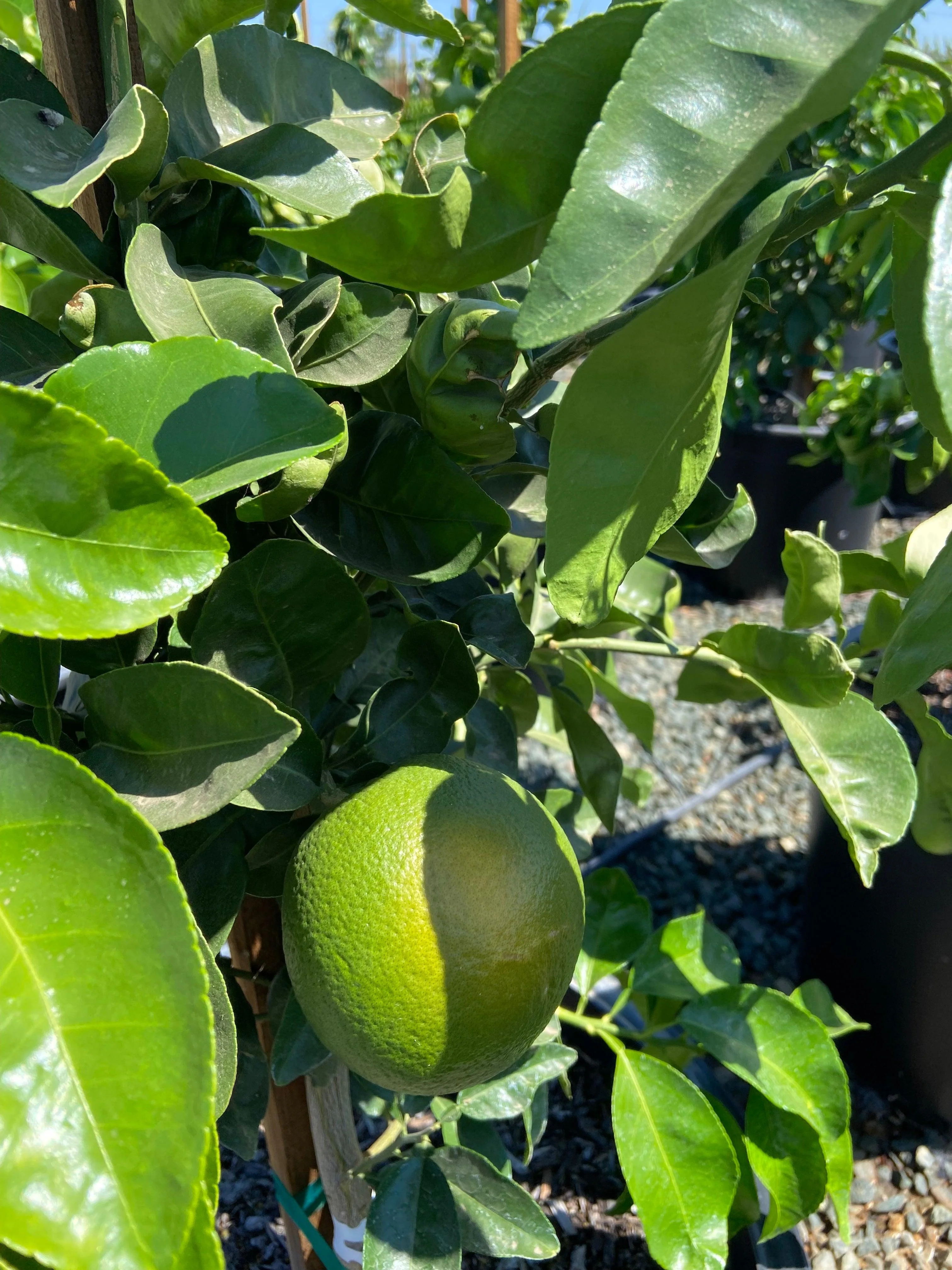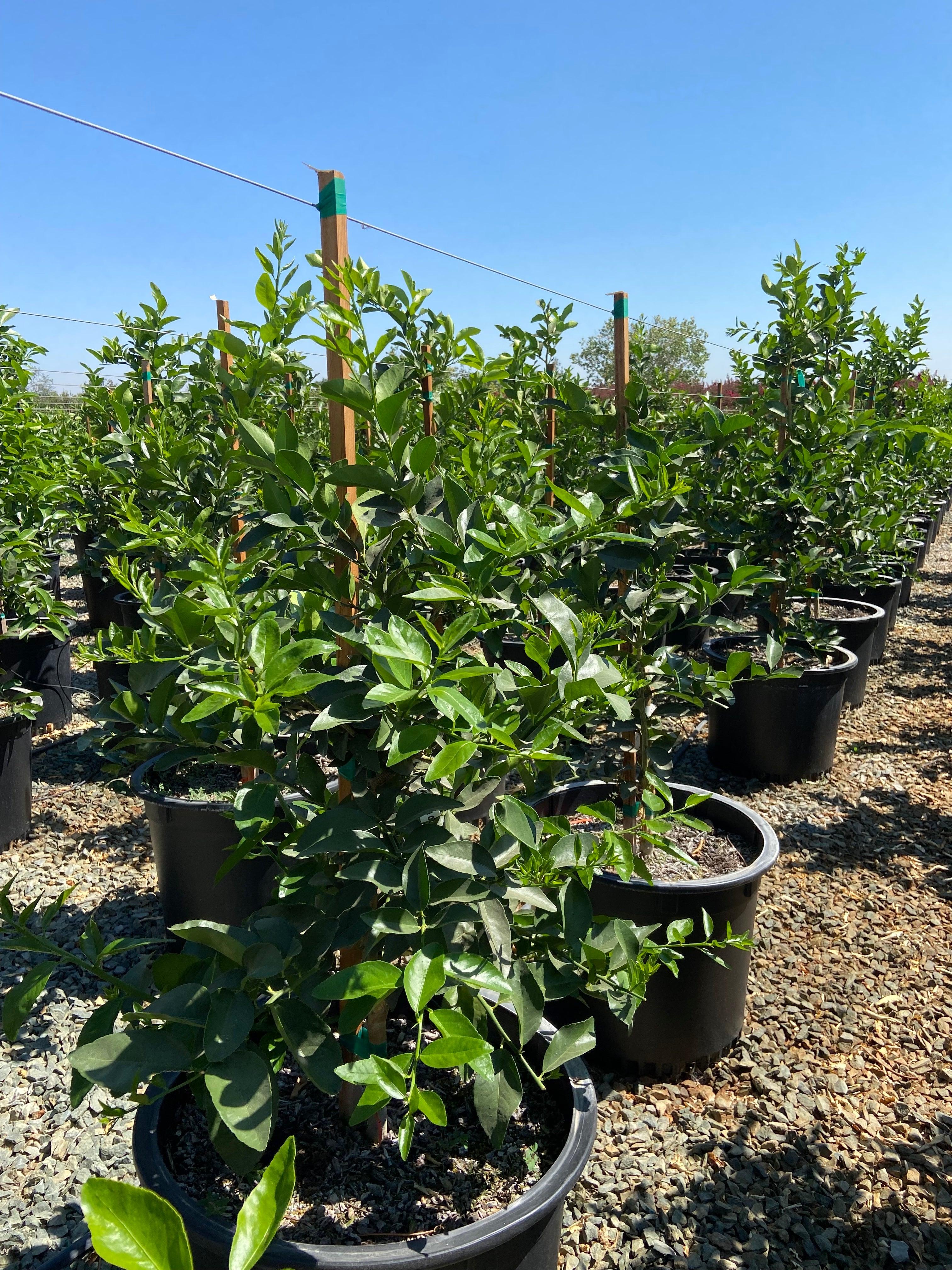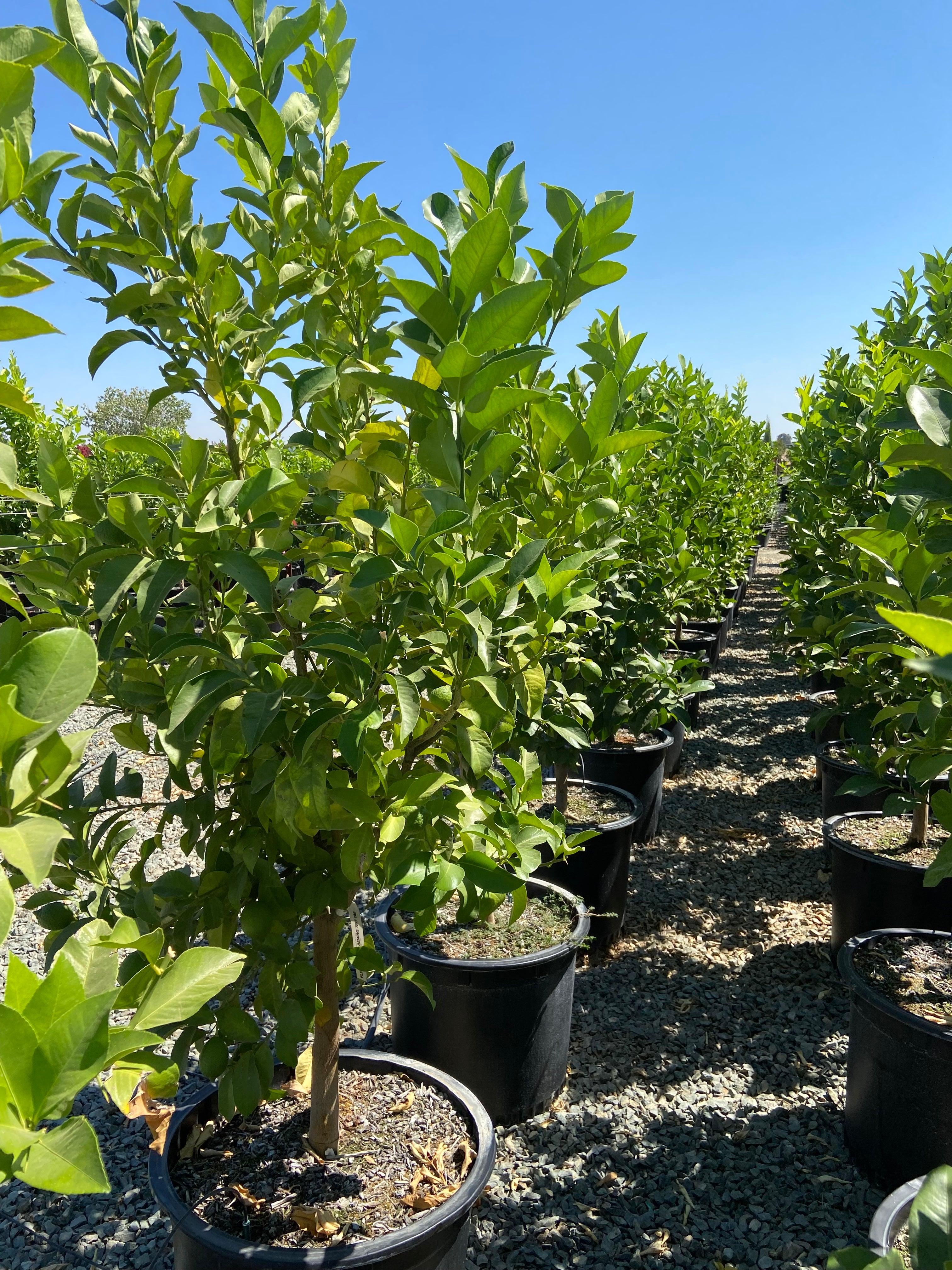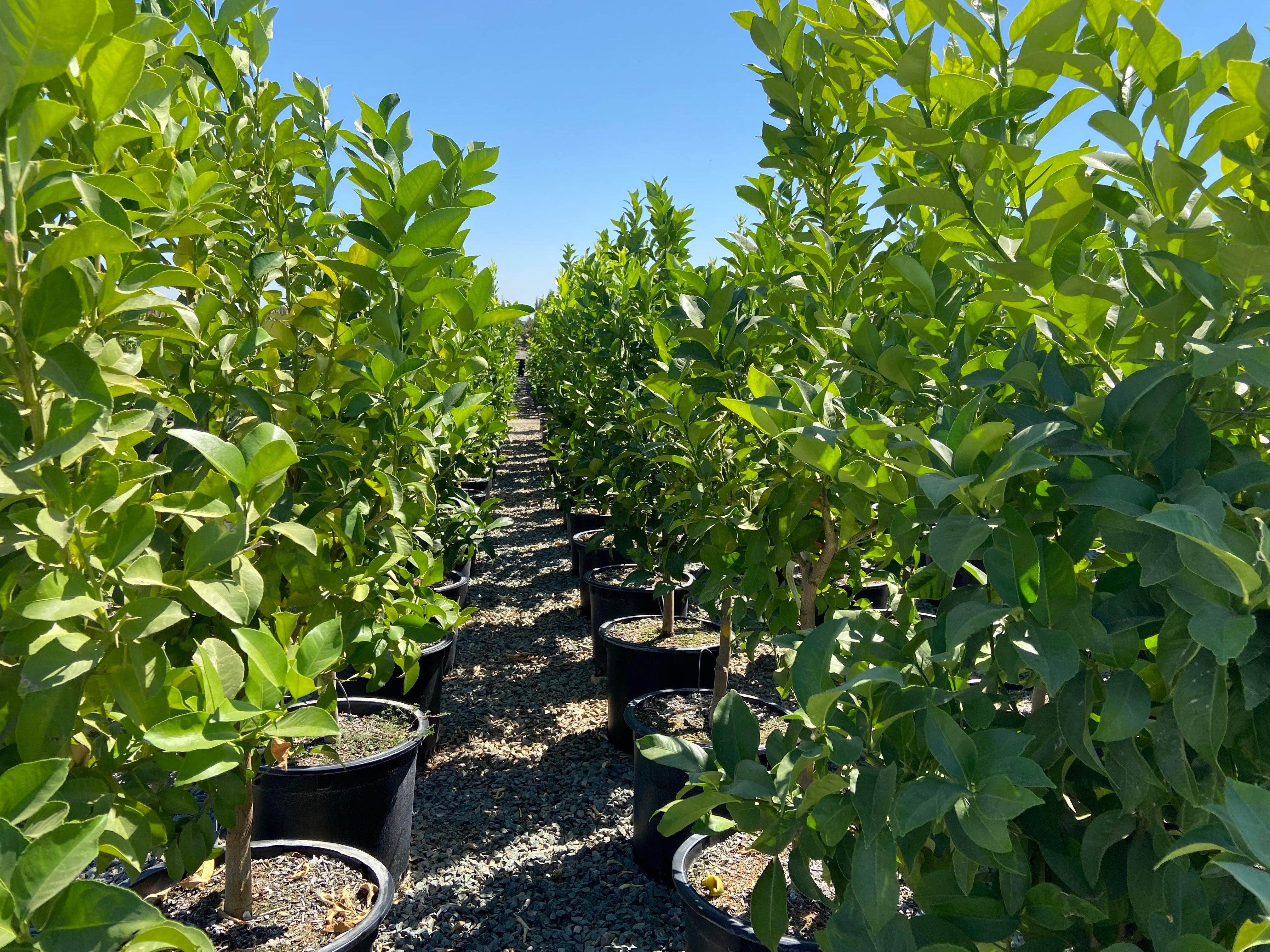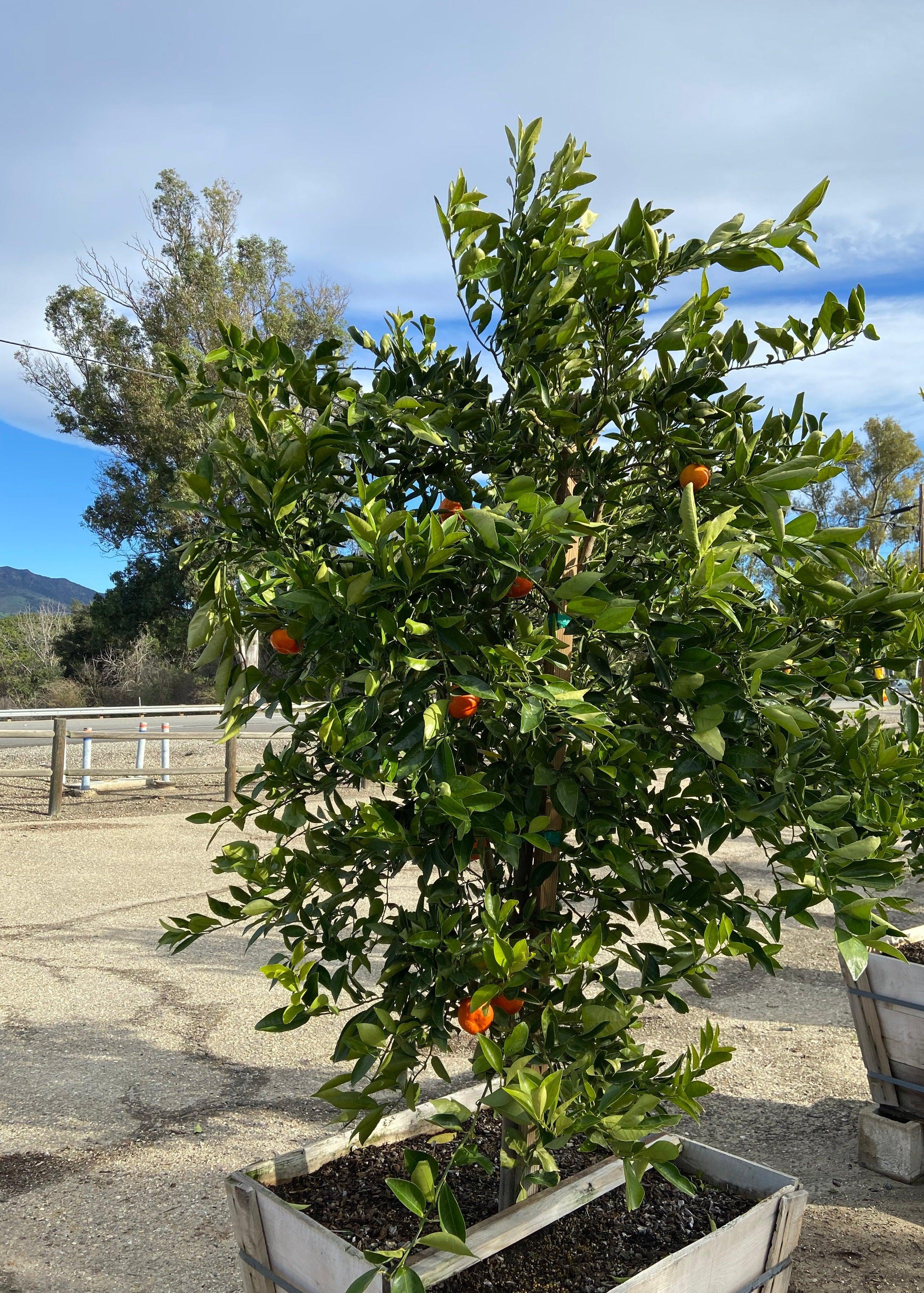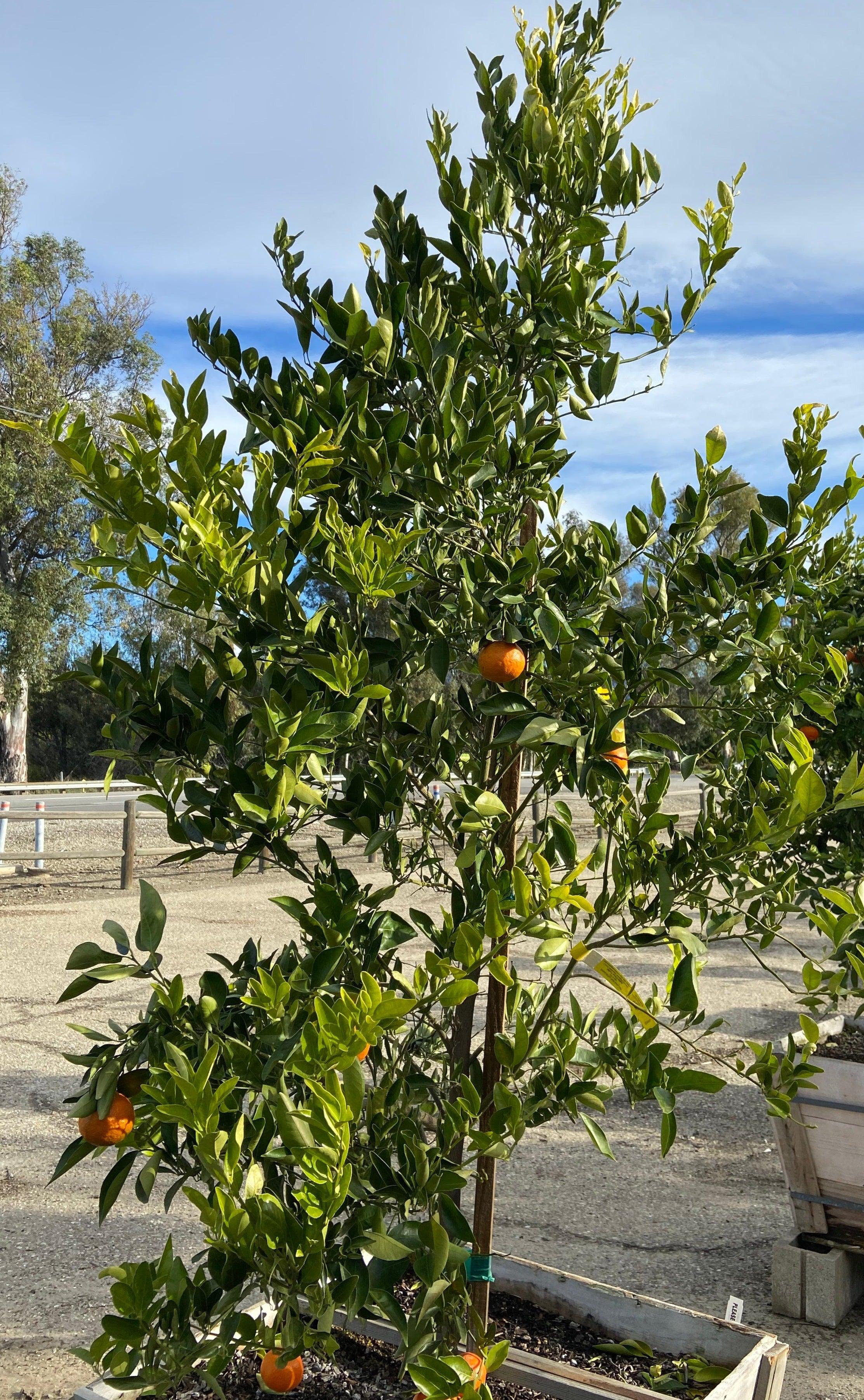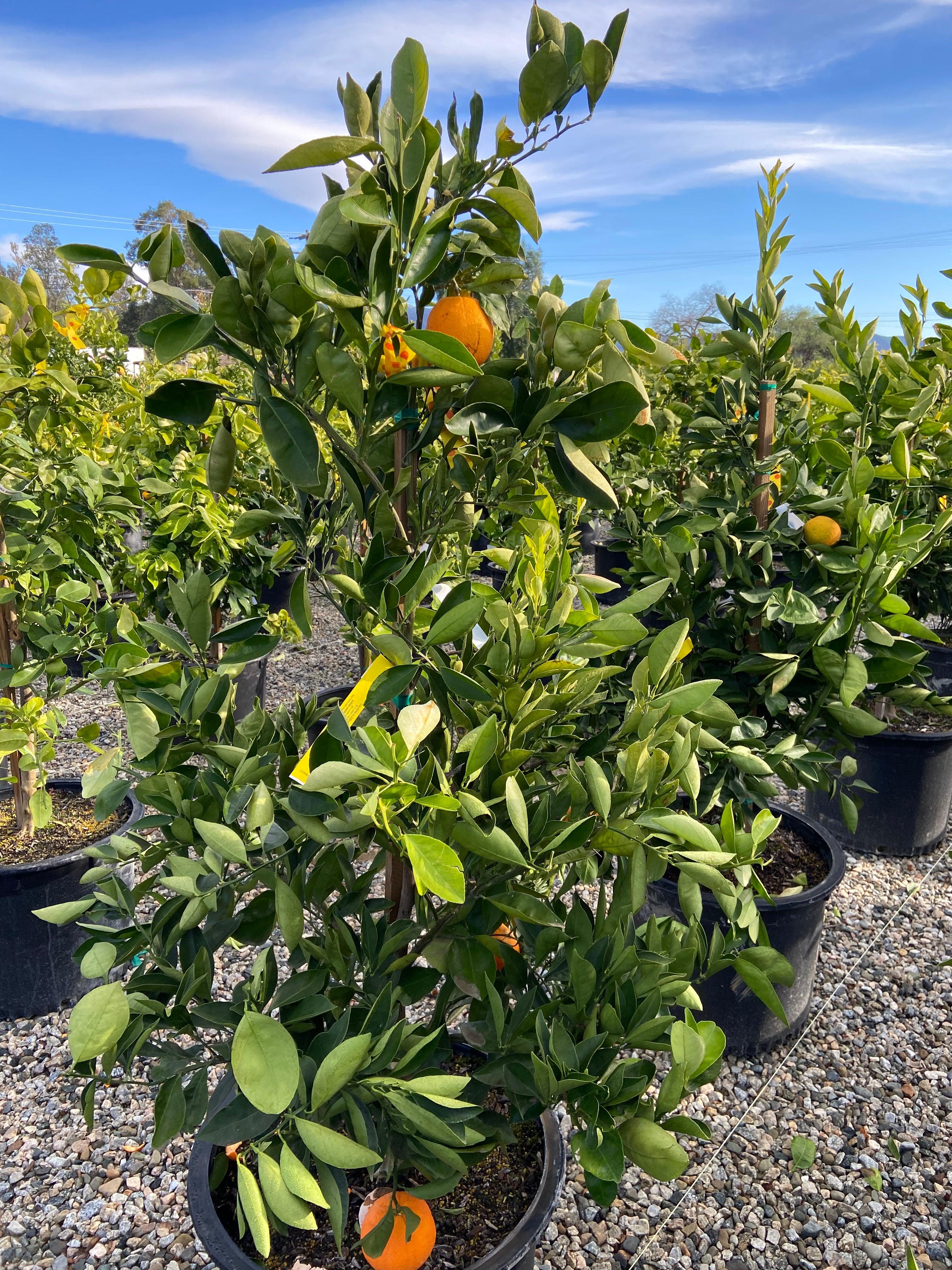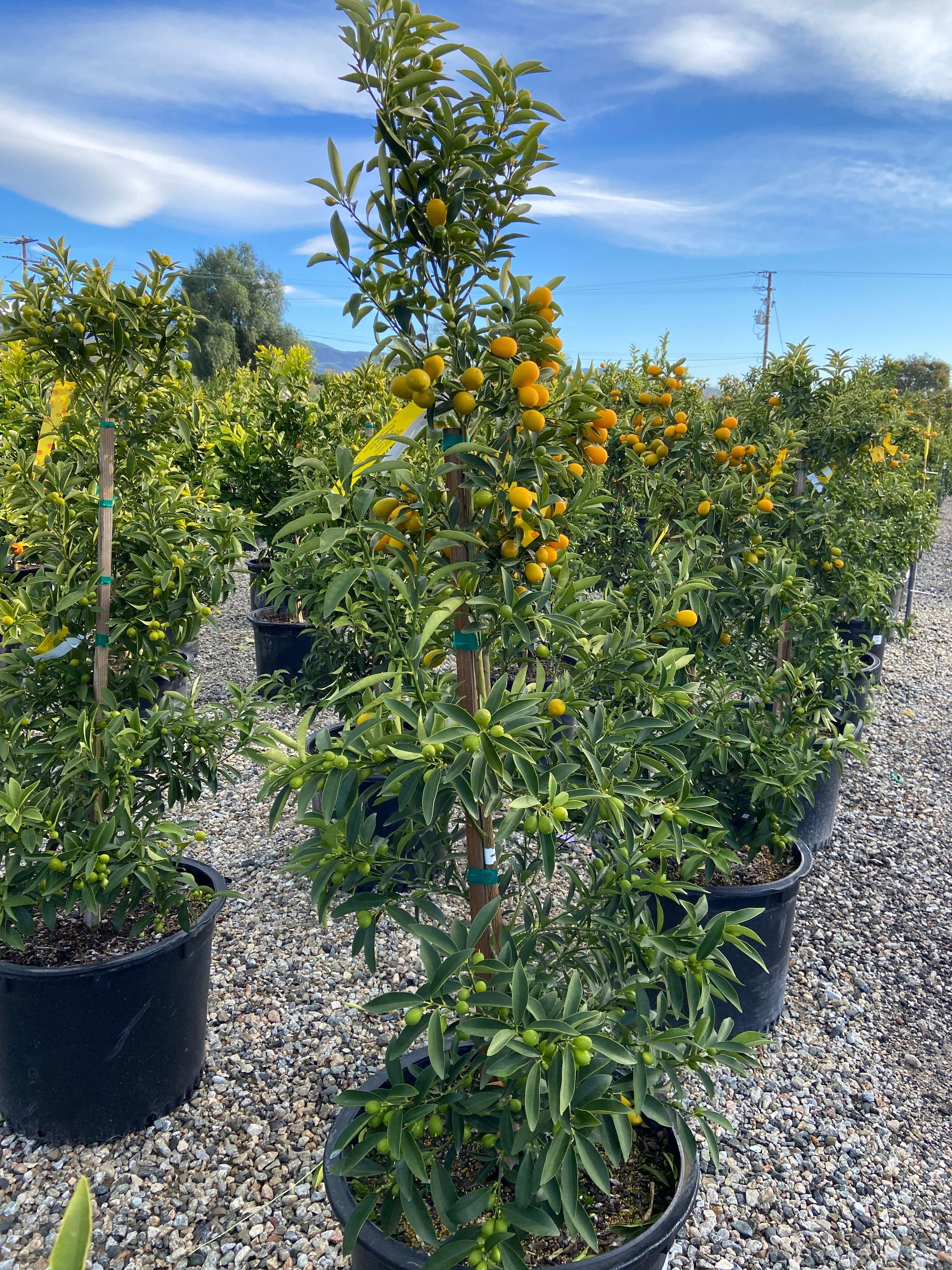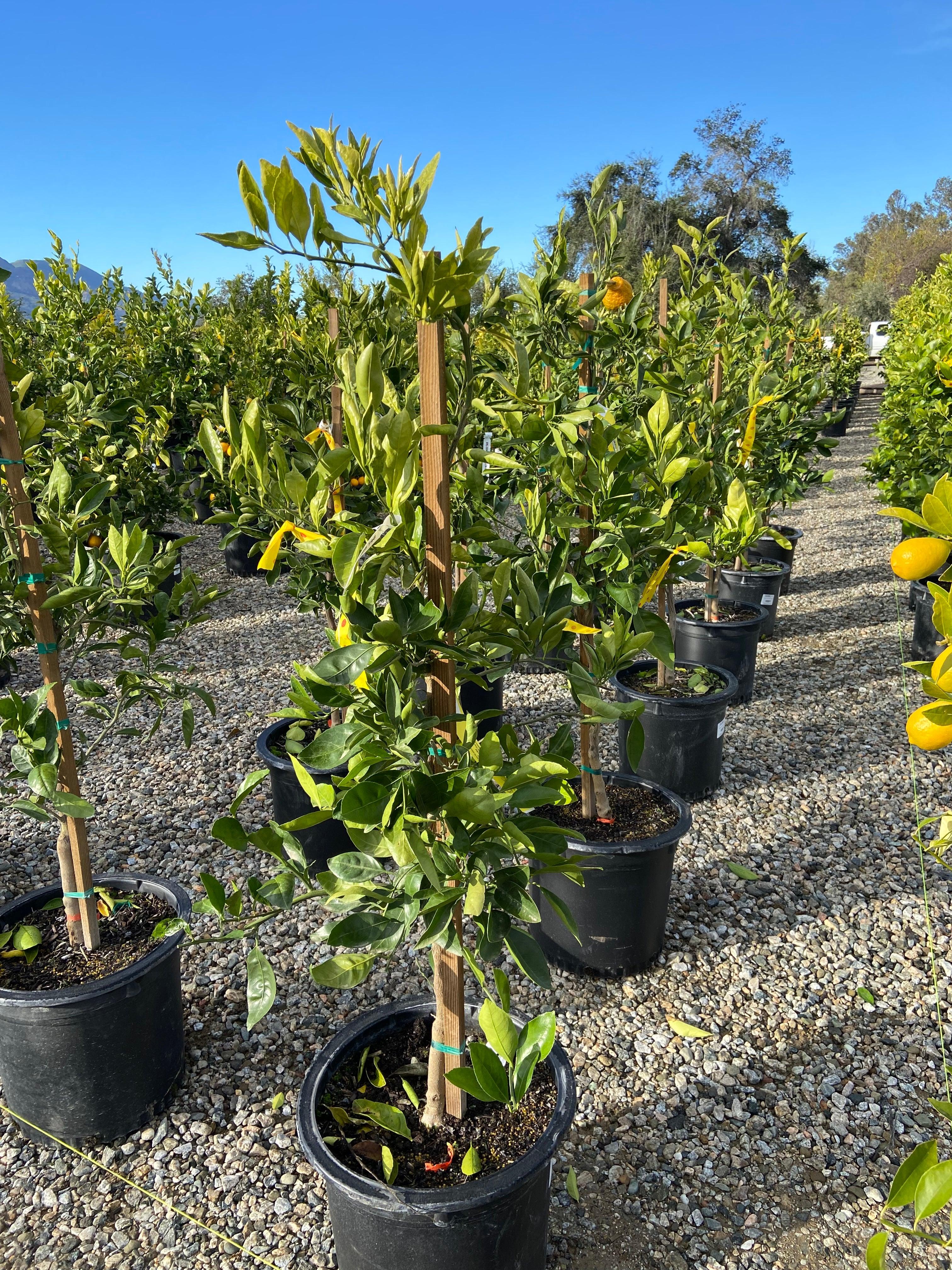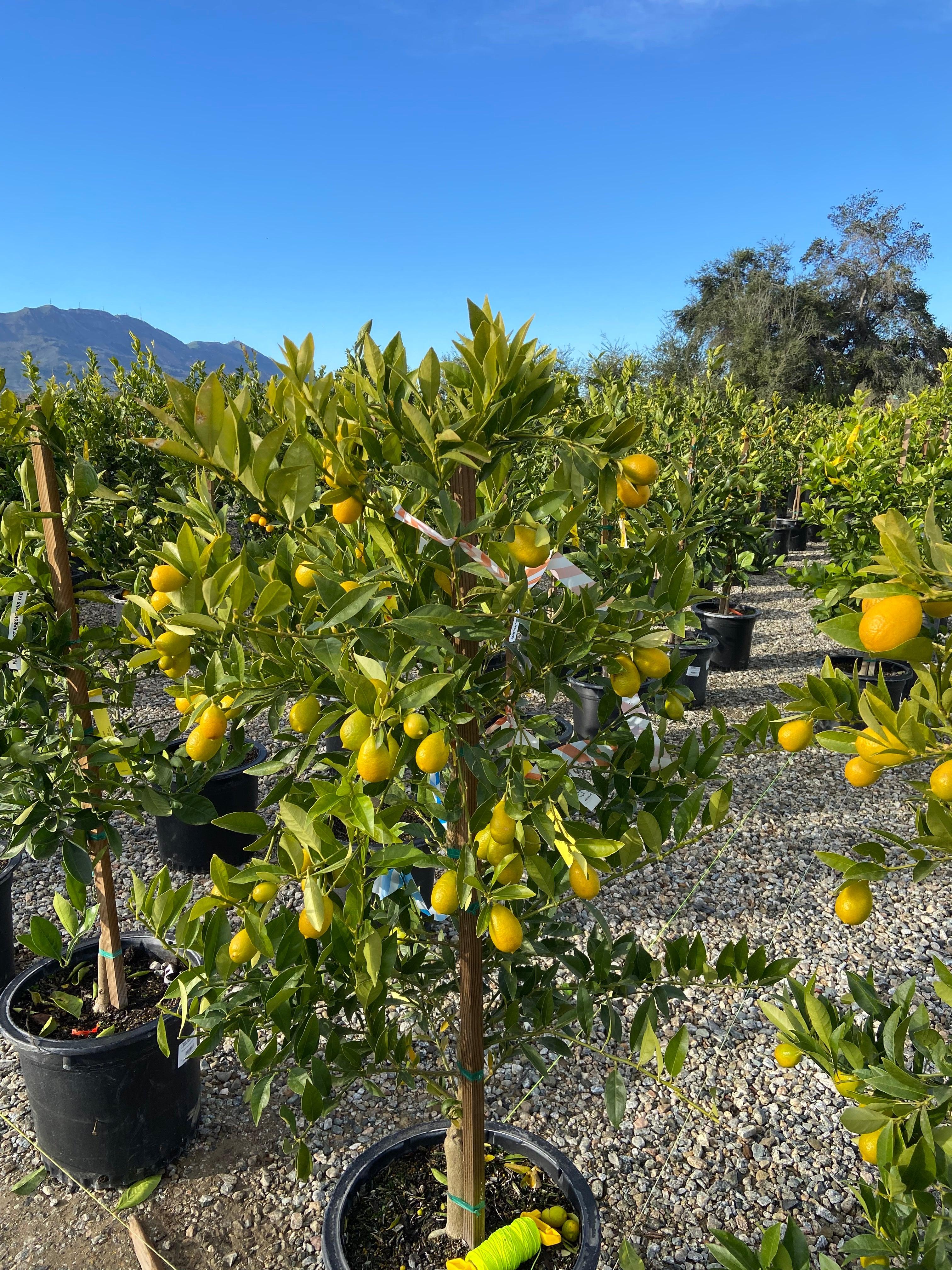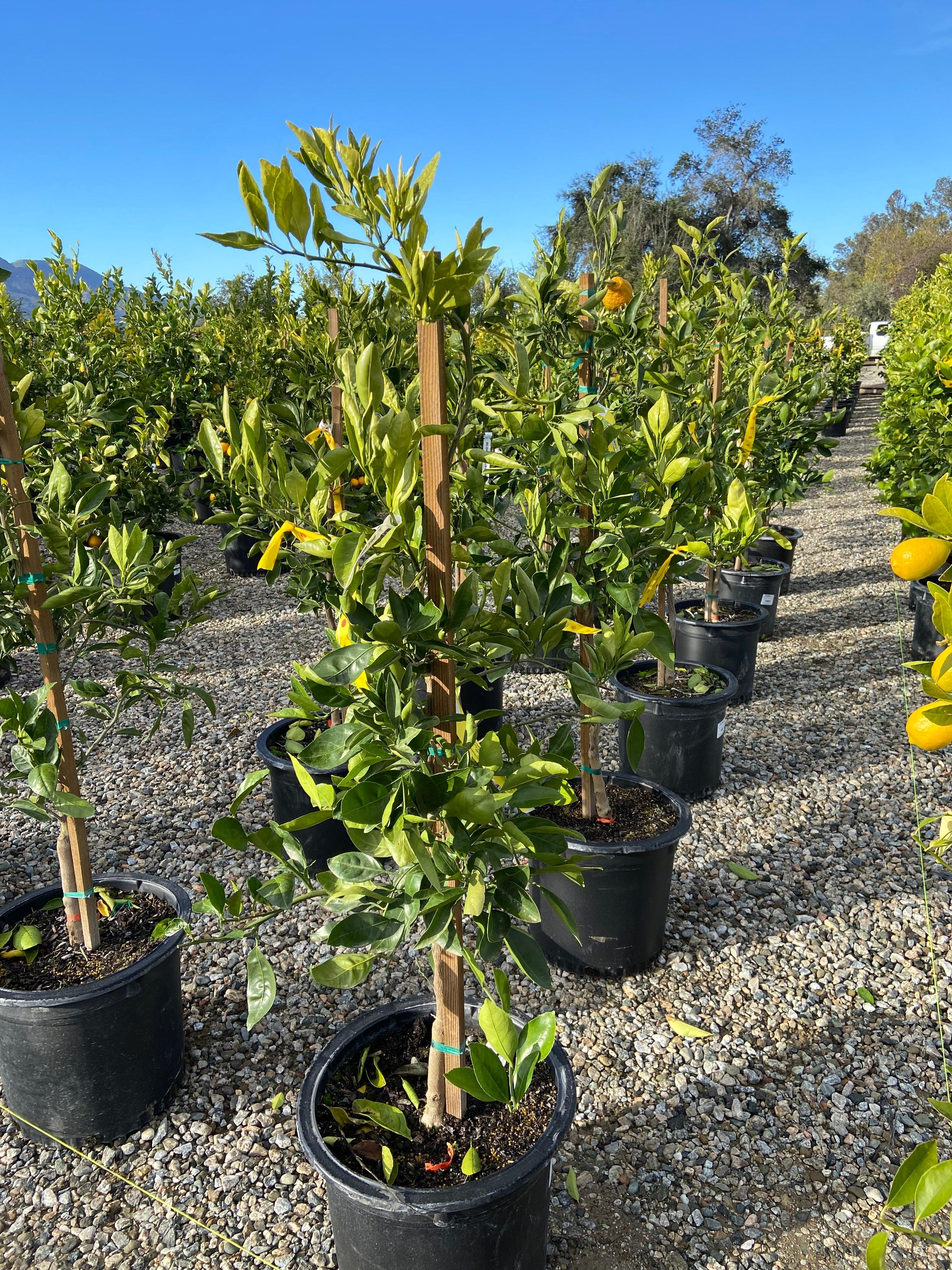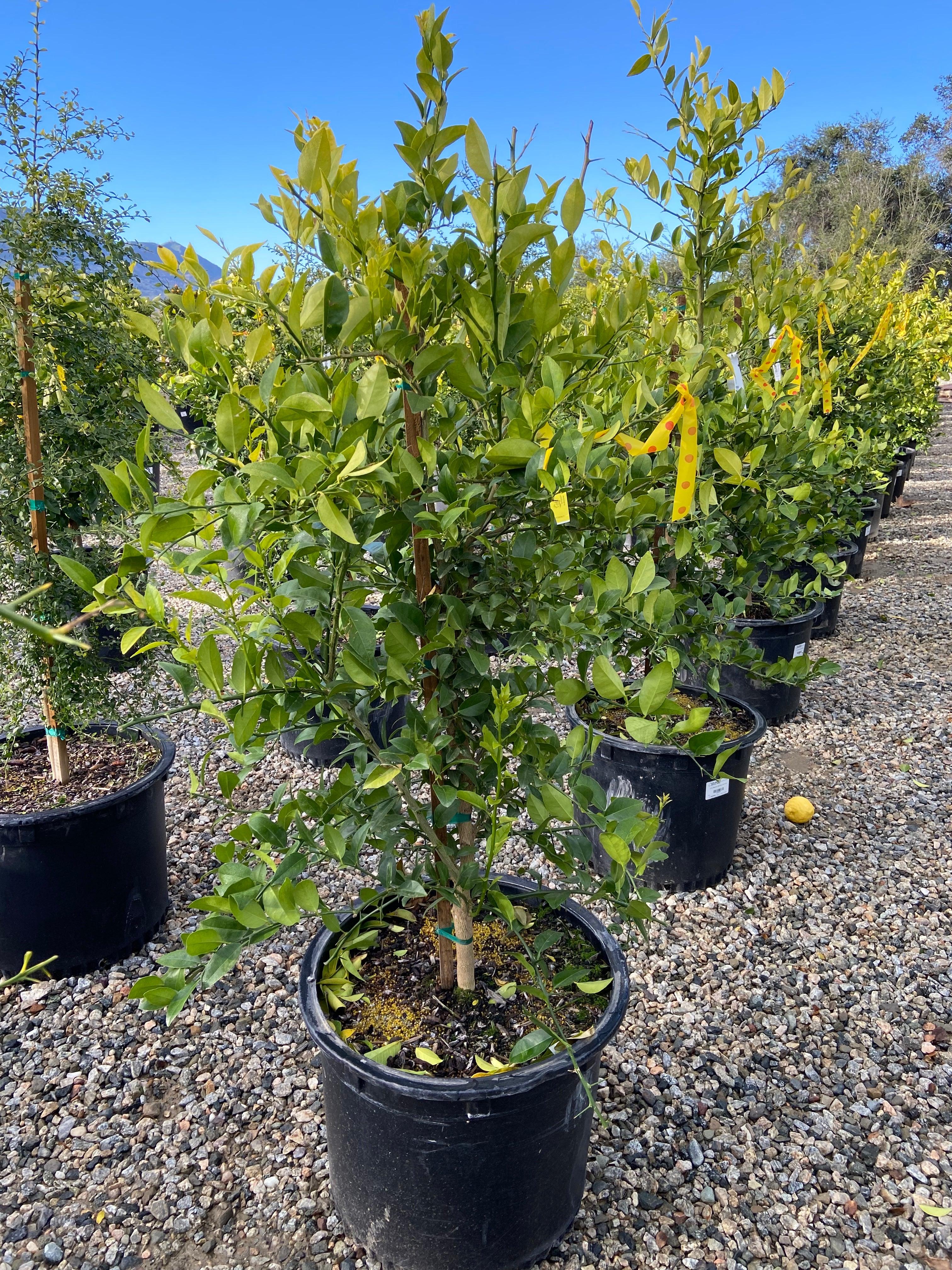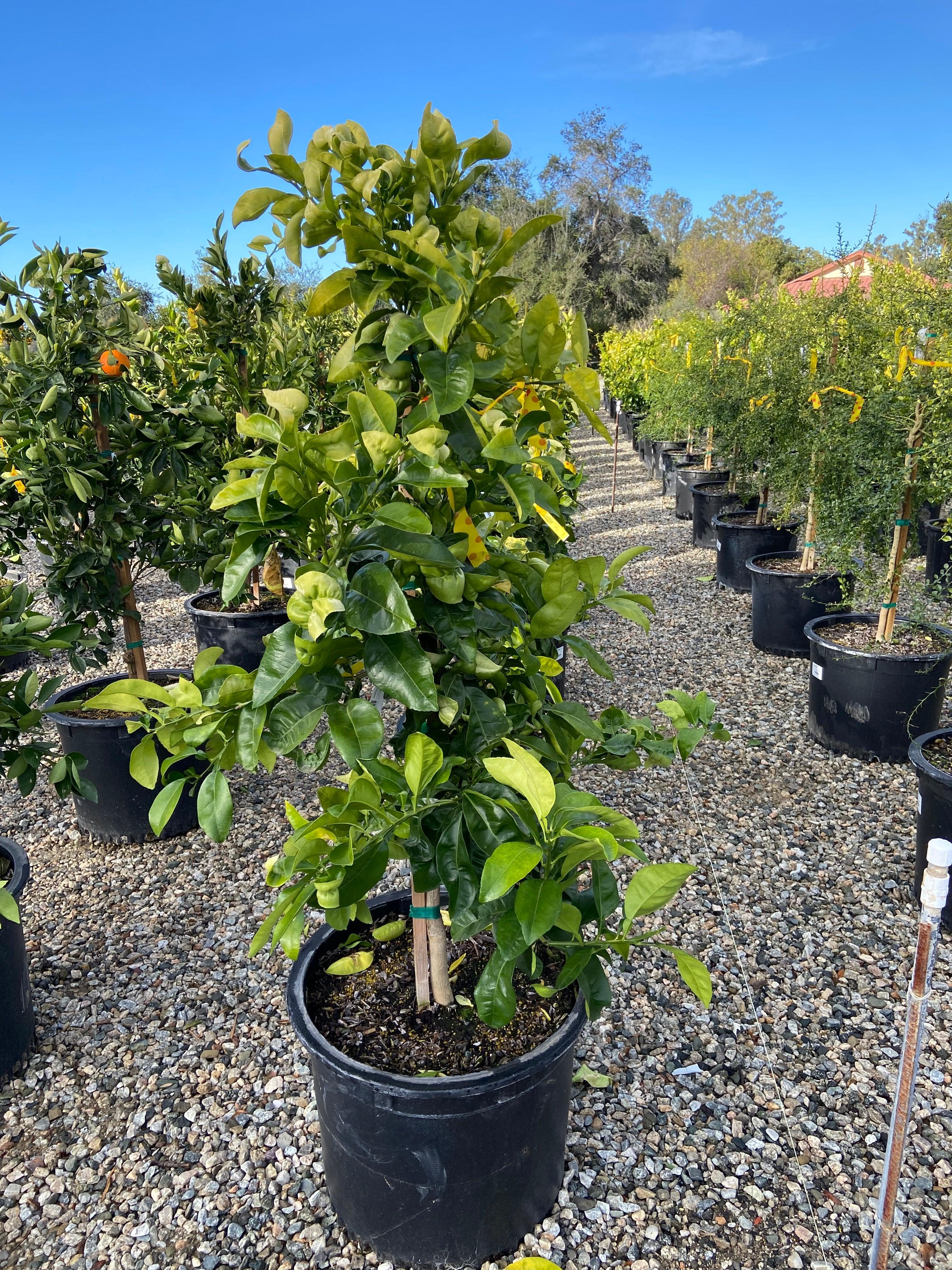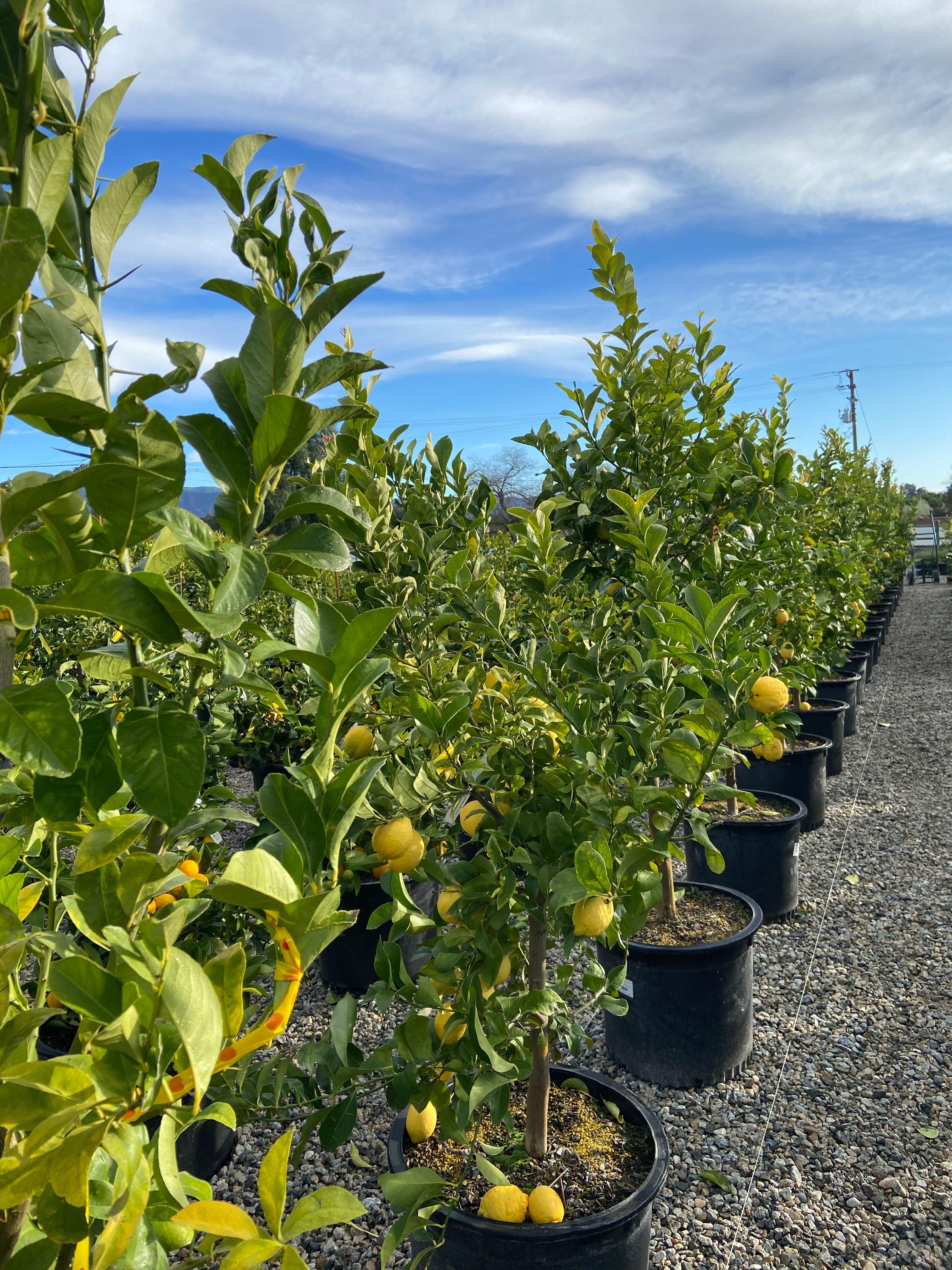
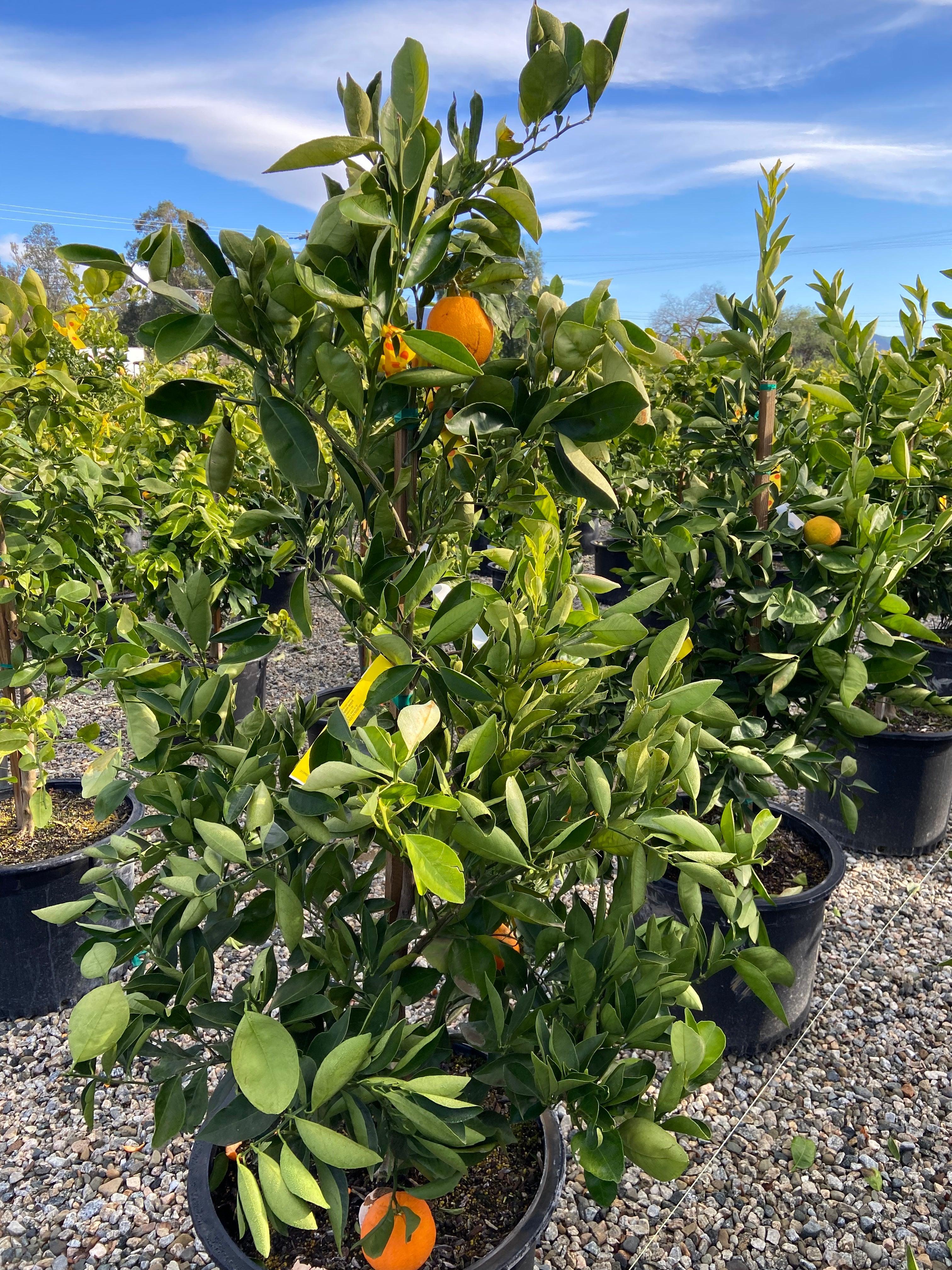
Cara Cara Navel Orange
Cara Cara Orange Trees for Sale — Sweet Pink-Fleshed Citrus for California Gardens
Cara Cara oranges have become one of the most sought-after citrus varieties for home orchards and edible landscapes thanks to their beautiful pink-red flesh, low acidity, and exceptionally sweet flavor. Cara Cara oranges are also praised for their rich and juicy texture. Whether you are planting a backyard citrus grove or looking for a premium fruit tree for a patio container, Cara Cara orange trees combine ornamental beauty with outstanding fruit quality.
At Yardwork, we offer healthy California-grown citrus trees, planting guidance, soil testing, and consultation services to help homeowners grow productive, long-lived citrus trees successfully. We also provide advice on creating a healthy, productive canopy through proper planting and pruning.
What Is a Cara Cara Orange (A Navel Orange Variant)
A Cara Cara orange is a cross resulting from pollination between the Washington Navel Orange and another variety, discovered in Venezuela in 1976. Botanically, it belongs to the navel orange group but stands out because of its vivid pink to reddish flesh color and rich, sweet flavor.
Unlike blood oranges, the flesh color in Cara Cara oranges comes primarily from lycopene, a powerful antioxidant pigment also found in tomatoes and watermelon.
Key traits include:
-
Seedless fruit
-
Easy-to-peel skin
-
Low acidity
-
Sweet berry-like citrus flavor with nuanced hints of strawberries, cranberries, blackberries, and even roses
-
Pink-red interior flesh
Because they are seedless and easy to segment, Cara Caras are especially popular for fresh eating and entertaining. Their unique flavor profile includes subtle hints of various berries and floral notes.
Cara Cara Oranges vs Navel Oranges and Blood Oranges
Cara Cara oranges are often compared to both standard navel oranges and blood oranges, but they offer a distinct flavor and appearance.
Cara Cara vs Standard Navel Oranges
Compared to traditional navel oranges, Cara Caras typically have:
-
Pink-red flesh instead of orange flesh
-
Slightly sweeter flavor
-
Lower acidity (Cara Cara oranges are considered a low-acid variety compared to other varieties, which may have higher acid content)
-
More complex berry-like notes
-
Softer citrus aroma
The exterior appearance is often very similar to standard navels.
Cara Cara vs Blood Oranges
Although both have reddish flesh, Cara Cara oranges differ significantly from blood oranges, especially in their acid content.
|
Feature |
Cara Cara Orange |
Blood Orange |
|---|---|---|
|
Flesh Color |
Pink to salmon-red |
Deep crimson to burgundy |
|
Pigment |
Lycopene |
Anthocyanins |
|
Flavor |
Sweet, mild berry notes |
Tart raspberry-citrus flavor |
|
Acidity (Acid Content) |
Low-acid |
High-acid |
|
Seeds |
Usually seedless |
May contain seeds |
|
Cara Caras are a low-acid variety, generally tasting sweeter and less tart than the more acidic, high-acid blood oranges. |
|
|
Key Visual and Flavor Differences
Distinctive Flesh Color
The most recognizable feature of Cara Cara oranges is their vibrant interior color, ranging from:
-
Soft pink
-
Coral
-
Salmon-red
Cara Cara oranges typically have a diameter of about 3 to 4 inches, making them similar in size to other premium navel oranges and easy to visualize for serving or snacking.
This makes them visually striking in fruit bowls, salads, and desserts.
Thin Pith and Peel
Cara Cara oranges typically have:
-
Thin pith
-
Smooth easy-to-peel skin
-
Tender juicy segments
-
Fragrant skin that enhances their sensory appeal
These qualities make them especially convenient for fresh snacking.
Sweetness and Acidity Balance
Many people prefer Cara Caras because of their:
-
Lower acidity
-
Rich sweetness
-
Subtle berry undertones
-
Smooth mellow citrus flavor
With just one bite, the rich sweetness and berry undertones of a Cara Cara orange become immediately apparent, making it a favorite for those seeking a unique citrus experience.
They are often considered less sharp or tangy than traditional navels, which makes them a nice contrast to classic Valencia and other juicing oranges.
Flavor, Seasonality, and Culinary Uses for Cara Oranges
Peak Season
Cara Cara oranges are generally in peak season from:
-
December through April, with January being the peak month for the best flavor and availability.
As a mid-winter fruit, Cara Cara oranges are especially popular as seasonal gifts during the winter months.
Winter-harvested fruit often develops the best sweetness and color.
Fresh-Eating Uses
Cara Cara oranges are delicious to eat fresh, whether enjoyed on their own or as part of a meal. Cara Caras are excellent for:
-
Lunch snacks
-
Fruit platters
-
Citrus salads
-
Charcuterie boards
Their seedless flesh makes them especially family friendly.
Cooking Uses
Cara Cara oranges work well in:
-
Citrus sauces
-
Glazes for poultry
-
Roasted vegetable dishes
-
Seafood marinades
Their sweetness complements savory dishes beautifully.
Baking Uses
Popular dessert applications include:
-
Orange cakes
-
Citrus tarts
-
Shortbread cookies
-
Muffins and sweet breads
The zest adds fragrant citrus aroma to baked goods.
Beverage Uses
Cara Cara juice is commonly used in:
-
Fresh juice blends
-
Cocktails
-
Sparkling citrus drinks
-
Smoothies
Its naturally sweet flavor often requires less added sugar.
Garnish Uses
The colorful flesh creates attractive garnishes for:
-
Cocktails
-
Salads
-
Seafood platters
-
Holiday desserts
Growing Cara Cara Orange Trees (Cara Orange Care)
Suitable Climate Zones
Cara Cara orange trees perform best in:
-
USDA Zones 9–11
-
Mild Mediterranean climates
-
Frost-free or low-frost regions
They are especially well suited to California growing conditions, making them a natural fit for homeowners working with a local California plant nursery.
California as an Ideal Growing Region
California remains one of the best regions for growing Cara Cara citrus because of:
-
Warm sunny weather
-
Mild winters
-
Long citrus-growing season
-
Low humidity in many regions
Southern California and protected inland valleys often produce excellent fruit quality, and many homeowners in these regions choose mature trees for instant landscape impact alongside their young citrus.
Rootstock Recommendations
Choosing the proper rootstock helps improve:
-
Disease resistance
-
Tree size control
-
Soil adaptability
-
Fruit production
Popular citrus rootstocks may include, especially for companion trees like Meyer lemon citrus varieties:
-
Carrizo
-
C-35
-
Trifoliate hybrids
Rootstock selection may vary depending on soil and climate conditions.
Planting Steps for Home Gardeners
To plant a Cara Cara orange tree:
-
Select a sunny, well-drained site
-
Dig a hole that is twice as wide and just as deep as the root ball to ensure proper growth
-
Position root flare slightly above soil grade
-
Backfill with native soil
-
Water deeply after planting
-
Apply mulch around the root zone
For container planting, choose an appropriately sized pot, such as a #5 pot (3.25 gallons) or larger, to support healthy root development.
Avoid planting citrus too deeply.
Irrigation Frequency
Newly Planted Trees
-
Water deeply 1–2 times weekly
Established Trees
-
Water every 7–14 days depending on weather and soil type
Deep watering encourages stronger root systems.
Fertilization Schedule
Citrus trees benefit from:
-
Citrus-specific fertilizers
-
Light feeding during active growth
-
Multiple small feedings during spring and summer
Avoid heavy fertilization during winter dormancy.
Basic Pruning Tips
Cara Cara orange trees generally require minimal pruning.
Focus on:
-
Removing dead branches
-
Improving airflow
-
Removing suckers below grafts
-
Maintaining balanced canopy structure
Soil, Sun, and Microclimate Needs (Citrus Family Context)
Ideal Soil Conditions
Cara Cara citrus prefers:
-
Well-draining soil
-
Slightly acidic pH (around 6.0–7.0)
-
Moderate organic matter
Poor drainage commonly causes citrus decline.
Full Sun Requirements
For best fruit production, plant citrus trees in:
-
Full sun
-
South-facing exposures
-
Warm protected locations
At least 6–8 hours of direct sunlight is recommended daily.
Frost Protection
Young citrus trees may require protection during freezes.
Helpful strategies include, especially when designing mixed citrus and Mediterranean plantings with fruitless olive trees for structure:
-
Frost cloths
-
Temporary covers
-
Mulching root zones
-
Planting near heat-reflective walls
Pests, Diseases, and Maintenance for Cara Caras
Common Citrus Pests
Monitor regularly for common citrus pests, and remember that nearby trees such as the California pepper tree can host their own insect populations that move through the landscape:
-
Aphids
-
Scale insects
-
Citrus leaf miners
-
Spider mites
-
Asian citrus psyllid
Early detection improves treatment success, especially when citrus is part of a broader planting that may include dense screens such as English laurel privacy hedges.
Pest Scouting Schedule
Inspect trees:
-
Weekly during active growth
-
After heat waves
-
During spring flushes
Look closely at new leaves and stems.
Disease Prevention Practices
Healthy citrus trees benefit from:
-
Proper drainage
-
Good airflow
-
Clean pruning tools
-
Consistent watering practices
Avoid overhead watering whenever possible.
Professional Consultation
Request a Yardwork consultation if you notice:
-
Severe leaf yellowing
-
Branch dieback
-
Declining fruit production
-
Persistent pest problems
Site-specific diagnosis can prevent long-term damage.
For more information, explore our citrus care resources and guides to help you grow healthy Cara Cara orange trees.
Comparing Cara Caras to Other Oranges, Blood Orange, and Navel Oranges
Citrus Comparison Table
|
Variety |
Flavor Profile |
Flesh Color |
Seeds |
Best Use |
|---|---|---|---|---|
|
Cara Cara |
Sweet, berry-like; stands out among other varieties for unique flavor and color |
Pink-red |
Seedless |
Fresh eating |
|
Navel Orange |
Classic sweet citrus |
Orange |
Seedless |
Everyday snacking |
|
Blood Orange |
Tart berry-citrus |
Dark red |
Sometimes seeded |
Cocktails and desserts |
|
Valencia Orange |
Sweet-tart |
Orange |
Few seeds |
Juice production |
Buying Cara Cara Oranges and Trees (Yardwork Offerings)
Shop Plants
Browse Yardwork citrus selections including:
-
Cara Cara orange trees
-
Navel oranges
-
Blood oranges
-
Patio citrus trees
-
Multi-graft citrus varieties
Cara Cara oranges are also widely available in grocery stores and farmers' markets from December through late April, making it easy to enjoy their unique flavor during peak season.
Request a Consultation
Need help planning a home orchard or edible landscape?
Yardwork consultations can assist with:
-
Tree spacing
-
Variety selection
-
Irrigation planning
-
Frost-risk assessment
-
Citrus placement strategies
Request a Soil Test
Before planting citrus, request a soil test to evaluate:
-
Drainage
-
Soil pH
-
Nutrient levels
-
Salinity concerns
Healthy soil dramatically improves citrus performance, and many gardeners pair citrus with resilient evergreens like Carrotwood and other landscape trees to build out structure.
Large-Order Options and California Shipping
Yardwork offers:
-
California citrus delivery
-
Large-order coordination
-
Landscape installation support
-
Seasonal citrus availability updates
Shipping policies may vary based on agricultural regulations and regional restrictions.
Storage, Harvesting, and Postharvest Tips for Cara Caras
Best Harvest Timing
Harvest Cara Cara oranges when checking for ripeness is essential for optimal flavor—these oranges should be harvested only when fully ripe. Look for:
-
Skin develops full orange color
-
Fruit feels heavy for size
-
Flavor tastes sweet and balanced
Fruit may continue improving in sweetness during cooler winter months.
Counter Storage
Freshly harvested fruit may last:
-
About 5–7 days if you store Cara Cara oranges at room temperature
Keep fruit in a cool dry area away from direct sun. If you store them in the refrigerator, wait until the oranges reach room temperature before eating to enjoy the best flavor.
Refrigerator Storage
Storing Cara Cara oranges in the fridge, especially in the crisper drawer, helps maintain their freshness and flavor for 2–3 weeks under proper storage conditions.
Improve Flavor Before Serving
For best flavor:
-
Bring refrigerated fruit to room temperature before eating
This improves aroma and juice expression.
Recipes, Pairings, and Use Cases for Cara Caras
Simple Cara Cara Salad
Combine:
-
Cara Cara orange segments
-
Arugula
-
Avocado
-
Goat cheese
-
Olive oil vinaigrette
This creates a light and refreshing winter salad.
Pairings With Poultry and Fish
Cara Cara oranges pair especially well with:
-
Roasted chicken
-
Salmon
-
White fish
-
Duck dishes
Their sweetness balances savory flavors naturally.
Dessert and Baking Uses
Use Cara Cara zest in:
-
Cheesecake
-
Citrus bars
-
Cookies
-
Olive oil cakes
The fragrant oils add exceptional citrus aroma.
Juice and Vinaigrettes
Fresh Cara Cara juice works beautifully in:
-
Citrus vinaigrettes
-
Marinades
-
Sparkling drinks
-
Homemade cocktails
FAQ and Quick Tips About Cara Caras and the Citrus Family
Are Cara Cara Oranges Seedless?
Yes. Cara Cara oranges are typically seedless or contain very few seeds.
Do Cara Cara Trees Need Full Sun?
Yes. Full sun is strongly recommended for healthy fruit production.
Are Cara Cara Oranges Sweet?
Cara Caras are considered sweeter and lower in acidity than many standard navel oranges.
Quick Care Do’s
-
Plant in well-draining soil
-
Water deeply but infrequently
-
Feed regularly during growing season
-
Protect young trees from frost
Quick Care Don’ts
-
Avoid overwatering
-
Do not plant too deeply
-
Avoid poorly drained clay soils
-
Do not overfertilize during winter
Need Help With a Larger Citrus Project?
For orchard planning, edible landscapes, or complex planting sites, contact Yardwork for professional consultations, soil testing, and citrus tree recommendations tailored to your property, including evergreen privacy and fast-growing trees that complement your citrus plantings.
Original: $1,150.00
-65%$1,150.00
$402.50Product Information
Product Information
Shipping & Returns
Shipping & Returns
Description
Cara Cara Orange Trees for Sale — Sweet Pink-Fleshed Citrus for California Gardens
Cara Cara oranges have become one of the most sought-after citrus varieties for home orchards and edible landscapes thanks to their beautiful pink-red flesh, low acidity, and exceptionally sweet flavor. Cara Cara oranges are also praised for their rich and juicy texture. Whether you are planting a backyard citrus grove or looking for a premium fruit tree for a patio container, Cara Cara orange trees combine ornamental beauty with outstanding fruit quality.
At Yardwork, we offer healthy California-grown citrus trees, planting guidance, soil testing, and consultation services to help homeowners grow productive, long-lived citrus trees successfully. We also provide advice on creating a healthy, productive canopy through proper planting and pruning.
What Is a Cara Cara Orange (A Navel Orange Variant)
A Cara Cara orange is a cross resulting from pollination between the Washington Navel Orange and another variety, discovered in Venezuela in 1976. Botanically, it belongs to the navel orange group but stands out because of its vivid pink to reddish flesh color and rich, sweet flavor.
Unlike blood oranges, the flesh color in Cara Cara oranges comes primarily from lycopene, a powerful antioxidant pigment also found in tomatoes and watermelon.
Key traits include:
-
Seedless fruit
-
Easy-to-peel skin
-
Low acidity
-
Sweet berry-like citrus flavor with nuanced hints of strawberries, cranberries, blackberries, and even roses
-
Pink-red interior flesh
Because they are seedless and easy to segment, Cara Caras are especially popular for fresh eating and entertaining. Their unique flavor profile includes subtle hints of various berries and floral notes.
Cara Cara Oranges vs Navel Oranges and Blood Oranges
Cara Cara oranges are often compared to both standard navel oranges and blood oranges, but they offer a distinct flavor and appearance.
Cara Cara vs Standard Navel Oranges
Compared to traditional navel oranges, Cara Caras typically have:
-
Pink-red flesh instead of orange flesh
-
Slightly sweeter flavor
-
Lower acidity (Cara Cara oranges are considered a low-acid variety compared to other varieties, which may have higher acid content)
-
More complex berry-like notes
-
Softer citrus aroma
The exterior appearance is often very similar to standard navels.
Cara Cara vs Blood Oranges
Although both have reddish flesh, Cara Cara oranges differ significantly from blood oranges, especially in their acid content.
|
Feature |
Cara Cara Orange |
Blood Orange |
|---|---|---|
|
Flesh Color |
Pink to salmon-red |
Deep crimson to burgundy |
|
Pigment |
Lycopene |
Anthocyanins |
|
Flavor |
Sweet, mild berry notes |
Tart raspberry-citrus flavor |
|
Acidity (Acid Content) |
Low-acid |
High-acid |
|
Seeds |
Usually seedless |
May contain seeds |
|
Cara Caras are a low-acid variety, generally tasting sweeter and less tart than the more acidic, high-acid blood oranges. |
|
|
Key Visual and Flavor Differences
Distinctive Flesh Color
The most recognizable feature of Cara Cara oranges is their vibrant interior color, ranging from:
-
Soft pink
-
Coral
-
Salmon-red
Cara Cara oranges typically have a diameter of about 3 to 4 inches, making them similar in size to other premium navel oranges and easy to visualize for serving or snacking.
This makes them visually striking in fruit bowls, salads, and desserts.
Thin Pith and Peel
Cara Cara oranges typically have:
-
Thin pith
-
Smooth easy-to-peel skin
-
Tender juicy segments
-
Fragrant skin that enhances their sensory appeal
These qualities make them especially convenient for fresh snacking.
Sweetness and Acidity Balance
Many people prefer Cara Caras because of their:
-
Lower acidity
-
Rich sweetness
-
Subtle berry undertones
-
Smooth mellow citrus flavor
With just one bite, the rich sweetness and berry undertones of a Cara Cara orange become immediately apparent, making it a favorite for those seeking a unique citrus experience.
They are often considered less sharp or tangy than traditional navels, which makes them a nice contrast to classic Valencia and other juicing oranges.
Flavor, Seasonality, and Culinary Uses for Cara Oranges
Peak Season
Cara Cara oranges are generally in peak season from:
-
December through April, with January being the peak month for the best flavor and availability.
As a mid-winter fruit, Cara Cara oranges are especially popular as seasonal gifts during the winter months.
Winter-harvested fruit often develops the best sweetness and color.
Fresh-Eating Uses
Cara Cara oranges are delicious to eat fresh, whether enjoyed on their own or as part of a meal. Cara Caras are excellent for:
-
Lunch snacks
-
Fruit platters
-
Citrus salads
-
Charcuterie boards
Their seedless flesh makes them especially family friendly.
Cooking Uses
Cara Cara oranges work well in:
-
Citrus sauces
-
Glazes for poultry
-
Roasted vegetable dishes
-
Seafood marinades
Their sweetness complements savory dishes beautifully.
Baking Uses
Popular dessert applications include:
-
Orange cakes
-
Citrus tarts
-
Shortbread cookies
-
Muffins and sweet breads
The zest adds fragrant citrus aroma to baked goods.
Beverage Uses
Cara Cara juice is commonly used in:
-
Fresh juice blends
-
Cocktails
-
Sparkling citrus drinks
-
Smoothies
Its naturally sweet flavor often requires less added sugar.
Garnish Uses
The colorful flesh creates attractive garnishes for:
-
Cocktails
-
Salads
-
Seafood platters
-
Holiday desserts
Growing Cara Cara Orange Trees (Cara Orange Care)
Suitable Climate Zones
Cara Cara orange trees perform best in:
-
USDA Zones 9–11
-
Mild Mediterranean climates
-
Frost-free or low-frost regions
They are especially well suited to California growing conditions, making them a natural fit for homeowners working with a local California plant nursery.
California as an Ideal Growing Region
California remains one of the best regions for growing Cara Cara citrus because of:
-
Warm sunny weather
-
Mild winters
-
Long citrus-growing season
-
Low humidity in many regions
Southern California and protected inland valleys often produce excellent fruit quality, and many homeowners in these regions choose mature trees for instant landscape impact alongside their young citrus.
Rootstock Recommendations
Choosing the proper rootstock helps improve:
-
Disease resistance
-
Tree size control
-
Soil adaptability
-
Fruit production
Popular citrus rootstocks may include, especially for companion trees like Meyer lemon citrus varieties:
-
Carrizo
-
C-35
-
Trifoliate hybrids
Rootstock selection may vary depending on soil and climate conditions.
Planting Steps for Home Gardeners
To plant a Cara Cara orange tree:
-
Select a sunny, well-drained site
-
Dig a hole that is twice as wide and just as deep as the root ball to ensure proper growth
-
Position root flare slightly above soil grade
-
Backfill with native soil
-
Water deeply after planting
-
Apply mulch around the root zone
For container planting, choose an appropriately sized pot, such as a #5 pot (3.25 gallons) or larger, to support healthy root development.
Avoid planting citrus too deeply.
Irrigation Frequency
Newly Planted Trees
-
Water deeply 1–2 times weekly
Established Trees
-
Water every 7–14 days depending on weather and soil type
Deep watering encourages stronger root systems.
Fertilization Schedule
Citrus trees benefit from:
-
Citrus-specific fertilizers
-
Light feeding during active growth
-
Multiple small feedings during spring and summer
Avoid heavy fertilization during winter dormancy.
Basic Pruning Tips
Cara Cara orange trees generally require minimal pruning.
Focus on:
-
Removing dead branches
-
Improving airflow
-
Removing suckers below grafts
-
Maintaining balanced canopy structure
Soil, Sun, and Microclimate Needs (Citrus Family Context)
Ideal Soil Conditions
Cara Cara citrus prefers:
-
Well-draining soil
-
Slightly acidic pH (around 6.0–7.0)
-
Moderate organic matter
Poor drainage commonly causes citrus decline.
Full Sun Requirements
For best fruit production, plant citrus trees in:
-
Full sun
-
South-facing exposures
-
Warm protected locations
At least 6–8 hours of direct sunlight is recommended daily.
Frost Protection
Young citrus trees may require protection during freezes.
Helpful strategies include, especially when designing mixed citrus and Mediterranean plantings with fruitless olive trees for structure:
-
Frost cloths
-
Temporary covers
-
Mulching root zones
-
Planting near heat-reflective walls
Pests, Diseases, and Maintenance for Cara Caras
Common Citrus Pests
Monitor regularly for common citrus pests, and remember that nearby trees such as the California pepper tree can host their own insect populations that move through the landscape:
-
Aphids
-
Scale insects
-
Citrus leaf miners
-
Spider mites
-
Asian citrus psyllid
Early detection improves treatment success, especially when citrus is part of a broader planting that may include dense screens such as English laurel privacy hedges.
Pest Scouting Schedule
Inspect trees:
-
Weekly during active growth
-
After heat waves
-
During spring flushes
Look closely at new leaves and stems.
Disease Prevention Practices
Healthy citrus trees benefit from:
-
Proper drainage
-
Good airflow
-
Clean pruning tools
-
Consistent watering practices
Avoid overhead watering whenever possible.
Professional Consultation
Request a Yardwork consultation if you notice:
-
Severe leaf yellowing
-
Branch dieback
-
Declining fruit production
-
Persistent pest problems
Site-specific diagnosis can prevent long-term damage.
For more information, explore our citrus care resources and guides to help you grow healthy Cara Cara orange trees.
Comparing Cara Caras to Other Oranges, Blood Orange, and Navel Oranges
Citrus Comparison Table
|
Variety |
Flavor Profile |
Flesh Color |
Seeds |
Best Use |
|---|---|---|---|---|
|
Cara Cara |
Sweet, berry-like; stands out among other varieties for unique flavor and color |
Pink-red |
Seedless |
Fresh eating |
|
Navel Orange |
Classic sweet citrus |
Orange |
Seedless |
Everyday snacking |
|
Blood Orange |
Tart berry-citrus |
Dark red |
Sometimes seeded |
Cocktails and desserts |
|
Valencia Orange |
Sweet-tart |
Orange |
Few seeds |
Juice production |
Buying Cara Cara Oranges and Trees (Yardwork Offerings)
Shop Plants
Browse Yardwork citrus selections including:
-
Cara Cara orange trees
-
Navel oranges
-
Blood oranges
-
Patio citrus trees
-
Multi-graft citrus varieties
Cara Cara oranges are also widely available in grocery stores and farmers' markets from December through late April, making it easy to enjoy their unique flavor during peak season.
Request a Consultation
Need help planning a home orchard or edible landscape?
Yardwork consultations can assist with:
-
Tree spacing
-
Variety selection
-
Irrigation planning
-
Frost-risk assessment
-
Citrus placement strategies
Request a Soil Test
Before planting citrus, request a soil test to evaluate:
-
Drainage
-
Soil pH
-
Nutrient levels
-
Salinity concerns
Healthy soil dramatically improves citrus performance, and many gardeners pair citrus with resilient evergreens like Carrotwood and other landscape trees to build out structure.
Large-Order Options and California Shipping
Yardwork offers:
-
California citrus delivery
-
Large-order coordination
-
Landscape installation support
-
Seasonal citrus availability updates
Shipping policies may vary based on agricultural regulations and regional restrictions.
Storage, Harvesting, and Postharvest Tips for Cara Caras
Best Harvest Timing
Harvest Cara Cara oranges when checking for ripeness is essential for optimal flavor—these oranges should be harvested only when fully ripe. Look for:
-
Skin develops full orange color
-
Fruit feels heavy for size
-
Flavor tastes sweet and balanced
Fruit may continue improving in sweetness during cooler winter months.
Counter Storage
Freshly harvested fruit may last:
-
About 5–7 days if you store Cara Cara oranges at room temperature
Keep fruit in a cool dry area away from direct sun. If you store them in the refrigerator, wait until the oranges reach room temperature before eating to enjoy the best flavor.
Refrigerator Storage
Storing Cara Cara oranges in the fridge, especially in the crisper drawer, helps maintain their freshness and flavor for 2–3 weeks under proper storage conditions.
Improve Flavor Before Serving
For best flavor:
-
Bring refrigerated fruit to room temperature before eating
This improves aroma and juice expression.
Recipes, Pairings, and Use Cases for Cara Caras
Simple Cara Cara Salad
Combine:
-
Cara Cara orange segments
-
Arugula
-
Avocado
-
Goat cheese
-
Olive oil vinaigrette
This creates a light and refreshing winter salad.
Pairings With Poultry and Fish
Cara Cara oranges pair especially well with:
-
Roasted chicken
-
Salmon
-
White fish
-
Duck dishes
Their sweetness balances savory flavors naturally.
Dessert and Baking Uses
Use Cara Cara zest in:
-
Cheesecake
-
Citrus bars
-
Cookies
-
Olive oil cakes
The fragrant oils add exceptional citrus aroma.
Juice and Vinaigrettes
Fresh Cara Cara juice works beautifully in:
-
Citrus vinaigrettes
-
Marinades
-
Sparkling drinks
-
Homemade cocktails
FAQ and Quick Tips About Cara Caras and the Citrus Family
Are Cara Cara Oranges Seedless?
Yes. Cara Cara oranges are typically seedless or contain very few seeds.
Do Cara Cara Trees Need Full Sun?
Yes. Full sun is strongly recommended for healthy fruit production.
Are Cara Cara Oranges Sweet?
Cara Caras are considered sweeter and lower in acidity than many standard navel oranges.
Quick Care Do’s
-
Plant in well-draining soil
-
Water deeply but infrequently
-
Feed regularly during growing season
-
Protect young trees from frost
Quick Care Don’ts
-
Avoid overwatering
-
Do not plant too deeply
-
Avoid poorly drained clay soils
-
Do not overfertilize during winter
Need Help With a Larger Citrus Project?
For orchard planning, edible landscapes, or complex planting sites, contact Yardwork for professional consultations, soil testing, and citrus tree recommendations tailored to your property, including evergreen privacy and fast-growing trees that complement your citrus plantings.