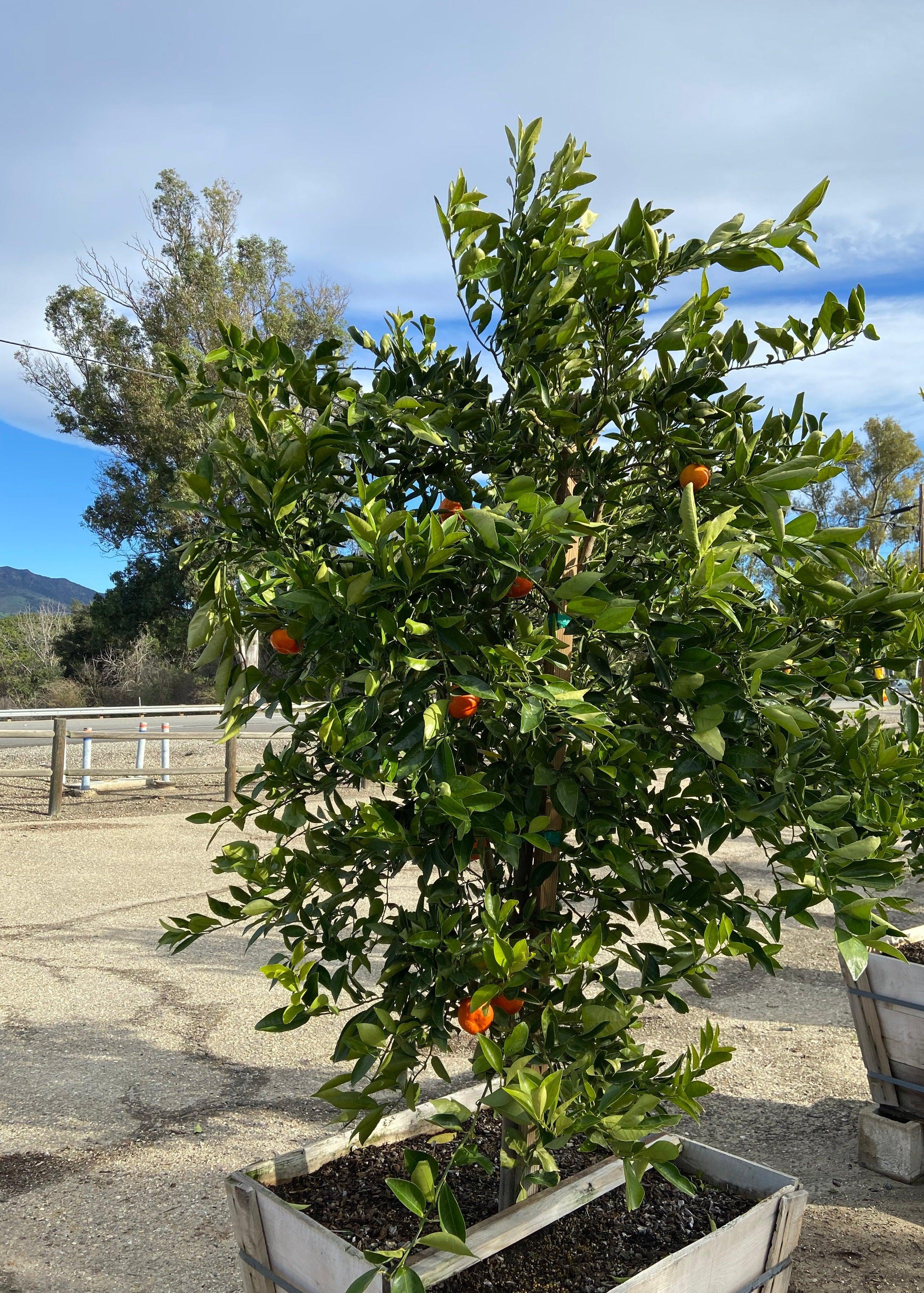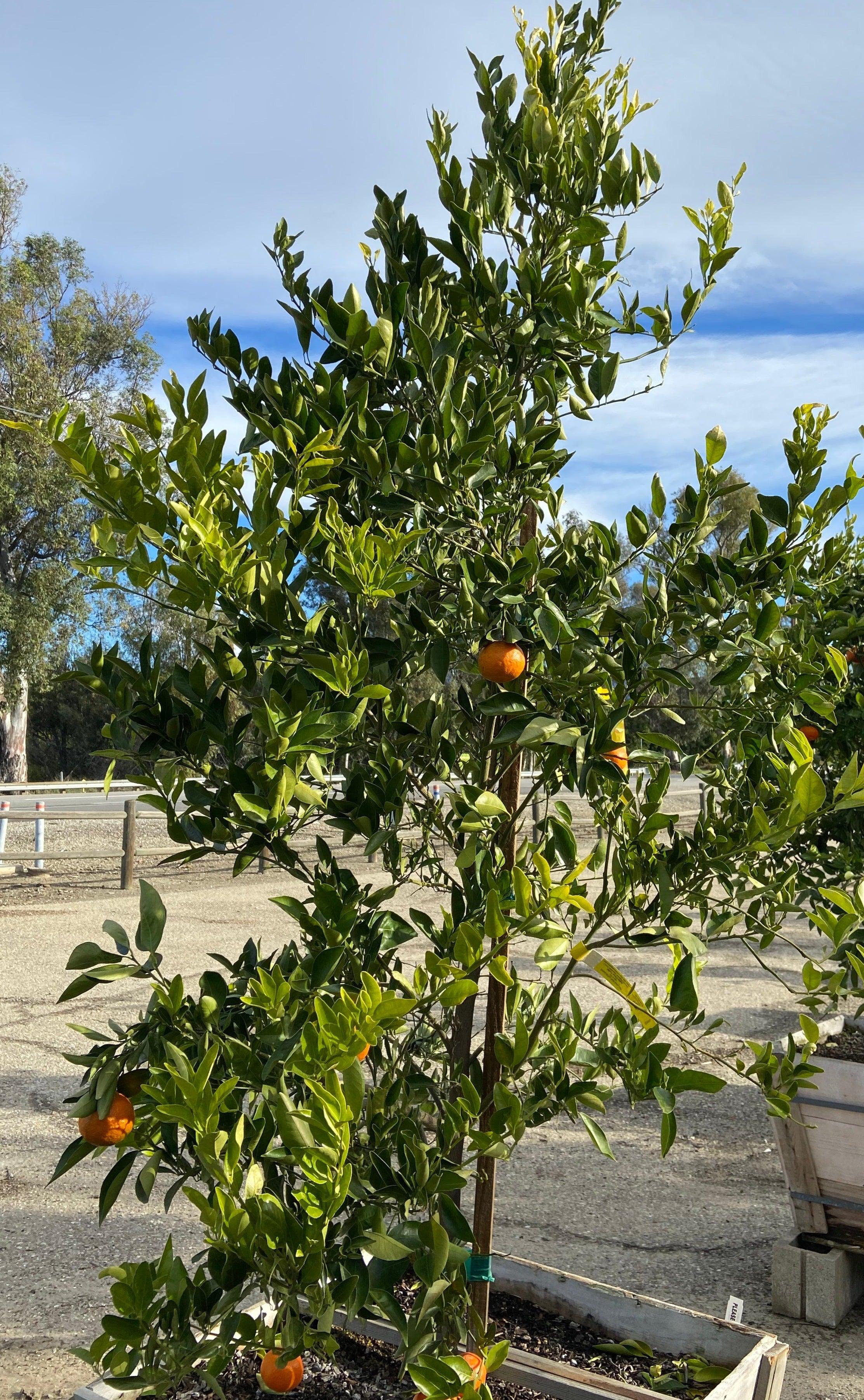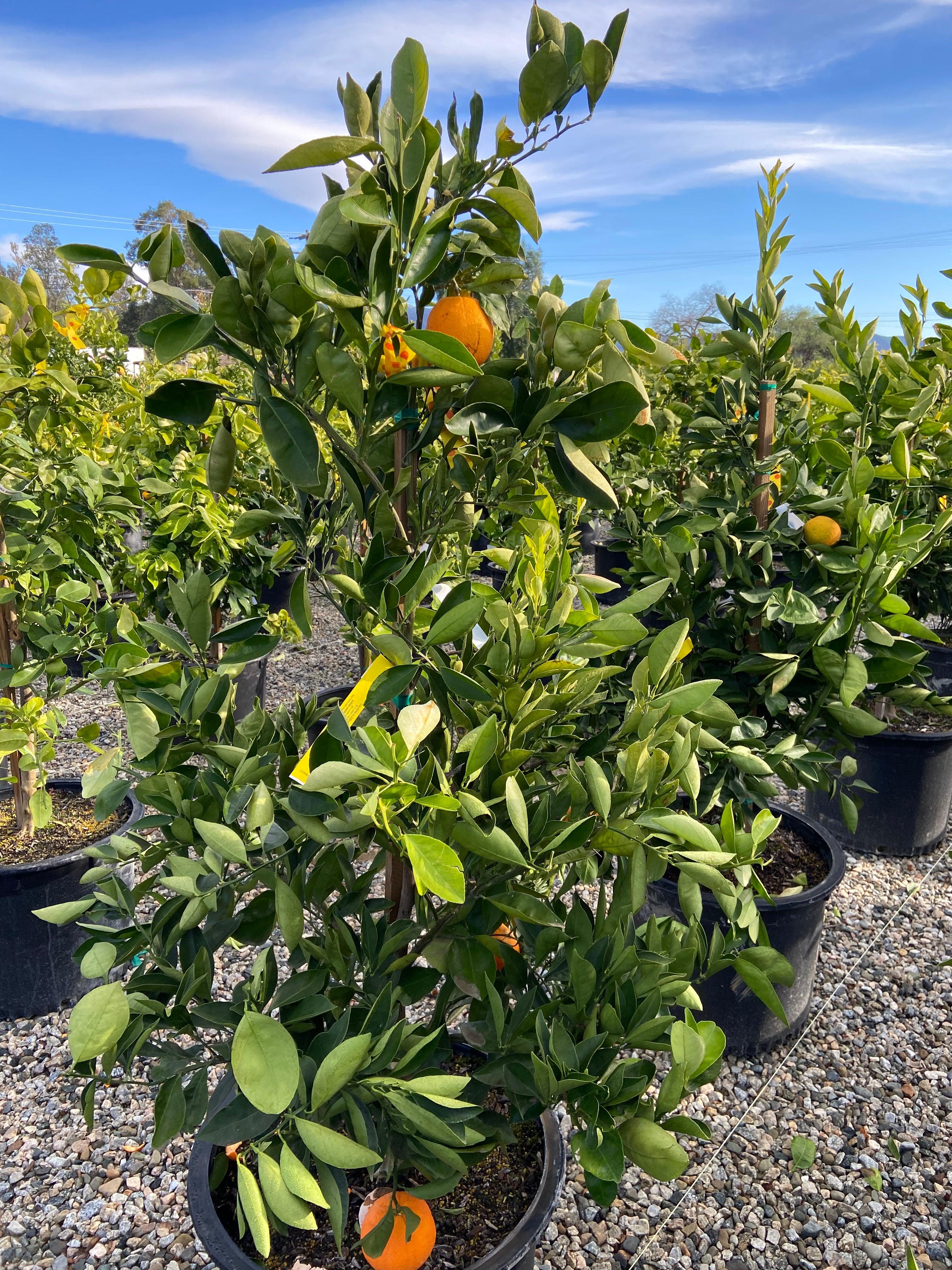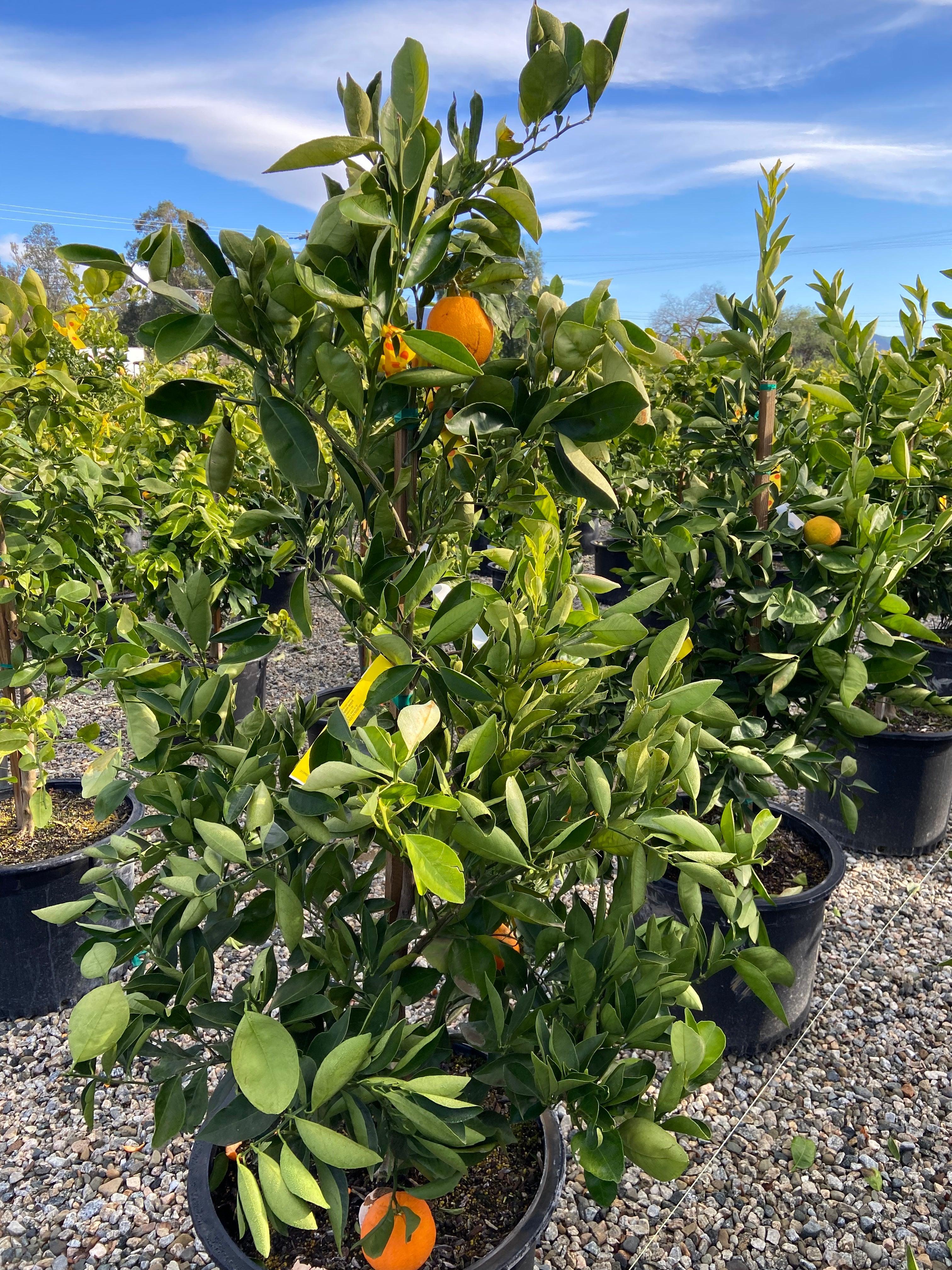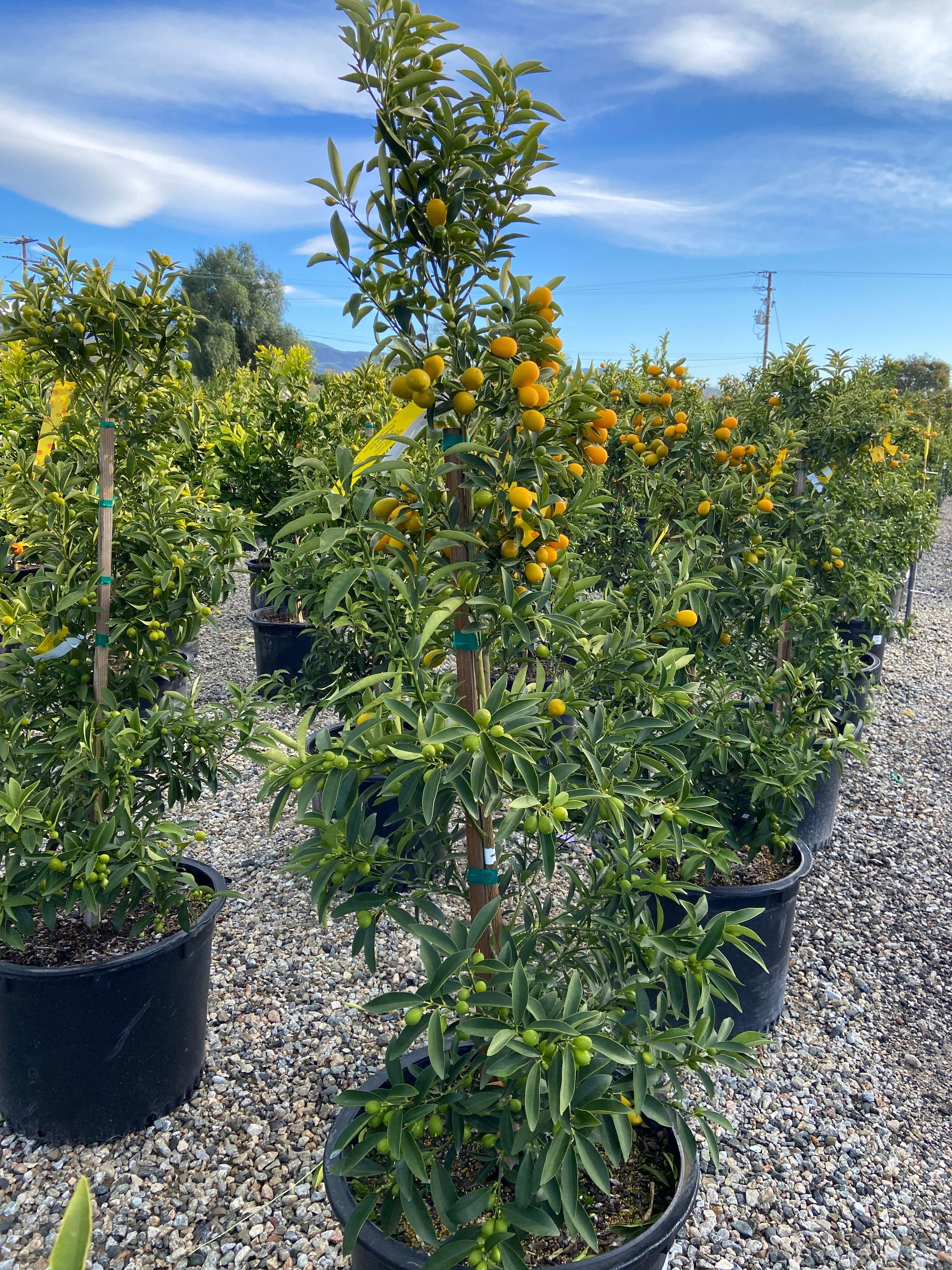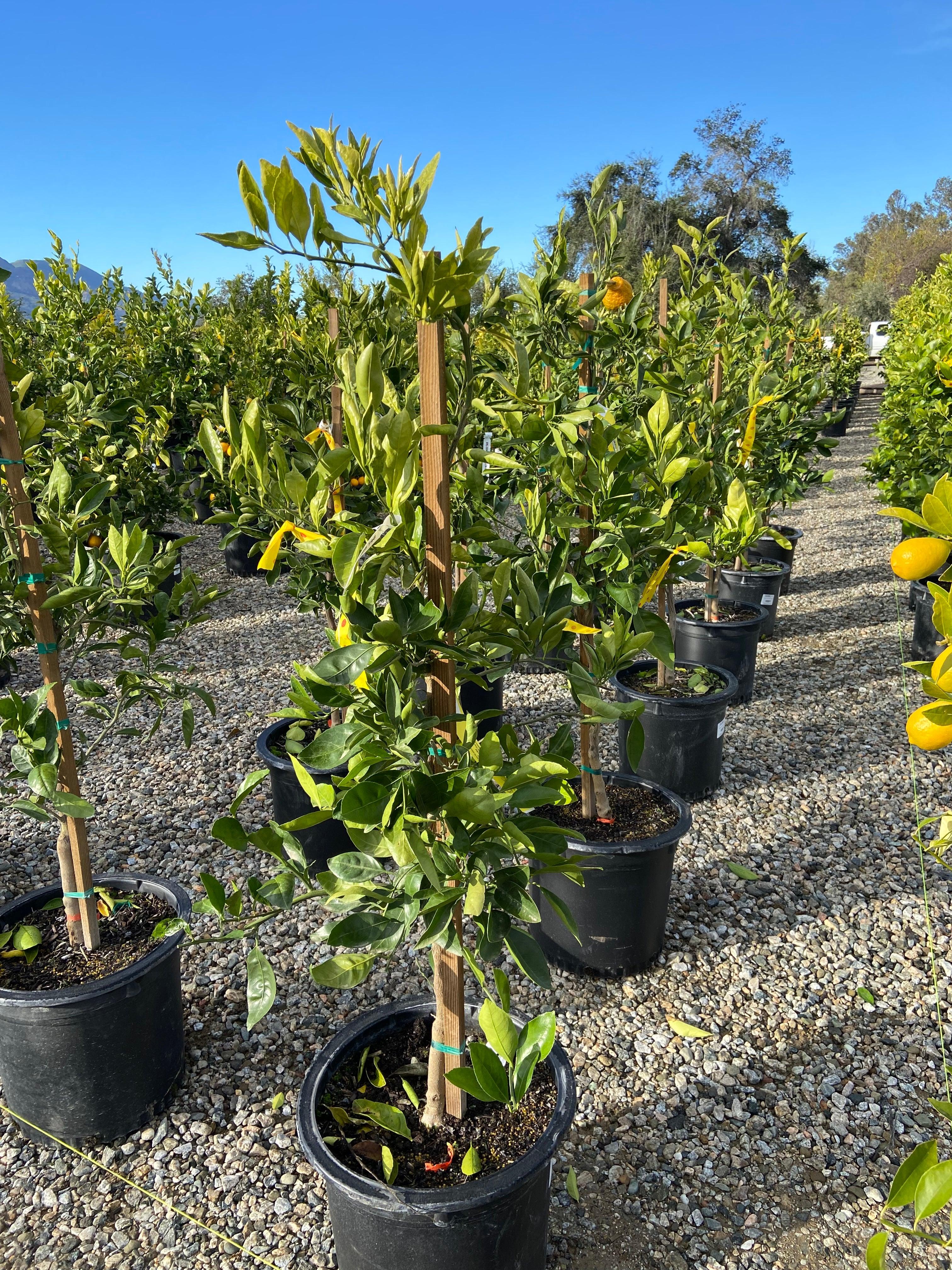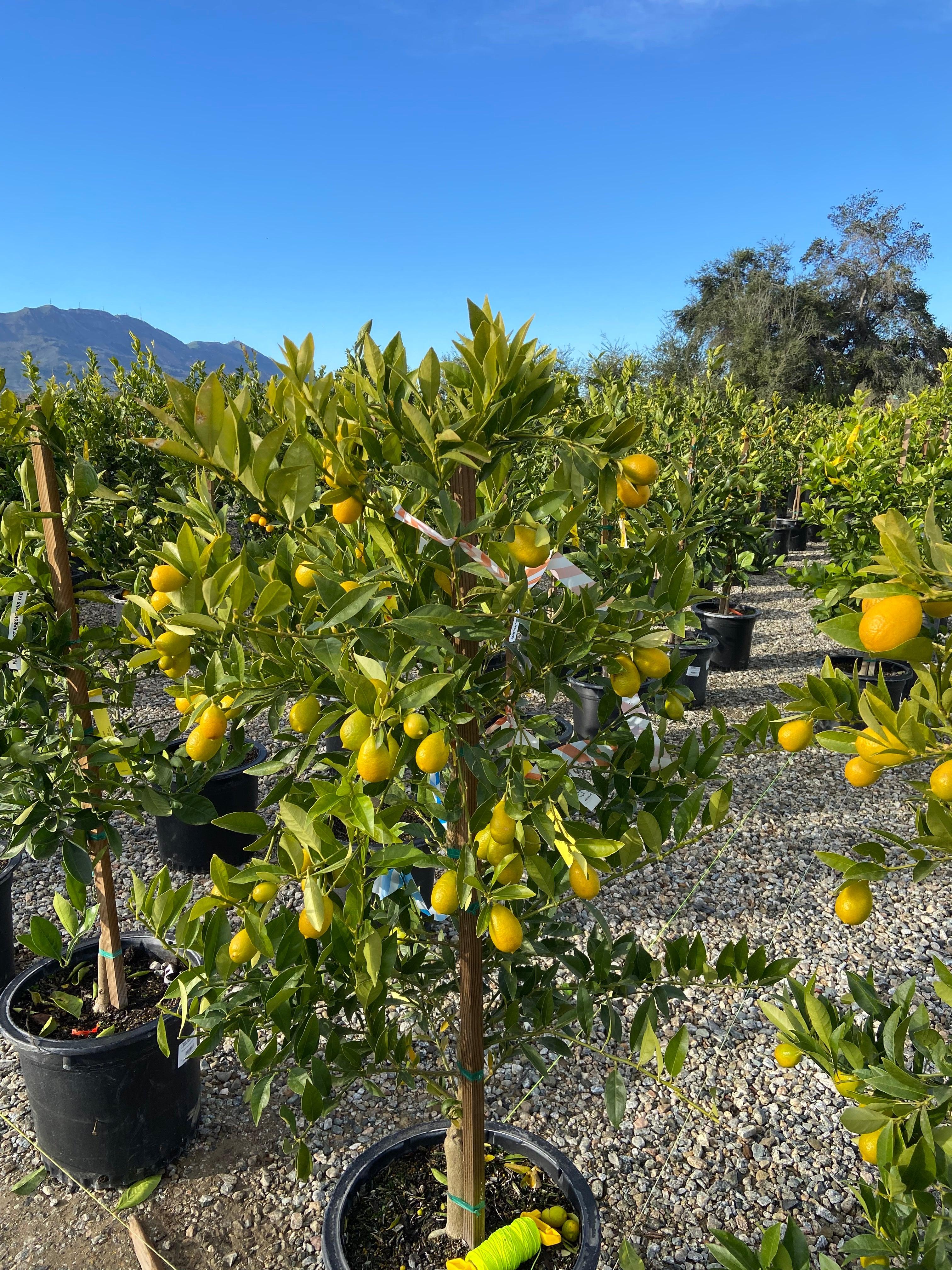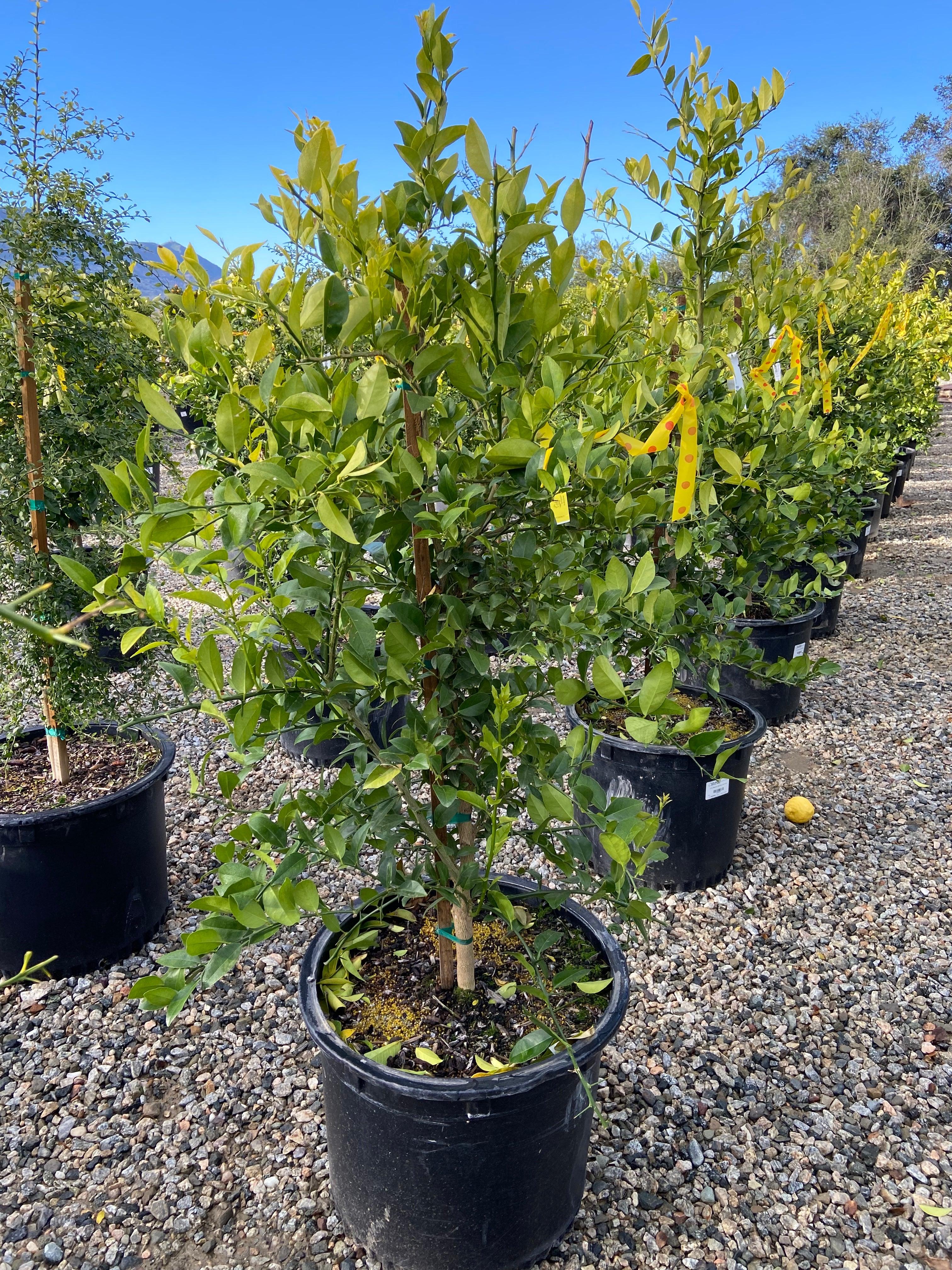
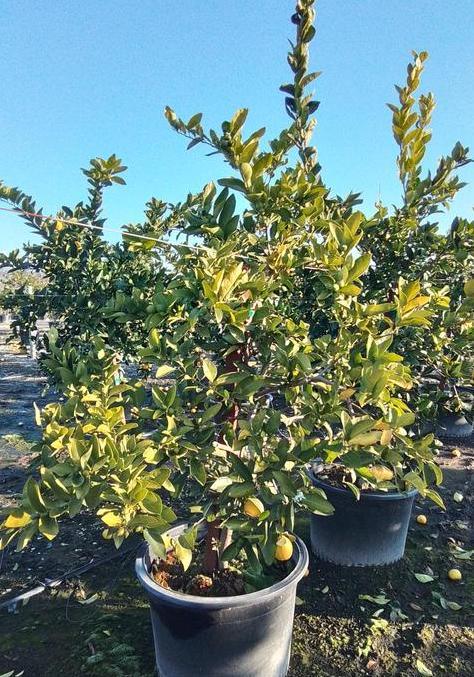
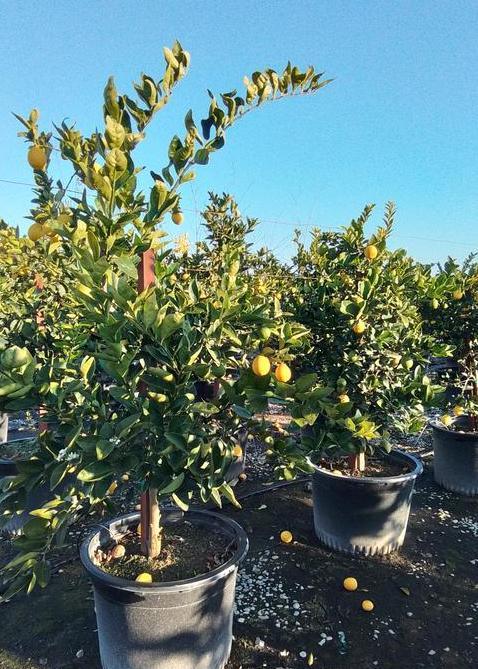
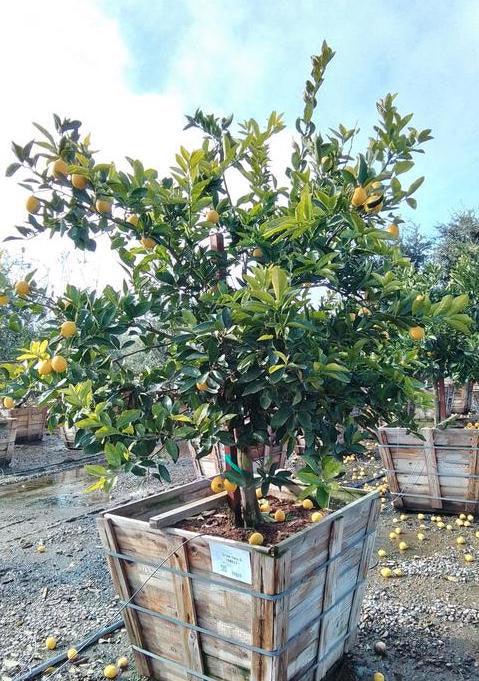
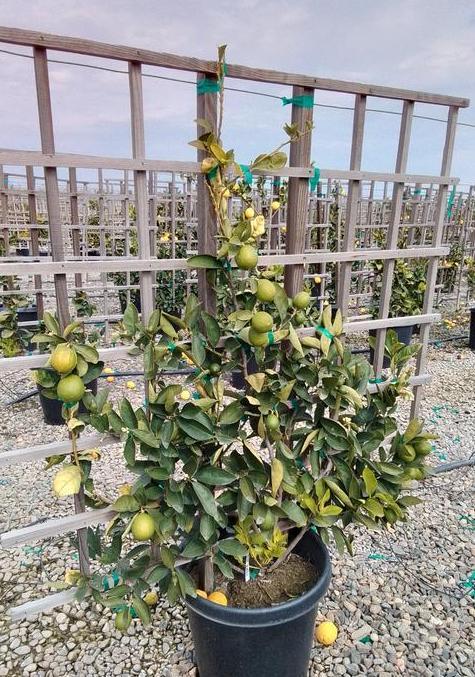
Bearss Lime
A Bearss lime tree gives you fresh, seedless, juicy limes at home, with reliable fruit production, fragrant blossoms, and a nearly thornless shape that fits California yards, patios, and container gardens.
Year-Round Fresh Limes from Your Own Backyard
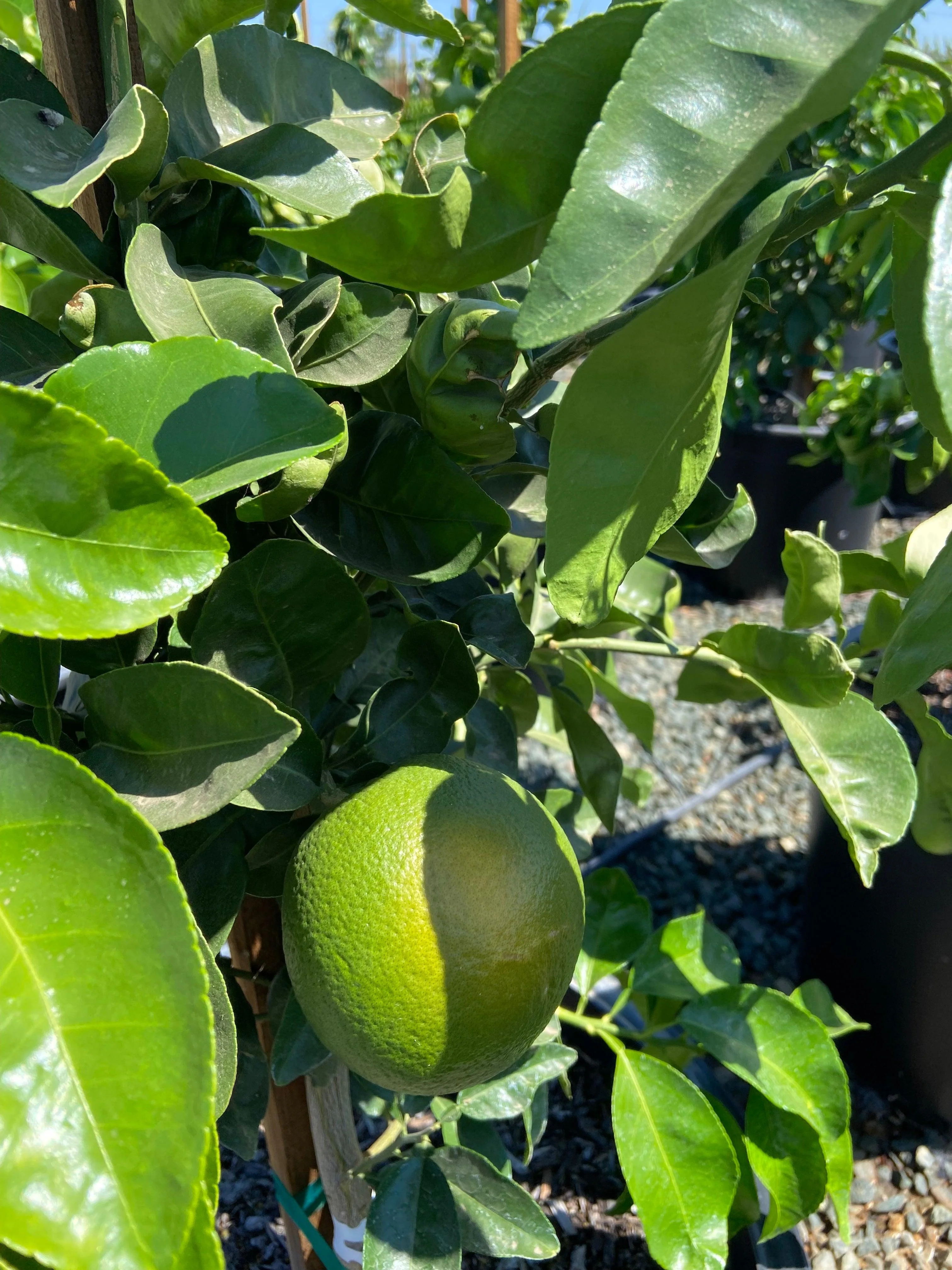
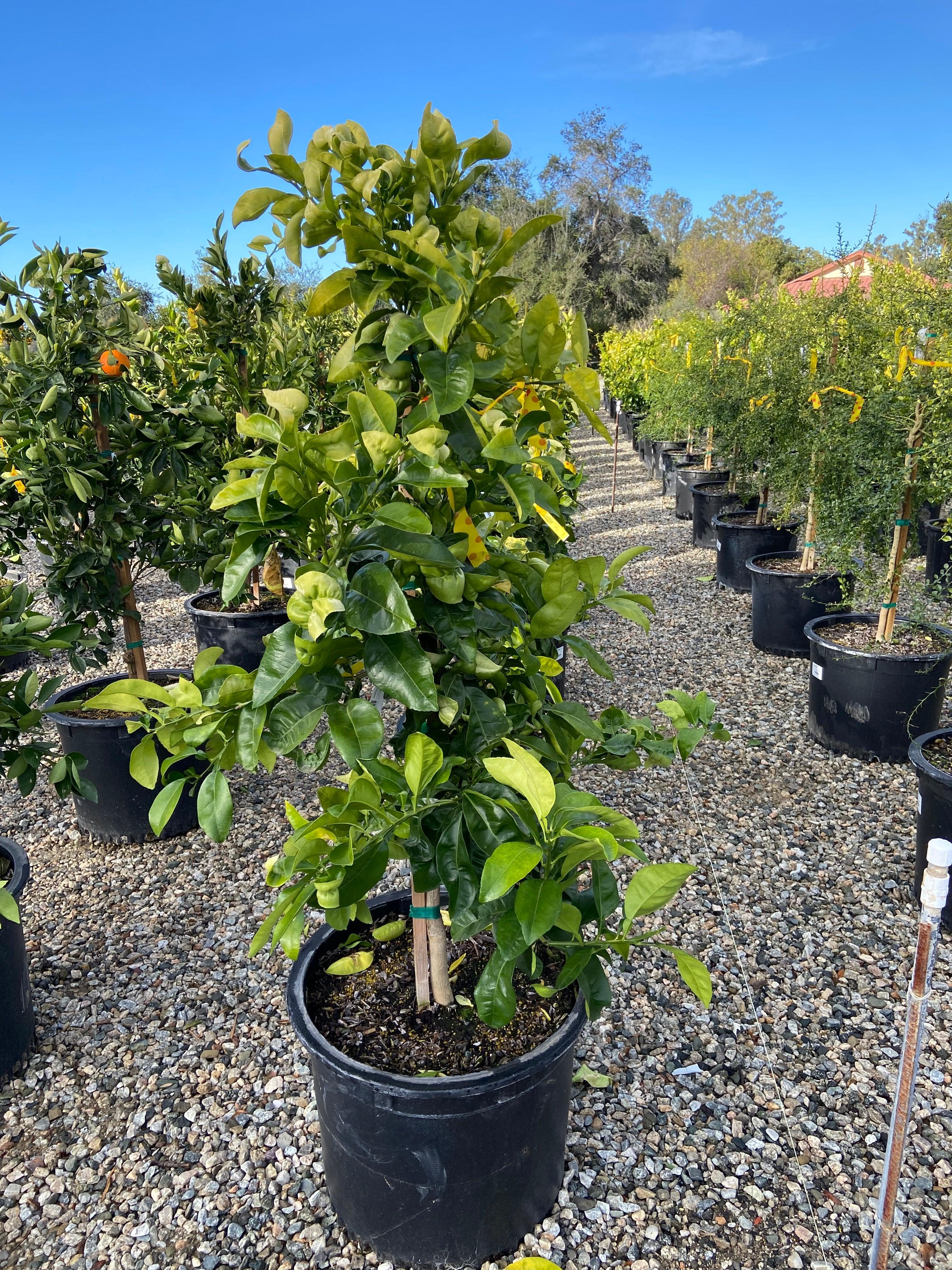
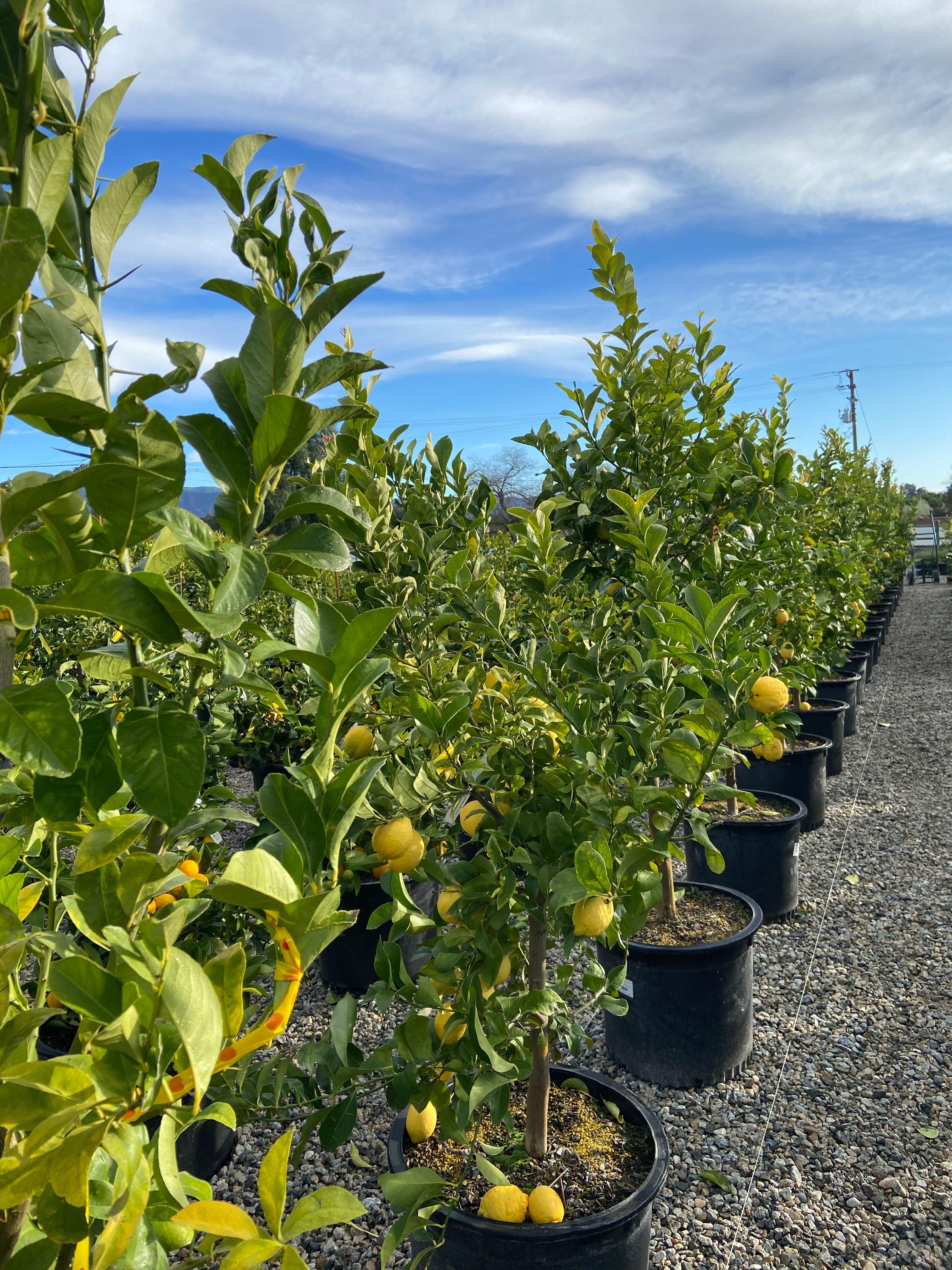
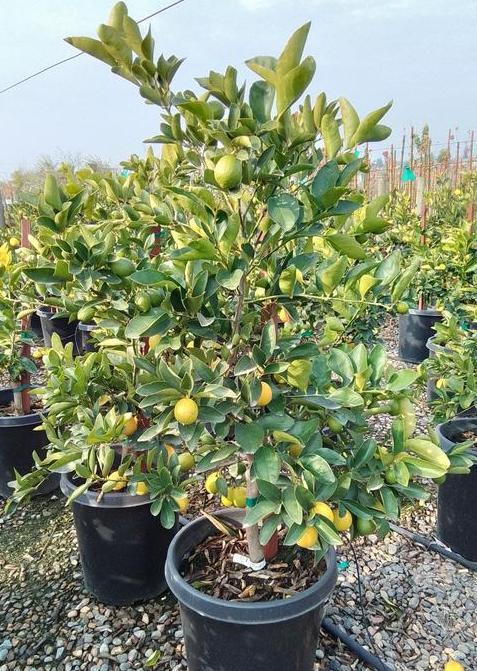
Designed for gardeners who want fresh citrus without depending on the grocery store, the Bearss lime produces large, greenish-yellow, seedless, and very juicy fruit that is almost as big as a lemon.
Also known as persian lime, tahiti lime, or Citrus latifolia, this lime tree can produce fruit year-round, with the main ripening period occurring from late winter into spring. Keep fruit on the tree longer and it turns yellow at full maturity, developing a sweeter flavor for drinks, cooking, and the kitchen counter.
Why You’ll Love It
-
Seedless, Juicy Fruit – Bearss lime trees produce abundant, easy-to-use fruit with seedless flesh, a thin smooth rind, and a juicy, tart flavor ideal for cooking, cocktails, and mixing with lemon juice for refreshing drinks.
-
Nearly Thornless – Highly favored by home gardeners, Bearss lime trees have nearly thornless branches, making harvesting safer and more comfortable than many key lime or mexican limes.
-
Cold Hardy – Bearss limes are the most cold-hardy lime variety, surviving brief temperature drops down to 28°F to 30°F; the tree is hardy to at least 25°F, though hard frosts should be avoided.
-
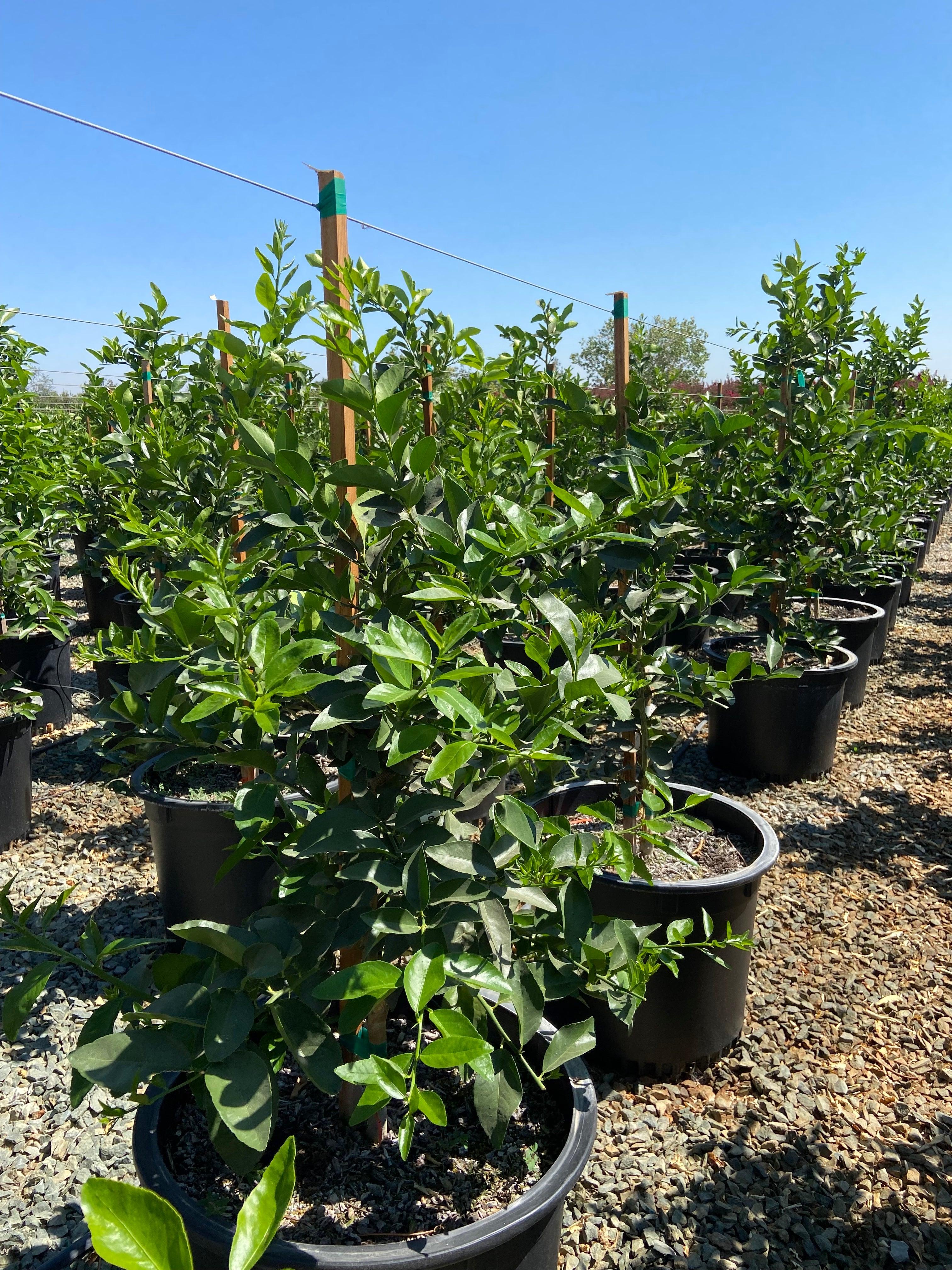
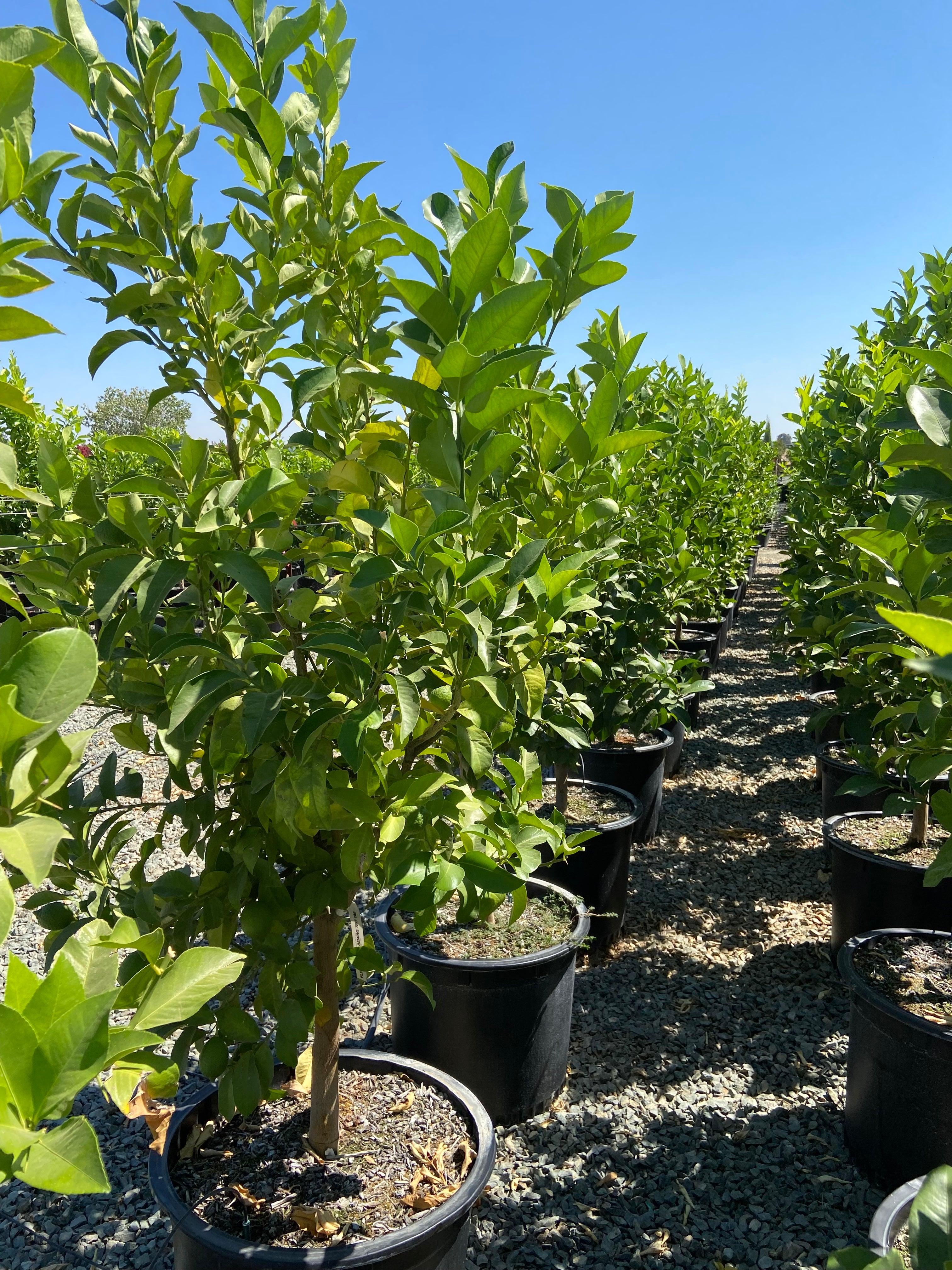
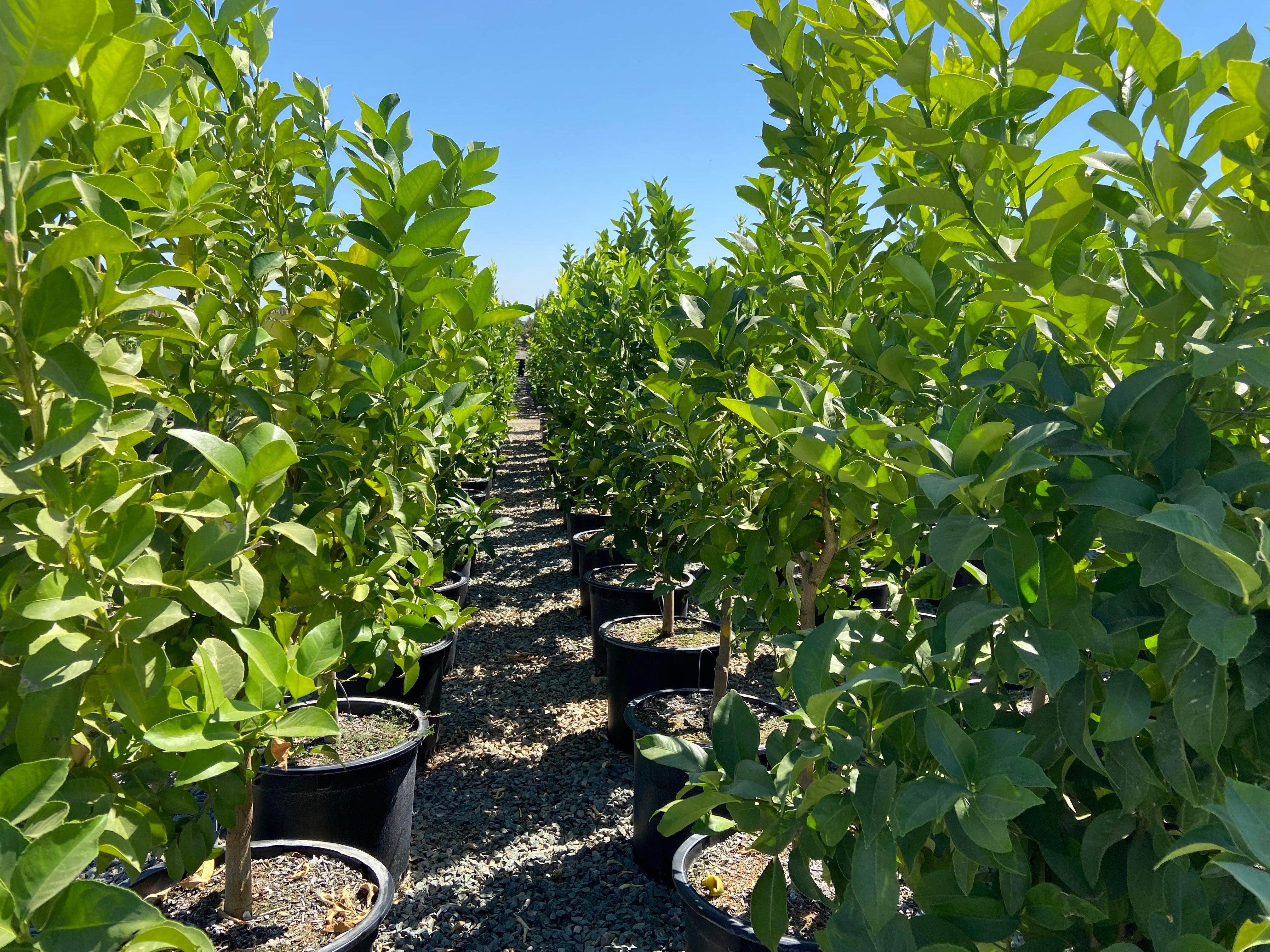
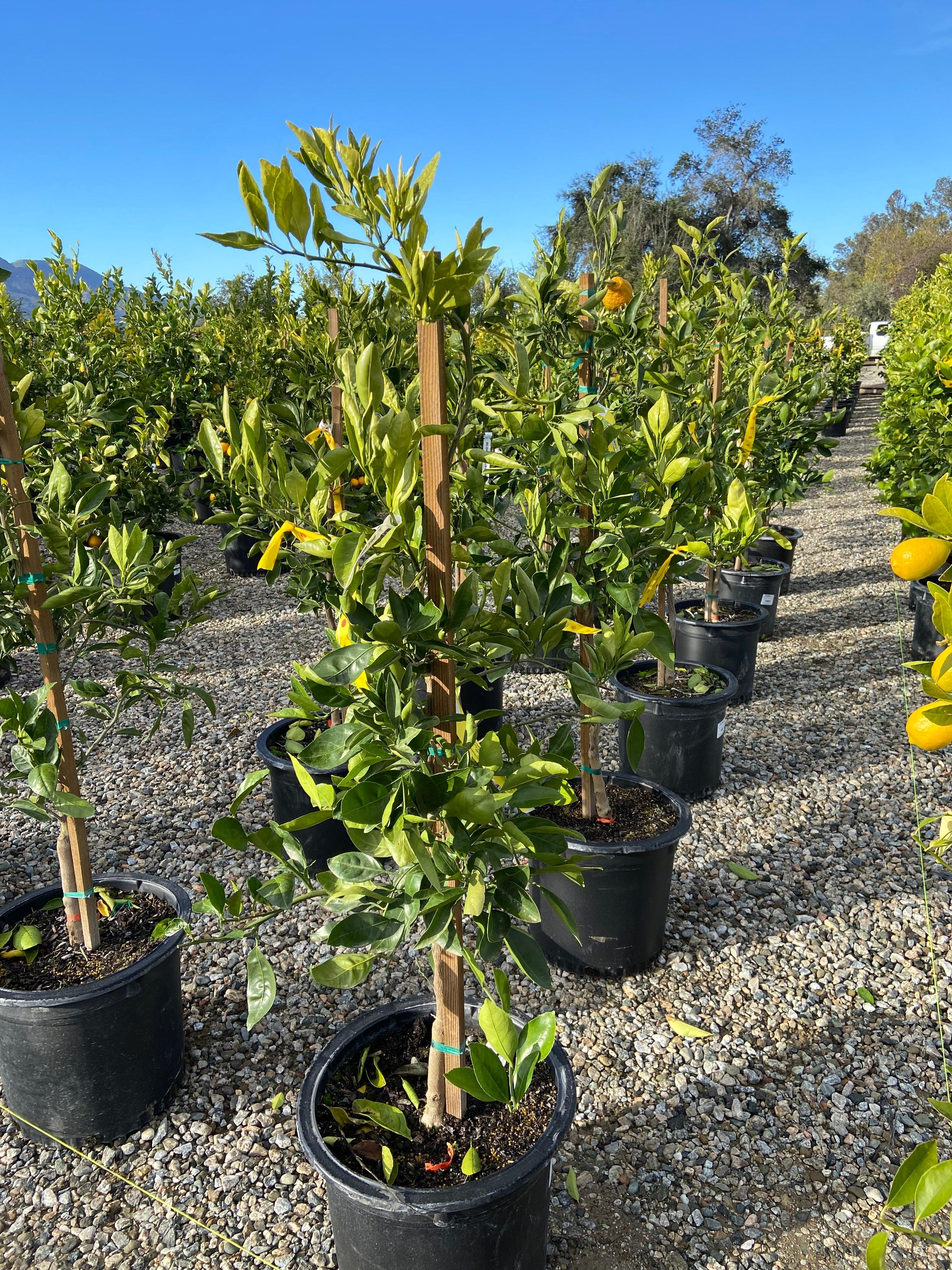
Compact Growth – In the ground, the Bearss lime tree reaches 15 to 20 feet tall, but with dwarf or potted rootstocks it can be maintained at 3 to 10 feet for a container, pot, patio, or small yard.
-
Fragrant Blossoms – The tree forms a densely branched shrub or small tree with a rounded crown, glossy green foliage, and fragrant white spring blossoms that add ornamental value before the fruit ripens.
It is entirely self-fertile, meaning one grafted tree can successfully produce fruit on its own without another citrus tree nearby for pollen.
What Makes It Different
Most lime trees ask you to compromise: key lime trees are often thorny and seedy, mexican limes can be more cold-sensitive, and some citrus trees are too large for a small garden or container.
Bearss Lime Tree is a different cultivar and here's why:
-
Persian Heritage – As a persian lime with tahitian origin and ties to tahitian lime, Bearss produces larger, smoother, finely textured fruit than standard key lime types, with a strong fresh flavor, less bitterness, and excellent juice.
-
Triploid Genetics – The fruit is naturally seedless because of its unique triploid background, so you get seedless flesh with little interruption from seeds.
-
Extended Harvest – Bearss lime trees typically ripen their fruit from late winter into early spring, with some fruit production occurring year-round, unlike single-season varieties.
The result is a productive, warm-climate citrus tree that works beautifully in California, Texas, Florida, and other suitable locations in full sun, while also adapting to colder climates when grown in a container and brought inside for winter protection, similar to many other citrus fruit trees for sale online.
What To Consider When Buying A Bearrs Lime Tree
-
Plant in Well-Draining Soil
Choose a warm, sunny site with full sun exposure. Bearss lime trees thrive in well-drained soil and require at least 8 hours of sunlight daily for optimal growth. The tree needs fast-draining, loose soil with an acidic to neutral pH between 6.0 and 7.0. -
Water Consistently
Regular watering is essential, especially during dry spells, hot summer weather, and the first growing season while roots establish. Avoid overwatering or saturated soil, which can lead to root rot and reduce healthy fruit production. -
Harvest Year-Round
Pick green limes as needed for tart, acidic flavor, or leave fruit on the tree longer until it turns greenish yellow to yellow at full ripeness for a sweeter taste. Bearss lime trees can produce a significant number of fruits, with reports of over 40 fruits per tree during the fruiting season.
For best performance, feed with citrus fertilizer during the active growing season, especially in early spring, and use light pruning to maintain shape, airflow, and harvest height, practices that also support productive lemon trees grown in home gardens.
Tree Specifications
-
Size Options: Standard Bearss lime tree reaches 15 to 20 feet tall in the ground; semi dwarf or potted rootstocks can maintain the tree at 3 to 10 feet.
-
Growth Habit: Densely branched shrub or small tree with a rounded crown, fragrant white spring blossoms, glossy green leaves, and nearly thornless branches.
-
Rootstock: Grafted options may include Flying Dragon for dwarf size or Citrus macrophylla for vigorous growth and strong performance, similar to what’s used on many mature Meyer lemon trees for sale.
-
Hardiness: USDA Zones 9–11; hardy to at least 25°F, with brief survival around 28°F to 30°F. Protect from hard frosts by moving container trees to a well-lit location during late fall.
-
Sunlight: Requires full sun, ideally at least 8 hours of sunlight daily.
-
Soil: Fast-draining, loose, well-drained soil with acidic to neutral pH between 6.0 and 7.0.
-
Fruit Size: 2 to 2.5 inches, thin-skinned, smooth, green to greenish yellow, seedless, very juicy, and almost as big as a lemon.
-
Flavor: Juicy, tart, acidic, and popular for culinary uses, with less bitterness than many smaller limes.
-
Maturity: Grafted trees can begin to produce fruit in 1 to 2 years with proper care.
-
Roots: The root system is non-invasive, making the plant safe near structures, walkways, patios, and designed garden spaces.
Who It’s For
Ideal for:
-
California homeowners who want fresh citrus, strong fresh flavor, and attractive evergreen structure in the landscape, whether from limes, Valencia orange trees, or other citrus.
-
Container gardeners who need a productive lime tree for patios, courtyards, and small spaces.
-
Cooking enthusiasts who regularly use fresh lime juice, zest, and fruit for drinks, marinades, baking, and mixing with lemon juice.
-
Garden designers who want a fruit-bearing ornamental with fragrant blossoms, rounded shape, and practical harvest value, and who may also mix in compact Nagami kumquat trees for added interest.
If you want a self-fertile citrus tree that can produce seedless, juicy fruit without needing a second tree, Bearss lime fits your garden, yard, or container-growing plan.
Frequently Asked Questions
How quickly will my tree produce fruit?
A grafted Bearss lime tree typically begins to produce fruit within 1 to 2 years when planted in full sun, watered consistently, and grown in healthy, well-drained soil.
Can I grow this in a container?
Yes. Dwarf Bearss lime and potted rootstock options can be maintained at 3 to 10 feet, making them helpful for patios and colder climates where the tree can be brought inside during winter.
How cold hardy is Bearss lime?
Bearss limes are considered the most cold-hardy lime variety, surviving brief temperature drops down to 28°F to 30°F. The tree is hardy to at least 25°F, but protect it from hard frosts by moving it to a well-lit location during late fall.
Does it need another lime tree to produce fruit?
No. The tree is entirely self-fertile, so a single Bearss lime tree can successfully produce fruit on its own.
What if my tree does not thrive in my location?
Yardwork provides planting guidance, consultation support, and expert-selected nursery plants, from Bearss lime to the California Pepper Tree and other landscape trees, to help your planting establish successfully.
Ready to Grow Your Own Limes?
Stop buying expensive store-bought limes with seeds, weak flavor, or poor freshness. Choose a Bearss Lime Tree and enjoy seedless, juicy fruit from your own garden, patio, or container.
Yardwork offers California delivery, expert consultation, and a plant guarantee so you can plant with confidence, whether you’re planting citrus or long-lived pomegranate trees for your landscape. Secure checkout. Expert-selected citrus, complemented by ornamental evergreens like the California pepper tree with feathery foliage. Fresh limes from your own yard.
Product Information
Product Information
Shipping & Returns
Shipping & Returns
Description
A Bearss lime tree gives you fresh, seedless, juicy limes at home, with reliable fruit production, fragrant blossoms, and a nearly thornless shape that fits California yards, patios, and container gardens.
Year-Round Fresh Limes from Your Own Backyard
Designed for gardeners who want fresh citrus without depending on the grocery store, the Bearss lime produces large, greenish-yellow, seedless, and very juicy fruit that is almost as big as a lemon.
Also known as persian lime, tahiti lime, or Citrus latifolia, this lime tree can produce fruit year-round, with the main ripening period occurring from late winter into spring. Keep fruit on the tree longer and it turns yellow at full maturity, developing a sweeter flavor for drinks, cooking, and the kitchen counter.
Why You’ll Love It
-
Seedless, Juicy Fruit – Bearss lime trees produce abundant, easy-to-use fruit with seedless flesh, a thin smooth rind, and a juicy, tart flavor ideal for cooking, cocktails, and mixing with lemon juice for refreshing drinks.
-
Nearly Thornless – Highly favored by home gardeners, Bearss lime trees have nearly thornless branches, making harvesting safer and more comfortable than many key lime or mexican limes.
-
Cold Hardy – Bearss limes are the most cold-hardy lime variety, surviving brief temperature drops down to 28°F to 30°F; the tree is hardy to at least 25°F, though hard frosts should be avoided.
-
Compact Growth – In the ground, the Bearss lime tree reaches 15 to 20 feet tall, but with dwarf or potted rootstocks it can be maintained at 3 to 10 feet for a container, pot, patio, or small yard.
-
Fragrant Blossoms – The tree forms a densely branched shrub or small tree with a rounded crown, glossy green foliage, and fragrant white spring blossoms that add ornamental value before the fruit ripens.
It is entirely self-fertile, meaning one grafted tree can successfully produce fruit on its own without another citrus tree nearby for pollen.
What Makes It Different
Most lime trees ask you to compromise: key lime trees are often thorny and seedy, mexican limes can be more cold-sensitive, and some citrus trees are too large for a small garden or container.
Bearss Lime Tree is a different cultivar and here's why:
-
Persian Heritage – As a persian lime with tahitian origin and ties to tahitian lime, Bearss produces larger, smoother, finely textured fruit than standard key lime types, with a strong fresh flavor, less bitterness, and excellent juice.
-
Triploid Genetics – The fruit is naturally seedless because of its unique triploid background, so you get seedless flesh with little interruption from seeds.
-
Extended Harvest – Bearss lime trees typically ripen their fruit from late winter into early spring, with some fruit production occurring year-round, unlike single-season varieties.
The result is a productive, warm-climate citrus tree that works beautifully in California, Texas, Florida, and other suitable locations in full sun, while also adapting to colder climates when grown in a container and brought inside for winter protection, similar to many other citrus fruit trees for sale online.
What To Consider When Buying A Bearrs Lime Tree
-
Plant in Well-Draining Soil
Choose a warm, sunny site with full sun exposure. Bearss lime trees thrive in well-drained soil and require at least 8 hours of sunlight daily for optimal growth. The tree needs fast-draining, loose soil with an acidic to neutral pH between 6.0 and 7.0. -
Water Consistently
Regular watering is essential, especially during dry spells, hot summer weather, and the first growing season while roots establish. Avoid overwatering or saturated soil, which can lead to root rot and reduce healthy fruit production. -
Harvest Year-Round
Pick green limes as needed for tart, acidic flavor, or leave fruit on the tree longer until it turns greenish yellow to yellow at full ripeness for a sweeter taste. Bearss lime trees can produce a significant number of fruits, with reports of over 40 fruits per tree during the fruiting season.
For best performance, feed with citrus fertilizer during the active growing season, especially in early spring, and use light pruning to maintain shape, airflow, and harvest height, practices that also support productive lemon trees grown in home gardens.
Tree Specifications
-
Size Options: Standard Bearss lime tree reaches 15 to 20 feet tall in the ground; semi dwarf or potted rootstocks can maintain the tree at 3 to 10 feet.
-
Growth Habit: Densely branched shrub or small tree with a rounded crown, fragrant white spring blossoms, glossy green leaves, and nearly thornless branches.
-
Rootstock: Grafted options may include Flying Dragon for dwarf size or Citrus macrophylla for vigorous growth and strong performance, similar to what’s used on many mature Meyer lemon trees for sale.
-
Hardiness: USDA Zones 9–11; hardy to at least 25°F, with brief survival around 28°F to 30°F. Protect from hard frosts by moving container trees to a well-lit location during late fall.
-
Sunlight: Requires full sun, ideally at least 8 hours of sunlight daily.
-
Soil: Fast-draining, loose, well-drained soil with acidic to neutral pH between 6.0 and 7.0.
-
Fruit Size: 2 to 2.5 inches, thin-skinned, smooth, green to greenish yellow, seedless, very juicy, and almost as big as a lemon.
-
Flavor: Juicy, tart, acidic, and popular for culinary uses, with less bitterness than many smaller limes.
-
Maturity: Grafted trees can begin to produce fruit in 1 to 2 years with proper care.
-
Roots: The root system is non-invasive, making the plant safe near structures, walkways, patios, and designed garden spaces.
Who It’s For
Ideal for:
-
California homeowners who want fresh citrus, strong fresh flavor, and attractive evergreen structure in the landscape, whether from limes, Valencia orange trees, or other citrus.
-
Container gardeners who need a productive lime tree for patios, courtyards, and small spaces.
-
Cooking enthusiasts who regularly use fresh lime juice, zest, and fruit for drinks, marinades, baking, and mixing with lemon juice.
-
Garden designers who want a fruit-bearing ornamental with fragrant blossoms, rounded shape, and practical harvest value, and who may also mix in compact Nagami kumquat trees for added interest.
If you want a self-fertile citrus tree that can produce seedless, juicy fruit without needing a second tree, Bearss lime fits your garden, yard, or container-growing plan.
Frequently Asked Questions
How quickly will my tree produce fruit?
A grafted Bearss lime tree typically begins to produce fruit within 1 to 2 years when planted in full sun, watered consistently, and grown in healthy, well-drained soil.
Can I grow this in a container?
Yes. Dwarf Bearss lime and potted rootstock options can be maintained at 3 to 10 feet, making them helpful for patios and colder climates where the tree can be brought inside during winter.
How cold hardy is Bearss lime?
Bearss limes are considered the most cold-hardy lime variety, surviving brief temperature drops down to 28°F to 30°F. The tree is hardy to at least 25°F, but protect it from hard frosts by moving it to a well-lit location during late fall.
Does it need another lime tree to produce fruit?
No. The tree is entirely self-fertile, so a single Bearss lime tree can successfully produce fruit on its own.
What if my tree does not thrive in my location?
Yardwork provides planting guidance, consultation support, and expert-selected nursery plants, from Bearss lime to the California Pepper Tree and other landscape trees, to help your planting establish successfully.
Ready to Grow Your Own Limes?
Stop buying expensive store-bought limes with seeds, weak flavor, or poor freshness. Choose a Bearss Lime Tree and enjoy seedless, juicy fruit from your own garden, patio, or container.
Yardwork offers California delivery, expert consultation, and a plant guarantee so you can plant with confidence, whether you’re planting citrus or long-lived pomegranate trees for your landscape. Secure checkout. Expert-selected citrus, complemented by ornamental evergreens like the California pepper tree with feathery foliage. Fresh limes from your own yard.