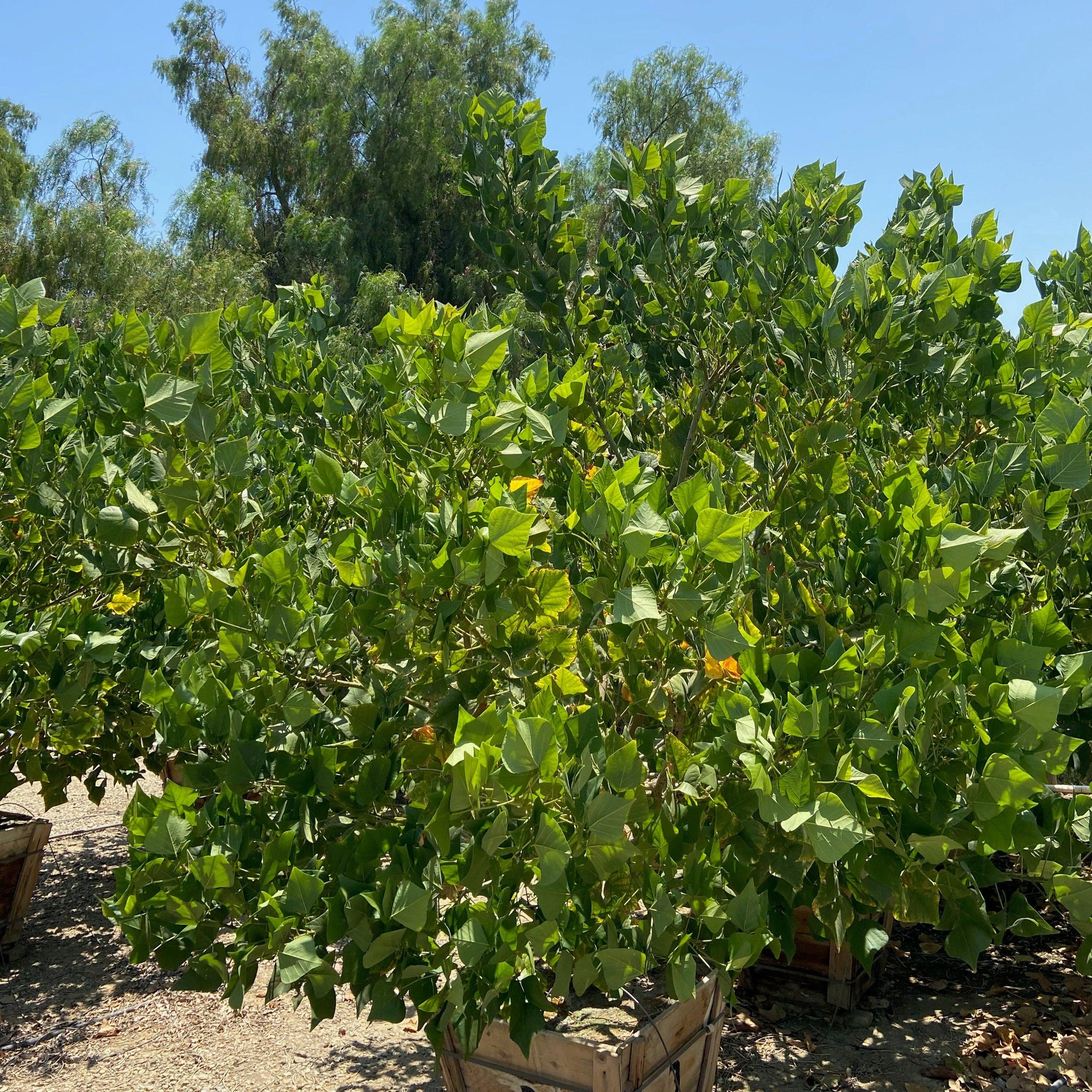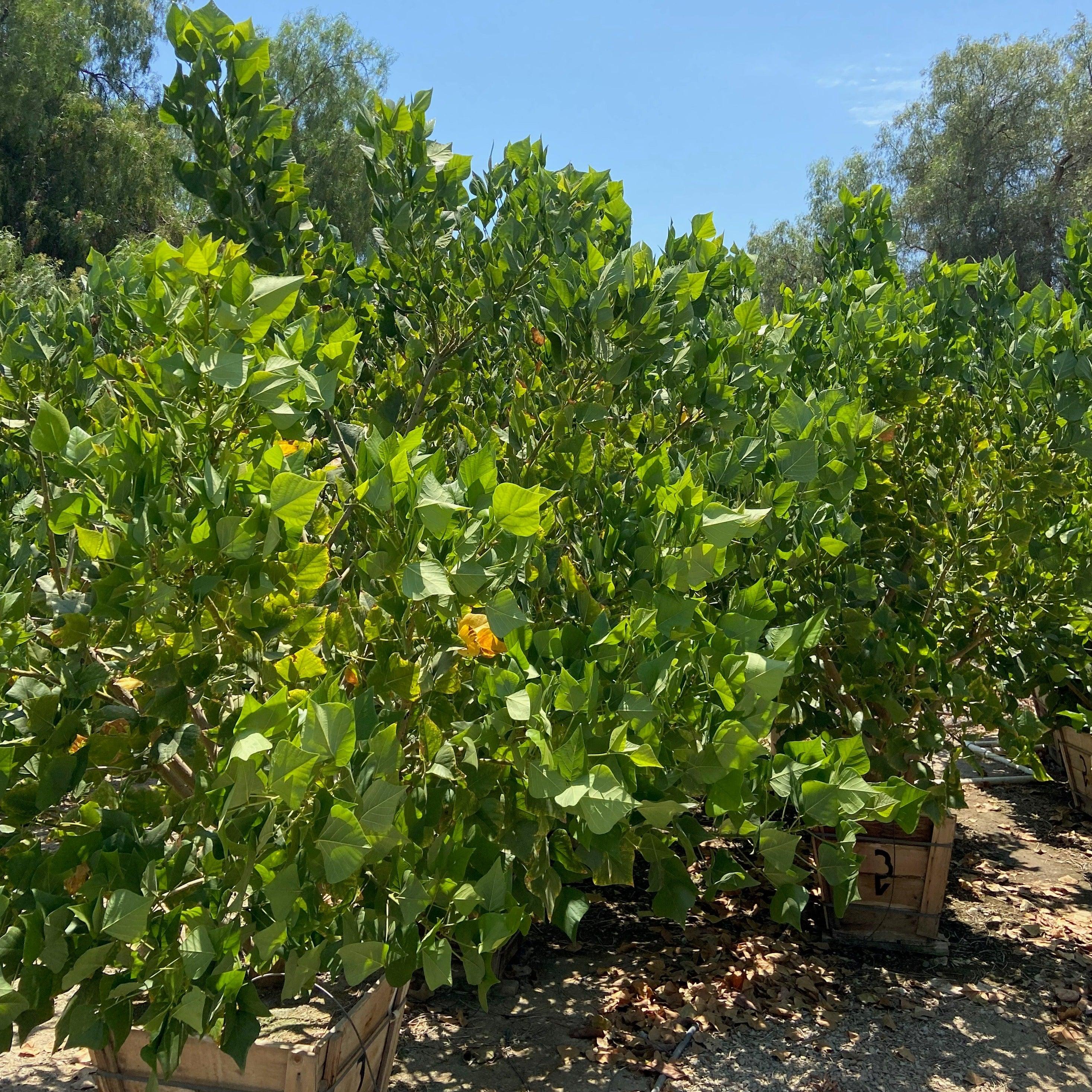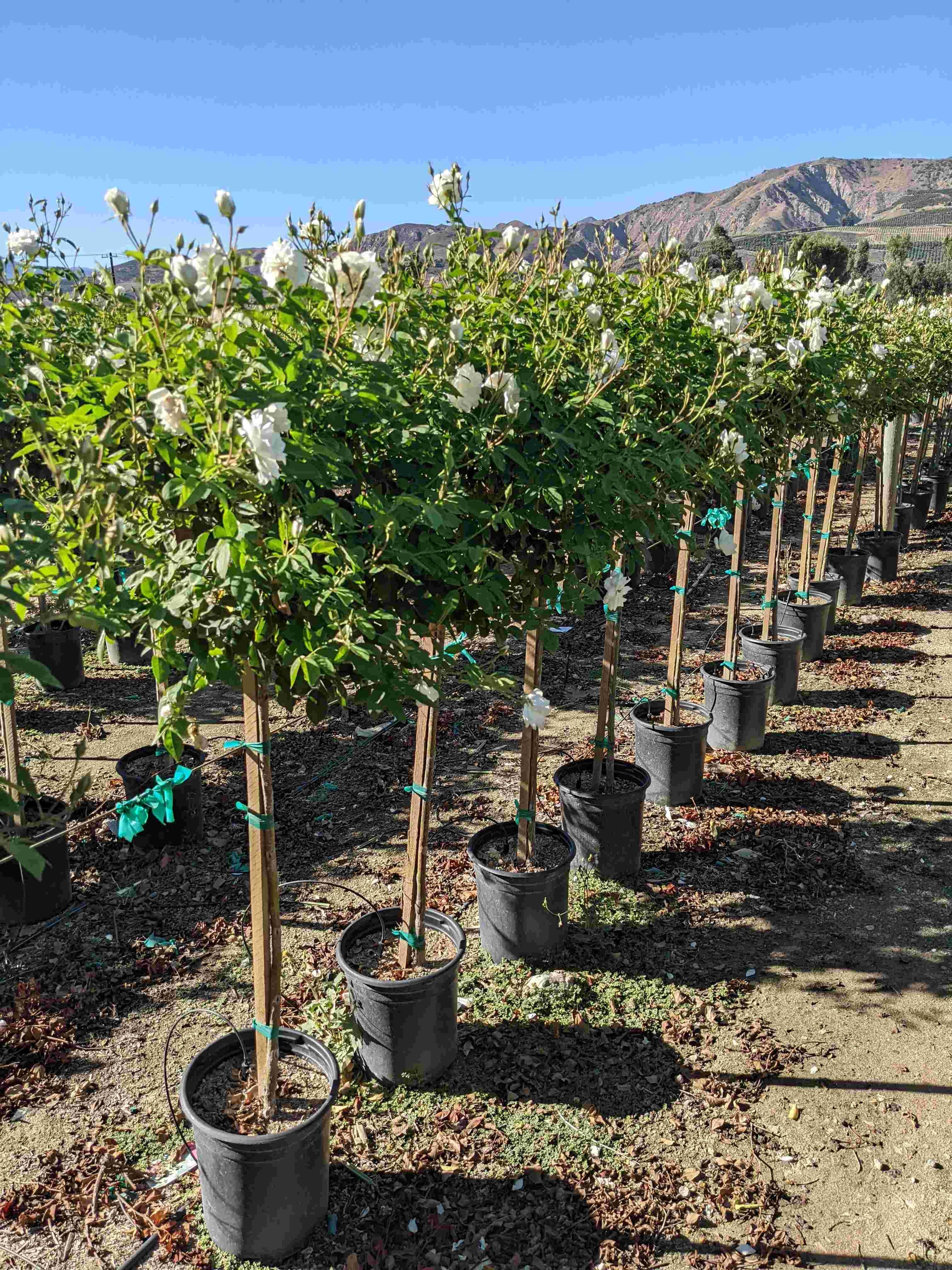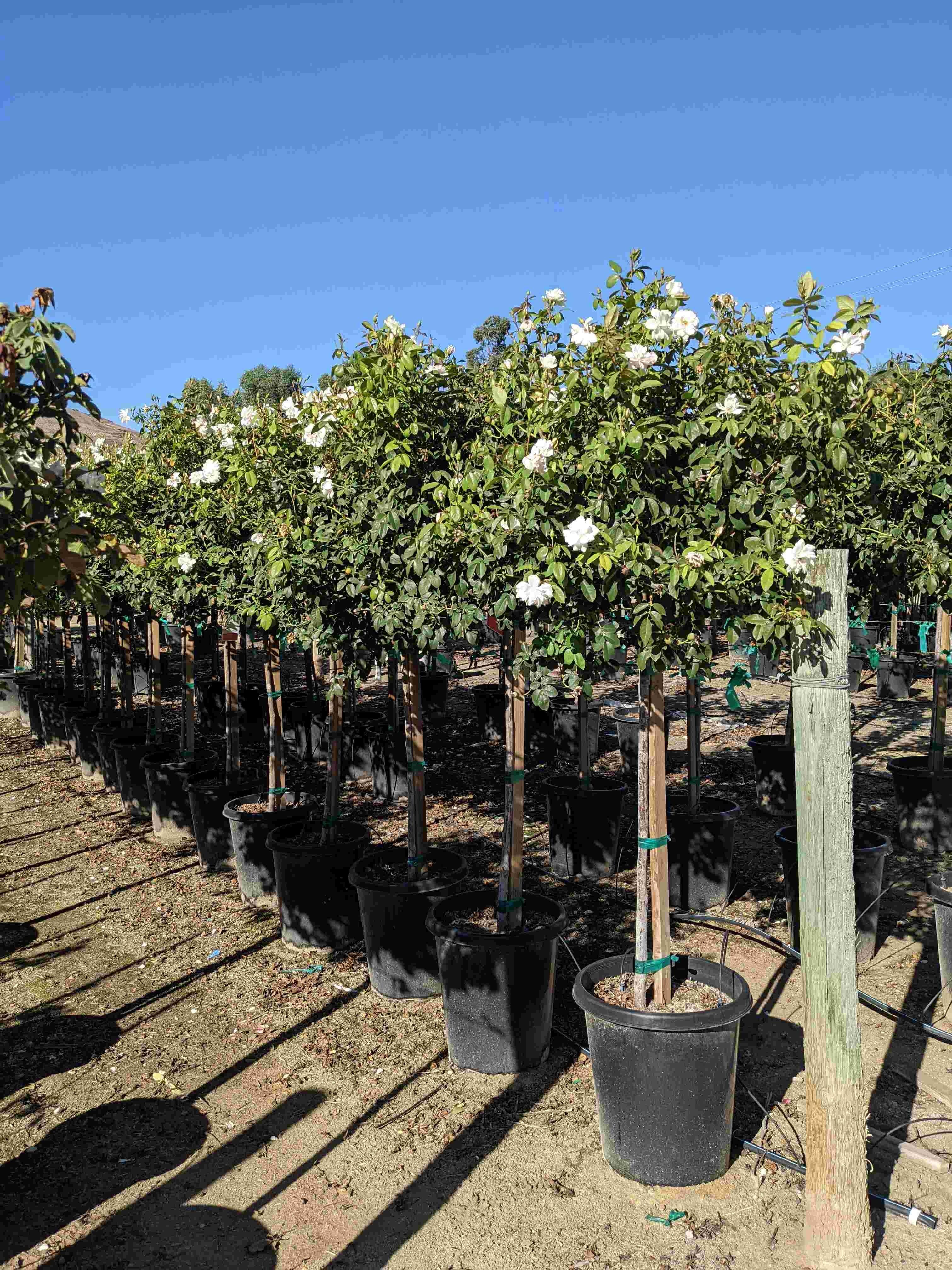
Jacaranda Tree For Sale - Jacaranda Mimosifolia
Transform Your Landscape with Stunning Purple Blooms
A jacaranda tree gives California landscapes dramatic spring blooming color, fast-growing shade, and highly ornamental fern like foliage in one statement tree.
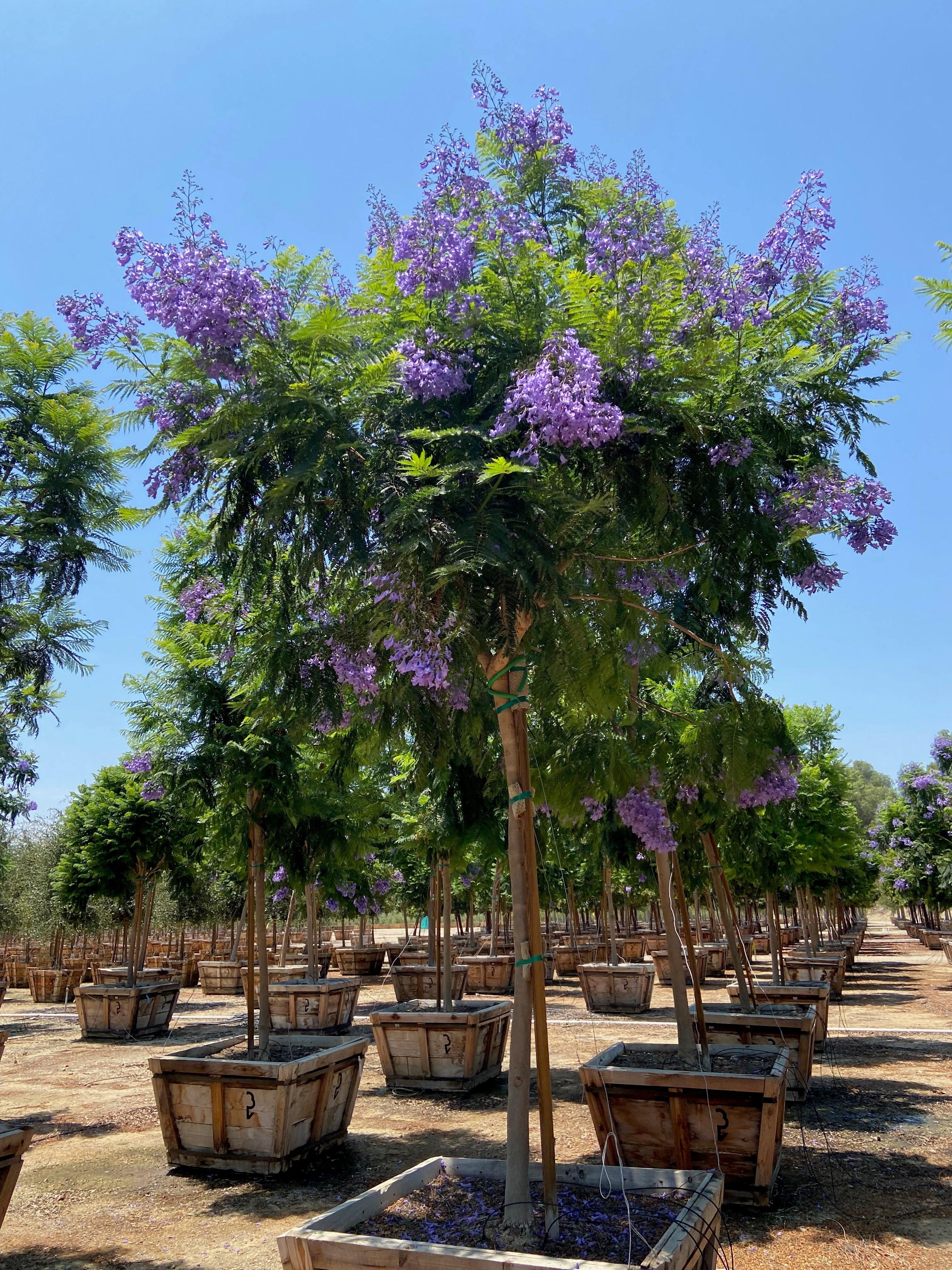
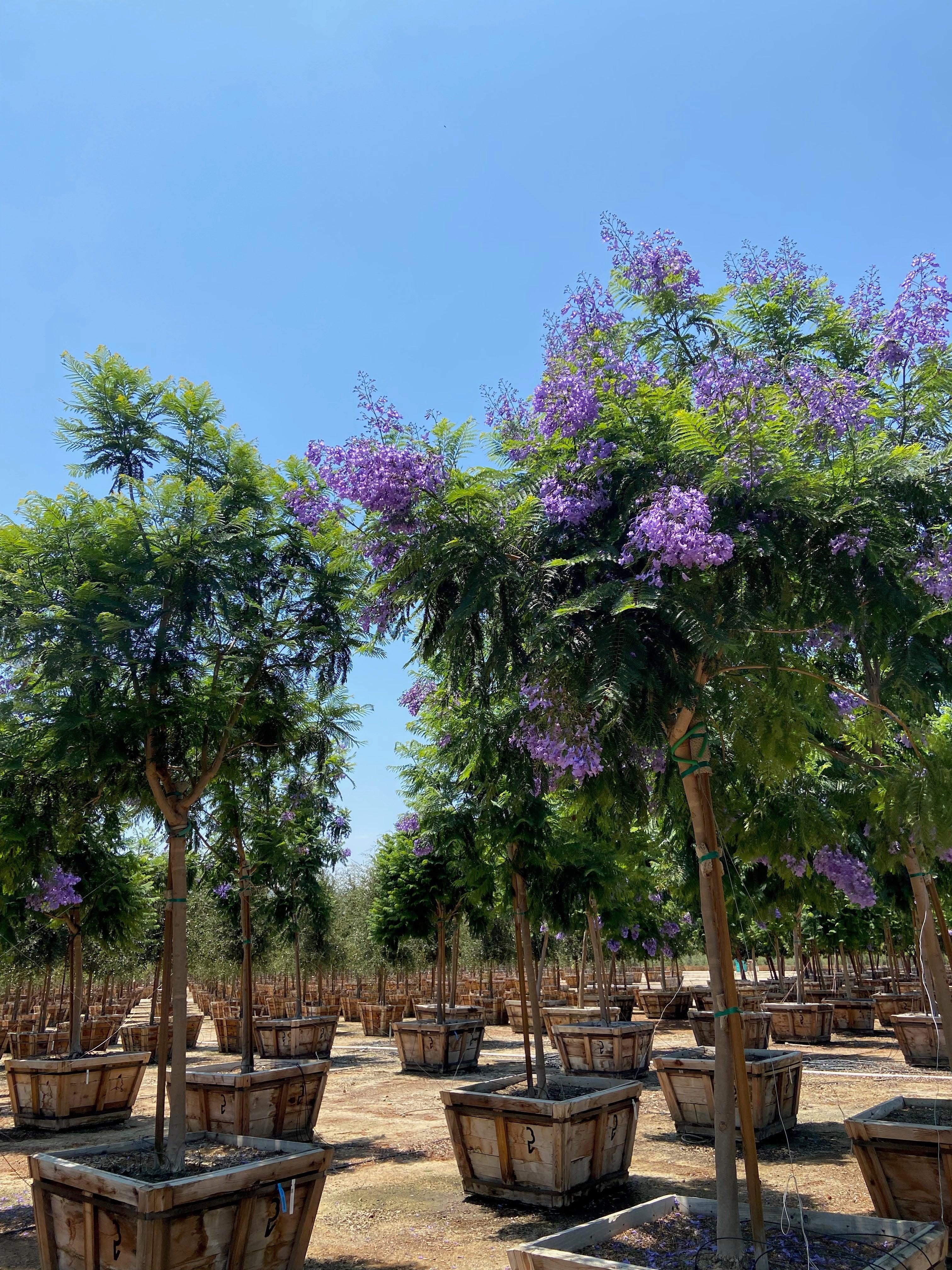
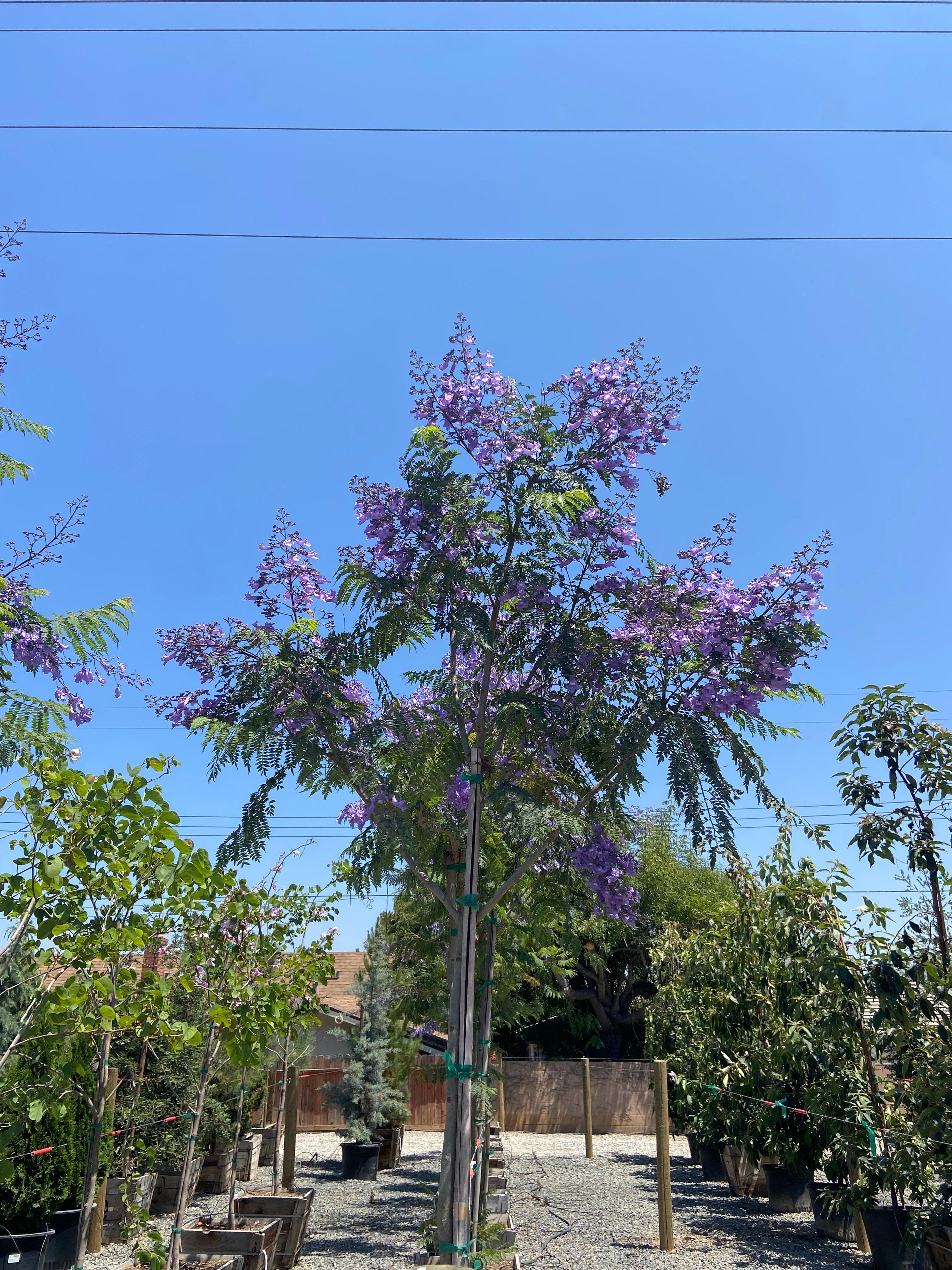
Known botanically as jacaranda mimosifolia, this warm-climate tree is loved for lavender-purple blooms that cover the canopy in late spring and early summer. In the right location, a jacaranda can create instant curb appeal for a front yard, garden, lawn, or large patio-adjacent landscape.
Jacaranda trees thrive in warm climates with full sun, making them especially well suited to many California gardens in the right zones. With enough sunlight, well-draining soil, and proper early care, this lovely fern tree becomes a wonderful focal point with beauty, shade, and seasonal bloom.
Why You’ll Love Jacaranda Trees
-
Spectacular spring color – The Jacaranda tree is known for its stunning clusters of purple, trumpet-shaped flowers that bloom in spring and early summer, lasting for about two months.
-
Fast-growing shade – A jacaranda tree is fast growing and develops a wide canopy that brings light, dappled shade to large landscapes.
-
California-ready once established – Newly planted Jacarandas require deep watering twice a week during establishment but become drought-tolerant once mature, similar to other resilient choices like African Sumac trees for dry landscapes.
-
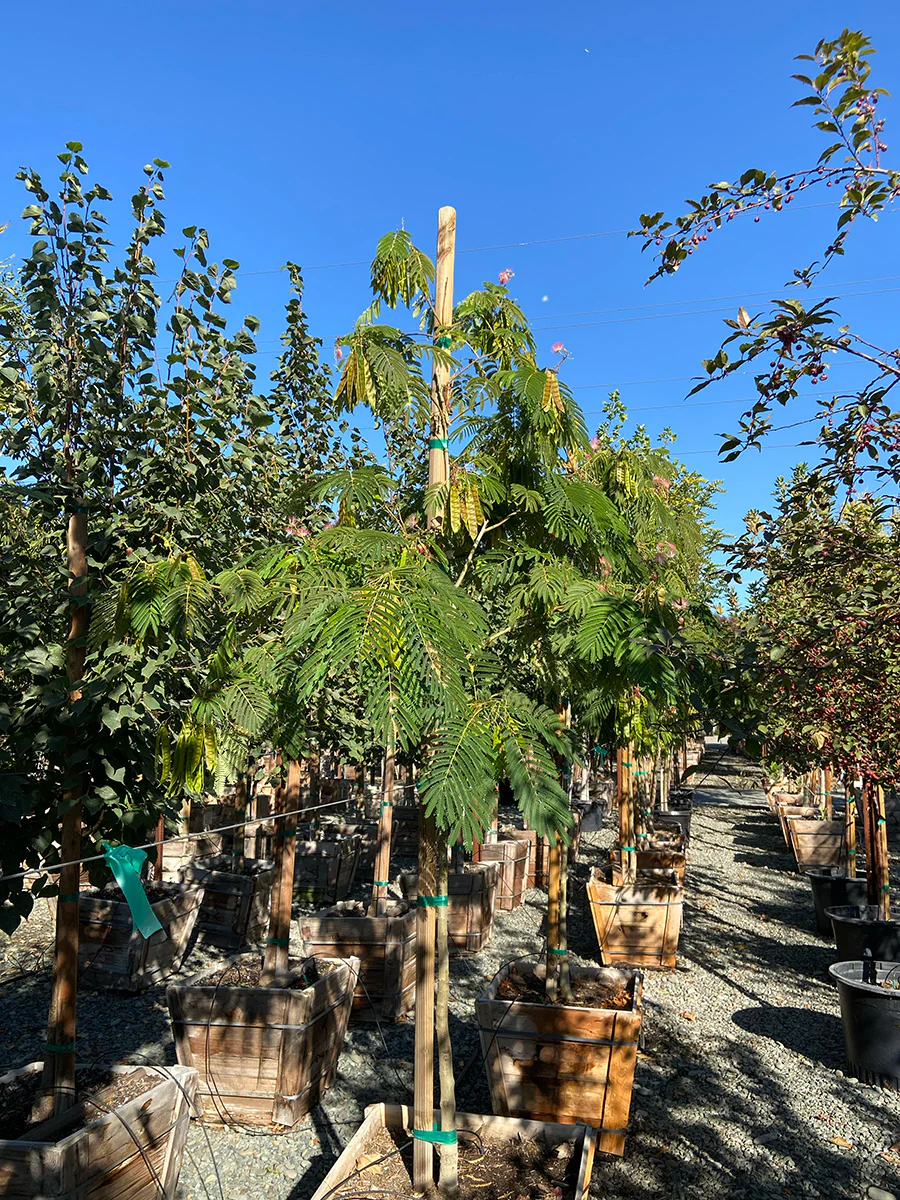
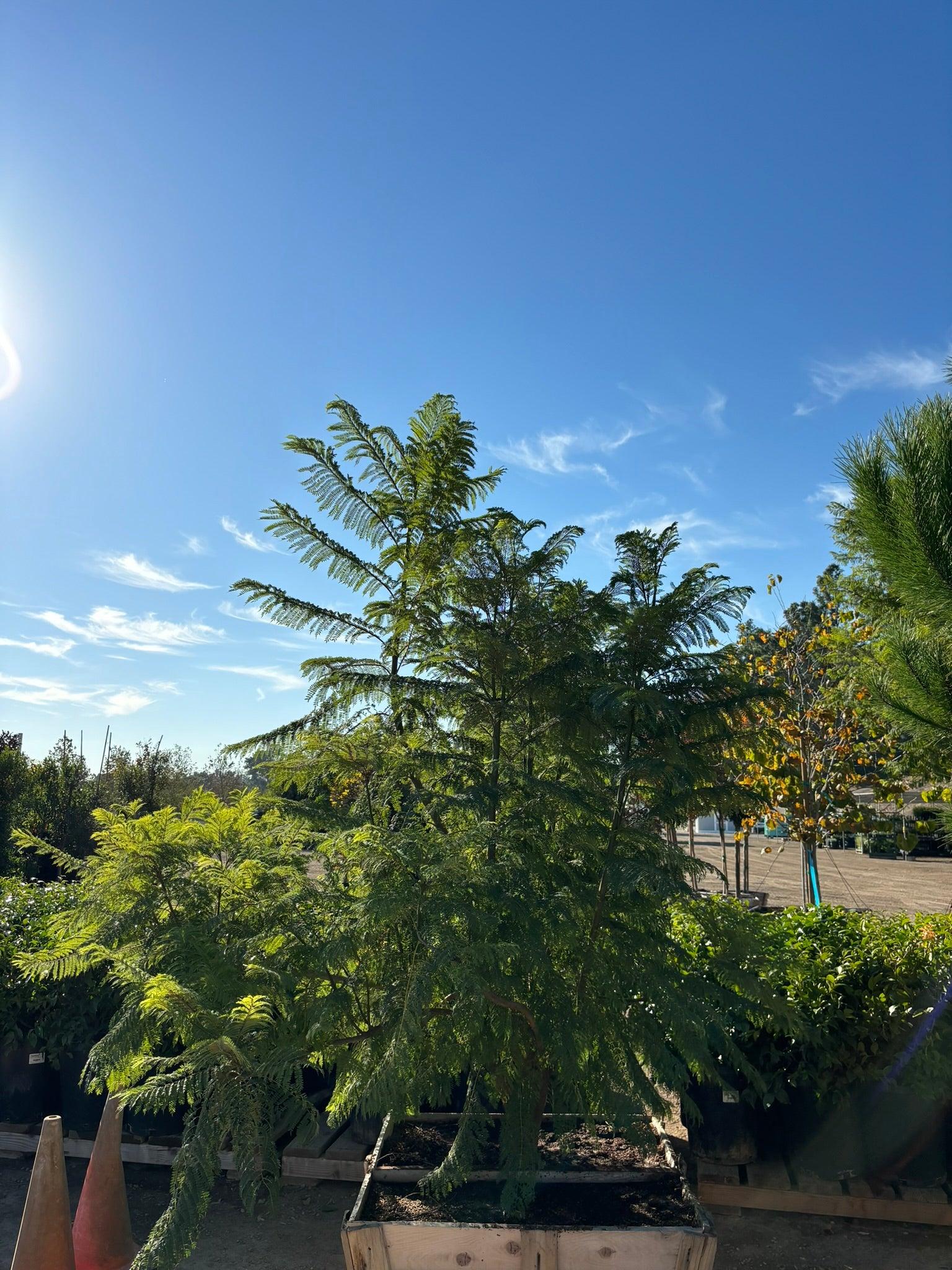
Beautiful foliage texture – The foliage of the Jacaranda tree consists of fern-like, bi-pinnate compound leaves that can grow up to 20 inches long, providing light, dappled shade.
-
Low maintenance at maturity – Once healthy and established, jacaranda trees need minimal pruning, moderate water, and smart fertilizer choices to keep growth balanced, especially when combined with other durable species like Incense Cedar and companion evergreens.
This tree is especially valued for its purple flowers, semi evergreen habit in mild climates, and airy green foliage that adds softness to a landscape even outside the main bloom season. Hummingbirds, bees, and butterflies may visit the flowers, adding movement and life to the garden.
What Makes Our Jacaranda Trees Different
Many nurseries and online shops focus on very small starter plants, stressed seedlings, or basic plugs that take years to become landscape-ready.
Yardwork jacaranda trees are selected for stronger starts and better California performance:
-
Mature, healthy specimens – Choose from substantial nursery-grown trees or other large mature trees for instant impact instead of waiting years for a tiny plant to size up.
-
Hand-selected from quality growers – Each tree is chosen for a sturdy trunk, balanced canopy, clean foliage, and healthy roots.
-
Inspected before we ship – We check root systems, container condition, pests, moisture, and overall structure before the tree is packed.
-
Chosen for California climates – Jacaranda mimosifolia trees thrive exclusively in USDA Hardiness Zones 9 through 11, which fits many warm California locations.
Many customers report that their jacaranda trees arrived in excellent condition, well-packaged, and ready for growth, with some noting that their trees showed new growth within a week of planting. Customers have expressed satisfaction with the health and sturdiness of their jacaranda trees upon arrival, often highlighting the secure packaging that prevents damage during shipping.
How Ordering Works
-
Browse available sizes Shop 15 gallon jacaranda trees, 24-inch box trees, and mature specimens based on your landscape goals, budget, and planting location.
-
Choose California delivery We ship within California, with free shipping on many qualifying orders over $600. Your jacaranda is packed carefully so the tree arrives in good condition.
-
Receive expert-packed delivery Expert packaging helps protect the trunk, foliage, soil, container, and roots during transit to your doorstep.
-
Get planting guidance if needed Add an optional consultation to confirm the best sun exposure, ground conditions, spacing, and long-term spread before you plant, or explore our broader plant nursery and landscape support services if you’re planning a larger project.
Jacaranda trees can be purchased from Yardwork for California customers who want a healthy tree, clear expectations, and practical advice before planting, especially if you’re comparing them with other flowering trees for California gardens.
Tree Specifications
-
Available sizes: 15-gallon, 24-inch box, and mature specimens
-
Botanical name: Jacaranda mimosifolia
-
Common names: jacaranda tree, fern tree
-
Mature height: commonly 25-40 feet in managed landscapes
-
Mature size note: Jacaranda trees can grow to a height of 25 to 50 feet and have a spread of 30 to 40 feet, making them suitable for large landscapes and streetscapes.
-
Typical spread: often 15-30 feet in planned residential settings, with wider spread expected in open ground
-
Bloom time: April through June in California, with full bloom often occurring in late spring to early summer
-
Flower color: lavender to purple blooms in trumpet-shaped clusters
-
Sun needs: Jacaranda trees require full sun, needing at least 6 to 8 hours of direct sunlight daily for optimal growth.
-
Hardiness: Jacaranda mimosifolia trees thrive exclusively in USDA Hardiness Zones 9 through 11.
-
Frost note: Jacarandas are not frost-hardy and can be damaged by temperatures below 30°F (-1°C).
-
Soil requirements: They prefer well-draining, sandy, or loamy soil and cannot tolerate heavy clay, which can cause root rot.
-
Watering: Deep water twice a week after planting, then reduce frequency as roots establish
-
Fertilizer: To promote blooming, it is crucial to avoid the use of high-nitrogen fertilizers on Jacarandas.
-
Maintenance: Low maintenance once mature, with light structural pruning in winter or early spring
Plant in full sun with enough room for the canopy and surface roots to develop. Use mulch to protect soil moisture, but keep mulch away from the trunk. A good sun bloom season depends on heat, sunlight, and avoiding aggressive pruning right before bloom.
Who Should Plant Jacaranda Trees
Ideal for:
-
California homeowners wanting dramatic purple spring color
-
Property owners who need a fast-growing shade tree for a larger yard
-
Landscape designers creating Mediterranean, tropical, or Australia-inspired garden looks
-
Gardeners who want a low maintenance, highly ornamental tree with fern like foliage or are considering similarly drought-tolerant options like the Dr. Hurd Manzanita tree
-
Customers with warm climates, full sun, and enough room for a broad canopy and roots who may also be planning evergreen and fast-growing privacy trees
A jacaranda is best for open landscapes, large lawns, streetscapes, and garden areas where fallen flowers and seed pods will not create a problem, and it can be combined with other landscape trees for shade and structure for a cohesive design. Jacaranda trees are considered messy due to the shedding of flowers, leaves, and seed pods. It is advised to avoid planting Jacarandas near pools, driveways, or sidewalks due to their messy droppings and aggressive surface roots.
If you want a compact patio pot plant, a jacaranda may only work temporarily while young. This tree is native to South America, including Brazil, and it performs best when planted in the ground with space, sun, drainage, and winter protection in cooler zones.
Frequently Asked Questions
When do jacaranda trees bloom in California?
Jacaranda trees usually bloom from April through June in California, with the strongest purple display in late spring and early summer. In full sun and warm conditions, flowers can last for about two months.
How fast do jacaranda trees grow?
A healthy jacaranda is fast growing, especially in warm climates with good soil, regular establishment water, and full sunlight. Expect stronger growth once the roots move beyond the original container and into well-draining ground.
Do jacaranda trees need special care?
They need the right location more than complicated care. Plant in full sun, avoid heavy clay, water deeply twice a week during establishment, apply mulch, and avoid high-nitrogen fertilizer if you want better bloom.
Are jacaranda trees messy?
Yes. Jacaranda trees are considered messy due to the shedding of flowers, leaves, and seed pods. Avoid placing one over a pool, driveway, sidewalk, or high-traffic patio where cleanup would be frustrating.
Can you help with planting location advice?
Yes. Our optional consultation service helps you choose the best location for sun, soil, roots, spread, frost cover, and long-term landscape fit before you plant.
Ready to Add Purple Magic to Your Landscape?
Stop settling for boring, slow-growing trees when you can create a bold spring display with a premium jacaranda tree.
Choose Yardwork jacaranda trees for healthy specimens, careful packing, California shipping benefits, and expert guidance from selection through planting. Whether you want a 15 gallon starter, a 24-inch box tree, or a mature specimen for faster impact, we make it easier to shop with confidence.
Original: $1,150.00
-65%$1,150.00
$402.50Product Information
Product Information
Shipping & Returns
Shipping & Returns
Description
Transform Your Landscape with Stunning Purple Blooms
A jacaranda tree gives California landscapes dramatic spring blooming color, fast-growing shade, and highly ornamental fern like foliage in one statement tree.
Known botanically as jacaranda mimosifolia, this warm-climate tree is loved for lavender-purple blooms that cover the canopy in late spring and early summer. In the right location, a jacaranda can create instant curb appeal for a front yard, garden, lawn, or large patio-adjacent landscape.
Jacaranda trees thrive in warm climates with full sun, making them especially well suited to many California gardens in the right zones. With enough sunlight, well-draining soil, and proper early care, this lovely fern tree becomes a wonderful focal point with beauty, shade, and seasonal bloom.
Why You’ll Love Jacaranda Trees
-
Spectacular spring color – The Jacaranda tree is known for its stunning clusters of purple, trumpet-shaped flowers that bloom in spring and early summer, lasting for about two months.
-
Fast-growing shade – A jacaranda tree is fast growing and develops a wide canopy that brings light, dappled shade to large landscapes.
-
California-ready once established – Newly planted Jacarandas require deep watering twice a week during establishment but become drought-tolerant once mature, similar to other resilient choices like African Sumac trees for dry landscapes.
-
Beautiful foliage texture – The foliage of the Jacaranda tree consists of fern-like, bi-pinnate compound leaves that can grow up to 20 inches long, providing light, dappled shade.
-
Low maintenance at maturity – Once healthy and established, jacaranda trees need minimal pruning, moderate water, and smart fertilizer choices to keep growth balanced, especially when combined with other durable species like Incense Cedar and companion evergreens.
This tree is especially valued for its purple flowers, semi evergreen habit in mild climates, and airy green foliage that adds softness to a landscape even outside the main bloom season. Hummingbirds, bees, and butterflies may visit the flowers, adding movement and life to the garden.
What Makes Our Jacaranda Trees Different
Many nurseries and online shops focus on very small starter plants, stressed seedlings, or basic plugs that take years to become landscape-ready.
Yardwork jacaranda trees are selected for stronger starts and better California performance:
-
Mature, healthy specimens – Choose from substantial nursery-grown trees or other large mature trees for instant impact instead of waiting years for a tiny plant to size up.
-
Hand-selected from quality growers – Each tree is chosen for a sturdy trunk, balanced canopy, clean foliage, and healthy roots.
-
Inspected before we ship – We check root systems, container condition, pests, moisture, and overall structure before the tree is packed.
-
Chosen for California climates – Jacaranda mimosifolia trees thrive exclusively in USDA Hardiness Zones 9 through 11, which fits many warm California locations.
Many customers report that their jacaranda trees arrived in excellent condition, well-packaged, and ready for growth, with some noting that their trees showed new growth within a week of planting. Customers have expressed satisfaction with the health and sturdiness of their jacaranda trees upon arrival, often highlighting the secure packaging that prevents damage during shipping.
How Ordering Works
-
Browse available sizes Shop 15 gallon jacaranda trees, 24-inch box trees, and mature specimens based on your landscape goals, budget, and planting location.
-
Choose California delivery We ship within California, with free shipping on many qualifying orders over $600. Your jacaranda is packed carefully so the tree arrives in good condition.
-
Receive expert-packed delivery Expert packaging helps protect the trunk, foliage, soil, container, and roots during transit to your doorstep.
-
Get planting guidance if needed Add an optional consultation to confirm the best sun exposure, ground conditions, spacing, and long-term spread before you plant, or explore our broader plant nursery and landscape support services if you’re planning a larger project.
Jacaranda trees can be purchased from Yardwork for California customers who want a healthy tree, clear expectations, and practical advice before planting, especially if you’re comparing them with other flowering trees for California gardens.
Tree Specifications
-
Available sizes: 15-gallon, 24-inch box, and mature specimens
-
Botanical name: Jacaranda mimosifolia
-
Common names: jacaranda tree, fern tree
-
Mature height: commonly 25-40 feet in managed landscapes
-
Mature size note: Jacaranda trees can grow to a height of 25 to 50 feet and have a spread of 30 to 40 feet, making them suitable for large landscapes and streetscapes.
-
Typical spread: often 15-30 feet in planned residential settings, with wider spread expected in open ground
-
Bloom time: April through June in California, with full bloom often occurring in late spring to early summer
-
Flower color: lavender to purple blooms in trumpet-shaped clusters
-
Sun needs: Jacaranda trees require full sun, needing at least 6 to 8 hours of direct sunlight daily for optimal growth.
-
Hardiness: Jacaranda mimosifolia trees thrive exclusively in USDA Hardiness Zones 9 through 11.
-
Frost note: Jacarandas are not frost-hardy and can be damaged by temperatures below 30°F (-1°C).
-
Soil requirements: They prefer well-draining, sandy, or loamy soil and cannot tolerate heavy clay, which can cause root rot.
-
Watering: Deep water twice a week after planting, then reduce frequency as roots establish
-
Fertilizer: To promote blooming, it is crucial to avoid the use of high-nitrogen fertilizers on Jacarandas.
-
Maintenance: Low maintenance once mature, with light structural pruning in winter or early spring
Plant in full sun with enough room for the canopy and surface roots to develop. Use mulch to protect soil moisture, but keep mulch away from the trunk. A good sun bloom season depends on heat, sunlight, and avoiding aggressive pruning right before bloom.
Who Should Plant Jacaranda Trees
Ideal for:
-
California homeowners wanting dramatic purple spring color
-
Property owners who need a fast-growing shade tree for a larger yard
-
Landscape designers creating Mediterranean, tropical, or Australia-inspired garden looks
-
Gardeners who want a low maintenance, highly ornamental tree with fern like foliage or are considering similarly drought-tolerant options like the Dr. Hurd Manzanita tree
-
Customers with warm climates, full sun, and enough room for a broad canopy and roots who may also be planning evergreen and fast-growing privacy trees
A jacaranda is best for open landscapes, large lawns, streetscapes, and garden areas where fallen flowers and seed pods will not create a problem, and it can be combined with other landscape trees for shade and structure for a cohesive design. Jacaranda trees are considered messy due to the shedding of flowers, leaves, and seed pods. It is advised to avoid planting Jacarandas near pools, driveways, or sidewalks due to their messy droppings and aggressive surface roots.
If you want a compact patio pot plant, a jacaranda may only work temporarily while young. This tree is native to South America, including Brazil, and it performs best when planted in the ground with space, sun, drainage, and winter protection in cooler zones.
Frequently Asked Questions
When do jacaranda trees bloom in California?
Jacaranda trees usually bloom from April through June in California, with the strongest purple display in late spring and early summer. In full sun and warm conditions, flowers can last for about two months.
How fast do jacaranda trees grow?
A healthy jacaranda is fast growing, especially in warm climates with good soil, regular establishment water, and full sunlight. Expect stronger growth once the roots move beyond the original container and into well-draining ground.
Do jacaranda trees need special care?
They need the right location more than complicated care. Plant in full sun, avoid heavy clay, water deeply twice a week during establishment, apply mulch, and avoid high-nitrogen fertilizer if you want better bloom.
Are jacaranda trees messy?
Yes. Jacaranda trees are considered messy due to the shedding of flowers, leaves, and seed pods. Avoid placing one over a pool, driveway, sidewalk, or high-traffic patio where cleanup would be frustrating.
Can you help with planting location advice?
Yes. Our optional consultation service helps you choose the best location for sun, soil, roots, spread, frost cover, and long-term landscape fit before you plant.
Ready to Add Purple Magic to Your Landscape?
Stop settling for boring, slow-growing trees when you can create a bold spring display with a premium jacaranda tree.
Choose Yardwork jacaranda trees for healthy specimens, careful packing, California shipping benefits, and expert guidance from selection through planting. Whether you want a 15 gallon starter, a 24-inch box tree, or a mature specimen for faster impact, we make it easier to shop with confidence.