Rose Tree For Sale
Create Stunning Garden Focal Points at Eye Level
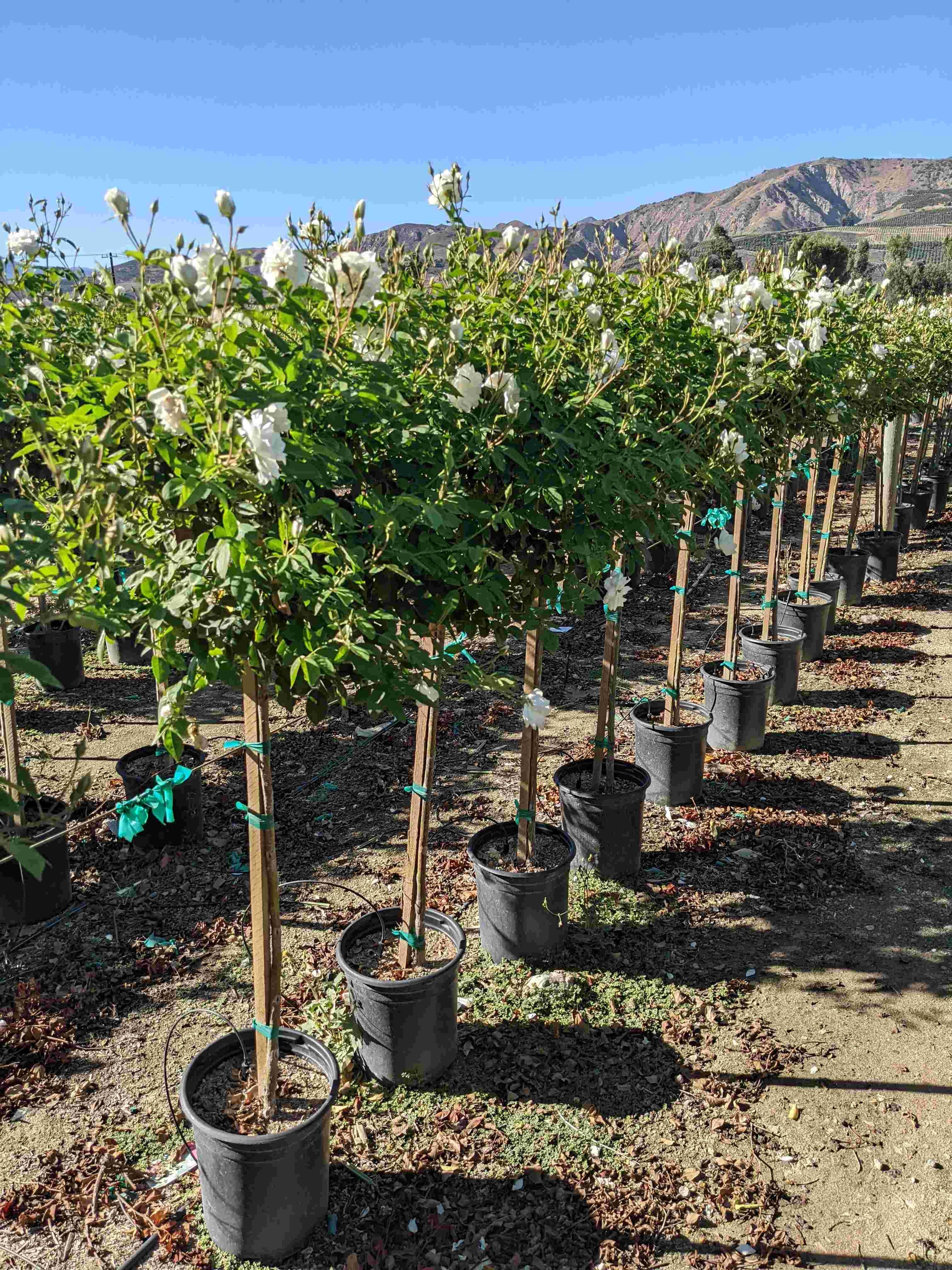
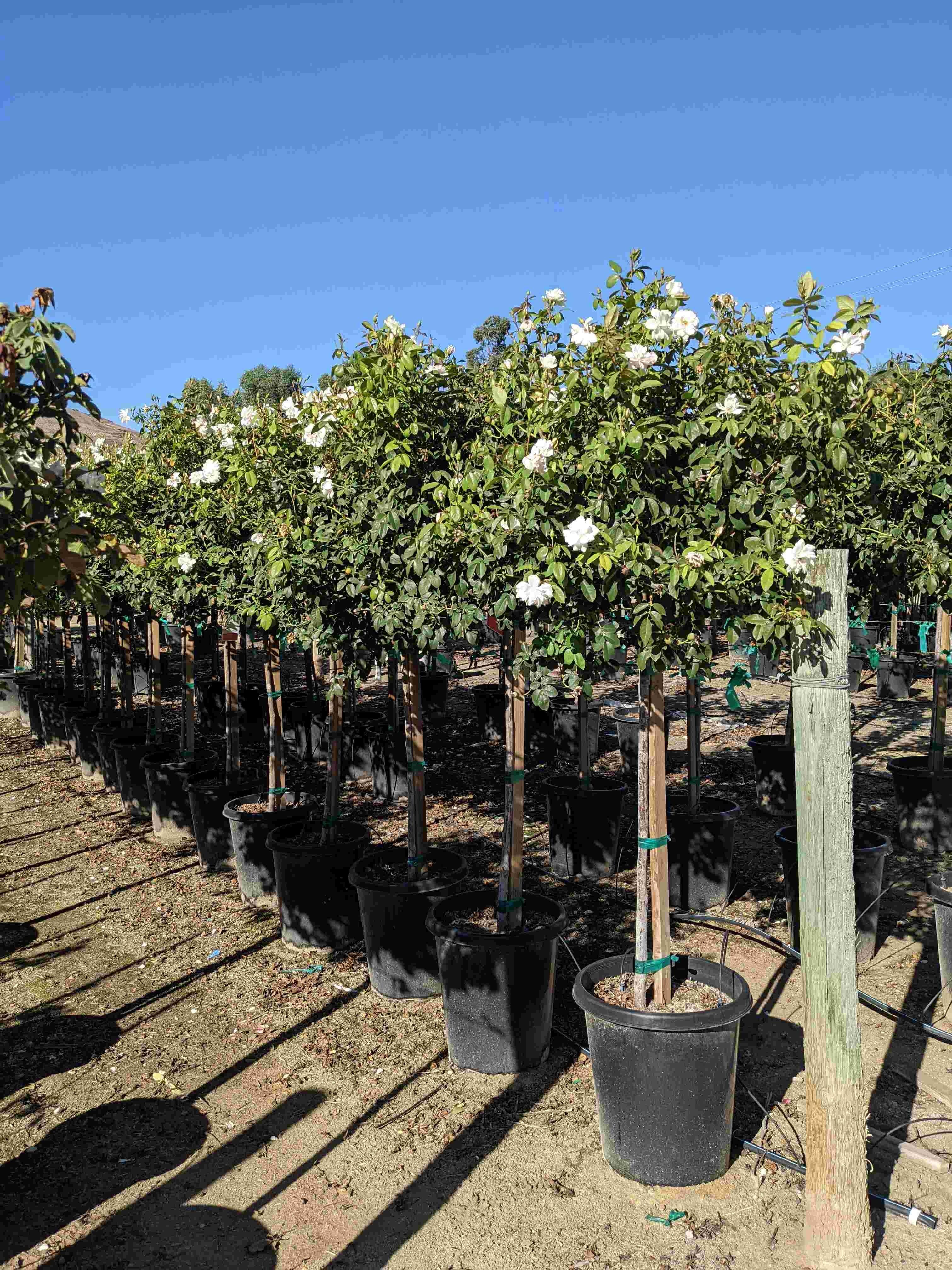
Rose trees lift the beauty of traditional roses above the ground, placing color, fragrance, and form where they can be seen and enjoyed. Also called tree roses or grafted standard roses, these plants are created by grafting rose varieties such as hybrid teas, grandifloras, and floribundas onto a tall trunk for an elegant tree-like appearance.
Instead of a low rose bush that can get lost among shrubs, mulch, or ground-level plantings, a rose tree features a single trunk topped by a dense cluster of blooms. Most standard roses stand about 2 to 3 feet tall, with grafted trunks commonly available in 24-inch and 36-inch heights, creating instant vertical interest in your garden, patio, or formal landscape.
Designed to help you create eye-level rose bloom displays without bending, crowding, or losing flowers in the background.
Why You’ll Love Rose Trees
-
Instant Garden Drama – A rose tree acts like living sculpture, adding vertical interest, elegant structure, and a natural focal point to beds, borders, walkways, and patio pots.
-
Easy Maintenance – The elevated crown makes it easier to prune, deadhead, inspect buds, remove broken branches, and manage pests without working deep at ground level.
-
Extended Bloom Season – Most tree roses bloom from spring to fall, similar to the hybrid tea or floribunda roses from which they are created, giving your garden color throughout the growing season.
-
Space Efficient – Perfect for small gardens, patios, courtyards, and container planting, rose trees give you the look of full roses without the horizontal spread of many shrub roses.
-
Pest Protection – Because the blooms and green growth sit above the soil, tree roses are less exposed to snails, slugs, and some soil-borne problems that affect low-growing roses.
Tree roses require full sunlight, preferably at least six to eight hours per day, along with well-draining soil and consistent care. With deep watering, healthy rose roots, and proper staking, they become a striking long-term plant for California gardens, especially when combined with other flowering trees suited to California landscapes.
What Makes Rose Trees Different
Most traditional roses grow as shrubs, canes, or a ground-level rose bush. They can be beautiful, but their flowers may sit low in the landscape, making fragrance harder to enjoy and maintenance less comfortable, which is why many gardeners also rely on vigorous shrub varieties like the classic Iceberg Shrub Rose for low borders.
Rose Trees have:
-
Grafted Construction – Tree roses, also known as grafted standard roses, are created by grafting various types of roses such as hybrid teas, grandifloras, and floribundas onto tall trunks, giving them a tree-like appearance. This grafted structure supports strong growth, selected bloom quality, and disease resistance from hardy rootstock.
-
Multiple Varieties Available – Rose trees can be grafted with multiple buds from different rose varieties, allowing for a diverse range of colors and bloom sizes on a single tree. Choose classic hybrid tea blooms, abundant floribunda flowers, or grandiflora-style impact for your garden.
-
Professional Growing Standards – Standard roses are commonly grown with 24-inch or 36-inch grafted trunks, creating a finished height of roughly 2 to 3 feet. This makes them visually striking without overwhelming smaller gardens, containers, or patio spaces, while larger yards may benefit from mature trees that provide instant structure and shade.
Unlike shrub roses, rose trees have an exposed stem, trunk, and graft union. That elegant form is what makes them special, but it also means they benefit from a sturdy stake, protection from wind, and careful winter planning when temperatures drop.
How Rose Trees Work
-
Grafting Process
A desired rose variety is grafted onto a strong trunk and rootstock. The graft union is the point where the top rose variety joins the supporting stem, and it should stay protected, visible, and healthy. -
Growth Pattern
Instead of spreading from the ground like bush roses, rose trees grow as a single trunk topped by a rounded canopy of branches, buds, foliage, and bloom. This creates the signature elevated “tree” shape. -
Long-Term Development
In the first season, the plant focuses on roots, graft strength, and steady growth. By years two and three, the canopy becomes fuller, flowering improves, and the trunk thickens with proper support. -
Care Rhythm
Pruning of tree roses typically occurs in early spring to maintain a clean canopy and remove dead or crossing wood. During the growing season, fertilize as needed, deadhead spent blooms, and water deeply and regularly.
Rose trees need to be watered deeply and regularly, using the finger-test method to determine when to water. If the top few inches of soil feel dry, water deeply so the roots grow down rather than staying shallow. Deep root growth improves heat and drought tolerance during warm California summer weather.
Rose Tree Specifications
-
Standard Heights: Rose tree height typically ranges from 2 to 3 feet, with grafted trunks available in 24-inch and 36-inch options.
-
Available Varieties: Hybrid tea, floribunda, and grandiflora rose varieties are commonly used for standard roses, with select grafted roses offering different colors, bloom sizes, and fragrance profiles.
-
Growth Structure: Rose trees differ from traditional roses in their growth structure, which features a single trunk topped by a dense cluster of blooms.
-
Sun Requirements: Tree roses require full sunlight, preferably at least six to eight hours per day, but the trunk should not be exposed to all-day direct sunlight to prevent sunscald.
-
Soil Requirements: Roses prefer well-draining soil with a slightly acidic pH between 6.0 and 6.5. Add compost or organic matter to improve drainage and root health.
-
Watering: Water deeply and regularly. Use the finger-test method before watering, and keep moisture consistent without letting the soil become soggy.
-
Support: Rose trees require a sturdy stake for support to prevent the top-heavy crown from snapping in high winds.
-
California Climate Zones: Rose trees perform well across many California gardens, especially where spring, summer, and fall provide a long bloom season. In hotter regions, protect the trunk from reflected heat and intense all-day sun, and consider pairing them with privacy trees and evergreen screens for shelter.
-
Cold Hardiness: Most tree roses are hardy to zone 4, but their trunks can be susceptible to cold damage, especially in windy conditions, so it is important to plant them in a protected location.
-
Winter Protection: Tree roses can be more vulnerable to freezing temperatures compared to bush roses and require winter protection in colder climates. To protect rose trees during winter, it is recommended to heavily mulch around the base and wrap the tree with straw and burlap if grown in the ground.
-
Timing for Winter Cover: It is important to wait until rose plants have been exposed to several killing frosts before covering them for winter protection to avoid trapping moisture and potential diseases.
-
Container Requirements: Use large pots with excellent drainage and rich soil. For container tree roses, they can be overwintered in an unheated garage after they go dormant, ensuring they are kept barely damp but not completely dry.
-
Delivery Information: Bare root rose trees are best planted in early spring or late fall in many California regions, while container plants can be planted outside extreme heat periods.
Who Rose Trees Are For
Ideal for:
-
California homeowners who want dramatic garden focal points without redesigning the entire landscape
-
Small-space gardeners who need vertical interest in a patio, courtyard, balcony, or compact bed
-
Gardeners who love roses but want easier pruning, deadheading, and bloom visibility
-
Landscape designers creating formal entrances, symmetrical walkways, container groupings, or structured garden rooms
-
Anyone who wants elegant, eye-level flowers with strong seasonal color from spring through fall
If you want the beauty of roses with more height, cleaner structure, and a refined garden presence, rose trees are a strong fit. They bring the romance of traditional roses into a more architectural form.
Frequently Asked Questions
How long do rose trees bloom?
Most tree roses bloom from spring to fall, similar to the hybrid or floribunda roses from which they are created. In many California gardens, the bloom season can extend for months, with strong color through the growing season.
Do rose trees survive California winters?
Yes, rose trees can survive California winters in many regions, especially mild coastal and inland areas. Most tree roses are hardy to zone 4, but their trunks can be susceptible to cold damage in wind, frost, or a hard freeze. In colder areas, mulch the base heavily and wrap the tree with straw and burlap after several killing frosts.
Can I grow rose trees in containers?
Yes. Container rose trees are excellent for patios and small gardens. Use large pots, well-draining soil, and regular deep watering. If temperatures drop severely, container tree roses can be moved to an unheated garage after dormancy and kept barely damp through winter.
What’s included with my rose tree order?
Yardwork provides expert plant selection, California delivery guidance, planting recommendations, and care instructions to help your rose tree establish successfully. Our team can also help you choose the right trunk height, rose varieties, and container or ground planting location.
How quickly do rose trees establish?
Expect the first year to focus on root growth, graft strength, and canopy development. By the second and third year, the plant typically shows fuller growth, better branching, and stronger bloom performance.
When should I prune rose trees?
Pruning of tree roses typically occurs in early spring. Remove dead, damaged, broken, or crossing wood, then shape the canopy so sunlight and air can move through the branches. This helps reduce mildew and supports healthy buds.
Are rose trees drought tolerant?
Established rose trees can handle warm weather better when watered deeply and consistently, but they are not “plant and forget” roses. Deep watering encourages strong roots and better heat tolerance during summer.
Ready to Elevate Your Garden?
Stop settling for ground-level roses that disappear among shrubs, mulch, and low plantings. Choose Rose Trees to create elegant, eye-level garden drama with fragrance, color, and structure from spring through fall.
Yardwork helps California gardeners and designers select the right rose tree for the right place, from 24-inch patio standards to 36-inch landscape focal points, and our plant nursery services make it easy to build a complete outdoor space.
Original: $195.00
-65%$195.00
$68.25Product Information
Product Information
Shipping & Returns
Shipping & Returns
Description
Create Stunning Garden Focal Points at Eye Level
Rose trees lift the beauty of traditional roses above the ground, placing color, fragrance, and form where they can be seen and enjoyed. Also called tree roses or grafted standard roses, these plants are created by grafting rose varieties such as hybrid teas, grandifloras, and floribundas onto a tall trunk for an elegant tree-like appearance.
Instead of a low rose bush that can get lost among shrubs, mulch, or ground-level plantings, a rose tree features a single trunk topped by a dense cluster of blooms. Most standard roses stand about 2 to 3 feet tall, with grafted trunks commonly available in 24-inch and 36-inch heights, creating instant vertical interest in your garden, patio, or formal landscape.
Designed to help you create eye-level rose bloom displays without bending, crowding, or losing flowers in the background.
Why You’ll Love Rose Trees
-
Instant Garden Drama – A rose tree acts like living sculpture, adding vertical interest, elegant structure, and a natural focal point to beds, borders, walkways, and patio pots.
-
Easy Maintenance – The elevated crown makes it easier to prune, deadhead, inspect buds, remove broken branches, and manage pests without working deep at ground level.
-
Extended Bloom Season – Most tree roses bloom from spring to fall, similar to the hybrid tea or floribunda roses from which they are created, giving your garden color throughout the growing season.
-
Space Efficient – Perfect for small gardens, patios, courtyards, and container planting, rose trees give you the look of full roses without the horizontal spread of many shrub roses.
-
Pest Protection – Because the blooms and green growth sit above the soil, tree roses are less exposed to snails, slugs, and some soil-borne problems that affect low-growing roses.
Tree roses require full sunlight, preferably at least six to eight hours per day, along with well-draining soil and consistent care. With deep watering, healthy rose roots, and proper staking, they become a striking long-term plant for California gardens, especially when combined with other flowering trees suited to California landscapes.
What Makes Rose Trees Different
Most traditional roses grow as shrubs, canes, or a ground-level rose bush. They can be beautiful, but their flowers may sit low in the landscape, making fragrance harder to enjoy and maintenance less comfortable, which is why many gardeners also rely on vigorous shrub varieties like the classic Iceberg Shrub Rose for low borders.
Rose Trees have:
-
Grafted Construction – Tree roses, also known as grafted standard roses, are created by grafting various types of roses such as hybrid teas, grandifloras, and floribundas onto tall trunks, giving them a tree-like appearance. This grafted structure supports strong growth, selected bloom quality, and disease resistance from hardy rootstock.
-
Multiple Varieties Available – Rose trees can be grafted with multiple buds from different rose varieties, allowing for a diverse range of colors and bloom sizes on a single tree. Choose classic hybrid tea blooms, abundant floribunda flowers, or grandiflora-style impact for your garden.
-
Professional Growing Standards – Standard roses are commonly grown with 24-inch or 36-inch grafted trunks, creating a finished height of roughly 2 to 3 feet. This makes them visually striking without overwhelming smaller gardens, containers, or patio spaces, while larger yards may benefit from mature trees that provide instant structure and shade.
Unlike shrub roses, rose trees have an exposed stem, trunk, and graft union. That elegant form is what makes them special, but it also means they benefit from a sturdy stake, protection from wind, and careful winter planning when temperatures drop.
How Rose Trees Work
-
Grafting Process
A desired rose variety is grafted onto a strong trunk and rootstock. The graft union is the point where the top rose variety joins the supporting stem, and it should stay protected, visible, and healthy. -
Growth Pattern
Instead of spreading from the ground like bush roses, rose trees grow as a single trunk topped by a rounded canopy of branches, buds, foliage, and bloom. This creates the signature elevated “tree” shape. -
Long-Term Development
In the first season, the plant focuses on roots, graft strength, and steady growth. By years two and three, the canopy becomes fuller, flowering improves, and the trunk thickens with proper support. -
Care Rhythm
Pruning of tree roses typically occurs in early spring to maintain a clean canopy and remove dead or crossing wood. During the growing season, fertilize as needed, deadhead spent blooms, and water deeply and regularly.
Rose trees need to be watered deeply and regularly, using the finger-test method to determine when to water. If the top few inches of soil feel dry, water deeply so the roots grow down rather than staying shallow. Deep root growth improves heat and drought tolerance during warm California summer weather.
Rose Tree Specifications
-
Standard Heights: Rose tree height typically ranges from 2 to 3 feet, with grafted trunks available in 24-inch and 36-inch options.
-
Available Varieties: Hybrid tea, floribunda, and grandiflora rose varieties are commonly used for standard roses, with select grafted roses offering different colors, bloom sizes, and fragrance profiles.
-
Growth Structure: Rose trees differ from traditional roses in their growth structure, which features a single trunk topped by a dense cluster of blooms.
-
Sun Requirements: Tree roses require full sunlight, preferably at least six to eight hours per day, but the trunk should not be exposed to all-day direct sunlight to prevent sunscald.
-
Soil Requirements: Roses prefer well-draining soil with a slightly acidic pH between 6.0 and 6.5. Add compost or organic matter to improve drainage and root health.
-
Watering: Water deeply and regularly. Use the finger-test method before watering, and keep moisture consistent without letting the soil become soggy.
-
Support: Rose trees require a sturdy stake for support to prevent the top-heavy crown from snapping in high winds.
-
California Climate Zones: Rose trees perform well across many California gardens, especially where spring, summer, and fall provide a long bloom season. In hotter regions, protect the trunk from reflected heat and intense all-day sun, and consider pairing them with privacy trees and evergreen screens for shelter.
-
Cold Hardiness: Most tree roses are hardy to zone 4, but their trunks can be susceptible to cold damage, especially in windy conditions, so it is important to plant them in a protected location.
-
Winter Protection: Tree roses can be more vulnerable to freezing temperatures compared to bush roses and require winter protection in colder climates. To protect rose trees during winter, it is recommended to heavily mulch around the base and wrap the tree with straw and burlap if grown in the ground.
-
Timing for Winter Cover: It is important to wait until rose plants have been exposed to several killing frosts before covering them for winter protection to avoid trapping moisture and potential diseases.
-
Container Requirements: Use large pots with excellent drainage and rich soil. For container tree roses, they can be overwintered in an unheated garage after they go dormant, ensuring they are kept barely damp but not completely dry.
-
Delivery Information: Bare root rose trees are best planted in early spring or late fall in many California regions, while container plants can be planted outside extreme heat periods.
Who Rose Trees Are For
Ideal for:
-
California homeowners who want dramatic garden focal points without redesigning the entire landscape
-
Small-space gardeners who need vertical interest in a patio, courtyard, balcony, or compact bed
-
Gardeners who love roses but want easier pruning, deadheading, and bloom visibility
-
Landscape designers creating formal entrances, symmetrical walkways, container groupings, or structured garden rooms
-
Anyone who wants elegant, eye-level flowers with strong seasonal color from spring through fall
If you want the beauty of roses with more height, cleaner structure, and a refined garden presence, rose trees are a strong fit. They bring the romance of traditional roses into a more architectural form.
Frequently Asked Questions
How long do rose trees bloom?
Most tree roses bloom from spring to fall, similar to the hybrid or floribunda roses from which they are created. In many California gardens, the bloom season can extend for months, with strong color through the growing season.
Do rose trees survive California winters?
Yes, rose trees can survive California winters in many regions, especially mild coastal and inland areas. Most tree roses are hardy to zone 4, but their trunks can be susceptible to cold damage in wind, frost, or a hard freeze. In colder areas, mulch the base heavily and wrap the tree with straw and burlap after several killing frosts.
Can I grow rose trees in containers?
Yes. Container rose trees are excellent for patios and small gardens. Use large pots, well-draining soil, and regular deep watering. If temperatures drop severely, container tree roses can be moved to an unheated garage after dormancy and kept barely damp through winter.
What’s included with my rose tree order?
Yardwork provides expert plant selection, California delivery guidance, planting recommendations, and care instructions to help your rose tree establish successfully. Our team can also help you choose the right trunk height, rose varieties, and container or ground planting location.
How quickly do rose trees establish?
Expect the first year to focus on root growth, graft strength, and canopy development. By the second and third year, the plant typically shows fuller growth, better branching, and stronger bloom performance.
When should I prune rose trees?
Pruning of tree roses typically occurs in early spring. Remove dead, damaged, broken, or crossing wood, then shape the canopy so sunlight and air can move through the branches. This helps reduce mildew and supports healthy buds.
Are rose trees drought tolerant?
Established rose trees can handle warm weather better when watered deeply and consistently, but they are not “plant and forget” roses. Deep watering encourages strong roots and better heat tolerance during summer.
Ready to Elevate Your Garden?
Stop settling for ground-level roses that disappear among shrubs, mulch, and low plantings. Choose Rose Trees to create elegant, eye-level garden drama with fragrance, color, and structure from spring through fall.
Yardwork helps California gardeners and designers select the right rose tree for the right place, from 24-inch patio standards to 36-inch landscape focal points, and our plant nursery services make it easy to build a complete outdoor space.