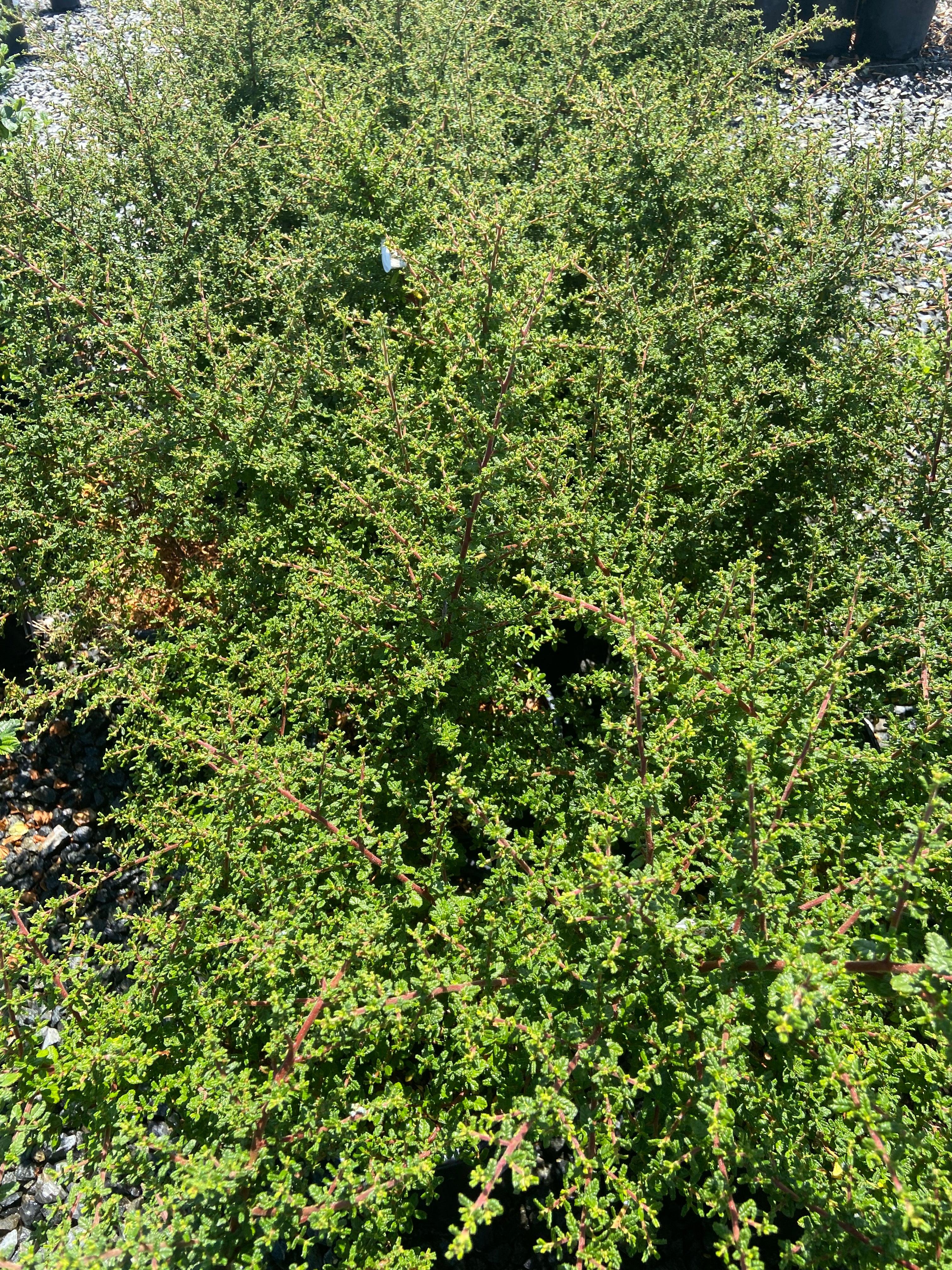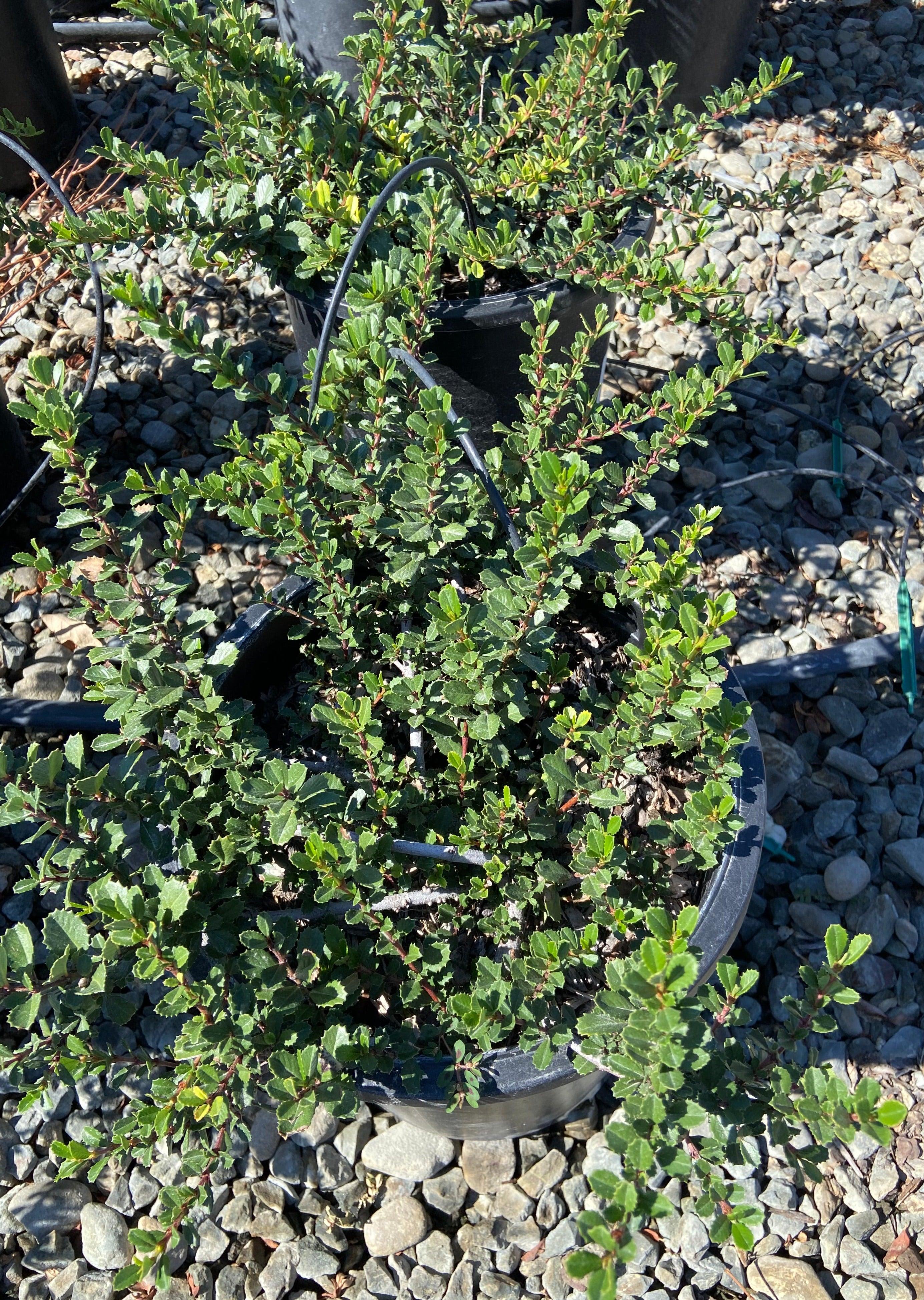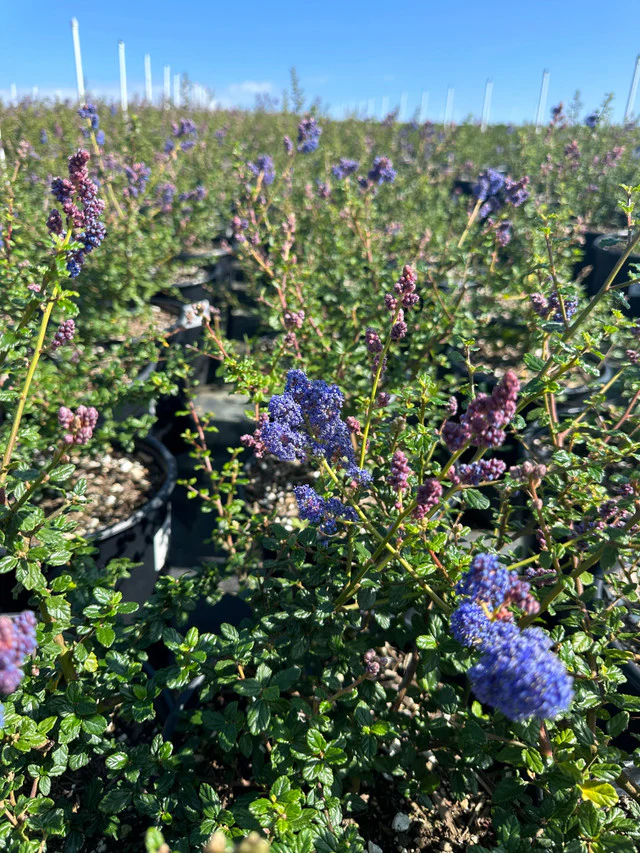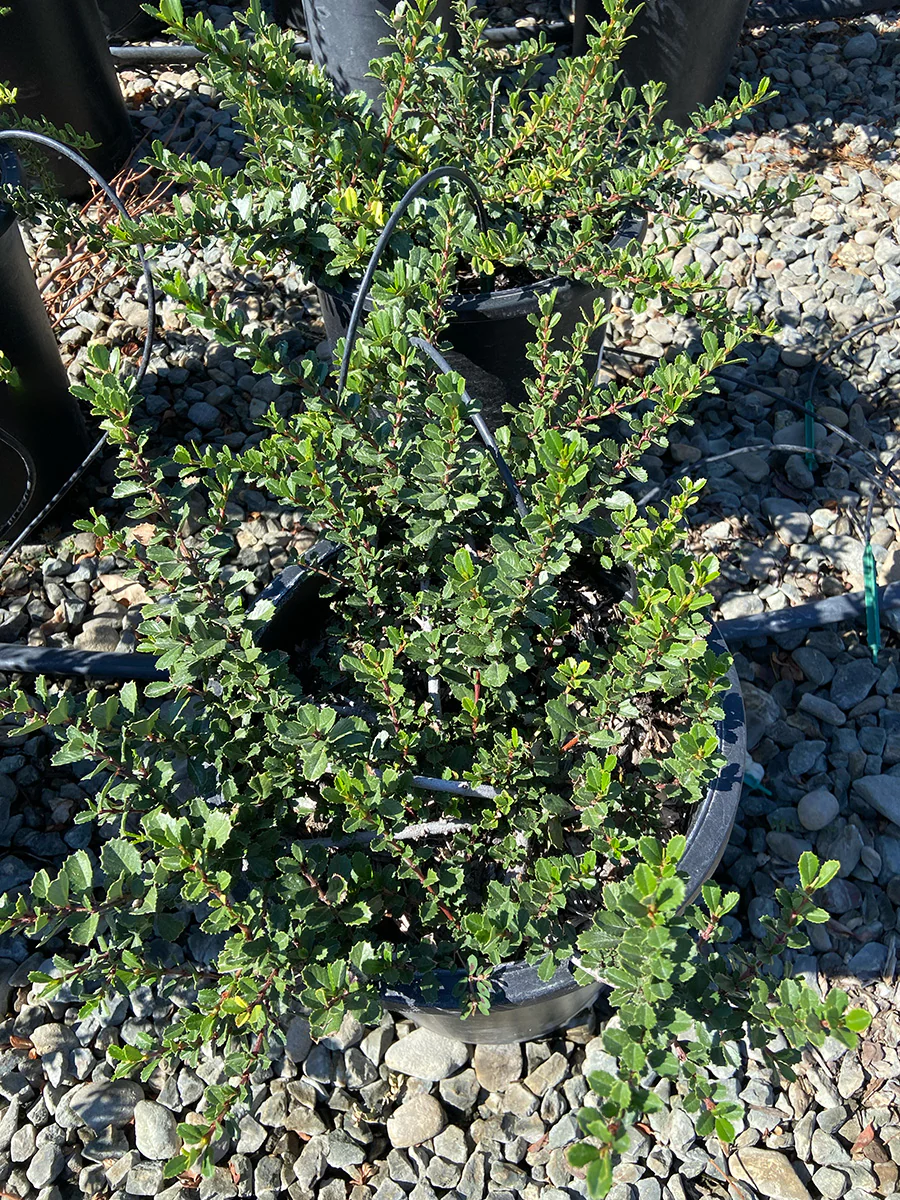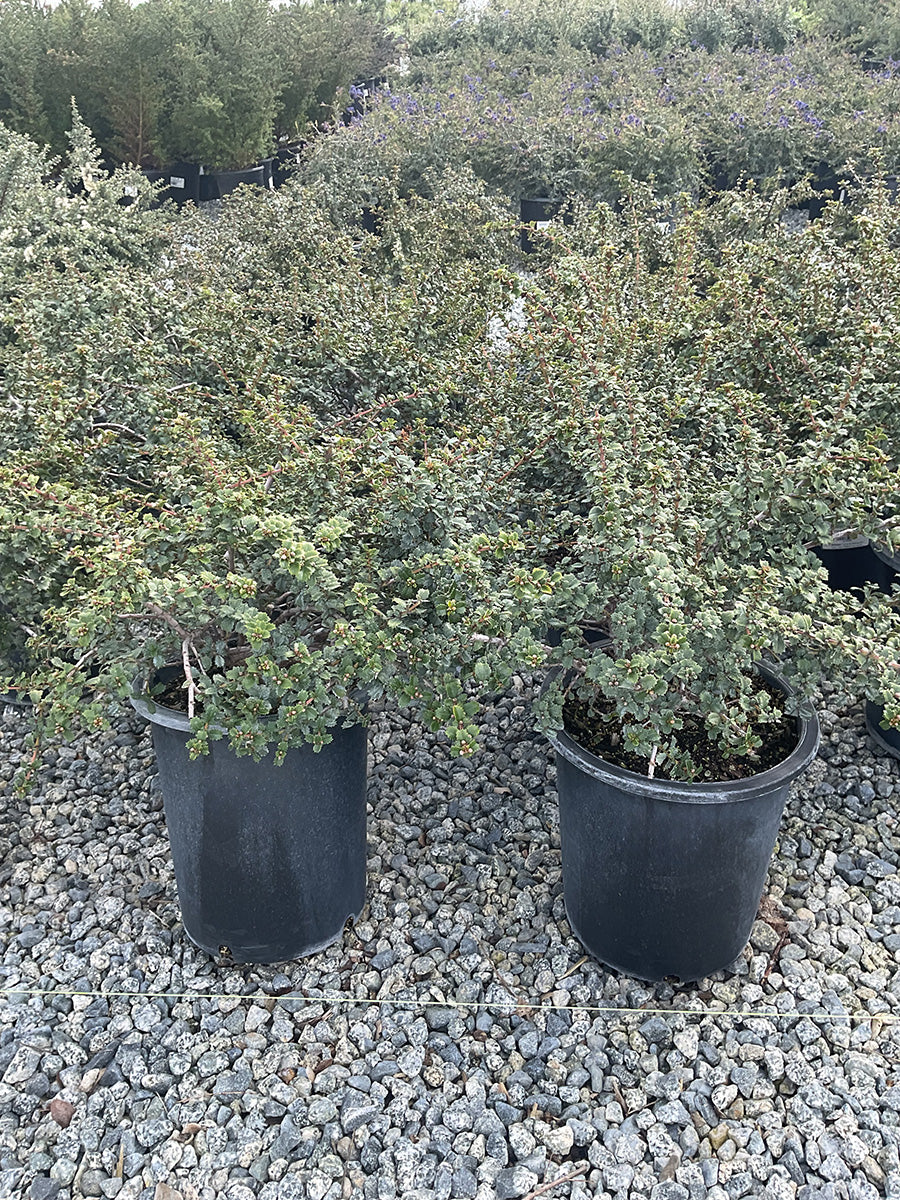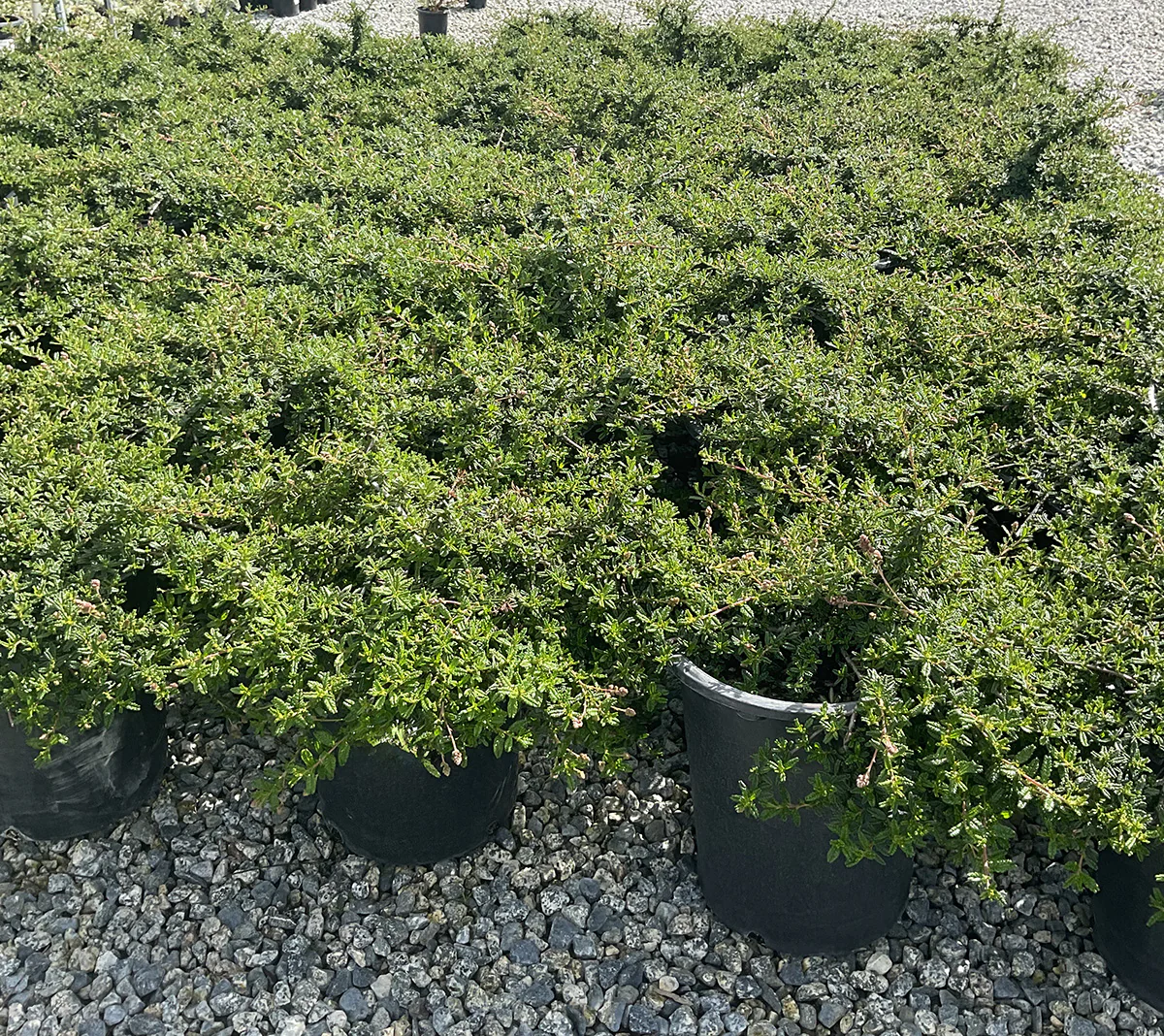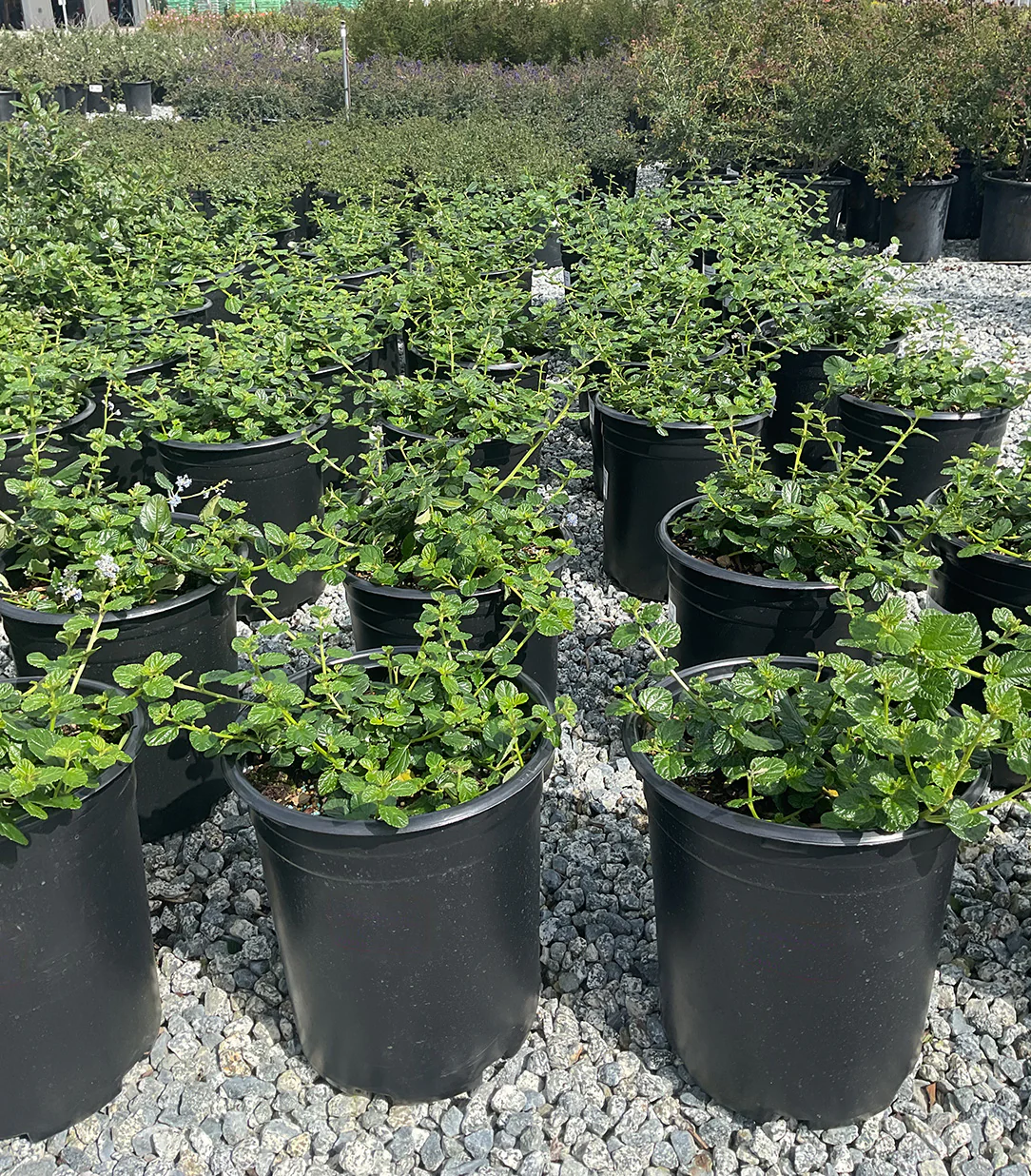
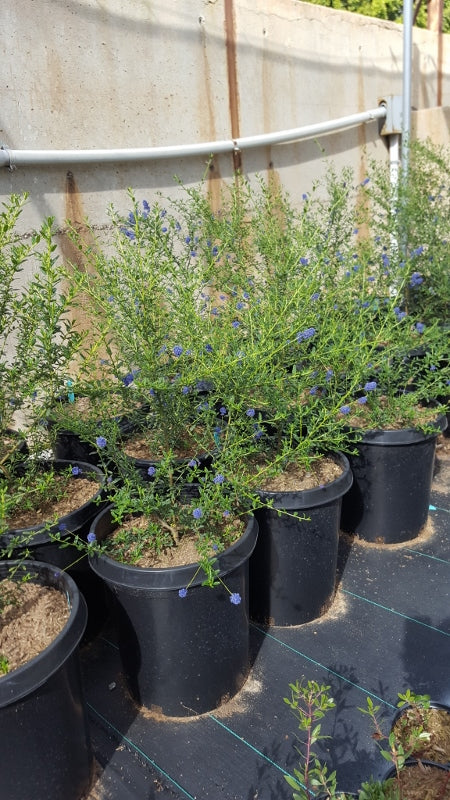
Ceanothus Concha (California Lilac)
Transform Your Garden with Stunning Blue Blooms and Zero-Maintenance Beauty
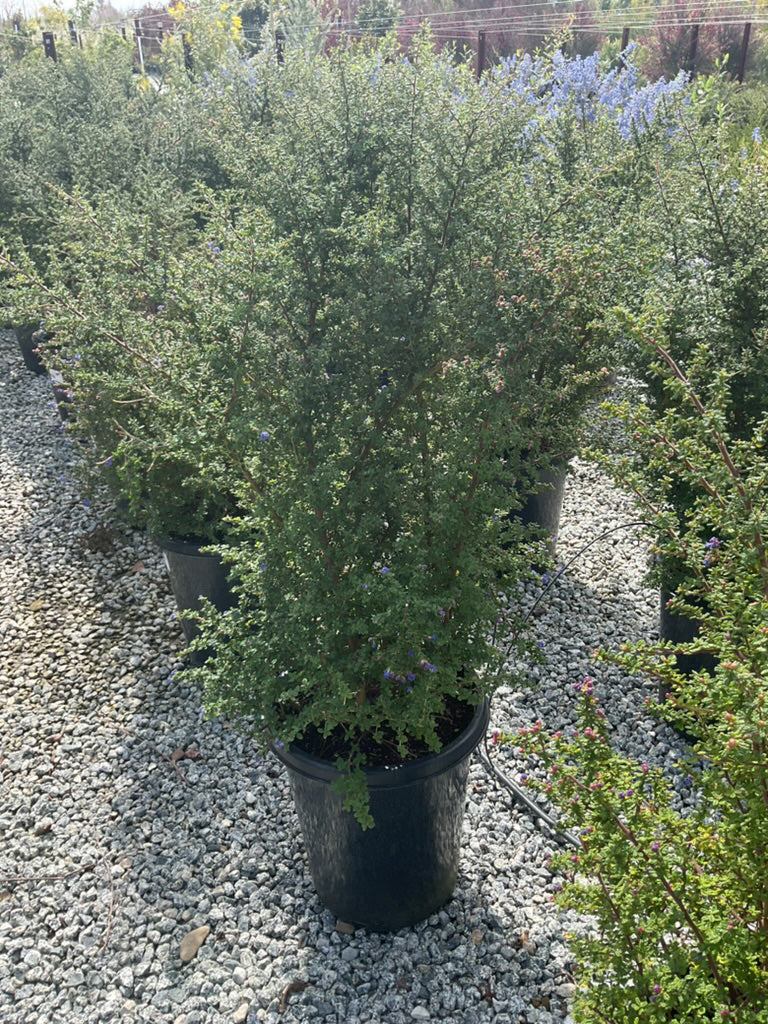
Ceanothus Concha gives you a dramatic spring display of vivid blue flowers, dependable drought tolerance, and evergreen structure that keeps your garden looking intentional all year.
Commonly known as California lilac, Ceanothus concha is ideal for homeowners who want a beautiful, low-maintenance garden centerpiece without constant watering, fertilizing, or shaping. Once established, it thrives in California conditions, supports pollinators, and brings a big seasonal burst of color while blending naturally with other native plants.
Why You’ll Love Ceanothus Concha
-
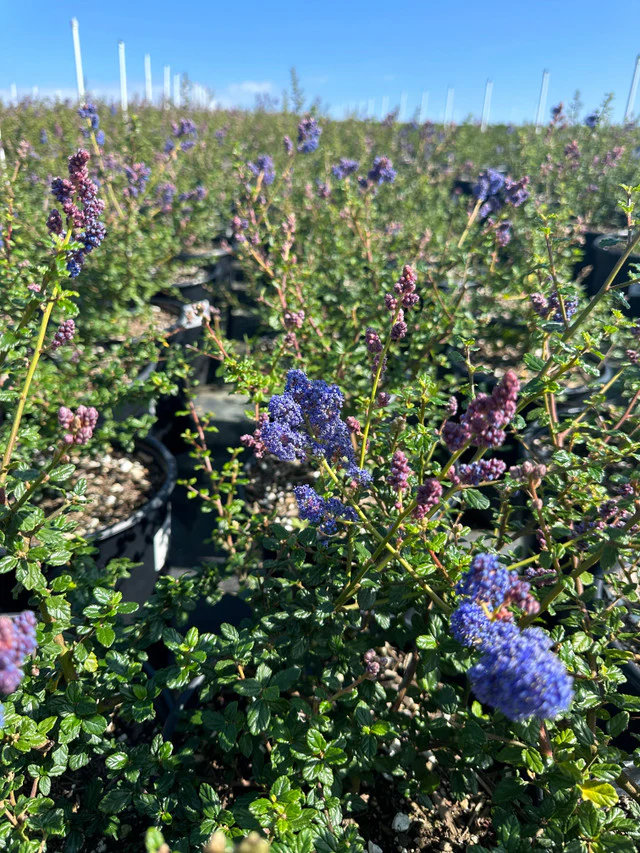
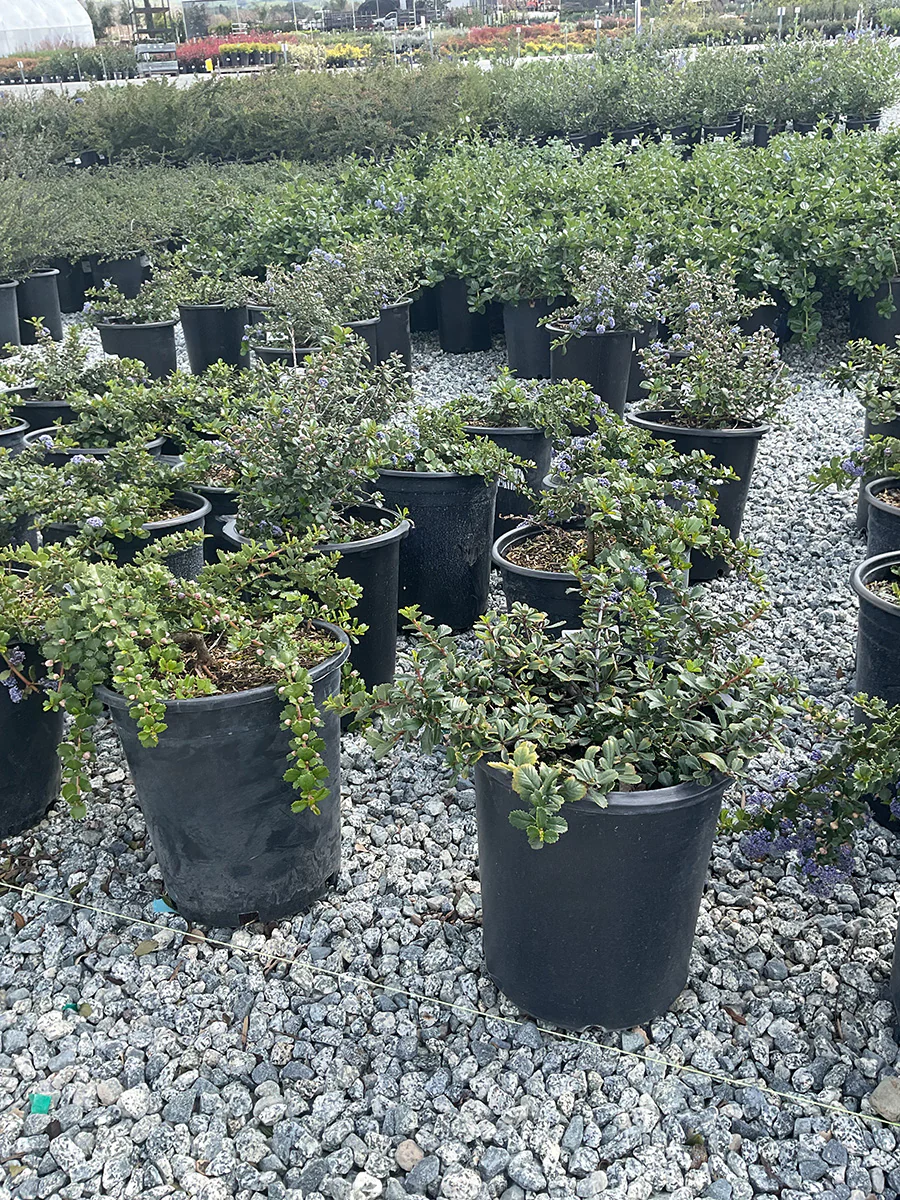
Spectacular blue blooms – Vibrant blue to purple flower clusters cover the shrub in spring, often blooming naturally around April in many California gardens.
-
Drought-tolerant design – Once established, Ceanothus concha is drought-tolerant and sustainable for regions with limited water resources, particularly in California.
-
Wildlife magnet – The shrub heavily attracts native bees, butterflies, and hummingbirds, making it valuable for local wildlife.
-
Bird-friendly habitat – Dense evergreen foliage provides cover, while seeds support quail, finches, mockingbirds, and other birds.
-
Year-round appeal – Dark green, shiny, evergreen leaves give the garden structure even when the plant is not in bloom.
-
Low-maintenance growth – Once established, the shrub requires little to no fertilization, as it naturally enriches the soil.
-
Fast establishment – In most gardens, expect it to grow quickly into a rounded, useful shrub; in smaller or cooler spaces, it may stay closer to a 4-foot shape.
What Makes It Different
Most flowering shrubs ask for regular summer water, repeated feeding, and ongoing pruning. Concha ceanothus is built for a different kind of garden: one that looks full, natural, and colorful while asking for far less.
-
Native California heritage – Ceanothus ‘Concha’ is a hybrid cultivar believed to involve Ceanothus impressusand Ceanothus papillosus var. roweanus, also connected to Ceanothus papillosus heritage.
-
Classic nursery origin – The plant was discovered by Charles Samms at Bee Line Nursery in San Dimas, California, making it one of the oldest and most trusted California lilac selections still grown today.
-
Authentic blue flowers – Its deep blue to purple blooms deliver a true blue effect that many garden shrubs cannot match.
-
Naturally soil-supporting – Ceanothus ‘Concha’ forms a symbiotic relationship with beneficial soil bacteria to fix atmospheric nitrogen.
-
Superior drought performance – Ceanothus concha has deep, thick roots that help it withstand drought conditions, making it a suitable choice for low-water gardens once established.
-
Useful beyond beauty – Ceanothus ‘Concha’ can control soil erosion effectively due to its deep and fibrous root system.
How to Establish Your Ceanothus Concha
-
Plant in fall or early spring
Choose a sunny location before summer heat arrives. Fall and early spring planting give the roots time to settle in before the toughest weather. -
Give it the right site
Ceanothus concha thrives in average, dry to medium moisture, well-drained soils and prefers full sun, although it can tolerate some afternoon shade in hot climates. In hotter inland gardens, part shade during the harshest afternoon sun can help protect young plants. -
Water deeply during the first year
Water regularly but deeply while the plant becomes established. This encourages deep root growth instead of shallow dependency. -
Reduce summer water once established
This plant is best suited for sandy loams or rocky soils with good drainage, and it is important to avoid summer watering for established plants to prevent decline. -
Use light pruning only
Ceanothus ‘Concha’ does not tolerate hard pruning and should only be lightly trimmed after blooming. Avoid cutting into old wood; light pruning after flowers fade is enough to maintain shape. -
Enjoy hands-off beauty
Once established, Concha requires minimal care, little to no fertilizer, and rewards you with evergreen foliage, spring blooms, and wildlife activity year after year.
Plant Specifications
-
Botanical name: Ceanothus ‘Concha’
-
Common name: California lilac
-
Plant type: Evergreen ornamental shrub
-
Heritage: Hybrid cultivar believed to involve Ceanothus impressus and Ceanothus papillosus var. roweanus
-
Mature size: Ceanothus ‘Concha’ is an ornamental shrub that typically grows 4 to 8 feet tall and 6 to 12 feet wide, with larger sizes occurring in milder climates.
-
Habit: Dense, mounding, and arching; suitable for informal hedges, screens, slopes, and specimen planting
-
Foliage: This species features dark green, shiny, evergreen leaves and produces deep blue to purple flower clusters in late spring and summer.
-
Bloom season: Spring, often April in many California gardens; flowering may extend into late spring or summer depending on climate.
-
Flower color: Deep blue to purple flower clusters
-
Sun exposure: Full sun is ideal; some afternoon shade is tolerated in hot climates.
-
Soil: It prefers well-drained soil and is remarkably tolerant of heavy clay, sandy, and alkaline soils.
-
Moisture needs: Low once established; avoid excessive summer water.
-
Best soil types: Well drained soil, sandy loam, rocky soil, and clay with good drainage.
-
Wildlife value: Attracts bees, butterflies, hummingbirds, and provides cover and seeds for birds.
-
Maintenance: Low; light pruning only after bloom.
-
Best uses: Native garden, water-wise landscape, slope planting, hedge, privacy screen, coastal garden, wildlife garden.
Perfect For These California Gardens
Ideal for:
-
Water-conscious homeowners who want beautiful, drought-tolerant landscaping with minimal summer irrigation.
-
Native plant enthusiasts creating wildlife-friendly gardens for bees, butterflies, hummingbirds, quail, finches, and mockingbirds.
-
Coastal property owners needing a low-maintenance shrub that handles sun, wind, and well drained soil.
-
Busy homeowners who want maximum beauty with minimal garden maintenance.
-
Slope and hillside gardens where deep roots and dense foliage help cover soil and reduce erosion.
-
Informal hedges or boundary screens because the dense, mounding habit of ‘Concha’ makes it suitable for property edges and natural privacy.
-
Mixed native borders with manzanita, salvia, ceanothus groundcovers, and other plants that prefer similar low-water conditions.
If you want a California native-style garden with bold flowers, evergreen shape, and less waiting for results, Ceanothus Concha is an ideal choice.
Frequently Asked Questions
Is Ceanothus Concha easy to grow?
Yes. It is easy to grow when planted in full sun, well drained soil, and a site where its roots can develop deeply. The essential rule is to avoid soggy soil and heavy summer water once established.
How long does establishment take?
Expect the first year to be the main establishment period. Water deeply and infrequently during that time, then reduce irrigation as the shrub becomes established.
How big does Ceanothus Concha get?
Ceanothus ‘Concha’ typically grows 4 to 8 feet tall and 6 to 12 feet wide, with larger sizes occurring in milder climates. Give it room to spread, especially if you want it as a screen or hedge.
How far apart should I plant them?
For a loose hedge or boundary screen, space plants generously so their natural wide shape can develop. In most gardens, allow several feet between plants rather than crowding them tightly.
When should I prune it?
Prune lightly after blooming, usually in late spring. Do not hard prune and avoid cutting into old wood, because Ceanothus ‘Concha’ does not recover well from severe pruning.
Does it work with other California native plants?
Yes. It pairs well with other drought-tolerant native plants that prefer sun, low summer water, and well drained soil. Avoid placing it with high-water plants that need frequent irrigation.
Will it attract wildlife?
Yes. The blooms draw bees, butterflies, and hummingbirds, while the foliage provides cover and the seeds support birds such as quail, finches, and mockingbirds.
Do deer eat Ceanothus Concha?
Deer usually do not treat it as a first-choice plant, but deer may browse young plants during drought or when food is scarce. Protect young shrubs until established.
Ready to Add California Beauty to Your Garden?
Stop settling for thirsty shrubs that need constant attention. Choose Ceanothus Concha for bold blue flowers, evergreen structure, native wildlife value, and dependable low-water performance once established.
Order through Yardwork for California delivery, current nursery inventory, and plant guarantee support. Need help designing with native plants? Ask about Yardwork consultation services for pairing Concha with other California natives in a low-maintenance garden.
Original: $245.00
-65%$245.00
$85.75Product Information
Product Information
Shipping & Returns
Shipping & Returns
Description
Transform Your Garden with Stunning Blue Blooms and Zero-Maintenance Beauty
Ceanothus Concha gives you a dramatic spring display of vivid blue flowers, dependable drought tolerance, and evergreen structure that keeps your garden looking intentional all year.
Commonly known as California lilac, Ceanothus concha is ideal for homeowners who want a beautiful, low-maintenance garden centerpiece without constant watering, fertilizing, or shaping. Once established, it thrives in California conditions, supports pollinators, and brings a big seasonal burst of color while blending naturally with other native plants.
Why You’ll Love Ceanothus Concha
-
Spectacular blue blooms – Vibrant blue to purple flower clusters cover the shrub in spring, often blooming naturally around April in many California gardens.
-
Drought-tolerant design – Once established, Ceanothus concha is drought-tolerant and sustainable for regions with limited water resources, particularly in California.
-
Wildlife magnet – The shrub heavily attracts native bees, butterflies, and hummingbirds, making it valuable for local wildlife.
-
Bird-friendly habitat – Dense evergreen foliage provides cover, while seeds support quail, finches, mockingbirds, and other birds.
-
Year-round appeal – Dark green, shiny, evergreen leaves give the garden structure even when the plant is not in bloom.
-
Low-maintenance growth – Once established, the shrub requires little to no fertilization, as it naturally enriches the soil.
-
Fast establishment – In most gardens, expect it to grow quickly into a rounded, useful shrub; in smaller or cooler spaces, it may stay closer to a 4-foot shape.
What Makes It Different
Most flowering shrubs ask for regular summer water, repeated feeding, and ongoing pruning. Concha ceanothus is built for a different kind of garden: one that looks full, natural, and colorful while asking for far less.
-
Native California heritage – Ceanothus ‘Concha’ is a hybrid cultivar believed to involve Ceanothus impressusand Ceanothus papillosus var. roweanus, also connected to Ceanothus papillosus heritage.
-
Classic nursery origin – The plant was discovered by Charles Samms at Bee Line Nursery in San Dimas, California, making it one of the oldest and most trusted California lilac selections still grown today.
-
Authentic blue flowers – Its deep blue to purple blooms deliver a true blue effect that many garden shrubs cannot match.
-
Naturally soil-supporting – Ceanothus ‘Concha’ forms a symbiotic relationship with beneficial soil bacteria to fix atmospheric nitrogen.
-
Superior drought performance – Ceanothus concha has deep, thick roots that help it withstand drought conditions, making it a suitable choice for low-water gardens once established.
-
Useful beyond beauty – Ceanothus ‘Concha’ can control soil erosion effectively due to its deep and fibrous root system.
How to Establish Your Ceanothus Concha
-
Plant in fall or early spring
Choose a sunny location before summer heat arrives. Fall and early spring planting give the roots time to settle in before the toughest weather. -
Give it the right site
Ceanothus concha thrives in average, dry to medium moisture, well-drained soils and prefers full sun, although it can tolerate some afternoon shade in hot climates. In hotter inland gardens, part shade during the harshest afternoon sun can help protect young plants. -
Water deeply during the first year
Water regularly but deeply while the plant becomes established. This encourages deep root growth instead of shallow dependency. -
Reduce summer water once established
This plant is best suited for sandy loams or rocky soils with good drainage, and it is important to avoid summer watering for established plants to prevent decline. -
Use light pruning only
Ceanothus ‘Concha’ does not tolerate hard pruning and should only be lightly trimmed after blooming. Avoid cutting into old wood; light pruning after flowers fade is enough to maintain shape. -
Enjoy hands-off beauty
Once established, Concha requires minimal care, little to no fertilizer, and rewards you with evergreen foliage, spring blooms, and wildlife activity year after year.
Plant Specifications
-
Botanical name: Ceanothus ‘Concha’
-
Common name: California lilac
-
Plant type: Evergreen ornamental shrub
-
Heritage: Hybrid cultivar believed to involve Ceanothus impressus and Ceanothus papillosus var. roweanus
-
Mature size: Ceanothus ‘Concha’ is an ornamental shrub that typically grows 4 to 8 feet tall and 6 to 12 feet wide, with larger sizes occurring in milder climates.
-
Habit: Dense, mounding, and arching; suitable for informal hedges, screens, slopes, and specimen planting
-
Foliage: This species features dark green, shiny, evergreen leaves and produces deep blue to purple flower clusters in late spring and summer.
-
Bloom season: Spring, often April in many California gardens; flowering may extend into late spring or summer depending on climate.
-
Flower color: Deep blue to purple flower clusters
-
Sun exposure: Full sun is ideal; some afternoon shade is tolerated in hot climates.
-
Soil: It prefers well-drained soil and is remarkably tolerant of heavy clay, sandy, and alkaline soils.
-
Moisture needs: Low once established; avoid excessive summer water.
-
Best soil types: Well drained soil, sandy loam, rocky soil, and clay with good drainage.
-
Wildlife value: Attracts bees, butterflies, hummingbirds, and provides cover and seeds for birds.
-
Maintenance: Low; light pruning only after bloom.
-
Best uses: Native garden, water-wise landscape, slope planting, hedge, privacy screen, coastal garden, wildlife garden.
Perfect For These California Gardens
Ideal for:
-
Water-conscious homeowners who want beautiful, drought-tolerant landscaping with minimal summer irrigation.
-
Native plant enthusiasts creating wildlife-friendly gardens for bees, butterflies, hummingbirds, quail, finches, and mockingbirds.
-
Coastal property owners needing a low-maintenance shrub that handles sun, wind, and well drained soil.
-
Busy homeowners who want maximum beauty with minimal garden maintenance.
-
Slope and hillside gardens where deep roots and dense foliage help cover soil and reduce erosion.
-
Informal hedges or boundary screens because the dense, mounding habit of ‘Concha’ makes it suitable for property edges and natural privacy.
-
Mixed native borders with manzanita, salvia, ceanothus groundcovers, and other plants that prefer similar low-water conditions.
If you want a California native-style garden with bold flowers, evergreen shape, and less waiting for results, Ceanothus Concha is an ideal choice.
Frequently Asked Questions
Is Ceanothus Concha easy to grow?
Yes. It is easy to grow when planted in full sun, well drained soil, and a site where its roots can develop deeply. The essential rule is to avoid soggy soil and heavy summer water once established.
How long does establishment take?
Expect the first year to be the main establishment period. Water deeply and infrequently during that time, then reduce irrigation as the shrub becomes established.
How big does Ceanothus Concha get?
Ceanothus ‘Concha’ typically grows 4 to 8 feet tall and 6 to 12 feet wide, with larger sizes occurring in milder climates. Give it room to spread, especially if you want it as a screen or hedge.
How far apart should I plant them?
For a loose hedge or boundary screen, space plants generously so their natural wide shape can develop. In most gardens, allow several feet between plants rather than crowding them tightly.
When should I prune it?
Prune lightly after blooming, usually in late spring. Do not hard prune and avoid cutting into old wood, because Ceanothus ‘Concha’ does not recover well from severe pruning.
Does it work with other California native plants?
Yes. It pairs well with other drought-tolerant native plants that prefer sun, low summer water, and well drained soil. Avoid placing it with high-water plants that need frequent irrigation.
Will it attract wildlife?
Yes. The blooms draw bees, butterflies, and hummingbirds, while the foliage provides cover and the seeds support birds such as quail, finches, and mockingbirds.
Do deer eat Ceanothus Concha?
Deer usually do not treat it as a first-choice plant, but deer may browse young plants during drought or when food is scarce. Protect young shrubs until established.
Ready to Add California Beauty to Your Garden?
Stop settling for thirsty shrubs that need constant attention. Choose Ceanothus Concha for bold blue flowers, evergreen structure, native wildlife value, and dependable low-water performance once established.
Order through Yardwork for California delivery, current nursery inventory, and plant guarantee support. Need help designing with native plants? Ask about Yardwork consultation services for pairing Concha with other California natives in a low-maintenance garden.