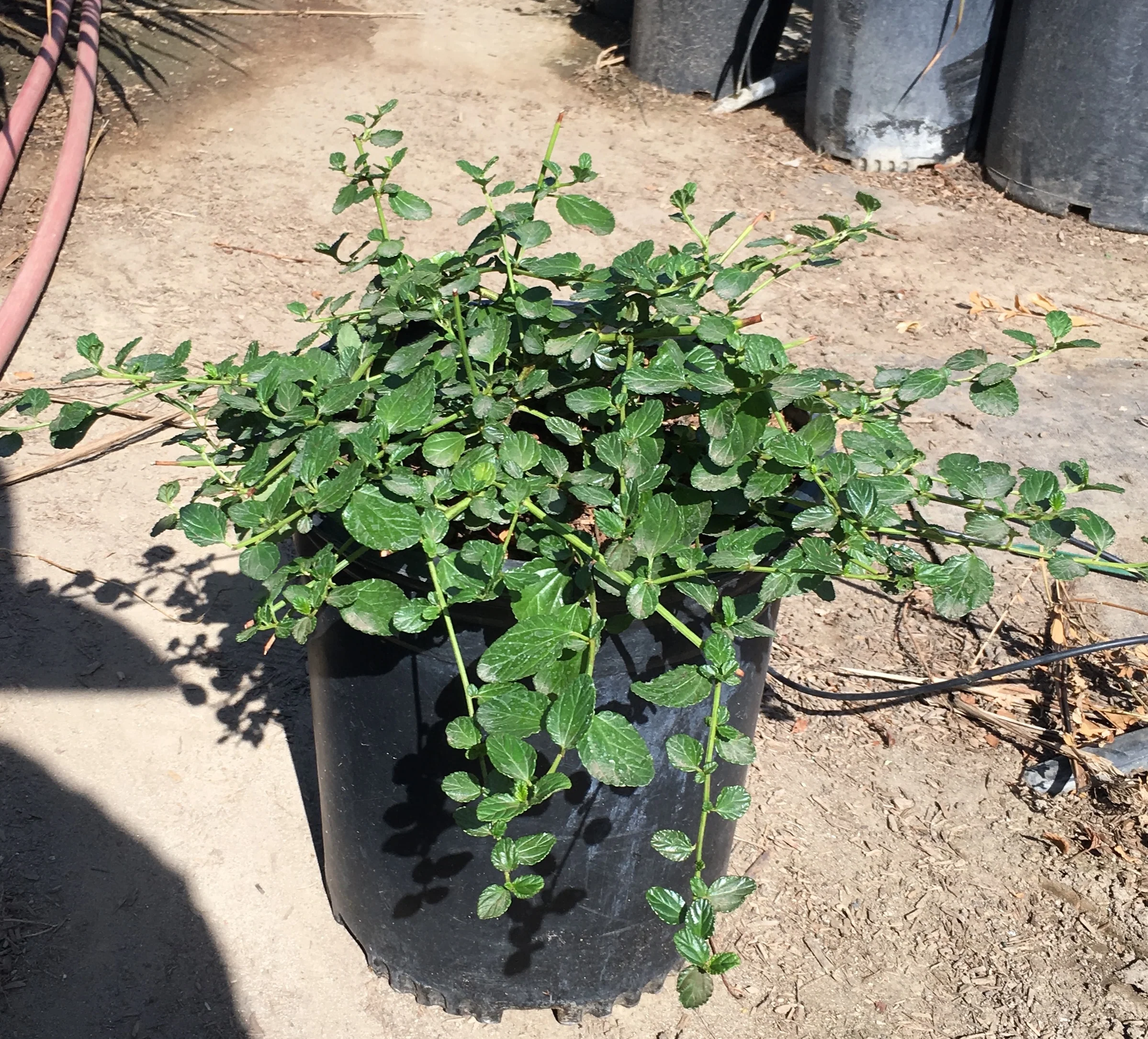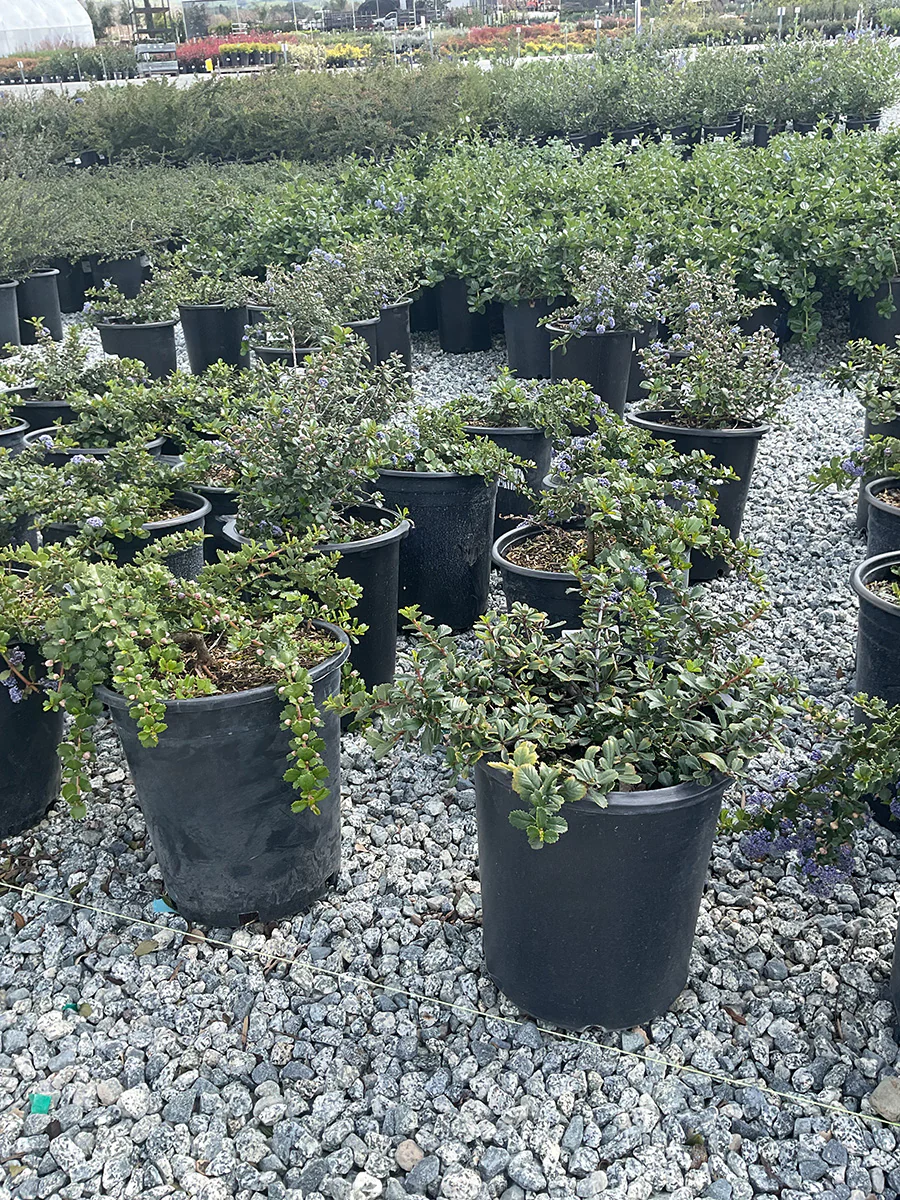
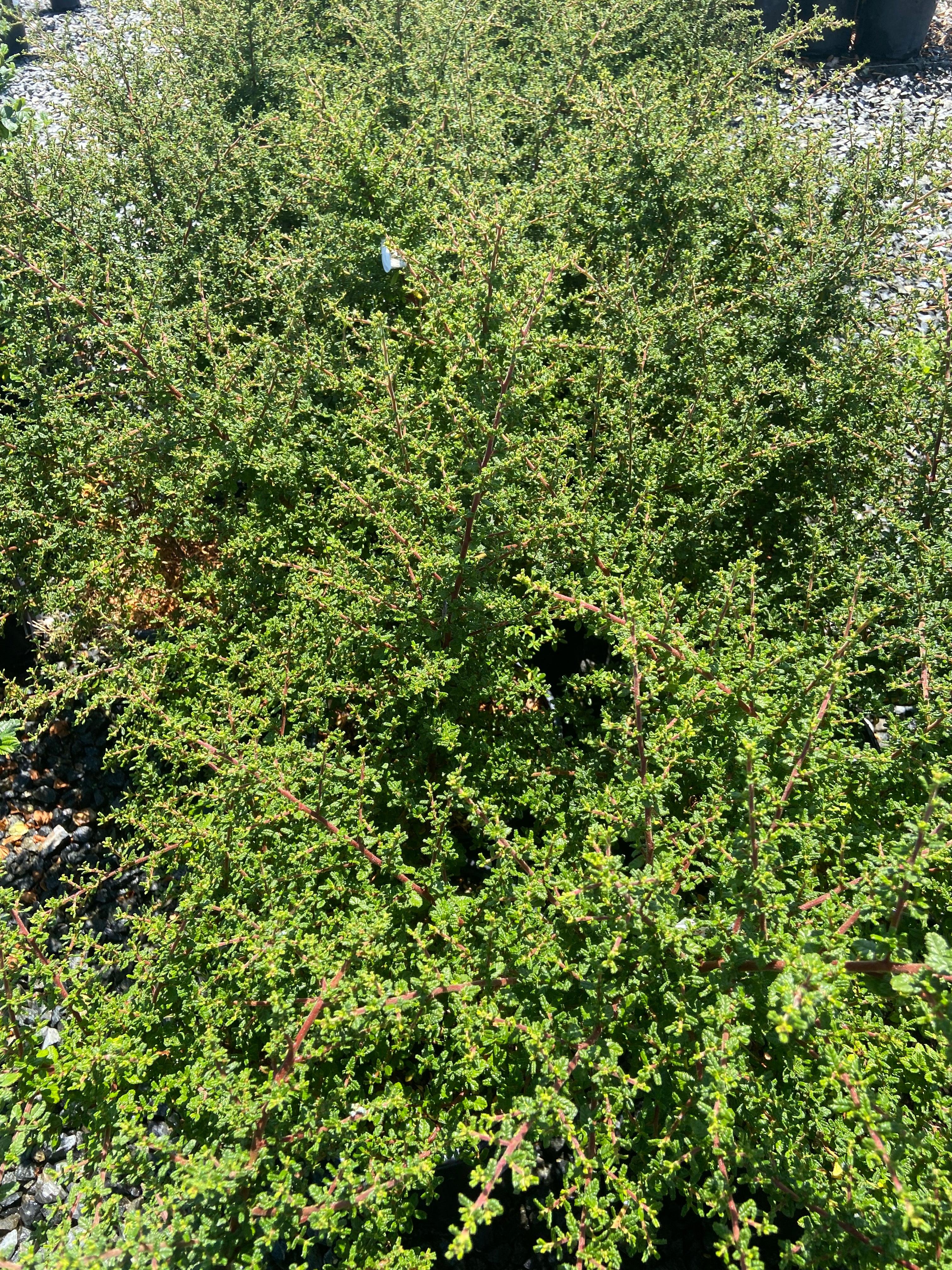
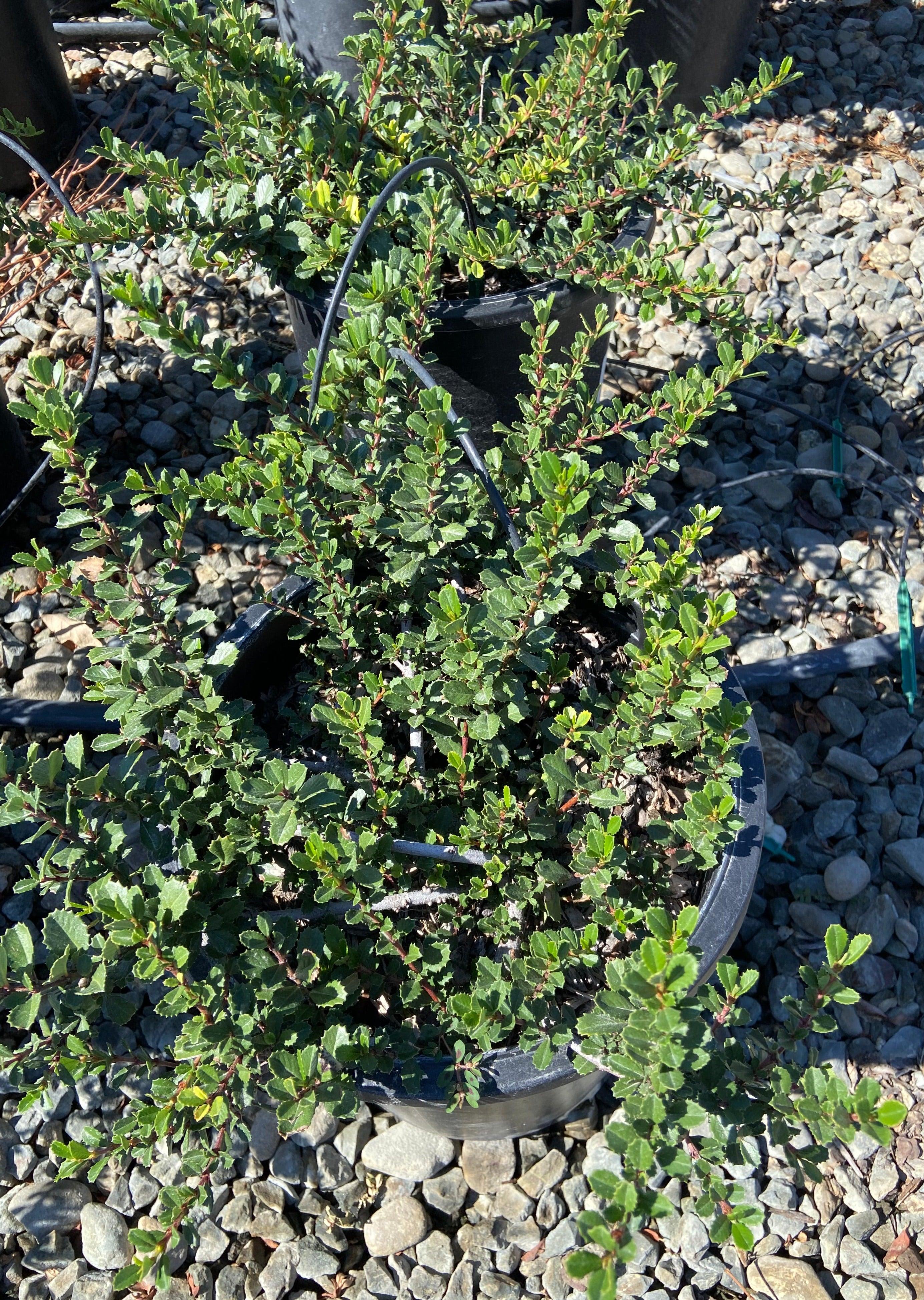
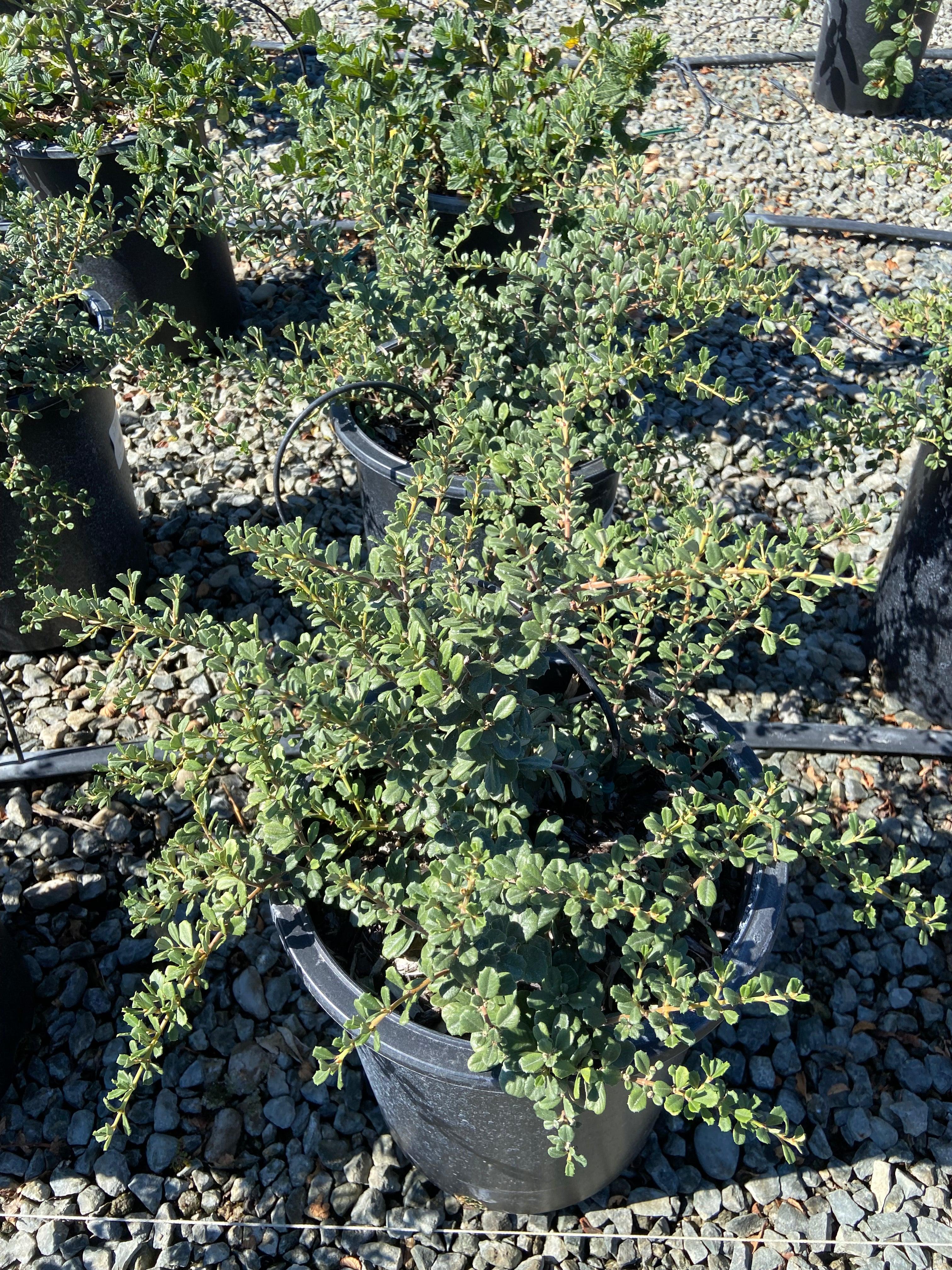
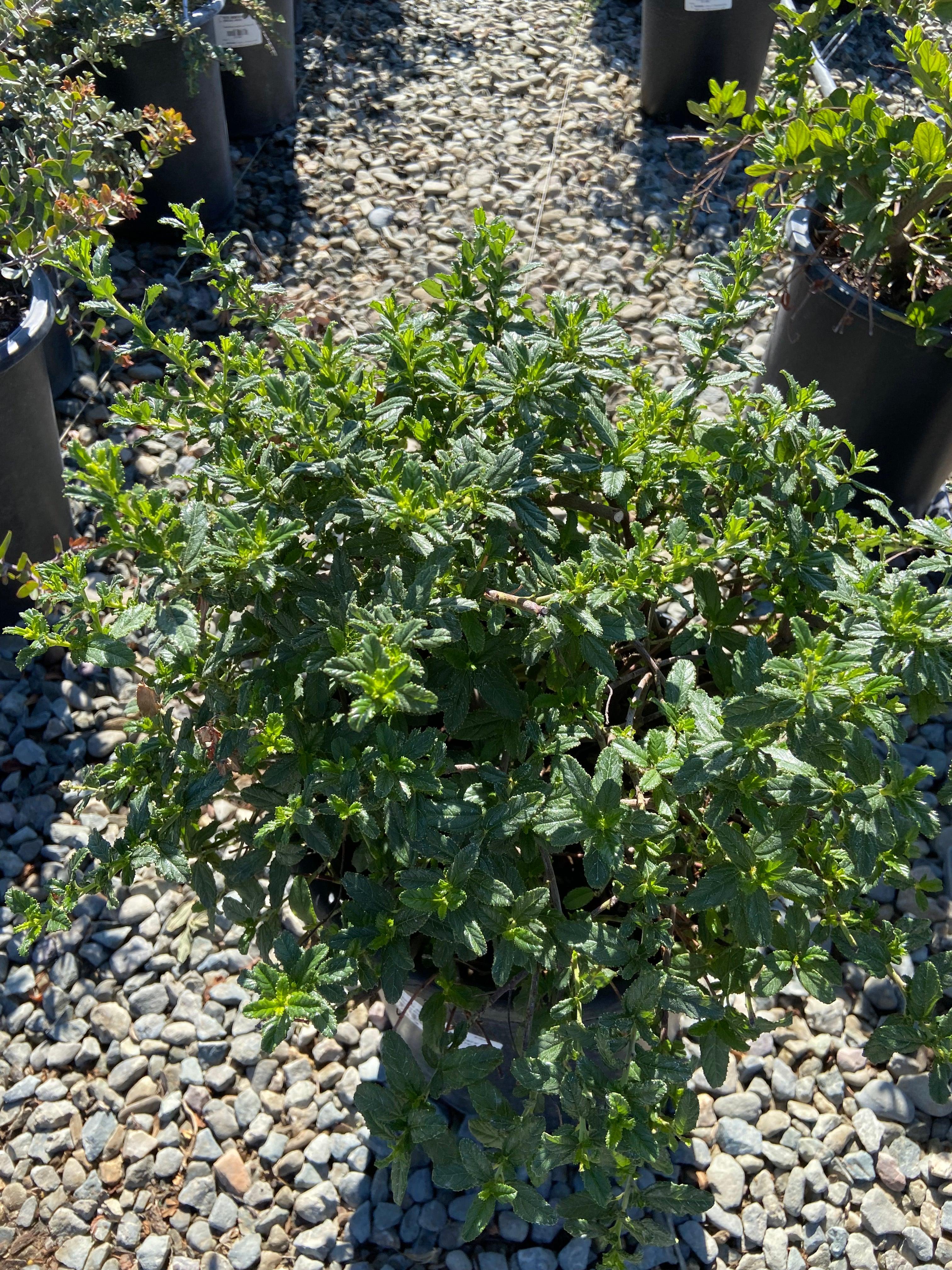
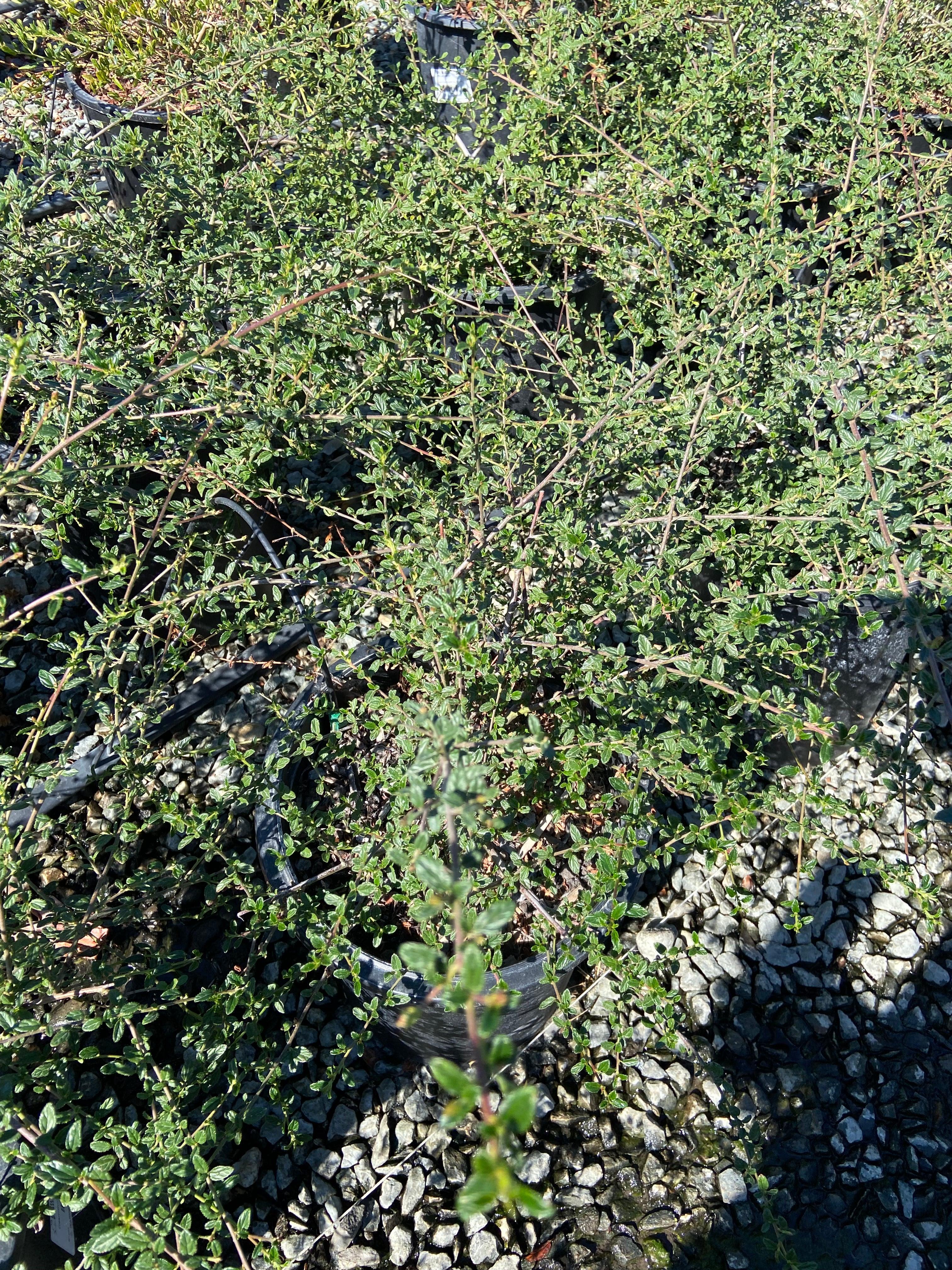
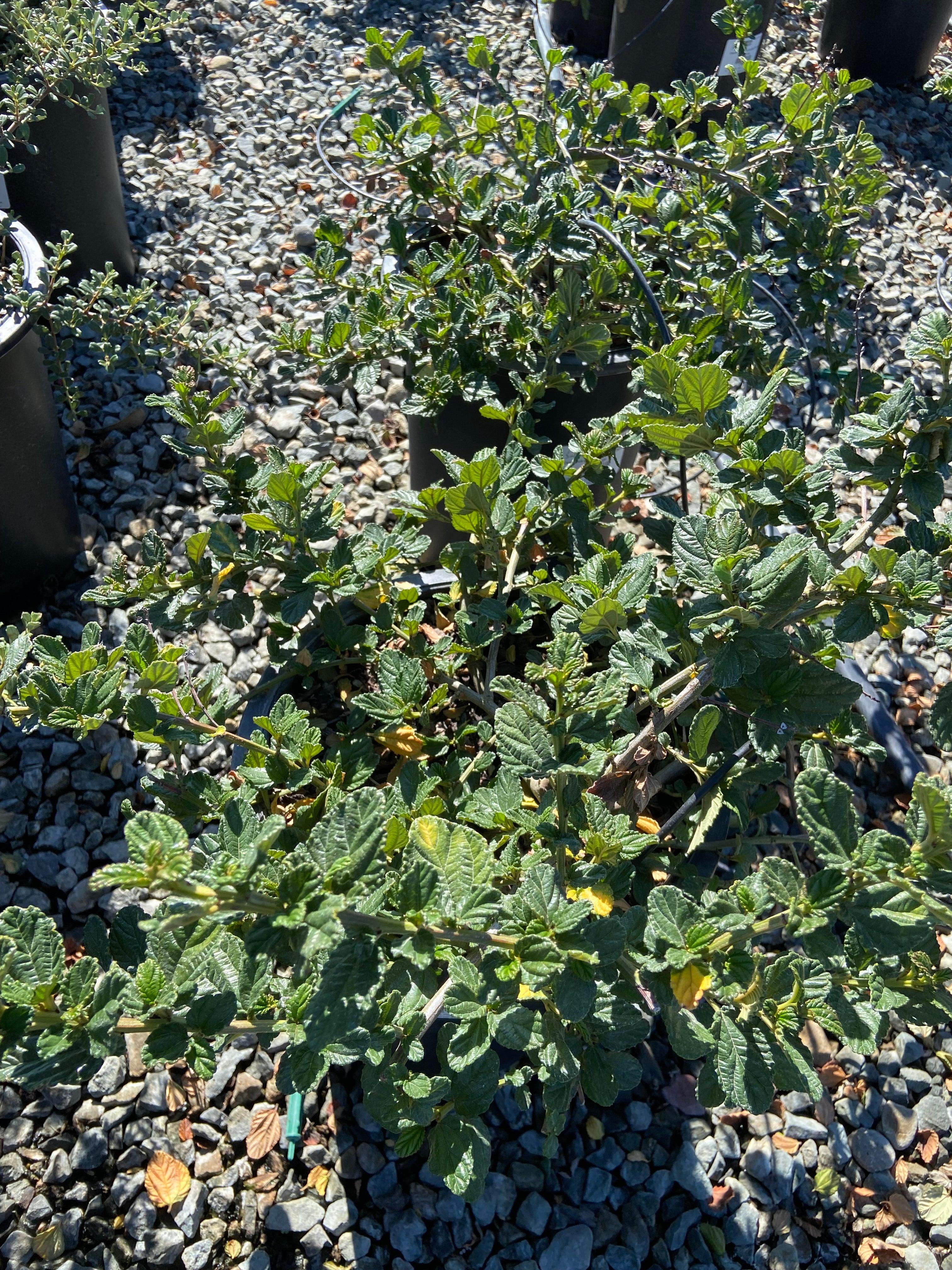
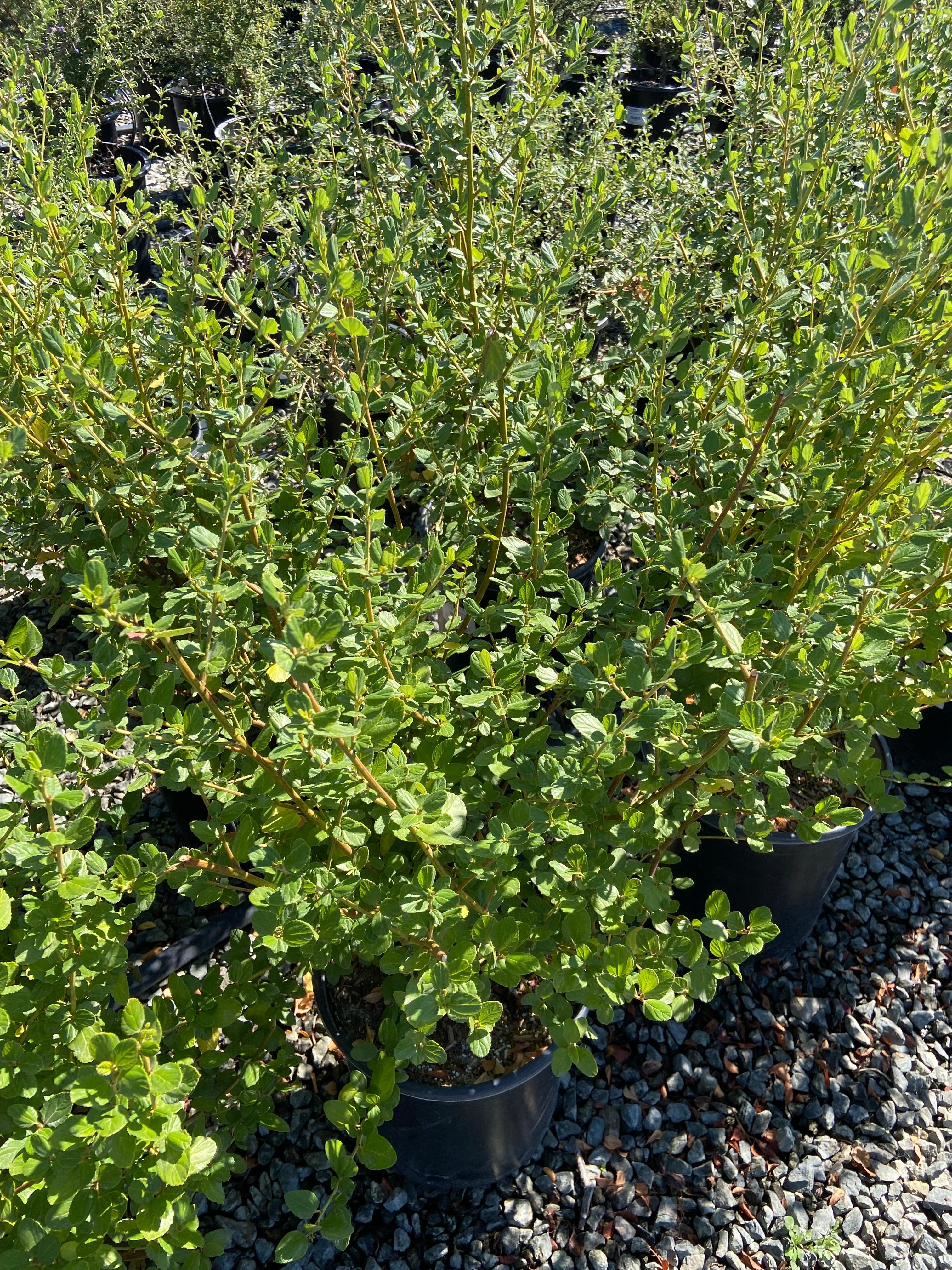
Ceanothus - California Lilac
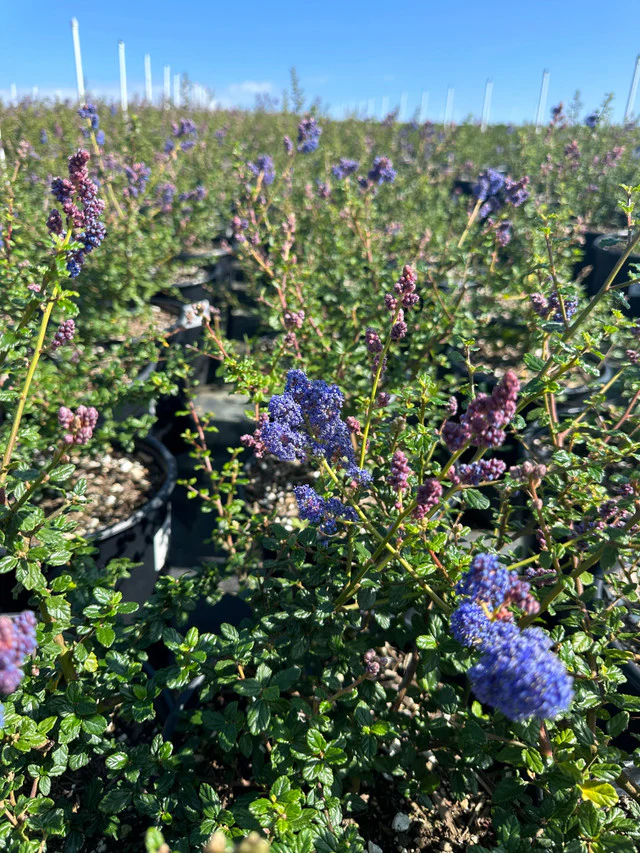
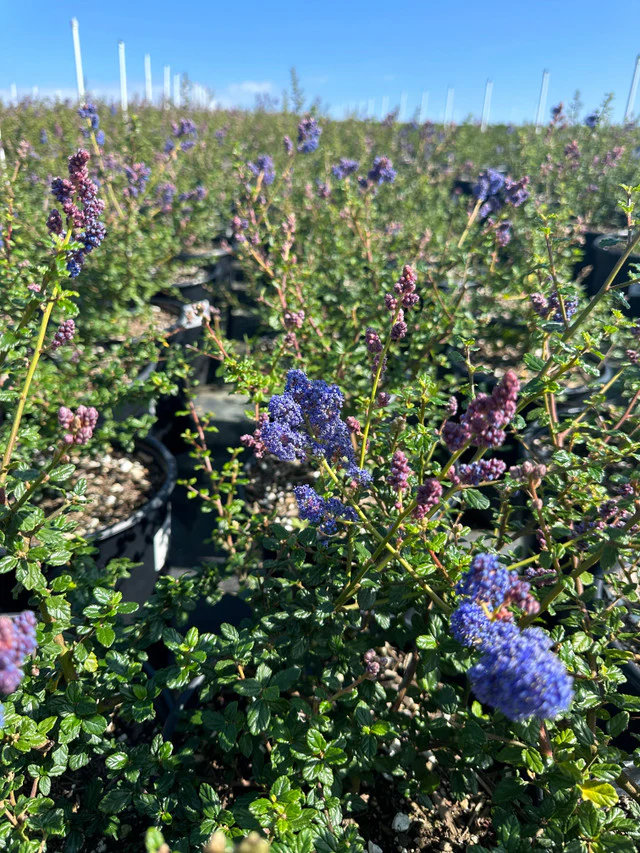
Ceanothus, commonly known as California lilac or wild lilac, is one of the most iconic native shrubs for California-friendly landscapes. Loved for its vivid blue flowers, evergreen foliage, and exceptional drought tolerance, ceanothus brings seasonal color and habitat value to gardens ranging from coastal bluffs to inland hillsides.
Most ceanothus varieties bloom from late winter through early summer depending on species and climate. These fast-growing native shrubs are widely used for:
-
Drought-tolerant screening
-
Pollinator gardens
-
Native habitat landscapes
-
Slope stabilization
-
Coastal plantings
-
Low-water foundation borders
At Yardwork, we offer carefully selected ceanothus cultivars suited for California landscapes, along with expert guidance, soil testing, and planting consultation services.
What Is Ceanothus (Wild Lilac)
Ceanothus is a genus of flowering shrubs and small trees native primarily to California and the western United States.
Common names include:
-
California lilac
-
Wild lilac
-
Ceanothus
Despite the common name, ceanothus is not related to true lilacs. The nickname comes from the plant’s masses of fragrant blue-to-purple flowers that resemble lilac blooms during spring.
One of ceanothus’ most valuable ecological traits is its actinorhizal nitrogen-fixing ability. Specialized root associations help improve soil fertility naturally, making ceanothus especially useful in native and restoration landscapes.
Explore additional varieties on the Yardwork ceanothus collection page to compare growth habits, mature sizes, and regional suitability.
Bloom Time: Late Spring To Early Summer
Ceanothus bloom timing varies depending on species, local climate, and cultivar selection.
Late Spring Flowering Patterns
Many evergreen ceanothus varieties begin blooming in:
-
March
-
April
-
May
Coastal climates often experience extended bloom periods because of cooler temperatures.
Dense flower clusters may nearly cover the foliage during peak bloom.
Early Summer Flowering Variations
Some inland and later-season cultivars continue blooming into:
-
June
-
Early summer
Cooler microclimates may slightly delay flowering.
Peak Pollinator Activity
When ceanothus flowers are active, gardens often attract:
-
Native bees
-
Butterflies
-
Hummingbirds
-
Beneficial pollinators
This makes California lilac one of the best native shrubs for pollinator-support landscapes.
Key Cultivars And Selections
Ceanothus includes many excellent landscape cultivars suited for different climates and garden sizes.
Popular selections include:
-
Yankee Point
-
Ray Hartman
-
Julia Phelps
-
Concha
-
Dark Star
-
Frosty Blue
-
Anchor Bay
Choosing the right cultivar depends heavily on:
-
Sun exposure
-
Coastal vs inland climate
-
Desired mature size
-
Screening needs
-
Slope or erosion control goals
Coastal gardens generally perform best with varieties tolerant of marine influence and summer fog, while inland gardens benefit from heat-adapted selections.
A cultivar comparison table can help identify the best ceanothus variety for your landscape goals.
Yankee Point
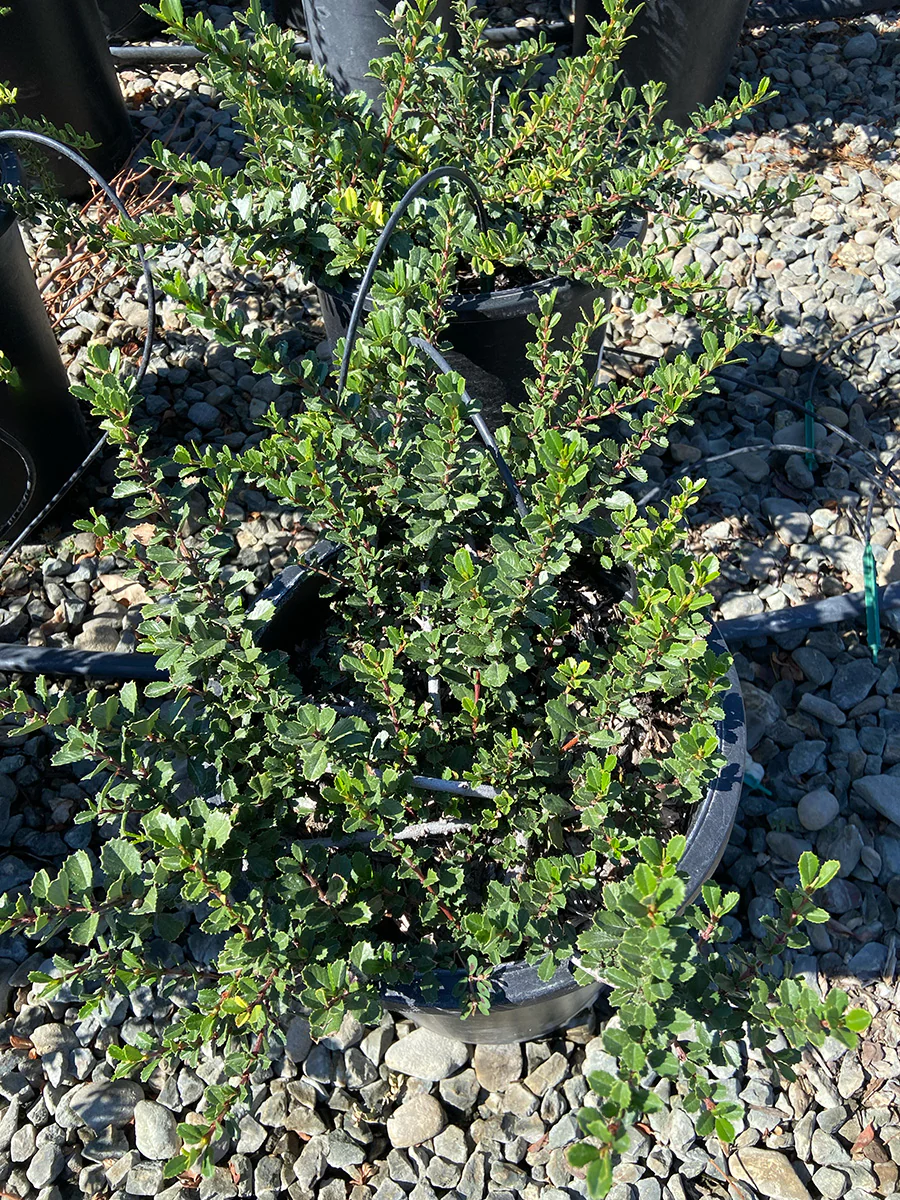
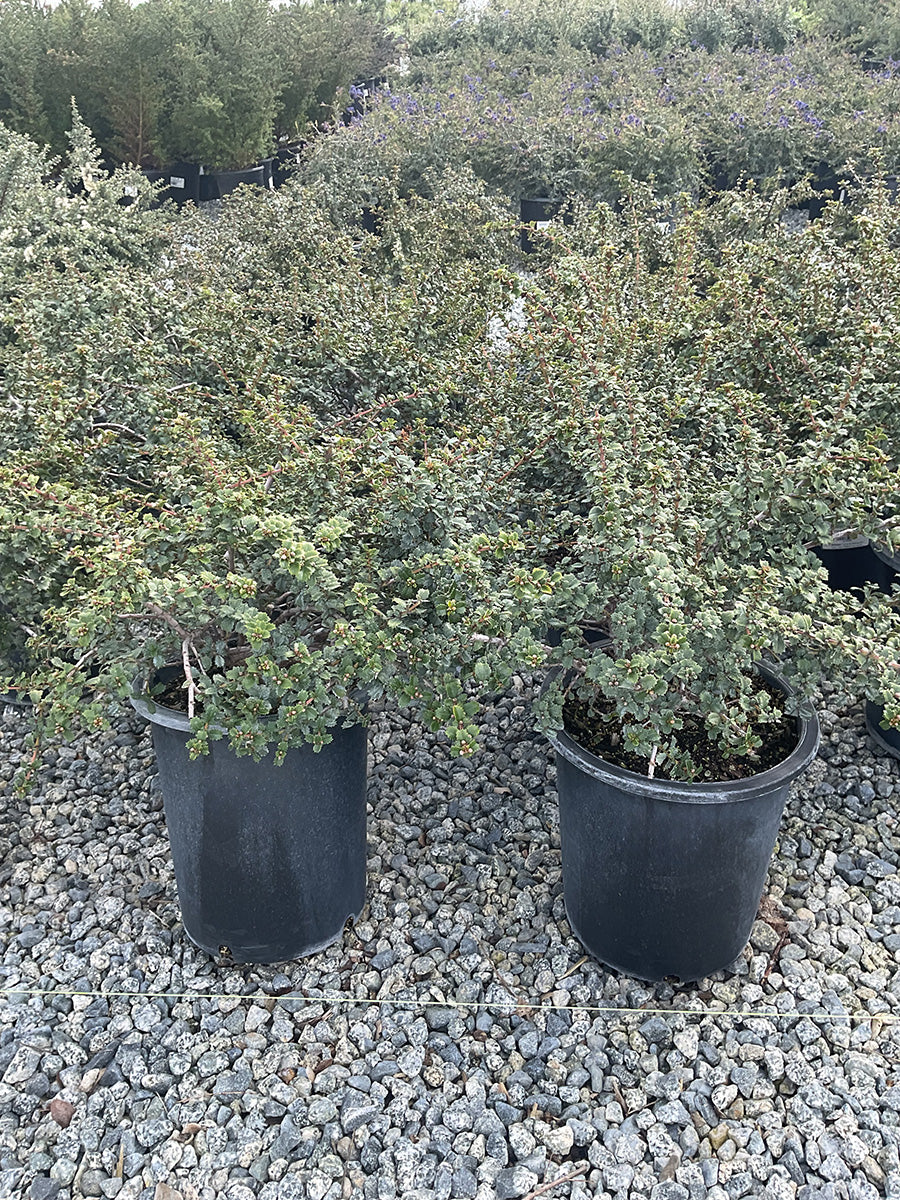
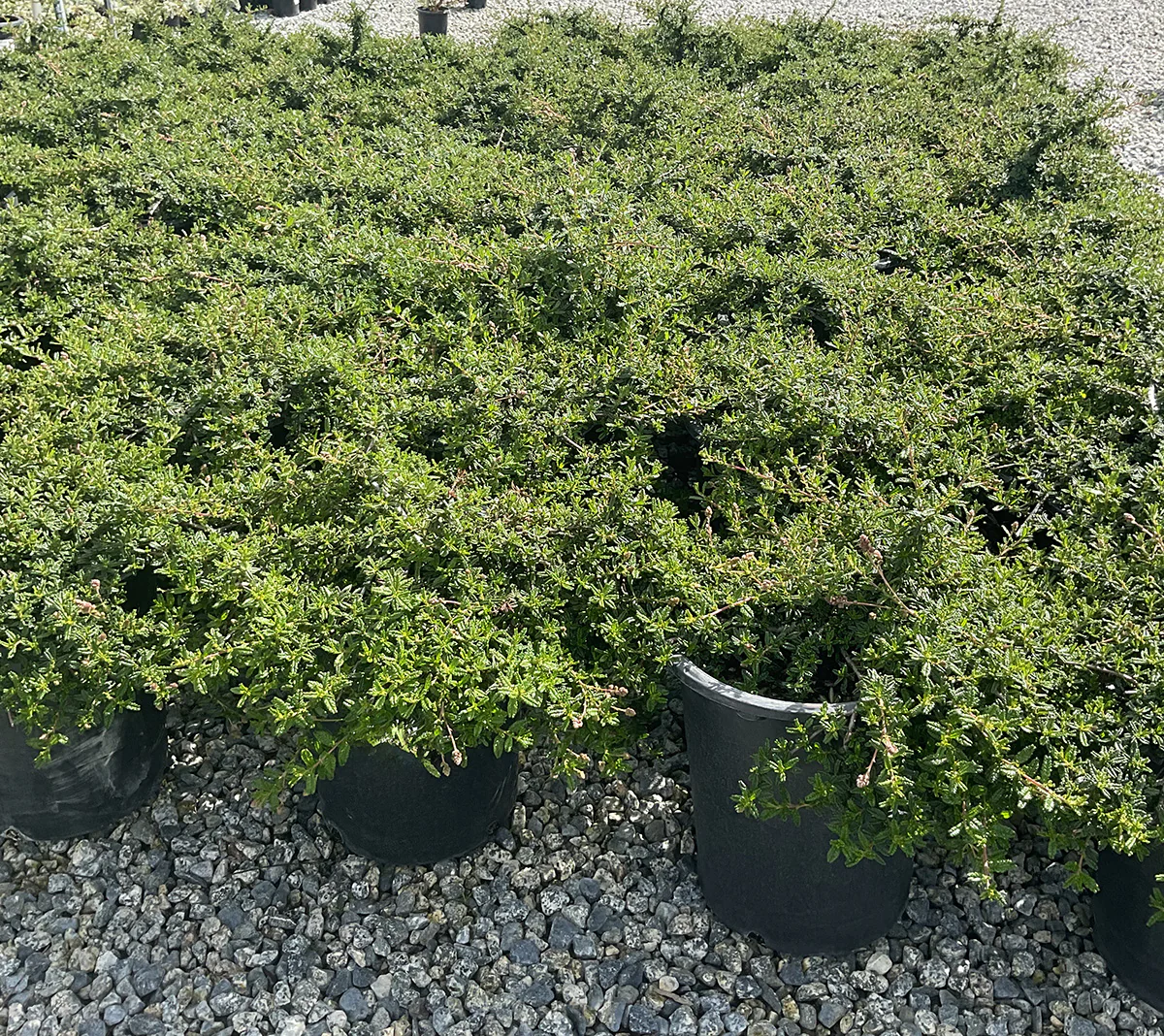
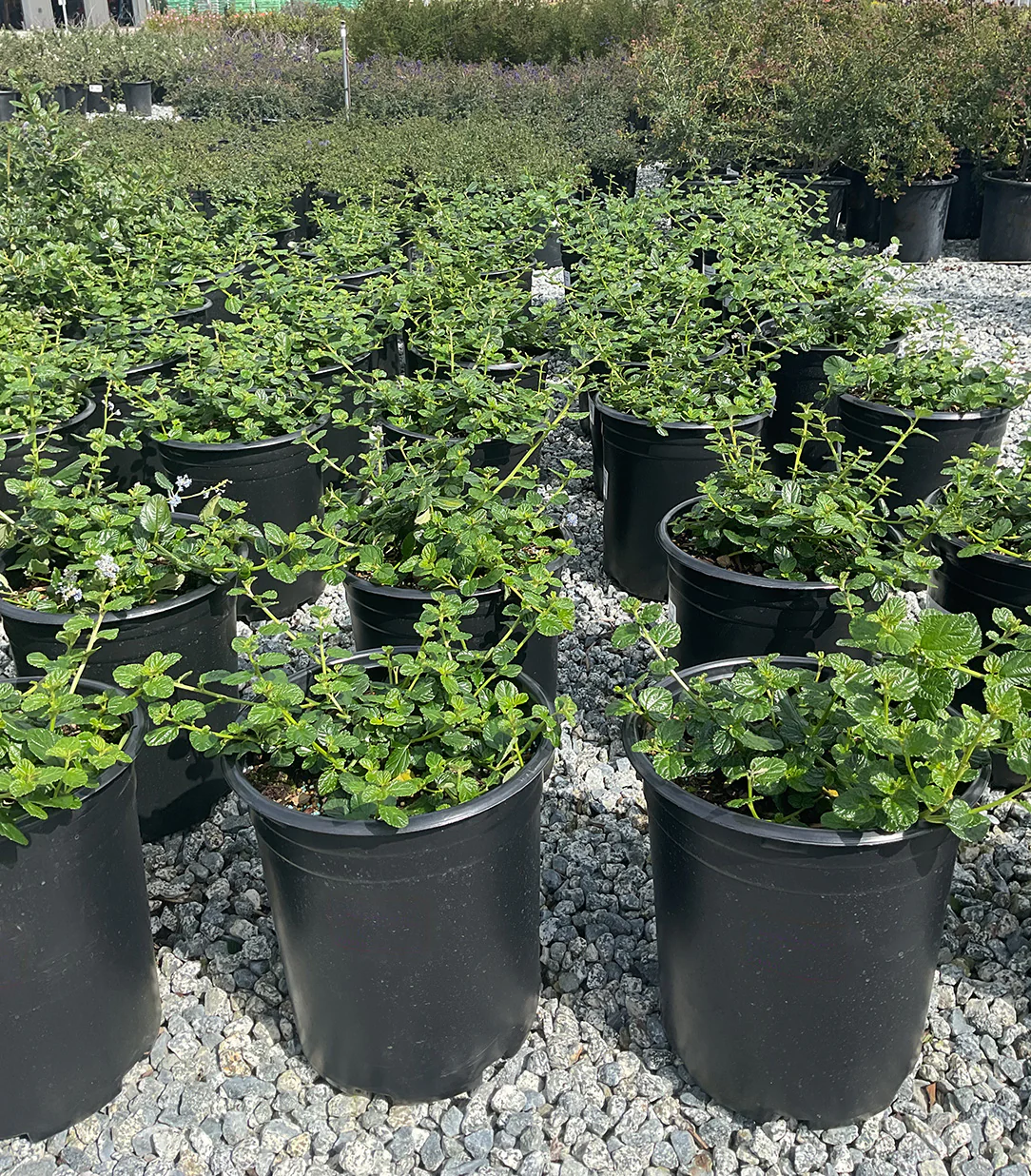
‘Yankee Point’ is one of the most widely planted groundcover ceanothus varieties in California.
Why Gardeners Love Yankee Point
Key benefits include:
-
Excellent coastal tolerance
-
Dense spreading growth
-
Rich blue spring flowers
-
Evergreen foliage
-
Strong erosion-control performance
Its low, spreading habit makes it ideal for:
-
Hillsides
-
Coastal slopes
-
Parking strips
-
Large drought-tolerant landscapes
Explore the Yardwork Yankee Point product page for sizing, availability, and planting guidance.
Sonoma County Selections
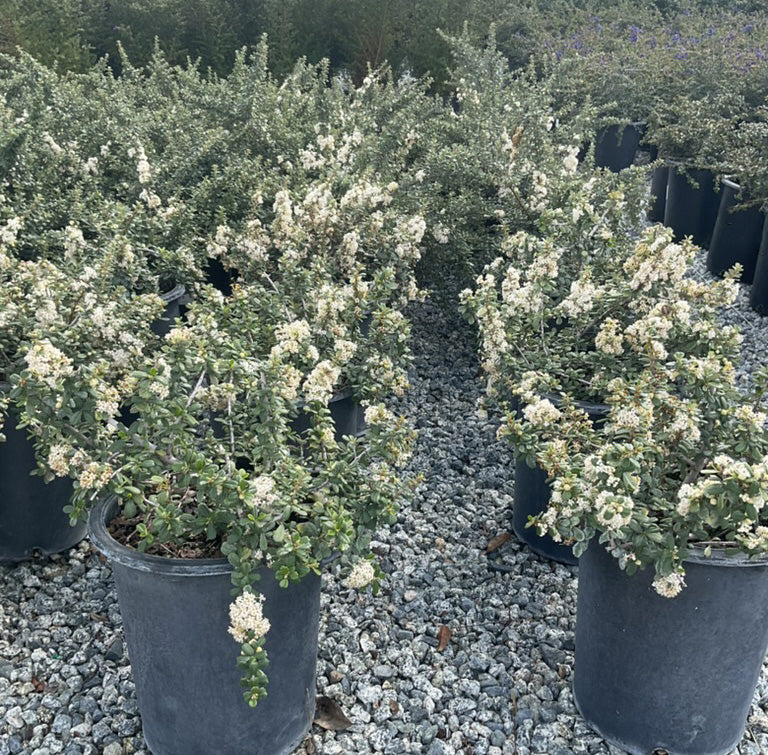
Sonoma County is home to several highly regarded native ceanothus forms adapted to Northern California conditions.
Noteworthy regional selections may include:
-
Sonoma Coast forms
-
Local inland ecotypes
-
Native habitat-grown selections
Where available, Yardwork may offer local provenance stock better adapted to regional soils and climate patterns.
Native-origin material often performs more reliably in ecological restoration and habitat-focused landscapes.
Selecting The Right Plant For Your Site
Successful ceanothus planting starts with matching the cultivar to site conditions.
Match Cultivar To Exposure
Before selecting a plant, evaluate:
-
Full sun exposure
-
Coastal fog influence
-
Inland summer heat
-
Air circulation
-
Winter drainage
Some ceanothus varieties tolerate coastal moisture better than others.
Choose The Right Mature Size
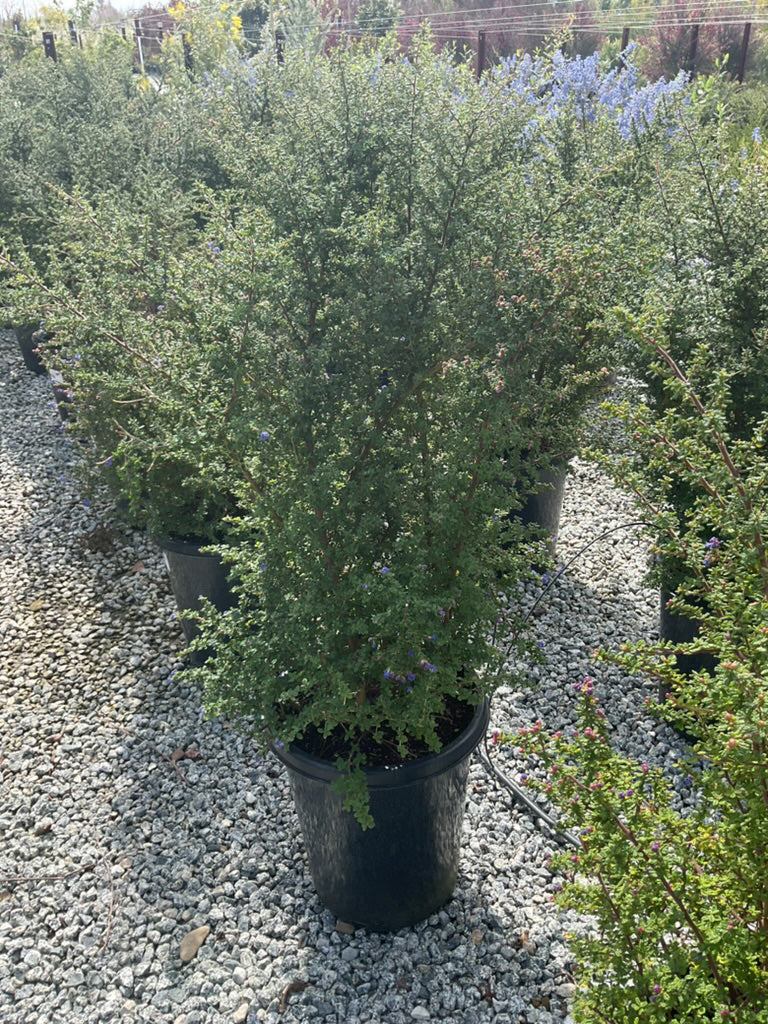
Ceanothus ranges from compact groundcovers to large screening shrubs and small trees.
Always check:
-
Mature height
-
Mature spread
-
Root space availability
-
Clearance near structures
Proper spacing reduces long-term pruning needs.
Soil, Drainage, And Planting
Well-Draining Soil Is Essential
Drainage is the single most important factor for long-term ceanothus health.
These plants strongly prefer:
-
Fast-draining soil
-
Sandy or rocky conditions
-
Sloped planting areas
-
Low summer moisture
Poor drainage commonly leads to root disease and decline.
Mound Roots In Heavy Soil
If planting in clay-heavy soil:
-
Create raised mounds
-
Improve drainage aggressively
-
Avoid low wet planting pockets
Elevated planting greatly improves root oxygen levels.
Perform A Soil Test Before Planting
Professional soil testing can help determine:
-
Drainage performance
-
Soil texture
-
pH balance
-
Organic matter levels
This information helps guide amendment decisions before installation. Request a Yardwork soil test before installing large native plantings or screening projects.
A professional soil evaluation helps identify:
-
Compaction issues
-
Drainage concerns
-
Irrigation risks
-
Amendment recommendations
Proper preparation significantly improves long-term ceanothus success.
Sun, Watering, And Irrigation
Best Sun Exposure
Most ceanothus varieties prefer:
-
Full sun
-
Morning sun with afternoon airflow
-
Open bright exposure
Insufficient sun often reduces flowering and increases disease risk.
Minimal Summer Irrigation Once Established
Established ceanothus generally requires very little summer irrigation.
Excess summer watering is one of the most common causes of failure.
Deep Infrequent Watering During Drought
During prolonged drought:
-
Water deeply but infrequently
-
Allow soil to dry between irrigations
-
Avoid shallow daily watering
This encourages stronger root systems and healthier plants.
Pruning Timing And Techniques (Late Spring / Early Summer)
Prune Immediately After Late-Spring Bloom
For spring-flowering ceanothus:
-
Prune lightly after flowering finishes
-
Shape selectively without heavy cutting
This preserves next season’s flower buds.
Prune Spring Bloomers Carefully
Early-summer bloomers may also be pruned lightly in spring after flowering.
Focus on:
-
Dead branch removal
-
Light shaping
-
Airflow improvement
Avoid Hard Pruning Into Old Wood
Ceanothus often responds poorly to severe pruning into mature woody stems.
Heavy cutting may result in:
-
Slow recovery
-
Permanent dieback
-
Reduced vigor
Light maintenance pruning is usually best.
Propagation And Growing From Seed
Semi-Ripe Cuttings
Many ceanothus cultivars are propagated from semi-ripe cuttings during warm growing periods.
Successful propagation requires:
-
Sharp clean tools
-
Well-draining propagation mix
-
Controlled humidity
-
Bright indirect light
Seed Scarification And Cold Stratification
Growing ceanothus from seed often requires:
-
Scarification to weaken seed coats
-
Cold stratification to improve germination
These processes mimic natural environmental conditions.
Propagation supplies and seed-starting materials may be available through the Yardwork shop.
Pests, Diseases, And Troubleshooting
Common Pests
Monitor for:
-
Scale insects
-
Aphids
-
Occasional caterpillar activity
Most healthy native ceanothus plants remain relatively pest resistant.
Improve Drainage To Prevent Root Rot
Root rot risk increases dramatically in:
-
Heavy clay soils
-
Overwatered landscapes
-
Poorly aerated planting sites
Improving drainage is usually the most effective prevention method.
Persistent Plant Problems
If plants experience:
-
Ongoing dieback
-
Chronic yellowing
-
Poor flowering
-
Sudden branch collapse
Request a Yardwork consultation for site-specific diagnosis and planting recommendations.
Landscape Uses And Design Ideas
Ceanothus works beautifully in California-native and Mediterranean-style landscapes, especially when combined with other evergreen natives like Toyon (Heteromeles arbutifolia).
Drought-Tolerant Screening
Larger varieties provide excellent, fast-growing evergreen privacy screening:
-
Evergreen screening
-
Informal privacy hedges
-
Wind protection
-
Habitat cover
Pairing Ideas
Ceanothus pairs especially well with other evergreen trees and privacy shrubs, including:
-
Native grasses
-
Salvia
-
Manzanita
-
Deer grass
-
Yarrow
-
California fescue
-
Penstemon
These combinations create layered low-water habitat gardens, and pairing them with native trees like California sycamore (Platanus racemosa) can add canopy structure and seasonal shade.
Pollinator Habitat Plantings
Because of its heavy bloom production, ceanothus is highly valuable for pollinators and also combines well with other flowering shrubs such as Leucodendron conebush for extended seasonal color:
-
Native bee gardens
-
Pollinator corridors
-
Wildlife-friendly landscapes
-
Ecological restoration planting
Browse Yardwork’s online plant nursery ceanothus selections for:
-
Groundcover varieties
-
Screening shrubs such as English laurel (Prunus laurocerasus)
-
Coastal cultivars
-
Native habitat plants and compatible evergreens like Carrotwood (Cupaniopsis anacardioides)
Request A Consultation
Need help selecting the right ceanothus variety?
Yardwork consultations can assist with planting plans that incorporate flexible hedging shrubs such as Cheesewood (Pittosporum) and with:
-
Screening design
-
Native plant selection
-
Coastal vs inland recommendations
-
Irrigation planning
-
Large landscape installations that may include multipurpose trees like Bay laurel (Laurus nobilis)
Original: $40.00
-65%$40.00
$14.00Product Information
Product Information
Shipping & Returns
Shipping & Returns
Description
Ceanothus, commonly known as California lilac or wild lilac, is one of the most iconic native shrubs for California-friendly landscapes. Loved for its vivid blue flowers, evergreen foliage, and exceptional drought tolerance, ceanothus brings seasonal color and habitat value to gardens ranging from coastal bluffs to inland hillsides.
Most ceanothus varieties bloom from late winter through early summer depending on species and climate. These fast-growing native shrubs are widely used for:
-
Drought-tolerant screening
-
Pollinator gardens
-
Native habitat landscapes
-
Slope stabilization
-
Coastal plantings
-
Low-water foundation borders
At Yardwork, we offer carefully selected ceanothus cultivars suited for California landscapes, along with expert guidance, soil testing, and planting consultation services.
What Is Ceanothus (Wild Lilac)
Ceanothus is a genus of flowering shrubs and small trees native primarily to California and the western United States.
Common names include:
-
California lilac
-
Wild lilac
-
Ceanothus
Despite the common name, ceanothus is not related to true lilacs. The nickname comes from the plant’s masses of fragrant blue-to-purple flowers that resemble lilac blooms during spring.
One of ceanothus’ most valuable ecological traits is its actinorhizal nitrogen-fixing ability. Specialized root associations help improve soil fertility naturally, making ceanothus especially useful in native and restoration landscapes.
Explore additional varieties on the Yardwork ceanothus collection page to compare growth habits, mature sizes, and regional suitability.
Bloom Time: Late Spring To Early Summer
Ceanothus bloom timing varies depending on species, local climate, and cultivar selection.
Late Spring Flowering Patterns
Many evergreen ceanothus varieties begin blooming in:
-
March
-
April
-
May
Coastal climates often experience extended bloom periods because of cooler temperatures.
Dense flower clusters may nearly cover the foliage during peak bloom.
Early Summer Flowering Variations
Some inland and later-season cultivars continue blooming into:
-
June
-
Early summer
Cooler microclimates may slightly delay flowering.
Peak Pollinator Activity
When ceanothus flowers are active, gardens often attract:
-
Native bees
-
Butterflies
-
Hummingbirds
-
Beneficial pollinators
This makes California lilac one of the best native shrubs for pollinator-support landscapes.
Key Cultivars And Selections
Ceanothus includes many excellent landscape cultivars suited for different climates and garden sizes.
Popular selections include:
-
Yankee Point
-
Ray Hartman
-
Julia Phelps
-
Concha
-
Dark Star
-
Frosty Blue
-
Anchor Bay
Choosing the right cultivar depends heavily on:
-
Sun exposure
-
Coastal vs inland climate
-
Desired mature size
-
Screening needs
-
Slope or erosion control goals
Coastal gardens generally perform best with varieties tolerant of marine influence and summer fog, while inland gardens benefit from heat-adapted selections.
A cultivar comparison table can help identify the best ceanothus variety for your landscape goals.
Yankee Point
‘Yankee Point’ is one of the most widely planted groundcover ceanothus varieties in California.
Why Gardeners Love Yankee Point
Key benefits include:
-
Excellent coastal tolerance
-
Dense spreading growth
-
Rich blue spring flowers
-
Evergreen foliage
-
Strong erosion-control performance
Its low, spreading habit makes it ideal for:
-
Hillsides
-
Coastal slopes
-
Parking strips
-
Large drought-tolerant landscapes
Explore the Yardwork Yankee Point product page for sizing, availability, and planting guidance.
Sonoma County Selections
Sonoma County is home to several highly regarded native ceanothus forms adapted to Northern California conditions.
Noteworthy regional selections may include:
-
Sonoma Coast forms
-
Local inland ecotypes
-
Native habitat-grown selections
Where available, Yardwork may offer local provenance stock better adapted to regional soils and climate patterns.
Native-origin material often performs more reliably in ecological restoration and habitat-focused landscapes.
Selecting The Right Plant For Your Site
Successful ceanothus planting starts with matching the cultivar to site conditions.
Match Cultivar To Exposure
Before selecting a plant, evaluate:
-
Full sun exposure
-
Coastal fog influence
-
Inland summer heat
-
Air circulation
-
Winter drainage
Some ceanothus varieties tolerate coastal moisture better than others.
Choose The Right Mature Size
Ceanothus ranges from compact groundcovers to large screening shrubs and small trees.
Always check:
-
Mature height
-
Mature spread
-
Root space availability
-
Clearance near structures
Proper spacing reduces long-term pruning needs.
Soil, Drainage, And Planting
Well-Draining Soil Is Essential
Drainage is the single most important factor for long-term ceanothus health.
These plants strongly prefer:
-
Fast-draining soil
-
Sandy or rocky conditions
-
Sloped planting areas
-
Low summer moisture
Poor drainage commonly leads to root disease and decline.
Mound Roots In Heavy Soil
If planting in clay-heavy soil:
-
Create raised mounds
-
Improve drainage aggressively
-
Avoid low wet planting pockets
Elevated planting greatly improves root oxygen levels.
Perform A Soil Test Before Planting
Professional soil testing can help determine:
-
Drainage performance
-
Soil texture
-
pH balance
-
Organic matter levels
This information helps guide amendment decisions before installation. Request a Yardwork soil test before installing large native plantings or screening projects.
A professional soil evaluation helps identify:
-
Compaction issues
-
Drainage concerns
-
Irrigation risks
-
Amendment recommendations
Proper preparation significantly improves long-term ceanothus success.
Sun, Watering, And Irrigation
Best Sun Exposure
Most ceanothus varieties prefer:
-
Full sun
-
Morning sun with afternoon airflow
-
Open bright exposure
Insufficient sun often reduces flowering and increases disease risk.
Minimal Summer Irrigation Once Established
Established ceanothus generally requires very little summer irrigation.
Excess summer watering is one of the most common causes of failure.
Deep Infrequent Watering During Drought
During prolonged drought:
-
Water deeply but infrequently
-
Allow soil to dry between irrigations
-
Avoid shallow daily watering
This encourages stronger root systems and healthier plants.
Pruning Timing And Techniques (Late Spring / Early Summer)
Prune Immediately After Late-Spring Bloom
For spring-flowering ceanothus:
-
Prune lightly after flowering finishes
-
Shape selectively without heavy cutting
This preserves next season’s flower buds.
Prune Spring Bloomers Carefully
Early-summer bloomers may also be pruned lightly in spring after flowering.
Focus on:
-
Dead branch removal
-
Light shaping
-
Airflow improvement
Avoid Hard Pruning Into Old Wood
Ceanothus often responds poorly to severe pruning into mature woody stems.
Heavy cutting may result in:
-
Slow recovery
-
Permanent dieback
-
Reduced vigor
Light maintenance pruning is usually best.
Propagation And Growing From Seed
Semi-Ripe Cuttings
Many ceanothus cultivars are propagated from semi-ripe cuttings during warm growing periods.
Successful propagation requires:
-
Sharp clean tools
-
Well-draining propagation mix
-
Controlled humidity
-
Bright indirect light
Seed Scarification And Cold Stratification
Growing ceanothus from seed often requires:
-
Scarification to weaken seed coats
-
Cold stratification to improve germination
These processes mimic natural environmental conditions.
Propagation supplies and seed-starting materials may be available through the Yardwork shop.
Pests, Diseases, And Troubleshooting
Common Pests
Monitor for:
-
Scale insects
-
Aphids
-
Occasional caterpillar activity
Most healthy native ceanothus plants remain relatively pest resistant.
Improve Drainage To Prevent Root Rot
Root rot risk increases dramatically in:
-
Heavy clay soils
-
Overwatered landscapes
-
Poorly aerated planting sites
Improving drainage is usually the most effective prevention method.
Persistent Plant Problems
If plants experience:
-
Ongoing dieback
-
Chronic yellowing
-
Poor flowering
-
Sudden branch collapse
Request a Yardwork consultation for site-specific diagnosis and planting recommendations.
Landscape Uses And Design Ideas
Ceanothus works beautifully in California-native and Mediterranean-style landscapes, especially when combined with other evergreen natives like Toyon (Heteromeles arbutifolia).
Drought-Tolerant Screening
Larger varieties provide excellent, fast-growing evergreen privacy screening:
-
Evergreen screening
-
Informal privacy hedges
-
Wind protection
-
Habitat cover
Pairing Ideas
Ceanothus pairs especially well with other evergreen trees and privacy shrubs, including:
-
Native grasses
-
Salvia
-
Manzanita
-
Deer grass
-
Yarrow
-
California fescue
-
Penstemon
These combinations create layered low-water habitat gardens, and pairing them with native trees like California sycamore (Platanus racemosa) can add canopy structure and seasonal shade.
Pollinator Habitat Plantings
Because of its heavy bloom production, ceanothus is highly valuable for pollinators and also combines well with other flowering shrubs such as Leucodendron conebush for extended seasonal color:
-
Native bee gardens
-
Pollinator corridors
-
Wildlife-friendly landscapes
-
Ecological restoration planting
Browse Yardwork’s online plant nursery ceanothus selections for:
-
Groundcover varieties
-
Screening shrubs such as English laurel (Prunus laurocerasus)
-
Coastal cultivars
-
Native habitat plants and compatible evergreens like Carrotwood (Cupaniopsis anacardioides)
Request A Consultation
Need help selecting the right ceanothus variety?
Yardwork consultations can assist with planting plans that incorporate flexible hedging shrubs such as Cheesewood (Pittosporum) and with:
-
Screening design
-
Native plant selection
-
Coastal vs inland recommendations
-
Irrigation planning
-
Large landscape installations that may include multipurpose trees like Bay laurel (Laurus nobilis)