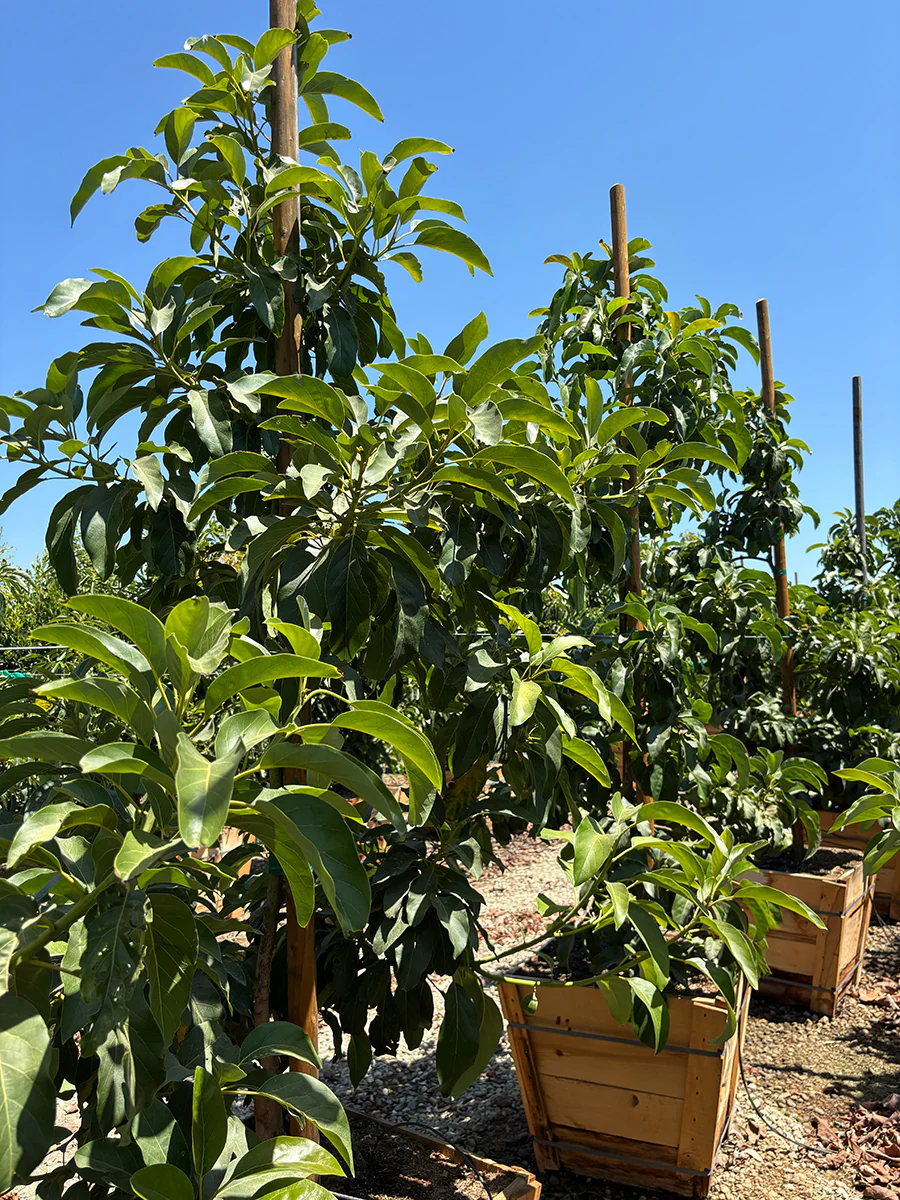
Bacon Avocado Tree
Grow Delicious, Cold-Hardy Avocados in Your Own Backyard
The Bacon Avocado Tree helps California growers harvest creamy, mild-flavored avocados at home, with better cold tolerance than many common avocado trees. If you want fresh fruit without relying on high grocery store prices, this cold resistant cultivar is a practical choice for backyards, small orchards, and residential food gardens.
Bacon avocado trees thrive in USDA Zones 8 through 11 and can withstand nighttime temperatures as low as 25°F (−4°C). That cold hardiness makes the Bacon tree especially useful in California areas with mild winters, lower winter temperatures, and occasional frost, including parts of Southern California, Central California, inland valleys, and foothill microclimates.
Why You’ll Love It
-
Cold-Hardy Champion – The Bacon avocado tree is semi-cold hardy and can handle nighttime temperatures down to twenty five degrees, making it a more cold resistant cultivar than many other avocado varieties. It is especially well suited to USDA hardiness zones 9-10, while Bacon avocado trees also thrive in USDA Zones 8 through 11 with proper siting and protection.
-
Self-Fertile Production – A Bacon tree can produce fruit on its own, so you do not always need a second tree for home harvests. Bacon avocado trees are classified as Type B flowering, meaning they release pollen in the afternoon and produce more fruit when near Type A avocado trees, so increased pollination from nearby avocado types can increase quantity.
-
Extended Harvest Season – Bacon avocados are harvested from late fall through early spring, giving you fresh avocados when other varieties may be dormant or scarce. This late-season timing helps decrease quantity gaps in your home harvest and reduces reliance on imported fruit.
-
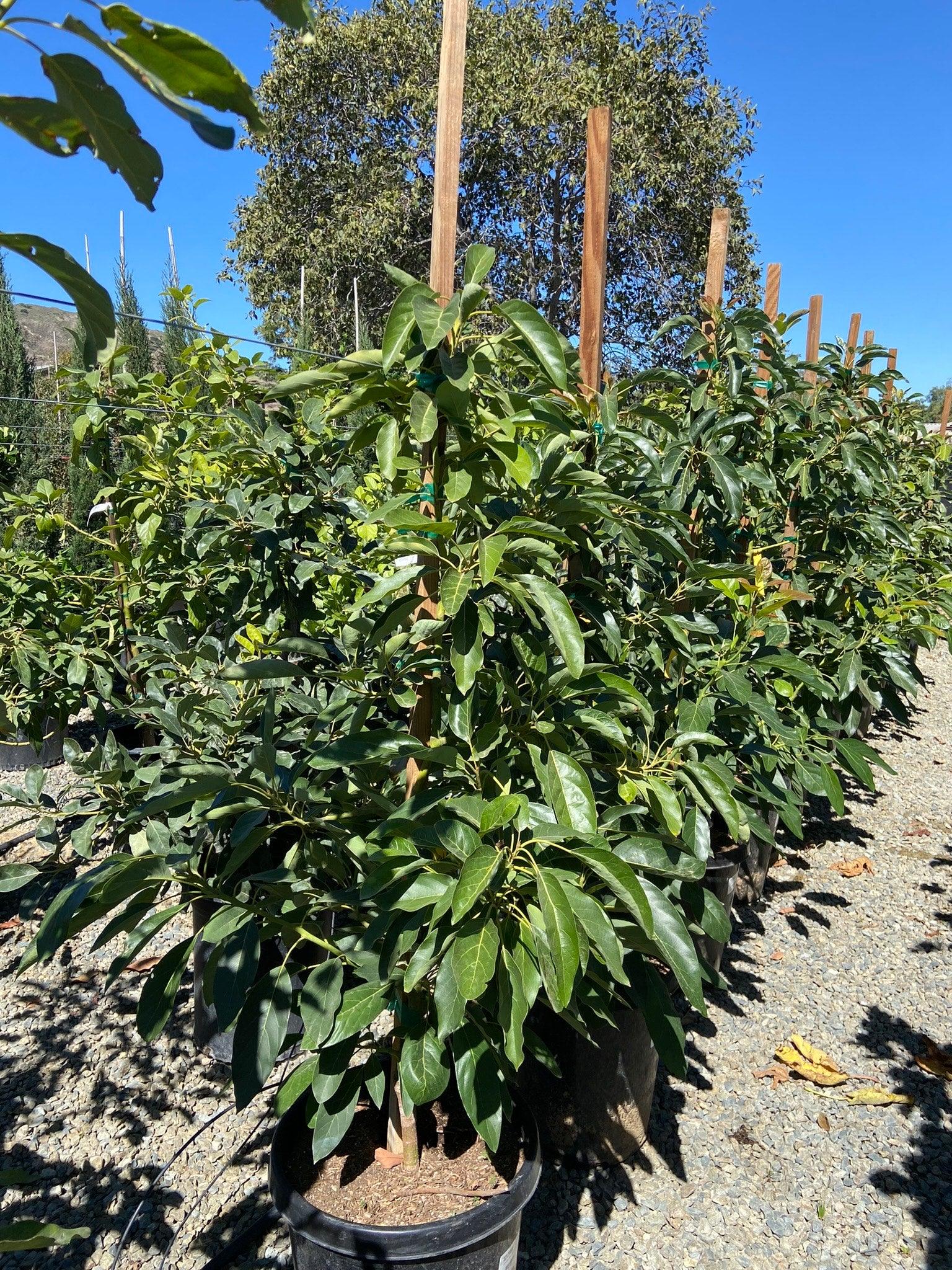
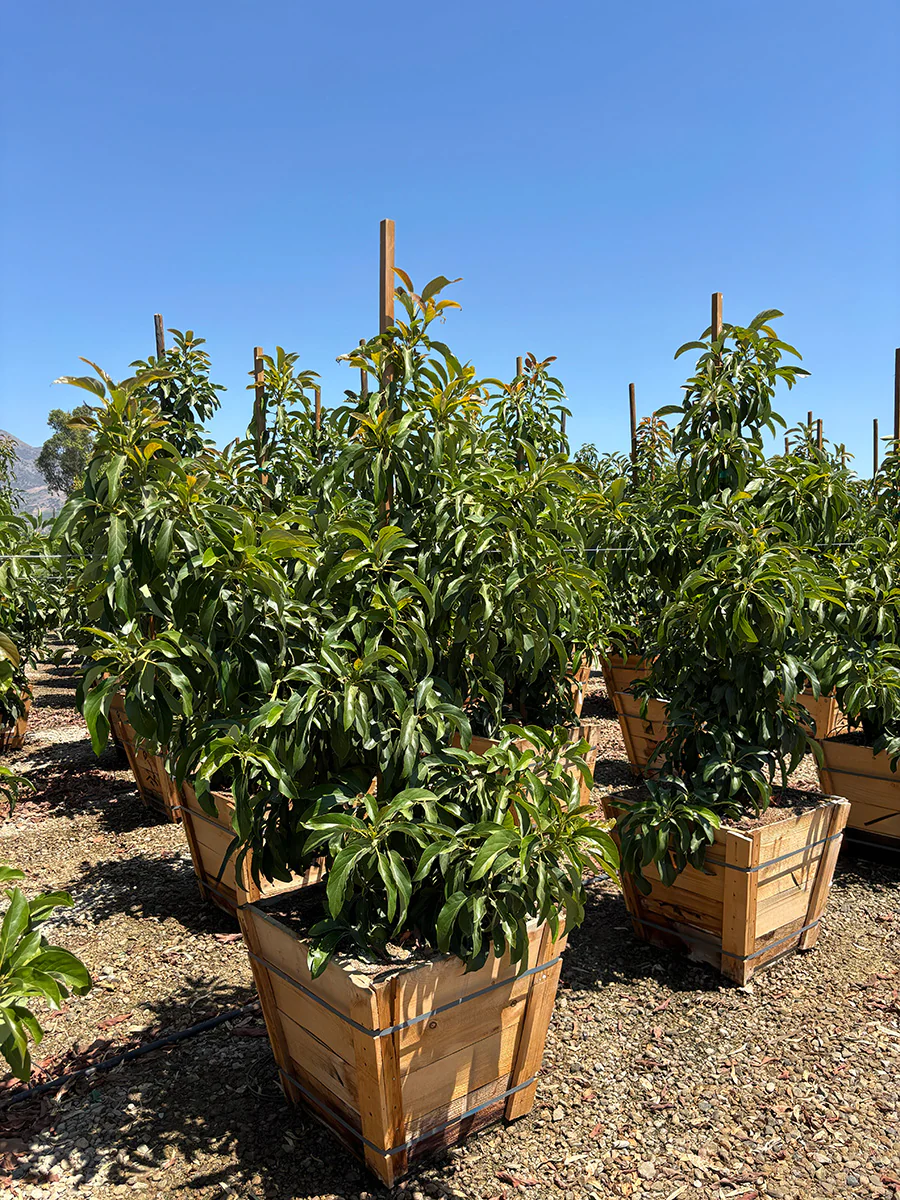
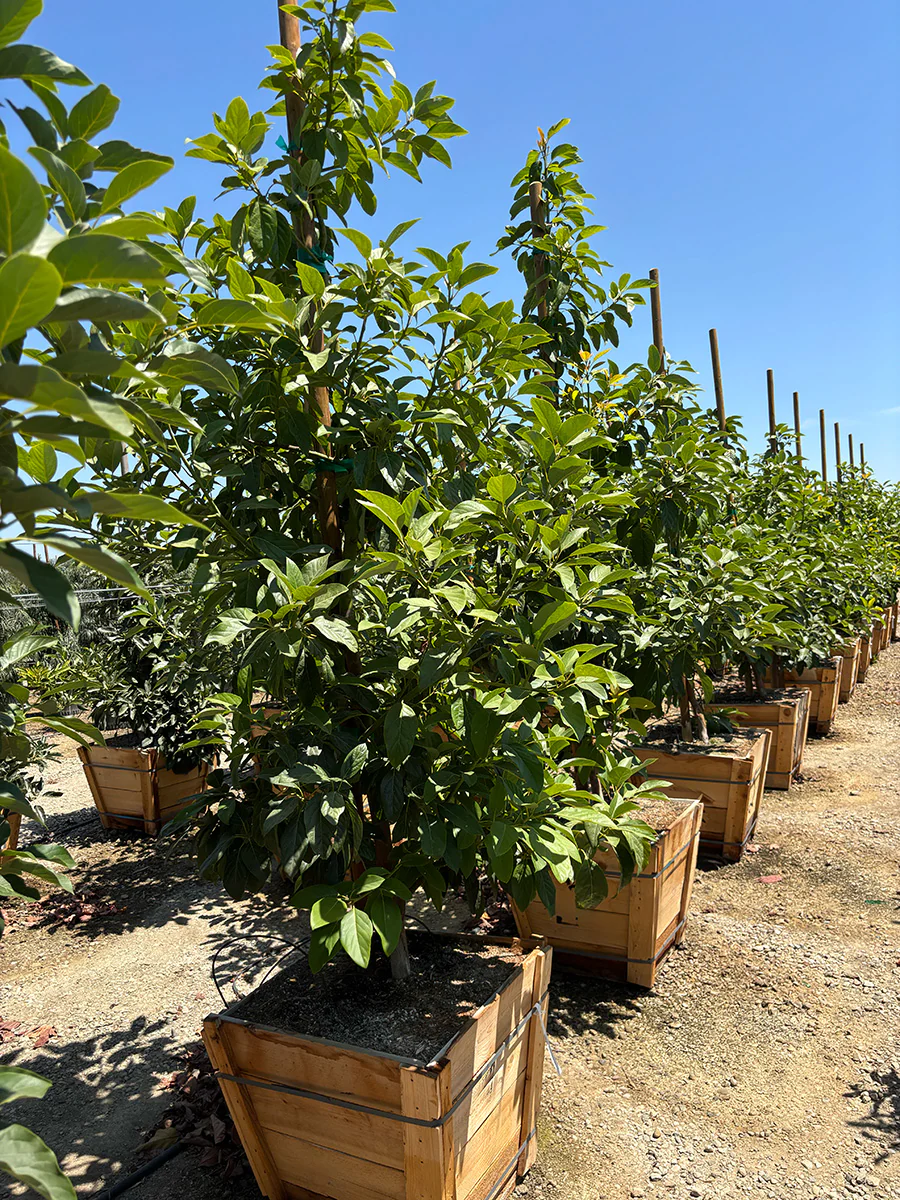
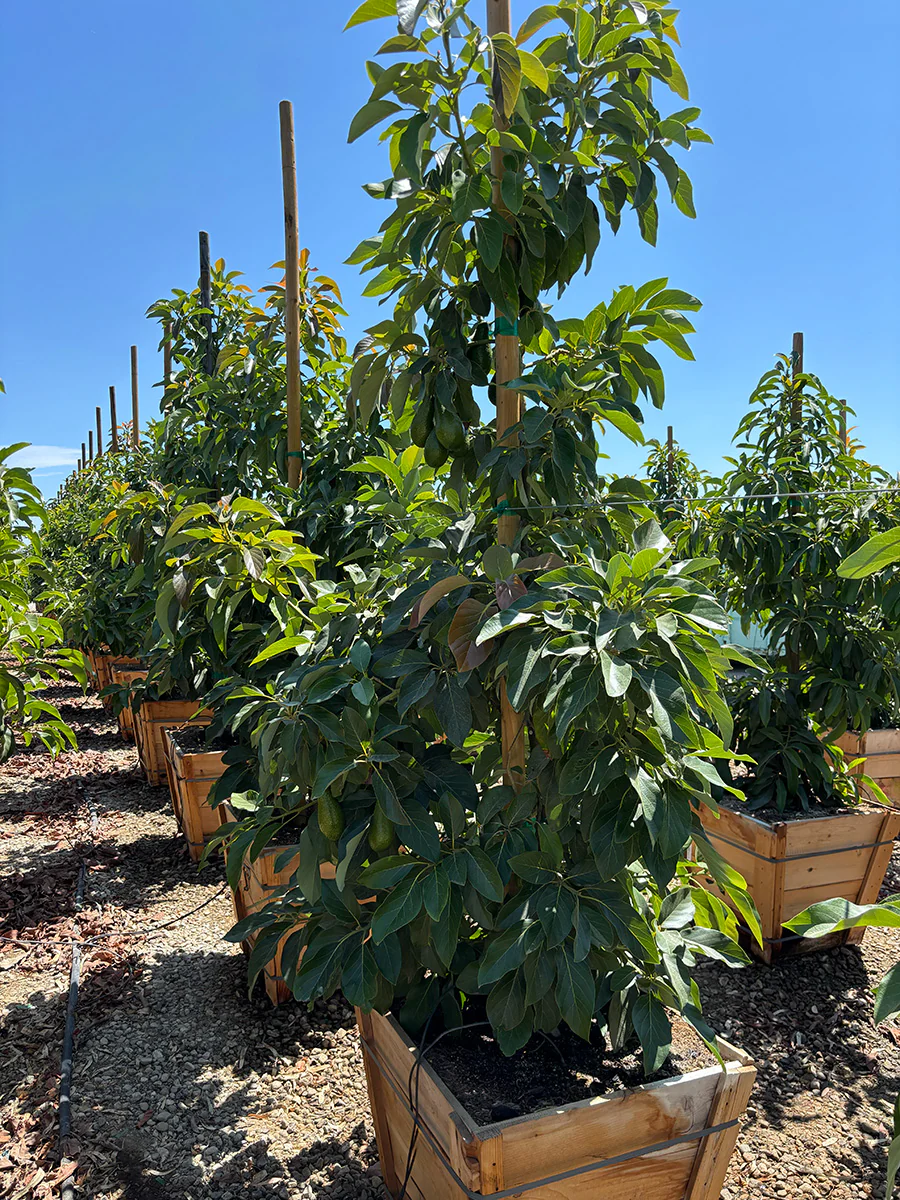
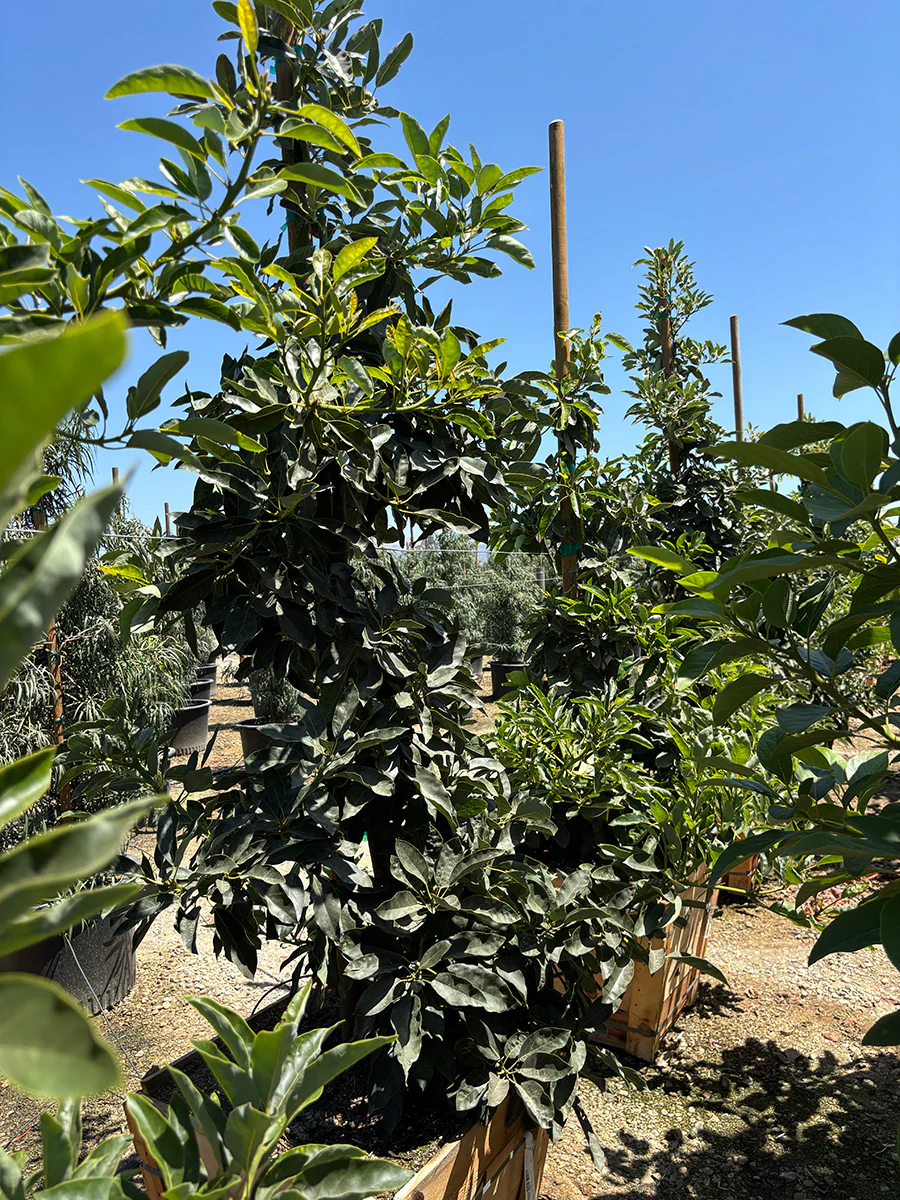
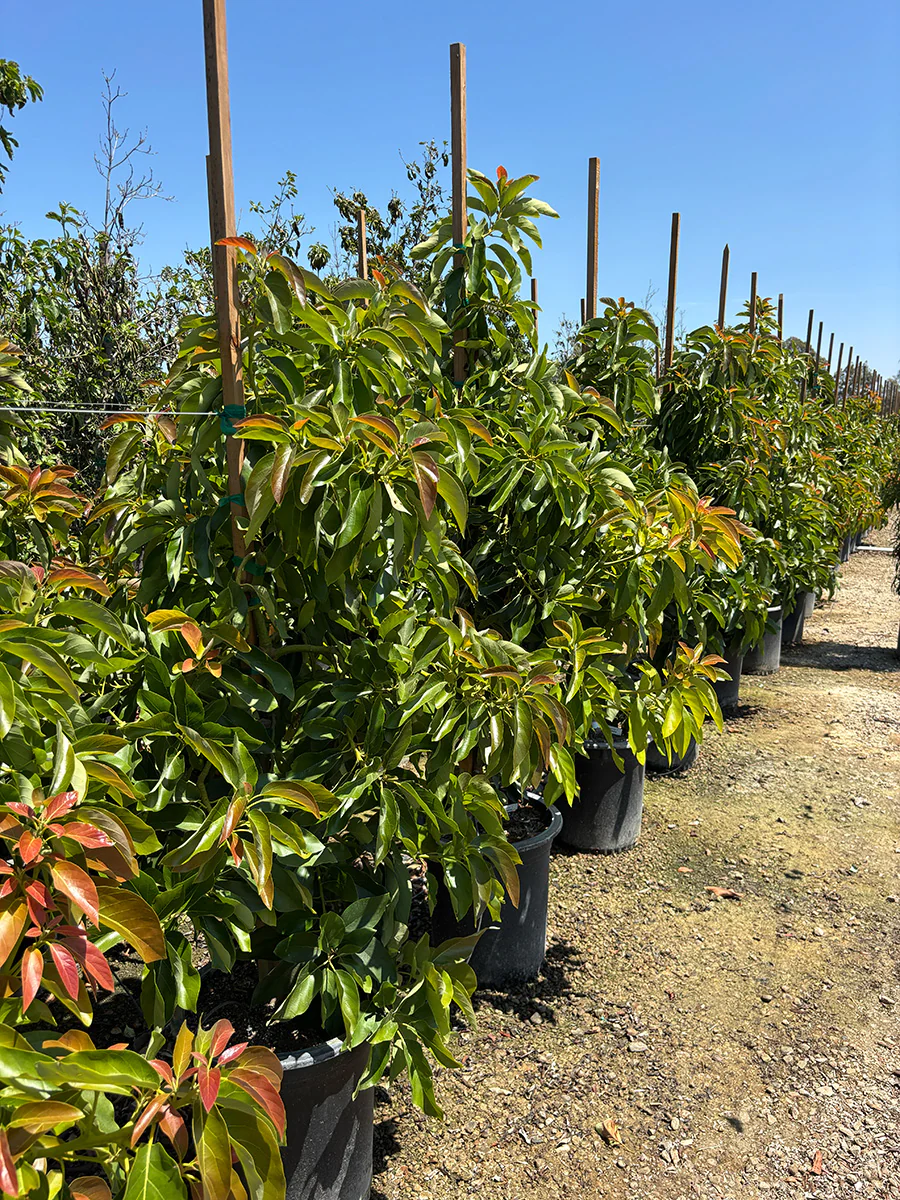
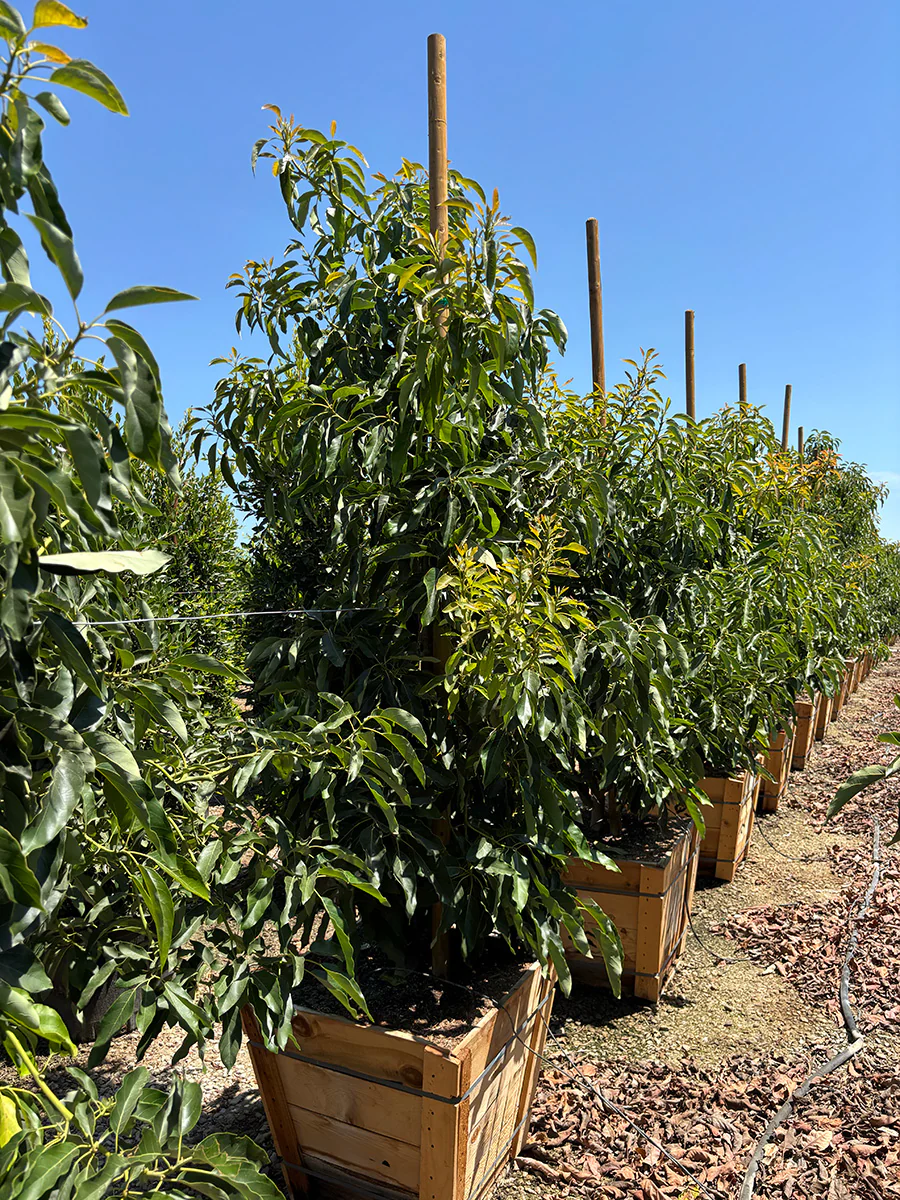
Compact Growth – The Bacon avocado tree grows in a tall, narrow, vertical pyramid shape up to 20 feet if unpruned, and Bacon avocado trees typically reach a height of 15 to 30 feet. With pruning, the tree can stay manageable for residential yards, containers, and mixed fruit trees plantings.
-
Proven Variety – Originally cultivated by James Bacon in Buena Park, Orange County, this popular variety has been trusted in California avocado cultivation for decades. It was registered with the California Avocado Society in 1948 and became a time-tested backyard and orchard option in the early 1950s, including references around 1954.
What Makes It Different
Most avocado trees struggle when temperatures drop. Hass avocados and many other avocado trees can be damaged by frost, while Bacon was selected from Mexican avocado varieties for better cold tolerance and reliable performance in mild winters.
The Bacon Avocado Tree has:
-
Superior Cold Tolerance – This mexican avocado selection performs where many hass avocados, Fuerte trees, and nearly all varieties with lower cold hardiness may suffer. Bacon avocado trees can withstand nighttime temperatures as low as 25°F (−4°C), making them a strong choice for growers who want to grow successfully in cooler California microclimates.
-
Smooth Green Skin – Bacon avocados have a bright green color with faint yellow speckles when ripe, unlike Hass avocados that turn dark purple-black. The fruit has smooth, green skin, thin skin, pale yellow green flesh, and a relatively large central seed. The bacon avocados taste mild, clean, and buttery, with a creamy texture rather than the richer oiliness of Hass.
-
Late Season Advantage – Bacon avocados are harvested from late fall through early spring, which gives you fruit when farmer’s markets and grocery stores often charge more for avocados. Bacon avocados are less oily than Hass avocados and have a creamy texture, making them ideal for slicing and salads, while lemon juice, lime juice, and salt make them easy to use in guacamole or almost any dish.
How To Grow A Bacon Avocado Tree
-
Step 1 – Plant Your Tree
Plant your grafted Bacon tree in full sun with exceptionally well drained soil. Bacon avocado trees should be planted where they receive strong light, good airflow, and protection from standing water, because root rot is one of the biggest risks for avocado trees, and partnering with a local plant nursery and landscaping team can help you choose the best site. Set the graft union above the soil line, avoid burying the trunk, and choose a warm microclimate if your area has lower winter temperatures. -
Step 2 – Nurture Growth
Avocados have shallow root systems that demand frequent, deep watering and should be allowed to dry out slightly between waterings. Use regular watering during the growing season, especially while the tree is establishing new growth. A 3-to-4-inch layer of organic mulch should be applied around the base of avocado trees to retain moisture but kept a few inches away from the trunk, and many gardeners pair their avocado with evergreen privacy trees and fast-growing trees to create sheltered microclimates. It is recommended to apply a balanced fertilizer for established avocado trees in late winter, spring, and summer. To protect young avocado trees from sunburn, the trunk can be painted with diluted interior latex paint, especially while the trunk diameter is still small and foliage is limited. -
Step 3 – Harvest Your Bounty
Bacon avocado trees typically reach a height of 15 to 30 feet and can produce fruit within 4 to 6 years after planting, making them a relatively quick option for home gardeners. Bacon avocados are harvested from late fall through early spring. The fruit does not turn black when ripe, so harvest a mature avocado and let it soften indoors; if it develops a smooth texture and creamy flavor within several days, the crop is ready. Because the Bacon avocado typically has a thin skin and a relatively large central seed, handle the fruit gently when picking.
Product Details
-
Product Format: Grafted Bacon Avocado Tree, selected for reliable fruit production and consistent variety traits.
-
Botanical Type: Persea americana ‘Bacon’, a semi-cold hardy avocado and cold resistant cultivar with Mexican avocado heritage.
-
USDA Hardiness: Bacon avocado trees thrive in USDA Zones 8 through 11; best results are common in USDA hardiness zones with mild winters.
-
Cold Tolerance: Bacon avocado trees can withstand nighttime temperatures as low as 25°F (−4°C), though young trees should be protected during hard freezes.
-
Sun & Soil: Bacon avocado trees should be planted in full sun and require exceptionally well-drained soil to reduce the risk of root rot.
-
Mature Size: The Bacon avocado tree grows in a tall, narrow, vertical pyramid shape up to 20 feet if unpruned; Bacon avocado trees typically reach a height of 15 to 30 feet depending on pruning, climate, and care.
-
Growth & Fruiting: Bacon avocado trees can produce fruit within 4 to 6 years after planting. Grafted trees may begin with light crops in a few years under excellent conditions.
-
Flowering Type: Bacon avocado trees are classified as Type B flowering, meaning they release pollen in the afternoon and produce more fruit when near Type A avocado trees.
-
Fruit Appearance: Bacon avocados have a bright green color with faint yellow speckles when ripe, unlike Hass avocados that turn dark purple-black. The fruit has dark green to bright green skin, faint speckles, thin skin, and pale yellow green flesh.
-
Fruit Quality: Bacon avocados are less oily than Hass avocados and have a creamy texture, making them ideal for slicing and salads. The Bacon avocado tree is known for its ability to produce fruit that has a creamy texture and a mild flavor, making it a popular choice among avocado enthusiasts, especially when planted alongside other landscape trees such as Carrotwood.
-
Seed & Flesh: The Bacon avocado typically has a thin skin and a relatively large central seed, which can decrease quantity of edible flesh compared with some other avocado varieties.
-
Harvest Window: Bacon avocados are harvested from late fall through early spring, making the tree valuable when other avocado varieties are out of season and pairing well with citrus fruit trees for staggered harvests.
-
Care Notes: Use frequent deep watering, allow the soil to dry slightly between waterings, apply organic mulch, fertilize in late winter, spring, and summer, and protect young bark from sunburn with diluted interior latex paint, similar to how you might care for low-maintenance olive trees.
Who It’s For
Ideal for:
-
California homeowners who want fresh bacon avocados from the yard instead of paying premium prices for store-bought avocados.
-
Gardeners in cooler avocado-growing regions who need a more cold resistant cultivar for mild winters and occasional frost.
-
Growers in Southern California, Central California, Orange County, and similar USDA hardiness zones who want a great looking tree with excellent quality fruit, often pairing their Bacon avocado with Cara Cara navel orange trees for diverse home orchards.
-
Home food-production enthusiasts who want fruit trees that support self-sufficiency and produce during late fall, winter, and spring, combining avocados with Valencia orange trees for extended citrus harvests.
-
Small orchardists who want a Type B avocado for increased pollination near Type A avocado trees.
If you want homegrown avocados with mild flavor, creamy texture, smooth green skin, and better cold tolerance than many other avocado trees, the Bacon Avocado Tree fits your needs. It is not the richest avocado like Hass, but its positive attributes make it excellent for slicing, salads, guacamole with lime juice or lemon juice, and everyday meals.
Frequently Asked Questions
How long until it produces fruit?
Bacon avocado trees typically reach a height of 15 to 30 feet and can produce fruit within 4 to 6 years after planting, making them a relatively quick option for home gardeners. A healthy grafted Bacon tree may produce a light crop in a few years, with stronger harvests as the tree matures.
Will it survive my winters?
Bacon avocado trees thrive in USDA Zones 8 through 11 and can withstand nighttime temperatures as low as 25°F (−4°C). This variety of avocado tree is semi-cold hardy, which allows it to thrive in a range of climates, particularly in areas with mild winters. Young avocado trees still need frost protection, mulch, careful watering, and shelter from drying winds.
Do I need two trees?
A Bacon avocado tree is often described as self fertile, so one tree can produce fruit. Bacon avocado trees are classified as Type B flowering, meaning they release pollen in the afternoon and produce more fruit when near Type A avocado trees. If you have room, planting a compatible Type A variety can increase quantity and improve fruit set.
What do Bacon avocados taste like?
Bacon avocados taste mild, creamy, and smooth. Bacon avocados are less oily than Hass avocados and have a creamy texture, making them ideal for slicing and salads. The flesh is pale yellow green, the flavor is not as rich as Hass, and the fruit works well with salt, lemon juice, or lime juice.
How do I know when the fruit is ripe?
Bacon avocados have a bright green color with faint yellow speckles when ripe, unlike Hass avocados that turn dark purple-black. Because green skin does not give the same color cue as Hass, pick a fully mature fruit and let it soften indoors. If a dark spot, cracking, or over-soft bottom appears, harvest timing may need adjustment.
What if it doesn’t thrive in my yard?
Yardwork can help diagnose common issues such as poor drainage, root rot risk, inadequate full sun, watering problems, frost exposure, or nutrient timing. Our consultation services help you choose the right site, protect new growth, improve care, and understand whether your yard is suited for avocado trees.
Ready to Grow Your Own Avocados?
Stop paying premium prices for store-bought avocados and start growing fresh fruit at home. Choose the Bacon Avocado Tree for cold hardiness, mild flavor, creamy texture, and a dependable late-fall to early-spring harvest.
Original: $695.00
-65%$695.00
$243.25Product Information
Product Information
Shipping & Returns
Shipping & Returns
Description
Grow Delicious, Cold-Hardy Avocados in Your Own Backyard
The Bacon Avocado Tree helps California growers harvest creamy, mild-flavored avocados at home, with better cold tolerance than many common avocado trees. If you want fresh fruit without relying on high grocery store prices, this cold resistant cultivar is a practical choice for backyards, small orchards, and residential food gardens.
Bacon avocado trees thrive in USDA Zones 8 through 11 and can withstand nighttime temperatures as low as 25°F (−4°C). That cold hardiness makes the Bacon tree especially useful in California areas with mild winters, lower winter temperatures, and occasional frost, including parts of Southern California, Central California, inland valleys, and foothill microclimates.
Why You’ll Love It
-
Cold-Hardy Champion – The Bacon avocado tree is semi-cold hardy and can handle nighttime temperatures down to twenty five degrees, making it a more cold resistant cultivar than many other avocado varieties. It is especially well suited to USDA hardiness zones 9-10, while Bacon avocado trees also thrive in USDA Zones 8 through 11 with proper siting and protection.
-
Self-Fertile Production – A Bacon tree can produce fruit on its own, so you do not always need a second tree for home harvests. Bacon avocado trees are classified as Type B flowering, meaning they release pollen in the afternoon and produce more fruit when near Type A avocado trees, so increased pollination from nearby avocado types can increase quantity.
-
Extended Harvest Season – Bacon avocados are harvested from late fall through early spring, giving you fresh avocados when other varieties may be dormant or scarce. This late-season timing helps decrease quantity gaps in your home harvest and reduces reliance on imported fruit.
-
Compact Growth – The Bacon avocado tree grows in a tall, narrow, vertical pyramid shape up to 20 feet if unpruned, and Bacon avocado trees typically reach a height of 15 to 30 feet. With pruning, the tree can stay manageable for residential yards, containers, and mixed fruit trees plantings.
-
Proven Variety – Originally cultivated by James Bacon in Buena Park, Orange County, this popular variety has been trusted in California avocado cultivation for decades. It was registered with the California Avocado Society in 1948 and became a time-tested backyard and orchard option in the early 1950s, including references around 1954.
What Makes It Different
Most avocado trees struggle when temperatures drop. Hass avocados and many other avocado trees can be damaged by frost, while Bacon was selected from Mexican avocado varieties for better cold tolerance and reliable performance in mild winters.
The Bacon Avocado Tree has:
-
Superior Cold Tolerance – This mexican avocado selection performs where many hass avocados, Fuerte trees, and nearly all varieties with lower cold hardiness may suffer. Bacon avocado trees can withstand nighttime temperatures as low as 25°F (−4°C), making them a strong choice for growers who want to grow successfully in cooler California microclimates.
-
Smooth Green Skin – Bacon avocados have a bright green color with faint yellow speckles when ripe, unlike Hass avocados that turn dark purple-black. The fruit has smooth, green skin, thin skin, pale yellow green flesh, and a relatively large central seed. The bacon avocados taste mild, clean, and buttery, with a creamy texture rather than the richer oiliness of Hass.
-
Late Season Advantage – Bacon avocados are harvested from late fall through early spring, which gives you fruit when farmer’s markets and grocery stores often charge more for avocados. Bacon avocados are less oily than Hass avocados and have a creamy texture, making them ideal for slicing and salads, while lemon juice, lime juice, and salt make them easy to use in guacamole or almost any dish.
How To Grow A Bacon Avocado Tree
-
Step 1 – Plant Your Tree
Plant your grafted Bacon tree in full sun with exceptionally well drained soil. Bacon avocado trees should be planted where they receive strong light, good airflow, and protection from standing water, because root rot is one of the biggest risks for avocado trees, and partnering with a local plant nursery and landscaping team can help you choose the best site. Set the graft union above the soil line, avoid burying the trunk, and choose a warm microclimate if your area has lower winter temperatures. -
Step 2 – Nurture Growth
Avocados have shallow root systems that demand frequent, deep watering and should be allowed to dry out slightly between waterings. Use regular watering during the growing season, especially while the tree is establishing new growth. A 3-to-4-inch layer of organic mulch should be applied around the base of avocado trees to retain moisture but kept a few inches away from the trunk, and many gardeners pair their avocado with evergreen privacy trees and fast-growing trees to create sheltered microclimates. It is recommended to apply a balanced fertilizer for established avocado trees in late winter, spring, and summer. To protect young avocado trees from sunburn, the trunk can be painted with diluted interior latex paint, especially while the trunk diameter is still small and foliage is limited. -
Step 3 – Harvest Your Bounty
Bacon avocado trees typically reach a height of 15 to 30 feet and can produce fruit within 4 to 6 years after planting, making them a relatively quick option for home gardeners. Bacon avocados are harvested from late fall through early spring. The fruit does not turn black when ripe, so harvest a mature avocado and let it soften indoors; if it develops a smooth texture and creamy flavor within several days, the crop is ready. Because the Bacon avocado typically has a thin skin and a relatively large central seed, handle the fruit gently when picking.
Product Details
-
Product Format: Grafted Bacon Avocado Tree, selected for reliable fruit production and consistent variety traits.
-
Botanical Type: Persea americana ‘Bacon’, a semi-cold hardy avocado and cold resistant cultivar with Mexican avocado heritage.
-
USDA Hardiness: Bacon avocado trees thrive in USDA Zones 8 through 11; best results are common in USDA hardiness zones with mild winters.
-
Cold Tolerance: Bacon avocado trees can withstand nighttime temperatures as low as 25°F (−4°C), though young trees should be protected during hard freezes.
-
Sun & Soil: Bacon avocado trees should be planted in full sun and require exceptionally well-drained soil to reduce the risk of root rot.
-
Mature Size: The Bacon avocado tree grows in a tall, narrow, vertical pyramid shape up to 20 feet if unpruned; Bacon avocado trees typically reach a height of 15 to 30 feet depending on pruning, climate, and care.
-
Growth & Fruiting: Bacon avocado trees can produce fruit within 4 to 6 years after planting. Grafted trees may begin with light crops in a few years under excellent conditions.
-
Flowering Type: Bacon avocado trees are classified as Type B flowering, meaning they release pollen in the afternoon and produce more fruit when near Type A avocado trees.
-
Fruit Appearance: Bacon avocados have a bright green color with faint yellow speckles when ripe, unlike Hass avocados that turn dark purple-black. The fruit has dark green to bright green skin, faint speckles, thin skin, and pale yellow green flesh.
-
Fruit Quality: Bacon avocados are less oily than Hass avocados and have a creamy texture, making them ideal for slicing and salads. The Bacon avocado tree is known for its ability to produce fruit that has a creamy texture and a mild flavor, making it a popular choice among avocado enthusiasts, especially when planted alongside other landscape trees such as Carrotwood.
-
Seed & Flesh: The Bacon avocado typically has a thin skin and a relatively large central seed, which can decrease quantity of edible flesh compared with some other avocado varieties.
-
Harvest Window: Bacon avocados are harvested from late fall through early spring, making the tree valuable when other avocado varieties are out of season and pairing well with citrus fruit trees for staggered harvests.
-
Care Notes: Use frequent deep watering, allow the soil to dry slightly between waterings, apply organic mulch, fertilize in late winter, spring, and summer, and protect young bark from sunburn with diluted interior latex paint, similar to how you might care for low-maintenance olive trees.
Who It’s For
Ideal for:
-
California homeowners who want fresh bacon avocados from the yard instead of paying premium prices for store-bought avocados.
-
Gardeners in cooler avocado-growing regions who need a more cold resistant cultivar for mild winters and occasional frost.
-
Growers in Southern California, Central California, Orange County, and similar USDA hardiness zones who want a great looking tree with excellent quality fruit, often pairing their Bacon avocado with Cara Cara navel orange trees for diverse home orchards.
-
Home food-production enthusiasts who want fruit trees that support self-sufficiency and produce during late fall, winter, and spring, combining avocados with Valencia orange trees for extended citrus harvests.
-
Small orchardists who want a Type B avocado for increased pollination near Type A avocado trees.
If you want homegrown avocados with mild flavor, creamy texture, smooth green skin, and better cold tolerance than many other avocado trees, the Bacon Avocado Tree fits your needs. It is not the richest avocado like Hass, but its positive attributes make it excellent for slicing, salads, guacamole with lime juice or lemon juice, and everyday meals.
Frequently Asked Questions
How long until it produces fruit?
Bacon avocado trees typically reach a height of 15 to 30 feet and can produce fruit within 4 to 6 years after planting, making them a relatively quick option for home gardeners. A healthy grafted Bacon tree may produce a light crop in a few years, with stronger harvests as the tree matures.
Will it survive my winters?
Bacon avocado trees thrive in USDA Zones 8 through 11 and can withstand nighttime temperatures as low as 25°F (−4°C). This variety of avocado tree is semi-cold hardy, which allows it to thrive in a range of climates, particularly in areas with mild winters. Young avocado trees still need frost protection, mulch, careful watering, and shelter from drying winds.
Do I need two trees?
A Bacon avocado tree is often described as self fertile, so one tree can produce fruit. Bacon avocado trees are classified as Type B flowering, meaning they release pollen in the afternoon and produce more fruit when near Type A avocado trees. If you have room, planting a compatible Type A variety can increase quantity and improve fruit set.
What do Bacon avocados taste like?
Bacon avocados taste mild, creamy, and smooth. Bacon avocados are less oily than Hass avocados and have a creamy texture, making them ideal for slicing and salads. The flesh is pale yellow green, the flavor is not as rich as Hass, and the fruit works well with salt, lemon juice, or lime juice.
How do I know when the fruit is ripe?
Bacon avocados have a bright green color with faint yellow speckles when ripe, unlike Hass avocados that turn dark purple-black. Because green skin does not give the same color cue as Hass, pick a fully mature fruit and let it soften indoors. If a dark spot, cracking, or over-soft bottom appears, harvest timing may need adjustment.
What if it doesn’t thrive in my yard?
Yardwork can help diagnose common issues such as poor drainage, root rot risk, inadequate full sun, watering problems, frost exposure, or nutrient timing. Our consultation services help you choose the right site, protect new growth, improve care, and understand whether your yard is suited for avocado trees.
Ready to Grow Your Own Avocados?
Stop paying premium prices for store-bought avocados and start growing fresh fruit at home. Choose the Bacon Avocado Tree for cold hardiness, mild flavor, creamy texture, and a dependable late-fall to early-spring harvest.