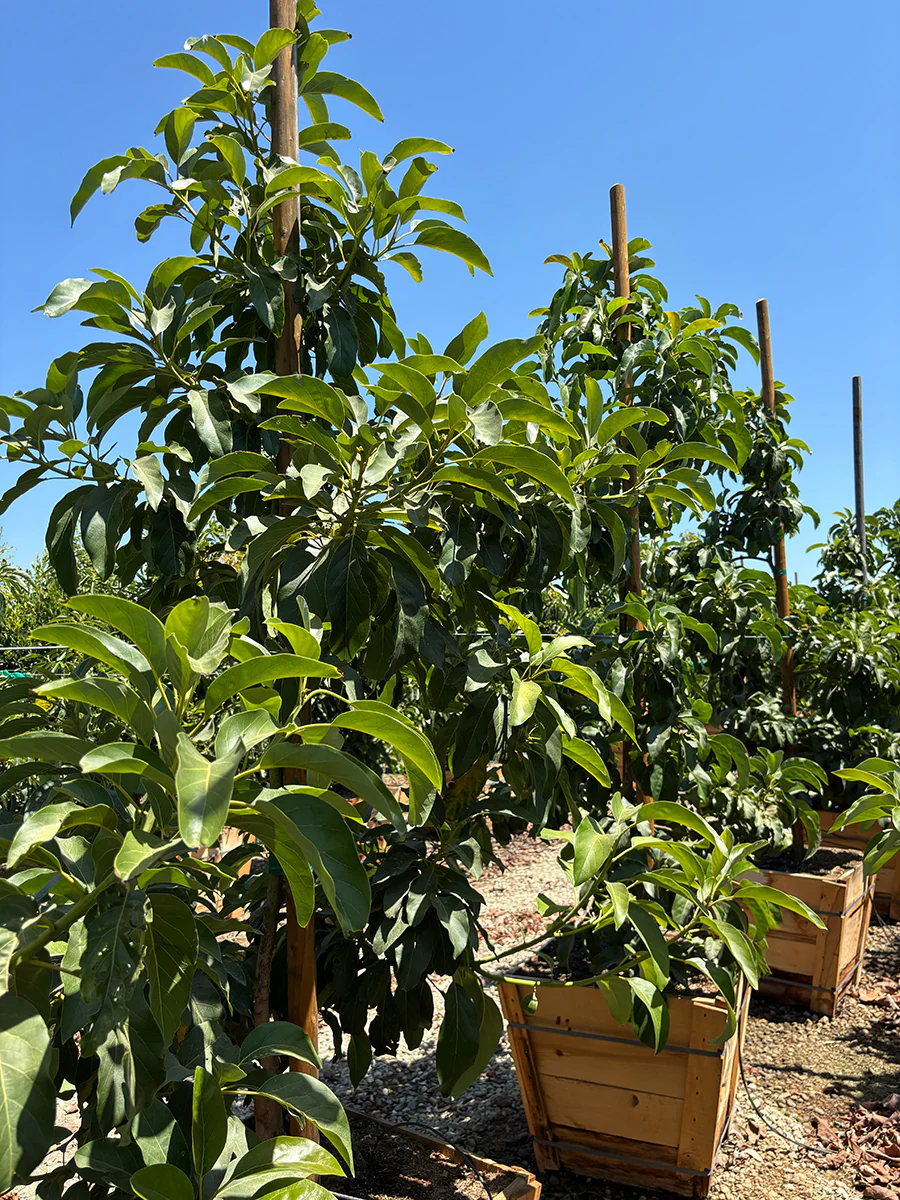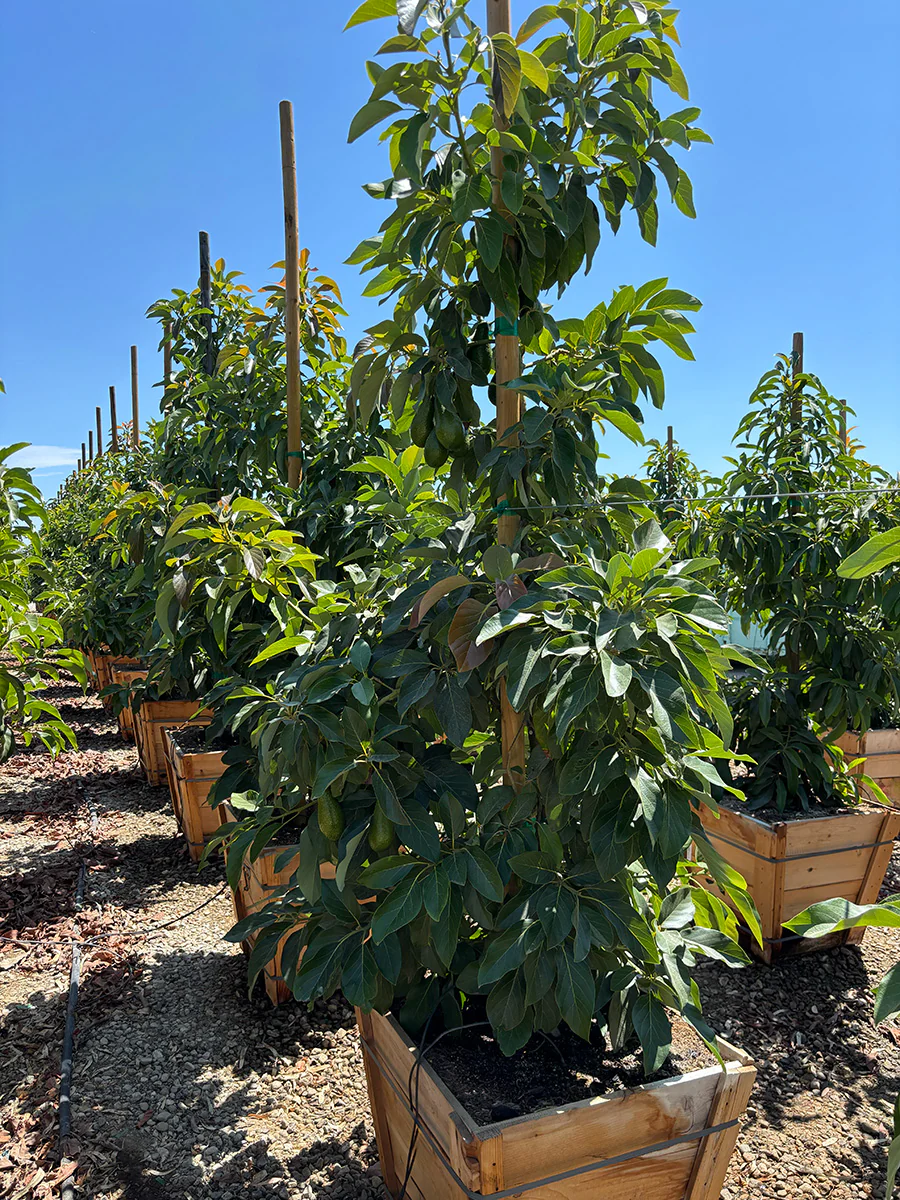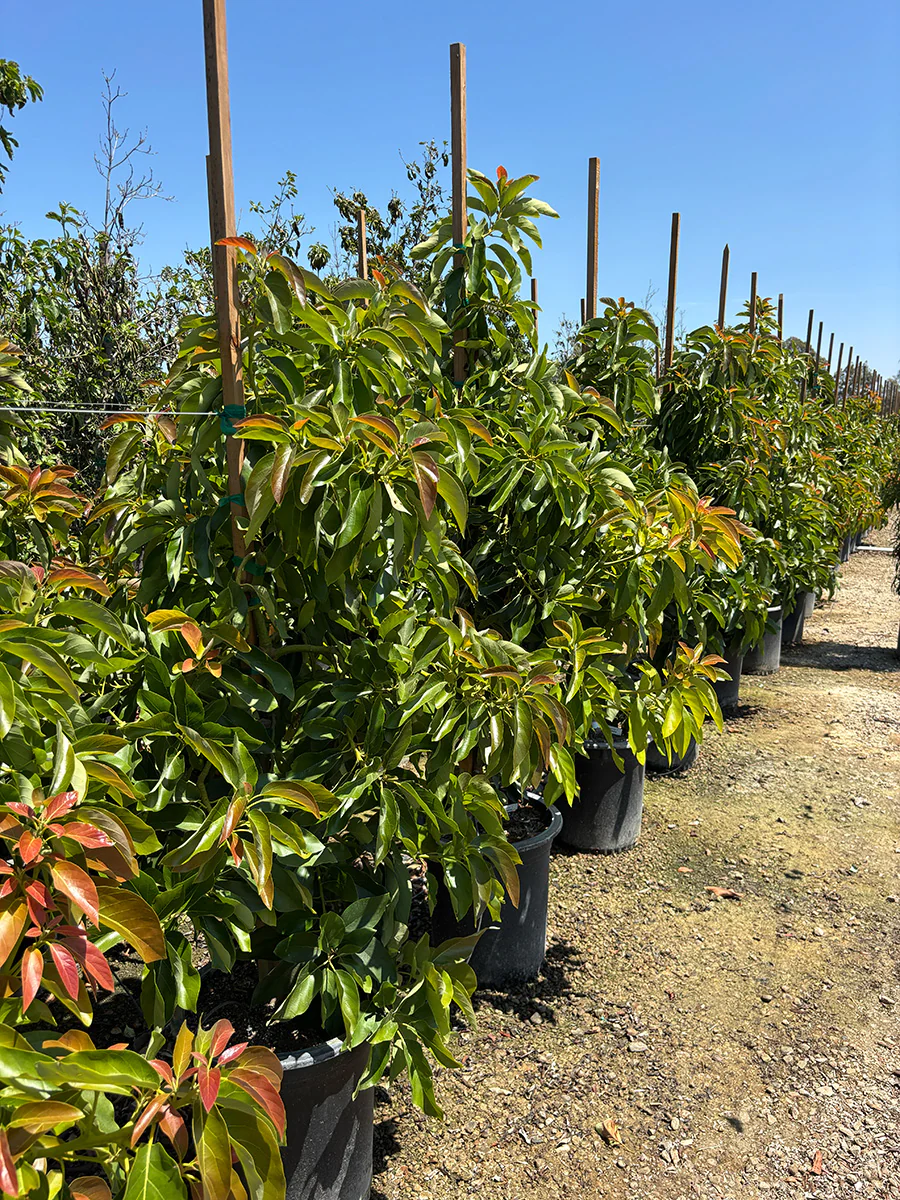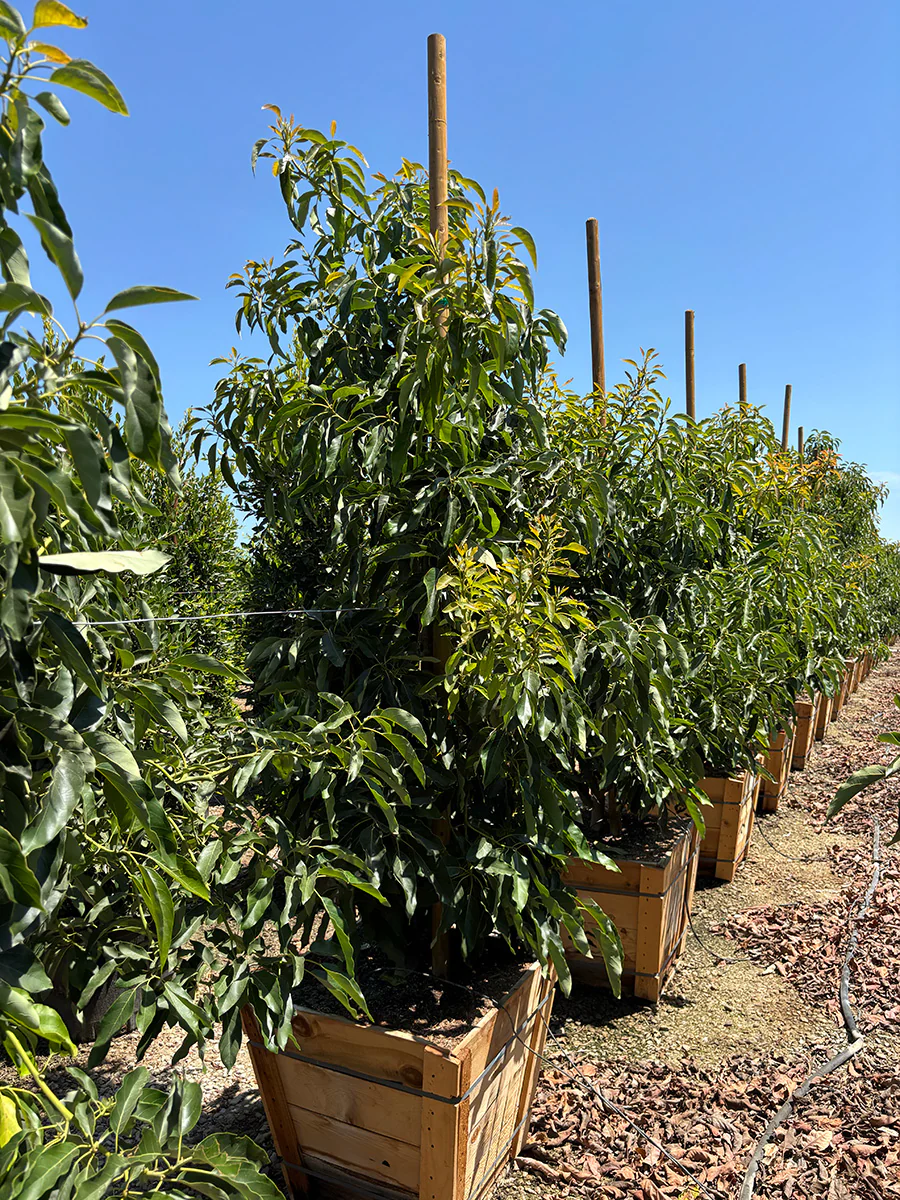
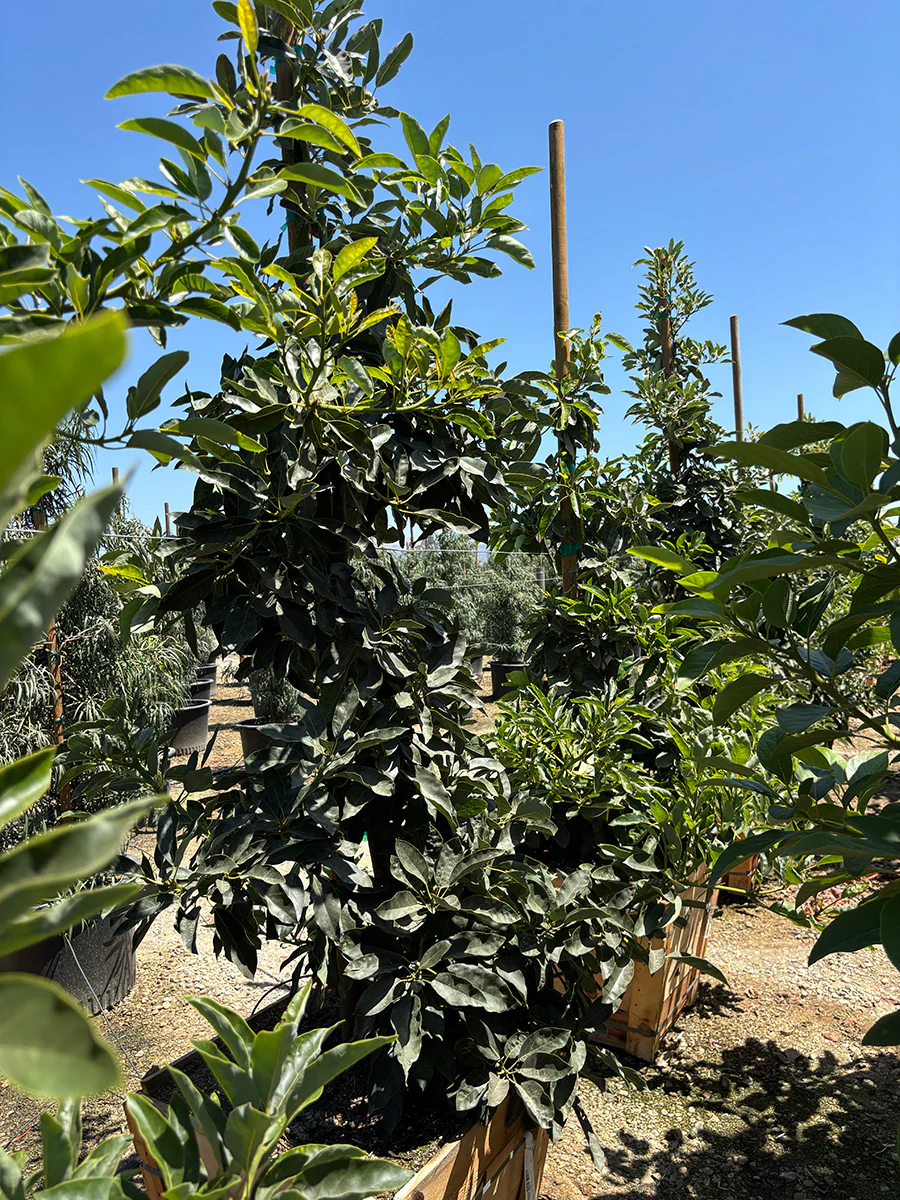
Stewart Avocado Tree (Semi-Deciduous, Type A)
Cold-Hardy Avocado Tree That Produces Creamy, Nutty Fruit in Your California Garden
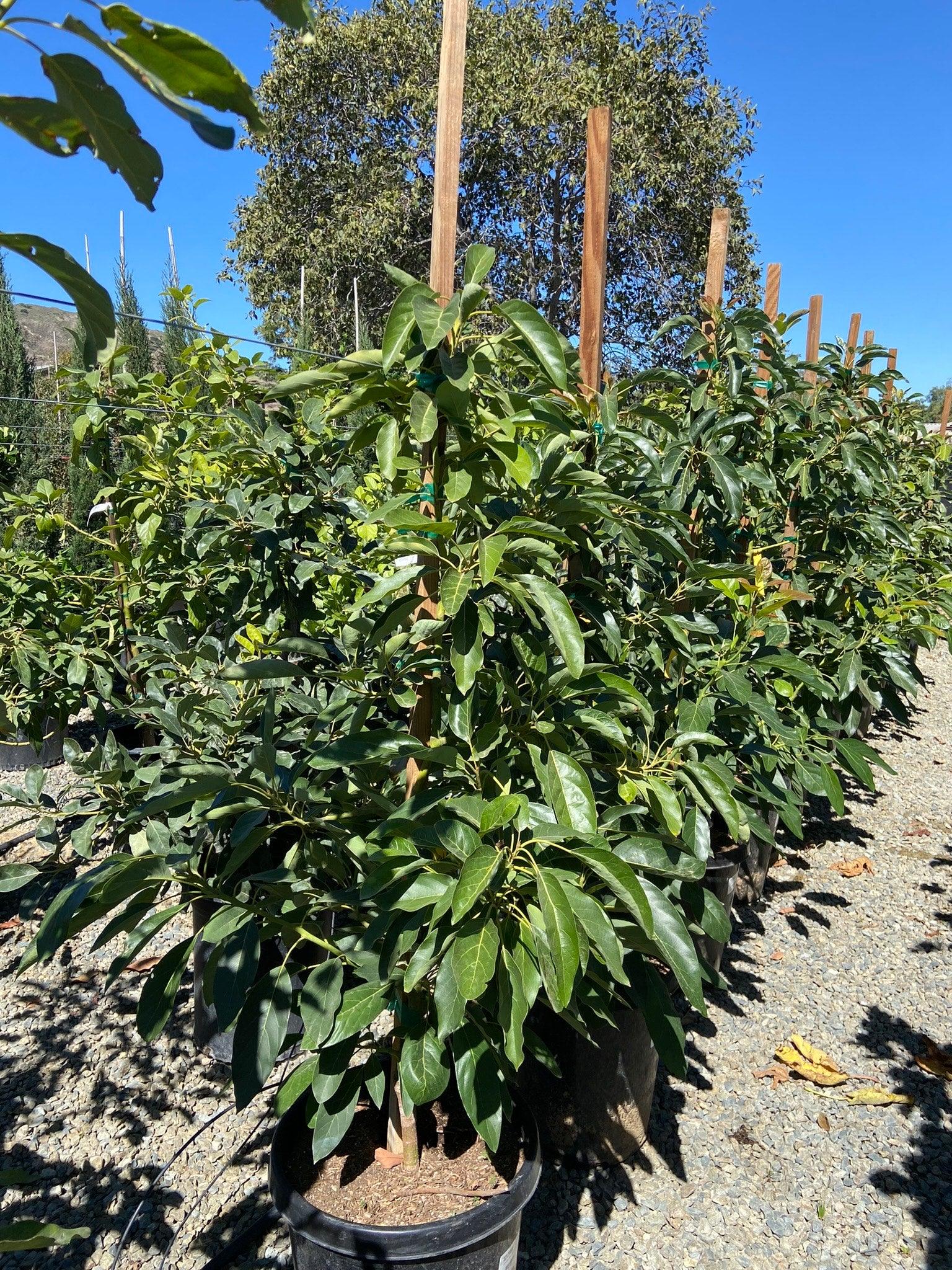
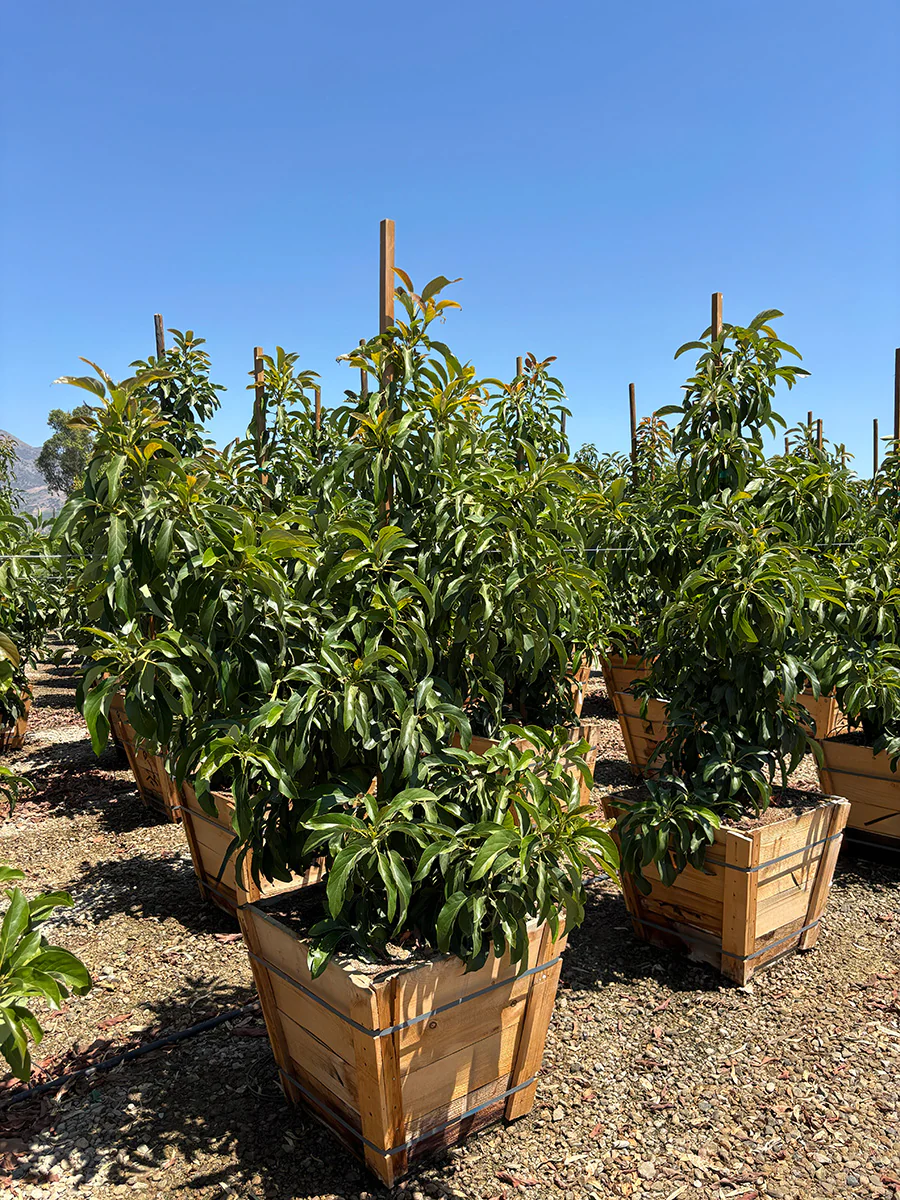
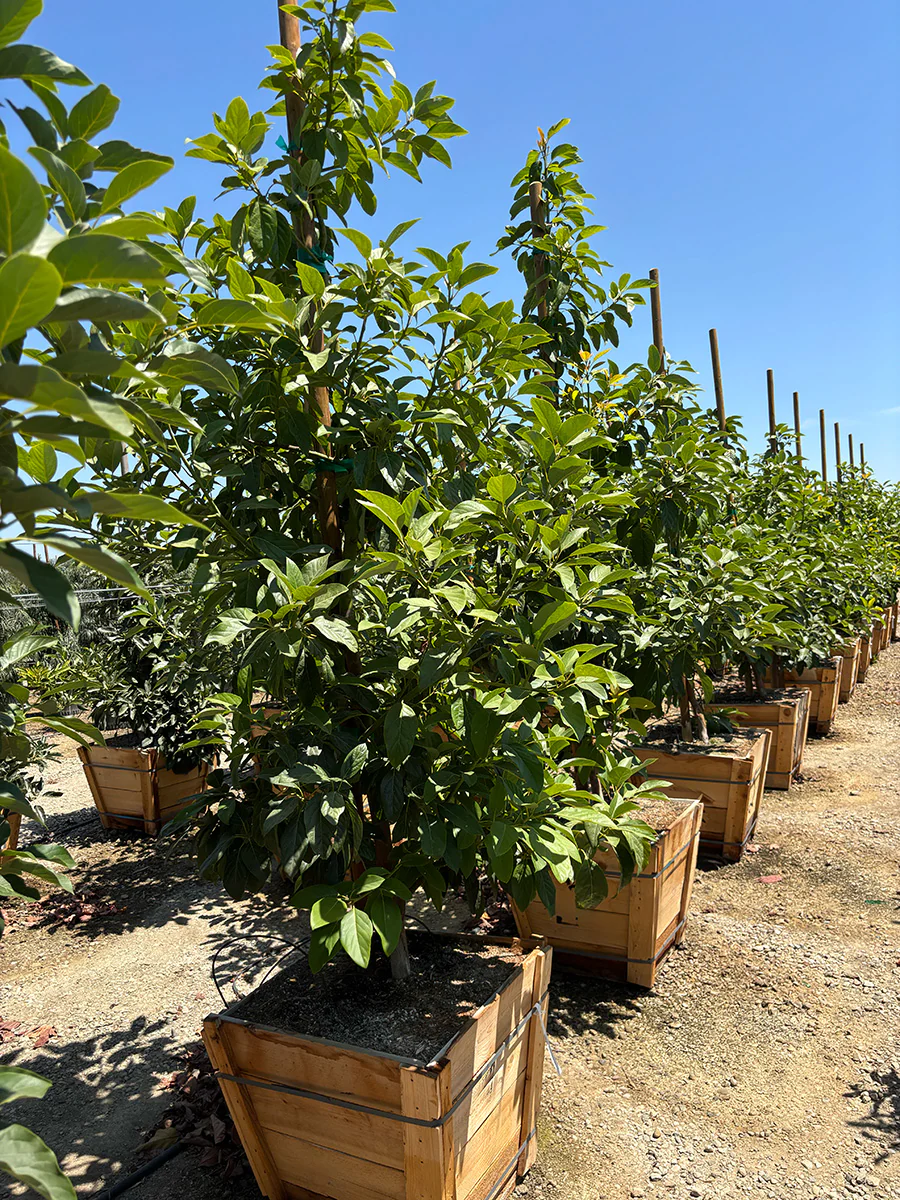
The Stewart avocado tree is a cold hardy Mexican-race avocado variety for California gardeners who want dependable homegrown avocados, rich nutty flavor, and a manageable tree size. Mature trees can tolerate temperatures down to 25°F, making Stewart more frost resistant than many other avocado varieties, while its compact upright growth makes it practical for residential yards, larger gardens, and open areas where shade is desired.
Why You’ll Love Stewart Avocado
-
Cold-Hardy Performance – The Stewart avocado is a cold-hardy, Mexican-race cultivar prized for its rich flavor and ability to survive in cooler climates. Stewart avocados can be grown outdoors in USDA Hardiness Zones 9b to 11b, with protected 9a microclimates sometimes suitable in California.
-
Consistent Fruit Production – Stewart is a consistent bearer that produces avocados annually once established, with fruit that typically weighs six to ten ounces.
-
Exceptional Flavor – The flesh is creamy, smooth, and richly textured, with a rich, nutty flavor and distinct notes similar to fresh pistachio.
-
Space-Efficient Design – The Stewart avocado tree is compact and grows upright to about 20 feet tall, making it suitable for larger gardens or open areas where shade is desired.
-
Long Harvest Season – Stewart avocados have a harvest season that runs from October through December, helping fill the late fall and early winter gap when many other avocado varieties are out of season.
What Makes Stewart Different
Most avocado varieties struggle when winter temperatures dip, especially in cooler inland California gardens. Stewartstands apart because it combines Mexican-race cold tolerance, reliable fruit set, and high quality flesh in a tree that stays more manageable than many full-size mature landscape trees.
-
Superior Cold Tolerance – This avocado variety is more frost-resistant than many others, thriving in USDA Hardiness Zones 9b-11b and withstanding temperatures down to 25°F when mature. Young plants require more protection from cold, especially during winter frost events.
-
Reliable Production – Stewart trees are classified as Type A flowerers but can show Type B characteristicsdepending on the climate. Stewart can self-pollinate, but fruit set may improve with a nearby B-type avocado tree such as Bacon or Zutano.
-
Perfect Size – Stewart avocado fruit averages six to ten ounces, with a pear shaped form, dark purple skin at maturity, and a very small seed. It is not oversized like some commercial fruit, making it practical for fresh family use.
How Stewart Avocado Thrives in Your Yard
-
Plant in Full Sun Location
Plant Stewart in full sun, where the tree receives abundant, bright, direct light and steady warmth. This avocado tree prefers well draining soil, and the planting hole should be wide enough to position the root ball slightly above the surrounding ground for better drainage, and local planting support from a plant nursery near you can help you get the site preparation right. If the tree is being held in a container or pot before planting, Stewart Avocado requires abundant, bright, and direct light, ideally placed less than one foot from a south facing window to thrive. -
Establish Proper Care Routine
This avocado variety prefers full sun exposure and should be planted in well-draining soil to prevent root rot, similar to how many evergreen privacy trees thrive when given the right light and soil conditions. Water the Stewart Avocado when the top layer of soil begins to dry out, as it prefers for the soil to dry between waterings to prevent root rot. Mix organic matter only as needed to improve drainage, and use a slow-release fertilizer mixed into the soil at planting time to support healthy growth in Stewart Avocado trees. -
Enjoy Fresh Avocados
Harvest fruit from October through December, when the skin transitions from green to a dark purple-black color as it matures, pairing your crop with other citrus or fruit such as a Valencia orange tree for extended fresh harvests. The fruit has thin, smooth skin, vibrant greenish yellow flesh, and a creamy texture with nearly 18% to 20% oil content. Stewart avocados are best for fresh eating; they should not be cooked over high heat, as natural tannins can break down and cause bitterness.
Stewart Avocado Tree Specifications
-
Tree Type: Grafted Mexican avocado variety; botanical name Persea americana ‘Stewart’, ideal to combine with ornamental flowering trees for sale if you want both beauty and harvest in your landscape
-
Mature Size: Compact avocado tree that grows upright to about 20 feet tall
-
Hardiness Zones: Stewart avocados can be grown outdoors in USDA Hardiness Zones 9b to 11b, making them suitable for warmer climates
-
Cold Tolerance: Mature Stewart avocado trees can tolerate temperatures down to 25°F, but young plants require more protection from cold
-
Fruit Details: Fruit averages six to ten ounces, with pear shaped form, thin smooth skin, dark purple skin to dark purple-black color when mature, and a very small seed
-
Flesh Quality: High quality flesh that is creamy, smooth, richly textured, and vibrant greenish-yellow in color
-
Flavor: Rich, nutty flavor with distinct notes similar to fresh pistachio
-
Oil Content: Stewart avocados contain a high oil content of nearly 18% to 20%, contributing to their dense richness
-
Pollination: Trees are classified as Type A flowerers but can show Type B characteristics depending on the climate
-
Harvest Season: October through December, filling a seasonal gap for fresh avocados during late fall
-
Care Needs: Full sun, well draining soil, regular deep moisture, protection from root rot, light pruning, and attention to pests and new growth
-
Skin Note: The skin of Stewart avocados is thin and smooth, making them difficult to peel commercially, with some opting to eat the skin
Perfect For California Gardeners Who Want
Ideal for:
-
Homeowners in USDA Hardiness Zones 9b to 11b who want a cold hardy avocado tree for a warmer California environment
-
Gardeners with limited space who need avocado varieties that grow upright instead of spreading too wide
-
Families who want fresh avocados with creamy consistency, high quality flesh, and rich nutty flavor
-
Growers in areas with occasional frost who need a more frost resistant tree than many other avocado varieties, and who may also be considering drought-tolerant shade options like the California Pepper Tree
-
Anyone deciding between Stewart, mexicola avocado, or another mexicola seedling type and wanting a compact, reliable, late fall harvest, while possibly mixing in ornamental species like a California Pepper Tree for sale for structure and shade
If you want an avocado tree that can be planted in the ground, maintained with light pruning, and expected to produce flavorful fruit in great condition with the right soil, sun, drainage, and winter protection, Stewart is a strong choice that also complements hardy California natives like Toyon (Heteromeles arbutifolia).
Frequently Asked Questions
How cold can Stewart avocado tolerate?
Mature Stewart avocado trees can tolerate temperatures down to 25°F, but young plants need extra winter protection. Protect new leaves, branches, and the root ball during cold snaps with mulch, frost cloth, and shade or wind protection where needed.
Do I need another tree for pollination?
Stewart trees are Type A flowerers, but they can show Type B characteristics depending on the climate. Stewart can produce on its own, but planting a B-type pollinator such as Bacon or Zutano nearby can improve fruit set.
How big do Stewart avocado trees get?
The Stewart avocado tree is compact and can grow upright to about 20 feet tall, making it suitable for larger gardens or open areas where shade is desired. With careful pruning, growth can be managed for residential yards.
When can I expect fruit?
Grafted trees are generally expected to begin producing within 2-4 years after planting when grown in full sun, well draining soil, and a healthy environment. Stewart avocados ripen from October through December.
What does Stewart avocado taste like?
Stewart avocado fruits are highly regarded for their exceptional eating quality and creamy consistency. The Stewart avocado is a Mexican type avocado known for its nutty rich flavor and high-quality flesh, which is vibrant greenish-yellow in color and has nearly twenty percent oil content.
Can I cook Stewart avocados?
Stewart avocados are best eaten fresh. Stewart avocados should not be cooked over high heat, as natural tannins can break down and cause bitterness.
Ready to Grow Your Own Cold-Hardy Avocados?
Stop settling for store-bought avocados with unknown flavor, timing, and quality. Choose Stewart Avocado Tree and enjoy creamy, rich, homegrown fruit from late fall into early winter, even in cooler California climates where many other avocado varieties may struggle.
Yardwork can help you decide where to plant, test your soil, plan better drainage, protect young trees in winter, and arrange California delivery with expert planting advice, along with curated companion plants such as Cheesewood (Pittosporum) shrubs.
Original: $1,550.00
-65%$1,550.00
$542.50Product Information
Product Information
Shipping & Returns
Shipping & Returns
Description
Cold-Hardy Avocado Tree That Produces Creamy, Nutty Fruit in Your California Garden
The Stewart avocado tree is a cold hardy Mexican-race avocado variety for California gardeners who want dependable homegrown avocados, rich nutty flavor, and a manageable tree size. Mature trees can tolerate temperatures down to 25°F, making Stewart more frost resistant than many other avocado varieties, while its compact upright growth makes it practical for residential yards, larger gardens, and open areas where shade is desired.
Why You’ll Love Stewart Avocado
-
Cold-Hardy Performance – The Stewart avocado is a cold-hardy, Mexican-race cultivar prized for its rich flavor and ability to survive in cooler climates. Stewart avocados can be grown outdoors in USDA Hardiness Zones 9b to 11b, with protected 9a microclimates sometimes suitable in California.
-
Consistent Fruit Production – Stewart is a consistent bearer that produces avocados annually once established, with fruit that typically weighs six to ten ounces.
-
Exceptional Flavor – The flesh is creamy, smooth, and richly textured, with a rich, nutty flavor and distinct notes similar to fresh pistachio.
-
Space-Efficient Design – The Stewart avocado tree is compact and grows upright to about 20 feet tall, making it suitable for larger gardens or open areas where shade is desired.
-
Long Harvest Season – Stewart avocados have a harvest season that runs from October through December, helping fill the late fall and early winter gap when many other avocado varieties are out of season.
What Makes Stewart Different
Most avocado varieties struggle when winter temperatures dip, especially in cooler inland California gardens. Stewartstands apart because it combines Mexican-race cold tolerance, reliable fruit set, and high quality flesh in a tree that stays more manageable than many full-size mature landscape trees.
-
Superior Cold Tolerance – This avocado variety is more frost-resistant than many others, thriving in USDA Hardiness Zones 9b-11b and withstanding temperatures down to 25°F when mature. Young plants require more protection from cold, especially during winter frost events.
-
Reliable Production – Stewart trees are classified as Type A flowerers but can show Type B characteristicsdepending on the climate. Stewart can self-pollinate, but fruit set may improve with a nearby B-type avocado tree such as Bacon or Zutano.
-
Perfect Size – Stewart avocado fruit averages six to ten ounces, with a pear shaped form, dark purple skin at maturity, and a very small seed. It is not oversized like some commercial fruit, making it practical for fresh family use.
How Stewart Avocado Thrives in Your Yard
-
Plant in Full Sun Location
Plant Stewart in full sun, where the tree receives abundant, bright, direct light and steady warmth. This avocado tree prefers well draining soil, and the planting hole should be wide enough to position the root ball slightly above the surrounding ground for better drainage, and local planting support from a plant nursery near you can help you get the site preparation right. If the tree is being held in a container or pot before planting, Stewart Avocado requires abundant, bright, and direct light, ideally placed less than one foot from a south facing window to thrive. -
Establish Proper Care Routine
This avocado variety prefers full sun exposure and should be planted in well-draining soil to prevent root rot, similar to how many evergreen privacy trees thrive when given the right light and soil conditions. Water the Stewart Avocado when the top layer of soil begins to dry out, as it prefers for the soil to dry between waterings to prevent root rot. Mix organic matter only as needed to improve drainage, and use a slow-release fertilizer mixed into the soil at planting time to support healthy growth in Stewart Avocado trees. -
Enjoy Fresh Avocados
Harvest fruit from October through December, when the skin transitions from green to a dark purple-black color as it matures, pairing your crop with other citrus or fruit such as a Valencia orange tree for extended fresh harvests. The fruit has thin, smooth skin, vibrant greenish yellow flesh, and a creamy texture with nearly 18% to 20% oil content. Stewart avocados are best for fresh eating; they should not be cooked over high heat, as natural tannins can break down and cause bitterness.
Stewart Avocado Tree Specifications
-
Tree Type: Grafted Mexican avocado variety; botanical name Persea americana ‘Stewart’, ideal to combine with ornamental flowering trees for sale if you want both beauty and harvest in your landscape
-
Mature Size: Compact avocado tree that grows upright to about 20 feet tall
-
Hardiness Zones: Stewart avocados can be grown outdoors in USDA Hardiness Zones 9b to 11b, making them suitable for warmer climates
-
Cold Tolerance: Mature Stewart avocado trees can tolerate temperatures down to 25°F, but young plants require more protection from cold
-
Fruit Details: Fruit averages six to ten ounces, with pear shaped form, thin smooth skin, dark purple skin to dark purple-black color when mature, and a very small seed
-
Flesh Quality: High quality flesh that is creamy, smooth, richly textured, and vibrant greenish-yellow in color
-
Flavor: Rich, nutty flavor with distinct notes similar to fresh pistachio
-
Oil Content: Stewart avocados contain a high oil content of nearly 18% to 20%, contributing to their dense richness
-
Pollination: Trees are classified as Type A flowerers but can show Type B characteristics depending on the climate
-
Harvest Season: October through December, filling a seasonal gap for fresh avocados during late fall
-
Care Needs: Full sun, well draining soil, regular deep moisture, protection from root rot, light pruning, and attention to pests and new growth
-
Skin Note: The skin of Stewart avocados is thin and smooth, making them difficult to peel commercially, with some opting to eat the skin
Perfect For California Gardeners Who Want
Ideal for:
-
Homeowners in USDA Hardiness Zones 9b to 11b who want a cold hardy avocado tree for a warmer California environment
-
Gardeners with limited space who need avocado varieties that grow upright instead of spreading too wide
-
Families who want fresh avocados with creamy consistency, high quality flesh, and rich nutty flavor
-
Growers in areas with occasional frost who need a more frost resistant tree than many other avocado varieties, and who may also be considering drought-tolerant shade options like the California Pepper Tree
-
Anyone deciding between Stewart, mexicola avocado, or another mexicola seedling type and wanting a compact, reliable, late fall harvest, while possibly mixing in ornamental species like a California Pepper Tree for sale for structure and shade
If you want an avocado tree that can be planted in the ground, maintained with light pruning, and expected to produce flavorful fruit in great condition with the right soil, sun, drainage, and winter protection, Stewart is a strong choice that also complements hardy California natives like Toyon (Heteromeles arbutifolia).
Frequently Asked Questions
How cold can Stewart avocado tolerate?
Mature Stewart avocado trees can tolerate temperatures down to 25°F, but young plants need extra winter protection. Protect new leaves, branches, and the root ball during cold snaps with mulch, frost cloth, and shade or wind protection where needed.
Do I need another tree for pollination?
Stewart trees are Type A flowerers, but they can show Type B characteristics depending on the climate. Stewart can produce on its own, but planting a B-type pollinator such as Bacon or Zutano nearby can improve fruit set.
How big do Stewart avocado trees get?
The Stewart avocado tree is compact and can grow upright to about 20 feet tall, making it suitable for larger gardens or open areas where shade is desired. With careful pruning, growth can be managed for residential yards.
When can I expect fruit?
Grafted trees are generally expected to begin producing within 2-4 years after planting when grown in full sun, well draining soil, and a healthy environment. Stewart avocados ripen from October through December.
What does Stewart avocado taste like?
Stewart avocado fruits are highly regarded for their exceptional eating quality and creamy consistency. The Stewart avocado is a Mexican type avocado known for its nutty rich flavor and high-quality flesh, which is vibrant greenish-yellow in color and has nearly twenty percent oil content.
Can I cook Stewart avocados?
Stewart avocados are best eaten fresh. Stewart avocados should not be cooked over high heat, as natural tannins can break down and cause bitterness.
Ready to Grow Your Own Cold-Hardy Avocados?
Stop settling for store-bought avocados with unknown flavor, timing, and quality. Choose Stewart Avocado Tree and enjoy creamy, rich, homegrown fruit from late fall into early winter, even in cooler California climates where many other avocado varieties may struggle.
Yardwork can help you decide where to plant, test your soil, plan better drainage, protect young trees in winter, and arrange California delivery with expert planting advice, along with curated companion plants such as Cheesewood (Pittosporum) shrubs.