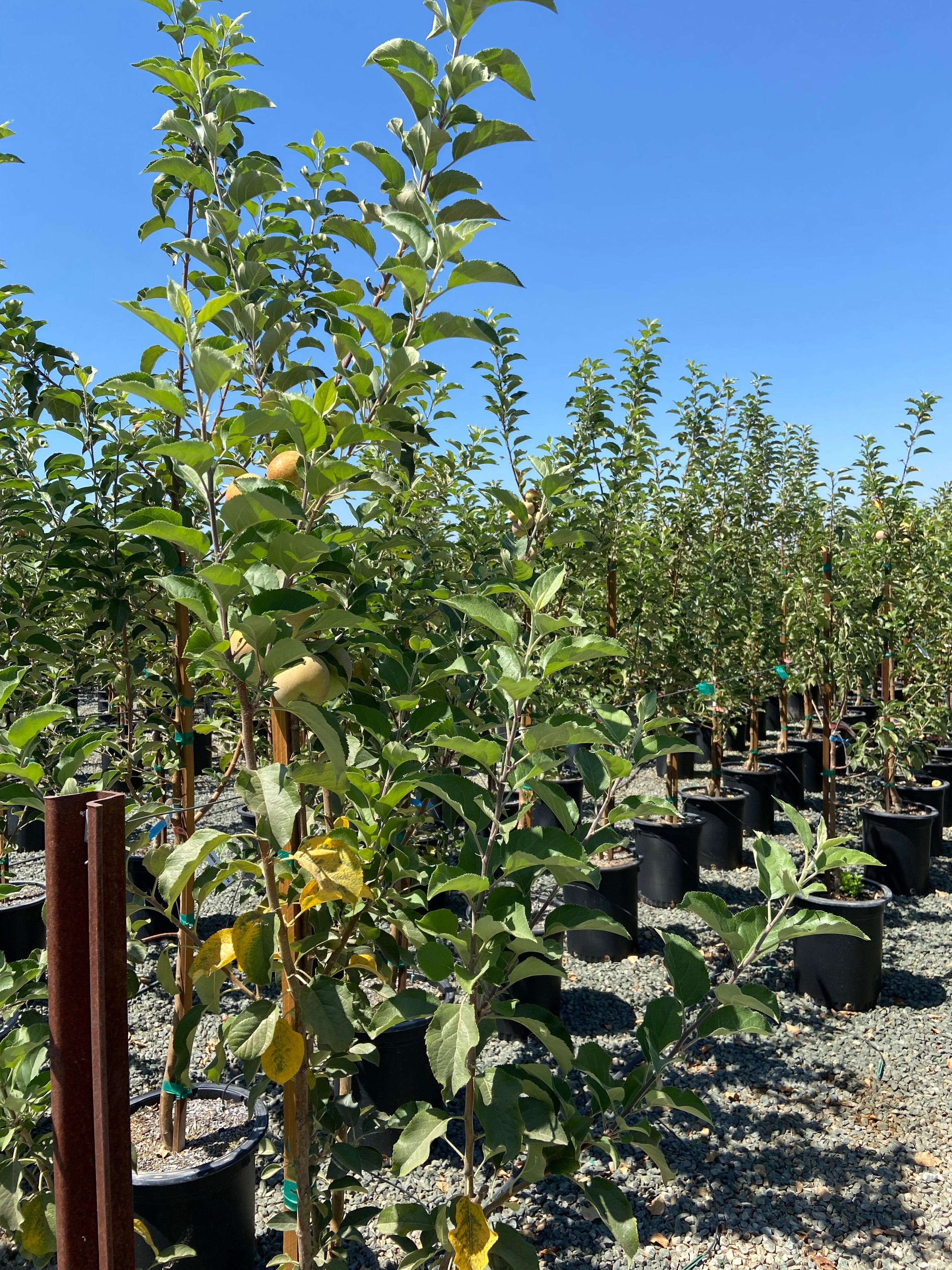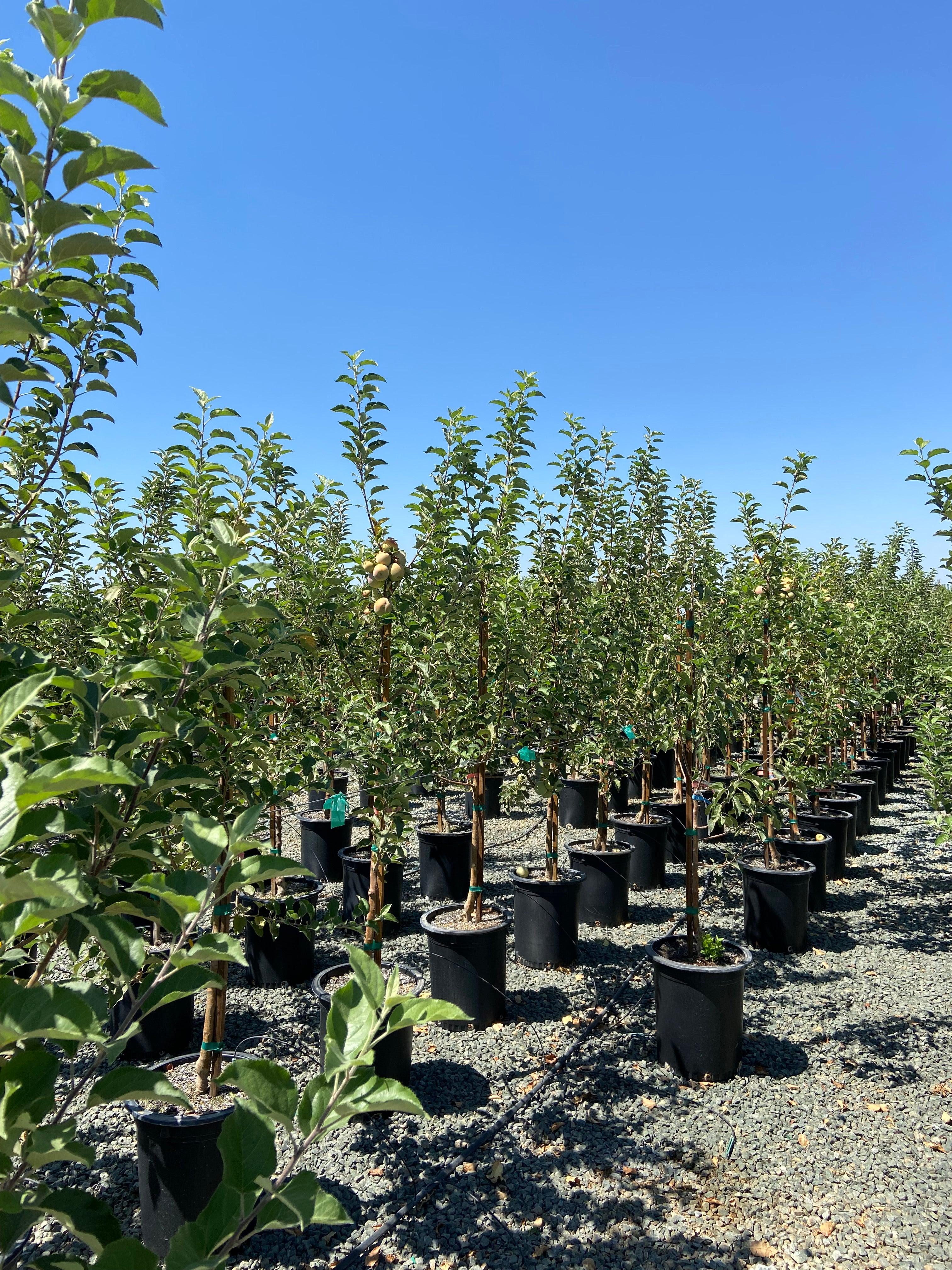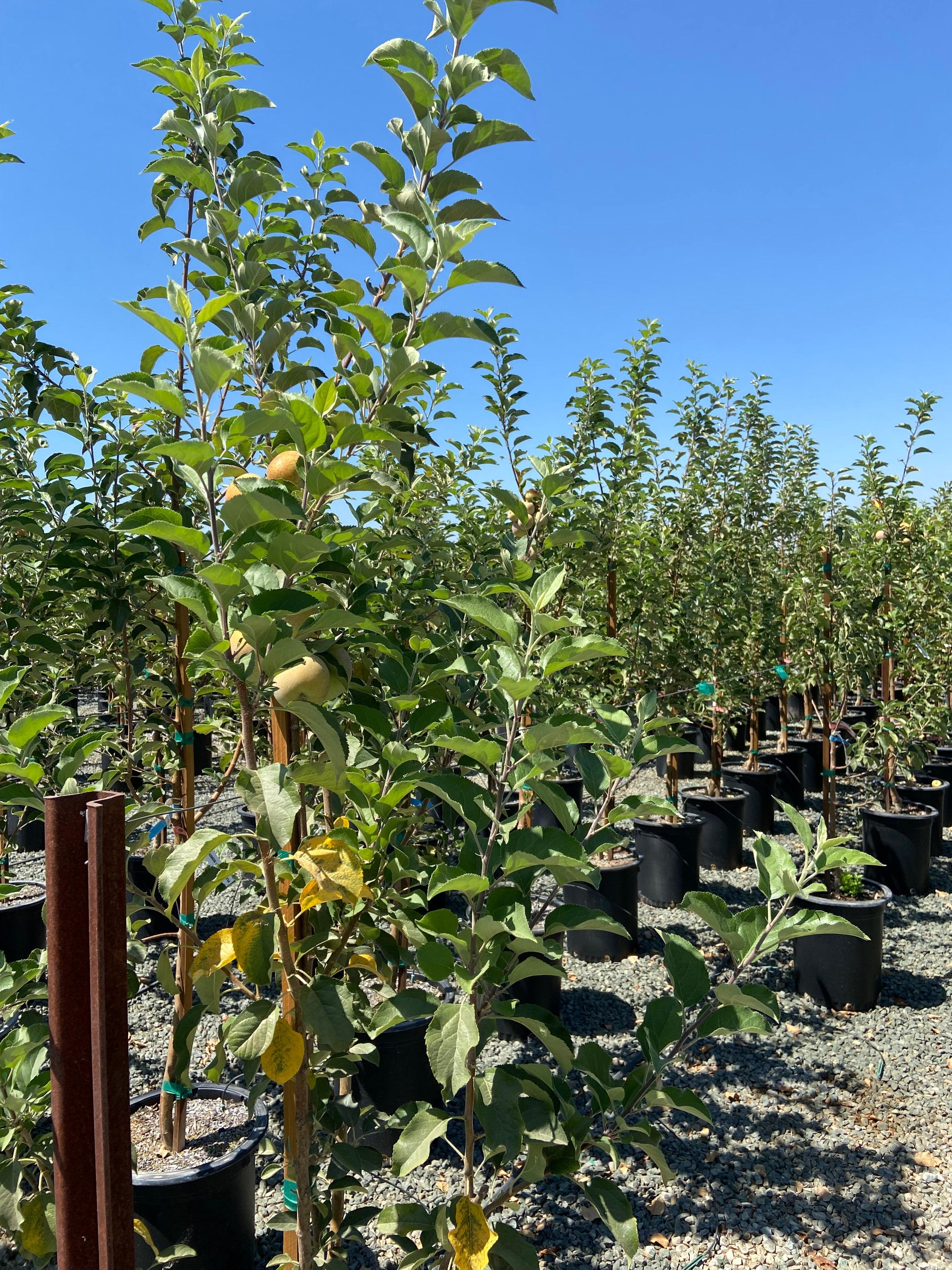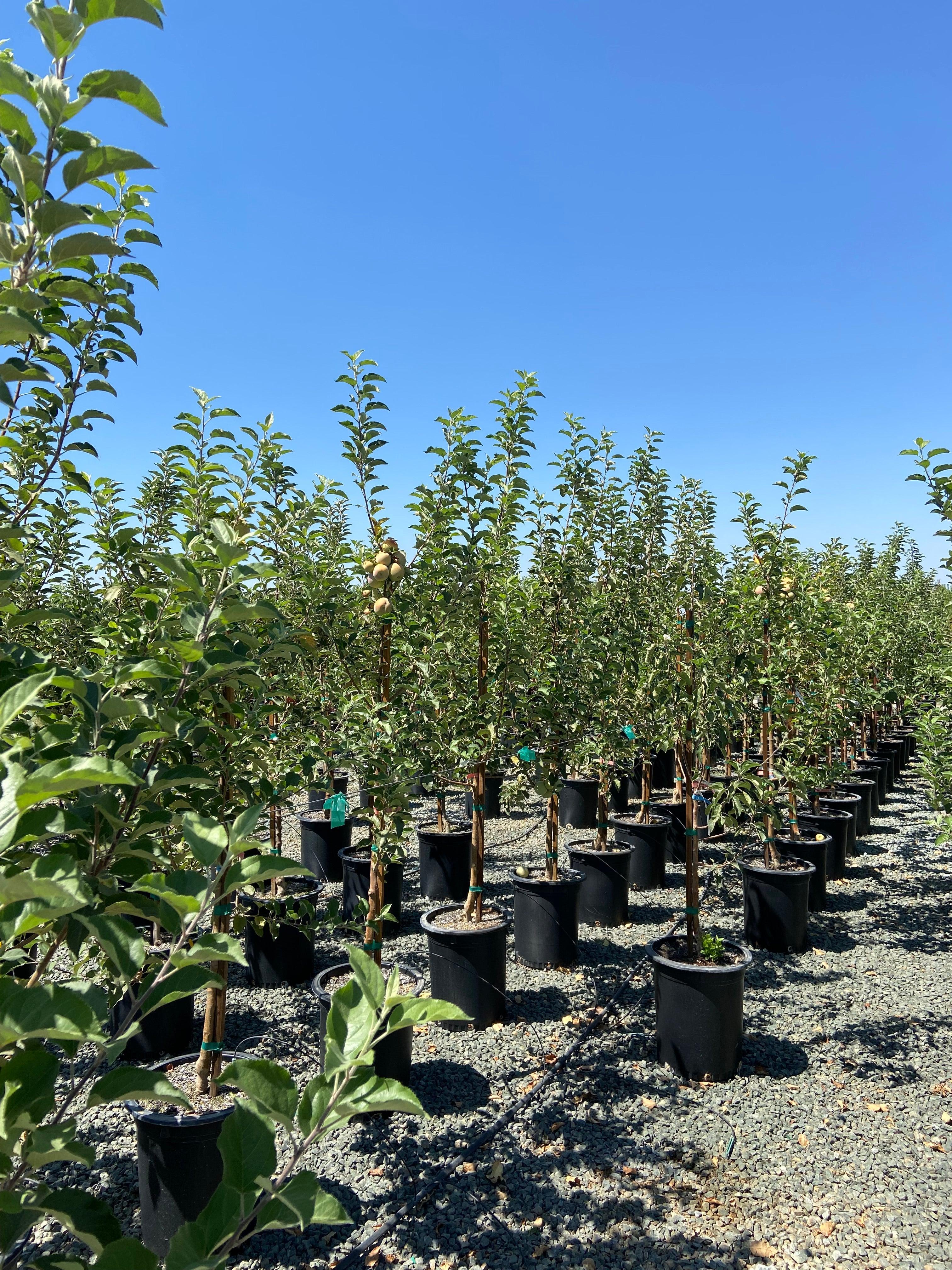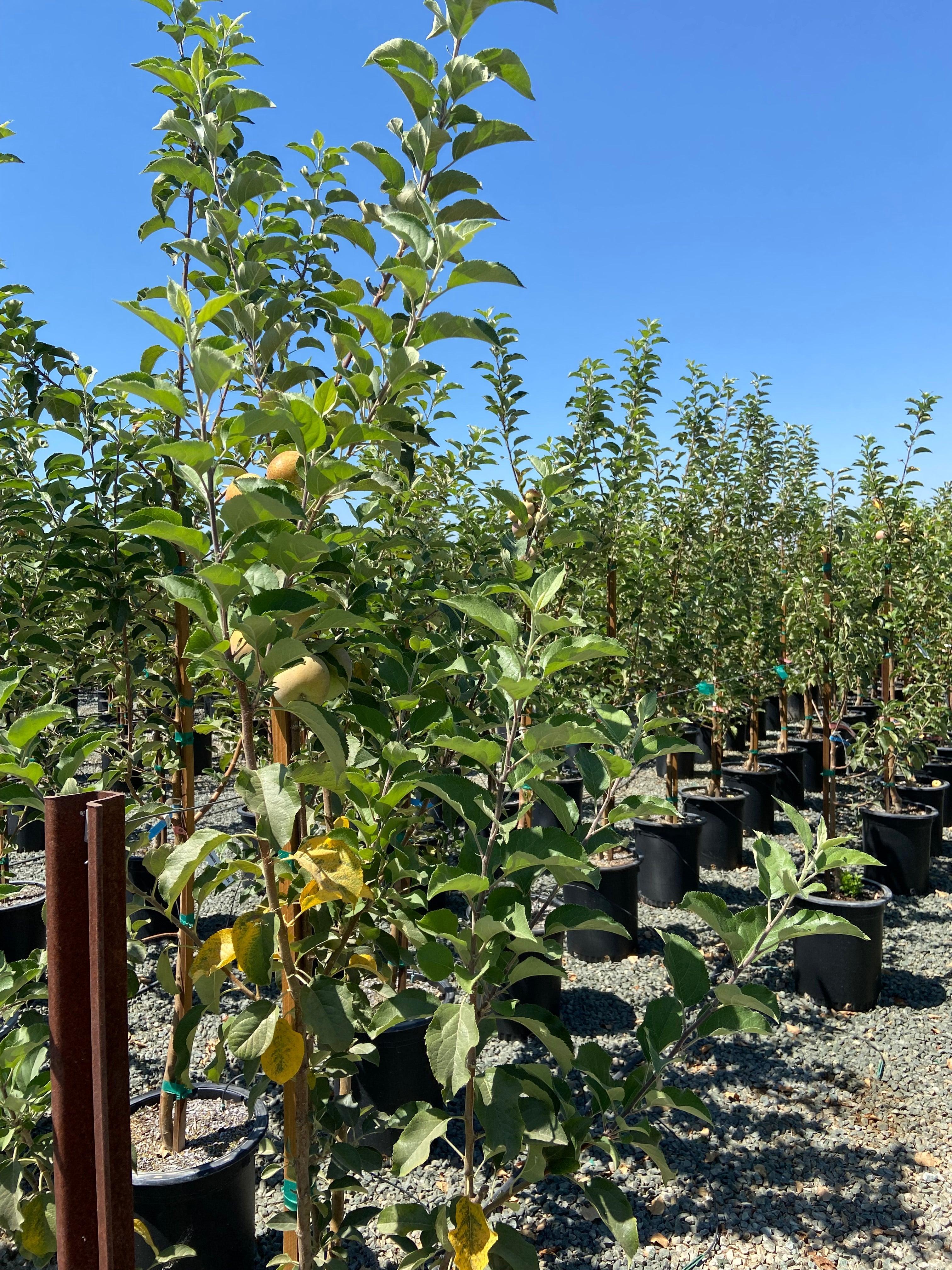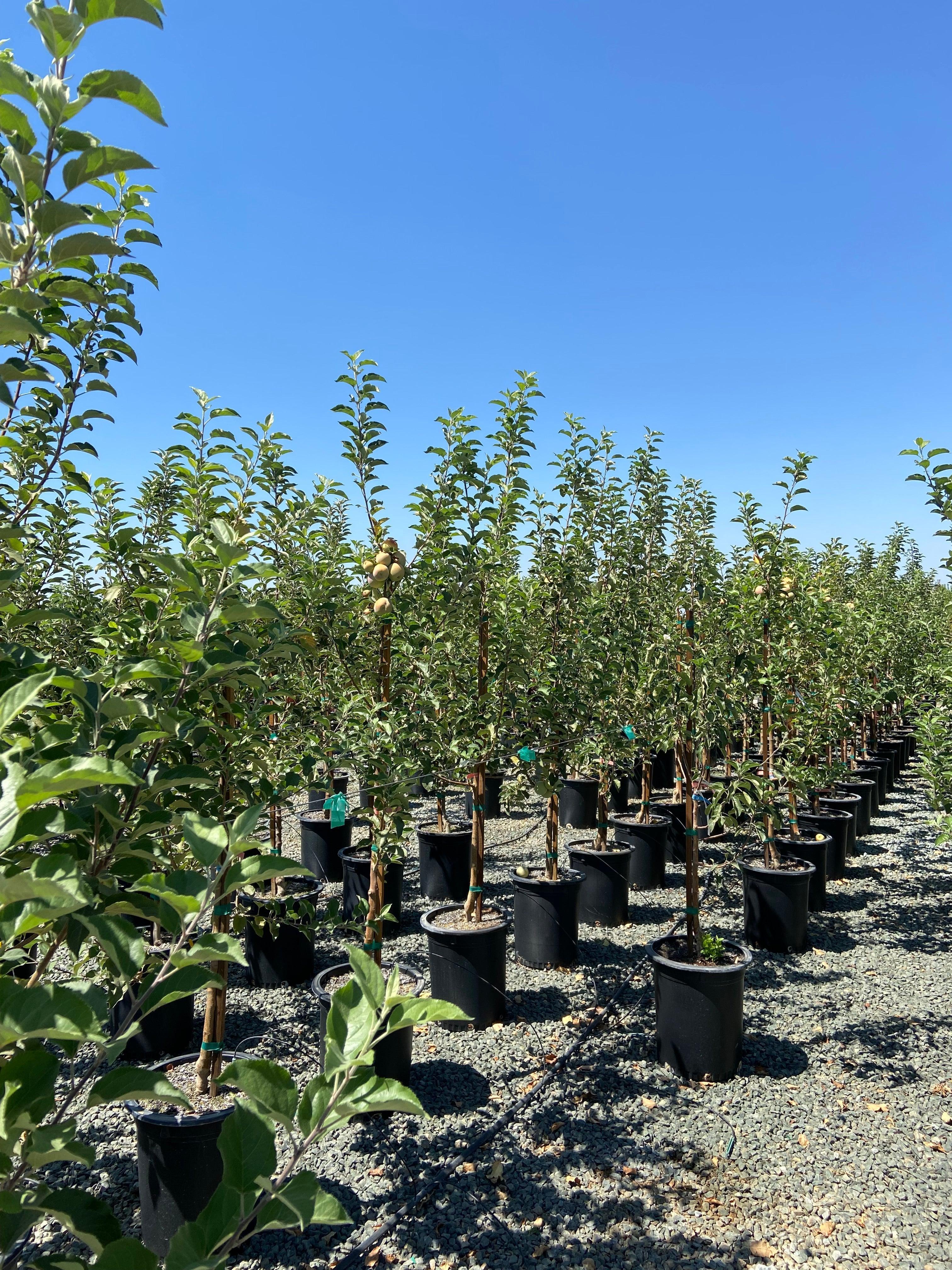
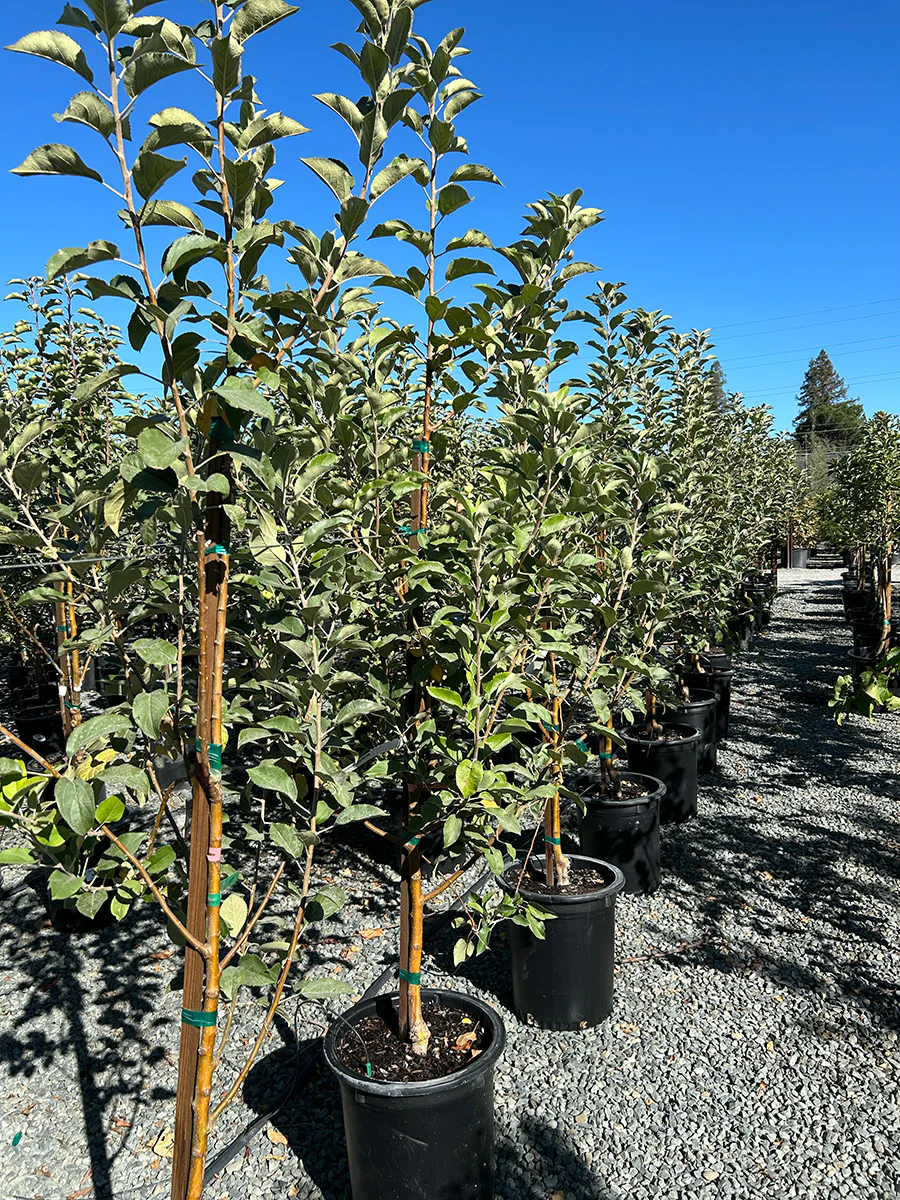
Granny Smith Apple Tree
The Perfect Balance of Tart Flavor and Easy Growing
Grow crisp, tart Granny Smith apples at home with an apple tree that delivers dependable fruit production, excellent cooking quality, and long storage life without requiring complicated orchard care.
The Granny Smith apple tree is an ideal choice for home gardeners who want bright green apples with firm white flesh, a tangy flavor, and enough versatility for fresh eating, pies, salads, caramel apples, sauces, and baking. With proper care, this tree can bear fruit reliably within 2–4 years of planting and continue producing an abundance of apples season after season.
Why You’ll Love It
-
Exceptional Apple Quality – The Granny Smith apple tree produces large, bright green apples with firm, tart flesh, making them ideal for fresh eating, cooking, and baking.
-
Long Storage Life – Granny Smith apples have exceptional storage life, lasting up to 6 months when properly chilled, so your harvest can stay crisp for several months after late October picking.
-
Disease Resistant – This apple tree is known for its high productivity and good disease resistance, particularly to Apple Cedar Rust, especially when you prune in late winter, remove dead wood, and keep the canopy open.
-
Reliable Producer – Once established, Granny Smith apple trees are prolific producers, yielding consistent and heavy harvests annually.
-
Climate Adaptable – Granny Smith apple trees typically reach a mature height of 8-21 feet depending on the rootstock used, and they thrive in USDA Zones 5-9, making them excellent focal points alongside other mature trees for sale online.
With its bright green color, juicy bite, crisp texture, and sour-sweet balance, the Granny Smith is a great addition to edible landscapes, backyard orchards, and California home gardens.
What Makes It Different
Most apple trees either need intensive care, produce fruit with a short shelf life, or fail to deliver the firm texture home gardeners want for cooking and baking. The Granny Smith apple tree is different because it combines late-season productivity, classic tart flavor, and excellent storage performance in one proven tree.
-
Late Season Harvest – Granny Smith is a late-season apple that typically ripens in late October, extending your apple season after many other apples are finished.
-
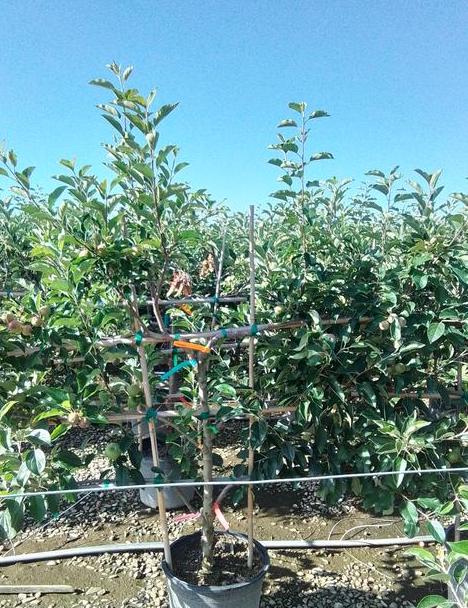
Self-Pollinating Options Available – While Granny Smith is not reliably self fertile on its own, planting a cross-pollinator variety, such as Fuji or Gala, or using a multi-grafted 6-in-1 espalier apple tree can significantly increase the fruit yield and quality of Granny Smith apples.
-
Heat Tolerance – Granny Smith performs well across USDA Zones 5-9 and is a strong option for many California growing regions when planted in full sun with steady water and well drained soil.
The original Granny Smith apple was discovered by Maria Ann Smith in Australia after a chance seedling grew from discarded apple cores. Today, the smith apple remains one of the most recognized cooking apple varieties in the world because its flesh stays in great shape through baking, its flavor stays bright, and its harvest keeps well beyond the growing season.
How To Have Success In Your Garden
-
Plant in Full Sun Location
Choose a spot with full sun and well drained soil. Granny Smith apple trees require full sun exposure, ideally receiving 6 to 8 hours of direct sunlight daily. The soil for Granny Smith apple trees should be well-draining and have a pH between 6.0 and 7.0. -
Water and Feed Regularly
Water Granny Smith apple trees deeply at planting and maintain a steady weekly soak during the first season, increasing frequency during heat waves to prevent the root zone from becoming too dry. Fertilize Granny Smith apple trees in late winter to early spring with a slow-release fruit-tree fertilizer, and stop feeding by late summer to allow new shoots to harden before cold weather. -
Harvest and Enjoy
Pick apples in late October when the fruit is mature, firm, and still green. Use the apples immediately for fresh eating, cooking, pies, salads, and caramel apples, or chill them properly to preserve their crisp bite and long storage life.
For best growth, plant in spring after the ground is workable or in early fall. Keep the root ball moist before planting, spread the roots carefully for bare root trees, and prune as the tree develops to support healthy branches, better light penetration, and more fruit.
Product Details
-
Mature size: Granny Smith apple trees typically reach a mature height of 8-21 feet depending on the rootstock used; standard trees are larger, while semi dwarf and dwarf options fit smaller landscapes
-
Spread: commonly 12–16 feet depending on rootstock, pruning, and growing conditions
-
Hardiness: USDA Zones 5-9
-
Chill requirement: Granny Smith apple trees require approximately 400 to 600 chill hours below 45°F (7°C) for proper fruiting
-
Sun requirement: full sun, ideally 6 to 8 hours of direct sunlight daily
-
Soil requirement: well drained soil with a pH between 6.0 and 7.0
-
Planting time: Granny Smith apple trees should be planted in spring after the soil is workable or in early fall, spaced about 12–15 feet apart, with the graft union kept a couple of inches above the soil line
-
Pollination: plant with a compatible apple tree from the same species, such as Fuji or Gala, to improve fruit production, fruit size, and harvest quality
-
Pruning: pruning of Granny Smith apple trees should be done in late winter to promote better air circulation and sunlight penetration
-
Care: remove dead wood, thin crowded branches, and maintain consistent moisture during the first growing season
-
Shipping: potted and bare root availability may vary by season, growing zone, and shipping dates
The smith apple tree is selected for home orchard performance, reliable growth, and culinary applications. Each tree is intended to establish strong roots, develop healthy blooms, and mature into a productive fruit tree when planted and cared for correctly.
Who It’s For
Ideal for:
-
California homeowners who want fresh Granny Smith apples for baking, cooking, salads, and fresh eating
-
Beginning fruit growers looking for a reliable apple tree with manageable care needs
-
Landscape designers creating edible gardens with attractive spring blooms and useful fruit
-
Experienced orchardists who want a late-ripening variety to extend the harvest season
-
Home gardeners who value long storage life and want apples that stay crisp for several months
If you want a tart, crisp, bright green apple with classic flavor, firm white flesh, and excellent kitchen performance, the Granny Smith apple tree fits your needs.
Frequently Asked Questions
How long until it produces fruit?
Most Granny Smith apple trees begin to bear fruit within 2–4 years of planting, depending on rootstock, tree size, growing zone, pollination, and proper care. Once established, Granny Smith apple trees are prolific producers, yielding consistent and heavy harvests annually.
Do I need another apple tree for pollination?
Yes, for best results. Granny Smith is not reliably self fertile, so planting a cross-pollinator variety, such as Fuji or Gala, can significantly increase the fruit yield and quality of Granny Smith apples.
What’s the difference between dwarf and standard trees?
Standard Granny Smith apple trees can grow much larger, while dwarf and semi dwarf trees stay more compact and are easier to prune, harvest, and fit into smaller yards. Granny Smith apple trees typically reach a mature height of 8-21 feet depending on the rootstock used.
Can it grow in containers?
Yes, dwarf or semi dwarf Granny Smith trees can be grown in large containers if they receive full sun, steady water, and enough soil volume for healthy roots. Choose a container that allows the root ball to expand, keep the soil moist but not soggy, and avoid letting the tree dry out during heat waves.
What kind of apples does it produce?
The Granny Smith apple tree produces large, bright green apples with firm, tart flesh, making them ideal for fresh eating, cooking, and baking. The bright green skin, crisp white flesh, tangy flavor, and firm texture make it a favorite for pies, caramel apples, salads, sauces, and other culinary applications.
How should I care for it through the season?
Plant in full sun, water deeply at planting, and maintain a steady weekly soak during the first season. Fertilize in late winter to early spring with a slow-release fruit-tree fertilizer, stop feeding by late summer, and prune in late winter to improve airflow, sunlight penetration, and branch structure.
Ready to Plant?
Stop settling for store-bought apples with unknown origins, limited freshness, and inconsistent taste. Choose a Granny Smith apple tree and grow your own crisp, tart, bright green fruit for fresh eating, baking, cooking, pies, salads, and long winter storage.
Order your Granny Smith apple tree from Yardwork and get expert support from planting to harvest, including consultation services, soil testing options, secure ordering, and a planting guarantee.
Product Information
Product Information
Shipping & Returns
Shipping & Returns
Description
The Perfect Balance of Tart Flavor and Easy Growing
Grow crisp, tart Granny Smith apples at home with an apple tree that delivers dependable fruit production, excellent cooking quality, and long storage life without requiring complicated orchard care.
The Granny Smith apple tree is an ideal choice for home gardeners who want bright green apples with firm white flesh, a tangy flavor, and enough versatility for fresh eating, pies, salads, caramel apples, sauces, and baking. With proper care, this tree can bear fruit reliably within 2–4 years of planting and continue producing an abundance of apples season after season.
Why You’ll Love It
-
Exceptional Apple Quality – The Granny Smith apple tree produces large, bright green apples with firm, tart flesh, making them ideal for fresh eating, cooking, and baking.
-
Long Storage Life – Granny Smith apples have exceptional storage life, lasting up to 6 months when properly chilled, so your harvest can stay crisp for several months after late October picking.
-
Disease Resistant – This apple tree is known for its high productivity and good disease resistance, particularly to Apple Cedar Rust, especially when you prune in late winter, remove dead wood, and keep the canopy open.
-
Reliable Producer – Once established, Granny Smith apple trees are prolific producers, yielding consistent and heavy harvests annually.
-
Climate Adaptable – Granny Smith apple trees typically reach a mature height of 8-21 feet depending on the rootstock used, and they thrive in USDA Zones 5-9, making them excellent focal points alongside other mature trees for sale online.
With its bright green color, juicy bite, crisp texture, and sour-sweet balance, the Granny Smith is a great addition to edible landscapes, backyard orchards, and California home gardens.
What Makes It Different
Most apple trees either need intensive care, produce fruit with a short shelf life, or fail to deliver the firm texture home gardeners want for cooking and baking. The Granny Smith apple tree is different because it combines late-season productivity, classic tart flavor, and excellent storage performance in one proven tree.
-
Late Season Harvest – Granny Smith is a late-season apple that typically ripens in late October, extending your apple season after many other apples are finished.
-
Self-Pollinating Options Available – While Granny Smith is not reliably self fertile on its own, planting a cross-pollinator variety, such as Fuji or Gala, or using a multi-grafted 6-in-1 espalier apple tree can significantly increase the fruit yield and quality of Granny Smith apples.
-
Heat Tolerance – Granny Smith performs well across USDA Zones 5-9 and is a strong option for many California growing regions when planted in full sun with steady water and well drained soil.
The original Granny Smith apple was discovered by Maria Ann Smith in Australia after a chance seedling grew from discarded apple cores. Today, the smith apple remains one of the most recognized cooking apple varieties in the world because its flesh stays in great shape through baking, its flavor stays bright, and its harvest keeps well beyond the growing season.
How To Have Success In Your Garden
-
Plant in Full Sun Location
Choose a spot with full sun and well drained soil. Granny Smith apple trees require full sun exposure, ideally receiving 6 to 8 hours of direct sunlight daily. The soil for Granny Smith apple trees should be well-draining and have a pH between 6.0 and 7.0. -
Water and Feed Regularly
Water Granny Smith apple trees deeply at planting and maintain a steady weekly soak during the first season, increasing frequency during heat waves to prevent the root zone from becoming too dry. Fertilize Granny Smith apple trees in late winter to early spring with a slow-release fruit-tree fertilizer, and stop feeding by late summer to allow new shoots to harden before cold weather. -
Harvest and Enjoy
Pick apples in late October when the fruit is mature, firm, and still green. Use the apples immediately for fresh eating, cooking, pies, salads, and caramel apples, or chill them properly to preserve their crisp bite and long storage life.
For best growth, plant in spring after the ground is workable or in early fall. Keep the root ball moist before planting, spread the roots carefully for bare root trees, and prune as the tree develops to support healthy branches, better light penetration, and more fruit.
Product Details
-
Mature size: Granny Smith apple trees typically reach a mature height of 8-21 feet depending on the rootstock used; standard trees are larger, while semi dwarf and dwarf options fit smaller landscapes
-
Spread: commonly 12–16 feet depending on rootstock, pruning, and growing conditions
-
Hardiness: USDA Zones 5-9
-
Chill requirement: Granny Smith apple trees require approximately 400 to 600 chill hours below 45°F (7°C) for proper fruiting
-
Sun requirement: full sun, ideally 6 to 8 hours of direct sunlight daily
-
Soil requirement: well drained soil with a pH between 6.0 and 7.0
-
Planting time: Granny Smith apple trees should be planted in spring after the soil is workable or in early fall, spaced about 12–15 feet apart, with the graft union kept a couple of inches above the soil line
-
Pollination: plant with a compatible apple tree from the same species, such as Fuji or Gala, to improve fruit production, fruit size, and harvest quality
-
Pruning: pruning of Granny Smith apple trees should be done in late winter to promote better air circulation and sunlight penetration
-
Care: remove dead wood, thin crowded branches, and maintain consistent moisture during the first growing season
-
Shipping: potted and bare root availability may vary by season, growing zone, and shipping dates
The smith apple tree is selected for home orchard performance, reliable growth, and culinary applications. Each tree is intended to establish strong roots, develop healthy blooms, and mature into a productive fruit tree when planted and cared for correctly.
Who It’s For
Ideal for:
-
California homeowners who want fresh Granny Smith apples for baking, cooking, salads, and fresh eating
-
Beginning fruit growers looking for a reliable apple tree with manageable care needs
-
Landscape designers creating edible gardens with attractive spring blooms and useful fruit
-
Experienced orchardists who want a late-ripening variety to extend the harvest season
-
Home gardeners who value long storage life and want apples that stay crisp for several months
If you want a tart, crisp, bright green apple with classic flavor, firm white flesh, and excellent kitchen performance, the Granny Smith apple tree fits your needs.
Frequently Asked Questions
How long until it produces fruit?
Most Granny Smith apple trees begin to bear fruit within 2–4 years of planting, depending on rootstock, tree size, growing zone, pollination, and proper care. Once established, Granny Smith apple trees are prolific producers, yielding consistent and heavy harvests annually.
Do I need another apple tree for pollination?
Yes, for best results. Granny Smith is not reliably self fertile, so planting a cross-pollinator variety, such as Fuji or Gala, can significantly increase the fruit yield and quality of Granny Smith apples.
What’s the difference between dwarf and standard trees?
Standard Granny Smith apple trees can grow much larger, while dwarf and semi dwarf trees stay more compact and are easier to prune, harvest, and fit into smaller yards. Granny Smith apple trees typically reach a mature height of 8-21 feet depending on the rootstock used.
Can it grow in containers?
Yes, dwarf or semi dwarf Granny Smith trees can be grown in large containers if they receive full sun, steady water, and enough soil volume for healthy roots. Choose a container that allows the root ball to expand, keep the soil moist but not soggy, and avoid letting the tree dry out during heat waves.
What kind of apples does it produce?
The Granny Smith apple tree produces large, bright green apples with firm, tart flesh, making them ideal for fresh eating, cooking, and baking. The bright green skin, crisp white flesh, tangy flavor, and firm texture make it a favorite for pies, caramel apples, salads, sauces, and other culinary applications.
How should I care for it through the season?
Plant in full sun, water deeply at planting, and maintain a steady weekly soak during the first season. Fertilize in late winter to early spring with a slow-release fruit-tree fertilizer, stop feeding by late summer, and prune in late winter to improve airflow, sunlight penetration, and branch structure.
Ready to Plant?
Stop settling for store-bought apples with unknown origins, limited freshness, and inconsistent taste. Choose a Granny Smith apple tree and grow your own crisp, tart, bright green fruit for fresh eating, baking, cooking, pies, salads, and long winter storage.
Order your Granny Smith apple tree from Yardwork and get expert support from planting to harvest, including consultation services, soil testing options, secure ordering, and a planting guarantee.