White Bougainvillea
Transform Your Garden with Stunning White Blooms Year-Round
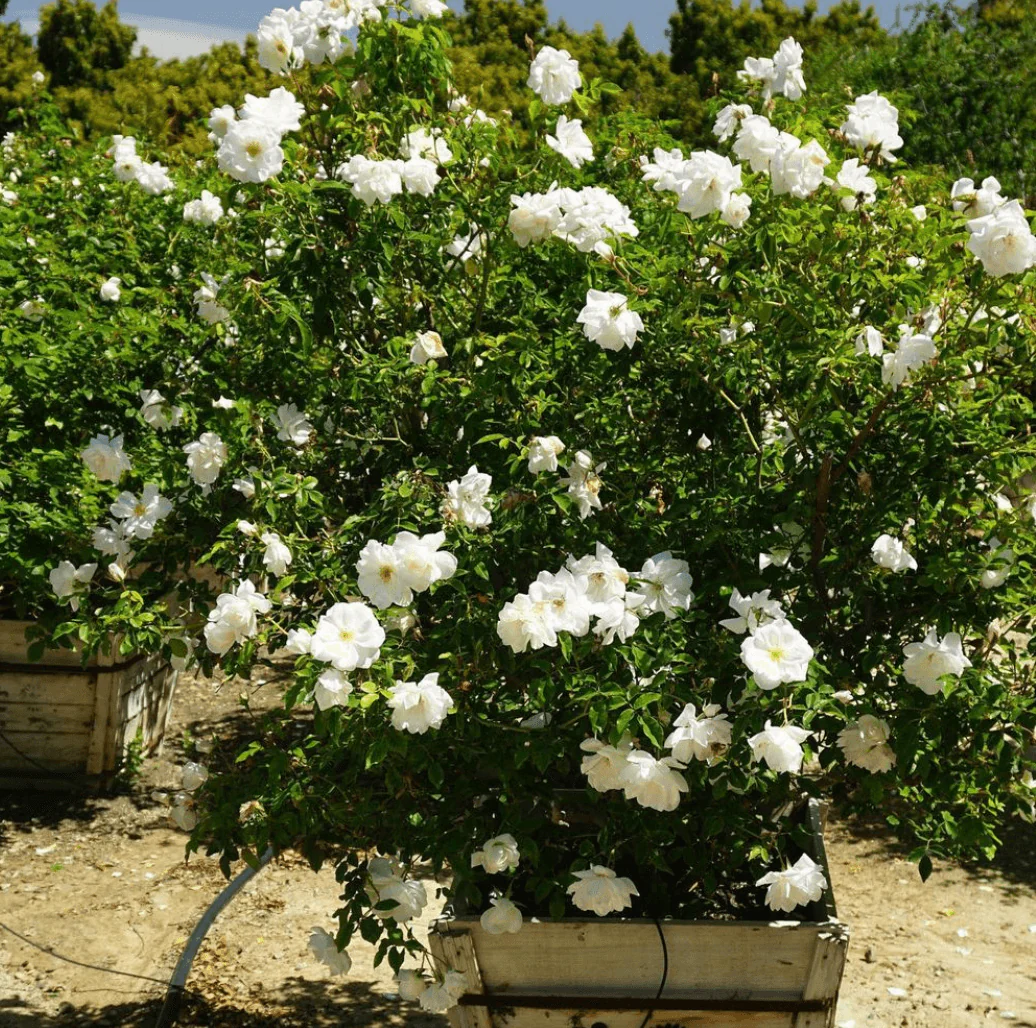
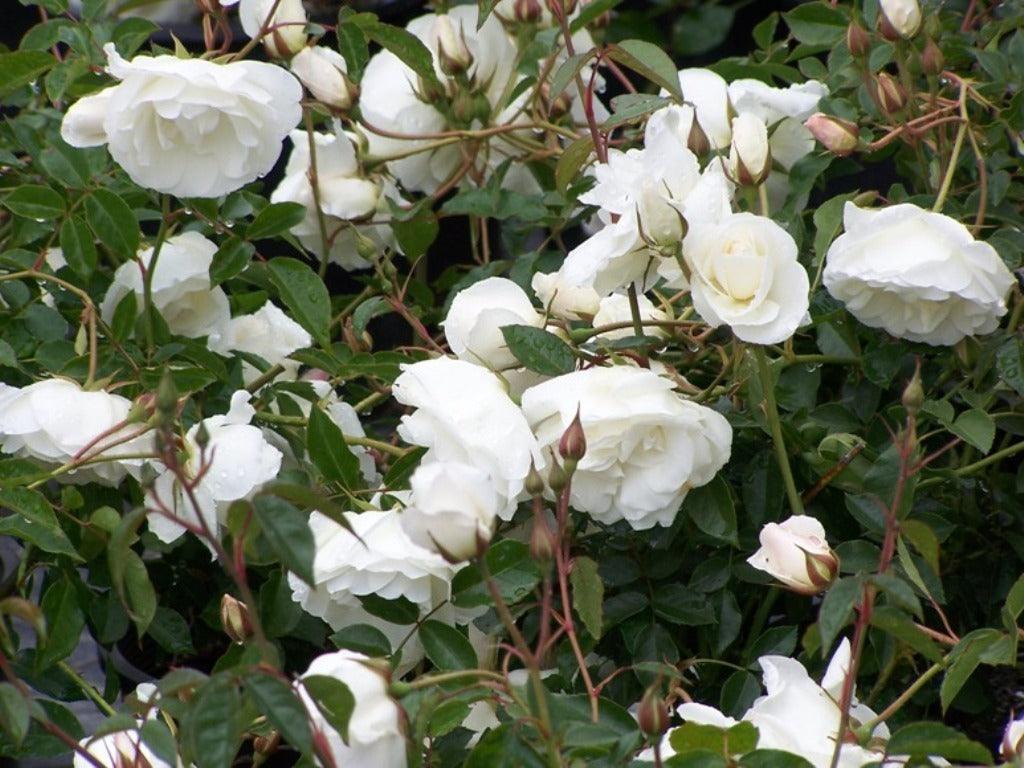
White bougainvillea gives sunny gardens, patios, walls, and containers a clean, tropical look with fast growth, low water needs, and long-lasting white color in warm climates.
Known for its paper-like white bracts around small true flowers, white bougainvillea creates a softer aesthetic than bright pink, orange, or purple varieties. It works outdoors in USDA Hardiness Zones 9 to 11 and can also be grown as a protected container plant or bright houseplant where frost is a concern.
Why You’ll Love White Bougainvillea
-
Drought tolerant once established – Bougainvilleas are highly drought-tolerant once established and thrive on a “dry” watering cycle, letting the soil completely dry out between watering.
-
Long blooming season – In warm, frost-free conditions, white bougainvillea can bloom through summer, fall, and much of the year, with repeat flushes of flowers on new wood.
-
Fast, flexible growth – They can grow as dense shrubs, cascading ground covers, or climbing vines, reaching heights of 20 or 30 feet depending on the cultivar.
-
Low maintenance landscape impact – White bougainvillea is valued for its heat tolerance and low maintenance needs, especially in mediterranean and tropical-style gardens.
-
Versatile design use – Use it as a hedge, privacy screen, erosion control planting on sunny slopes, patio specimen, or climbing vine trained along a wall, arbor, or trellis.
White bougainvillea prefers full sun and well drained soil, making it a strong choice for California homeowners who want dramatic color without constantly replacing annual flowers.
What Makes White Bougainvillea Different
Most bougainvillea varieties are chosen for intense color, such as pink, orange, red, or purple. White bougainvillea is different because it brings brightness without visual heaviness, making narrow patios, dark fences, and shaded-looking corners feel lighter and more open.
White Bougainvillea is unique because:
-
Softer white color – White bougainvillea provides a softer aesthetic compared to vibrant varieties and is valued for its heat tolerance and low maintenance needs.
-
Classic varieties available – Bougainvillea glabra ‘Alba’ is a common white form with glossy green leaves, thorny stems, and bright white bracts.
-
More than one look – Pink-White Bougainvillea and Jamaica White Bougainvillea, variants of the traditional white type, feature beautiful pink-white or pure white bracts and are also available for purchase, showcasing the diversity within bougainvillea products.
-
Variegated and tinted options – Some white types may show variegated foliage or subtle pink, cream, or ivory tinting depending on light, temperature, and growing conditions.
-
Thorn awareness – Most bougainvilleas have sharp, curved thorns, while thornless varieties are available for high-traffic areas.
Compared with many flowering vines, bougainvillea is tougher in dry heat, more sculptural when pruned, and better suited for covering vertical structures. If you prefer more saturated tones, purple bougainvillea offers similar toughness with vibrant color. Note that care should be taken due to its thorns, which can be dangerous when handling.
How to Grow White Bougainvillea
-
Choose a full sun location
Bougainvilleas require at least 6 hours of direct sunlight daily to thrive. For the best flowers, choose a warm south- or west-facing wall, fence, patio, or garden area with strong sun access. -
Plant in well-draining soil
They prefer well-draining, slightly acidic soil to prevent root rot. White bougainvillea requires light watering and can thrive in various soil types, including loam, peat, and sand, as long as the soil drains well. -
Water deeply, then let it dry
Bougainvilleas thrive on a “dry” watering cycle, letting the soil completely dry out between watering. Overwatering bougainvilleas can lead to root rot and leaf drop, so avoid keeping the root zone constantly wet. -
Prune after flowering
They bloom on new wood, making regular pruning essential to encourage more flowers. Prune after each bloom cycle, and do heavier shaping in late winter or early spring, often around March or April in mild California zones. -
Feed lightly during active growth
Use a balanced or bloom-supporting fertilizer during the growing season, especially in June and July when summer growth is active. Avoid too much nitrogen, which can create leaves instead of flowers.
White bougainvillea is a fast-growing climber that can be easily shaped and pruned. It is ideal for training on vertical structures such as trellises, arbors, and along walls, where rooted growth can be directed around posts, rails, and supports, similar to how Star Jasmine evergreen vines can be used for fragrant, low-maintenance coverage.
Plant Specifications
-
Plant type: Tropical evergreen vine, shrub, container plant, or cascading ground cover
-
Color: White flowers with showy paper-like white bracts; some varieties may change slightly toward ivory, cream, or pink-white tones
-
Growth habit: Fast-growing climber, dense shrub, hedge, ground cover, or trained wall plant
-
Mature size: Can reach 20 or 30 feet depending on the cultivar; compact container forms stay smaller with pruning
-
Hardiness: Bougainvilleas are best suited for USDA Hardiness Zones 9 to 11
-
Sun requirement: Full sun; at least 6 hours of direct sunlight daily
-
Soil: Well drained soil; prefers well-draining, slightly acidic soil
-
Water: Light to moderate water once established; allow soil to dry between watering
-
Blooming season: Heavy bloom cycles in warm weather, often from late spring through summer and fall; in frost-free zones, flowering may continue nearly year-round
-
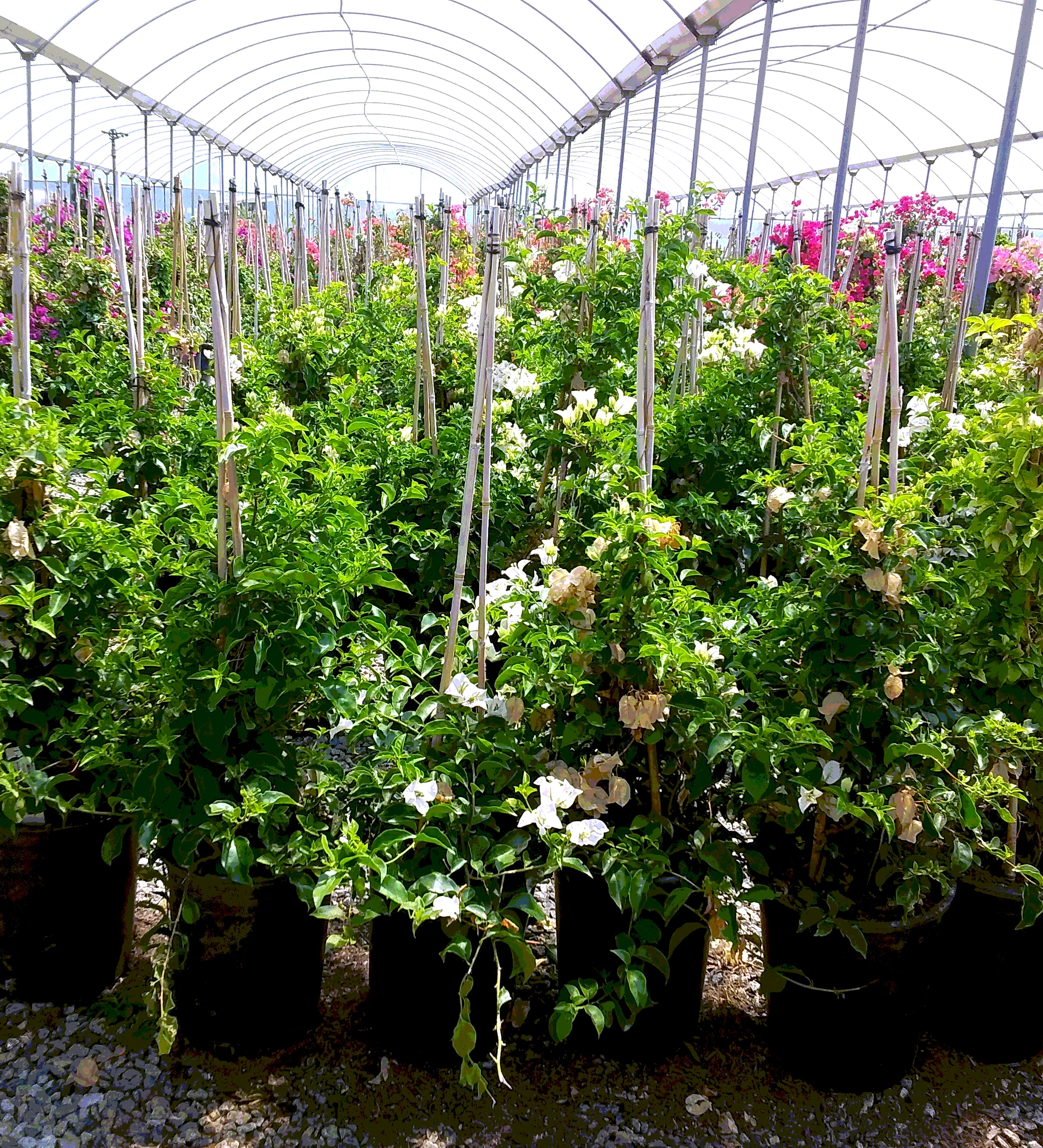
Common forms available: White Bougainvillea is available in various forms, including live plants in pots and as climbing vines with trellises that you can source from a local plant nursery near you
-
Common varieties: Bougainvillea glabra ‘Alba’, compact white forms, thorn-reduced selections, and pink-white bougainvillea variants
-
Container advice: Use a large pot with drainage holes and a sturdy support if grown on patios, decks, or near indoor sun exposure, and consider pairing containers with flowering trees for added height and seasonal color
-
Handling note: Use gloves and long sleeves when pruning because most bougainvilleas have sharp, curved thorns
The White Bougainvillea plant is known for its fast growth and vibrant, paper-like flowers, making it a popular choice for both indoor and outdoor gardening.
Who Should Consider White Bougainvillea
Ideal for:
-
California homeowners seeking drought tolerant plants for sunny, dry landscape areas
-
Gardeners who want long-lasting white color without high water use
-
Property owners who need fast-growing privacy screening along a fence or wall and may also be considering evergreen privacy trees and shrubs
-
Container gardeners with bright patios, decks, balconies, or protected indoor sun
-
Designers creating mediterranean, tropical, modern, or low-water gardens
-
Homeowners who want to replace thirsty annual flowers with a more durable evergreen option or even invest in mature trees for instant landscape impact
When planted closely and pruned properly, bougainvilleas can form thick, blooming hedges. They are also useful where you want a climbing vine with strong coverage, a cascading plant for raised planters, or a bright white focal point that lets other plants and pollinators stand out alongside structured shrubs like Cheesewood (Pittosporum).
If your garden has full sun, well drained soil, and warm conditions, white bougainvillea works beautifully. In larger spaces, you might complement vines with resilient trees such as Carrotwood and other hardy landscape trees. If your zone is colder than Zone 9, grow it in a container and keep it protected during cold snaps so it can survive winter.
Frequently Asked Questions
How fast does white bougainvillea grow?
White bougainvillea is fast-growing once rooted and established. With full sun, warm conditions, and proper pruning, many cultivars can quickly cover a trellis, wall, or arbor.
Can it survive California’s dry seasons?
Yes. Bougainvilleas are highly drought-tolerant once established. They prefer a dry watering rhythm, which means deep watering followed by time for the soil to dry out.
Does it really bloom year-round?
In warm USDA Zones 9 to 11, especially frost-free areas, white bougainvillea can bloom for much of the year. Bloom is usually strongest in warm months such as June, July, summer, and into fall.
How do I handle the thorns safely?
Wear gloves, long sleeves, and eye protection when pruning or training stems. Most bougainvilleas have sharp, curved thorns, while thornless varieties are available for high-traffic areas.
What’s the difference between white varieties?
Bougainvillea glabra ‘Alba’ is the classic white type. Other options may be more compact, lower-thorn, variegated, or pink-white. Read each product review and plant information before you add a variety to your cart.
Can I grow it indoors?
Yes, if you can provide very bright sun access. White bougainvillea thrives in full sun and requires well-draining soil, making it ideal for sunny locations in gardens or as a houseplant.
Ready to Add White Bougainvillea to Your Garden?
Stop settling for bare walls, thirsty color beds, or slow-growing screening plants. Choose White Bougainvillea for fast growth, elegant white flowers, drought tolerant performance, and versatile use in California landscapes.
Yardwork can help you choose the right white bougainvillea for your space, review your sun and zone conditions, and provide advice on planting, pruning, soil testing, and support structures, as well as selecting complementary California natives like Toyon (Heteromeles arbutifolia).
Original: $85.00
-65%$85.00
$29.75Product Information
Product Information
Shipping & Returns
Shipping & Returns
Description
Transform Your Garden with Stunning White Blooms Year-Round
White bougainvillea gives sunny gardens, patios, walls, and containers a clean, tropical look with fast growth, low water needs, and long-lasting white color in warm climates.
Known for its paper-like white bracts around small true flowers, white bougainvillea creates a softer aesthetic than bright pink, orange, or purple varieties. It works outdoors in USDA Hardiness Zones 9 to 11 and can also be grown as a protected container plant or bright houseplant where frost is a concern.
Why You’ll Love White Bougainvillea
-
Drought tolerant once established – Bougainvilleas are highly drought-tolerant once established and thrive on a “dry” watering cycle, letting the soil completely dry out between watering.
-
Long blooming season – In warm, frost-free conditions, white bougainvillea can bloom through summer, fall, and much of the year, with repeat flushes of flowers on new wood.
-
Fast, flexible growth – They can grow as dense shrubs, cascading ground covers, or climbing vines, reaching heights of 20 or 30 feet depending on the cultivar.
-
Low maintenance landscape impact – White bougainvillea is valued for its heat tolerance and low maintenance needs, especially in mediterranean and tropical-style gardens.
-
Versatile design use – Use it as a hedge, privacy screen, erosion control planting on sunny slopes, patio specimen, or climbing vine trained along a wall, arbor, or trellis.
White bougainvillea prefers full sun and well drained soil, making it a strong choice for California homeowners who want dramatic color without constantly replacing annual flowers.
What Makes White Bougainvillea Different
Most bougainvillea varieties are chosen for intense color, such as pink, orange, red, or purple. White bougainvillea is different because it brings brightness without visual heaviness, making narrow patios, dark fences, and shaded-looking corners feel lighter and more open.
White Bougainvillea is unique because:
-
Softer white color – White bougainvillea provides a softer aesthetic compared to vibrant varieties and is valued for its heat tolerance and low maintenance needs.
-
Classic varieties available – Bougainvillea glabra ‘Alba’ is a common white form with glossy green leaves, thorny stems, and bright white bracts.
-
More than one look – Pink-White Bougainvillea and Jamaica White Bougainvillea, variants of the traditional white type, feature beautiful pink-white or pure white bracts and are also available for purchase, showcasing the diversity within bougainvillea products.
-
Variegated and tinted options – Some white types may show variegated foliage or subtle pink, cream, or ivory tinting depending on light, temperature, and growing conditions.
-
Thorn awareness – Most bougainvilleas have sharp, curved thorns, while thornless varieties are available for high-traffic areas.
Compared with many flowering vines, bougainvillea is tougher in dry heat, more sculptural when pruned, and better suited for covering vertical structures. If you prefer more saturated tones, purple bougainvillea offers similar toughness with vibrant color. Note that care should be taken due to its thorns, which can be dangerous when handling.
How to Grow White Bougainvillea
-
Choose a full sun location
Bougainvilleas require at least 6 hours of direct sunlight daily to thrive. For the best flowers, choose a warm south- or west-facing wall, fence, patio, or garden area with strong sun access. -
Plant in well-draining soil
They prefer well-draining, slightly acidic soil to prevent root rot. White bougainvillea requires light watering and can thrive in various soil types, including loam, peat, and sand, as long as the soil drains well. -
Water deeply, then let it dry
Bougainvilleas thrive on a “dry” watering cycle, letting the soil completely dry out between watering. Overwatering bougainvilleas can lead to root rot and leaf drop, so avoid keeping the root zone constantly wet. -
Prune after flowering
They bloom on new wood, making regular pruning essential to encourage more flowers. Prune after each bloom cycle, and do heavier shaping in late winter or early spring, often around March or April in mild California zones. -
Feed lightly during active growth
Use a balanced or bloom-supporting fertilizer during the growing season, especially in June and July when summer growth is active. Avoid too much nitrogen, which can create leaves instead of flowers.
White bougainvillea is a fast-growing climber that can be easily shaped and pruned. It is ideal for training on vertical structures such as trellises, arbors, and along walls, where rooted growth can be directed around posts, rails, and supports, similar to how Star Jasmine evergreen vines can be used for fragrant, low-maintenance coverage.
Plant Specifications
-
Plant type: Tropical evergreen vine, shrub, container plant, or cascading ground cover
-
Color: White flowers with showy paper-like white bracts; some varieties may change slightly toward ivory, cream, or pink-white tones
-
Growth habit: Fast-growing climber, dense shrub, hedge, ground cover, or trained wall plant
-
Mature size: Can reach 20 or 30 feet depending on the cultivar; compact container forms stay smaller with pruning
-
Hardiness: Bougainvilleas are best suited for USDA Hardiness Zones 9 to 11
-
Sun requirement: Full sun; at least 6 hours of direct sunlight daily
-
Soil: Well drained soil; prefers well-draining, slightly acidic soil
-
Water: Light to moderate water once established; allow soil to dry between watering
-
Blooming season: Heavy bloom cycles in warm weather, often from late spring through summer and fall; in frost-free zones, flowering may continue nearly year-round
-
Common forms available: White Bougainvillea is available in various forms, including live plants in pots and as climbing vines with trellises that you can source from a local plant nursery near you
-
Common varieties: Bougainvillea glabra ‘Alba’, compact white forms, thorn-reduced selections, and pink-white bougainvillea variants
-
Container advice: Use a large pot with drainage holes and a sturdy support if grown on patios, decks, or near indoor sun exposure, and consider pairing containers with flowering trees for added height and seasonal color
-
Handling note: Use gloves and long sleeves when pruning because most bougainvilleas have sharp, curved thorns
The White Bougainvillea plant is known for its fast growth and vibrant, paper-like flowers, making it a popular choice for both indoor and outdoor gardening.
Who Should Consider White Bougainvillea
Ideal for:
-
California homeowners seeking drought tolerant plants for sunny, dry landscape areas
-
Gardeners who want long-lasting white color without high water use
-
Property owners who need fast-growing privacy screening along a fence or wall and may also be considering evergreen privacy trees and shrubs
-
Container gardeners with bright patios, decks, balconies, or protected indoor sun
-
Designers creating mediterranean, tropical, modern, or low-water gardens
-
Homeowners who want to replace thirsty annual flowers with a more durable evergreen option or even invest in mature trees for instant landscape impact
When planted closely and pruned properly, bougainvilleas can form thick, blooming hedges. They are also useful where you want a climbing vine with strong coverage, a cascading plant for raised planters, or a bright white focal point that lets other plants and pollinators stand out alongside structured shrubs like Cheesewood (Pittosporum).
If your garden has full sun, well drained soil, and warm conditions, white bougainvillea works beautifully. In larger spaces, you might complement vines with resilient trees such as Carrotwood and other hardy landscape trees. If your zone is colder than Zone 9, grow it in a container and keep it protected during cold snaps so it can survive winter.
Frequently Asked Questions
How fast does white bougainvillea grow?
White bougainvillea is fast-growing once rooted and established. With full sun, warm conditions, and proper pruning, many cultivars can quickly cover a trellis, wall, or arbor.
Can it survive California’s dry seasons?
Yes. Bougainvilleas are highly drought-tolerant once established. They prefer a dry watering rhythm, which means deep watering followed by time for the soil to dry out.
Does it really bloom year-round?
In warm USDA Zones 9 to 11, especially frost-free areas, white bougainvillea can bloom for much of the year. Bloom is usually strongest in warm months such as June, July, summer, and into fall.
How do I handle the thorns safely?
Wear gloves, long sleeves, and eye protection when pruning or training stems. Most bougainvilleas have sharp, curved thorns, while thornless varieties are available for high-traffic areas.
What’s the difference between white varieties?
Bougainvillea glabra ‘Alba’ is the classic white type. Other options may be more compact, lower-thorn, variegated, or pink-white. Read each product review and plant information before you add a variety to your cart.
Can I grow it indoors?
Yes, if you can provide very bright sun access. White bougainvillea thrives in full sun and requires well-draining soil, making it ideal for sunny locations in gardens or as a houseplant.
Ready to Add White Bougainvillea to Your Garden?
Stop settling for bare walls, thirsty color beds, or slow-growing screening plants. Choose White Bougainvillea for fast growth, elegant white flowers, drought tolerant performance, and versatile use in California landscapes.
Yardwork can help you choose the right white bougainvillea for your space, review your sun and zone conditions, and provide advice on planting, pruning, soil testing, and support structures, as well as selecting complementary California natives like Toyon (Heteromeles arbutifolia).