Tree Aloe (Aloe barberae)
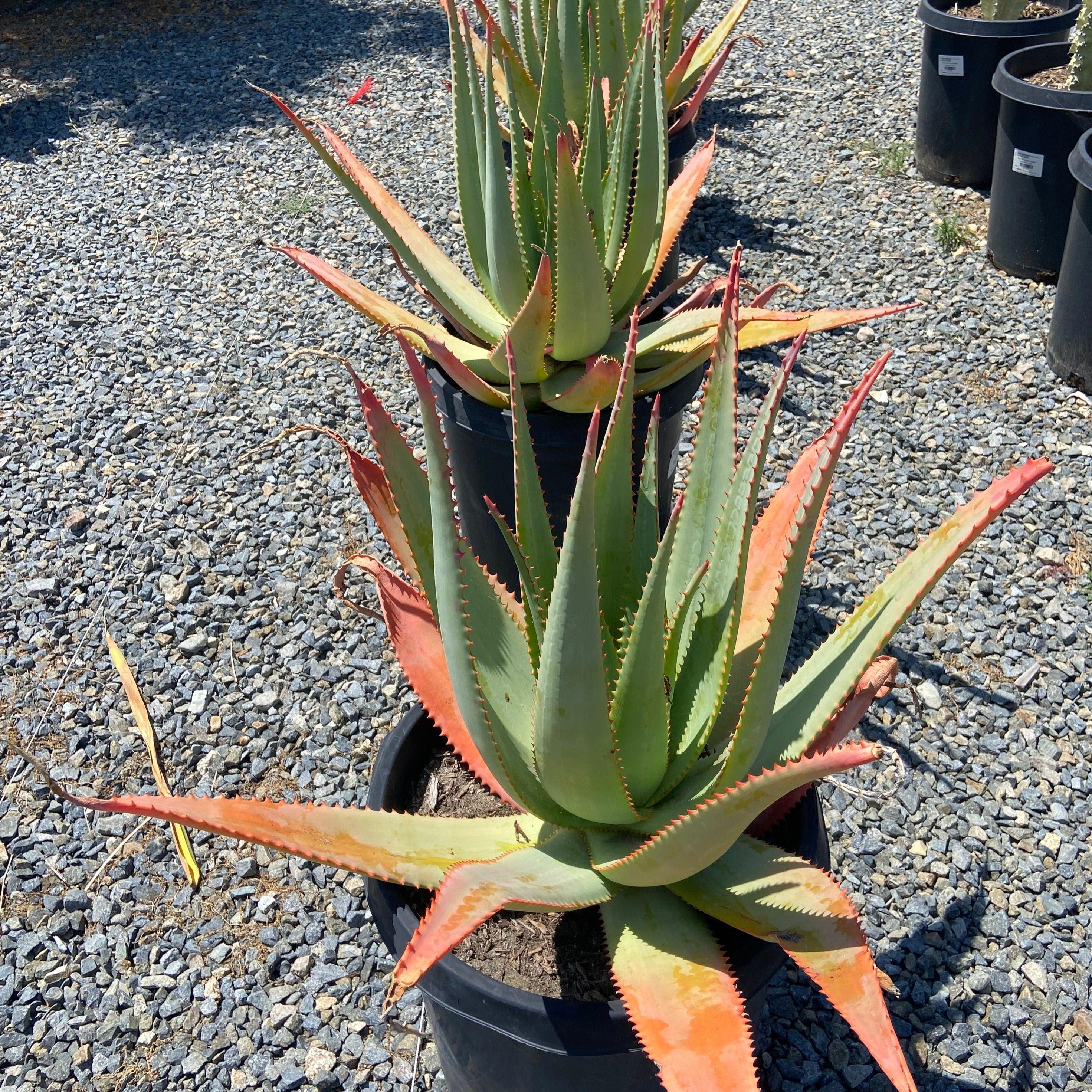
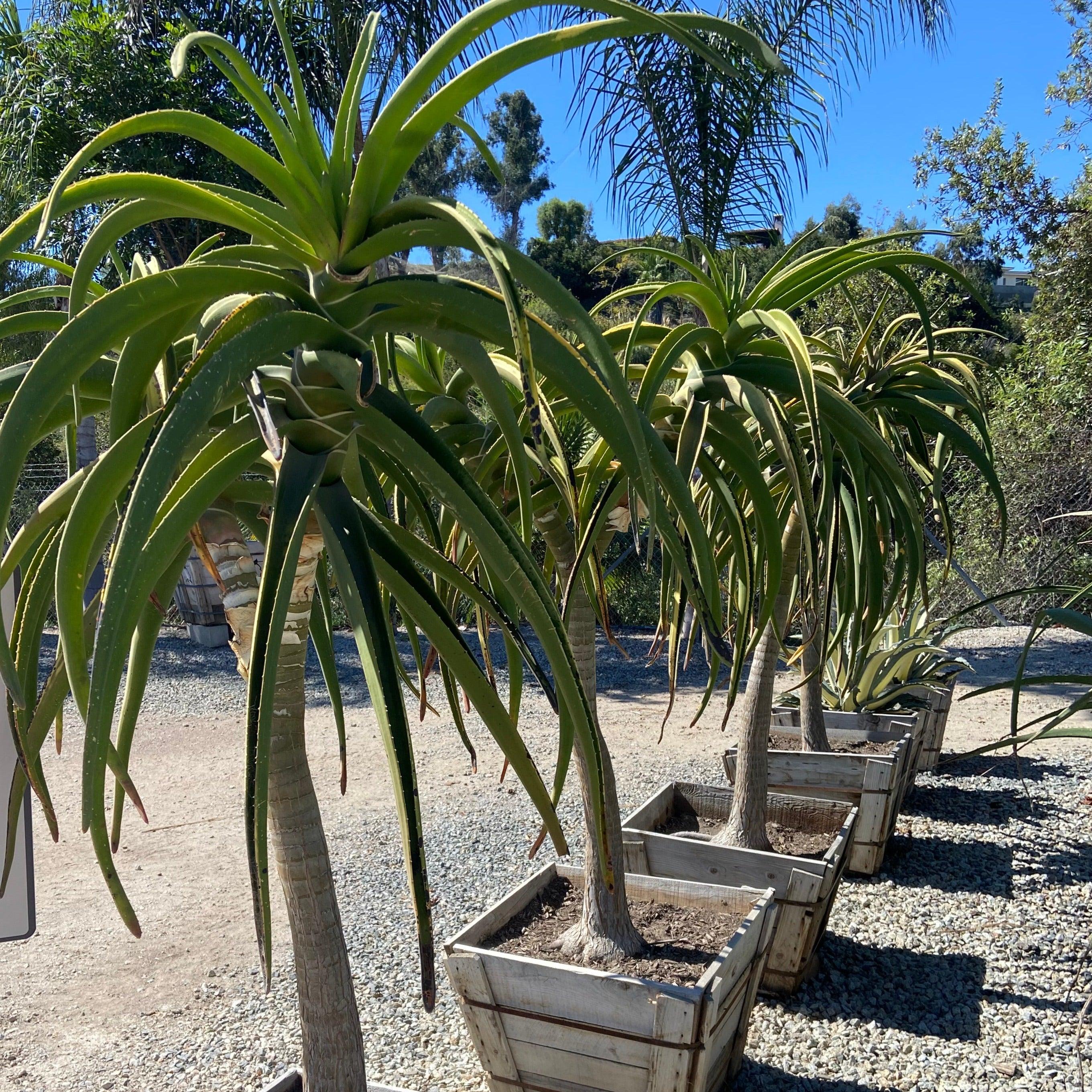
Tree Aloe (Aloe barberae) – also known by the common name Tree Aloe, and previously classified as Aloe bainesii or Aloidendron barberae is a striking, tree-like succulent and a standout among aloes, a diverse group of succulents prized for their drought tolerance and architectural form. This species, along with other aloes and their hybrid cultivars, is valued for its adaptability and ornamental appeal in gardens and landscapes. The tree aloe is especially popular for its sculptural trunk and large rosettes of evergreen foliage that remain covered year-round, providing year-round structure and greenery.
Aloe barberae is adapted to arid, hot climates and is thriving in full sun, but can tolerate partial shade or some shade, especially in very hot conditions. Its growth habit is tree-like, with thick, branching trunks topped by dense rosettes of succulent leaves. Some hybrid cultivars are more compact, making them ideal for smaller gardens or as accent plants among other succulents. The tree aloe is well-suited for use as a dramatic focal point in a garden, especially in California and other dry regions.
The flowers of the tree aloe appear in winter and can be pink, red, or vibrant orange, adding a burst of color and attracting pollinators. As with many aloes, these blooms are a highlight in the landscape.
For best results, plant your tree aloe in well-draining soil—cactus soil mixes are ideal—to ensure excess water can drain away easily. Avoid too much water, as overwatering can quickly lead to root rot. Fertilize with a cactus-specific fertilizer to support optimal health. When choosing a planting location, avoid placing the tree aloe too close to buildings, pipes, or pools to allow ample space for its roots and canopy. Planting on a slope that is not north-facing will maximize sunlight exposure and promote healthy growth.
A good rule of thumb for watering: check the soil moisture with your thumb before watering—only water when the soil is dry several inches down. Protect your tree aloe from frost and freezing temperatures, as these can damage the plant.
Additionally, beyond its ornamental value, the tree aloe and related aloes have traditional medicinal and practical uses, making them multifunctional additions to your landscape.
Original: $995.00
-65%$995.00
$348.25Product Information
Product Information
Shipping & Returns
Shipping & Returns
Description
Tree Aloe (Aloe barberae) – also known by the common name Tree Aloe, and previously classified as Aloe bainesii or Aloidendron barberae is a striking, tree-like succulent and a standout among aloes, a diverse group of succulents prized for their drought tolerance and architectural form. This species, along with other aloes and their hybrid cultivars, is valued for its adaptability and ornamental appeal in gardens and landscapes. The tree aloe is especially popular for its sculptural trunk and large rosettes of evergreen foliage that remain covered year-round, providing year-round structure and greenery.
Aloe barberae is adapted to arid, hot climates and is thriving in full sun, but can tolerate partial shade or some shade, especially in very hot conditions. Its growth habit is tree-like, with thick, branching trunks topped by dense rosettes of succulent leaves. Some hybrid cultivars are more compact, making them ideal for smaller gardens or as accent plants among other succulents. The tree aloe is well-suited for use as a dramatic focal point in a garden, especially in California and other dry regions.
The flowers of the tree aloe appear in winter and can be pink, red, or vibrant orange, adding a burst of color and attracting pollinators. As with many aloes, these blooms are a highlight in the landscape.
For best results, plant your tree aloe in well-draining soil—cactus soil mixes are ideal—to ensure excess water can drain away easily. Avoid too much water, as overwatering can quickly lead to root rot. Fertilize with a cactus-specific fertilizer to support optimal health. When choosing a planting location, avoid placing the tree aloe too close to buildings, pipes, or pools to allow ample space for its roots and canopy. Planting on a slope that is not north-facing will maximize sunlight exposure and promote healthy growth.
A good rule of thumb for watering: check the soil moisture with your thumb before watering—only water when the soil is dry several inches down. Protect your tree aloe from frost and freezing temperatures, as these can damage the plant.
Additionally, beyond its ornamental value, the tree aloe and related aloes have traditional medicinal and practical uses, making them multifunctional additions to your landscape.