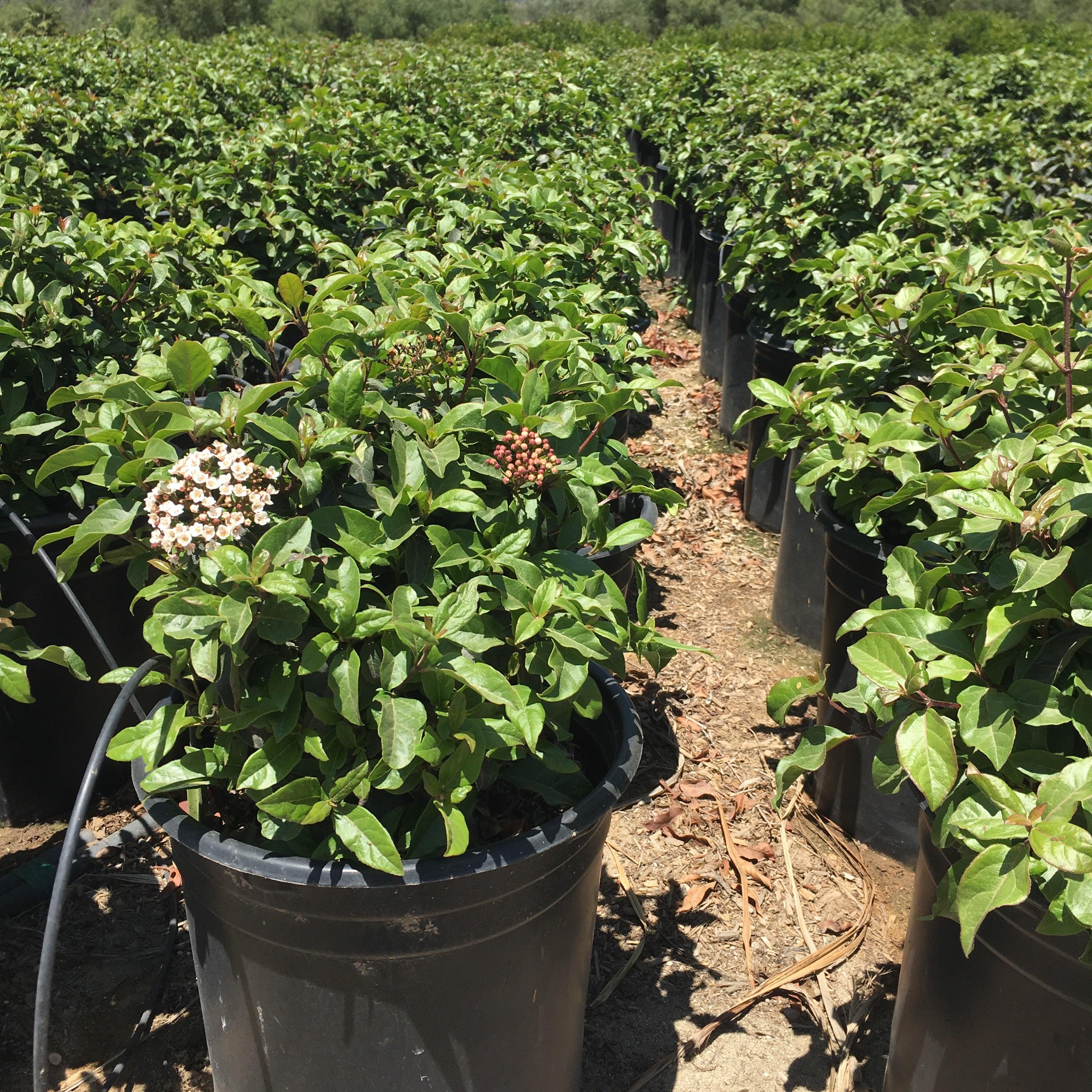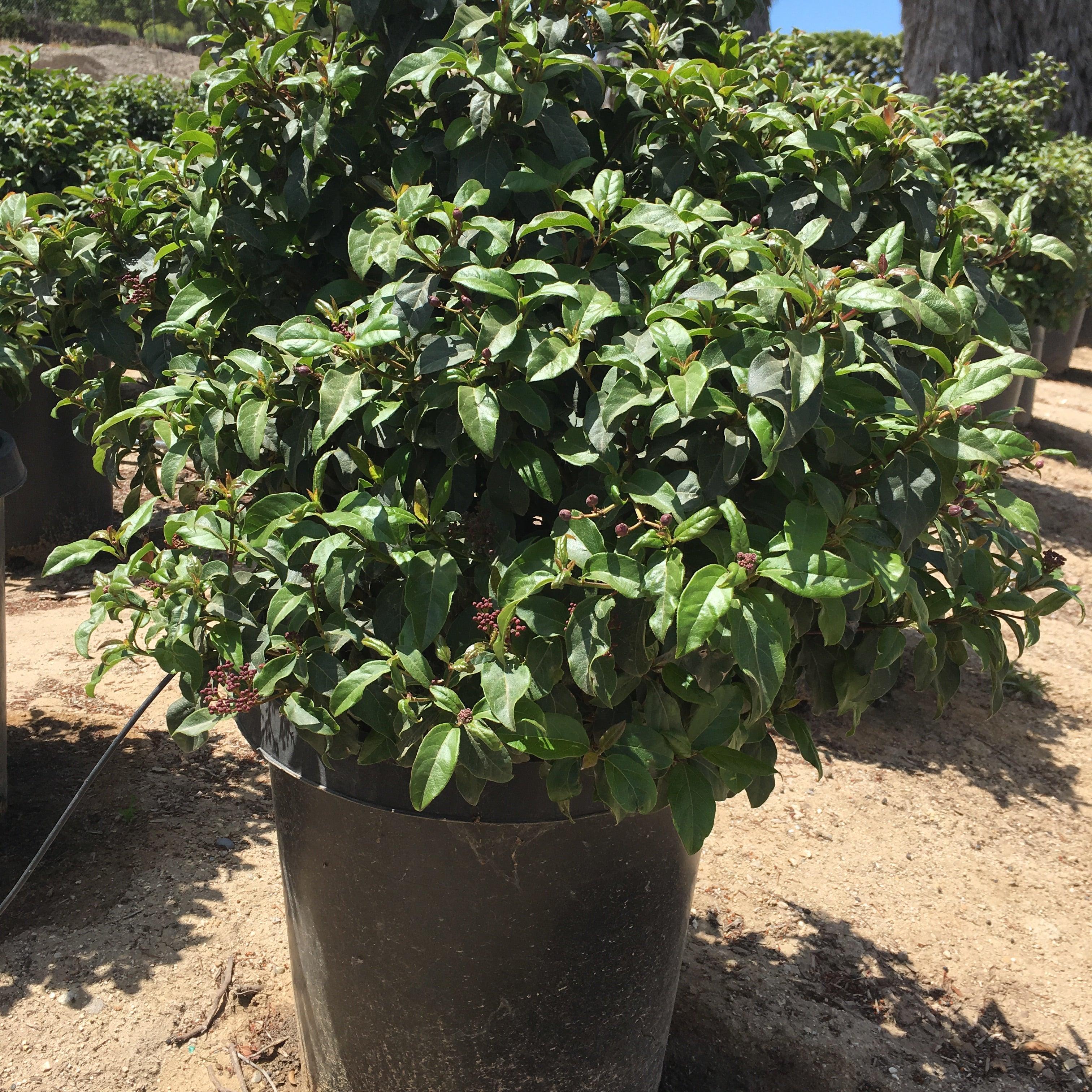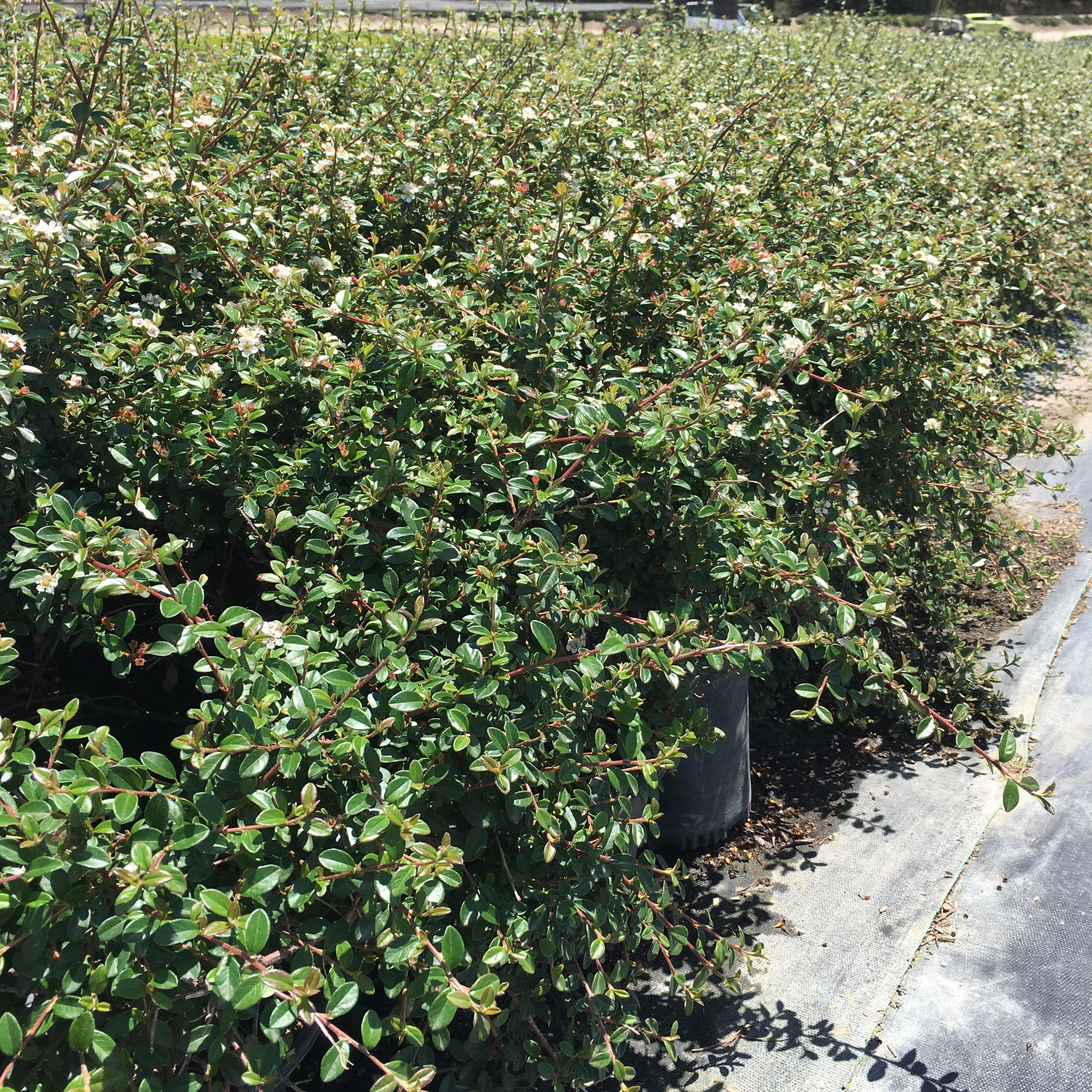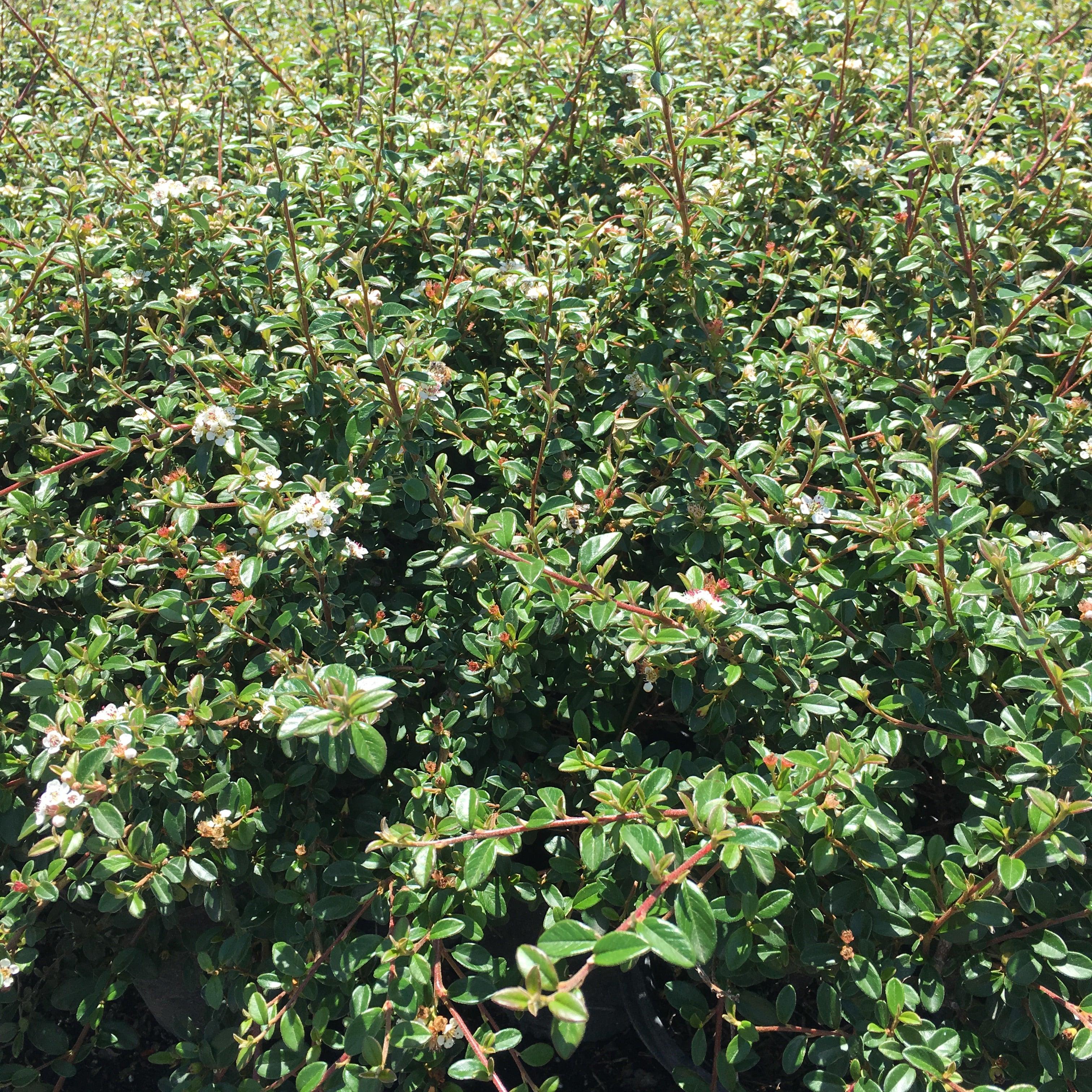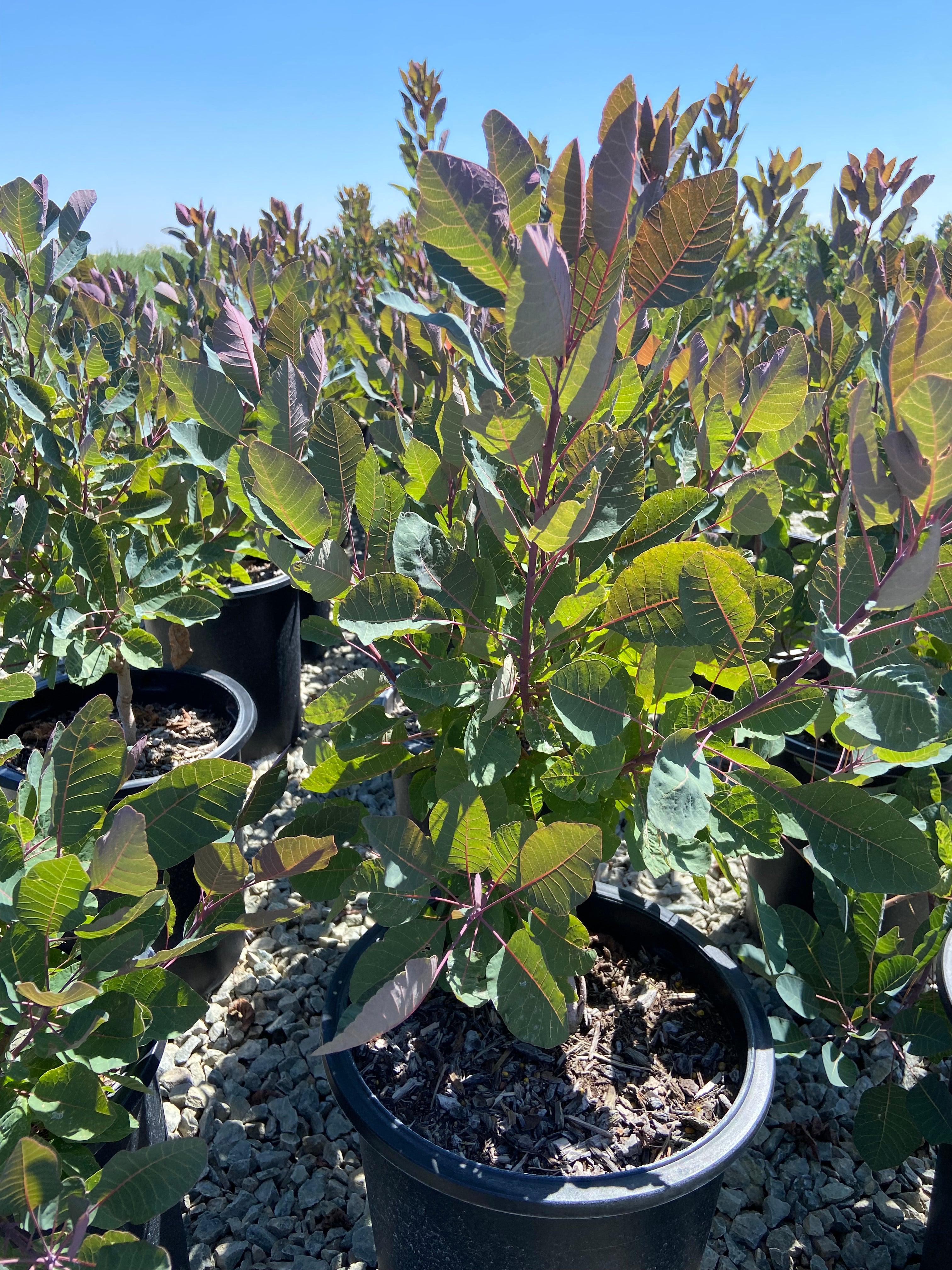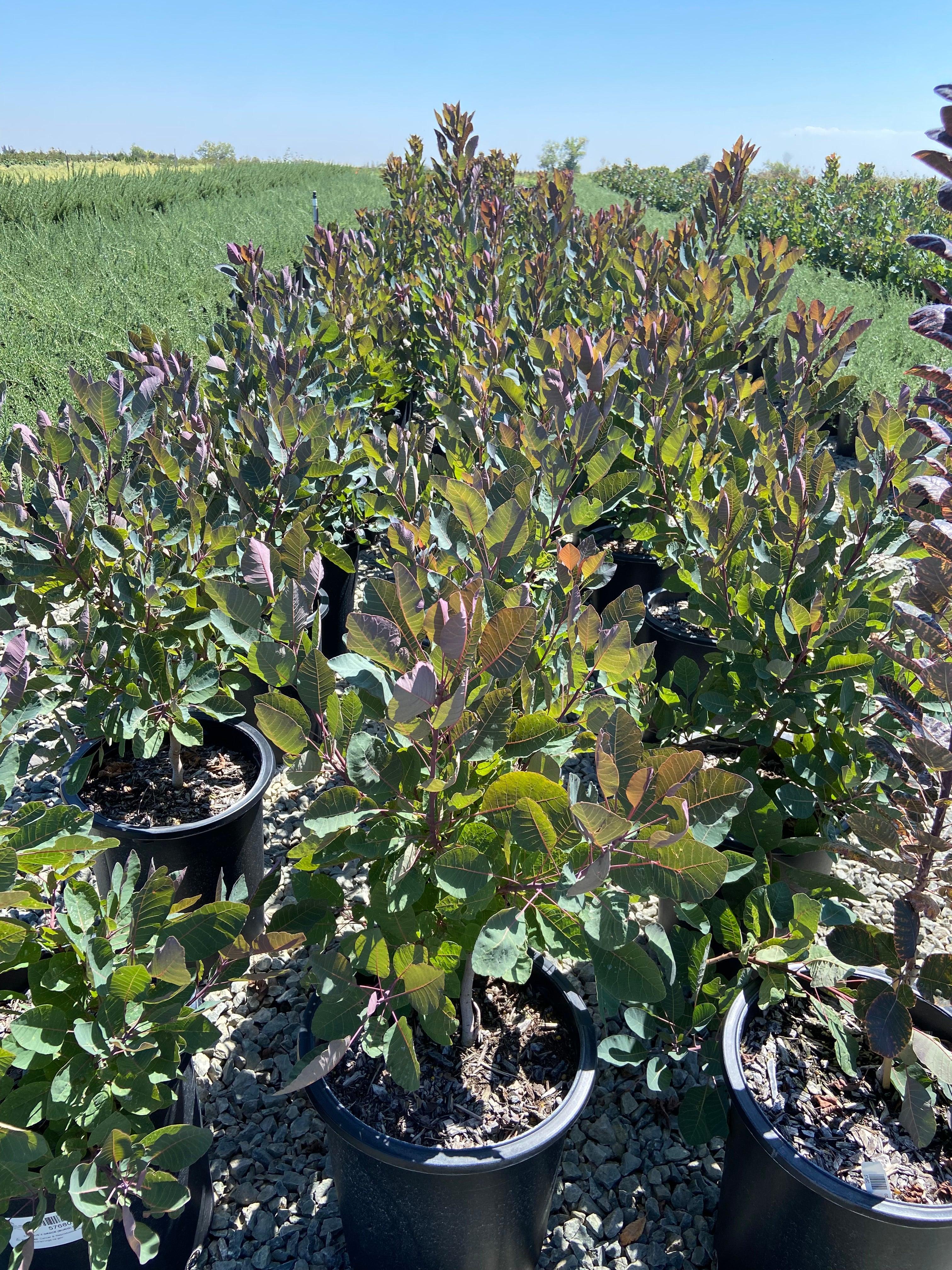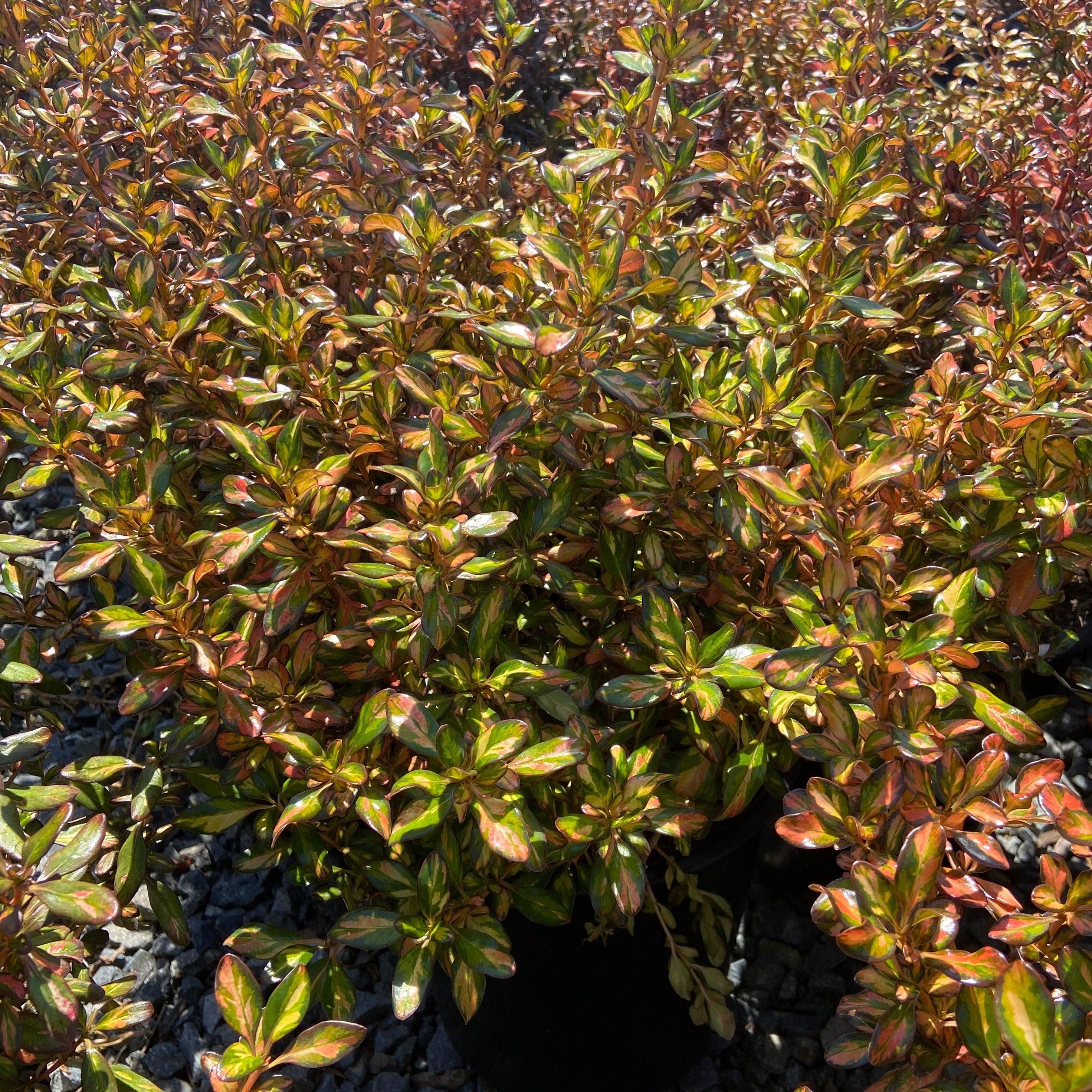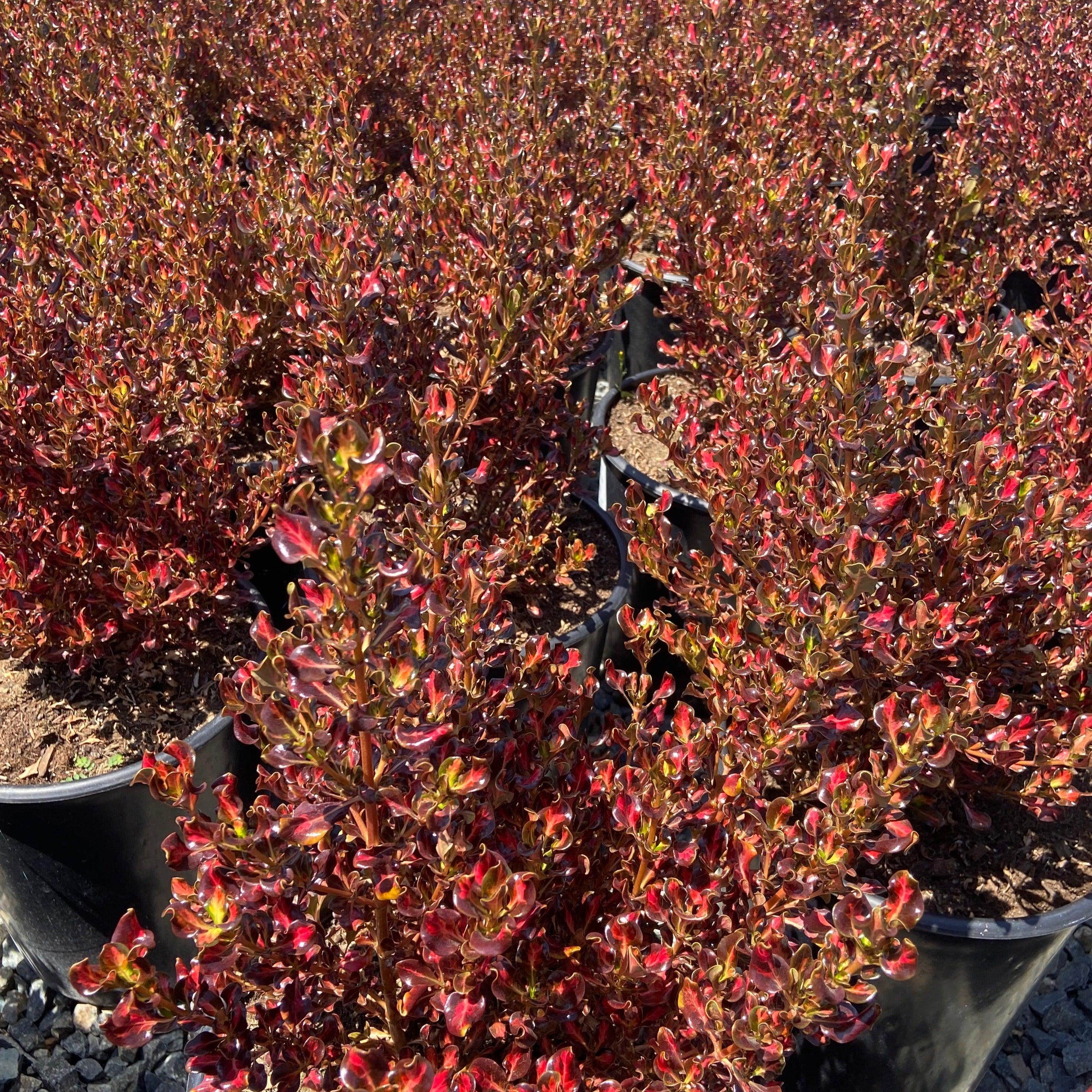
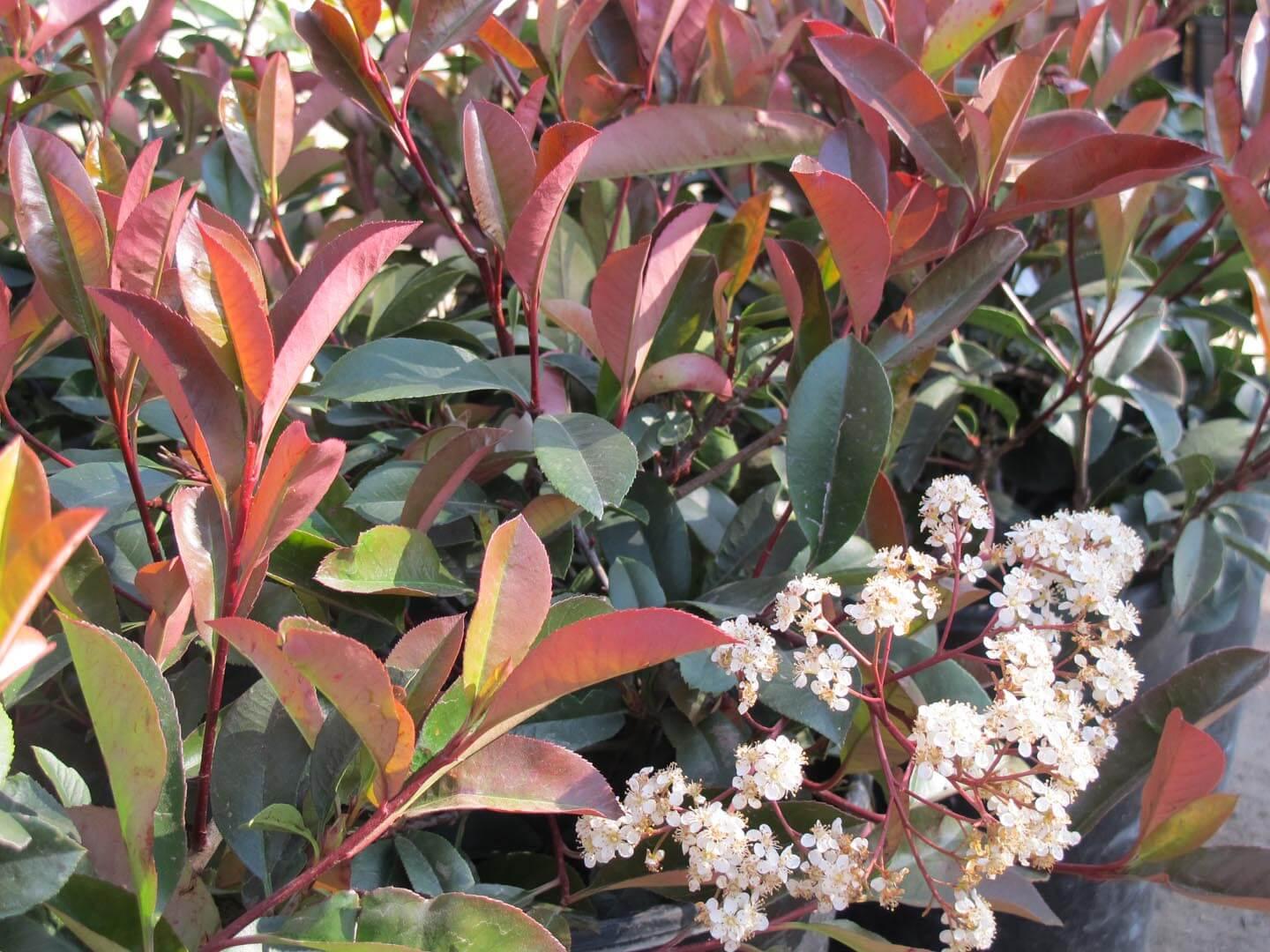
Red Tip Photinia (Photinia Fraseri)
Fast-Growing Privacy Screen with Year-Round Color Appeal
Red Tip Photinia gives you a fast-growing evergreen privacy hedge with bright red new growth, helping you create coverage and color without waiting years for a basic green screen to fill in.
Designed for homeowners who want quick visual separation, strong curb appeal, and seasonal red tips, Photinia x fraseri-also called Fraser photinia or tip photinia-combines dense evergreen foliage with a bold spring color show.
Why You’ll Love Red Tip Photinia
-
Fast privacy in fewer growing seasons – Red Tip Photinia has a moderate to fast growth rate, averaging about 2 to 3 feet per year under optimal conditions, and can often reach useful hedge height in 2–3 years.
-
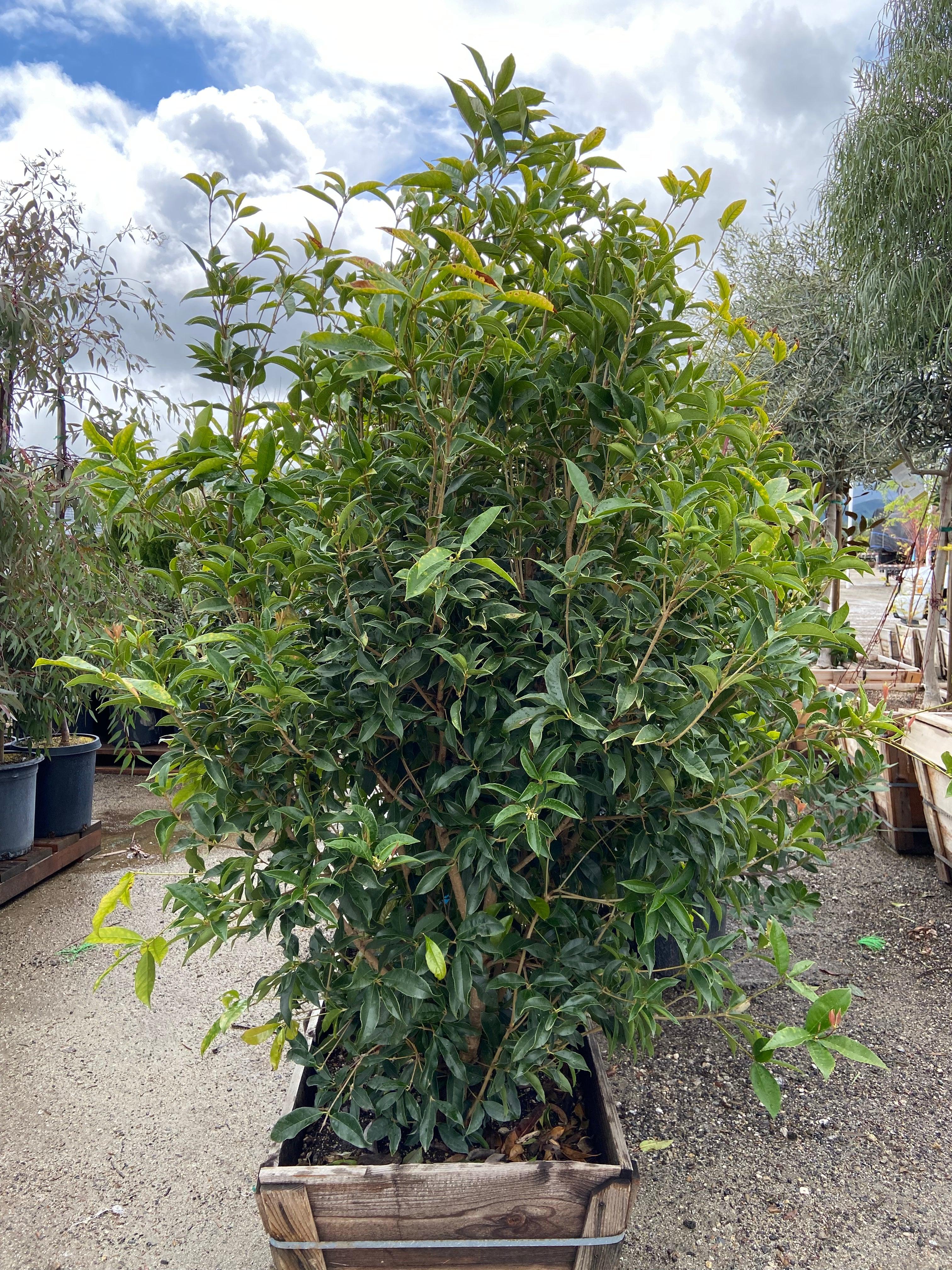
Bright red seasonal color – New growth on red tip photinia emerges as bright red leaves, then matures to glossy green, giving your landscape visual contrast without relying only on flowers.
-
Dense evergreen coverage – Red Tip Photinia is commonly used as a fast-growing privacy hedge due to its dense, evergreen foliage that can be shaped into formal or informal screens.
-
Great for property boundaries – This shrub can create a clean green wall along driveways and property edges, similar to an English Laurel privacy hedge, providing immediate visual separation and enhancing curb appeal.
-
Drought tolerant once established – Once established, red tip photinia can tolerate short periods of drought and should be watered about once a week, providing approximately one inch of water per week during dry periods.
-
Flexible shaping options – Red tip photinia adapts well to heavy pruning and shaping, allowing its use as a tall privacy screen, structured hedge, mixed-planting backdrop, or standalone feature, much like a Brush Cherry evergreen hedge.
What Makes It Different
Most privacy plants force a compromise: slow-growing evergreens take years to cover a view, while many fast growers lose their leaves in winter.
Red Tip Photinia characteristics include:
-
Speed plus evergreen cover – As a fast growing evergreen, red tip photinia shrubs deliver year-round green screening while growth begins quickly each spring.
-
Color other hedges lack – The red new growth appears in early spring and can continue in flushes through the growing season when you prune red tip photinia correctly.
-
Versatile landscape form – One plant can be shaped as a formal hedge, allowed to grow as an informal screen, trained into small trees, or used as a bold specimen shrub with lower branches intact.
-
California-friendly performance – Red tip photinia can tolerate full sun to partial shade, but in hot climates, it benefits from some afternoon shade or part shade to prevent stress, similar to how a Fern Pine hedge performs in many California landscapes.
-
Adaptable cultivar choices – The widely planted Red Robin is a popular newer cultivar selection known for vivid red color, compact habit, and strong ornamental value compared with basic evergreen hedges, and you can also consider a larger Photinia fraseri tree form for similar foliage and color impact.
How It Works
-
Plant in the right exposure and soil
Choose full sun for the strongest red color, or partial shade in hotter areas. Red tip photinia prefers loamy, well-drained soil and thrives in alkaline conditions, with good air movement being essential for its health. Avoid heavy, waterlogged clay soil, which red tip photinia is highly intolerant of because it causes root rot. -
Water deeply while roots establish
Keep the root zone consistently watered during the first year so the plant can settle into the ground. After establishment, reduce watering; during dry periods, provide about one inch of water per week, usually about once a week. Water at the soil level so leaves wet from overhead irrigation do not encourage disease problems. -
Prune annually for shape, airflow, and red flushes
Annual pruning of red tip photinia is mandatory and should be done during winter dormancy to encourage airflow within the shrub. Trimming the tips of red tip photinia stimulates fresh flushes of red leaves, but pruning should be avoided in late summer or fall to prevent winter frost damage. Proper pruning and good air circulation are emphasized for the care of red tip photinia to prevent fungal infections.
Plant Details
-
Botanical name: Photinia x fraseri
-
Common names: Red Tip Photinia, Fraser photinia, tip photinia
-
Plant type: Evergreen shrub; can also be trained into small trees
-
Parentage: Hybrid related to Japanese photinia and Chinese photinia
-
Mature size: Red tip photinia typically grows to a height of 10 to 15 feet and a width of 5 to 8 feet, although it can become larger with age.
-
Growth rate: Moderate to fast; about 2 to 3 feet per year under optimal conditions.
-
Hardiness: Red tip photinia is robust across USDA Hardiness Zones 7 through 9 and can tolerate brief winter temperatures down to 0°F (-18°C).
-
Sun requirements: Full sun to partial shade; in hot climates, afternoon shade helps reduce stress.
-
Soil needs: Loamy, well drained soil; adaptable, including alkaline soil, but not suited to heavy, waterlogged clay.
-
Foliage: Oval leaves emerge bright red, then mature to glossy green over several weeks.
-
Bloom time: Red tip photinia produces flattish clusters of small, white flowers in mid-spring, followed by tiny, berrylike red fruits.
-
Pollinator value: The shrub attracts local pollinators with its spring blooms of small white flowers.
-
Flower note: The red tip photinia bloom can have an unpleasant smell, so many homeowners shear the plant after flowering or prune for foliage rather than bloom.
-
Landscape use: Hedge, privacy screen, driveway border, property-edge cover, mixed planting backdrop, or specimen shrub; similar roles are often filled by Carolina Cherry Laurel privacy hedges.
-
Pots: Young red tip photinia shrubs can start in large pots, but long-term growth is best in the ground where roots have room to spread.
-
Disease note: Red tip photinia is highly susceptible to Entomosporium leaf spot, caused by the fungus Entomosporium maculatum, which manifests as small, circular red spots on leaves and can lead to significant leaf drop and plant death if not managed.
-
Other disease risks: In addition to Entomosporium leaf spot, red tip photinia can also suffer from powdery mildew, fire blight, and root rot, particularly in overly wet conditions.
Who It’s For
Ideal for:
-
California homeowners who want quick privacy from a lush evergreen hedge and access to a local nursery for privacy trees
-
Gardeners looking for colorful foliage instead of a plain green shrub wall
-
Property owners who need a clean green wall along driveways, fences, patios, or property edges
-
Landscapes with full sun, morning sunlight, or part shade where good airflow is available, including warmer sites where a California Pepper Tree might also thrive
-
Homeowners who want a shrub that can be pruned into a formal shape or grown more naturally
-
Anyone wanting fast landscape transformation with red new growth, dense branches, and year-round cover, and who may also be considering other statement trees like the California Pepper Tree for sale
If you want a fast-growing privacy screen with bright red spring foliage, glossy green maturity, and flexible shaping potential, red tip photinia fits beautifully-especially when planted in well drained soil with enough spacing for air circulation.
Frequently Asked Questions
How fast does red tip photinia grow?
Red tip photinia has a moderate to fast growth rate, averaging about 2 to 3 feet per year under optimal conditions. With good soil, sunlight, watering, and pruning, it can develop into a useful privacy hedge within a few growing seasons.
Does red tip photinia need special care in California?
It performs well in many California landscapes, especially where it receives full sun to partial shade and protection from extreme afternoon heat. In hotter inland areas, afternoon shade can reduce stress. Once established, it tolerates short dry periods, but during dry periods it should still receive about one inch of water per week.
How often should I prune red tip photinia?
Prune red tip photinia at least once per year during winter dormancy. Annual pruning is mandatory to improve air circulation within the shrub, control shape, and reduce fungal risk. Light trimming after the red growth turns green can encourage another flush of red leaves, but avoid trimming in late summer or fall because tender new growth may suffer winter frost damage.
Is red tip photinia susceptible to diseases?
Yes. Red tip photinia is highly susceptible to Entomosporium leaf spot, caused by the fungus Entomosporium maculatum. It begins as small red spots on leaves and can progress to leaf drop, severe defoliation, and plant death if ignored. To manage Entomosporium leaf spot, apply a fungicide at the first sign of disease and repeat applications every 7 to 14 days, especially during the early growth phase in spring. Good airflow, correct spacing, winter pruning, and avoiding wet foliage are essential.
What other disease problems should I know about?
Red tip photinia can also suffer from powdery mildew, fire blight, and root rot, particularly in overly wet conditions. Heavy, waterlogged clay soil is a major risk because it can cause root rot. Planting in loamy, well drained soil and keeping leaves dry helps protect the shrub.
Does red tip photinia bloom?
Yes. A red tip photinia bloom appears in mid spring as flattish clusters of small white flowers. These flowers can attract local pollinators and may be followed by tiny berrylike red fruits that birds may visit. Some homeowners remove the flowers because they can have an unpleasant smell.
Can I grow it as a single specimen instead of a hedge?
Yes. Red Tip Photinia can be pruned to maintain a specific shape, making it suitable as a backdrop for mixed plantings or as a standalone feature in landscaping designs, similar to how a Fern Pine tree (Podocarpus gracilior) can be used as a structural focal point. With selective pruning, it can also be trained into a small tree form while keeping attractive stems, branches, and foliage visible.
Should I ask a local expert before planting?
Yes. Consulting local expert guides or agricultural extension agents is recommended before planting red tip photinia to ensure thriving conditions, especially in humid areas, the South, or other areas where leaf spot pressure may be high.
Ready to Transform Your Landscape?
Stop waiting years for slow-growing alternatives to provide privacy. Choose Red Tip Photinia from Yardwork for fast evergreen coverage, bright red new leaves, and a polished hedge that can define your landscape with color and structure, or explore other options like Glossy Privet and additional evergreen shrubs to compare what fits your yard best.
Yardwork offers quality red tip photinia shrubs, California delivery, expert consultation, fast shipping, and professional planting advice so you can choose the right placement, spacing, soil preparation, and pruning plan with confidence.
Product Information
Product Information
Shipping & Returns
Shipping & Returns
Description
Fast-Growing Privacy Screen with Year-Round Color Appeal
Red Tip Photinia gives you a fast-growing evergreen privacy hedge with bright red new growth, helping you create coverage and color without waiting years for a basic green screen to fill in.
Designed for homeowners who want quick visual separation, strong curb appeal, and seasonal red tips, Photinia x fraseri-also called Fraser photinia or tip photinia-combines dense evergreen foliage with a bold spring color show.
Why You’ll Love Red Tip Photinia
-
Fast privacy in fewer growing seasons – Red Tip Photinia has a moderate to fast growth rate, averaging about 2 to 3 feet per year under optimal conditions, and can often reach useful hedge height in 2–3 years.
-
Bright red seasonal color – New growth on red tip photinia emerges as bright red leaves, then matures to glossy green, giving your landscape visual contrast without relying only on flowers.
-
Dense evergreen coverage – Red Tip Photinia is commonly used as a fast-growing privacy hedge due to its dense, evergreen foliage that can be shaped into formal or informal screens.
-
Great for property boundaries – This shrub can create a clean green wall along driveways and property edges, similar to an English Laurel privacy hedge, providing immediate visual separation and enhancing curb appeal.
-
Drought tolerant once established – Once established, red tip photinia can tolerate short periods of drought and should be watered about once a week, providing approximately one inch of water per week during dry periods.
-
Flexible shaping options – Red tip photinia adapts well to heavy pruning and shaping, allowing its use as a tall privacy screen, structured hedge, mixed-planting backdrop, or standalone feature, much like a Brush Cherry evergreen hedge.
What Makes It Different
Most privacy plants force a compromise: slow-growing evergreens take years to cover a view, while many fast growers lose their leaves in winter.
Red Tip Photinia characteristics include:
-
Speed plus evergreen cover – As a fast growing evergreen, red tip photinia shrubs deliver year-round green screening while growth begins quickly each spring.
-
Color other hedges lack – The red new growth appears in early spring and can continue in flushes through the growing season when you prune red tip photinia correctly.
-
Versatile landscape form – One plant can be shaped as a formal hedge, allowed to grow as an informal screen, trained into small trees, or used as a bold specimen shrub with lower branches intact.
-
California-friendly performance – Red tip photinia can tolerate full sun to partial shade, but in hot climates, it benefits from some afternoon shade or part shade to prevent stress, similar to how a Fern Pine hedge performs in many California landscapes.
-
Adaptable cultivar choices – The widely planted Red Robin is a popular newer cultivar selection known for vivid red color, compact habit, and strong ornamental value compared with basic evergreen hedges, and you can also consider a larger Photinia fraseri tree form for similar foliage and color impact.
How It Works
-
Plant in the right exposure and soil
Choose full sun for the strongest red color, or partial shade in hotter areas. Red tip photinia prefers loamy, well-drained soil and thrives in alkaline conditions, with good air movement being essential for its health. Avoid heavy, waterlogged clay soil, which red tip photinia is highly intolerant of because it causes root rot. -
Water deeply while roots establish
Keep the root zone consistently watered during the first year so the plant can settle into the ground. After establishment, reduce watering; during dry periods, provide about one inch of water per week, usually about once a week. Water at the soil level so leaves wet from overhead irrigation do not encourage disease problems. -
Prune annually for shape, airflow, and red flushes
Annual pruning of red tip photinia is mandatory and should be done during winter dormancy to encourage airflow within the shrub. Trimming the tips of red tip photinia stimulates fresh flushes of red leaves, but pruning should be avoided in late summer or fall to prevent winter frost damage. Proper pruning and good air circulation are emphasized for the care of red tip photinia to prevent fungal infections.
Plant Details
-
Botanical name: Photinia x fraseri
-
Common names: Red Tip Photinia, Fraser photinia, tip photinia
-
Plant type: Evergreen shrub; can also be trained into small trees
-
Parentage: Hybrid related to Japanese photinia and Chinese photinia
-
Mature size: Red tip photinia typically grows to a height of 10 to 15 feet and a width of 5 to 8 feet, although it can become larger with age.
-
Growth rate: Moderate to fast; about 2 to 3 feet per year under optimal conditions.
-
Hardiness: Red tip photinia is robust across USDA Hardiness Zones 7 through 9 and can tolerate brief winter temperatures down to 0°F (-18°C).
-
Sun requirements: Full sun to partial shade; in hot climates, afternoon shade helps reduce stress.
-
Soil needs: Loamy, well drained soil; adaptable, including alkaline soil, but not suited to heavy, waterlogged clay.
-
Foliage: Oval leaves emerge bright red, then mature to glossy green over several weeks.
-
Bloom time: Red tip photinia produces flattish clusters of small, white flowers in mid-spring, followed by tiny, berrylike red fruits.
-
Pollinator value: The shrub attracts local pollinators with its spring blooms of small white flowers.
-
Flower note: The red tip photinia bloom can have an unpleasant smell, so many homeowners shear the plant after flowering or prune for foliage rather than bloom.
-
Landscape use: Hedge, privacy screen, driveway border, property-edge cover, mixed planting backdrop, or specimen shrub; similar roles are often filled by Carolina Cherry Laurel privacy hedges.
-
Pots: Young red tip photinia shrubs can start in large pots, but long-term growth is best in the ground where roots have room to spread.
-
Disease note: Red tip photinia is highly susceptible to Entomosporium leaf spot, caused by the fungus Entomosporium maculatum, which manifests as small, circular red spots on leaves and can lead to significant leaf drop and plant death if not managed.
-
Other disease risks: In addition to Entomosporium leaf spot, red tip photinia can also suffer from powdery mildew, fire blight, and root rot, particularly in overly wet conditions.
Who It’s For
Ideal for:
-
California homeowners who want quick privacy from a lush evergreen hedge and access to a local nursery for privacy trees
-
Gardeners looking for colorful foliage instead of a plain green shrub wall
-
Property owners who need a clean green wall along driveways, fences, patios, or property edges
-
Landscapes with full sun, morning sunlight, or part shade where good airflow is available, including warmer sites where a California Pepper Tree might also thrive
-
Homeowners who want a shrub that can be pruned into a formal shape or grown more naturally
-
Anyone wanting fast landscape transformation with red new growth, dense branches, and year-round cover, and who may also be considering other statement trees like the California Pepper Tree for sale
If you want a fast-growing privacy screen with bright red spring foliage, glossy green maturity, and flexible shaping potential, red tip photinia fits beautifully-especially when planted in well drained soil with enough spacing for air circulation.
Frequently Asked Questions
How fast does red tip photinia grow?
Red tip photinia has a moderate to fast growth rate, averaging about 2 to 3 feet per year under optimal conditions. With good soil, sunlight, watering, and pruning, it can develop into a useful privacy hedge within a few growing seasons.
Does red tip photinia need special care in California?
It performs well in many California landscapes, especially where it receives full sun to partial shade and protection from extreme afternoon heat. In hotter inland areas, afternoon shade can reduce stress. Once established, it tolerates short dry periods, but during dry periods it should still receive about one inch of water per week.
How often should I prune red tip photinia?
Prune red tip photinia at least once per year during winter dormancy. Annual pruning is mandatory to improve air circulation within the shrub, control shape, and reduce fungal risk. Light trimming after the red growth turns green can encourage another flush of red leaves, but avoid trimming in late summer or fall because tender new growth may suffer winter frost damage.
Is red tip photinia susceptible to diseases?
Yes. Red tip photinia is highly susceptible to Entomosporium leaf spot, caused by the fungus Entomosporium maculatum. It begins as small red spots on leaves and can progress to leaf drop, severe defoliation, and plant death if ignored. To manage Entomosporium leaf spot, apply a fungicide at the first sign of disease and repeat applications every 7 to 14 days, especially during the early growth phase in spring. Good airflow, correct spacing, winter pruning, and avoiding wet foliage are essential.
What other disease problems should I know about?
Red tip photinia can also suffer from powdery mildew, fire blight, and root rot, particularly in overly wet conditions. Heavy, waterlogged clay soil is a major risk because it can cause root rot. Planting in loamy, well drained soil and keeping leaves dry helps protect the shrub.
Does red tip photinia bloom?
Yes. A red tip photinia bloom appears in mid spring as flattish clusters of small white flowers. These flowers can attract local pollinators and may be followed by tiny berrylike red fruits that birds may visit. Some homeowners remove the flowers because they can have an unpleasant smell.
Can I grow it as a single specimen instead of a hedge?
Yes. Red Tip Photinia can be pruned to maintain a specific shape, making it suitable as a backdrop for mixed plantings or as a standalone feature in landscaping designs, similar to how a Fern Pine tree (Podocarpus gracilior) can be used as a structural focal point. With selective pruning, it can also be trained into a small tree form while keeping attractive stems, branches, and foliage visible.
Should I ask a local expert before planting?
Yes. Consulting local expert guides or agricultural extension agents is recommended before planting red tip photinia to ensure thriving conditions, especially in humid areas, the South, or other areas where leaf spot pressure may be high.
Ready to Transform Your Landscape?
Stop waiting years for slow-growing alternatives to provide privacy. Choose Red Tip Photinia from Yardwork for fast evergreen coverage, bright red new leaves, and a polished hedge that can define your landscape with color and structure, or explore other options like Glossy Privet and additional evergreen shrubs to compare what fits your yard best.
Yardwork offers quality red tip photinia shrubs, California delivery, expert consultation, fast shipping, and professional planting advice so you can choose the right placement, spacing, soil preparation, and pruning plan with confidence.