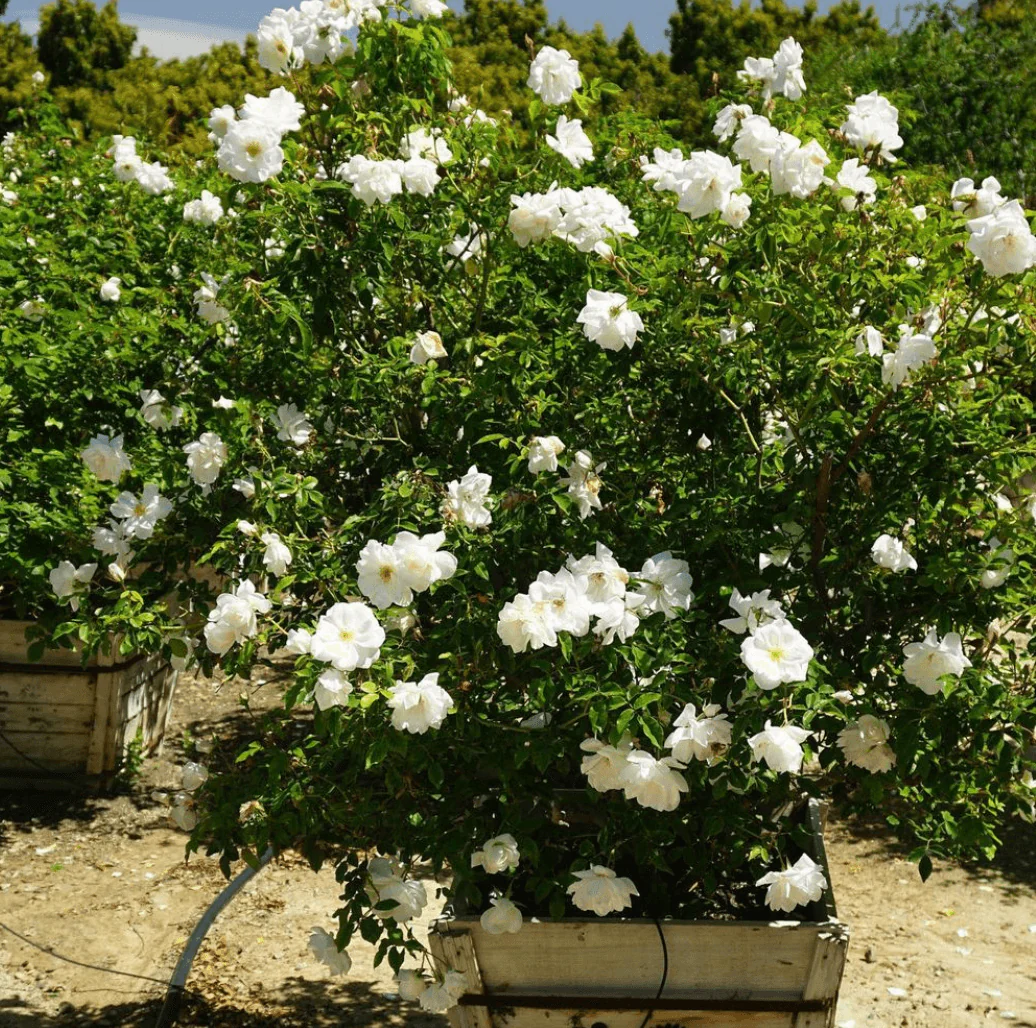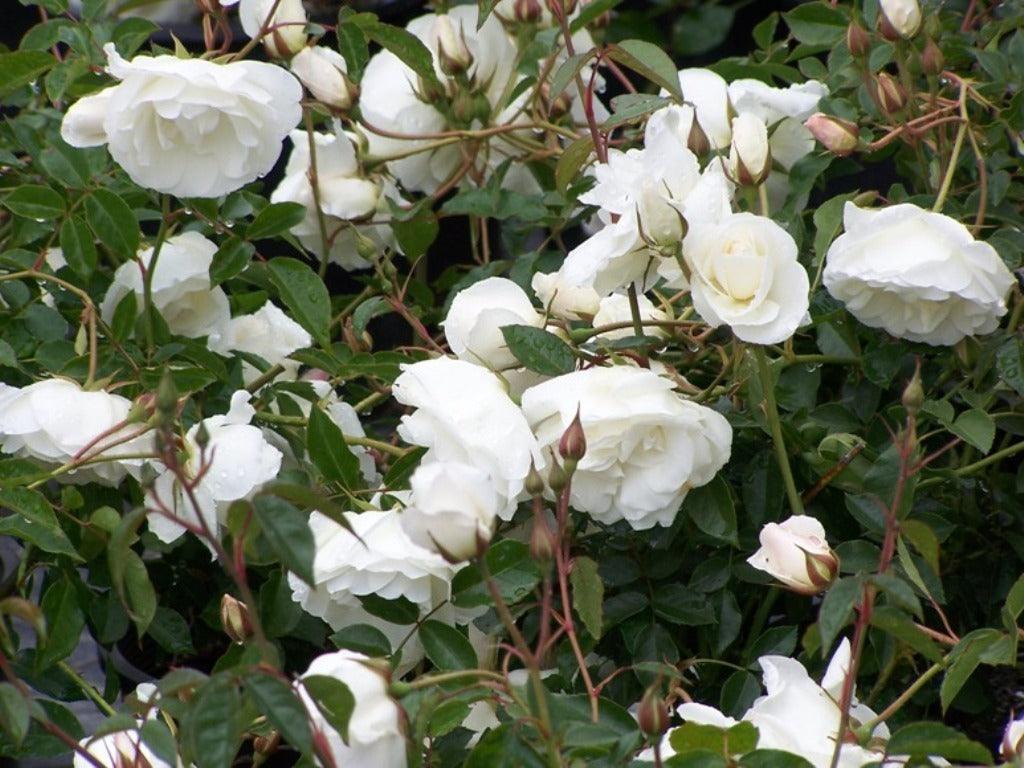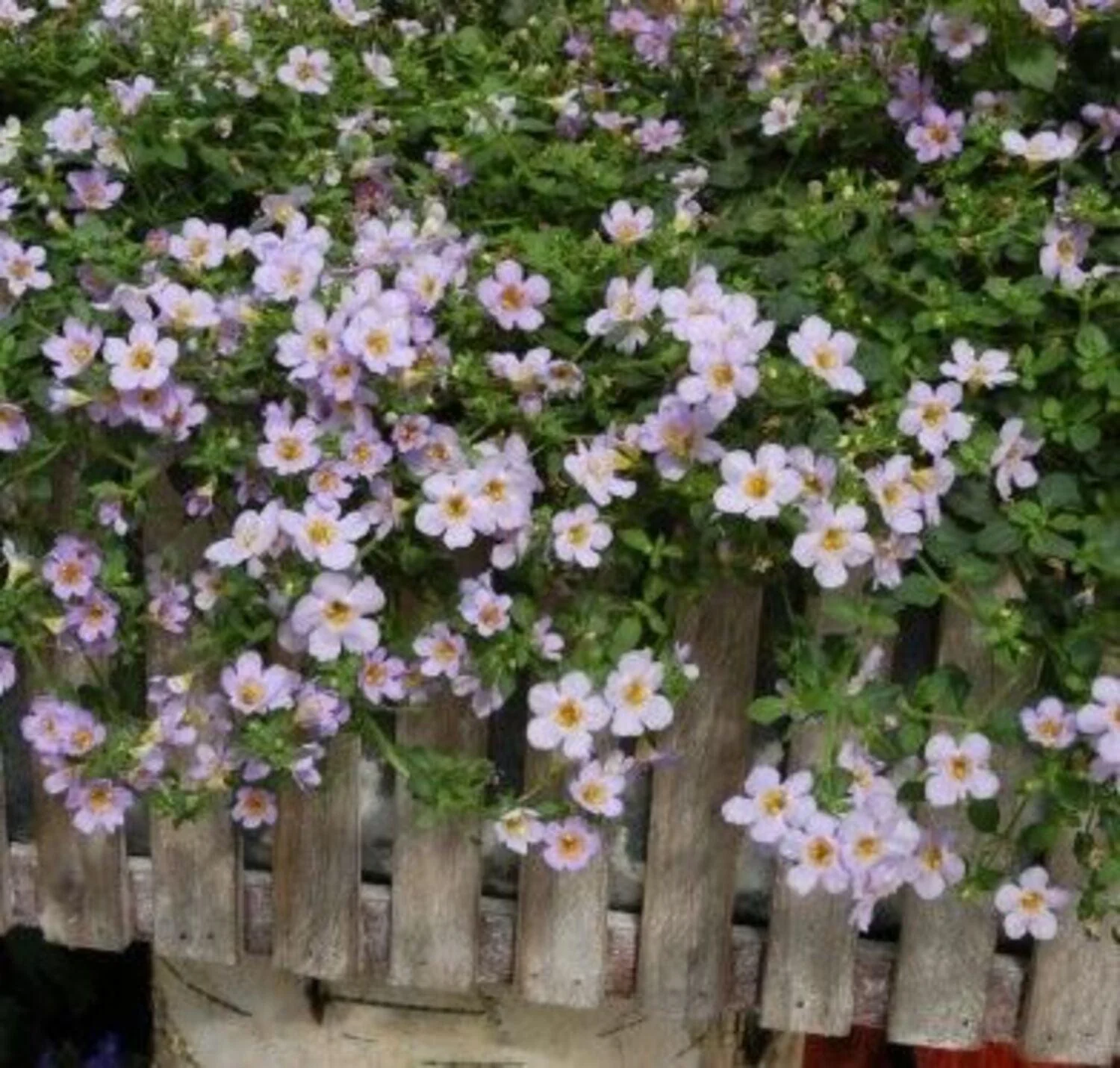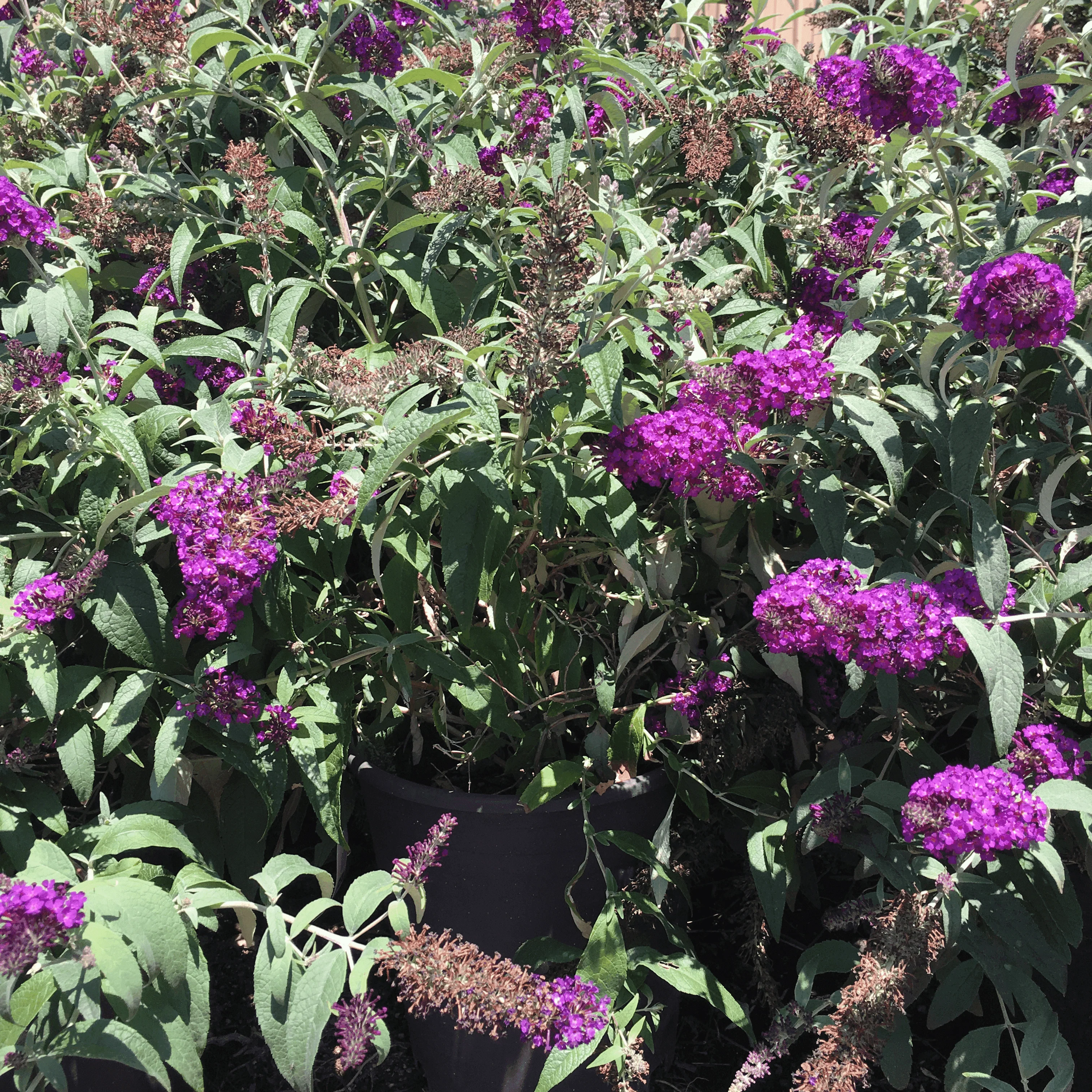
Jamaica White Bougainvillea - Bougainvillea 'Jamaica White' Bush
If you want a tropical flowering vine that delivers elegant color with minimal water needs, jamaica white bougainvillea is one of the best landscape choices for warm climates. This evergreen shrubby vine is prized for its stunning clusters of creamy white to blush-pink bracts, moderately vigorous growth habit, and drought tolerance. Key features include its lush, decorative appearance, ability to quickly cover fences, trellises, patios, and garden walls, and its preference for sunny locations—creating a dramatic display throughout much of the year.
Whether you are planting a single patio specimen or designing a large coastal landscape, this guide covers everything you need to know about growing, maintaining, and buying Jamaica White bougainvillea.
Jamaica White Bougainvillea Quick Facts
|
Feature |
Details |
|---|---|
|
Common Name |
Jamaica White Bougainvillea |
|
Botanical Name |
Bougainvillea ‘Jamaica White’ |
|
Plant Type |
Evergreen shrubby vine, evergreen vine, flowering vine |
|
USDA Hardiness Zones |
9–11 |
|
Sunset Climate Zones |
8, 9, 12–24 |
|
Bloom Season |
Spring through fall, often year-round in frost-free climates |
|
Mature Height |
15–30 feet |
|
Mature Width |
6–15 feet |
|
Growth Rate |
Fast-growing |
|
Sun Exposure |
Full sun to partial sun |
|
Water Needs |
Low to moderate once established |
|
Fruit Color |
n/a |
|
Fruit Season |
n/a |
Jamaica White Bougainvillea Description
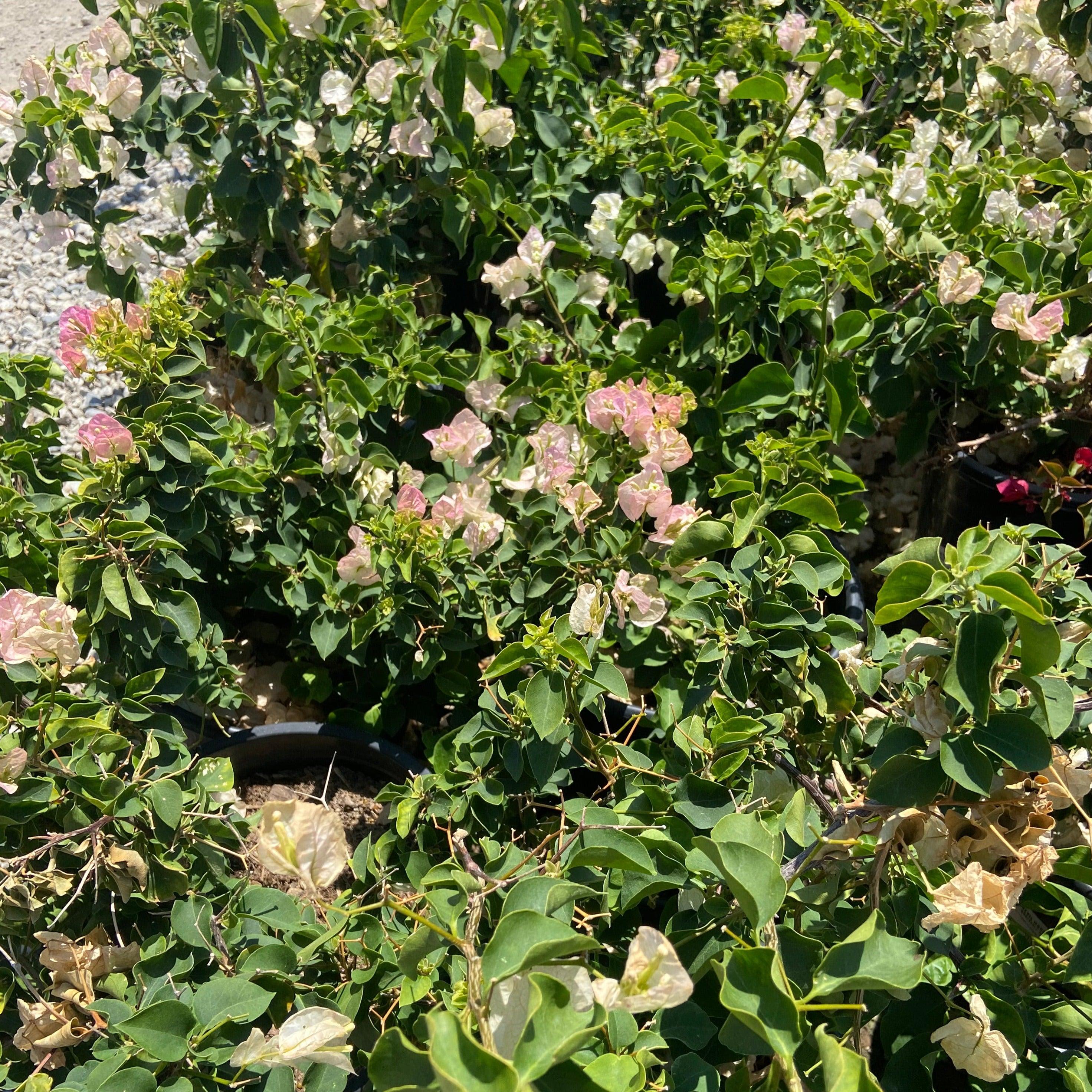
Jamaica White bougainvillea is prized for its soft, elegant appearance and vigorous climbing habit. The plant produces clusters of papery, petal like big bracts that are white and often develop a subtle blush or soft pink tint as they mature or during cooler weather. These petal like bracts are vibrant, papery structures that resemble large petals, making the plant a great choice for adding striking visual impact to any garden.
Inside the colorful bracts are the plant’s tiny true flowers, which are usually cream or pale yellow. While the flowers themselves are small, the surrounding clusters of petal like bracts create the dramatic visual display bougainvilleas are known for.
The foliage is typically medium to deep green, with some leaves showing light green veining or tones, and occasional slight variegation depending on growing conditions and cultivar strain. Leaves are oval-shaped and provide a dense evergreen backdrop in warm climates.
Like most bougainvilleas, Jamaica White develops thorny stems that help the vine climb and spread across structures. Its evergreen habit makes it useful for year-round screening and landscape color in frost-free regions.
Planting Recommendations for Jamaica White Bougainvillea
For the best flowering performance, plant Jamaica White bougainvillea in a location that receives full sun for at least 6 hours daily. Partial sun can still support healthy growth, but flowering may become less intense.
Always plant in well-drained soil. Bougainvillea roots dislike soggy conditions, and poor drainage is one of the most common causes of decline.
When planting, avoid excessive root disturbance. In general, bougainvillea does not tolerate root disturbance, as their delicate root systems can experience transplant shock if handled roughly. Carefully slide the plant from its nursery container and disturb the roots as little as possible.
During the establishment phase, it is important to tie stems to a fence, trellis, or wall, since young bougainvillea shoots have no natural means of attachment. Using ties or soft string to secure the stems provides the necessary support for healthy early growth and stability. Bougainvillea can be trained on support structures such as trellises, arbors, and fences to provide vertical color and enhance your landscape. Once established, the plant naturally climbs and spreads quickly.
Watering and Soil Tips for White Bougainvillea
Jamaica White bougainvillea performs best when the soil is allowed to partially dry between waterings. Deep, infrequent watering encourages stronger root development and heavier flowering.
Overwatering is one of the biggest mistakes gardeners make with bougainvillea. Excess moisture often causes lush green growth at the expense of blooms and may increase the risk of root problems.
Improve soil performance by incorporating compost before planting and applying mulch around the root zone. Mulch helps regulate soil temperature and conserve moisture while reducing weed competition.
Avoid piling mulch directly against the trunk or crown, especially in humid climates.
Pruning, Training, and Size Control
Light pruning after major bloom cycles helps maintain shape and encourages additional flowering flushes throughout the growing season.
Jamaica White is a vigorous grower, exhibiting a robust growth habit that allows it to reach heights of 15 to 30 feet with a spread of 10 to 15 feet. Fast-growing plants like Bougainvillea can significantly enhance garden aesthetics by providing quick coverage and vibrant colors. Many fast-growing vines and shrubs, including Bougainvillea, can reach 15-30 feet within a few growing seasons, making them ideal for privacy screens and vertical gardens.
Because Jamaica White is naturally vigorous, it responds well to training on:
-
Fences
-
Trellises
-
Arbors
-
Pergolas
-
Wall espalier systems
Container-grown plants should be pruned more regularly to maintain manageable size and encourage dense branching.
To encourage repeat blooming, prune lightly after flowers fade and reduce watering slightly for short periods. Bougainvilleas typically bloom more heavily when mildly stressed rather than heavily fertilized or overwatered.
Wear gloves when pruning because mature stems contain sharp thorns.
Uses and Landscape Ideas with Bougainvillea Jamaica White
Jamaica White bougainvillea is highly versatile in both residential and commercial landscapes, making it an excellent choice for adding elegance and structure to any yard.
Popular uses include:
-
Cascading fence or wall cover
-
Patio container specimen
-
Arbor or pergola climber
-
Coastal landscape accent
-
Drought-tolerant garden focal point
-
Privacy screening vine
'Jamaica White' is often used in landscaping as a neutral mediator among vibrant plant colors, helping to balance and unify colorful plantings throughout your yard.
The soft white bracts pair beautifully with Mediterranean, tropical, and modern landscape designs.
Its flowers also attract hummingbirds, butterflies, and beneficial pollinators, adding wildlife activity to outdoor spaces.
In coastal California gardens, Jamaica White performs especially well because of its heat tolerance and ability to handle dry conditions once established.
Pests, Diseases, and Troubleshooting
Jamaica White bougainvillea is generally low-maintenance but should still be monitored for common pests and environmental stress. Note: It is important to regularly check your plant for signs of pests or environmental stress to ensure optimal health and growth.
Common Pests
Watch for:
-
Aphids
-
Caterpillars
-
Mealybugs
-
Spider mites
Most infestations can be controlled with insecticidal soap, neem oil, or strong water sprays when caught early.
Leaf Yellowing Causes
Yellow leaves are commonly caused by:
-
Overwatering
-
Poor drainage
-
Cold stress
-
Nutrient imbalance
-
Root disturbance after planting
Allow soil to dry more thoroughly and improve drainage if yellowing persists.
Fungal Problems
Humid conditions and poor airflow may contribute to fungal spotting or mildew issues. Remove overcrowded growth and avoid overhead irrigation whenever possible.
If necessary, apply a labeled fungicide according to manufacturer instructions.
Inspection Before Shipping or Planting
Before purchasing or installing, find and inspect plants for:
-
Root-bound containers
-
Broken stems
-
Leaf spotting
-
Pest activity
-
Poor branching structure
To find healthy plants, look for firm stems, vibrant foliage, and visible new growth.
Sizing, Varieties, and Comparisons
Jamaica White is often compared with other white bougainvillea varieties because of its elegant bloom color and vigorous growth habit.
Jamaica White vs Other White Bougainvilleas
|
Variety |
Growth Habit |
Bloom Color |
Vigor |
|---|---|---|---|
|
Jamaica White |
Vigorous climber |
White with blush tones |
High |
|
White Madonna |
Compact upright |
Bright white |
Moderate |
|
Imperial White |
Dense grower |
Creamy white |
Moderate to high |
|
Singapore White |
Smaller leaves |
Pure white |
Moderate |
Jamaica White is typically favored for larger landscape installations because of its rapid coverage and abundant blooming.
Common Nursery Container Sizes
|
Container Size |
Typical Height |
|---|---|
|
1 Gallon |
1–2 feet |
|
5 Gallon |
3–5 feet |
|
15 Gallon |
5–8 feet |
|
24 Box |
6–10 feet |
Growth rates vary based on climate, irrigation, and pruning practices.
Buying Guide — Where To Buy Jamaica White Bougainvillea
When purchasing Jamaica White bougainvillea, request current product photos from the growing grounds whenever possible. This helps verify bloom color, plant fullness, and overall health before delivery.
Always confirm:
-
Current plant height
-
Container size
-
Bloom stage
-
Trunk structure
-
Whether the plant is staked or trained
In California, local delivery timelines may range from a few days to two weeks depending on inventory availability and installation scheduling.
Many customers purchase Jamaica White Bougainvillea not only for their current landscaping needs but also for future projects, ensuring they have the right plants ready for upcoming garden or yard enhancements.
FAQs Bougainvillea Jamaica White
Is Jamaica White bougainvillea cold hardy?
Jamaica White bougainvillea grows best in USDA Zones 9–11. Mature plants may survive brief light frosts, but prolonged freezing temperatures can damage stems and foliage.
How often should established plants be watered?
Established plants usually need deep watering every 7–14 days depending on heat, soil type, and container size. Allow soil to dry partially between watering cycles.
How do you revive a stressed bougainvillea?
Reduce watering, improve drainage, remove damaged growth, and ensure the plant receives adequate sunlight. Avoid heavy fertilization while the plant recovers.
What is the downside of bougainvillea?
Bougainvillea is beautiful and drought-tolerant, but it does have a few drawbacks homeowners should consider before planting.
Common downsides include:
- Sharp thorns that can make pruning difficult
- Aggressive growth that requires regular trimming
- Leaf and bract drop during seasonal transitions
- Sensitivity to overwatering and poor drainage
- Cold damage in freezing temperatures
- Root disturbance sensitivity during transplanting
In smaller landscapes, bougainvillea can quickly outgrow its space if not pruned consistently. The thorny stems may also make it less suitable near walkways, pool areas, or children's play spaces.
Despite these concerns, many gardeners consider the plant’s long bloom season and low water needs well worth the maintenance.
What is the rarest bougainvillea color?
True blue bougainvillea is considered the rarest and most sought-after color because bougainvilleas naturally lack the pigment needed to produce genuine blue flowers.
The rarest naturally available shades are typically:
- Deep lavender-blue tones
- Smoky purple blends
- Multi-color variegated bracts
- Apricot and peach combinations
- Near-black magenta cultivars
Some specialty collectors also seek highly variegated white cultivars with unusual cream-and-green foliage patterns.
Most “blue bougainvillea” sold commercially are actually purple or violet varieties photographed under cool lighting conditions.
What can I spray my bougainvillea with?
The best spray depends on the issue affecting your bougainvillea.
For Common Pests
You can spray with:
- Neem oil
- Insecticidal soap
- Horticultural oil
- Pyrethrin-based sprays for severe infestations
These products help control:
- Aphids
- Mealybugs
- Whiteflies
- Spider mites
- Caterpillars
Always spray during cooler morning or evening temperatures to avoid leaf burn.
For Fungal Problems
Use labeled fungicides containing ingredients such as:
- Copper fungicide
- Chlorothalonil
- Sulfur-based treatments
Good airflow and reduced overhead watering are often more effective long-term than repeated spraying.
For Better Blooming
Many gardeners use low-nitrogen bloom fertilizers rather than foliar sprays. Excess nitrogen encourages foliage growth instead of flowers.
Avoid spraying harsh chemicals during peak bloom periods whenever possible.
What is the best white bougainvillea?
The “best” white bougainvillea depends on your landscape goals, but Jamaica White is widely considered one of the top choices for large-scale ornamental planting.
Why Jamaica White Is Popular
Jamaica White bougainvillea is valued for:
- Vigorous growth
- Elegant white-to-soft-pink bracts
- Long bloom cycles
- Excellent fence and trellis coverage
- Strong drought tolerance
It performs especially well in warm climates like Southern California, Arizona, Florida, and coastal regions.
Original: $65.00
-65%$65.00
$22.75Product Information
Product Information
Shipping & Returns
Shipping & Returns
Description
If you want a tropical flowering vine that delivers elegant color with minimal water needs, jamaica white bougainvillea is one of the best landscape choices for warm climates. This evergreen shrubby vine is prized for its stunning clusters of creamy white to blush-pink bracts, moderately vigorous growth habit, and drought tolerance. Key features include its lush, decorative appearance, ability to quickly cover fences, trellises, patios, and garden walls, and its preference for sunny locations—creating a dramatic display throughout much of the year.
Whether you are planting a single patio specimen or designing a large coastal landscape, this guide covers everything you need to know about growing, maintaining, and buying Jamaica White bougainvillea.
Jamaica White Bougainvillea Quick Facts
|
Feature |
Details |
|---|---|
|
Common Name |
Jamaica White Bougainvillea |
|
Botanical Name |
Bougainvillea ‘Jamaica White’ |
|
Plant Type |
Evergreen shrubby vine, evergreen vine, flowering vine |
|
USDA Hardiness Zones |
9–11 |
|
Sunset Climate Zones |
8, 9, 12–24 |
|
Bloom Season |
Spring through fall, often year-round in frost-free climates |
|
Mature Height |
15–30 feet |
|
Mature Width |
6–15 feet |
|
Growth Rate |
Fast-growing |
|
Sun Exposure |
Full sun to partial sun |
|
Water Needs |
Low to moderate once established |
|
Fruit Color |
n/a |
|
Fruit Season |
n/a |
Jamaica White Bougainvillea Description
Jamaica White bougainvillea is prized for its soft, elegant appearance and vigorous climbing habit. The plant produces clusters of papery, petal like big bracts that are white and often develop a subtle blush or soft pink tint as they mature or during cooler weather. These petal like bracts are vibrant, papery structures that resemble large petals, making the plant a great choice for adding striking visual impact to any garden.
Inside the colorful bracts are the plant’s tiny true flowers, which are usually cream or pale yellow. While the flowers themselves are small, the surrounding clusters of petal like bracts create the dramatic visual display bougainvilleas are known for.
The foliage is typically medium to deep green, with some leaves showing light green veining or tones, and occasional slight variegation depending on growing conditions and cultivar strain. Leaves are oval-shaped and provide a dense evergreen backdrop in warm climates.
Like most bougainvilleas, Jamaica White develops thorny stems that help the vine climb and spread across structures. Its evergreen habit makes it useful for year-round screening and landscape color in frost-free regions.
Planting Recommendations for Jamaica White Bougainvillea
For the best flowering performance, plant Jamaica White bougainvillea in a location that receives full sun for at least 6 hours daily. Partial sun can still support healthy growth, but flowering may become less intense.
Always plant in well-drained soil. Bougainvillea roots dislike soggy conditions, and poor drainage is one of the most common causes of decline.
When planting, avoid excessive root disturbance. In general, bougainvillea does not tolerate root disturbance, as their delicate root systems can experience transplant shock if handled roughly. Carefully slide the plant from its nursery container and disturb the roots as little as possible.
During the establishment phase, it is important to tie stems to a fence, trellis, or wall, since young bougainvillea shoots have no natural means of attachment. Using ties or soft string to secure the stems provides the necessary support for healthy early growth and stability. Bougainvillea can be trained on support structures such as trellises, arbors, and fences to provide vertical color and enhance your landscape. Once established, the plant naturally climbs and spreads quickly.
Watering and Soil Tips for White Bougainvillea
Jamaica White bougainvillea performs best when the soil is allowed to partially dry between waterings. Deep, infrequent watering encourages stronger root development and heavier flowering.
Overwatering is one of the biggest mistakes gardeners make with bougainvillea. Excess moisture often causes lush green growth at the expense of blooms and may increase the risk of root problems.
Improve soil performance by incorporating compost before planting and applying mulch around the root zone. Mulch helps regulate soil temperature and conserve moisture while reducing weed competition.
Avoid piling mulch directly against the trunk or crown, especially in humid climates.
Pruning, Training, and Size Control
Light pruning after major bloom cycles helps maintain shape and encourages additional flowering flushes throughout the growing season.
Jamaica White is a vigorous grower, exhibiting a robust growth habit that allows it to reach heights of 15 to 30 feet with a spread of 10 to 15 feet. Fast-growing plants like Bougainvillea can significantly enhance garden aesthetics by providing quick coverage and vibrant colors. Many fast-growing vines and shrubs, including Bougainvillea, can reach 15-30 feet within a few growing seasons, making them ideal for privacy screens and vertical gardens.
Because Jamaica White is naturally vigorous, it responds well to training on:
-
Fences
-
Trellises
-
Arbors
-
Pergolas
-
Wall espalier systems
Container-grown plants should be pruned more regularly to maintain manageable size and encourage dense branching.
To encourage repeat blooming, prune lightly after flowers fade and reduce watering slightly for short periods. Bougainvilleas typically bloom more heavily when mildly stressed rather than heavily fertilized or overwatered.
Wear gloves when pruning because mature stems contain sharp thorns.
Uses and Landscape Ideas with Bougainvillea Jamaica White
Jamaica White bougainvillea is highly versatile in both residential and commercial landscapes, making it an excellent choice for adding elegance and structure to any yard.
Popular uses include:
-
Cascading fence or wall cover
-
Patio container specimen
-
Arbor or pergola climber
-
Coastal landscape accent
-
Drought-tolerant garden focal point
-
Privacy screening vine
'Jamaica White' is often used in landscaping as a neutral mediator among vibrant plant colors, helping to balance and unify colorful plantings throughout your yard.
The soft white bracts pair beautifully with Mediterranean, tropical, and modern landscape designs.
Its flowers also attract hummingbirds, butterflies, and beneficial pollinators, adding wildlife activity to outdoor spaces.
In coastal California gardens, Jamaica White performs especially well because of its heat tolerance and ability to handle dry conditions once established.
Pests, Diseases, and Troubleshooting
Jamaica White bougainvillea is generally low-maintenance but should still be monitored for common pests and environmental stress. Note: It is important to regularly check your plant for signs of pests or environmental stress to ensure optimal health and growth.
Common Pests
Watch for:
-
Aphids
-
Caterpillars
-
Mealybugs
-
Spider mites
Most infestations can be controlled with insecticidal soap, neem oil, or strong water sprays when caught early.
Leaf Yellowing Causes
Yellow leaves are commonly caused by:
-
Overwatering
-
Poor drainage
-
Cold stress
-
Nutrient imbalance
-
Root disturbance after planting
Allow soil to dry more thoroughly and improve drainage if yellowing persists.
Fungal Problems
Humid conditions and poor airflow may contribute to fungal spotting or mildew issues. Remove overcrowded growth and avoid overhead irrigation whenever possible.
If necessary, apply a labeled fungicide according to manufacturer instructions.
Inspection Before Shipping or Planting
Before purchasing or installing, find and inspect plants for:
-
Root-bound containers
-
Broken stems
-
Leaf spotting
-
Pest activity
-
Poor branching structure
To find healthy plants, look for firm stems, vibrant foliage, and visible new growth.
Sizing, Varieties, and Comparisons
Jamaica White is often compared with other white bougainvillea varieties because of its elegant bloom color and vigorous growth habit.
Jamaica White vs Other White Bougainvilleas
|
Variety |
Growth Habit |
Bloom Color |
Vigor |
|---|---|---|---|
|
Jamaica White |
Vigorous climber |
White with blush tones |
High |
|
White Madonna |
Compact upright |
Bright white |
Moderate |
|
Imperial White |
Dense grower |
Creamy white |
Moderate to high |
|
Singapore White |
Smaller leaves |
Pure white |
Moderate |
Jamaica White is typically favored for larger landscape installations because of its rapid coverage and abundant blooming.
Common Nursery Container Sizes
|
Container Size |
Typical Height |
|---|---|
|
1 Gallon |
1–2 feet |
|
5 Gallon |
3–5 feet |
|
15 Gallon |
5–8 feet |
|
24 Box |
6–10 feet |
Growth rates vary based on climate, irrigation, and pruning practices.
Buying Guide — Where To Buy Jamaica White Bougainvillea
When purchasing Jamaica White bougainvillea, request current product photos from the growing grounds whenever possible. This helps verify bloom color, plant fullness, and overall health before delivery.
Always confirm:
-
Current plant height
-
Container size
-
Bloom stage
-
Trunk structure
-
Whether the plant is staked or trained
In California, local delivery timelines may range from a few days to two weeks depending on inventory availability and installation scheduling.
Many customers purchase Jamaica White Bougainvillea not only for their current landscaping needs but also for future projects, ensuring they have the right plants ready for upcoming garden or yard enhancements.
FAQs Bougainvillea Jamaica White
Is Jamaica White bougainvillea cold hardy?
Jamaica White bougainvillea grows best in USDA Zones 9–11. Mature plants may survive brief light frosts, but prolonged freezing temperatures can damage stems and foliage.
How often should established plants be watered?
Established plants usually need deep watering every 7–14 days depending on heat, soil type, and container size. Allow soil to dry partially between watering cycles.
How do you revive a stressed bougainvillea?
Reduce watering, improve drainage, remove damaged growth, and ensure the plant receives adequate sunlight. Avoid heavy fertilization while the plant recovers.
What is the downside of bougainvillea?
Bougainvillea is beautiful and drought-tolerant, but it does have a few drawbacks homeowners should consider before planting.
Common downsides include:
- Sharp thorns that can make pruning difficult
- Aggressive growth that requires regular trimming
- Leaf and bract drop during seasonal transitions
- Sensitivity to overwatering and poor drainage
- Cold damage in freezing temperatures
- Root disturbance sensitivity during transplanting
In smaller landscapes, bougainvillea can quickly outgrow its space if not pruned consistently. The thorny stems may also make it less suitable near walkways, pool areas, or children's play spaces.
Despite these concerns, many gardeners consider the plant’s long bloom season and low water needs well worth the maintenance.
What is the rarest bougainvillea color?
True blue bougainvillea is considered the rarest and most sought-after color because bougainvilleas naturally lack the pigment needed to produce genuine blue flowers.
The rarest naturally available shades are typically:
- Deep lavender-blue tones
- Smoky purple blends
- Multi-color variegated bracts
- Apricot and peach combinations
- Near-black magenta cultivars
Some specialty collectors also seek highly variegated white cultivars with unusual cream-and-green foliage patterns.
Most “blue bougainvillea” sold commercially are actually purple or violet varieties photographed under cool lighting conditions.
What can I spray my bougainvillea with?
The best spray depends on the issue affecting your bougainvillea.
For Common Pests
You can spray with:
- Neem oil
- Insecticidal soap
- Horticultural oil
- Pyrethrin-based sprays for severe infestations
These products help control:
- Aphids
- Mealybugs
- Whiteflies
- Spider mites
- Caterpillars
Always spray during cooler morning or evening temperatures to avoid leaf burn.
For Fungal Problems
Use labeled fungicides containing ingredients such as:
- Copper fungicide
- Chlorothalonil
- Sulfur-based treatments
Good airflow and reduced overhead watering are often more effective long-term than repeated spraying.
For Better Blooming
Many gardeners use low-nitrogen bloom fertilizers rather than foliar sprays. Excess nitrogen encourages foliage growth instead of flowers.
Avoid spraying harsh chemicals during peak bloom periods whenever possible.
What is the best white bougainvillea?
The “best” white bougainvillea depends on your landscape goals, but Jamaica White is widely considered one of the top choices for large-scale ornamental planting.
Why Jamaica White Is Popular
Jamaica White bougainvillea is valued for:
- Vigorous growth
- Elegant white-to-soft-pink bracts
- Long bloom cycles
- Excellent fence and trellis coverage
- Strong drought tolerance
It performs especially well in warm climates like Southern California, Arizona, Florida, and coastal regions.