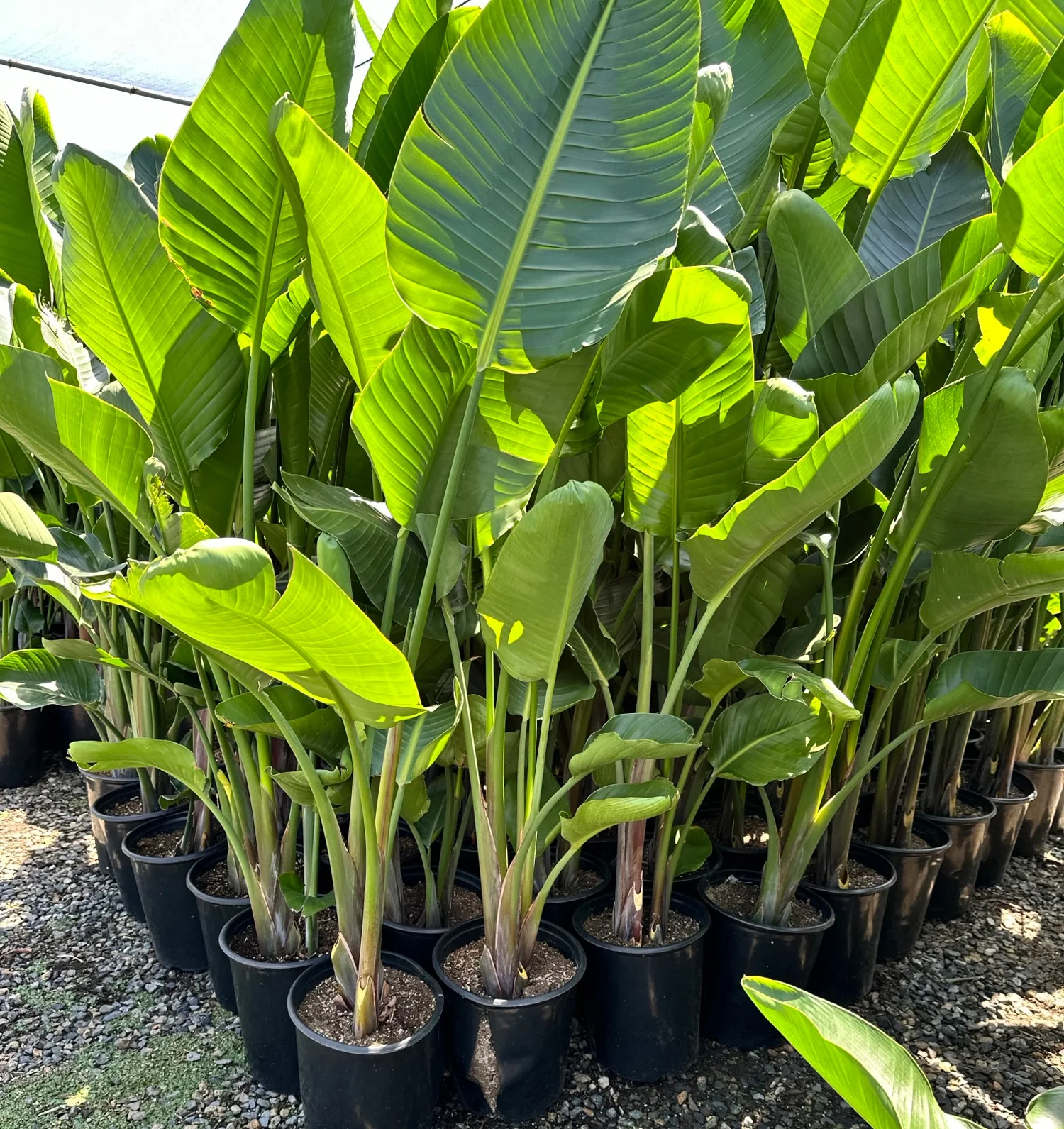
White Bird of Paradise - Strelitzia Nicolai
Transform Your Space with Stunning Tropical Elegance in Just Months
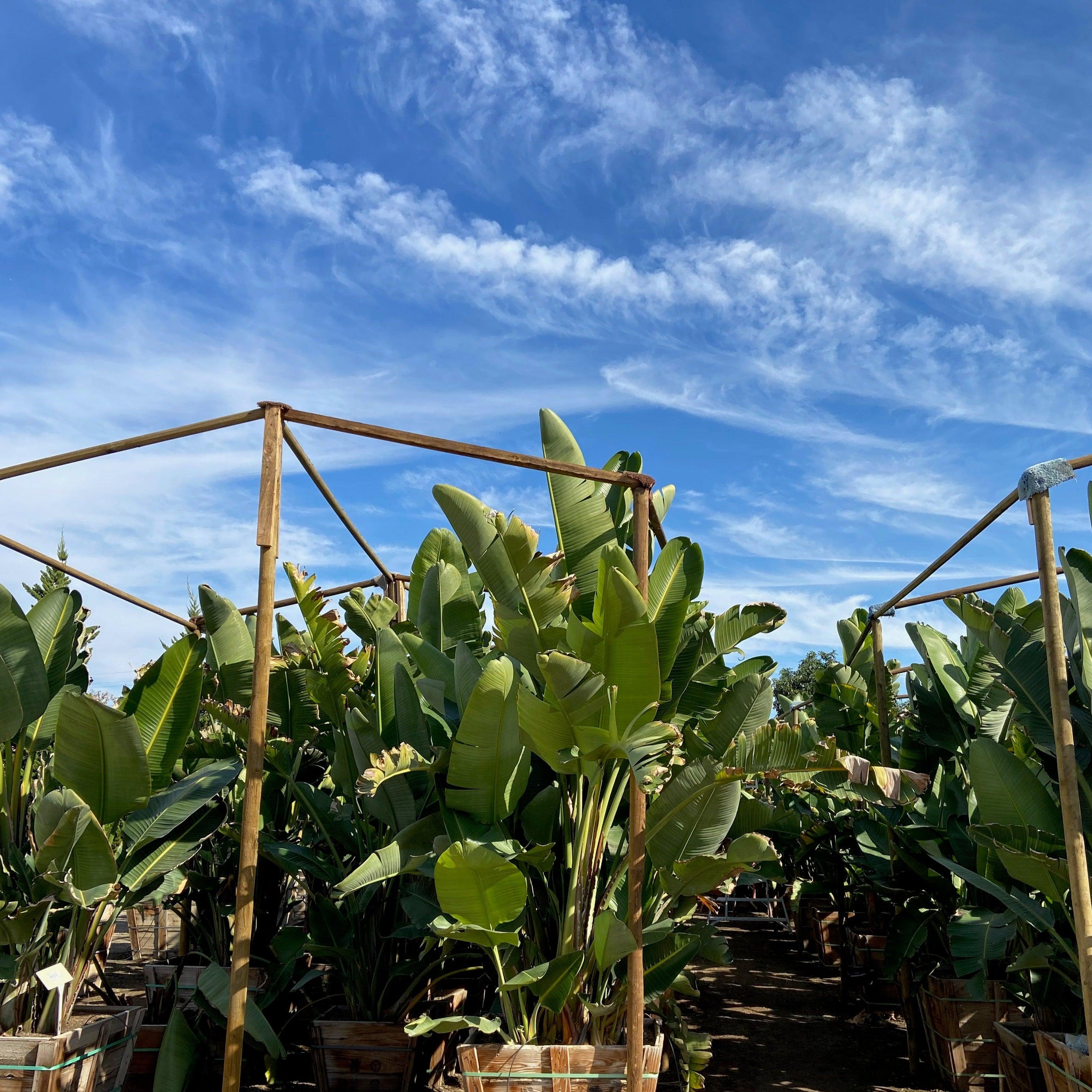
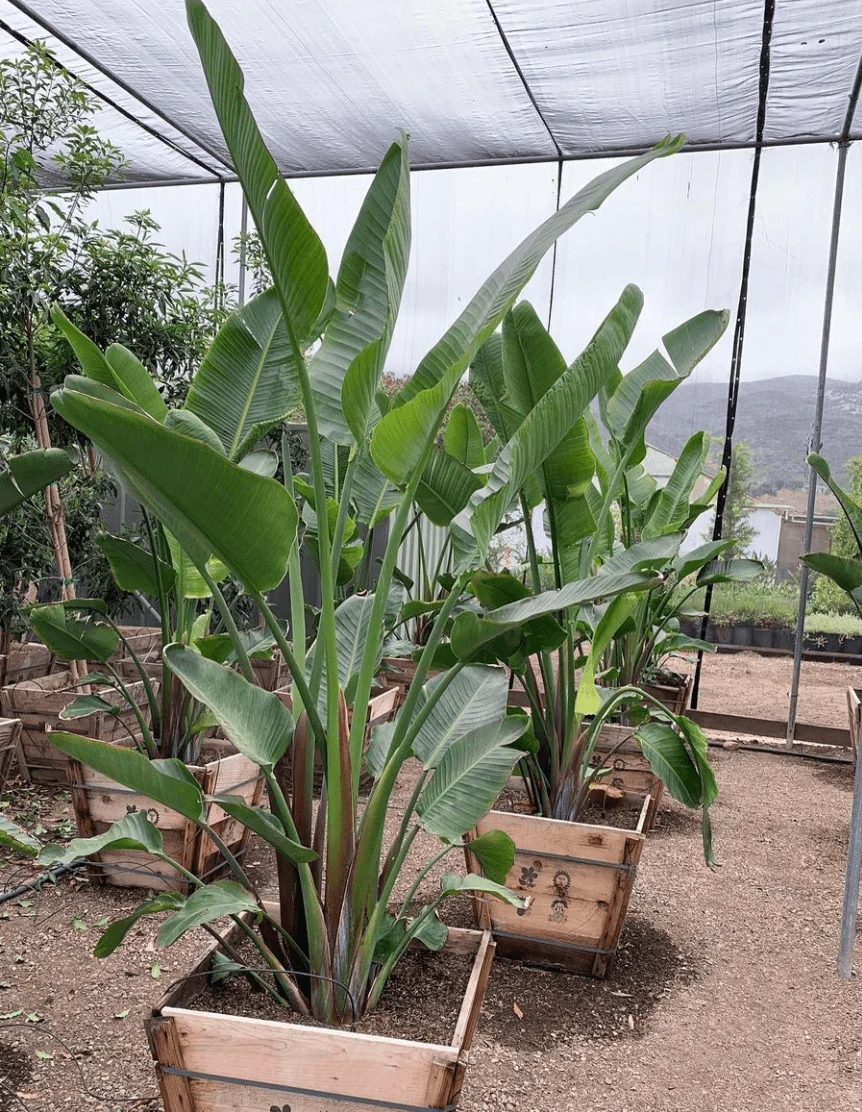
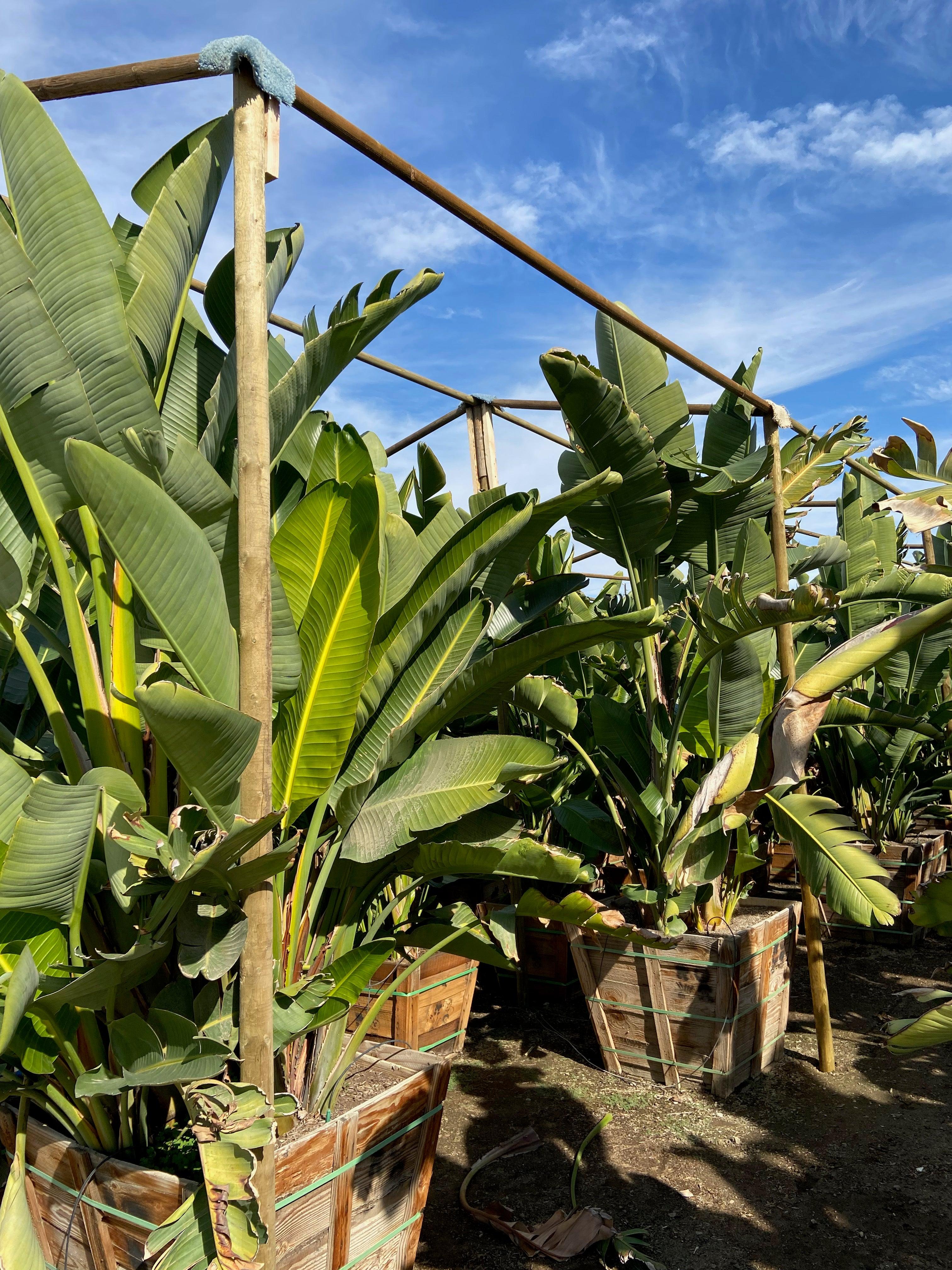
The White Bird of Paradise is a large tropical evergreen perennial that turns any space into a bold, resort-like room with dramatic foliage, upright growth, and oversized banana-like leaves.
Known by the scientific name Strelitzia nicolai, this paradise plant features large, glossy green leaves and a sculptural form that gives immediate height, movement, and tropical elegance. With proper care, new leaves grow upright and unfurl naturally, helping the plant fill out over time and create the feeling of a tropical paradise indoors.
Why You’ll Love It
-
Dramatic Height and Presence – White Bird of Paradise plants typically reach 6-8 feet indoors, and in strong light they may reach 7 to 9 feet. In suitable outdoor climates, the white bird of paradise can grow over 20 feet tall, while the white bird of paradise can reach heights of 20 to 30 feet and widths of 10 feet in the wild.
-
Low Maintenance Tropical Beauty – Once established, this indoor plant is straightforward to maintain with bright indirect light to direct sunlight, proper watering, and well draining soil. Water your White Bird of Paradise using the soak and dry method, ensuring the top 1 inch of soil is dry before watering thoroughly to avoid root rot.
-
Air Purifying Powerhouse – The broad, beautiful foliage helps soften a room, add natural humidity, and visually cleanse a house or office while pairing well with other tropical plants or outdoor statement species like Mexican Fan Palms and similar tall accents.
-
Year-Round Indoor Appeal – As an evergreen paradise plant, Strelitzia nicolai keeps its dark-green glossy leaves through spring, summer, fall, and winter when kept in warm weather conditions and away from cold drafts.
-
Designer Favorite – Interior designers and plant enthusiasts love the giant white bird for modern, coastal, and classic spaces because its impressive size creates a focal point that other plants rarely match, much like carefully chosen flowering trees that boost curb appeal in outdoor designs.
What Makes It Different
Most indoor plants stay small, low, or visually ordinary. Strelitzia nicolai is built for impact: the white bird of paradise is known for its distinct growth habit, growing in multi-stemmed dense clumps and sending out offshoots from its base.
-
Strelitzia nicolai is built for impact – Native to southern Africa, specifically regions of Botswana, KwaZulu-Natal, Mozambique, and Zimbabwe, Strelitzia nicolai naturally grows in coastal regions where sun, humidity, and space help paradise plants grow tall and full.
-
Unique Paddle-Shaped Leaves – This giant bird has banana plant-like foliage, with leathery, dark-green glossy leaves up to 6.5 feet long in ideal conditions. Leaves of the white bird of paradise frequently exhibit natural tattering or splitting due to wind exposure, so split leaves are normal rather than a sign of failure.
-
Potential for White Bird Flowers – The white bird of paradise (Strelitzia nicolai) is a large tropical evergreen perennial known for its banana-like leaves and crane-like white and blue flowers. Strelitzia nicolai produces large flowers with cream-white sepals and a dark-blue “tongue” petals, though it is rare for this bird of paradise to flower indoors.
-
California Climate Perfect Match – In bright California homes, patios, and protected outdoor spaces, this giant bird of paradise grows especially well with full sun, direct sun, or bright filtered sunlight. Ideal temperatures for Strelitzia nicolai range from 65°F to 85°F, and it cannot survive prolonged freezes under 50°F.
The term “bird of paradise” is sometimes confused with the Yellow Bird of Paradise (Caesalpinia gilliesii), which belongs to the legume family. Strelitzia nicolai also differs from Strelitzia reginae and Strelitzia alba in size, flower color, and leaf morphology; compared with the orange bird, the white bird is larger, more architectural, and better suited for statement foliage.
How To Ensure Success In Your Landscape
-
Plant in Bright Location
Place your White Bird of Paradise near a south-facing or east-facing window where it receives bright direct light, bright indirect light, or filtered direct sunlight. The plant requires bright, filtered sunlight to full sun and prefers well-draining acidic soil. White Bird of Paradise thrives in bright direct light and can adapt to bright indirect light, but should be kept away from low light conditions. -
Establish Watering Routine
Use a large pot with drainage and allow excess water to escape. Water thoroughly when the top inch of soil is dry, then let the soil dry slightly again before the next watering. This soak-and-dry rhythm supports the root ball while reducing the risk of root rot. -
Support Humidity and New Growth
The ideal humidity level for White Bird of Paradise is high, and low humidity can cause crispy, brown edges on the leaves. To increase humidity for the White Bird of Paradise, you can use a humidifier, place a tray of water nearby, or group it with other plants. Regular misting can also help create a humid environment. -
Watch It Transform Your Space
To encourage new leaves to grow, mist the plant daily, but do not manually open the leaves as they will unfurl naturally. The growth rate of White Bird of Paradise can be quite fast, with some plants reaching 7 feet tall within 20 months under optimal conditions. Indoors, White Bird of Paradise can grow to about 5 to 6 feet tall, taking around five years to reach full maturity.
For ongoing White Bird of Paradise care, prune any dry, cracked, or brown leaves at the base using sterilized pruning shears to maintain the plant’s health and appearance. If spider mites appear in dry indoor air, wipe the leaves and use neem oil as part of your plant care routine, or explore Yardwork’s online plant nursery and landscaping support for additional guidance.
Product Details
-
Scientific Name: Strelitzia nicolai
-
Common Names: White Bird of Paradise, giant white bird, giant bird of paradise, white bird, paradise plant
-
Plant Type: Large tropical evergreen perennial
-
Native Range: Strelitzia nicolai is native to southern Africa, specifically regions of Botswana, KwaZulu-Natal, Mozambique, and Zimbabwe, but in California landscapes it often shares space with resilient trees like African Sumac and other drought-tolerant options.
-
Name Origin: The genus name Strelitzia honors Queen Charlotte of Mecklenburg-Strelitz and the species name nicolai honors Grand Duke Nikolai Nikolaievich of Russia.
-
Mature Indoor Size: Commonly 6-8 feet indoors; may reach 7 to 9 feet indoors with strong sunlight, a large pot, high humidity, and proper care.
-
Mature Outdoor Size: 15-20+ feet outdoors in California, over 20 feet tall in suitable climates, and 20 to 30 feet tall by 10 feet wide in the wild, making it comparable in scale to popular evergreen privacy trees and fast-growing landscape trees.
-
Light Requirements: Bright indirect light to direct sunlight; bright, filtered sunlight to full sun is best, similar to how California lilac (Ceanothus) thrives in sunny, drought-tolerant plantings.
-
Soil: Well draining soil; prefers well-draining acidic soil and should not sit in excess water.
-
Temperature: Ideal temperatures for Strelitzia nicolai range from 65°F to 85°F; avoid placing it where temperatures remain under 50°F.
-
Humidity: Prefers high humidity; low humidity may cause brown edges or crispy leaf tips.
-
Flowers: Strelitzia nicolai produces large flowers with cream-white sepals and a dark-blue tongue; the flowers of Strelitzia nicolai are adapted for avian pollination with sturdy stems that support birds.
Who It’s For
Ideal for:
-
California homeowners who want a tropical indoor oasis with warm weather style
-
Interior design enthusiasts looking for a statement indoor plant
-
Plant collectors who want dramatic foliage and an impressive size specimen, or who are building collections that also feature structured shrubs like Cheesewood and other Pittosporum varieties
-
Anyone with a bright room, sunny house, sunroom, patio, or open indoor space
-
People who prefer bold tropical plants over smaller, slower visual upgrades but still appreciate character-rich trees like the California Pepper Tree for drought-tolerant landscapes
If you want tropical elegance indoors without choosing an ordinary houseplant, the White Bird of Paradise fits beautifully. It is especially strong in rooms with high ceilings, generous sunlight, and enough space for large leaves to spread.
Frequently Asked Questions
Will it really grow that tall indoors?
Yes, with the right light, pot, soil, and care. White Bird of Paradise plants can grow over 20 feet tall when planted outdoors in suitable climates, while indoors they typically reach heights of 7 to 9 feet. In many homes, the plant may grow to about 5 to 6 feet tall and take around five years to reach full maturity, though under optimal conditions some plants can reach 7 feet tall within 20 months.
Is it safe around pets and children?
The White Bird of Paradise is toxic to both cats and dogs, with the flower seeds containing toxic tannins and the leaves potentially containing hydrocyanic acid. Ingesting parts of the White Bird of Paradise can lead to symptoms such as dizziness, drowsiness, diarrhea, and vomiting in humans, cats, and dogs. The toxicity of the White Bird of Paradise varies depending on the part of the plant ingested, with the leaves and stems being mildly toxic if consumed in large amounts. Because paradise toxic concerns are real, keep this plant out of reach of pets and children.
How much light does it actually need?
White Bird of Paradise prefers bright direct light and can adapt to bright indirect light. For best growth, place it where it gets bright, filtered sunlight, direct sun, or full sun for part of the day. Avoid low light conditions, which can cause slow growth, weaker leaves, and fewer new leaves.
What if it outgrows my space?
You can manage size by keeping it in an appropriately sized pot, pruning old leaves at the base, and choosing a room with enough vertical clearance. Prune any dry, cracked, or brown leaves at the base using sterilized pruning shears to maintain the plant’s health and appearance. Because the plant grows in dense clumps and sends out offshoots from its base, a large pot and occasional repotting help maintain balance.
Will it bloom indoors?
It can bloom indoors, but it is uncommon. The white bird of paradise produces crane-like flowers with cream-white sepals and a dark-blue tongue, but most indoor plants are grown for dramatic foliage rather than flowers. To improve the chance that your bird of paradise will flower indoors, provide direct sunlight, high humidity, warm temperatures, well draining soil, and proper watering through spring and summer.
Ready to Upgrade Your Space?
Choose White Bird of Paradise for dramatic foliage, upright growth, and year-round tropical elegance in your indoor space, patio, or California home.
Yardwork makes it easy with healthy plants, expert guidance, California delivery, and a plant health promise designed to help your paradise strelitzia nicolai thrive, backed by a full online nursery for trees, shrubs, and garden plants.
Original: $75.00
-65%$75.00
$26.25Product Information
Product Information
Shipping & Returns
Shipping & Returns
Description
Transform Your Space with Stunning Tropical Elegance in Just Months
The White Bird of Paradise is a large tropical evergreen perennial that turns any space into a bold, resort-like room with dramatic foliage, upright growth, and oversized banana-like leaves.
Known by the scientific name Strelitzia nicolai, this paradise plant features large, glossy green leaves and a sculptural form that gives immediate height, movement, and tropical elegance. With proper care, new leaves grow upright and unfurl naturally, helping the plant fill out over time and create the feeling of a tropical paradise indoors.
Why You’ll Love It
-
Dramatic Height and Presence – White Bird of Paradise plants typically reach 6-8 feet indoors, and in strong light they may reach 7 to 9 feet. In suitable outdoor climates, the white bird of paradise can grow over 20 feet tall, while the white bird of paradise can reach heights of 20 to 30 feet and widths of 10 feet in the wild.
-
Low Maintenance Tropical Beauty – Once established, this indoor plant is straightforward to maintain with bright indirect light to direct sunlight, proper watering, and well draining soil. Water your White Bird of Paradise using the soak and dry method, ensuring the top 1 inch of soil is dry before watering thoroughly to avoid root rot.
-
Air Purifying Powerhouse – The broad, beautiful foliage helps soften a room, add natural humidity, and visually cleanse a house or office while pairing well with other tropical plants or outdoor statement species like Mexican Fan Palms and similar tall accents.
-
Year-Round Indoor Appeal – As an evergreen paradise plant, Strelitzia nicolai keeps its dark-green glossy leaves through spring, summer, fall, and winter when kept in warm weather conditions and away from cold drafts.
-
Designer Favorite – Interior designers and plant enthusiasts love the giant white bird for modern, coastal, and classic spaces because its impressive size creates a focal point that other plants rarely match, much like carefully chosen flowering trees that boost curb appeal in outdoor designs.
What Makes It Different
Most indoor plants stay small, low, or visually ordinary. Strelitzia nicolai is built for impact: the white bird of paradise is known for its distinct growth habit, growing in multi-stemmed dense clumps and sending out offshoots from its base.
-
Strelitzia nicolai is built for impact – Native to southern Africa, specifically regions of Botswana, KwaZulu-Natal, Mozambique, and Zimbabwe, Strelitzia nicolai naturally grows in coastal regions where sun, humidity, and space help paradise plants grow tall and full.
-
Unique Paddle-Shaped Leaves – This giant bird has banana plant-like foliage, with leathery, dark-green glossy leaves up to 6.5 feet long in ideal conditions. Leaves of the white bird of paradise frequently exhibit natural tattering or splitting due to wind exposure, so split leaves are normal rather than a sign of failure.
-
Potential for White Bird Flowers – The white bird of paradise (Strelitzia nicolai) is a large tropical evergreen perennial known for its banana-like leaves and crane-like white and blue flowers. Strelitzia nicolai produces large flowers with cream-white sepals and a dark-blue “tongue” petals, though it is rare for this bird of paradise to flower indoors.
-
California Climate Perfect Match – In bright California homes, patios, and protected outdoor spaces, this giant bird of paradise grows especially well with full sun, direct sun, or bright filtered sunlight. Ideal temperatures for Strelitzia nicolai range from 65°F to 85°F, and it cannot survive prolonged freezes under 50°F.
The term “bird of paradise” is sometimes confused with the Yellow Bird of Paradise (Caesalpinia gilliesii), which belongs to the legume family. Strelitzia nicolai also differs from Strelitzia reginae and Strelitzia alba in size, flower color, and leaf morphology; compared with the orange bird, the white bird is larger, more architectural, and better suited for statement foliage.
How To Ensure Success In Your Landscape
-
Plant in Bright Location
Place your White Bird of Paradise near a south-facing or east-facing window where it receives bright direct light, bright indirect light, or filtered direct sunlight. The plant requires bright, filtered sunlight to full sun and prefers well-draining acidic soil. White Bird of Paradise thrives in bright direct light and can adapt to bright indirect light, but should be kept away from low light conditions. -
Establish Watering Routine
Use a large pot with drainage and allow excess water to escape. Water thoroughly when the top inch of soil is dry, then let the soil dry slightly again before the next watering. This soak-and-dry rhythm supports the root ball while reducing the risk of root rot. -
Support Humidity and New Growth
The ideal humidity level for White Bird of Paradise is high, and low humidity can cause crispy, brown edges on the leaves. To increase humidity for the White Bird of Paradise, you can use a humidifier, place a tray of water nearby, or group it with other plants. Regular misting can also help create a humid environment. -
Watch It Transform Your Space
To encourage new leaves to grow, mist the plant daily, but do not manually open the leaves as they will unfurl naturally. The growth rate of White Bird of Paradise can be quite fast, with some plants reaching 7 feet tall within 20 months under optimal conditions. Indoors, White Bird of Paradise can grow to about 5 to 6 feet tall, taking around five years to reach full maturity.
For ongoing White Bird of Paradise care, prune any dry, cracked, or brown leaves at the base using sterilized pruning shears to maintain the plant’s health and appearance. If spider mites appear in dry indoor air, wipe the leaves and use neem oil as part of your plant care routine, or explore Yardwork’s online plant nursery and landscaping support for additional guidance.
Product Details
-
Scientific Name: Strelitzia nicolai
-
Common Names: White Bird of Paradise, giant white bird, giant bird of paradise, white bird, paradise plant
-
Plant Type: Large tropical evergreen perennial
-
Native Range: Strelitzia nicolai is native to southern Africa, specifically regions of Botswana, KwaZulu-Natal, Mozambique, and Zimbabwe, but in California landscapes it often shares space with resilient trees like African Sumac and other drought-tolerant options.
-
Name Origin: The genus name Strelitzia honors Queen Charlotte of Mecklenburg-Strelitz and the species name nicolai honors Grand Duke Nikolai Nikolaievich of Russia.
-
Mature Indoor Size: Commonly 6-8 feet indoors; may reach 7 to 9 feet indoors with strong sunlight, a large pot, high humidity, and proper care.
-
Mature Outdoor Size: 15-20+ feet outdoors in California, over 20 feet tall in suitable climates, and 20 to 30 feet tall by 10 feet wide in the wild, making it comparable in scale to popular evergreen privacy trees and fast-growing landscape trees.
-
Light Requirements: Bright indirect light to direct sunlight; bright, filtered sunlight to full sun is best, similar to how California lilac (Ceanothus) thrives in sunny, drought-tolerant plantings.
-
Soil: Well draining soil; prefers well-draining acidic soil and should not sit in excess water.
-
Temperature: Ideal temperatures for Strelitzia nicolai range from 65°F to 85°F; avoid placing it where temperatures remain under 50°F.
-
Humidity: Prefers high humidity; low humidity may cause brown edges or crispy leaf tips.
-
Flowers: Strelitzia nicolai produces large flowers with cream-white sepals and a dark-blue tongue; the flowers of Strelitzia nicolai are adapted for avian pollination with sturdy stems that support birds.
Who It’s For
Ideal for:
-
California homeowners who want a tropical indoor oasis with warm weather style
-
Interior design enthusiasts looking for a statement indoor plant
-
Plant collectors who want dramatic foliage and an impressive size specimen, or who are building collections that also feature structured shrubs like Cheesewood and other Pittosporum varieties
-
Anyone with a bright room, sunny house, sunroom, patio, or open indoor space
-
People who prefer bold tropical plants over smaller, slower visual upgrades but still appreciate character-rich trees like the California Pepper Tree for drought-tolerant landscapes
If you want tropical elegance indoors without choosing an ordinary houseplant, the White Bird of Paradise fits beautifully. It is especially strong in rooms with high ceilings, generous sunlight, and enough space for large leaves to spread.
Frequently Asked Questions
Will it really grow that tall indoors?
Yes, with the right light, pot, soil, and care. White Bird of Paradise plants can grow over 20 feet tall when planted outdoors in suitable climates, while indoors they typically reach heights of 7 to 9 feet. In many homes, the plant may grow to about 5 to 6 feet tall and take around five years to reach full maturity, though under optimal conditions some plants can reach 7 feet tall within 20 months.
Is it safe around pets and children?
The White Bird of Paradise is toxic to both cats and dogs, with the flower seeds containing toxic tannins and the leaves potentially containing hydrocyanic acid. Ingesting parts of the White Bird of Paradise can lead to symptoms such as dizziness, drowsiness, diarrhea, and vomiting in humans, cats, and dogs. The toxicity of the White Bird of Paradise varies depending on the part of the plant ingested, with the leaves and stems being mildly toxic if consumed in large amounts. Because paradise toxic concerns are real, keep this plant out of reach of pets and children.
How much light does it actually need?
White Bird of Paradise prefers bright direct light and can adapt to bright indirect light. For best growth, place it where it gets bright, filtered sunlight, direct sun, or full sun for part of the day. Avoid low light conditions, which can cause slow growth, weaker leaves, and fewer new leaves.
What if it outgrows my space?
You can manage size by keeping it in an appropriately sized pot, pruning old leaves at the base, and choosing a room with enough vertical clearance. Prune any dry, cracked, or brown leaves at the base using sterilized pruning shears to maintain the plant’s health and appearance. Because the plant grows in dense clumps and sends out offshoots from its base, a large pot and occasional repotting help maintain balance.
Will it bloom indoors?
It can bloom indoors, but it is uncommon. The white bird of paradise produces crane-like flowers with cream-white sepals and a dark-blue tongue, but most indoor plants are grown for dramatic foliage rather than flowers. To improve the chance that your bird of paradise will flower indoors, provide direct sunlight, high humidity, warm temperatures, well draining soil, and proper watering through spring and summer.
Ready to Upgrade Your Space?
Choose White Bird of Paradise for dramatic foliage, upright growth, and year-round tropical elegance in your indoor space, patio, or California home.
Yardwork makes it easy with healthy plants, expert guidance, California delivery, and a plant health promise designed to help your paradise strelitzia nicolai thrive, backed by a full online nursery for trees, shrubs, and garden plants.