Cork Oak - Quercus Suber
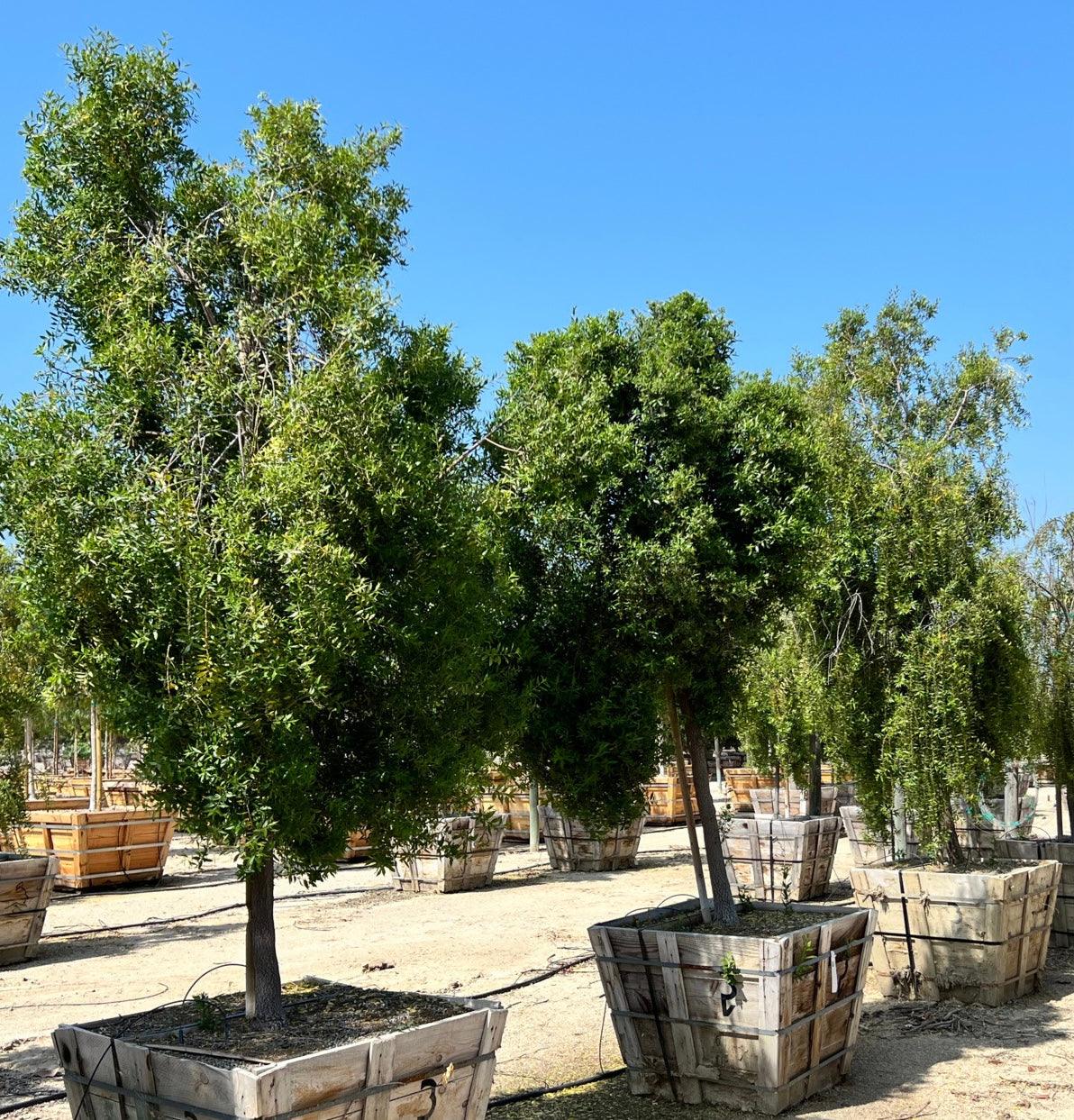
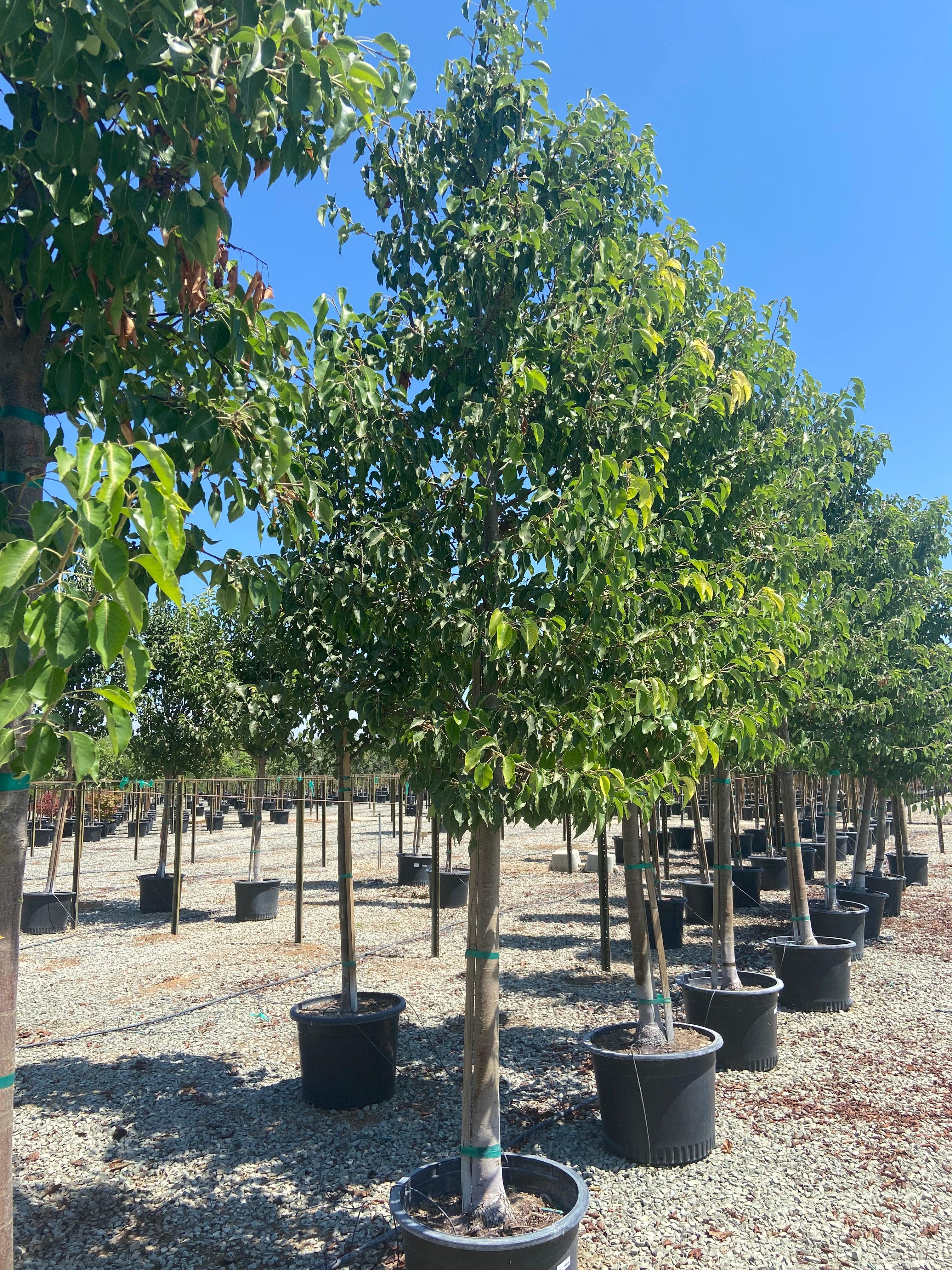
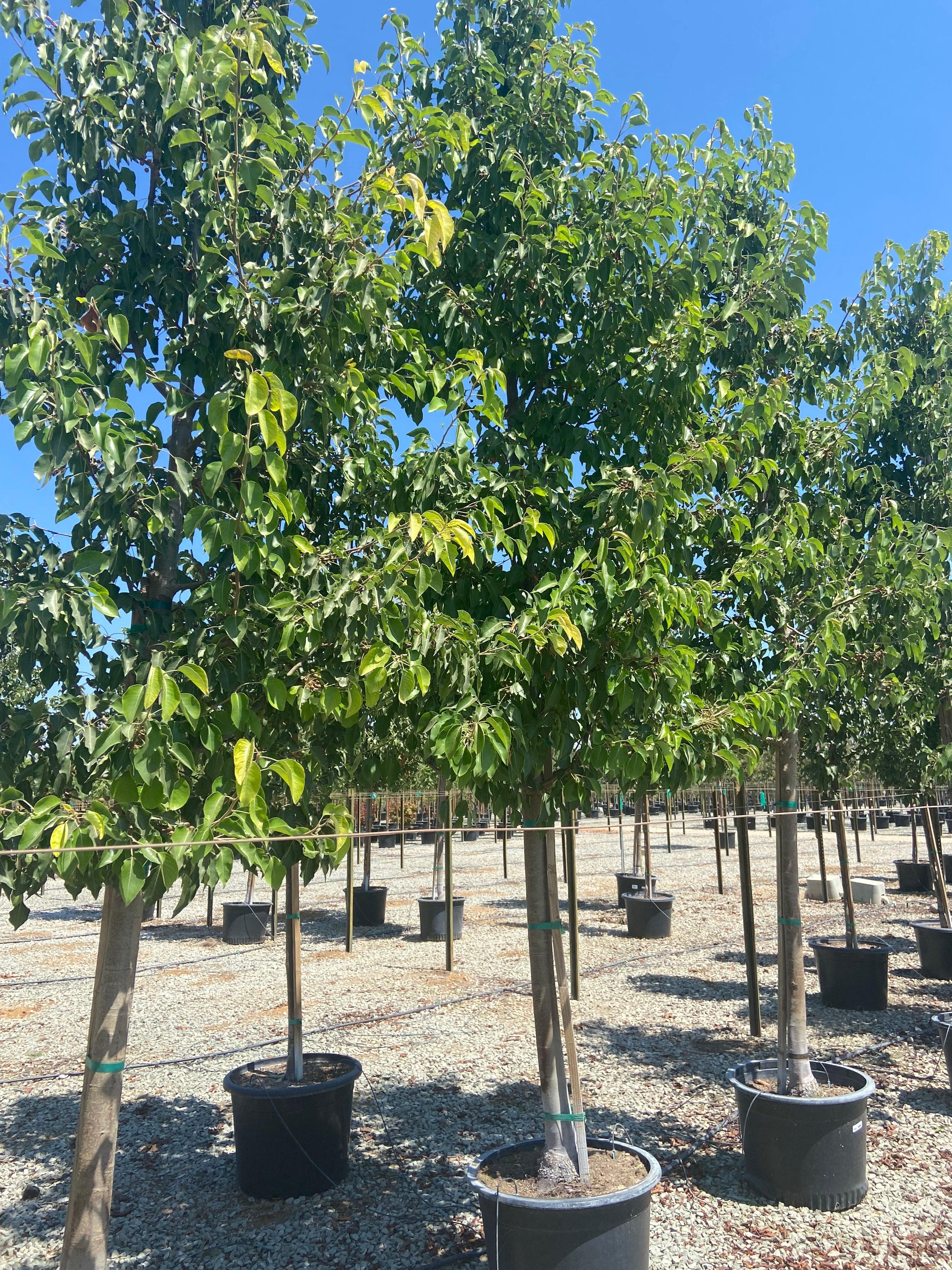
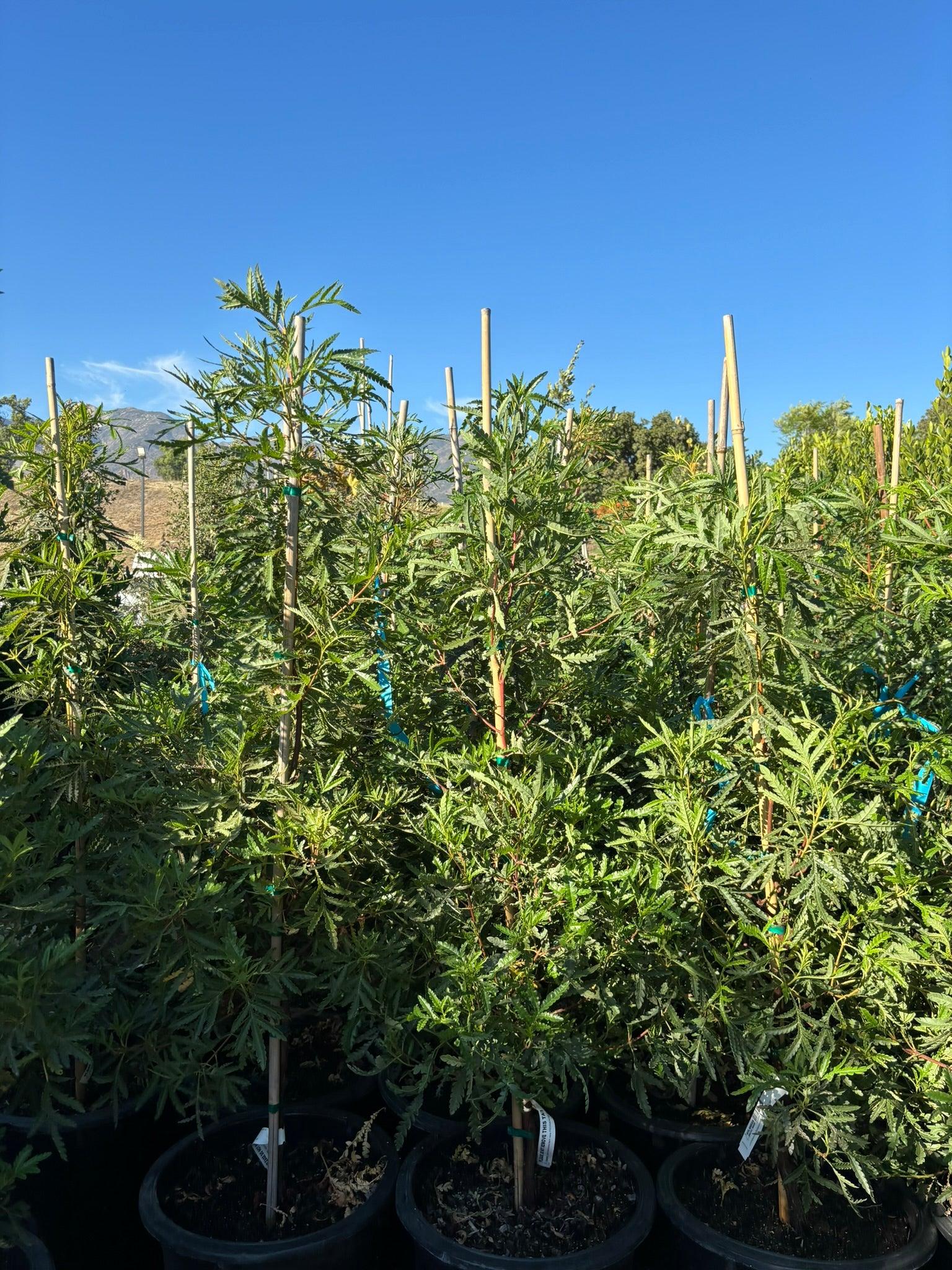
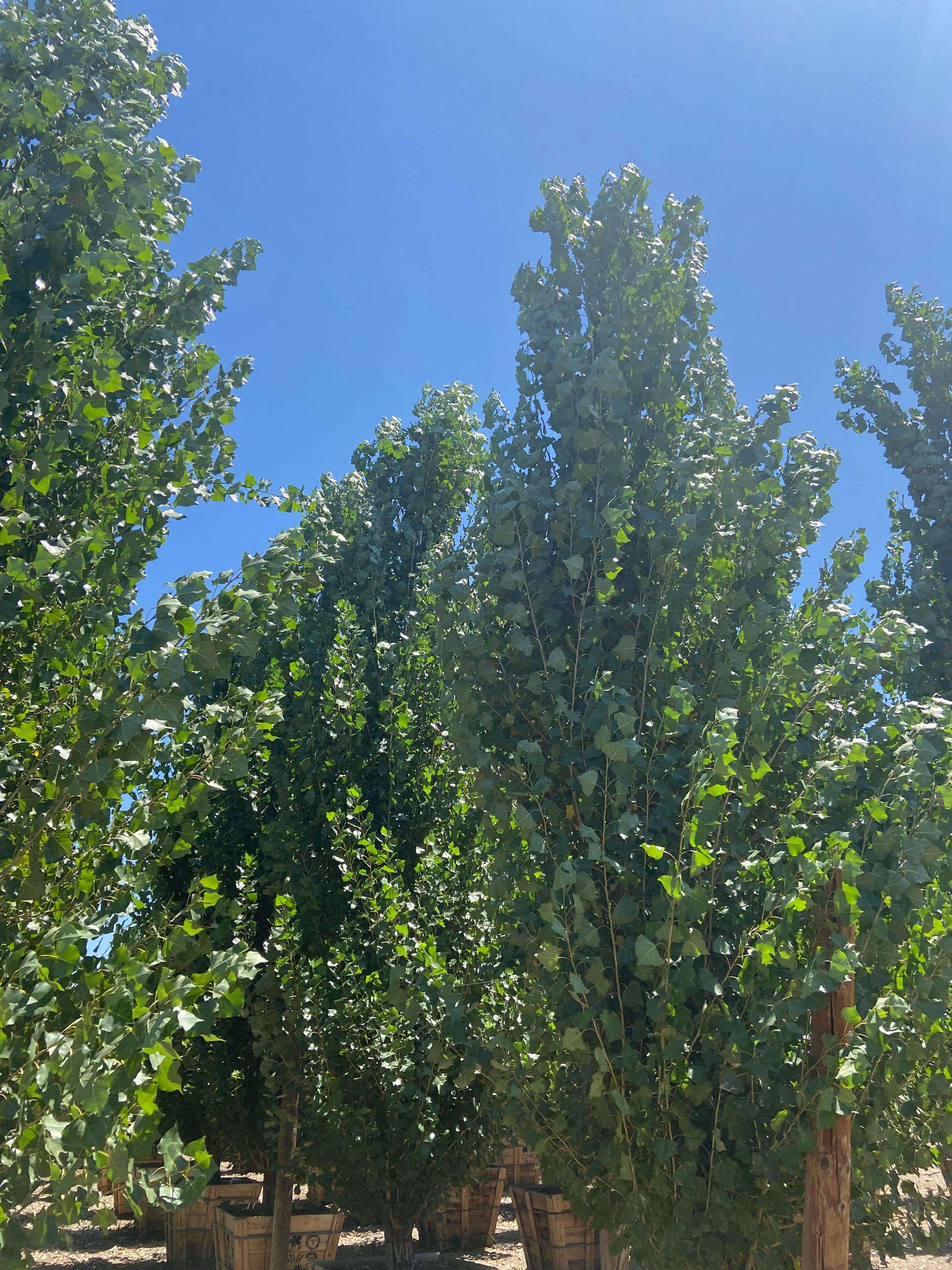
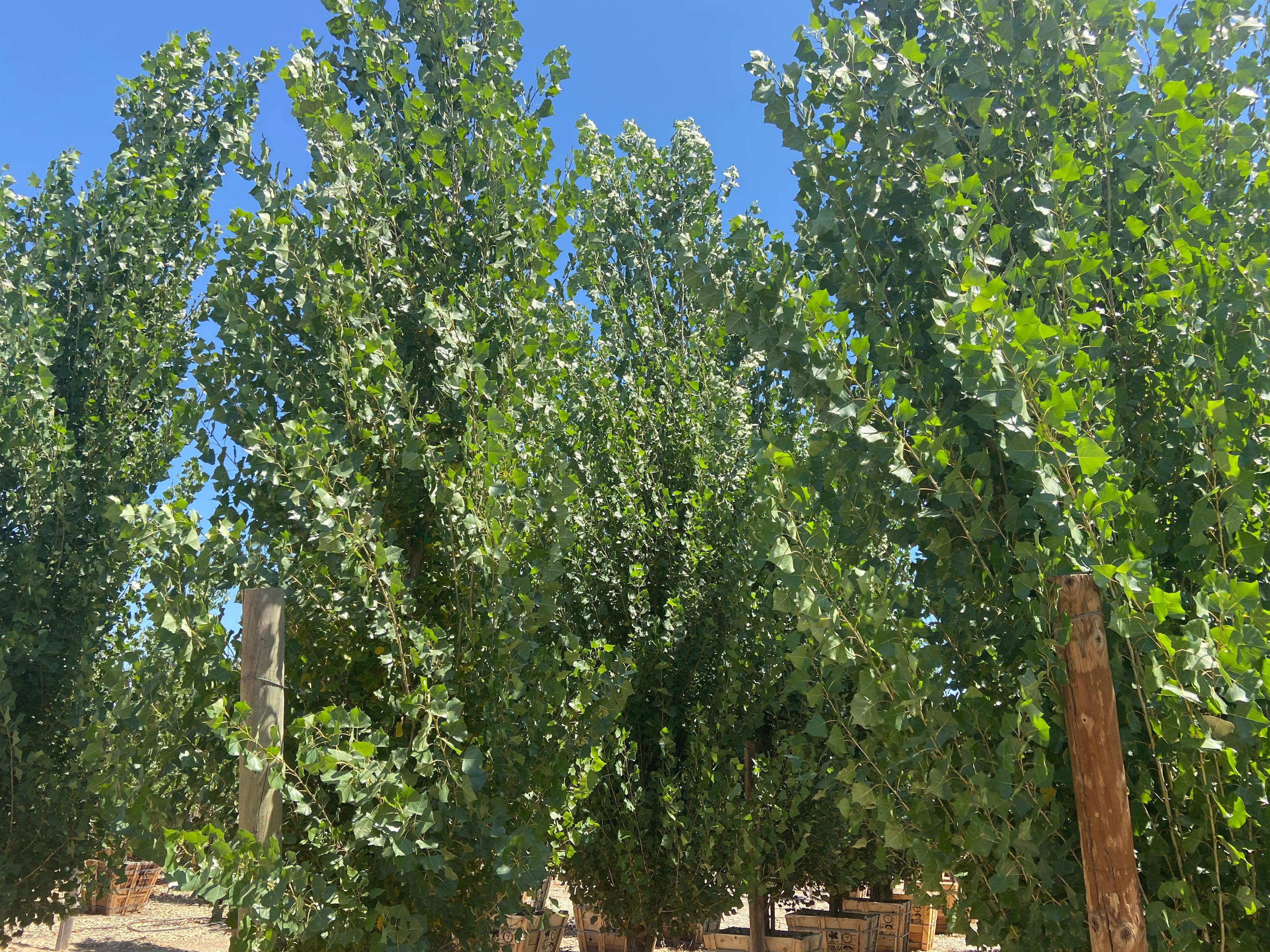
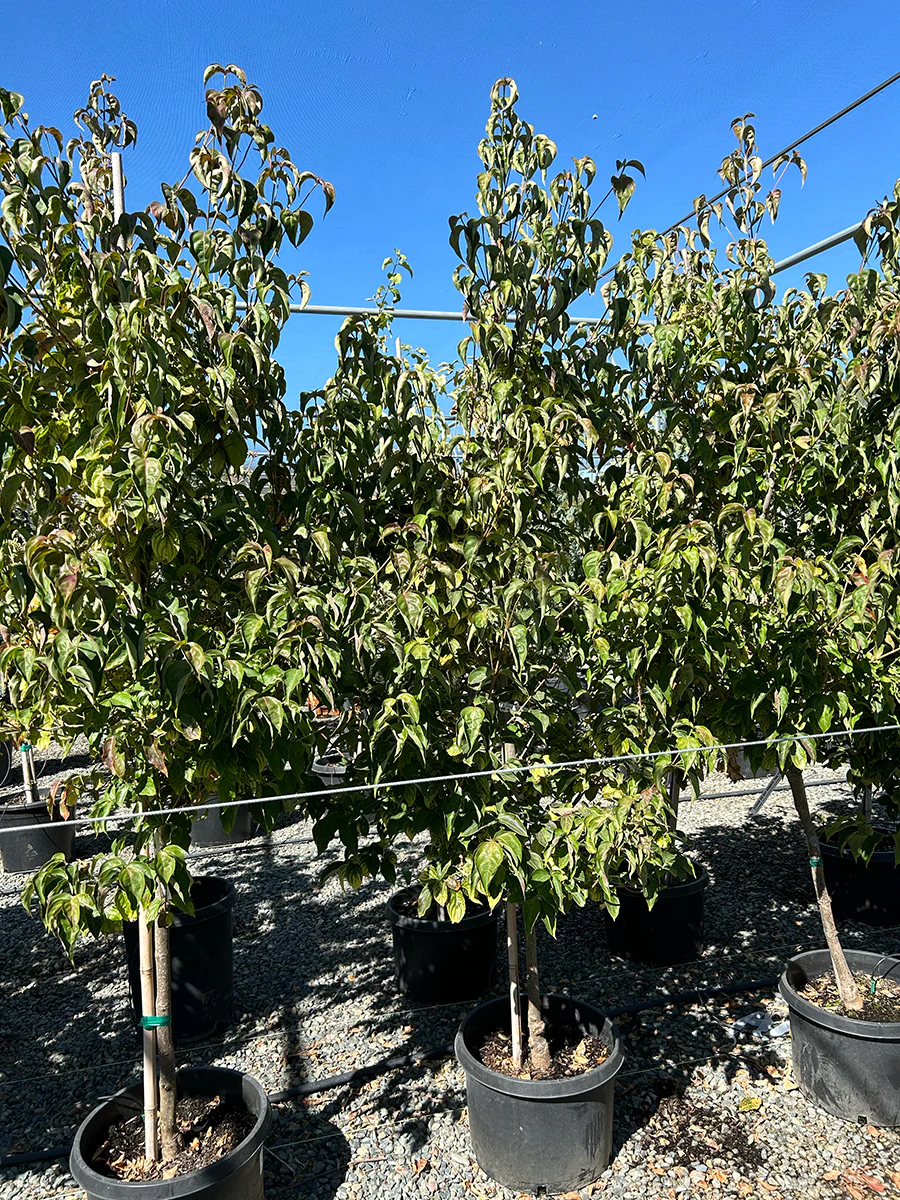
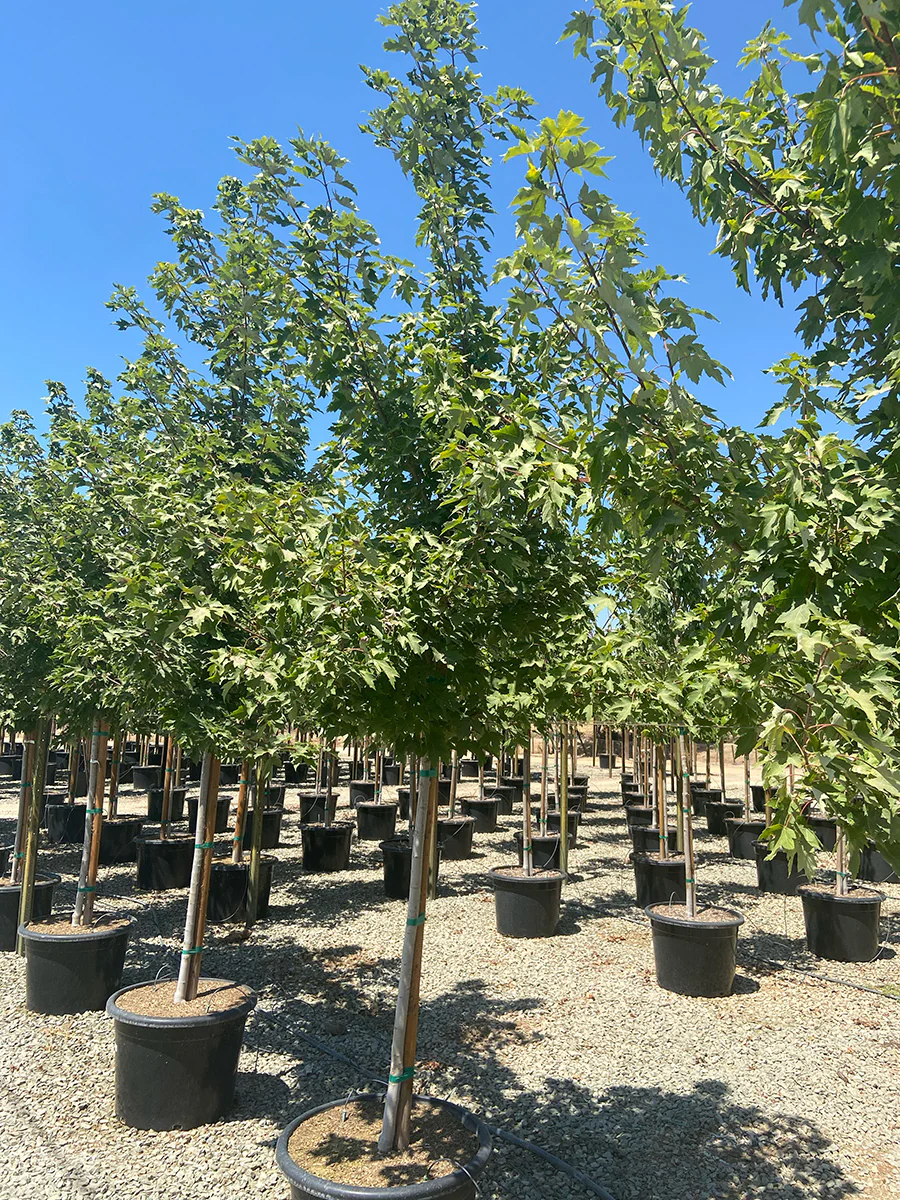
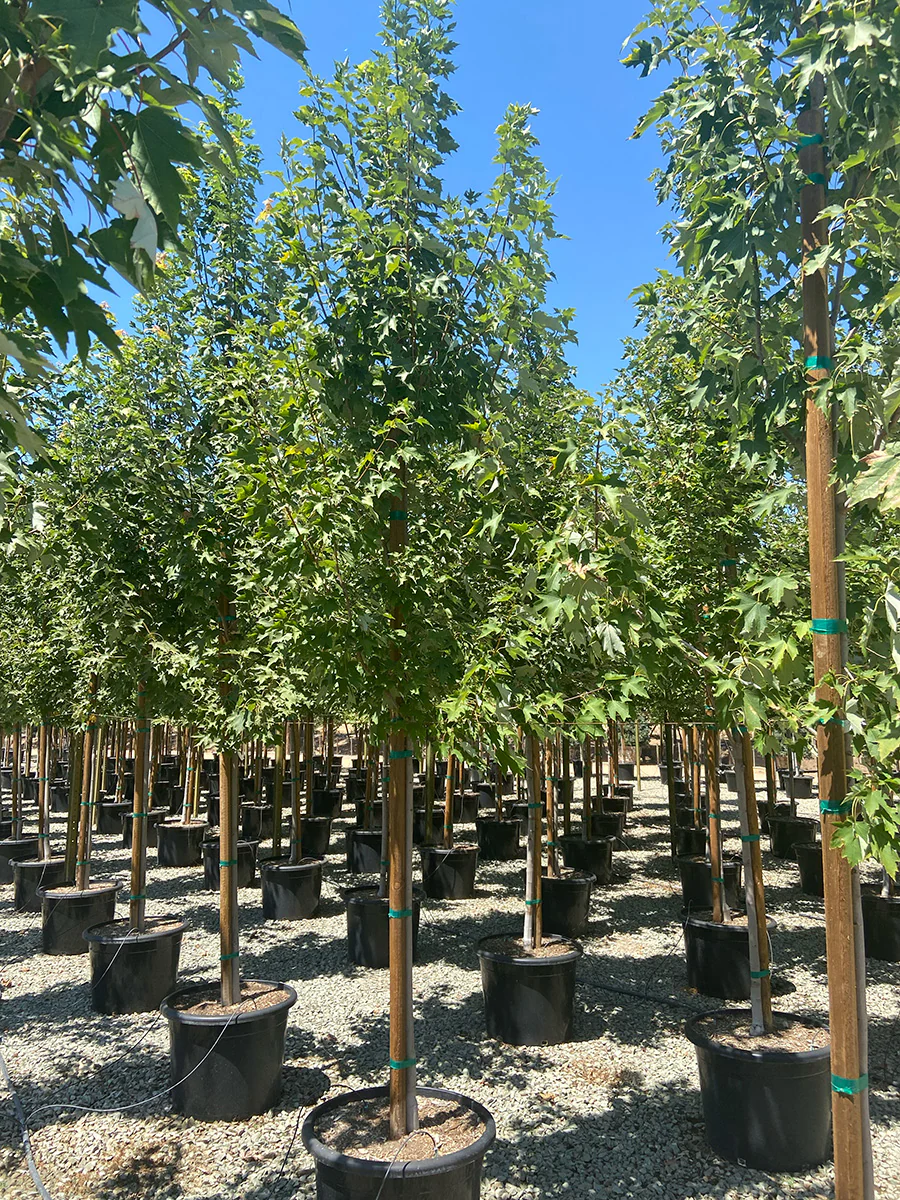
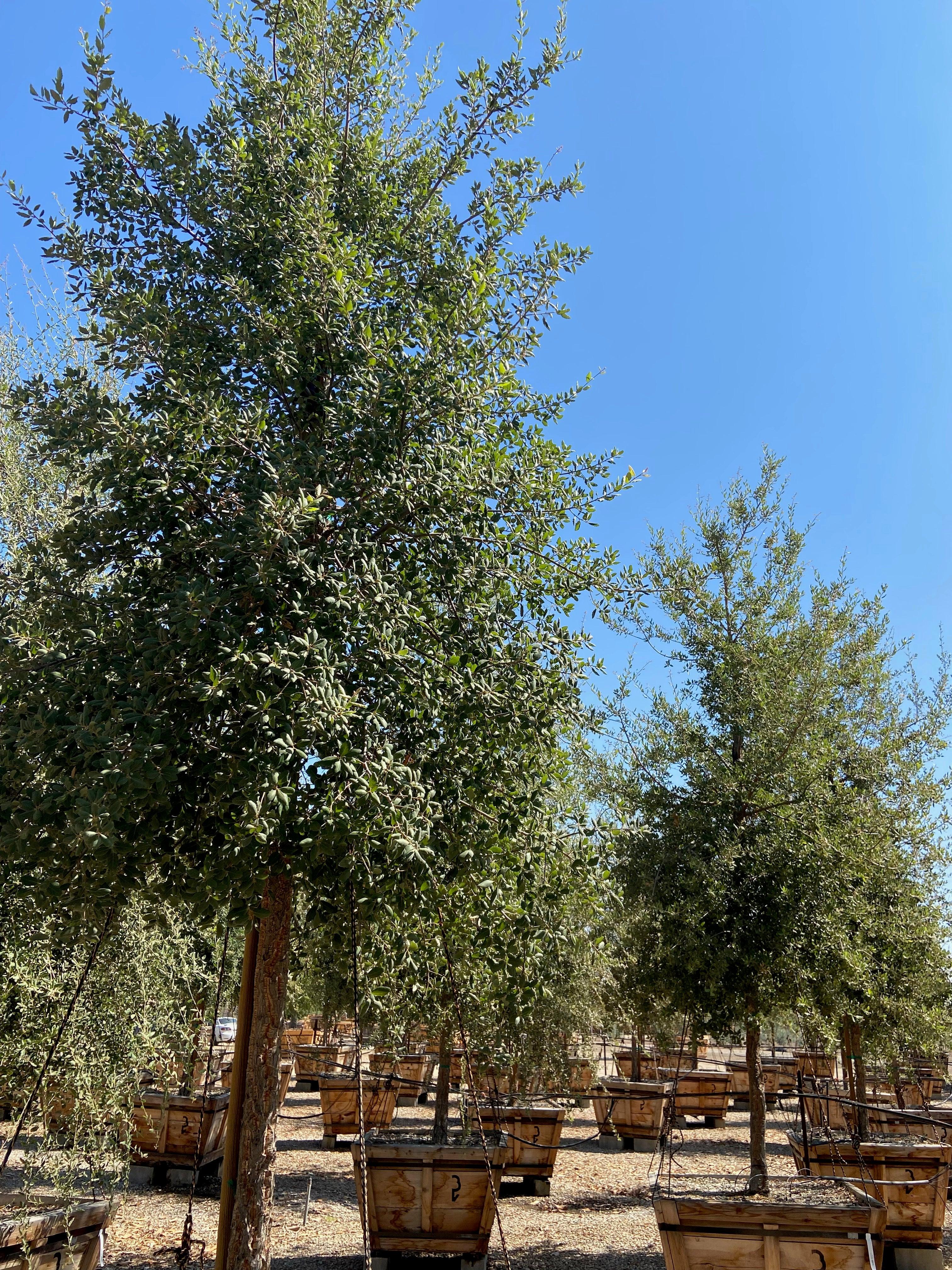
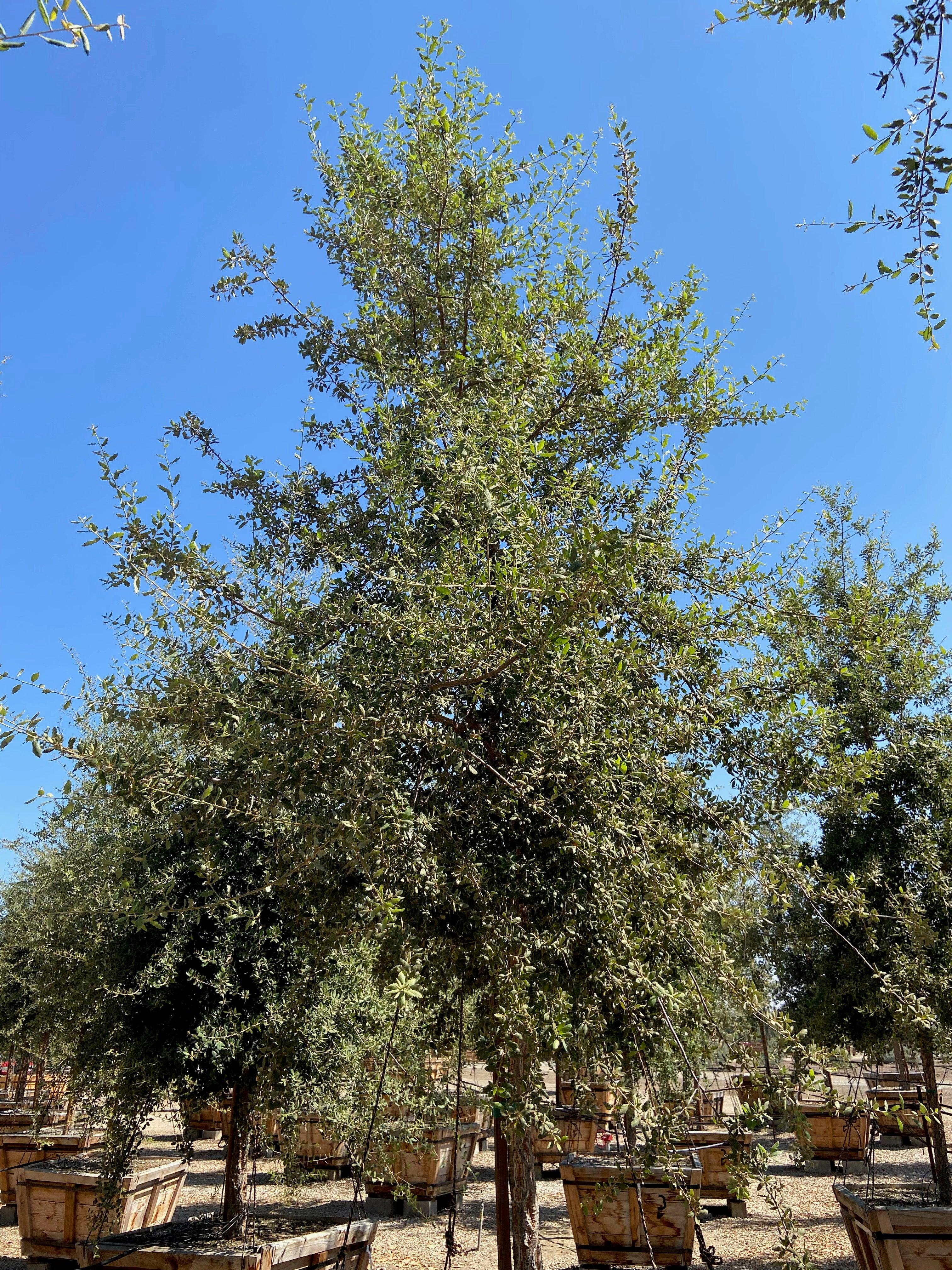
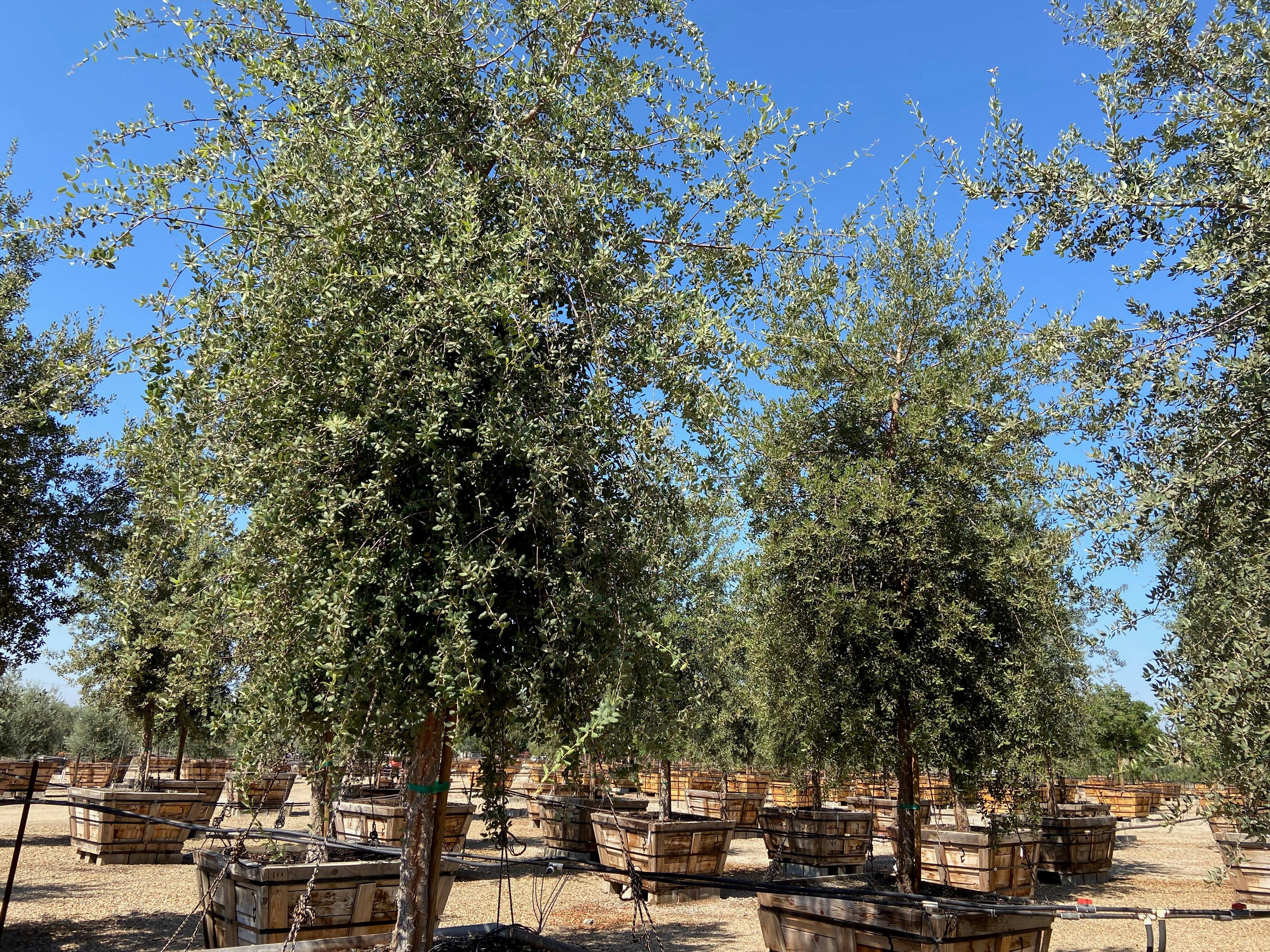
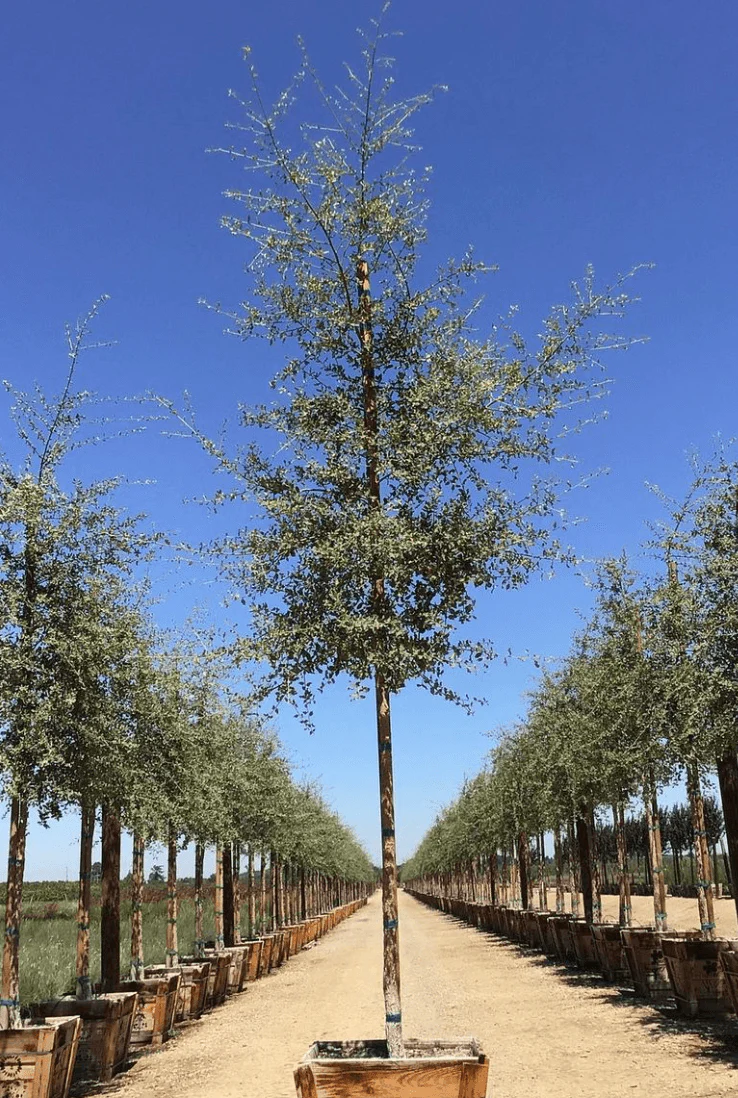
The Quercus suber, better known as the Cork Oak Tree, is a gorgeous tree celebrated worldwide for its remarkable beauty and versatility. Native to the Mediterranean Basin, this broadleaf evergreen stands out with its dark green leaves and thick, corky bark—a feature that not only adds visual interest but also serves a practical purpose. The Cork Oak’s outer bark is harvested to produce wine bottle corks and even cricket balls, making it one of the most useful trees in the world. Its stately presence and unique texture make it a stunning addition to any garden or landscape, while its evergreen foliage provides year-round color and shelter for local wildlife. Whether you’re looking to add a touch of Mediterranean elegance to your outdoor space or support biodiversity, the Cork Oak Tree is an exceptional choice for both beauty and function—and can become an integral part of your life and landscape, offering personal and environmental significance.
Cork Oak Adds Texture and Timeless Character
You'll get bold structure and unique texture when you plant Cork Oak in your yard. Its rugged, deeply ridged bark naturally regenerates and can be harvested every 7 years to produce wine corks. This broadleaf evergreen also offers a handsome, wide canopy and strong presence in both modern and traditional landscapes.
A Cork Oak Evergreen Thrives in Mild Winters & Dry Summers
Quercus suber adapts exceptionally well to California’s Mediterranean-like climate, thriving in areas with wet, mild winters and dry summers. Once established, it requires little supplemental watering and grows steadily with minimal fuss. You can expect a long-lived tree that not only anchors your space visually, but also supports soil health and native biodiversity. October is an ideal month for planting or observing Cork Oak trees, as it aligns with their natural growth cycle.
Why Landscapers Love the Cork Oak Tree
You'll enjoy long-term shade, drought tolerance, and a uniquely textural bark that sets Cork Oak apart. It works beautifully in both large lawns and naturalistic designs, offering benefits like erosion control and habitat support. Plus, it's virtually pest resistant and low-maintenance, making it a smart choice for sustainable landscapes.
Product Information
Product Information
Shipping & Returns
Shipping & Returns
Description
The Quercus suber, better known as the Cork Oak Tree, is a gorgeous tree celebrated worldwide for its remarkable beauty and versatility. Native to the Mediterranean Basin, this broadleaf evergreen stands out with its dark green leaves and thick, corky bark—a feature that not only adds visual interest but also serves a practical purpose. The Cork Oak’s outer bark is harvested to produce wine bottle corks and even cricket balls, making it one of the most useful trees in the world. Its stately presence and unique texture make it a stunning addition to any garden or landscape, while its evergreen foliage provides year-round color and shelter for local wildlife. Whether you’re looking to add a touch of Mediterranean elegance to your outdoor space or support biodiversity, the Cork Oak Tree is an exceptional choice for both beauty and function—and can become an integral part of your life and landscape, offering personal and environmental significance.
Cork Oak Adds Texture and Timeless Character
You'll get bold structure and unique texture when you plant Cork Oak in your yard. Its rugged, deeply ridged bark naturally regenerates and can be harvested every 7 years to produce wine corks. This broadleaf evergreen also offers a handsome, wide canopy and strong presence in both modern and traditional landscapes.
A Cork Oak Evergreen Thrives in Mild Winters & Dry Summers
Quercus suber adapts exceptionally well to California’s Mediterranean-like climate, thriving in areas with wet, mild winters and dry summers. Once established, it requires little supplemental watering and grows steadily with minimal fuss. You can expect a long-lived tree that not only anchors your space visually, but also supports soil health and native biodiversity. October is an ideal month for planting or observing Cork Oak trees, as it aligns with their natural growth cycle.
Why Landscapers Love the Cork Oak Tree
You'll enjoy long-term shade, drought tolerance, and a uniquely textural bark that sets Cork Oak apart. It works beautifully in both large lawns and naturalistic designs, offering benefits like erosion control and habitat support. Plus, it's virtually pest resistant and low-maintenance, making it a smart choice for sustainable landscapes.