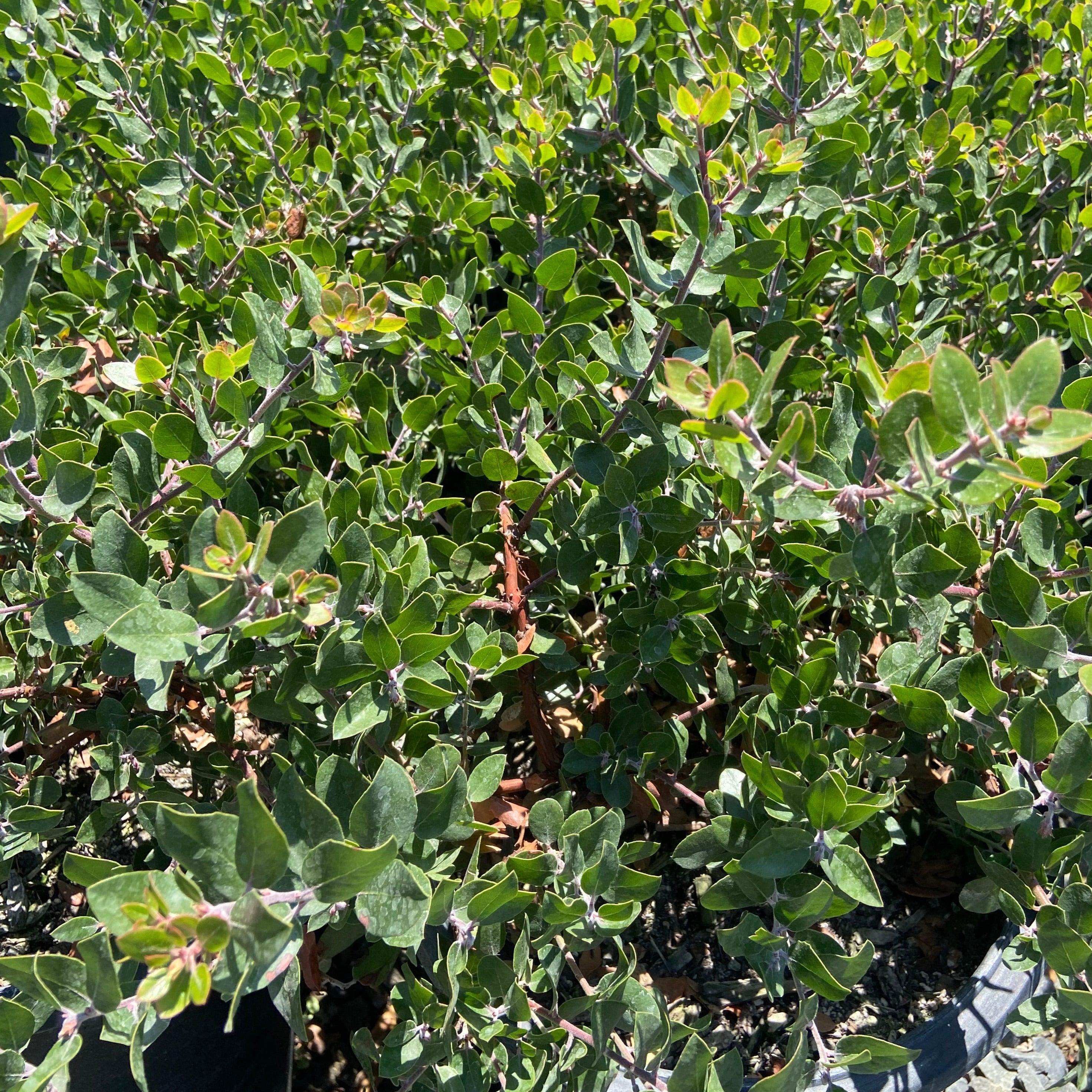


Black Sage - Salvia Mellifera
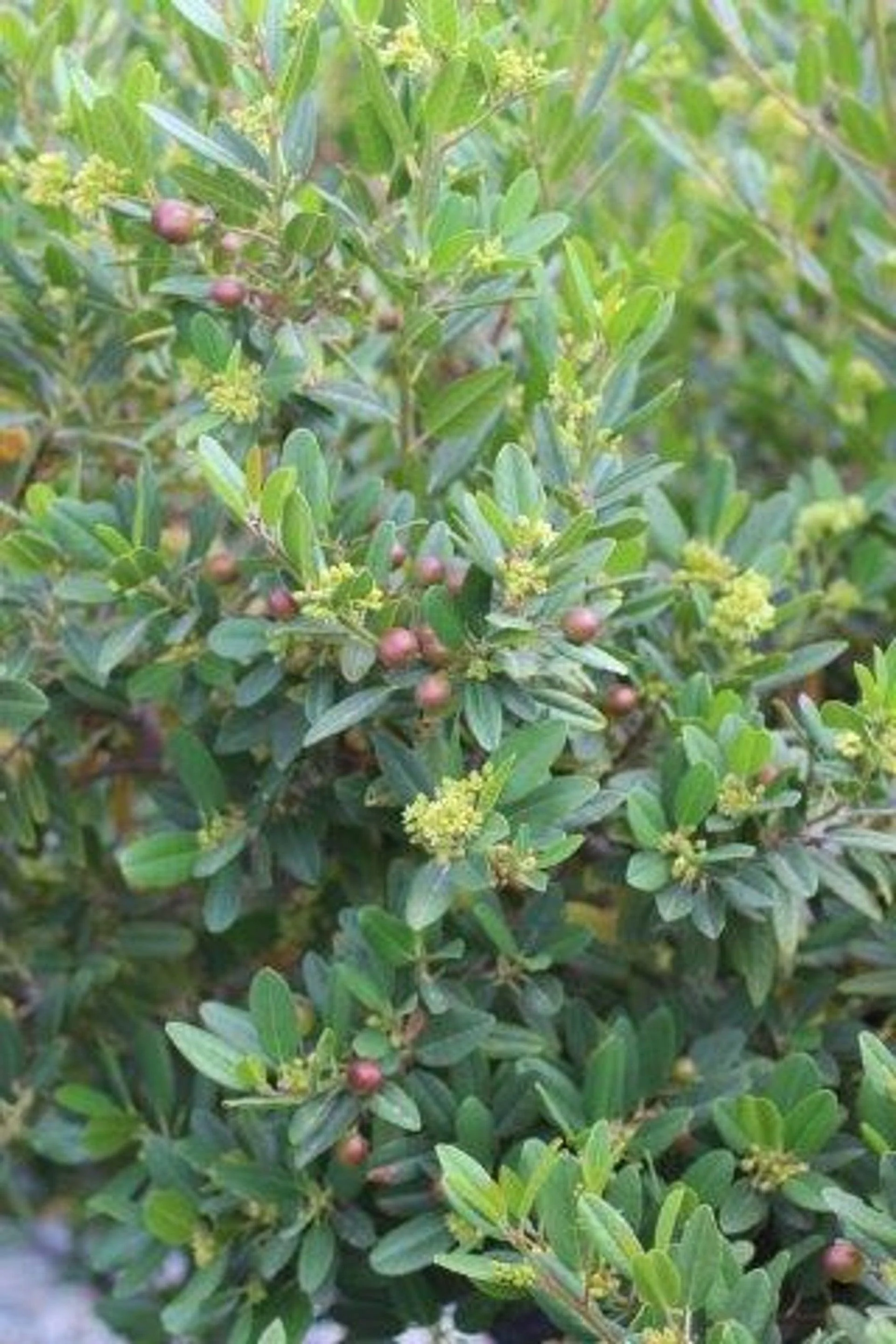
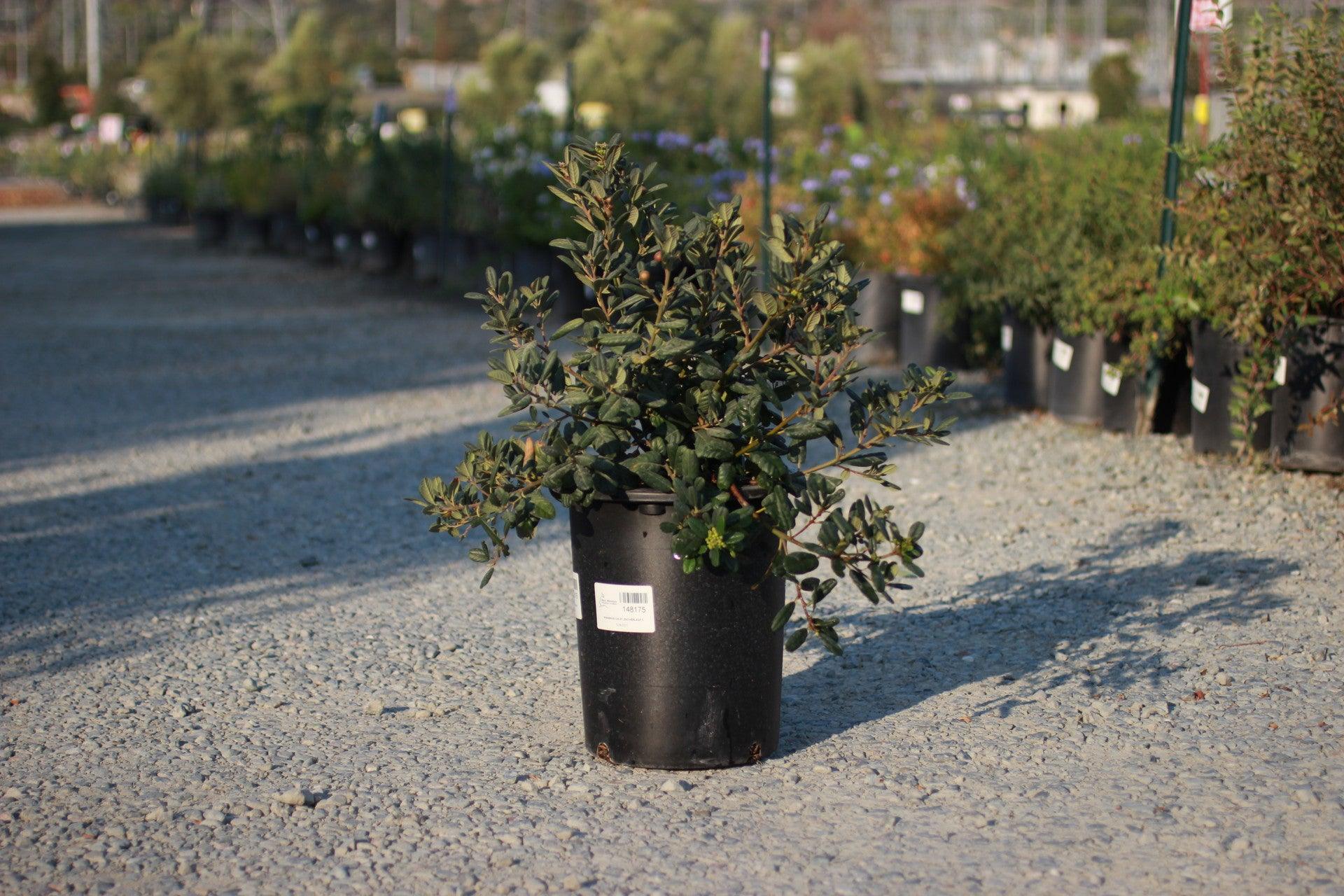
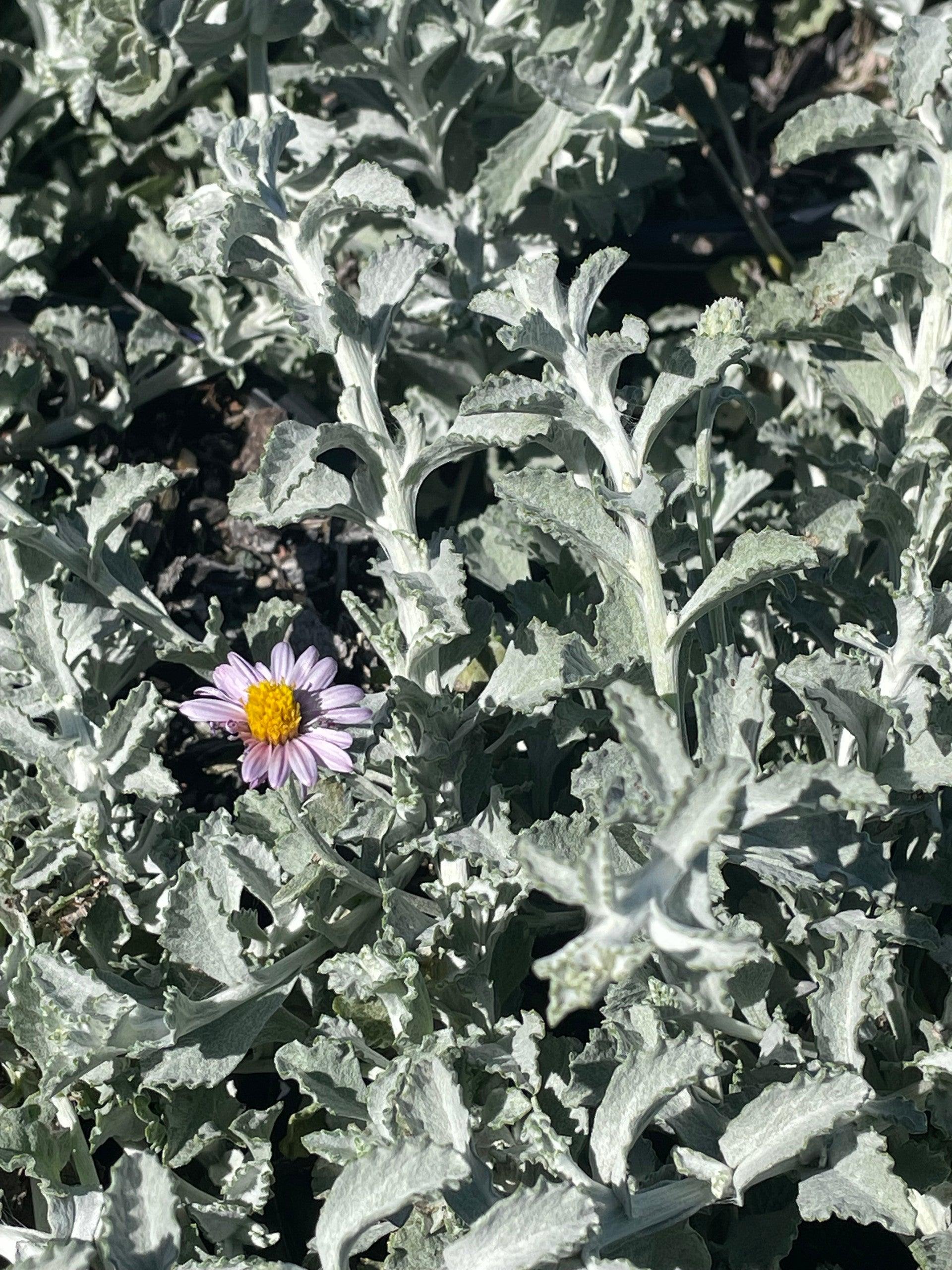
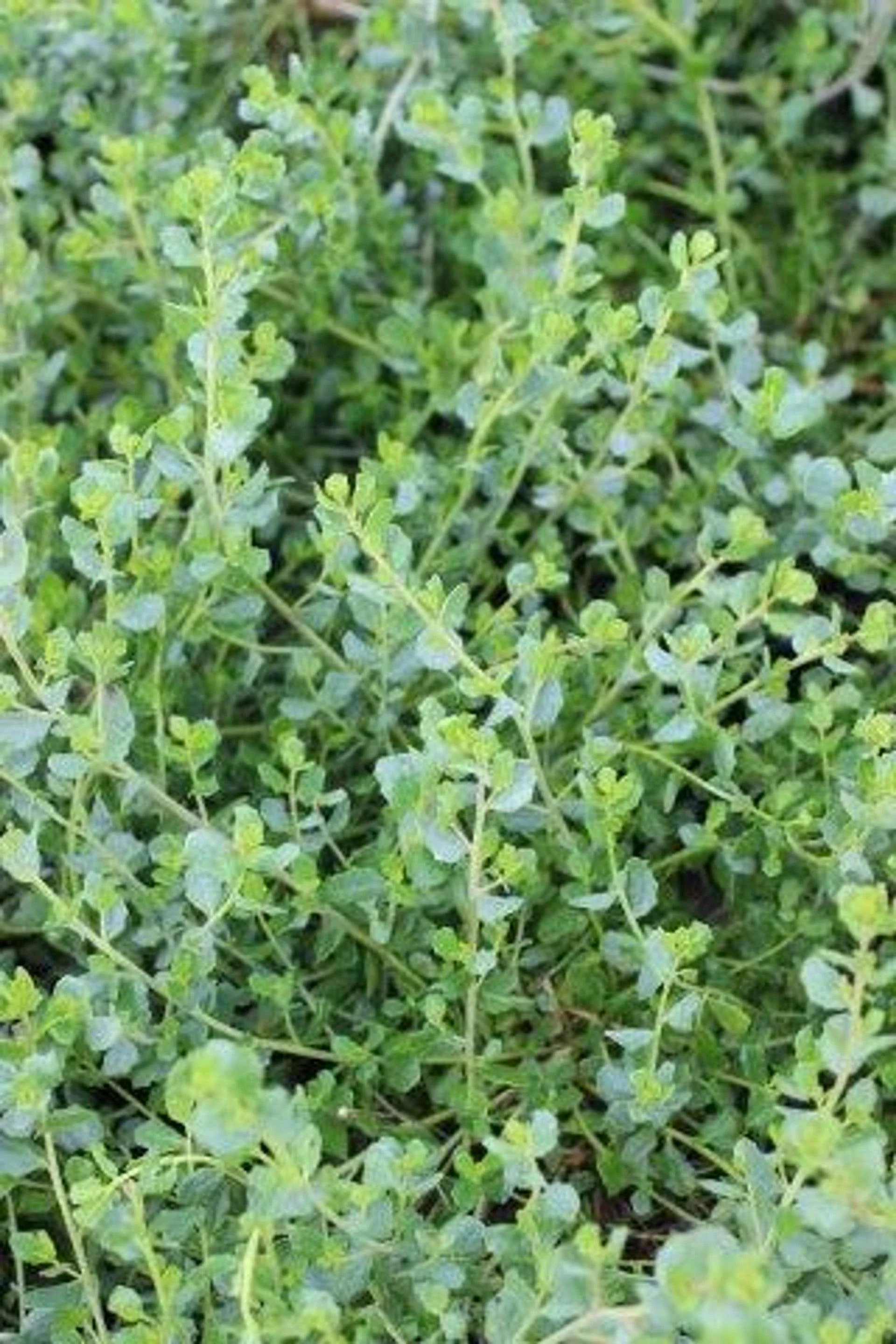
Salvia Mellifera, or Black Sage, is a fragrant, evergreen shrub that brings both beauty and utility to your garden. Native to coastal California, northern Baja, and northern Baja California, Black Sage thrives in chaparral and coastal sage scrub habitats. This native sage produces spikes of pale lavender to pale blue flowers that bloom from late winter through early summer, with peak flowering in mid spring to mid summer, attracting pollinators such as bees, native bees, butterflies, hummingbirds, and birds like quail. With its aromatic, gray-green foliage and drought tolerance, Black Sage thrives in full sun and hot, dry conditions, and is well-adapted to sandy, loamy, and even clay soils. It is an excellent choice for xeriscaping, native plant gardens, and wildlife-friendly landscapes. Black Sage is generally resistant to pests and not preferred for animals to eat, but may be sampled if food is scarce.
Key Features:
-
Aromatic gray-green foliage with pale lavender to pale blue flowers blooming from late winter through early summer; peak flowering in mid spring to mid summer
-
Nectar-rich flowers attract bees, native bees, butterflies, hummingbirds, and birds such as quail
-
Seeds provide food for birds and quail
-
Highly valued for honey production, especially rare and sought-after black sage honey, due to abundant nectar
-
Deep roots and woody stems help stabilize soil and prevent erosion
-
Drought-tolerant and thrives in poor, well-drained soils including sand and clay; requires little to no summer water once established
-
Hardy in USDA zones 8-10
-
Belongs to the genus Salvia and the family Lamiaceae
-
Pairs well with companion plants that share similar sun and water needs
-
Aromatic leaves have been used traditionally to make tea
-
Needs adequate space to grow and spread in the garden
-
Low-maintenance and deer-resistant
Perfect for: Xeriscape gardens, native plant landscapes, pollinator gardens, and coastal gardens.
Conservation Status and Threats
Salvia mellifera, better known as Black Sage, is a cornerstone species in California’s coastal sage scrub habitats. As a native sage, it supports a diverse array of wildlife and helps maintain the ecological balance of these unique environments. However, Black Sage faces mounting threats due to rapid urbanization, habitat destruction, and the encroachment of invasive species. In Southern California, the expansion of cities and infrastructure has led to significant loss and fragmentation of coastal sage scrub, putting native plants like Black Sage at risk.
Another major challenge is the increasing frequency and intensity of wildfires, which can devastate large populations of Black Sage and disrupt the natural regeneration of these habitats. Climate change further compounds these threats by altering rainfall patterns and increasing drought stress on native species. The introduction of non-native plants also creates competition for resources, making it harder for Black Sage to thrive.
Conservation efforts are crucial to protect this vital species and the coastal sage scrub ecosystems it supports. Strategies such as habitat restoration, invasive species management, and the establishment of protected areas can help preserve the genetic diversity of Salvia mellifera. By supporting native plant initiatives and choosing Black Sage for landscaping, gardeners and land managers can play a direct role in safeguarding California’s natural heritage for future generations.
Research and Future Directions
Ongoing research into Salvia mellifera is uncovering new ways this remarkable plant can benefit both the environment and human communities. Scientists are studying Black Sage’s role in coastal sage scrub ecosystems, where its deep root system helps stabilize soil and prevent erosion on dry slopes and poor soils. This makes Black Sage an excellent candidate for erosion control and habitat restoration projects, especially in areas prone to drought and soil degradation.
In addition to its ecological value, Black Sage is gaining attention for its medicinal properties. Studies have identified antibacterial and anti-inflammatory compounds in its leaves, suggesting potential for future development of natural remedies. As interest in drought-tolerant landscaping and native plant gardens continues to grow, Black Sage is becoming a popular choice for sustainable garden design, offering beauty, resilience, and habitat value.
Looking ahead, further research will explore how Salvia mellifera can be integrated into large-scale restoration efforts and urban landscapes to combat the effects of climate change and habitat loss. By promoting the use of Black Sage in both public and private spaces, we can help ensure the survival of this iconic California species while enhancing the health and sustainability of our local environments.
Original: $21.50
-65%$21.50
$7.52Product Information
Product Information
Shipping & Returns
Shipping & Returns
Description
Salvia Mellifera, or Black Sage, is a fragrant, evergreen shrub that brings both beauty and utility to your garden. Native to coastal California, northern Baja, and northern Baja California, Black Sage thrives in chaparral and coastal sage scrub habitats. This native sage produces spikes of pale lavender to pale blue flowers that bloom from late winter through early summer, with peak flowering in mid spring to mid summer, attracting pollinators such as bees, native bees, butterflies, hummingbirds, and birds like quail. With its aromatic, gray-green foliage and drought tolerance, Black Sage thrives in full sun and hot, dry conditions, and is well-adapted to sandy, loamy, and even clay soils. It is an excellent choice for xeriscaping, native plant gardens, and wildlife-friendly landscapes. Black Sage is generally resistant to pests and not preferred for animals to eat, but may be sampled if food is scarce.
Key Features:
-
Aromatic gray-green foliage with pale lavender to pale blue flowers blooming from late winter through early summer; peak flowering in mid spring to mid summer
-
Nectar-rich flowers attract bees, native bees, butterflies, hummingbirds, and birds such as quail
-
Seeds provide food for birds and quail
-
Highly valued for honey production, especially rare and sought-after black sage honey, due to abundant nectar
-
Deep roots and woody stems help stabilize soil and prevent erosion
-
Drought-tolerant and thrives in poor, well-drained soils including sand and clay; requires little to no summer water once established
-
Hardy in USDA zones 8-10
-
Belongs to the genus Salvia and the family Lamiaceae
-
Pairs well with companion plants that share similar sun and water needs
-
Aromatic leaves have been used traditionally to make tea
-
Needs adequate space to grow and spread in the garden
-
Low-maintenance and deer-resistant
Perfect for: Xeriscape gardens, native plant landscapes, pollinator gardens, and coastal gardens.
Conservation Status and Threats
Salvia mellifera, better known as Black Sage, is a cornerstone species in California’s coastal sage scrub habitats. As a native sage, it supports a diverse array of wildlife and helps maintain the ecological balance of these unique environments. However, Black Sage faces mounting threats due to rapid urbanization, habitat destruction, and the encroachment of invasive species. In Southern California, the expansion of cities and infrastructure has led to significant loss and fragmentation of coastal sage scrub, putting native plants like Black Sage at risk.
Another major challenge is the increasing frequency and intensity of wildfires, which can devastate large populations of Black Sage and disrupt the natural regeneration of these habitats. Climate change further compounds these threats by altering rainfall patterns and increasing drought stress on native species. The introduction of non-native plants also creates competition for resources, making it harder for Black Sage to thrive.
Conservation efforts are crucial to protect this vital species and the coastal sage scrub ecosystems it supports. Strategies such as habitat restoration, invasive species management, and the establishment of protected areas can help preserve the genetic diversity of Salvia mellifera. By supporting native plant initiatives and choosing Black Sage for landscaping, gardeners and land managers can play a direct role in safeguarding California’s natural heritage for future generations.
Research and Future Directions
Ongoing research into Salvia mellifera is uncovering new ways this remarkable plant can benefit both the environment and human communities. Scientists are studying Black Sage’s role in coastal sage scrub ecosystems, where its deep root system helps stabilize soil and prevent erosion on dry slopes and poor soils. This makes Black Sage an excellent candidate for erosion control and habitat restoration projects, especially in areas prone to drought and soil degradation.
In addition to its ecological value, Black Sage is gaining attention for its medicinal properties. Studies have identified antibacterial and anti-inflammatory compounds in its leaves, suggesting potential for future development of natural remedies. As interest in drought-tolerant landscaping and native plant gardens continues to grow, Black Sage is becoming a popular choice for sustainable garden design, offering beauty, resilience, and habitat value.
Looking ahead, further research will explore how Salvia mellifera can be integrated into large-scale restoration efforts and urban landscapes to combat the effects of climate change and habitat loss. By promoting the use of Black Sage in both public and private spaces, we can help ensure the survival of this iconic California species while enhancing the health and sustainability of our local environments.