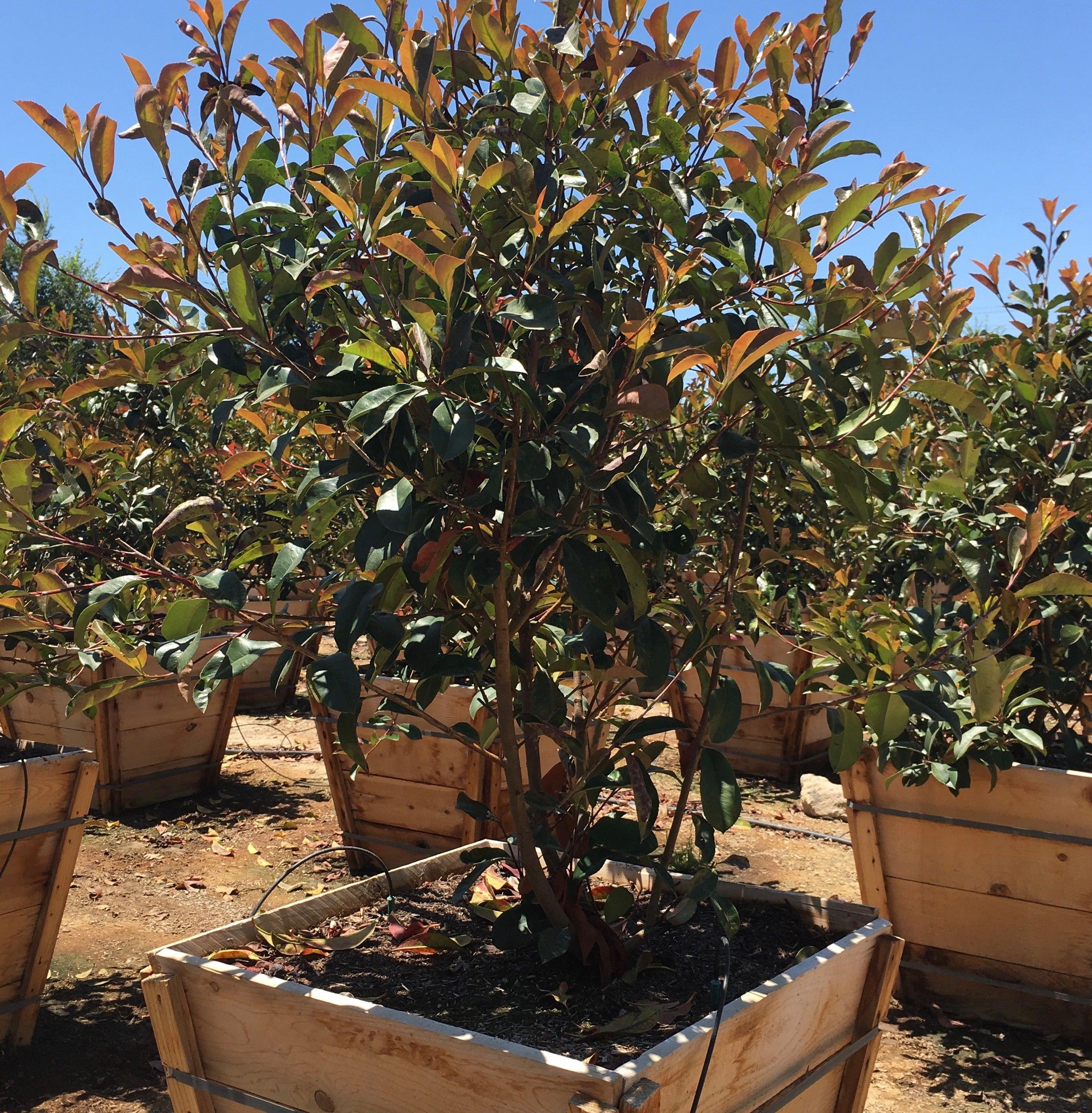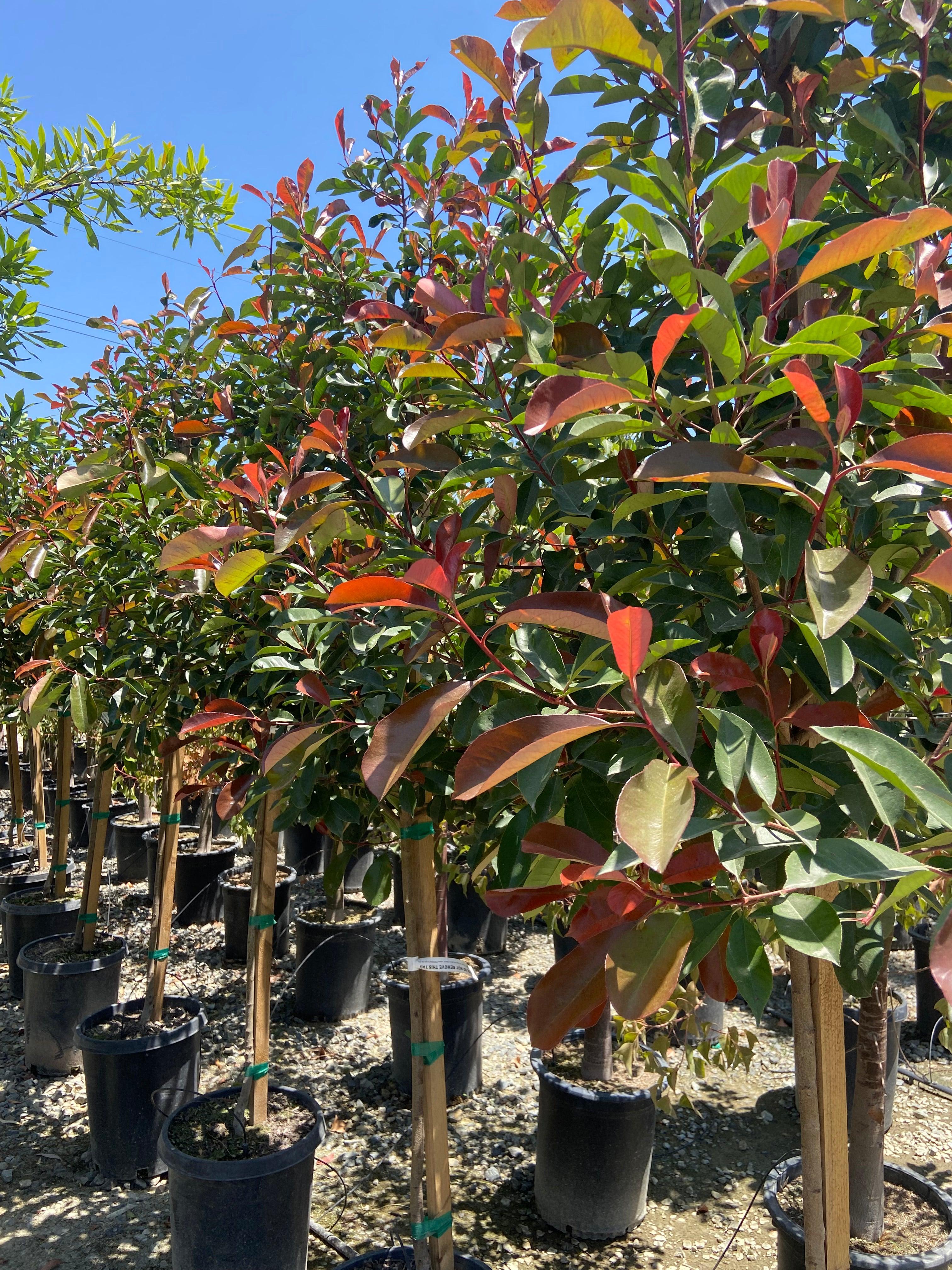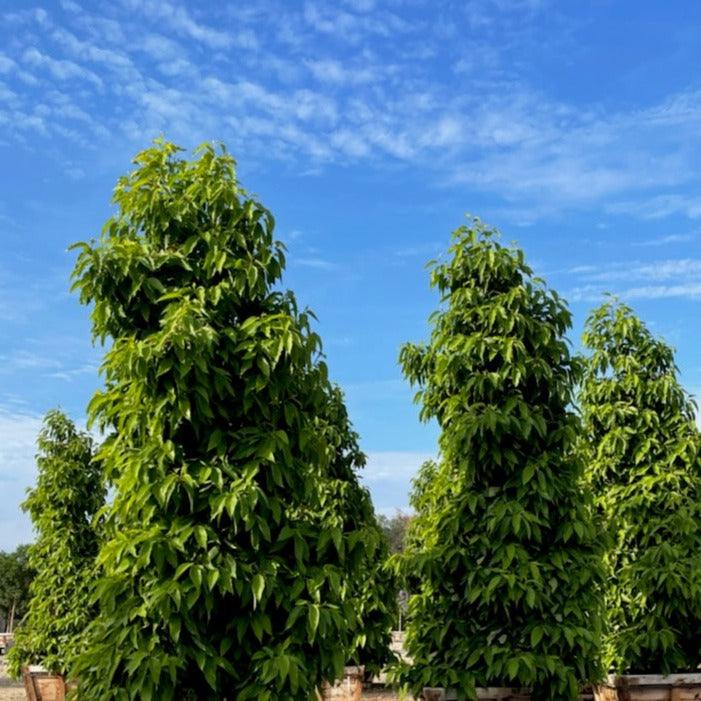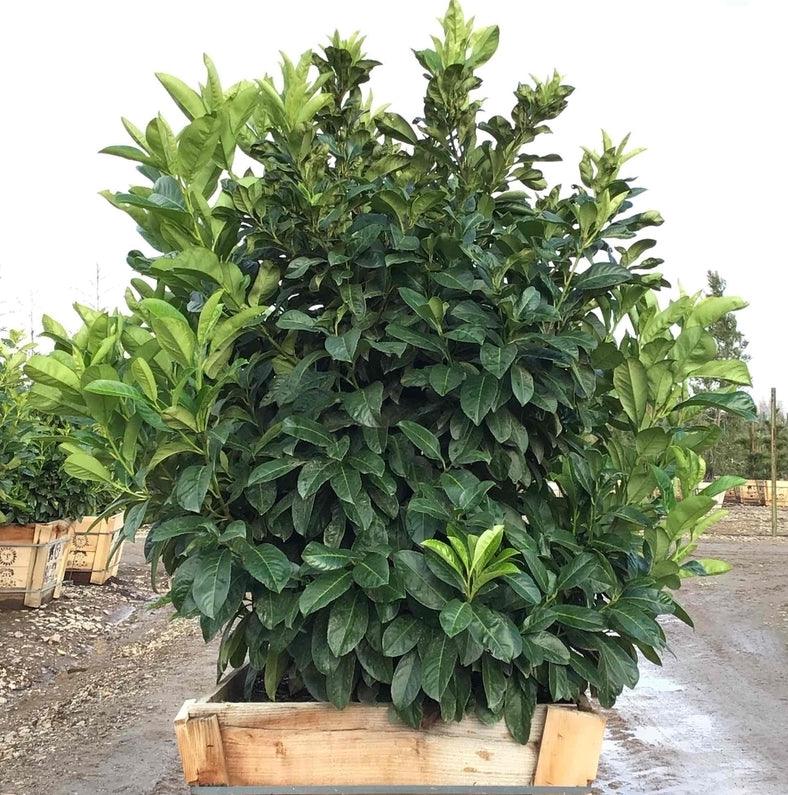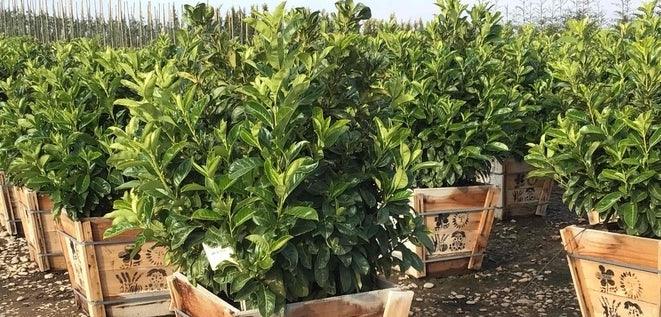
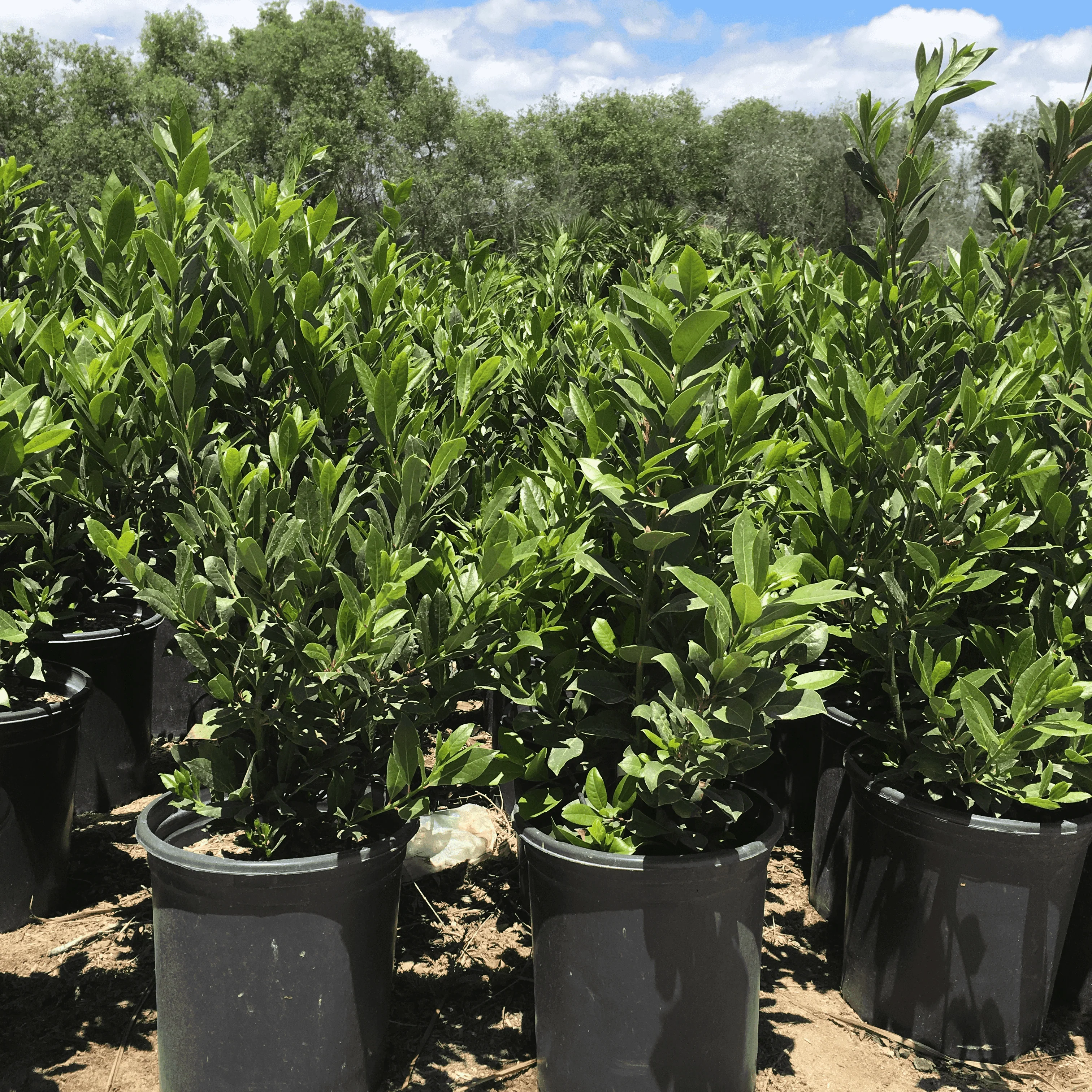
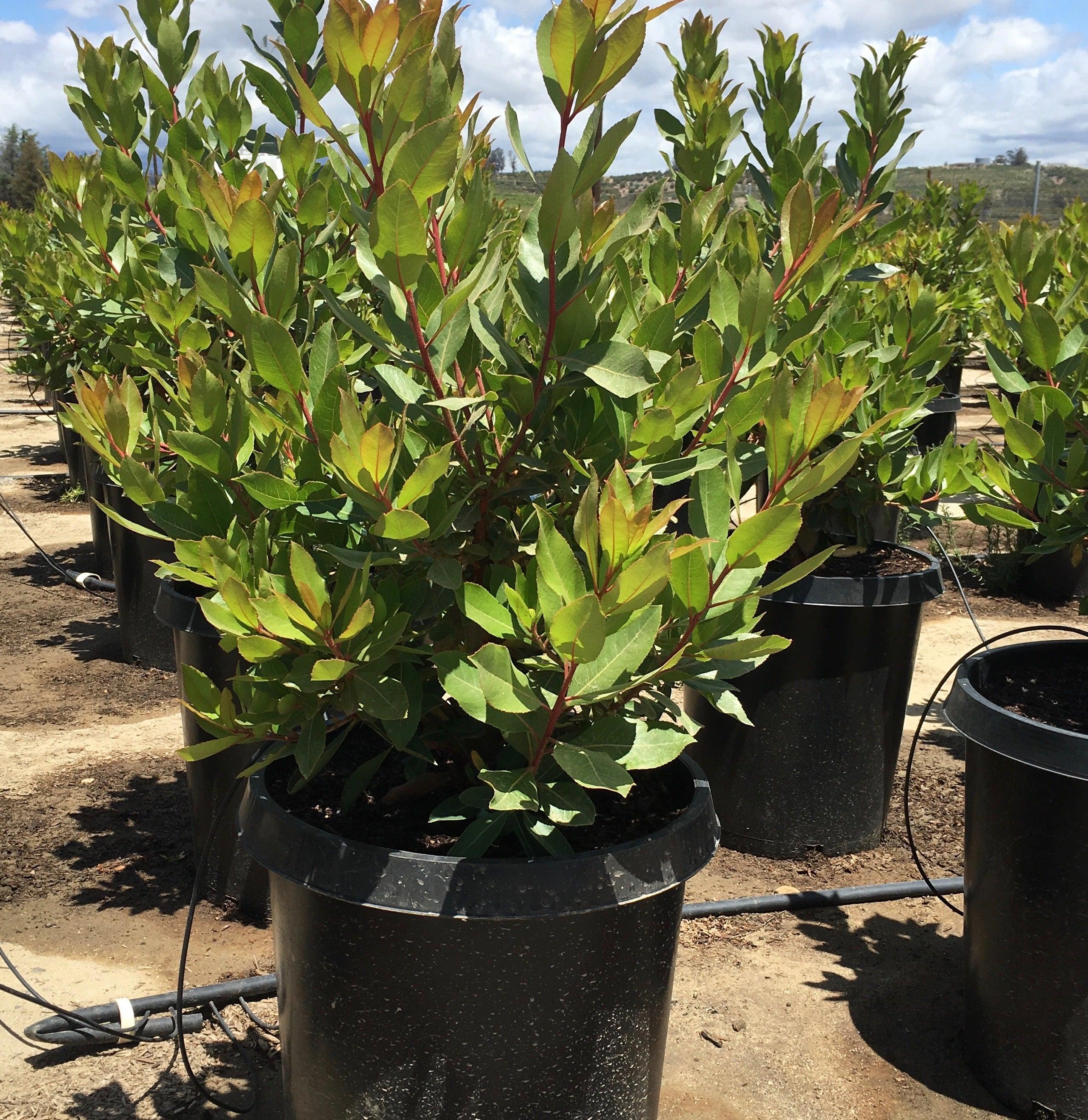
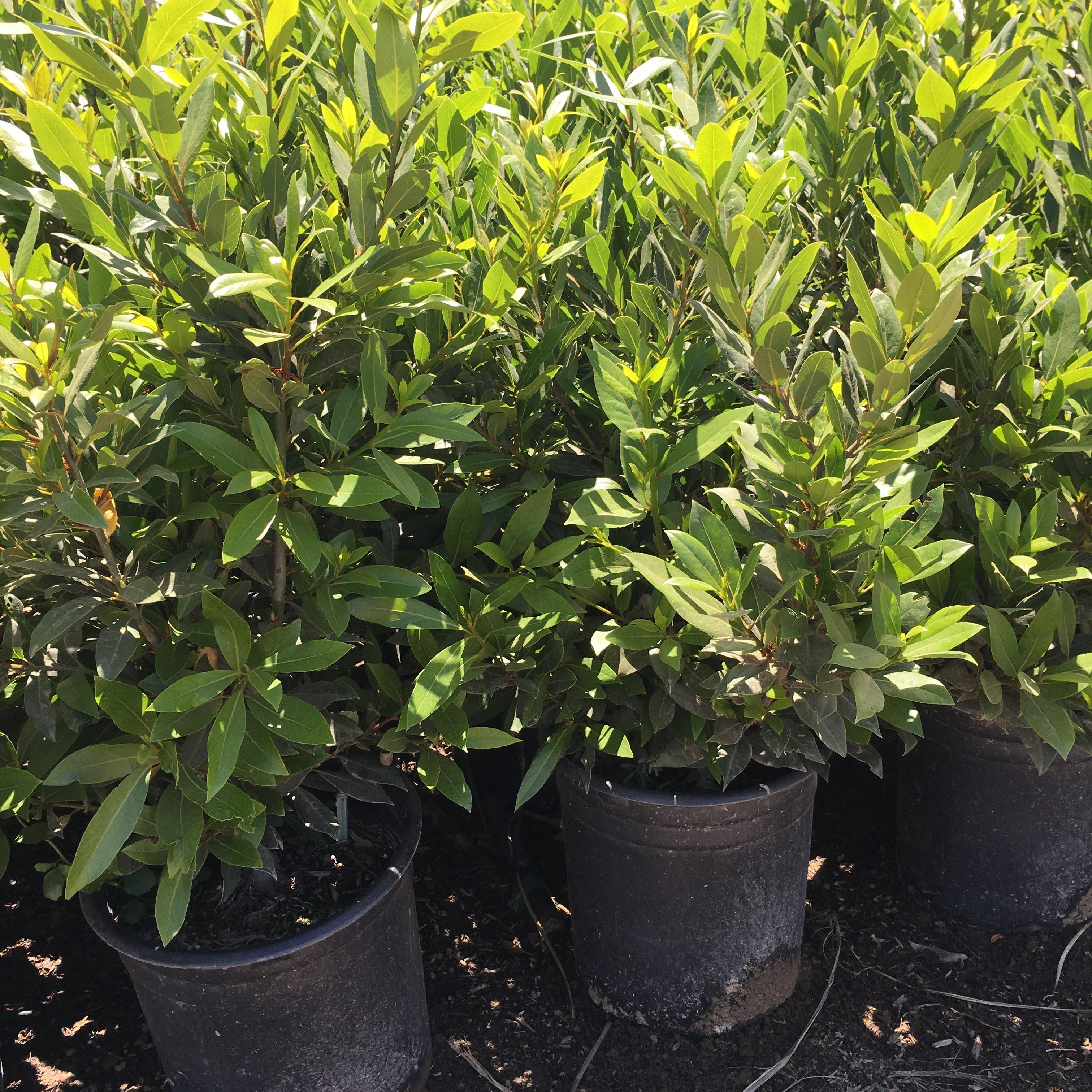
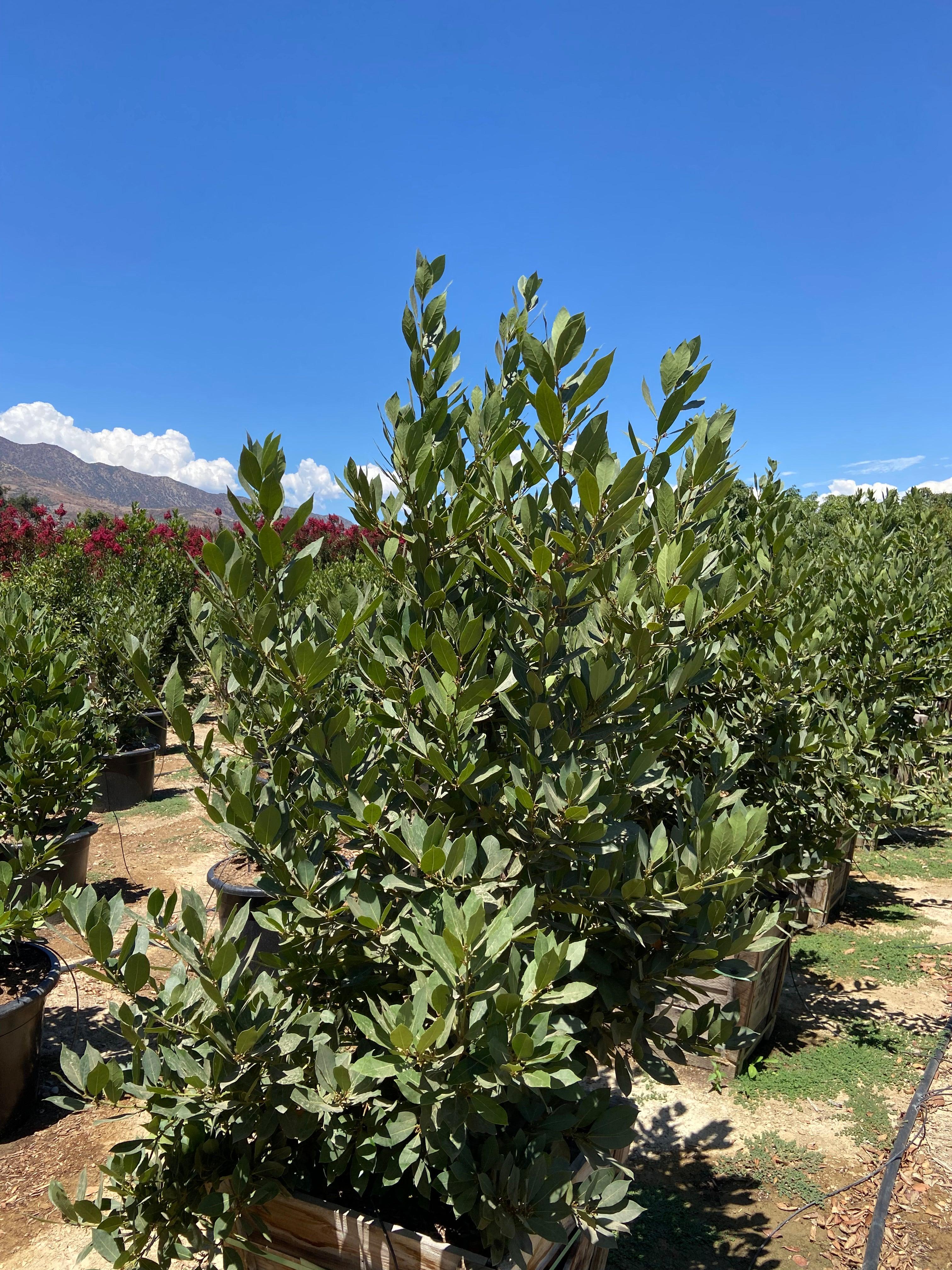
Bay Laurel - Laurus Nobilis
Transform Your Garden into a Culinary Paradise
Bay Laurel gives you fresh, aromatic leaves for year-round cooking, so you can step outside, harvest a bay leaf, and add deep, savory flavor to soups, stews, sauces, meats, and baked dishes without relying on tired store-bought dried leaves.
Also known as sweet bay, grecian laurel, true laurel, bay tree, and laurus nobilis bay laurel, this evergreen tree brings together the usefulness of a culinary herb and the structure of a refined garden plant. Keep it as a small tree near the front door, shape it as a patio topiary, or grow it in containers for fresh or dried bay leaves whenever your kitchen needs them.
Why You’ll Love Bay Laurel
-
Fresh Culinary Leaves – Harvest aromatic leaves year-round from mature bay laurel trees for culinary or medicinal use, especially in soups, stews, Mediterranean cuisines, sauces, meats, and baked dishes.
-
Low-Maintenance Evergreen – Bay laurel thrives with minimal care once established in USDA zones 8-10, and bay laurel trees are relatively drought-tolerant when watered only after the top 1–2 inches of soil are dry.
-
Elegant Garden Feature – Glossy dark green leaves and evergreen leaves add year-round structure, while regular pruning lets you shape this laurel tree into a topiary, privacy hedge, large shrub, or compact small tree.
-
Container-Friendly – An excellent choice for patios, herb garden designs, and container plants, especially where cold weather means the plant should be brought indoors for winter protection, and easily available when you shop Bay Laurel plants online.
-
Long-Lived Investment – Bay laurel is slow growing, grows slowly at a manageable pace, and can live for decades, giving your garden steady growth, useful branches, and reliable bay laurel leaves season after season, much like other mature trees for instant landscape impact.
Bay leaves provide a deep flavor in dishes that can’t be found in other herbs, making them a staple in many recipes for soups, stews, and baked dishes. Bay leaves have a sweet and heady aroma, adding a savory flavor with a spicy nutmeg note, and they taste more pungent when used fresh.
What Makes Bay Laurel Different
Most herbs are annual, short-lived, or die back when the season changes. Bay Laurel is different: it is a half-hardy perennial, an evergreen tree in the laurel family, and a productive culinary herb you can keep for years with the right soil type, sun exposure, and pruning.
-
Perennial Harvest – Unlike annual herbs, laurus nobilis provides fresh bay leaves every season without replanting, and the leaves can be harvested year round once the plant is mature.
-
Superior Flavor – Fresh bay leaves offer a more complex, aromatic flavor than many dried leaves from the store, with the pungent lift that makes bay so valuable in French, Italian, Spanish, and Creole dishes.
-
Dual-Purpose Plant – This tree works as both an ornamental evergreen and a productive culinary herb, adding green structure to the garden while giving you whole leaves for cooking, similar to many evergreen privacy and fast-growing trees.
Bay leaves are commonly used in French, Italian, Spanish, and Creole dishes, especially in sauces, soups, and meats, and are often included in a Bouquet Garni. Bay leaves do not soften during cooking and must be removed before serving, which makes whole leaves especially practical for everyday cooking.
Bay laurel also has a long history. Native to the Mediterranean basin and known from ancient Greece, laurel was associated with honor, protection, and even folklore about lightning strikes. Today, true laurel remains prized because laurus nobilis has a balanced flavor compared with stronger bay substitutes and stands out among many popular landscape trees for home gardens.
How Bay Laurel Works in Your Garden
-
Plant and Establish
Place bay laurel in well-draining soil with full sun to partial shade exposure. Bay laurel requires well-draining soil and full sun to partial shade for successful growth, whether planted in the ground or grown in containers on a patio. -
Grow and Shape
Prune bay laurel trees anytime in late spring or summer to maintain size and promote bushiness and healthy growth. Regular pruning and shaping are necessary to keep bay laurel manageable, especially when grown in a container, and it can be shaped into a topiary or used as a privacy hedge. -
Harvest and Enjoy
Pick mature dark green leaves as needed for fresh cooking or drying. Leaves from mature bay laurel trees can be harvested for culinary or medicinal use, and mature leaves are the most flavorful choice for soups stews, sauces, and slow-cooked meals.
For wellness-minded gardeners, bay laurel leaves provide prominent digestive and antioxidant health benefits. Bay leaf tea is traditionally used to soothe upset stomachs, reduce bloating, and calm intestinal cramps. Active enzymes in bay laurel can help break down complex proteins and calm gastrointestinal issues.
The medicinal attributes of bay laurel stem from its concentration of active plant compounds like tannins, flavonoids, and essential oils like eugenol. Some studies suggest that consuming ground bay leaves may improve insulin function and lower serum glucose and cholesterol levels in individuals with type 2 diabetes. If using ground bay leaves or bay leaf preparations medicinally, use only true culinary Laurus nobilis and speak with a healthcare professional for personal guidance.
Plant Details
-
Botanical Name: Laurus nobilis
-
Common Names: Bay laurel, bay tree, sweet bay, grecian laurel, true laurel, laurel tree
-
Plant Type: Evergreen tree, large shrub, half-hardy perennial, culinary herb
-
Family: Laurel family
-
Native Range: Mediterranean basin
-
Mature Size: 6-60 feet tall depending on growing conditions, pruning, and whether it is planted in the ground or kept as a container plant
-
Hardiness: Best outdoors in USDA zones 8-10; bay laurel is typically grown in containers in USDA Zones 7 and below so it can be brought indoors during cold weather
-
Growth Rate: Slow to moderate; slow growth makes it easier to maintain as a patio plant, hedge, or small tree
-
Light: Full sun to partial shade
-
Soil: Well drained soil is essential; avoid soggy ground
-
Water: Water when the top 1–2 inches of soil are dry; established bay laurel trees are relatively drought-tolerant
-
Container Recommendation: Start with a roomy container and increase pot size as the roots and shoots develop
-
Pruning: Prune in late spring or summer to manage height, encourage healthy growth, and create bushier branches
-
Harvest: Mature bay laurel leaves may be used fresh or dried; whole leaves should be removed before serving
-
Flowers and Fruit: Bay laurel has male and female trees; female trees may produce fruit if a compatible male tree is nearby for pollination, with small blossoms appearing in spring to early summer, making it one of several attractive ornamental laurel trees for landscaping
-
Propagation: Bay laurel can be planted either as a cutting or by purchasing a young potted tree, with cuttings being the preferred method due to faster growth
Bay laurel (Laurus nobilis) is a half-hardy perennial that can grow into a sizable tree, reaching heights of up to 60 feet in its native Mediterranean climate, but is typically grown in containers in USDA Zones 7 and below. In California gardens, bay laurel is an excellent condition-friendly choice for many coastal, foothill, and inland areas where drainage is strong and winter cold is not extreme, especially if you’re looking for a convenient plant nursery to supply your yard.
Bay leaves are used in cooking, dried leaves can be stored for later, and ground bay leaves are sometimes discussed for wellness use. The plant’s essential oils are also valued in traditional aromatic applications, including massage therapy products, though Yardwork’s bay laurel plants are intended for garden, patio, and culinary use, alongside other versatile options like English Laurel for hedging and structure.
Who Bay Laurel Is For
Ideal for:
-
Home cooks who love Mediterranean cuisines, French cooking, Italian sauces, Spanish stews, Creole dishes, and slow-simmered soups
-
Gardeners who want a fresh bay leaf supply instead of repeatedly buying dried bay leaves from stores
-
Container gardeners with limited space, patios, balconies, or a sunny front door location
-
California homeowners who want an evergreen tree or shrub that looks elegant and works hard
-
Landscape enthusiasts looking for low-maintenance structure, a formal topiary, or a privacy hedge, and who may also be considering other structural shrubs like Carrotwood or compact boxwood options or native choices such as Toyon for California-friendly hedging
-
Herb garden growers who want a long-lived culinary herb with aromatic leaves and year-round usefulness
If you want fresh flavor, evergreen structure, and a plant that can be pruned to fit your space, bay laurel fits beautifully. It gives you bay leaves for cooking, glossy green foliage for the garden, and a durable laurel presence that improves with age.
Frequently Asked Questions
Can I grow bay laurel in containers?
Yes. Bay laurel is one of the best container plants for cooks and patio gardeners. Use a well drained potting mix, place the container in full sun or partial shade, and move the plant indoors or to a protected spot during hard freezes. Container growing is especially useful in USDA Zones 7 and below.
How long before I can harvest leaves?
Leaves from mature bay laurel trees can be harvested for culinary or medicinal use. Young potted trees may provide light harvests once they are established, but the best bay laurel leaves usually come from older, darker green growth. Harvest whole leaves as needed, then remove bay leaves before serving cooked dishes.
Will bay laurel survive California winters?
In many parts of California, yes. Bay laurel thrives outdoors in USDA zones 8-10, especially where soil is well drained and the plant has full sun to partial shade. In colder inland or mountain areas, grow bay laurel in containers so it can be brought indoors or moved to a sheltered microclimate during cold snaps.
Is bay laurel the same as California bay?
No. True culinary bay laurel is Laurus nobilis. California bay is a different species with a much stronger, more camphorous flavor. Yardwork’s bay laurel is selected for the classic sweet bay flavor used in Mediterranean cooking.
How should I use bay leaves in cooking?
Use whole leaves fresh or dried to add flavor to soups, sauces, beans, meats, stews, and braises. Bay leaves do not soften during cooking and must be removed before serving.
Ready to Add Fresh Bay Leaves to Your Garden?
Choose Bay Laurel from Yardwork and grow a long-term culinary investment that brings fresh aroma, evergreen beauty, and practical harvests to your garden, patio, or herb garden.
Yardwork delivers healthy, nursery-grown plants selected for strong roots, reliable growth, and arrival in excellent condition, making it easier to establish your own laurus nobilis bay laurel at home.
Original: $55.00
-65%$55.00
$19.25Product Information
Product Information
Shipping & Returns
Shipping & Returns
Description
Transform Your Garden into a Culinary Paradise
Bay Laurel gives you fresh, aromatic leaves for year-round cooking, so you can step outside, harvest a bay leaf, and add deep, savory flavor to soups, stews, sauces, meats, and baked dishes without relying on tired store-bought dried leaves.
Also known as sweet bay, grecian laurel, true laurel, bay tree, and laurus nobilis bay laurel, this evergreen tree brings together the usefulness of a culinary herb and the structure of a refined garden plant. Keep it as a small tree near the front door, shape it as a patio topiary, or grow it in containers for fresh or dried bay leaves whenever your kitchen needs them.
Why You’ll Love Bay Laurel
-
Fresh Culinary Leaves – Harvest aromatic leaves year-round from mature bay laurel trees for culinary or medicinal use, especially in soups, stews, Mediterranean cuisines, sauces, meats, and baked dishes.
-
Low-Maintenance Evergreen – Bay laurel thrives with minimal care once established in USDA zones 8-10, and bay laurel trees are relatively drought-tolerant when watered only after the top 1–2 inches of soil are dry.
-
Elegant Garden Feature – Glossy dark green leaves and evergreen leaves add year-round structure, while regular pruning lets you shape this laurel tree into a topiary, privacy hedge, large shrub, or compact small tree.
-
Container-Friendly – An excellent choice for patios, herb garden designs, and container plants, especially where cold weather means the plant should be brought indoors for winter protection, and easily available when you shop Bay Laurel plants online.
-
Long-Lived Investment – Bay laurel is slow growing, grows slowly at a manageable pace, and can live for decades, giving your garden steady growth, useful branches, and reliable bay laurel leaves season after season, much like other mature trees for instant landscape impact.
Bay leaves provide a deep flavor in dishes that can’t be found in other herbs, making them a staple in many recipes for soups, stews, and baked dishes. Bay leaves have a sweet and heady aroma, adding a savory flavor with a spicy nutmeg note, and they taste more pungent when used fresh.
What Makes Bay Laurel Different
Most herbs are annual, short-lived, or die back when the season changes. Bay Laurel is different: it is a half-hardy perennial, an evergreen tree in the laurel family, and a productive culinary herb you can keep for years with the right soil type, sun exposure, and pruning.
-
Perennial Harvest – Unlike annual herbs, laurus nobilis provides fresh bay leaves every season without replanting, and the leaves can be harvested year round once the plant is mature.
-
Superior Flavor – Fresh bay leaves offer a more complex, aromatic flavor than many dried leaves from the store, with the pungent lift that makes bay so valuable in French, Italian, Spanish, and Creole dishes.
-
Dual-Purpose Plant – This tree works as both an ornamental evergreen and a productive culinary herb, adding green structure to the garden while giving you whole leaves for cooking, similar to many evergreen privacy and fast-growing trees.
Bay leaves are commonly used in French, Italian, Spanish, and Creole dishes, especially in sauces, soups, and meats, and are often included in a Bouquet Garni. Bay leaves do not soften during cooking and must be removed before serving, which makes whole leaves especially practical for everyday cooking.
Bay laurel also has a long history. Native to the Mediterranean basin and known from ancient Greece, laurel was associated with honor, protection, and even folklore about lightning strikes. Today, true laurel remains prized because laurus nobilis has a balanced flavor compared with stronger bay substitutes and stands out among many popular landscape trees for home gardens.
How Bay Laurel Works in Your Garden
-
Plant and Establish
Place bay laurel in well-draining soil with full sun to partial shade exposure. Bay laurel requires well-draining soil and full sun to partial shade for successful growth, whether planted in the ground or grown in containers on a patio. -
Grow and Shape
Prune bay laurel trees anytime in late spring or summer to maintain size and promote bushiness and healthy growth. Regular pruning and shaping are necessary to keep bay laurel manageable, especially when grown in a container, and it can be shaped into a topiary or used as a privacy hedge. -
Harvest and Enjoy
Pick mature dark green leaves as needed for fresh cooking or drying. Leaves from mature bay laurel trees can be harvested for culinary or medicinal use, and mature leaves are the most flavorful choice for soups stews, sauces, and slow-cooked meals.
For wellness-minded gardeners, bay laurel leaves provide prominent digestive and antioxidant health benefits. Bay leaf tea is traditionally used to soothe upset stomachs, reduce bloating, and calm intestinal cramps. Active enzymes in bay laurel can help break down complex proteins and calm gastrointestinal issues.
The medicinal attributes of bay laurel stem from its concentration of active plant compounds like tannins, flavonoids, and essential oils like eugenol. Some studies suggest that consuming ground bay leaves may improve insulin function and lower serum glucose and cholesterol levels in individuals with type 2 diabetes. If using ground bay leaves or bay leaf preparations medicinally, use only true culinary Laurus nobilis and speak with a healthcare professional for personal guidance.
Plant Details
-
Botanical Name: Laurus nobilis
-
Common Names: Bay laurel, bay tree, sweet bay, grecian laurel, true laurel, laurel tree
-
Plant Type: Evergreen tree, large shrub, half-hardy perennial, culinary herb
-
Family: Laurel family
-
Native Range: Mediterranean basin
-
Mature Size: 6-60 feet tall depending on growing conditions, pruning, and whether it is planted in the ground or kept as a container plant
-
Hardiness: Best outdoors in USDA zones 8-10; bay laurel is typically grown in containers in USDA Zones 7 and below so it can be brought indoors during cold weather
-
Growth Rate: Slow to moderate; slow growth makes it easier to maintain as a patio plant, hedge, or small tree
-
Light: Full sun to partial shade
-
Soil: Well drained soil is essential; avoid soggy ground
-
Water: Water when the top 1–2 inches of soil are dry; established bay laurel trees are relatively drought-tolerant
-
Container Recommendation: Start with a roomy container and increase pot size as the roots and shoots develop
-
Pruning: Prune in late spring or summer to manage height, encourage healthy growth, and create bushier branches
-
Harvest: Mature bay laurel leaves may be used fresh or dried; whole leaves should be removed before serving
-
Flowers and Fruit: Bay laurel has male and female trees; female trees may produce fruit if a compatible male tree is nearby for pollination, with small blossoms appearing in spring to early summer, making it one of several attractive ornamental laurel trees for landscaping
-
Propagation: Bay laurel can be planted either as a cutting or by purchasing a young potted tree, with cuttings being the preferred method due to faster growth
Bay laurel (Laurus nobilis) is a half-hardy perennial that can grow into a sizable tree, reaching heights of up to 60 feet in its native Mediterranean climate, but is typically grown in containers in USDA Zones 7 and below. In California gardens, bay laurel is an excellent condition-friendly choice for many coastal, foothill, and inland areas where drainage is strong and winter cold is not extreme, especially if you’re looking for a convenient plant nursery to supply your yard.
Bay leaves are used in cooking, dried leaves can be stored for later, and ground bay leaves are sometimes discussed for wellness use. The plant’s essential oils are also valued in traditional aromatic applications, including massage therapy products, though Yardwork’s bay laurel plants are intended for garden, patio, and culinary use, alongside other versatile options like English Laurel for hedging and structure.
Who Bay Laurel Is For
Ideal for:
-
Home cooks who love Mediterranean cuisines, French cooking, Italian sauces, Spanish stews, Creole dishes, and slow-simmered soups
-
Gardeners who want a fresh bay leaf supply instead of repeatedly buying dried bay leaves from stores
-
Container gardeners with limited space, patios, balconies, or a sunny front door location
-
California homeowners who want an evergreen tree or shrub that looks elegant and works hard
-
Landscape enthusiasts looking for low-maintenance structure, a formal topiary, or a privacy hedge, and who may also be considering other structural shrubs like Carrotwood or compact boxwood options or native choices such as Toyon for California-friendly hedging
-
Herb garden growers who want a long-lived culinary herb with aromatic leaves and year-round usefulness
If you want fresh flavor, evergreen structure, and a plant that can be pruned to fit your space, bay laurel fits beautifully. It gives you bay leaves for cooking, glossy green foliage for the garden, and a durable laurel presence that improves with age.
Frequently Asked Questions
Can I grow bay laurel in containers?
Yes. Bay laurel is one of the best container plants for cooks and patio gardeners. Use a well drained potting mix, place the container in full sun or partial shade, and move the plant indoors or to a protected spot during hard freezes. Container growing is especially useful in USDA Zones 7 and below.
How long before I can harvest leaves?
Leaves from mature bay laurel trees can be harvested for culinary or medicinal use. Young potted trees may provide light harvests once they are established, but the best bay laurel leaves usually come from older, darker green growth. Harvest whole leaves as needed, then remove bay leaves before serving cooked dishes.
Will bay laurel survive California winters?
In many parts of California, yes. Bay laurel thrives outdoors in USDA zones 8-10, especially where soil is well drained and the plant has full sun to partial shade. In colder inland or mountain areas, grow bay laurel in containers so it can be brought indoors or moved to a sheltered microclimate during cold snaps.
Is bay laurel the same as California bay?
No. True culinary bay laurel is Laurus nobilis. California bay is a different species with a much stronger, more camphorous flavor. Yardwork’s bay laurel is selected for the classic sweet bay flavor used in Mediterranean cooking.
How should I use bay leaves in cooking?
Use whole leaves fresh or dried to add flavor to soups, sauces, beans, meats, stews, and braises. Bay leaves do not soften during cooking and must be removed before serving.
Ready to Add Fresh Bay Leaves to Your Garden?
Choose Bay Laurel from Yardwork and grow a long-term culinary investment that brings fresh aroma, evergreen beauty, and practical harvests to your garden, patio, or herb garden.
Yardwork delivers healthy, nursery-grown plants selected for strong roots, reliable growth, and arrival in excellent condition, making it easier to establish your own laurus nobilis bay laurel at home.