Barbara Karst Bougainvillea
Transform Your California Landscape with Year-Round Vibrant Color
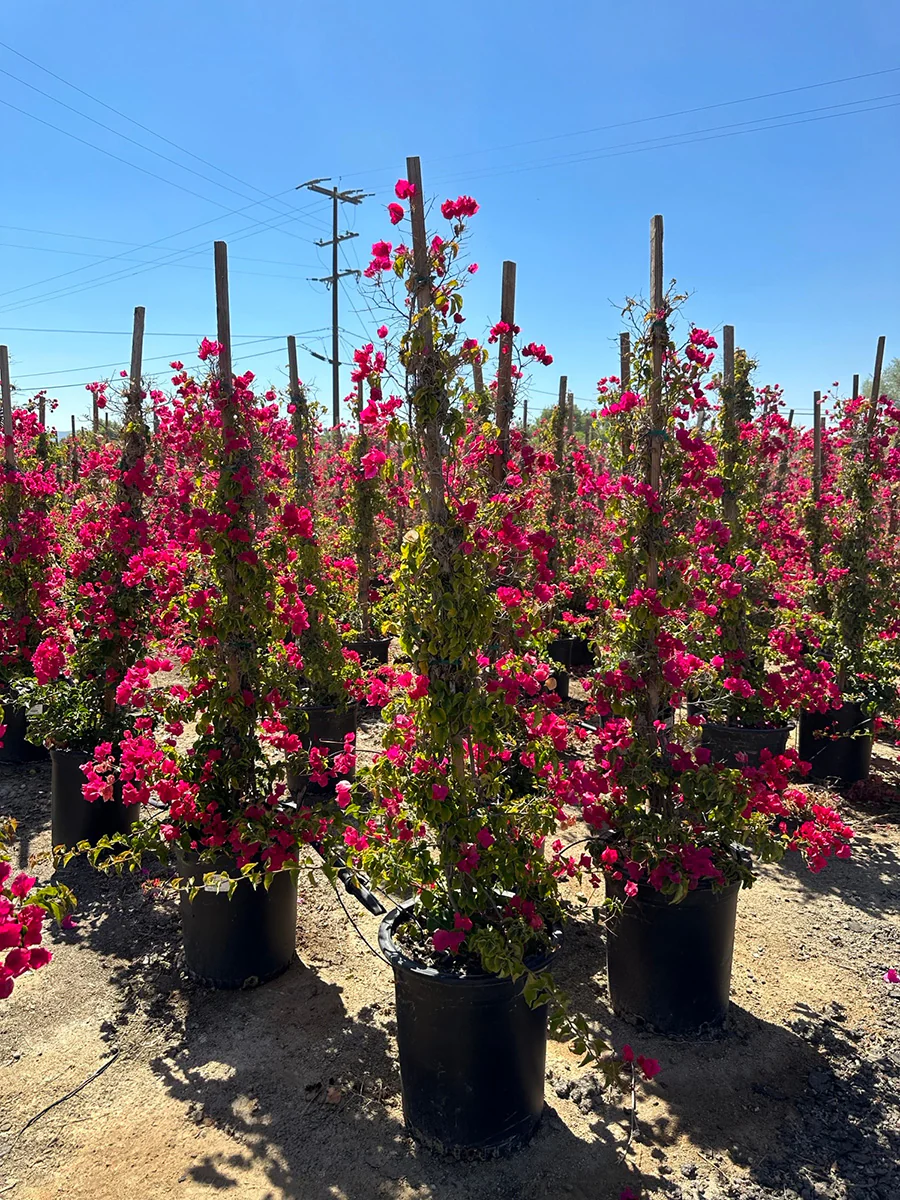
Bougainvillea Barbara Karst delivers bold magenta-red color, fast coverage, and drought tolerant performance without demanding constant care. In warm climates and frost free areas, this vigorous bougainvillea plant can bloom nearly year round, giving fences, trellises, patios, arbors, and sunny garden spaces a dramatic display of vibrant color.
Built for California-style landscaping, Barbara Karst thrives in full sun, handles desert heat, and becomes drought tolerant once established. Plant it in well drained soil, give it room to climb or be pruned into shape, and it rewards you with bright red bracts surrounding small white flowers through a long blooming season.
Why You’ll Love It
-
Drought tolerant once established – The Barbara Karst Bougainvillea is drought-tolerant once established, making it an excellent choice for arid climates and low-maintenance gardens. Barbara Karst Bougainvillea is drought-tolerant once established, making it suitable for arid climates and low-maintenance gardens.
-
Long blooming season – In frost free climates, this karst bougainvillea can produce blooms year round; in cooler regions, the Barbara Karst bougainvillea is highly heat-hardy and can bloom from late spring through fall.
-
Fast growing coverage – The Barbara Karst Bougainvillea is known for its vigorous growth and can reach heights of up to 30 feet, making it a striking addition to gardens and patios.
-
Attracts life to the garden – This plant is known for attracting pollinators such as butterflies, bees, and birds, enhancing biodiversity in gardens, especially when combined with other flowering options like Autumn Sage and companion plants.
-
Bold outdoor impact – The vibrant, red flowers of the Barbara Karst Bougainvillea provide a spectacular display, adding aesthetic appeal to outdoor spaces.
What Makes It Different
Most flowering vines need steady watering, rich soil, and frequent attention to keep flowers coming. Barbara Karst is built for the opposite: heat, sun, low water, and lean conditions that would slow down many other plants.
Barbara Karst Bougainvillea stands out because:
-
Superior drought tolerance – Bougainvilleas are drought-tolerant once established, preferring thorough watering followed by a period of drying out, with the top few inches of soil allowed to dry before the next watering.
-
Better heat and cold flexibility – This variety performs best in USDA hardiness zones 9–11 and can survive brief, light frost down to 20–30°F, giving it more range than many tropical-looking vines.
-
Stronger color in full sun – This plant thrives in full sun and requires at least six hours of direct sunlight daily to produce abundant blooms.
-
More architectural use – As a woody vine, climbing vine, shrub, bush, container plant, or trained barbara karst bougainvillea tree, it can be shaped for a privacy screen, fence, trellis, wall, hanging basket, patio pot, or large containers, and paired with structured shrubs such as Cheesewood (Pittosporum) hedging.
The real show comes from the magenta red bracts, also described as bright red bracts, that surround the small white flowers. With enough sunlight, proper drainage, and restrained fertilizing, the plant stays covered in color rather than pushing only leafy growth.
How To Grow Barbara karst bougainvillea
-
Plant in full sun with well drained soil
Choose a location with at least six hours of direct sun daily. Bougainvilleas prefer a full sun position, ideally receiving at least six hours of direct sunlight daily to promote abundant flowering. These plants thrive best in well-draining soil, as overly damp conditions can lead to root rot, a common issue with Bougainvilleas. -
Handle the roots gently during planting
The root ball of a bougainvillea is fragile and should be handled with care during transplanting to prevent severe shock. Set the root system into sandy, loamy, rocky, or other fast-draining soil types, then avoid disturbing the roots after planting. -
Water to establish, then reduce frequency
During establishment, keep the soil lightly moist but never soggy. Once established, water deeply and less often. This plant requires deep but infrequent watering and should be allowed to dry out completely between waterings to encourage blooming. Too much water can reduce blooms and create drainage problems. -
Prune after bloom cycles for more color
Pruning immediately after a bloom cycle encourages a denser display of bracts in future growth cycles. Regular pruning of Bougainvilleas encourages new growth and more blooms, with the best time to prune being early spring after the last frost but before full leafing out. -
Feed lightly for flowers, not leaves
Over-fertilizing bougainvilleas can lead to excessive leaf growth at the expense of blooms; they benefit from low-nitrogen, high-phosphorus fertilizers. Use fertilizer sparingly, avoid heavy nitrogen, and let the plant’s natural hardiness do the work.
Plant Details
-
Botanical type: Interspecific hybrid bougainvillea, often grown as a woody vine, climbing vine, shrub, bush, or trained tree form
-
Common name: Barbara Karst, Bougainvillea Barbara Karst, Barbara Karst Bougainvillea
-
Mature size: Up to 15–30 feet tall and wide with support; the Barbara Karst Bougainvillea is known for its vigorous growth and can reach heights of up to 30 feet, making it a striking addition to gardens and patios
-
Growth rate: Fast growing vine/shrub with vigorous branches that can quickly cover arbors, a fence, trellis, wall, or privacy screen, pairing well with mature trees for instant landscape impact
-
Sun requirements: Full sun; this plant thrives in full sun and requires at least six hours of direct sunlight daily to produce abundant blooms
-
Water needs: Drought tolerant once established; water deeply, then allow the ground or potting soil to dry before watering again
-
Soil needs: Well drained soil is essential; sand, loam, rocky soil, and other fast-draining soil types are preferred over heavy, wet soil
-
Hardiness zones: USDA zones 9–11; this variety performs best in USDA hardiness zones 9–11 and can survive brief, light frost down to 20–30°F
-
Bloom time: Year round in frost free climates and frost free areas; from late spring through fall in cooler regions
-
Flower display: Magenta red bracts and bright red bracts surrounding small white flowers
-
Foliage: Evergreen in warm climates, though leaves may drop during winter cold or frost and return with new growth in spring
-
Container use: Suitable as a container plant in a large pot, patio containers, baskets, or a hanging basket when pruned to size, especially when combined with Green Gem Boxwood cube forms in modern designs
-
Available sizes at Yardwork: Select from current Yardwork container sizes on the product page; choose larger containers for faster landscape impact and smaller plants for easier planting, and consider complementary hedging like English Laurel (Prunus laurocerasus) for structure
Who It’s For
Ideal for:
-
California homeowners seeking low water landscaping who want drought tolerant color without a thirsty garden and may be looking for a nursery near me for privacy trees and shrubs.
-
Property owners wanting fast privacy screening along a fence, trellis, wall, arbor, or open landscape edge who may also want to incorporate evergreen trees for year-round privacy.
-
Garden enthusiasts attracting butterflies who want a bougainvillea plant known for drawing butterflies, bees, and birds.
-
Landscapers designing drought-tolerant gardens for sun, desert heat, coastal weather, and warm climates who may pair Barbara Karst with Australian Willow (Geijera parviflora).
-
Patio gardeners who want Barbara Karst in a pot, hanging basket, large containers, or trained as a barbara karst bougainvillea tree, or who may mix it with Jamaica White Bougainvillea vines for contrast.
-
Anyone wanting year round color with minimal maintenance in frost free climates or long seasonal color from late spring through fall in cooler areas who might also enjoy purple bougainvillea for complementary color.
If you want vibrant color, fast growth, and a hardy bougainvillea that can thrive with less water after it is established, Barbara Karst fits your landscape.
Frequently Asked Questions
How fast does Barbara Karst bougainvillea grow?
Barbara Karst is a fast growing bougainvillea with vigorous growth. With full sun, warm temperatures, well drained soil, and proper support, it can cover a trellis, fence, arbor, or privacy screen quickly and may reach up to 30 feet tall in the right conditions.
Can it handle California’s drought conditions?
Yes. The Barbara Karst Bougainvillea is drought-tolerant once established, making it an excellent choice for arid climates and low-maintenance gardens. After the root system is established, water deeply but infrequently and let the top few inches of soil dry before watering again.
Will it damage structures or fences when climbing?
Bougainvillea is a woody vine with thorny branches, so it should be trained onto sturdy support. It does not cling like some vines, but heavy growth can weigh down weak fencing if left unpruned. Use a strong trellis, fence, arbor, or wall support and prune regularly.
How often should I prune it?
Prune after bloom cycles to shape the plant and encourage fresh new growth. Pruning immediately after a bloom cycle encourages a denser display of bracts in future growth cycles. Regular pruning of Bougainvilleas encourages new growth and more blooms, with the best time to prune being early spring after the last frost but before full leafing out.
Can I grow it in a container?
Yes. Barbara Karst works well as a container plant in a large pot, patio containers, baskets, or a hanging basket. Containers dry faster than ground plantings, so monitor moisture carefully, but avoid too much water. Strong drainage is essential for healthy roots.
When is the best time to plant in California?
Plant in spring after the last frost for the easiest establishment. In mild coastal or frost free areas, fall planting can also work if the soil stays warm. Handle the fragile root ball carefully when transplanting, water regularly during the first year, then shift to deep, infrequent watering.
Why is my bougainvillea growing leaves but not blooms?
The most common reasons are not enough sunlight, too much water, poor drainage, or too much nitrogen. Bougainvilleas need full sun, well drained soil, and lean fertilizing. Over-fertilizing bougainvilleas can lead to excessive leaf growth at the expense of blooms; they benefit from low-nitrogen, high-phosphorus fertilizers.
What should I do when my plants arrived?
When your plants arrived, unpack them promptly, place them in bright indirect light for a short adjustment period if needed, and check the soil moisture. Keep the root ball intact, avoid rough handling, and plant into well drained soil in a full sun location once weather conditions are suitable.
Ready to Add Stunning Color to Your Landscape?
Stop settling for dull, high-maintenance plants that struggle through California heat. Barbara Karst Bougainvilleagives you bold magenta red color, reliable drought tolerance, fast growing coverage, and a long blooming season with less water once established.
Order from Yardwork for California-friendly plant selection, convenient shipping options, and expert consultation support when you need help choosing the right size, planting location, or design use.
Choose Barbara Karst Bougainvillea and bring year round color, privacy, and low water beauty to your landscape.
Original: $85.00
-65%$85.00
$29.75Product Information
Product Information
Shipping & Returns
Shipping & Returns
Description
Transform Your California Landscape with Year-Round Vibrant Color
Bougainvillea Barbara Karst delivers bold magenta-red color, fast coverage, and drought tolerant performance without demanding constant care. In warm climates and frost free areas, this vigorous bougainvillea plant can bloom nearly year round, giving fences, trellises, patios, arbors, and sunny garden spaces a dramatic display of vibrant color.
Built for California-style landscaping, Barbara Karst thrives in full sun, handles desert heat, and becomes drought tolerant once established. Plant it in well drained soil, give it room to climb or be pruned into shape, and it rewards you with bright red bracts surrounding small white flowers through a long blooming season.
Why You’ll Love It
-
Drought tolerant once established – The Barbara Karst Bougainvillea is drought-tolerant once established, making it an excellent choice for arid climates and low-maintenance gardens. Barbara Karst Bougainvillea is drought-tolerant once established, making it suitable for arid climates and low-maintenance gardens.
-
Long blooming season – In frost free climates, this karst bougainvillea can produce blooms year round; in cooler regions, the Barbara Karst bougainvillea is highly heat-hardy and can bloom from late spring through fall.
-
Fast growing coverage – The Barbara Karst Bougainvillea is known for its vigorous growth and can reach heights of up to 30 feet, making it a striking addition to gardens and patios.
-
Attracts life to the garden – This plant is known for attracting pollinators such as butterflies, bees, and birds, enhancing biodiversity in gardens, especially when combined with other flowering options like Autumn Sage and companion plants.
-
Bold outdoor impact – The vibrant, red flowers of the Barbara Karst Bougainvillea provide a spectacular display, adding aesthetic appeal to outdoor spaces.
What Makes It Different
Most flowering vines need steady watering, rich soil, and frequent attention to keep flowers coming. Barbara Karst is built for the opposite: heat, sun, low water, and lean conditions that would slow down many other plants.
Barbara Karst Bougainvillea stands out because:
-
Superior drought tolerance – Bougainvilleas are drought-tolerant once established, preferring thorough watering followed by a period of drying out, with the top few inches of soil allowed to dry before the next watering.
-
Better heat and cold flexibility – This variety performs best in USDA hardiness zones 9–11 and can survive brief, light frost down to 20–30°F, giving it more range than many tropical-looking vines.
-
Stronger color in full sun – This plant thrives in full sun and requires at least six hours of direct sunlight daily to produce abundant blooms.
-
More architectural use – As a woody vine, climbing vine, shrub, bush, container plant, or trained barbara karst bougainvillea tree, it can be shaped for a privacy screen, fence, trellis, wall, hanging basket, patio pot, or large containers, and paired with structured shrubs such as Cheesewood (Pittosporum) hedging.
The real show comes from the magenta red bracts, also described as bright red bracts, that surround the small white flowers. With enough sunlight, proper drainage, and restrained fertilizing, the plant stays covered in color rather than pushing only leafy growth.
How To Grow Barbara karst bougainvillea
-
Plant in full sun with well drained soil
Choose a location with at least six hours of direct sun daily. Bougainvilleas prefer a full sun position, ideally receiving at least six hours of direct sunlight daily to promote abundant flowering. These plants thrive best in well-draining soil, as overly damp conditions can lead to root rot, a common issue with Bougainvilleas. -
Handle the roots gently during planting
The root ball of a bougainvillea is fragile and should be handled with care during transplanting to prevent severe shock. Set the root system into sandy, loamy, rocky, or other fast-draining soil types, then avoid disturbing the roots after planting. -
Water to establish, then reduce frequency
During establishment, keep the soil lightly moist but never soggy. Once established, water deeply and less often. This plant requires deep but infrequent watering and should be allowed to dry out completely between waterings to encourage blooming. Too much water can reduce blooms and create drainage problems. -
Prune after bloom cycles for more color
Pruning immediately after a bloom cycle encourages a denser display of bracts in future growth cycles. Regular pruning of Bougainvilleas encourages new growth and more blooms, with the best time to prune being early spring after the last frost but before full leafing out. -
Feed lightly for flowers, not leaves
Over-fertilizing bougainvilleas can lead to excessive leaf growth at the expense of blooms; they benefit from low-nitrogen, high-phosphorus fertilizers. Use fertilizer sparingly, avoid heavy nitrogen, and let the plant’s natural hardiness do the work.
Plant Details
-
Botanical type: Interspecific hybrid bougainvillea, often grown as a woody vine, climbing vine, shrub, bush, or trained tree form
-
Common name: Barbara Karst, Bougainvillea Barbara Karst, Barbara Karst Bougainvillea
-
Mature size: Up to 15–30 feet tall and wide with support; the Barbara Karst Bougainvillea is known for its vigorous growth and can reach heights of up to 30 feet, making it a striking addition to gardens and patios
-
Growth rate: Fast growing vine/shrub with vigorous branches that can quickly cover arbors, a fence, trellis, wall, or privacy screen, pairing well with mature trees for instant landscape impact
-
Sun requirements: Full sun; this plant thrives in full sun and requires at least six hours of direct sunlight daily to produce abundant blooms
-
Water needs: Drought tolerant once established; water deeply, then allow the ground or potting soil to dry before watering again
-
Soil needs: Well drained soil is essential; sand, loam, rocky soil, and other fast-draining soil types are preferred over heavy, wet soil
-
Hardiness zones: USDA zones 9–11; this variety performs best in USDA hardiness zones 9–11 and can survive brief, light frost down to 20–30°F
-
Bloom time: Year round in frost free climates and frost free areas; from late spring through fall in cooler regions
-
Flower display: Magenta red bracts and bright red bracts surrounding small white flowers
-
Foliage: Evergreen in warm climates, though leaves may drop during winter cold or frost and return with new growth in spring
-
Container use: Suitable as a container plant in a large pot, patio containers, baskets, or a hanging basket when pruned to size, especially when combined with Green Gem Boxwood cube forms in modern designs
-
Available sizes at Yardwork: Select from current Yardwork container sizes on the product page; choose larger containers for faster landscape impact and smaller plants for easier planting, and consider complementary hedging like English Laurel (Prunus laurocerasus) for structure
Who It’s For
Ideal for:
-
California homeowners seeking low water landscaping who want drought tolerant color without a thirsty garden and may be looking for a nursery near me for privacy trees and shrubs.
-
Property owners wanting fast privacy screening along a fence, trellis, wall, arbor, or open landscape edge who may also want to incorporate evergreen trees for year-round privacy.
-
Garden enthusiasts attracting butterflies who want a bougainvillea plant known for drawing butterflies, bees, and birds.
-
Landscapers designing drought-tolerant gardens for sun, desert heat, coastal weather, and warm climates who may pair Barbara Karst with Australian Willow (Geijera parviflora).
-
Patio gardeners who want Barbara Karst in a pot, hanging basket, large containers, or trained as a barbara karst bougainvillea tree, or who may mix it with Jamaica White Bougainvillea vines for contrast.
-
Anyone wanting year round color with minimal maintenance in frost free climates or long seasonal color from late spring through fall in cooler areas who might also enjoy purple bougainvillea for complementary color.
If you want vibrant color, fast growth, and a hardy bougainvillea that can thrive with less water after it is established, Barbara Karst fits your landscape.
Frequently Asked Questions
How fast does Barbara Karst bougainvillea grow?
Barbara Karst is a fast growing bougainvillea with vigorous growth. With full sun, warm temperatures, well drained soil, and proper support, it can cover a trellis, fence, arbor, or privacy screen quickly and may reach up to 30 feet tall in the right conditions.
Can it handle California’s drought conditions?
Yes. The Barbara Karst Bougainvillea is drought-tolerant once established, making it an excellent choice for arid climates and low-maintenance gardens. After the root system is established, water deeply but infrequently and let the top few inches of soil dry before watering again.
Will it damage structures or fences when climbing?
Bougainvillea is a woody vine with thorny branches, so it should be trained onto sturdy support. It does not cling like some vines, but heavy growth can weigh down weak fencing if left unpruned. Use a strong trellis, fence, arbor, or wall support and prune regularly.
How often should I prune it?
Prune after bloom cycles to shape the plant and encourage fresh new growth. Pruning immediately after a bloom cycle encourages a denser display of bracts in future growth cycles. Regular pruning of Bougainvilleas encourages new growth and more blooms, with the best time to prune being early spring after the last frost but before full leafing out.
Can I grow it in a container?
Yes. Barbara Karst works well as a container plant in a large pot, patio containers, baskets, or a hanging basket. Containers dry faster than ground plantings, so monitor moisture carefully, but avoid too much water. Strong drainage is essential for healthy roots.
When is the best time to plant in California?
Plant in spring after the last frost for the easiest establishment. In mild coastal or frost free areas, fall planting can also work if the soil stays warm. Handle the fragile root ball carefully when transplanting, water regularly during the first year, then shift to deep, infrequent watering.
Why is my bougainvillea growing leaves but not blooms?
The most common reasons are not enough sunlight, too much water, poor drainage, or too much nitrogen. Bougainvilleas need full sun, well drained soil, and lean fertilizing. Over-fertilizing bougainvilleas can lead to excessive leaf growth at the expense of blooms; they benefit from low-nitrogen, high-phosphorus fertilizers.
What should I do when my plants arrived?
When your plants arrived, unpack them promptly, place them in bright indirect light for a short adjustment period if needed, and check the soil moisture. Keep the root ball intact, avoid rough handling, and plant into well drained soil in a full sun location once weather conditions are suitable.
Ready to Add Stunning Color to Your Landscape?
Stop settling for dull, high-maintenance plants that struggle through California heat. Barbara Karst Bougainvilleagives you bold magenta red color, reliable drought tolerance, fast growing coverage, and a long blooming season with less water once established.
Order from Yardwork for California-friendly plant selection, convenient shipping options, and expert consultation support when you need help choosing the right size, planting location, or design use.
Choose Barbara Karst Bougainvillea and bring year round color, privacy, and low water beauty to your landscape.